
No-Knead Spelt Sourdough Bread

This no-knead spelt sourdough bread is the kind of loaf that turns a weeknight soup into something special. It bakes up with a deeply nutty aroma and a tender, open crumb you usually see in fancy bakery loaves.
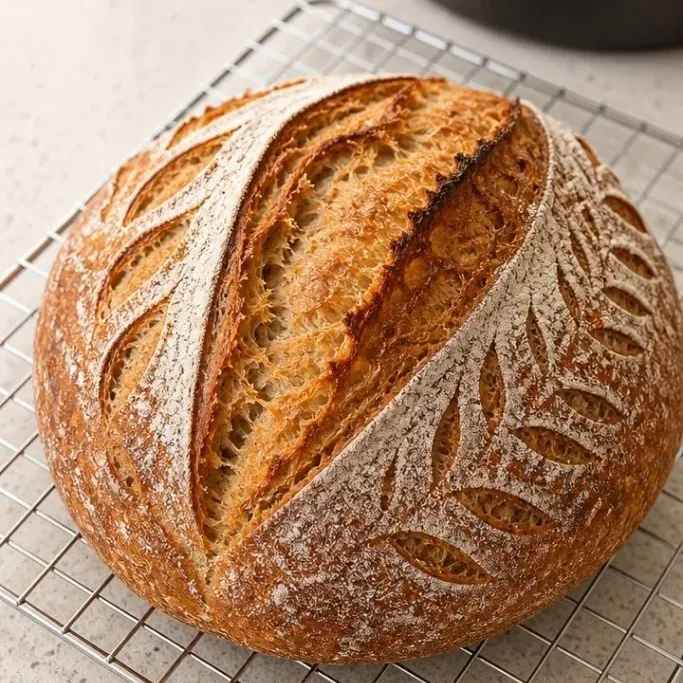
The best part is the method. A long overnight rise builds real sourdough tang and a shatteringly crisp crust, while the actual hands-on work stays under twenty minutes.
Why This Spelt Loaf Works
Spelt flour carries a warm, nutty sweetness that all-purpose just doesn’t have. It can be tricky to work with because its gluten is more fragile, but the no-knead approach leans right into that. Gentle folding builds just enough structure without tearing the dough.
The crumb ends up soft and kind of creamy, with irregular holes you’d swear took hours of kneading. Because you never force the dough, the loaf keeps that tender bite instead of turning dense.
I keep coming back to this bread because it’s forgiving. A couple of stretch-and-folds over a few hours, a night in the fridge, and a hot Dutch oven do all the heavy lifting. Even a wonky shaping job still produces a beautiful, crackling round that tastes like real sourdough should.
Ingredients
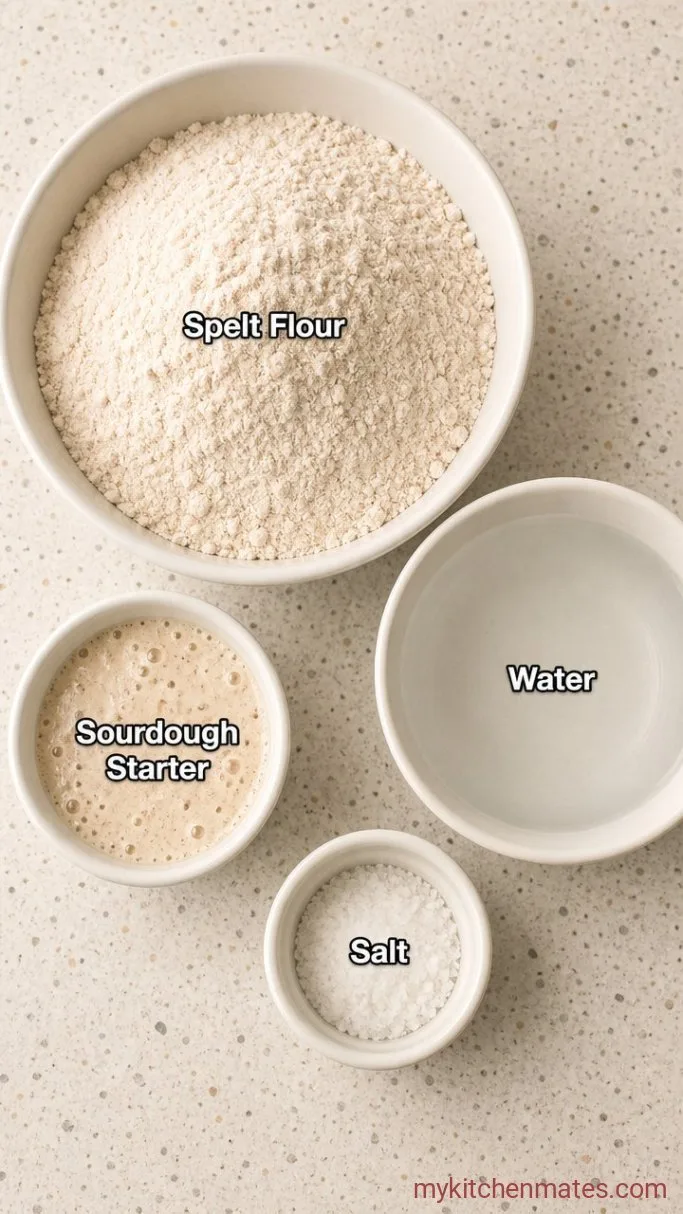
- 500g whole spelt flour: use a good-quality stoneground flour for the deepest flavor and texture
- 350g water, at room temperature: around 75°F (24°C) is fine, no need to measure exactly
- 100g active sourdough starter (100% hydration): fed and bubbly, about 4 to 6 hours after its last feeding
- 10g fine sea salt: fine salt dissolves more easily than coarse; avoid table salt with additives
Variations / Substitutions
- Swap some of the flour: replace up to 25% of the spelt flour with strong bread flour for a slightly more open crumb, though the loaf will lose a little of its nutty character
- Add seeds: fold 2 tbsp caraway or fennel seeds into the dough when you add the salt for a gentle rye-like note
- Go sweet and nutty: after the first two sets of folds, tuck in 50g chopped walnuts and 50g dried cranberries
Canning Vegetable Soup for Quick Dinners make a comforting soup to pair with this bread.
How to Make Spelt Sourdough Bread
Step 1: Mix the Dough
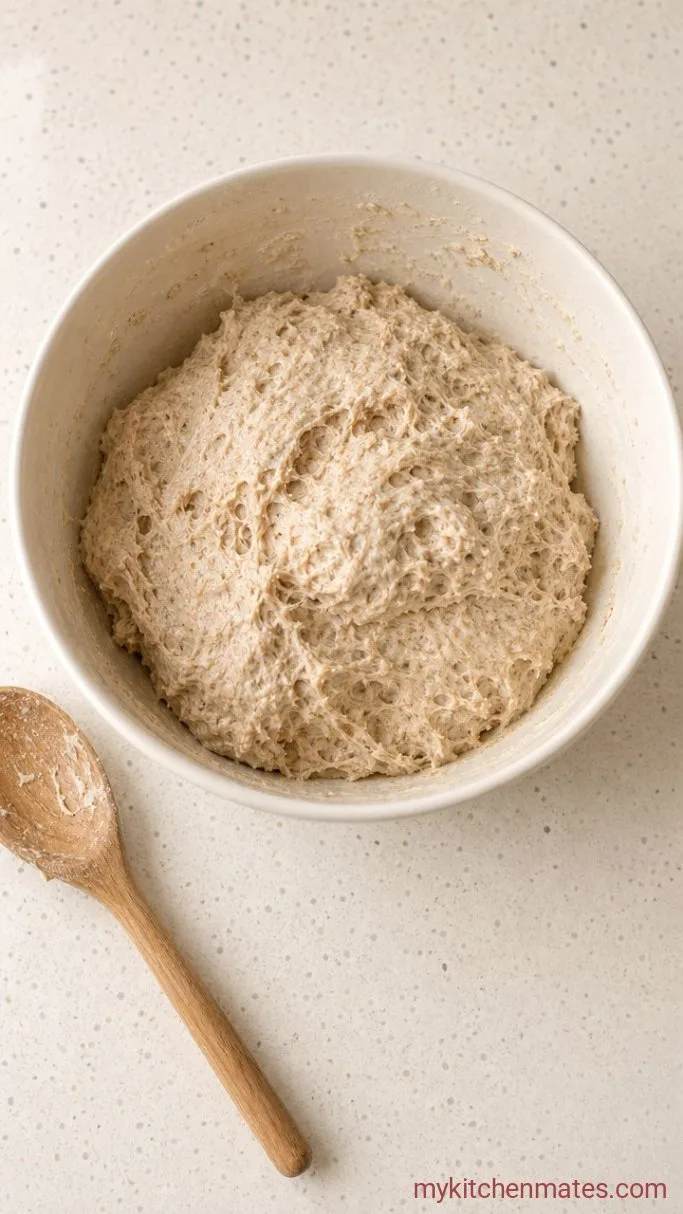
In a large mixing bowl, combine the 500g spelt flour and the 350g room-temperature water. Stir with a sturdy spoon or your hand until no dry patches remain. Cover the bowl and let it rest for 30 minutes. This short autolyse lets the spelt fully hydrate and makes the dough easier to handle.
The mixture will look shaggy and sticky, more like a thick paste than a smooth dough. That is exactly how it should be at this stage.
Step 2: Fold and Strengthen the Dough
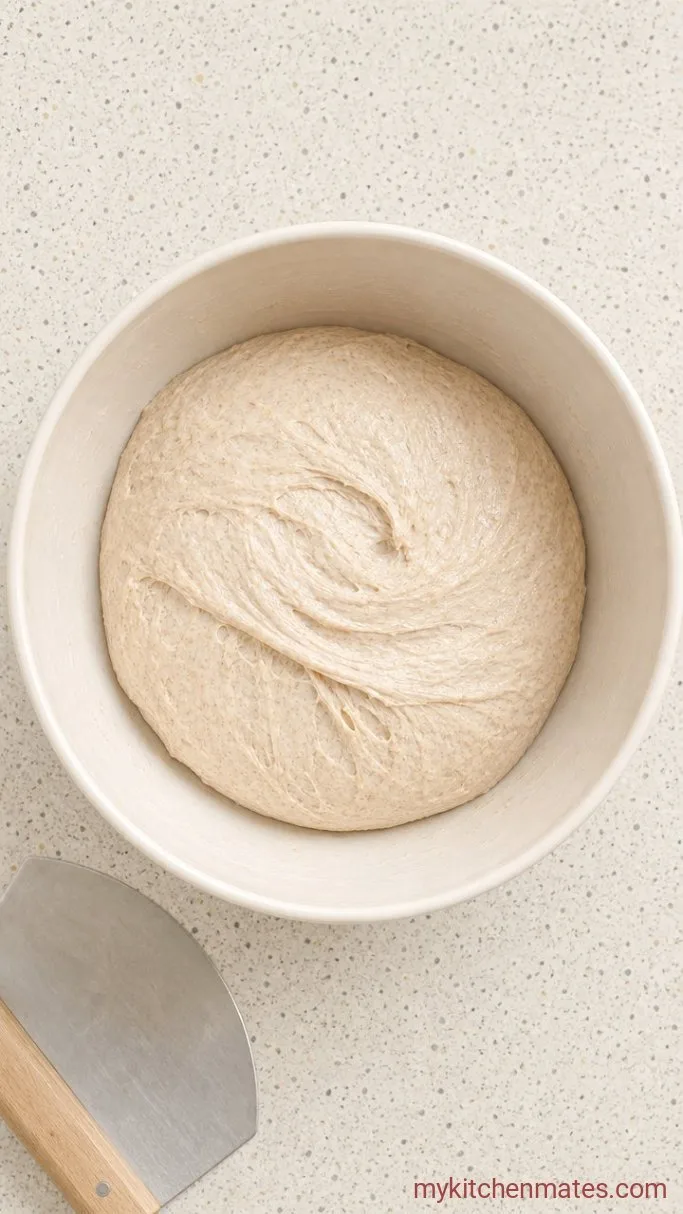
After the rest, add the 100g active sourdough starter and the 10g fine sea salt. Squeeze and mix them into the dough with a wet hand until everything is evenly combined. Over the next 2 hours, you will give the dough three or four sets of gentle folds. To do a fold, grab a corner of the dough with a wet hand, stretch it upward, and fold it back over itself. Work your way around the bowl, grab another section, and repeat until you have made a full turn of the bowl, which takes about 30 seconds.
Recover the bowl and let the dough rest 30 minutes, then fold again. Each time you fold, the dough will feel smoother and hold a rounder shape for a few minutes before it relaxes. After the final fold the surface will look tighter and feel pillowy.
Step 3: Shape the Loaf
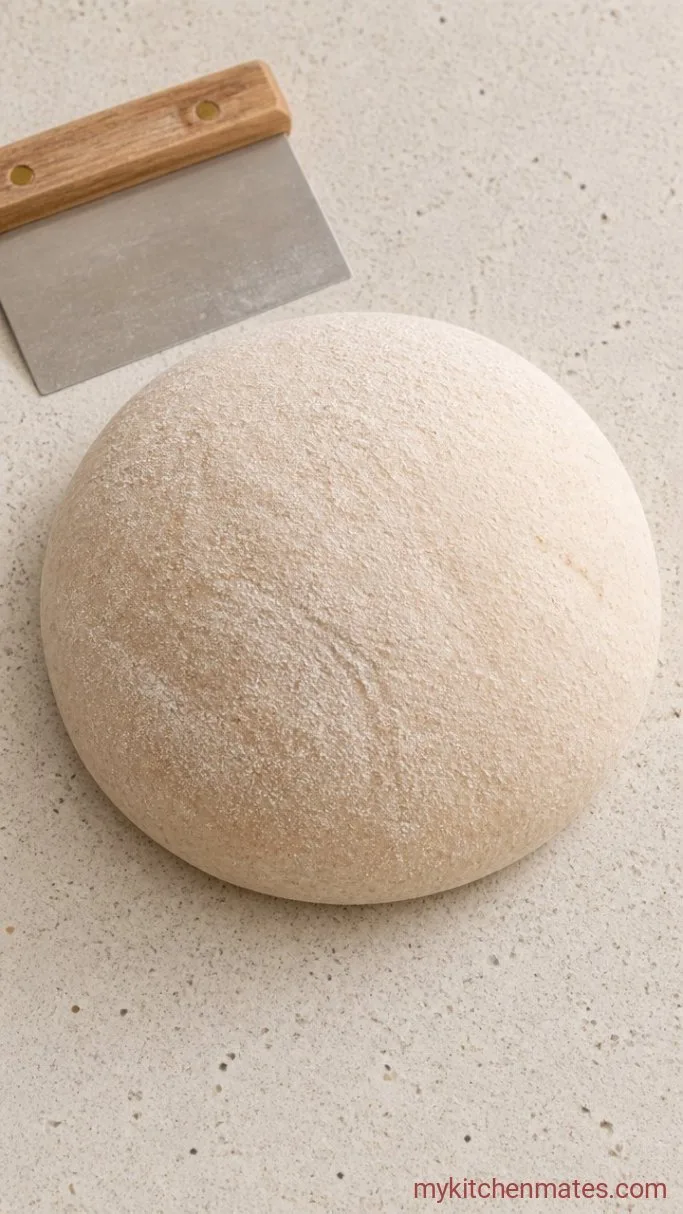
Once the dough has puffed up noticeably and feels airy, turn it out onto a very lightly floured counter. Using a bench scraper, fold the edges toward the center to create a taut round, then flip the round seam-side down. Cup your hands around the dough and pull it gently toward you to tighten the surface, rotating as you go. It should form a neat, plump boule.
The shaped dough will be soft and a little jiggly, not stiff. Transfer it seam-side up into a floured banneton or a medium bowl lined with a floured tea towel. The flour on the towel should be enough to prevent sticking, about 2 tbsp of spelt flour rubbed into the fabric.
Step 4: Proof the Loaf Overnight
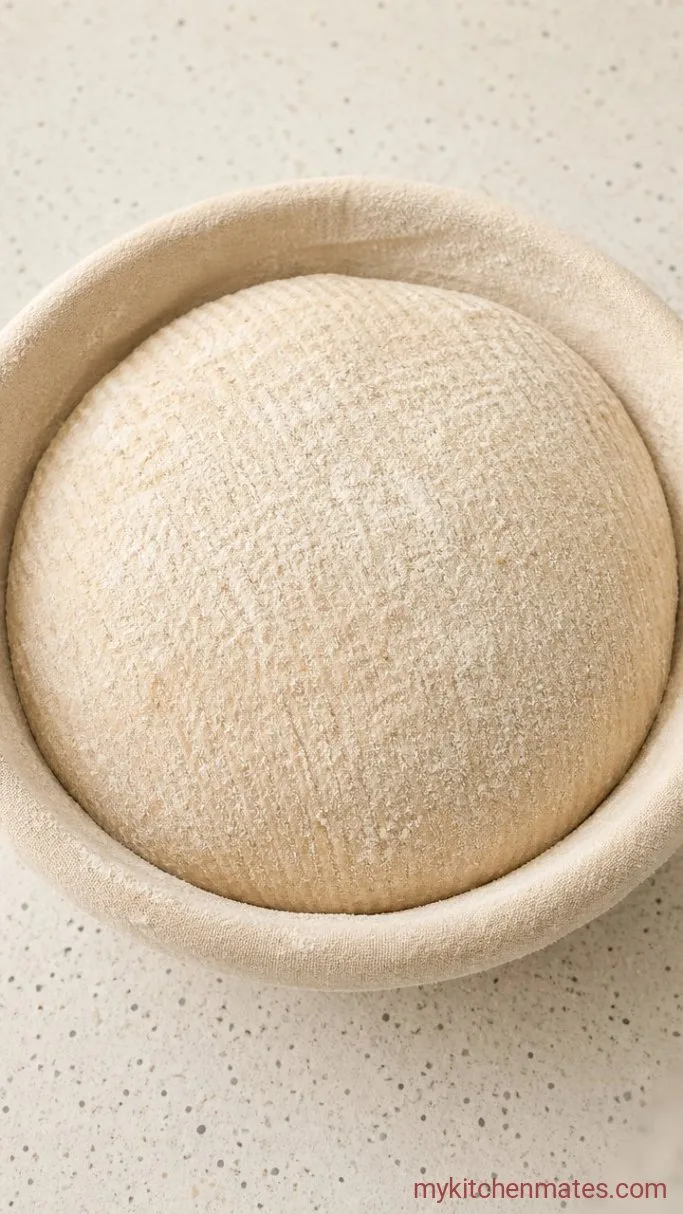
Cover the banneton with a damp towel or a reusable shower cap and place it in the refrigerator for 12 to 18 hours. The cold proof builds the signature sourdough tang and firms up the dough so it is easier to handle and score.
The dough will rise only a modest amount in the fridge. When you check it the next morning, it should look puffy and feel soft but resist an indentation from a floured finger. Poke it gently; the indent should very slowly spring back.
Step 5: Bake Until Golden
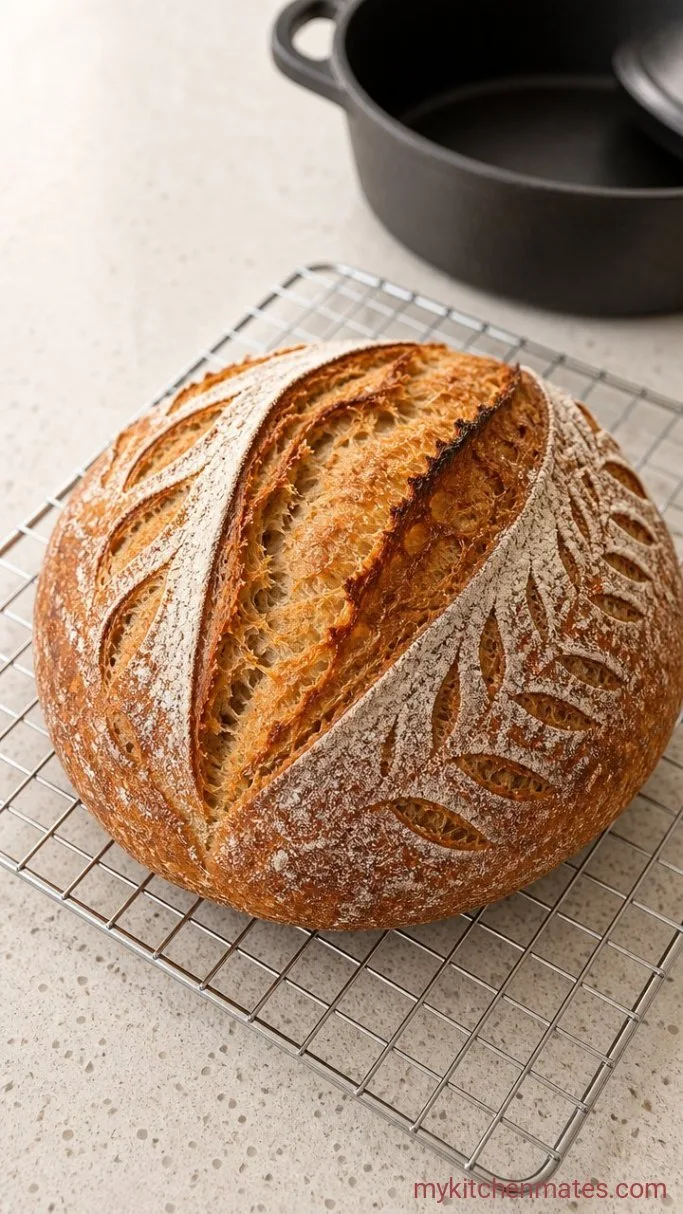
Place a Dutch oven with its lid on the middle rack of your oven and preheat to 450°F (230°C) for at least 30 minutes. Tear a piece of parchment paper bigger than your banneton, invert the dough onto it, and dust the top lightly with flour. Score the surface with a sharp lame or razor blade, making one confident slash about half an inch deep. Lift the dough by the parchment edges and lower it into the screaming hot pot, cover it, and bake for 30 minutes.
Remove the lid and continue baking until the loaf is a deep, dark golden brown and sounds hollow when tapped on the bottom, another 15 to 20 minutes. The kitchen will smell sweet and toasty. Lift the bread out by the parchment and leave it on a wire rack to cool completely. Slice and serve while it still carries a little residual warmth, the crust audibly crackling.
A Few Tips for Baking with Spelt
- Measure by weight: a kitchen scale makes all the difference. Spelt absorbs water differently than wheat, so volume cups can lead to a dough that is way too dry or far too sticky.
- Wet hands, not more flour: if the dough sticks to you during folds or shaping, dip your hand in water. Adding extra flour at this stage can throw off the hydration and produce a denser crumb.
- Watch the proof: spelt ferments a bit faster than wheat. If your kitchen is warm, the first rise may finish sooner. Look for a puffy, airy dough rather than the clock.
- Slice and freeze early: whole spelt bread stales faster than loaves with added strong flour. Slice what you won’t eat in two days and freeze the pieces so you can toast them straight from the freezer.
Storing and Freezing Spelt Bread
- Room temperature: store the loaf cut-side down on a wooden board, loosely covered with a clean towel, for up to 3 days. Avoid the fridge, which speeds up staling.
- Freezer: slice the cooled loaf and freeze the pieces in a zip-top bag for up to 3 months. Pop a frozen slice straight into the toaster.
What to Serve With Spelt Sourdough Bread
A thick slice of this bread with just good salted butter and flaky sea salt is a simple pleasure. It also holds up beautifully next to a bowl of creamy roasted tomato soup or a chunky minestrone. Toasted, spread with a little mashed avocado and a pinch of chili flakes, it makes a lunch that feels a cut above.
Frequently Asked Questions
Can I use all-purpose flour instead of spelt?
You can, but the dough will behave differently. All-purpose needs less water, so reduce the liquid by about 30g and shorten the proofing times, as it will rise faster.
My dough was a sticky mess. What happened?
Spelt can feel sticker than wheat dough, especially at first. Wet your hands for every fold and trust the process. The dough firms up as the gluten develops during the folds and the long cold proof.
Do I really need a Dutch oven?
A Dutch oven traps steam, which gives the loaf its crackling crust. You can bake on a preheated stone with a pan of boiling water underneath, but the crust will be thinner and less glossy.
Can I skip the overnight fridge proof?
You can, but you sacrifice flavor and structure. Shape the loaf and let it rise at room temperature until puffy, about 2 to 3 hours, then bake. The crumb will be less open and the tang milder.
Why did my loaf spread flat instead of rising up?
It likely overproofed or lacked surface tension during shaping. Make sure your starter is lively, use the poke test before baking, and tighten the dough well when you shape it.
Spelt Sourdough Bread Recipe
Ingredients
Method
- Mix the flour and water in a large bowl, cover, and rest 30 minutes.
- Add starter and salt, mix well, then perform 3 to 4 sets of stretch-and-folds over 2 hours with wet hands.
- Turn dough onto a lightly floured surface, shape into a taut round, and place seam-side up in a floured banneton or bowl lined with a floured towel.
- Cover and refrigerate 12 to 18 hours until puffy and the dough slowly springs back when poked.
- Preheat a Dutch oven at 450°F (230°C) for 30 minutes. Invert dough onto parchment, score, bake covered 30 minutes, then uncovered 15 to 20 minutes until deep golden. Cool completely on a wire rack.
Notes
