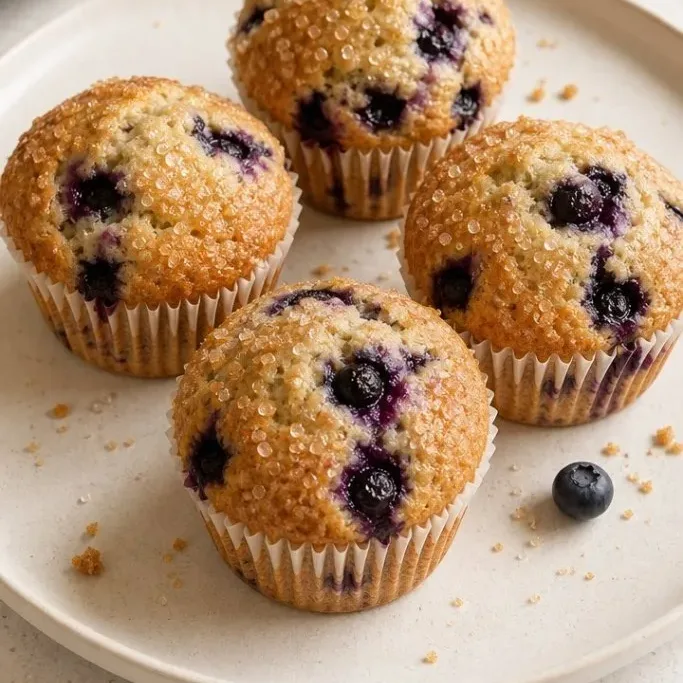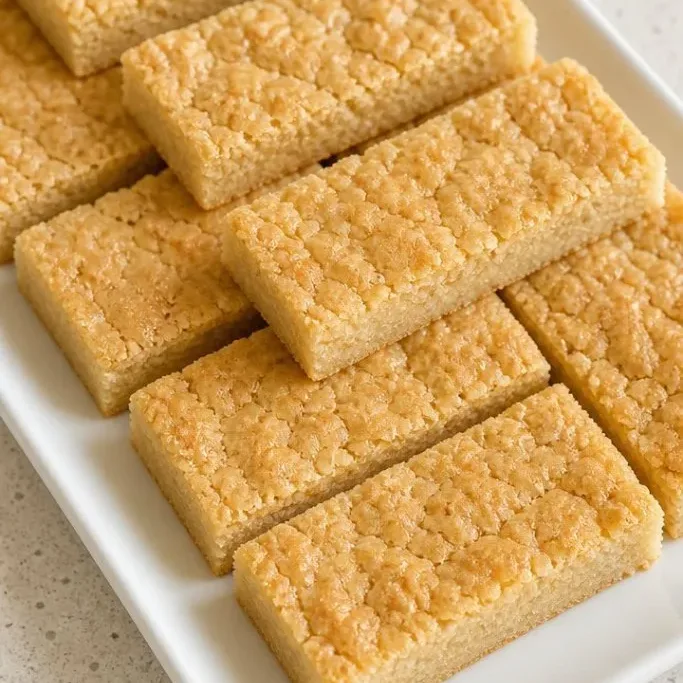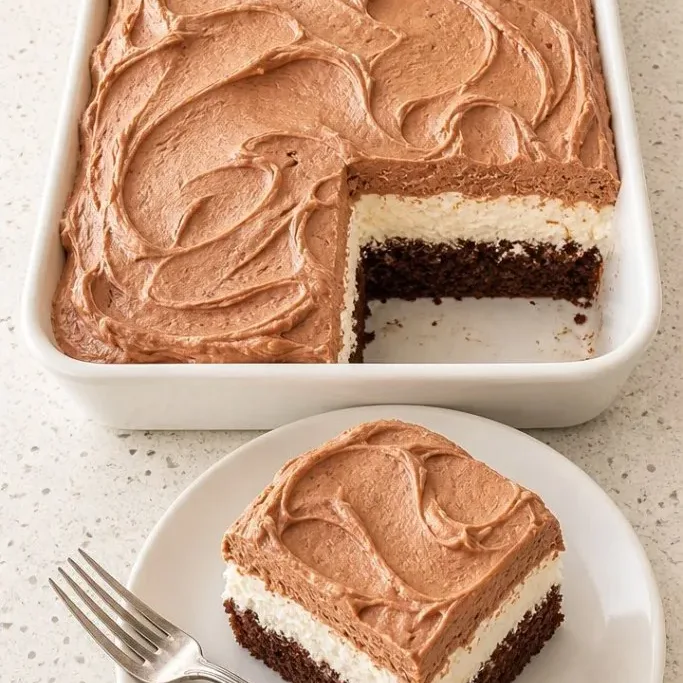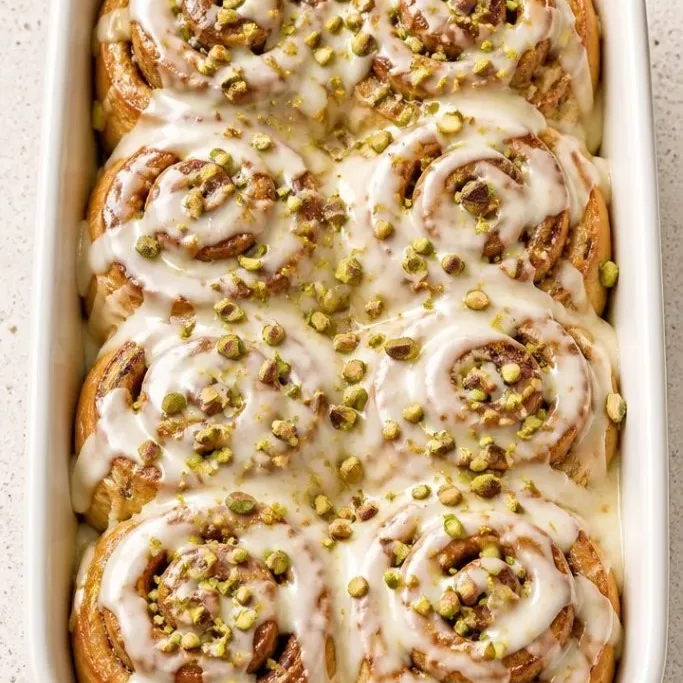
My grandmother would tell me the dough was ready, and I would ask ready how.
She would say you’ll know. I never knew. I just nodded and hoped, and pulled things out of the oven too early for about ten years.
She was right that cooking is mostly attention. She was wrong that you can’t explain it. My Kitchen Mates is my attempt at explaining it.
Welcome to My Kitchen Mates
I’m Eliana Carter. I founded My Kitchen Mates, I own it, and I run it as Editor-in-Chief, with a small team of writers who each look after one part of the site.
Everything here is built on one idea: a recipe should tell you what to look for, not just how long to wait. Whether it’s a Tuesday dinner or your first loaf of bread, you shouldn’t be left guessing.

How It Started
My grandmother’s baking dish is still in my cupboard. I still use it, and I still don’t always get it right the first time. What changed is that I stopped waiting to just know. I bought a cheap oven thermometer and found out my oven runs about 25 degrees hot, which meant every timer I had ever followed had been lying to me while I quietly blamed myself.
So I started writing down what I was actually looking at when things went well: the browning at the edges, the point where the surface stops looking wet, the smell that arrives about a minute before the color does.
Those notes are what my friends kept asking for. By 2021 I was tired of texting the same instructions every week, so I put them all in one place and sent a link. That was the start of My Kitchen Mates.
It has since grown into thousands of recipes, round-ups and kitchen guides, written by a team of eight, and every one of them is still written that way.
The Rules We Write By
I have no culinary degree and I’m not going to pretend otherwise. What I do have, after years of following badly written recipes, is strong opinions about what a well-written one looks like. Those opinions became the rules every writer here works to, and you can check any page on the site against them.
- Describe the target, not just the timer. Fifteen minutes means nothing on your stove. Golden at the edges and smelling nutty means something on any stove.
- Never write “season to taste” and walk away. If that is genuinely the instruction, we tell you what you are tasting for.
- Use ingredients you can actually find. No specialist shopping trip just to make a Tuesday dinner.
- Say where it can go wrong. If there is a step that trips people up, the warning belongs in the recipe rather than buried in the comments.
- Be honest about time. If it says 30 minutes, that should mean something useful to a home cook.
- Write for people, not professionals. No unnecessary jargon, no filler, and no making you scroll through a life story to reach the recipe.
You can see this in our Rich, Caramelized French Onion Soup. The onions carry a time range, but the instruction is written around the color you are waiting for, because onions on a gas burner and onions on induction don’t caramelize at the same rate. The clock is a guide. The color is the target.
How We Work
Every recipe, round-up and guide goes through the same steps before it’s published.
- One writer per category. Each part of the site has one person responsible for it, so recipes in the same category are written the same way.
- Written to the house rules, then edited. An editor reviews every draft against the rules above before it goes live.
- Published under a real name. Every post shows who wrote it and links to their author page.
- Corrected when readers find a problem. Sophie reads the comments and the inbox, and sends anything confusing or wrong back to the writer to fix.
What Is in the Recipe Box
Alongside the recipes there are round-ups for when options matter more than one answer, Superfoods pieces on what an ingredient actually does, and Kitchen Science for the times you want to know why a thing behaves the way it does rather than just what to do about it.
What you won’t find here is copycat recipes. Working out how a restaurant gets a particular flavor and rebuilding it at home is a different job, so I keep that work on Eliana Eats.
Where to Start
- Main dishes — chicken, pasta, casseroles, bowls and the rest of the weeknight rotation.
- Desserts — cakes, cookies, cheesecakes, pies and the frozen things for summer.
- Soups — chilis, stews, creamy soups and noodle soups.
- Handhelds — tacos, sandwiches, burgers, wraps and pizza.
- Breakfast — muffins, pancakes, eggs, oats and French toast.
- Salads and sides — for the part of dinner that usually gets ignored.
- Baking — breads, rolls and sourdough, where doneness cues matter most.
- Sauces, drinks and snacks — the small things that fix a meal.
Meet the Kitchen Mates
My Kitchen Mates is a small team. I lead it, Claire edits alongside me, and Sophie looks after reader feedback. Everyone else writes and looks after their own category.

Eliana Carter
Founder & Editor-in-Chief
Eliana owns the site, sets the editorial direction and still writes the food she started with: roast and skillet chicken, chicken thighs, and the casseroles that feed a house on a weeknight.

Amelia Bennett
Recipe Writer
Amelia writes the main dishes that come together in one pan: baked pasta and mac and cheese, quick seafood, skillet beef, rice dishes and grain bowls.

Claire Morgan
Food Writer & Editor
Claire covers breakfast, along with the sauces, marinades, dips and dressings that rescue everything else. She also writes our Superfoods and Kitchen Science pieces.

Emily Johnson
Recipe Writer
Emily writes the food you eat standing up: tacos, sandwiches, burgers and wraps, plus the roasted vegetables, potatoes and snacks that go beside them.

Isabella Rivera
Recipe Writer
Isabella writes the categories where presentation does a lot of the explaining: layered salads, smoothies, cheesecakes, puddings and frozen desserts.

Natalie Harrison
Recipe & Kitchen Guide Writer
Natalie builds the round-ups: the collections you reach for when you need fifteen options for a party, a holiday table or a glut of zucchini.

Olivia Bennett
Baking Writer
Olivia handles everything sweet that goes in the oven, plus the bread side of the site: yeast breads, rolls, quick breads and sourdough.

Sophie Carter
Recipe Writer & Community Editor
Sophie writes the two things readers ask about most: cookies, from chocolate chip to cut-out, and soups, from chili and stew to ramen. She also reads the comments and the inbox.

Miso
Kitchen Supervisor (Unofficial)
Miso supervises from a spot near the oven that is technically in the way. She has strong opinions about roast chicken and no opinions at all about cake, which we think says something about her priorities.
About the Images
An image on this site is meant to answer a question, not simply decorate the page.
Does my dough look like that? Is it supposed to be this loose? Have I gone too far or not far enough?
That’s why we show the awkward middle stages, not just the finished plate. Our No-Knead High Hydration Sourdough Bread, for example, looks loose and slack at a stage where most people assume they’ve ruined it, and that’s exactly the stage worth showing.
Some of our image work is AI-assisted, as we explain in the FAQ below.
A Free Gift From Our Kitchen to Yours

Our 30 easy high-protein recipes eBook is a practical shortlist for days when you want something filling without losing the whole evening to the stove.
👉 Download your copy — free, no catch.
Tell Us When Something Breaks
If a recipe didn’t work for you, we want to hear about it, even more than we want to hear that it did. A confusing step is something we can fix for the next person.
Write to us at [email protected]. We read everything, even when the reply takes a while.
You can also find us here:
Frequently Asked Questions
Are your recipes hard to make?
No. Everything here is written for home cooks, not professionals. If a step is tricky, we walk you through it rather than assuming you already know the trick. Start from here.
Do I need special ingredients or equipment?
Usually not. We favor regular grocery-store ingredients and the pans most people already own. If a recipe genuinely needs particular equipment, we try to make that clear before you start.
Do you have quick dinners for busy nights?
Plenty. Look for our main dishes and handhelds that come together in under 45 minutes. They are there for the evenings when you are tired and just need to feed everyone.
Can I request a recipe?
Please do. Send the dish to [email protected]. We can’t promise every request gets made, but reader requests shape a lot of what we write.
Do you run any other sites?
Yes. I also write Eliana Eats, which is where my copycat restaurant recipes live.
Who writes the recipes?
Each writer looks after one part of the site: Eliana on chicken and casseroles, Amelia on pasta and other mains, Claire on breakfast and sauces, Emily on handhelds and sides, Isabella on salads, drinks and no-bake desserts, Natalie on round-ups, Olivia on baking and cakes, and Sophie on cookies and soups.
Who reviews recipes before they are published?
Eliana Carter and Claire Morgan edit every post before it goes live, checking it against the house rules above.
Who is behind My Kitchen Mates?
I’m Eliana Carter, the founder, owner and Editor-in-Chief. The rest of the team is introduced above.
How do you make money?
The site is supported by display advertising, and some posts contain affiliate links, which means we may earn a small commission if you buy through one, at no extra cost to you. Neither decides what we publish or what we say. Sponsored posts, on the rare occasions we run them, are labeled at the top of the page.
Do you use AI?
Yes, but not for the cooking or the recipes themselves. Every recipe is developed and cooked by the writer responsible for it, and the instructions come from what they saw at the stove.
We use AI tools for the behind-the-scenes work: formatting, copy-editing passes and some image editing. Every post is then checked by a human editor before it goes live, and it’s signed by the writer who made it, so if an instruction is wrong, there’s a person accountable for fixing it.