
25 Bariatric-Friendly Foods to Support Your Nutrition After Weight-Loss Surgery

Eating well after bariatric surgery means choosing foods that help you meet your nutrition needs in smaller portions. Protein-rich foods, soft vegetables, beans, and fruit can all play a role.
The best choices depend on your surgery, healing stage, and personal tolerance. These 25 foods offer practical ideas to discuss with your bariatric care team.
1. Skinless Chicken Breast
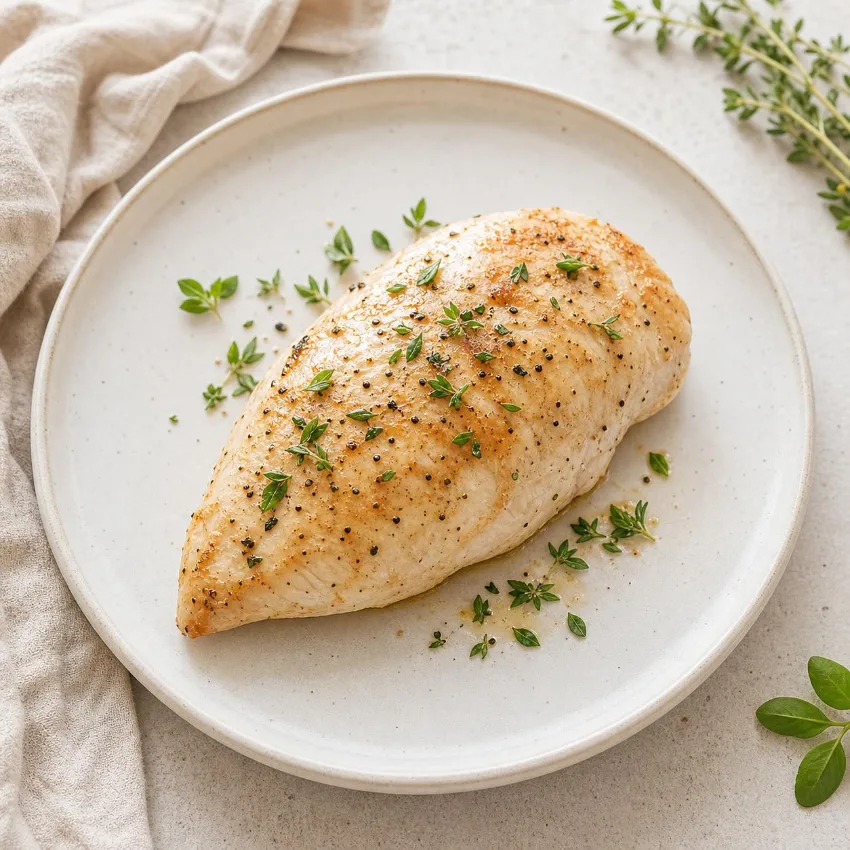
Skinless chicken breast is a lean source of protein, which is important after bariatric surgery. Protein helps maintain muscle as your body loses weight and supports tissue repair. Chicken is also mild in flavor and easy to prepare without much added fat. It can be a useful main dish once your care team says solid foods are appropriate.
A 3-ounce serving of cooked, skinless chicken breast has about 128 calories, 26 grams of protein, 3 grams of fat, and no carbohydrates.
Cook chicken until it reaches 165°F inside. Poach, bake, or grill it, then keep it moist with a little low-sodium broth. Cut it into very small pieces and chew each bite well. Some people find shredded chicken easier to manage than dry chunks.
Avoid tough, dry, or heavily breaded chicken if it feels difficult to swallow. Your own food stage and tolerance should guide when you try it.
2. Turkey Breast
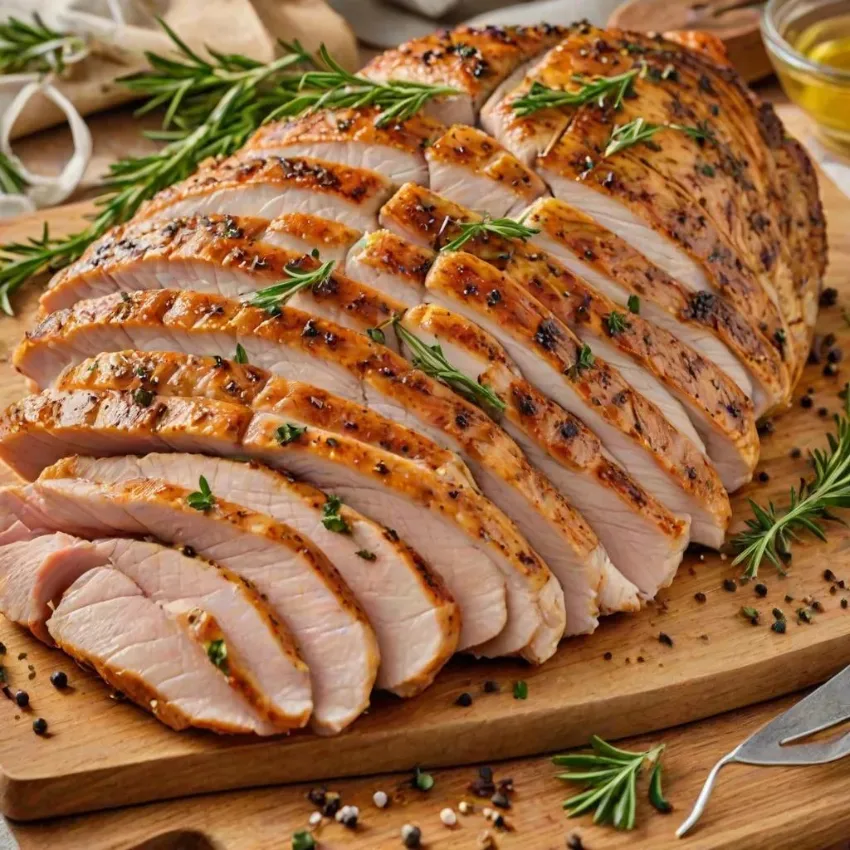
Turkey breast offers plenty of protein without much fat, especially when you choose skinless meat. Protein can help protect lean muscle during weight loss. Turkey also provides nutrients such as vitamin B6, niacin, and selenium. Choose plain turkey instead of deli slices when possible, since processed versions can be high in sodium.
A 3-ounce serving of roasted skinless turkey breast has about 125 calories, 26 grams of protein, 2 grams of fat, and 0 grams of carbohydrates.
Roast or bake turkey with mild herbs, then add a spoonful of broth to keep it moist. Finely chop or shred it, and serve a small amount with soft cooked vegetables. Ground turkey can also work in moist meatballs or a soft casserole.
Chew slowly and stop when you feel comfortably satisfied. If turkey feels dry or gets stuck, pause and ask your bariatric team how to adjust its texture.
3. Salmon
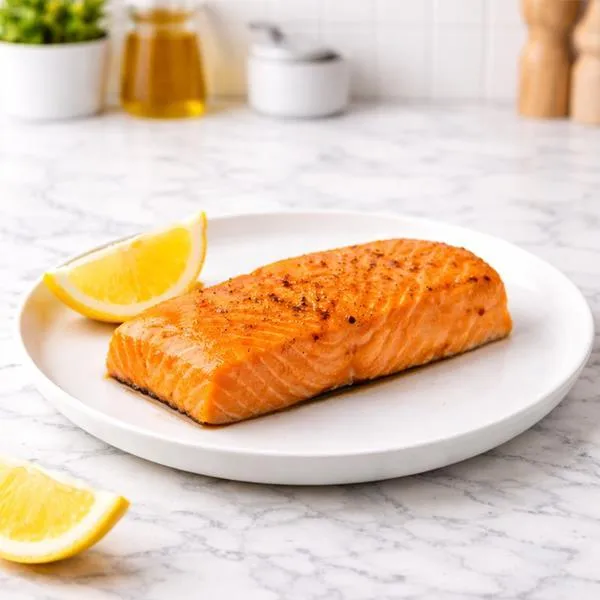
Salmon provides protein along with omega-3 fats. These healthy fats support heart health, while protein helps maintain muscle and support healing. Salmon is also a source of vitamin B12 and vitamin D. Its soft, flaky texture may make it easier to eat than some firmer meats, once fish is allowed in your eating plan.
A 3-ounce serving of cooked Atlantic salmon has about 175 calories, 19 grams of protein, 10 grams of fat, and 0 grams of carbohydrates.
Bake salmon in a covered dish with lemon and mild herbs. Flake it into small pieces and check carefully for bones. You can also mix it with a little plain Greek yogurt for a moist salmon salad. Start with the portion size recommended by your care team.
Skip deep-frying and rich cream sauces. If you use canned salmon, choose a lower-sodium option when available and check for any remaining bones.
4. Tuna
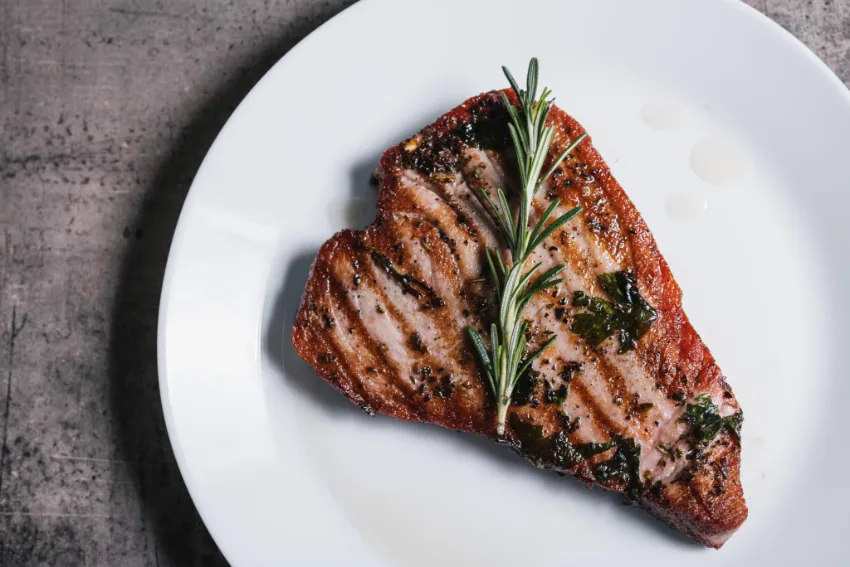
Tuna is a convenient source of lean protein. It can help you meet your protein goal without taking up much space in a small meal. Tuna also provides vitamin B12 and selenium. Choose tuna packed in water if you want to limit added fat, and look for lower-sodium choices when possible.
A 3-ounce serving of canned light tuna in water, drained, has about 73 calories, 16 grams of protein, less than 1 gram of fat, and 0 grams of carbohydrates.
Mix a small amount of tuna with plain Greek yogurt to make a soft, moist salad. Add finely mashed avocado or a little lemon juice for flavor. Eat it on its own or with a few soft vegetables if those foods fit your current stage.
Tuna choices differ in mercury. Canned light tuna is generally lower in mercury than albacore or white tuna. Ask your clinician which types and amounts fit your needs, especially if you eat fish often.
5. Cod Fish
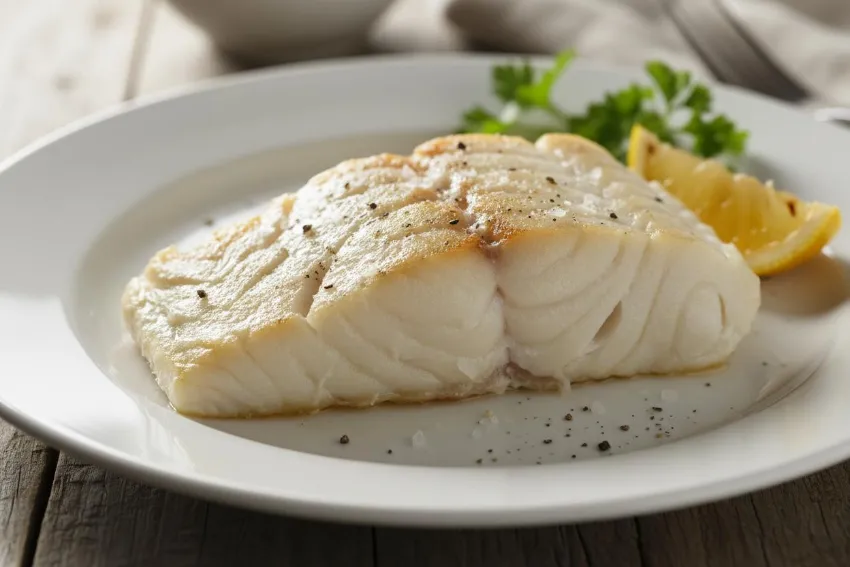
Cod is a mild, lean fish that supplies protein with very little fat. It also contains vitamin B12, iodine, and selenium. Its delicate flakes can be easy to portion and season. For people who tolerate fish well, cod can add variety without relying on chicken or turkey at every meal.
A 3-ounce serving of cooked Atlantic cod has about 89 calories, 19 grams of protein, less than 1 gram of fat, and 0 grams of carbohydrates.
Bake or steam cod until it flakes easily with a fork. Add lemon, dill, or a small amount of low-sodium broth to keep it moist. Remove every bone, break the fish into tiny flakes, and eat slowly. Avoid a thick fried coating, which can add fat and feel heavy.
Cod is naturally mild, so you can pair it with soft cooked carrots, zucchini, or pumpkin when those foods are allowed. Follow your program’s portion and texture guidance.
6. Eggs

Eggs are a useful source of complete protein. They provide all nine essential amino acids, along with vitamin B12, choline, and selenium. Their soft texture can make them a practical choice during some stages of a bariatric eating plan. However, eggs should only be introduced when your care team has cleared them.
One large cooked egg has about 78 calories, 6 grams of protein, 5 grams of fat, and less than 1 gram of carbohydrates.
Try a softly scrambled egg, a hard-boiled egg mashed with a little plain yogurt, or a small portion of a moist egg bake. Cook eggs fully and avoid adding lots of butter, cheese, or oil. Take small bites and chew carefully.
Some people notice that eggs feel heavy or cause discomfort after surgery. If that happens, don’t force them. You can try again later if your bariatric team agrees, or choose another protein source.
7. Egg Whites

Egg whites provide protein with almost no fat. They are useful when you want to add protein without adding much energy to a meal. They also contain small amounts of potassium and riboflavin. Unlike whole eggs, egg whites contain very little of the yolk’s vitamins, minerals, and choline.
Two large cooked egg whites have about 34 calories, 7 grams of protein, and almost no fat or carbohydrates.
Cook egg whites until fully set. Scramble them gently with a splash of low-fat milk, or fold them into a soft omelet with finely chopped cooked spinach. You can also add pasteurized liquid egg whites to a cooked breakfast dish for extra protein.
Keep the texture moist rather than rubbery or dry. Start with the portion your program recommends and eat slowly. If you use packaged liquid egg whites, follow the label’s storage and cooking directions.
8. Greek Yogurt

Plain Greek yogurt is rich in protein and has a smooth texture. It also supplies calcium, which supports bones, and may contain live cultures that support gut health. Choose an unsweetened variety to avoid added sugar. The protein amount varies by brand, so compare labels before buying.
A 6-ounce serving of plain, nonfat Greek yogurt has about 100 calories, 17 grams of protein, less than 1 gram of fat, and around 6 grams of carbohydrates.
Eat it plain or stir in a small amount of mashed banana or soft fruit when fruit is allowed. It can also replace sour cream in dips and sauces. For a savory option, mix it with herbs and use it as a moist topping for fish or cooked vegetables.
Some yogurts contain a lot of added sugar or crunchy mix-ins. Choose a smooth product and avoid granola or hard toppings if they don’t fit your current food stage.
9. Cottage Cheese
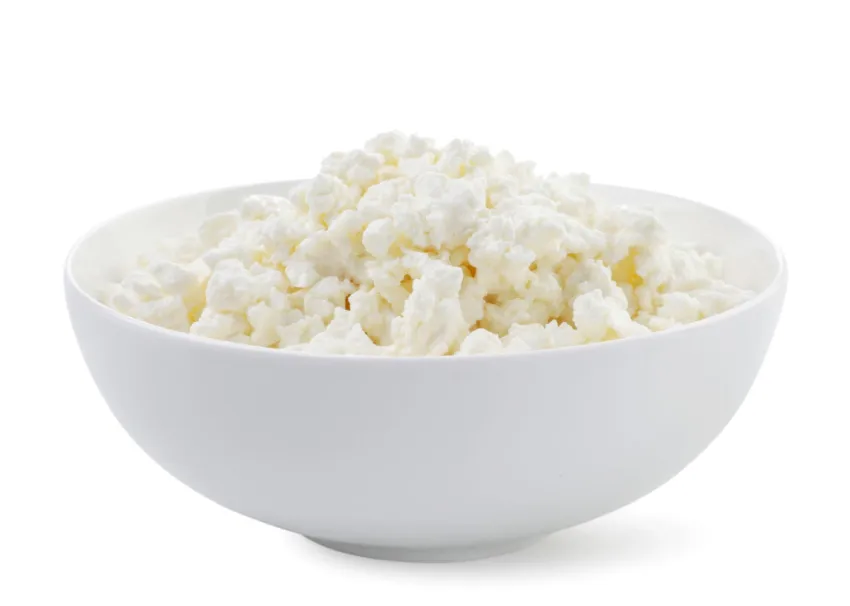
Cottage cheese offers protein and calcium in a soft, easy-to-portion food. It can help support muscle maintenance and bone health. Low-fat versions keep the fat content modest, while small-curd varieties may feel easier for some people to eat. Check the label because sodium levels can vary widely.
A half-cup serving of low-fat, 2% cottage cheese has about 90 calories, 12 grams of protein, 2.5 grams of fat, and 5 grams of carbohydrates.
Eat cottage cheese plain, or blend it until smooth if the curds feel uncomfortable. You can add a spoonful of mashed pumpkin or soft banana for a mild sweet option. For a savory meal, combine it with finely chopped cooked zucchini or spinach.
Choose a lower-sodium product if you are watching salt intake. Start with a small serving, chew any added foods well, and follow your team’s advice about dairy tolerance.
10. Low-Fat Milk
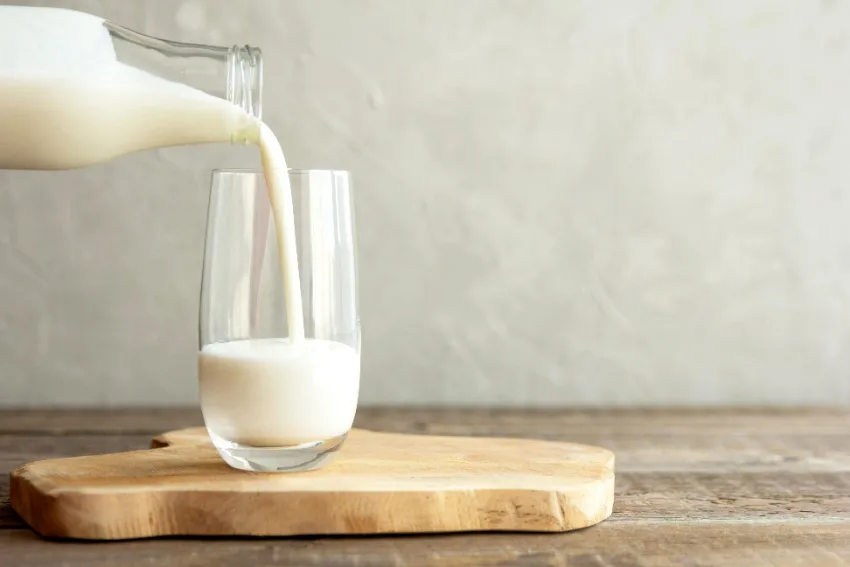
Low-fat milk provides protein, calcium, vitamin B12, and often vitamin D. These nutrients matter when your food portions are smaller. Milk can be useful in smoothies, oatmeal, or soft cooked dishes, but some people experience discomfort with lactose after surgery. Your tolerance may change over time.
One cup of 1% low-fat milk has about 102 calories, 8 grams of protein, 2 grams of fat, and 12 grams of carbohydrates.
Sip milk slowly rather than drinking a large amount at once. Use it to soften oatmeal or blend it with a small portion of banana after your program allows those foods. Lactose-free low-fat milk may be an option if regular milk causes gas, bloating, or diarrhea.
Follow your clinic’s guidance about drinking fluids with meals. Many bariatric programs recommend separating drinks from meals, but the timing can differ by patient and procedure.
11. Soft Tofu
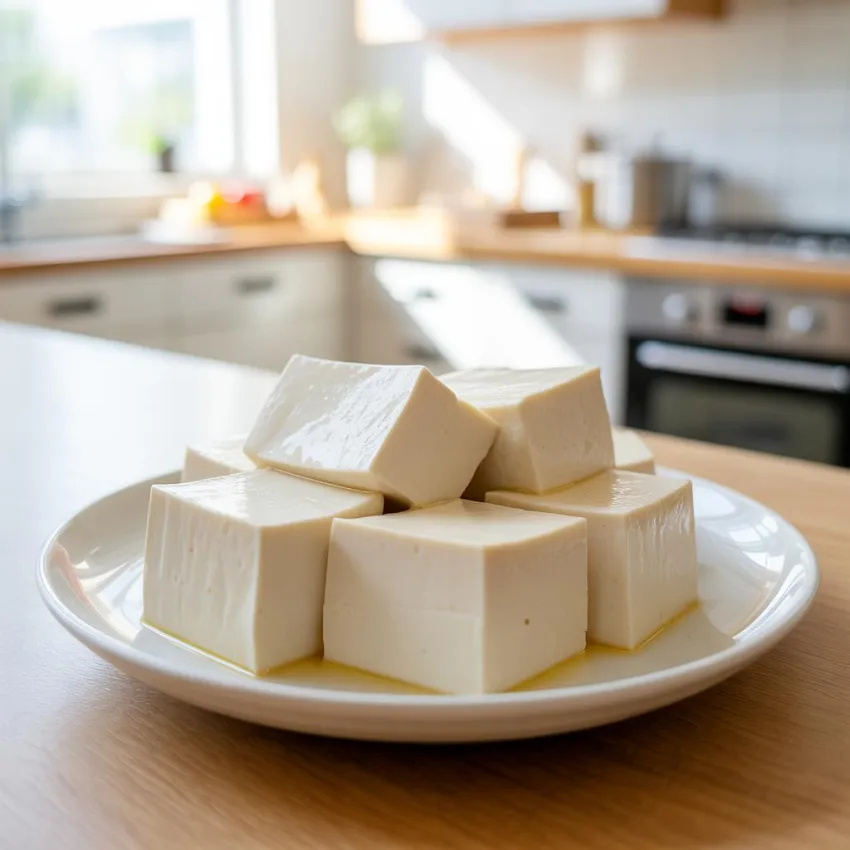
Soft tofu is a plant-based protein that has a gentle texture and mild flavor. It also supplies calcium when made with calcium salts, plus iron and other minerals. Tofu can add variety if you don’t eat meat at every meal. Its soft texture may be useful after your care team approves it.
A half-cup serving of soft tofu has about 90 calories, 10 grams of protein, 5 grams of fat, and 2 grams of carbohydrates. Values vary by firmness and brand.
Blend soft tofu into a smooth soup, or mash it with a little low-sodium broth and mild seasoning. You can also add small cubes to a soft vegetable dish. Avoid frying it until crisp, since a dry or chewy texture may be harder to tolerate.
Check the package for calcium content and sodium. Start with a small portion, eat slowly, and see how your body responds.
12. Lentils

Lentils provide plant protein, fiber, iron, folate, and potassium. Their fiber supports regular digestion, while protein helps you meet your daily needs. They are also budget-friendly and easy to cook until very soft. Because fiber-rich foods may cause gas or fullness, introduce lentils only when your care team says beans and legumes are appropriate.
One cup of cooked lentils has about 230 calories, 18 grams of protein, 16 grams of fiber, and 40 grams of carbohydrates.
Simmer lentils until they are very tender. Mash or puree them into a smooth soup, adding broth to get a texture that suits your current stage. Later, you may be able to enjoy a small portion of soft lentils with cooked vegetables.
Start with a few spoonfuls rather than a full cup. Increase the amount slowly if tolerated, and drink fluids according to your bariatric team’s instructions.
13. Chickpeas
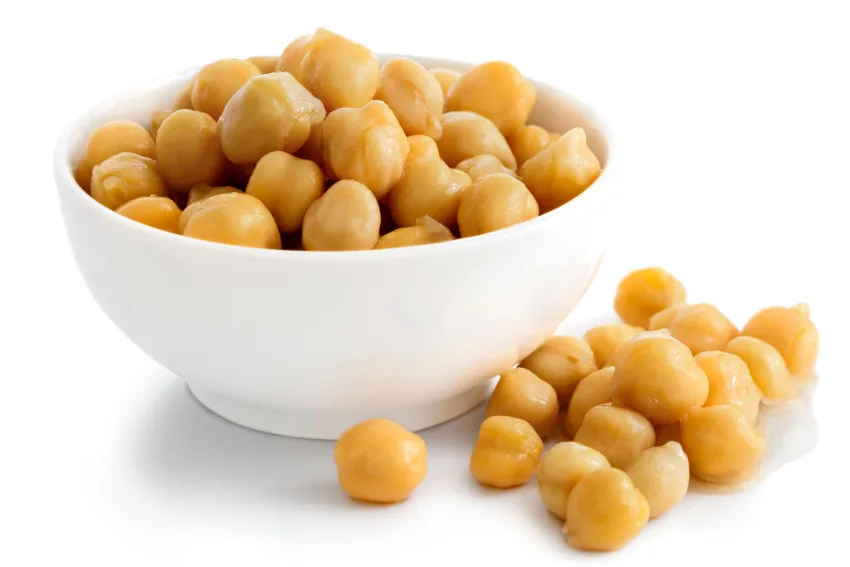
Chickpeas offer plant protein, fiber, folate, iron, and magnesium. They can support a balanced eating pattern and help make meals more filling. Their firm skins and high fiber content may be challenging early after surgery, so wait until legumes are approved and prepare them until very soft.
A half-cup serving of cooked chickpeas has about 135 calories, 7 grams of protein, 6 grams of fiber, and 22 grams of carbohydrates.
Cook dried chickpeas until they are very tender, or use canned chickpeas that have been rinsed well. Mash them with a little plain Greek yogurt and lemon juice, or blend them into a smooth hummus without much added oil. Avoid crunchy roasted chickpeas if crisp foods are not yet suitable.
Try a small amount first. If the skins bother you, remove them or choose a smoother preparation. Your program may recommend waiting longer before eating whole chickpeas.
14. Black Beans
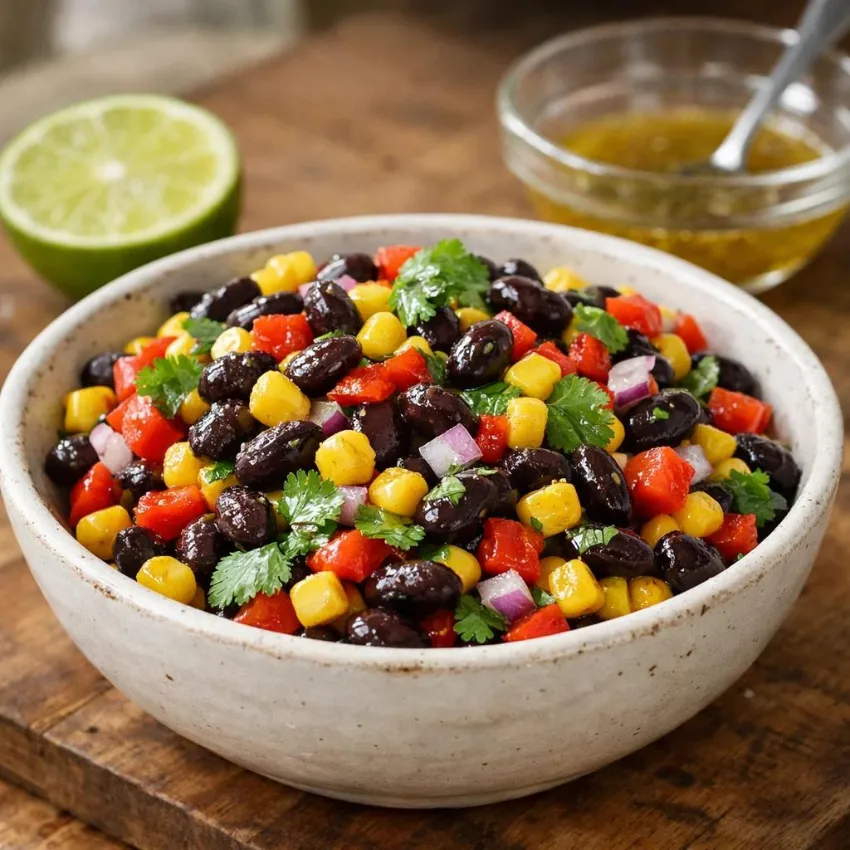
Black beans contain plant protein, fiber, iron, folate, and magnesium. Their fiber can support bowel regularity, while their minerals help meet everyday nutrition needs. They are an affordable pantry food, but their fiber may cause gas or bloating for some people after surgery.
A half-cup serving of cooked black beans has about 114 calories, 8 grams of protein, 8 grams of fiber, and 20 grams of carbohydrates.
Cook dried beans until completely tender, or rinse canned beans to remove some of the added sodium. Mash them well or blend them into a smooth soup. You can season them with cumin or mild herbs instead of adding fatty toppings.
Begin with a small taste once beans are cleared by your care team. Increase portions gradually and stop if you feel pressure, pain, or uncomfortable fullness. Never eat undercooked beans.
15. Edamame

Edamame are young soybeans that provide plant protein, fiber, folate, and vitamin K. They offer more protein than many other vegetables, making them a useful option for variety. Their firm outer skins can be difficult for some people, so preparation and timing matter after bariatric surgery.
A half-cup serving of shelled, cooked edamame has about 94 calories, 9 grams of protein, 4 grams of fat, 4 grams of fiber, and 7 grams of carbohydrates.
Choose shelled edamame and cook it until very tender. Mash the beans or blend them into a smooth dip with lemon juice and a little water. Avoid eating them straight from the pod, since the pods are not meant to be eaten.
Try only a small amount after your team approves soy foods and legumes. If the skins or texture cause discomfort, wait and ask about trying a smoother form later.
16. Cooked Spinach
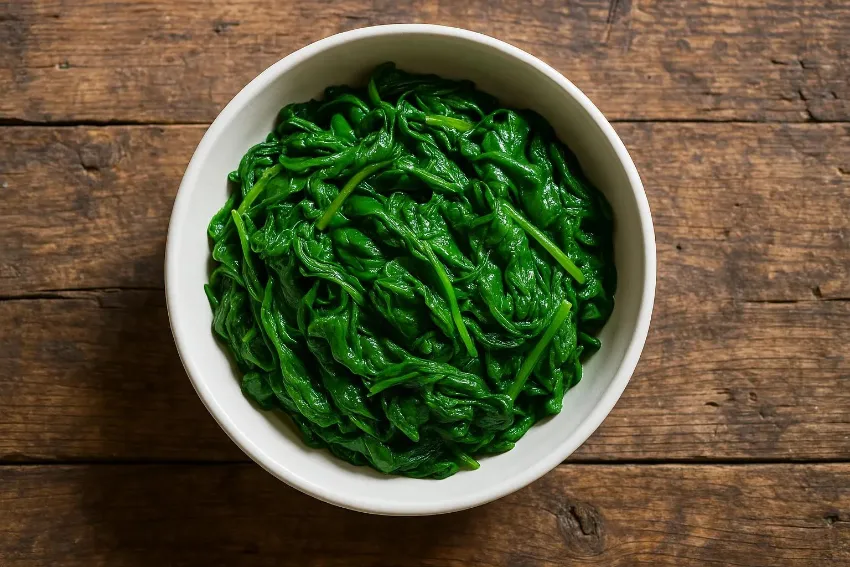
Cooked spinach is low in calories and provides folate, vitamin A, vitamin C, vitamin K, and plant-based iron. Cooking reduces its volume, so a small serving can provide several nutrients. It is not a major protein source, but it can add color and variety beside a protein-rich food.
A half-cup serving of cooked spinach has about 21 calories, 3 grams of protein, 2 grams of fiber, and 3 grams of carbohydrates.
Steam or cook spinach until very soft, then chop it finely. Mix a little into scrambled eggs, soft tofu, or a smooth soup. Avoid adding lots of butter or cream. If leafy pieces feel difficult to swallow, puree the spinach with broth.
Spinach is rich in vitamin K. If you take warfarin, keep your vitamin K intake consistent and ask your healthcare provider before making large changes. Follow your own food-stage instructions.
17. Broccoli
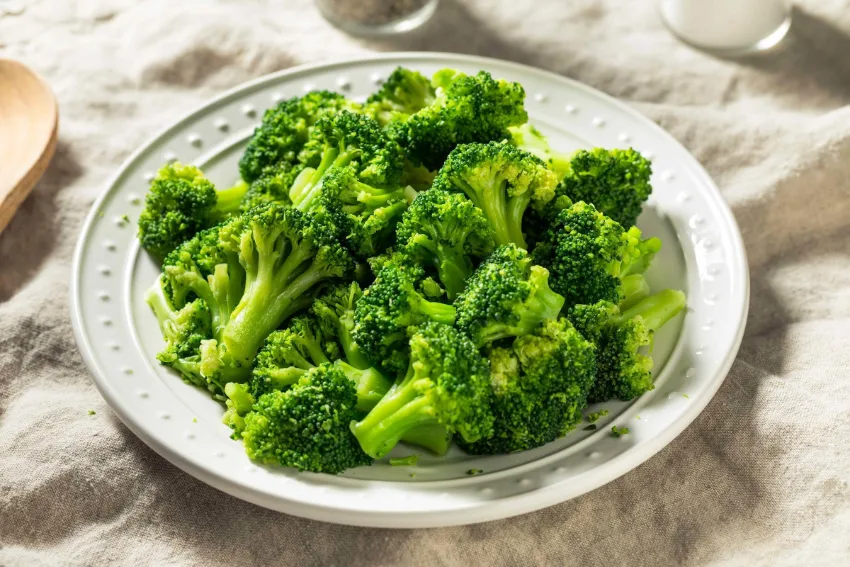
Broccoli provides fiber, vitamin C, vitamin K, and folate. It also contains plant compounds that help make vegetables an important part of a varied diet. Its tough stems and fibrous texture may be hard to manage early after surgery, so it needs to be cooked until very soft.
A half-cup serving of cooked chopped broccoli has about 27 calories, 2 grams of protein, 2.5 grams of fiber, and 5 grams of carbohydrates.
Steam broccoli until a fork slides through it easily. Remove tough stems, chop the florets finely, and mash or puree them if needed. Add a small amount to a soft egg dish or blend it into a smooth soup with low-sodium broth.
Start with a few bites when your program allows it. Broccoli can cause gas for some people, so increase the amount slowly. Don’t rely on it as your main protein source.
18. Cauliflower

Cauliflower is a mild vegetable that supplies vitamin C, vitamin K, folate, and fiber. It is low in calories and can take the place of some higher-starch foods in recipes. When cooked until soft, it can be mashed or blended into a smooth texture that may suit later stages of a bariatric meal plan.
A half-cup serving of cooked cauliflower has about 14 calories, 1 gram of protein, 1 gram of fiber, and 3 grams of carbohydrates.
Steam cauliflower until very tender, then mash it with a fork or blend it with a little low-fat milk. You can also puree it into soup with soft carrots or zucchini. Season with garlic powder or herbs instead of relying on heavy sauces.
Cauliflower may cause gas or bloating in some people. Begin with a small serving and see how you feel. Keep a protein food as the center of your meal.
19. Carrots

Carrots provide beta-carotene, which the body can turn into vitamin A. Vitamin A supports normal vision and immune function. Carrots also contain fiber and potassium. Raw carrots are hard and crunchy, so cooked carrots are usually a better choice when your bariatric program first allows vegetables.
A half-cup serving of cooked carrot slices has about 27 calories, less than 1 gram of protein, 2.5 grams of fiber, and 6 grams of carbohydrates.
Peel carrots if needed, slice them thinly, and steam or boil until very soft. Mash them with a fork or puree them into soup. You can mix a small amount of mashed carrot into soft lentils or serve it beside moist fish.
Avoid raw carrot sticks until your care team says crunchy foods are safe. Cooked carrots are easier to chew, but you should still take small bites and eat slowly.
20. Zucchini
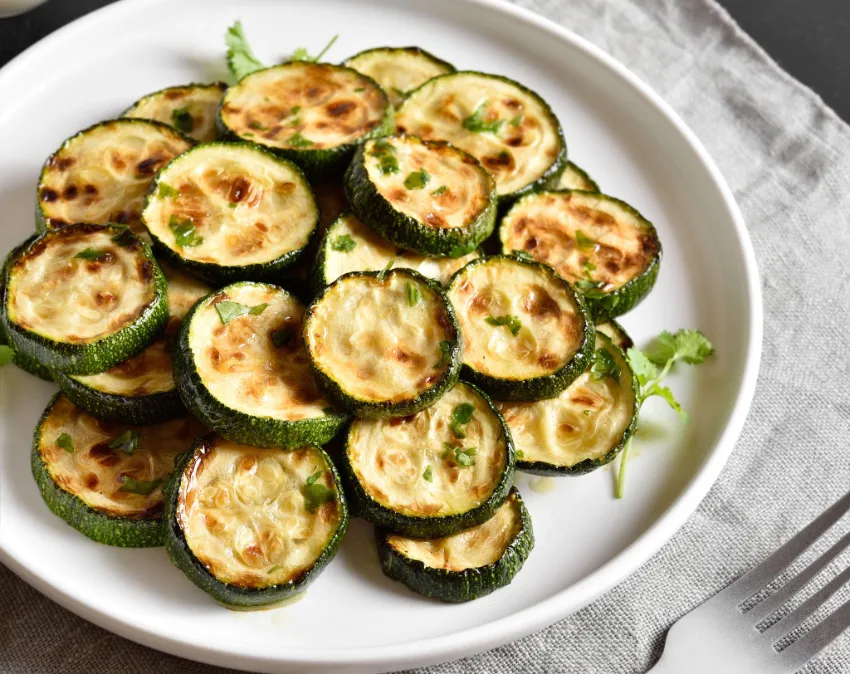
Zucchini is a mild, water-rich vegetable that provides vitamin C, potassium, and small amounts of folate. It is low in calories and has a tender texture when cooked. Zucchini adds variety without a strong flavor, making it easy to combine with protein foods and other soft vegetables.
A half-cup serving of cooked, sliced zucchini has about 14 calories, 1 gram of protein, 1 gram of fiber, and 3 grams of carbohydrates.
Steam, bake, or simmer zucchini until it is very soft. Peel it if the skin feels tough, then chop it finely or mash it. Stir a little into scrambled eggs, soft tofu, or a moist fish dish. You can also blend it into a smooth soup.
Skip fried zucchini chips or raw zucchini early in recovery. Keep added oil modest, and follow your program’s advice about when to introduce vegetable skins.
21. Green Beans
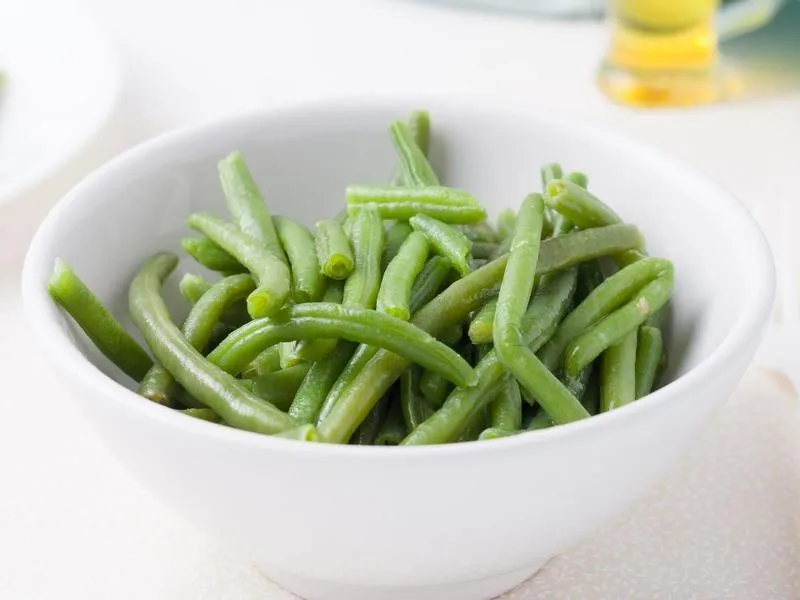
Green beans supply fiber, vitamin C, vitamin K, and folate. They are a simple side dish, but their long fibers can be difficult to chew if they are undercooked. Cooking them until very tender and cutting them into small pieces can make them easier to manage once vegetables are allowed.
A half-cup serving of cooked green beans has about 22 calories, 1 gram of protein, 2 grams of fiber, and 5 grams of carbohydrates.
Steam or simmer green beans until soft enough to mash with a fork. Remove any tough ends and chop them into small pieces. Add a little lemon juice or mild seasoning instead of a heavy sauce. You can also puree them into a vegetable soup.
Avoid raw or crisp-tender green beans until your care team approves them. They are a vegetable side, not a replacement for the protein portion of your meal.
22. Sweet Potatoes
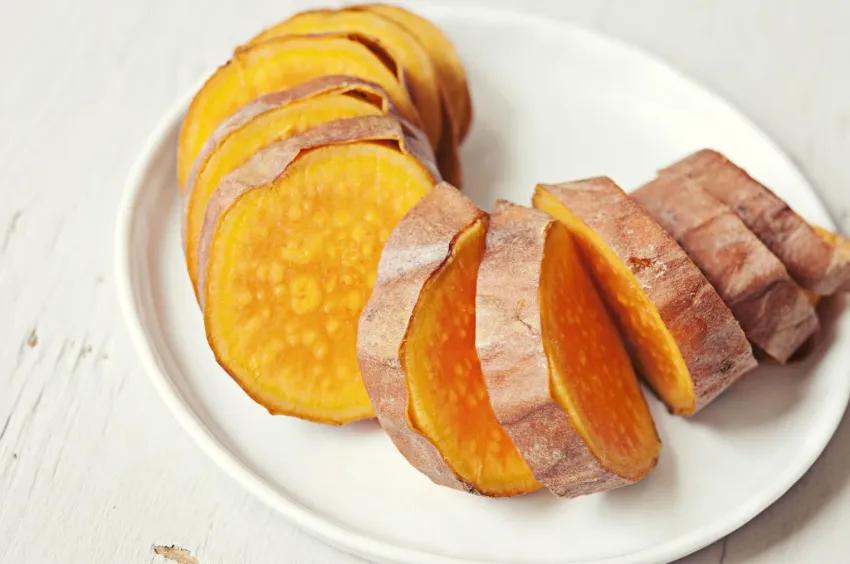
Sweet potatoes provide beta-carotene, potassium, vitamin C, and fiber. Their natural sweetness makes them a useful source of carbohydrates, while their soft flesh is easy to mash after cooking. They can add energy and variety to meals, but they contain less protein than meat, dairy, eggs, or soy.
A half-cup serving of baked sweet potato flesh has about 90 calories, 2 grams of protein, 3 grams of fiber, and 21 grams of carbohydrates.
Bake or steam a sweet potato until completely tender. Remove the skin if your program recommends avoiding peels, then mash the flesh with a fork. Add cinnamon for a sweet taste or a spoonful of plain Greek yogurt for extra protein.
Keep the portion modest and eat protein first if that is part of your program. Avoid candied sweet potatoes or recipes loaded with butter, sugar, or marshmallows.
23. Pumpkin
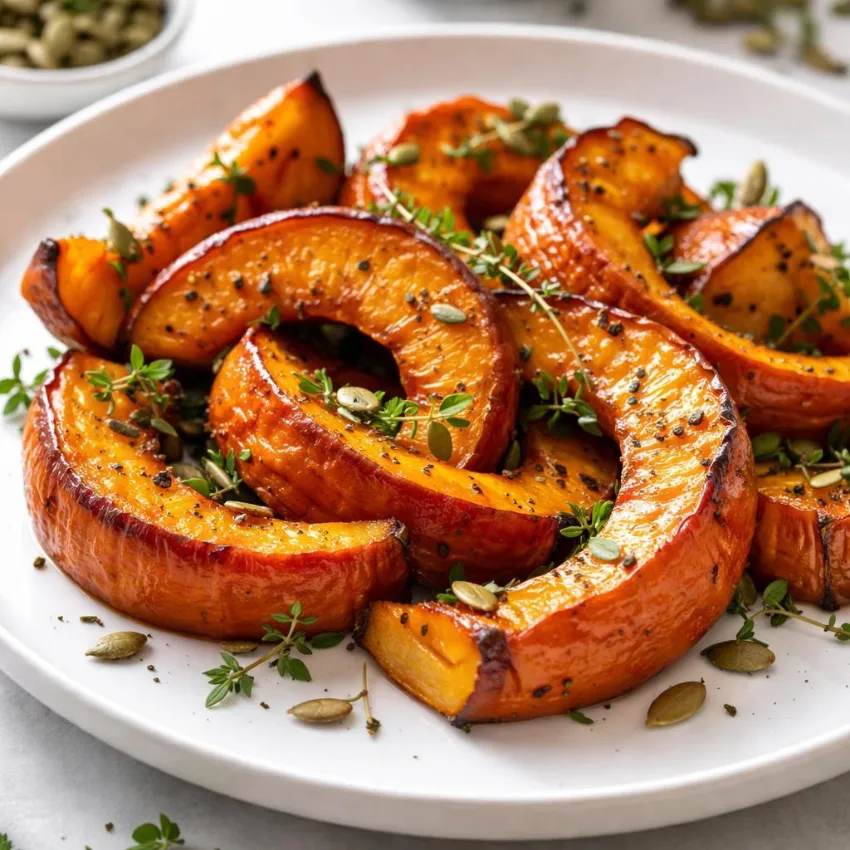
Pumpkin is a soft, low-calorie food that provides beta-carotene, potassium, and fiber. It can add color and a gentle flavor to meals. Plain pumpkin is different from pumpkin pie filling, which often contains added sugar and spices. Choose unsweetened canned pumpkin or cook fresh pumpkin until tender.
A half-cup serving of cooked, mashed pumpkin has about 25 calories, 1 gram of protein, 3 grams of fiber, and 6 grams of carbohydrates.
Stir plain pumpkin into oatmeal or blend it into a smooth soup with low-sodium broth. You can also mix a spoonful into Greek yogurt or cottage cheese for a soft snack. Use cinnamon or nutmeg for flavor without adding much sugar.
Check the can carefully and choose 100% pumpkin, not sweetened pie filling. Start with a small amount, since fiber tolerance differs from person to person.
24. Avocados
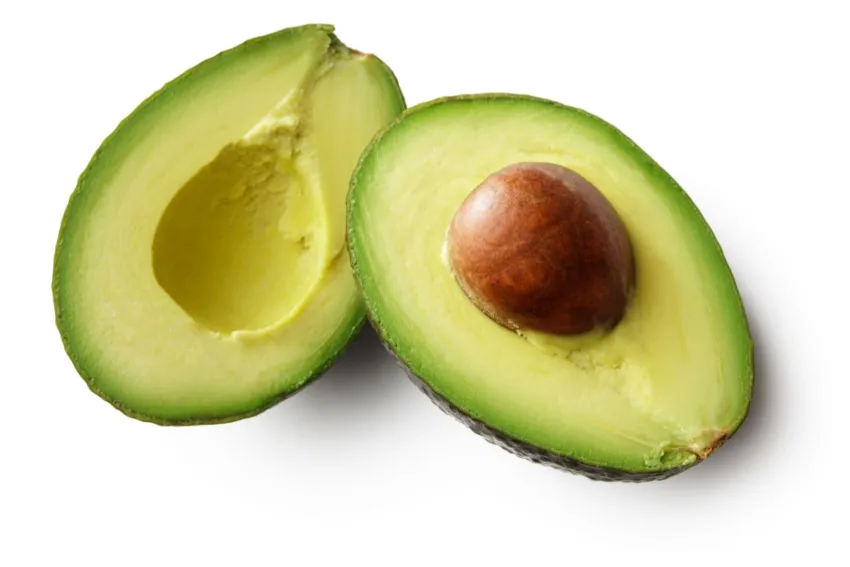
Avocados provide mostly unsaturated fat, along with fiber, potassium, and folate. Their creamy texture can make them easy to mash, and their fats add energy in a small portion. Because they are calorie-dense, a little can go a long way when meal capacity is limited.
A quarter of a medium avocado has about 80 calories, 1 gram of protein, 7 grams of fat, 3 grams of carbohydrates, and 3 grams of fiber.
Mash a small amount until smooth and add lemon juice or a pinch of mild seasoning. You can spread it thinly over a soft protein dish or mix it with tuna or egg. Avoid pairing it with large amounts of chips or other crunchy foods during early recovery.
Measure portions rather than eating straight from the fruit. Avocado is nutritious, but it does not replace the protein foods your care team wants you to prioritize.
25. Bananas
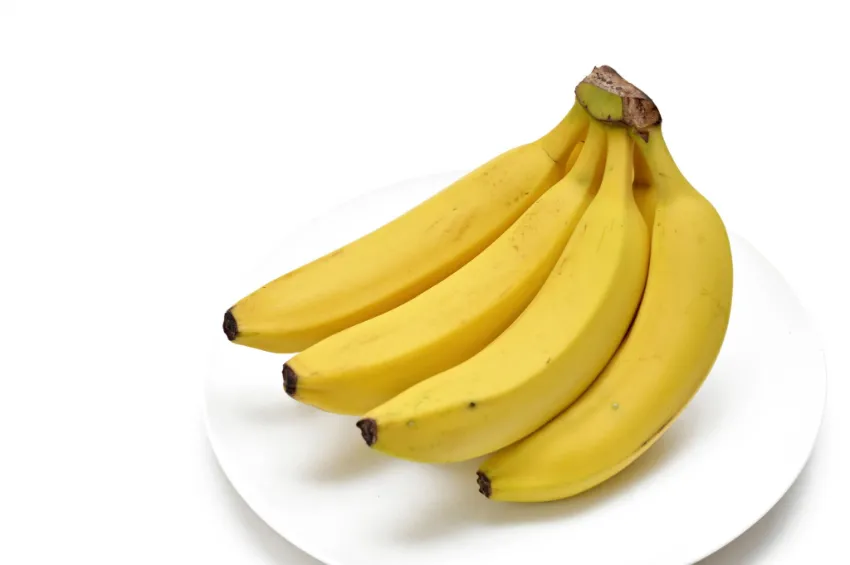
Bananas provide carbohydrates for energy, along with potassium, vitamin B6, and some fiber. Their soft texture makes ripe bananas easy to mash. They can be a convenient fruit choice once fruit is part of your bariatric plan. Very large portions may still feel uncomfortable, so begin with a small amount.
One medium banana has about 105 calories, 1 gram of protein, less than 1 gram of fat, 27 grams of carbohydrates, and 3 grams of fiber.
Mash a few slices with a fork, or blend a small amount into plain Greek yogurt. A little mashed banana can also sweeten oatmeal without adding table sugar. Choose a ripe banana with a soft texture, and avoid dried banana chips if crunchy foods are not suitable.
Bananas contain more carbohydrates than many non-starchy vegetables. Keep the portion in line with your meal plan and pair it with protein when appropriate.
Final Thoughts
Bariatric-friendly eating is personal, and your needs can change as you heal. Focus on protein first, then add soft vegetables, beans, and fruit as your care team allows.
Eat slowly, chew well, and follow your fluid and supplement plan. Before making major diet changes, talk with your bariatric healthcare provider or dietitian.
Nutrition Notes
Nutrition values in this article are rounded estimates for plain foods and standard serving sizes. Actual amounts vary with brand, cooking method, cut, and preparation. Values are based on commonly listed USDA FoodData Central entries and should be checked against product labels when precision matters.
After bariatric surgery, food stages, portion sizes, protein targets, fluid timing, and supplement needs vary by procedure and individual. A food that works well for one person may not work well for another. Follow the plan from your surgeon and registered dietitian. This article is general education, not personal medical advice.
Sources
- USDA FoodData Central: https://fdc.nal.usda.gov/
- National Institute of Diabetes and Digestive and Kidney Diseases, Weight-loss Surgery: https://www.niddk.nih.gov/health-information/weight-management/bariatric-surgery
- American Society for Metabolic and Bariatric Surgery, patient information: https://asmbs.org/patients/
- U.S. Food and Drug Administration, advice about eating fish and mercury: https://www.fda.gov/food/consumers/advice-about-eating-fish
