
21 Mediterranean Diet Foods to Add to Your Weekly Meals

The Mediterranean diet focuses on simple, satisfying foods such as vegetables, beans, whole grains, fish, and olive oil. These foods provide fiber, healthy fats, protein, vitamins, and minerals.
You don’t need to change every meal at once. Start with a few familiar choices, then build a balanced pattern you enjoy.
1. Extra Virgin Olive Oil

Extra virgin olive oil is a key part of Mediterranean cooking. It contains mostly monounsaturated fat, especially oleic acid. It also provides natural plant compounds called polyphenols. Replacing butter or other fats with olive oil can support heart health as part of an overall balanced eating pattern.
One tablespoon of extra virgin olive oil has about 120 calories and 14 grams of fat, with roughly 2 grams of saturated fat and no protein or carbohydrates.
Drizzle it over tomatoes, cucumbers, cooked vegetables, or beans. Mix it with lemon juice and herbs for a quick salad dressing. You can also use it to roast vegetables or gently cook fish and chicken.
Olive oil is rich in calories, so a little goes a long way. Choose extra virgin olive oil for its flavor, and store the bottle away from heat and direct sunlight.
2. Salmon
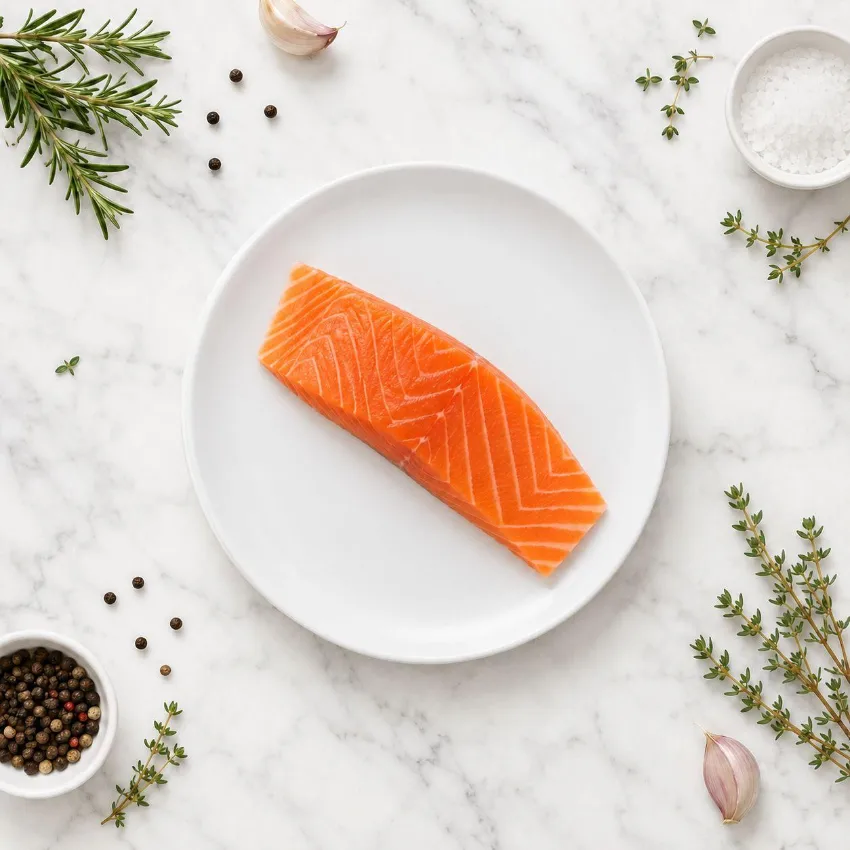
Salmon is a valuable source of protein and omega-3 fats. These fats support heart and brain health. Salmon also provides vitamin B12, vitamin D, and selenium. Its rich flavor works well with the herbs, lemon, vegetables, and olive oil often used in Mediterranean-style meals.
A 3-ounce serving of cooked Atlantic salmon has about 175 calories, 19 grams of protein, 10 grams of fat, and no carbohydrates.
Bake salmon with lemon, garlic, and oregano, or grill it with a light brush of olive oil. Serve it with brown rice, quinoa, or a tomato and cucumber salad. Leftover cooked salmon can be flaked into a whole wheat pita.
Choose a variety of seafood during the week. If you eat fish often, check current guidance on mercury and serving amounts, especially when choosing different tuna varieties.
3. Sardines
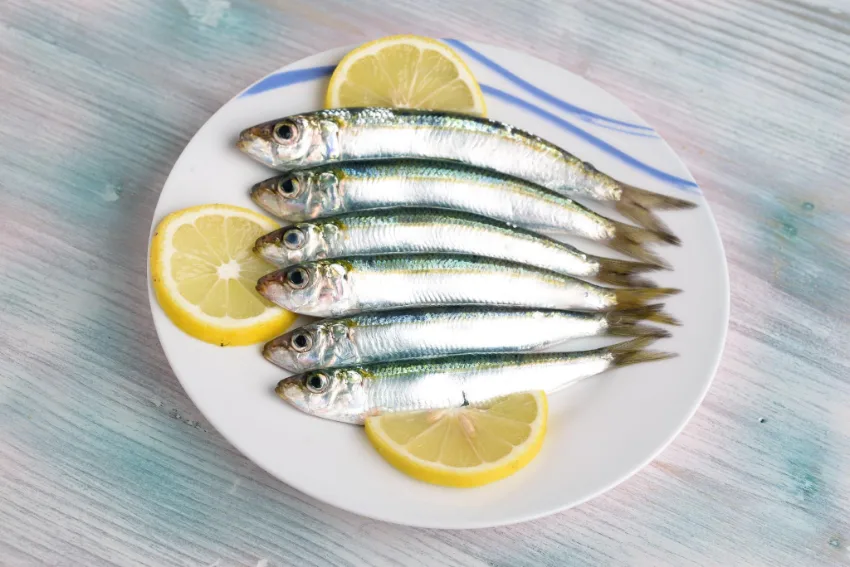
Sardines are small, oily fish that provide protein, omega-3 fats, vitamin B12, and vitamin D. When you eat the soft bones in canned sardines, you also get calcium. Their strong flavor pairs well with fresh lemon, tomatoes, herbs, and whole grains.
A 3-ounce serving of canned sardines in oil, drained, has about 190 calories, 22 grams of protein, and 11 grams of fat.
Mash sardines with lemon juice, parsley, and a little olive oil for a quick topping. Add them to whole wheat toast, a grain bowl, or a salad with tomatoes and cucumbers. You can also serve them with cooked vegetables and brown rice.
Look for sardines with no added salt or a lower-sodium label if you are watching sodium. Canned varieties differ in oil, salt, and nutrition, so check the package.
4. Tuna

Tuna is a lean source of protein that can make quick Mediterranean-style meals easier. It provides vitamin B12, selenium, and niacin. Tuna packed in water is generally lower in fat than tuna packed in oil. It also works well with beans, tomatoes, olive oil, and fresh herbs.
A 3-ounce serving of canned light tuna in water, drained, has about 73 calories, 16 grams of protein, less than 1 gram of fat, and no carbohydrates.
Mix tuna with white or black beans, chopped tomatoes, parsley, lemon juice, and a small drizzle of olive oil. Spoon it over greens or serve it with whole wheat toast. You can also add tuna to a cooked pasta or grain salad.
Tuna types differ in mercury levels. Canned light tuna is generally lower in mercury than albacore tuna. Vary your seafood choices and follow FDA advice for the people in your household.
5. Mackerel
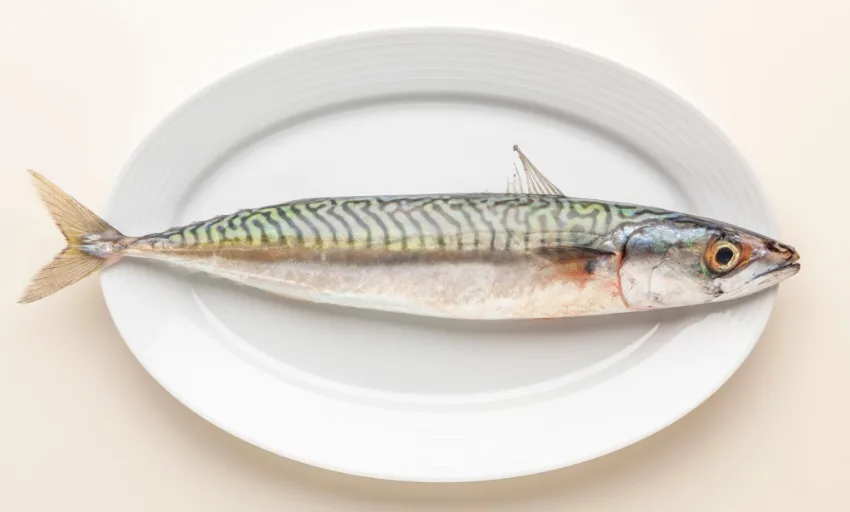
Mackerel is an oily fish rich in omega-3 fats. It also provides protein, vitamin B12, vitamin D, and selenium. Its bold flavor makes it a good match for lemon, garlic, parsley, and other simple seasonings. Fish like mackerel can help bring variety to a Mediterranean-style menu.
A 3-ounce serving of cooked Atlantic mackerel has about 230 calories, 21 grams of protein, and 16 grams of fat.
Bake or grill Atlantic mackerel with lemon and herbs. Serve a small fillet with roasted vegetables, brown rice, or a tomato salad. Canned mackerel can also be flaked into a bean salad or spread onto whole wheat toast.
Check the fish species before buying. Atlantic mackerel is a lower-mercury choice, while king mackerel is high in mercury and should be avoided by people following FDA fish advice. Choose products with clear species labeling.
6. Chicken Breast

Skinless chicken breast provides lean protein, which helps build and maintain muscles. It also contains niacin, vitamin B6, selenium, and phosphorus. Chicken is not a defining feature of every Mediterranean meal, but moderate portions can fit into a pattern centered on vegetables, beans, whole grains, and healthy fats.
A 3-ounce serving of cooked, skinless chicken breast has about 128 calories, 26 grams of protein, and 3 grams of fat.
Season chicken with oregano, garlic, lemon, black pepper, and a little olive oil. Bake, grill, or gently sauté it, then serve with quinoa, brown rice, or a large salad. Leftovers make an easy filling for whole wheat wraps.
Choose fresh chicken more often than processed deli meat or heavily breaded products. Cook chicken to an internal temperature of 165°F, and keep portions balanced with plenty of plant foods.
7. Eggs
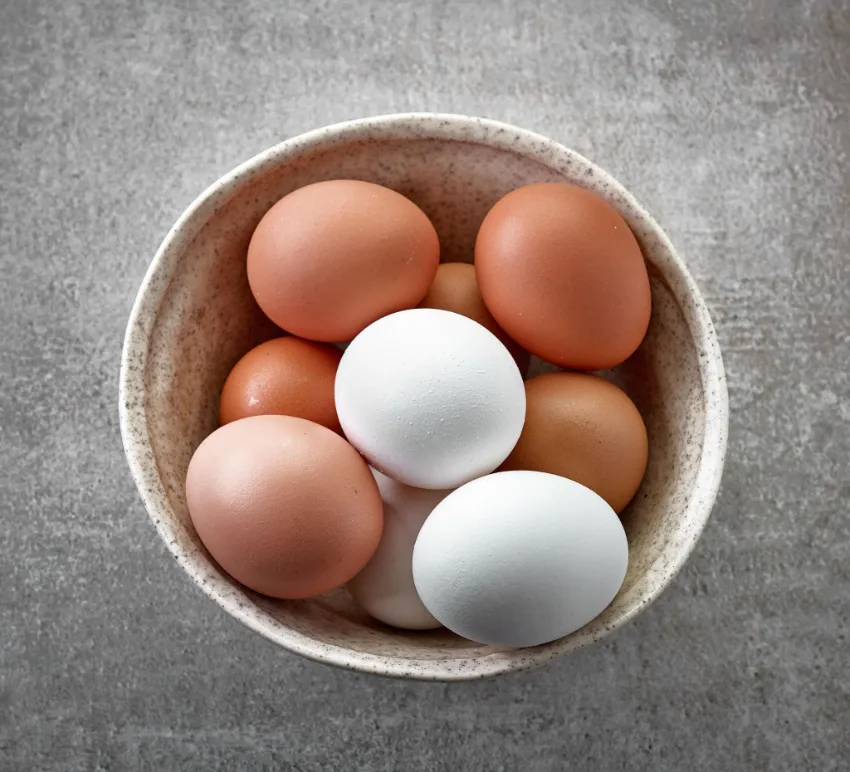
Eggs provide complete protein, meaning they contain all nine essential amino acids. They also supply choline, vitamin B12, selenium, and other nutrients. Eggs can be part of a Mediterranean-style eating pattern, especially when served with vegetables, whole grains, and modest amounts of cheese.
One large cooked egg has about 78 calories, 6 grams of protein, 5 grams of fat, and less than 1 gram of carbohydrates.
Make a vegetable omelet with spinach and tomatoes, or serve a boiled egg beside whole wheat toast and cucumber slices. You can also add chopped hard-boiled egg to a lentil salad for extra protein.
Cook eggs until the whites and yolks are firm, especially for people at higher risk from foodborne illness. For variety, pair eggs with beans or vegetables instead of relying on processed breakfast meats.
8. Greek Yogurt

Plain Greek yogurt is rich in protein and provides calcium, vitamin B12, and phosphorus. Some varieties also contain live cultures that support a healthy gut. Its thick texture makes it useful for both sweet and savory dishes. Choose plain yogurt to avoid the added sugar found in many flavored products.
A 6-ounce serving of plain, nonfat Greek yogurt has about 100 calories, 17 grams of protein, less than 1 gram of fat, and around 6 grams of carbohydrates.
Enjoy it with oats and fresh fruit, or use it as a base for a simple dip with cucumber, garlic, lemon, and dill. You can also replace some mayonnaise or sour cream with Greek yogurt in salads and sauces.
Compare labels because protein and sugar amounts vary by brand. If you prefer a richer taste, plain whole-milk Greek yogurt can also fit, but it contains more calories and fat.
9. Feta Cheese
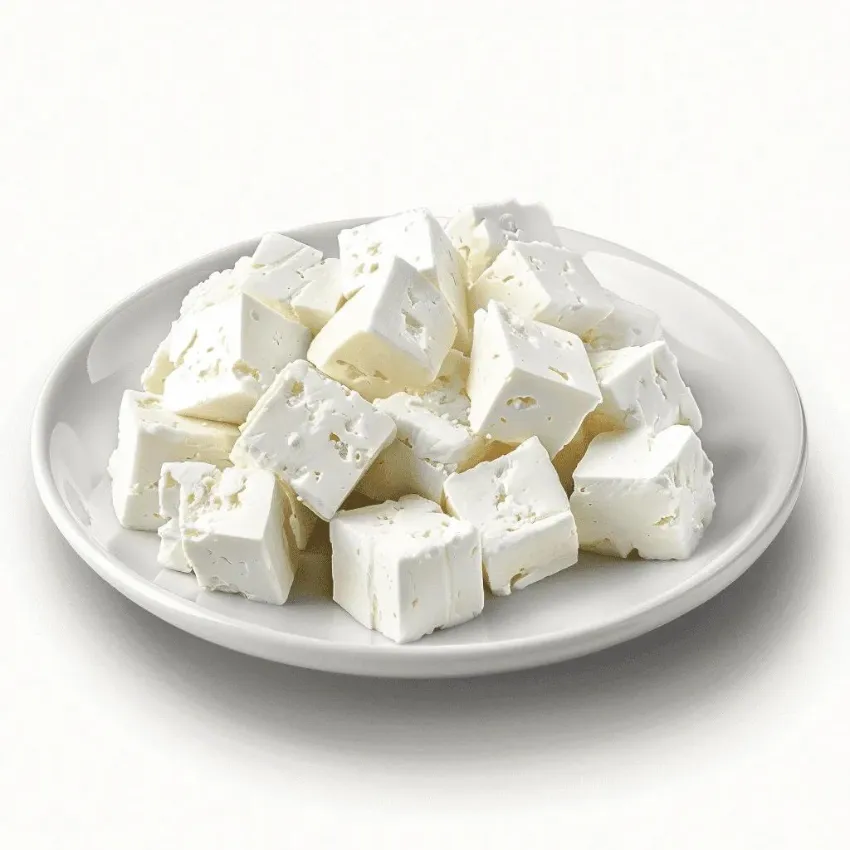
Feta is a salty, tangy cheese often used in Mediterranean dishes. It provides protein, calcium, and vitamin B12. A little can add plenty of flavor to vegetables, beans, and grain bowls. Because feta can be high in sodium and saturated fat, treat it as a flavorful addition rather than the main part of a meal.
A 1-ounce serving of feta cheese has about 75 calories, 4 grams of protein, 6 grams of fat, and around 1 gram of carbohydrates.
Crumble a small amount over tomato and cucumber salad, roasted vegetables, or cooked lentils. You can also add feta to an omelet with spinach or sprinkle it over quinoa with lemon and herbs.
Look for reduced-sodium feta if you need to limit salt. Feta made from pasteurized milk is the safer choice for people who are pregnant or at higher risk from foodborne illness. Keep the portion modest and enjoy its strong flavor.
10. Lentils

Lentils are an affordable source of plant protein, fiber, iron, folate, and potassium. Their fiber supports digestion and helps meals feel satisfying. They also provide slow-digesting carbohydrates. Lentils are a useful Mediterranean-style staple because they can replace some meat while adding important plant nutrients.
One cup of cooked lentils has about 230 calories, 18 grams of protein, 16 grams of fiber, and 40 grams of carbohydrates.
Simmer lentils with tomatoes, onions, garlic, and herbs for a simple soup. You can also toss cooled lentils with cucumber, parsley, lemon juice, and olive oil. Serve them as a side dish or add them to a grain bowl.
Rinse lentils before cooking and simmer until tender. If you are not used to eating much fiber, increase your portions gradually and drink enough water. Dried lentils cook faster than many other dried beans.
11. Chickpeas
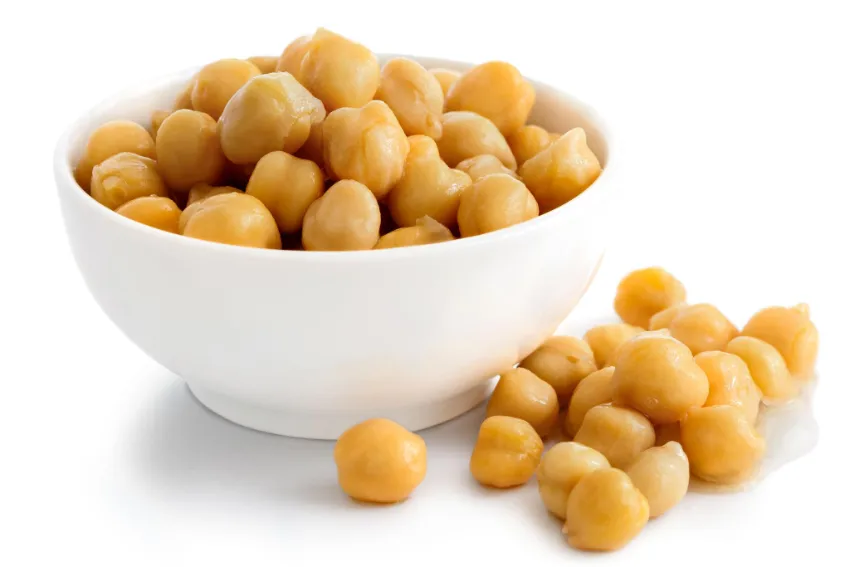
Chickpeas provide plant protein, fiber, folate, iron, and magnesium. Their fiber supports digestion, while protein helps make meals more filling. They are also a versatile pantry food. Chickpeas appear in many Mediterranean and Middle Eastern dishes, from hummus to salads and vegetable stews.
A half-cup serving of cooked chickpeas has about 135 calories, 7 grams of protein, 6 grams of fiber, and 22 grams of carbohydrates.
Blend chickpeas with tahini, lemon, garlic, and olive oil to make hummus. Add whole chickpeas to tomato and cucumber salads, or simmer them with spinach and tomatoes. They also taste good in a bowl with quinoa and roasted vegetables.
Canned chickpeas are convenient. Drain and rinse them to remove some of the added sodium. If you cook dried chickpeas, make sure they are fully tender before eating. Start with a modest portion if beans are new to your diet.
12. Black Beans

Black beans offer plant protein, fiber, iron, folate, magnesium, and potassium. Their fiber supports gut health and helps make meals satisfying. While they are common in many cuisines, they fit well into a Mediterranean-inspired pattern that emphasizes beans, vegetables, and minimally processed foods.
A half-cup serving of cooked black beans has about 114 calories, 8 grams of protein, 8 grams of fiber, and 20 grams of carbohydrates.
Add black beans to a salad with tomatoes, cucumber, parsley, lemon, and olive oil. You can also mash them into a spread for whole wheat toast or stir them into a vegetable soup. Pair them with brown rice for a filling plant-based meal.
Use canned beans for convenience, and rinse them under running water to reduce sodium. Cook dried beans until completely soft. Increase fiber-rich foods gradually if they cause gas or bloating.
13. Kidney Beans

Kidney beans are rich in plant protein, fiber, folate, iron, and potassium. Their fiber supports digestive health, while their protein helps round out plant-based meals. They are filling and budget-friendly, making them a useful pantry staple for soups, salads, and stews.
A half-cup serving of cooked kidney beans has about 110 calories, 8 grams of protein, 6 grams of fiber, and 20 grams of carbohydrates.
Add fully cooked kidney beans to a tomato-based vegetable stew, or toss them with chopped cucumber, tomato, parsley, and olive oil. They also work in a bean and brown rice bowl. Use herbs, garlic, and lemon to add flavor without depending on extra salt.
Raw or undercooked kidney beans can contain a natural toxin. Soak dried beans, discard the soaking water, and boil them vigorously in fresh water for at least 10 minutes before simmering until tender. Never cook raw kidney beans only in a slow cooker. Canned beans are already cooked; rinse them before use.
14. Quinoa
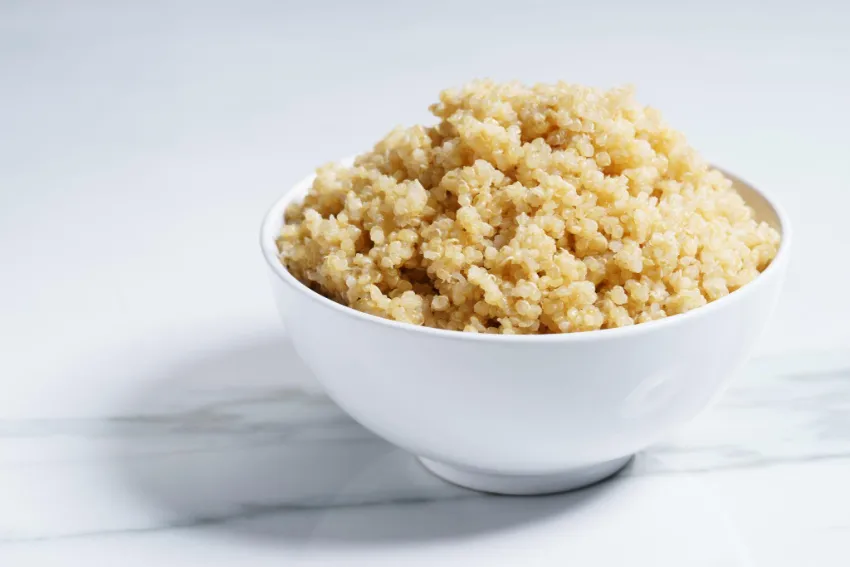
Quinoa is a seed that cooks like a grain. It provides fiber, magnesium, iron, and plant protein. It contains all nine essential amino acids, which makes it a useful protein source among plant foods. Quinoa is naturally gluten-free, though people with celiac disease should check packaging for cross-contact information.
One cup of cooked quinoa has about 222 calories, 8 grams of protein, 5 grams of fiber, and 39 grams of carbohydrates.
Rinse quinoa before cooking if the package does not say it is pre-rinsed. Simmer it in water or low-sodium broth until fluffy. Use it as a base for a bowl with salmon, chickpeas, spinach, tomatoes, or cucumber. A squeeze of lemon and a little olive oil add fresh flavor.
Cooked quinoa keeps well in the refrigerator for several days when stored safely. Make a batch ahead for quick lunches, and combine it with plenty of vegetables and a protein source.
15. Brown Rice
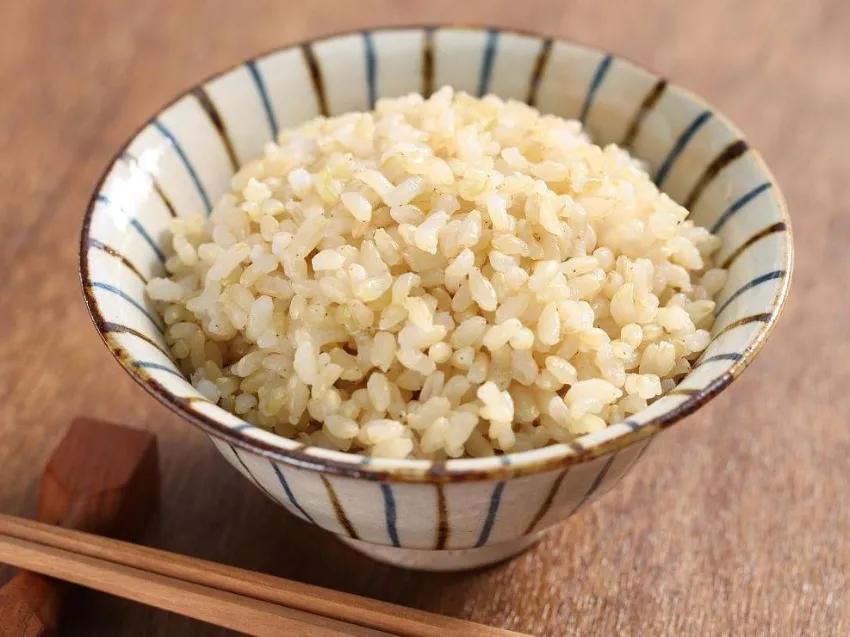
Brown rice is a whole grain that keeps its bran and germ. These parts provide fiber, magnesium, manganese, and B vitamins. It has a mild, nutty flavor and can make meals more satisfying. Compared with white rice, brown rice generally offers more fiber and nutrients.
One cup of cooked long-grain brown rice has about 216 calories, 5 grams of protein, 3.5 grams of fiber, and 45 grams of carbohydrates.
Serve brown rice with grilled chicken, baked fish, lentils, or chickpeas. You can also make a simple bowl with spinach, tomatoes, cucumber, and a drizzle of olive oil. Cook a larger batch and refrigerate portions for quick meals during the week.
Brown rice takes longer to cook than white rice, so follow the package directions and add water as needed. Keep portions in balance with vegetables and protein. Refrigerate cooked rice promptly and reheat it thoroughly.
16. Whole Wheat Bread

Whole wheat bread is made with whole grain flour, which retains more of the grain’s fiber and nutrients than refined white bread. It can provide fiber, B vitamins, iron, and magnesium. Fiber supports digestion and can help you feel satisfied. Look for bread that lists whole wheat flour as the first ingredient.
One regular slice of whole wheat bread has about 80 calories, 4 grams of protein, 1 gram of fat, 2 grams of fiber, and 14 grams of carbohydrates.
Use whole wheat bread for toast topped with mashed avocado, eggs, hummus, or sardines. It also works for a sandwich with chicken breast, tomatoes, and cucumber. Choose simple fillings and add vegetables for extra fiber and flavor.
Read the ingredient list because some breads labeled wheat or multigrain are mostly refined flour. Compare sodium and added sugar across brands. If you have celiac disease, choose certified gluten-free bread instead.
17. Oats
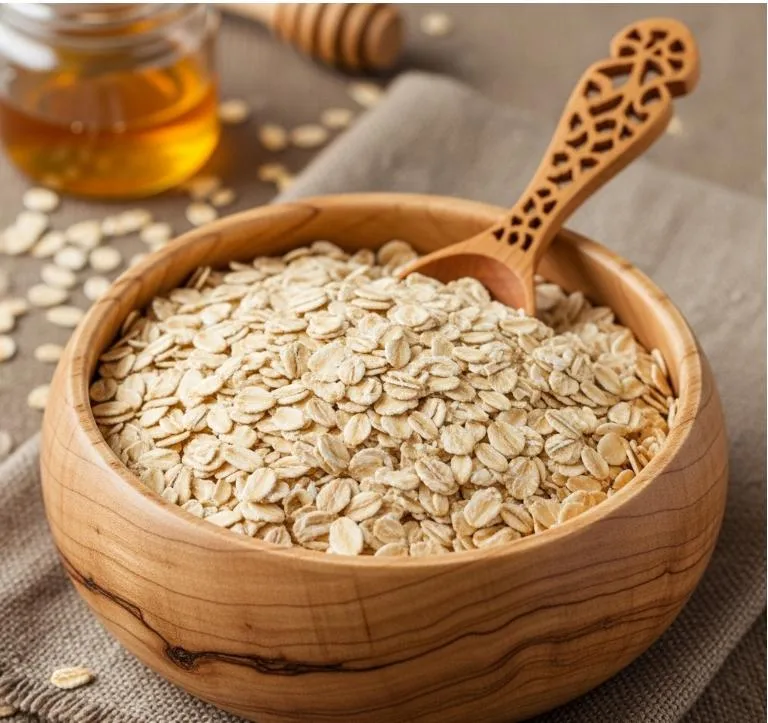
Oats are whole grains that provide soluble fiber, especially beta-glucan. This type of fiber can help support healthy cholesterol levels as part of a heart-smart eating pattern. Oats also contain magnesium, iron, and plant protein. Plain oats are a flexible breakfast or snack.
One cup of cooked oatmeal made with water has about 154 calories, 6 grams of protein, 4 grams of fiber, and 27 grams of carbohydrates.
Cook rolled or steel-cut oats with water or milk, then top them with berries, nuts, or a spoonful of plain Greek yogurt. For a savory meal, stir in spinach and a cooked egg. Overnight oats are another option when prepared with plain yogurt or milk.
Choose plain oats instead of flavored packets that may contain added sugar and sodium. Add sweetness with fruit and cinnamon. Oats are naturally gluten-free, but choose certified gluten-free products if you need to avoid gluten.
18. Spinach
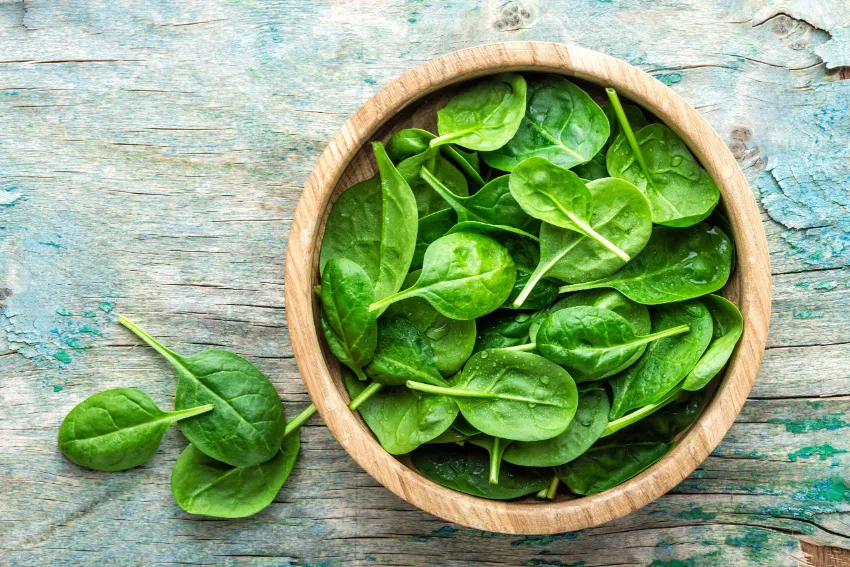
Spinach is a leafy green that provides vitamin K, vitamin A, folate, vitamin C, and magnesium. It also contains plant compounds called carotenoids. Its mild taste makes it easy to add to many meals. Fresh or frozen spinach can both be nutritious choices.
One cup of raw spinach has about 7 calories, 1 gram of protein, and around 1 gram of carbohydrates. A half-cup of cooked spinach has about 21 calories and 3 grams of protein.
Add fresh spinach to salads with tomatoes, cucumber, chickpeas, and olive oil. Stir it into lentil soup, fold it into an omelet, or cook it briefly as a side dish. Frozen spinach works well in soups, egg dishes, and grain bowls.
Spinach is high in vitamin K, which can affect warfarin. If you take this medicine, keep your intake consistent and talk with your healthcare provider before making major changes. Wash fresh leaves well before eating.
19. Broccoli
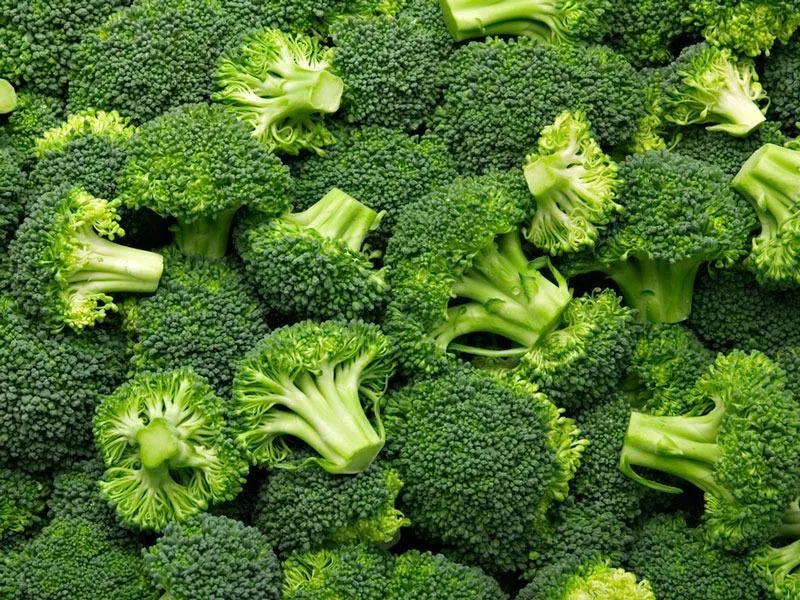
Broccoli supplies vitamin C, vitamin K, folate, fiber, and potassium. It also contains natural plant compounds that are being studied for their role in health. Its crisp texture makes it great raw, while cooking brings out a milder flavor. Both fresh and frozen broccoli can fit into a healthy eating pattern.
A half-cup serving of cooked chopped broccoli has about 27 calories, 2 grams of protein, 2.5 grams of fiber, and 5 grams of carbohydrates.
Steam broccoli until tender, then finish it with lemon juice and a little olive oil. Roast florets with garlic, or add chopped broccoli to a whole grain bowl with chicken or chickpeas. You can also stir it into a vegetable soup.
Avoid cooking broccoli until it becomes mushy if you prefer a firmer bite, but make sure it is tender enough for your needs. If broccoli causes gas, try a smaller portion or cook it well.
20. Tomatoes
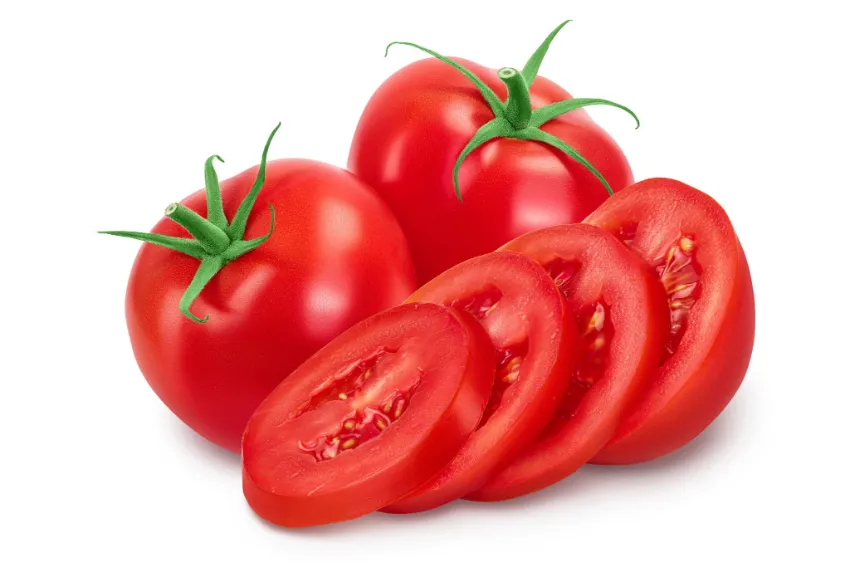
Tomatoes provide vitamin C, potassium, folate, and the antioxidant lycopene. Lycopene gives many tomatoes their red color. Cooking tomatoes can make lycopene easier for the body to use, especially when they are prepared with a little olive oil. Fresh, canned, and cooked tomatoes all have a place in Mediterranean-style meals.
One medium raw tomato has about 22 calories, 1 gram of protein, 1.5 grams of fiber, and 5 grams of carbohydrates.
Chop tomatoes into a salad with cucumber, parsley, and olive oil. Add them to lentil soup, simmer them into a simple sauce, or roast them with garlic and herbs. Canned diced tomatoes are useful for quick stews and bean dishes.
Choose canned tomatoes with no added salt when possible. If you have reflux or notice that acidic foods cause symptoms, adjust the amount to your own comfort. Rinse fresh tomatoes before cutting them.
21. Cucumbers
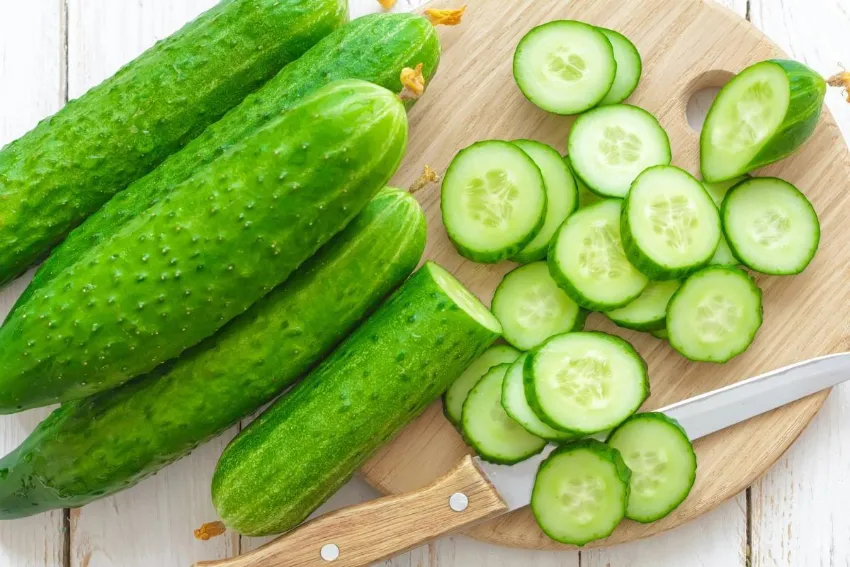
Cucumbers are refreshing, low in calories, and high in water. They provide small amounts of vitamin K, potassium, and other plant nutrients. Their crisp texture adds contrast to salads and grain bowls. They are not a major source of protein or fiber, but they help bring variety and freshness to meals.
One cup of sliced cucumber with peel has about 16 calories, less than 1 gram of protein, and around 4 grams of carbohydrates.
Slice cucumber into a salad with tomatoes, feta, parsley, and olive oil. Add it to a whole wheat sandwich with chicken or hummus. You can also grate cucumber into plain Greek yogurt with lemon, garlic, and dill for a quick dip.
Wash cucumbers well before slicing. Keep the peel if you enjoy it and tolerate it, since it adds fiber. For a softer texture, peel the cucumber and remove large seeds before serving.
Final Thoughts
A Mediterranean-style way of eating is about the overall pattern, not one special food. Enjoy vegetables, beans, whole grains, fish, and olive oil in meals that suit your needs.
Start with small changes you can keep doing. If you have a health condition or take medication, ask your healthcare provider about major diet changes.
