
24 Endomorph-Friendly Foods for a Balanced, Healthy Diet

If you have an endomorph body type, you may have heard that certain foods can help manage weight. But body types don’t determine your metabolism or the foods you must eat.
A balanced eating pattern with protein, fiber-rich plants, and satisfying portions can support your goals. These 24 foods are practical choices.
1. Eggs

Eggs are a convenient source of high-quality protein. Protein helps maintain muscle and can make meals more satisfying. Eggs also provide vitamin B12, choline, selenium, and riboflavin. Their mix of nutrients makes them a useful option for breakfast, lunch, or a quick dinner.
One large cooked egg has about 72 calories, 6 grams of protein, 5 grams of fat, and less than 1 gram of carbohydrates.
Boil eggs ahead of time for an easy snack. Scramble them with spinach and tomatoes, or serve them with whole-grain toast. You can also add a sliced egg to a salad or grain bowl.
Eggs contain cholesterol, but most healthy adults can enjoy them as part of a balanced diet. If you have a health condition that affects your diet, ask your healthcare provider for personal advice.
2. Chicken Breast
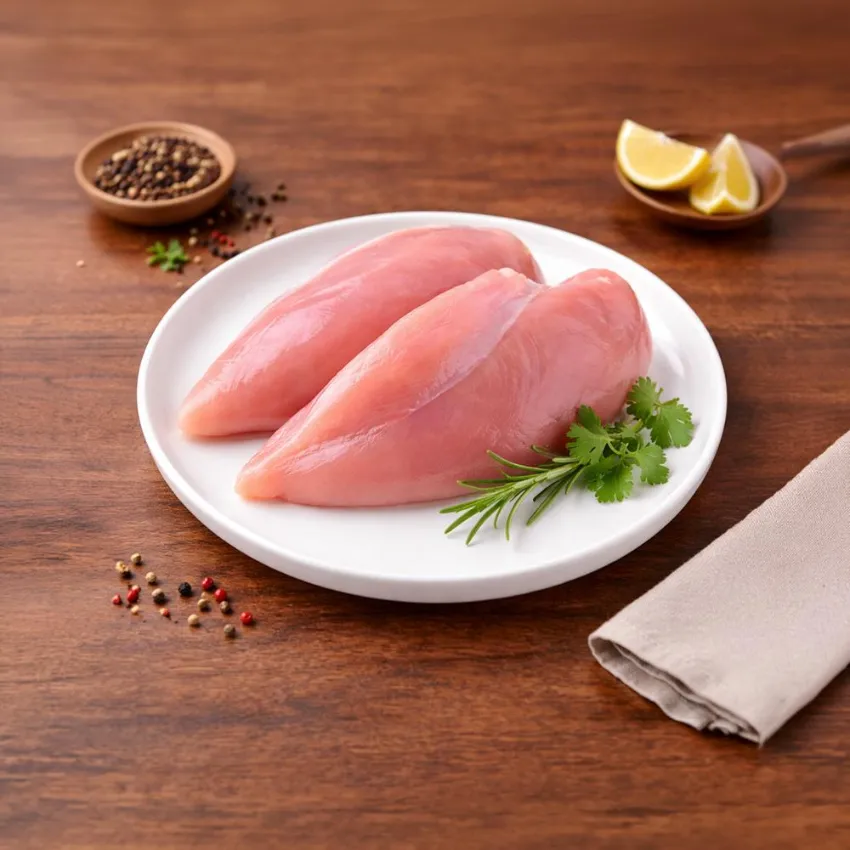
Skinless chicken breast is a lean source of protein. It supplies nutrients that help build and maintain muscles, especially when paired with regular strength exercise. It is also versatile, mild in flavor, and easy to include in meals with vegetables and whole grains.
A 3-ounce serving of cooked, skinless chicken breast has about 140 calories, 26 grams of protein, 3 grams of fat, and no carbohydrates.
Grill, bake, poach, or air-fry chicken with herbs, garlic, lemon, or paprika. Add sliced chicken to salads, wraps, soups, and rice bowls. Cook extra portions to use in quick meals during the week.
Choose fresh chicken without heavy breading or creamy sauces when you want a lighter meal. Cook poultry to an internal temperature of 165°F for food safety.
3. Turkey Breast
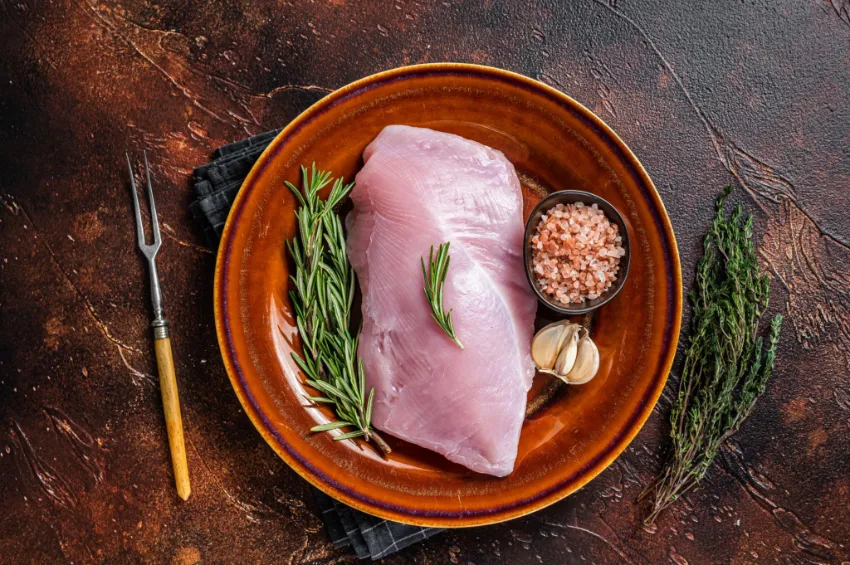
Turkey breast is another lean protein choice. It provides protein, vitamin B6, niacin, selenium, and vitamin B12. Protein supports muscle maintenance and helps meals feel satisfying. Fresh turkey breast is generally lower in sodium than many packaged deli meats.
A 3-ounce serving of roasted, skinless turkey breast has about 125 calories, 26 grams of protein, 2 grams of fat, and no carbohydrates.
Roast a turkey breast with garlic, rosemary, and black pepper. Use the cooked meat in salads, sandwiches, wraps, or vegetable bowls. Leftover slices can also be added to soups and whole-grain pasta.
Check labels on deli turkey because some products contain a lot of sodium. Choose fresh cooked turkey more often, and keep portions balanced with vegetables and fiber-rich sides.
4. Salmon
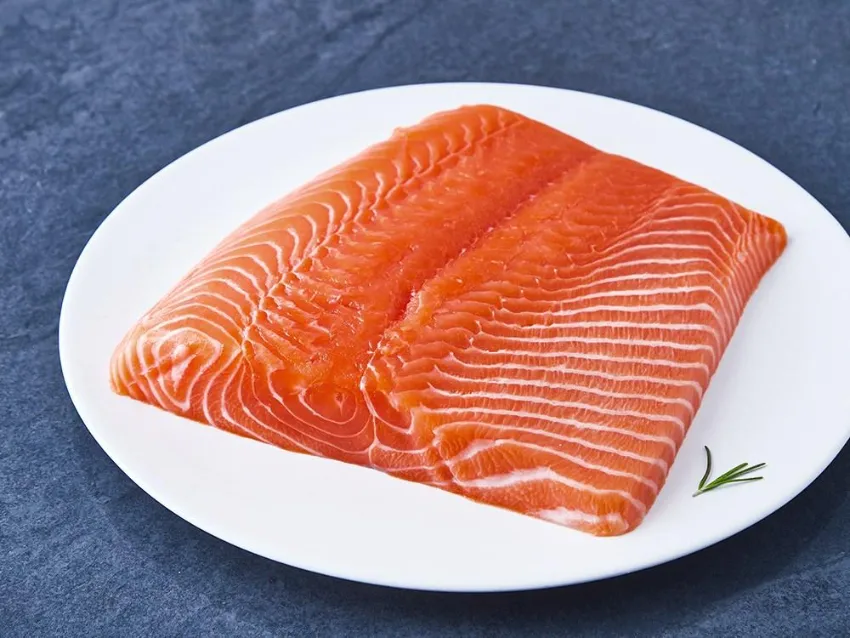
Salmon combines protein with omega-3 fats. These fats support heart health and normal brain function. Salmon also provides vitamin D, vitamin B12, selenium, and potassium. Its rich taste can make a simple meal feel satisfying without complicated sauces.
A 3-ounce serving of cooked salmon has about 175 to 180 calories, 19 to 22 grams of protein, and 10 to 11 grams of fat, with no carbohydrates.
Bake salmon with lemon, garlic, and herbs. Serve it with broccoli, brown rice, or roasted sweet potatoes. You can also flake cooked salmon into a salad or whole-grain wrap.
Fresh, frozen, and canned salmon can all fit into a balanced diet. Compare canned labels for sodium, and choose cooking methods that do not add large amounts of butter or oil.
5. Tuna
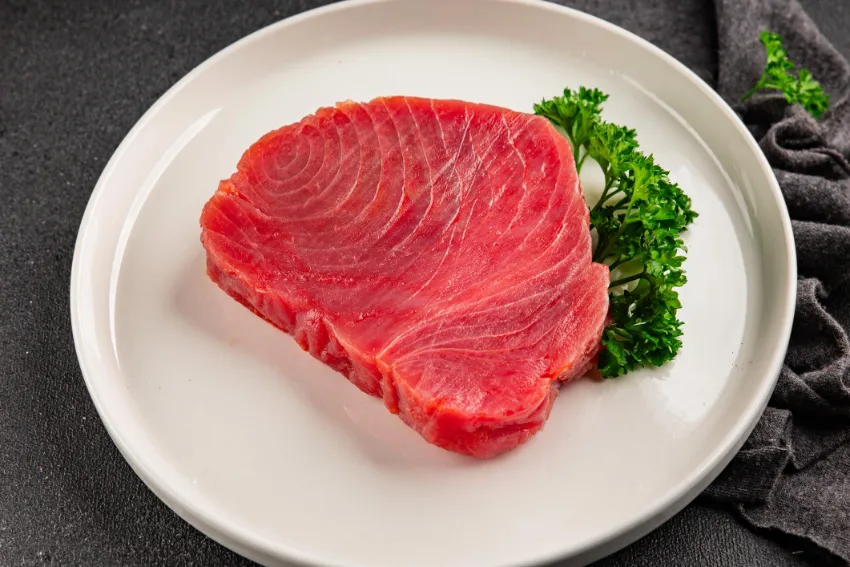
Tuna is a convenient source of lean protein. It also provides selenium, vitamin B12, and niacin. Protein can help support muscle and keep a meal satisfying. Canned tuna is especially handy for quick lunches and simple dinners.
A 3-ounce serving of canned light tuna in water, drained, has about 100 calories, 22 grams of protein, less than 1 gram of fat, and no carbohydrates.
Mix tuna with plain Greek yogurt, lemon juice, celery, and black pepper for a lighter salad. Serve it over greens, in a whole-grain sandwich, or with whole-grain crackers. You can also add tuna to pasta with tomatoes and vegetables.
Choose canned light tuna more often because it is generally lower in mercury than albacore. People who are pregnant, breastfeeding, or feeding young children should follow current fish and mercury guidance.
6. Sardines
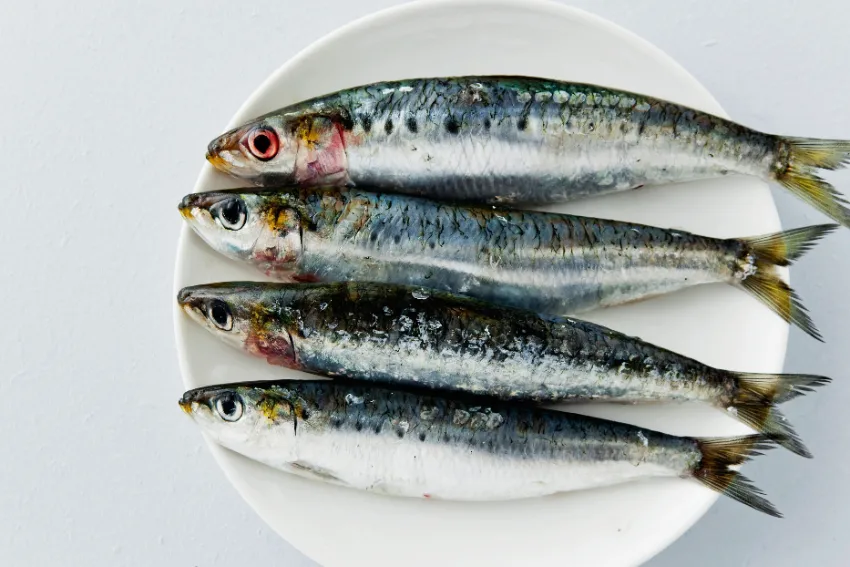
Sardines offer protein, omega-3 fats, vitamin D, vitamin B12, and calcium when their soft edible bones are included. They are small fish with a useful nutrient profile. Their protein and fats can help make meals satisfying, while their shelf-stable canned form is convenient.
A 3-ounce serving of canned sardines in oil, drained, has about 175 to 190 calories, 21 grams of protein, and around 10 grams of fat.
Mash sardines with lemon juice and black pepper for a quick spread. Add them to whole-grain toast, salads, pasta, or rice bowls. They also pair well with tomatoes, cucumber, and fresh herbs.
Check the label for sodium, especially if you eat canned fish often. Choose sardines packed in water or lower-sodium options if that better fits your needs.
7. Greek Yogurt

Plain Greek yogurt is rich in protein and provides calcium, vitamin B12, and riboflavin. Its thick texture makes it a filling breakfast or snack. Some varieties contain live cultures, which can support a healthy balance of gut bacteria.
A 6-ounce serving of plain nonfat Greek yogurt has about 100 calories, 17 grams of protein, less than 1 gram of fat, and 6 grams of carbohydrates. Values vary by brand.
Top Greek yogurt with blueberries, strawberries, oats, or a few nuts. Use it in smoothies, dips, and dressings. It can also replace some sour cream in sauces and baked potato toppings.
Choose plain yogurt to avoid added sugar. If you prefer a richer taste, try low-fat Greek yogurt and adjust the serving size to your appetite.
8. Cottage Cheese
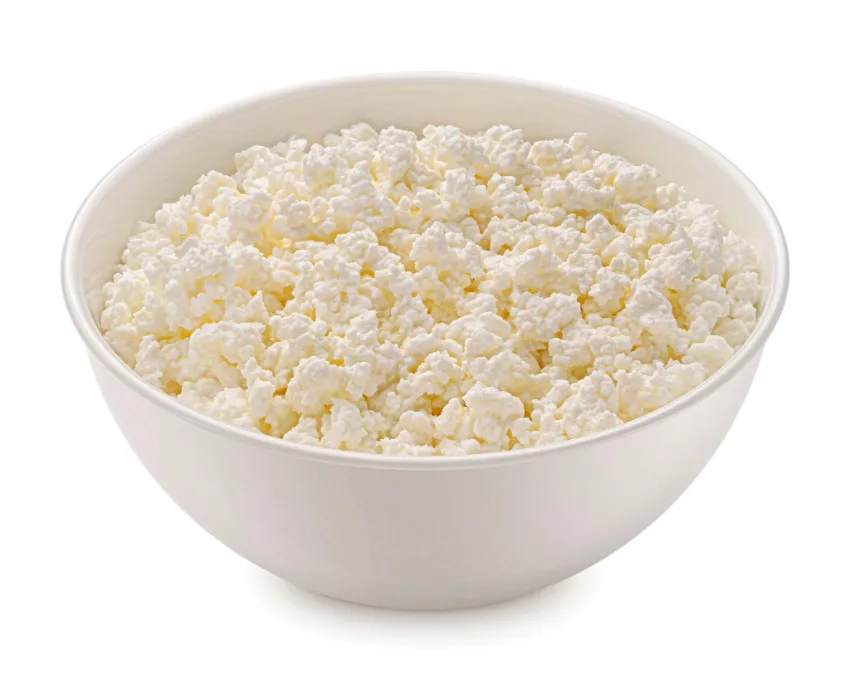
Cottage cheese is a protein-rich dairy food that also supplies calcium, vitamin B12, and riboflavin. Its mild flavor works with sweet and savory foods. Protein can help support muscle maintenance and make a snack more satisfying between meals.
A half-cup serving of low-fat cottage cheese has about 90 to 100 calories, 12 to 14 grams of protein, 2 to 3 grams of fat, and 4 to 5 grams of carbohydrates.
Pair cottage cheese with berries, sliced tomatoes, cucumber, or a little black pepper. Spoon it onto whole-grain toast or add it to a baked potato. You can also blend it into a creamy dip.
Cottage cheese can be high in sodium, depending on the brand. Compare labels and choose a lower-sodium option if you are watching your salt intake.
9. Lentils
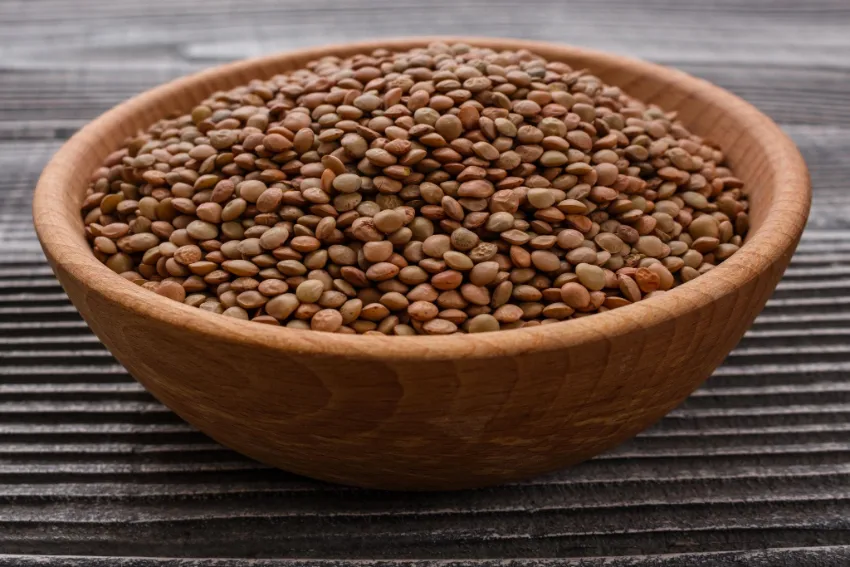
Lentils provide plant protein, fiber, folate, iron, and potassium. Their combination of protein and fiber makes them filling and useful in balanced meals. They are also affordable, easy to store, and quick to cook compared with many dried beans.
One cup of cooked lentils has about 230 calories, 18 grams of protein, 16 grams of fiber, 40 grams of carbohydrates, and less than 1 gram of fat.
Make lentil soup with tomatoes, carrots, onions, and spices. Add cooked lentils to salads, vegetable curry, or grain bowls. They also work well in homemade patties and as a filling for stuffed vegetables.
Lentils do not need soaking. Rinse them before cooking, then simmer until tender. Pair them with vegetables and a sensible portion of whole grains for a balanced meal.
10. Chickpeas

Chickpeas are rich in plant protein, fiber, folate, iron, and magnesium. Their fiber supports digestion and helps make meals more filling. They are also easy to use in many dishes, from salads to warm curries.
One cup of cooked chickpeas contains about 269 calories, 15 grams of protein, 12 grams of fiber, 45 grams of carbohydrates, and 4 grams of fat.
Blend chickpeas with tahini, lemon, and garlic to make hummus. Add them to salads, soups, or vegetable bowls. You can roast drained chickpeas with paprika and cumin for a crunchy snack.
Canned chickpeas save preparation time. Drain and rinse them to remove some added sodium. If you cook dried chickpeas, make extra and freeze portions for later meals.
11. Black Beans

Black beans are a filling source of plant protein and fiber. They also provide folate, iron, magnesium, and potassium. Their fiber helps support digestion, while their protein adds staying power to meals. They pair well with vegetables and whole grains.
One cup of cooked black beans has about 227 calories, 15 grams of protein, 15 grams of fiber, 41 grams of carbohydrates, and less than 1 gram of fat.
Add black beans to salads, soups, tacos, and rice bowls. Mash them with lime juice and cumin for a sandwich spread, or use them in vegetable chili. They also make a hearty filling for baked sweet potatoes.
Canned beans are a useful shortcut. Choose no-salt-added beans when possible, or rinse regular canned beans before using them.
12. Kidney Beans
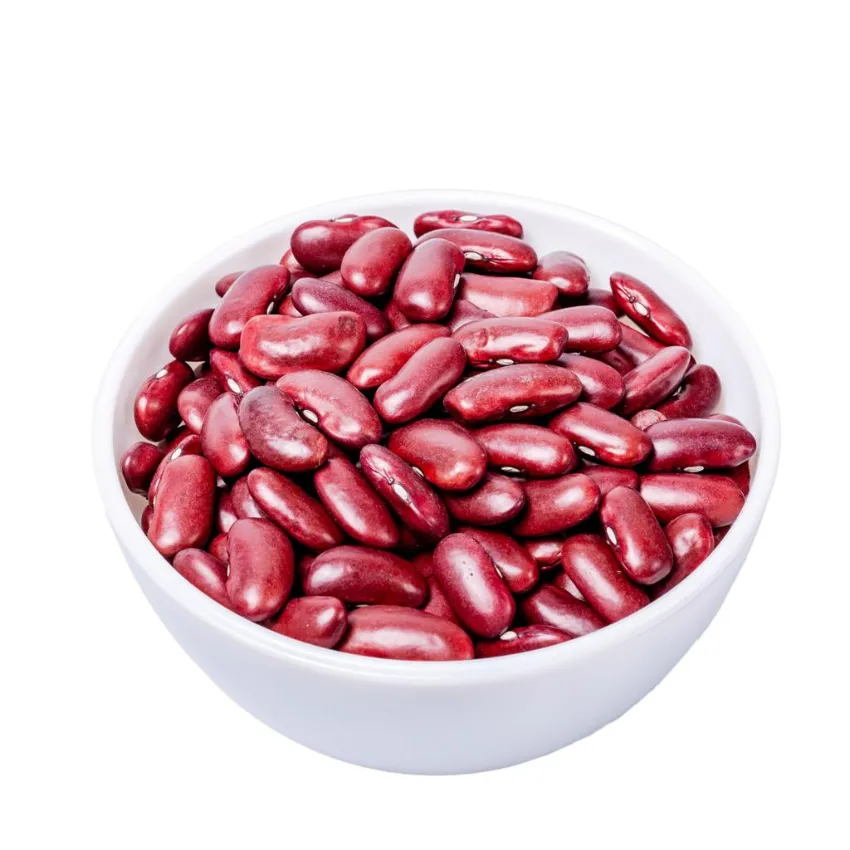
Kidney beans provide plant protein, fiber, folate, iron, and potassium. Their fiber and protein make them a satisfying choice for meals. They also offer slow-digesting carbohydrates that provide energy and work well alongside vegetables.
One cup of cooked kidney beans has about 225 calories, 15 grams of protein, 11 grams of fiber, 40 grams of carbohydrates, and less than 1 gram of fat.
Use kidney beans in chili, soups, tomato stews, and bean salads. Pair them with brown rice and vegetables for a filling meal. Canned kidney beans make preparation simple when you are short on time.
Food safety matters with dried kidney beans. Soak them, discard the soaking water, and boil them vigorously in fresh water for at least 10 minutes before simmering until tender. Never cook raw dried kidney beans only in a slow cooker.
13. Oats

Oats are a whole grain rich in soluble fiber, including beta-glucan. This type of fiber can help support healthy cholesterol levels. Oats also provide magnesium, iron, and some protein. Their fiber makes them a satisfying breakfast option.
One cup of cooked oatmeal made with water has about 150 calories, 5 grams of protein, 4 grams of fiber, 27 grams of carbohydrates, and 3 grams of fat.
Cook oats with water or milk and top them with berries, cinnamon, or a spoonful of Greek yogurt. Overnight oats are another easy option. You can also add oats to homemade muffins or use them to help bind veggie patties.
Choose plain oats instead of flavored packets when possible. Add fruit or spices for sweetness and flavor without relying on lots of added sugar.
14. Quinoa
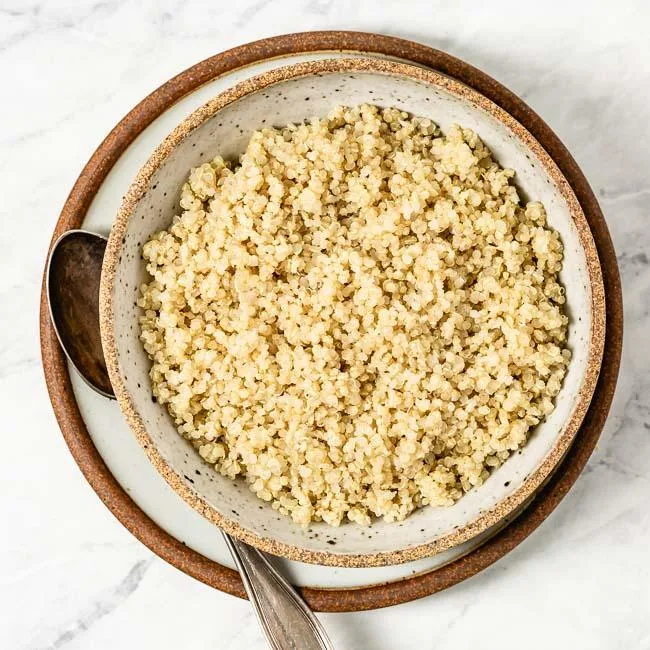
Quinoa is a seed that is prepared like a grain. It provides plant protein, fiber, magnesium, iron, and several other nutrients. It contains all nine essential amino acids, making it a useful protein source for plant-based meals.
One cup of cooked quinoa has about 222 calories, 8 grams of protein, 5 grams of fiber, 39 grams of carbohydrates, and 4 grams of fat.
Use quinoa in bowls with chicken, beans, vegetables, or avocado. Add it to salads and soups, or serve it as a breakfast porridge with milk and berries. It can also replace rice in many meals.
Rinse quinoa before cooking unless the package says it is pre-rinsed. This helps remove natural surface compounds that can taste bitter. Cook until the grains are fluffy and the small tails separate.
15. Brown Rice
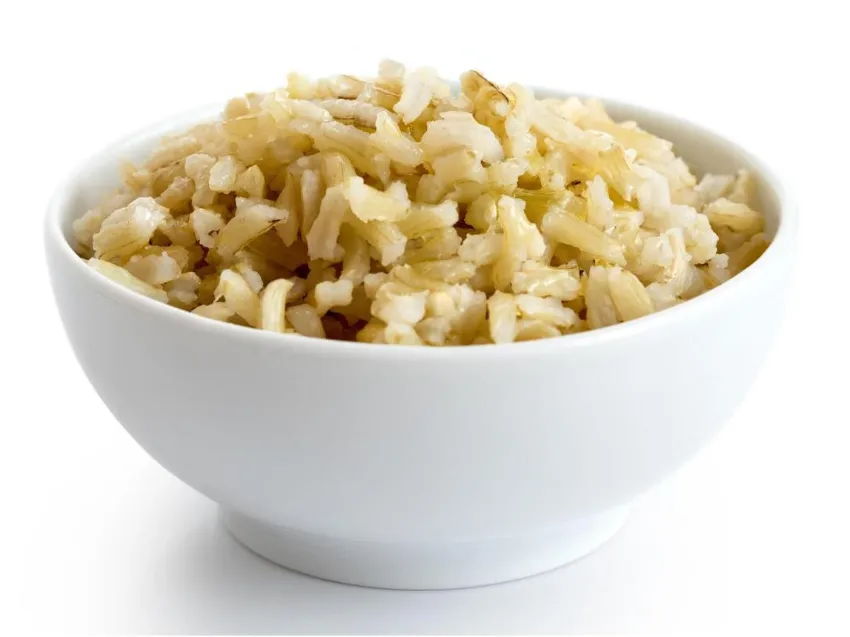
Brown rice is a whole grain that keeps its bran and germ. These parts provide fiber, magnesium, and other nutrients. It is a useful source of carbohydrates and pairs well with lean protein and vegetables.
One cup of cooked long-grain brown rice contains about 216 calories, 5 grams of protein, 3.5 grams of fiber, 45 grams of carbohydrates, and 2 grams of fat.
Serve brown rice with grilled chicken, salmon, lentils, or black beans. Add vegetables to make a grain bowl, or use it in stuffed peppers and stir-fries. Cook extra portions to make future meals easier.
Brown rice takes longer to cook than white rice, but a rice cooker can help. Refrigerate cooked rice promptly and reheat it thoroughly before eating.
16. Sweet Potatoes

Sweet potatoes provide fiber, potassium, vitamin C, and beta-carotene, which the body can turn into vitamin A. Their fiber helps support digestion, and their natural sweetness can make meals feel satisfying. They are easy to prepare without much added fat.
One medium baked sweet potato with skin has about 100 calories, 2 grams of protein, 4 grams of fiber, and 24 grams of carbohydrates.
Bake or roast sweet potatoes and serve them with black beans, Greek yogurt, or grilled chicken. Cut them into wedges and season with paprika and garlic. You can also mash them or add cubes to soups.
Wash the skin well and leave it on for extra fiber. Use herbs and spices for flavor, and keep added butter or sugar modest if you’re aiming for a balanced meal.
17. Broccoli
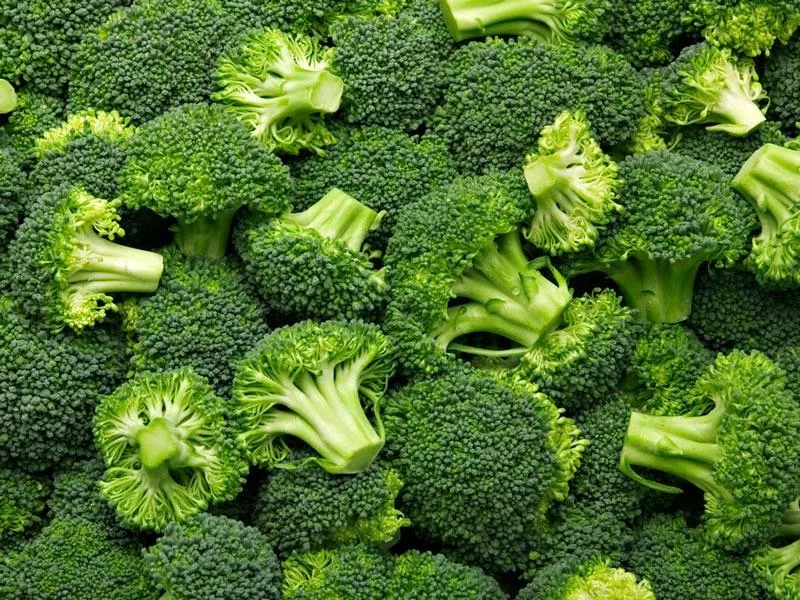
Broccoli is a low-calorie vegetable that provides fiber, vitamin C, vitamin K, and folate. Its fiber supports digestion, while its vitamins help support normal body functions. It also adds volume, color, and crunch to meals.
One cup of chopped cooked broccoli has about 55 calories, 4 grams of protein, 5 grams of fiber, and 11 grams of carbohydrates.
Steam broccoli and serve it with lemon and black pepper. Roast florets with a little olive oil, or add them to stir-fries, soups, pasta, and rice bowls. Broccoli also pairs well with eggs, chicken, and beans.
Avoid boiling it for too long, since some nutrients can move into the cooking water. Steaming and roasting help keep its texture appealing. The peeled stems are edible too.
18. Spinach
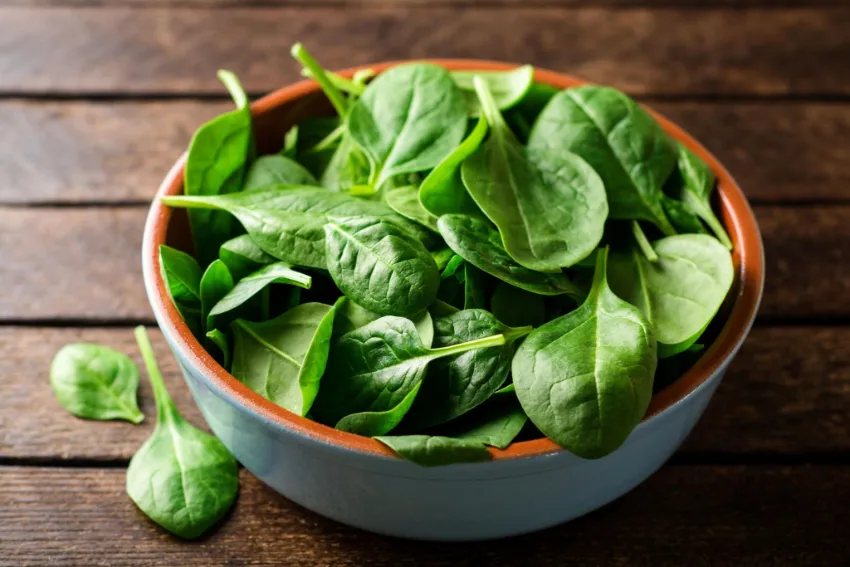
Spinach provides folate, vitamins A, C, and K, plus fiber and plant compounds. It is low in calories and easy to add to meals. Its mild flavor works in both cooked dishes and fresh salads.
One cup of cooked spinach has about 40 calories, 5 grams of protein, 4 grams of fiber, and 7 grams of carbohydrates.
Stir spinach into omelets, soups, lentil dishes, and pasta. Add fresh leaves to sandwiches and salads, or blend a handful into a smoothie. It cooks down quickly, so add it near the end of cooking.
Spinach is rich in vitamin K. If you take a blood thinner affected by vitamin K, keep your intake consistent and ask your healthcare provider before making major changes.
19. Kale
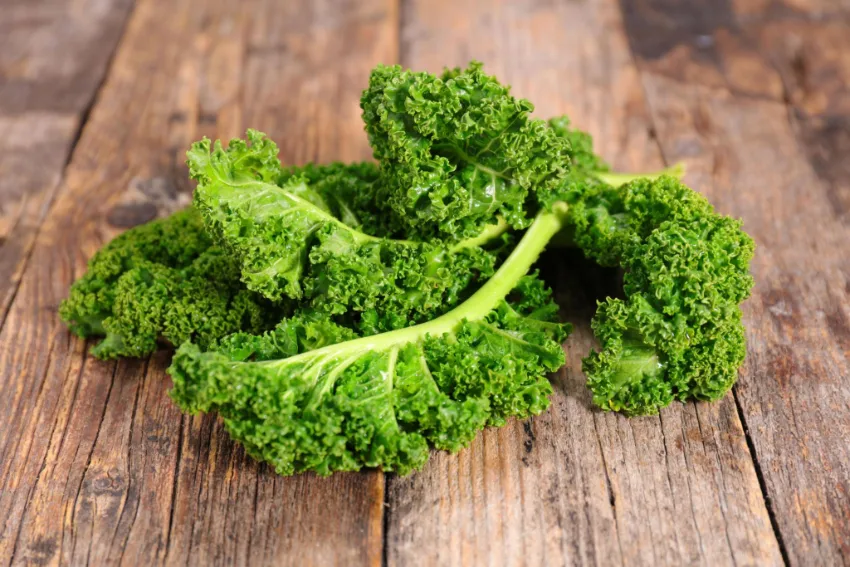
Kale is a sturdy leafy green that supplies vitamins A, C, and K, along with fiber and plant compounds. It has a stronger taste than spinach and holds its shape in cooked dishes. Eating different leafy greens helps add variety to your meals.
One cup of chopped raw kale has about 7 calories, 1 gram of protein, 1 gram of fiber, and 1 gram of carbohydrates.
Slice kale into thin strips and massage it with lemon juice and olive oil for a salad. You can also sauté it with garlic or add it to soups, pasta, and grain bowls. Baby kale has a milder flavor.
Remove thick stems before cooking, or chop them finely and cook them a little longer. If kale tastes bitter, mix it with milder greens or cook it with onions.
20. Cauliflower
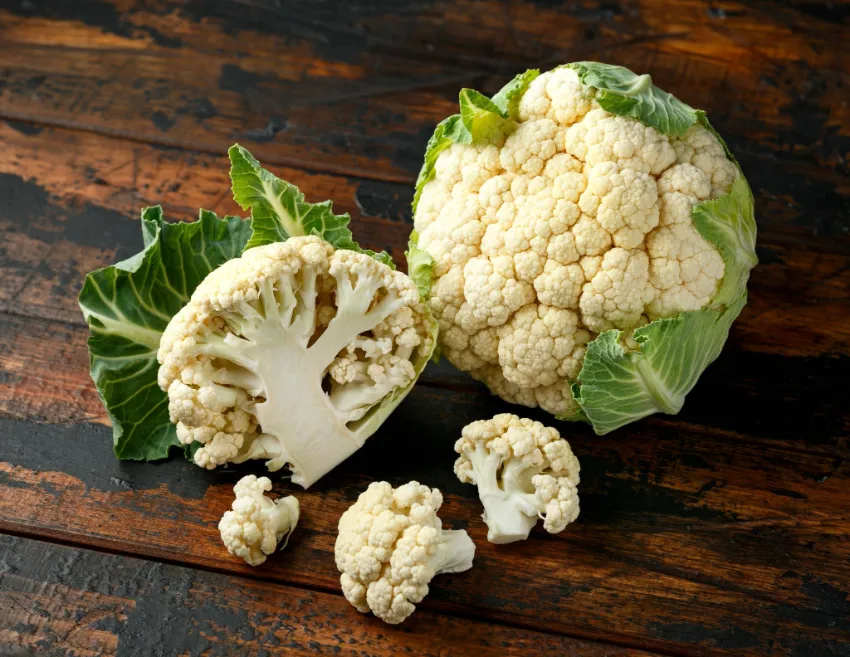
Cauliflower is a versatile vegetable that provides vitamin C, vitamin K, folate, and fiber. It is low in calories and can take on the flavor of herbs and spices. Its mild taste makes it easy to use in many meals.
One cup of chopped raw cauliflower has about 25 calories, 2 grams of protein, 2 grams of fiber, and 5 grams of carbohydrates.
Roast cauliflower florets with garlic and paprika, or steam them as a simple side. Add cauliflower to soups and curries, or pulse it into small pieces for a rice-like base. It also works in vegetable bowls with beans and lean protein.
Roasting gives cauliflower a golden surface and deeper flavor. Use a little oil and spread the pieces out on the baking sheet so they brown instead of steam.
21. Cucumber
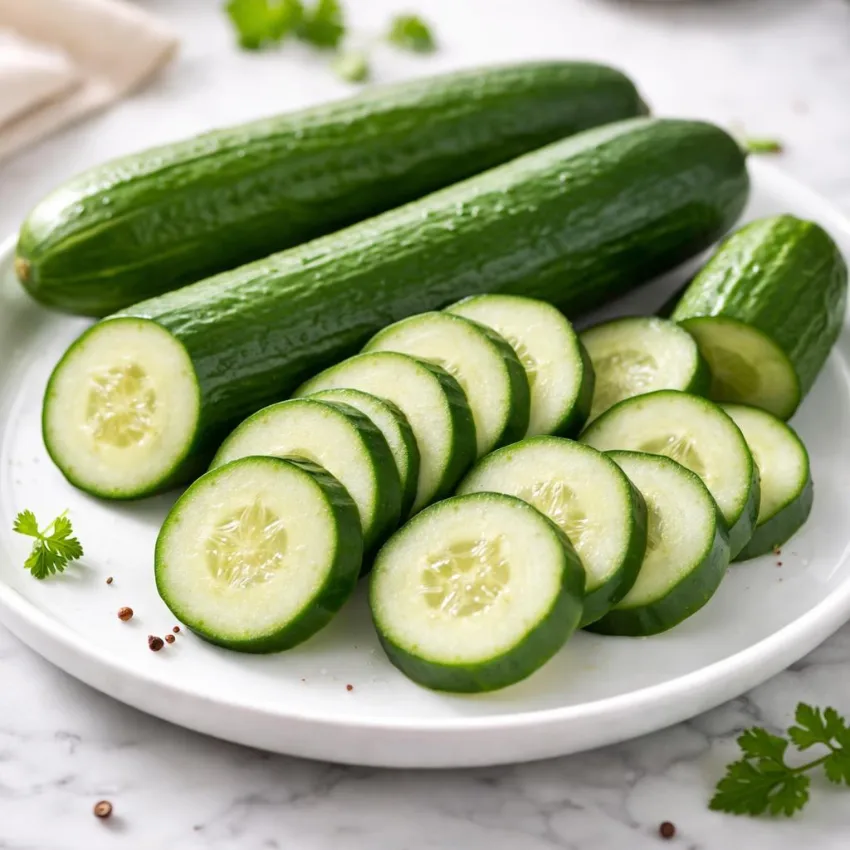
Cucumber is refreshing, high in water, and low in calories. It provides small amounts of vitamin K, potassium, and other nutrients. Its crunch adds volume to meals, and it can help make salads and snacks feel fresh and satisfying.
One cup of sliced cucumber with peel has about 16 calories, 1 gram of protein, 1 gram of fiber, and 4 grams of carbohydrates.
Add cucumber slices to salads, sandwiches, and grain bowls. Serve them with hummus or Greek yogurt dip, or mix them with tomatoes, lemon, and herbs. You can also add cucumber to water for a fresh flavor.
Keep the peel on when it is clean and suitable to eat, since it adds fiber. Wash cucumbers under running water before slicing.
22. Avocados
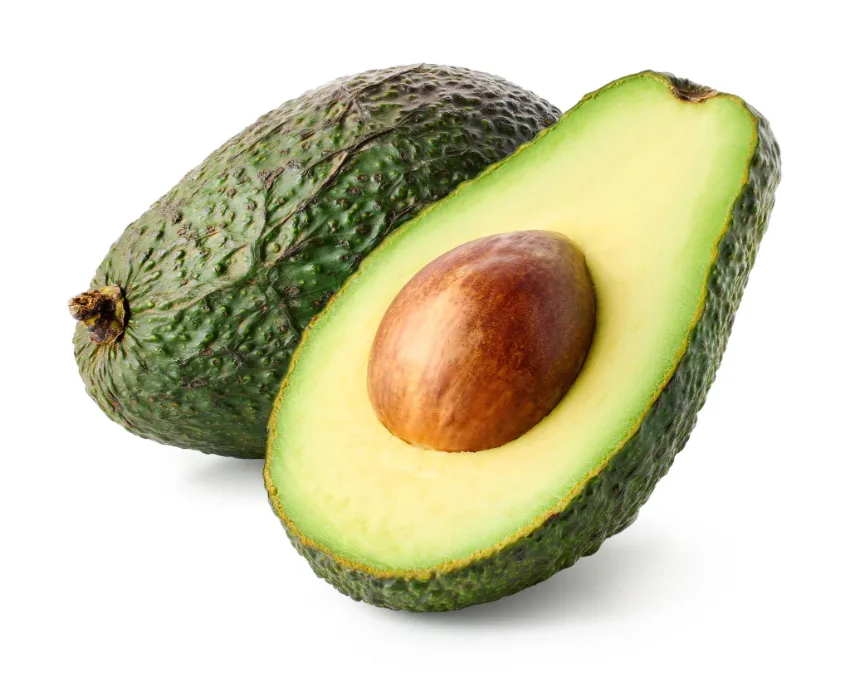
Avocados provide fiber, potassium, folate, and mostly monounsaturated fats. These fats can support heart health when they replace some saturated fats in the diet. Avocado also adds a creamy texture that can make simple meals more satisfying.
Half a medium avocado has about 120 calories, 1.5 grams of protein, 5 grams of fiber, 11 grams of fat, and 6 grams of carbohydrates.
Mash avocado with lime juice and spread it on whole-grain toast. Add slices to salads, bean bowls, or egg dishes. You can also blend it with herbs and plain Greek yogurt for a creamy dressing.
Avocados are nutritious but energy-dense. A quarter to half of a fruit can be a useful portion, depending on your appetite and meal needs. Store cut avocado with lemon or lime juice to slow browning.
23. Blueberries
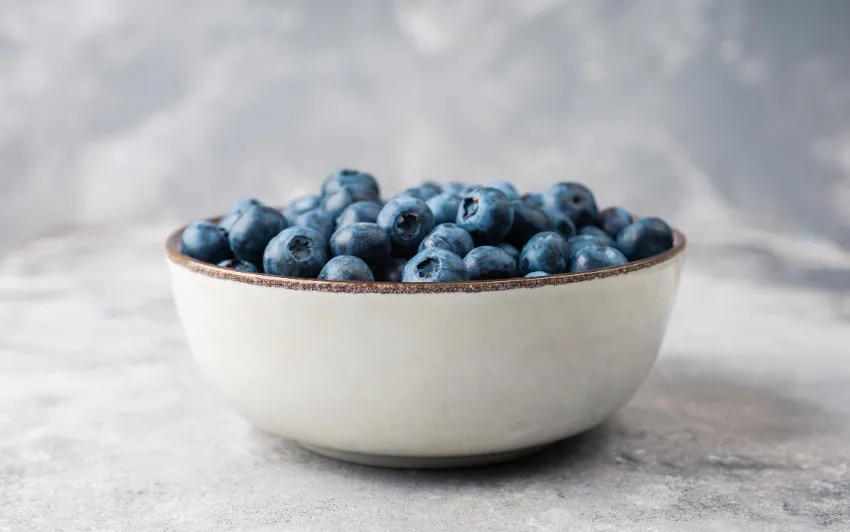
Blueberries provide fiber, vitamin C, vitamin K, and colorful plant compounds called anthocyanins. These compounds give the berries their deep blue color. Blueberries are naturally sweet and easy to add to meals without much preparation.
One cup of fresh blueberries has about 84 calories, 1 gram of protein, 4 grams of fiber, 21 grams of carbohydrates, and less than 1 gram of fat.
Add blueberries to oatmeal, Greek yogurt, smoothies, or whole-grain cereal. Enjoy them as a snack, or mix them into a fruit salad. Frozen blueberries work well in smoothies and cooked oatmeal.
Choose plain frozen berries without added sugar. Wash fresh blueberries just before eating and keep them refrigerated to help them stay fresh.
24. Strawberries
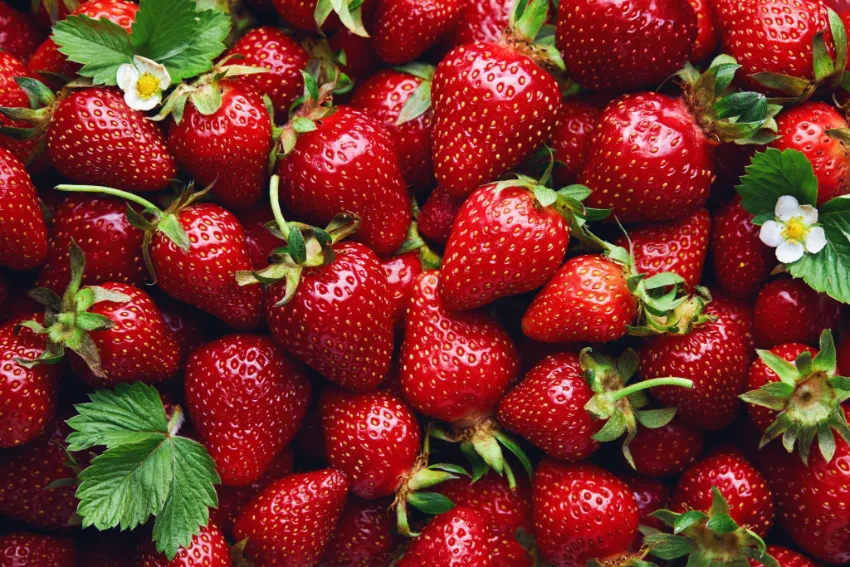
Strawberries are a low-calorie fruit that provides vitamin C, fiber, folate, and plant compounds. Their natural sweetness can help satisfy a desire for something sweet. Their water and fiber content also make them a refreshing addition to meals and snacks.
One cup of sliced strawberries has about 53 calories, 1 gram of protein, 3 grams of fiber, 13 grams of carbohydrates, and less than 1 gram of fat.
Add sliced strawberries to oatmeal, yogurt, salads, or smoothies. Pair them with a few almonds for a simple snack, or serve them with cottage cheese for extra protein. They also make a colorful topping for whole-grain pancakes.
Wash strawberries under cool running water before eating and remove the green tops afterward. Choose fresh berries that are bright, firm, and free from mold.
Final Thoughts
There is no single food plan for an “endomorph” body type. Focus on balanced meals with protein, fiber-rich foods, healthy fats, and portions that suit your needs.
Add regular movement, sleep, and consistency. Choose foods you enjoy, and speak with a healthcare professional before making major diet changes.
Nutrition Notes
The term “endomorph” comes from a body-type system and is not a medical diagnosis. It does not reliably predict metabolism, health, or the best diet for an individual. The foods in this list can fit into many balanced eating patterns, but no food guarantees weight loss.
Nutrition values are estimates and vary by brand, cut, variety, serving size, and preparation. Values are rounded from commonly used USDA FoodData Central entries.
For reliable nutrition information, visit USDA FoodData Central and the NIH nutrition resources.
