
23 Blue Zone Foods That Support a Healthy, Balanced Diet

Blue Zones are places where many people live long, active lives. Their meals often include beans, whole grains, vegetables, fruits, nuts, and seeds.
No single food explains longevity, but everyday eating habits can make a difference. These 23 foods are practical, tasty choices to help build more plant-rich meals.
1. Black Beans

Black beans are a classic staple in many Blue Zone style meals, especially in parts of Central America. They provide plant protein, fiber, folate, iron, and potassium. Fiber helps support digestion and can help you feel full after meals. Their slow-digesting carbohydrates also make them a satisfying source of lasting energy.
One cup of cooked black beans has about 227 calories, 15 grams of protein, 15 grams of fiber, 41 grams of carbohydrates, and less than 1 gram of fat.
Add black beans to rice bowls, soups, salads, tacos, or vegetable chili. Mash them with garlic, lime juice, and cumin for a quick spread. You can also cook a batch at the start of the week and use it in several meals.
Canned beans are convenient. Choose no-salt-added versions when possible, or rinse regular canned beans to remove some sodium.
2. Lentils
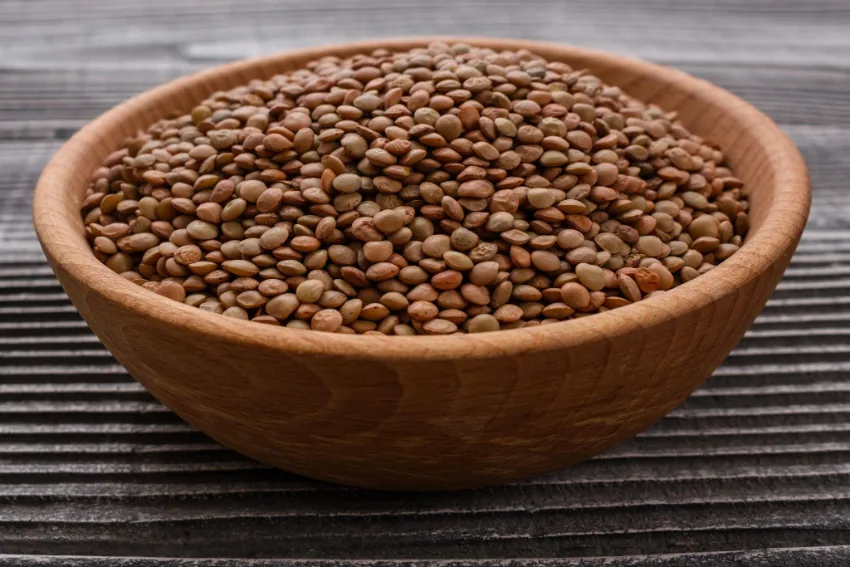
Lentils are an everyday food in many traditional diets around the world. They are rich in plant protein, fiber, folate, iron, and potassium. Their fiber supports healthy digestion, while protein helps maintain muscles and body tissues. Lentils are also affordable, filling, and easy to cook.
One cup of cooked lentils contains about 230 calories, 18 grams of protein, 16 grams of fiber, 40 grams of carbohydrates, and less than 1 gram of fat.
Make a pot of lentil soup with tomatoes, carrots, onions, and spices. Add cooked lentils to salads, grain bowls, or vegetable curry. They also work well in pasta sauce and homemade veggie patties.
Brown, green, and red lentils all offer useful nutrients. Red lentils cook quickly and soften into a creamy texture, while green and brown lentils usually hold their shape better.
3. Chickpeas
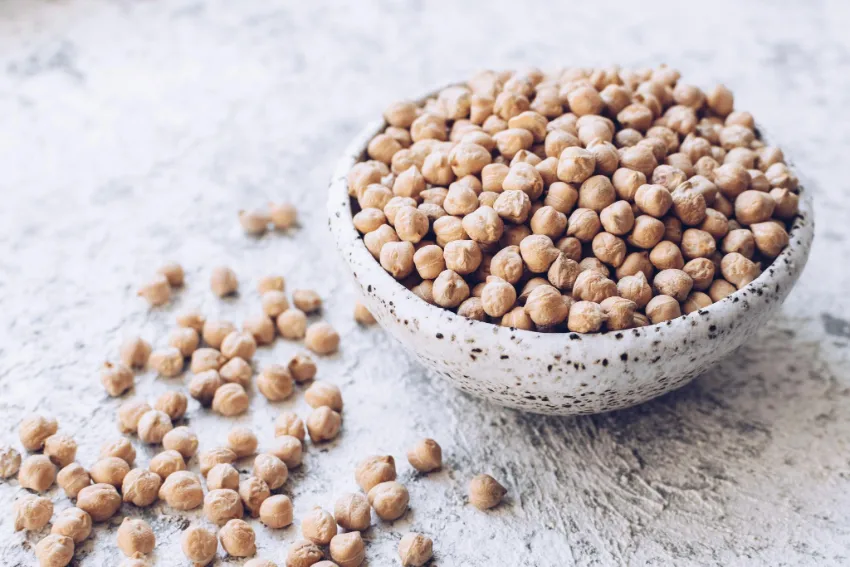
Chickpeas, also called garbanzo beans, are a useful source of plant protein and fiber. They also provide folate, iron, magnesium, and manganese. Their fiber supports digestion and helps make meals more filling. Chickpeas are easy to store and can be used in many cuisines.
One cup of cooked chickpeas has about 269 calories, 15 grams of protein, 12 grams of fiber, 45 grams of carbohydrates, and 4 grams of fat.
Blend chickpeas with tahini, lemon juice, and garlic to make hummus. Add them to salads, soups, curries, or roasted vegetable bowls. You can also roast drained chickpeas with paprika and cumin for a crunchy snack.
Canned chickpeas save time. Drain and rinse them before eating to remove some of the added sodium. If you cook dried chickpeas, prepare extra and freeze portions for later.
4. Kidney Beans
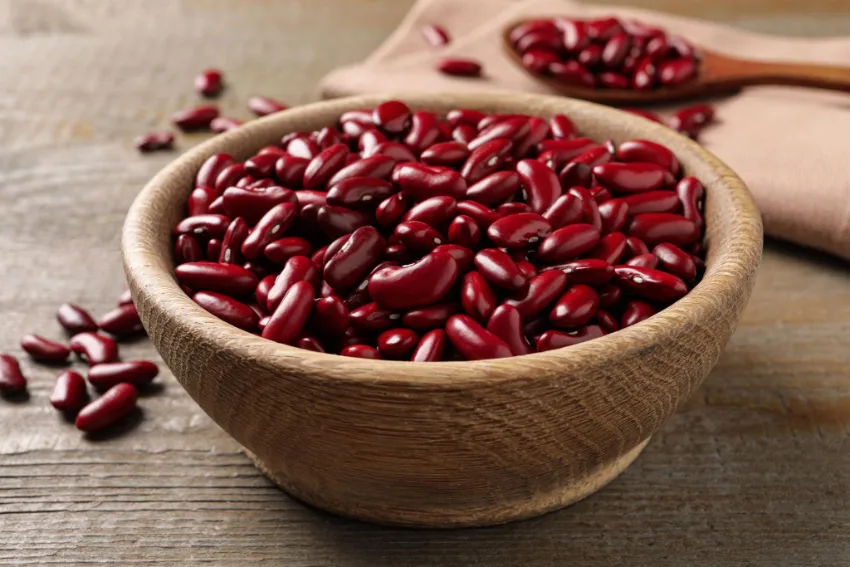
Kidney beans bring fiber, plant protein, folate, iron, and potassium to the plate. They are filling and work well in meals built around vegetables and whole grains. Their fiber supports digestive health and helps slow digestion, while their protein contributes to muscle maintenance.
One cup of cooked kidney beans contains about 225 calories, 15 grams of protein, 11 grams of fiber, 40 grams of carbohydrates, and less than 1 gram of fat.
Use kidney beans in vegetable chili, bean salads, soups, and tomato-based stews. They pair well with brown rice, onions, peppers, and spices. Canned beans make a fast meal addition when time is short.
Important food safety tip: never cook dried kidney beans in a slow cooker from raw. Soak them, discard the soaking water, and boil them vigorously in fresh water for at least 10 minutes before simmering until tender. This destroys a natural toxin found in raw kidney beans.
5. Soybeans
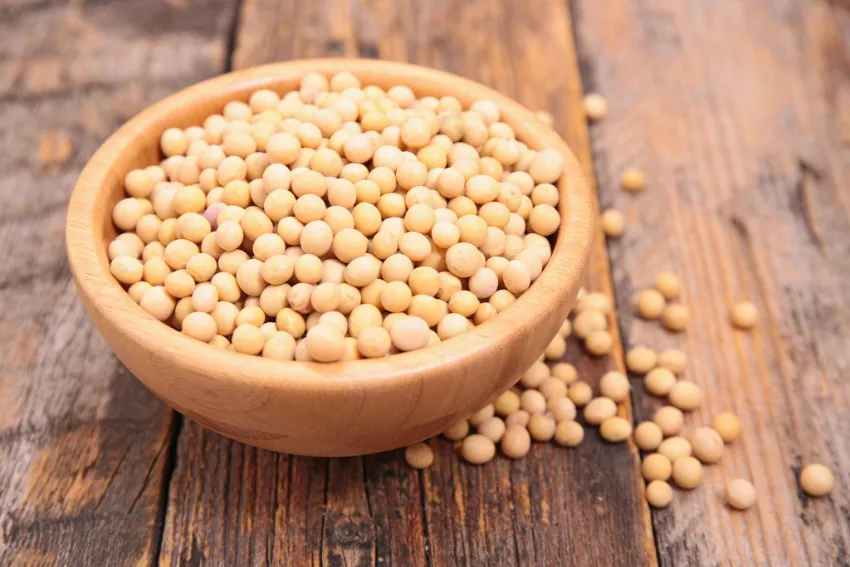
Soybeans are a nutrient-rich legume that provides complete plant protein. That means they contain all nine essential amino acids. They also supply fiber, iron, magnesium, potassium, and healthy unsaturated fats. Soy foods can be useful in meals that contain little or no meat.
One cup of cooked mature soybeans has about 300 calories, 29 grams of protein, 10 grams of fiber, 15 grams of fat, and 17 grams of carbohydrates.
Add cooked soybeans to salads, soups, stir-fries, and rice bowls. Young soybeans, called edamame, are easy to steam and serve as a snack. Tofu, tempeh, and unsweetened soy milk are other simple ways to enjoy soy.
Choose plain or lightly seasoned products to keep added salt in check. If you have a soy allergy, avoid soy foods and choose other beans, nuts, or seeds instead.
6. Green Peas

Green peas are a plant food that offers fiber, protein, vitamin C, vitamin K, folate, and several minerals. They are naturally sweet and easy to add to everyday meals. Their fiber supports digestion, while their plant protein helps make a meal more satisfying.
One cup of cooked green peas has about 134 calories, 9 grams of protein, 9 grams of fiber, 25 grams of carbohydrates, and less than 1 gram of fat.
Stir peas into vegetable soups, rice dishes, pasta, and curries. Add them to salads or mash them with lemon and herbs for a quick side dish. Frozen peas are especially handy because they cook in just a few minutes.
Frozen peas can be just as nutritious as fresh peas. Look for plain bags without added sauces or salt. Keep a bag in the freezer for quick meals.
7. Oats

Oats are a whole grain that provides soluble fiber, especially a type called beta-glucan. This fiber can help support healthy cholesterol levels as part of a balanced diet. Oats also contain magnesium, iron, and plant protein. They make a filling breakfast that is easy to customize.
One cup of cooked oatmeal made with water has about 150 calories, 5 grams of protein, 4 grams of fiber, 27 grams of carbohydrates, and 3 grams of fat.
Cook oats with water or milk and top them with berries, sliced fruit, walnuts, or pumpkin seeds. For a make-ahead breakfast, mix rolled oats with yogurt and milk and chill overnight. You can also use oats in homemade muffins and veggie patties.
Choose plain oats instead of flavored packets when possible. Some instant varieties contain added sugar and sodium. Add your own cinnamon, fruit, or a small spoonful of nut butter for flavor.
8. Brown Rice
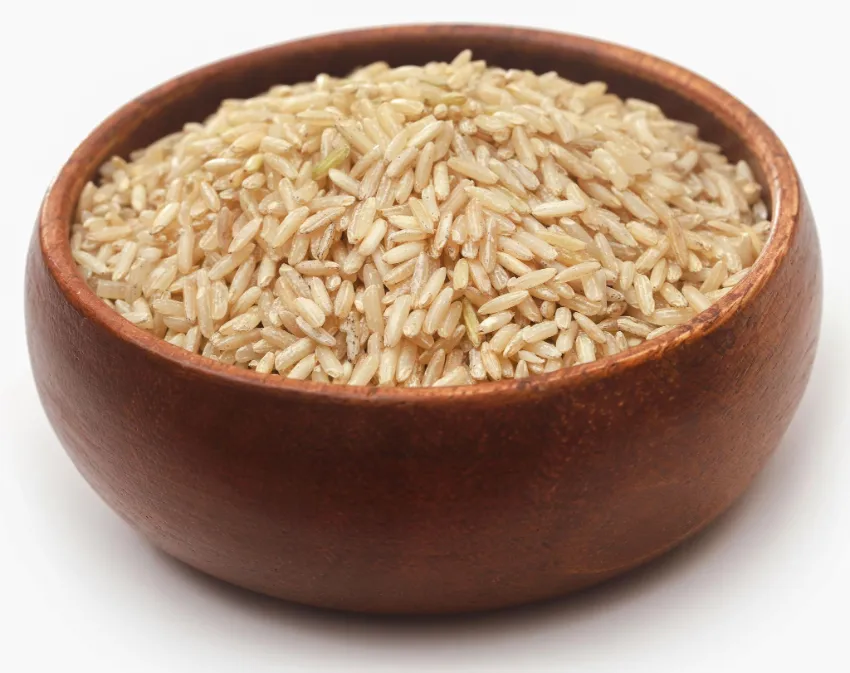
Brown rice is a whole grain because it keeps its bran and germ layers. These parts provide fiber, magnesium, and other nutrients. It can be a steady source of energy and makes a useful base for meals with beans and vegetables. Its mild flavor works with many seasonings.
One cup of cooked long-grain brown rice contains about 216 calories, 5 grams of protein, 3.5 grams of fiber, 45 grams of carbohydrates, and 2 grams of fat.
Serve brown rice with black beans, lentils, roasted vegetables, or tofu. Use it in grain bowls, stuffed peppers, and vegetable stir-fries. Cook a larger batch and refrigerate portions for quick meals later in the week.
Brown rice takes longer to cook than white rice, but a rice cooker can make the process simple. Refrigerate cooked rice promptly and reheat it thoroughly before serving.
9. Barley
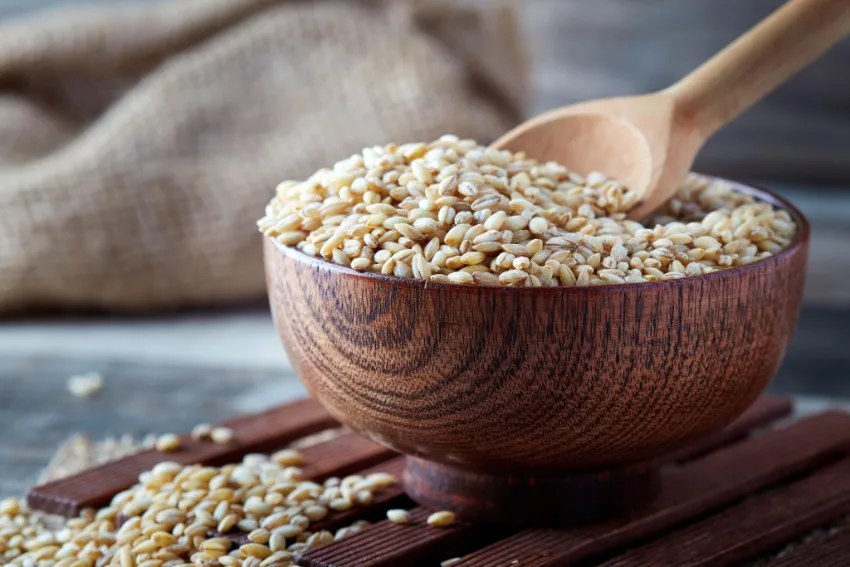
Barley is an old whole grain that adds fiber, minerals, and a pleasant chewy texture to meals. It contains beta-glucan, a soluble fiber also found in oats. This type of fiber can help support healthy cholesterol levels. Barley also provides selenium, magnesium, and small amounts of plant protein.
One cup of cooked pearled barley has about 193 calories, 4 grams of protein, 6 grams of fiber, 44 grams of carbohydrates, and less than 1 gram of fat. Whole-grain hulled barley may contain more fiber.
Add barley to vegetable soup, bean stew, or a warm grain salad. It also works as a hearty alternative to rice. Mix cooked barley with tomatoes, cucumber, parsley, and lemon for a simple lunch.
Look for hulled barley when you want a less processed whole-grain option. Pearled barley is more widely available and cooks faster, though some of its outer layers have been removed.
10. Quinoa
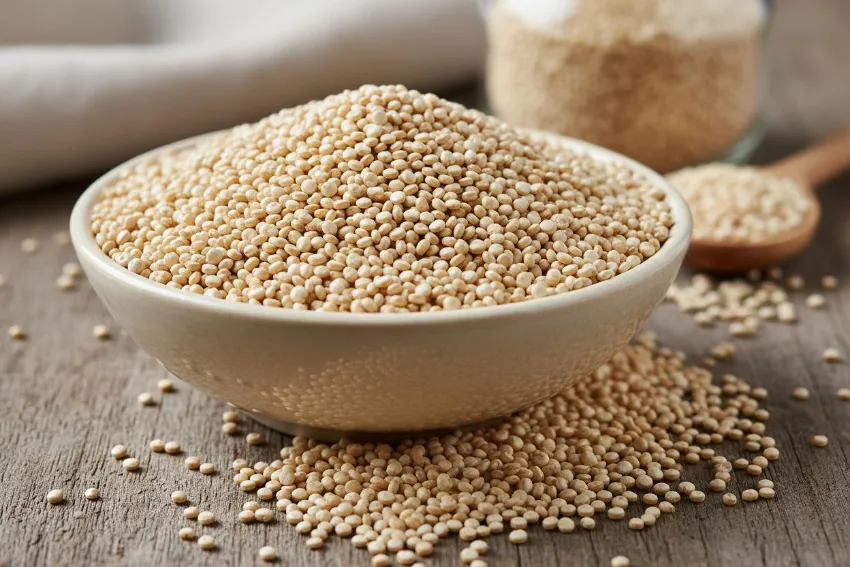
Quinoa is a seed that is cooked and eaten like a grain. It provides fiber, magnesium, iron, and plant protein. It is also one of the few plant foods that naturally contains all nine essential amino acids. This makes quinoa a useful choice for adding variety to plant-based meals.
One cup of cooked quinoa has about 222 calories, 8 grams of protein, 5 grams of fiber, 39 grams of carbohydrates, and 4 grams of fat.
Use quinoa as a base for bowls with beans, vegetables, and avocado. Add it to salads, soups, or stuffed peppers. You can also serve it as a breakfast porridge with milk, fruit, and cinnamon.
Rinse quinoa under running water before cooking unless the package says it is pre-rinsed. This helps remove natural compounds on the surface that can taste bitter. Cook it with water or low-sodium broth until the grains become fluffy.
11. Sweet Potatoes
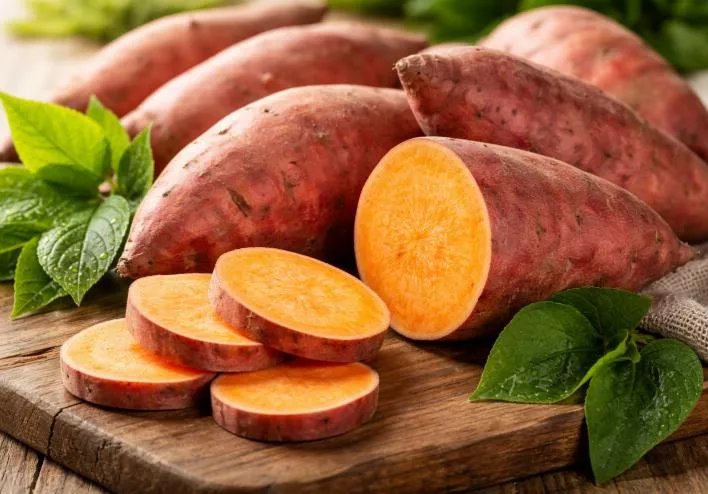
Sweet potatoes are rich in beta-carotene, which the body can turn into vitamin A. They also provide fiber, potassium, and vitamin C. Their natural sweetness makes them a satisfying side dish, while their fiber helps support digestion. They are easy to prepare with simple ingredients.
One medium baked sweet potato with skin has about 100 calories, 2 grams of protein, 4 grams of fiber, 24 grams of carbohydrates, and very little fat.
Bake a sweet potato until soft and top it with black beans, plain yogurt, or cooked greens. Cut it into cubes and roast it with olive oil and spices. You can also mash it or add it to soups and stews.
Keep the skin on after washing it well. The skin adds fiber and helps the potato hold its shape. Try cinnamon for a sweeter taste or paprika for a savory version.
12. Purple Sweet Potatoes
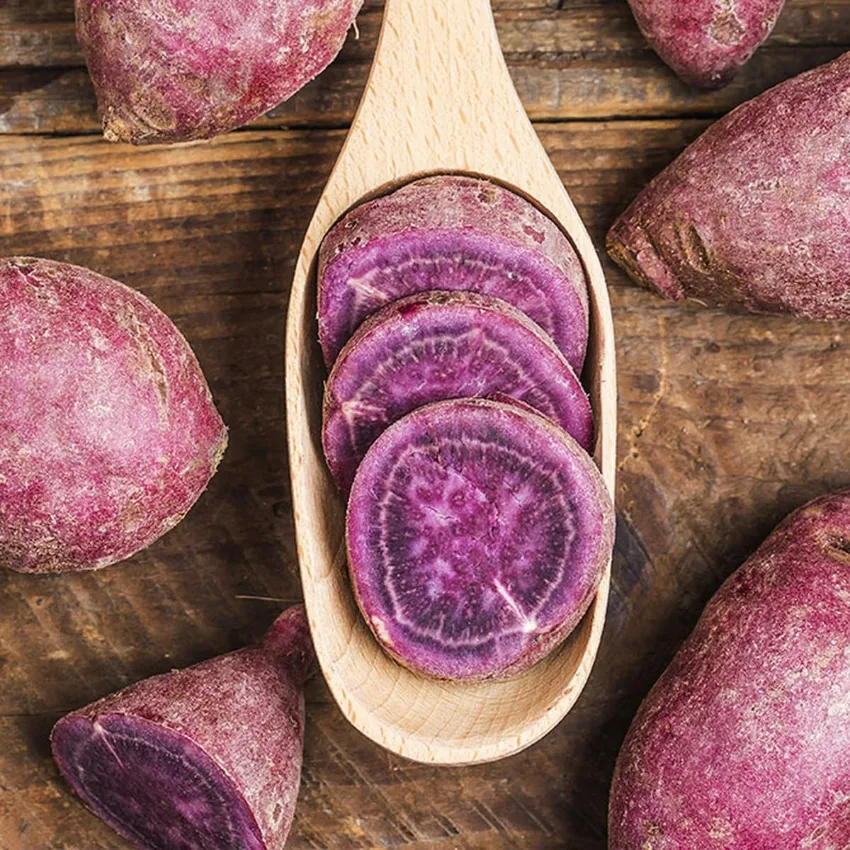
Purple sweet potatoes get their deep color from natural plant pigments called anthocyanins. These compounds act as antioxidants in the body. Purple varieties also provide fiber, potassium, and carbohydrates for energy. Their color makes meals look appealing without the need for artificial coloring.
One medium purple sweet potato has roughly 150 to 200 calories, 2 to 3 grams of protein, 4 to 6 grams of fiber, and very little fat. Exact nutrition varies with the variety and size.
Steam, bake, or roast purple sweet potatoes until tender. Serve them with lentils, beans, or sautéed greens. You can also mash them into a colorful side dish or add cubes to vegetable soups.
Purple sweet potatoes are not the same as purple yams, though the names are sometimes mixed up in stores. Check the label or ask the produce seller if you want a specific variety.
13. Spinach
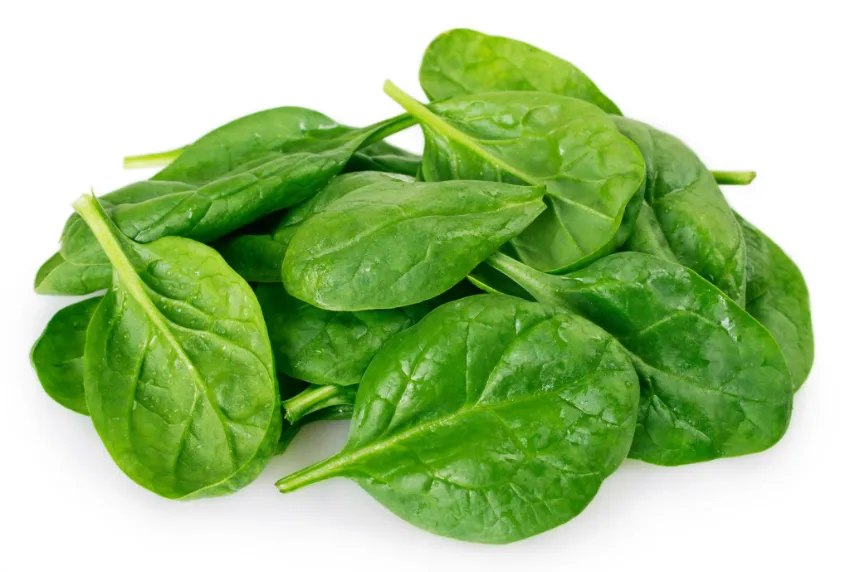
Spinach is a leafy green that provides folate, vitamin K, vitamin A, vitamin C, and plant compounds. It is low in calories and easy to add to meals. These nutrients help support normal cell function, healthy bones, and the body’s natural defenses.
One cup of cooked spinach has about 40 calories, 5 grams of protein, 4 grams of fiber, and 7 grams of carbohydrates. It also provides a large amount of vitamin K and vitamin A.
Add spinach to lentil soup, omelets, pasta, and vegetable curries. Stir a handful into hot dishes near the end of cooking, or use fresh leaves in salads and sandwiches. It also blends well into fruit smoothies.
Spinach shrinks a lot when cooked, so a cooked cup contains more leaves than a raw cup. If you take a blood thinner affected by vitamin K, ask your healthcare provider before making major changes to how much spinach you eat.
14. Kale
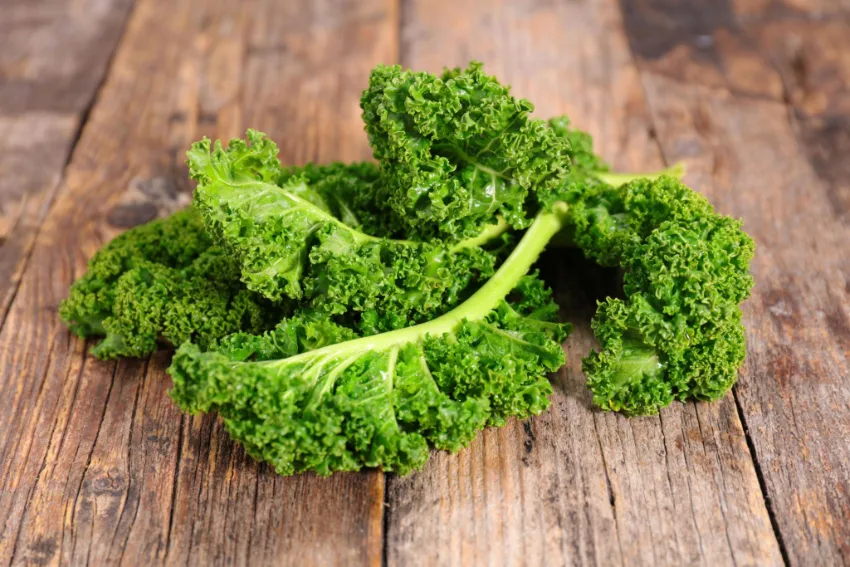
Kale is a sturdy leafy green that provides vitamins K, A, and C, plus fiber and plant compounds. It has a stronger taste than spinach, but it holds its texture in soups and cooked dishes. Eating a range of leafy greens helps add different nutrients to your meals.
One cup of chopped raw kale has about 7 calories, 1 gram of protein, 1 gram of fiber, and 1 gram of carbohydrates. Cooked kale is more concentrated by volume because the leaves shrink.
Remove the tough stems and slice the leaves into thin strips. Massage raw kale with lemon juice and olive oil for a salad. You can also sauté it with garlic or add it to bean soup, pasta, and grain bowls.
If kale tastes too bitter, mix it with milder greens or cook it with onions. Baby kale is often softer and has a gentler flavor.
15. Broccoli
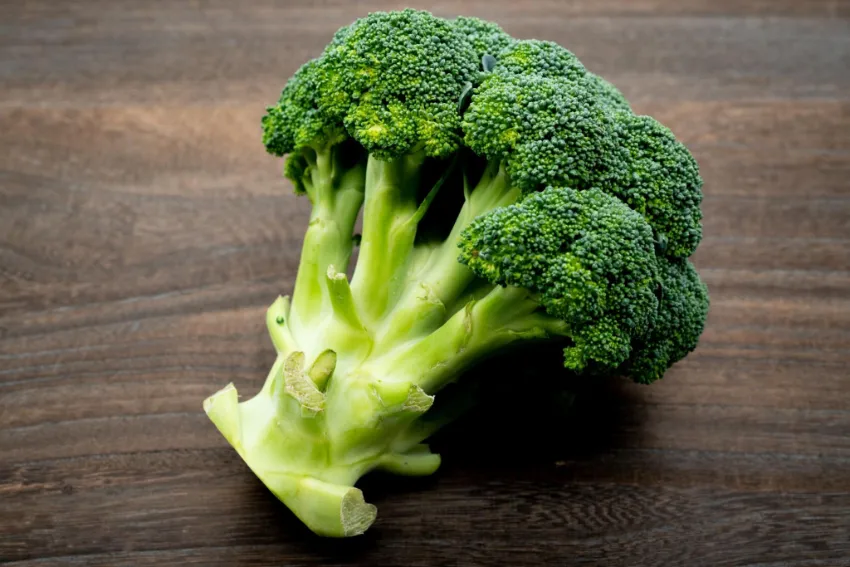
Broccoli is a member of the cruciferous vegetable family. It provides vitamin C, vitamin K, folate, fiber, and plant compounds that researchers continue to study. Its nutrients support normal immune function, healthy digestion, and many everyday body processes.
One cup of chopped cooked broccoli has about 55 calories, 4 grams of protein, 5 grams of fiber, and 11 grams of carbohydrates.
Steam broccoli and serve it with lemon juice and black pepper. Roast florets with olive oil, or add them to stir-fries, pasta, soups, and rice bowls. Chopped broccoli also works in omelets and vegetable casseroles.
Try not to boil broccoli for too long. Steaming or roasting helps preserve its texture and flavor. Both the florets and peeled stems are edible, so slice the stems and cook them too.
16. Cabbage
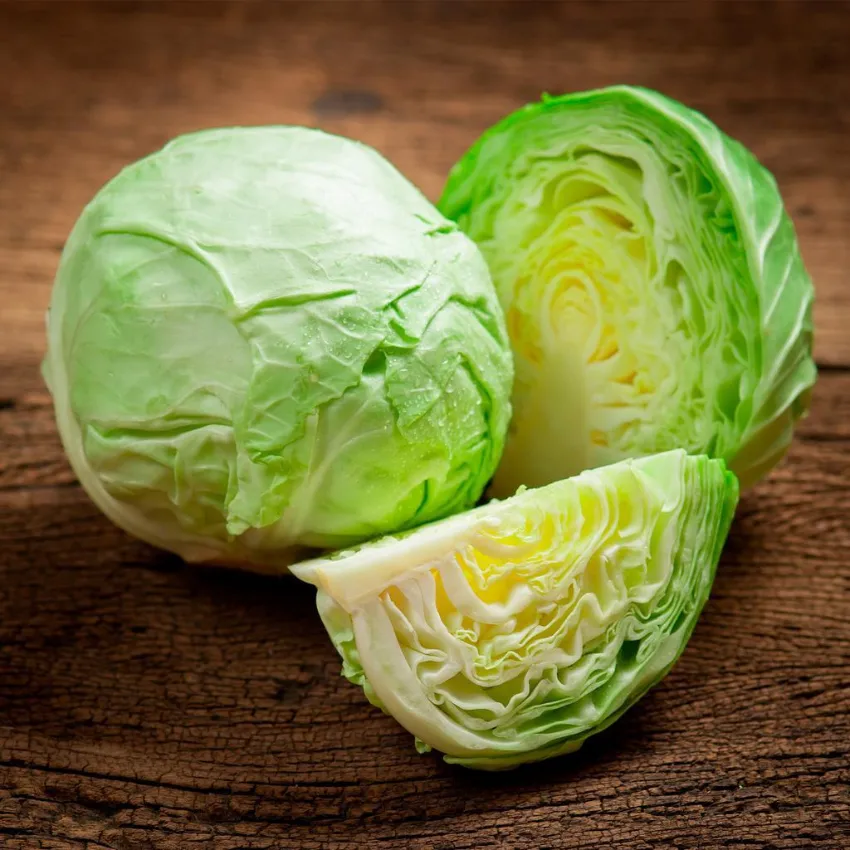
Cabbage is an affordable vegetable that provides vitamin C, vitamin K, fiber, and natural plant compounds. It is used in many traditional food cultures because it stores well and can be prepared in several ways. Its crunch makes salads and cooked meals more satisfying.
One cup of chopped raw green cabbage has about 22 calories, 1 gram of protein, 2 grams of fiber, and 5 grams of carbohydrates.
Shred cabbage into salads and slaws, or add it to soups and stir-fries. You can roast wedges with olive oil and black pepper, or cook chopped cabbage with beans and tomatoes. Red cabbage adds a bright color to bowls and salads.
Store a whole cabbage in the refrigerator and cut what you need. Once cut, wrap it well and use it within a few days for the best texture.
17. Carrots

Carrots are best known for beta-carotene, which the body converts into vitamin A. Vitamin A supports normal vision and immune function. Carrots also provide fiber, potassium, and other plant compounds. Their natural sweetness makes them easy to enjoy raw or cooked.
One cup of chopped raw carrots has about 50 calories, 1 gram of protein, 3.5 grams of fiber, and 12 grams of carbohydrates.
Snack on carrot sticks with hummus, grate them into salads, or add them to soups and stews. Roasting brings out their natural sweetness. You can also blend cooked carrots into a smooth soup with lentils and ginger.
Carrots come in orange, purple, yellow, and red varieties. Each color offers a slightly different mix of plant pigments. Keep them chilled in the refrigerator to help them stay crisp.
18. Tomatoes
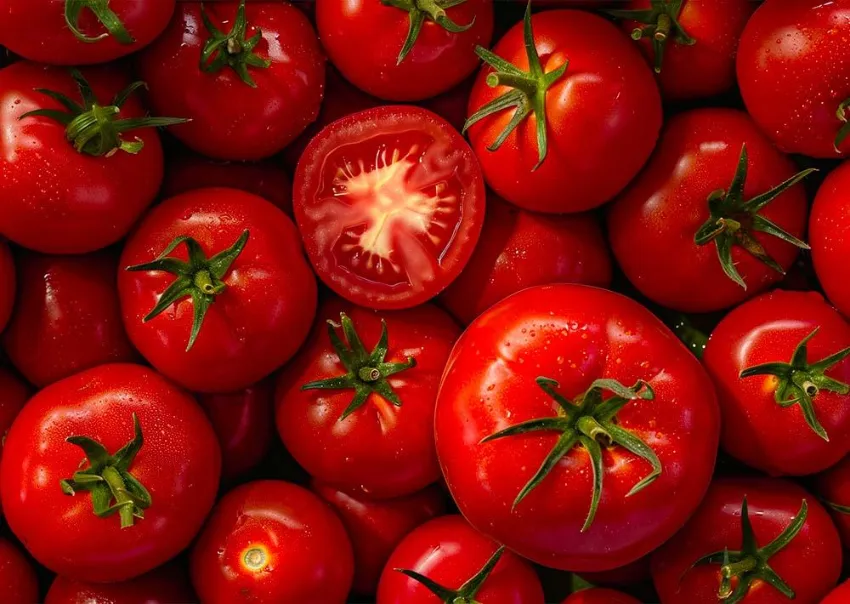
Tomatoes provide vitamin C, potassium, folate, and the antioxidant lycopene. Lycopene gives many tomatoes their red color and is also found in other red and pink foods. Tomatoes are versatile, affordable, and easy to use in fresh or cooked meals.
One cup of chopped raw tomatoes has about 32 calories, 2 grams of protein, 2 grams of fiber, and 7 grams of carbohydrates.
Add fresh tomatoes to salads, sandwiches, and grain bowls. Cook them into sauces, soups, and vegetable stews. Canned tomatoes are useful for quick meals, while cherry tomatoes make an easy snack with hummus or nuts.
Cooking tomatoes with a little oil can help your body absorb lycopene. Choose canned products with no added salt when available, and compare labels if you use them often.
19. Eggplant

Eggplant is a soft, mild vegetable that provides fiber, potassium, and colorful plant compounds. Its deep purple skin contains anthocyanins, including a pigment called nasunin. Eggplant is low in calories and absorbs flavors well, making it useful in many vegetable-based dishes.
One cup of cubed raw eggplant has about 20 calories, 1 gram of protein, 3 grams of fiber, and 5 grams of carbohydrates.
Roast eggplant cubes with olive oil, garlic, and herbs. Add them to tomato sauce, vegetable curry, or grain bowls. You can also bake eggplant slices and layer them with tomatoes and a little cheese for a simple casserole.
Eggplant can soak up a lot of oil, so roasting or grilling is often a lighter choice than deep-frying. Choose firm eggplants with smooth, shiny skin.
20. Avocados
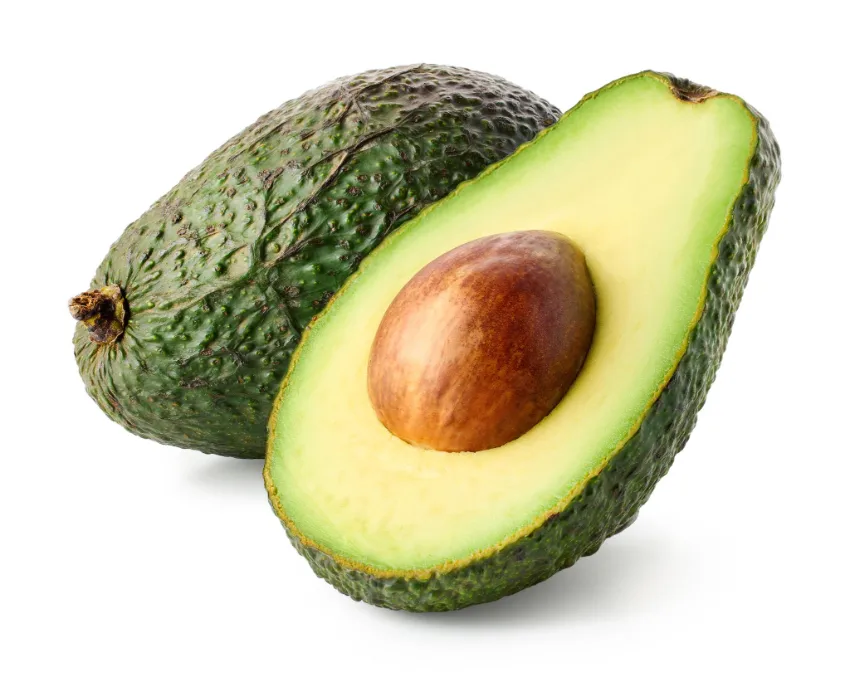
Avocados provide fiber, potassium, folate, and mostly monounsaturated fat. This type of fat can support heart health when it replaces some saturated fat in the diet. Avocados also make meals creamy and satisfying without needing heavy sauces.
Half of a medium avocado has about 120 calories, 1.5 grams of protein, 5 grams of fiber, 11 grams of fat, and 6 grams of carbohydrates.
Mash avocado with lime juice and spread it on whole-grain toast. Add slices to salads, bean bowls, or vegetable sandwiches. You can also blend avocado into a creamy dressing with herbs and plain yogurt.
Avocados are nutritious, but they are also energy-dense. A portion of one-quarter to one-half of a fruit can add flavor and healthy fats to a meal. Store cut avocado with lemon or lime juice to slow browning.
21. Walnuts
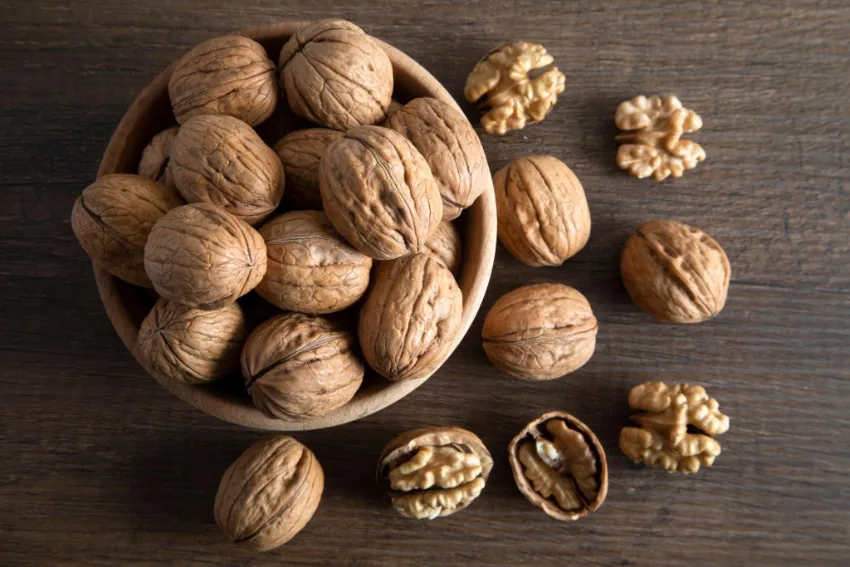
Walnuts are a useful source of plant-based omega-3 fat, fiber, magnesium, and protein. They contain alpha-linolenic acid, a type of omega-3 fat that the body needs from food. Nuts are common in several traditional eating patterns and make a convenient snack.
One ounce of walnuts, about 14 halves, has around 185 calories, 4 grams of protein, 2 grams of fiber, 18 grams of fat, and 4 grams of carbohydrates.
Sprinkle chopped walnuts over oatmeal, yogurt, salads, or cooked vegetables. Add them to homemade trail mix with dried fruit, or blend a few into a sauce. They also add crunch to roasted sweet potatoes.
A small handful is usually enough because walnuts are calorie-dense. Choose unsalted walnuts most often, and store them in an airtight container in the refrigerator or freezer to help prevent the oils from going stale.
22. Almonds
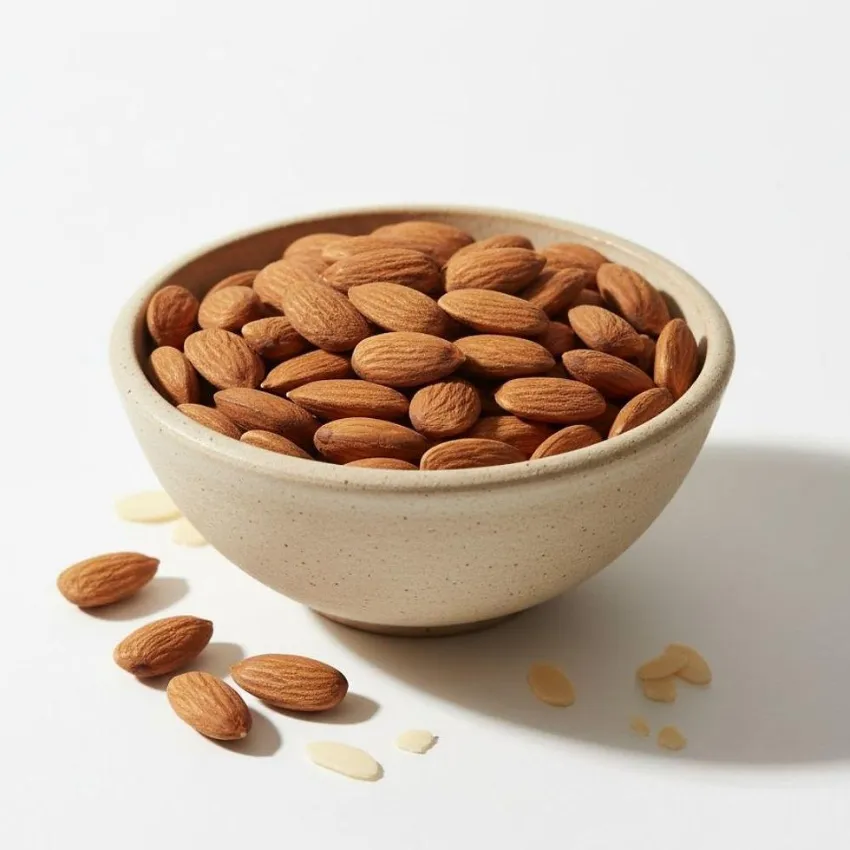
Almonds provide vitamin E, magnesium, fiber, protein, and mostly unsaturated fats. They are a practical snack and can help make meals more filling. Their nutrient mix supports normal cell function and adds variety to a plant-rich eating pattern.
One ounce of almonds, about 23 nuts, contains around 165 calories, 6 grams of protein, 3.5 grams of fiber, 14 grams of fat, and 6 grams of carbohydrates.
Eat a small handful as a snack, or sprinkle chopped almonds over oatmeal, salads, and yogurt. Almond butter is easy to spread on whole-grain toast or pair with apple slices. You can also add sliced almonds to cooked green beans or roasted carrots.
Choose unsalted almonds if you want to limit sodium. Keep portions moderate because nuts contain a lot of calories in a small amount. If you have a tree nut allergy, avoid almonds.
23. Pumpkin Seeds

Pumpkin seeds, also called pepitas when shelled, provide magnesium, zinc, iron, protein, fiber, and healthy fats. They add a crunchy texture to meals and are easy to keep in the pantry. Their minerals support many normal body functions, including muscle and immune function.
One ounce of roasted pumpkin seed kernels has about 160 calories, 9 grams of protein, 2 grams of fiber, 14 grams of fat, and 4 grams of carbohydrates.
Sprinkle pumpkin seeds over oatmeal, salads, soups, and roasted vegetables. Mix them into homemade trail mix or blend them into a seed butter. You can also add them to whole-grain bread or homemade granola.
Choose plain or lightly salted seeds to manage sodium. Store them in a sealed container in a cool place, or refrigerate them for longer storage. A small handful adds crunch and useful nutrients to a meal.
Final Thoughts
Blue Zone eating is less about one special ingredient and more about steady habits. Build meals around beans, whole grains, vegetables, nuts, and seeds. Choose foods you enjoy and prepare them in simple ways.
Small changes can add up over time. If you have special nutrition needs, ask a healthcare professional for personal guidance.
Nutrition Notes
Nutrition values are estimates for the serving sizes listed. They can vary by food variety, brand, preparation, and cooking method. Values are rounded for easy reading and are based on commonly used USDA FoodData Central entries.
The Blue Zones are regions noted for longevity, but no single food guarantees a longer life. Overall lifestyle, genetics, community, activity, and access to healthcare also matter.
For more information, visit USDA FoodData Central and Blue Zones.
