
22 Vitamin B2 (Riboflavin) Rich Foods to Add to Your Diet

Vitamin B2, also called riboflavin, helps your body turn food into energy. It also supports healthy skin, eyes, and normal cell function. Your body doesn’t store large amounts, so regular food sources matter.
The good news is that riboflavin is found in many everyday foods. Here are 22 tasty options to try.
1. Beef Liver
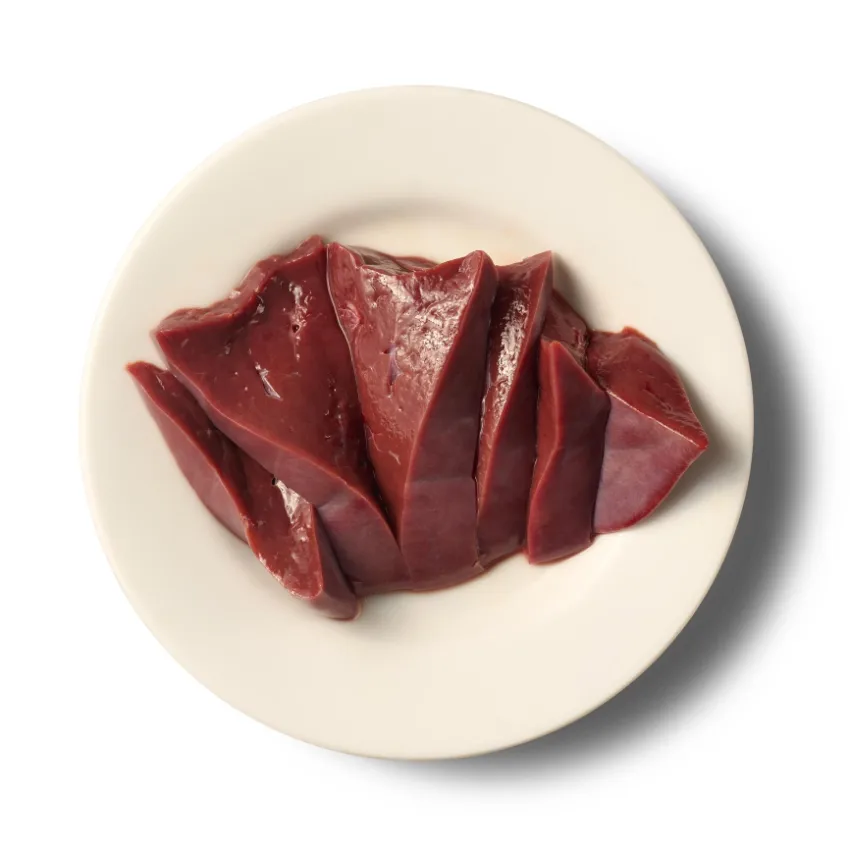
Beef liver is one of the richest natural sources of vitamin B2. A small serving can provide more than twice the daily amount most adults need. Riboflavin helps your body use carbohydrates, fats, and proteins for energy. Beef liver also supplies vitamin A, vitamin B12, iron, copper, and high-quality protein.
A 3-ounce serving of pan-fried beef liver has about 175 calories, 26 grams of protein, 5 grams of fat, and 2.9 milligrams of riboflavin. That is well over 100% of the 1.3-milligram Daily Value.
Try sautéing thin slices with onions, garlic, and a little olive oil. You can also chop cooked liver and mix a small amount into ground beef for burgers or meatballs. Its flavor is strong, so simple seasonings work well.
Liver is very rich in preformed vitamin A. Enjoy modest portions rather than eating it every day, especially during pregnancy. Ask a healthcare professional if you have questions about how often to eat it.
2. Lamb Liver
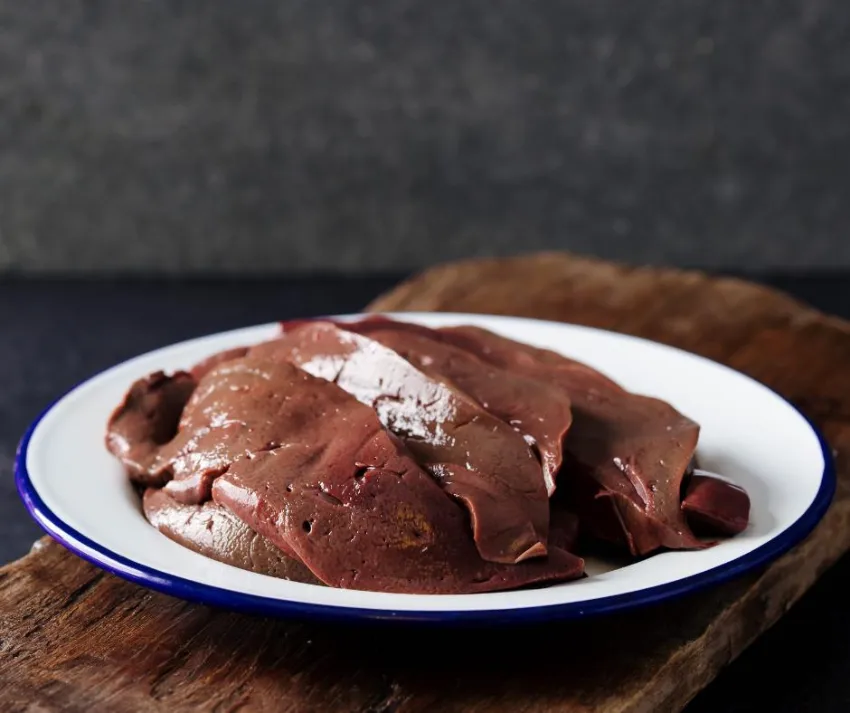
Lamb liver is another powerful source of riboflavin. It can provide several times the daily value in one meal. It also contains vitamin B12, iron, selenium, and protein. These nutrients support normal energy metabolism, red blood cell production, and many other body functions.
A 3-ounce serving of cooked lamb liver provides roughly 150 to 170 calories, about 23 grams of protein, 5 grams of fat, and around 3.5 to 4 milligrams of riboflavin. The exact amount changes with the cut and cooking method.
For an easy meal, cook thin slices in a skillet with onions, black pepper, and herbs. Serve them with rice, roasted potatoes, or a fresh salad. A squeeze of lemon can help balance the rich flavor.
Lamb liver has a strong taste, but soaking it briefly in milk or water may make the flavor milder. Keep portions moderate because liver is also extremely high in vitamin A.
3. Chicken Liver
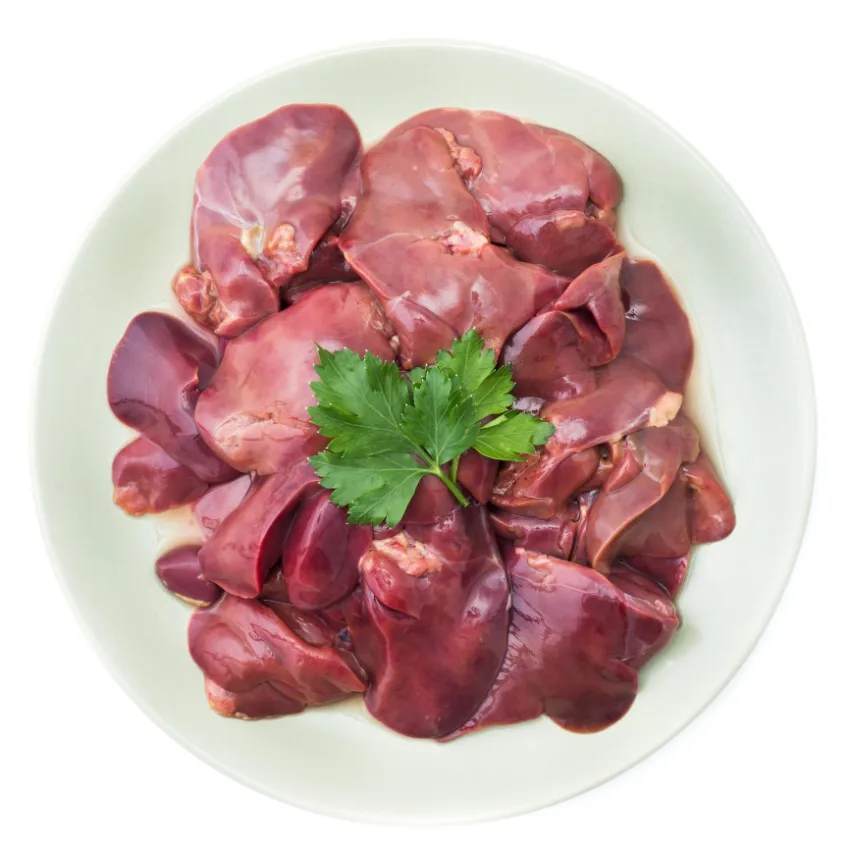
Chicken liver is an affordable food that delivers a lot of riboflavin in a small serving. It also provides vitamin B12, folate, iron, and protein. These nutrients help support normal blood cell production and the body’s energy processes. Its soft texture makes it easy to add to many dishes.
A 3-ounce serving of cooked chicken liver has about 170 calories, 24 grams of protein, 6 grams of fat, and roughly 1.7 to 2 milligrams of riboflavin. That amount can meet or exceed a full day’s riboflavin needs for many adults.
Cook chicken liver fully in a pan with onions, garlic, and a little oil. Add it to rice dishes, savory spreads, or a homemade stuffing. You can also blend cooked liver into a small amount of ground poultry for a richer flavor.
Handle raw liver carefully and cook it to a safe internal temperature. Like other liver, it contains a lot of vitamin A, so smaller portions are a sensible choice.
4. Almonds
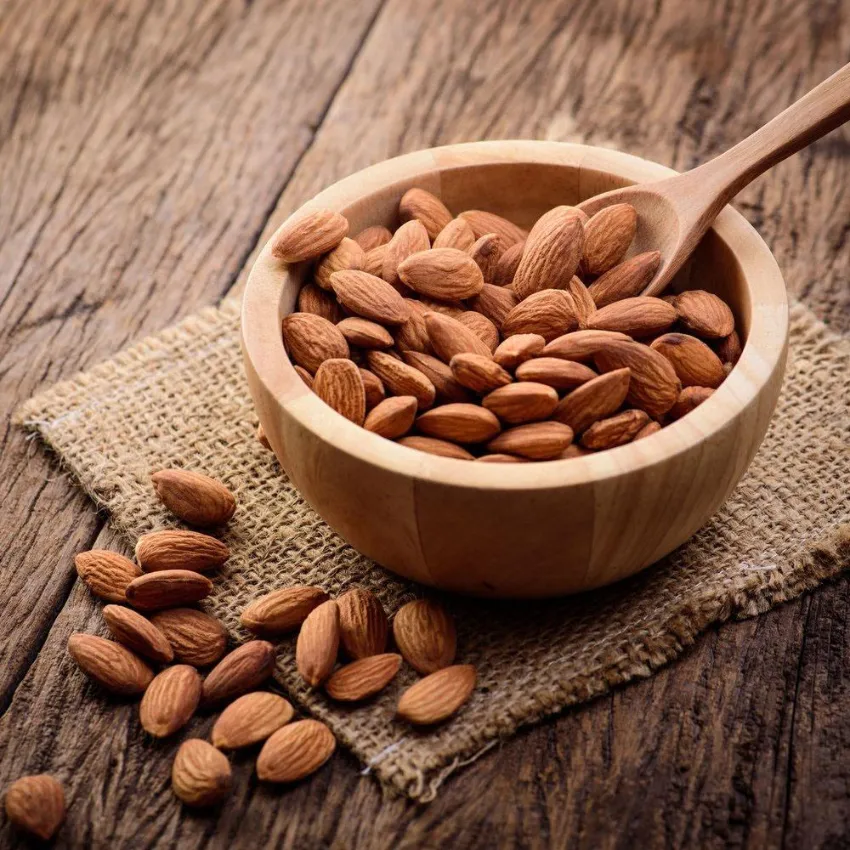
Almonds are a handy plant-based source of vitamin B2. They also provide vitamin E, magnesium, fiber, and unsaturated fats. These nutrients help support normal cell function and make almonds a filling snack. Their riboflavin content is especially useful for people who eat few dairy foods.
One ounce of dry-roasted almonds, about 23 nuts, contains around 170 calories, 6 grams of protein, 3 grams of fiber, 14 grams of fat, and 0.3 milligrams of riboflavin. That is close to one-quarter of the Daily Value.
Keep a small container of almonds at your desk or in your bag. Sprinkle chopped almonds over oatmeal, yogurt, salads, or cooked vegetables. Almond butter also works well on whole-grain toast or apple slices.
Choose unsalted almonds if you’re watching your sodium intake. Since nuts are calorie-dense, a small handful is usually enough for a snack. Store them in a sealed container to help keep them fresh.
5. Eggs
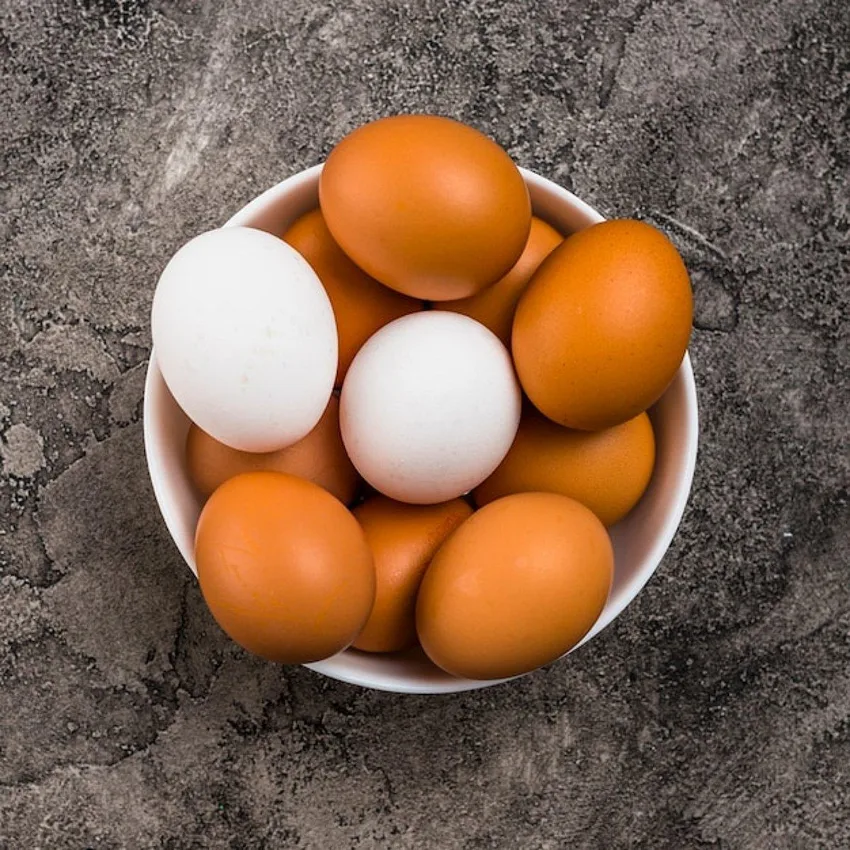
Eggs are an easy, flexible source of riboflavin. The vitamin is found in both the yolk and white. Eggs also provide protein, vitamin B12, selenium, and choline. Protein helps build and repair body tissues, while choline supports normal brain and liver function.
One large cooked egg has about 70 to 75 calories, 6 grams of protein, 5 grams of fat, and roughly 0.2 milligrams of riboflavin. The amount can vary slightly with egg size and cooking method.
Enjoy eggs boiled, scrambled, poached, or baked. Add a boiled egg to a salad, place one on whole-grain toast, or mix scrambled eggs with spinach and mushrooms. They also make a quick breakfast when paired with fruit.
Cook eggs until the whites and yolks are firm if food safety is a concern. Refrigerate cooked eggs promptly, and use clean hands and utensils when handling raw eggs.
6. Milk
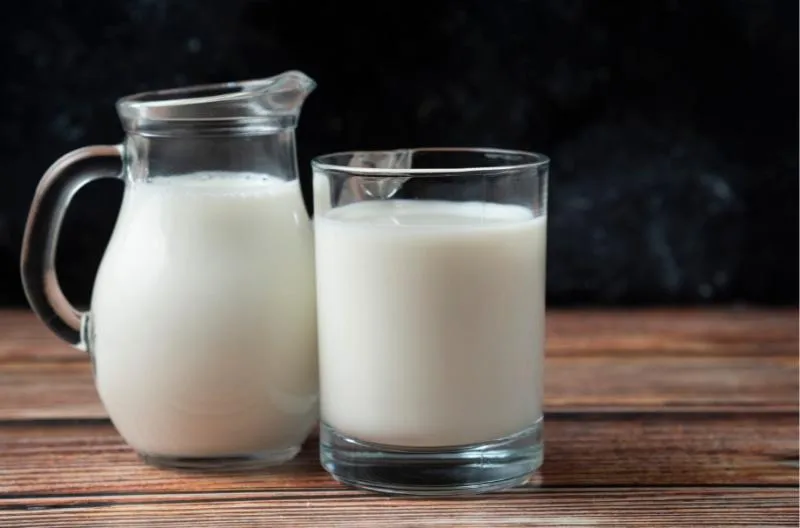
Milk is a familiar source of riboflavin, and many people drink it every day. It also supplies calcium, protein, and vitamin B12. Riboflavin helps the body release energy from food, while calcium supports strong bones and teeth. In the United States, milk is often an important part of daily riboflavin intake.
One cup of 2% milk has about 120 calories, 8 grams of protein, 5 grams of fat, 12 grams of carbohydrates, and 0.5 milligrams of riboflavin. It provides close to 40% of the Daily Value.
Drink a glass with breakfast or pour milk over cereal and oatmeal. You can also blend it into smoothies, use it in soups, or add it to mashed potatoes. Lactose-free cow’s milk offers similar nutrients.
Choose the fat level that fits your needs and preferences. If you use a plant-based drink, check the label because riboflavin levels vary. Fortified soy milk is often a closer nutritional match than many other alternatives.
7. Plain Yogurt

Plain yogurt provides riboflavin along with protein, calcium, and vitamin B12. Some yogurts also contain live cultures, which can support a healthy balance of gut bacteria. The amount of riboflavin depends on the milk used and the yogurt’s style, but it can make a useful contribution.
One cup of plain low-fat yogurt contains about 150 calories, 13 grams of protein, 4 grams of fat, 17 grams of carbohydrates, and around 0.5 to 0.6 milligrams of riboflavin. Greek yogurt often has more protein, though values vary by brand.
Eat yogurt with berries, sliced bananas, or a spoonful of oats. Use it as a base for smoothies or mix it with cucumber, lemon, and herbs to make a quick dip. Plain yogurt can also replace some sour cream in recipes.
Choose unsweetened yogurt when you want to limit added sugar. Check the nutrition label because flavored varieties can contain much more added sugar.
8. Cheddar Cheese
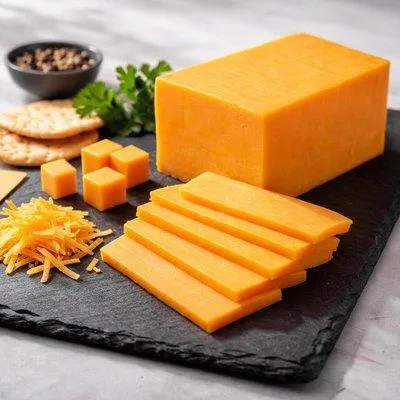
Cheddar cheese offers riboflavin, protein, calcium, and vitamin B12. It can add flavor and useful nutrients to meals, although it is also high in saturated fat and sodium. A small amount can make a dish more satisfying without needing a large serving.
One ounce of cheddar cheese has about 115 calories, 7 grams of protein, 9 grams of fat, and roughly 0.1 milligrams of riboflavin. Riboflavin levels vary with the cheese and how it is made.
Shred cheddar over baked potatoes, eggs, broccoli, or whole-grain pasta. Add a slice to a sandwich, or serve small cubes with fruit and whole-grain crackers. Stronger cheddar has a bold flavor, so you may need less.
Keep cheese portions in mind because calories, sodium, and saturated fat can add up. Pairing a little cheddar with vegetables or whole grains makes a balanced snack or meal.
9. Swiss Cheese
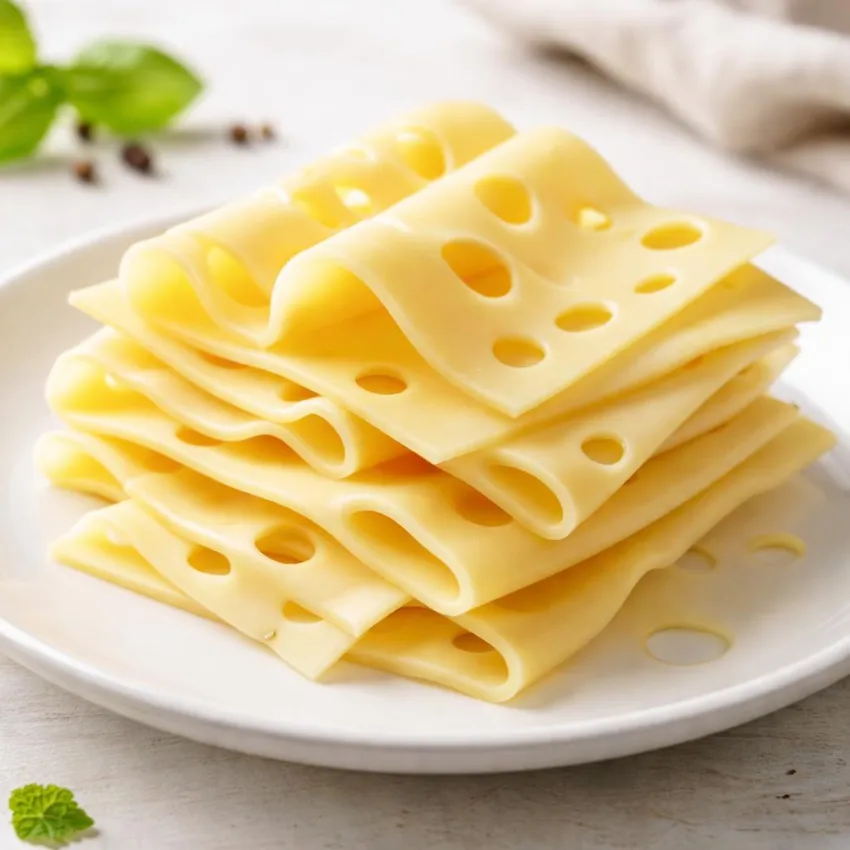
Swiss cheese contributes riboflavin, calcium, protein, and vitamin B12. It is known for its mild, nutty taste and smooth texture. Like other dairy foods, it can help you add riboflavin to meals while also providing nutrients that support bones and normal body functions.
One ounce of Swiss cheese contains about 110 calories, 8 grams of protein, 8 grams of fat, and around 0.1 milligrams of riboflavin. A 3-ounce portion provides about 0.3 milligrams, according to common food composition data.
Melt Swiss cheese over whole-grain toast or add a slice to a turkey-free vegetable sandwich. It pairs well with mushrooms, spinach, tomatoes, and cooked eggs. You can also cube it for a simple snack with apple slices.
Swiss cheese can be a flavorful choice, but it still contains sodium and saturated fat. Compare labels if you’re looking for a lower-sodium option.
10. Cottage Cheese
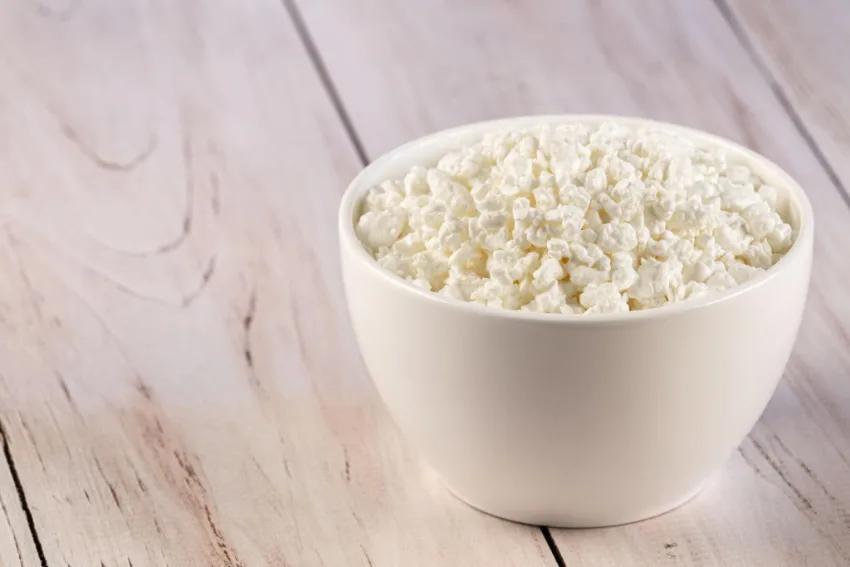
Cottage cheese is a protein-rich dairy food that also supplies riboflavin, calcium, and vitamin B12. It has a mild taste, so it works in both sweet and savory meals. Its protein can help make a snack more filling and support the repair and growth of body tissues.
A half-cup serving of low-fat cottage cheese has about 90 to 100 calories, 12 to 14 grams of protein, 2 to 3 grams of fat, and around 0.2 milligrams of riboflavin. Nutrition varies by brand and fat level.
Serve cottage cheese with pineapple, berries, peaches, or sliced tomatoes. Add it to a baked potato, blend it into a creamy dip, or spoon it onto whole-grain toast. It can also be mixed into scrambled eggs.
Some cottage cheese products contain a fair amount of sodium. Compare nutrition labels and choose a lower-sodium version if that suits your eating plan.
11. Salmon

Salmon provides riboflavin along with protein, vitamin D, selenium, and omega-3 fats. Omega-3 fats support heart and brain health as part of a balanced eating pattern. Salmon is also a simple way to add satisfying protein to lunch or dinner.
A 3-ounce serving of cooked salmon has about 175 to 180 calories, 19 to 22 grams of protein, 10 to 11 grams of fat, and around 0.1 to 0.4 milligrams of riboflavin. The amount depends on the salmon species.
Bake salmon with lemon, garlic, and black pepper, or cook it in a skillet. Add it to rice bowls, salads, or whole-grain wraps. Canned salmon is also useful for patties and quick lunches.
Choose a cooking method that uses little added salt and saturated fat. Salmon’s natural flavor works well with herbs, citrus, and roasted vegetables.
12. Sardines
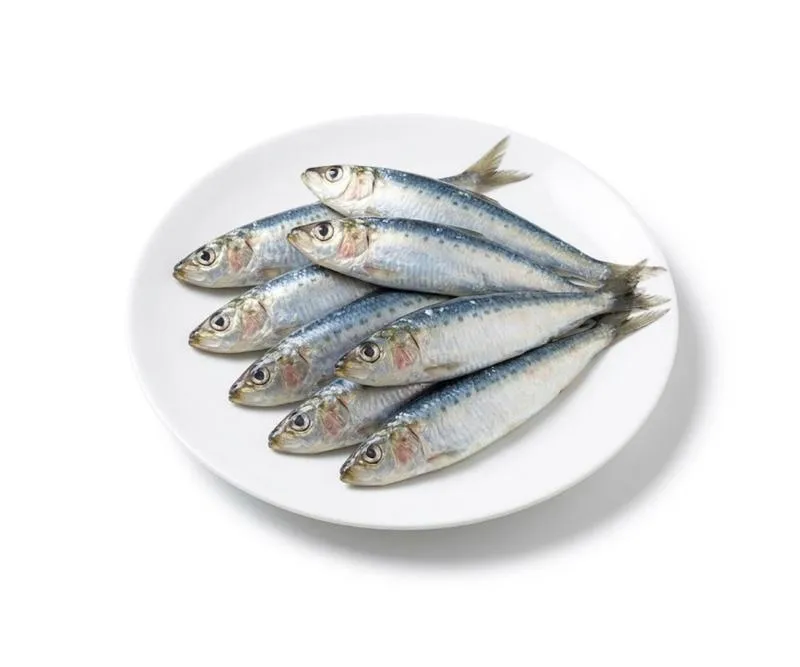
Sardines are small fish with a strong nutrition profile. They provide riboflavin, protein, vitamin B12, vitamin D, calcium when the soft bones are included, and omega-3 fats. They are also shelf-stable when canned, making them a practical pantry food.
A 3-ounce serving of canned sardines in oil, drained, has about 175 to 190 calories, 21 grams of protein, 10 grams of fat, and roughly 0.2 milligrams of riboflavin. Values differ by brand and whether the bones are included.
Mash sardines with lemon juice, black pepper, and a little plain yogurt for a quick spread. Serve them on whole-grain toast, add them to pasta, or place them over a salad with tomatoes and cucumber.
Check the label for sodium, especially if you eat canned fish often. Sardines with bones are a useful source of calcium, too.
13. Trout
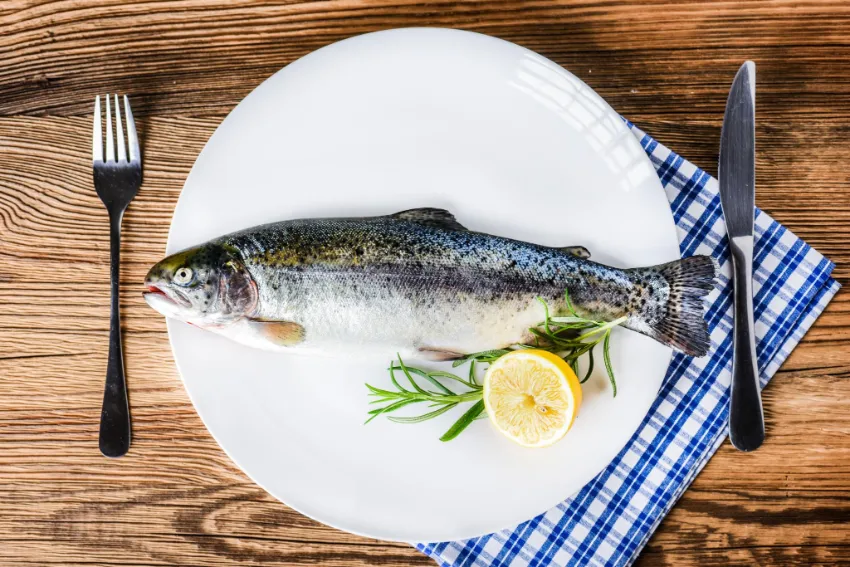
Trout is a mild-tasting fish that contributes riboflavin, protein, vitamin B12, selenium, and omega-3 fats. It is a good option when you want variety beyond salmon. Its protein helps support muscles, while its fats fit well into a heart-conscious eating pattern.
A 3-ounce serving of cooked rainbow trout contains about 150 calories, 20 grams of protein, 7 grams of fat, and around 0.1 to 0.2 milligrams of riboflavin. Exact nutrition depends on the species and preparation.
Bake trout with lemon, parsley, and black pepper for an easy dinner. You can also grill it or cook it in a skillet. Serve it with brown rice, roasted vegetables, or a fresh green salad.
Buy fresh or frozen trout from a trusted store and keep it chilled. Cook fish until it flakes easily and reaches a safe internal temperature.
14. Mackerel
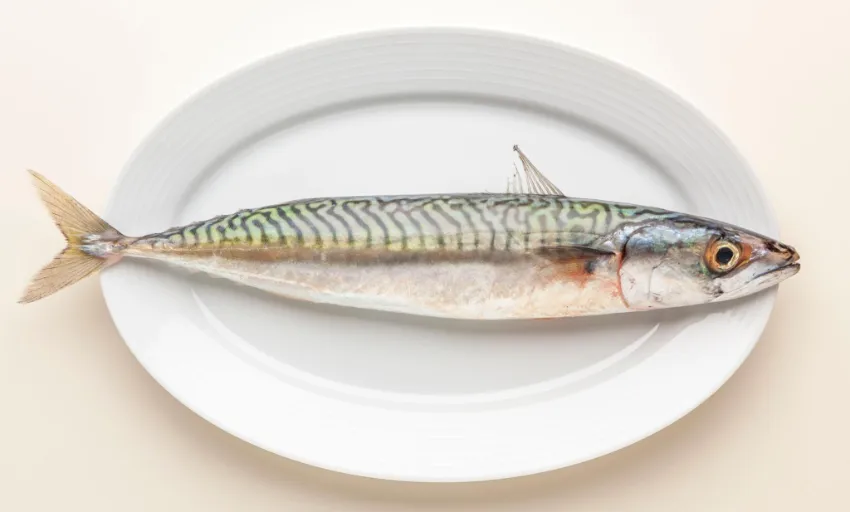
Mackerel is a flavorful fish that supplies riboflavin, protein, vitamin B12, selenium, and omega-3 fats. It can be especially useful for people who want to eat more oily fish. The exact nutrient content changes by species, so check the product label when possible.
A 3-ounce serving of cooked Atlantic mackerel has about 230 calories, 21 grams of protein, 16 grams of fat, and roughly 0.2 to 0.3 milligrams of riboflavin. Other types may have different values.
Bake or grill mackerel with lemon, ginger, and herbs. Add flaked cooked fish to rice, salads, or whole-grain toast. Canned mackerel can also be mixed with cucumber and plain yogurt for a quick lunch.
Choose Atlantic or chub mackerel more often. King mackerel can contain high levels of mercury, so people who are pregnant or may become pregnant should avoid it.
15. Mushrooms
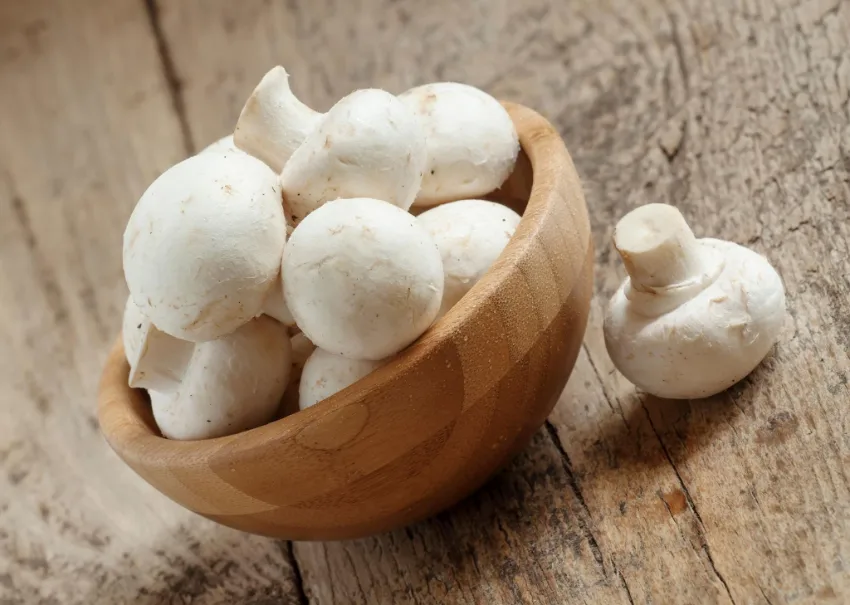
Mushrooms are one of the better plant-based sources of riboflavin. They also provide selenium, copper, potassium, and a small amount of fiber. Their savory flavor makes it easy to add them to meals, and some varieties offer more riboflavin than others.
One cup of sliced raw white mushrooms, about 70 grams, has around 15 calories, 2 grams of protein, 1 gram of fiber, and about 0.2 to 0.3 milligrams of riboflavin. Portabella and other varieties have different amounts.
Add sliced mushrooms to omelets, pasta, soups, or stir-fries. Roast them with olive oil and herbs, or use chopped mushrooms in burgers, tacos, and grain bowls. They cook down, so start with more than you think you need.
Try different varieties, such as cremini, portabella, and shiitake. Store fresh mushrooms in a paper bag in the refrigerator and cook them before they become slimy.
16. Spinach

Spinach provides riboflavin along with folate, vitamin K, vitamin A, and other helpful plant nutrients. It is easy to add to meals because its mild flavor works in many recipes. Cooking shrinks spinach, so a cooked serving can contain more leaves than it first appears.
One cup of cooked spinach has about 40 calories, 5 grams of protein, 4 grams of fiber, and around 0.4 milligrams of riboflavin. One cup raw has much less because it weighs far less.
Stir spinach into soups, pasta sauces, omelets, and lentil dishes. You can also blend a handful into a fruit smoothie or serve fresh leaves in a salad. Add it near the end of cooking to keep its color bright.
Spinach contains compounds called oxalates, which can affect how the body absorbs some minerals. Enjoy it as part of a varied diet rather than relying on it as your only vegetable.
17. Kale

Kale contributes riboflavin, vitamin K, vitamin C, vitamin A, and fiber. Its sturdy leaves hold up well in soups and cooked dishes. While it is not as concentrated in riboflavin as liver or almonds, it adds useful nutrients and variety to a plant-rich diet.
One cup of chopped raw kale has about 7 calories, 1 gram of protein, 1 gram of fiber, and a small amount of riboflavin, around 0.03 milligrams. A cooked cup provides more because the leaves are packed into a smaller volume.
Remove the tough stems and slice kale into thin ribbons. Massage raw leaves with lemon juice and olive oil for a salad, or sauté them with garlic. Add chopped kale to bean soups, pasta, and grain bowls.
If kale tastes too bitter, try baby kale or cook it with onions and a squeeze of lemon. Mixing it with other greens makes it easier to enjoy regularly.
18. Broccoli
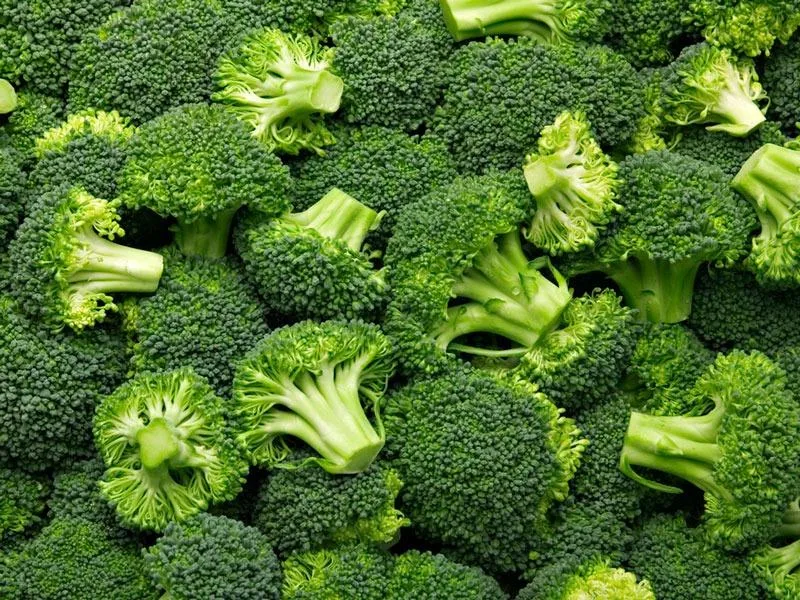
Broccoli offers a modest amount of riboflavin along with vitamin C, vitamin K, folate, and fiber. It is a simple vegetable to use in everyday meals. Its fiber supports digestion, and its mix of vitamins helps round out a balanced plate.
One cup of chopped cooked broccoli has about 55 calories, 4 grams of protein, 5 grams of fiber, and around 0.1 milligrams of riboflavin. A raw cup has fewer calories and a different nutrient amount.
Steam broccoli until it is bright green and tender, or roast florets with olive oil and garlic. Add it to stir-fries, pasta, omelets, and rice bowls. A little lemon juice or grated cheese can add extra flavor.
Avoid cooking broccoli for too long, since lengthy boiling can cause some water-soluble vitamins to move into the cooking water. Steaming or roasting helps keep its texture appealing.
19. Asparagus
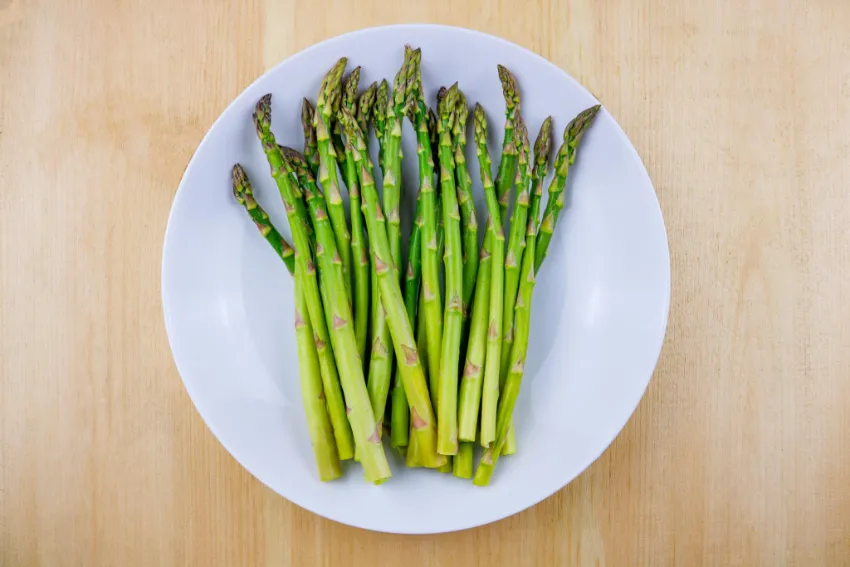
Asparagus contains riboflavin, folate, vitamin K, and fiber. It is a light vegetable that pairs well with eggs, fish, beans, and whole grains. Although it does not provide as much B2 as animal foods or almonds, it can help add variety to your daily intake.
One cup of cooked asparagus pieces has about 40 calories, 4 grams of protein, 4 grams of fiber, and roughly 0.1 milligrams of riboflavin. Values can vary with the size of the spears and cooking method.
Trim the woody ends and roast asparagus with olive oil, garlic, and black pepper. You can also steam it, add it to omelets, or slice it into pasta and grain salads. A squeeze of lemon brightens its flavor.
Choose firm spears with closed tips. Store them in the refrigerator, ideally with the cut ends wrapped in a damp paper towel.
20. Soybeans
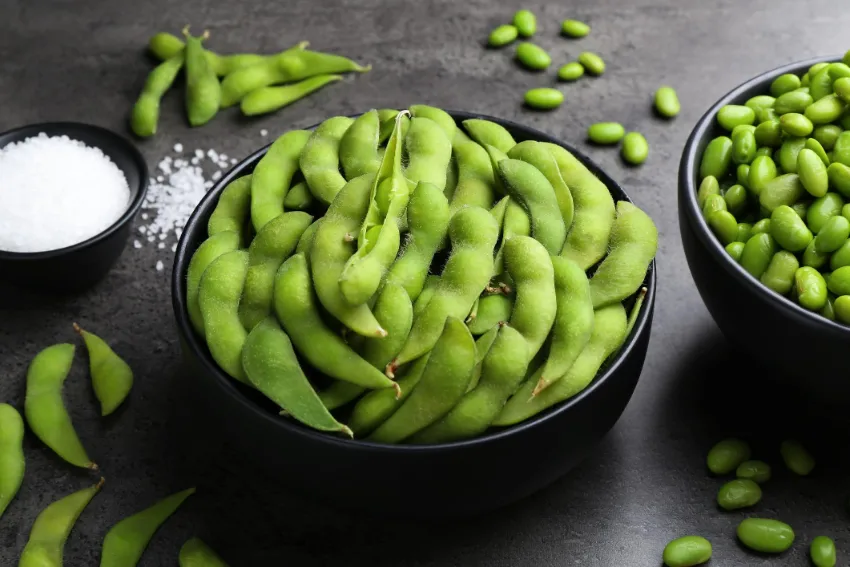
Soybeans are among the stronger plant sources of riboflavin. They also provide complete plant protein, fiber, iron, magnesium, and other minerals. Their protein contains all nine essential amino acids, which makes soy a useful choice for people who eat little or no meat.
One cup of cooked mature soybeans has about 300 calories, 29 grams of protein, 10 grams of fiber, 15 grams of fat, and around 0.3 to 0.4 milligrams of riboflavin. The amount depends on the soybean type and preparation.
Add cooked soybeans to salads, soups, rice bowls, or vegetable stir-fries. Edamame, or young soybeans, makes a quick snack when steamed and lightly seasoned. You can also blend cooked soybeans into dips.
If you use canned soybeans, rinse them to remove some of the added sodium. People with a soy allergy should avoid soy foods and choose other riboflavin sources.
21. Tempeh
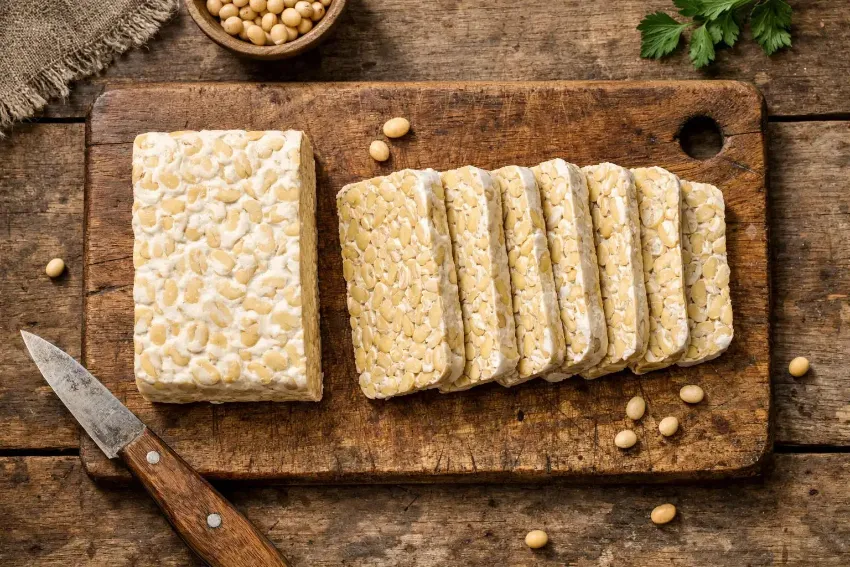
Tempeh is made from fermented soybeans and has a firm texture with a nutty taste. It provides riboflavin, plant protein, fiber, iron, and magnesium. Fermentation gives tempeh its distinctive flavor and makes it a useful option for adding variety to meat-free meals.
A 3-ounce serving of tempeh has about 160 to 170 calories, 16 to 17 grams of protein, 9 grams of fat, 7 grams of carbohydrates, and around 0.2 milligrams of riboflavin. Nutrition varies by brand.
Slice tempeh and pan-sear it with garlic, ginger, and a little low-sodium soy sauce. Add it to tacos, sandwiches, salads, or noodle bowls. You can also crumble it into pasta sauce or chili.
Check the ingredient list because some packaged tempeh products contain added salt or flavorings. Plain tempeh is easy to season at home and works with many sauces.
22. Lentils
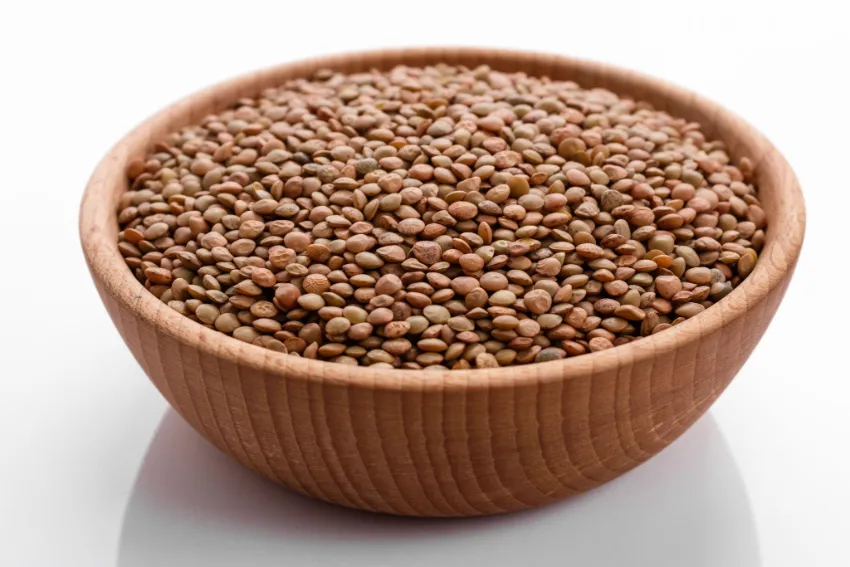
Lentils provide a little riboflavin along with plant protein, fiber, folate, iron, and potassium. They are affordable, filling, and easy to store. Their fiber and protein make them a helpful base for meals, especially when paired with vegetables and whole grains.
One cup of cooked lentils has about 230 calories, 18 grams of protein, 16 grams of fiber, less than 1 gram of fat, and around 0.1 milligrams of riboflavin. The exact amount depends on the lentil variety and cooking method.
Simmer lentils with onions, tomatoes, garlic, and spices for a simple soup or stew. Add cooked lentils to salads, rice bowls, or vegetable curry. Canned lentils are convenient, too. Rinse them before use to remove some sodium.
Lentils do not need soaking, although rinsing helps remove dust or debris. Cook a larger batch and refrigerate portions for quick meals during the week.
Final Thoughts
Getting enough vitamin B2 doesn’t have to be complicated. Include a mix of dairy foods, eggs, fish, nuts, vegetables, and beans across your week.
Variety helps you get many nutrients, not just riboflavin. If you’re planning a major diet change or have special nutrition needs, talk with a healthcare provider first.
Nutrition Notes
Riboflavin amounts are estimates and can vary by brand, variety, serving size, and cooking method. The Daily Value for riboflavin is 1.3 milligrams for adults and children age 4 and older.
Food values in this article are rounded from USDA FoodData Central entries and NIH food examples. Use product labels for packaged foods.
For reference, see the NIH Office of Dietary Supplements riboflavin fact sheet and USDA FoodData Central.
