
22 Nutrient-Rich Foods to Add to Your Everyday Meals

Eating well doesn’t have to mean following a strict diet or buying expensive foods. Many everyday ingredients provide vitamins, minerals, fiber, protein, and healthy fats.
These nutrients help your body work well, support strong bones and muscles, and keep you feeling your best. Here are 22 tasty foods to enjoy often.
1. Spinach
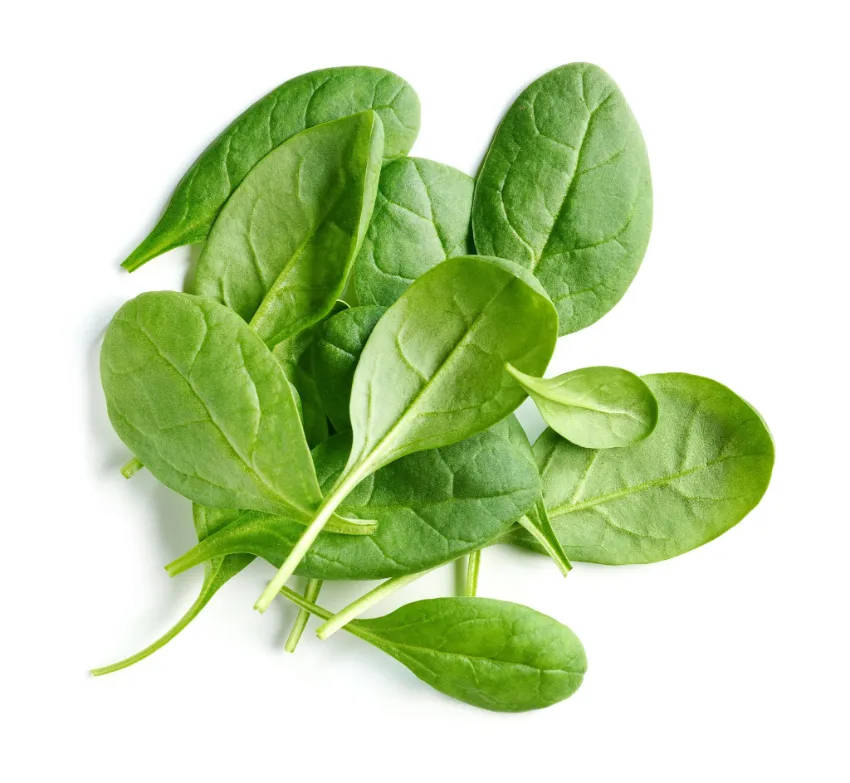
Spinach is a leafy green that packs plenty of nutrients into a small serving. It provides vitamin K for normal blood clotting and bone health. It also contains folate, vitamin A, vitamin C, iron, and plant compounds called antioxidants. These nutrients help protect your cells and support many everyday body functions.
One cup of raw spinach has about 7 calories, 1 gram of protein, 1 gram of carbohydrates, and 145 micrograms of vitamin K. It also provides folate, vitamin A, and a little iron.
Add fresh spinach to salads, sandwiches, wraps, and smoothies. You can also stir a few handfuls into soups, pasta, or scrambled eggs. Cooked spinach shrinks a lot, so a large bowl becomes a much smaller serving. Pair it with foods containing vitamin C, such as tomatoes or bell peppers, to help your body absorb its plant-based iron.
2. Kale
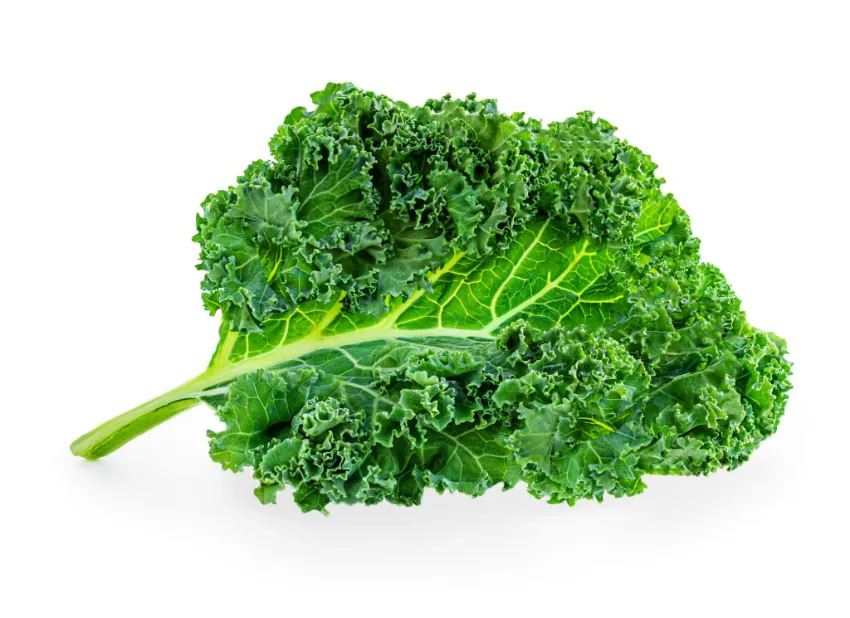
Kale is a sturdy leafy green with a strong nutrient profile. It is especially rich in vitamins K, A, and C. It also supplies fiber, folate, and small amounts of calcium and potassium. Vitamin K supports normal blood clotting, while vitamin C helps your body make collagen and absorb iron from plant foods.
One cup of chopped raw kale has about 7 calories, 1 gram of protein, 1 gram of carbohydrates, and 20 micrograms of vitamin K. It also offers roughly 20 milligrams of vitamin C.
Use kale as the base for a hearty salad, or add it to soups and stews. Massage chopped leaves with a little olive oil and lemon juice to soften them for salads. You can roast kale leaves into crisp chips or blend a handful into a fruit smoothie. Remove the tough center stems if you prefer a softer texture.
3. Broccoli
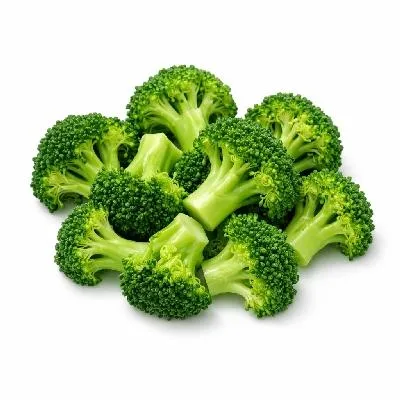
Broccoli is a filling vegetable that offers fiber, vitamin C, vitamin K, and folate. It also contains plant compounds, including sulforaphane precursors, that researchers study for their role in cell health. Its fiber supports digestion and helps meals feel more satisfying. Broccoli is a simple way to add several useful nutrients to your plate.
One cup of chopped raw broccoli has about 31 calories, 3 grams of protein, 6 grams of carbohydrates, and 2 grams of fiber. It provides around 81 milligrams of vitamin C.
Steam broccoli until just tender, roast it with garlic, or add it to stir-fries. You can also chop it finely and mix it into rice, pasta, omelets, or grain bowls. Both the florets and peeled stems are edible. Light cooking softens the texture, while keeping the cooking time short can help preserve its fresh flavor.
4. Sweet Potatoes
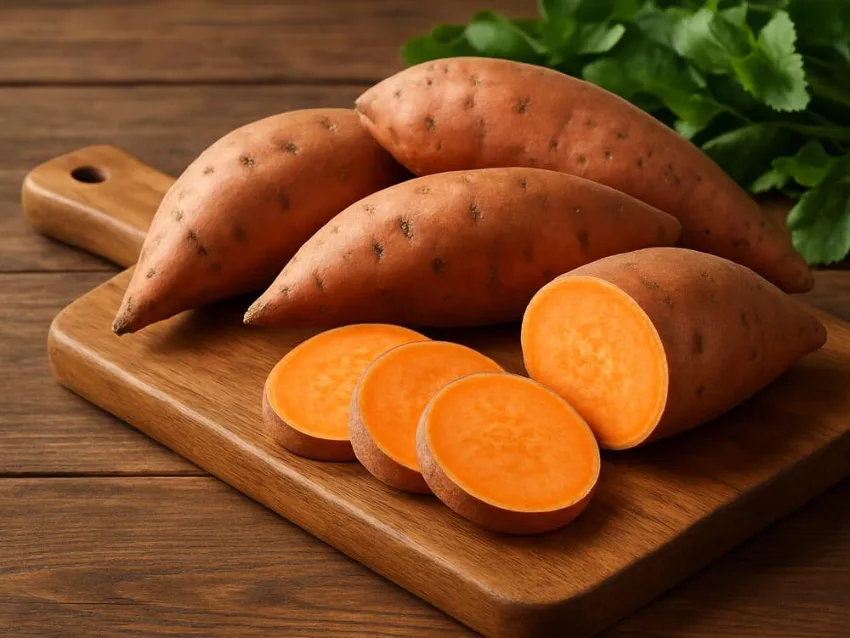
Sweet potatoes are naturally sweet, filling, and rich in beta-carotene. Your body can turn beta-carotene into vitamin A, which supports healthy vision, skin, and immune function. Sweet potatoes also provide fiber, potassium, and vitamin C. Their fiber helps support regular digestion and can make a meal more satisfying.
One medium baked sweet potato, with the skin, has about 103 calories, 2 grams of protein, 24 grams of carbohydrates, and 4 grams of fiber. It provides more than 1,000 micrograms of vitamin A activity.
Bake a sweet potato and top it with beans, plain Greek yogurt, or chopped vegetables. You can cube and roast it for a side dish, mash it, or add it to soups and curries. Keep the skin on after washing it well for extra fiber. A little healthy fat, such as olive oil, can help your body absorb beta-carotene.
5. Carrots

Carrots are best known for beta-carotene, the orange pigment your body uses to make vitamin A. Vitamin A helps maintain normal vision and supports your immune system. Carrots also provide fiber, potassium, and vitamin K. Their mild sweetness makes them easy to enjoy raw or cooked, and they fit into many kinds of meals.
One medium raw carrot has about 25 calories, less than 1 gram of protein, 6 grams of carbohydrates, and 2 grams of fiber. It supplies roughly 500 micrograms of vitamin A activity.
Enjoy carrot sticks with hummus, grate carrots into salads, or add sliced carrots to soups and stews. Roasting brings out their natural sweetness. You can also blend cooked carrots into a smooth soup or pasta sauce. Eating carrots with a little oil, nuts, or avocado can help your body take in more of their beta-carotene.
6. Blueberries
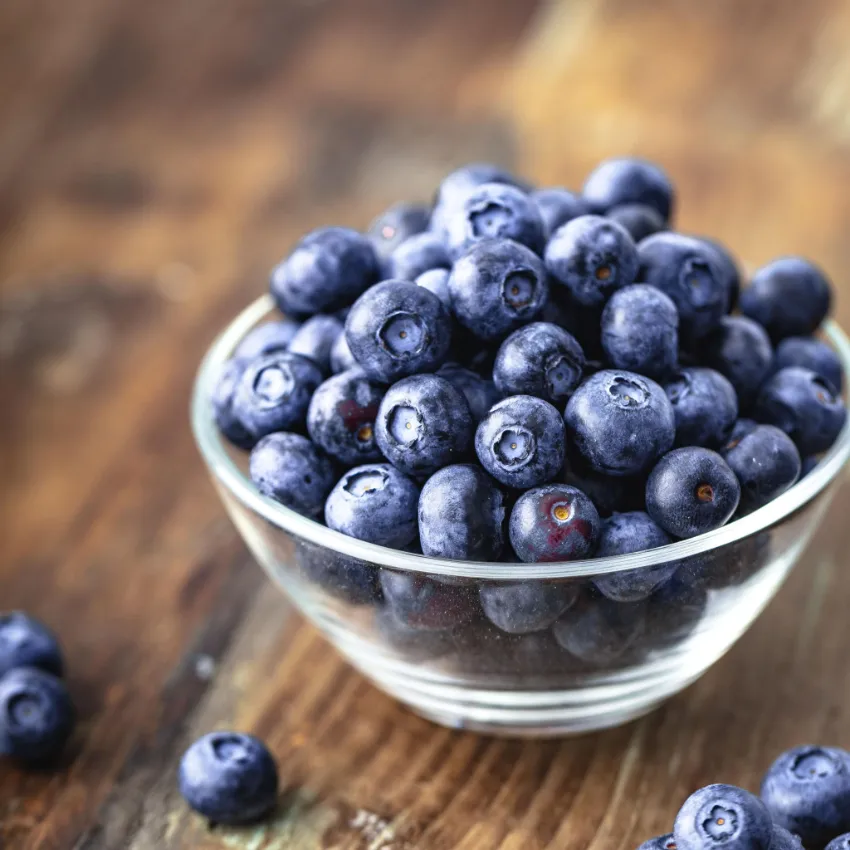
Blueberries offer fiber, vitamin C, vitamin K, and colorful plant compounds called anthocyanins. These compounds give blueberries their deep blue color and act as antioxidants. Antioxidants help protect cells from damage caused by normal body processes. Blueberries are also easy to add to meals without much preparation.
One cup of fresh blueberries has about 84 calories, 1 gram of protein, 21 grams of carbohydrates, and 4 grams of fiber. It provides around 14 milligrams of vitamin C and 29 micrograms of vitamin K.
Add blueberries to oatmeal, yogurt, whole-grain cereal, or pancake batter. They also work well in smoothies and fruit salads. Frozen blueberries are a handy choice because they keep well and can be used straight from the freezer. Choose plain frozen berries without added sugar when you want the fruit’s natural flavor.
7. Strawberries
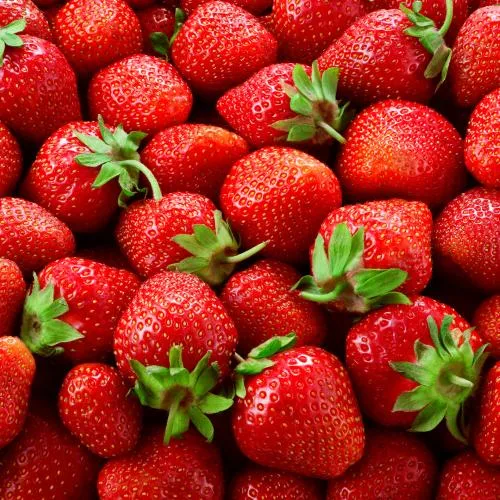
Strawberries are a sweet source of vitamin C, fiber, folate, and manganese. Vitamin C supports collagen production, helps your body absorb iron from plant foods, and contributes to normal immune function. Strawberries also contain anthocyanins and other plant compounds that give them their bright red color.
One cup of sliced fresh strawberries has about 53 calories, 1 gram of protein, 13 grams of carbohydrates, and 3 grams of fiber. It provides about 98 milligrams of vitamin C, close to a full day’s recommended amount for many adults.
Slice strawberries over oatmeal, yogurt, or whole-grain toast. Add them to salads with spinach, or blend them into a smoothie. They make a simple dessert when served with plain yogurt. Wash berries under cool running water shortly before eating, and remove the leafy tops after washing to help keep the fruit from absorbing extra water.
8. Avocados
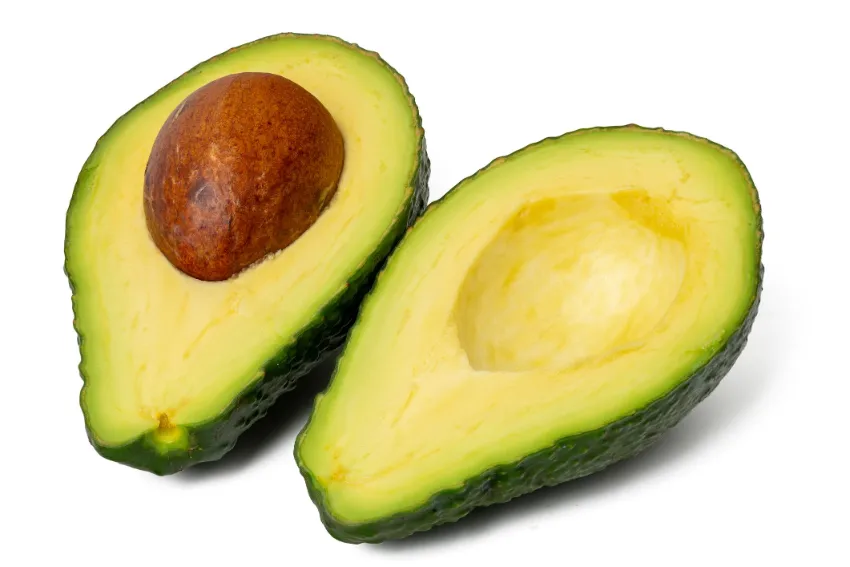
Avocados provide mostly monounsaturated fat, a type of unsaturated fat that can fit into a heart-friendly eating pattern. They also contain fiber, potassium, folate, and vitamins E and K. Their creamy texture makes them a useful swap for spreads that contain more saturated fat.
One-half of a medium avocado has about 120 calories, 1.5 grams of protein, 6 grams of carbohydrates, and 5 grams of fiber. It also supplies around 350 milligrams of potassium and 10 milligrams of vitamin C.
Mash avocado onto whole-grain toast, add slices to sandwiches, or use it in salads and grain bowls. You can blend it into a creamy dressing with lemon juice and herbs. Avocado is calorie-dense, so a portion of one-quarter to one-half can be a practical addition to a meal. Add lemon or lime juice to slow browning after cutting.
9. Almonds
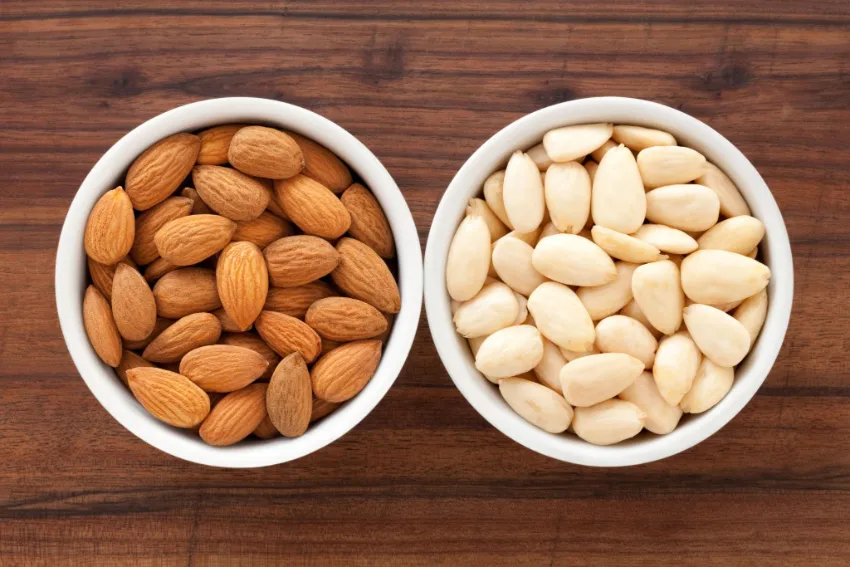
Almonds are a convenient source of vitamin E, magnesium, fiber, protein, and healthy unsaturated fats. Vitamin E acts as an antioxidant and helps protect cells. Magnesium supports muscle and nerve function, while fiber contributes to digestive health. A small handful can make a filling snack between meals.
One ounce of whole almonds, about 23 nuts, has around 164 calories, 6 grams of protein, 6 grams of carbohydrates, and 3.5 grams of fiber. It also provides about 7 milligrams of vitamin E and 76 milligrams of magnesium.
Eat almonds on their own, sprinkle chopped nuts over oatmeal, or add them to salads and yogurt. Almond butter can be spread on apple slices or whole-grain toast. Choose unsalted or lightly salted almonds if you want to keep sodium lower. Because nuts are energy-rich, a small handful is usually enough for a snack.
10. Walnuts
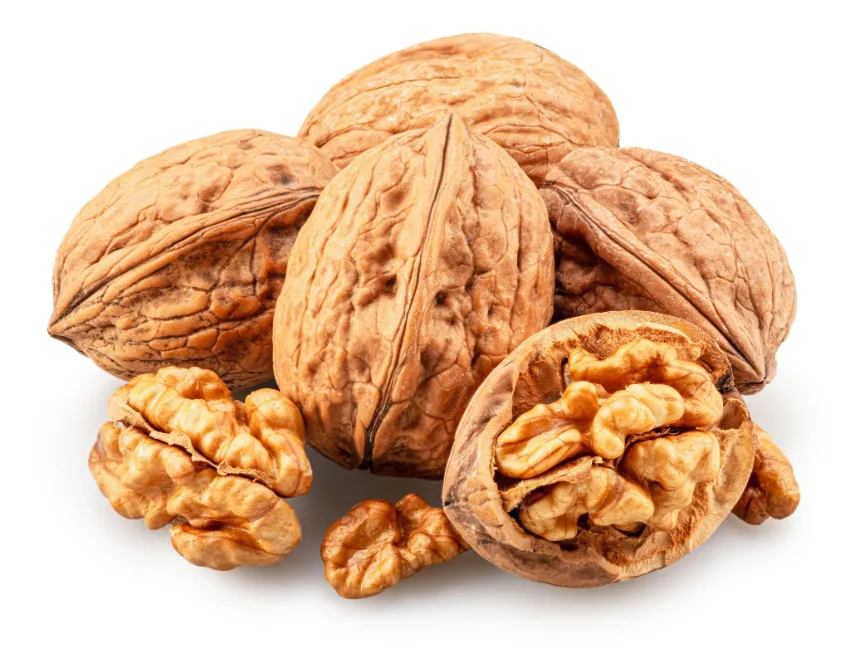
Walnuts stand out for their alpha-linolenic acid, or ALA, a plant-based omega-3 fat. They also provide copper, manganese, magnesium, fiber, and protein. Unsaturated fats support a balanced eating pattern, and walnuts add a rich flavor to both sweet and savory dishes.
One ounce of English walnuts, about 14 halves, has around 185 calories, 4 grams of protein, 4 grams of carbohydrates, and 2 grams of fiber. It contains about 2.5 grams of ALA omega-3 fat.
Sprinkle chopped walnuts over oatmeal, yogurt, or roasted vegetables. Mix them into whole-grain salads, or blend them into a sauce with herbs and olive oil. They also make a satisfying snack with a piece of fruit. Store walnuts in an airtight container in the refrigerator or freezer to help keep their natural oils fresh.
11. Chia Seeds
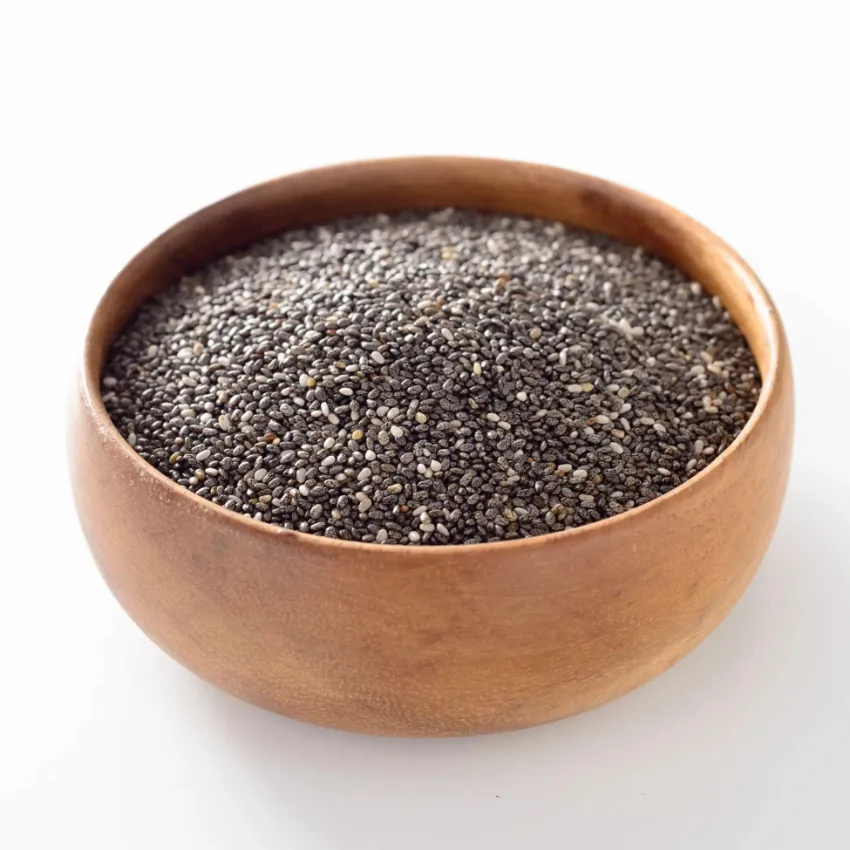
Chia seeds are tiny, but they provide fiber, plant-based omega-3 fat, protein, calcium, and magnesium. Much of their carbohydrate content comes from fiber, which helps support digestion and can help you feel full. Chia seeds absorb liquid and form a gel, making them useful for simple breakfasts and snacks.
One ounce of chia seeds, about 2 tablespoons, has around 138 calories, 5 grams of protein, 12 grams of carbohydrates, and 10 grams of fiber. It also contains about 5 grams of ALA omega-3 fat.
Stir chia seeds into yogurt, oatmeal, or smoothies. For chia pudding, mix 2 tablespoons with about one-half cup of milk, then refrigerate until thick. Add fruit or cinnamon for flavor. Drink enough fluids when adding more chia to your diet because its high fiber content absorbs water. Start with a smaller amount if you’re not used to eating much fiber.
12. Flaxseeds
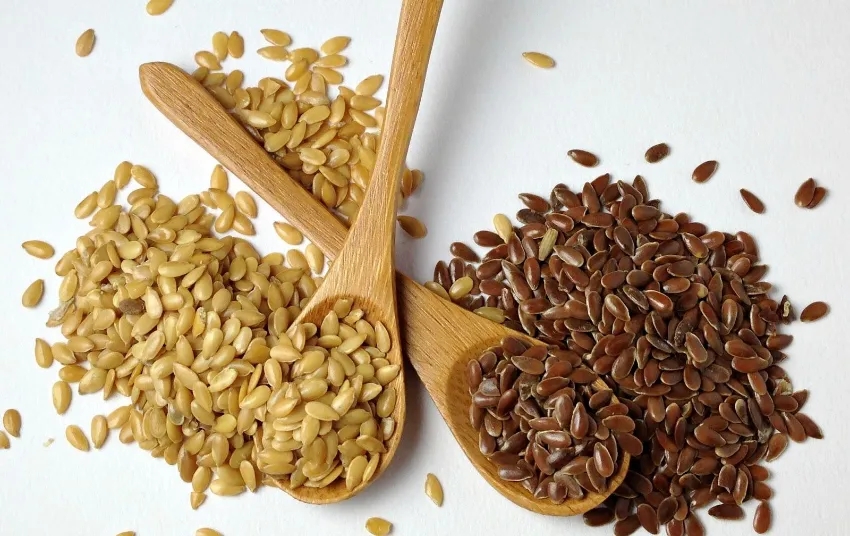
Flaxseeds provide fiber, ALA omega-3 fat, and plant compounds called lignans. Their fiber includes both soluble and insoluble types, which support digestive health. Ground flaxseed is easier for your body to use than whole seeds, which may pass through the digestive system without being fully broken down.
One tablespoon of ground flaxseed has about 37 calories, 1 gram of protein, 2 grams of carbohydrates, and 2 grams of fiber. It also provides roughly 1.6 grams of ALA omega-3 fat.
Stir ground flaxseed into oatmeal, yogurt, smoothies, or pancake batter. You can also mix it into meat-free patties or sprinkle it over cooked vegetables. Start with 1 tablespoon and increase gradually if it suits you. Keep ground flaxseed in a sealed container in the refrigerator to protect its delicate oils from heat and air.
13. Pumpkin Seeds
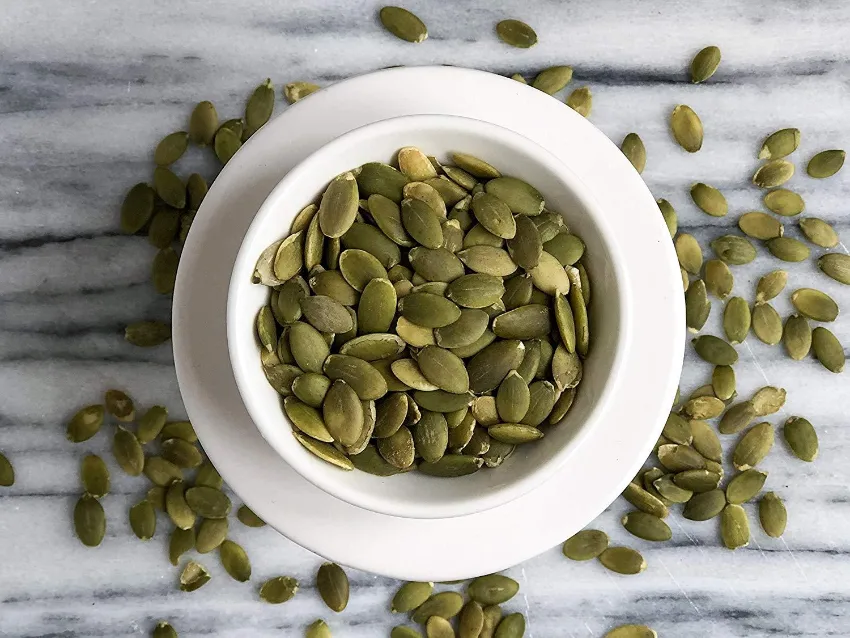
Pumpkin seeds, also called pepitas when sold without their shells, are rich in magnesium, zinc, iron, and protein. Magnesium supports normal muscle and nerve function, while zinc helps your immune system and supports wound healing. Pumpkin seeds also provide unsaturated fats and a little fiber.
One ounce of roasted pumpkin seed kernels has about 160 calories, 9 grams of protein, 5 grams of carbohydrates, and 1 gram of fiber. It provides around 150 milligrams of magnesium and 2 milligrams of zinc.
Sprinkle pumpkin seeds over salads, soups, oatmeal, or roasted vegetables. Add them to homemade trail mix with dried fruit, or blend them into a seed butter. Choose unsalted varieties when possible, since salted seeds can add a lot of sodium. If you buy whole pumpkin seeds, roast them after removing the pulp and rinsing them well.
14. Eggs
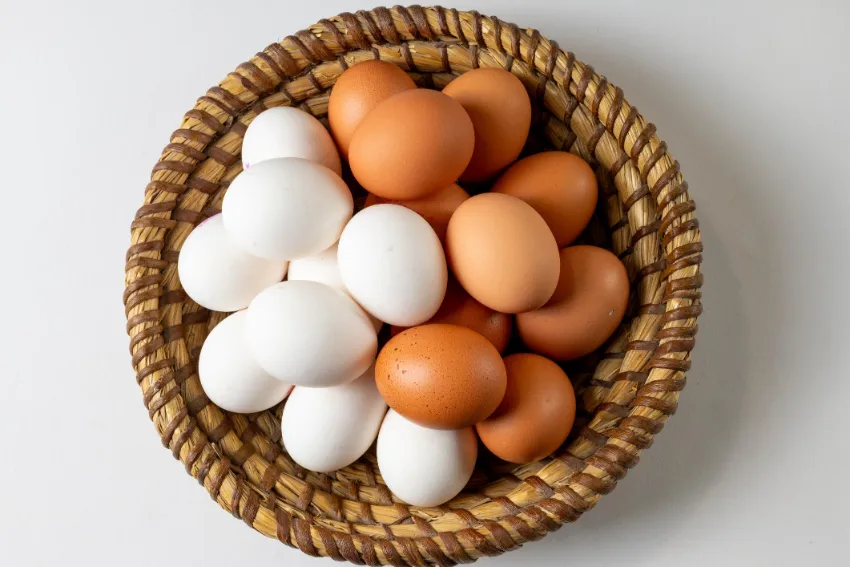
Eggs provide high-quality protein and several important nutrients. The yolk contains choline, which helps your body build cell membranes and supports normal brain and nerve function. Eggs also supply vitamin B12, selenium, riboflavin, and some vitamin D. They are versatile and can make a meal more filling.
One large hard-boiled egg has about 78 calories, 6 grams of protein, 5 grams of fat, and less than 1 gram of carbohydrates. It also provides around 147 milligrams of choline and 0.6 micrograms of vitamin B12.
Boil eggs ahead of time for quick snacks, or scramble them with spinach and tomatoes. Add sliced eggs to grain bowls, salads, or whole-grain toast. Cook eggs until the whites and yolks are firm, especially when serving young children, older adults, pregnant people, or anyone with a weakened immune system. Refrigerate cooked eggs promptly.
15. Salmon

Salmon is a rich source of protein and long-chain omega-3 fats called EPA and DHA. These fats support normal heart and brain function. Salmon also provides vitamin D, vitamin B12, selenium, and potassium. It is one of the easiest foods to use when you want both protein and healthy fats in a meal.
A 3-ounce cooked serving of Atlantic salmon has about 175 calories, 19 grams of protein, and 10 grams of fat. It provides roughly 1.5 grams of EPA and DHA omega-3 fats, though amounts vary by type.
Bake salmon with lemon and herbs, grill it, or cook it in a skillet. Add it to rice bowls, salads, or whole-wheat wraps. Canned salmon is another convenient option, and it works well in patties or sandwiches. Choose a variety you enjoy and cook it until it flakes easily and reaches a safe internal temperature.
16. Sardines

Sardines are small fish with a strong nutrient profile. They provide protein, EPA and DHA omega-3 fats, vitamin B12, vitamin D, and selenium. When you eat sardines with their soft edible bones, they also provide calcium. This makes them a useful option for supporting bone health as part of a varied diet.
One 3.75-ounce can of sardines in oil, drained, has about 190 calories, 23 grams of protein, and 10 grams of fat. It can provide more than 300 milligrams of calcium when the bones are included.
Serve sardines on whole-grain toast with lemon, or mash them with yogurt, mustard, and herbs for a sandwich filling. Add them to pasta, salads, or rice bowls. Their flavor is bold, so start with a small amount if you’re new to them. Check the label for sodium, especially when choosing canned varieties.
17. Chicken Breast

Chicken breast is a lean source of protein that helps build and maintain muscles. It also supplies niacin, vitamin B6, phosphorus, and selenium. Protein supports many body functions, including tissue repair and the production of enzymes. Skinless chicken breast is mild in flavor and works with many seasonings.
A 3-ounce cooked, skinless chicken breast has about 128 calories, 26 grams of protein, and 3 grams of fat. It provides around 10 milligrams of niacin and 0.5 micrograms of vitamin B6.
Bake or grill chicken with garlic, paprika, and lemon. Slice it into salads, wraps, sandwiches, or grain bowls. You can also cook extra portions and refrigerate them for quick meals later in the week. Use a food thermometer to make sure the thickest part reaches 165°F. Pair chicken with vegetables and whole grains for a balanced plate.
18. Lentils
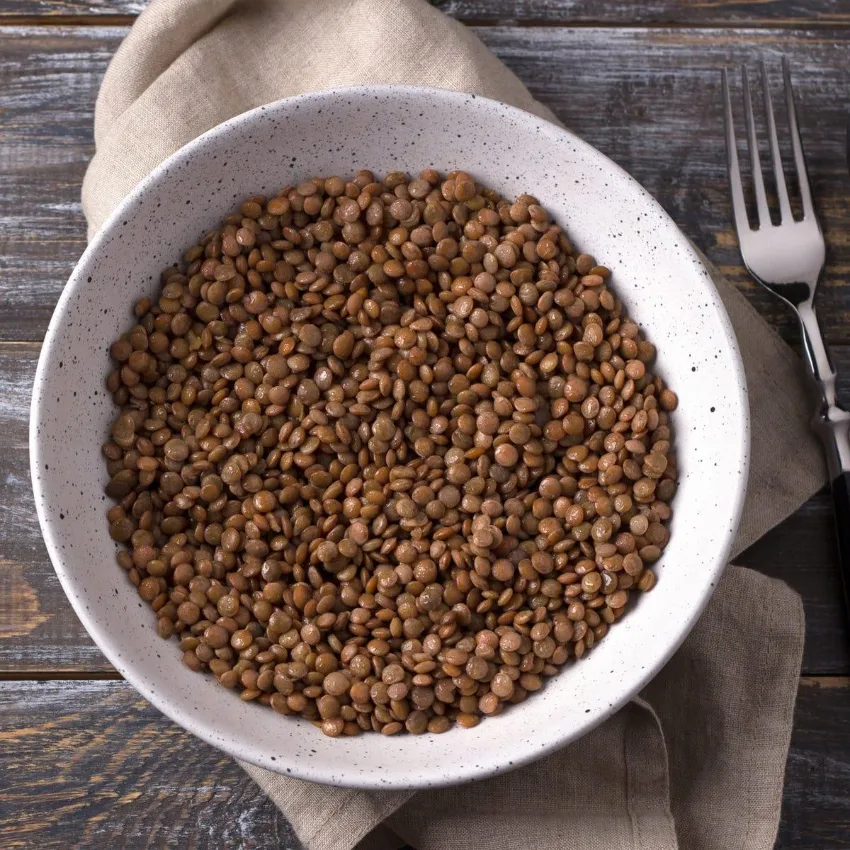
Lentils are affordable legumes that provide plant-based protein, fiber, folate, iron, and potassium. Their fiber supports digestion and helps meals feel satisfying. Lentils also contain slow-digesting carbohydrates, which provide steady energy. They cook faster than many dried beans and do not need soaking first.
One cup of cooked lentils has about 230 calories, 18 grams of protein, 40 grams of carbohydrates, and 16 grams of fiber. It also provides around 358 micrograms of folate and 6.6 milligrams of iron.
Simmer lentils in vegetable broth with carrots, tomatoes, and spices for a hearty soup. Add cooked lentils to salads, rice bowls, or pasta sauce. You can also mash them into patties or use them in place of some ground meat in a recipe. Pair lentils with vitamin C-rich foods, such as tomatoes or citrus, to help your body absorb their plant-based iron.
19. Chickpeas
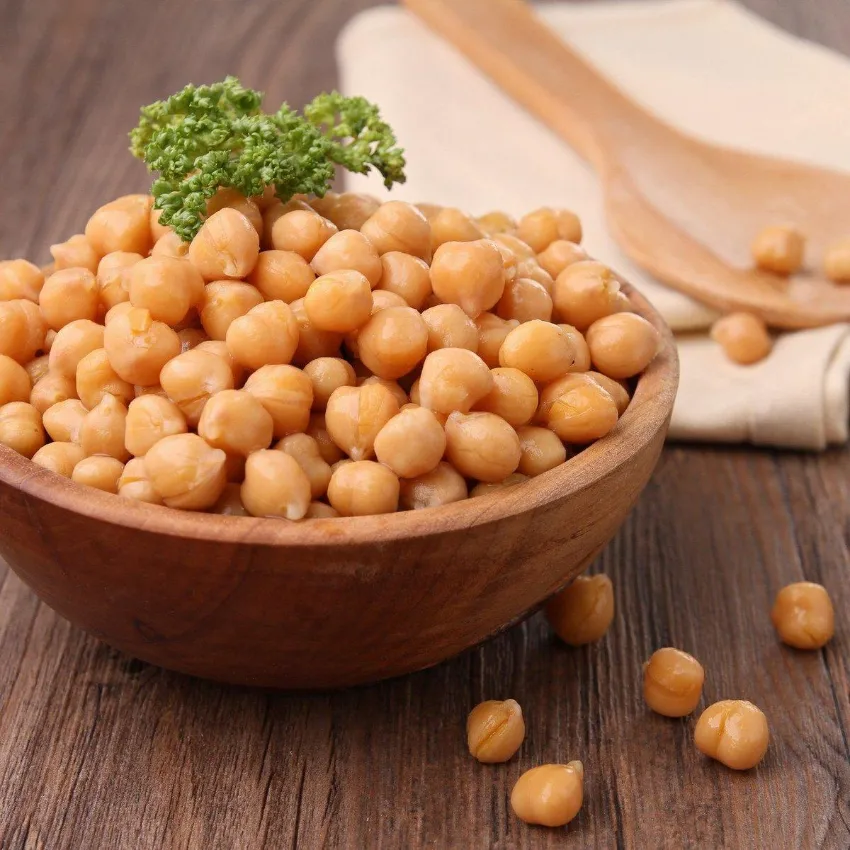
Chickpeas, also known as garbanzo beans, offer plant protein, fiber, folate, iron, and manganese. Their combination of protein and fiber can help make meals more filling. Chickpeas also provide carbohydrates for energy and are easy to use in many cuisines.
One cup of cooked chickpeas has about 269 calories, 15 grams of protein, 45 grams of carbohydrates, and 12 grams of fiber. It also supplies roughly 282 micrograms of folate and 4.7 milligrams of iron.
Add chickpeas to salads, soups, curries, and roasted vegetable bowls. Blend them with tahini, lemon juice, and garlic to make hummus. For a crunchy snack, dry canned chickpeas, toss them with spices, and roast until crisp. If you use canned chickpeas, drain and rinse them to remove some of the added sodium.
20. Quinoa
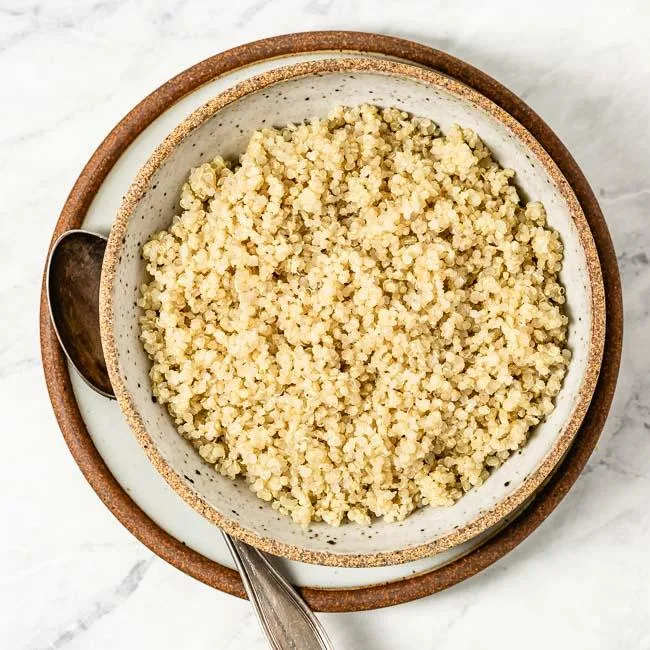
Quinoa is a seed that cooks like a grain. It provides fiber, magnesium, iron, folate, and plant-based protein. It contains all nine essential amino acids, which makes its protein quality unusual among many plant foods. Quinoa is naturally gluten-free, but check package labels if you need to avoid gluten due to a medical condition.
One cup of cooked quinoa has about 222 calories, 8 grams of protein, 39 grams of carbohydrates, and 5 grams of fiber. It also provides around 118 milligrams of magnesium and 2.8 milligrams of iron.
Use quinoa as a base for grain bowls, or serve it instead of rice. Mix it with chopped vegetables, beans, herbs, and lemon juice for a simple salad. You can also cook it in milk for a warm breakfast bowl. Rinse quinoa under running water before cooking if the package does not say it is pre-rinsed. This helps remove its natural bitter coating.
21. Oats
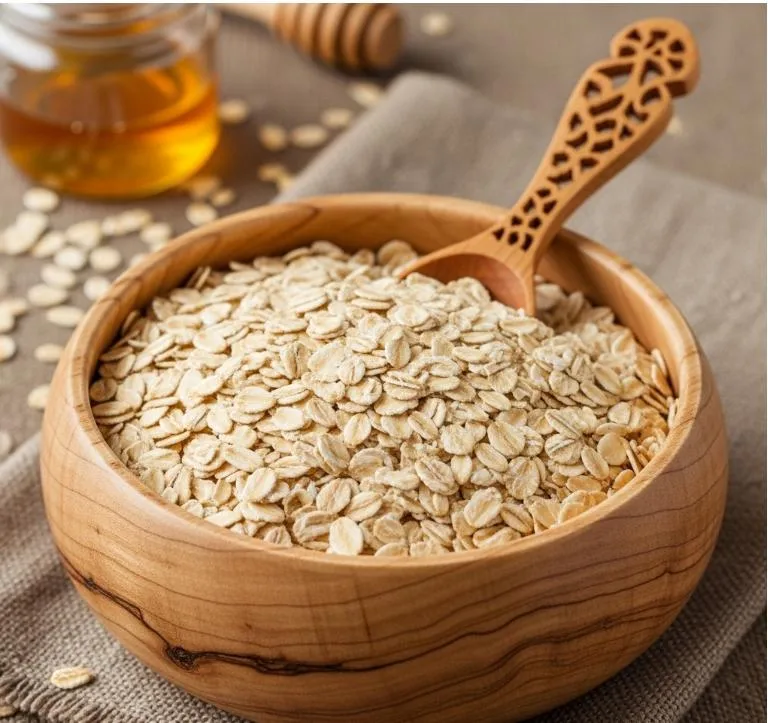
Oats provide soluble fiber, especially a type called beta-glucan. This fiber supports healthy cholesterol levels when eaten as part of a balanced diet. Oats also contain manganese, phosphorus, magnesium, iron, and plant-based protein. Their slow-cooking or quick-cooking forms make them an easy breakfast choice.
One cup of cooked oatmeal made with water has about 166 calories, 6 grams of protein, 28 grams of carbohydrates, and 4 grams of fiber. It provides roughly 2 milligrams of iron and 1.4 milligrams of zinc.
Cook rolled or steel-cut oats with water or milk, then add fruit, nuts, seeds, or cinnamon. Overnight oats are another easy option: mix oats with milk or yogurt and chill them overnight. Choose plain oats instead of flavored packets when you want to control added sugar. Oats are naturally gluten-free, but cross-contact can occur during processing, so check labels if needed.
22. Greek Yogurt

Greek yogurt is strained, which gives it a thick texture and often more protein than regular yogurt. It provides calcium for bones and teeth, along with vitamin B12, phosphorus, and riboflavin. Yogurt with live cultures can also contain helpful bacteria. The exact nutrients depend on the brand and whether you choose plain, low-fat, or whole-milk yogurt.
One 6-ounce serving of plain nonfat Greek yogurt has about 100 calories, 17 grams of protein, 6 grams of carbohydrates, and around 190 milligrams of calcium. It also provides vitamin B12.
Eat Greek yogurt with berries, oats, nuts, or chia seeds for a quick breakfast. Use it instead of sour cream in dips, sauces, and baked potatoes. Plain yogurt is a flexible choice because you can add your own fruit or a little honey. Check the label for added sugars, since flavored varieties can contain much more.
Final Thoughts
You don’t need to eat every food on this list each day. Choose a mix of colorful vegetables, fruit, protein foods, whole grains, nuts, and seeds throughout the week. Small, steady changes can make meals more nourishing. If you plan a major diet change or have special nutrition needs, talk with your healthcare provider first.
Nutrition values are approximate and can vary with serving size, brand, variety, and cooking method. Figures are rounded from commonly reported USDA FoodData Central entries for standard foods and preparations.
