
21 GLP-1 Friendly Foods for Satisfying, Balanced Meals

GLP-1 medicines can change appetite, digestion, and how much food feels comfortable. Choosing balanced meals can help you get the nutrients your body needs while eating smaller portions.
Protein, fiber, and fluids all matter. These 21 foods are practical choices to mix and match, based on your appetite and tolerance.
1. Skinless Chicken Breast
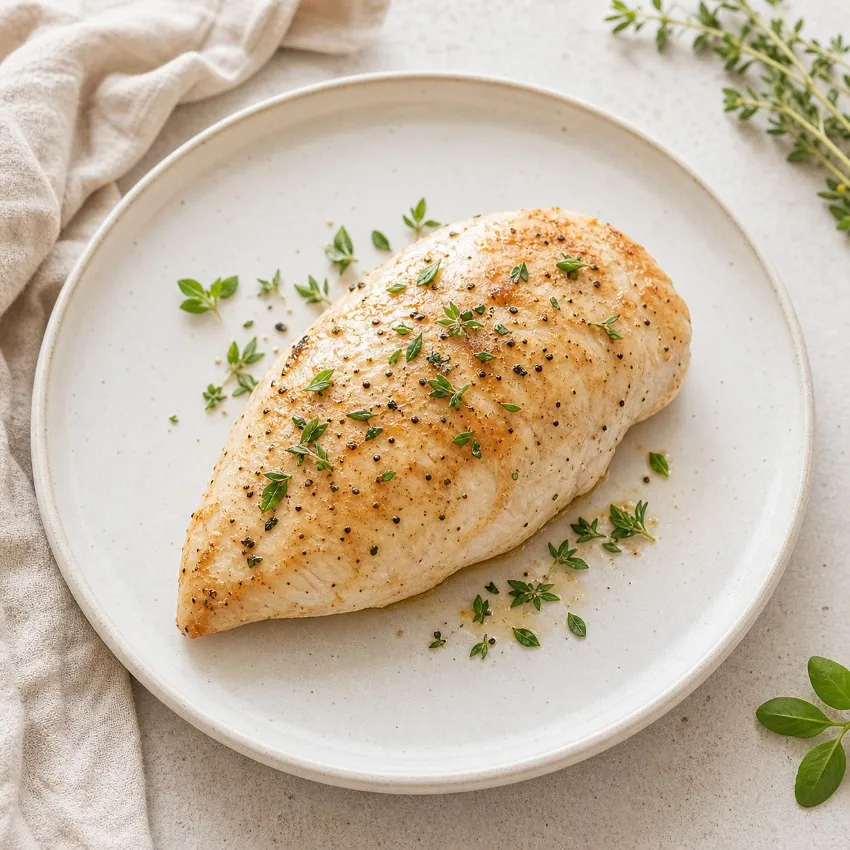
Skinless chicken breast is a lean source of protein. Protein helps maintain muscle, especially when weight changes quickly or appetite is lower. It can also help meals feel satisfying. Chicken has a mild taste, so it works with many seasonings and meal styles.
A three-ounce serving of cooked, skinless chicken breast has about 125 calories, 26 grams of protein, and 3 grams of fat.
Bake, grill, poach, or air-fry chicken with herbs, lemon, or garlic. Add a small portion to soup, a grain bowl, or a soft tortilla with vegetables. If large meals feel uncomfortable, start with a few bites and eat slowly. Cook chicken to an internal temperature of 165°F.
2. Turkey Breast
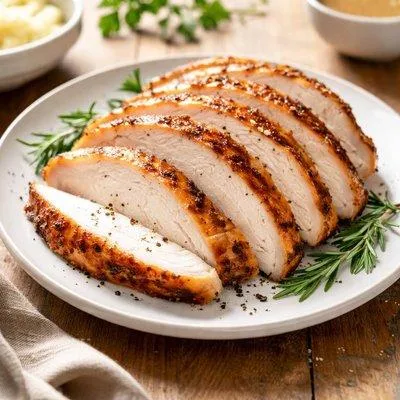
Turkey breast offers plenty of protein with little fat when you choose a skinless cut. Protein supports muscle maintenance and helps make meals more filling. Turkey is also a source of vitamin B6, niacin, and selenium, which help your body carry out everyday functions.
Three ounces of roasted, skinless turkey breast have about 125 calories, 26 grams of protein, and 2 grams of fat.
Roast or grill turkey with mild herbs and a little olive oil. Serve a small portion with cooked vegetables, quinoa, or sweet potato. Leftover turkey can go into soup or a simple sandwich. Fresh turkey is often a better everyday choice than deli slices, which can be high in sodium.
3. Salmon
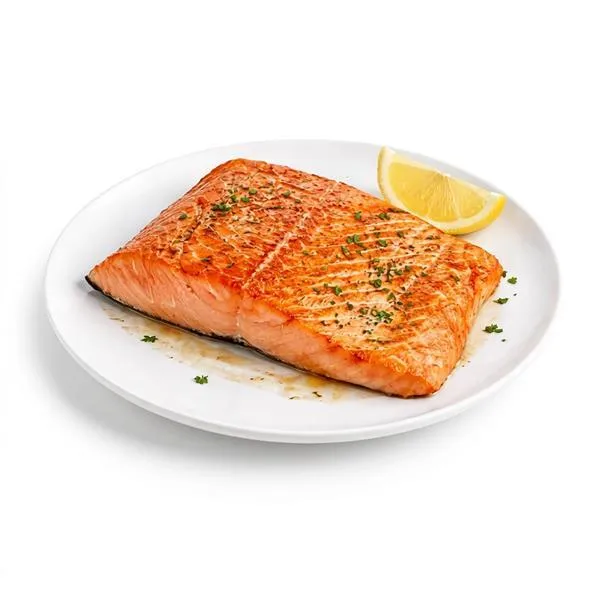
Salmon provides protein and omega-3 fats. These fats support heart health, while protein helps preserve muscle and supports fullness. Salmon also contains vitamin D and vitamin B12. Its soft texture can make it easier to eat than some firmer meats.
A three-ounce serving of cooked salmon has about 175 calories, 19 grams of protein, and 10 grams of fat.
Bake salmon with lemon, dill, or a little olive oil. Pair it with soft-cooked zucchini, spinach, or a small serving of brown rice. If rich foods upset your stomach, begin with a smaller portion because salmon contains more fat than lean fish. Cook fish until it flakes easily and reaches 145°F.
4. Tuna
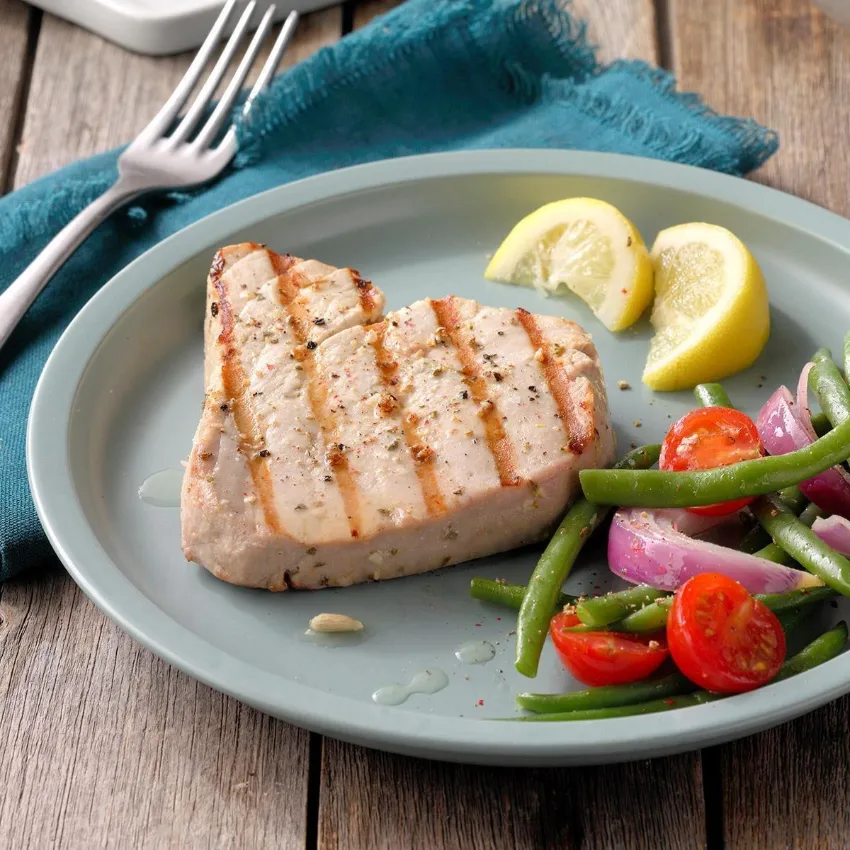
Tuna is a convenient source of lean protein. Protein helps support muscle and can make a small meal more satisfying. Tuna also supplies vitamin B12, selenium, and niacin. Canned tuna is especially useful when you need a quick meal without much cooking.
Three ounces of canned light tuna in water, drained, have about 73 calories, 16 grams of protein, and less than 1 gram of fat.
Mix tuna with plain Greek yogurt, lemon juice, and chopped cucumber for a lighter tuna salad. Serve it on whole-grain toast or with soft vegetables. Choose canned light tuna more often than albacore because it generally contains less mercury. Follow FDA advice on fish choices, especially during pregnancy.
5. Cod Fish
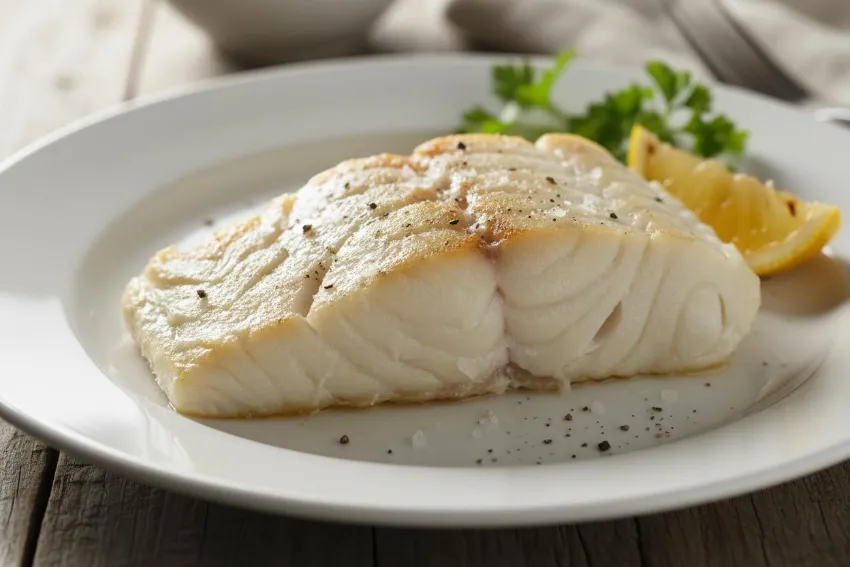
Cod is a mild, lean fish that provides high-quality protein without much fat. It also contains vitamin B12, iodine, and selenium. Because it is not very rich, cod may suit people who find high-fat meals harder to tolerate while taking GLP-1 medicine.
A three-ounce serving of cooked cod has about 90 calories, 20 grams of protein, and less than 1 gram of fat.
Bake cod with lemon, parsley, and a little seasoning. Serve it with mashed sweet potato or soft-cooked zucchini. You can also flake cooked cod into soup or a rice bowl. Avoid heavy breading and deep-frying if fatty meals make you feel nauseated or overly full.
6. Shrimp
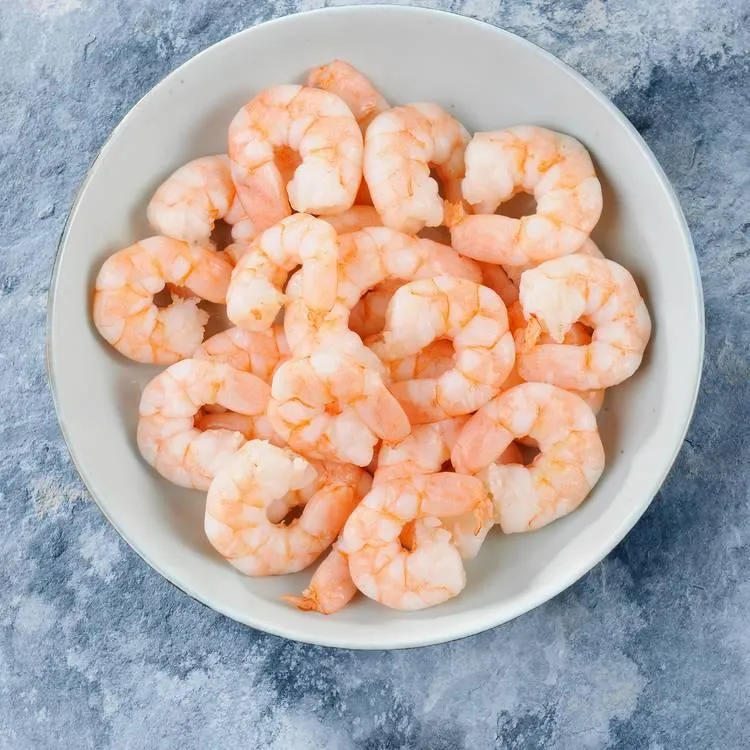
Shrimp provides a lot of protein for relatively few calories. It also contains selenium, iodine, and vitamin B12. Its quick cooking time makes it handy for easy meals. Since shrimp is naturally low in fat, it may feel lighter than richer protein choices.
Three ounces of cooked shrimp have about 84 calories, 20 grams of protein, and less than 1 gram of fat.
Steam, boil, or sauté shrimp with garlic and lemon. Add it to a small serving of brown rice, a vegetable soup, or a zucchini stir-fry. Cook shrimp until it turns opaque and reaches 145°F. Choose simple preparations instead of creamy sauces if rich foods bother your stomach.
7. Eggs
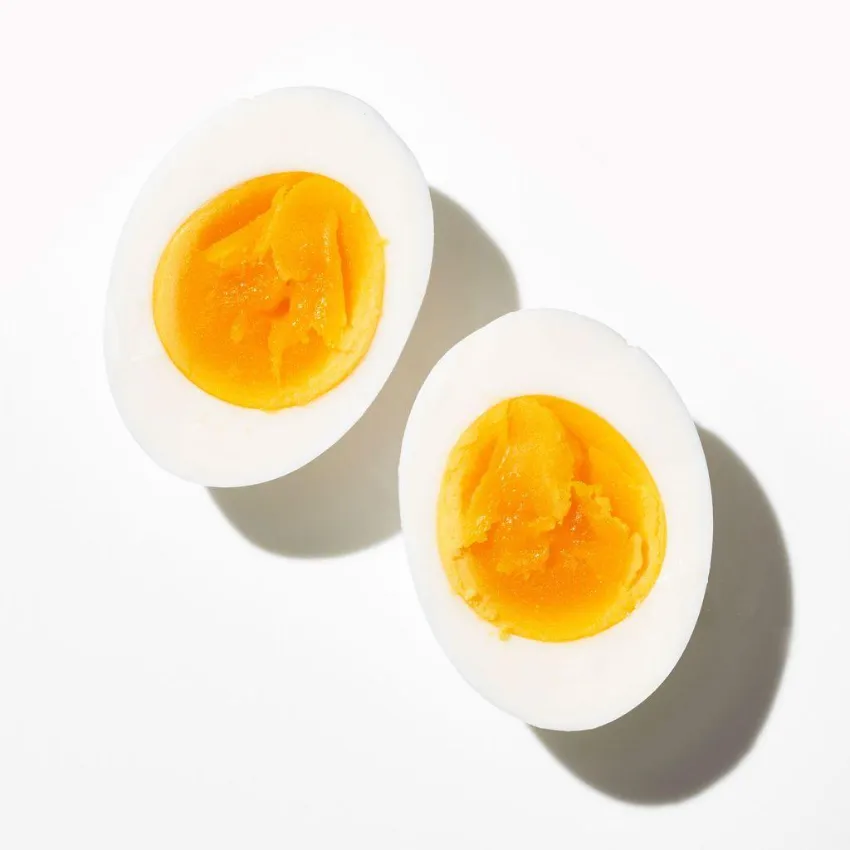
Eggs are a convenient source of protein, choline, vitamin B12, and selenium. Protein helps maintain muscle and supports fullness. Eggs are soft, easy to prepare, and can be paired with vegetables or whole grains for a balanced meal.
One large hard-boiled egg has about 78 calories, 6 grams of protein, and 5 grams of fat.
Boil, poach, or scramble eggs with spinach or zucchini. You can also make a simple egg muffin with chopped vegetables. If a whole egg feels too rich, try one whole egg mixed with egg whites. Cook eggs until the whites and yolks are firm for food safety.
8. Egg Whites
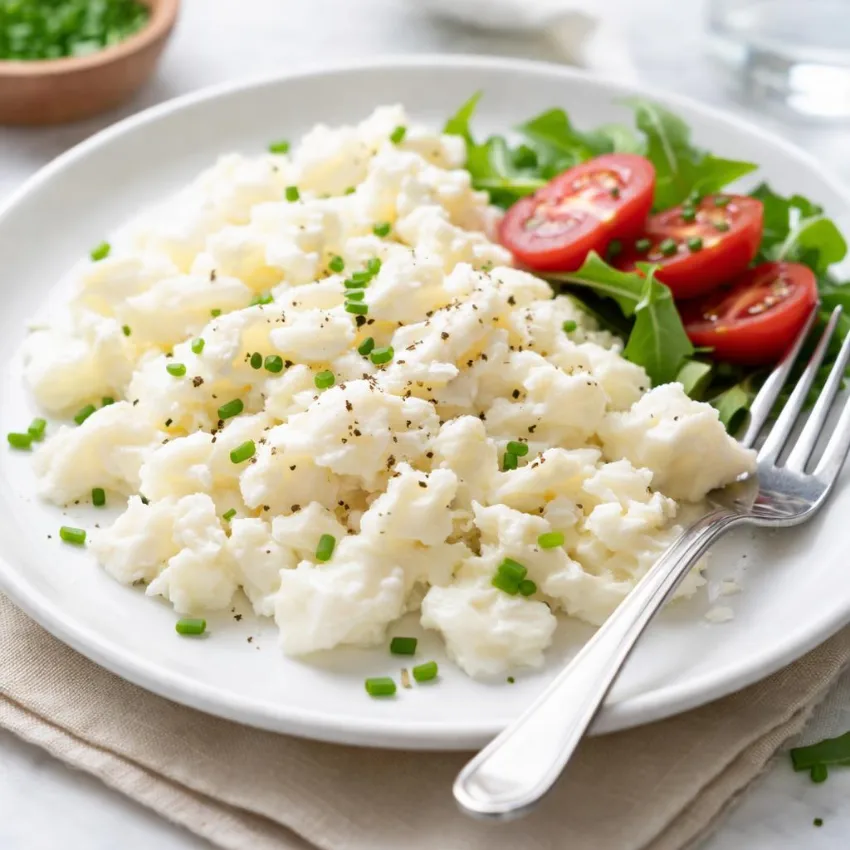
Egg whites offer protein with very little fat. They are useful if you want to increase protein without making a meal much larger. They do not provide the same range of nutrients as whole eggs, since many egg vitamins and minerals are found in the yolk.
One large egg white has about 17 calories, 4 grams of protein, and almost no fat.
Scramble egg whites with spinach, mushrooms, or zucchini. Add them to an omelet with one whole egg, or cook them into a breakfast wrap. Use pasteurized egg whites from a carton if you want convenience. Cook egg whites fully, and remember that whole eggs can still fit into a balanced eating plan.
9. Low-Fat Greek Yogurt

Low-fat Greek yogurt is rich in protein and provides calcium, vitamin B12, and other nutrients. Its thick texture makes it a useful choice when you want a small but satisfying snack. Live and active cultures in some yogurts may also support gut health.
One six-ounce serving of plain, low-fat Greek yogurt has about 130 calories, 17 grams of protein, and 4 grams of fat. Values vary by brand.
Choose plain yogurt and add berries, banana, or a spoonful of oats. You can also use it in place of sour cream in dips and sauces. If dairy causes bloating or discomfort, try a lactose-free version. Check labels for added sugar, since flavored varieties can contain quite a bit.
10. Cottage Cheese
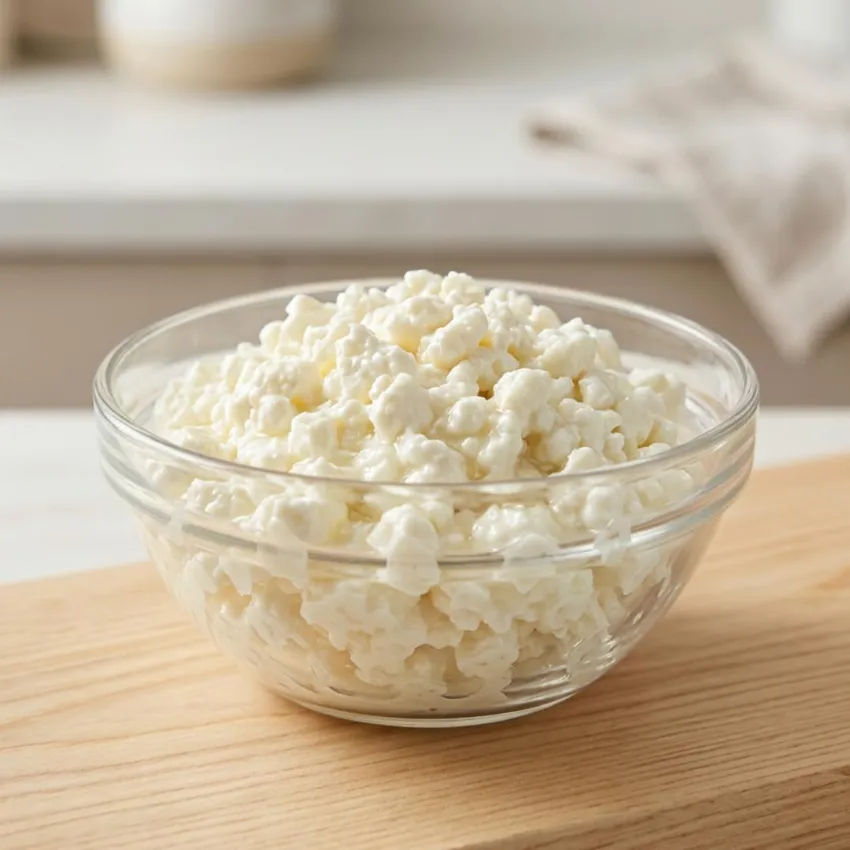
Cottage cheese provides protein and calcium in a soft, easy-to-serve form. Protein helps maintain muscle and can support fullness. Its mild taste works with both sweet and savory foods. Low-fat varieties can be a useful option if rich meals do not sit well.
One-half cup of low-fat, 2% cottage cheese has about 90 calories, 12 grams of protein, and 2.5 grams of fat.
Eat cottage cheese with sliced peaches, berries, or cucumber. You can also spread it on whole-grain toast or blend it into a smooth dip. Some brands are high in sodium, so compare labels if you need to watch salt. Choose a texture and portion that feels comfortable.
11. Firm Tofu
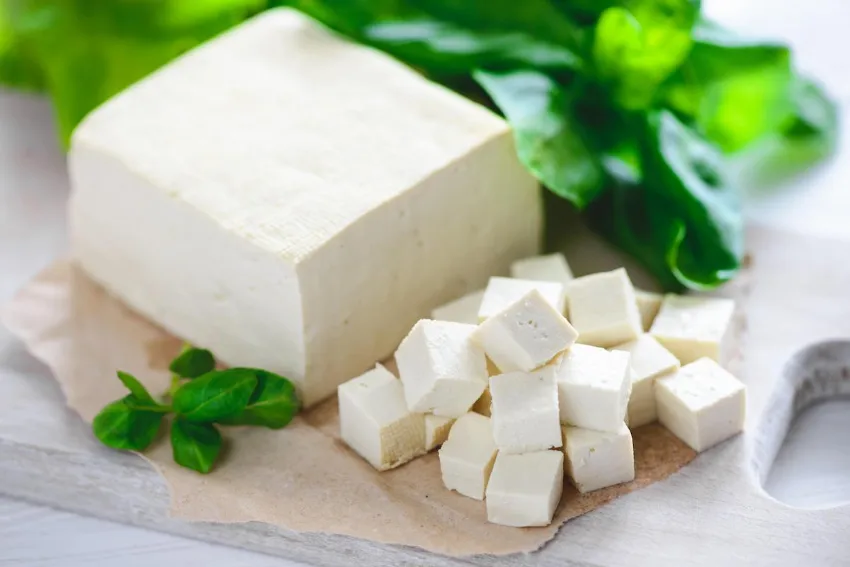
Firm tofu is a plant-based protein that also provides iron and calcium, depending on how it is made. It can help add variety when you don’t want meat or fish. Its mild flavor takes on the taste of sauces and seasonings, and its soft texture works well in many dishes.
A three-ounce serving of firm tofu has about 80 calories, 9 grams of protein, and 5 grams of fat. Nutrition varies by firmness and brand.
Add cubed tofu to vegetable soup, or gently sauté it with zucchini and spinach. You can also bake it with a light soy-ginger seasoning. If you are new to tofu, start with a small portion and see how it feels. Choose calcium-set tofu when you want an extra source of calcium.
12. Lentils
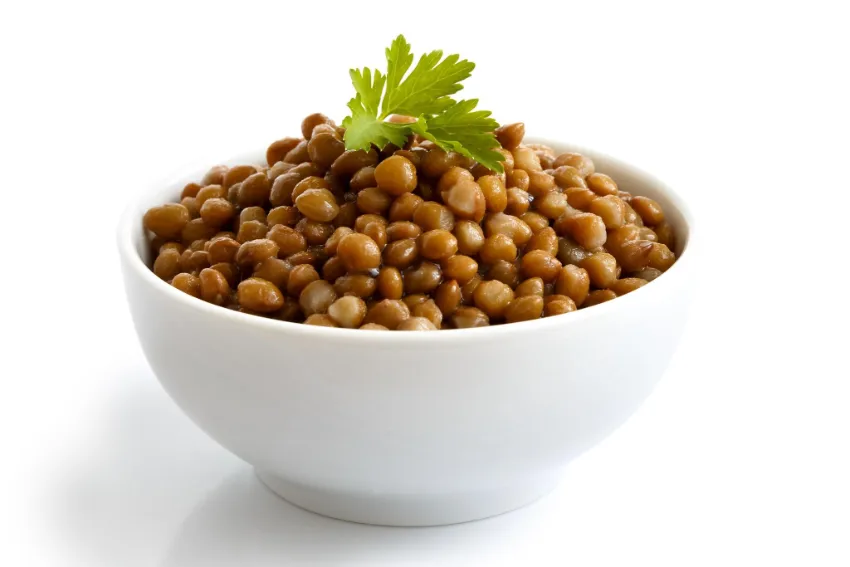
Lentils provide plant protein, fiber, iron, folate, and potassium. Protein and fiber can help make meals satisfying. Their soft texture after cooking makes them useful in soups and stews. However, a sudden increase in fiber may cause gas or bloating for some people.
One-half cup of cooked lentils has about 115 calories, 9 grams of protein, 8 grams of fiber, and 20 grams of carbohydrates.
Cook lentils until very soft, then add them to soup or a small grain bowl. Red lentils break down into a smooth texture and may be easier to manage than firmer varieties. Start with a small serving and increase gradually if you tolerate them. Drink enough fluids as you add more fiber.
13. Chickpeas
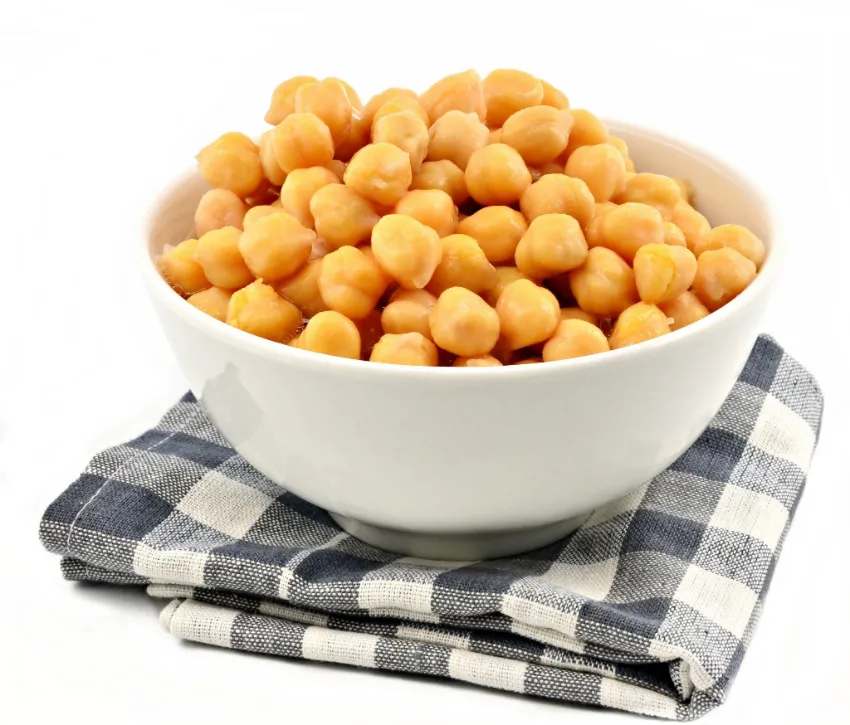
Chickpeas offer plant protein, fiber, folate, and iron. They can help make meals more filling, but their fiber may cause gas for some people. If you are adjusting to a GLP-1 medicine, small portions and soft preparations may be more comfortable.
One-half cup of cooked chickpeas has about 135 calories, 7 grams of protein, 6 grams of fiber, and 22 grams of carbohydrates.
Rinse canned chickpeas well, then mash them into a smooth spread with lemon and a little olive oil. You can also blend them into hummus or simmer them in a mild soup. Start with a few tablespoons rather than a large bowl. Increase the amount only if your digestion handles it comfortably.
14. Black Beans
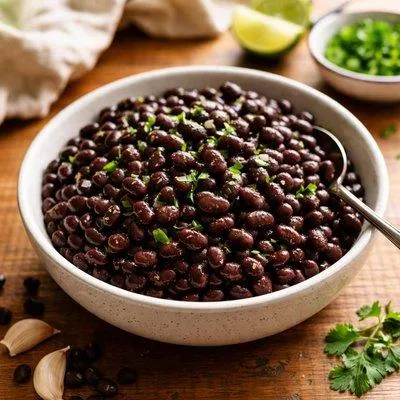
Black beans provide plant protein, fiber, iron, magnesium, and folate. Their mix of protein and fiber can support fullness and steady meal energy. They are also affordable and easy to keep in the pantry. Their fiber can be helpful, but large servings may cause bloating.
One-half cup of cooked black beans has about 114 calories, 8 grams of protein, 7.5 grams of fiber, and 20 grams of carbohydrates.
Rinse canned beans to remove some of the sodium. Add a small scoop to soup, rice, or a soft vegetable bowl. You can also mash beans with mild spices for a filling spread. Begin with a modest portion and increase slowly as your body adjusts to more fiber.
15. Oatmeal
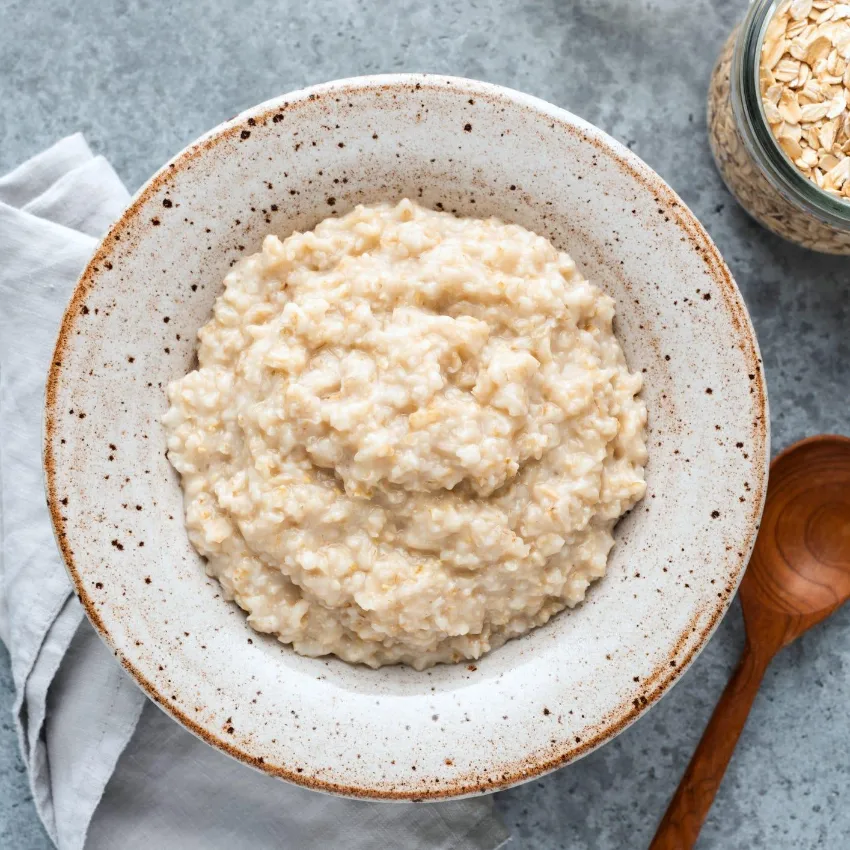
Oatmeal is a gentle whole grain that provides soluble fiber, including beta-glucan. This type of fiber supports healthy cholesterol levels and can help you feel satisfied. Oats also supply carbohydrates for energy, along with magnesium and small amounts of plant protein.
One cup of cooked oatmeal made with water has about 166 calories, 6 grams of protein, 4 grams of fiber, and 30 grams of carbohydrates.
Cook oats until soft, using water or milk. Add Greek yogurt, banana, or a few berries for more protein and flavor. If a large bowl feels too filling, prepare a smaller serving. Plain rolled oats are a flexible choice, while sweetened instant packets may contain extra added sugar.
16. Quinoa
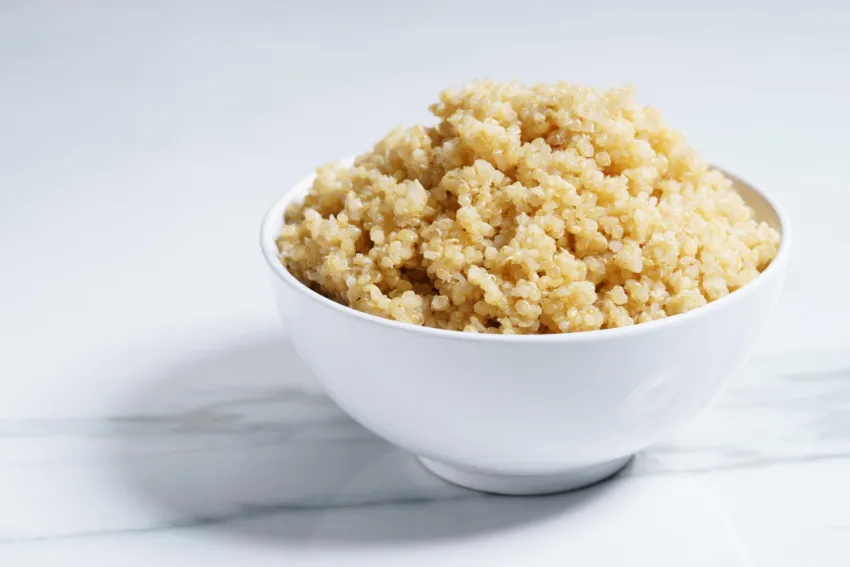
Quinoa is a seed that cooks like a grain. It provides fiber, magnesium, and all nine essential amino acids, making it a useful plant protein choice. It can add variety to meals and pair well with vegetables, beans, eggs, or fish.
One cup of cooked quinoa has about 222 calories, 8 grams of protein, 5 grams of fiber, and 39 grams of carbohydrates.
Rinse quinoa before cooking if the package instructions recommend it. Serve a small scoop with chicken, tofu, or cooked vegetables. You can also make a soft quinoa porridge for breakfast. If you are not used to high-fiber foods, start with a smaller serving and see how you feel.
17. Brown Rice
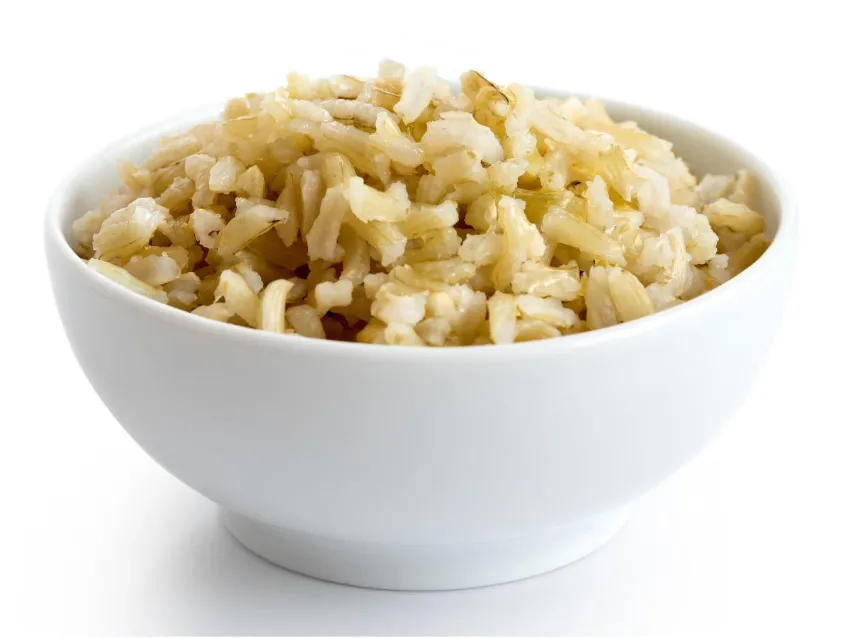
Brown rice is a whole grain that provides carbohydrates, fiber, magnesium, and manganese. It can supply energy and make a balanced meal more satisfying. Its fiber content is higher than that of white rice, so some people may prefer a smaller portion if they feel full quickly.
One cup of cooked long-grain brown rice has about 216 calories, 5 grams of protein, 3.5 grams of fiber, and 45 grams of carbohydrates.
Pair a small serving with fish, chicken, tofu, or beans. Add soft-cooked vegetables for color and extra nutrients. Cook a batch ahead and refrigerate it promptly in shallow containers. If brown rice feels too heavy, try a smaller serving or alternate it with another grain.
18. Sweet Potatoes
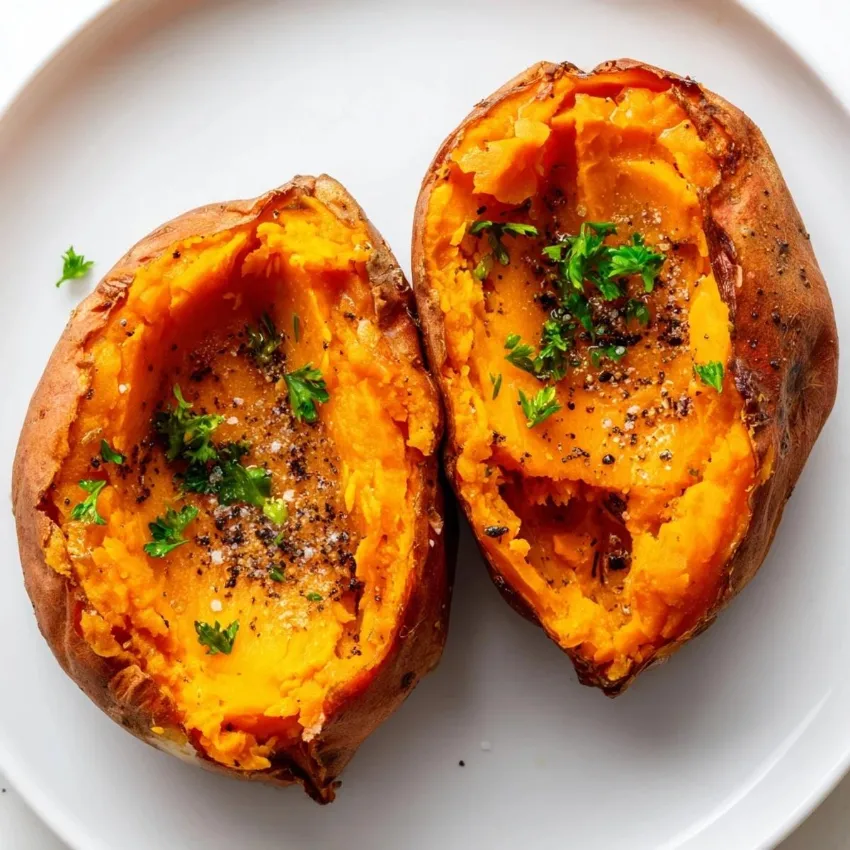
Sweet potatoes provide fiber, potassium, and beta-carotene, which your body can turn into vitamin A. They offer satisfying carbohydrates and a naturally sweet taste. Their soft texture after cooking can make them a comfortable side dish for people who prefer gentle foods.
One medium baked sweet potato has about 100 calories, 2 grams of protein, and 4 grams of fiber.
Bake or steam a sweet potato until tender. Eat it plain, or top it with a little Greek yogurt, cottage cheese, or shredded chicken. You can also mash it for a soft side dish. Keep toppings simple if rich foods trigger nausea or reflux, and adjust the portion to your appetite.
19. Broccoli
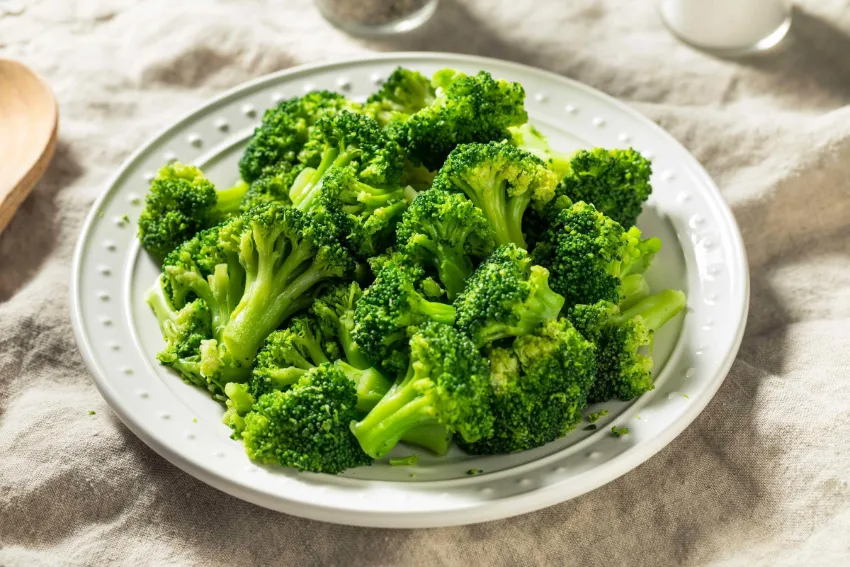
Broccoli supplies fiber, vitamin C, vitamin K, and folate. It also contains plant compounds that support overall health. Its fiber can help digestion, but a large serving may cause gas or bloating in some people. Cooking broccoli until tender can make it easier to chew.
One cup of chopped, cooked broccoli has about 55 calories, 4 grams of protein, 5 grams of fiber, and 100 milligrams of vitamin C.
Steam broccoli until soft, or roast it until tender. Add a few florets to a meal with chicken, fish, or tofu. If raw broccoli causes discomfort, choose cooked broccoli and begin with a small serving. Chew slowly and avoid forcing a large portion when you already feel full.
20. Spinach
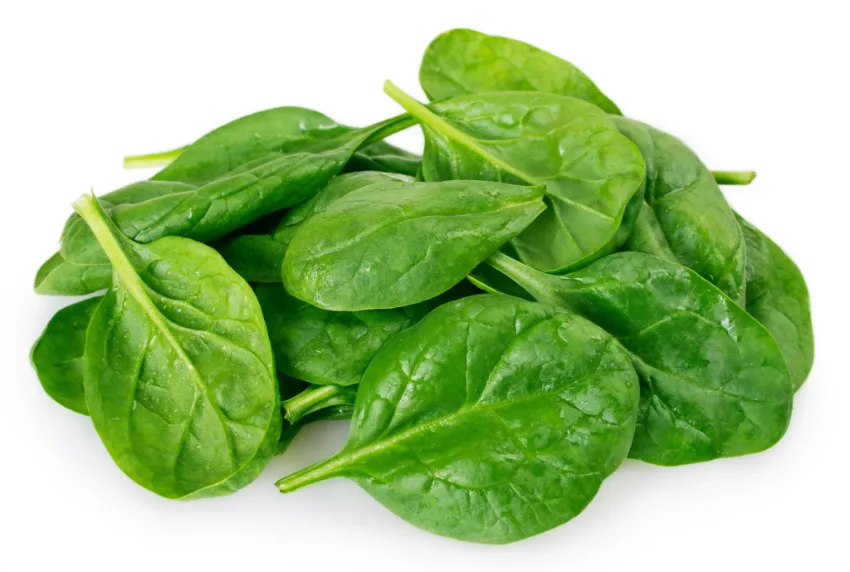
Spinach is a low-calorie leafy green that provides folate, vitamin K, vitamin A, and magnesium. It adds nutrients without making a meal much larger. Cooking spinach softens its leaves and reduces its volume, so it is easy to mix into eggs, soups, and other dishes.
One cup of cooked spinach has about 41 calories, 5 grams of protein, 4 grams of fiber, and 157 milligrams of magnesium.
Stir cooked spinach into scrambled eggs, lentil soup, or a small serving of pasta. You can also add fresh leaves to a smoothie with yogurt and fruit. Wash spinach well before use. If raw greens feel hard to digest, try cooked spinach in a smaller portion.
21. Zucchini
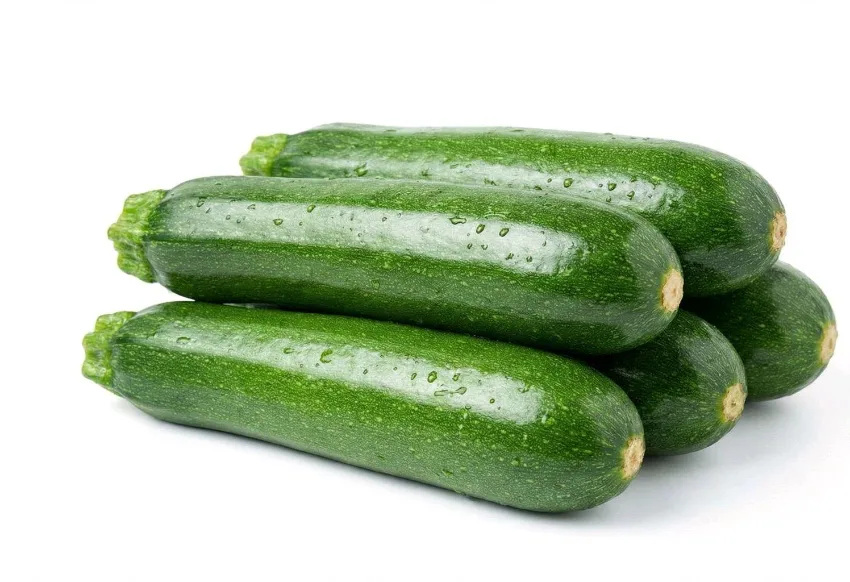
Zucchini is a mild vegetable with plenty of water and a small amount of fiber. It provides vitamin C, potassium, and other plant nutrients. Its soft texture after cooking makes it a practical option when appetite is low or heavy foods feel uncomfortable.
One cup of sliced, cooked zucchini has about 27 calories, 2 grams of protein, 3 grams of fiber, and 450 milligrams of potassium.
Steam, roast, or sauté zucchini until tender. Add it to eggs, soups, or a small bowl of quinoa. You can also make zucchini ribbons as a lighter alternative to pasta. Use modest amounts of oil and mild seasoning if fatty or spicy foods worsen nausea or reflux.
Final Thoughts
GLP-1 friendly meals don’t need to be complicated. Choose a protein source, add a comfortable portion of vegetables or whole grains, and eat slowly.
Your appetite and digestion may change from day to day, so adjust portions as needed. Follow your prescriber’s advice, and ask your healthcare team about ongoing symptoms or nutrition concerns.
