
24 Chromium-Rich Foods to Include in a Balanced Diet

Chromium is a trace mineral your body needs in very small amounts. It helps insulin work as it moves glucose from your blood into your cells.
Foods such as whole grains, vegetables, fruit, meat, and nuts can provide chromium. Exact amounts are hard to list because soil, farming, and processing change a food’s chromium content.
1. Broccoli
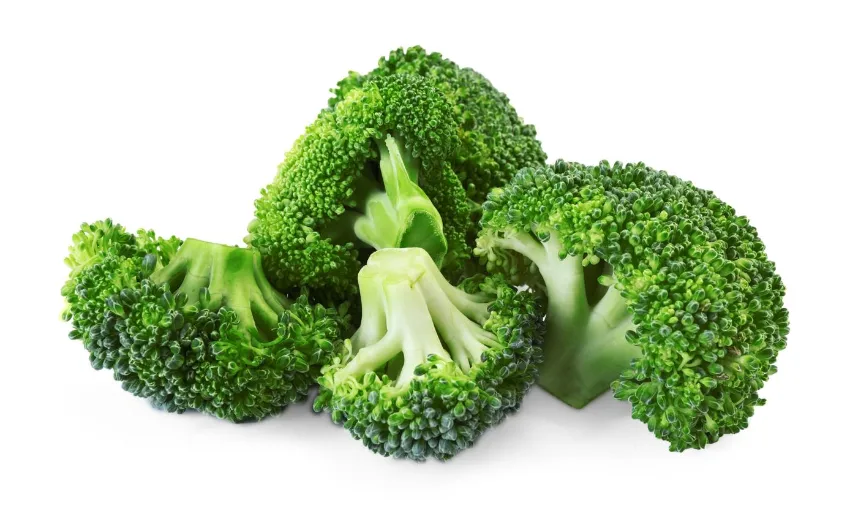
Broccoli is a useful vegetable to include when you want more chromium from everyday foods. It also provides vitamin C, vitamin K, folate, and fiber. These nutrients support normal immune function, blood clotting, and digestion. Broccoli contains plant compounds that add to its overall nutrition, too.
Chromium levels in broccoli are not consistently reported in food databases, so there isn’t one dependable amount for a serving. One cup of chopped, cooked broccoli has about 55 calories, 4 grams of protein, 5 grams of fiber, and 100 milligrams of vitamin C.
Steam broccoli until tender, or roast it with a little olive oil. Add it to pasta, grain bowls, omelets, or soups. You can also eat raw florets with hummus or yogurt dip. Choose firm, dark green heads with tight florets.
2. Green Beans

Green beans provide small amounts of chromium along with fiber, vitamin C, vitamin K, and folate. Their fiber helps support healthy digestion, while vitamin K plays a role in normal blood clotting. They are also naturally low in calories, making them an easy vegetable to serve often.
The chromium content of green beans varies and is not reliably listed for every sample. One cup of cooked green beans has about 44 calories, 2 grams of protein, 4 grams of fiber, and 10 milligrams of vitamin C.
Steam green beans, sauté them with garlic, or roast them until lightly browned. Add them to salads, soups, and vegetable stir-fries. Frozen green beans are a handy option when fresh ones aren’t available. Choose plain versions instead of products with heavy sauces or added salt.
3. Potatoes
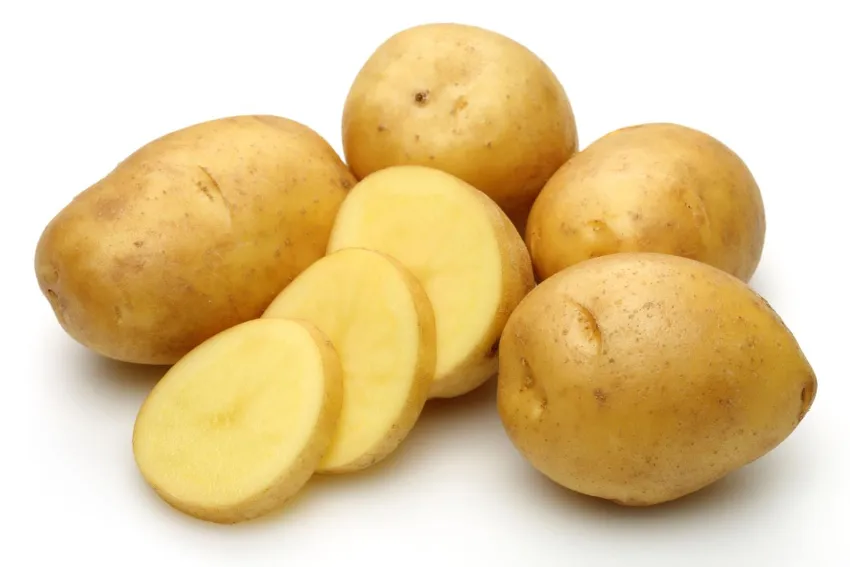
Potatoes can contribute chromium as part of a varied diet. They also supply potassium, vitamin C, and vitamin B6. Potassium helps your muscles and nerves work normally. Keeping the skin on adds fiber, so scrub potatoes well before cooking instead of peeling them every time.
There is no single dependable chromium figure for potatoes because mineral levels change with growing conditions and storage. One medium baked potato with skin has about 160 calories, 4 grams of protein, 4 grams of fiber, and 900 milligrams of potassium.
Bake or roast potatoes, or boil them and toss with herbs. Add cooked potato cubes to vegetable soups, egg dishes, or salads. Try plain yogurt and chives instead of large amounts of butter or creamy toppings. Store potatoes in a cool, dark, well-ventilated place.
4. Sweet Potatoes
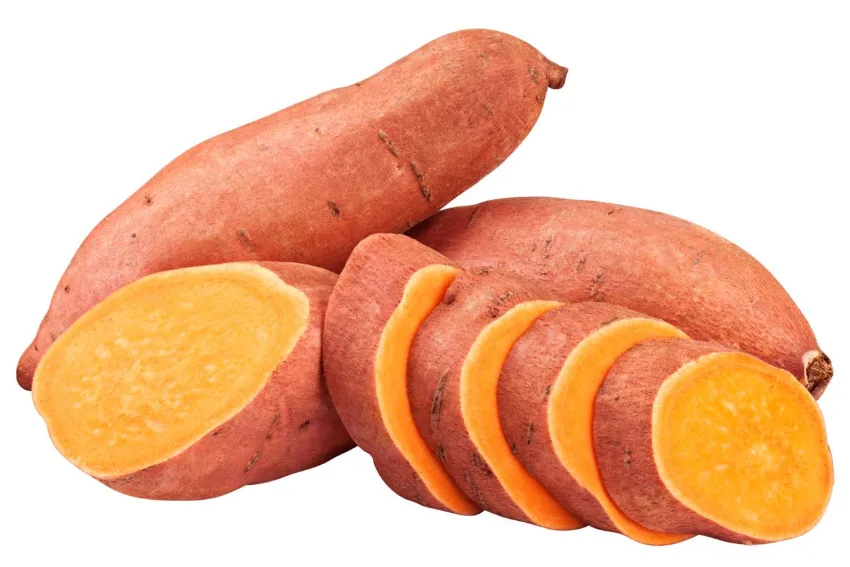
Sweet potatoes are a colorful source of fiber, potassium, and beta-carotene. Your body can turn beta-carotene into vitamin A, which supports normal vision and immune function. Sweet potatoes may also provide chromium, though the amount depends on the soil and other growing conditions.
Chromium values for sweet potatoes are not consistently available, so a precise amount per serving would be misleading. One medium baked sweet potato has about 100 calories, 2 grams of protein, 4 grams of fiber, and plenty of beta-carotene.
Bake a whole sweet potato until soft, then top it with beans or plain yogurt. You can also cube and roast it with olive oil, or mash it as a side dish. Leave the skin on for extra fiber after washing it well. Choose firm potatoes without soft spots.
5. Whole Wheat Bread

Whole wheat bread may provide chromium because whole grains retain more of the grain’s outer layers and germ than refined flour. It also supplies fiber, B vitamins, and minerals. Fiber helps you feel full and supports regular digestion. Look for bread that lists whole wheat flour first.
Chromium amounts differ between brands and batches, and labels do not usually list this mineral. One slice of whole wheat bread has about 80 calories, 4 grams of protein, 2 grams of fiber, and 15 grams of carbohydrates.
Use whole wheat bread for toast, sandwiches, or simple open-faced meals. Top it with egg, avocado, nut butter, or tuna. Compare labels because some breads contain added sugar or a lot of sodium. A darker color does not always mean a bread is made with whole grains.
6. Oatmeal
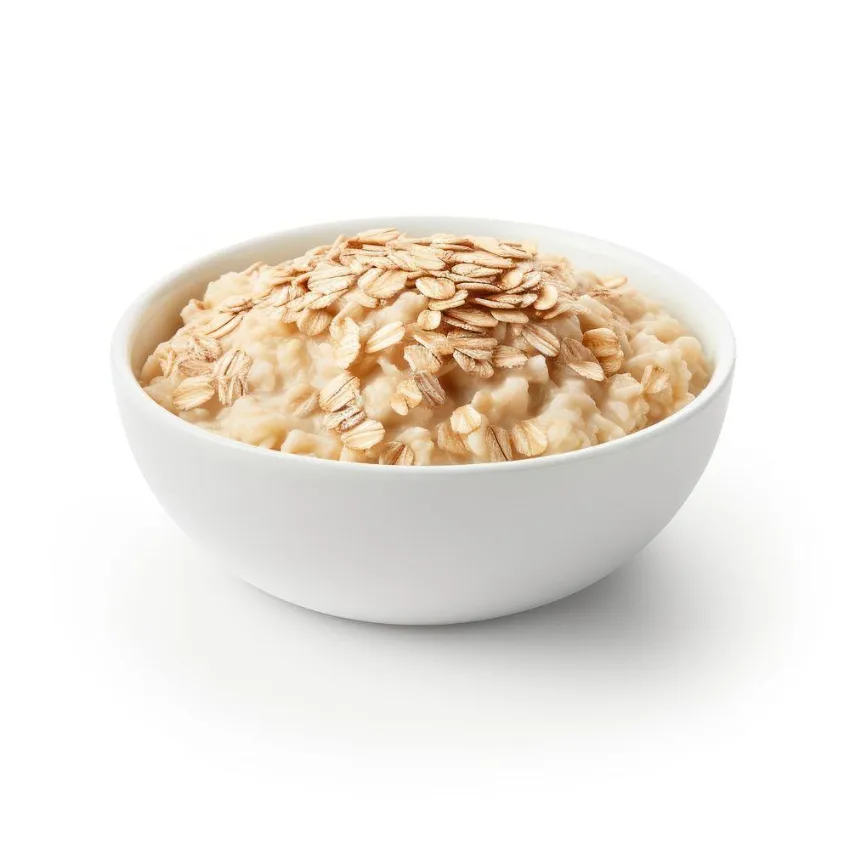
Oatmeal is a whole-grain food that can contribute chromium to your diet. It also contains soluble fiber, especially beta-glucan, which helps support healthy cholesterol levels. Oats provide magnesium, phosphorus, and plant-based protein. They make a filling breakfast that is easy to change with different toppings.
The chromium content of oats can vary, and standard nutrition labels do not provide a reliable figure. One cup of cooked oatmeal made with water has about 166 calories, 6 grams of protein, 4 grams of fiber, and 30 grams of carbohydrates.
Cook rolled or steel-cut oats with water or milk. Add banana, apple, berries, nuts, or seeds for extra flavor and nutrients. For a quick breakfast, prepare overnight oats in the refrigerator. Choose plain oats instead of flavored packets if you want to limit added sugar.
7. Barley
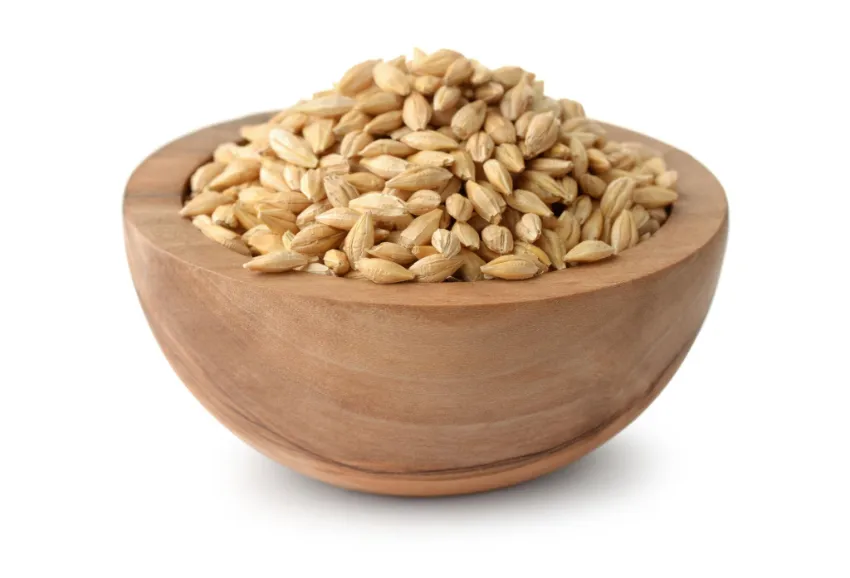
Barley is a hearty whole grain that can add chromium along with fiber, selenium, and other minerals. It contains beta-glucan, a type of soluble fiber also found in oats. This fiber supports heart health and helps make meals more satisfying. Hulled barley is less processed than pearled barley.
Chromium levels in barley depend on the crop and processing, and dependable serving values are not widely available. One cup of cooked pearled barley has about 193 calories, 4 grams of protein, 6 grams of fiber, and 44 grams of carbohydrates.
Add cooked barley to vegetable soup, bean bowls, or salads. It can also replace rice as a side dish. Barley takes longer to cook than many grains, so make a batch ahead and refrigerate it for quick meals. Barley contains gluten, so it isn’t suitable for people who must avoid gluten.
8. Brown Rice
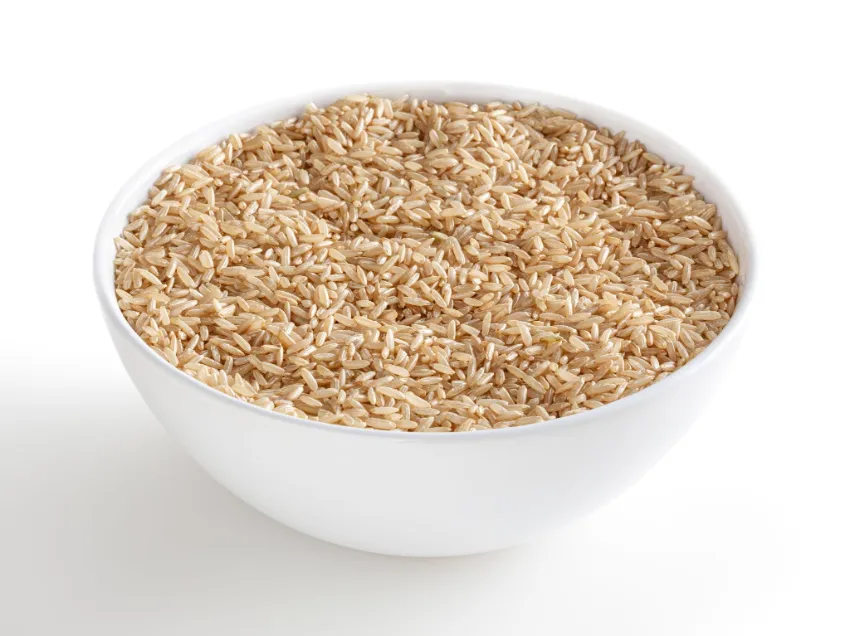
Brown rice keeps its bran and germ, which provide fiber and minerals. It can contribute chromium as part of a varied whole-grain diet. Brown rice also supplies magnesium and some B vitamins. Its mild, nutty flavor works with vegetables, beans, fish, and many other foods.
Chromium amounts vary by rice source and growing conditions, so there isn’t a reliable standard amount for each serving. One cup of cooked long-grain brown rice has about 216 calories, 5 grams of protein, 3.5 grams of fiber, and 45 grams of carbohydrates.
Serve brown rice with beans, chicken, vegetables, or tofu. Use it in stuffed peppers, grain bowls, or rice salads. Cook extra and refrigerate it promptly in shallow containers. Reheat leftovers until steaming hot, and avoid leaving cooked rice at room temperature for long periods.
9. Corn
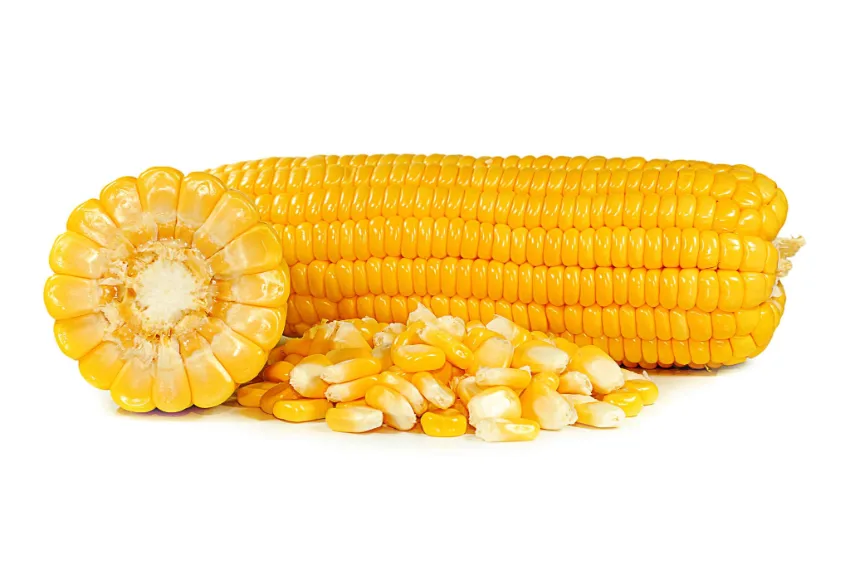
Corn provides carbohydrates for energy, along with fiber, folate, and several plant compounds. It may also contribute chromium, although its mineral content changes with the variety and growing conditions. Yellow corn contains carotenoids, including lutein and zeaxanthin, which support eye health.
A precise chromium amount for corn is difficult to confirm because food testing results vary. One cup of cooked yellow sweet corn has about 143 calories, 5 grams of protein, 4 grams of fiber, and 31 grams of carbohydrates.
Serve corn on the cob, or add kernels to salads, soups, and bean dishes. Frozen corn is convenient and often needs only a few minutes to heat. Choose plain canned corn when possible, and drain and rinse it to reduce some of the added sodium.
10. Green Peas
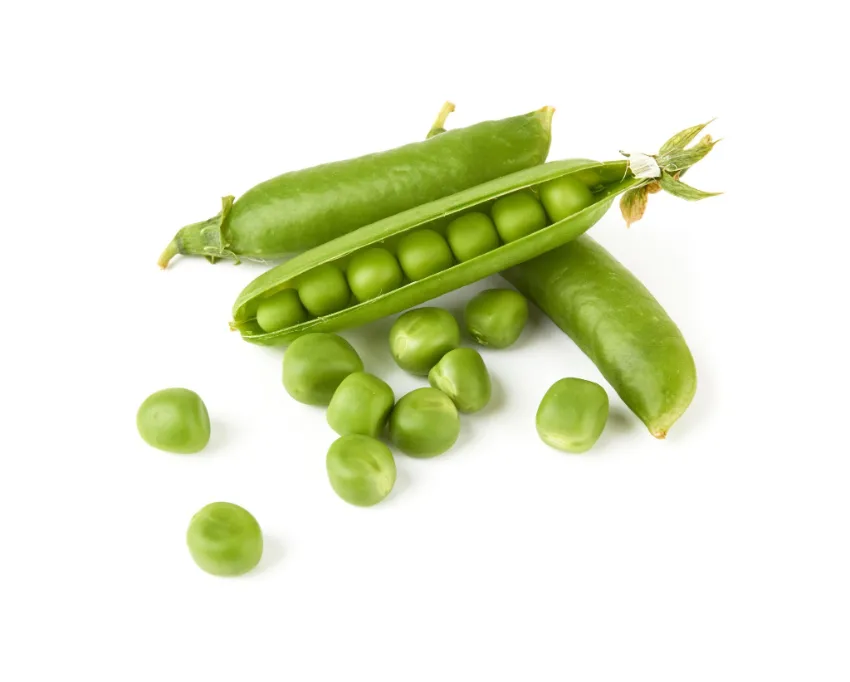
Green peas offer plant protein, fiber, and nutrients such as vitamin K, folate, and vitamin C. They may also provide chromium in small amounts. Their combination of protein and fiber makes them a filling addition to meals, even though peas are often treated like a vegetable.
Chromium values for peas are not consistently reported, so a precise amount per cup isn’t dependable. One cup of cooked green peas has about 134 calories, 8 grams of protein, 9 grams of fiber, and 25 grams of carbohydrates.
Stir peas into rice, pasta, soups, or vegetable curries. You can also mash them with lemon juice and herbs for a quick spread. Frozen peas are easy to keep on hand and cook quickly. Add them near the end of cooking so they keep their color and shape.
11. Tomatoes
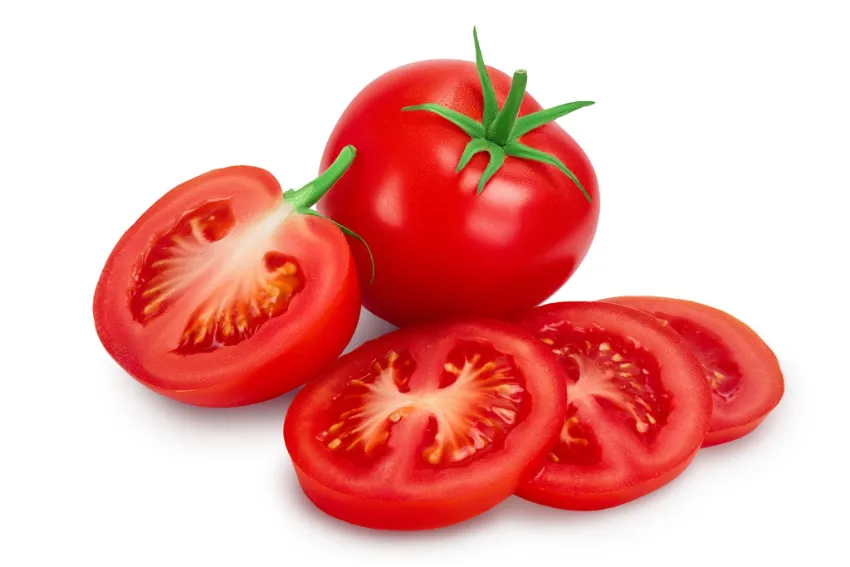
Tomatoes can add variety to a chromium-containing eating pattern. They are also a source of vitamin C, potassium, and lycopene. Lycopene is a plant pigment with antioxidant activity. Cooking tomatoes with a little oil can help your body absorb lycopene.
The chromium content of tomatoes is variable and is not routinely shown on nutrition labels. One cup of chopped raw tomatoes has about 32 calories, 2 grams of protein, 2 grams of fiber, and 25 milligrams of vitamin C.
Add fresh tomatoes to salads, sandwiches, and wraps. Cook them into pasta sauce, soup, or vegetable stew. Canned tomatoes are useful for quick meals, too. Choose no-salt-added products if you are trying to reduce sodium, and compare labels on sauces.
12. Mushrooms
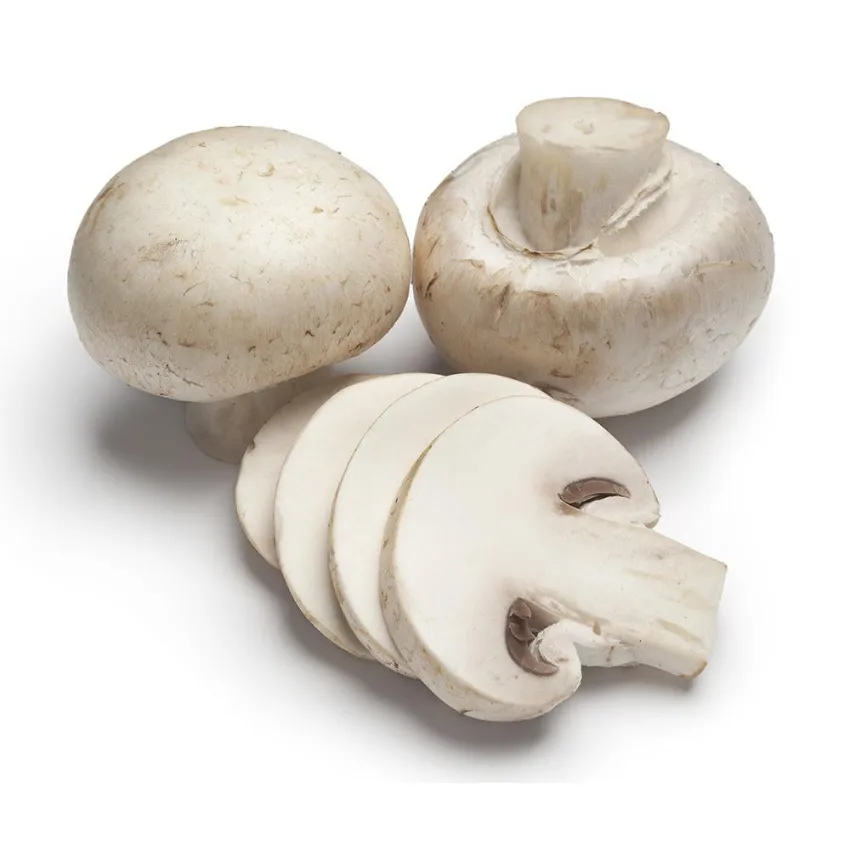
Mushrooms provide several B vitamins, selenium, and other minerals. Their chromium content can vary with the growing medium and species. Mushrooms also add a savory flavor to meals, which can make vegetables and whole grains more satisfying without needing rich sauces.
There is no dependable chromium figure for all mushrooms because varieties and growing conditions differ. One cup of sliced white mushrooms has about 15 calories, 2 grams of protein, and 1 gram of fiber.
Sauté mushrooms with garlic, add them to omelets, or mix them into pasta and soups. They also work well in grain bowls and vegetable stir-fries. Wipe or rinse them gently before cooking. Cook mushrooms until tender and browned to bring out their deep, savory taste.
13. Spinach
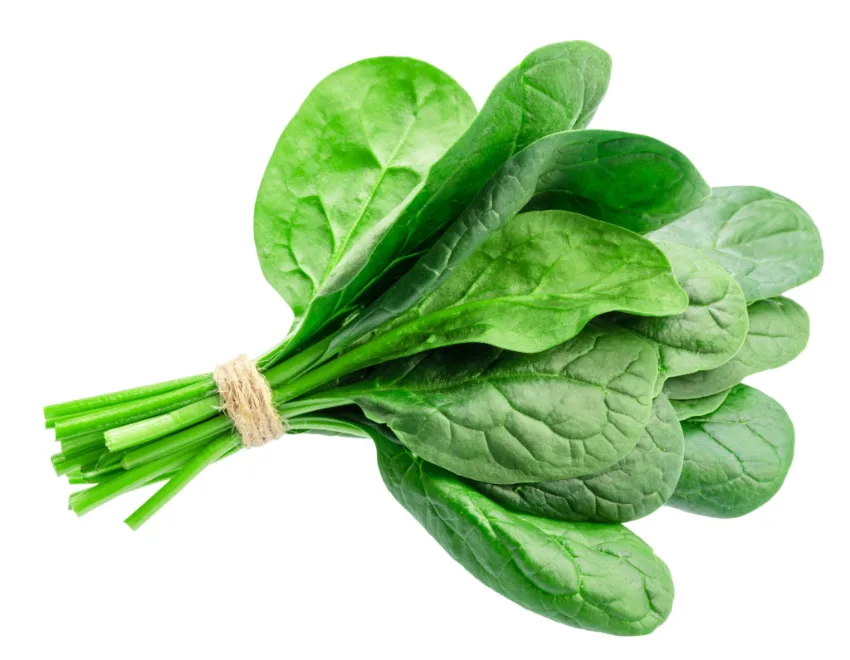
Spinach is a nutrient-rich leafy green that may contribute chromium along with folate, vitamin K, vitamin A, and magnesium. Its plant compounds support overall health, and its fiber helps digestion. Spinach is easy to add to meals because it cooks down quickly and has a mild flavor.
Chromium levels in spinach can differ by soil and growing conditions, and a standard serving amount is not reliably established. One cup of cooked spinach has about 41 calories, 5 grams of protein, 4 grams of fiber, and 157 milligrams of magnesium.
Stir spinach into eggs, soups, pasta, or lentils. Use raw leaves in salads and sandwiches, or blend a handful into a smoothie. Cooked spinach takes up much less space than raw spinach, so a large pile can shrink to a small serving.
14. Romaine Lettuce

Romaine lettuce adds crunch, water, and several nutrients to meals. It provides vitamin K, folate, and beta-carotene, which your body can turn into vitamin A. Like other plant foods, it may contain chromium, but the exact amount depends on where and how it was grown.
Chromium isn’t routinely measured in standard food nutrition listings for romaine lettuce. Two cups of shredded romaine have about 16 calories, 1 gram of protein, 2 grams of fiber, and 2,500 international units of vitamin A activity.
Use romaine as the base for a salad, or add leaves to sandwiches and wraps. Large leaves can hold chicken, beans, or chopped vegetables like a fresh wrap. Wash the leaves under running water and dry them well before serving.
15. Apples
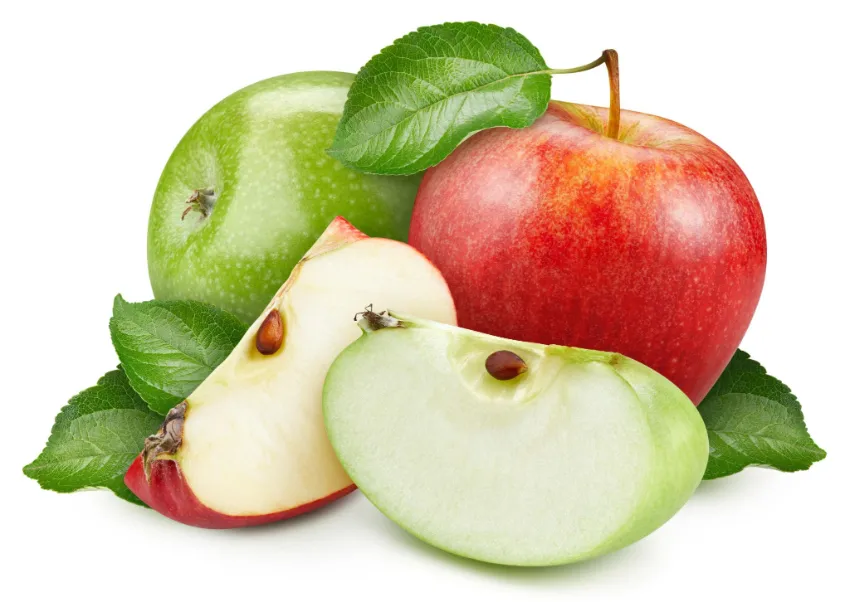
Apples can contribute small amounts of chromium while providing water, fiber, and natural sweetness. Much of an apple’s fiber is in the skin, so wash it well and eat it unpeeled when you can. Apples also contain plant compounds that add to their overall nutritional value.
The chromium amount in apples varies and isn’t consistently reported. One medium apple with skin has about 95 calories, 4 grams of fiber, and 19 grams of natural sugar.
Eat an apple as a snack, or slice it over oatmeal and yogurt. Pair it with a small serving of almonds or peanut butter for a more filling bite. Chopped apples also add crunch to salads and slaw. Choose fruit that feels firm and has unbroken skin.
16. Bananas

Bananas are best known for potassium, but they also provide vitamin B6, fiber, and carbohydrates. They may contribute chromium as part of a varied diet. Their natural sweetness makes them a simple snack and a useful way to add flavor to breakfast without much preparation.
Chromium levels in bananas are not consistently listed, so a precise amount for one fruit isn’t dependable. One medium banana has about 105 calories, 3 grams of fiber, 1 gram of protein, and 422 milligrams of potassium.
Slice banana over oatmeal, cereal, or whole-grain toast. Blend it into a smoothie, or freeze peeled pieces for a cool snack. A ripe banana can also replace some added sugar in homemade muffins. Choose bananas with the ripeness and texture you enjoy.
17. Grapes
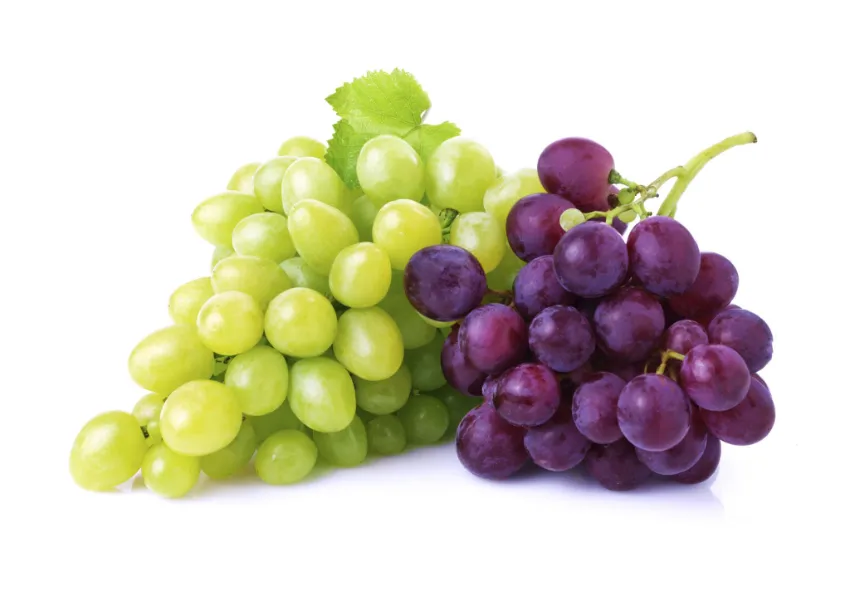
Grapes provide water, natural carbohydrates, and plant compounds such as resveratrol in some varieties. They may also contain small amounts of chromium, although the amount depends on the soil and growing conditions. Grapes are easy to portion and make a refreshing snack.
A dependable chromium amount for grapes is not available across varieties. One cup of red or green grapes has about 104 calories, 1 gram of protein, and 1.4 grams of fiber.
Eat grapes chilled, add them to fruit salad, or slice them into chicken salad. Frozen grapes make a cold snack on warm days. Wash grapes under running water before eating. For young children, cut grapes lengthwise into small pieces to lower the risk of choking.
18. Oranges
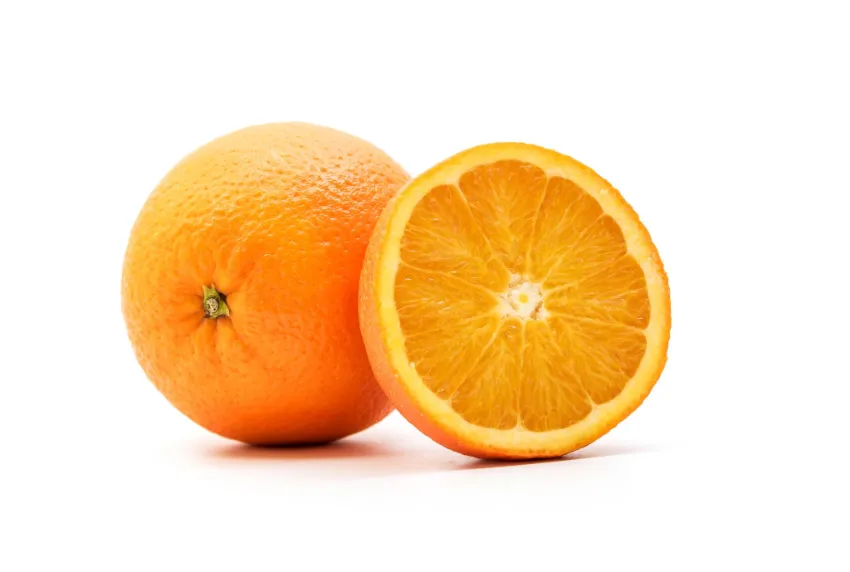
Oranges are a familiar source of vitamin C, folate, and fiber. They may also provide chromium in small amounts. Vitamin C helps your body make collagen and supports normal immune function. Whole oranges offer more fiber than orange juice because the fruit’s pulp remains intact.
Chromium levels in oranges vary and aren’t consistently listed in food databases. One medium orange has about 62 calories, 3 grams of fiber, and 70 milligrams of vitamin C.
Peel an orange for an easy snack, or add segments to salads and fruit bowls. You can also use fresh orange juice and zest in a homemade dressing. Choose whole fruit more often than juice, since whole oranges are more filling and contain more fiber.
19. Beef
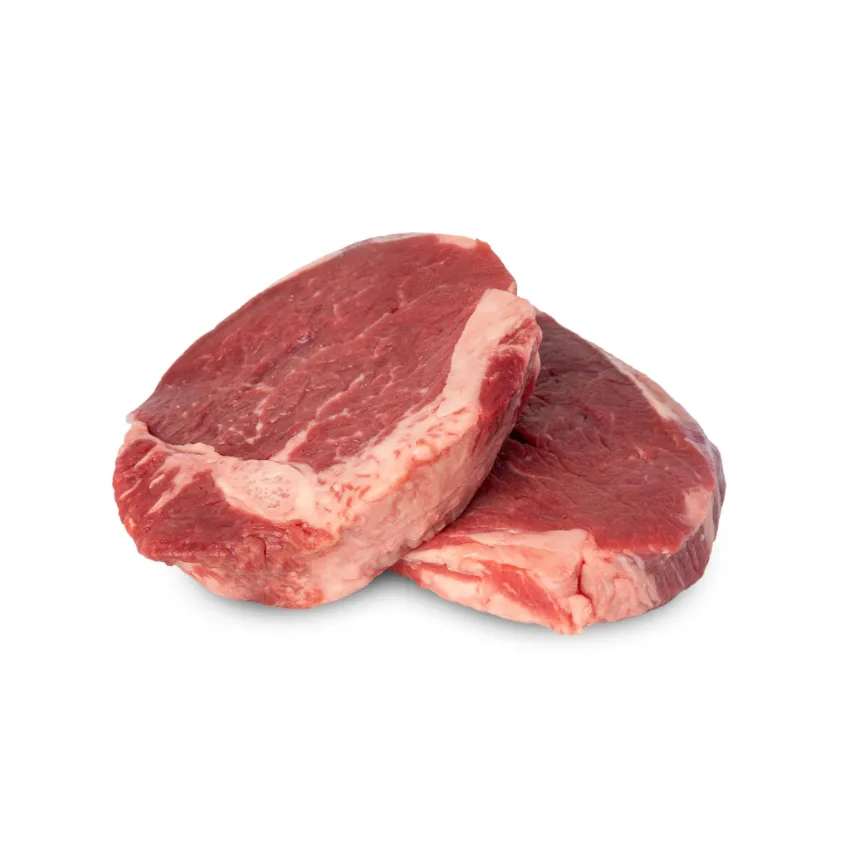
Beef can provide chromium along with high-quality protein, iron, zinc, and vitamin B12. These nutrients help support muscle maintenance, oxygen transport, and normal nerve function. Lean cuts can fit into a balanced eating pattern, especially when served with vegetables and whole grains.
Chromium amounts in beef vary by cut, animal feed, and testing method. A three-ounce serving of cooked lean beef provides about 170 calories, 25 grams of protein, and 7 grams of fat, depending on the cut.
Choose lean cuts such as top sirloin or eye of round. Grill, broil, or roast beef, and trim visible fat. Keep portions moderate and serve it with beans, vegetables, or brown rice. Cook ground beef to a safe internal temperature of 160°F.
20. Chicken Breast

Chicken breast is a lean source of protein and may contribute chromium in small amounts. It also provides niacin, vitamin B6, and selenium. Protein helps build and maintain muscles, while B vitamins help your body turn food into energy.
Chromium values in chicken breast are not consistent enough to give one dependable amount. A three-ounce serving of cooked, skinless chicken breast has about 125 calories, 26 grams of protein, and 3 grams of fat.
Season chicken with garlic, lemon, herbs, or paprika, then bake or grill it. Add sliced chicken to salads, sandwiches, soups, or grain bowls. Cook poultry to an internal temperature of 165°F. Prepare extra portions and refrigerate them promptly for quick meals later in the week.
21. Turkey Breast
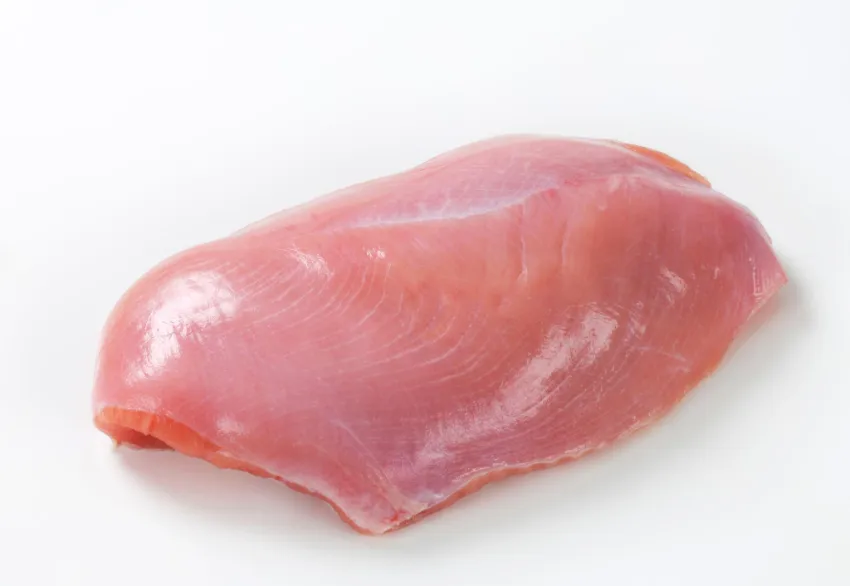
Turkey breast supplies lean protein, niacin, vitamin B6, and selenium. It may also add chromium to your diet, though the amount can vary. Its mild flavor works with many seasonings, making it a flexible option for lunches and dinners.
A reliable chromium amount for turkey breast isn’t available for every cut or preparation. Three ounces of roasted, skinless turkey breast has about 125 calories, 26 grams of protein, and 2 grams of fat.
Roast or grill turkey breast with herbs and lemon. Use leftovers in sandwiches, wraps, soups, or salads. Choose fresh turkey more often than highly processed deli slices, which can contain a lot of sodium. Cook turkey to an internal temperature of 165°F.
22. Eggs
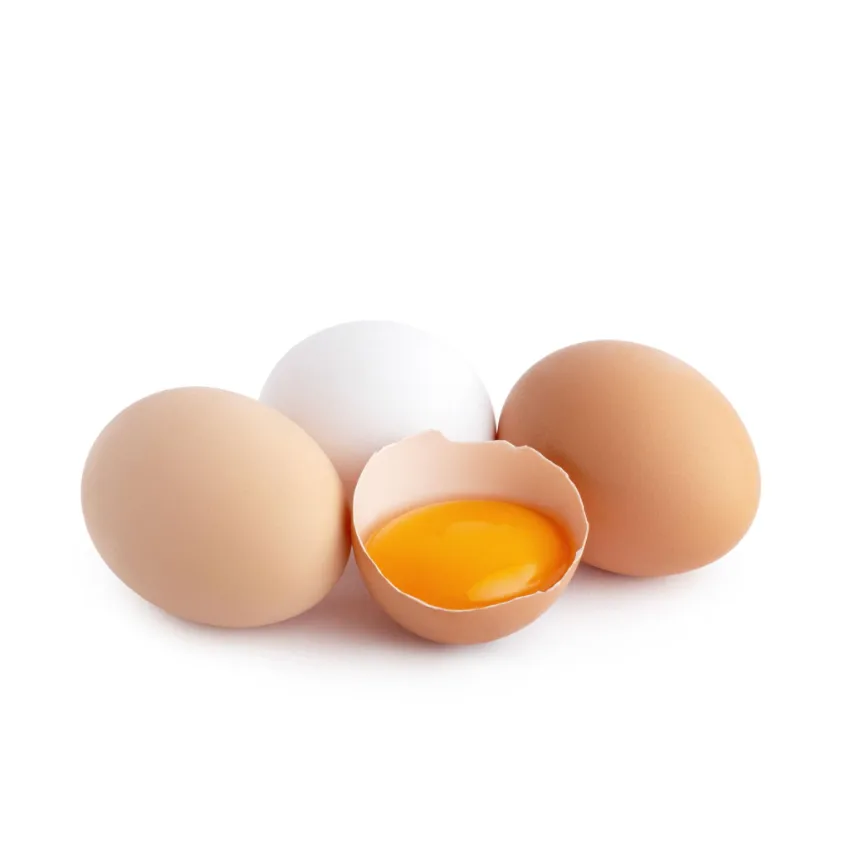
Eggs provide protein, choline, vitamin B12, and selenium. They may contain chromium as well, although the amount can change with the hen’s feed and other factors. Eggs are also easy to prepare and can make a simple meal more filling.
Chromium is not routinely listed on egg nutrition labels, so there isn’t a dependable standard amount. One large hard-boiled egg has about 78 calories, 6 grams of protein, and 5 grams of fat.
Enjoy eggs boiled, poached, scrambled, or baked. Add them to whole-grain toast, salads, or vegetable bowls. Pair eggs with spinach, tomatoes, or mushrooms for a nutrient-rich meal. Cook eggs until the whites and yolks are firm, especially for people at higher risk from foodborne illness.
23. Cheese
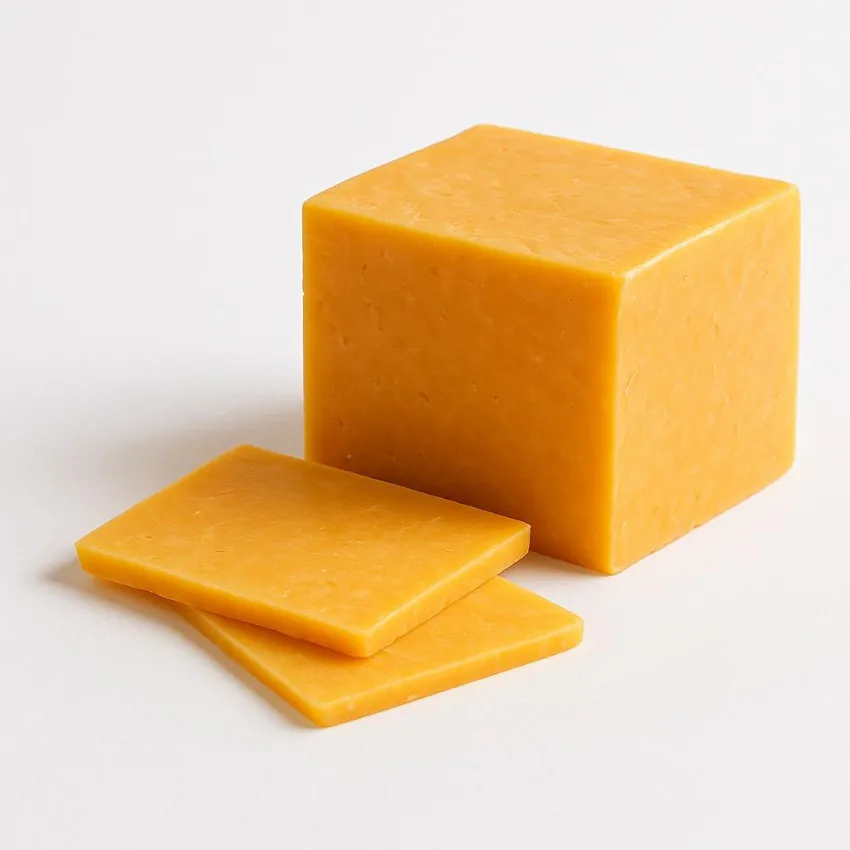
Cheese provides protein, calcium, and vitamin B12. Some cheeses may contain chromium, but the amount differs by milk source, processing, and variety. Calcium supports strong bones and teeth, while protein helps maintain muscles and other body tissues.
Chromium amounts are not consistently reported for cheese, so it is better not to assume a fixed value. One ounce of cheddar cheese has about 115 calories, 7 grams of protein, and 9 grams of fat.
Add a small amount of cheese to whole-grain toast, salads, omelets, or vegetable dishes. Use it to add flavor rather than making it the main part of every meal. Compare labels for sodium and saturated fat. Cottage cheese and lower-fat options can be useful alternatives.
24. Almonds
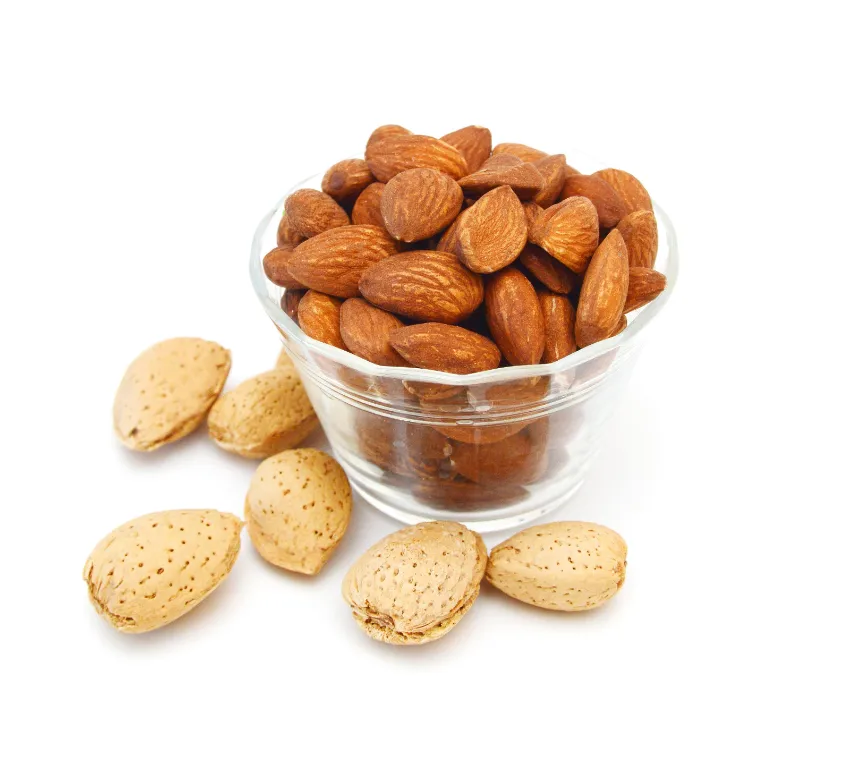
Almonds may contribute chromium, and they are a strong source of vitamin E, fiber, magnesium, and healthy fats. Vitamin E helps protect cells from damage, while magnesium supports normal muscle and nerve function. Their protein and fiber can also make snacks more satisfying.
Chromium content in almonds is not reliably listed and may vary by growing conditions. One ounce of almonds, about 23 nuts, has around 164 calories, 6 grams of protein, 3.5 grams of fiber, and 7.3 milligrams of vitamin E.
Eat almonds plain as a snack, or chop them over oatmeal, yogurt, and salads. Almond butter works well on whole-grain toast or apple slices. Choose unsalted almonds most often. Keep portions moderate because nuts are rich in calories and healthy fats.
Final Thoughts
Chromium can come from a wide range of foods, including whole grains, vegetables, fruit, nuts, and protein foods. Build meals around variety rather than relying on one ingredient.
Food chromium levels can vary, and most labels don’t show them. Talk with your healthcare provider before taking chromium supplements or making major diet changes.
