
24 Vitamin E-Rich Foods to Add to Your Meals

Vitamin E helps protect your cells from everyday damage. It also supports your immune system, skin, and blood vessels.
Your body needs this vitamin, but it can’t make enough on its own. The good news is that many tasty foods contain it. Here are 24 easy options to enjoy.
1. Almonds
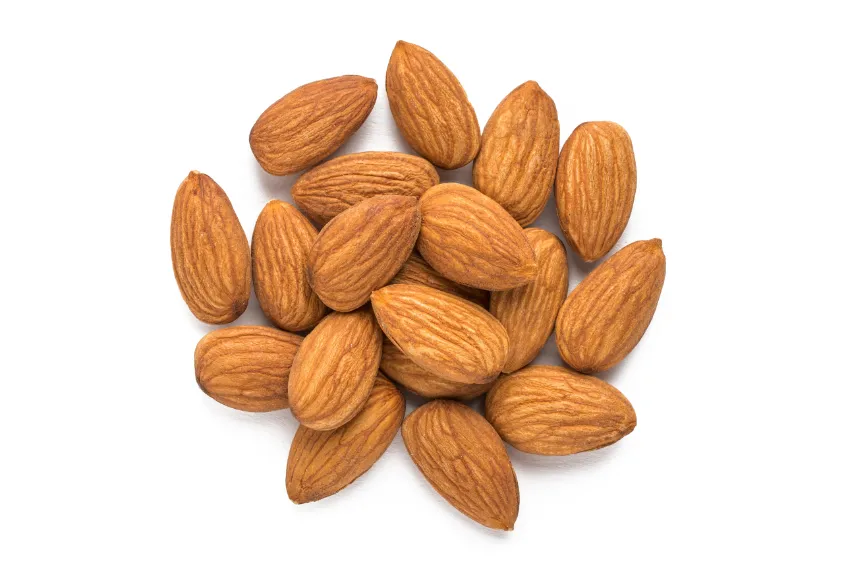
Almonds are one of the best food sources of vitamin E. A small handful can provide a large share of your daily needs. Vitamin E acts as an antioxidant, helping protect cells from damage. Almonds also offer healthy fats, fiber, and plant-based protein.
One ounce of whole almonds, about 23 nuts, has around 164 calories, 6 grams of protein, 3.5 grams of fiber, and 7.3 milligrams of vitamin E.
Enjoy almonds as a quick snack, or sprinkle chopped nuts over oatmeal and yogurt. You can also add them to salads for a crunchy finish. Choose unsalted almonds if you want to keep sodium low. Almond butter is another handy option, but check the label for added sugar and salt.
2. Sunflower Seeds
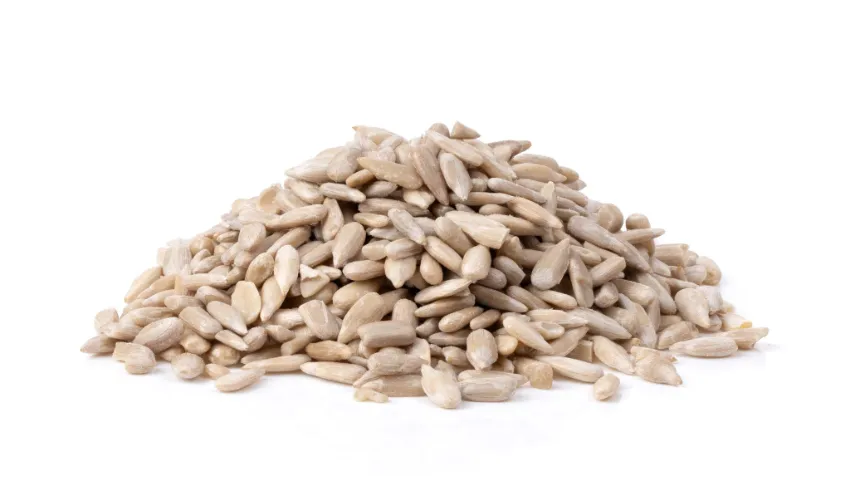
Sunflower seeds are especially rich in vitamin E. Their vitamin E helps protect cells from oxidative stress. They also contain healthy unsaturated fats, magnesium, and a little plant protein. These nutrients make sunflower seeds a useful addition to a balanced eating pattern.
One ounce of roasted sunflower seed kernels has about 165 calories, 5.5 grams of protein, 3 grams of fiber, and 7.4 milligrams of vitamin E.
Sprinkle the kernels over salads, soups, oatmeal, or roasted vegetables. You can also stir them into homemade trail mix. Choose unsalted seeds when possible, since salted versions can contain a lot of sodium. Store them in a sealed container in a cool place to help keep their oils fresh.
3. Hazelnuts
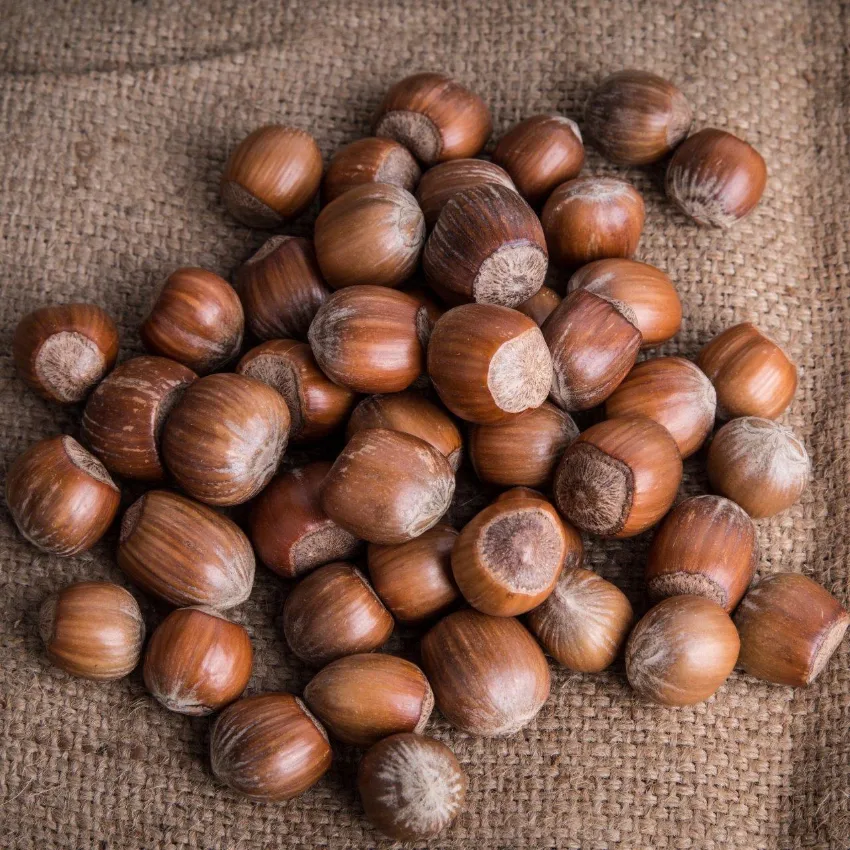
Hazelnuts provide vitamin E along with healthy fats and fiber. Their vitamin E supports normal immune function and helps protect cells. Hazelnuts also contain copper and manganese, minerals that help your body carry out many everyday processes.
One ounce of raw hazelnuts has around 178 calories, 4 grams of protein, 2.7 grams of fiber, and 4.3 milligrams of vitamin E.
Eat a small handful as a snack, or chop hazelnuts over fruit and yogurt. They also taste great in oatmeal or whole-grain cereal. For a simple spread, blend roasted hazelnuts until smooth. Keep portions moderate because nuts are calorie-dense. A small serving can add plenty of flavor and nutrients.
4. Peanuts
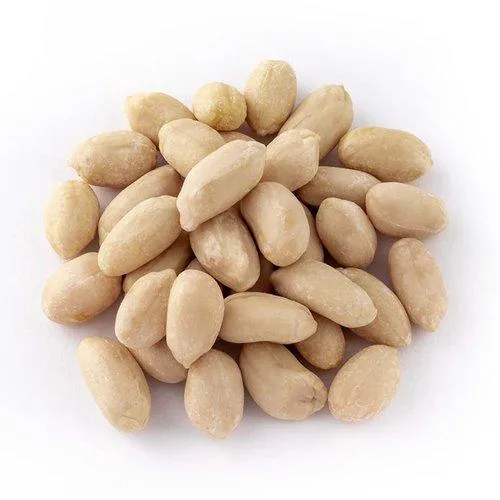
Peanuts are an affordable source of vitamin E, protein, and healthy fats. They also provide niacin, magnesium, and fiber. Vitamin E helps protect the fatty parts of your cells from damage. Peanuts are technically legumes, but their nutrition is similar to that of many tree nuts.
One ounce of dry-roasted peanuts has about 166 calories, 7 grams of protein, 2.5 grams of fiber, and 2.2 milligrams of vitamin E.
Enjoy peanuts by the handful, or add chopped peanuts to a vegetable stir-fry. They also work well in salads and homemade snack mixes. Choose unsalted peanuts when you can. If you have a peanut allergy, avoid them and choose another food on this list.
5. Peanut Butter
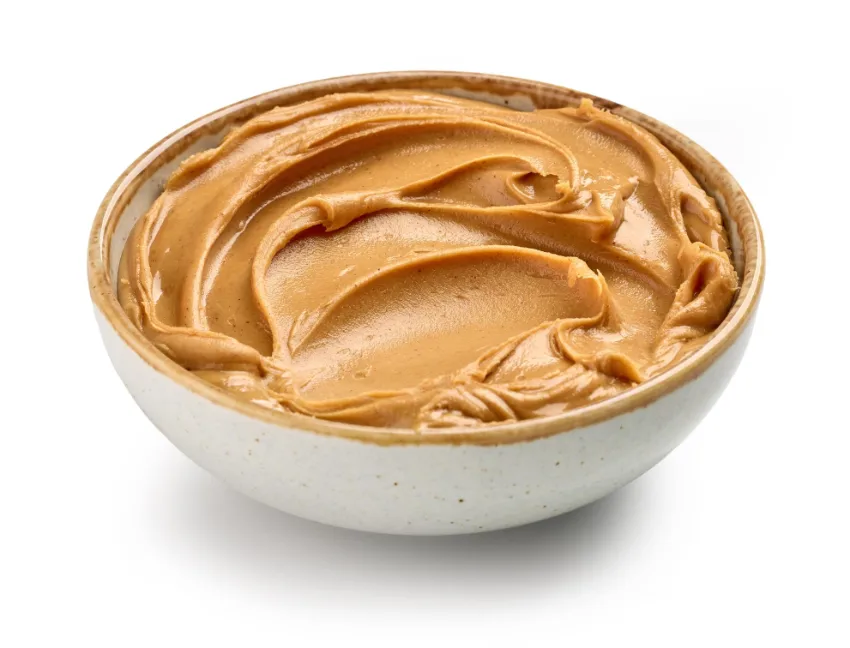
Peanut butter makes it easy to get vitamin E in a familiar, versatile food. It also provides protein and unsaturated fats, which can help make meals more filling. Vitamin E works as an antioxidant and supports healthy immune function.
Two tablespoons of smooth peanut butter have about 188 calories, 8 grams of protein, 2 grams of fiber, and 2.9 milligrams of vitamin E.
Spread peanut butter on whole-wheat toast, apple slices, or banana halves. You can also blend it into a smoothie or stir a spoonful into oatmeal. Look for a product made mostly from peanuts. Some brands add sugar, salt, or extra oils, so compare ingredient lists and nutrition labels.
6. Sunflower Oil
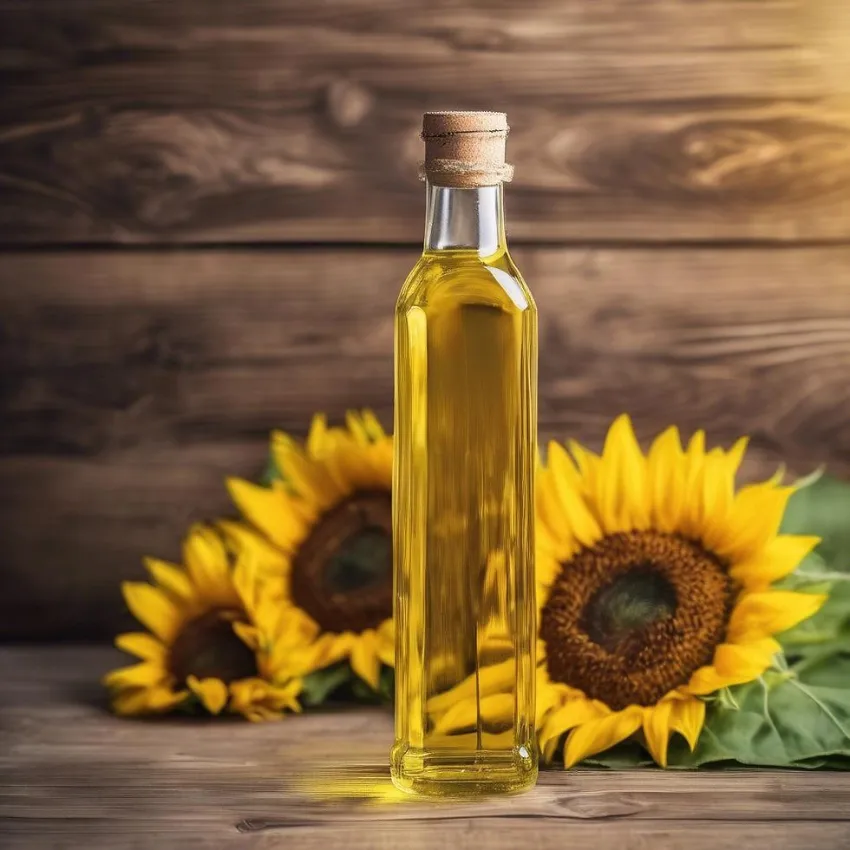
Sunflower oil is a concentrated source of vitamin E. Just a small amount can add this nutrient to a meal. The oil is also rich in unsaturated fats. These fats can replace some saturated fats in your diet when used in place of butter or shortening.
One tablespoon of sunflower oil has about 120 calories, 14 grams of fat, and 5.6 milligrams of vitamin E.
Use sunflower oil for sautéing vegetables, making salad dressing, or roasting foods. Check the bottle to see whether it is refined or high-oleic, since varieties differ in their fat makeup and cooking uses. Measure the oil instead of pouring freely. A little goes a long way because oil is very calorie-dense.
7. Wheat Germ Oil
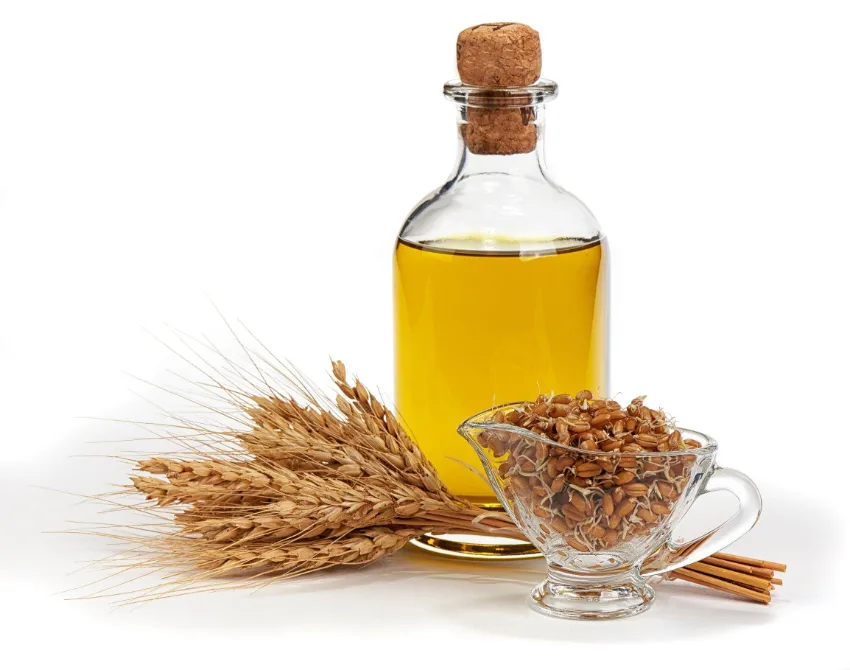
Wheat germ oil is among the richest natural food sources of vitamin E. It comes from the nutrient-rich germ of the wheat kernel. A small serving can provide more than a full day’s vitamin E needs. It also contains unsaturated fats, so store it carefully.
One tablespoon of wheat germ oil has around 120 calories, 14 grams of fat, and about 20 milligrams of vitamin E.
Because it has a delicate flavor and is not ideal for high-heat cooking, use it in cold dishes. Drizzle a little over cooked vegetables after they cool, or mix it into a salad dressing. You can also add a small amount to a smoothie. Keep the bottle tightly closed and follow its storage directions.
8. Avocado
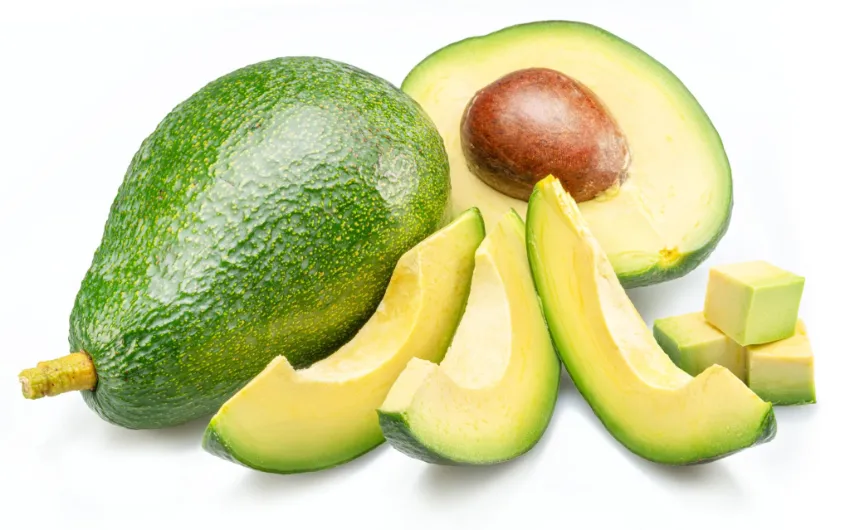
Avocado offers vitamin E, fiber, potassium, and heart-friendly unsaturated fats. Its creamy texture makes it easy to use in both snacks and meals. Vitamin E helps protect cells, while the healthy fats in avocado help your body absorb fat-soluble vitamins from other foods.
One cup of cubed avocado has about 240 calories, 3 grams of protein, 10 grams of fiber, and 3.1 milligrams of vitamin E.
Mash avocado onto whole-grain toast, add slices to a sandwich, or toss cubes into a salad. It also makes a creamy base for dips and spreads. A quarter to half an avocado is a practical serving for many meals. Add lemon or lime juice to slow browning after cutting.
9. Spinach
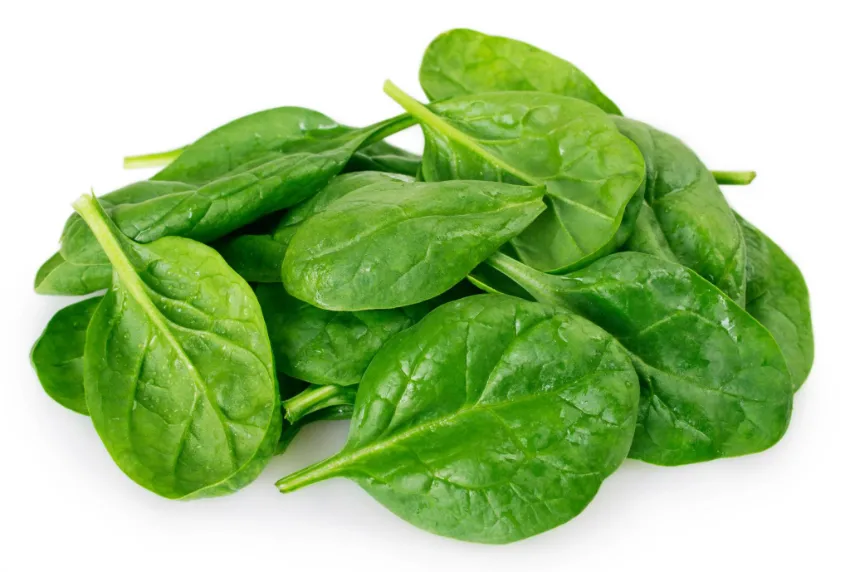
Spinach provides vitamin E along with vitamin K, folate, and carotenoids. These nutrients support normal blood clotting, cell growth, and eye health. Spinach also contains plant compounds that act as antioxidants. Its mild taste makes it easy to add to many dishes.
One cup of cooked spinach has about 41 calories, 5 grams of protein, 4 grams of fiber, and 3.7 milligrams of vitamin E.
Stir fresh spinach into eggs, soups, pasta, or bean dishes. Cooked spinach shrinks considerably, so a large pile becomes a small serving. You can also use raw leaves in salads and sandwiches. Pair spinach with a little healthy fat, such as olive oil or avocado, to help your body absorb some of its fat-soluble nutrients.
10. Swiss Chard
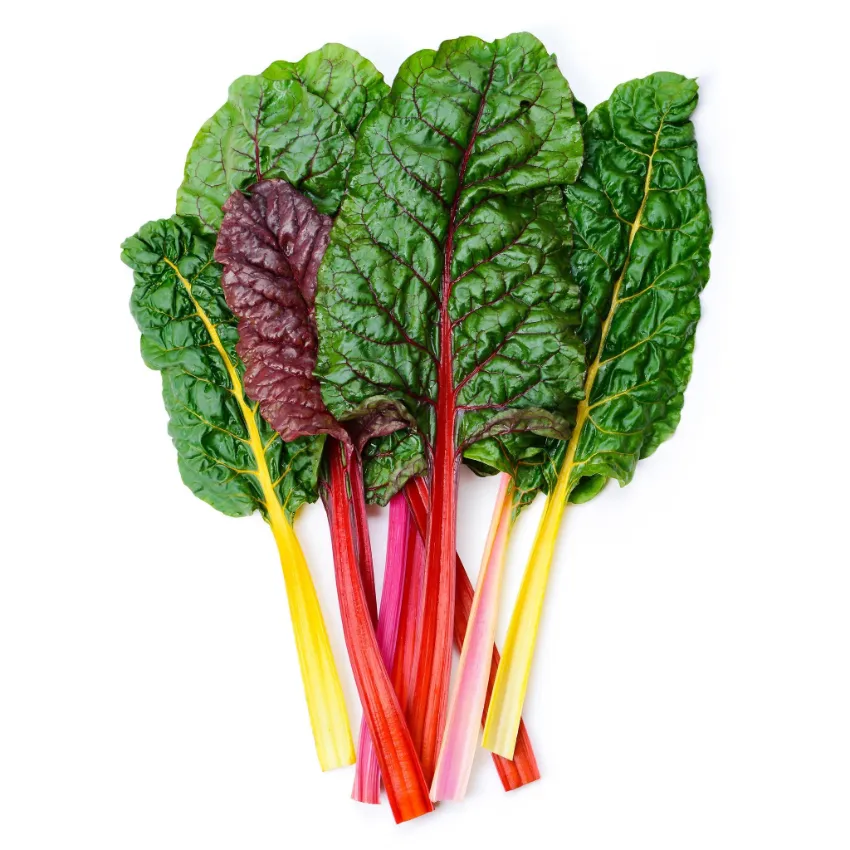
Swiss chard is a leafy green that supplies vitamin E, vitamin K, magnesium, and potassium. Its colorful stems and dark leaves add variety to meals. Like other leafy greens, chard contains plant compounds that help protect cells from everyday stress.
One cup of cooked Swiss chard has about 35 calories, 3 grams of protein, 4 grams of fiber, and 1.9 milligrams of vitamin E.
Wash the leaves well and chop the stems and leaves separately, since the stems take longer to soften. Sauté them with garlic and a little olive oil, or add chopped chard to soups and stews. You can also mix cooked chard into rice or lentils. Start with a small amount if its earthy flavor is new to you.
11. Broccoli
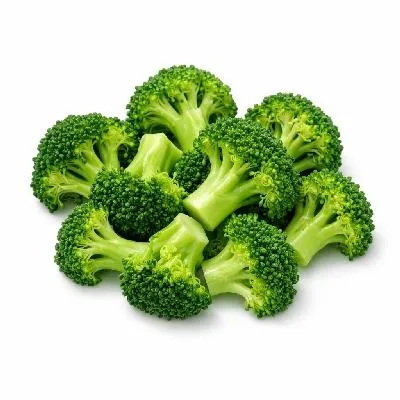
Broccoli is known for vitamin C, but it also contributes vitamin E. It provides fiber, folate, and vitamin K, too. Its plant compounds support overall health, while its fiber helps keep digestion regular. Both the florets and peeled stems are useful in the kitchen.
One cup of chopped, cooked broccoli has about 55 calories, 4 grams of protein, 5 grams of fiber, and 1.5 milligrams of vitamin E.
Steam broccoli until it is tender but still bright green. You can also roast it with olive oil, add it to pasta, or stir it into fried rice. Try chopping the stems and cooking them with the florets to reduce food waste. A squeeze of lemon adds freshness without much effort.
12. Asparagus
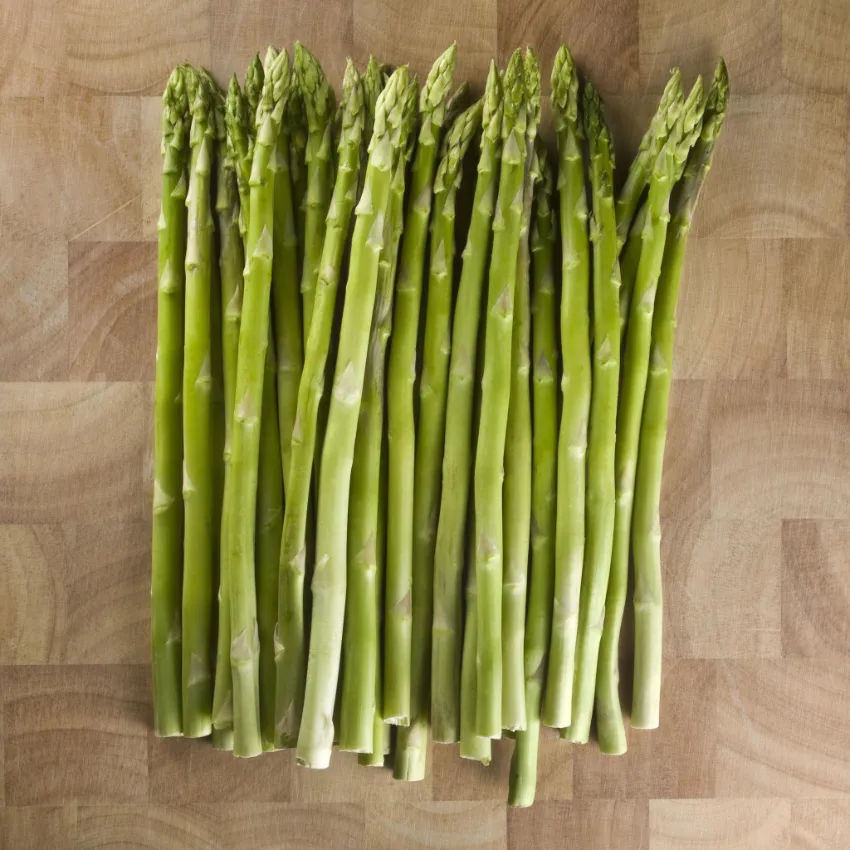
Asparagus contains vitamin E along with folate, vitamin K, and fiber. It also provides natural plant compounds that act as antioxidants. Its mild, fresh taste pairs well with many foods. Adding asparagus to meals is an easy way to enjoy more vegetables and a wider range of nutrients.
One cup of cooked asparagus pieces has about 40 calories, 4 grams of protein, 4 grams of fiber, and 1.5 milligrams of vitamin E.
Trim the woody ends before cooking. Roast the spears with a little olive oil, steam them, or sauté them in a skillet. Chopped asparagus also works well in omelets, grain bowls, and pasta. Cook it just until tender for the best texture. If the spears are thick, peel the lower part for a softer bite.
13. Kiwi
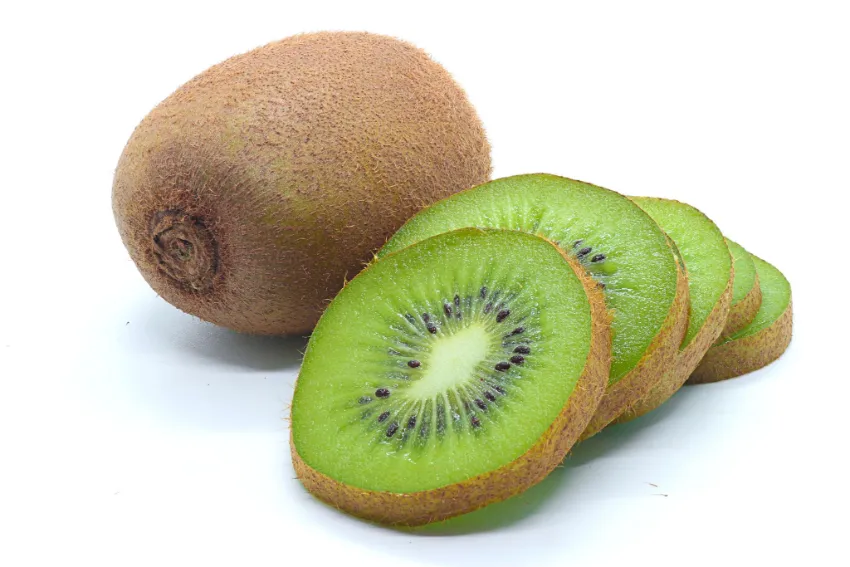
Kiwi is a refreshing fruit that provides vitamin E, vitamin C, and fiber. Vitamin C supports normal immune function and helps your body make collagen. Kiwi’s fiber supports digestion, while its antioxidants help protect cells. Its bright flavor can make a simple snack feel special.
One medium green kiwi has about 42 calories, 2 grams of fiber, and 1 milligram of vitamin E.
Cut a kiwi in half and scoop out the flesh with a spoon. You can also peel and slice it over oatmeal, yogurt, or cereal. Add kiwi to a fruit salad with berries and oranges for a colorful side. The skin is edible when washed well, though you can peel it if you prefer a smoother texture.
14. Mango
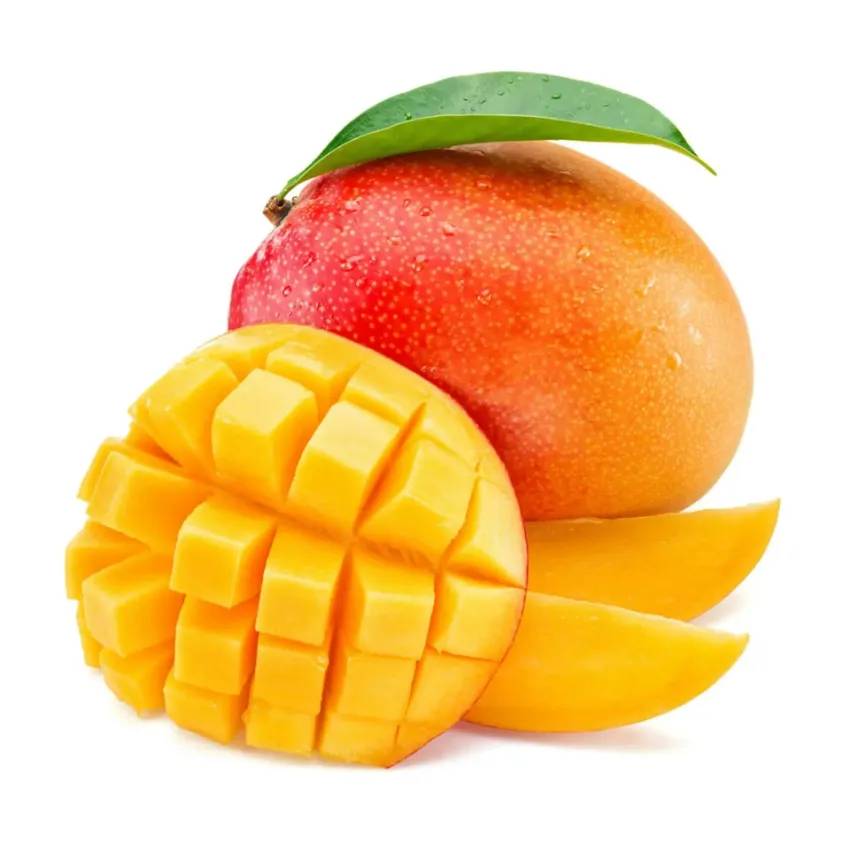
Mango adds vitamin E to your diet, along with vitamin C, vitamin A precursors, and fiber. Its natural sweetness makes it a useful choice when you want fruit for a snack or dessert. Mango also contains colorful plant compounds that act as antioxidants.
One cup of sliced mango has about 99 calories, 2.6 grams of fiber, and 1.5 milligrams of vitamin E.
Enjoy mango on its own, or add cubes to plain yogurt and oatmeal. It also tastes great in salsa with tomato, onion, lime, and cilantro. Use fresh or frozen mango in smoothies. If you buy canned mango, choose fruit packed in juice or water rather than heavy syrup when possible.
15. Papaya
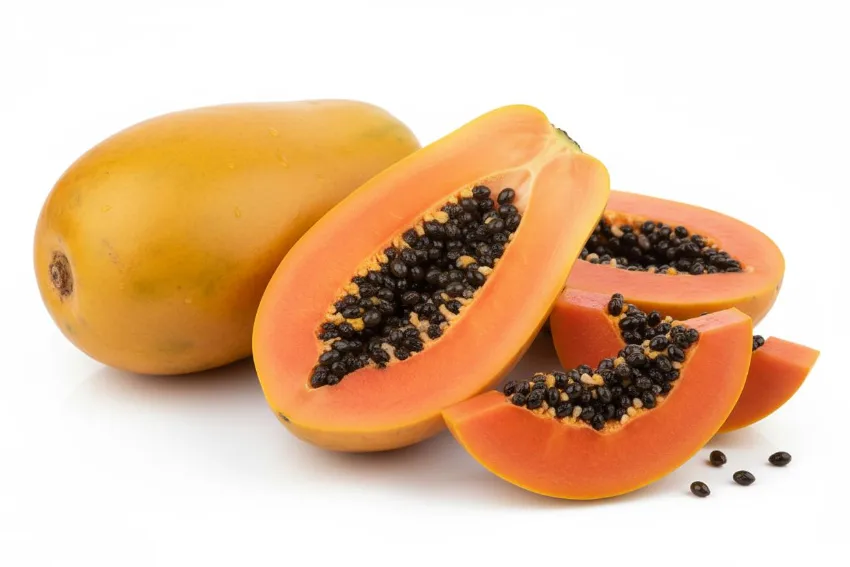
Papaya supplies vitamin E, vitamin C, folate, and fiber. It also contains carotenoids, including beta-carotene, which your body can turn into vitamin A. Its soft texture and mild sweetness make it easy to enjoy at breakfast or as a light dessert.
One cup of papaya cubes has about 62 calories, 2.5 grams of fiber, and 0.4 milligrams of vitamin E.
Cut the fruit in half and scoop out the black seeds. Serve the flesh chilled with a squeeze of lime, or add it to a fruit bowl. Papaya also blends well into smoothies with yogurt and banana. Choose a fruit that gives slightly when pressed. Let a firm papaya ripen at room temperature.
16. Red Bell Peppers
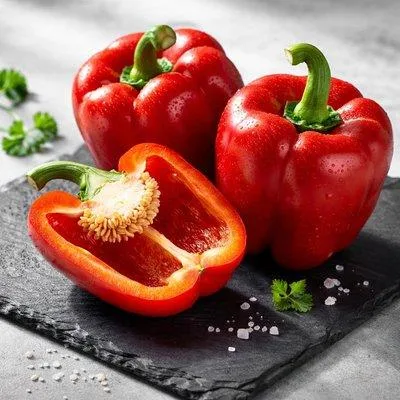
Red bell peppers provide vitamin E as well as a large amount of vitamin C. They also contain carotenoids, including beta-carotene. These nutrients help support normal immune function and protect cells. Their sweet, crisp taste makes them easy to add to everyday meals.
One cup of chopped raw red bell pepper has about 39 calories, 1.5 grams of fiber, and 2.4 milligrams of vitamin E.
Slice peppers for a crunchy snack with hummus, or add them to salads and sandwiches. You can also roast them, stuff them with rice and beans, or stir them into an omelet. Red peppers are often sweeter than green ones. Keep washed slices in a sealed container in the refrigerator for quick snacks.
17. Pumpkin Seeds
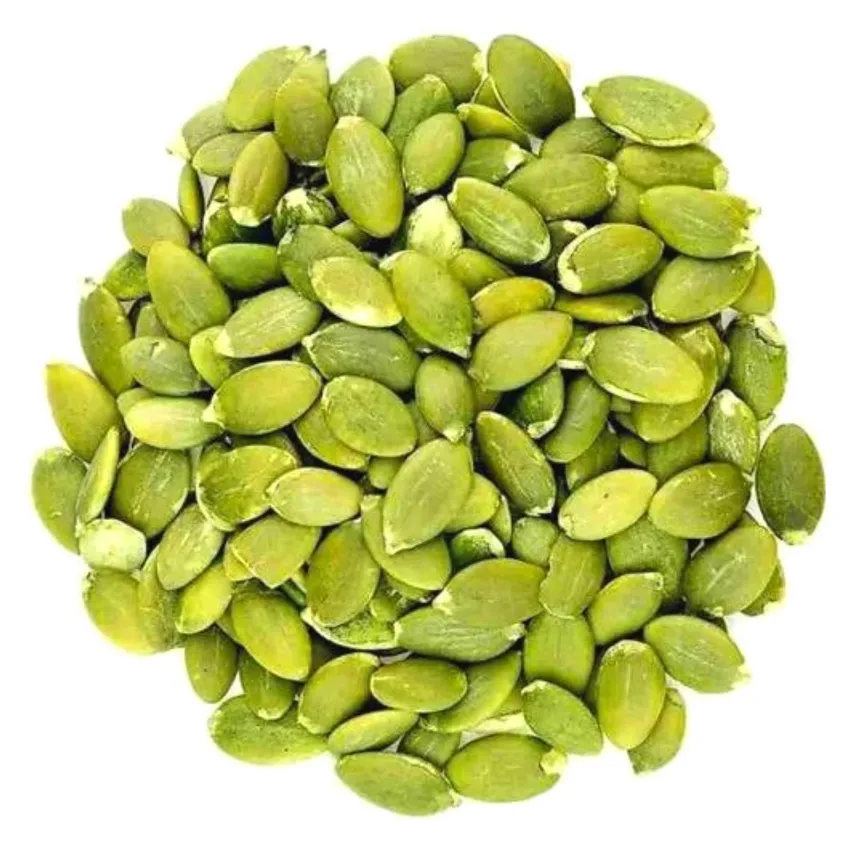
Pumpkin seeds, also called pepitas when shelled, provide vitamin E, magnesium, zinc, and plant-based protein. Their minerals support normal muscle, nerve, and immune function. They also contain healthy fats that make them a satisfying snack.
One ounce of roasted pumpkin seed kernels has about 163 calories, 8.5 grams of protein, 1.8 grams of fiber, and 2.2 milligrams of vitamin E.
Sprinkle pumpkin seeds over oatmeal, salads, soups, or roasted squash. They also make a crunchy topping for yogurt and grain bowls. Choose unsalted seeds if you are watching sodium. For a warm snack, toast them in a dry skillet for a few minutes, stirring often so they don’t burn.
18. Pine Nuts
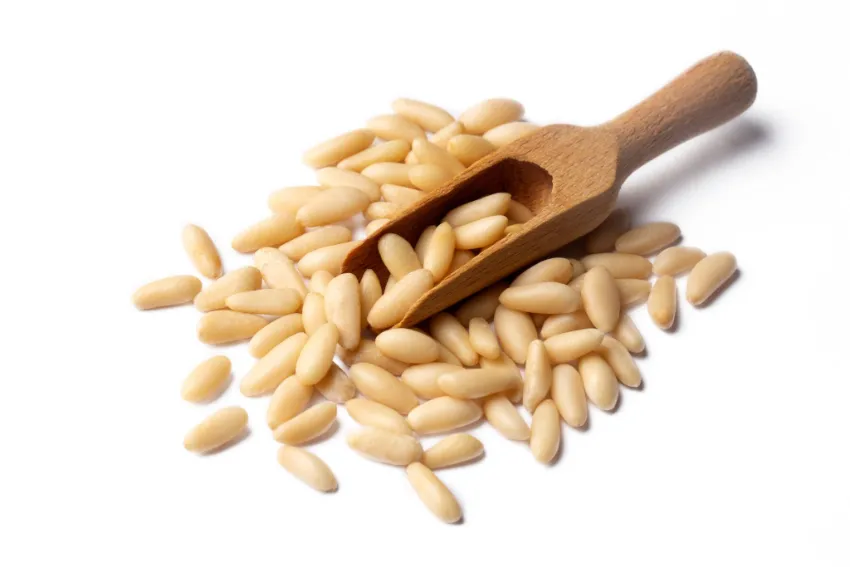
Pine nuts contain vitamin E, healthy fats, protein, and minerals such as magnesium and manganese. Their soft texture and buttery flavor make them a popular ingredient in sauces and salads. They are calorie-dense, so a small amount can add flavor and nutrients.
One ounce of dried pine nuts has about 191 calories, 4 grams of protein, 1 gram of fiber, and 2.6 milligrams of vitamin E.
Toast pine nuts briefly in a dry pan to bring out their flavor. Sprinkle them over pasta, roasted vegetables, or salads. You can also blend them into pesto with basil, garlic, olive oil, and a little cheese. Watch them closely while toasting because their high oil content makes them brown quickly.
19. Brazil Nuts
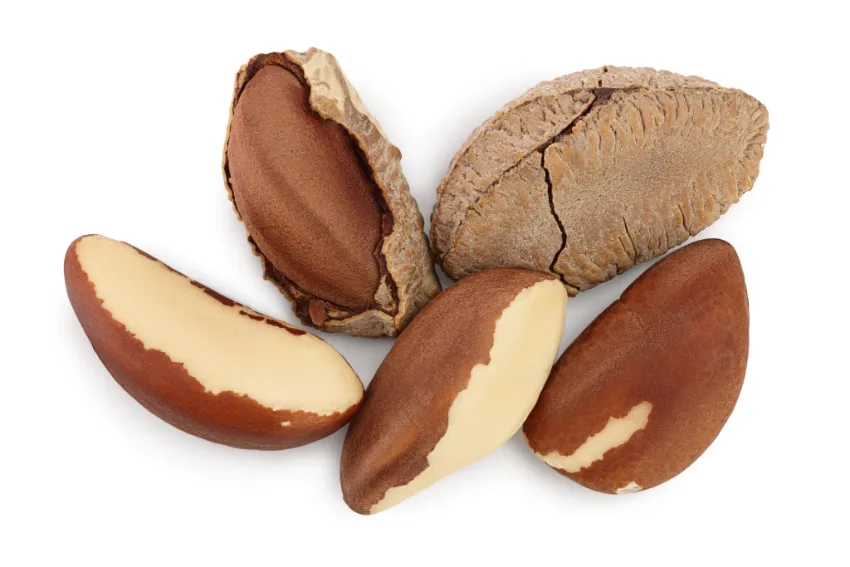
Brazil nuts provide vitamin E, healthy fats, protein, and selenium. Selenium helps your body make proteins that support normal thyroid and immune function. Brazil nuts are especially high in selenium, so small portions are best. Eating a lot at once can provide far more selenium than your body needs.
One ounce of Brazil nuts, about six to eight nuts, has around 187 calories, 4 grams of protein, 2 grams of fiber, and 1.6 milligrams of vitamin E.
Enjoy one or two Brazil nuts as part of a mixed-nut snack. Chop a small amount over oatmeal or yogurt for extra crunch. You don’t need a large serving to get their nutrients. Keep the nuts sealed in a cool place, since their natural oils can become stale.
20. Pecans
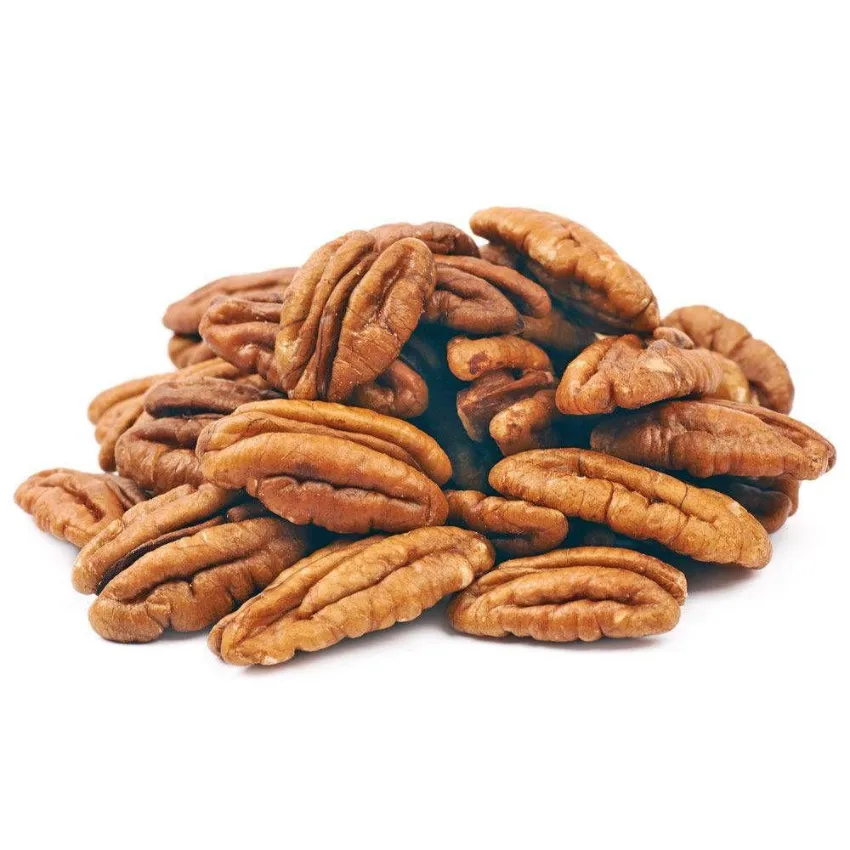
Pecans offer vitamin E, fiber, and mostly unsaturated fats. They also contain plant compounds with antioxidant activity. Their rich flavor makes a small serving feel satisfying. Like other nuts, pecans are energy-dense, so a modest handful is usually enough.
One ounce of pecan halves has about 196 calories, 2.6 grams of protein, 2.7 grams of fiber, and 0.4 milligrams of vitamin E.
Add chopped pecans to oatmeal, plain yogurt, or a salad with fruit. They also work well in whole-grain muffins and homemade snack mixes. For a simple side, sprinkle pecans over roasted sweet potatoes or squash. Choose plain or lightly roasted nuts most often, since candied versions can add a lot of sugar.
21. Olive Oil
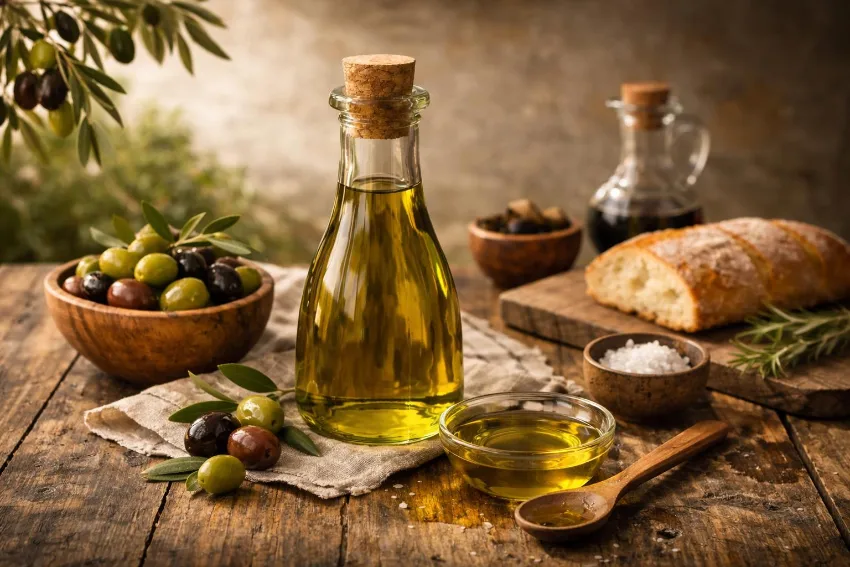
Olive oil contributes vitamin E and heart-friendly monounsaturated fats. It also contains small amounts of plant compounds, especially in extra-virgin varieties. Using olive oil instead of butter or other solid fats can help improve the overall fat quality of your meals.
One tablespoon of olive oil has about 119 calories, 14 grams of fat, and 1.9 milligrams of vitamin E.
Use extra-virgin olive oil in salad dressings, dips, and drizzles over cooked vegetables. Regular olive oil can be useful for everyday sautéing and roasting. Measure portions because oils contain many calories in a small amount. Store the bottle away from heat and direct sunlight to help preserve its flavor.
22. Canola Oil
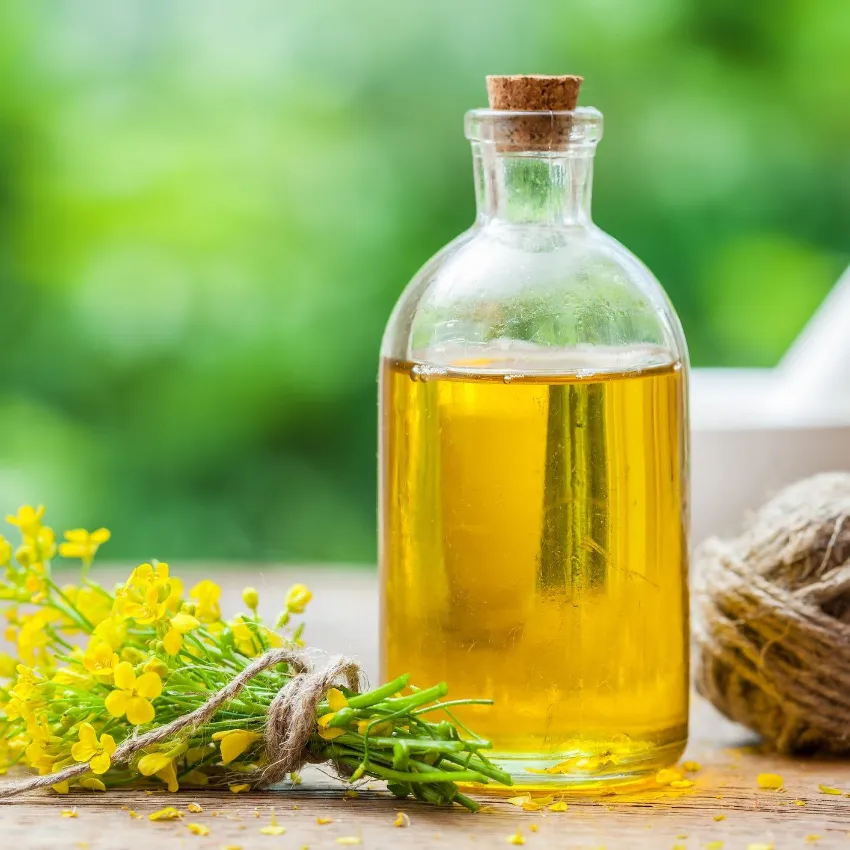
Canola oil provides vitamin E and a mix of unsaturated fats. It contains both monounsaturated and polyunsaturated fats, including a small amount of omega-3 fat. Its mild flavor makes it useful when you don’t want the oil to change a dish’s taste.
One tablespoon of canola oil has about 124 calories, 14 grams of fat, and 2.4 milligrams of vitamin E.
Use canola oil for baking, sautéing, roasting, or making a simple vinaigrette. It works well in recipes that call for a neutral-tasting oil. As with all oils, keep portions reasonable. A measuring spoon can help prevent adding more than you intend.
23. Turnip Greens
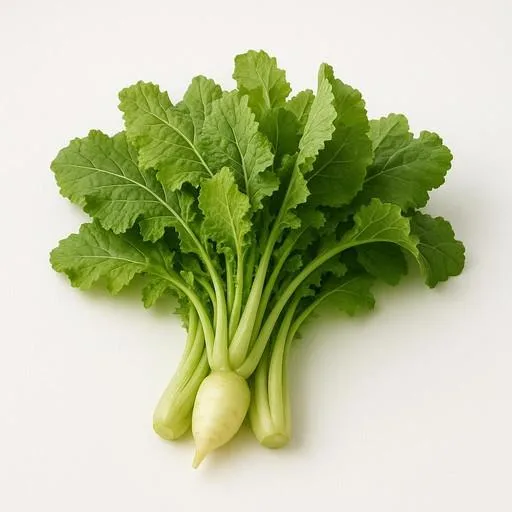
Turnip greens are leafy vegetables that provide vitamin E, vitamin K, calcium, and fiber. They also contain plant compounds found in other cruciferous vegetables. Their slightly peppery taste adds variety to meals and makes them a good choice for anyone trying to eat more greens.
One cup of cooked turnip greens has about 29 calories, 1 gram of protein, 5 grams of fiber, and 2.7 milligrams of vitamin E.
Rinse the leaves carefully to remove grit. Remove any tough stems, then simmer or sauté the greens until tender. Add them to soups, beans, or whole grains, or serve them as a simple side dish. A little garlic, lemon juice, or olive oil can balance their strong flavor.
24. Butternut Squash
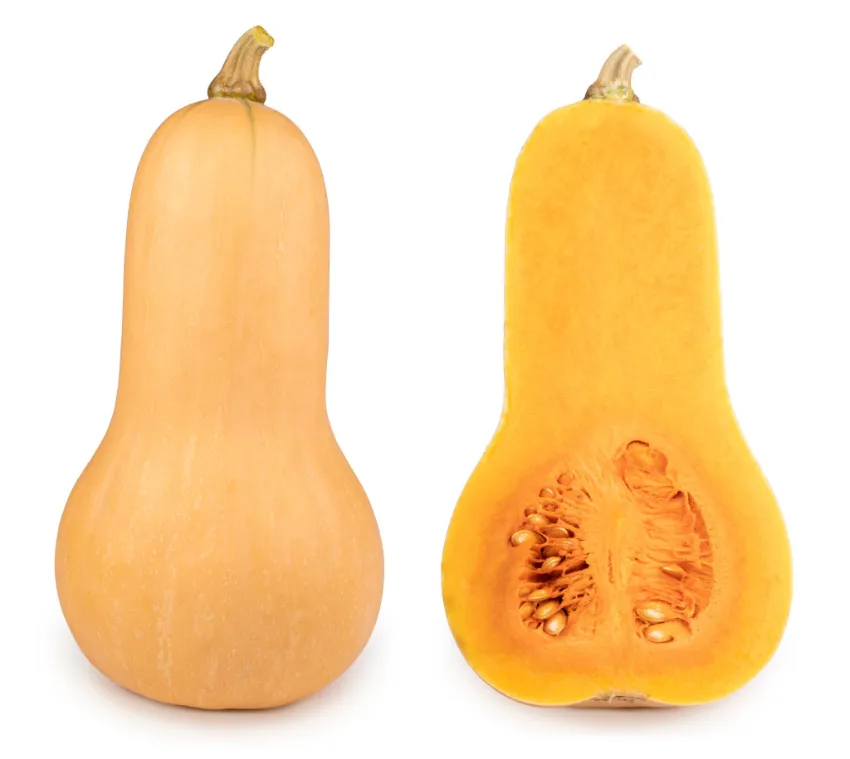
Butternut squash contains vitamin E, fiber, potassium, and beta-carotene. Your body can turn beta-carotene into vitamin A, which supports normal vision and immune function. Its naturally sweet flavor works in both savory meals and simple soups.
One cup of cooked, cubed butternut squash has about 82 calories, 2 grams of protein, 7 grams of fiber, and 2 milligrams of vitamin E.
Peel the squash, remove the seeds, and cut the flesh into cubes. Roast it with a little olive oil, or simmer it with broth and blend it into soup. You can also mash cooked squash as a side dish. For a faster option, look for peeled, cubed squash in the produce or frozen-food section.
Final Thoughts
Vitamin E is found in many everyday foods, from nuts and seeds to vegetables, fruit, and cooking oils.
Try adding a few different sources to your meals each week. Variety matters more than relying on one food. If you’re planning a major diet change or take supplements, talk with your healthcare provider first.
