
23 Colonoscopy Prep Foods: What to Eat Before Your Procedure

Getting ready for a colonoscopy can feel like a lot, especially when you are unsure what to eat. The right foods can make the low-fiber part of prep easier. They leave less material in your digestive tract.
Follow your clinic’s exact schedule, because many foods on this list are not allowed on the final clear-liquid day.
A quick timing note: These foods are generally options for the low-fiber or low-residue days before a colonoscopy, when your care team allows solid food. Many clinics switch patients to clear liquids the day before the test.
On that day, foods such as bread, rice, eggs, meat, fruit, and applesauce are usually not allowed. Some clinics use a different schedule, so your own written instructions always come first.
The National Institute of Diabetes and Digestive and Kidney Diseases explains that prep plans can vary and that the clear-liquid period must follow the timing set by your health care team.
1. White Rice
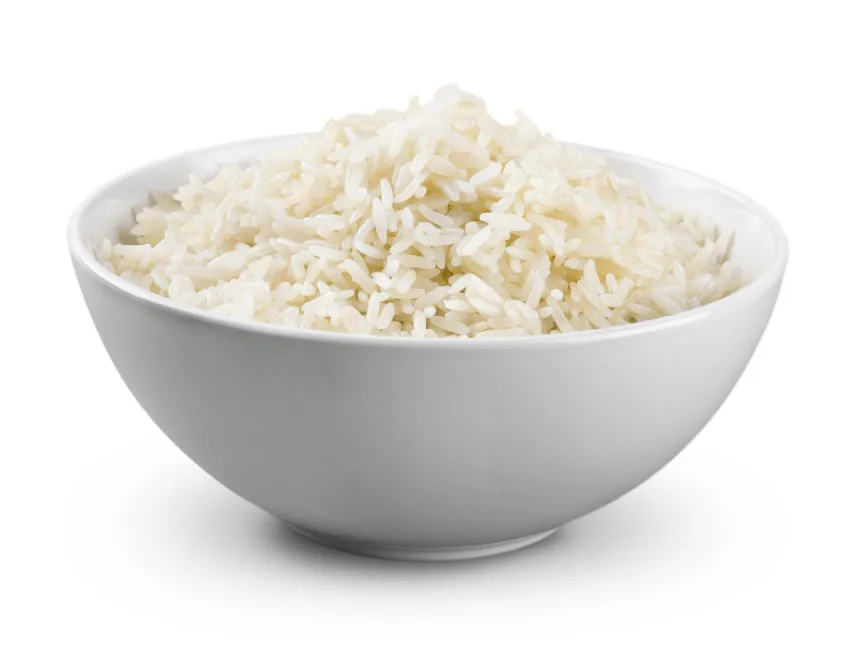
White rice is a popular choice before a colonoscopy because it is low in fiber and easy to serve with other simple foods. Unlike brown rice, it has had its outer bran layer removed. That makes it a better fit for many low-fiber meal plans. It can provide steady energy without adding much roughage to your meals.
One cup of cooked long-grain white rice has about 205 calories, 4 grams of protein, 45 grams of carbohydrates, and less than 1 gram of fiber.
Serve white rice plain or with a small amount of salt. You can pair it with skinless chicken, turkey, or steamed white fish. A little butter may be allowed during the low-fiber stage if your clinic permits it. Avoid brown rice, wild rice, rice mixed with seeds, and high-fiber grain blends. These choices can leave more residue behind.
2. Plain White Bread

Plain white bread is made with refined flour, so it contains less fiber than whole-wheat or seeded bread. That makes it a common option on low-fiber colonoscopy prep lists. It is also easy to find and can help make simple meals feel more filling.
One slice of regular white bread has about 75 calories, 2 grams of protein, 14 grams of carbohydrates, and less than 1 gram of fiber.
Try white bread with a scrambled egg or a thin spread of butter if your instructions allow it. You can also make a simple turkey sandwich during the low-fiber days. Choose bread without seeds, nuts, bran, or whole grains. Skip multigrain and high-fiber varieties, even when the package says they are healthy. On a clear-liquid day, bread is not allowed because it is a solid food.
3. White Toast

White toast offers the same low-fiber benefits as plain white bread. Toasting it changes the texture, but it does not remove the need to follow your prep schedule. It can be a simple breakfast choice when solid foods are still allowed.
One slice of toasted white bread has about 75 calories, 2 grams of protein, 14 grams of carbohydrates, and less than 1 gram of fiber.
Eat it plain, or add a little butter or a smooth spread approved by your care team. White toast also works well beside a boiled egg or a small serving of skinless mashed potatoes. Avoid toppings with seeds, fruit skins, nuts, or chunky pieces. Jam may not be suitable on some prep plans. Most importantly, stop eating toast when your instructions tell you to begin clear liquids or fasting.
4. Plain Crackers
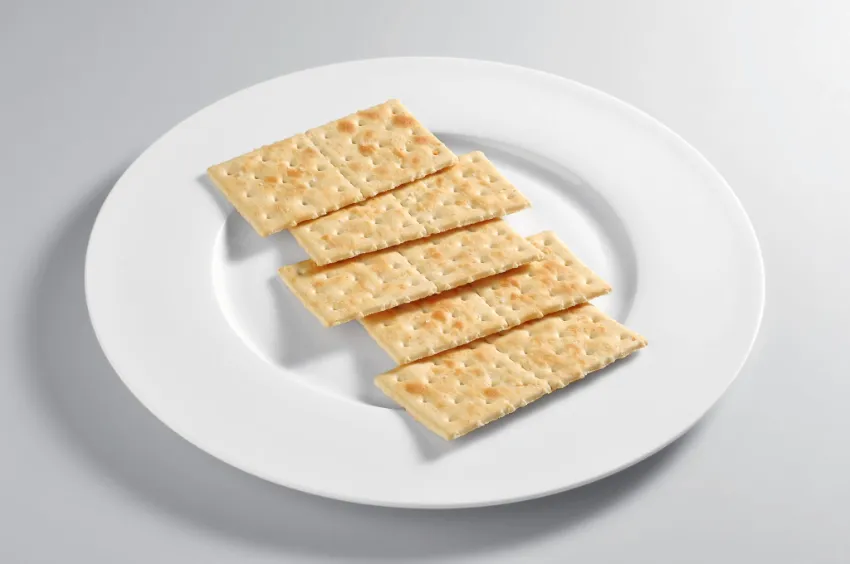
Plain crackers are handy when you want a small snack during the low-fiber stage. Simple saltine-style crackers are usually made with refined flour. They have little fiber and are easy to portion. Their mild taste can also help when you do not feel like eating a large meal.
Five standard saltine crackers provide about 65 calories, 1.5 grams of protein, 11 grams of carbohydrates, and less than 1 gram of fiber.
Keep a small serving nearby for a quick snack, or eat crackers with a little cheese if dairy is allowed. You can also crumble them over a soft egg dish. Read the label before buying. Choose plain crackers without seeds, whole grains, nuts, or added fiber. Avoid crackers made with bran or flaxseed. Crackers are still solid food, so they are not part of a clear-liquid-only day.
5. Boiled Potatoes (Without Skin)
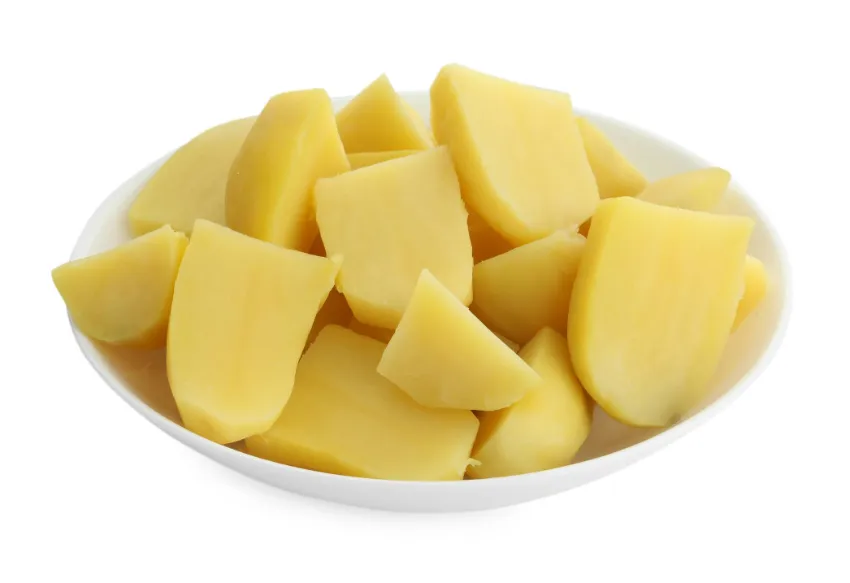
Peeled boiled potatoes are soft, filling, and low in fiber compared with potatoes eaten with their skins. The skin holds much of a potato’s fiber, so removing it is important during the low-fiber stage. Potatoes also provide potassium, which helps your body manage fluid balance and normal muscle function.
One medium peeled boiled potato has about 135 calories, 3 grams of protein, 31 grams of carbohydrates, and around 2 grams of fiber.
Peel the potato before cooking, then boil it until tender. Serve it plain or with a little salt and butter if allowed. Pair it with baked chicken or white fish for a simple meal. Do not add potato skins, herbs with tough stems, seeds, or vegetable pieces. Avoid fried potatoes unless your clinic specifically allows them. Potatoes are not allowed once your clear-liquid period begins.
6. Mashed Potatoes (Without Skin)
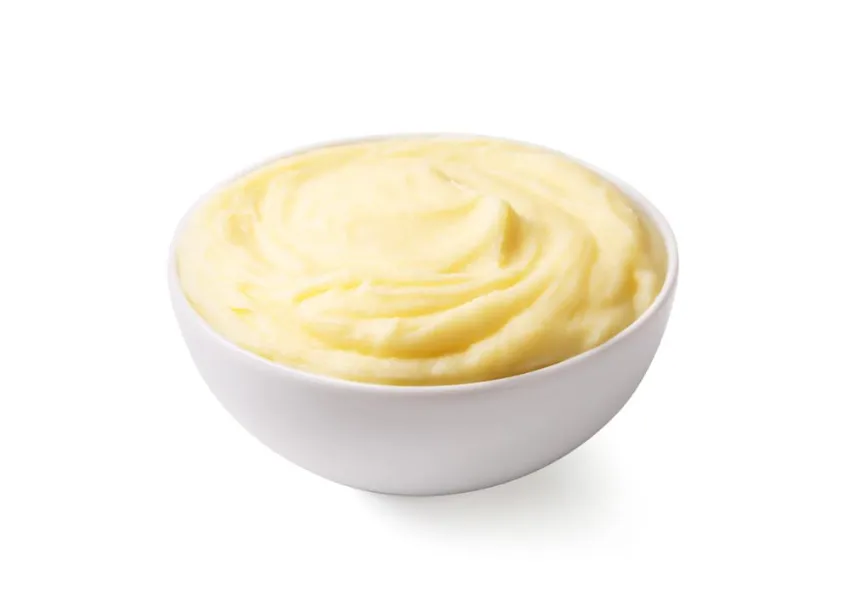
Mashed potatoes made from peeled potatoes can be a comforting low-fiber side dish. Their soft texture makes them easy to eat, and they pair well with other plain foods. Leaving the skins out helps keep the fiber content lower. This can make them a useful choice during the solid-food part of your prep plan.
One cup of plain mashed potatoes made with milk has about 210 calories, 4 grams of protein, 35 grams of carbohydrates, and about 2 grams of fiber. Amounts change with added butter, milk, and serving size.
Boil peeled potatoes until soft, then mash them until smooth. Add a small amount of milk or butter if your instructions allow dairy. Keep the recipe simple. Skip potato skins, scallions, broccoli, corn, pepper skins, and chunky toppings. Instant mashed potatoes may also fit, but check the label for added fiber or vegetable pieces. Do not eat mashed potatoes on a clear-liquid day.
7. Plain Pasta
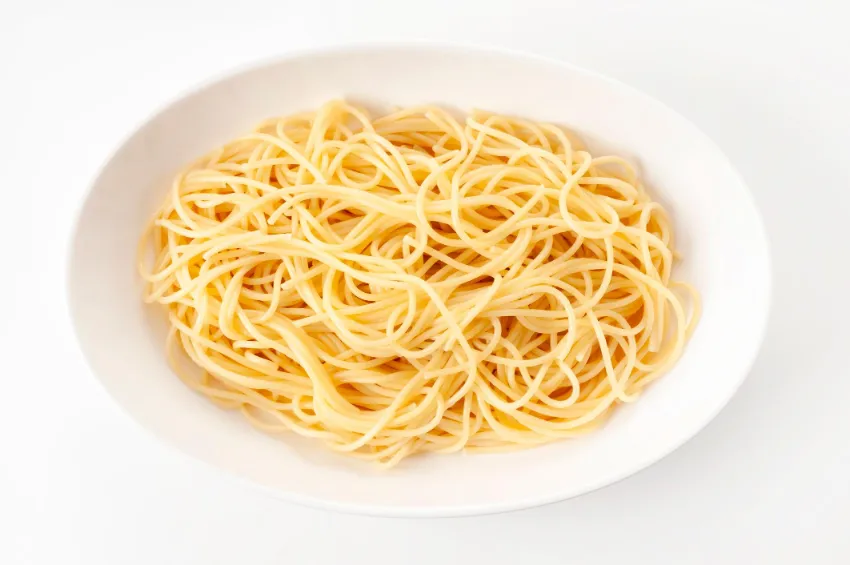
Plain pasta made from white flour is usually low in fiber. It gives you carbohydrates for energy and can make a meal feel satisfying without adding many rough bits. Choose regular pasta rather than whole-wheat or high-fiber pasta during the low-fiber days.
One cup of cooked regular enriched spaghetti has about 220 calories, 8 grams of protein, 43 grams of carbohydrates, and about 2 grams of fiber.
Cook pasta until tender and serve it with a little butter or a smooth, seed-free sauce if your clinic allows it. You can add finely prepared chicken or white fish for protein. Avoid tomato sauces with seeds, chunky vegetables, beans, and whole-grain pasta. Check packaged sauces because some contain herbs, seeds, or vegetable pieces. Pasta is a solid food, so stop eating it when your clear-liquid instructions begin.
8. Egg Noodles

Egg noodles are another simple refined-grain option for the low-fiber stage. They are soft when cooked and can be easier to chew than some other pasta shapes. Their mild flavor makes them useful in plain meals with chicken or clear broth, as long as your instructions still allow solid foods.
One cup of cooked egg noodles has about 220 calories, 7 grams of protein, 40 grams of carbohydrates, and around 2 grams of fiber.
Boil the noodles until tender and drain them well. Serve them with a little butter or mix them with finely chopped, tender chicken. Some people enjoy them in a light soup, but the soup must match the rules for that stage of prep. Avoid whole-grain noodles, vegetable noodles, and noodles with seeds or added fiber. Egg noodles are not clear liquid, even when served in broth.
9. Scrambled Eggs
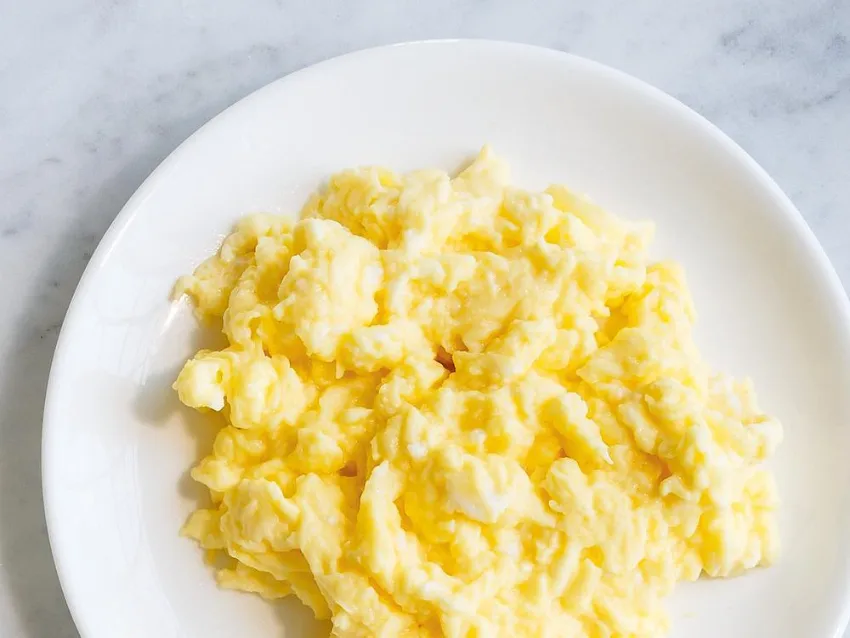
Scrambled eggs are a useful low-fiber protein choice. Eggs contain almost no fiber, so they do not add rough plant material to your meals. They also provide protein and nutrients such as vitamin B12 and choline. A soft texture makes them easy to eat when you want something simple.
Two large scrambled eggs made without added milk or butter have about 180 calories, 12 grams of protein, 1 gram of carbohydrates, and 12 grams of fat.
Cook eggs fully in a nonstick pan. Use a small amount of butter or milk only if your clinic allows it. Keep the dish plain, without onions, peppers, spinach, or other vegetables. Pair the eggs with white toast during the low-fiber stage. Scrambled eggs are still solid food, so they are not allowed during a clear-liquid-only period.
10. Hard-Boiled Eggs

Hard-boiled eggs are easy to prepare ahead of time. They provide protein without fiber, which makes them a practical option during the low-fiber days. They also travel well in a lunch container, so you can have a simple meal ready when you need it.
One large hard-boiled egg has about 78 calories, 6 grams of protein, less than 1 gram of carbohydrates, and 5 grams of fat.
Boil the eggs until the whites and yolks are firm. Peel them before eating, then enjoy them plain with a little salt. You can slice one over white toast or eat it with a small serving of white rice. Avoid adding relish, chopped vegetables, seeds, or spicy toppings. Store cooked eggs in the refrigerator and use them safely. Do not eat hard-boiled eggs after your clear-liquid period starts.
11. Poached Eggs
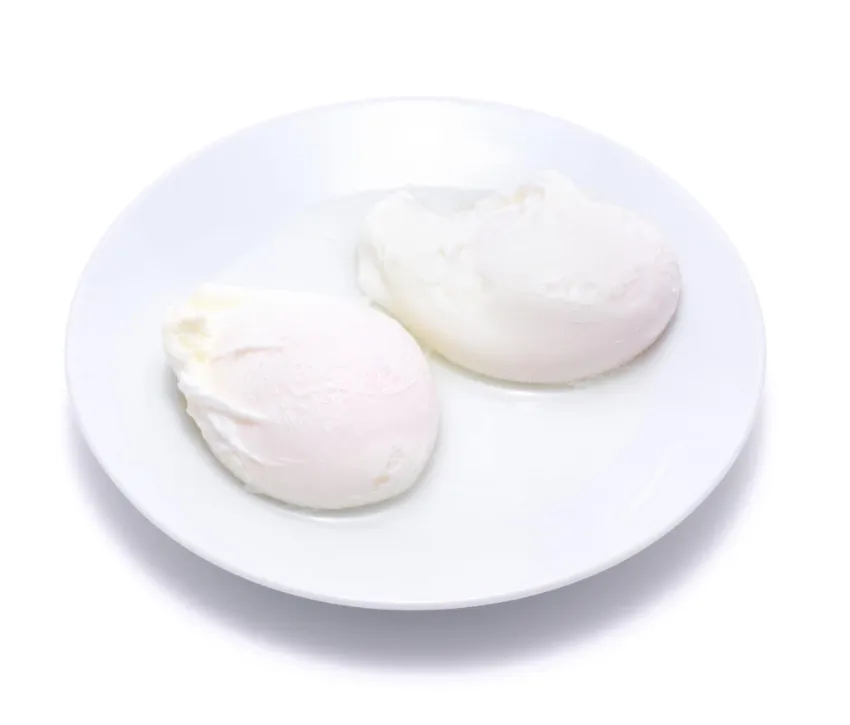
Poached eggs offer another gentle way to include protein before a colonoscopy. They are cooked without a lot of added fat and contain virtually no fiber. Their soft texture can be appealing when you want a lighter breakfast or lunch.
One large poached egg has about 72 calories, 6 grams of protein, less than 1 gram of carbohydrates, and 5 grams of fat.
To make one, gently cook a cracked egg in simmering water until the white is set and the yolk reaches the level of doneness your care team recommends. Serve it plain or over a slice of white toast while solid foods are still allowed. Skip toppings such as salsa, avocado, herbs with stems, or chopped vegetables. A poached egg may look soft and simple, but it is still solid food. It does not count as a clear liquid.
12. Skinless Chicken Breast
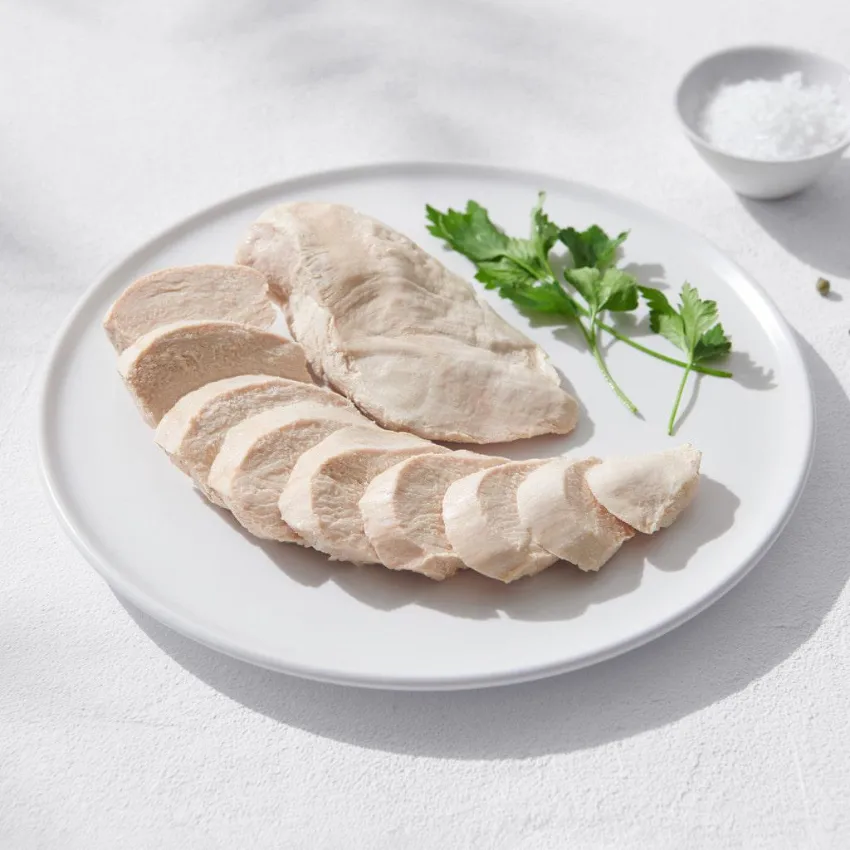
Skinless chicken breast is a lean protein choice that fits many low-fiber colonoscopy diets. It contains no fiber and can help you feel satisfied during the days when solid meals are allowed. It also provides nutrients such as niacin, vitamin B6, and selenium.
A 3-ounce serving of cooked, skinless chicken breast has about 140 calories, 26 grams of protein, 3 grams of fat, and 0 grams of carbohydrates.
Bake, poach, or grill the chicken until it is fully cooked and tender. Season it lightly with salt if allowed. Serve it with white rice, peeled potatoes, or plain pasta. Avoid breaded chicken, fried coatings, spicy rubs with seeds, and marinades with vegetable pieces. Remove the skin and any tough or chewy parts. Chicken is not allowed once your instructions switch you to clear liquids.
13. Turkey Breast
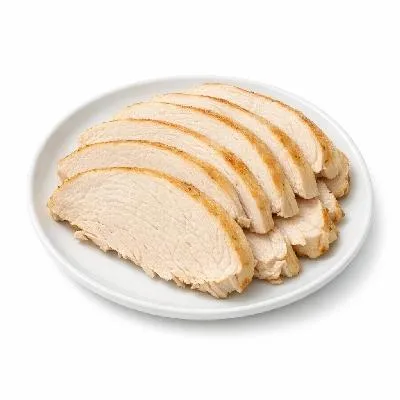
Turkey breast is another lean, fiber-free protein that can fit the low-fiber stage. It provides protein to support muscles and normal body functions. Plain cooked turkey is usually a better choice than heavily seasoned or processed turkey products, which may contain ingredients that do not suit your prep plan.
A 3-ounce serving of roasted, skinless turkey breast has about 125 calories, 26 grams of protein, 0 grams of carbohydrates, and 2 grams of fat.
Roast or poach a plain turkey breast, then slice it into tender pieces. Serve it with white bread, rice, or peeled potatoes. If you buy deli turkey, check the label for seeds, pepper pieces, or other additions, and follow your clinic’s advice about processed meats. Avoid stuffing, whole-grain bread, and vegetable-heavy sides. Turkey is a solid food, so it must be stopped when your clear-liquid period begins.
14. White Fish

Plain white fish is easy to digest for many people and contains no fiber. Varieties such as haddock, pollock, and sole are mild in flavor. They provide protein without the heavy texture of some richer meals. White fish can be a useful option while your low-fiber instructions still allow solid food.
A 3-ounce serving of cooked cod has about 90 calories, 20 grams of protein, less than 1 gram of fat, and 0 grams of carbohydrates.
Bake or steam the fish until it flakes easily. Keep the seasoning simple, using a little salt or lemon only if your clinic permits it. Pair it with white rice or peeled potatoes. Avoid fish coated in seeds, nuts, whole-grain crumbs, or spicy mixtures. Check carefully for bones before serving. Fish is not allowed on a clear-liquid-only day, even when it is soft and plainly cooked.
15. Steamed Cod
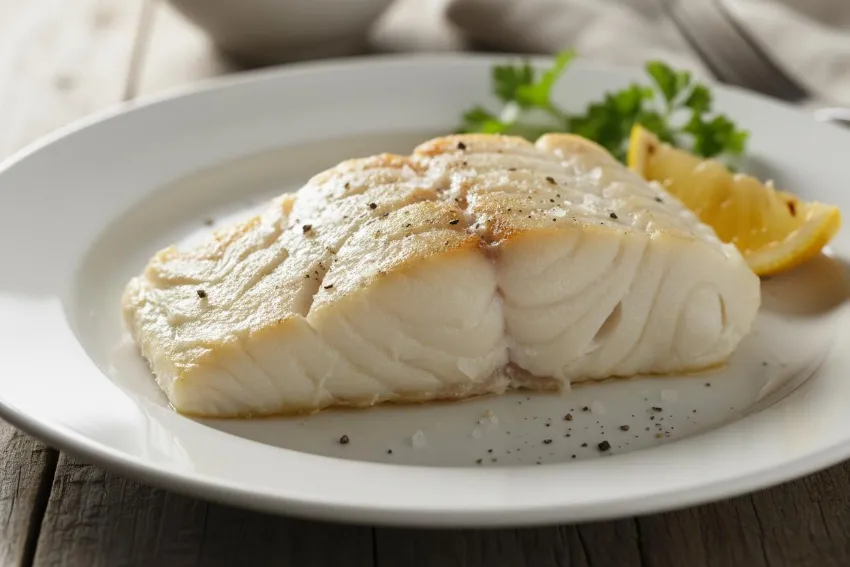
Steamed cod is a specific white fish option that is naturally low in fat and contains no fiber. Steaming keeps the fish moist without needing a heavy coating or frying oil. Its mild flavor works well with plain side dishes during the low-fiber part of colonoscopy preparation.
A 3-ounce serving of cooked Atlantic cod has about 90 calories, 20 grams of protein, less than 1 gram of fat, and 0 grams of carbohydrates.
Place the cod in a steamer basket and cook until it is opaque and flakes easily. Add only simple seasoning that your prep instructions allow. Serve it with white rice or peeled boiled potatoes. Avoid topping it with salsa, chopped herbs, seeds, or vegetable relish. Check for bones and keep the portion comfortable. Although steamed cod is light, it is still a solid food and must be avoided after the clear-liquid stage begins.
16. Canned Tuna (In Water)
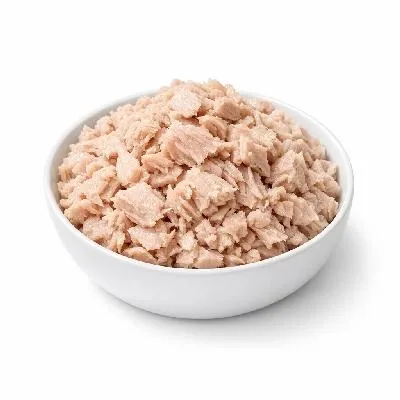
Canned tuna packed in water is a convenient source of protein with no fiber. It can be useful when you want a quick meal and do not have time to cook fish. Choose plain tuna rather than flavored varieties with vegetables, seeds, or spicy add-ins.
A 3-ounce serving of canned light tuna in water, drained, has about 70 calories, 16 grams of protein, less than 1 gram of fat, and 0 grams of carbohydrates.
Drain the tuna well and eat it plain, or mix it with a little mayonnaise if your clinic allows it. Serve it with plain crackers or white bread during the low-fiber stage. Avoid relish, celery, onion, pickles, seeds, and chunky sauces. Check the label for added ingredients. Tuna is not a clear liquid, so it cannot be eaten during the clear-liquid-only period.
17. Clear Chicken Broth
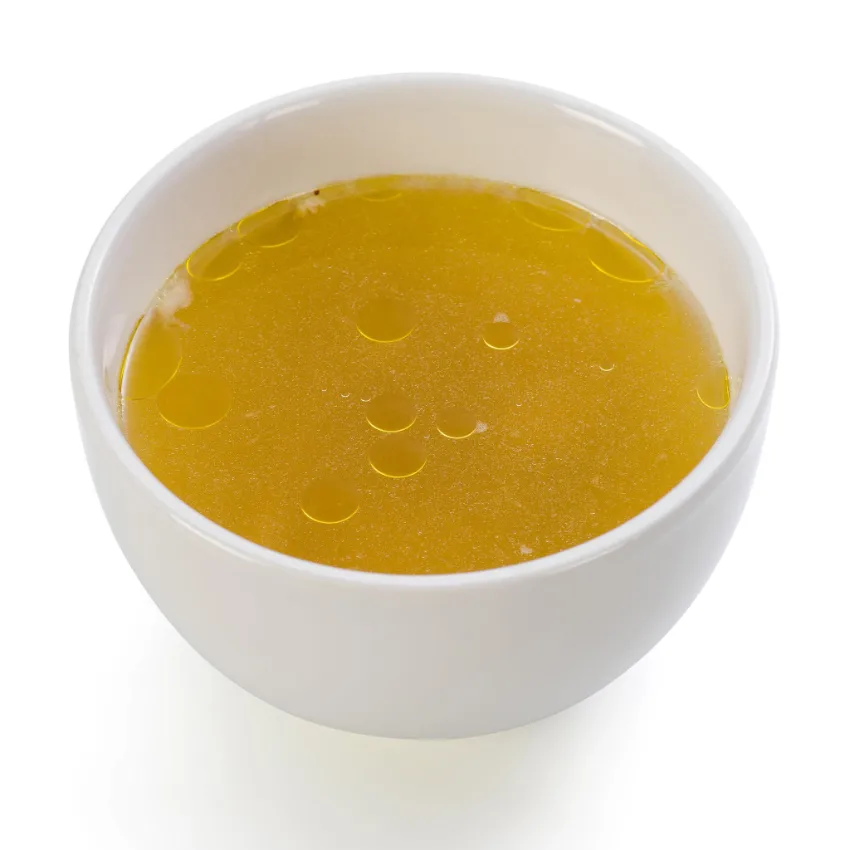
Clear chicken broth can be especially helpful when your instructions allow clear liquids. It provides fluid and a savory choice when sweet drinks become tiring. Broth is usually low in calories, and a strained, clear version contains no solid food pieces.
One cup of ready-to-serve chicken broth has about 15 calories, 1 gram of protein, 1 gram of carbohydrates, and very little fat. Sodium can vary widely by brand.
Choose broth that looks clear and has no noodles, meat pieces, vegetables, or floating bits. Warm it in a mug and sip it slowly. Low-sodium options may be useful if your health care team recommends limiting salt. Avoid creamy soups and cloudy stocks. Follow your clinic’s rules about broth and the time you must stop drinking before the procedure. Some instructions set a strict cutoff for all liquids.
18. Clear Beef Broth

Clear beef broth adds a savory option to a clear-liquid plan when your clinic allows it. It can offer a change from water, tea, and sweet drinks. The key word is clear. The broth should be strained and free of meat, vegetables, noodles, fat clumps, and other solid pieces.
One cup of ready-to-serve beef broth has about 15 calories, 2 grams of protein, 1 gram of carbohydrates, and very little fat. Sodium levels depend on the brand.
Heat the broth until warm, then sip it from a cup. Read the label and choose a plain product without added vegetable pieces or thickening ingredients. Do not use stew, gravy, or creamy beef soup as a substitute. Those foods are not clear liquids. Check your prep sheet for permitted broth types and stop drinking at the exact time your clinic gives you.
19. Plain Gelatin
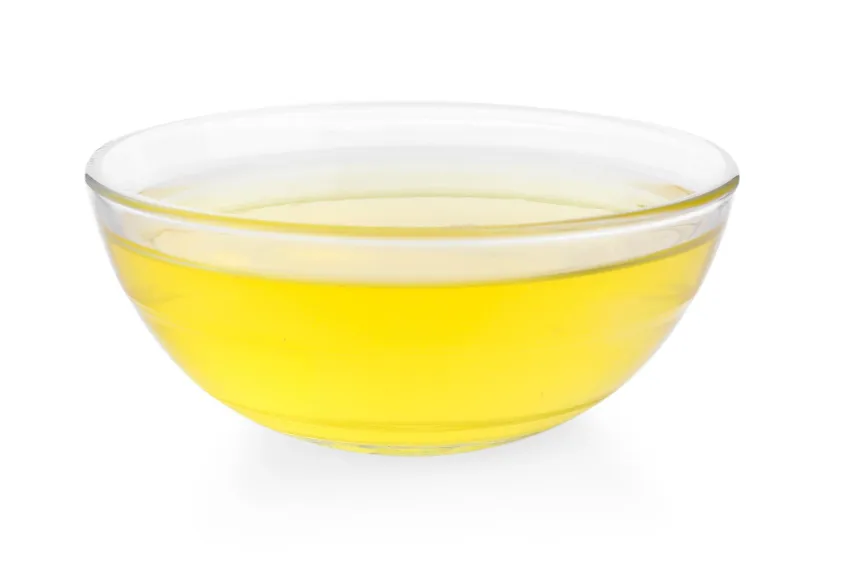
Plain gelatin dessert can be an easy way to add variety during the clear-liquid stage, if your clinic allows it. It melts into liquid in your mouth and contains no fruit pieces when served plain. Choose a permitted color. Many clinics ask patients to avoid red and purple gelatin because the dye can look like blood during the exam.
A half-cup serving of prepared regular gelatin dessert has about 80 calories, 2 grams of protein, and 19 grams of carbohydrates, with no fiber.
Serve it chilled in a small bowl. Avoid versions with fruit, seeds, whipped cream, or other toppings. Check your clinic’s color rules before choosing a flavor. Some centers also restrict orange or other colors, so do not assume every non-red flavor is acceptable. Gelatin is not a replacement for water or the prescribed bowel prep drink.
20. Applesauce (Smooth, Without Skin)
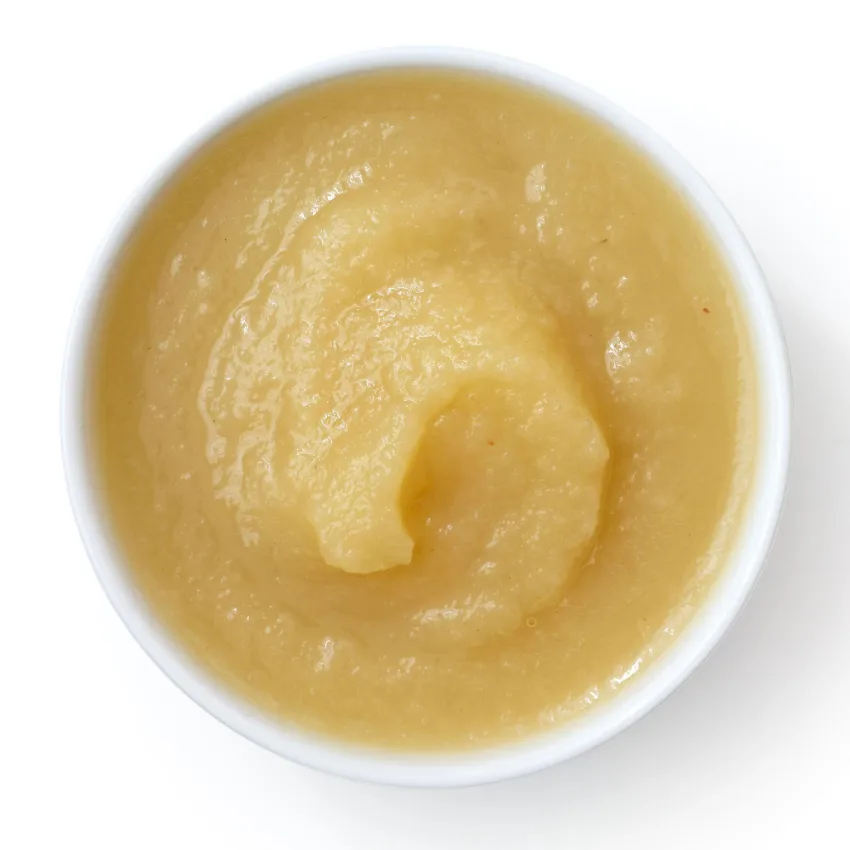
Smooth applesauce without skin is included on some low-fiber food lists. Removing the peel and blending the fruit makes it easier to eat than a whole apple. It can add a little variety when you are avoiding raw fruit, skins, and seeds. However, applesauce is still a solid food and is not allowed on a clear-liquid-only day.
A half-cup serving of unsweetened applesauce has about 50 calories, 0 grams of protein, 13 grams of carbohydrates, and around 1 gram of fiber.
Choose smooth applesauce without chunks, peels, seeds, or added high-fiber ingredients. Serve a small bowl with a low-fiber meal if your instructions permit it. Unsweetened versions have less added sugar than sweetened varieties. Do not confuse applesauce with clear apple juice. They are different foods, and only clear juice may fit some clear-liquid plans.
21. Canned Peaches (Without Skin)

Canned peaches without skin can be a soft, low-fiber fruit option during the days when your plan still allows certain fruits. Canning and peeling make them easier to eat than fresh peaches with their skin. Choose peaches packed in juice or light syrup, and make sure there are no skins or tough pieces.
A half-cup serving of canned peach slices in juice has about 50 calories, 1 gram of protein, 13 grams of carbohydrates, and around 1 gram of fiber.
Drain the peaches and cut large slices into small pieces. Eat a modest serving on its own or with another approved low-fiber food. Avoid fresh peaches with skin, dried peaches, fruit cocktail with seeds, and mixed fruit with skins. Canned peaches are not clear liquid. Stop eating them when your clinic tells you to switch to liquids only.
22. Canned Pears (Without Skin)
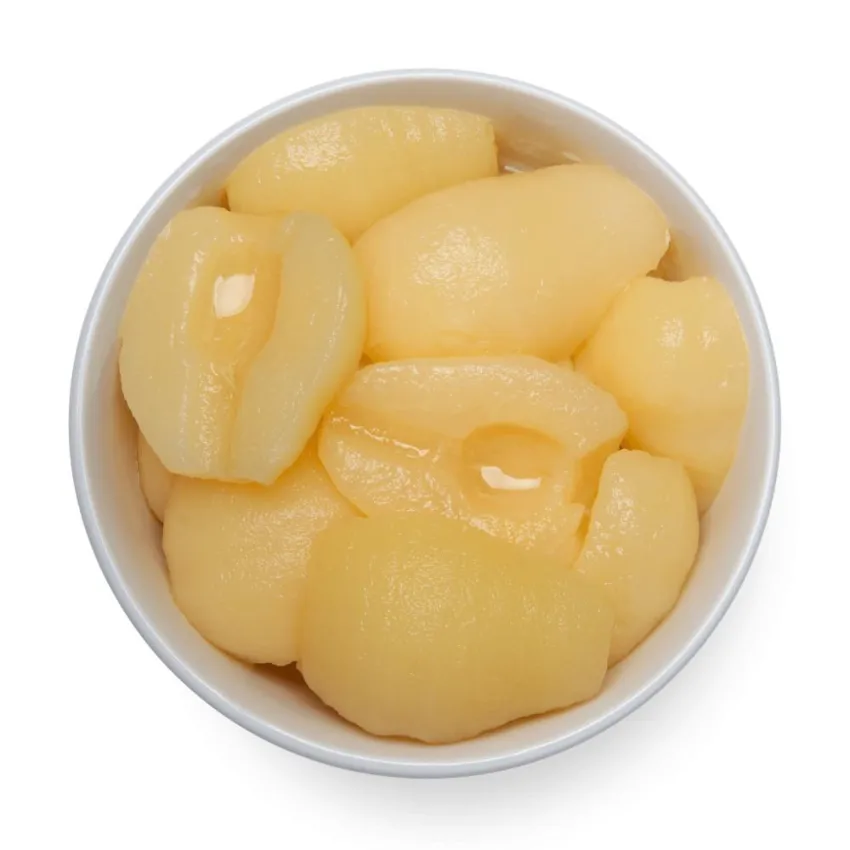
Canned pears without skin are soft and usually easier to manage than fresh pears. The peel is removed, which lowers the amount of rough fiber compared with eating the whole fruit. Some low-fiber plans allow a small serving during the solid-food days before the clear-liquid period.
A half-cup serving of canned pear halves in juice has about 60 calories, 0 grams of protein, 16 grams of carbohydrates, and around 1 gram of fiber.
Drain the pears and check that they are tender and free of skin or seeds. Cut them into small pieces if needed. Choose pears packed in juice or water when possible. Avoid fresh pears with peel, dried pears, and fruit cups containing berries or seeds. Like applesauce and canned peaches, canned pears are solid food. They should not be eaten during a clear-liquid-only period.
23. Ripe Bananas
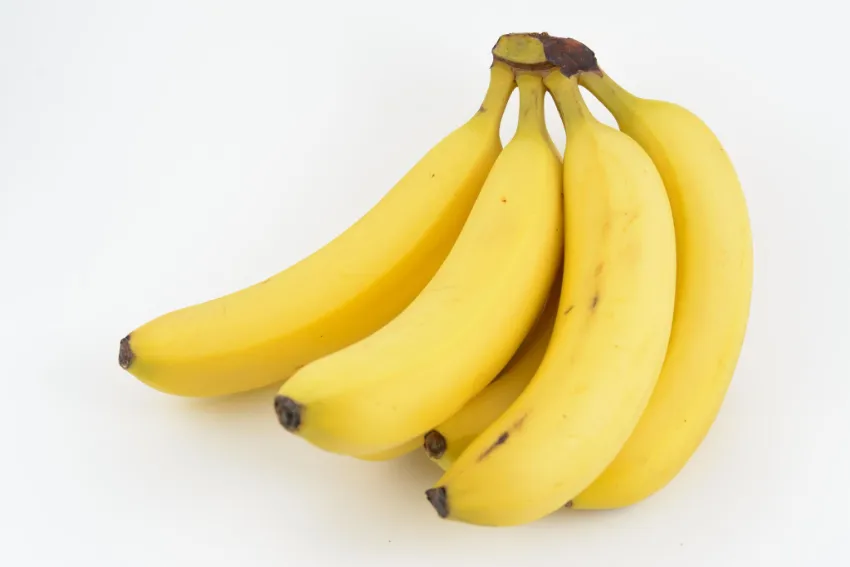
Ripe bananas appear on some low-fiber colonoscopy food lists because they are soft and have no hard seeds or peel to eat. They provide carbohydrates for energy and potassium, an important mineral for normal muscle and nerve function. Your clinic may allow a small portion during the low-fiber days, but not every prep plan includes bananas.
One medium ripe banana has about 105 calories, 1 gram of protein, 27 grams of carbohydrates, and 3 grams of fiber.
Choose a ripe banana with yellow skin and no green, firm center. Peel it fully and eat it plain. Avoid adding nuts, seeds, granola, or high-fiber cereal. Even though bananas are soft, they are still solid food. Do not eat one after your instructions switch you to clear liquids. If your clinic’s food list does not include bananas, leave them out.
Final Thoughts
A simple low-fiber menu can make the days before a colonoscopy feel more manageable. Choose plain foods, read labels, and follow the timing on your clinic’s prep sheet.
The clear-liquid stage is different from the low-fiber stage. Ask your health care provider before changing your diet, medicines, or prep schedule.
Sources and Helpful Guidance
- National Institute of Diabetes and Digestive and Kidney Diseases: Colonoscopy
- Yale New Haven Health: Preparing for Endoscopy
- Boston Medical Center: Low-Fiber Diet for Colonoscopy Preparation
- Penn Medicine: Colonoscopy Prep Instructions
