
22 Ketogenic Diet Foods List: Healthy Foods to Enjoy on Keto

The ketogenic diet focuses on foods that are low in carbohydrates and
higher in fat, with enough protein to support your body.
Choosing the right foods can make meals filling, tasty, and easier to plan. This list includes protein-rich favorites, low-carb vegetables, and cheeses that
can fit into many keto meal plans.
1. Eggs
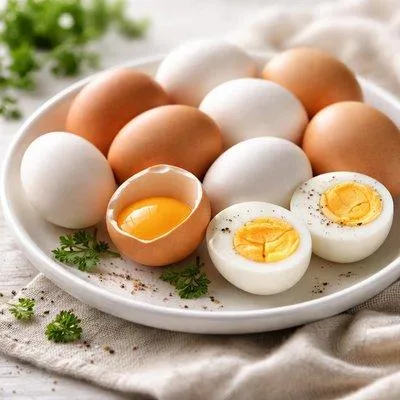
Eggs are one of the easiest foods to include in a ketogenic diet. They
contain very few carbohydrates and provide protein and fat, which can
help make a meal satisfying. Eggs also supply choline, a nutrient that
supports normal brain and liver function, along with vitamin B12,
selenium, and vitamin D.
One large hard-boiled egg has about 78 calories, 6 grams of protein, 5
grams of fat, and less than 1 gram of carbohydrates. The exact amount
can change slightly with egg size and cooking method.
Enjoy eggs boiled, scrambled, poached, or fried in a little butter or
olive oil. You can also make an omelet with spinach, mushrooms, and
cheddar cheese. For a quick breakfast, prepare several hard-boiled eggs
ahead of time and keep them chilled.
Eggs are naturally versatile, so you can use them for breakfast, lunch,
dinner, or snacks. Pair them with non-starchy vegetables for a more
balanced plate.
2. Chicken Breast
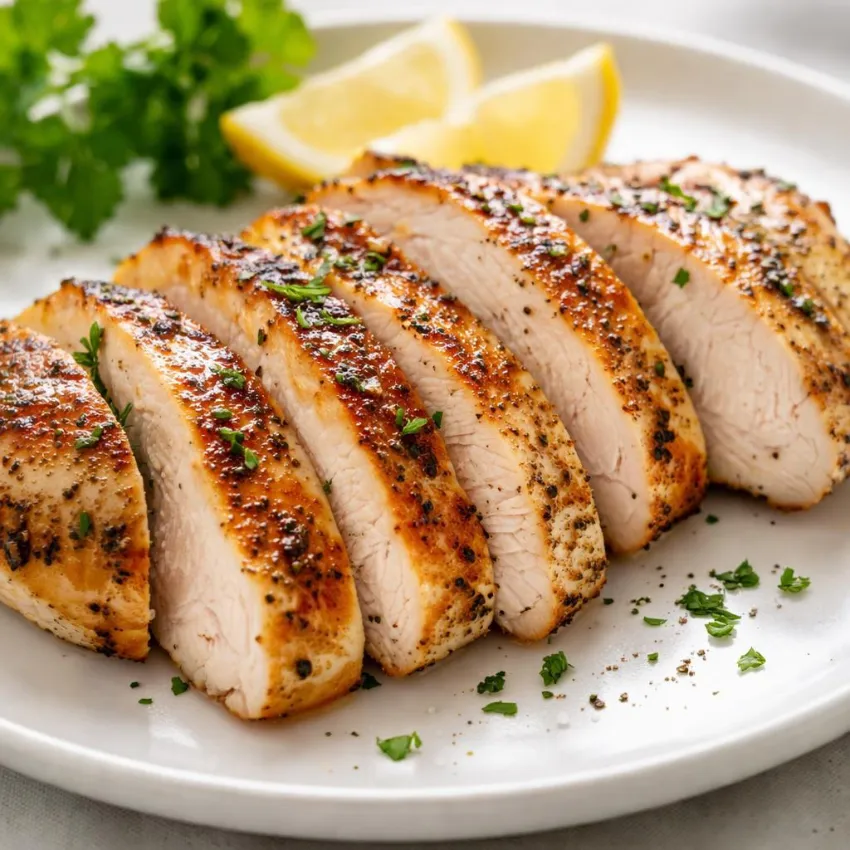
Chicken breast is a lean source of protein with almost no carbohydrates.
It can help you meet your protein needs while keeping meals simple. It
is also a source of niacin, vitamin B6, phosphorus, and selenium. Since
chicken breast is low in fat, add a keto-friendly fat such as olive oil,
avocado, or a creamy sauce if your meal plan calls for it.
A 3-ounce serving of cooked, skinless chicken breast has about 128
calories, 26 grams of protein, 3 grams of fat, and 0 grams of
carbohydrates.
Season chicken with garlic, paprika, black pepper, lemon, and herbs.
Grill it, bake it, or cook it in a skillet. Slice it over a spinach
salad or serve it with roasted broccoli and cauliflower.
For easy meal prep, cook a few portions at once and store them safely in
the refrigerator. Use the chicken in lettuce wraps, soups, or quick
lunch bowls.
3. Salmon
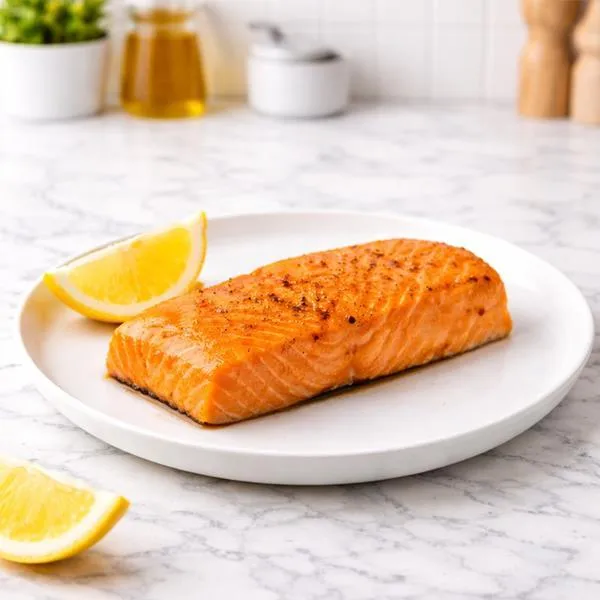
Salmon is a useful keto choice because it contains no carbohydrates and
provides both protein and healthy fats. It is especially rich in omega-3
fats, which support heart and brain health. Salmon also provides vitamin
D, vitamin B12, selenium, and potassium. Its rich flavor makes it
satisfying without needing a breaded coating or sugary sauce.
A 3-ounce serving of cooked Atlantic salmon has about 175 calories, 19
grams of protein, 10 grams of fat, and 0 grams of carbohydrates.
Bake salmon with olive oil, lemon, dill, and black pepper. You can also
grill it or cook it in a skillet with butter. Serve it with asparagus,
zucchini, or a fresh cucumber salad.
Canned salmon can be convenient, too. Mix it with mayonnaise, chopped
celery, and herbs for a quick lunch. Check labels on flavored products
because sauces and seasonings may add carbohydrates.
4. Tuna
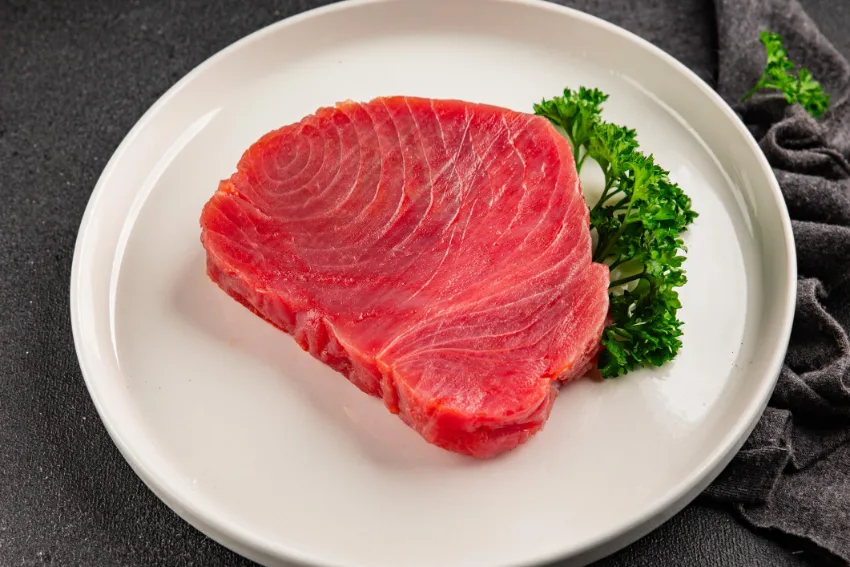
Tuna is a high-protein food that fits easily into many ketogenic meal
plans. Plain tuna has no carbohydrates and is naturally low in fat, so
it works well with ingredients such as avocado, mayonnaise, olive oil,
or cheese. It also supplies selenium, niacin, and vitamin B12.
A 3-ounce serving of cooked yellowfin tuna has about 110 calories, 25
grams of protein, 1 gram of fat, and 0 grams of carbohydrates. Canned
tuna nutrition varies by species and whether it is packed in water or
oil.
Mix canned tuna with mayonnaise, mustard, chopped celery, and black
pepper. Spoon it into lettuce cups, stuff it into half an avocado, or
serve it over leafy greens. You can also make tuna patties with egg and
herbs, without adding breadcrumbs.
Enjoy tuna as part of a varied seafood rotation. Some types contain more
mercury than others, so follow current seafood guidance, especially for
children and people who are pregnant.
5. Sardines
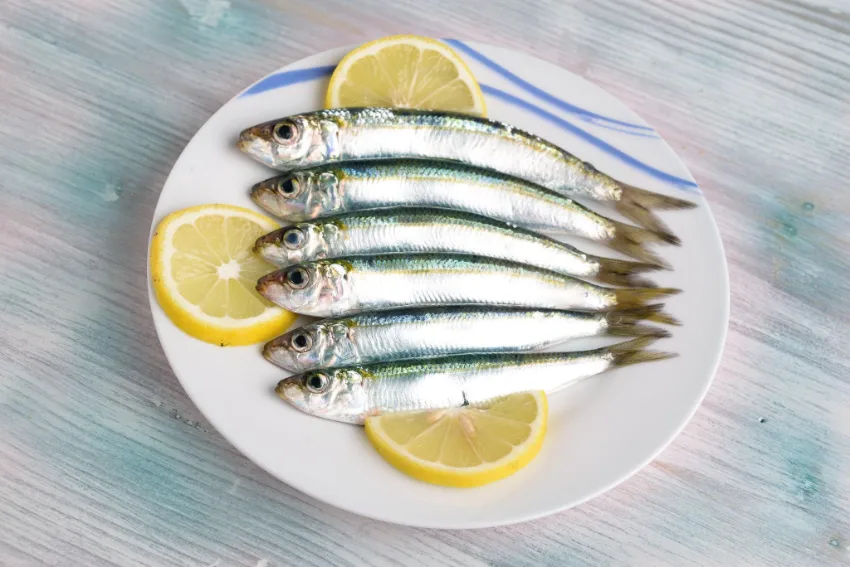
Sardines are small, flavorful fish that offer protein and healthy fats
with virtually no carbohydrates. They are rich in omega-3 fats and
provide vitamin B12, vitamin D, calcium, and selenium. When you eat the
soft bones in canned sardines, you also get calcium that supports strong
bones.
A 3-ounce serving of canned sardines in oil, drained, has about 177
calories, 21 grams of protein, 10 grams of fat, and 0 grams of
carbohydrates. Values vary by brand and packing liquid.
Serve sardines with sliced cucumber, avocado, lemon, and fresh herbs.
You can mash them with olive oil and mustard for a quick spread, or add
them to a salad with spinach and olives.
Choose plain or simply seasoned sardines and check the label for added
sauces. Their bold taste may take some getting used to, but a small
serving can add plenty of flavor.
6. Beef
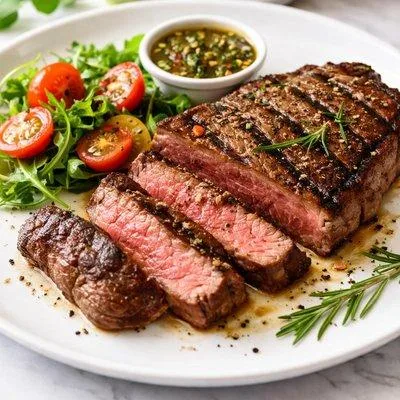
Beef can fit into a ketogenic diet because plain cuts contain no
carbohydrates and provide protein, fat, iron, zinc, and vitamin B12. The
amount of fat depends on the cut. Leaner cuts can be paired with olive
oil or avocado, while fattier cuts may provide more fat on their own.
A 3-ounce serving of cooked 80% lean ground beef has about 215 calories,
22 grams of protein, 14 grams of fat, and 0 grams of carbohydrates.
Use ground beef for bun-free burgers, lettuce-wrap tacos, or a skillet
meal with zucchini and mushrooms. Steak is easy to grill or pan-sear
with herbs and butter. Add a side of broccoli or green beans instead of
potatoes or rice.
Choose plain beef rather than products with sweet marinades or fillers.
Check the ingredient list on prepared patties, meatballs, and sauces
because they may contain breadcrumbs or added sugar.
7. Turkey Breast
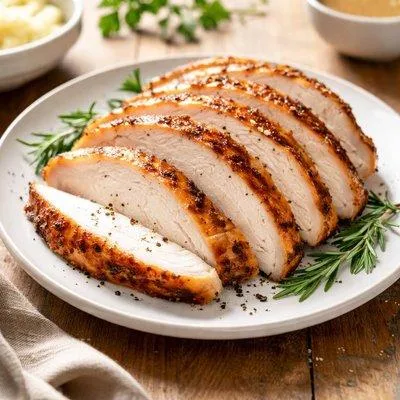
Turkey breast is a lean, protein-rich option with very few
carbohydrates. It provides niacin, vitamin B6, selenium, and phosphorus.
Like chicken breast, it is naturally low in fat, so you can serve it
with avocado, olive oil, or a butter-based sauce when that suits your
meal plan.
A 3-ounce serving of roasted, skinless turkey breast has about 125
calories, 26 grams of protein, 2 grams of fat, and 0 grams of
carbohydrates.
Roast a turkey breast with garlic, rosemary, thyme, and olive oil. Slice
it for lettuce wraps, salads, or a simple dinner with asparagus.
Leftover turkey can also go into a creamy soup made with low-carb
vegetables.
Deli turkey is convenient, but it can contain added starch, sugar, or
other ingredients. Read the label and compare carbohydrate amounts.
Choose a plain option with a short ingredient list when possible.
8. Shrimp
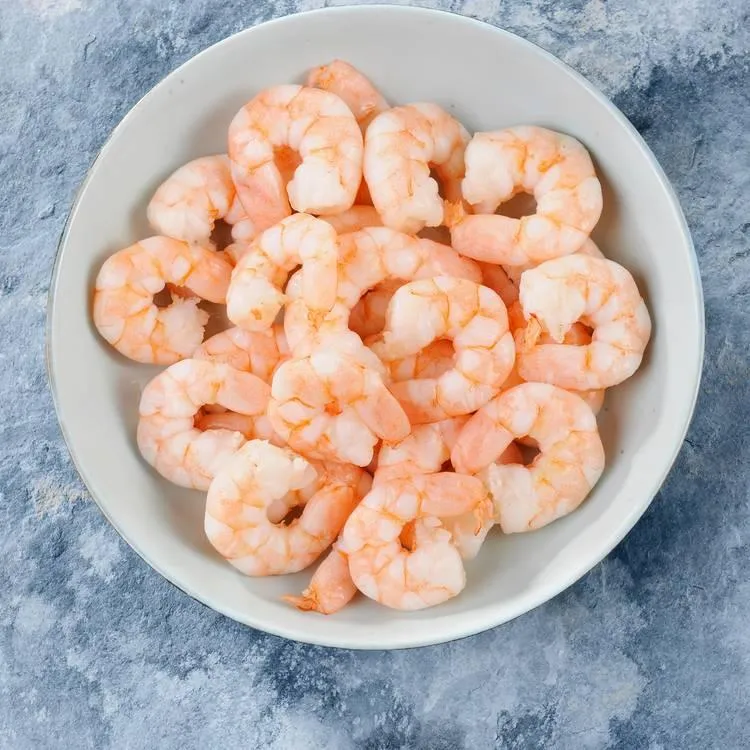
Shrimp is a quick-cooking seafood choice with plenty of protein and
almost no carbohydrates. It is naturally low in fat, and it supplies
iodine, selenium, vitamin B12, and other minerals. Its mild taste works
with many seasonings, making it easy to add variety to keto meals.
A 3-ounce serving of cooked shrimp has about 84 calories, 20 grams of
protein, 1 gram of fat, and 0 grams of carbohydrates.
Cook shrimp in olive oil or butter with garlic, lemon, and parsley.
Serve it over zucchini noodles, add it to a spinach salad, or pair it
with cauliflower rice. You can also chill cooked shrimp and serve it
with a no-sugar-added dipping sauce.
Avoid breaded shrimp and sweet glazes, which can add a lot of
carbohydrates. If you buy frozen shrimp, check whether it has added
sauces or coatings. Plain shrimp is usually the easiest choice.
9. Pork-Free Sausages

Pork-free sausages can add flavor and convenience to a ketogenic meal.
Look for versions made with beef, chicken, or turkey. Their carbohydrate
content depends on the recipe, so check the nutrition label for added
sugar, starch, flour, and fillers. Sausages can also be high in sodium,
so they are best enjoyed as one option among many protein foods.
A 3-ounce serving of cooked beef sausage may have about 250 calories, 14
grams of protein, 21 grams of fat, and 2 grams of carbohydrates.
Nutrition varies widely by brand and recipe.
Cook sausages in a skillet or bake them until fully cooked. Serve with
sautéed peppers, mushrooms, or spinach. You can also slice them into an
egg scramble or add them to a low-carb vegetable skillet.
Choose clearly labeled pork-free products and check the ingredient list
every time. Recipes can change, and some products include sweeteners or
starches that raise the carb count.
10. Avocados
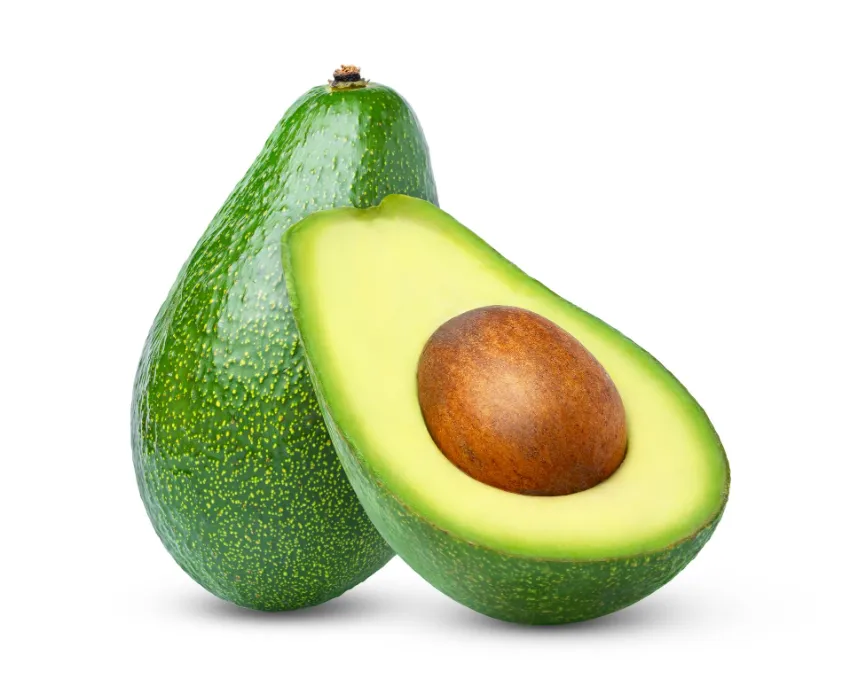
Avocados are a favorite on many ketogenic menus because they are low in
net carbohydrates and rich in monounsaturated fat. They also provide
fiber, potassium, folate, and vitamin K. Their creamy texture makes them
a useful swap for higher-carb spreads and toppings.
One-half of a medium avocado has about 120 calories, 1.5 grams of
protein, 11 grams of fat, 6 grams of carbohydrates, and 5 grams of
fiber. That works out to roughly 1 gram of net carbs.
Mash avocado with lime juice, salt, and cilantro for a simple topping.
Add slices to eggs, salads, or lettuce wraps. You can also fill an
avocado half with tuna salad or chopped shrimp.
Avocados are filling, but serving size still matters if you track
calories or carbohydrates. Choose one that gives slightly when pressed
gently. If it ripens before you are ready to eat it, store it in the
refrigerator.
11. Broccoli
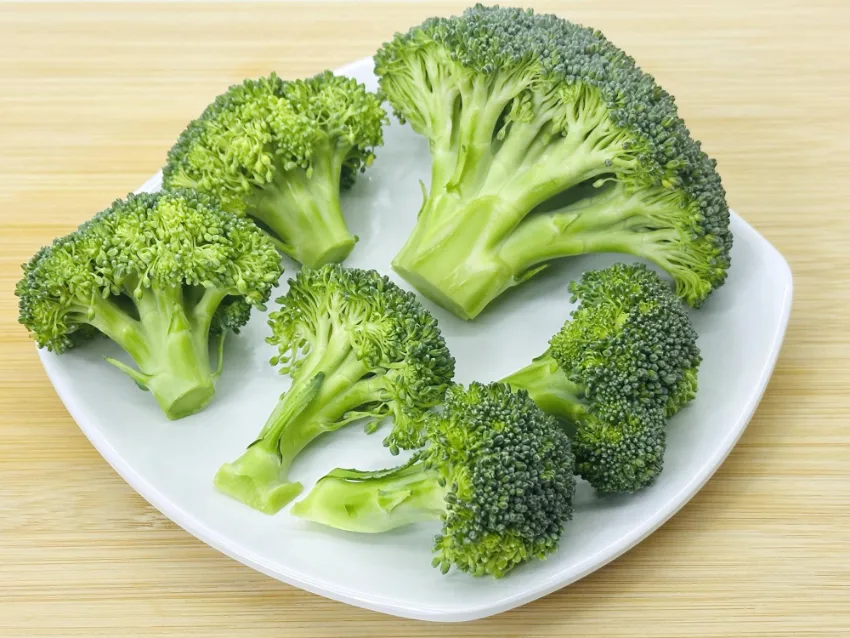
Broccoli is a non-starchy vegetable that can fit into a ketogenic diet
in sensible portions. It contains fiber and provides vitamin C, vitamin
K, folate, and potassium. Its fiber helps support digestion, while its
nutrients add variety to meals that might otherwise rely heavily on meat
and cheese.
One cup of chopped raw broccoli has about 31 calories, 3 grams of
protein, less than 1 gram of fat, 6 grams of carbohydrates, and 2 grams
of fiber.
Steam broccoli until tender, roast it with olive oil, or sauté it with
garlic. Add cooked broccoli to a cheese bake or serve it beside salmon
or chicken. You can also chop it finely and mix it into an egg scramble.
Broccoli is easy to prepare in batches. Keep cooked portions in the
refrigerator for quick meals, and avoid sugary sauces that can add
unexpected carbohydrates.
12. Cauliflower
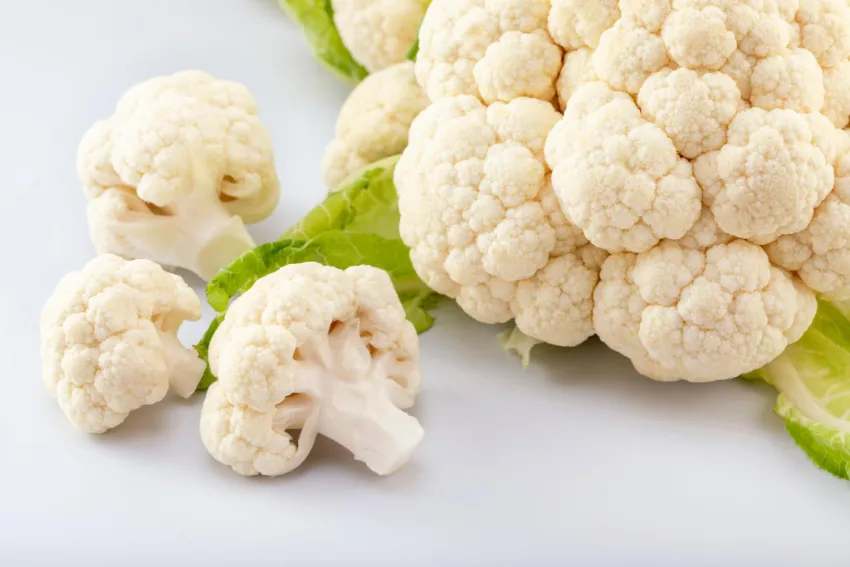
Cauliflower is a versatile low-carb vegetable that can take the place of
some higher-carb foods. It provides fiber, vitamin C, vitamin K, and
folate. Its mild flavor makes it easy to season, and its texture works
in many dishes that traditionally use rice or potatoes.
One cup of chopped raw cauliflower has about 27 calories, 2 grams of
protein, less than 1 gram of fat, 5 grams of carbohydrates, and 2 grams
of fiber.
Pulse cauliflower in a food processor to make cauliflower rice, then
sauté it with olive oil and herbs. Roast florets until golden, or mash
steamed cauliflower with butter and garlic. You can also add it to soups
with cream and cheddar.
Cauliflower can be filling because it adds volume and fiber to a meal.
Frozen cauliflower is a handy option, too. Check packaged blends for
added sauces or starches.
13. Spinach
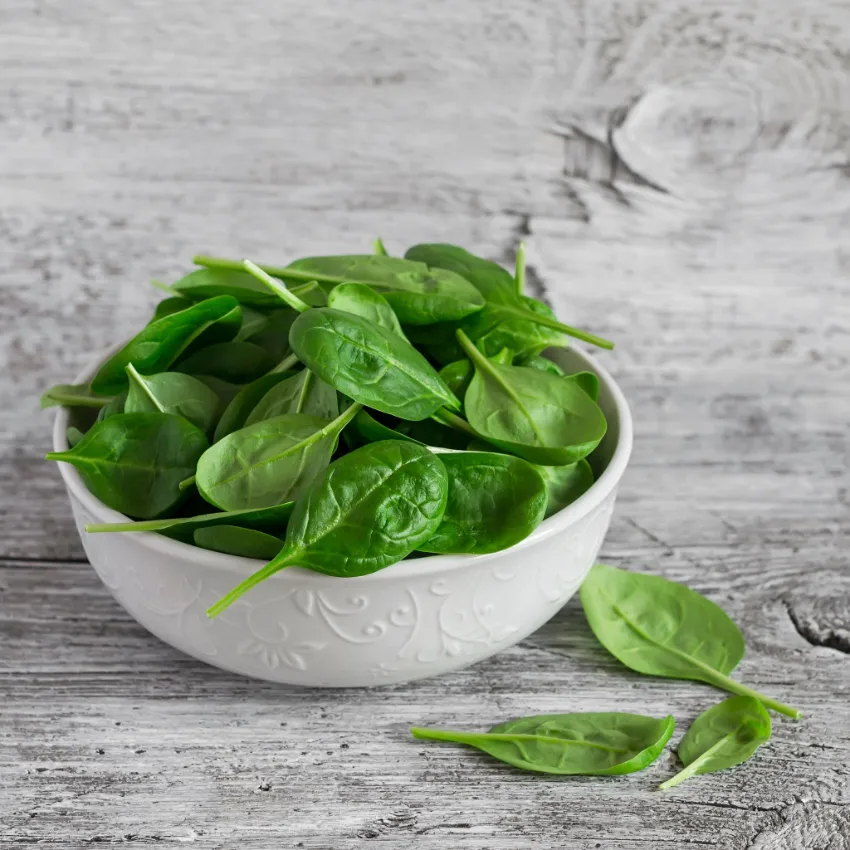
Spinach is a leafy green with very few carbohydrates per serving. It
supplies vitamin K, vitamin A, folate, vitamin C, and minerals such as
magnesium. It also contains plant compounds that help protect cells. Its
mild taste makes it easy to add to meals without changing their flavor
too much.
One cup of raw spinach has about 7 calories, 1 gram of protein, almost
no fat, 1 gram of carbohydrates, and less than 1 gram of fiber.
Toss raw spinach into salads, place it under grilled chicken, or blend
it into an herb sauce. Cook it with olive oil and garlic as a quick side
dish. A handful also works well in omelets, soups, and creamy
casseroles.
Spinach shrinks a lot when cooked, so a large pile becomes a small
serving. Keep washed leaves ready in the refrigerator to make quick
meals easier.
14. Kale
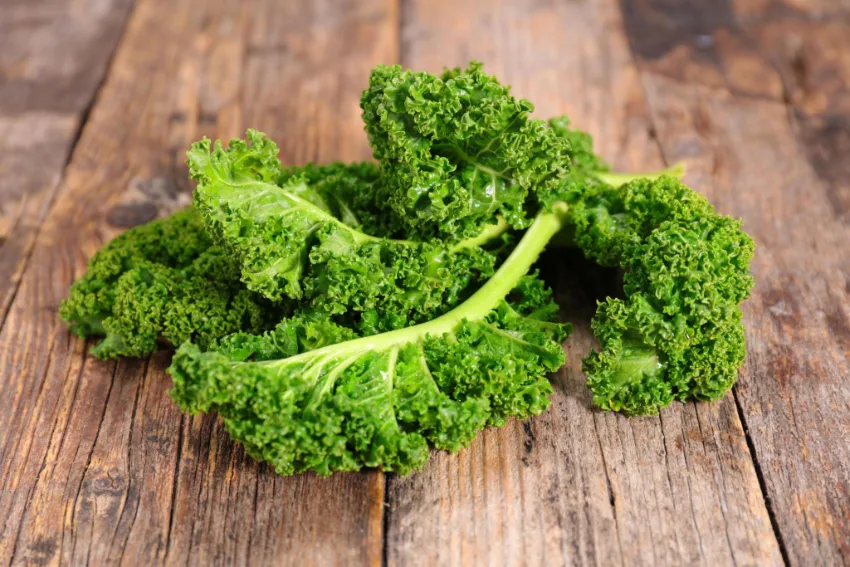
Kale is a hearty leafy green that can add fiber and important vitamins
to keto meals. It is especially rich in vitamins K, A, and C. It also
provides folate, calcium, and small amounts of protein. Since kale has
some carbohydrates, keep portions in line with your daily carb target.
One cup of chopped raw kale has about 33 calories, 2 grams of protein,
less than 1 gram of fat, 6 grams of carbohydrates, and 1 gram of fiber.
Massage chopped kale with olive oil and lemon to soften it for salads.
You can also sauté it with garlic, add it to soup, or bake leaves into
crisp chips. Serve cooked kale with eggs, fish, or grilled chicken.
Remove tough stems before cooking if you prefer a softer texture. A
little salt, lemon, or vinegar can brighten kale’s strong flavor.
15. Zucchini
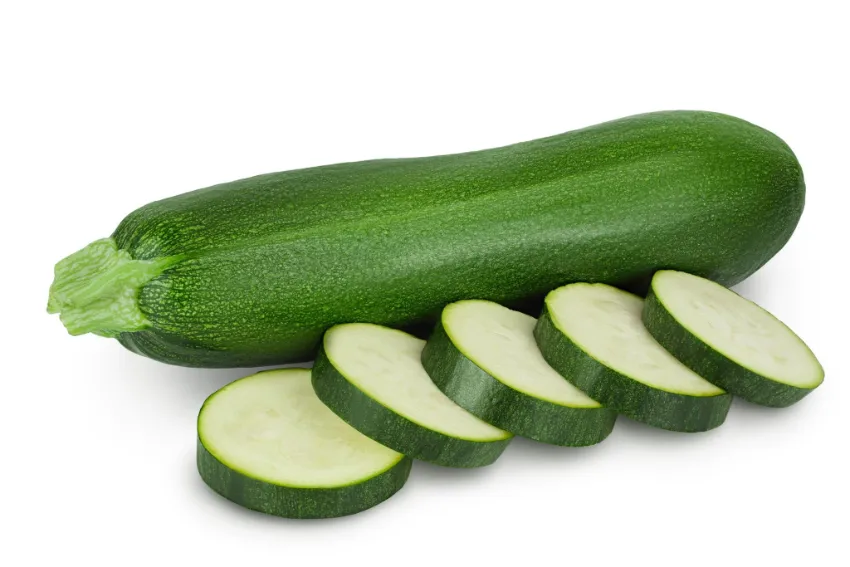
Zucchini is a water-rich vegetable that is low in carbohydrates and easy
to use in many keto recipes. It provides vitamin C, potassium, and small
amounts of folate and vitamin B6. Its mild taste takes on the flavor of
herbs, spices, cheese, and sauces.
One medium zucchini has about 33 calories, 2 grams of protein, less than
1 gram of fat, 6 grams of carbohydrates, and 2 grams of fiber.
Use a spiralizer to make zucchini noodles, then top them with olive oil,
garlic, and shrimp. Slice zucchini into rounds and roast them with
Parmesan. You can also cut it into strips for grilling or add it to an
egg bake.
Zucchini releases water as it cooks. For firmer noodles, cook them
briefly and avoid covering the pan. Patting slices dry can also help
them brown.
16. Cucumber
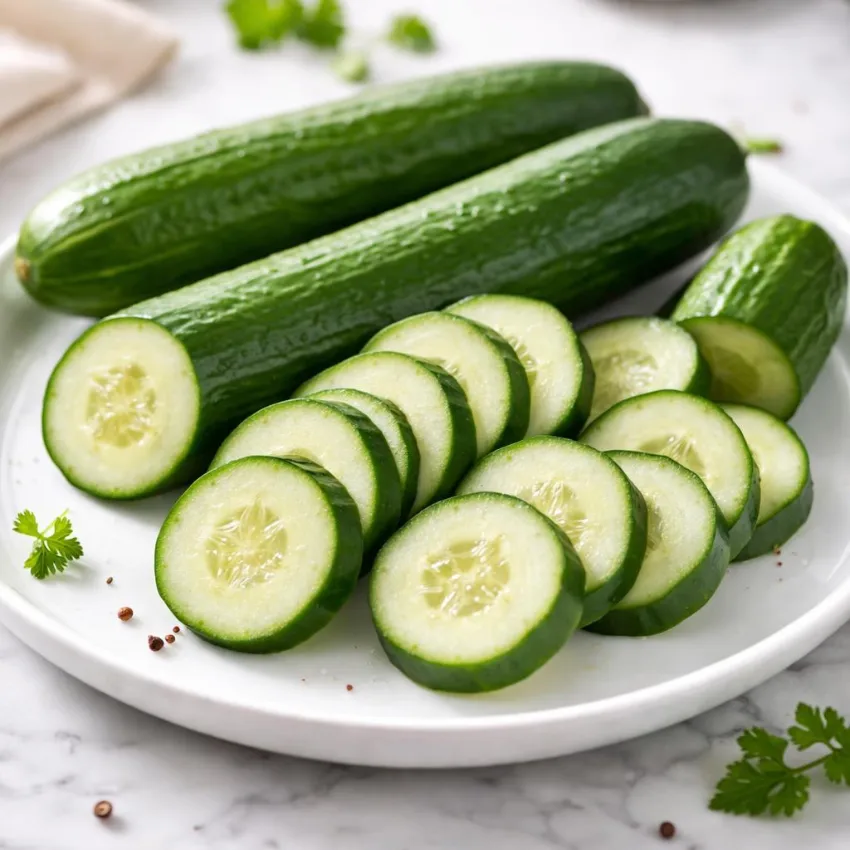
Cucumber is crisp, refreshing, and low in carbohydrates. It contains
plenty of water, along with small amounts of vitamin K, potassium, and
other nutrients. Its mild flavor makes it a simple way to add crunch and
freshness to meals without using bread or crackers.
One cup of sliced cucumber with peel has about 16 calories, 1 gram of
protein, almost no fat, 4 grams of carbohydrates, and about 1 gram of
fiber.
Slice cucumber for a quick snack with cream cheese or a tuna dip. Add it
to salads with avocado, herbs, and olive oil. You can also cut thick
rounds and use them as a base for chicken salad or cheese.
Keep the peel on when you enjoy it, since it adds fiber and nutrients.
For extra flavor, toss cucumber with vinegar, dill, salt, and pepper.
17. Asparagus
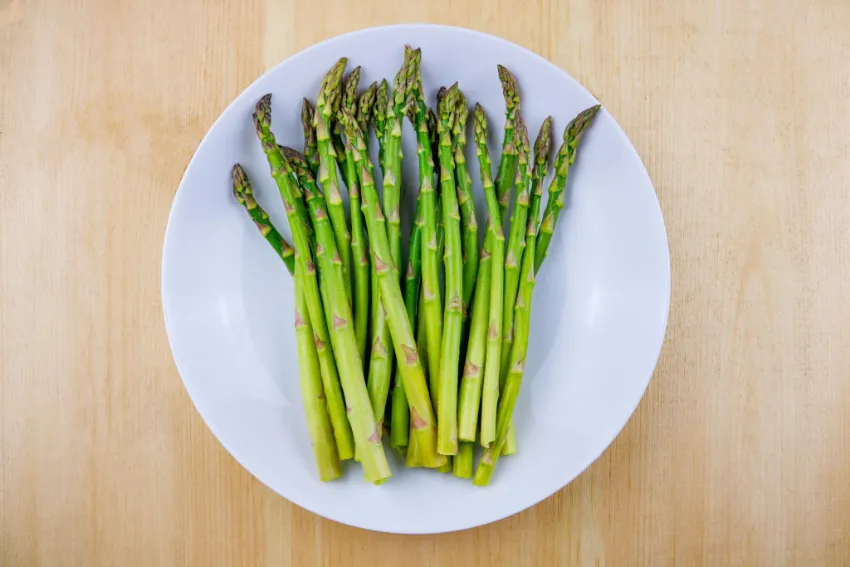
Asparagus is a low-carb vegetable that provides fiber, folate, vitamin
K, and vitamin A. It also contains vitamin C and small amounts of iron.
Its fresh flavor pairs well with rich foods, so it can balance a plate
with salmon, eggs, beef, or cheese.
One cup of raw asparagus pieces has about 27 calories, 3 grams of
protein, less than 1 gram of fat, 5 grams of carbohydrates, and 3 grams
of fiber.
Roast asparagus with olive oil, salt, and black pepper until tender. You
can grill it, steam it, or sauté it with garlic. Wrap cooked spears with
thin slices of turkey or serve them beside scrambled eggs.
Trim off the woody ends before cooking. Thin spears cook quickly, while
thicker ones may need a few extra minutes. A squeeze of lemon adds
brightness without adding meaningful carbohydrates.
18. Bell Peppers
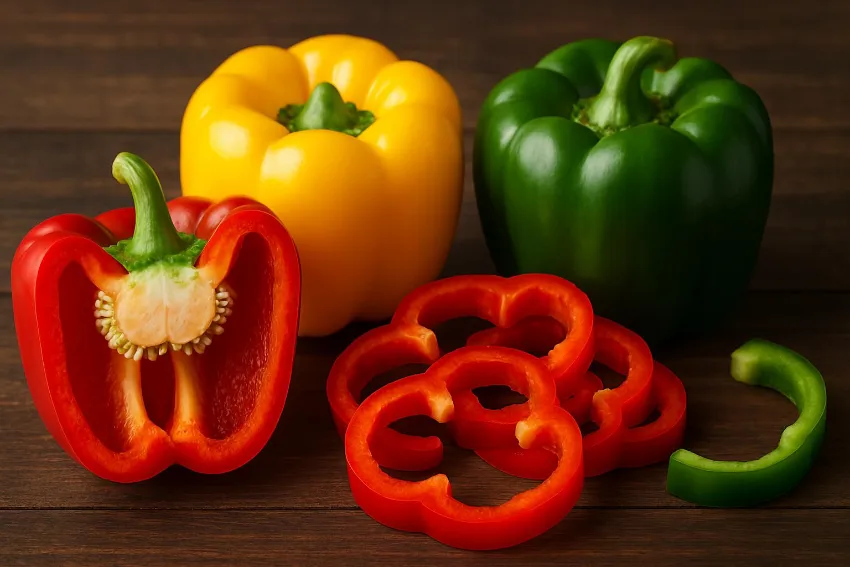
Bell peppers add color, crunch, and a naturally sweet taste to keto
meals. They provide vitamin C, vitamin A, and several plant compounds.
Red peppers are often sweeter and contain more vitamin C than green
ones. They have more carbohydrates than leafy greens, so pay attention
to portion size.
One cup of chopped raw red bell pepper has about 39 calories, 1 gram of
protein, almost no fat, 9 grams of carbohydrates, and 3 grams of fiber.
Slice peppers for snacks with a low-carb dip, or sauté them with beef,
chicken, or shrimp. You can also fill pepper halves with seasoned ground
beef, cauliflower rice, and a little cheese. Roast strips to bring out
their sweetness.
Green peppers generally have fewer carbohydrates than red peppers. Check
your portion and count the total carbohydrates that fit your personal
keto target.
19. Mushrooms
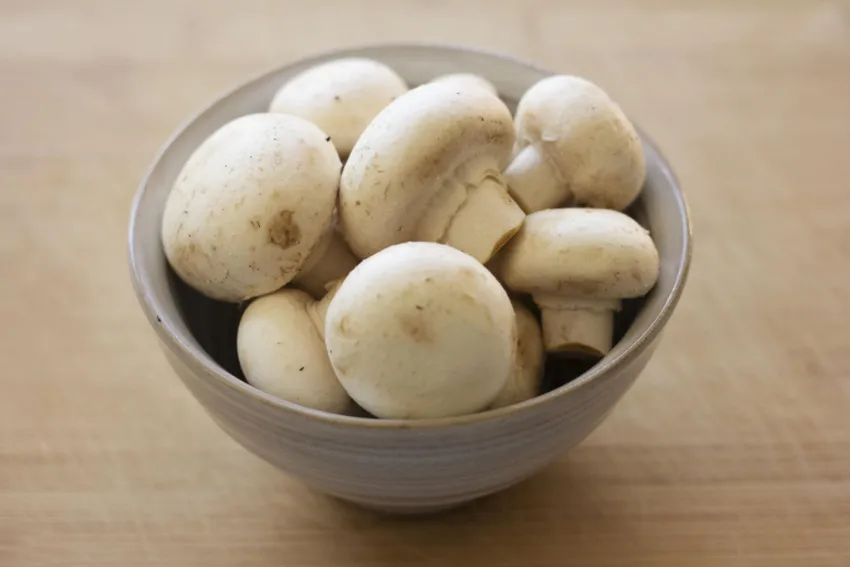
Mushrooms are low in calories and carbohydrates, making them a useful
addition to ketogenic meals. They provide B vitamins, selenium, copper,
and potassium. Their savory taste, often called umami, can make a meal
feel richer without needing a heavy sauce.
One cup of sliced raw white mushrooms has about 15 calories, 2 grams of
protein, almost no fat, 2 grams of carbohydrates, and about 1 gram of
fiber.
Sauté mushrooms in butter or olive oil with garlic and thyme. Add them
to omelets, creamy soups, or a skillet with chicken. Large mushroom caps
can also work as a base for cheese and herb toppings.
Cook mushrooms until their released moisture evaporates and their edges
begin to brown. This helps deepen their flavor. Fresh, frozen, and
canned mushrooms can all work, but check canned varieties for added
ingredients.
20. Green Beans
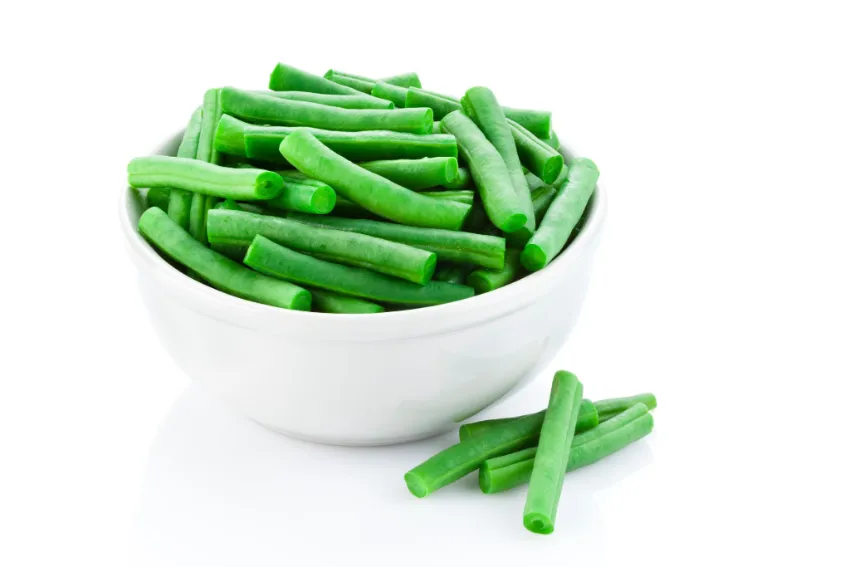
Green beans are a vegetable with a modest amount of carbohydrates, so
they can fit into some ketogenic plans when portions are measured. They
provide fiber, vitamin C, vitamin K, and folate. Their crisp texture
makes them a good alternative to starchy sides.
One cup of raw green beans has about 31 calories, 2 grams of protein,
almost no fat, 7 grams of carbohydrates, and 3 grams of fiber.
Steam green beans until crisp-tender, then toss them with olive oil,
lemon, and black pepper. You can also roast them with garlic or sauté
them with sliced almonds. Serve them with grilled turkey, beef, or fish.
Green beans contain more carbohydrates than leafy greens, so check how
they fit into your daily total. Skip sweet glazes and breaded toppings,
which can add extra sugar and starch.
21. Cheddar Cheese

Cheddar cheese is naturally very low in carbohydrates and provides
protein, fat, calcium, and vitamin B12. It can add flavor and richness
to keto meals. Cheese also contains sodium and saturated fat, so it is
best used in portions that fit your overall eating pattern.
One ounce of cheddar cheese has about 114 calories, 7 grams of protein,
9 grams of fat, and less than 1 gram of carbohydrates.
Sprinkle shredded cheddar over broccoli, cauliflower, or scrambled eggs.
Add a slice to a bun-free burger, or pair a small portion with cucumber
slices. You can also melt cheddar into a sauce with cream and
seasonings.
Block cheese that you shred at home may have fewer added ingredients
than some pre-shredded products. Check labels for starches and flavor
additions, especially if you track every gram of carbohydrate.
22. Mozzarella Cheese
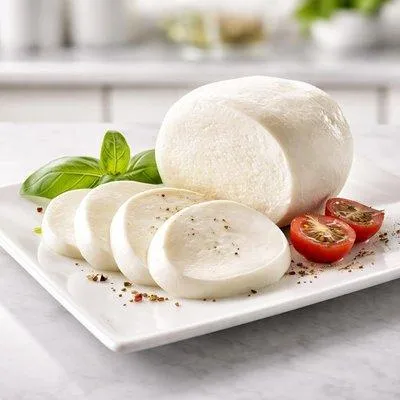
Mozzarella is a mild cheese that can add protein, fat, and calcium to a
ketogenic meal. It is low in carbohydrates and melts smoothly, making it
useful for casseroles, egg dishes, and vegetable toppings. Fresh
mozzarella has a softer texture, while low-moisture mozzarella is often
easier to shred.
One ounce of part-skim mozzarella has about 72 calories, 7 grams of
protein, 5 grams of fat, and 1 gram of carbohydrates. Whole-milk and
fresh versions have different nutrition values.
Add mozzarella to a salad with tomatoes, basil, and olive oil. Melt it
over zucchini, mushrooms, or cauliflower, or use it in a crustless egg
bake. A few slices also make a simple snack with cucumber.
Check serving sizes because cheese calories can add up quickly. Choose
plain mozzarella rather than cheese products with coatings, fillings, or
added starch.
Final Thoughts
A ketogenic diet can include more than meat, eggs, and cheese. Low-carb
vegetables, seafood, and healthy fats add flavor and variety to your
meals.
Start with foods you enjoy, watch portions, and check labels for
hidden carbohydrates. If you’re planning a major diet change, talk with
a healthcare provider first.
