
23 Calcium-Rich Foods for Kids

Calcium helps kids build strong bones and teeth as they grow. It also helps muscles move, nerves send messages, and the heart beat normally.
Dairy foods are familiar sources, but many other foods can help too. Here are 23 kid-friendly choices, plus simple ways to serve them.
1. Milk
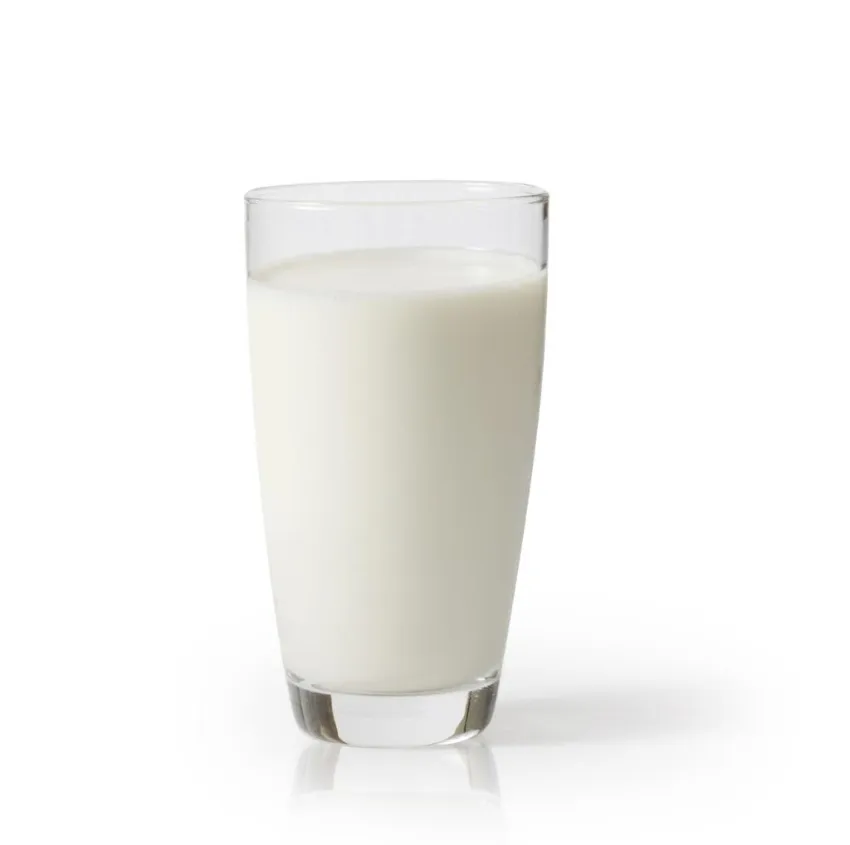
Milk is one of the easiest ways for kids to get calcium. It also provides protein, phosphorus, and vitamin B12. Many milk products in the United States are fortified with vitamin D, which helps the body absorb calcium. Whole milk is often served to children ages 1 to 2, while low-fat or fat-free milk is commonly recommended after age 2.
One cup of whole cow’s milk has about 149 calories, 8 grams of protein, 12 grams of carbohydrates, and 276 milligrams of calcium. Fortified milk often provides around 3 micrograms of vitamin D.
Serve milk with breakfast, pour it over unsweetened cereal, or use it in oatmeal and smoothies. You can also make a simple fruit smoothie with milk and banana. Keep portions suitable for your child’s age and appetite. Milk is helpful, but it should not replace meals or crowd out other nutritious foods.
2. Plain Greek Yogurt

Plain Greek yogurt offers calcium and protein in a thick, creamy snack. It is strained, so it often contains more protein and less lactose than regular yogurt. It also provides phosphorus and vitamin B12. Some brands contain live cultures, which are helpful bacteria used to make yogurt.
One 6-ounce serving of plain nonfat Greek yogurt has about 100 calories, 17 grams of protein, 6 grams of carbohydrates, and 190 milligrams of calcium. Values vary by brand and fat level.
Serve Greek yogurt with soft fruit, oatmeal, or a little cinnamon. You can use it as a dip for banana slices or spread it on toast. For younger children, choose a smooth texture and avoid large, hard toppings that could cause choking. Plain yogurt lets you control added sugar by choosing fresh fruit for sweetness.
3. Cheddar Cheese
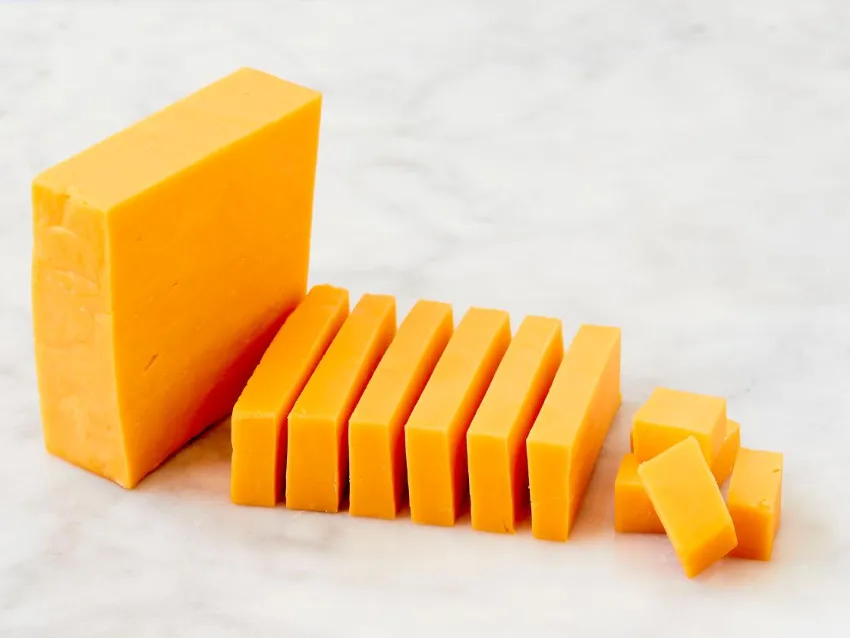
Cheddar cheese provides calcium, protein, phosphorus, and vitamin B12. Calcium helps growing bones and teeth develop, while protein supports growth and tissue repair. Cheese is also easy to add to familiar meals, which can make it useful for kids who prefer simple foods.
One ounce of cheddar cheese has about 114 calories, 7 grams of protein, less than 1 gram of carbohydrates, and 200 milligrams of calcium. It also contains around 9 grams of fat.
Offer a small slice with whole-grain crackers, add shredded cheddar to eggs, or melt it over cooked vegetables. You can also mix a little into pasta or a baked potato. Cheese can be high in sodium and saturated fat, so serve reasonable portions and balance it with fruit, vegetables, and other calcium sources.
4. Mozzarella Cheese
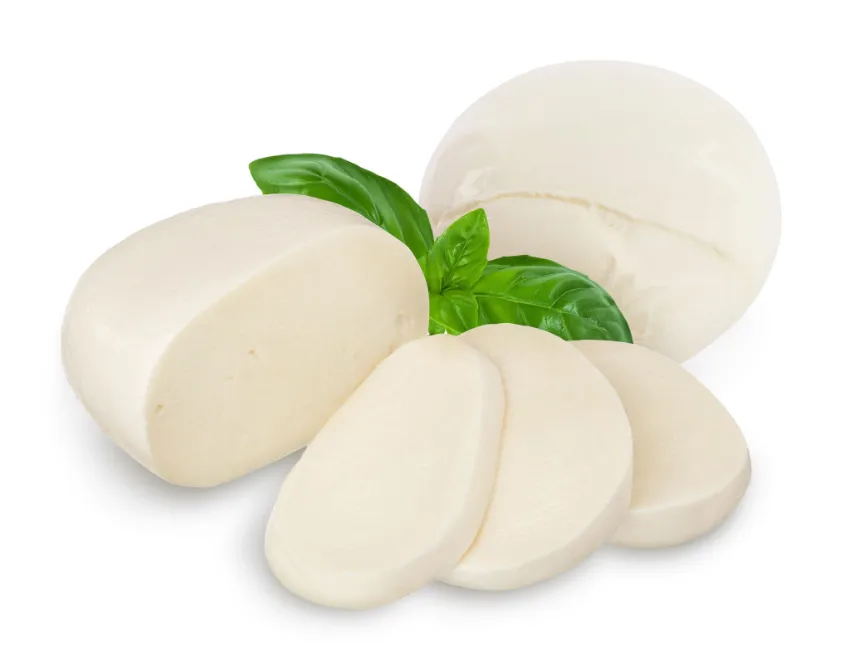
Mozzarella is a mild cheese that many children enjoy. It supplies calcium and protein, along with phosphorus and vitamin B12. Its soft texture and gentle flavor make it easy to pair with foods kids already know. Fresh and part-skim mozzarella have different nutrient amounts, so check the package for details.
One ounce of part-skim mozzarella has about 72 calories, 7 grams of protein, 1 gram of carbohydrates, and 200 milligrams of calcium. The exact amount depends on the product.
Add shredded mozzarella to homemade pizza, pasta, or a baked potato. Small pieces can go with soft fruit or cooked vegetables. For younger children, cut cheese into thin strips or small age-appropriate pieces rather than round chunks. You can also melt mozzarella over tomato slices or zucchini for a simple side dish.
5. Cottage Cheese
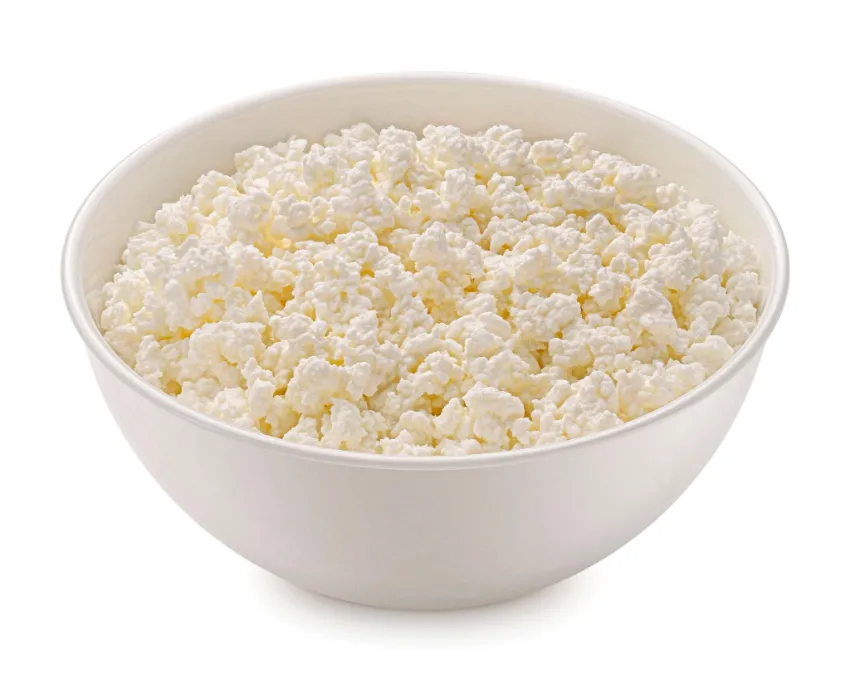
Cottage cheese provides calcium and protein in a soft, spoonable form. It also contains phosphorus, selenium, and vitamin B12. Its mild taste makes it easy to combine with sweet or savory foods. Some brands have more sodium than others, so compare labels when choosing it often.
One-half cup of low-fat cottage cheese has about 90 calories, 12 grams of protein, 4 grams of carbohydrates, and 80 milligrams of calcium. Calcium content varies widely by brand and processing method.
Serve cottage cheese with soft peaches, berries, or mashed banana. You can also spoon it onto toast, blend it into a smooth dip, or mix it into scrambled eggs. Choose a texture your child enjoys. If the curds are not appealing, blending cottage cheese can make it creamy for dips and sauces.
6. Paneer (Indian Cottage Cheese)
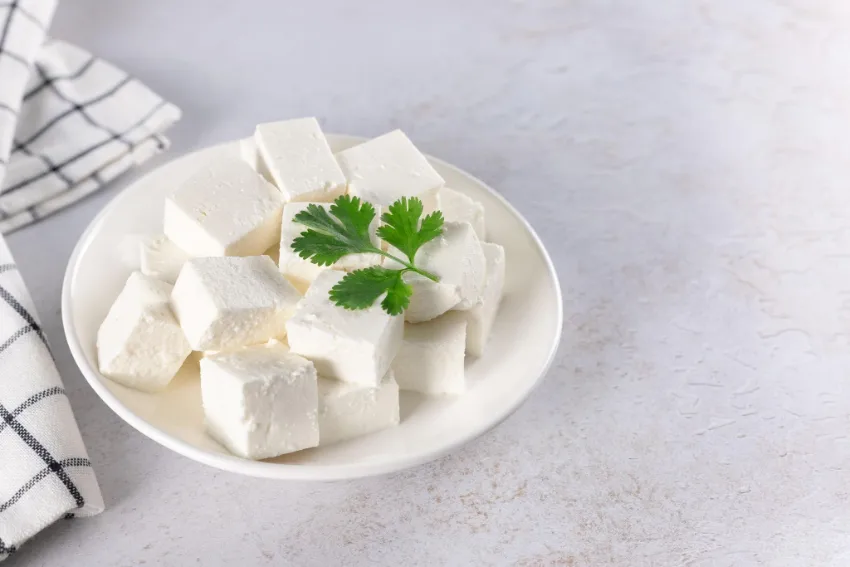
Paneer is a fresh cheese used in many Indian dishes. It provides protein, calcium, and phosphorus, although its calcium content can vary based on how it is made. Paneer can be a useful option for children who enjoy mild flavors and soft cheese. It also adds substance to vegetarian meals.
A 3-ounce serving of paneer may provide around 250 calories, 18 grams of protein, and roughly 400 to 500 milligrams of calcium. Values vary with the milk used and the preparation method, so check the product label when available.
Cut paneer into small cubes and add it to mild vegetable curry, rice, or wraps. You can also lightly sauté it with peas or mix it into scrambled eggs. Keep spices gentle if your child prefers mild food. For younger children, serve soft, small pieces and make sure they can chew them comfortably.
7. Fortified Soy Milk

Fortified soy milk can provide calcium in a dairy-free drink. Many products are also fortified with vitamin D and vitamin B12. Soy milk usually has more protein than almond, rice, or oat drinks. Choose a product that is unsweetened and fortified, and shake the carton because added minerals can settle.
One cup of fortified unsweetened soy milk often has about 80 calories, 7 grams of protein, 4 grams of carbohydrates, and 300 milligrams of calcium. Check the nutrition label because brands differ.
Use fortified soy milk in cereal, oatmeal, smoothies, or recipes that call for milk. It can also be served in a cup with a meal. Choose products with calcium and vitamin D amounts similar to cow’s milk. For children with a soy allergy, use another suitable option after discussing it with their healthcare provider.
8. Fortified Almond Milk

Fortified almond milk can add calcium to a child’s diet, especially when dairy is not suitable. Many brands add calcium and vitamin D, but almond milk naturally contains little protein. It should not be treated as a nutritional replacement for breast milk or infant formula. For older children, compare labels and consider the rest of the meal.
One cup of unsweetened fortified almond milk often has about 30 to 40 calories, 1 gram of protein, 1 to 2 grams of carbohydrates, and around 450 milligrams of calcium. Amounts vary by brand.
Use it in oatmeal, smoothies, or cereal, and choose unsweetened varieties when possible. Shake the carton before pouring to spread the added calcium evenly. Because it is low in protein and energy, pair it with protein-rich foods such as eggs, yogurt, beans, or nut butter when appropriate for your child’s age and allergy needs.
9. Calcium-Fortified Orange Juice

Some orange juice products have calcium and vitamin D added. Fortified juice can contribute calcium, but whole fruit is usually a better everyday choice because it provides fiber and is more filling. Juice also contains natural sugar, so serving size matters, especially for young children.
One cup of calcium-fortified orange juice often has about 110 calories, 2 grams of protein, 26 grams of carbohydrates, and around 300 milligrams of calcium. Check the label because fortification levels vary.
Offer a small serving with a meal rather than letting kids sip juice all day. Choose 100% juice with no added sugar and look for calcium and vitamin D on the label. For younger children, follow age-based juice limits from your pediatrician. Whole orange segments are a good snack when your child is ready to chew them safely.
10. Plain Yogurt

Plain yogurt is a familiar calcium source that also provides protein, phosphorus, and vitamin B12. Yogurt made with live cultures contains helpful bacteria from the fermentation process. It comes in different fat levels and textures, so you can choose one that suits your child’s age and needs.
One 6-ounce serving of plain low-fat yogurt has about 107 calories, 9 grams of protein, 12 grams of carbohydrates, and 311 milligrams of calcium. Values vary by type and brand.
Serve yogurt with soft fruit, oats, or a small spoonful of nut or seed butter if safe for your child. You can also use it in smoothies, dips, or sauces. Plain yogurt often has less added sugar than flavored versions. Add mashed berries or banana to give it a naturally sweet taste.
11. Sardines
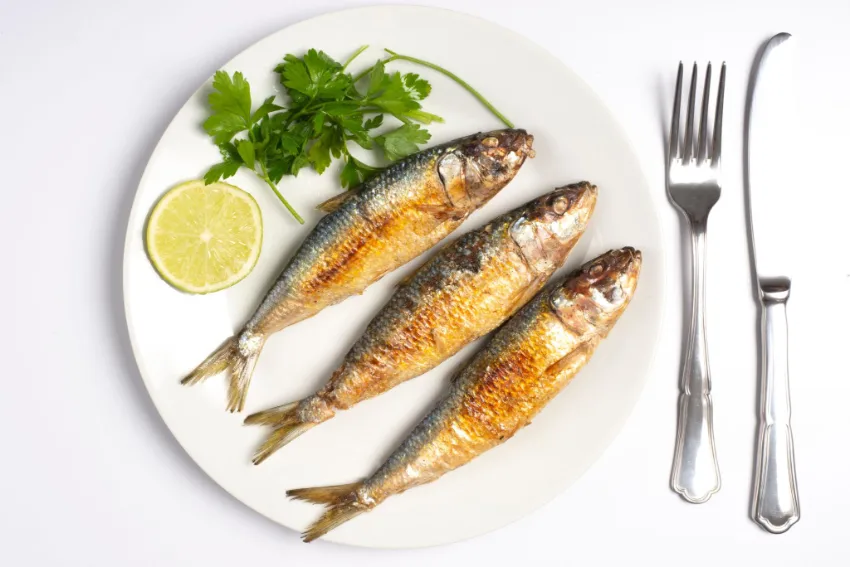
Sardines are small fish that provide calcium when their soft edible bones are included. They also contain protein, vitamin D, vitamin B12, and omega-3 fats. Omega-3 fats support normal brain and eye function. Sardines have a strong taste, so a small amount mixed into a familiar dish may be easier for kids to try.
A 3.75-ounce can of sardines with bones has roughly 190 calories, 23 grams of protein, and 300 to 350 milligrams of calcium. The exact amount depends on the brand and whether the fish is packed in oil or water.
Mash sardines thoroughly and mix a little into pasta, rice, or a sandwich filling. Choose lower-sodium products when possible, and check carefully for any firm bones or large pieces. Follow local fish guidance and ask your child’s healthcare provider about suitable fish choices if your child has allergies or special health needs.
12. Salmon (Canned with Bones)

Canned salmon with soft bones provides calcium, protein, vitamin D, vitamin B12, and omega-3 fats. The bones soften during canning and can be mashed into the fish. Salmon is also a useful source of protein for growing bodies. Its flavor is often milder than sardines, making it a good fish to introduce.
A 3-ounce serving of canned pink salmon with bones has about 120 calories, 17 grams of protein, and roughly 180 milligrams of calcium. Nutrient amounts vary by species and brand.
Mash the salmon well and mix it into patties, pasta, rice, or a spread with plain yogurt. Check carefully for firm bones and remove any you find. Choose lower-sodium canned salmon when available. Serve fish in soft, manageable pieces, and follow age-appropriate food safety and allergy guidance.
13. Tofu (Calcium-Set)
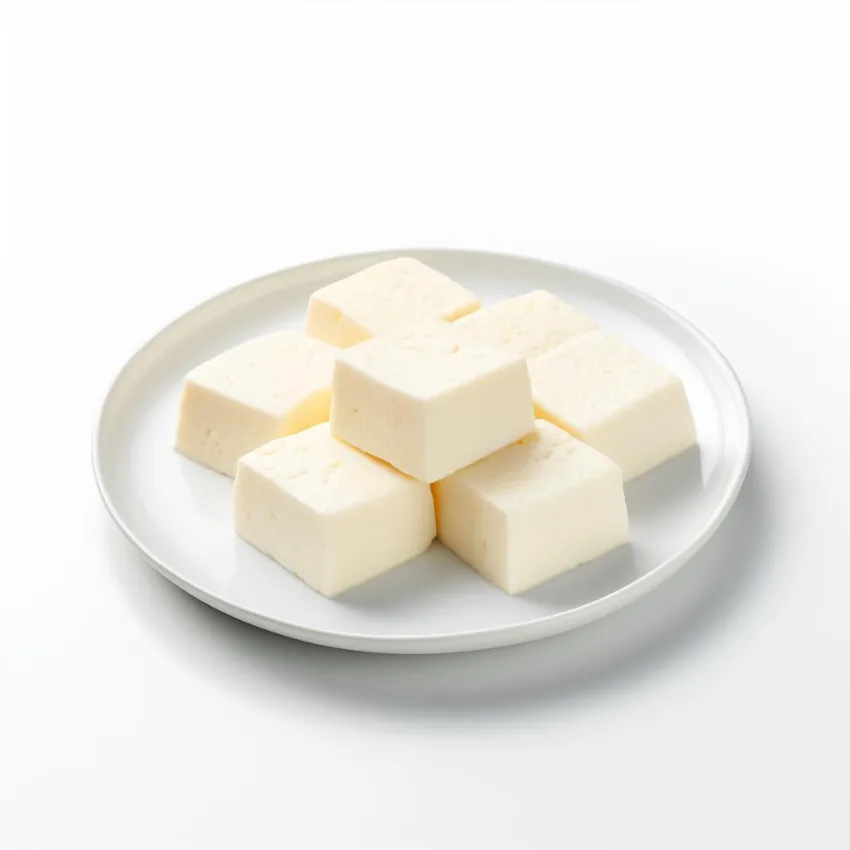
Tofu can be a helpful calcium source when it is made with calcium salts, such as calcium sulfate. It also provides plant protein, iron, and other minerals. Not all tofu contains the same amount of calcium, so check the ingredient list and nutrition label for calcium-set tofu.
A 3-ounce serving of firm calcium-set tofu can provide around 200 to 250 milligrams of calcium, along with about 8 grams of protein and 70 to 90 calories. Values vary greatly by brand and firmness.
Cube tofu and add it to mild stir-fries, soups, or noodle dishes. You can also mash it into a soft filling or blend silken tofu into a smoothie. Pressing firm tofu helps it brown when cooked. If your child has a soy allergy, avoid tofu and ask a healthcare professional about other calcium-rich foods.
14. Broccoli
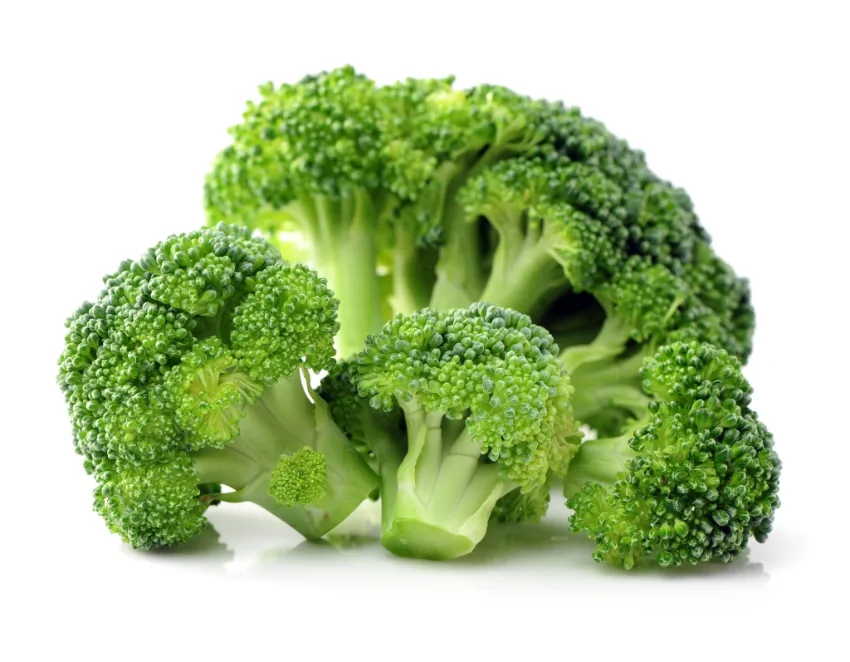
Broccoli contains a modest amount of calcium, along with vitamin C, vitamin K, folate, and fiber. Vitamin C supports normal immune function and helps the body absorb iron from plant foods. Broccoli’s mild flavor becomes sweeter when roasted, and its soft florets can be easy for children to handle when cooked well.
One cup of chopped cooked broccoli has about 55 calories, 4 grams of protein, 11 grams of carbohydrates, and 62 milligrams of calcium. It also provides plenty of vitamin C.
Steam broccoli until tender, roast it with a little olive oil, or stir it into pasta and rice. You can add finely chopped broccoli to omelets, soups, or cheesy casseroles. Cut florets into small pieces that match your child’s chewing skills. Cooked broccoli is often easier for young children to manage than raw, firm pieces.
15. Kale
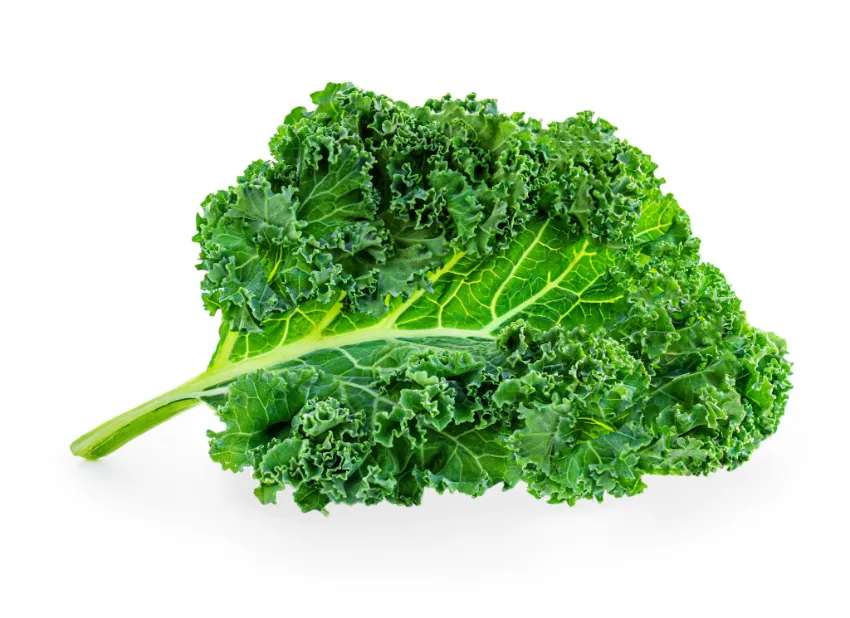
Kale provides some calcium, along with vitamins K, A, and C. It also contains fiber and plant compounds that support overall health. The calcium in kale is generally more available to the body than the calcium in spinach, making it a useful leafy green choice.
One cup of chopped cooked kale has about 36 calories, 2 grams of protein, 7 grams of carbohydrates, and around 94 milligrams of calcium. The amount depends on the variety and cooking method.
Finely chop cooked kale and stir it into soup, pasta, eggs, or rice. You can also blend a small amount into a fruit smoothie. Remove tough stems and cook the leaves until soft for easier chewing. If your child is unsure about greens, start with a little mixed into a favorite dish and increase the amount over time.
16. Bok Choy
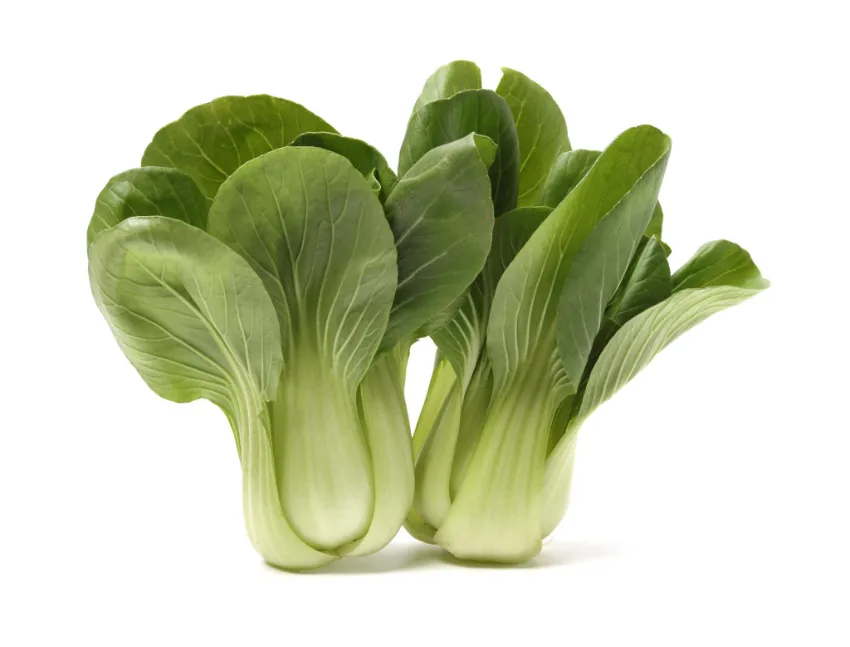
Bok choy is a mild leafy vegetable that provides calcium, vitamins A and C, vitamin K, and folate. Like kale, it has calcium that is relatively well absorbed compared with some other greens. Its crisp white stems and tender leaves work in many quick meals.
One cup of chopped cooked bok choy has about 20 calories, 2 grams of protein, 3 grams of carbohydrates, and around 158 milligrams of calcium. Nutrient amounts vary with the type and cooking method.
Chop bok choy into small pieces and steam or stir-fry it until tender. Add it to noodle soup, rice bowls, or mild vegetable dishes. The leaves cook faster than the stems, so add the stems first. For younger children, cut the cooked vegetable into small, soft pieces that are easy to chew.
17. Spinach
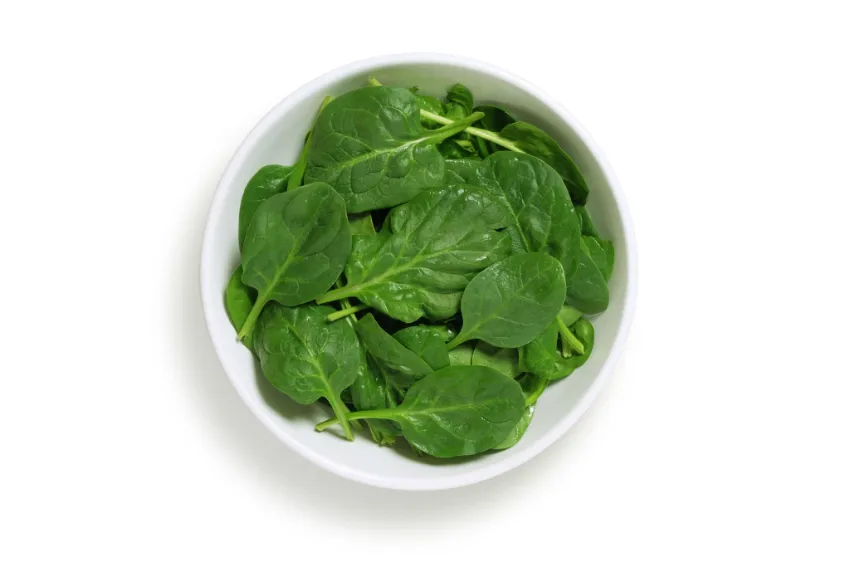
Spinach contains calcium, iron, folate, and vitamins A, C, and K. However, it also has oxalates, natural compounds that bind to calcium and make much of its calcium harder for the body to absorb. Spinach is still a nutritious vegetable, but it should not be the main food relied on for calcium.
One cup of cooked spinach has about 41 calories, 5 grams of protein, 7 grams of carbohydrates, and roughly 245 milligrams of calcium. Much of that calcium is not readily absorbed.
Stir cooked spinach into eggs, pasta sauce, lentil soup, or rice. You can also mix a small amount into a smoothie. Serve it alongside more easily absorbed calcium sources, such as milk, yogurt, or calcium-set tofu. If you are planning meals around calcium, count spinach as a vegetable rather than a main calcium source.
18. Okra
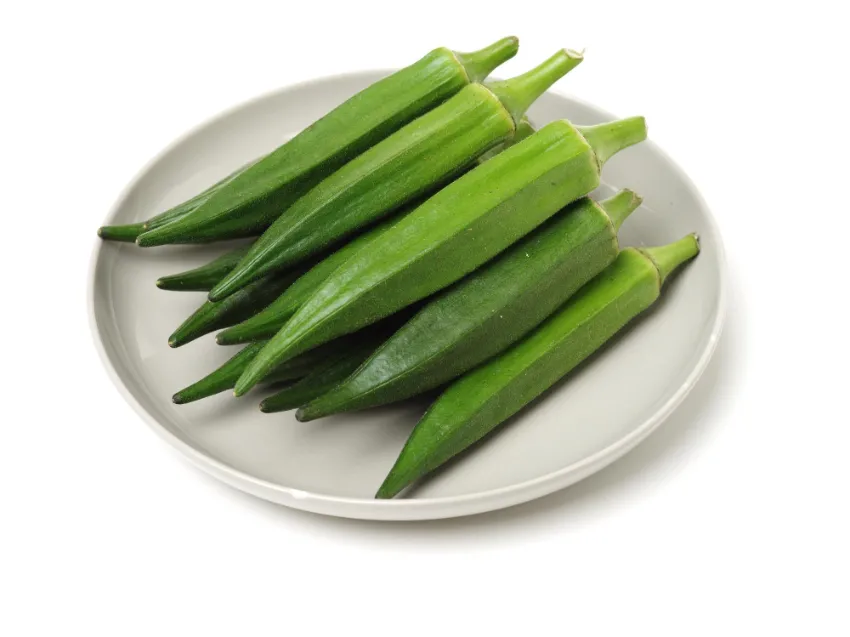
Okra provides a little calcium, along with fiber, folate, vitamin C, and vitamin K. Its fiber supports digestion, while its mild flavor works well in many family meals. Okra becomes soft when cooked, making it easy to add to soups and stews.
One cup of sliced cooked okra has about 35 calories, 2 grams of protein, 8 grams of carbohydrates, and around 77 milligrams of calcium. It also provides about 3 grams of fiber.
Add okra to tomato-based stews, mild curries, or vegetable soup. You can roast it until tender or cook it with onions and tomatoes. Slice it into small pieces for easier eating. Okra can become slippery when cooked, so try different cooking methods to find a texture your child likes.
19. White Beans
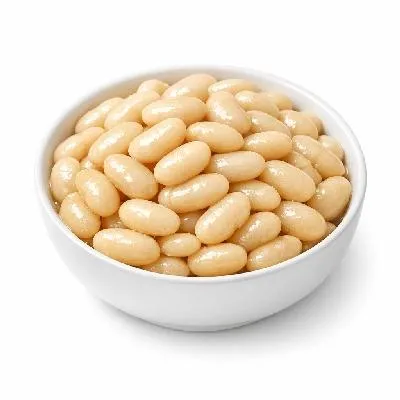
White beans, including great northern and navy beans, provide plant protein, fiber, iron, potassium, and some calcium. Their soft texture makes them easy to mash into dips or add to soups. Beans are also filling and can help children get more plant foods into their meals.
One cup of cooked great northern beans has about 209 calories, 15 grams of protein, 37 grams of carbohydrates, and around 120 milligrams of calcium. Values differ among bean types.
Mash white beans with olive oil and a little lemon juice for a soft spread. Add them to vegetable soup, pasta, or rice bowls. Canned beans are convenient, but draining and rinsing them can reduce some sodium. For younger children, mash or lightly crush beans and serve them in a texture that matches their eating skills.
20. Chickpeas
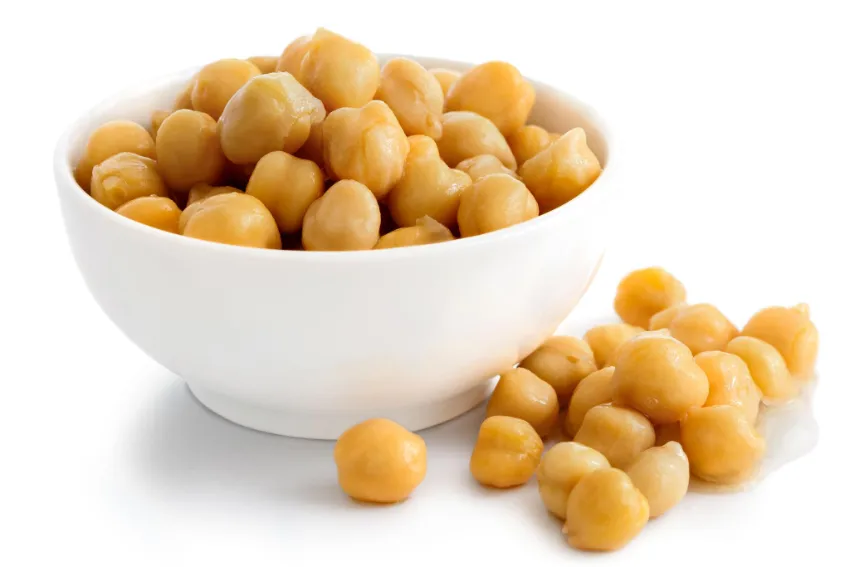
Chickpeas provide plant protein, fiber, folate, iron, and a modest amount of calcium. Their mild, nutty flavor works in many dishes, and they can be served whole when a child is ready for that texture. Chickpeas also help make vegetarian meals more filling.
One cup of cooked chickpeas has about 269 calories, 15 grams of protein, 45 grams of carbohydrates, and around 80 milligrams of calcium. The exact amount varies by preparation.
Blend chickpeas into hummus, mash them into a sandwich filling, or add them to soups and curries. You can also stir soft chickpeas into rice or pasta. For young children, mash or flatten chickpeas rather than serving firm whole ones, which may be a choking risk. Use a smooth hummus dip with soft vegetable sticks when age-appropriate.
21. Almonds
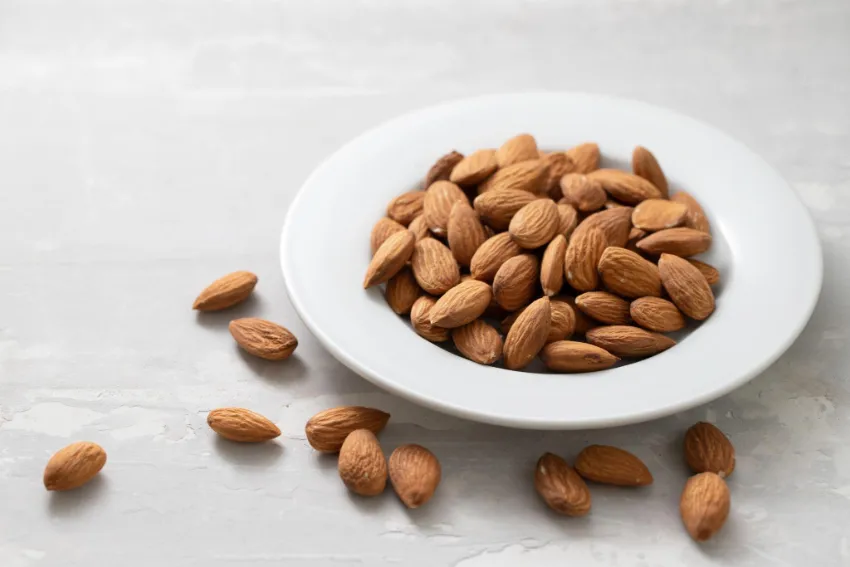
Almonds contain calcium, protein, fiber, magnesium, and vitamin E. They can contribute to a child’s overall nutrient intake, but whole nuts are a choking hazard for young children. Almonds are also a common food allergen, so introduce them in an age-appropriate form and follow medical advice if allergies are a concern.
One ounce of whole almonds, about 23 nuts, has around 164 calories, 6 grams of protein, 6 grams of carbohydrates, and 76 milligrams of calcium.
For children who can safely eat them, use finely ground almonds in oatmeal or baking. Smooth almond butter can be spread thinly on toast or stirred into yogurt, but avoid thick spoonfuls. Never give whole nuts to children under 5. If your child has not tried tree nuts before or has a history of food allergy, ask their healthcare provider about safe introduction.
22. Chia Seeds
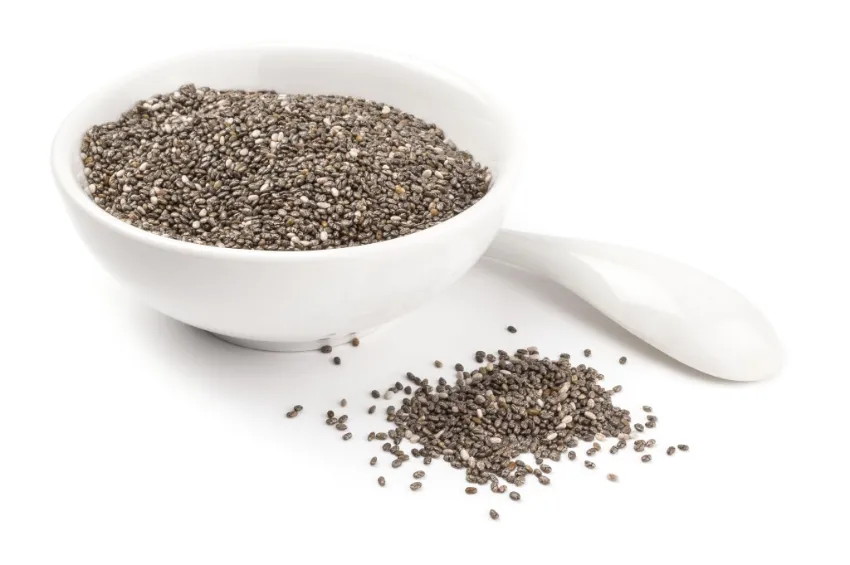
Chia seeds provide calcium, fiber, protein, magnesium, and plant-based omega-3 fat. They absorb liquid and become soft and gel-like, which can make them useful in puddings and oatmeal. Their fiber can support digestion, but adding too much too quickly may cause stomach discomfort.
One ounce of chia seeds, about 2 tablespoons, has around 138 calories, 5 grams of protein, 12 grams of carbohydrates, and about 179 milligrams of calcium.
Mix a small amount into yogurt or oatmeal, or prepare chia pudding by soaking the seeds in milk until soft. Make sure the seeds are fully hydrated before serving, and offer an age-appropriate texture. Avoid giving dry spoonfuls of chia seeds, which can swell after swallowing. Start with a small serving and provide enough fluid.
23. Sesame Seeds
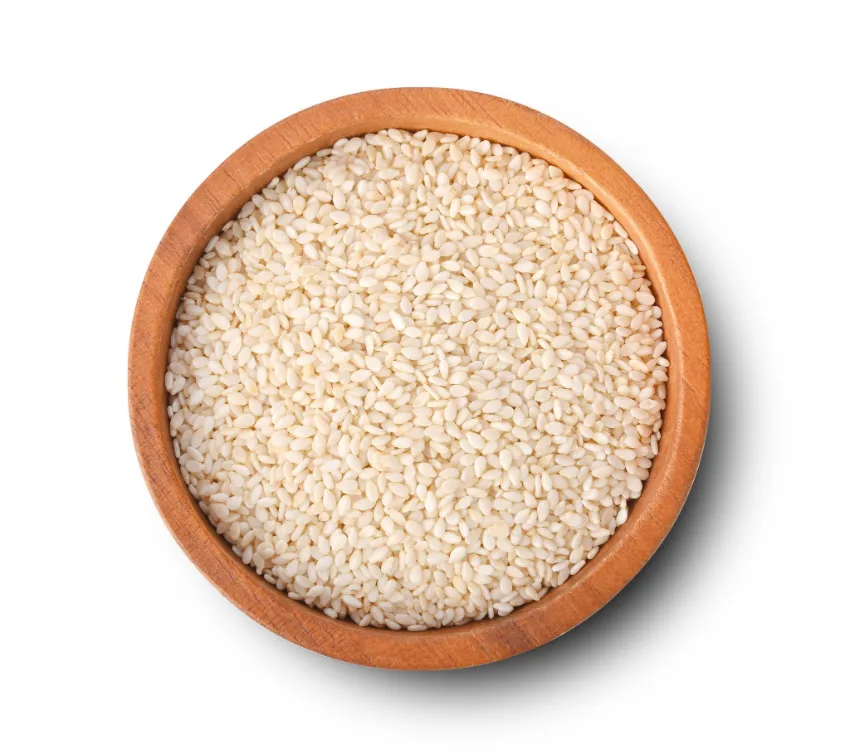
Sesame seeds provide calcium, healthy fats, fiber, protein, and minerals such as copper and manganese. Their calcium content is highest in some unhulled varieties, while hulled seeds may contain much less. Sesame is also a common food allergen, so use it only if it is safe for your child.
One tablespoon of whole sesame seeds has about 52 calories, 2 grams of protein, 2 grams of carbohydrates, and roughly 88 milligrams of calcium. Amounts vary by whether the seeds are hulled or unhulled.
Sprinkle finely ground sesame seeds over rice or cooked vegetables, or stir tahini into a smooth dip. Tahini is a sesame paste that can be mixed with yogurt or lemon juice. For younger children, use ground seeds or smooth tahini rather than loose seeds. Check with your child’s healthcare provider if sesame allergy is a concern.
Final Thoughts
Kids can get calcium from more than one kind of food. Offer a mix of dairy foods, fortified alternatives, fish, beans, tofu, and vegetables across the week. Choose textures that fit your child’s age and chewing skills. If your child avoids major food groups or has special nutrition needs, ask their pediatrician or a registered dietitian for guidance.
Calcium values are approximate and vary by brand, preparation, and serving size. Fortified drinks and tofu can differ widely, so use the product label for the most accurate amount. For children, recommended calcium intake depends on age, and a pediatric healthcare professional can help assess individual needs.
