
23 Manganese-Rich Foods to Add to Your Meals

Manganese is a trace mineral your body needs in small amounts every day. It helps your body use nutrients, supports healthy bones, and protects cells from damage.
You can get it from many everyday foods, especially nuts, seeds, whole grains, beans, and vegetables. Here are 23 tasty choices to help you add more manganese to your meals.
1. Mussels
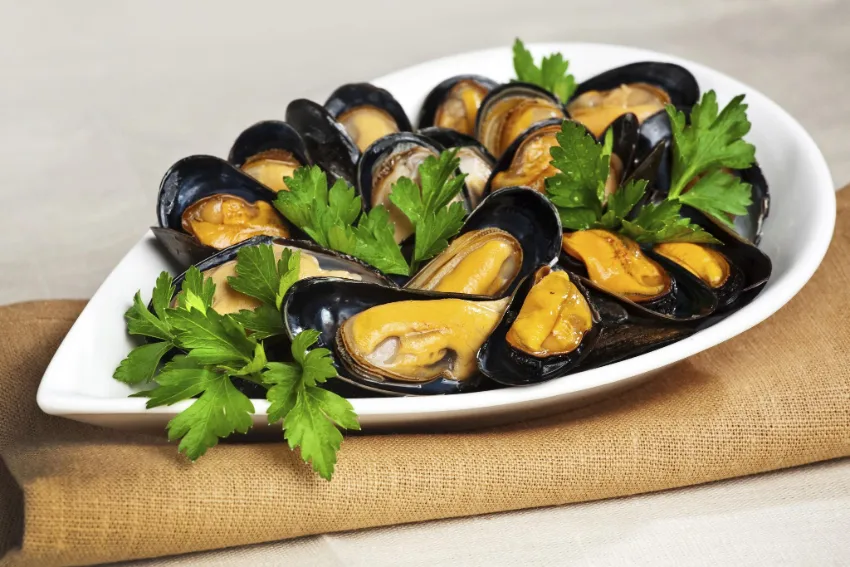
Mussels are a seafood source of manganese, along with protein, vitamin B12, iron, and selenium. Manganese helps enzymes work properly and supports normal bone formation. Mussels also provide nutrients that help your body make red blood cells and keep nerves working well.
A 3-ounce serving of cooked mussels has about 146 calories, 20 grams of protein, 4 grams of fat, 0 grams of fiber, and roughly 5 mg of manganese. The exact amount can vary with the type and source of mussels.
Steam mussels with garlic, lemon, and herbs for a simple meal. You can also add cooked mussels to pasta, rice, or a seafood soup. Choose fresh mussels from a trusted seller, and cook them until their shells open.
2. Hazelnuts
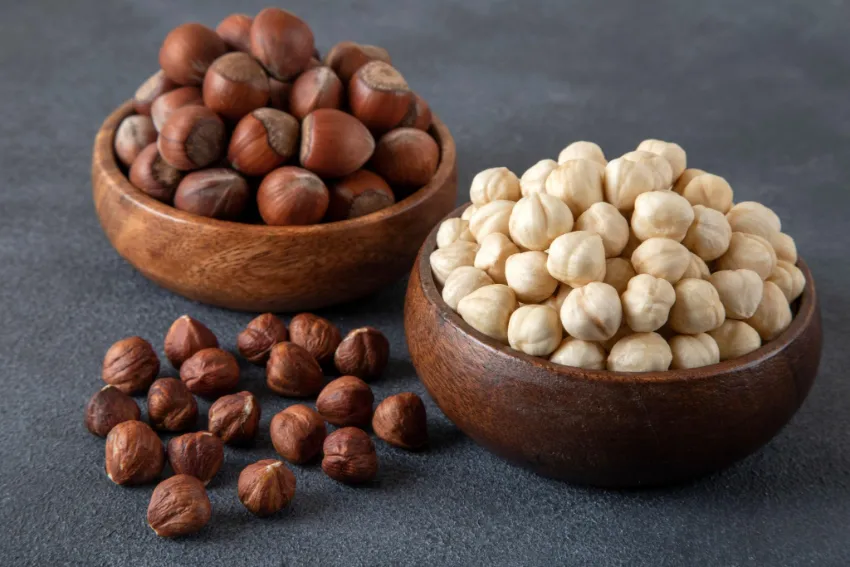
Hazelnuts are one of the richest everyday sources of manganese. This mineral helps your body process carbohydrates, protein, and fat. Hazelnuts also contain vitamin E, healthy unsaturated fats, and fiber. Together, these nutrients make them a filling snack that can support a balanced eating pattern.
One ounce of hazelnuts, or about 21 nuts, has around 178 calories, 4 grams of protein, 17 grams of fat, 3 grams of fiber, and 1.7 mg of manganese.
Eat a small handful as a snack, or chop hazelnuts over oatmeal and yogurt. They also taste great in salads and homemade trail mix. Try unsalted nuts most often, since they let you control how much sodium you eat.
3. Pecans
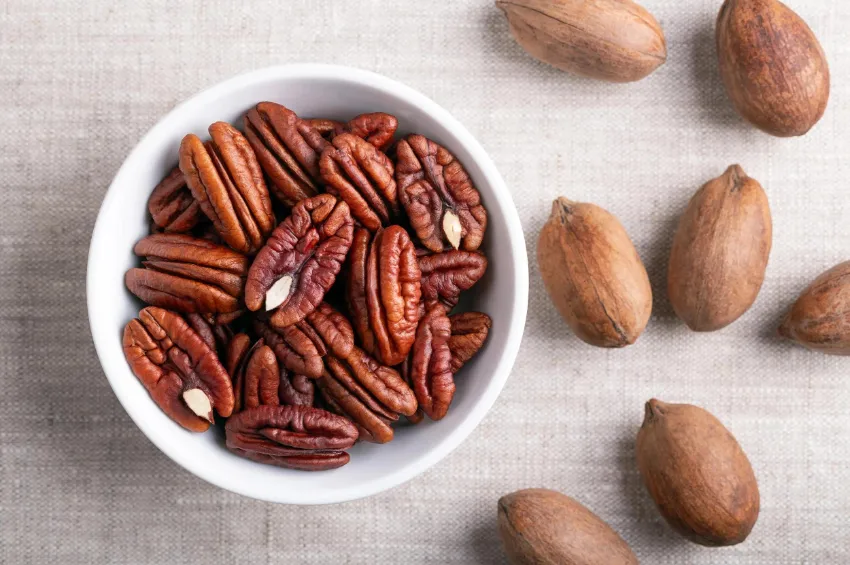
Pecans offer manganese, copper, fiber, and heart-friendly unsaturated fats. Manganese helps the body run important enzyme reactions, while copper supports connective tissue and normal iron use. Pecans are energy-rich, so a small serving can add flavor and satisfying crunch to a meal.
One ounce of pecan halves has about 196 calories, 3 grams of protein, 20 grams of fat, 3 grams of fiber, and 1.3 mg of manganese.
Sprinkle chopped pecans over oatmeal, roasted vegetables, or a green salad. You can also blend them into a nut butter or add them to whole-grain muffins. Choose plain pecans when possible. Candied versions can contain a lot of added sugar.
4. Walnuts
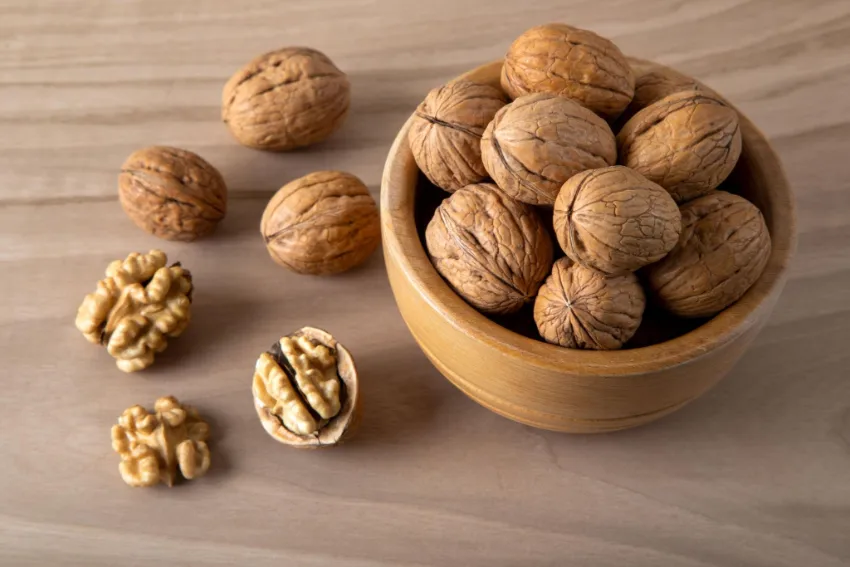
Walnuts provide manganese along with copper, magnesium, and plant-based omega-3 fat called alpha-linolenic acid. Manganese supports normal metabolism and bone health. The healthy fats in walnuts also make them a useful choice when you want more plant foods in your diet.
One ounce of English walnuts, about 14 halves, has roughly 185 calories, 4 grams of protein, 18 grams of fat, 2 grams of fiber, and 1.0 mg of manganese.
Add walnuts to oatmeal, salads, or cooked vegetables. They work well in homemade pesto and can add texture to grain bowls. Store shelled walnuts in the refrigerator or freezer to help keep their oils fresh and prevent a stale taste.
5. Almonds
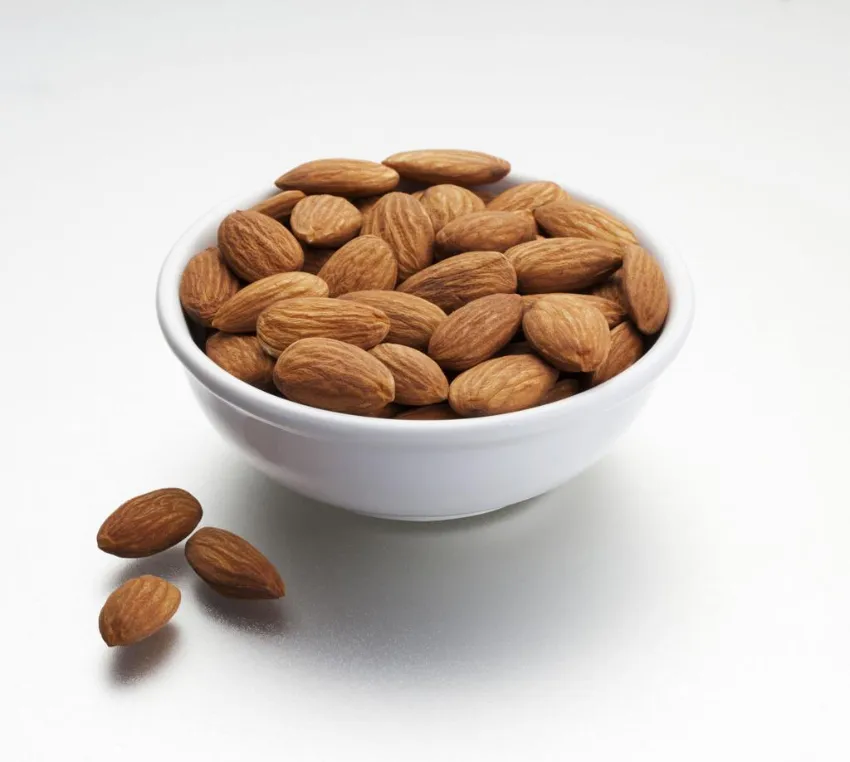
Almonds are a convenient source of manganese, vitamin E, magnesium, and fiber. Manganese helps enzymes protect cells and process nutrients. Vitamin E also acts as an antioxidant. Almonds contain mostly unsaturated fat, which makes them a satisfying snack when eaten in sensible portions.
One ounce of whole almonds, about 23 nuts, has around 164 calories, 6 grams of protein, 14 grams of fat, 3.5 grams of fiber, and 0.6 mg of manganese.
Enjoy almonds plain, or add sliced almonds to cereal, yogurt, and salads. Almond butter is another easy option for toast or apple slices. Compare labels when buying flavored varieties, since some contain added salt, sugar, or oils.
6. Pine Nuts
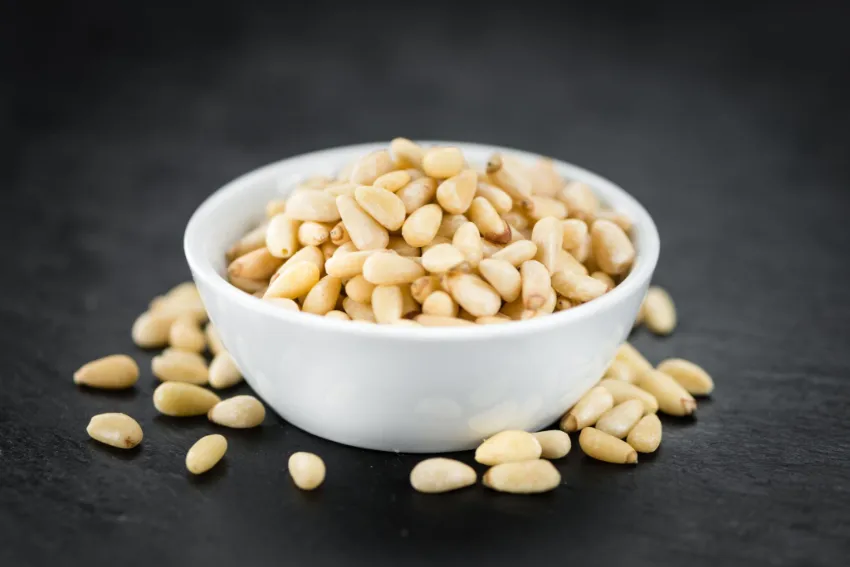
Pine nuts are small seeds with a useful amount of manganese, magnesium, zinc, and unsaturated fat. Manganese supports normal bone development and helps enzymes work. Pine nuts also provide plant protein, although their main nutritional contribution comes from their fats and minerals.
One ounce of dried pine nuts has about 191 calories, 4 grams of protein, 19 grams of fat, 1 gram of fiber, and 2.5 mg of manganese.
Toast pine nuts in a dry skillet for a few minutes to bring out their flavor. Sprinkle them over pasta, roasted vegetables, or salads. They are also a classic ingredient in pesto. Keep an eye on the pan because these small seeds can brown quickly.
7. Pumpkin Seeds
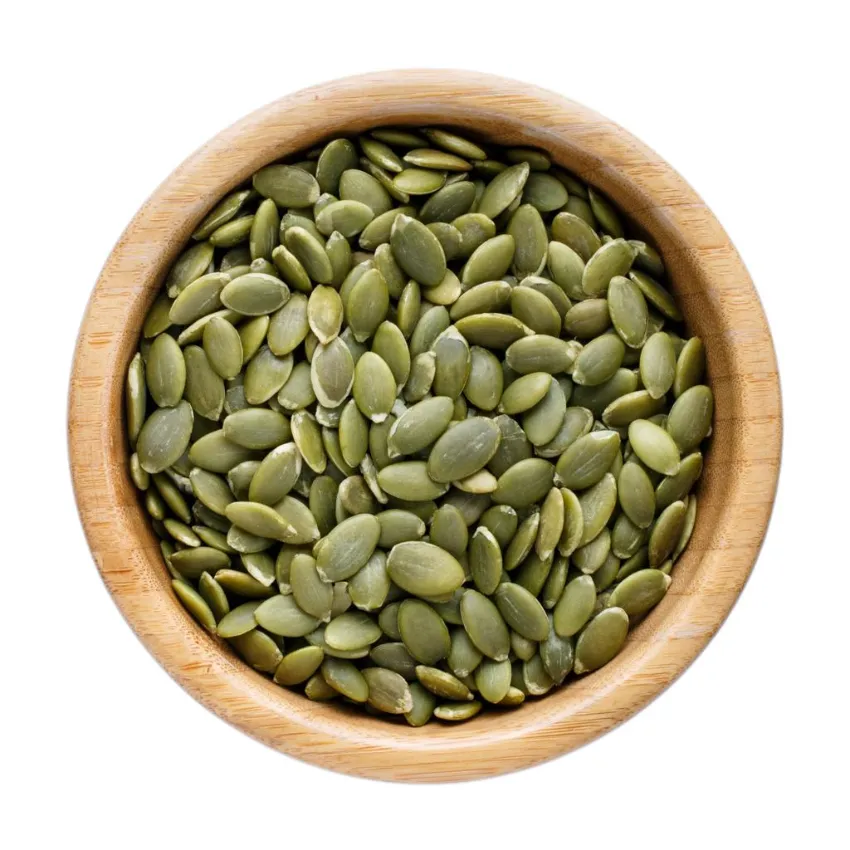
Pumpkin seeds, also called pepitas, provide manganese, magnesium, zinc, iron, and protein. These minerals support many body functions, including normal energy use and bone health. Pumpkin seeds also contain unsaturated fats and fiber, making them a nutrient-rich topping or snack.
One ounce of roasted pumpkin seed kernels has about 163 calories, 8 grams of protein, 14 grams of fat, 2 grams of fiber, and around 1.3 mg of manganese.
Eat pepitas by the handful, or sprinkle them over soup, oatmeal, and salads. You can blend them into sauces or add them to homemade granola. Choose unsalted seeds if you want to keep sodium lower, and check the label for added oils or flavorings.
8. Sesame Seeds
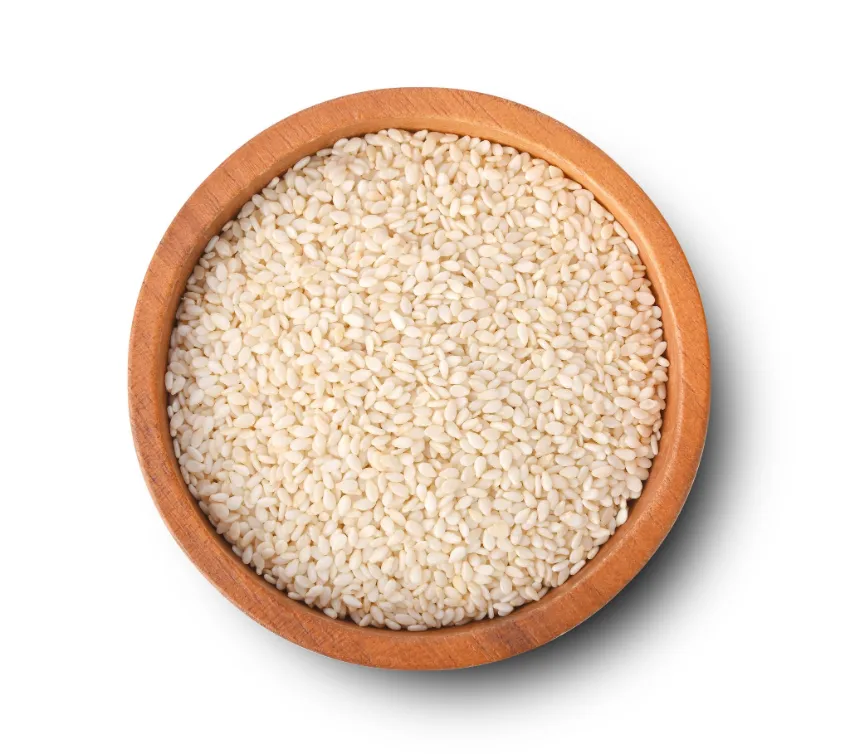
Sesame seeds contain manganese, copper, calcium, and healthy fats. Manganese supports enzymes involved in metabolism and bone formation. Sesame seeds also bring a nutty taste to meals, so a small amount can add both flavor and minerals.
One tablespoon of whole dried sesame seeds has about 52 calories, 2 grams of protein, 4.5 grams of fat, 1 gram of fiber, and roughly 0.2 mg of manganese. A larger serving provides more.
Sprinkle sesame seeds over stir-fries, roasted vegetables, rice, or salads. Tahini, a paste made from sesame seeds, works well in dressings and dips. Toast the seeds lightly to deepen their flavor, but avoid burning them.
9. Chia Seeds
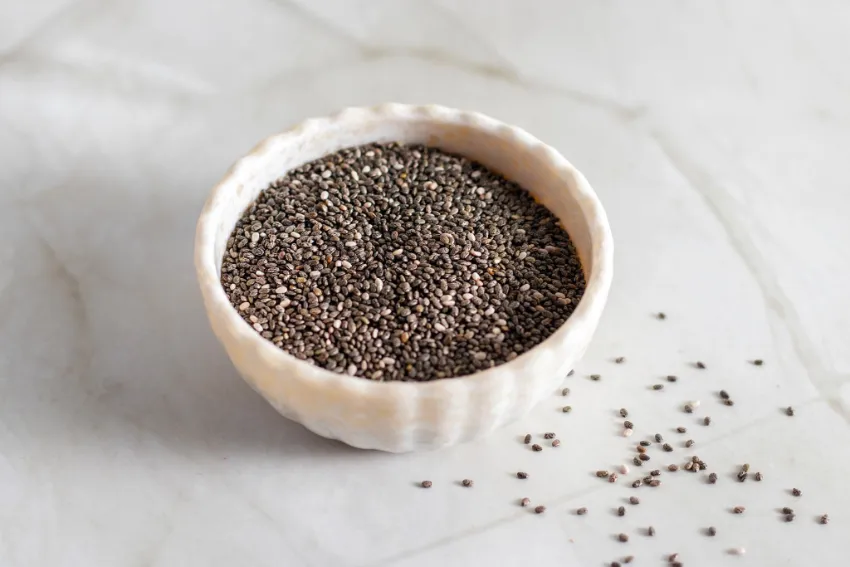
Chia seeds are rich in fiber and provide manganese, magnesium, calcium, and plant-based omega-3 fats. Manganese helps your body use nutrients and maintain healthy bones. Their fiber absorbs liquid and forms a gel, which can make meals more filling.
One ounce of chia seeds, about 2 tablespoons, has around 138 calories, 5 grams of protein, 9 grams of fat, 10 grams of fiber, and about 0.8 mg of manganese.
Stir chia seeds into oatmeal, yogurt, or smoothies. You can also mix them with milk or a fortified plant drink to make chia pudding. Let the seeds soak before eating them in a moist recipe. Drink enough fluids as you increase your fiber intake.
10. Flaxseeds
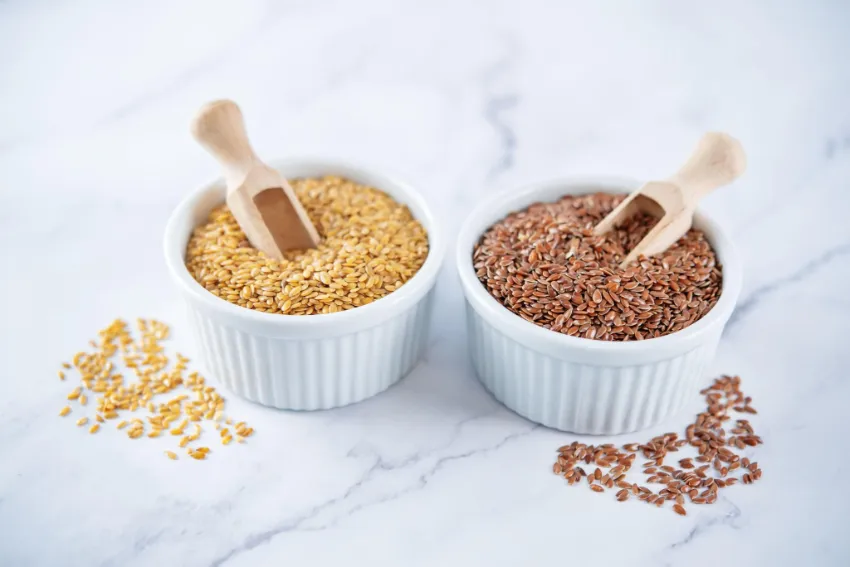
Flaxseeds provide manganese, fiber, and plant-based omega-3 fats. These nutrients support normal metabolism and help make meals more filling. Flaxseeds are especially useful because they are easy to mix into foods without changing the flavor very much.
One tablespoon of ground flaxseed has about 37 calories, 1 gram of protein, 3 grams of fat, 2 grams of fiber, and around 0.3 mg of manganese.
Choose ground flaxseed or grind whole seeds at home, since your body can use the nutrients more easily from ground seeds. Stir it into oatmeal, yogurt, pancake batter, or smoothies. Store ground flaxseed in the refrigerator to help protect its delicate fats.
11. Oats
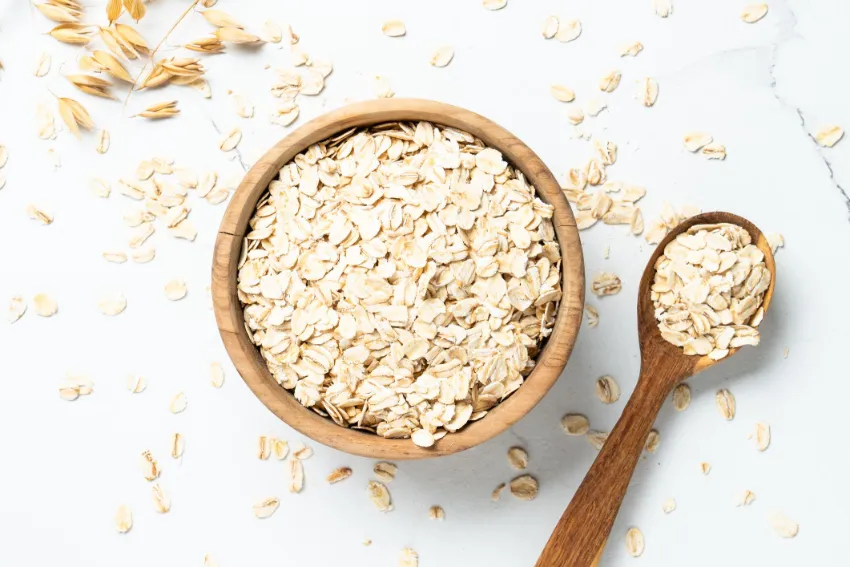
Oats are a practical whole-grain source of manganese. They also provide soluble fiber called beta-glucan, along with magnesium, iron, and some protein. Manganese supports normal enzyme activity, while oat fiber can help support healthy cholesterol levels as part of a balanced diet.
One cup of cooked oatmeal made with water has about 166 calories, 6 grams of protein, 3.5 grams of fat, 4 grams of fiber, and roughly 1.0 mg of manganese.
Make oatmeal with milk or a fortified plant drink for a creamier breakfast. Add berries, banana, nuts, or seeds for extra flavor and nutrients. You can also use rolled oats in meat-free patties, overnight oats, and homemade snack bars.
12. Brown Rice
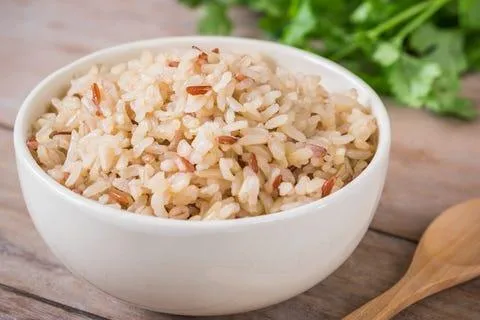
Brown rice is a whole grain that keeps its bran and germ, where many minerals and other nutrients are found. It provides manganese, magnesium, and fiber. Manganese helps your body process nutrients and supports normal bone development.
One cup of cooked long-grain brown rice has about 216 calories, 5 grams of protein, 2 grams of fat, 3.5 grams of fiber, and around 1.8 mg of manganese.
Serve brown rice with beans, vegetables, fish, or chicken. It also works in grain bowls and stuffed peppers. Brown rice takes longer to cook than white rice, so prepare a batch ahead of time and refrigerate portions for quick meals.
13. Quinoa
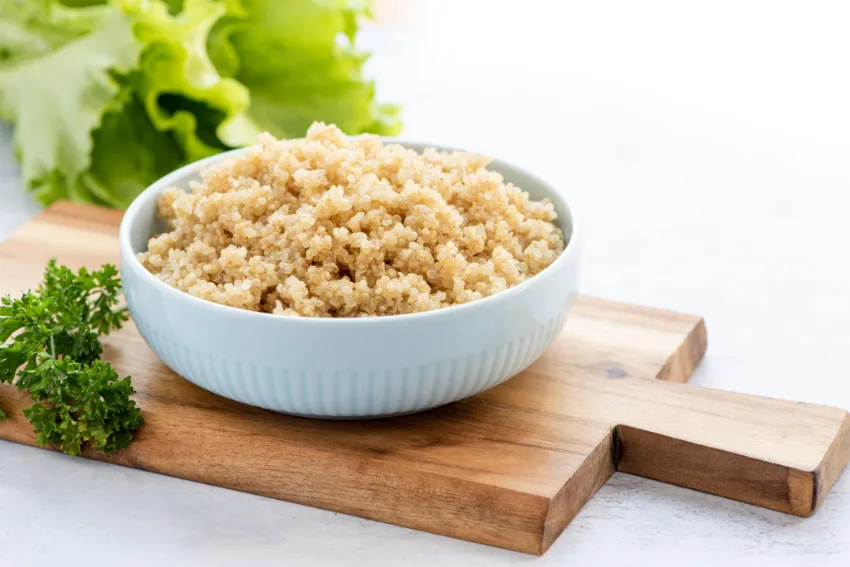
Quinoa is a seed that cooks and tastes much like a grain. It provides manganese, magnesium, folate, fiber, and all nine essential amino acids. That makes it a useful plant-based protein choice, especially when paired with beans, nuts, or vegetables.
One cup of cooked quinoa has about 222 calories, 8 grams of protein, 4 grams of fat, 5 grams of fiber, and approximately 1.2 mg of manganese.
Use quinoa as a base for grain bowls, salads, or stuffed vegetables. It can also replace rice in many meals or serve as a warm breakfast with fruit and cinnamon. Rinse quinoa before cooking if the package does not say it is pre-rinsed. This helps remove its natural bitter coating.
14. Whole Wheat Bread

Whole wheat bread contains more of the grain than bread made with refined white flour. It can provide manganese, fiber, magnesium, and B vitamins. The exact amount depends on the recipe and brand, but whole grain bread can help you add more minerals and fiber to everyday meals.
One medium slice of whole wheat bread has about 80 calories, 4 grams of protein, 1 gram of fat, 2 grams of fiber, and roughly 0.7 mg of manganese.
Use whole wheat bread for sandwiches, toast, or simple breakfast melts. Look for “100% whole wheat” near the top of the ingredient list. Some breads use a brown color but contain mostly refined flour, so checking the label is helpful.
15. Rye
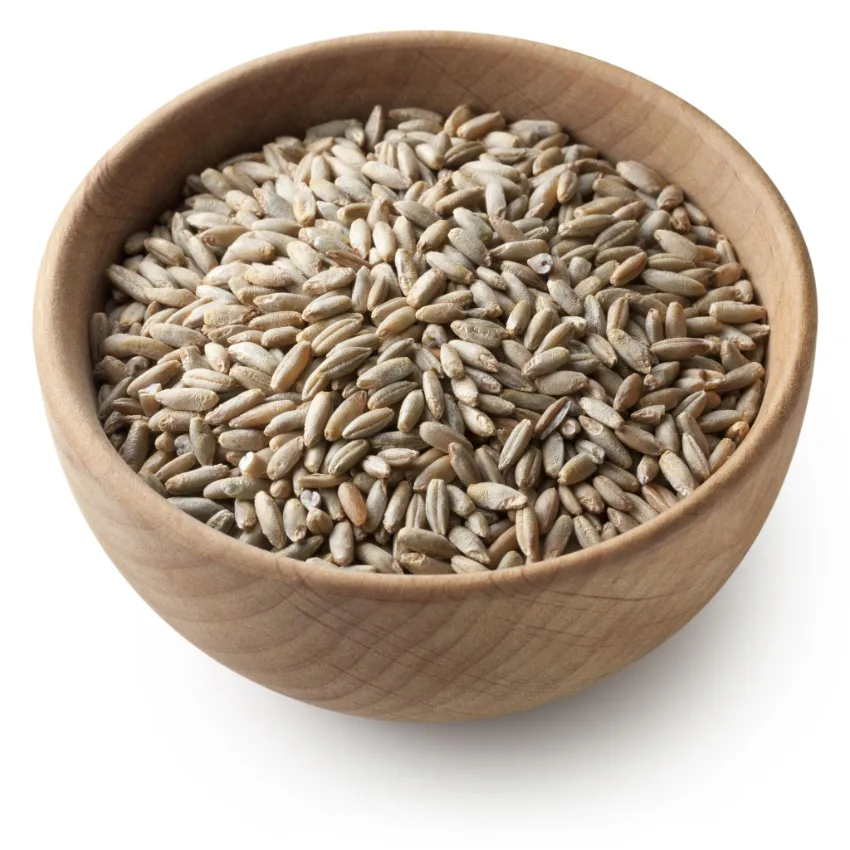
Rye is a whole grain that supplies manganese, fiber, magnesium, and other minerals. Its fiber can help support digestion and make meals more satisfying. Rye also has a hearty flavor that pairs well with savory foods.
One cup of cooked rye berries has about 190 calories, 6 grams of protein, 1.5 grams of fat, 6 grams of fiber, and around 2 mg of manganese. Values vary by variety and cooking method.
Try cooked rye berries in grain salads, soups, or warm bowls with vegetables. Rye bread is another easy way to enjoy this grain. Choose whole-grain rye when possible, since some darker rye breads contain mostly refined wheat flour.
16. Barley
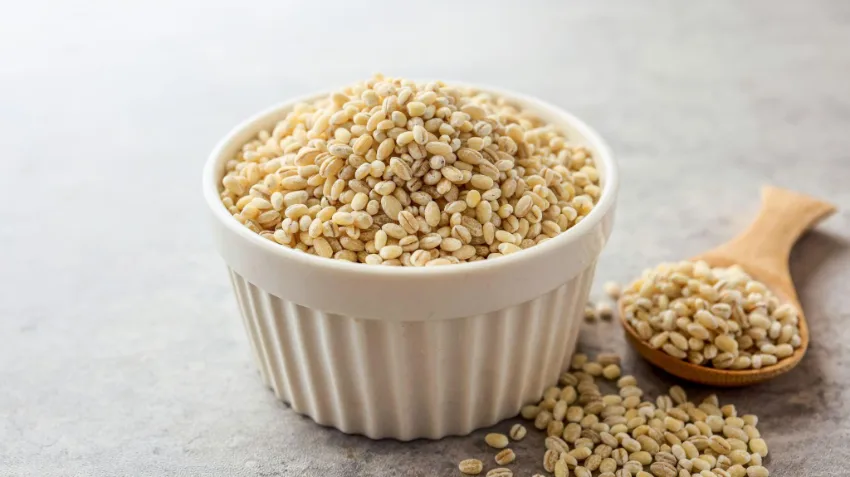
Barley is a whole grain known for its chewy texture and fiber content. It provides manganese, selenium, magnesium, and soluble fiber. The fiber helps support digestion, while manganese plays a role in normal metabolism and bone health.
One cup of cooked pearled barley has about 193 calories, 4 grams of protein, 1 gram of fat, 6 grams of fiber, and roughly 0.4 mg of manganese. Whole hulled barley may provide more minerals and fiber.
Add barley to vegetable soup, bean stew, or a grain salad. You can also serve it in place of rice. Pearled barley cooks faster, while hulled barley takes longer but keeps more of the grain’s outer layers.
17. Spinach

Spinach is a leafy green that supplies manganese, vitamin K, folate, vitamin A, and magnesium. Manganese supports normal bone formation and enzyme activity. Spinach is also low in calories, making it an easy way to add several nutrients to a meal.
One cup of cooked spinach has about 41 calories, 5 grams of protein, less than 1 gram of fat, 4 grams of fiber, and around 0.8 mg of manganese.
Stir spinach into eggs, pasta, soups, and bean dishes. You can also add fresh leaves to sandwiches or blend them into a smoothie. Cooking shrinks spinach considerably, so a cooked cup contains much more spinach by weight than a raw cup.
18. Kale
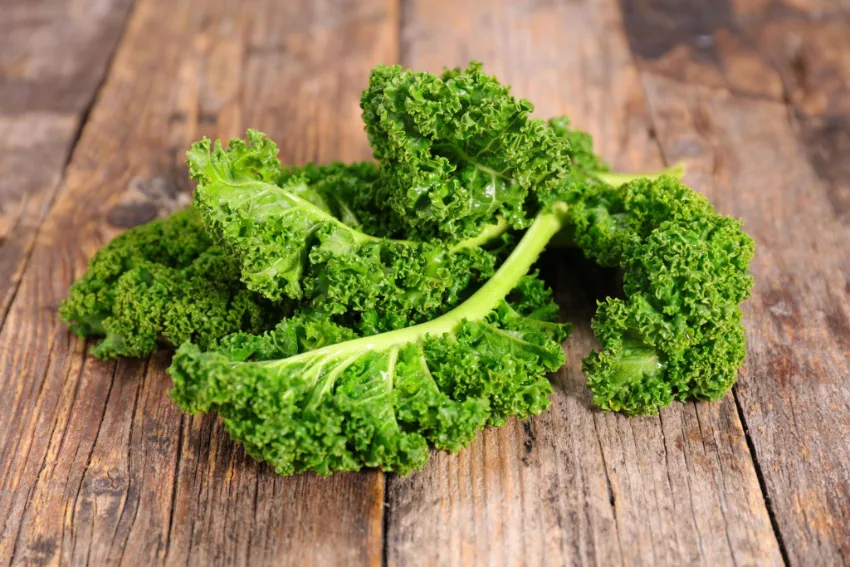
Kale offers manganese along with vitamins K, A, and C, plus fiber and other plant compounds. Manganese helps your body use nutrients and supports healthy bones. Kale’s firm leaves hold up well in cooked dishes, and they can also add crunch to salads.
One cup of chopped raw kale has about 33 calories, 2 grams of protein, less than 1 gram of fat, 1 gram of fiber, and roughly 0.5 mg of manganese.
Massage chopped kale with a little olive oil and lemon juice to soften it for salads. You can also roast the leaves into crisp chips or stir them into soups and pasta. Remove thick stems if you prefer a softer texture.
19. Chickpeas
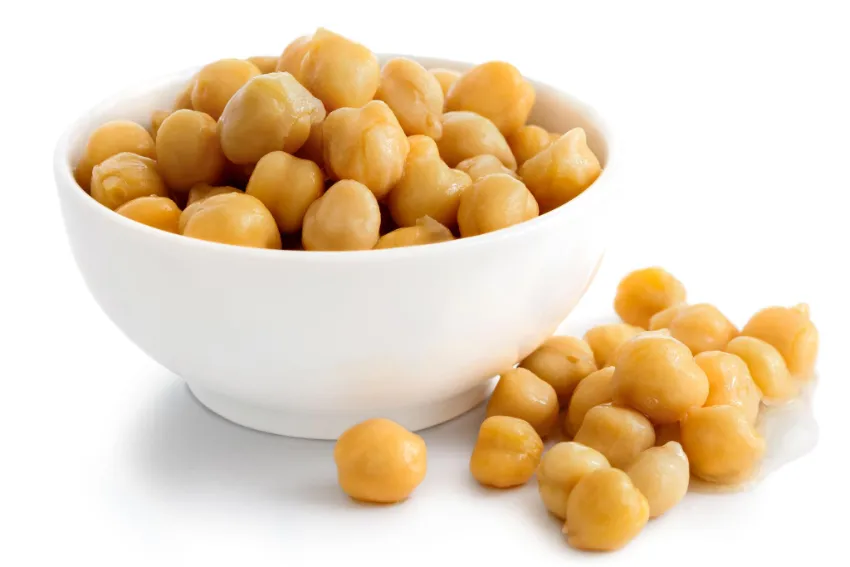
Chickpeas, also called garbanzo beans, provide manganese, protein, fiber, folate, and iron. Their fiber and protein can help you feel satisfied after a meal. Manganese supports normal metabolism and helps enzymes carry out important tasks.
One cup of cooked chickpeas has about 269 calories, 15 grams of protein, 4 grams of fat, 12 grams of fiber, and around 1.7 mg of manganese.
Add chickpeas to salads, soups, curries, and grain bowls. You can mash them into a sandwich filling or blend them into hummus with tahini and lemon. Canned chickpeas are convenient. Rinse them under water to remove some of the added sodium.
20. Soybeans
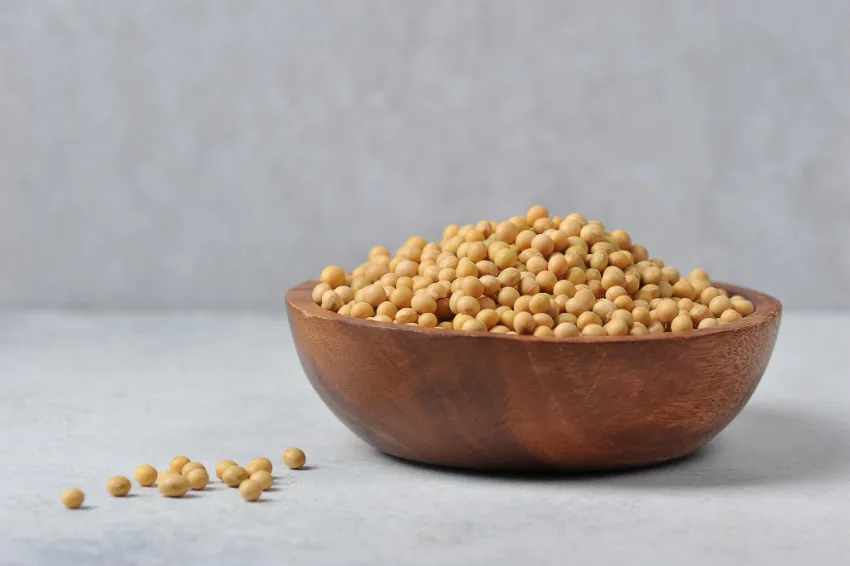
Whole soybeans are rich in manganese, plant protein, fiber, iron, and magnesium. They contain all the essential amino acids, making them a complete plant protein. Manganese supports normal bone development and helps your body process nutrients.
One cup of cooked mature soybeans has about 298 calories, 29 grams of protein, 15 grams of fat, 10 grams of fiber, and approximately 1.4 mg of manganese. Edamame has a different nutrient profile.
Use cooked soybeans in soups, salads, and vegetable bowls. Edamame makes a quick snack when steamed and served warm. You can also find soy foods such as tofu and tempeh, which offer protein but may have different manganese amounts.
21. Lentils
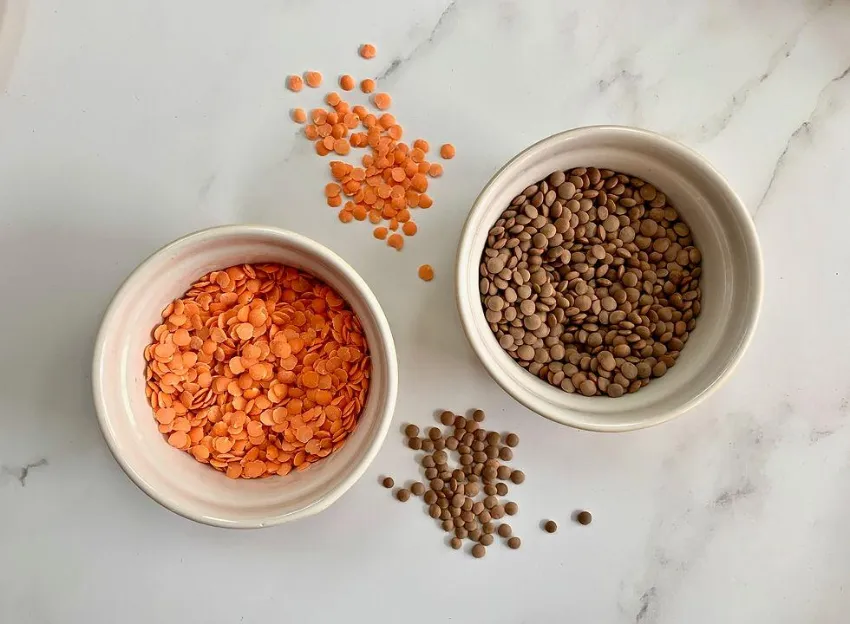
Lentils are an affordable source of manganese, plant protein, fiber, folate, and iron. Their fiber supports digestion, while protein helps build and maintain body tissues. Manganese helps enzymes work and supports normal bone health.
One cup of cooked lentils has about 230 calories, 18 grams of protein, less than 1 gram of fat, 16 grams of fiber, and roughly 0.9 mg of manganese.
Simmer lentils in soups, stews, or tomato sauce. They also work well in salads, veggie burgers, and spiced rice dishes. Unlike many dried beans, lentils usually cook without soaking. Rinse them first and remove any small stones or damaged pieces.
22. Black Beans
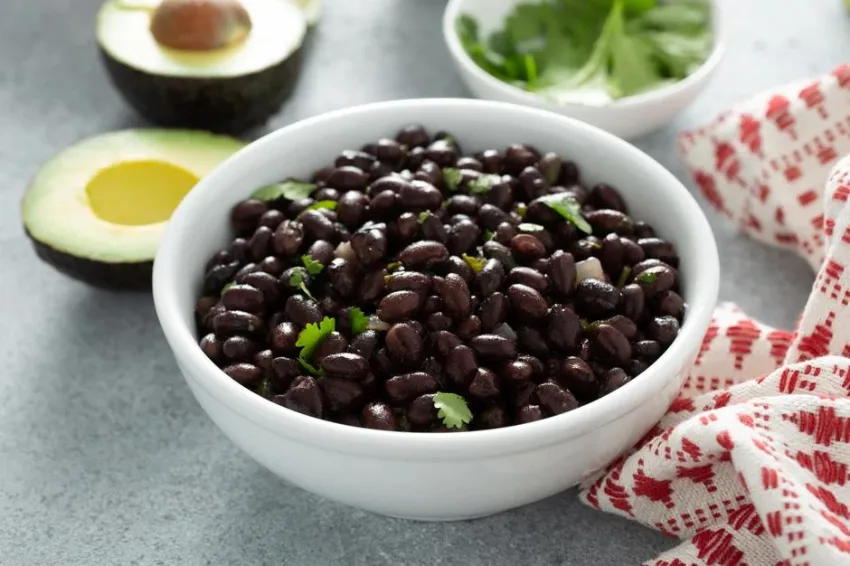
Black beans provide manganese, fiber, protein, folate, magnesium, and iron. Their mix of protein and fiber makes them a filling addition to meals. Manganese supports normal metabolism, while the other nutrients help your body maintain healthy cells and tissues.
One cup of cooked black beans has about 227 calories, 15 grams of protein, 1 gram of fat, 15 grams of fiber, and around 0.8 mg of manganese.
Add black beans to tacos, burrito bowls, soups, and salads. Mash them with spices for a quick sandwich spread or use them in homemade veggie burgers. If you choose canned beans, drain and rinse them to reduce some of the sodium.
23. Pineapple
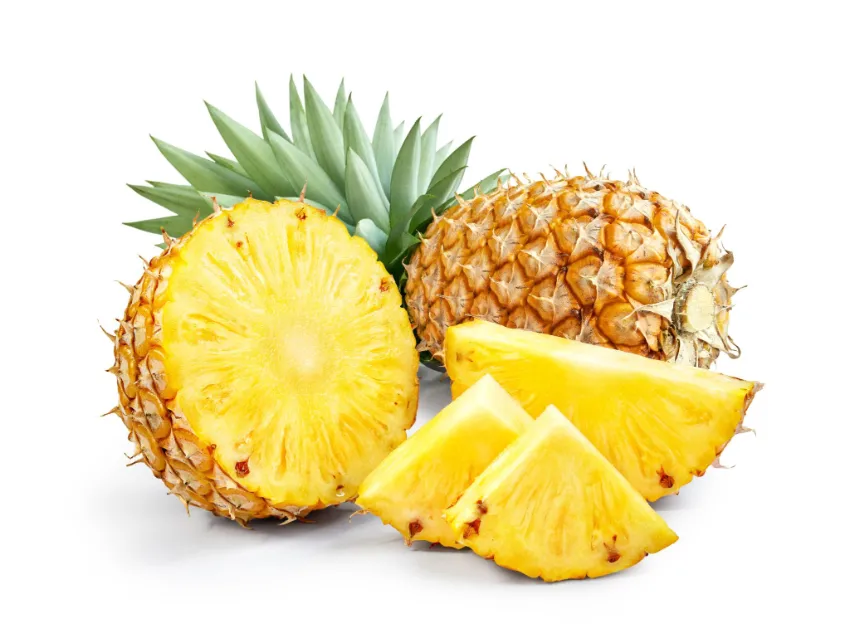
Pineapple is a refreshing fruit that provides manganese, vitamin C, and water. It is one of the better fruit sources of manganese. Vitamin C supports normal immune function and helps your body make collagen, a protein found in skin, bones, and connective tissue.
One cup of fresh pineapple chunks has about 82 calories, 1 gram of protein, less than 1 gram of fat, 2 grams of fiber, and roughly 1.5 mg of manganese.
Enjoy pineapple on its own, or add it to fruit salad, yogurt, and smoothies. It also pairs well with grilled chicken, fish, and vegetable dishes. Choose fresh or canned pineapple packed in juice rather than heavy syrup when you want to limit added sugar.
Final Thoughts
You don’t need to rely on one food to get enough manganese. Nuts, seeds, whole grains, beans, greens, and fruit can all help.
Mix different choices into meals you already enjoy. If you plan a major diet change or have a health concern, talk with your healthcare provider first.
