
22 Vitamin K-Rich Foods to Add to Your Diet

Vitamin K helps your blood clot when you get a cut. It also supports healthy bones and helps your body use calcium properly.
Leafy greens are some of the best sources, but other vegetables, fruits, and beans offer vitamin K too. Here are 22 tasty foods to help you get more.
1. Kale
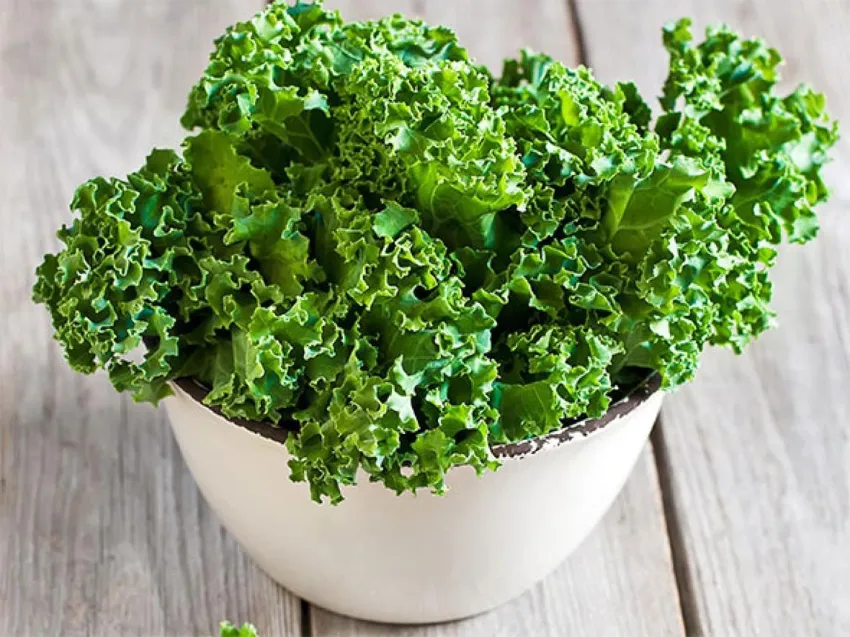
Kale is one of the richest food sources of vitamin K. This leafy green provides vitamin K1, which supports normal blood clotting and bone health. Kale also contains vitamin C, vitamin A, calcium, and antioxidants. Its firm leaves hold up well in cooked dishes, making it easy to enjoy in different ways.
One cup of chopped raw kale has about 20 calories, 1.3 grams of protein, 2 grams of fiber, and 82 micrograms of vitamin K. One cup cooked provides much more because the leaves shrink during cooking.
Add kale to salads, soups, pasta, or scrambled eggs. Massage raw leaves with lemon juice and olive oil to soften them. You can also roast kale into crisp chips. If its flavor feels strong, mix it with milder greens or add it to a fruit smoothie.
2. Spinach

Spinach is a highly concentrated source of vitamin K. It also provides folate, vitamin A, vitamin C, iron, and magnesium. Vitamin K supports blood clotting and helps maintain healthy bones. Spinach is easy to find fresh or frozen, and its mild taste works in many meals.
One cup of raw spinach contains about 7 calories, 0.9 grams of protein, 0.7 grams of fiber, and 145 micrograms of vitamin K. One cup of cooked spinach has around 888 micrograms because cooking reduces its volume.
Use fresh spinach in salads, sandwiches, and smoothies. Cook it into omelets, soups, curries, or pasta sauces. Frozen spinach is a convenient option for quick meals. If you cook spinach, avoid adding too much salt, and pair it with foods rich in vitamin C to help your body absorb its plant-based iron.
3. Collard Greens
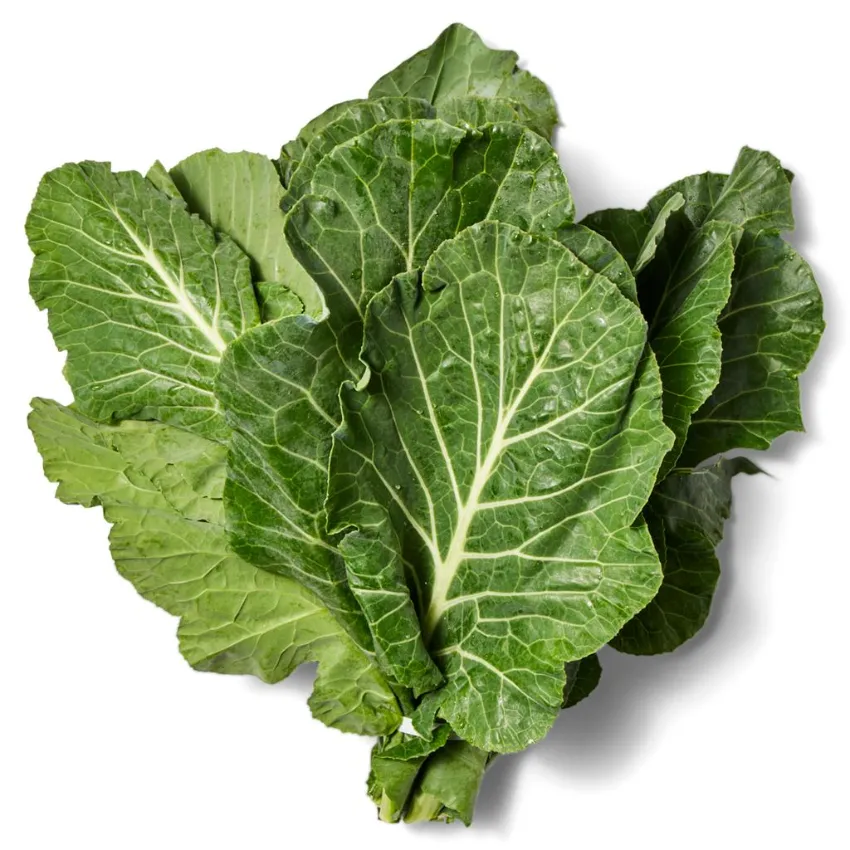
Collard greens are large, sturdy leaves that provide plenty of vitamin K. They also contain calcium, vitamin A, vitamin C, and fiber. Vitamin K supports normal blood clotting and bone health, while calcium helps maintain strong bones and teeth. Collards have a mild, earthy taste that becomes tender when cooked.
One cup of chopped raw collard greens has about 11 calories, 1 gram of protein, 1.4 grams of fiber, and 157 micrograms of vitamin K. A cooked cup contains considerably more because the leaves shrink.
Remove the tough stems, wash the leaves well, and chop them before cooking. Add collards to soups, bean dishes, or vegetable stews. You can also sauté them with garlic and a little olive oil. For a lighter texture, steam the leaves until tender and finish with lemon juice.
4. Swiss Chard
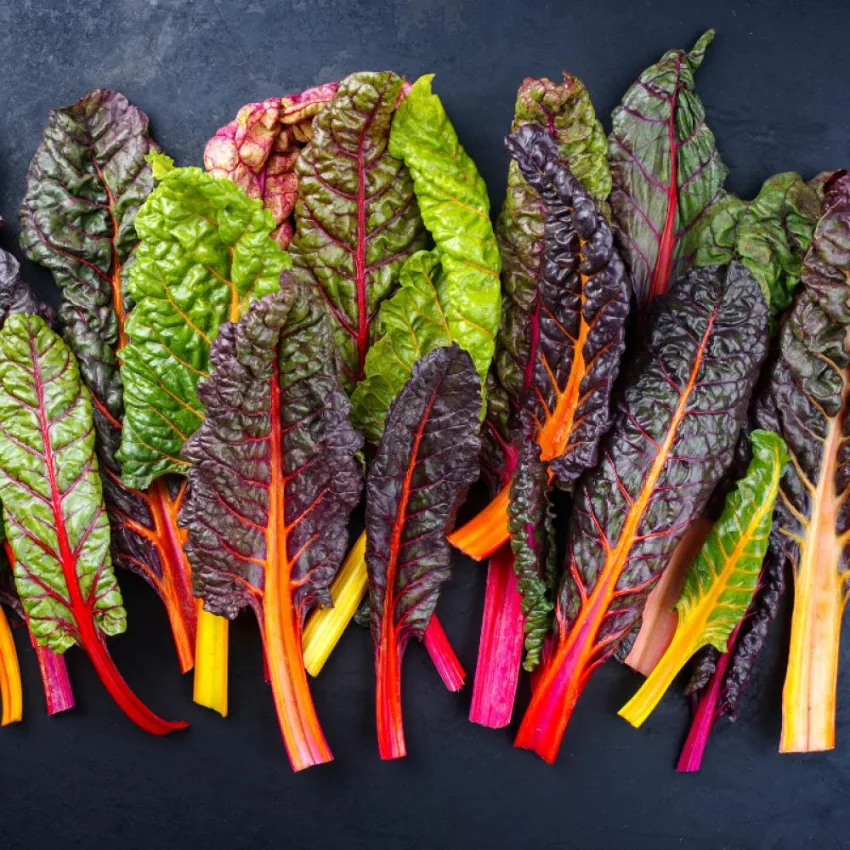
Swiss chard is a colorful leafy vegetable with green leaves and bright stems. It provides vitamin K, magnesium, potassium, vitamin A, and vitamin C. Vitamin K helps your blood clot normally and supports bone health. Its mineral content also makes chard a useful addition to a varied eating pattern.
One cup of chopped raw Swiss chard contains about 7 calories, 0.7 grams of protein, 0.6 grams of fiber, and 299 micrograms of vitamin K. A cooked cup has much more because the leaves become compact.
Sauté chard with garlic, add it to soups, or stir it into pasta and grain bowls. The stems take longer to cook than the leaves, so chop and cook them first. Then add the leaves near the end. A squeeze of lemon or a little vinegar can balance chard’s earthy flavor.
5. Parsley
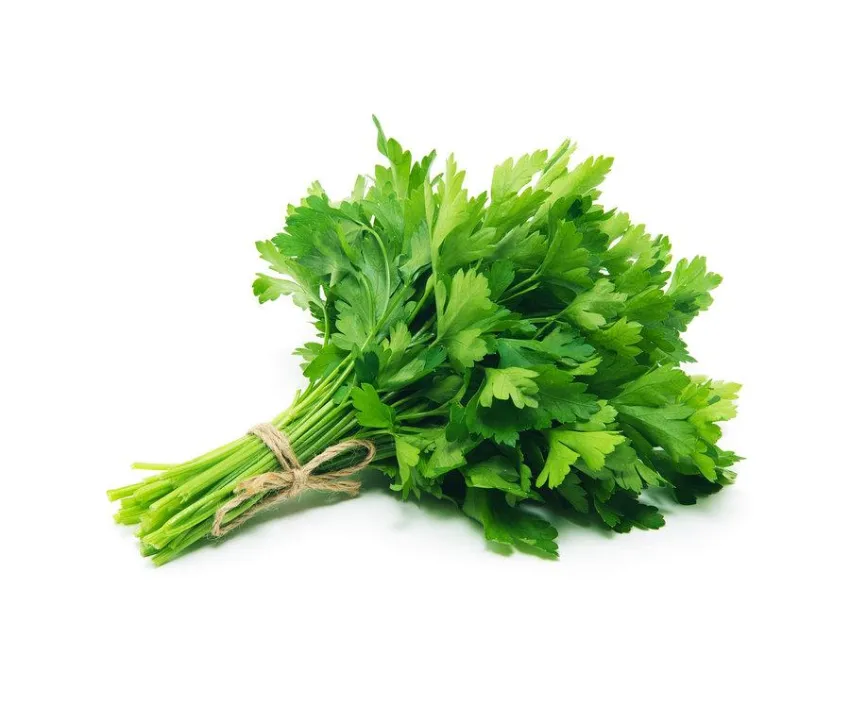
Parsley is more than a garnish. This fresh herb is an excellent source of vitamin K, even when used in small amounts. It also contains vitamin C, vitamin A, and plant compounds. Adding parsley to meals can bring a fresh flavor while helping you increase your vitamin K intake.
One cup of chopped fresh parsley has about 22 calories, 1.8 grams of protein, 2 grams of fiber, and roughly 984 micrograms of vitamin K. A tablespoon provides much less, but still adds some vitamin K.
Chop parsley into salads, soups, rice dishes, and homemade dressings. Mix it with lemon juice, garlic, and olive oil for a simple herb sauce. You can also sprinkle it over roasted vegetables, beans, or fish just before serving. Store fresh parsley in the refrigerator with its stems wrapped in a damp paper towel.
6. Broccoli
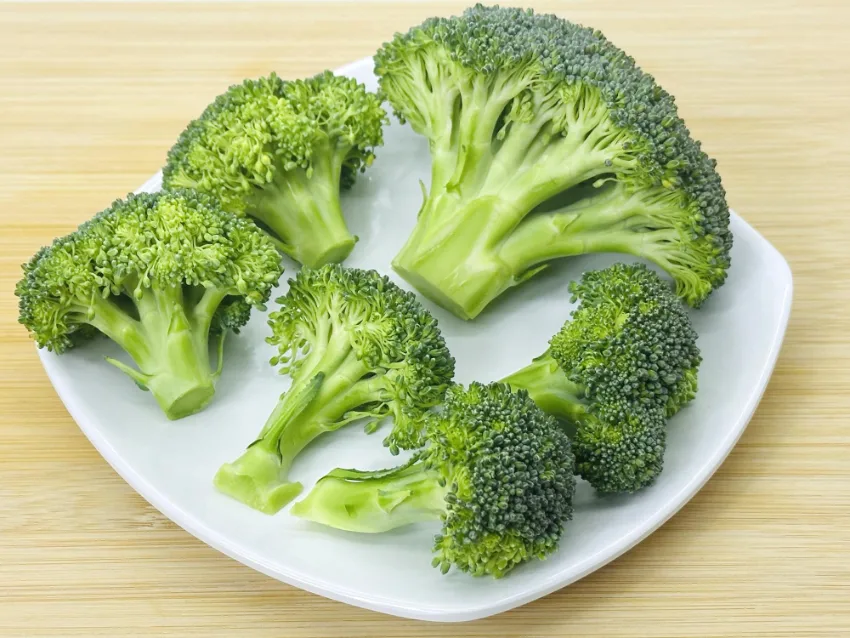
Broccoli provides a useful amount of vitamin K along with vitamin C, folate, fiber, and potassium. Vitamin K supports normal blood clotting and bone health. Broccoli also contains plant compounds that are being studied for their role in overall health. Its mild flavor makes it easy to serve with many meals.
One cup of chopped raw broccoli has about 31 calories, 2.6 grams of protein, 2.4 grams of fiber, and 89 micrograms of vitamin K. One cup cooked contains around 220 micrograms, though values depend on preparation.
Steam broccoli until just tender, or roast it with garlic and olive oil. Add it to stir-fries, pasta, omelets, and grain bowls. Frozen broccoli is also nutritious and convenient. Try not to overcook it if you want the florets to keep some texture and their bright green color.
7. Brussels Sprouts
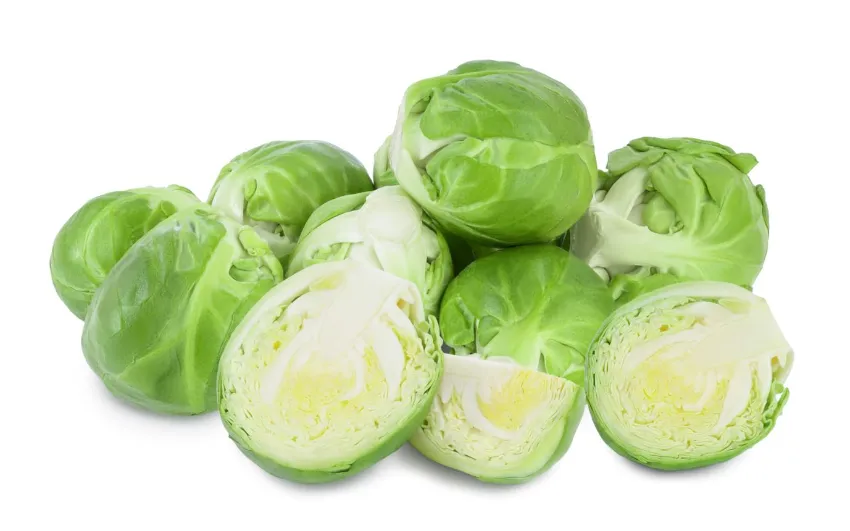
Brussels sprouts are small vegetables in the cabbage family. They contain vitamin K, vitamin C, folate, fiber, and potassium. Vitamin K helps your body form normal blood clots and supports healthy bones. Brussels sprouts also provide fiber, which supports digestion and helps meals feel more filling.
One cup of raw Brussels sprouts has about 38 calories, 3 grams of protein, 3.3 grams of fiber, and 156 micrograms of vitamin K. One cup cooked provides around 218 micrograms.
Trim the ends, cut the sprouts in half, and roast them until the edges turn golden. You can also steam or sauté them with garlic. Add cooked Brussels sprouts to grain bowls, or toss them with lemon juice and a few chopped nuts. Choose firm sprouts with tight leaves for the freshest flavor.
8. Green Cabbage
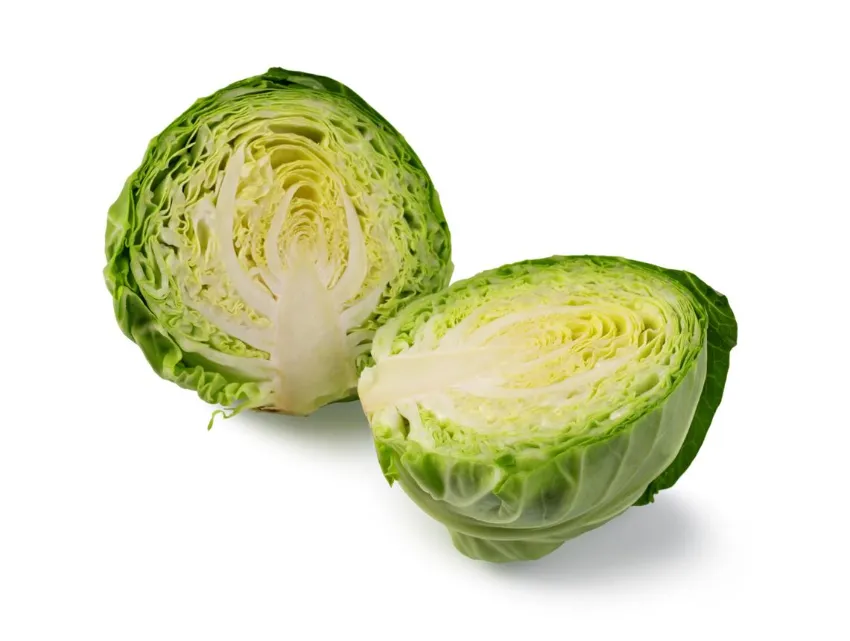
Green cabbage is an affordable vegetable that provides vitamin K, vitamin C, and fiber. It also contains small amounts of folate and other nutrients. Vitamin K supports blood clotting and bone health, while fiber helps support digestion. Cabbage keeps well in the refrigerator and can be used raw or cooked.
One cup of chopped raw green cabbage contains about 22 calories, 1.1 grams of protein, 2.2 grams of fiber, and 68 micrograms of vitamin K.
Shred cabbage for salads and slaws, or add it to soups, stir-fries, and vegetable rolls. You can also sauté it with onions as a simple side dish. For a quick meal, mix shredded cabbage with carrots, lemon juice, and plain yogurt. Store cut cabbage in a sealed container to help it stay fresh.
9. Napa Cabbage
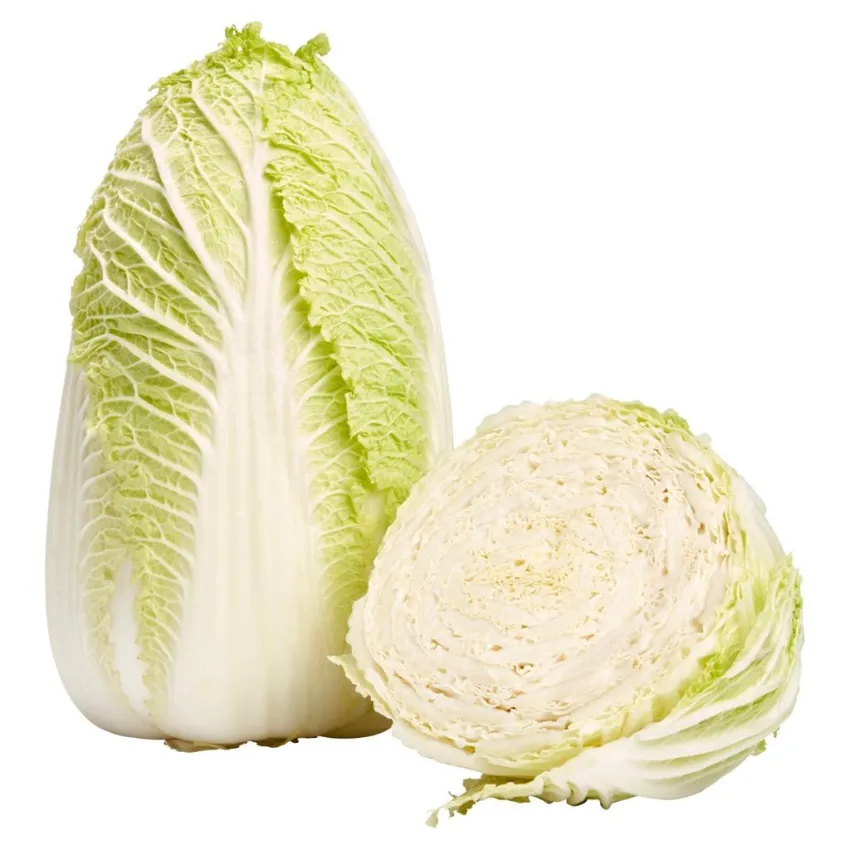
Napa cabbage has pale green leaves and a mild, slightly sweet taste. It provides vitamin K, vitamin C, folate, and small amounts of calcium and potassium. Its soft leaves cook quickly, while the crunchy stems add texture to salads and stir-fries. It is a useful way to add leafy vegetables to everyday meals.
One cup of shredded raw Napa cabbage has about 9 calories, 0.7 grams of protein, 0.8 grams of fiber, and 43 micrograms of vitamin K. Amounts can vary with the size and part of the leaf.
Use Napa cabbage in fresh salads, noodle bowls, soups, and stir-fries. You can also wrap cooked vegetables or seasoned tofu in its leaves. Add the thicker white stems to the pan first, then stir in the leafy parts. Keep the cabbage chilled and dry until you’re ready to use it.
10. Lettuce
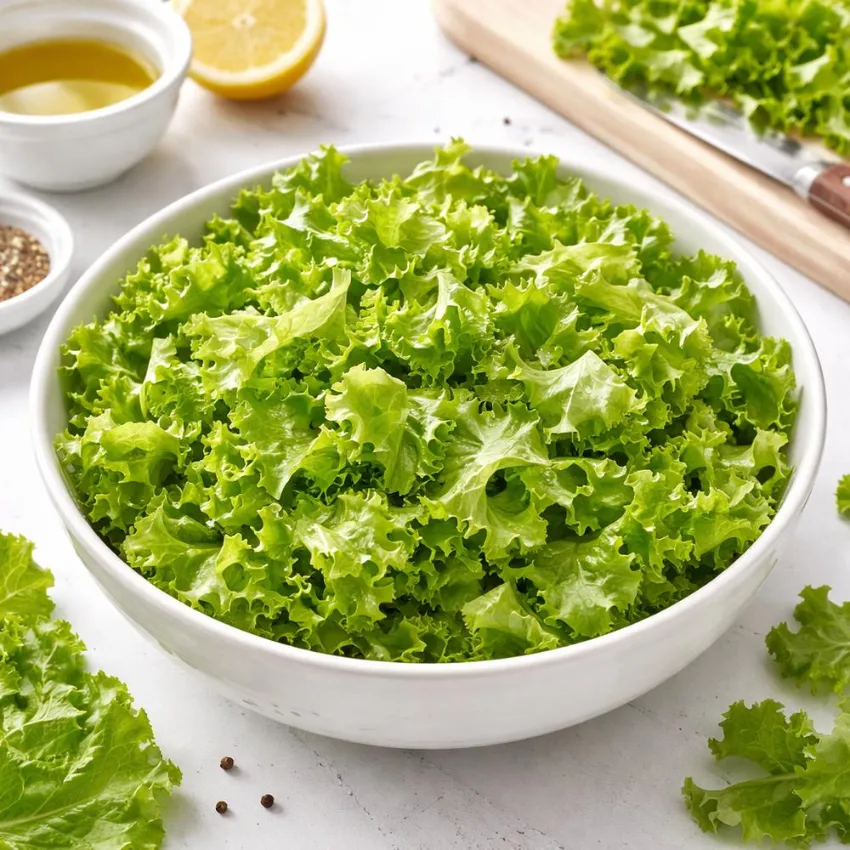
Lettuce can contribute vitamin K, especially darker leafy types such as romaine and green leaf lettuce. It also provides water, folate, vitamin A, and small amounts of potassium. Vitamin K supports normal blood clotting and bone health. Different lettuce varieties have different amounts, so darker leaves often offer more nutrients.
One cup of shredded raw romaine lettuce contains about 8 calories, 0.6 grams of protein, 1 gram of fiber, and 48 micrograms of vitamin K. Green leaf lettuce can provide a similar or higher amount.
Use lettuce as a salad base, or add leaves to sandwiches, wraps, and burgers. Romaine leaves can also hold fillings like beans, chicken, or chopped vegetables. Wash lettuce under cool running water and dry it well before storing. Keep it in the refrigerator to maintain its crisp texture.
11. Mustard Greens

Mustard greens are peppery leafy vegetables that provide a large amount of vitamin K. They also contain vitamins A and C, folate, calcium, and fiber. Their strong flavor can bring interest to simple meals, while their nutrients support healthy bones and normal blood clotting.
One cup of chopped raw mustard greens has about 15 calories, 1.6 grams of protein, 1.8 grams of fiber, and 278 micrograms of vitamin K. A cooked cup contains more because the leaves shrink.
Add mustard greens to soups, lentil dishes, and vegetable curries. Sauté them with garlic and a little olive oil, or mix them with milder greens in a salad. If the flavor is too sharp, cooking helps soften it. Choose fresh leaves that look crisp and have no yellow or wilted patches.
12. Turnip Greens

Turnip greens are the leafy tops of turnips. They are rich in vitamin K and also provide calcium, vitamin A, vitamin C, and folate. These nutrients support bone health, blood clotting, and normal body functions. Turnip greens have a slightly peppery taste and become tender when cooked.
One cup of chopped raw turnip greens contains about 18 calories, 1.5 grams of protein, 1.8 grams of fiber, and 138 micrograms of vitamin K. Cooked greens are more concentrated by volume.
Wash the leaves carefully because soil can collect around their stems. Remove tough stems, then steam or sauté the greens. Add them to beans, soups, or whole-grain bowls. A little lemon juice or vinegar can balance their earthy flavor. If you buy turnips with the tops attached, use the leaves soon after purchase.
13. Watercress
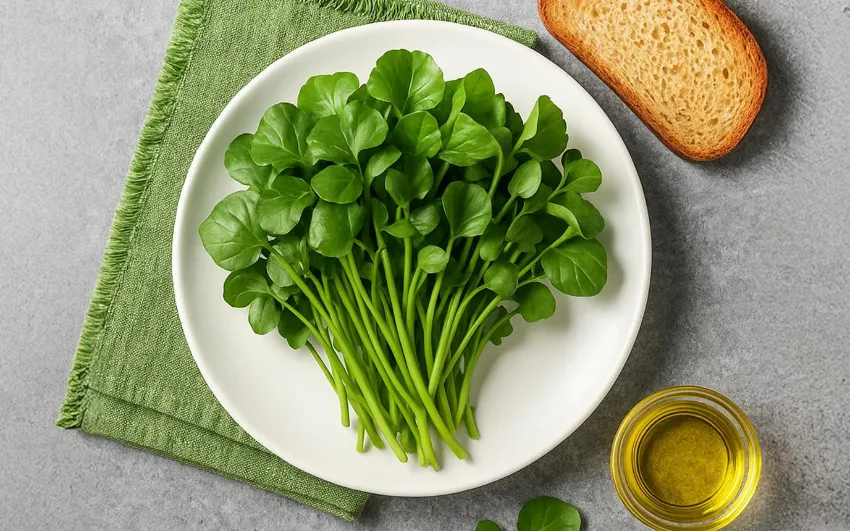
Watercress is a leafy green with small, tender leaves and a fresh peppery taste. It is rich in vitamin K and also supplies vitamin C, vitamin A, calcium, and plant compounds. Its delicate leaves make it a simple way to add nutrients and flavor to salads, sandwiches, and cooked dishes.
One cup of chopped raw watercress contains about 4 calories, 0.8 grams of protein, 0.2 grams of fiber, and 85 micrograms of vitamin K.
Add watercress to salads, sandwiches, wraps, and grain bowls. You can also stir it into soup just before serving so the leaves stay fresh and bright. Wash it well under running water and remove any tough stems. Since it has a peppery flavor, try mixing it with lettuce, cucumber, or avocado.
14. Asparagus
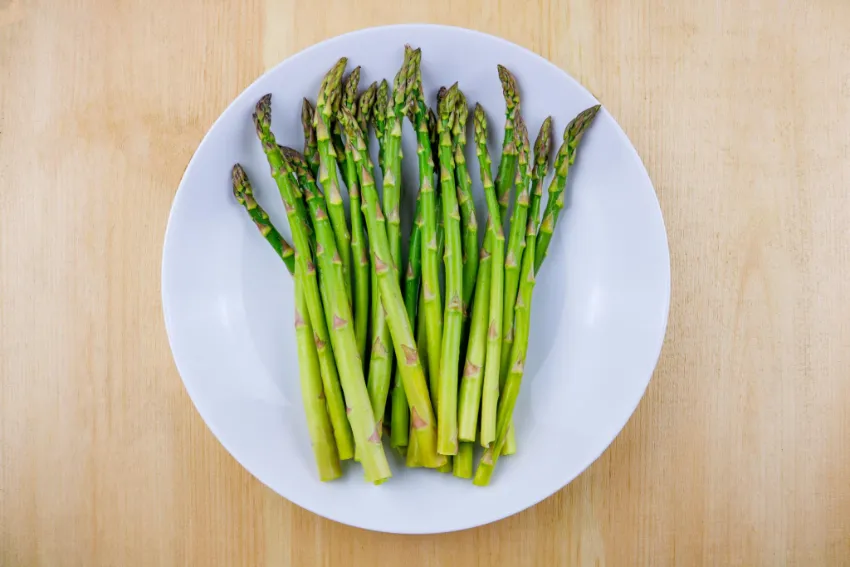
Asparagus provides vitamin K along with folate, vitamin A, vitamin C, and potassium. It also contains fiber and plant compounds. Vitamin K supports normal blood clotting and bone health, while folate helps your body make new cells. Asparagus has a mild flavor that pairs well with many proteins and whole grains.
One cup of cooked asparagus pieces contains about 40 calories, 4.3 grams of protein, 3.6 grams of fiber, and 91 micrograms of vitamin K.
Steam or roast asparagus until tender but still slightly crisp. Add it to omelets, pasta, salads, or rice bowls. You can also grill the spears with a little olive oil and black pepper. Snap or trim off the woody ends before cooking. Thinner spears cook faster, so keep an eye on them to avoid making them too soft.
15. Green Beans

Green beans provide vitamin K, vitamin C, folate, and fiber. They also contain small amounts of potassium, magnesium, and other nutrients. Vitamin K supports blood clotting and bone health, while fiber helps support digestion. Green beans are easy to prepare and work well as a side dish or part of a main meal.
One cup of cooked green beans has about 44 calories, 2.4 grams of protein, 4 grams of fiber, and 43 micrograms of vitamin K.
Steam green beans, roast them, or sauté them with garlic. Add them to salads, vegetable stir-fries, and casseroles. Frozen green beans are a convenient choice when fresh ones aren’t available. Cook them until tender but still bright green. For extra flavor, finish with lemon zest, black pepper, or toasted sesame seeds.
16. Green Peas

Green peas are a useful source of vitamin K, vitamin C, vitamin A, folate, and fiber. They also contain plant protein and several minerals. Vitamin K supports healthy blood clotting and bones, while peas’ fiber and protein help make meals more satisfying. Frozen peas are easy to keep on hand and cook in just a few minutes.
One cup of cooked green peas contains about 134 calories, 8.6 grams of protein, 8.8 grams of fiber, and 41 micrograms of vitamin K.
Stir peas into rice, pasta, soups, and vegetable curries. You can also mash them with lemon juice and herbs for a quick side dish. Add frozen peas near the end of cooking so they keep their color and texture. Choose plain peas instead of versions packed with sauces or added salt.
17. Okra
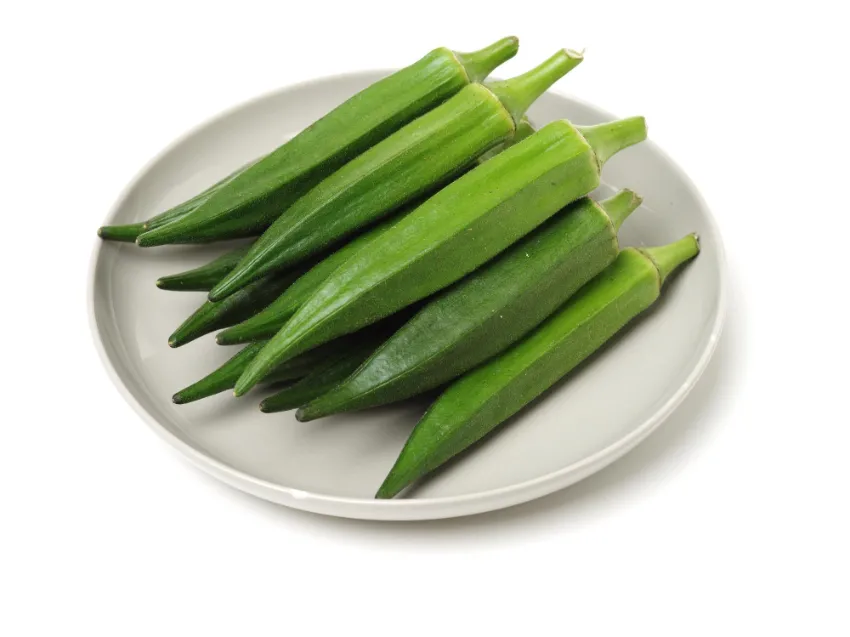
Okra is a green vegetable that provides vitamin K, vitamin C, folate, and fiber. It also contains small amounts of calcium, magnesium, and potassium. Its soluble fiber gives okra its slightly thick texture when cooked. That texture can help thicken soups and stews without needing extra ingredients.
One cup of cooked sliced okra contains about 35 calories, 2 grams of protein, 3.2 grams of fiber, and 64 micrograms of vitamin K.
Add okra to vegetable stews, curries, soups, or tomato-based dishes. You can also roast or air-fry sliced okra for a crisp side. To reduce its slippery texture, cook it over higher heat or roast it with a little oil. Choose small, firm pods that are bright green and free from soft spots.
18. Avocado
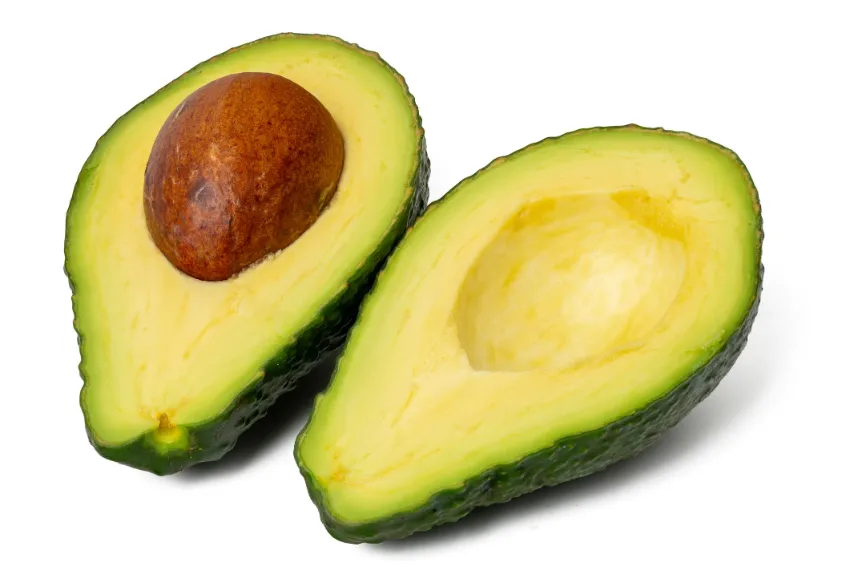
Avocado provides vitamin K along with folate, vitamin E, potassium, and fiber. It also contains mostly monounsaturated fats, which can fit into a heart-friendly eating pattern. Vitamin K supports normal blood clotting and bone health. Avocado’s creamy texture makes it a useful addition to meals and snacks.
Half of a medium avocado contains about 120 calories, 1.5 grams of protein, 5 grams of fiber, and 21 micrograms of vitamin K. The amount varies by size and type.
Mash avocado onto whole-grain toast, add slices to salads, or use it in sandwiches and grain bowls. You can also blend it with lime juice and herbs for a creamy dressing. To keep cut avocado from browning quickly, add lemon or lime juice and cover it tightly before refrigerating.
19. Kiwi

Kiwi is a fruit that provides vitamin K along with plenty of vitamin C, fiber, and potassium. Vitamin K supports blood clotting and bone health, while vitamin C helps your body absorb iron from plant foods. Kiwi’s sweet and tangy flavor makes it an easy way to add fruit to breakfast or snacks.
One medium green kiwi contains about 42 calories, 0.8 grams of protein, 2 grams of fiber, and 28 micrograms of vitamin K. Golden kiwi can have a different nutrient profile.
Slice kiwi over oatmeal, yogurt, or cereal. You can also add it to fruit salads and smoothies. The skin is edible when washed well, though some people prefer to peel it. Choose fruit that gives slightly when pressed but isn’t mushy. Store firm kiwis at room temperature until ripe.
20. Blueberries
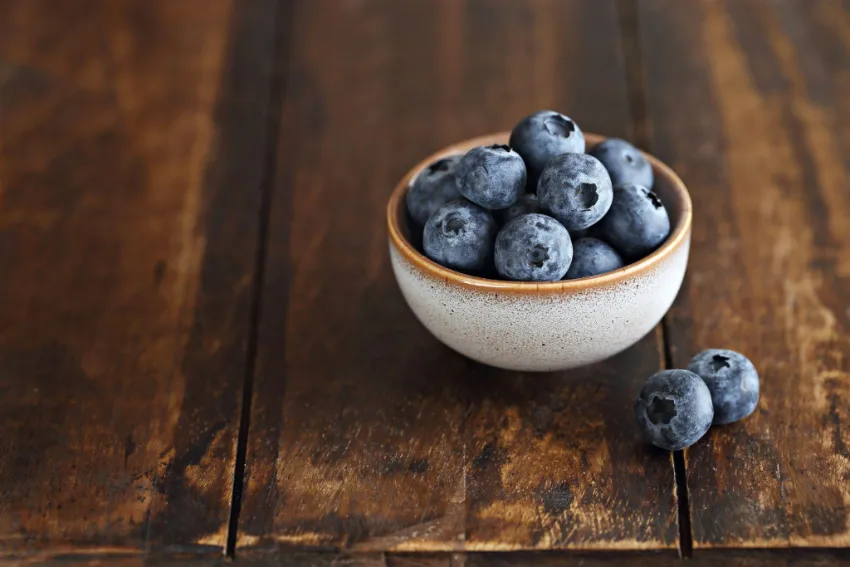
Blueberries contain a small amount of vitamin K along with vitamin C, fiber, and plant compounds called anthocyanins. These compounds give blueberries their deep blue color. Vitamin K supports normal blood clotting and bone health, while fiber supports digestion. Blueberries are an easy fruit to add to meals without much preparation.
One cup of fresh blueberries has about 84 calories, 1.1 grams of protein, 3.6 grams of fiber, and 29 micrograms of vitamin K.
Add blueberries to oatmeal, yogurt, pancakes, or smoothies. They also work well in fruit salads and homemade muffins. Frozen blueberries are a convenient option and can be used without thawing in many recipes. Rinse fresh berries just before eating, rather than before storage, to help prevent them from becoming soft.
21. Prunes
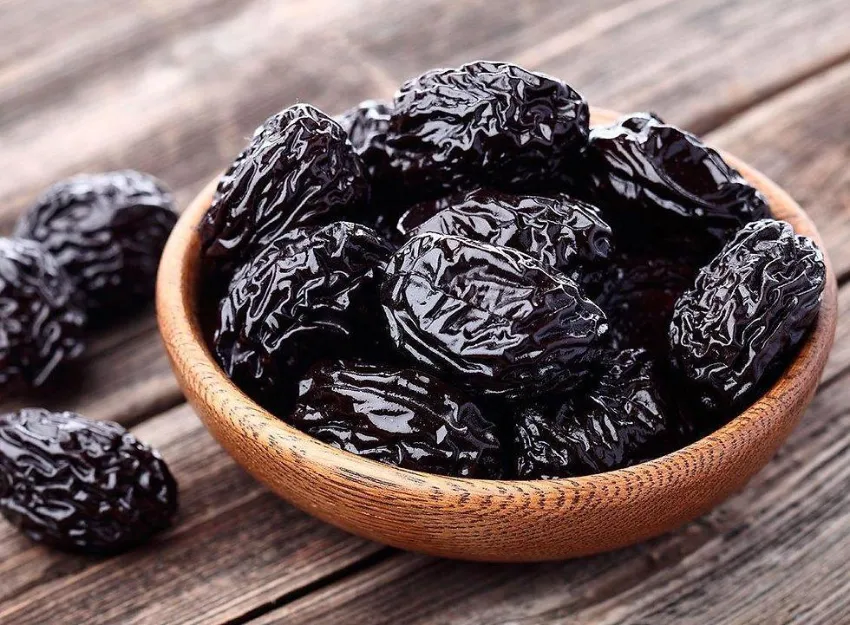
Prunes are dried plums that provide vitamin K, potassium, fiber, and small amounts of magnesium and boron. Their fiber helps support regular digestion, while potassium supports normal muscle and nerve function. Prunes are naturally sweet and can be a useful fruit choice when you want something easy to store.
A quarter-cup serving of pitted prunes, about five prunes, contains around 100 calories, 1 gram of protein, 3 grams of fiber, and 26 micrograms of vitamin K.
Enjoy prunes as a snack, chop them into oatmeal, or add them to salads and grain dishes. They can also be simmered into a simple fruit sauce. Because dried fruit is concentrated, keep portions moderate. Choose prunes without added sugar when possible, and store the package tightly sealed.
22. Edamame
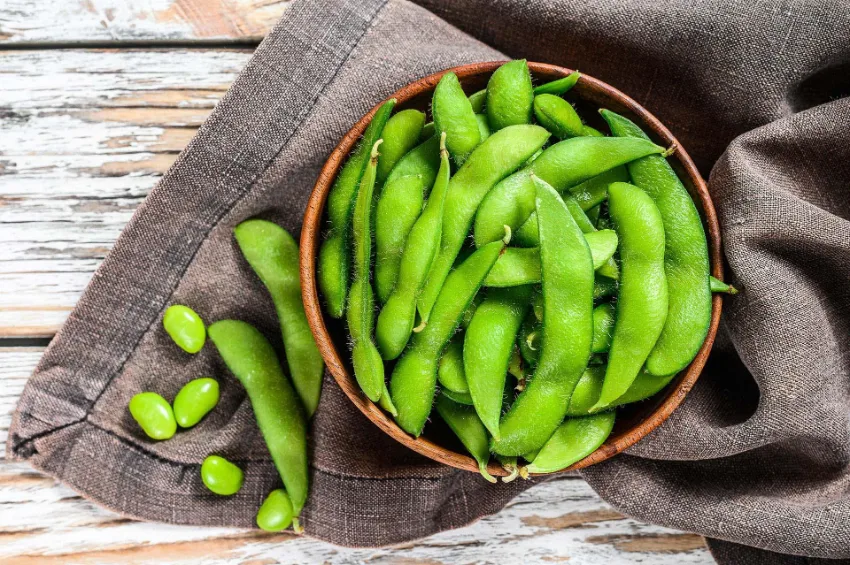
Edamame are young soybeans that provide vitamin K, plant protein, fiber, folate, iron, and magnesium. They are a satisfying plant-based food because they contain both protein and fiber. Vitamin K supports normal blood clotting and bone health, while the other nutrients help your body carry out many everyday functions.
One cup of cooked shelled edamame contains about 188 calories, 18.5 grams of protein, 8 grams of fiber, and 41 micrograms of vitamin K. Values can vary by product and preparation.
Steam frozen edamame and serve it as a snack, or add shelled beans to salads, rice bowls, and stir-fries. Season with lemon juice, garlic, or a small amount of sesame oil. Choose plain frozen edamame if you want to control added salt. If buying pods, remove the beans from the shells before eating.
Final Thoughts
Vitamin K is found in many everyday foods, especially leafy greens and vegetables. You can also get some from fruit and soy foods. Enjoy a variety of choices throughout the week rather than relying on one food.
If you take blood-thinning medicine, ask your healthcare provider before making big changes to vitamin K intake.
