
21 Mineral-Rich Foods to Support Your Health

Minerals help your body build strong bones, move muscles, carry oxygen, and keep nerves working well. You need them in small amounts, but they play big roles in daily health.
Eating a mix of colorful plants, nuts, seeds, beans, whole grains, and fish can help you get the minerals your body needs.
1. Spinach
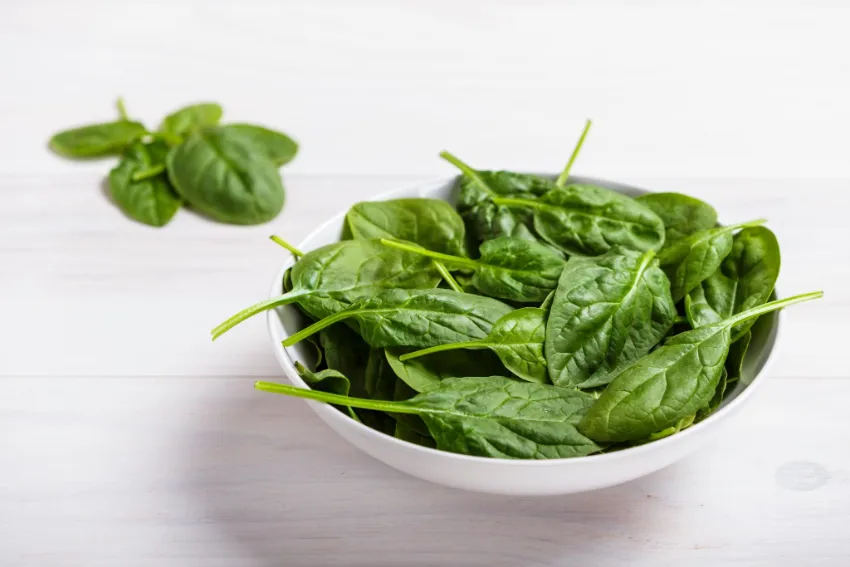
Spinach is a leafy green packed with several important minerals. It provides magnesium, potassium, iron, calcium, and manganese. These nutrients support muscle and nerve function, healthy bones, and the movement of oxygen through your body. Spinach also contains vitamin K, folate, and plant compounds that add to its nutritional value. Its mineral content makes it a useful choice in many meals.
One cup of cooked spinach has about 40 calories, 5 grams of protein, 4 grams of fiber, 840 milligrams of potassium, 157 milligrams of magnesium, 6.4 milligrams of iron, and 245 milligrams of calcium.
Stir spinach into soups, omelets, pasta, or lentil dishes. You can also blend fresh leaves into smoothies or add them to sandwiches. Cooking shrinks spinach, making it easy to eat a larger portion. Pair plant-based iron sources with foods rich in vitamin C, such as tomatoes or citrus, to help your body absorb more iron.
2. Kale
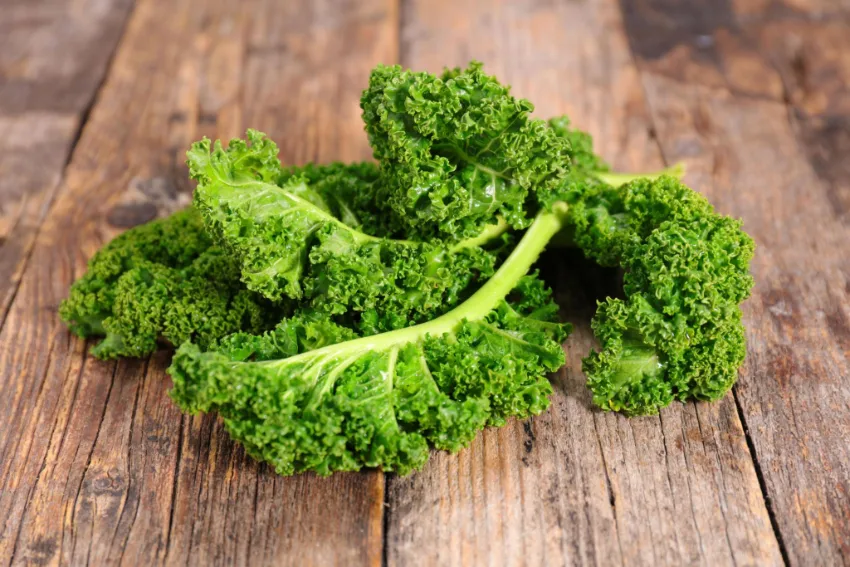
Kale is a sturdy leafy green that supplies calcium, potassium, magnesium, and manganese. It is also rich in vitamin K, which supports normal blood clotting and bone health. Kale contains vitamin C and other plant compounds, too. Its minerals help support healthy muscles, bones, and many everyday body processes.
One cup of chopped raw kale has about 7 calories, 0.6 grams of protein, 0.9 grams of fiber, 73 milligrams of potassium, 7 milligrams of magnesium, and 53 milligrams of calcium.
Use kale as the base for salads, or add chopped leaves to soups, stews, and pasta. Massage raw kale with a little lemon juice and olive oil to soften its texture. You can also roast the leaves into crisp chips. If kale tastes too strong, mix it with milder greens such as romaine or spinach.
3. Broccoli
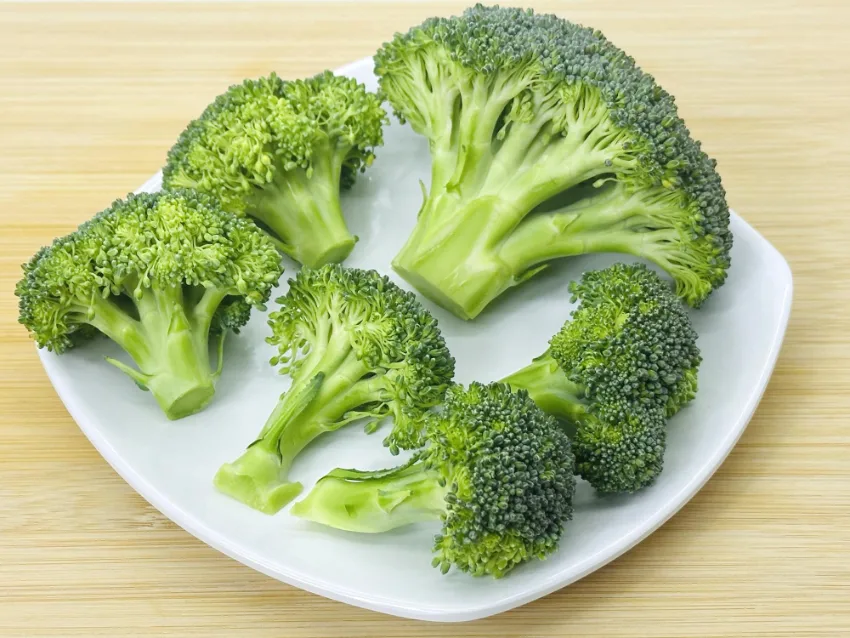
Broccoli provides potassium, calcium, magnesium, phosphorus, and small amounts of iron and zinc. It also offers vitamin C, vitamin K, folate, and fiber. These nutrients support bones, muscles, immune function, and digestion. Broccoli is easy to find fresh or frozen, so it can be a regular part of a balanced eating plan.
One cup of chopped cooked broccoli contains about 55 calories, 3.7 grams of protein, 5 grams of fiber, 457 milligrams of potassium, 33 milligrams of magnesium, and 62 milligrams of calcium.
Steam broccoli until just tender, or roast it with garlic and a little olive oil. Add it to stir-fries, grain bowls, pasta, and soups. Frozen broccoli is a convenient option and can be cooked straight from the freezer. Avoid cooking it for too long if you prefer a firmer texture and brighter color.
4. Sweet Potatoes

Sweet potatoes supply potassium, manganese, magnesium, and smaller amounts of calcium and iron. Potassium helps your muscles contract and supports healthy fluid balance. Sweet potatoes also provide fiber, vitamin C, and beta-carotene, which your body can turn into vitamin A. Their natural sweetness makes them easy to enjoy in both savory and sweet meals.
One medium baked sweet potato, about 5 inches long, has around 110 calories, 2 grams of protein, 4 grams of fiber, 540 milligrams of potassium, and 30 milligrams of magnesium.
Bake a sweet potato and top it with black beans, plain yogurt, or chopped vegetables. You can also cube it for roasting, mash it as a side dish, or add it to soups. Keep the skin on when you can, after washing it well, because the skin adds fiber and some minerals.
5. Avocados
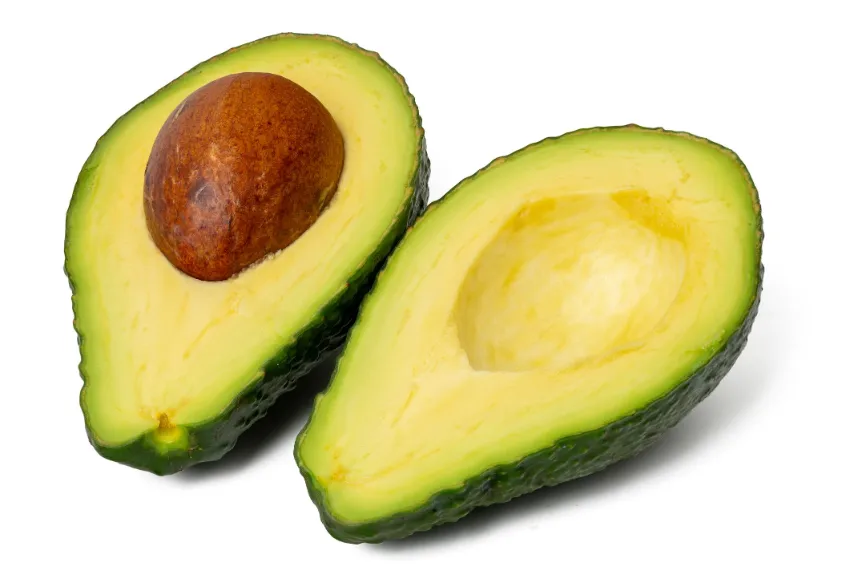
Avocados are especially well known for their potassium content. They also provide magnesium, copper, and small amounts of manganese and zinc. These minerals support normal muscle function, nerve signals, and many body processes. Avocados are also rich in monounsaturated fats and fiber, which can help make meals satisfying.
Half of a medium avocado has about 120 calories, 1.5 grams of protein, 5 grams of fiber, 345 milligrams of potassium, and 17 milligrams of magnesium.
Mash avocado onto whole-grain toast, add slices to salads, or use it in sandwiches and grain bowls. You can blend it into a creamy dressing with lime juice and herbs. Avocado also works as a topping for eggs, beans, and baked sweet potatoes. Since it is energy-dense, a half serving is a practical portion for many meals.
6. Bananas
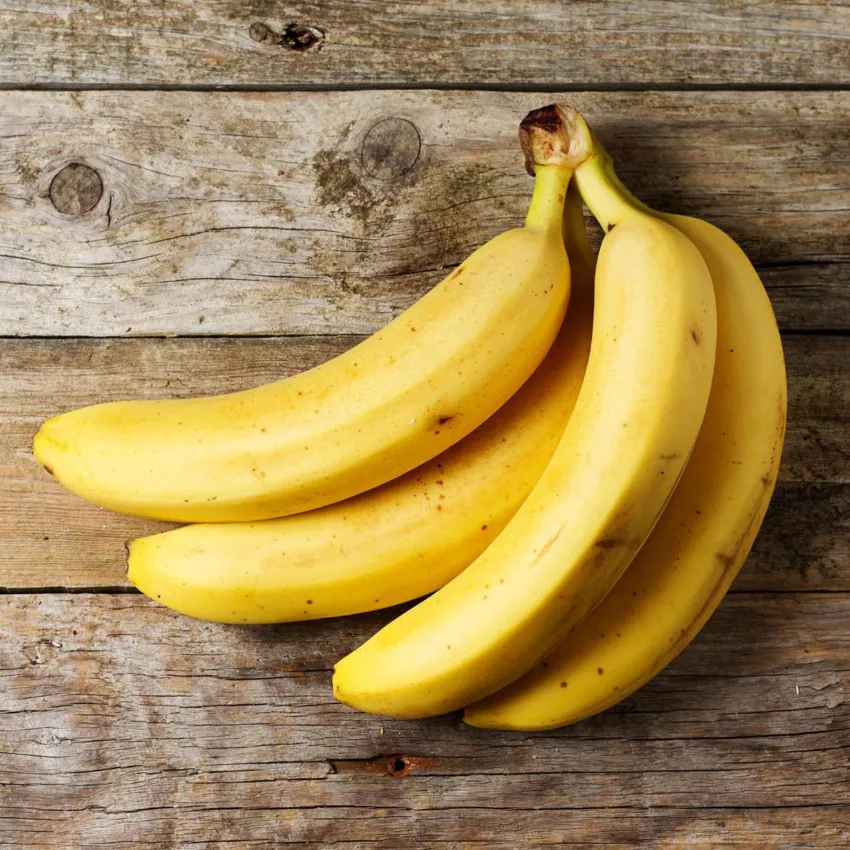
Bananas are a familiar source of potassium, a mineral that helps muscles and nerves work properly. They also contain magnesium and small amounts of manganese. Along with these minerals, bananas provide vitamin B6, vitamin C, and carbohydrates that give your body energy. Their natural wrapper makes them easy to carry as a quick snack.
One medium banana contains about 105 calories, 1.3 grams of protein, 3 grams of fiber, 422 milligrams of potassium, and 32 milligrams of magnesium.
Eat a banana on its own, slice it over oatmeal, or blend it into a smoothie. You can also mash ripe banana into pancake batter or use it to sweeten plain yogurt. Pair it with nuts or nut butter for a snack with more protein and healthy fats. Choose bananas with a yellow peel for a ready-to-eat option.
7. Almonds
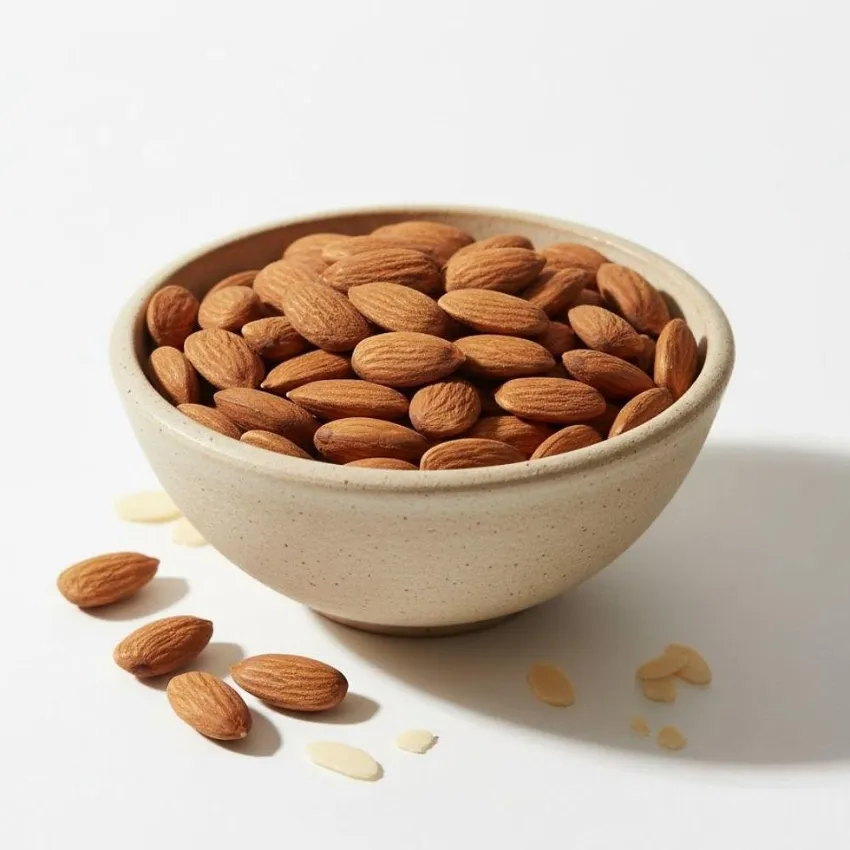
Almonds are rich in magnesium and also provide calcium, phosphorus, copper, and manganese. Magnesium helps your muscles and nerves work normally, while phosphorus and calcium support bones and teeth. Almonds also supply vitamin E, fiber, plant protein, and mostly unsaturated fats. A small handful can add several nutrients to a snack or meal.
One ounce of almonds, about 23 nuts, contains around 164 calories, 6 grams of protein, 3.5 grams of fiber, 76 milligrams of magnesium, 76 milligrams of calcium, and 208 milligrams of potassium.
Enjoy almonds as a snack, or chop them over oatmeal, yogurt, and salads. Almond butter is another easy way to add them to toast or smoothies. Choose unsalted almonds if you want to limit sodium. Measure a small handful because nuts contain many calories in a small serving.
8. Cashews
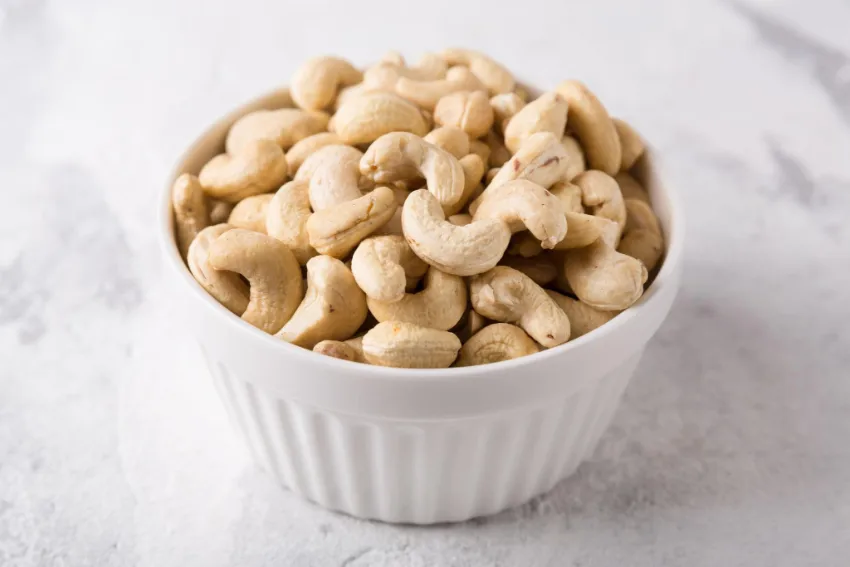
Cashews provide copper, magnesium, zinc, phosphorus, and iron. Copper helps your body use iron and supports healthy connective tissue. Magnesium supports muscle and nerve function, while zinc plays a role in immune health. Cashews also contain protein, fiber, and unsaturated fats, giving them a creamy texture that works in many recipes.
One ounce of raw cashews, about 18 nuts, has around 157 calories, 5 grams of protein, 1 gram of fiber, 83 milligrams of magnesium, 1.7 milligrams of zinc, and 0.6 milligrams of copper.
Eat cashews as a snack, or add chopped nuts to stir-fries, salads, and grain bowls. Soaked cashews blend into a smooth sauce for pasta or vegetables. Choose plain or unsalted versions when possible. If you use salted cashews, check the package because sodium levels can vary between brands.
9. Brazil Nuts
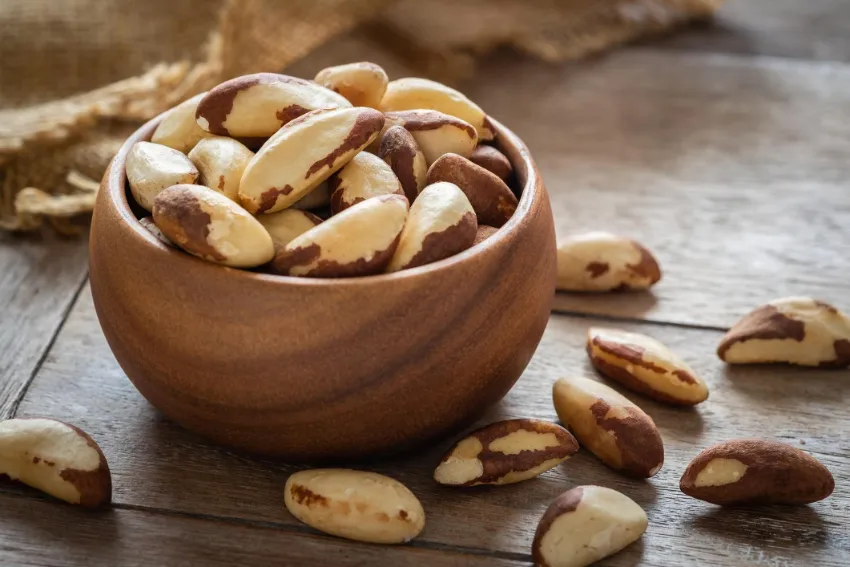
Brazil nuts are an excellent source of selenium, a mineral that helps protect cells and supports normal thyroid function. They also provide magnesium, phosphorus, copper, and zinc. Brazil nuts contain healthy fats and a little protein, but their selenium content is so high that portion size matters more than it does with most nuts.
One Brazil nut has about 33 calories, 0.7 grams of protein, 0.8 grams of fat, and roughly 68 to 90 micrograms of selenium. The amount varies greatly depending on where the nuts were grown.
For most adults, one Brazil nut can provide a large share of the daily selenium need. You don’t need to eat a handful every day. Chop one nut over oatmeal or yogurt, or enjoy it as an occasional snack. Avoid taking large amounts regularly because too much selenium can be harmful.
10. Pumpkin Seeds
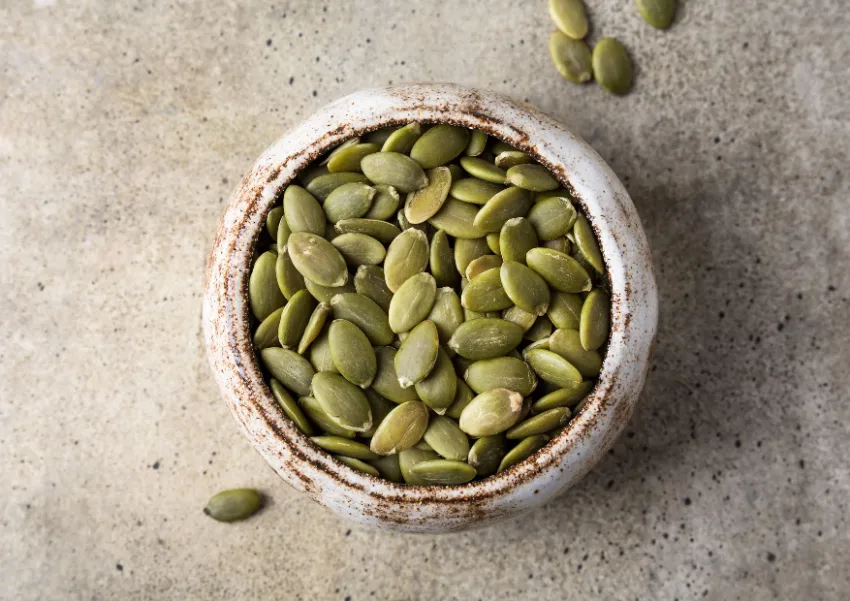
Pumpkin seeds, also called pepitas when shelled, offer magnesium, zinc, iron, phosphorus, and manganese. These minerals support energy production, immune function, bone health, and normal muscle activity. Pumpkin seeds also contain plant protein, fiber, and unsaturated fats. Their mild, nutty taste makes them easy to add to both sweet and savory dishes.
One ounce of roasted pumpkin seed kernels contains about 160 calories, 8.5 grams of protein, 1.7 grams of fiber, 150 milligrams of magnesium, 2.2 milligrams of zinc, and 2.3 milligrams of iron.
Sprinkle pumpkin seeds over oatmeal, salads, soups, or roasted vegetables. You can also blend them into pesto or add them to homemade trail mix. Choose unsalted seeds to keep sodium lower. Store them in an airtight container in a cool place, or refrigerate them for longer storage.
11. Sunflower Seeds
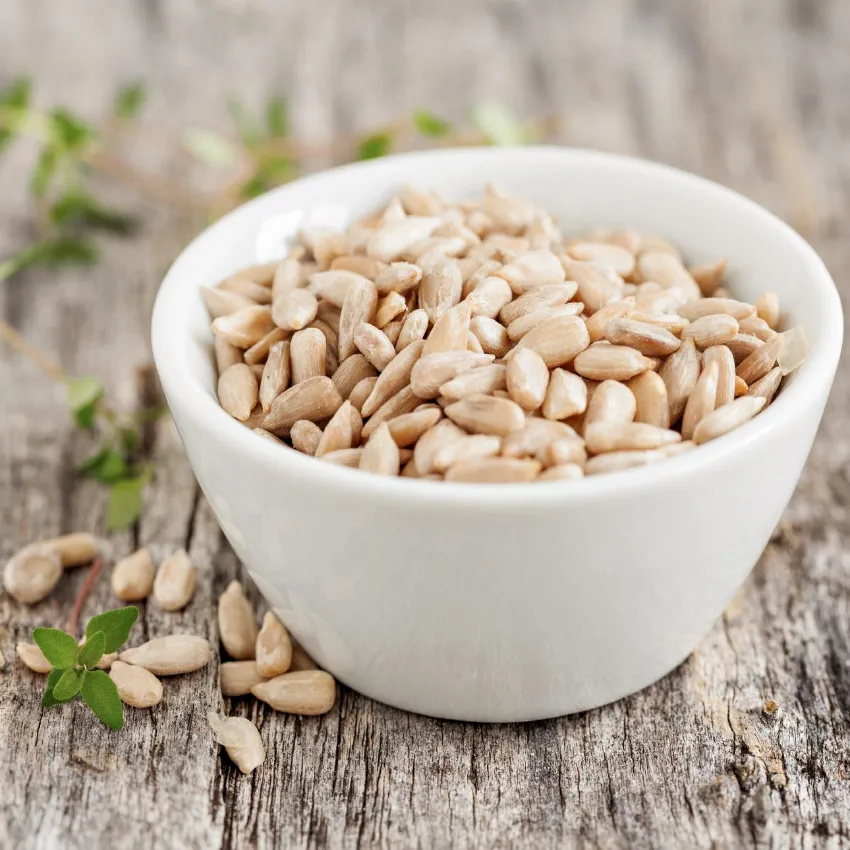
Sunflower seeds provide magnesium, copper, selenium, phosphorus, and smaller amounts of iron and zinc. They are also a strong source of vitamin E and contain protein, fiber, and healthy fats. These minerals help support normal energy use, muscle function, and cell health. Their crunchy texture makes them a simple way to add nutrients to everyday meals.
One ounce of dried sunflower seed kernels has about 165 calories, 5.5 grams of protein, 3 grams of fiber, 37 milligrams of magnesium, 1.5 milligrams of zinc, and 0.5 milligrams of copper.
Add sunflower seeds to yogurt, oatmeal, salads, and baked goods. You can also blend them into seed butter or sprinkle them over cooked vegetables. Choose unsalted kernels when possible. If you buy seeds in the shell, remember that the edible portion is smaller than the total weight of the snack.
12. Chia Seeds
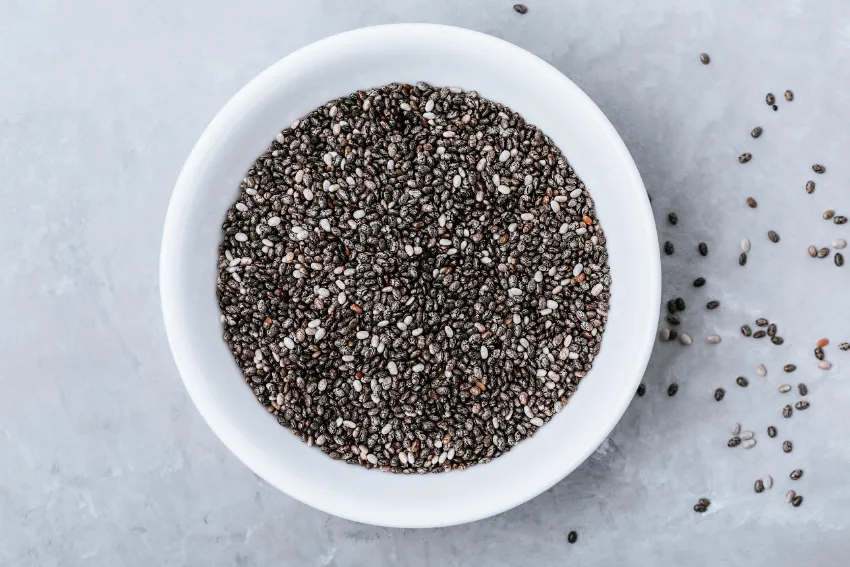
Chia seeds contain calcium, magnesium, phosphorus, and manganese. They also provide fiber, plant-based omega-3 fats, and some protein. Calcium and phosphorus support bones and teeth, while magnesium helps muscles and nerves function. Chia seeds absorb liquid and form a gel, making them useful for thickening foods and preparing simple breakfasts.
One ounce of chia seeds, about 2 tablespoons, has around 138 calories, 4.7 grams of protein, 9.8 grams of fiber, 95 milligrams of magnesium, 179 milligrams of calcium, and 244 milligrams of phosphorus.
Stir chia seeds into oatmeal, yogurt, or smoothies. Mix them with milk or fortified soy milk and let them soak overnight for chia pudding. You can also use soaked chia seeds in some baking recipes. Start with a small serving if you’re not used to high-fiber foods, and drink enough water throughout the day.
13. Sesame Seeds
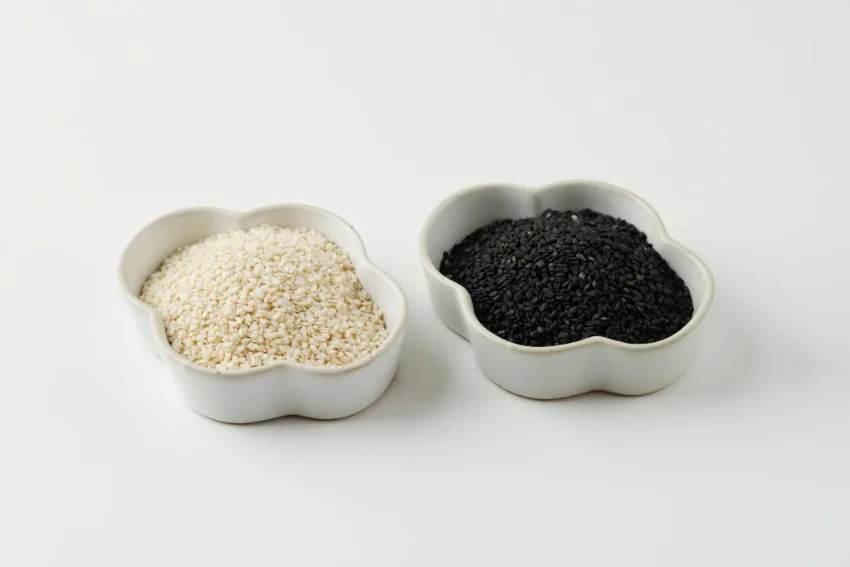
Sesame seeds provide calcium, copper, manganese, magnesium, iron, and phosphorus. They also contain healthy fats, fiber, and plant compounds. Calcium and phosphorus support bones, while copper and iron help with normal blood and tissue functions. Sesame seeds are small, but they can add flavor and minerals to many meals.
One tablespoon of whole dried sesame seeds has about 52 calories, 1.6 grams of protein, 1.1 grams of fiber, 88 milligrams of calcium, 0.4 milligrams of iron, and 0.4 milligrams of copper.
Sprinkle sesame seeds over rice, vegetables, salads, or stir-fries. Tahini, a paste made from sesame seeds, works well in dips, dressings, and sauces. Toasting sesame seeds briefly can bring out their nutty flavor. Store them in a sealed container, and refrigerate them if you want to keep them fresh for longer.
14. Lentils
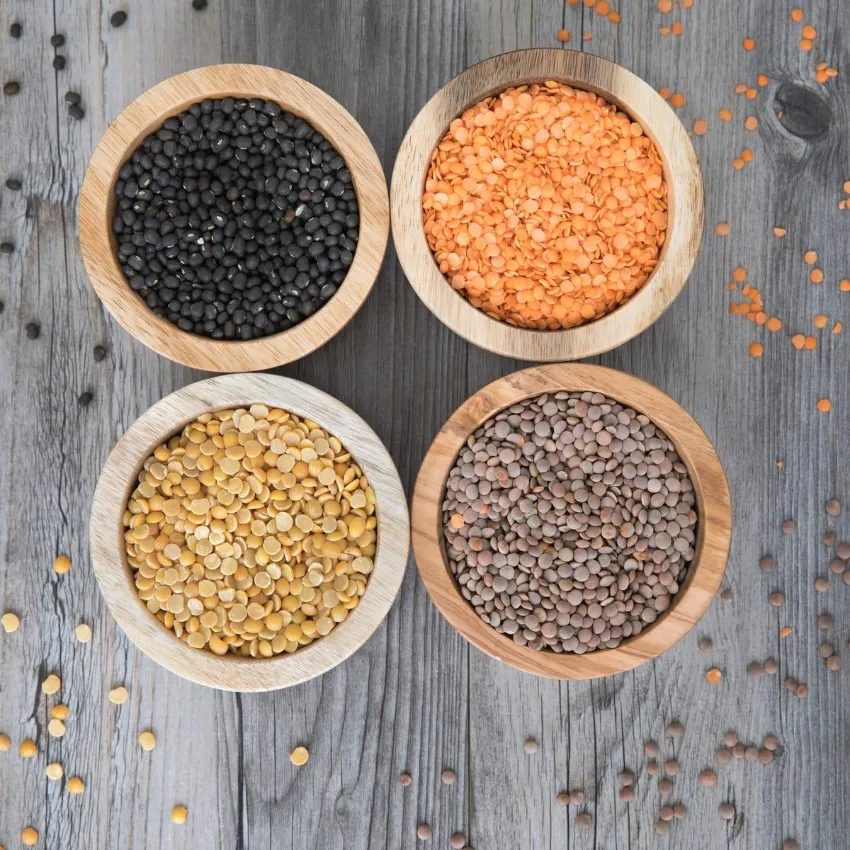
Lentils are rich in iron, potassium, magnesium, phosphorus, and zinc. They also provide folate, plant protein, and plenty of fiber. Iron helps your body make hemoglobin, which carries oxygen in the blood. Potassium and magnesium support normal muscle and nerve function. Lentils are affordable, cook fairly quickly, and fit into many kinds of meals.
One cup of cooked lentils contains about 230 calories, 18 grams of protein, 15.5 grams of fiber, 731 milligrams of potassium, 71 milligrams of magnesium, and 6.6 milligrams of iron.
Use lentils in soups, stews, curries, salads, and pasta sauces. Red lentils soften quickly and work well in thick soups, while green and brown lentils hold their shape. Add tomatoes, bell peppers, or lemon juice to a lentil meal for vitamin C, which helps your body absorb plant-based iron.
15. Chickpeas
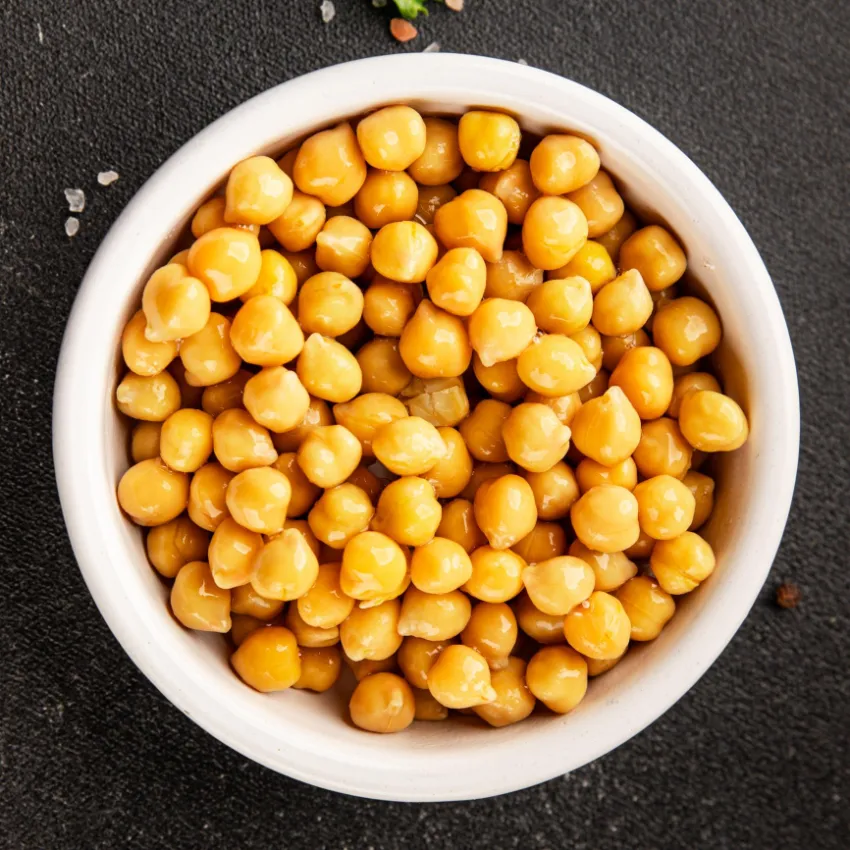
Chickpeas provide iron, magnesium, potassium, phosphorus, zinc, and copper. They also contain plant protein and fiber, which help make meals filling. Iron supports oxygen transport, while magnesium and potassium help with muscle and nerve function. Chickpeas are easy to find dried or canned, making them a practical pantry staple.
One cup of cooked chickpeas has about 269 calories, 14.5 grams of protein, 12.5 grams of fiber, 477 milligrams of potassium, 79 milligrams of magnesium, and 4.7 milligrams of iron.
Blend chickpeas with tahini, lemon, and garlic to make hummus. Add them to salads, soups, curries, and roasted vegetable bowls. You can also roast drained chickpeas with spices for a crunchy snack. If you use canned chickpeas, drain and rinse them to remove some of the added sodium.
16. Black Beans
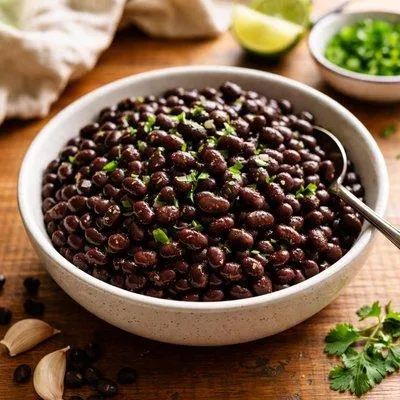
Black beans supply magnesium, iron, potassium, phosphorus, and manganese. They also offer plant protein, fiber, and folate. These nutrients support healthy blood, muscles, bones, and digestion. Black beans have a rich flavor and soft texture, so they work well in many dishes without needing complicated preparation.
One cup of cooked black beans contains about 227 calories, 15 grams of protein, 15 grams of fiber, 611 milligrams of potassium, 120 milligrams of magnesium, and 3.6 milligrams of iron.
Add black beans to tacos, rice bowls, soups, salads, and vegetable stews. Mash them with lime juice and garlic for a quick spread. Canned beans are convenient, but choose no-salt-added versions when available. Drain and rinse regular canned beans before using them to reduce some of the sodium.
17. Kidney Beans

Kidney beans provide potassium, iron, magnesium, phosphorus, and zinc. They also contain protein, fiber, and folate. Potassium supports fluid balance and normal muscle function, while iron helps carry oxygen through the body. Their firm texture makes kidney beans a good choice for hearty dishes that can be prepared ahead.
One cup of cooked kidney beans has about 225 calories, 15 grams of protein, 13 grams of fiber, 713 milligrams of potassium, 74 milligrams of magnesium, and 5.2 milligrams of iron.
Use kidney beans in chili, soups, salads, and rice dishes. If you cook dried kidney beans, soak them and boil them thoroughly according to food-safety guidance. Don’t cook raw kidney beans only in a slow cooker. Canned kidney beans are ready to use after draining and rinsing.
18. Oats
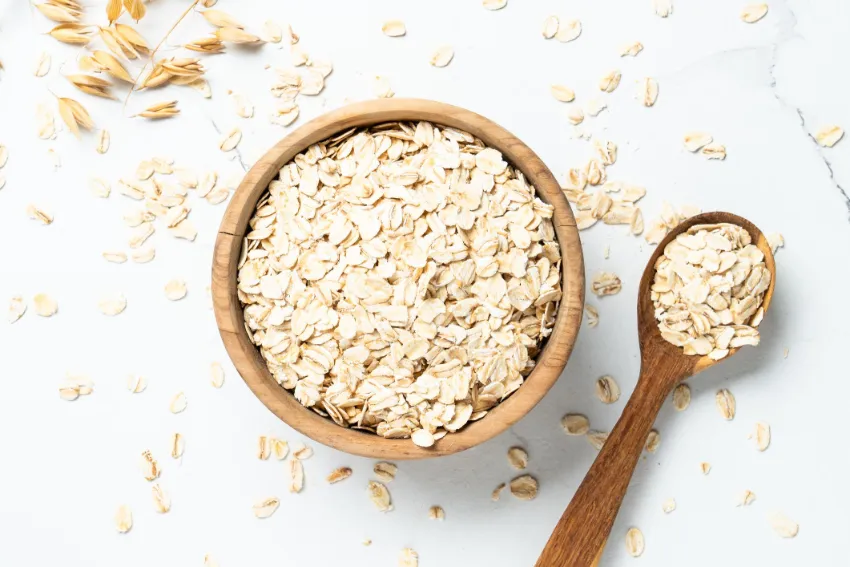
Oats provide magnesium, phosphorus, manganese, iron, and zinc. They are also a source of beta-glucan, a soluble fiber that can help support healthy cholesterol levels. Magnesium helps muscles and nerves work normally, while phosphorus supports bones and energy use. Oats are easy to prepare and can be served sweet or savory.
One cup of cooked oatmeal made with water has about 166 calories, 6 grams of protein, 4 grams of fiber, 63 milligrams of magnesium, 180 milligrams of phosphorus, and 2 milligrams of iron.
Make oatmeal with milk or fortified soy milk, then add fruit, nuts, or seeds. You can also use oats in muffins, homemade snack bites, and savory bowls. Plain rolled or steel-cut oats usually have less added sugar than flavored packets. Check the label if you buy instant oats with added flavorings.
19. Quinoa
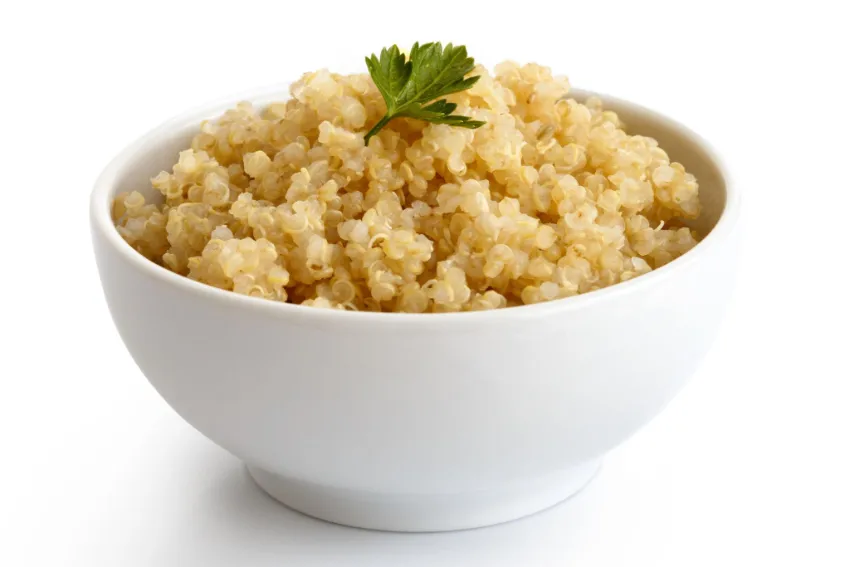
Quinoa is a seed that is cooked and eaten much like a grain. It provides magnesium, phosphorus, iron, manganese, and zinc. It also contains all nine essential amino acids, making it a useful plant-based protein choice. These minerals support bones, muscles, and normal energy processes.
One cup of cooked quinoa contains about 222 calories, 8 grams of protein, 5 grams of fiber, 118 milligrams of magnesium, 281 milligrams of phosphorus, and 2.8 milligrams of iron.
Use quinoa as a base for grain bowls, salads, and stuffed vegetables. It can also replace rice in many meals. Rinse quinoa under cool water before cooking to remove its natural bitter coating. Cook extra and refrigerate it for quick lunches. Pair it with beans or vegetables for a meal with a wider mix of nutrients.
20. Brown Rice
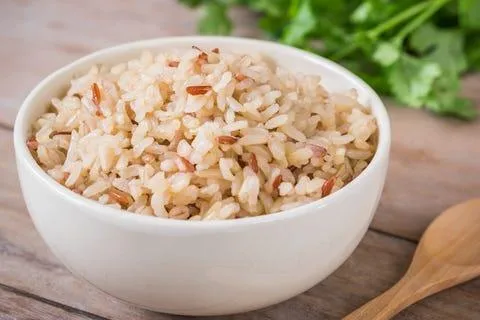
Brown rice is a whole grain that contains magnesium, phosphorus, manganese, selenium, and small amounts of iron and zinc. It keeps its bran and germ, which hold more minerals and fiber than polished white rice. Magnesium supports normal muscle and nerve function, while phosphorus helps maintain bones and supports energy use.
One cup of cooked long-grain brown rice has about 215 calories, 5 grams of protein, 3.5 grams of fiber, 84 milligrams of magnesium, 162 milligrams of phosphorus, and 1 milligram of iron.
Serve brown rice with lentils, beans, vegetables, tofu, or fish. It also works in stuffed peppers, grain bowls, and rice salads. Brown rice takes longer to cook than white rice, so prepare a larger batch and freeze extra portions. Follow the package directions because cooking times vary by type.
21. Salmon
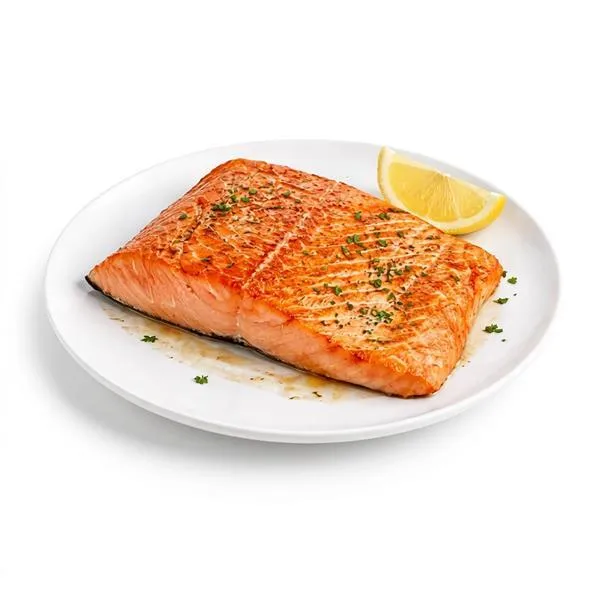
Salmon is a mineral-rich fish that provides selenium, phosphorus, potassium, and smaller amounts of magnesium, iron, and zinc. It is also an excellent source of protein, vitamin B12, vitamin D, and omega-3 fats. Selenium supports normal thyroid function and helps protect cells, while phosphorus supports bones and energy use.
A 3-ounce cooked serving of Atlantic salmon has about 175 to 180 calories, 19 grams of protein, 10 to 11 grams of fat, 40 milligrams of calcium, 326 milligrams of potassium, and around 40 micrograms of selenium.
Bake salmon with lemon, garlic, and herbs for a simple dinner. You can also grill it, add cooked flakes to salads, or serve it with brown rice and vegetables. Fresh, frozen, and canned salmon can all be useful choices. Compare labels on smoked or seasoned products because they may contain more sodium.
Final Thoughts
Minerals work together to support strong bones, healthy muscles, energy, and many other body functions. You don’t need to rely on one food to get them.
Mix leafy greens, beans, nuts, seeds, whole grains, and fish throughout the week. If you’re planning major diet changes, talk with your healthcare provider.
