
30 Shocking Water Rich Foods That Doctors Recommend

You already know you’re supposed to drink more water. But what if your food could do a lot of that heavy lifting for you?
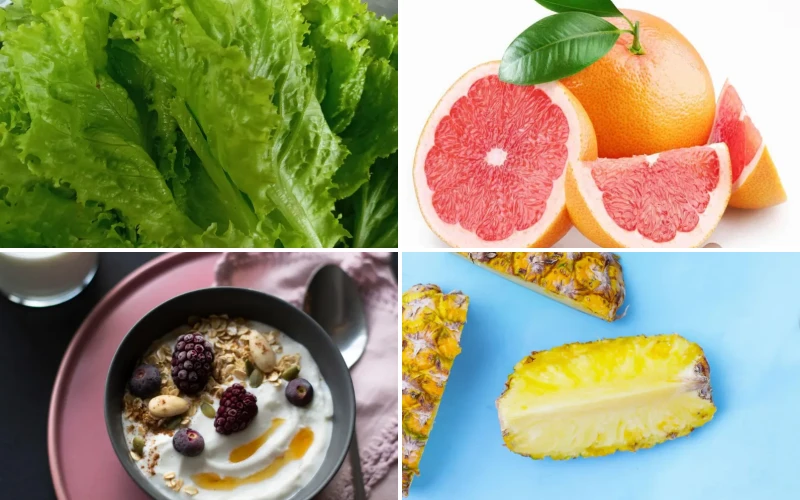
The truth is, some of the tastiest foods on your plate are quietly keeping you hydrated, and most people have no idea. Get ready to discover 30 doctor-recommended, water-rich foods that your body will absolutely thank you for.
1. Cucumber
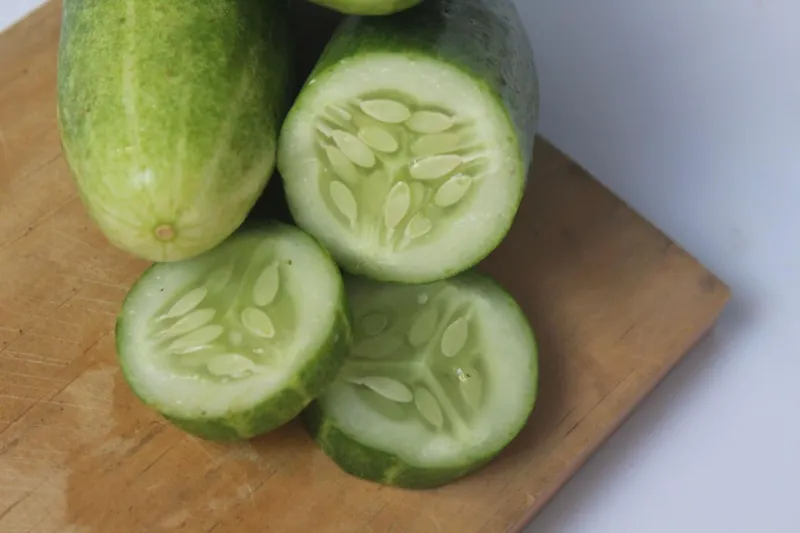
Cucumber is basically nature’s water bottle. It clocks in at about 96% water, making it one of the most hydrating foods you can eat.
Beyond hydration, cucumbers contain vitamin K, potassium, and antioxidants like flavonoids that help fight inflammation. They’re low in calories too, so snacking on them is basically a win all around.
Slice them into salads, dip them in hummus, or just eat them straight with a little sea salt. You can even blend them into a refreshing agua fresca on hot summer days.
2. Lettuce
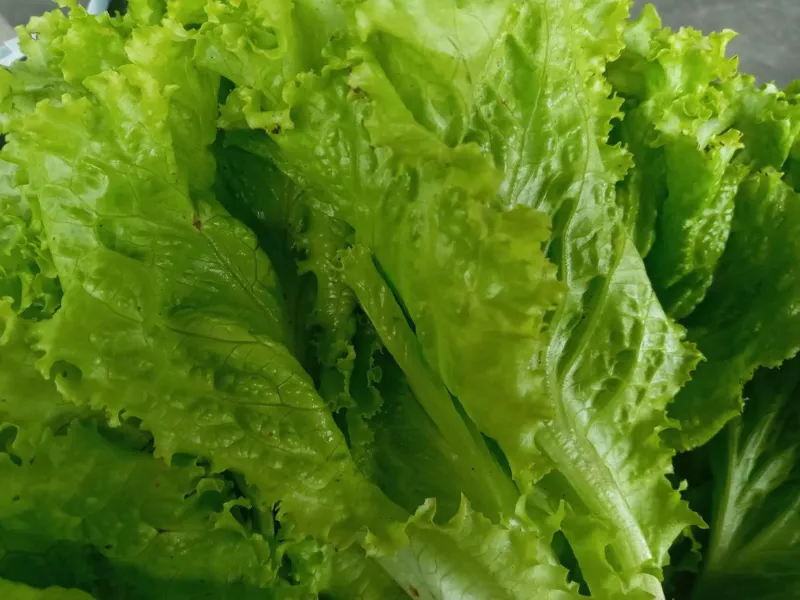
That leafy base in your salad bowl? It’s about 95% water and genuinely one of the best hydrating foods hiding in plain sight.
Lettuce also delivers folate, vitamin A, and vitamin K. Romaine in particular has been studied for its role in supporting heart health, thanks to its fiber and antioxidant content.
Use it as a wrap instead of a tortilla, layer it in sandwiches, or build a hearty salad with protein and healthy fats to make it a full meal.
3. Celery
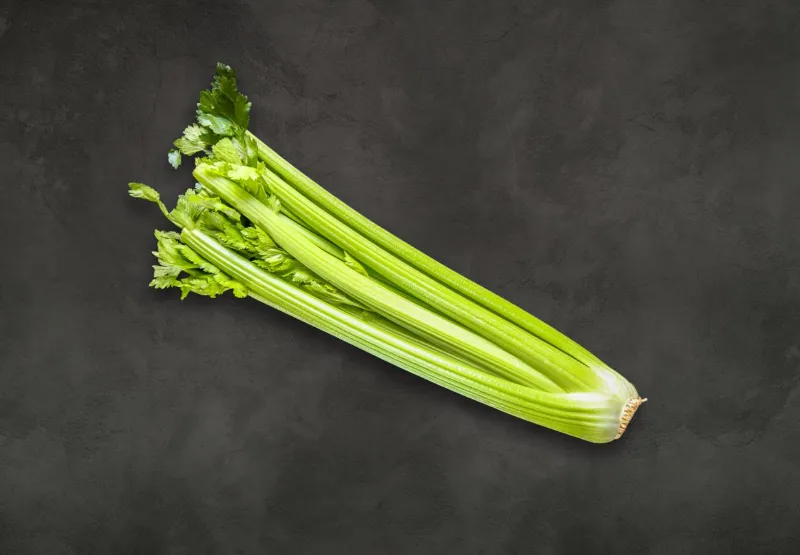
Celery is around 95% water and has a reputation for being the snack that burns more calories than it provides. While that is a myth, it is still incredibly low in calories and high in hydrating power.
It contains vitamins A, K, and C, plus a flavonoid called apigenin that researchers have studied for its anti-inflammatory properties. Celery also has a natural sodium-potassium balance that supports electrolyte levels.
Pair it with almond butter for a satisfying snack, toss it into soups, or juice it on its own. Your gut will love the fiber too.
4. Tomatoes
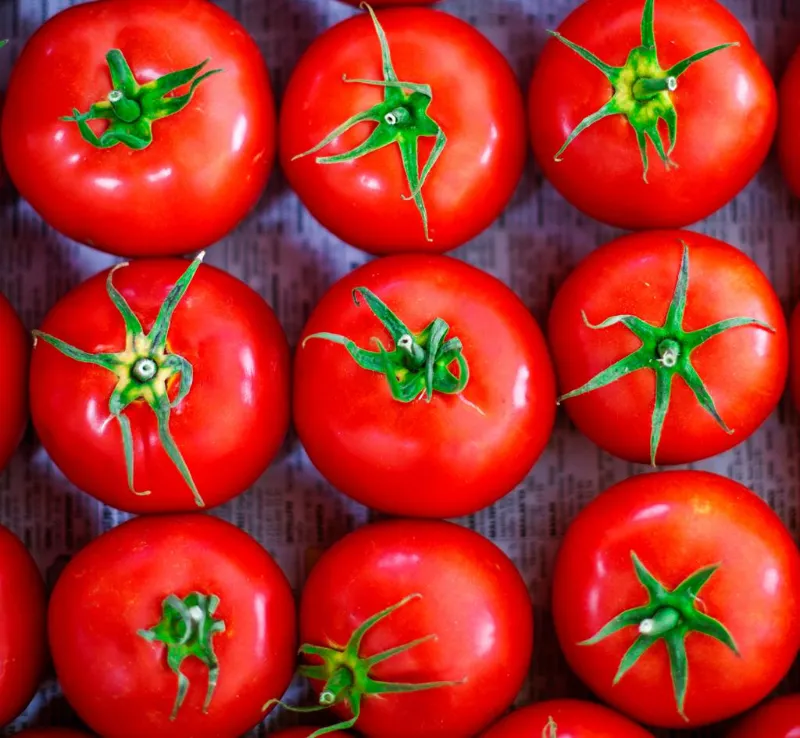
A ripe tomato is about 94% water and packed with lycopene, one of the most powerful antioxidants found in food. Studies have linked lycopene to a reduced risk of certain cancers and heart disease.
Tomatoes also provide vitamin C and potassium, nutrients your body needs for immune function and blood pressure regulation. Cooking them actually increases lycopene availability, which is great news for pasta lovers.
Eat them fresh in salads, roast them for depth of flavor, or blend them into a homemade sauce. Even a quality canned tomato is still a hydrating, nutritious choice.
5. Strawberries
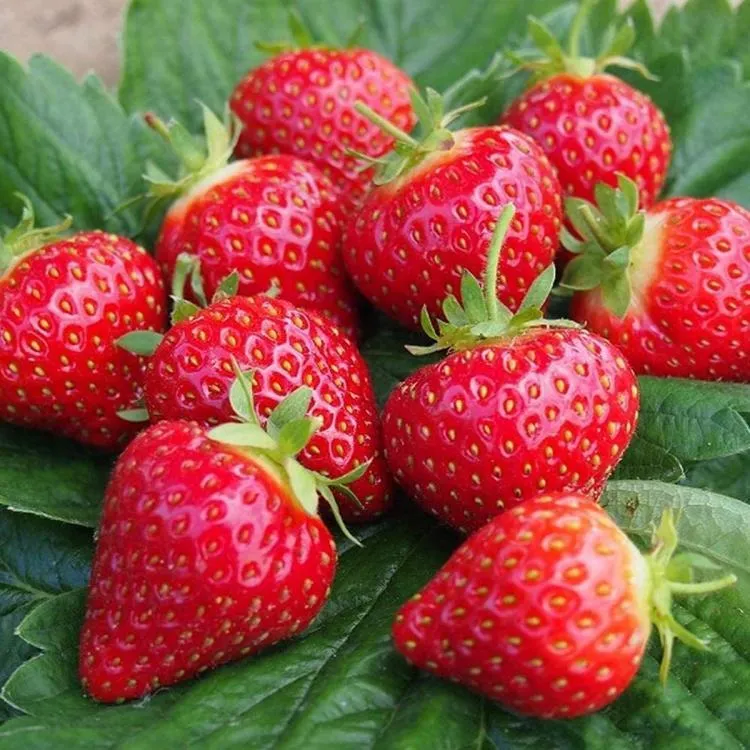
Strawberries sit at about 91% water and taste like summer in every single bite. They are one of the best low-sugar fruit options when you want something sweet without the blood sugar spike.
They are loaded with vitamin C, manganese, and folate. Research published in nutrition journals has found that regular strawberry consumption can help lower markers of inflammation and improve heart health over time.
Toss them into smoothies, slice them over oatmeal, or just eat a bowlful on their own. Frozen strawberries work just as well nutritionally and are budget-friendly year-round.
6. Watermelon
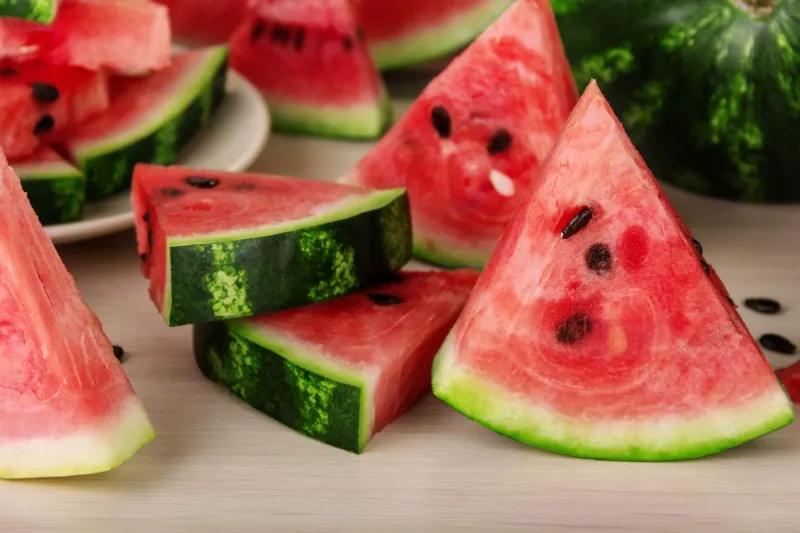
No surprises here. Watermelon is about 92% water and has been a summer hydration staple forever. But it is way more nutritious than people give it credit for.
It contains lycopene, citrulline, and vitamins A and C. Citrulline is an amino acid that has been studied for improving blood flow and reducing muscle soreness, which is why some athletes eat it after workouts.
Cube it, blend it into a agua fresca, or freeze it for a popsicle. A cold slice of watermelon on a hot day hits different when you know it is also boosting your recovery.
7. Cantaloupe
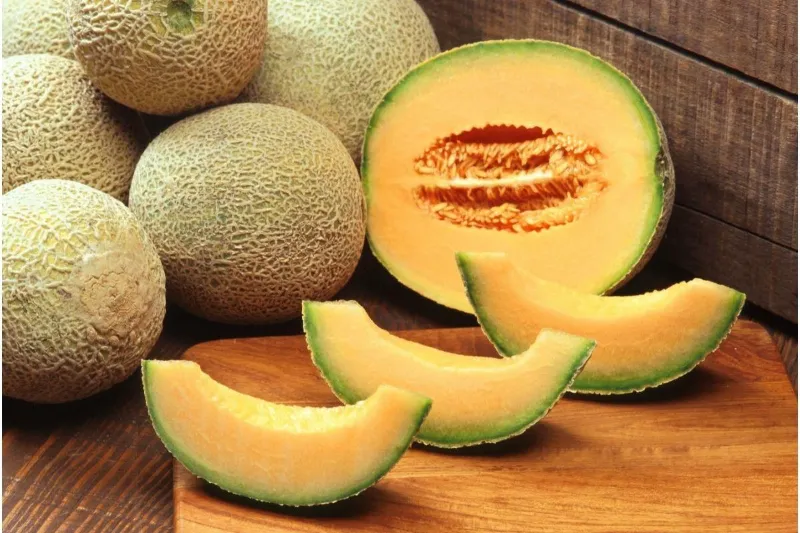
Cantaloupe is roughly 90% water and delivers a serious nutritional punch for something that tastes like dessert. It is one of the richest food sources of beta-carotene, which your body converts to vitamin A.
Vitamin A is essential for eye health, immune function, and skin integrity. One cup of cantaloupe gives you more than 100% of your daily vitamin A needs, all wrapped up in a juicy, sweet package.
Eat it fresh on its own, wrap slices in prosciutto for a classic appetizer, or blend it into a chilled soup for a warm-weather starter.
8. Honeydew Melon
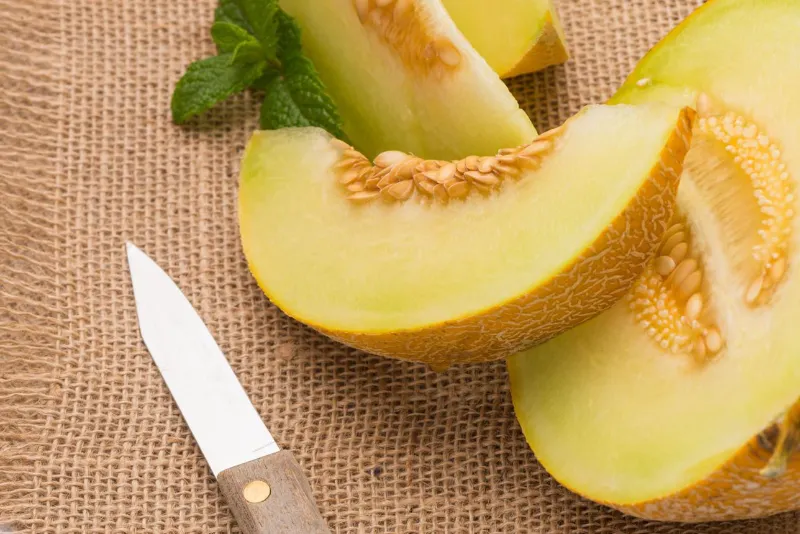
Honeydew comes in at about 90% water and has a subtly sweet, refreshing flavor that works beautifully in both sweet and savory dishes.
It is a solid source of vitamin C and potassium. Potassium plays a crucial role in maintaining fluid balance in your cells, which means honeydew actually helps your body use water more efficiently.
Cube it into a fruit salad, blend it with mint and lime for a refreshing smoothie, or add it to a savory salad with arugula and feta.
9. Peaches
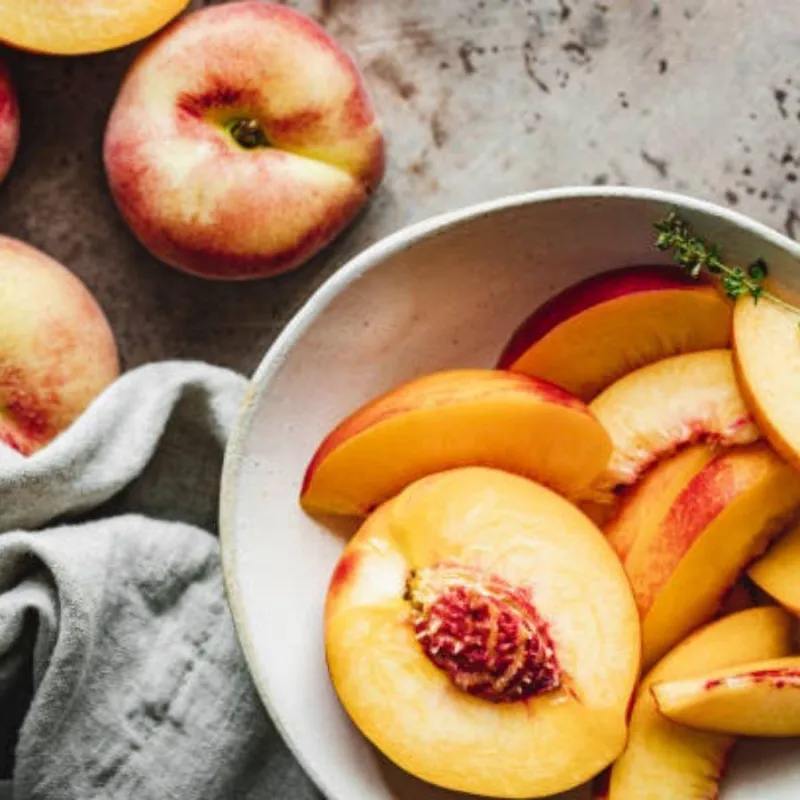
A fresh, ripe peach is about 89% water and brings a natural sweetness that feels indulgent without the guilt. Peaches are also rich in vitamins A and C, potassium, and fiber.
Studies have shown that the antioxidants in peaches, particularly chlorogenic acid, may help reduce inflammation and support metabolic health. They are a fantastic snack for anyone managing blood sugar, too.
Slice fresh peaches over cottage cheese, grill them for a caramelized depth of flavor, or blend them into a peach smoothie with Greek yogurt.
10. Oranges

Oranges are about 86% water and are famous for vitamin C, but they bring so much more to the table. They also contain flavonoids, folate, and thiamine.
Research has found that the flavonoids in oranges, especially hesperidin, may support cardiovascular health and reduce blood pressure over time. The fiber in the whole fruit also helps slow sugar absorption.
Eat them whole to get the fiber benefits, squeeze fresh juice for a morning boost, or add segments to salads for a citrusy pop.
11. Grapefruit
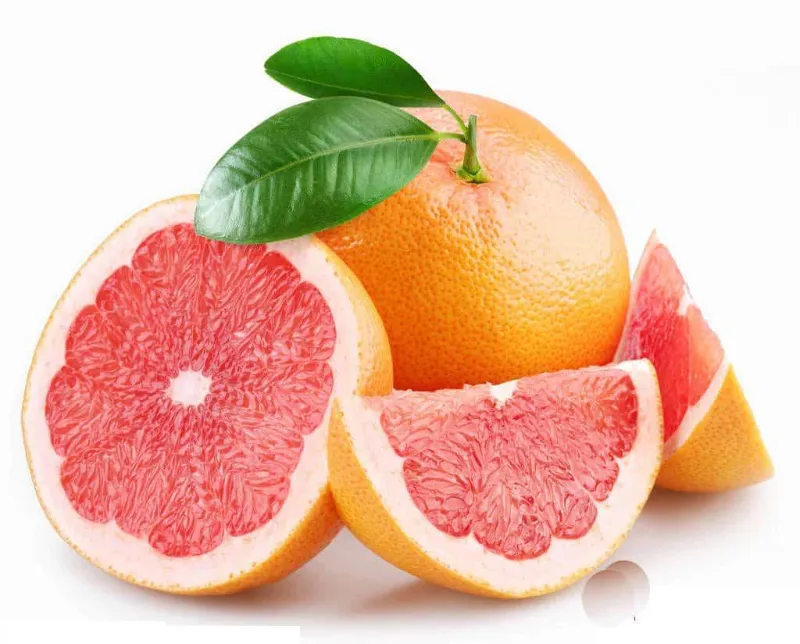
Grapefruit is around 88% water and has a tart, complex flavor that takes a little getting used to, but rewards you big time. It is loaded with vitamin C and antioxidants, and it contains a compound called naringenin.
Naringenin has been studied for its ability to improve insulin sensitivity and support liver health. Some research also suggests grapefruit may help with weight management when eaten as part of a balanced diet.
Note that grapefruit can interact with certain medications, so check with your doctor if you are on any prescriptions. Otherwise, enjoy it halved with a little honey in the morning.
12. Pineapple
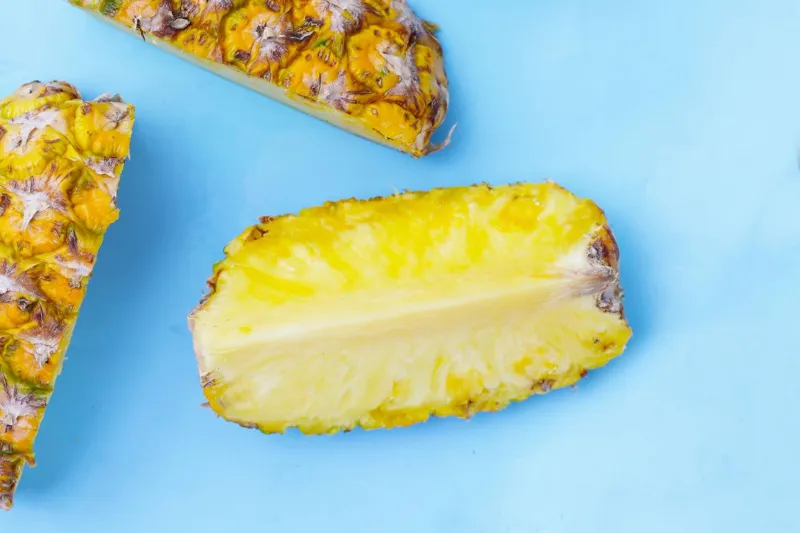
Pineapple contains about 86% water and is one of the few natural sources of bromelain, a powerful enzyme known for its anti-inflammatory and digestive properties.
Bromelain has been studied for its role in reducing swelling after injuries and surgery, and it may also help your gut break down protein more efficiently. On top of that, pineapple delivers vitamin C, manganese, and B vitamins.
Use it in smoothies, toss it on a pizza if you are that person, or grill it alongside proteins for a sweet-savory combo that works surprisingly well.
13. Blueberries
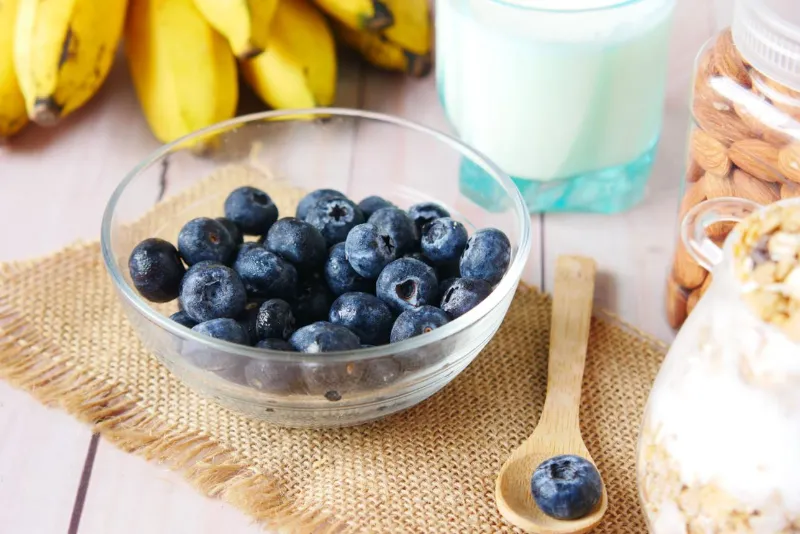
Blueberries are about 84% water and are practically synonymous with the word superfood at this point, and honestly, the hype is real. They are packed with anthocyanins, which are the pigments that give them their deep blue color and potent antioxidant power.
Studies have consistently linked regular blueberry consumption to improved brain function, better memory, and a reduced risk of cognitive decline as we age. They also support heart health by improving cholesterol levels and reducing inflammation.
Add them to oatmeal, blend them into smoothies, or just snack on a handful straight from the fridge. Fresh or frozen, they deliver the same nutritional benefits.
14. Raspberries
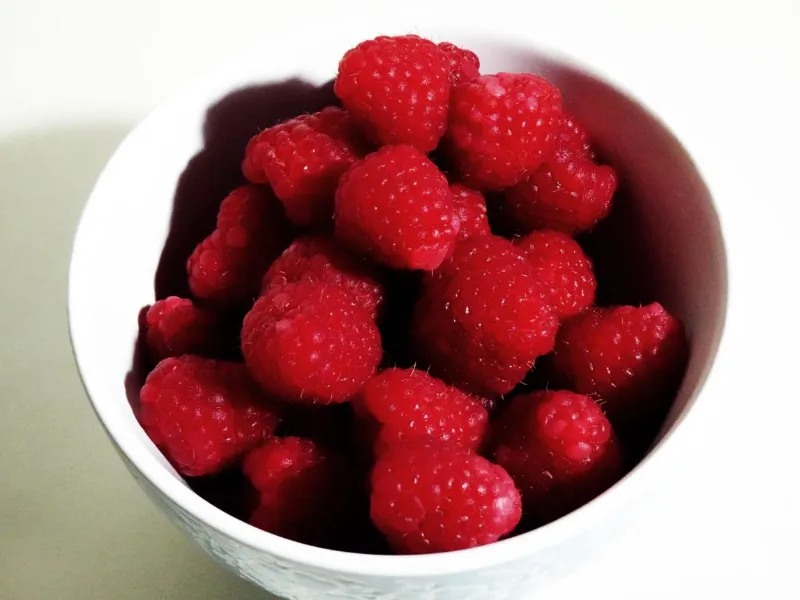
Raspberries are about 86% water and pack more fiber than almost any other fruit, which makes them incredibly filling for their size. One cup has about 8 grams of fiber.
That fiber feeds your gut microbiome, which recent research continues to link to everything from immune function to mental health. They are also rich in vitamin C, manganese, and ellagic acid, an antioxidant tied to cancer-protective properties.
Layer them into yogurt parfaits, swirl them into overnight oats, or blend them into a sauce to drizzle over protein pancakes.
15. Spinach
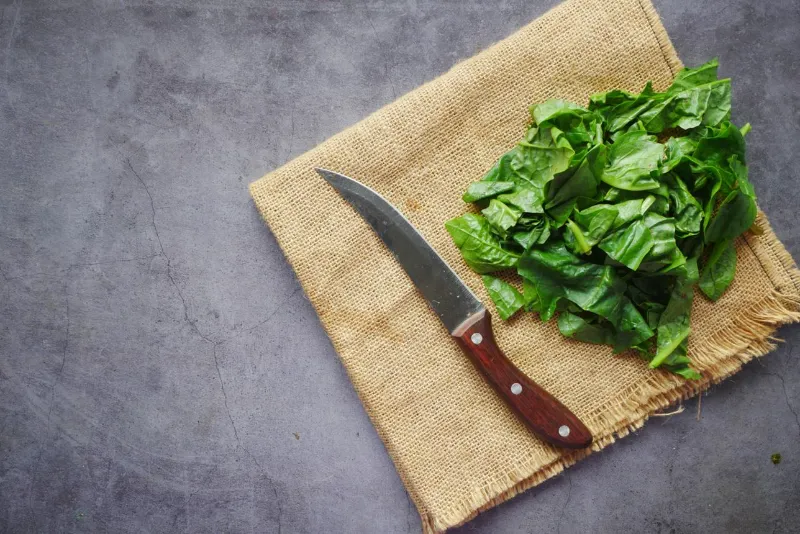
Spinach is about 91% water and is one of the most nutrient-dense leafy greens on the planet. It delivers iron, magnesium, folate, and vitamins A, C, and K in meaningful amounts.
The iron in spinach is non-heme iron, which is less readily absorbed than animal-based iron, but pairing it with vitamin C foods dramatically boosts absorption. Spinach is also rich in nitrates, which studies show can improve cardiovascular endurance.
Sauté it with garlic and olive oil as a quick side, blend it into smoothies where it becomes practically invisible, or pile it into omelets and grain bowls.
16. Zucchini
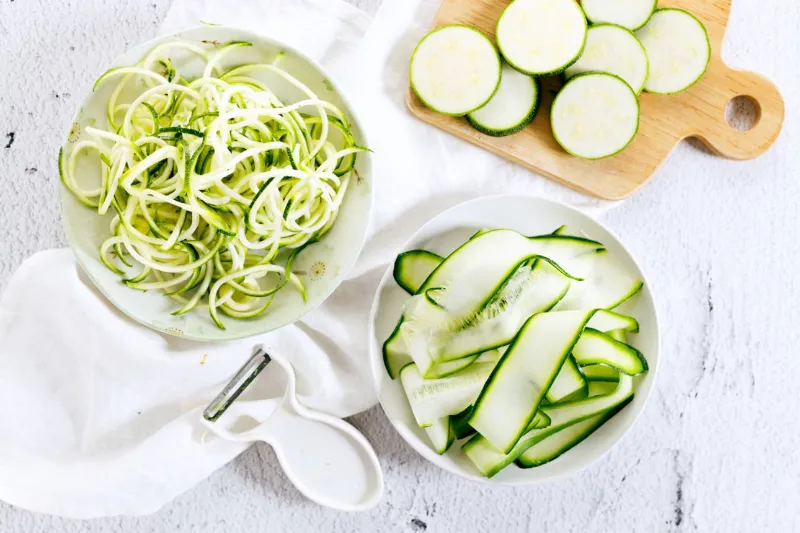
Zucchini comes in at about 94% water and is one of the most versatile low-calorie vegetables in your kitchen. It is mild in flavor, which means it takes on whatever seasonings you throw at it.
It provides vitamin C, potassium, manganese, and B vitamins. Its high water and fiber content also makes it great for digestion and keeping you feeling full without overeating.
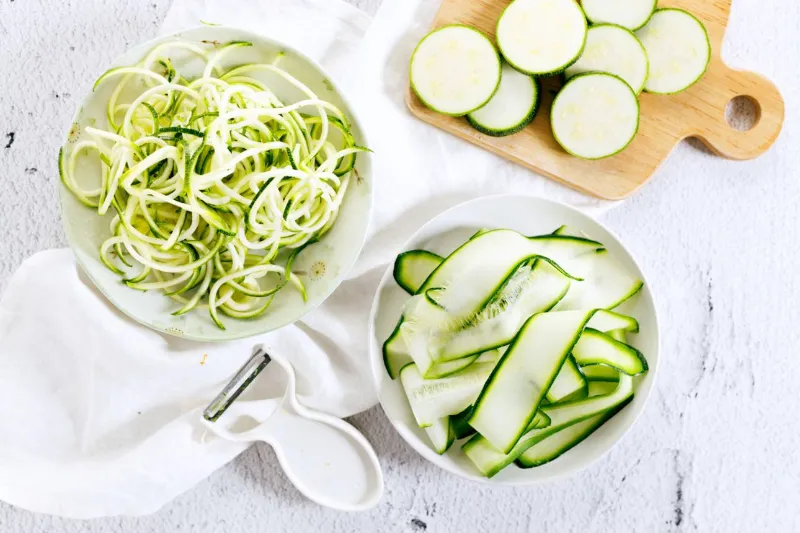
Spiralize it into zoodles, slice it thin and layer it in lasagna, grill it with olive oil and seasoning, or bake it into zucchini bread for a satisfying treat.
17. Bell Peppers
Bell peppers are about 92% water and are actually one of the highest vitamin C foods out there, even beating oranges in terms of concentration. Red bell peppers in particular contain almost 150% of your daily vitamin C needs in a single pepper.
They are also rich in beta-carotene, folate, and vitamin B6. The antioxidants in bell peppers have been studied for their role in protecting eye health and reducing the risk of age-related macular degeneration.
Slice them raw for snacking with dip, stuff them with seasoned rice and ground turkey, or roast them to bring out their natural sweetness.
18. Cauliflower
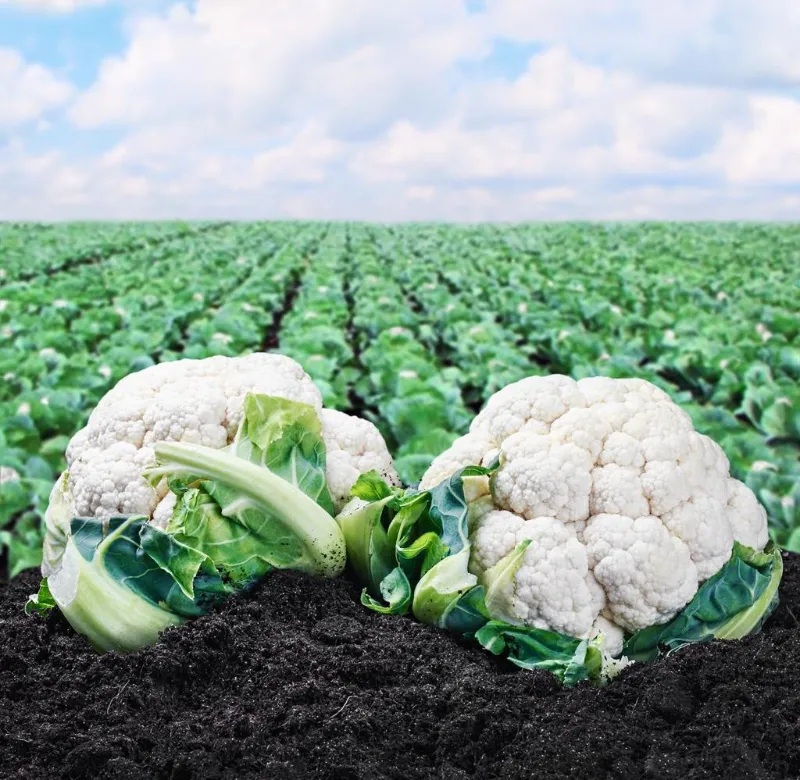
Cauliflower is roughly 92% water and has quietly become one of the most celebrated vegetables in the health world over the last decade. It is incredibly adaptable and surprisingly satisfying.
It contains choline, a nutrient many Americans are deficient in, which supports brain health and liver function. It is also a good source of vitamin C, vitamin K, and glucosinolates, compounds that research suggests may help protect against certain cancers.
Roast it until golden and caramelized, rice it as a low-carb swap, blend it into creamy soups, or press it into a cauliflower pizza crust.
19. Broccoli
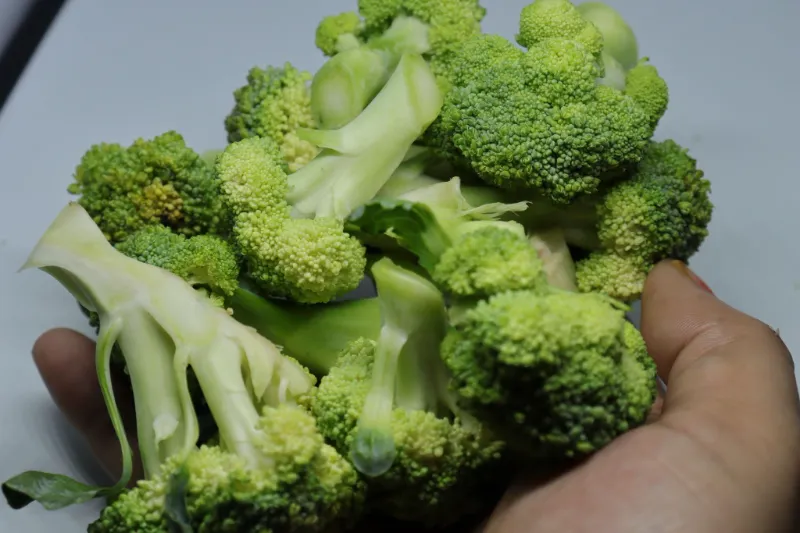
Broccoli is about 89% water and is genuinely one of the most nutritionally complete vegetables you can eat. It provides fiber, vitamin C, vitamin K, iron, and potassium all in one.
Sulforaphane, a compound in broccoli, has been extensively studied for its anti-cancer properties, anti-inflammatory effects, and its potential role in supporting gut health. Lightly steaming it preserves more of these beneficial compounds than boiling does.
Roast it with garlic and lemon until the edges are crispy, steam it as a simple side, or chop it into stir-fries and pasta dishes.
20. Cabbage
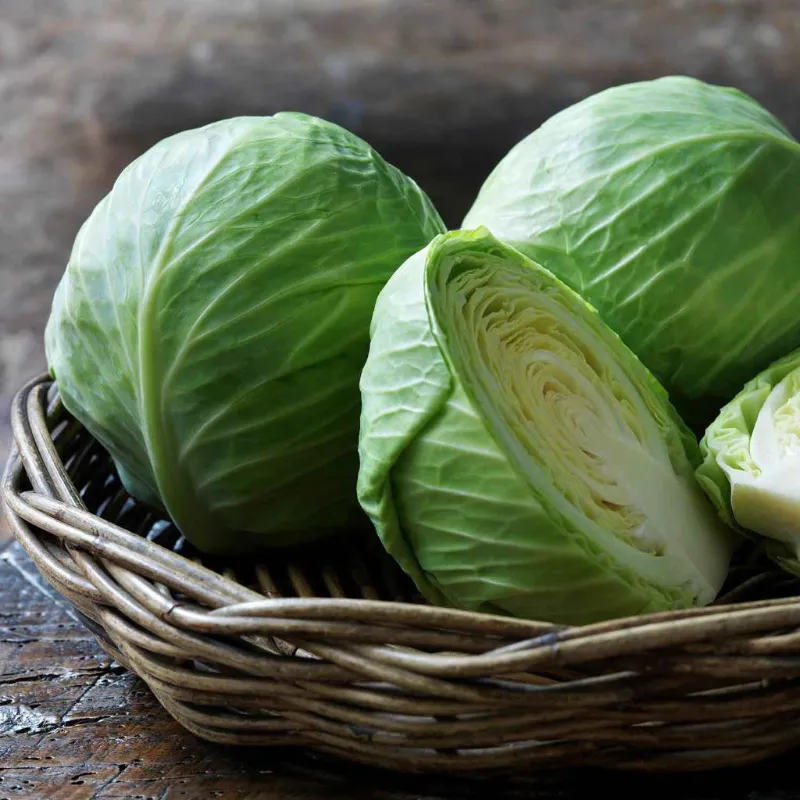
Cabbage is about 92% water and has a long history as a healing food across many cultures. It is incredibly affordable, widely available, and nutritionally impressive.
It provides vitamins C and K, folate, and compounds called glucosinolates that support the body’s natural detoxification processes. Fermented cabbage, like sauerkraut and kimchi, also provides probiotics that feed a healthy gut microbiome.
Use it in slaws, braise it with butter and herbs, add it to soups, or ferment it at home for an easy probiotic boost.
21. Carrots
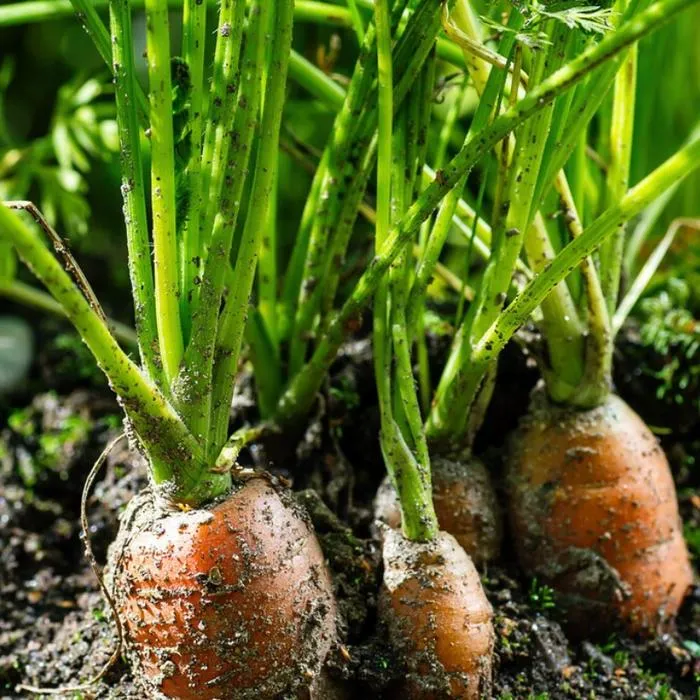
Carrots are about 88% water and are one of the most accessible, budget-friendly hydrating foods you can keep stocked at home. Their orange color comes from beta-carotene, which converts to vitamin A in the body.
Vitamin A is essential for vision, immune defense, and skin cell turnover. Cooked carrots actually offer better beta-carotene absorption than raw ones, especially when eaten with a little healthy fat.
Snack on them raw with dip, roast them with honey and thyme, or blend them into soups. They are endlessly useful and incredibly good for you.
22. Radishes
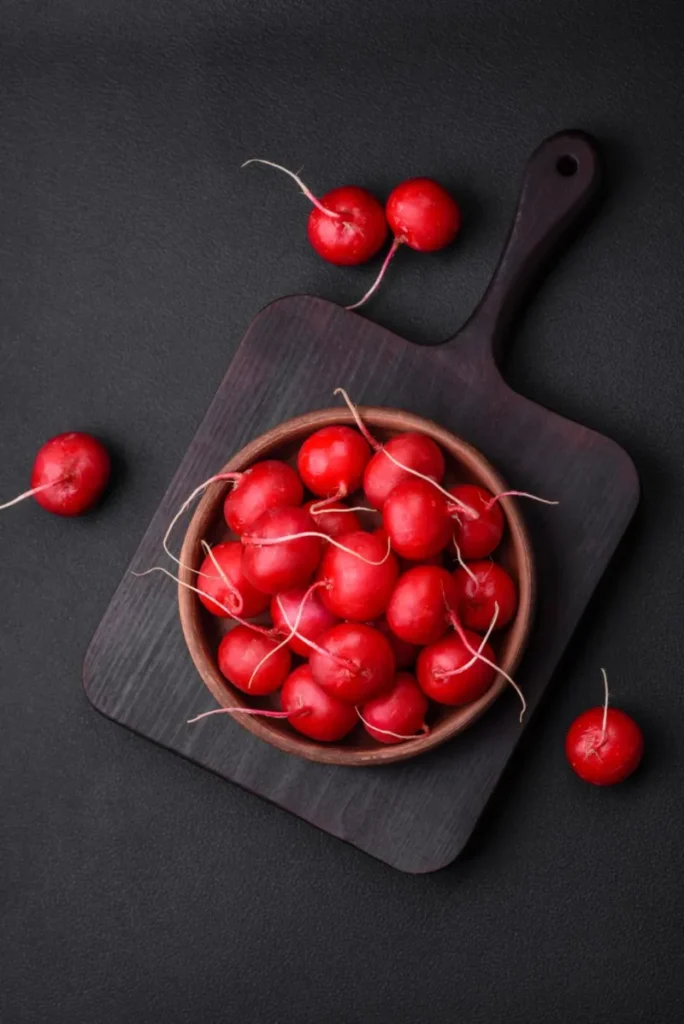
Radishes are about 95% water and are seriously underrated in the American kitchen. They have a peppery crunch that adds incredible texture and flavor to dishes.
They contain vitamin C, folate, and compounds called glucosinolates that support liver detoxification. Some research has also pointed to radishes playing a role in managing blood sugar and cholesterol levels.
Slice them thin over tacos, toss them into salads, or pickle them quickly in vinegar for a bright, tangy topping that makes almost any dish pop.
23. Asparagus
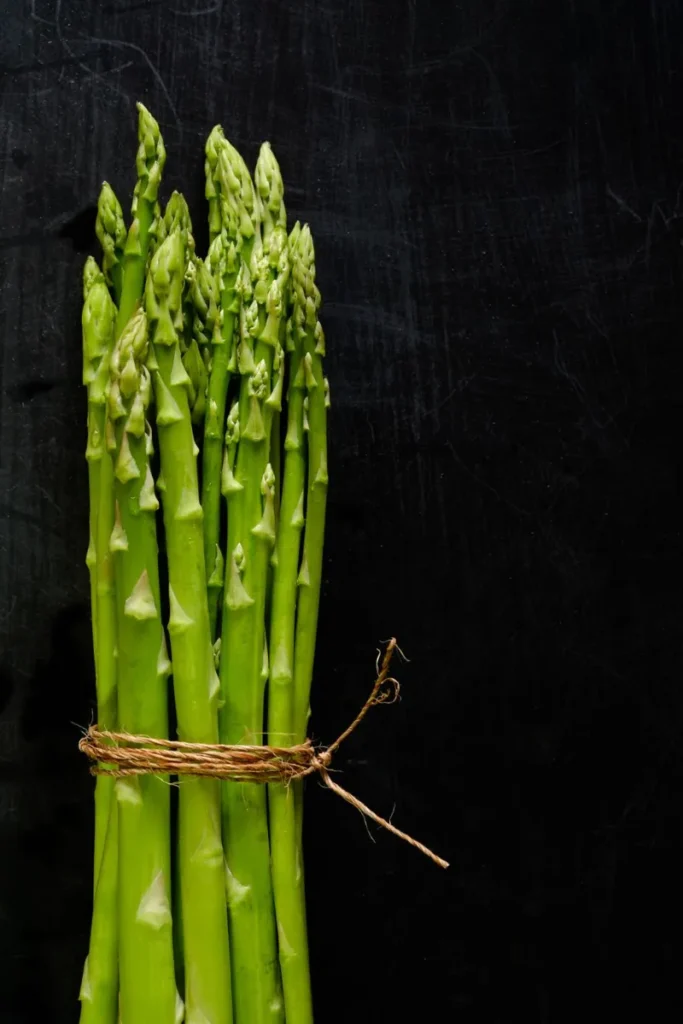
Asparagus is about 92% water and is famous for one particular side effect, but let us focus on what it does for your health. It is a natural diuretic, which means it helps your kidneys flush out excess fluid and salt.
It is rich in folate, which is especially important for pregnant women, and it contains a prebiotic fiber called inulin that feeds the beneficial bacteria in your gut. Asparagus also provides vitamins A, C, E, and K.
Roast it with olive oil and sea salt until tender, grill it alongside proteins, or shave it raw into salads with lemon and parmesan.
24. Coconut Water

Coconut water is about 95% water and is one of the most naturally hydrating beverages on earth. It contains a powerful electrolyte profile including potassium, sodium, and magnesium.
A 2012 study found that coconut water was as effective as a sports drink for rehydration after moderate exercise, with the bonus of fewer artificial ingredients. It is low in calories compared to most sports beverages and contains natural sugars that are absorbed quickly.
Drink it straight after a workout, blend it into smoothies as your liquid base, or use it to cook grains like rice for a subtle sweetness.
25. Plain Yogurt

Plain yogurt is about 85% water and is one of those foods that does double duty as both hydration and serious nutrition. It is rich in protein, calcium, and probiotics that support gut and immune health.
Research has consistently shown that the live cultures in yogurt, particularly Lactobacillus and Bifidobacterium strains, help maintain a healthy balance of gut bacteria. A healthy gut microbiome is linked to better digestion, reduced anxiety, and even stronger immunity.
Choose plain, unsweetened varieties and add your own fruit and honey to control the sugar. Use it in place of sour cream, blend it into smoothies, or layer it into parfaits.
26. Apples
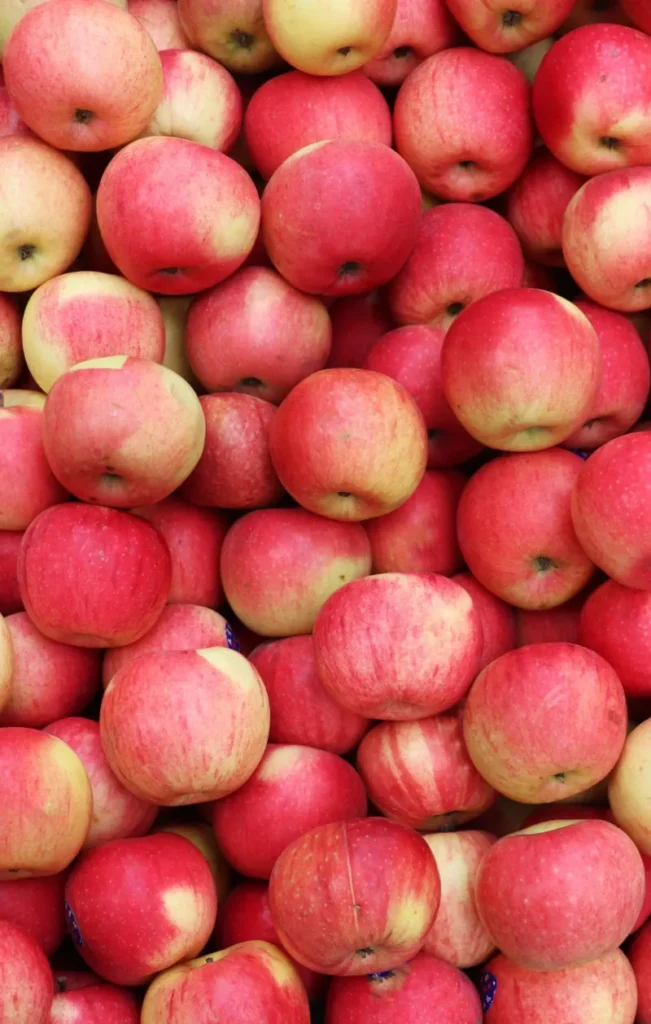
Apples are about 86% water and are one of the most convenient, portable hydrating snacks you can carry with you. They are also one of the richest dietary sources of quercetin, a flavonoid with potent antioxidant and anti-inflammatory effects.
Studies have linked quercetin to improved lung function and a reduced risk of respiratory diseases. The soluble fiber in apples, called pectin, also feeds gut bacteria and helps lower LDL cholesterol over time.
Eat them whole to get the skin’s full fiber and nutrient benefit, slice them with nut butter for a satisfying snack, or bake them into oatmeal for a cozy breakfast.
27. Pears
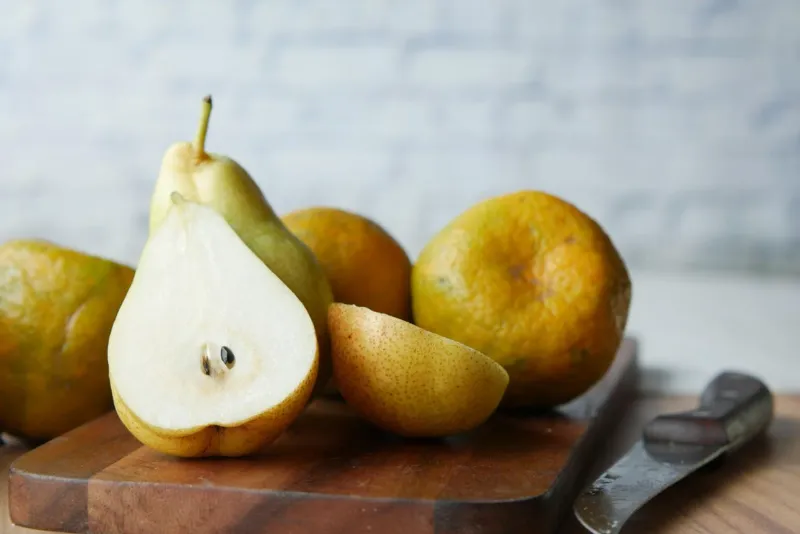
Pears are about 84% water and are one of the gentler, more underappreciated fruits in the produce aisle. They are particularly high in pectin fiber, which helps keep your gut moving and feeds a healthy microbiome.
Pears also contain copper, vitamin C, and vitamin K. Because they have a relatively low glycemic index, they release sugar into the bloodstream slowly, making them a smart choice for people watching their blood sugar.
Eat them ripe for maximum juiciness, poach them in spiced juice for a fancy dessert, or slice them over a salad with blue cheese and walnuts.
28. Kiwi
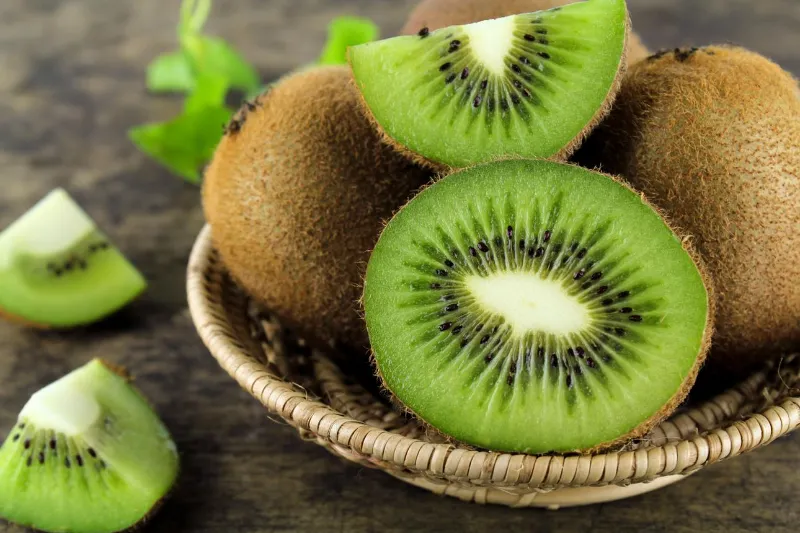
Kiwi is about 83% water and might just be the most nutritionally dense small fruit out there. A single kiwi contains more than your entire daily vitamin C requirement, plus vitamin K, folate, and potassium.
Research published in various nutrition journals has found that eating two kiwis per day can help improve sleep quality, thanks to their serotonin content. They also contain actinidin, a natural enzyme that aids protein digestion.
Eat them halved and scoop out the flesh with a spoon, add them to fruit salads, or blend them into smoothies for a tropical, tangy flavor boost.
29. Mushrooms

Mushrooms vary by type but most contain about 90 to 92% water, making them one of the most hydrating plant foods that often gets overlooked. They are also the only plant-based food that naturally produces vitamin D when exposed to sunlight.
Mushrooms provide B vitamins, selenium, and potassium, along with unique compounds like beta-glucans that research has linked to enhanced immune function and reduced inflammation. Some varieties, like lion’s mane, are being actively studied for their potential neuroprotective effects.
Sauté them with garlic and thyme as a side dish, toss them into pasta, or use portobello caps as a hearty meat substitute in burgers.
30. Skim Milk

Skim milk is about 91% water and is one of the most complete hydrating beverages in the dairy aisle. It provides a natural combination of water, electrolytes, protein, and carbohydrates that research has shown makes it surprisingly effective at post-exercise rehydration.
A study published in the British Journal of Nutrition found that milk retained fluids better than water or sports drinks after exercise, due to its protein and electrolyte content. It is also one of the best dietary sources of calcium and vitamin D, both critical for bone health.
Drink it on its own, use it as a smoothie base, pour it over whole-grain cereal, or warm it up with a dash of cinnamon for a cozy nightcap.
Final Thoughts
Staying hydrated does not have to mean staring down a giant water bottle all day. With these 30 incredible foods, every meal and snack becomes an opportunity to nourish and hydrate your body at the same time.
Start small, pick two or three of your favorites from this list, and make them a regular part of your routine. Your skin, energy, digestion, and overall health will all feel the difference.
