
32 Surprising Plant Based Whole Foods You Probably Didn’t Know About

If you think you’ve already covered all your bases with kale, quinoa, and blueberries, think again. The plant kingdom is wildly vast, and some of its most powerful foods are the ones most of us walk right past at the grocery store or have simply never heard of.
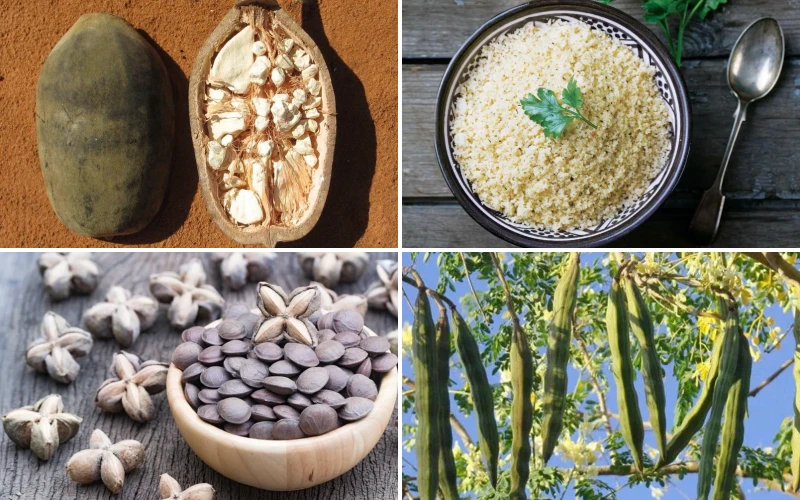
Get ready to expand your plate in the best possible way. These 32 whole foods are packed with nutrients, backed by real science, and honestly pretty exciting once you know what they can do for you.
1. Jackfruit
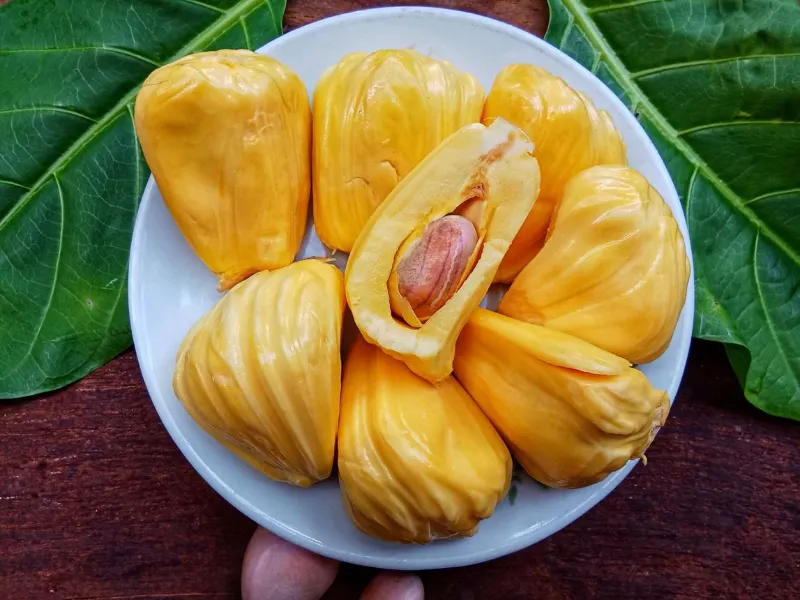
Jackfruit is the largest tree fruit in the world, and it’s quietly become one of the most versatile plant-based ingredients around. When it’s young and unripe, its texture mimics pulled meat so closely it has fooled plenty of first-time tasters at cookouts and taco nights.
Beyond its culinary cool factor, jackfruit delivers a solid dose of vitamin C, potassium, and B vitamins. Research published in the Journal of Food Science and Technology highlights its anti-inflammatory and antioxidant properties, which help your body fight oxidative stress.
Try it in tacos, BBQ sandwiches, or curries. You can find it canned at most grocery stores now, making it one of the easiest plant-based swaps you can make this week.
2. Moringa
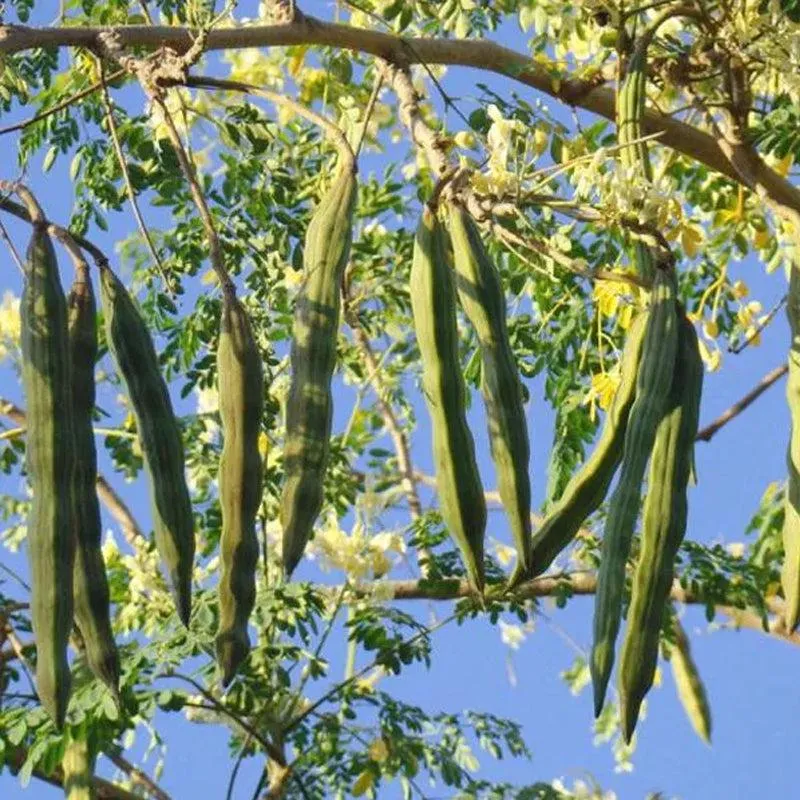
Moringa is often called the “miracle tree,” and honestly, that nickname is not exaggerated. The dried leaves of the Moringa oleifera plant contain more vitamin C than oranges, more calcium than milk, and more potassium than bananas, all in a single tablespoon of powder.
Studies have shown moringa has strong anti-inflammatory properties thanks to compounds like isothiocyanates and quercetin. Some early research also suggests it can help support healthy blood sugar levels, making it a subject of growing interest in nutritional science.
You can stir moringa powder into smoothies, mix it into salad dressings, or blend it into soups. It has a mild, earthy taste that blends beautifully without taking over the whole dish.
3. Teff

Teff is a tiny ancient grain that has been feeding people in Ethiopia for thousands of years, and it is finally getting the attention it deserves here in the US. One cup of cooked teff packs about 10 grams of protein and a generous 7 grams of dietary fiber.
It is also one of the best plant-based sources of calcium you will find in the grain world. For anyone avoiding dairy, that is genuinely worth celebrating. Teff also contains resistant starch, a type of carbohydrate that feeds healthy gut bacteria and supports digestive health.
Cook it like oatmeal for a warm breakfast porridge, or use teff flour to make pancakes and flatbreads. Its slightly nutty, molasses-like flavor makes breakfast feel way more interesting.
4. Amaranth
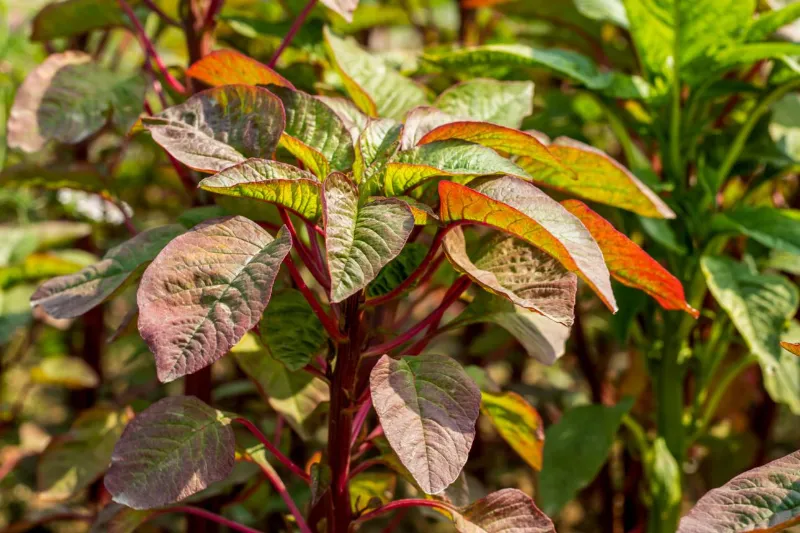
Amaranth was a staple crop of the Aztec civilization, and once you learn what it contains, it is easy to see why. It is one of the few grains that qualifies as a complete protein, meaning it contains all nine essential amino acids your body cannot make on its own.
Amaranth is also rich in manganese, magnesium, phosphorus, and iron. A 2014 study in the journal Molecules noted its significant antioxidant activity, with compounds that help protect cells from damage over time.
Pop it like popcorn in a dry skillet for a crunchy snack, or simmer it into a creamy breakfast porridge. It cooks fast, tastes mildly nutty, and works in both sweet and savory dishes.
5. Fonio
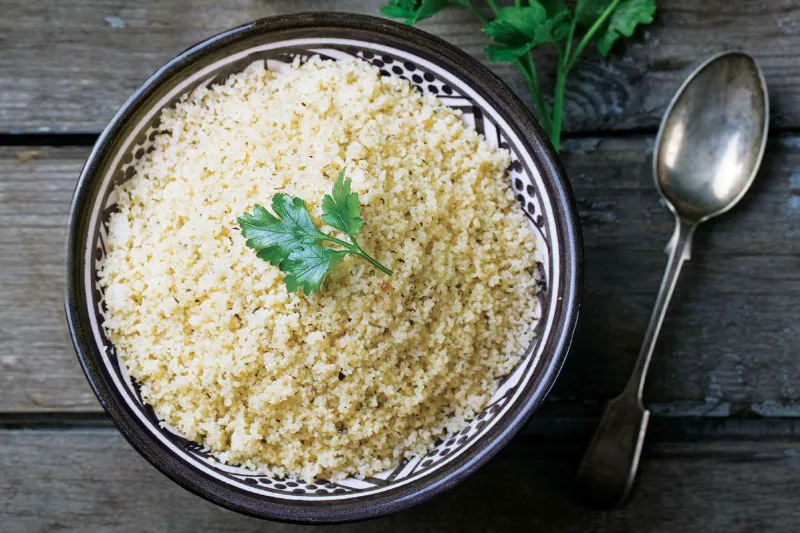
Fonio is a West African grain that has been cultivated for over 5,000 years, yet most Americans have never tasted it. It is gluten-free, quick-cooking, and surprisingly light in texture, almost like a fluffier couscous.
Nutritionally, fonio stands out for its amino acid profile, particularly its content of methionine and cysteine, two amino acids that are often low in other grains. These support liver health, detoxification, and hair and nail growth.
Use it as a base for grain bowls, stir it into soups, or serve it alongside roasted vegetables. It cooks in just five minutes, which makes it a weeknight hero if there ever was one.
6. Freekeh
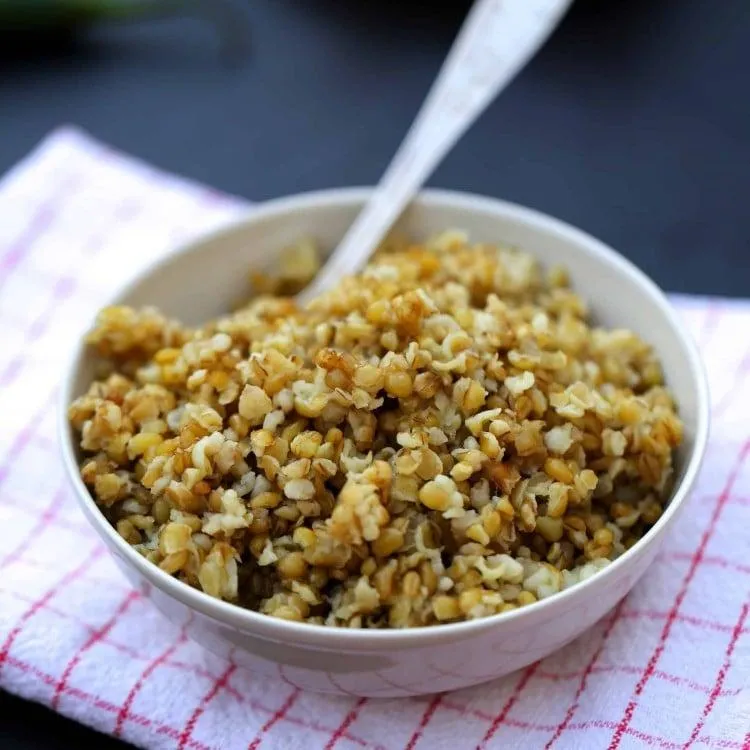
Freekeh is wheat that gets harvested while still young and green, then roasted over fire. That roasting process gives it a smoky, nutty flavor that sets it apart from pretty much every other grain on the shelf.
Because it is harvested early, freekeh retains more fiber, protein, and nutrients than mature wheat. It is particularly high in lutein and zeaxanthin, two antioxidants strongly linked to eye health and a reduced risk of macular degeneration.
Use freekeh as a base for salads, or simmer it with broth and herbs for a savory side dish. It holds up well to bold flavors, so do not be shy with your seasonings.
7. Black Rice
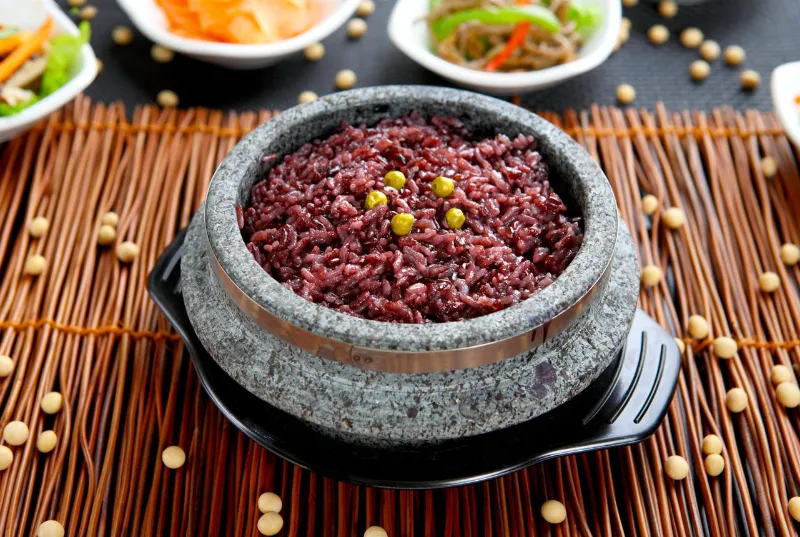
Black rice, sometimes called forbidden rice, gets its dramatic deep purple color from anthocyanins. These are the same powerful antioxidants found in blueberries and blackberries, and research consistently links them to reduced inflammation and better heart health.
A study published in the Journal of Agriculture and Food Chemistry found that black rice has antioxidant levels comparable to blueberries but with more fiber and less sugar. That is a pretty remarkable comparison for a grain most people have not tried.
Use it in grain bowls, sushi rolls, or as a side dish. When cooked, it turns a striking deep purple that makes any meal look genuinely beautiful.
8. Sorghum
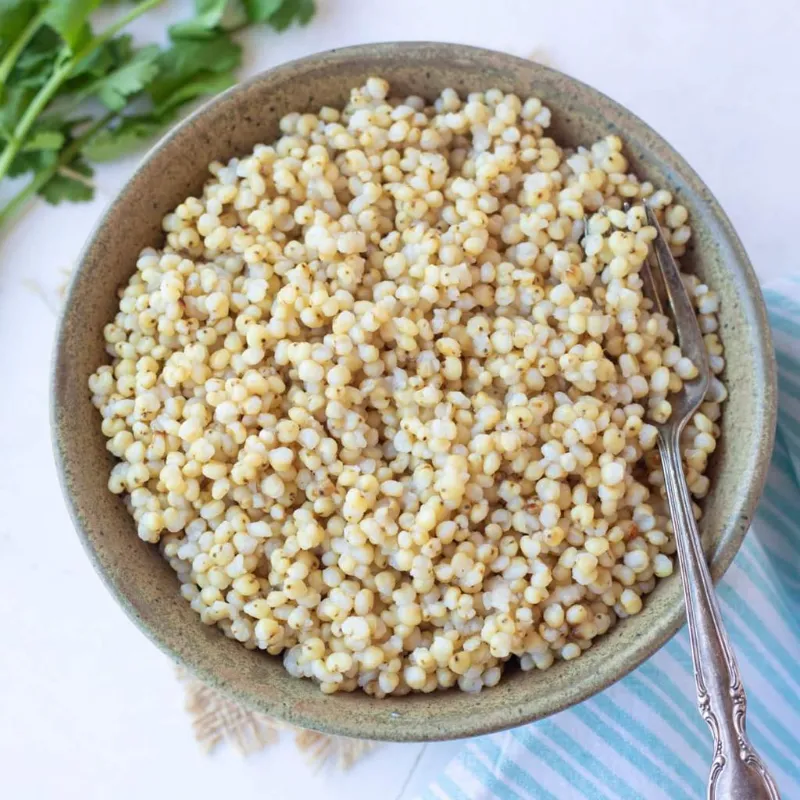
Sorghum is one of the top five cereal crops in the world, yet in the US it has mostly been used for animal feed and syrup. That is changing, and for good reason. It is naturally gluten-free, drought-resistant, and surprisingly nutritious.
Sorghum is high in antioxidants, especially 3-deoxyanthocyanidins, which preliminary research suggests may have anti-cancer properties. It also contains policosanols, compounds that some studies link to improved cholesterol levels.
Pop it like popcorn, grind it into flour, or cook it whole and add it to soups and salads. It has a mild flavor and a satisfying chew that makes it a great substitute for wheat berries or farro.
9. Tepary Beans

Tepary beans are small but seriously mighty. They are native to the Sonoran Desert and have been cultivated by Indigenous communities in the American Southwest for thousands of years. They are adapted to extreme heat and drought, which makes them one of the most sustainable crops you can eat.
From a nutrition standpoint, tepary beans are exceptionally high in protein and fiber, often surpassing common beans like navy or pinto. They also have a lower glycemic index, meaning they digest more slowly and keep your blood sugar steadier after meals.
You can use them just like any other bean. Think stews, soups, dips, and grain bowls. They have a slightly sweet, earthy flavor that works beautifully with Southwest spices like cumin and chili.
10. Fava Beans
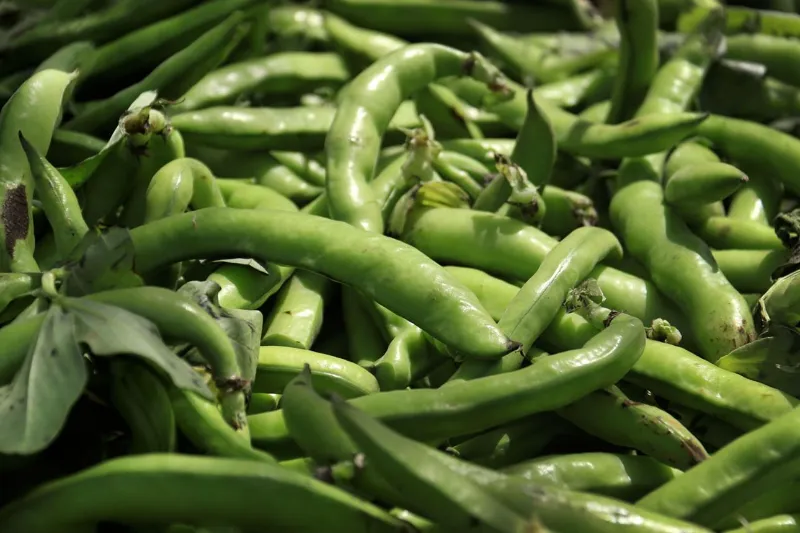
Fava beans are one of the oldest cultivated crops in human history, and they come loaded with a nutrition profile that makes modern superfoods look a little ordinary. They are packed with folate, manganese, copper, and plant-based protein.
One unique bonus: fava beans are one of the few food sources of L-dopa, a precursor to dopamine. Some researchers are actively studying fava beans for their potential role in supporting neurological health, particularly in people with Parkinson’s disease.
Add them to spring salads, puree them into dips like a broad bean hummus, or toss them with olive oil, lemon, and fresh herbs for a simple side that tastes like it came from an Italian trattoria.
11. Gigante Beans

Gigante beans are exactly what they sound like: massive, creamy white beans popular in Greek cuisine. One serving gives you a big hit of fiber, plant-based protein, and resistant starch that feeds your gut microbiome.
Their large size and buttery texture make them extremely satisfying. That satiety factor is backed by research showing that legumes in general significantly increase feelings of fullness after meals, which can support healthy weight management without any calorie obsession.
Bake them slowly in tomato sauce with herbs for the classic Greek dish gigantes plaki, or simply drain a can, toss with olive oil and roasted garlic, and serve alongside crusty bread. Simple and stunning.
12. Adzuki Beans
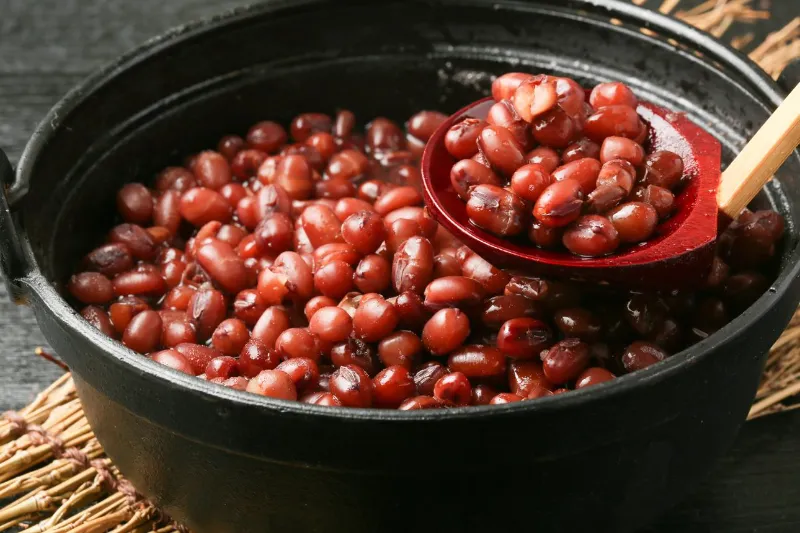
Adzuki beans are small red beans beloved in East Asian cuisine, especially in Japanese and Chinese desserts. But do not let their dessert reputation fool you. They are a serious nutrition powerhouse.
They are rich in folate, potassium, magnesium, and iron, and their antioxidant content is among the highest of any legume. Some research suggests adzuki beans may support kidney function and reduce water retention, which is why traditional Chinese medicine has used them for these purposes for centuries.
Try them in sweet red bean paste, add them to grain salads, or simmer them into a warming soup with ginger and coconut milk. Their earthy sweetness works in both sweet and savory cooking.
13. Chayote
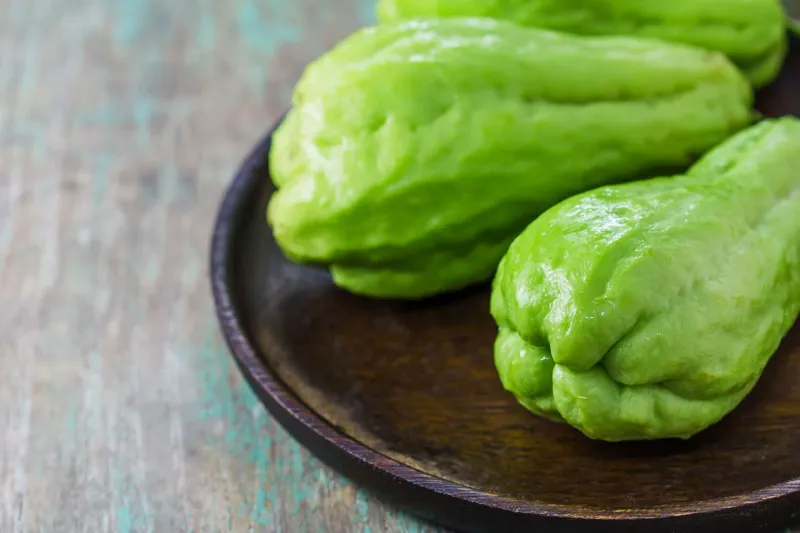
Chayote looks like a wrinkled, pale green pear, and it is a staple vegetable across Latin America and parts of Asia. It is low in calories but surprisingly hydrating and gentle on the digestive system.
Chayote contains vitamin C, folate, and compounds called cucurbitacins, which early research suggests may have anti-inflammatory and even anti-tumor properties. It is also high in fiber, making it a great food for supporting gut health and regularity.
Slice it raw into salads for a crisp crunch, sauté it with garlic and olive oil as a simple side, or stuff and bake it like you would a squash. It absorbs flavors beautifully and practically disappears into dishes, making it a sneaky nutrition booster.
14. Kohlrabi
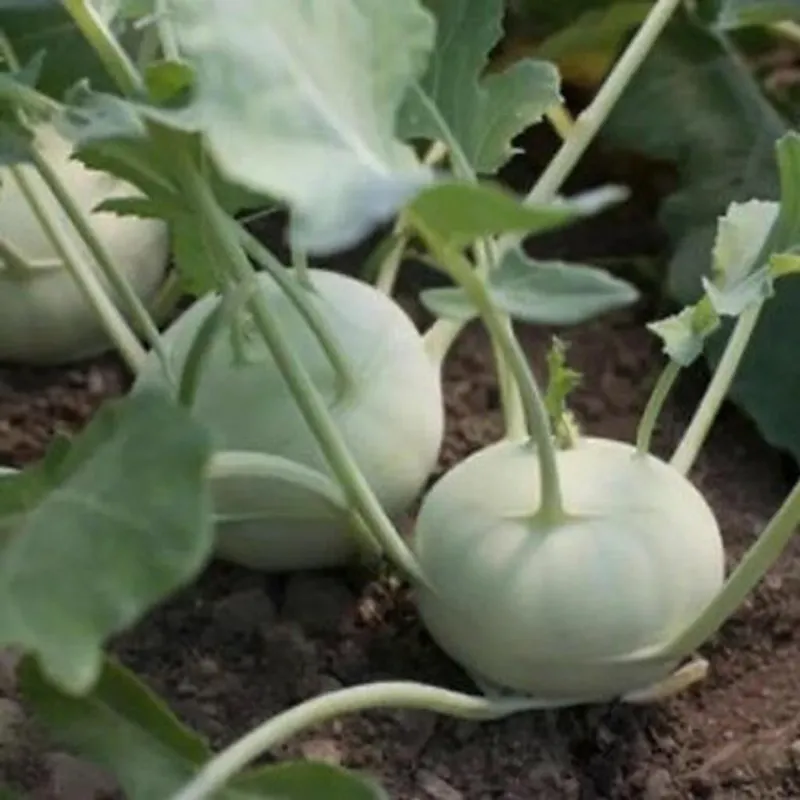
Kohlrabi looks like something out of a science fiction movie. It is a bulbous vegetable from the brassica family, related to cabbage and broccoli, and it tastes like a milder, sweeter version of a broccoli stem.
Like other brassicas, kohlrabi contains glucosinolates, compounds that the body converts into cancer-fighting molecules like sulforaphane. Research from the American Journal of Clinical Nutrition has linked regular brassica consumption to a reduced risk of several types of cancer.
Slice it thin and eat it raw with hummus or a yogurt dip, shred it into slaws, or roast it until caramelized and tender. Once you try it roasted, you will wonder where it has been your whole life.
15. Celeriac
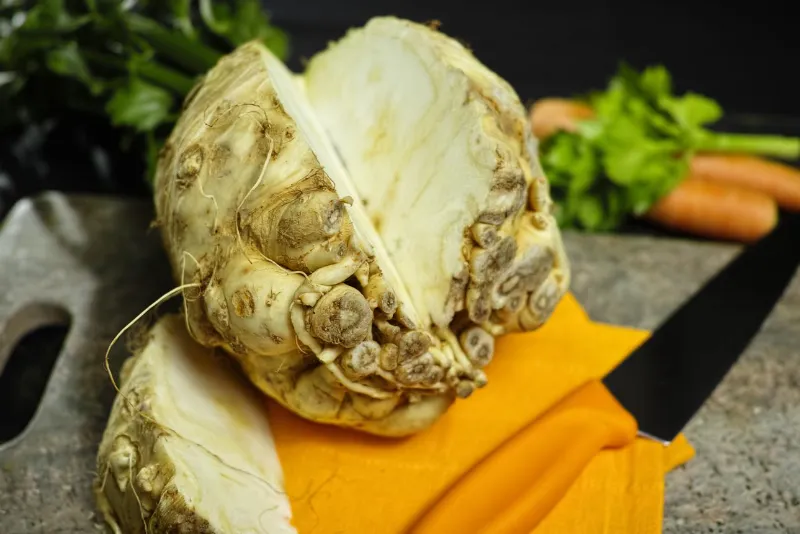
Celeriac, also called celery root, is the ugly duckling of the vegetable world. It is knobby, rough, and brown on the outside, but peel it back and you get this creamy, fragrant flesh that tastes like a mellower, earthier version of celery.
It is an excellent source of vitamin K, phosphorus, and vitamin C, and it is remarkably low in carbohydrates for a root vegetable. For anyone watching carb intake, celeriac makes a fantastic mashed potato substitute with a fraction of the starch.
Mash it with olive oil and garlic for a luxurious side dish, slice it thin for a gratin, or cube it and roast it with other root vegetables. Its flavor deepens beautifully with heat.
16. Jicama
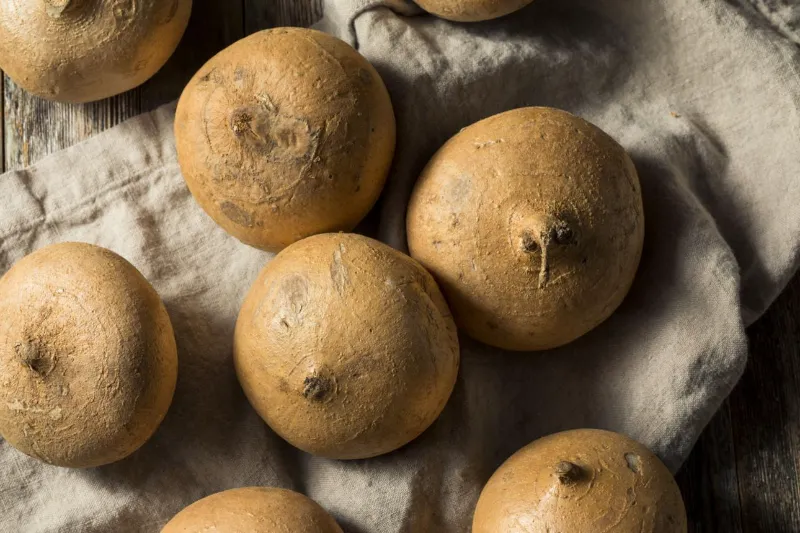
Jicama is a crunchy, slightly sweet root vegetable native to Mexico, and it might be one of the most refreshing things you can snack on during summer. Raw jicama tastes like a cross between a water chestnut and a mild apple.
Its big nutritional claim to fame is inulin, a type of prebiotic fiber that feeds beneficial bacteria in your gut. A healthy gut microbiome is increasingly being linked by researchers to improved mood, stronger immunity, and even better skin.
Cut it into sticks and serve it with lime juice and chili powder for a classic Mexican street snack, toss it into slaws and salads for crunch, or use it as a low-calorie chip substitute with guacamole. It is endlessly versatile.
17. Romanesco
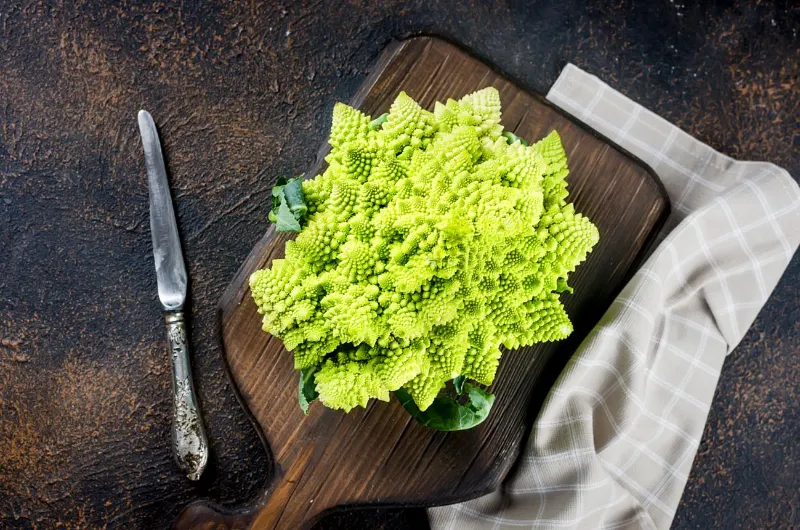
Romanesco is arguably the most visually stunning vegetable on this entire list. Its spiral, fractal-like florets follow a Fibonacci pattern that looks almost mathematically designed. It sits between broccoli and cauliflower in both flavor and texture.
Nutritionally, it delivers a solid dose of vitamin C, vitamin K, folate, and fiber. Like its brassica cousins, it also contains sulforaphane and other glucosinolates that research has consistently associated with anti-inflammatory and protective effects.
Roast it whole with olive oil, lemon zest, and garlic until the edges crisp and caramelize. Serve it at a dinner party and watch people ask what it is before they even taste it.
18. Purslane

Purslane is a succulent plant that most people in the US pull out of their gardens as a weed. But in Mediterranean, Middle Eastern, and Mexican cooking, it is a prized salad green. And the nutritional case for eating it is genuinely impressive.
Purslane contains more omega-3 fatty acids than almost any other leafy plant. Specifically, it is rich in alpha-linolenic acid (ALA), the plant-based omega-3 that supports heart and brain health. For plant-based eaters who do not consume fish, purslane is a remarkable find.
Toss fresh purslane into salads, wilt it briefly into soups, or mix it into Greek-style dishes with tomatoes, cucumber, and feta. If you grow your own, you have a free superfood right in your backyard.
19. Dandelion Greens
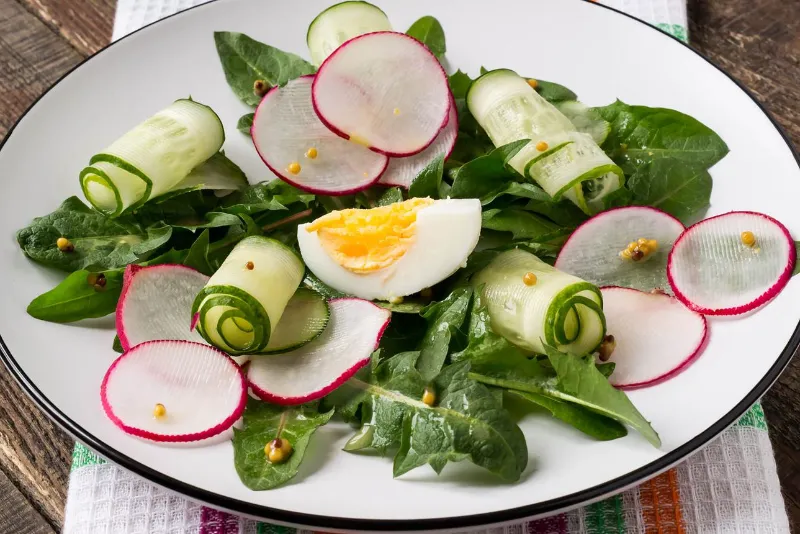
Yes, those dandelions. The ones on your front lawn. The whole plant is edible and deeply medicinal, but the leaves in particular are packed with vitamins A, C, and K, plus calcium, iron, and potassium.
Dandelion greens have been used in traditional medicine for centuries to support liver detoxification, and modern research is starting to back this up. Studies suggest compounds in dandelion may help stimulate bile production and support healthy liver enzyme activity.
Use young dandelion greens in salads, sauté them with garlic and red pepper flakes like you would any bitter green, or steep them into a detox tea. They are bitter, so pair them with something acidic like lemon juice or a tangy vinaigrette.
20. Watercress
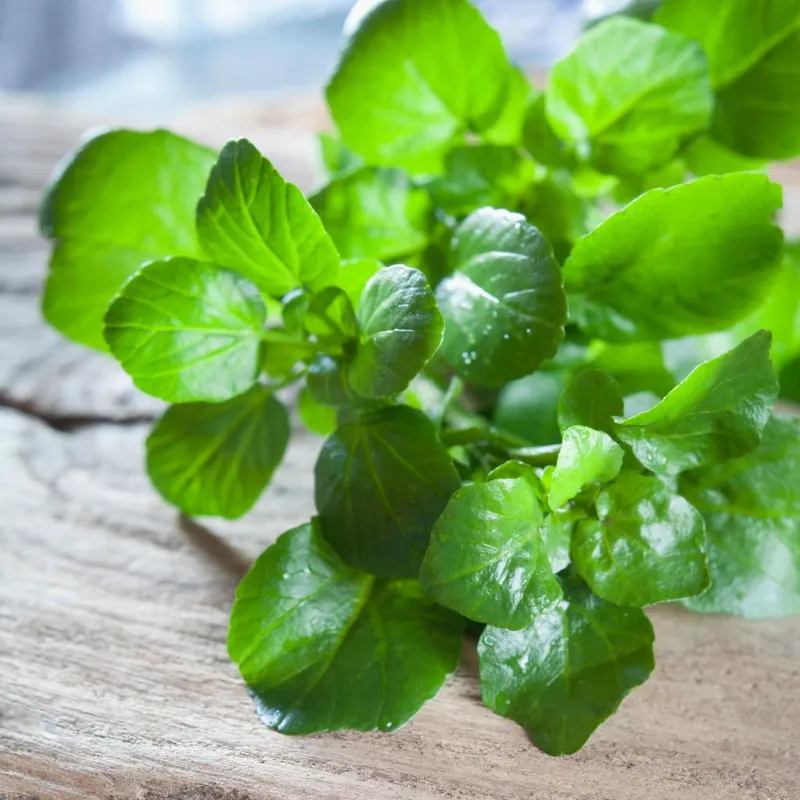
Watercress has quietly been called one of the most nutrient-dense foods on the planet by researchers at the CDC, who ranked it at the very top of their Powerhouse Fruits and Vegetables list. That is saying something.
Gram for gram, watercress delivers more vitamin K, vitamin C, and calcium than most vegetables. It also contains isothiocyanates, compounds that research links to reduced DNA damage in cells, a key marker of cancer prevention.
Add it to sandwiches instead of lettuce, blend it into green smoothies, or wilt it briefly into soups and pasta. It has a peppery punch that wakes up any dish it touches.
21. Nopales (Cactus Pads)

Nopales are the flat, fleshy pads of the prickly pear cactus, and they are a staple ingredient in Mexican cooking that deserves far more attention in the broader American food scene. Once the spines are removed, they are completely edible raw or cooked.
Multiple studies have examined nopales for their effect on blood sugar, and the results are promising. Their high fiber and pectin content appears to slow glucose absorption after meals, making them a particularly smart food choice for people managing blood sugar levels.
Dice them into salsas, scramble them with eggs for a traditional Mexican breakfast, or grill them as a side dish. They have a mild, slightly tart flavor with a satisfying texture somewhere between bell pepper and okra.
22. Lotus Root

Lotus root is the underwater rhizome of the lotus flower, and when sliced crosswise it reveals a beautiful lace-like pattern of holes that makes it one of the most decorative vegetables you can put on a plate.
It is high in vitamin C, B vitamins, and dietary fiber, and it contains polyphenols that research suggests may have anti-inflammatory and antimicrobial effects. Traditional Chinese medicine has used lotus root for centuries to support lung and respiratory health.
Stir-fry it with soy sauce and sesame oil, slice it thin and bake it into chips, or add it to soups and braises. Its texture is starchy and satisfying, like a crunchier potato.
23. Tiger Nuts
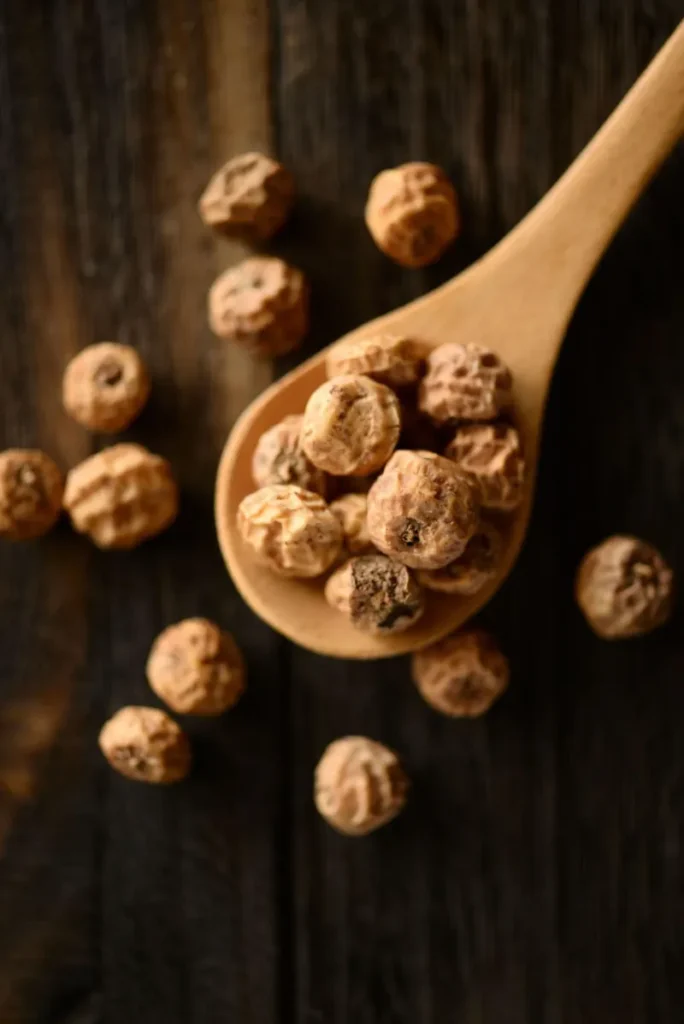
Despite the name, tiger nuts are not nuts at all. They are small tubers, the roots of a sedge plant, and they have been consumed since ancient Egypt. Archaeologists have found tiger nuts in Egyptian burial sites dating back thousands of years.
They are one of the richest known plant sources of resistant starch, and they are also high in oleic acid, the heart-healthy monounsaturated fat also found in olive oil. Research suggests resistant starch from tiger nuts can meaningfully improve gut microbiome diversity.
Eat them raw as a snack (they taste like a chewy, sweet coconut-vanilla cross), drink tiger nut milk called horchata de chufa, or use tiger nut flour in gluten-free baking. They are naturally sweet and deeply satisfying.
24. Sacha Inchi Seeds
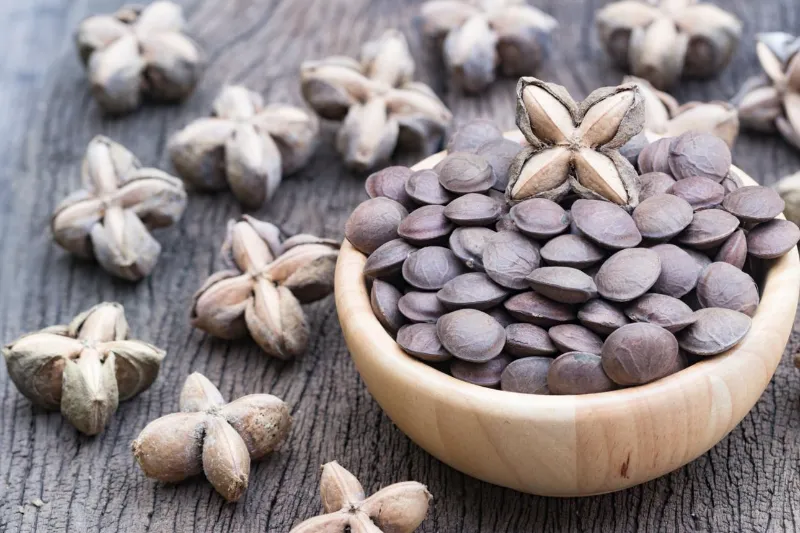
Sacha inchi seeds come from a plant native to the Peruvian Amazon, and they have been used by Indigenous communities there for centuries. They look a bit like a small, star-shaped pod, and the seeds inside are cold-pressed into one of the world’s finest plant-based oils.
These seeds are extraordinary for omega-3s. They contain up to 48 percent alpha-linolenic acid by weight, making them one of the most concentrated plant sources of this essential fatty acid on earth. They are also a complete protein, which is rare for a seed.
Eat the roasted seeds as a snack with a light sprinkle of salt, use sacha inchi oil as a finishing oil on salads, or blend the seeds into smoothies and protein bars. Their flavor is mild and nutty with a slightly green, earthy note.
25. Hemp Seeds
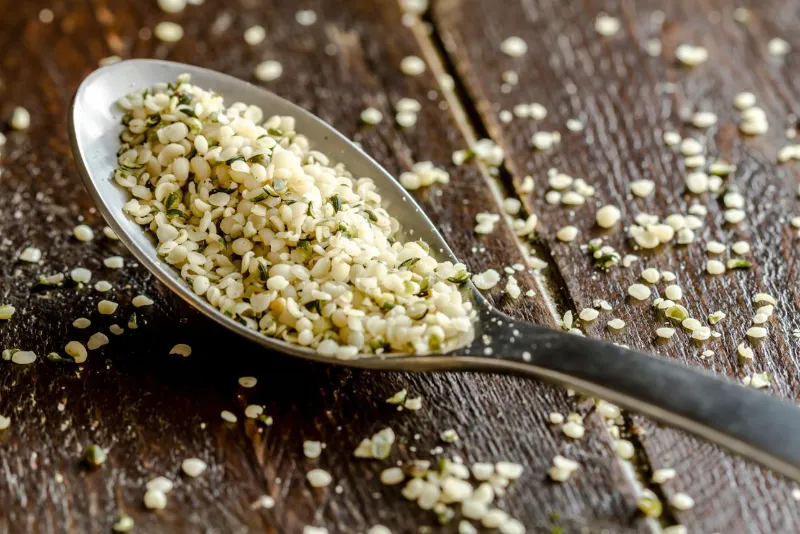
Hemp seeds, also called hemp hearts when shelled, are one of the most nutritionally complete foods you can add to your diet. Three tablespoons deliver about 10 grams of complete protein and an ideal 3:1 ratio of omega-6 to omega-3 fatty acids, which nutritionists consider close to optimal for human health.
They are also rich in gamma-linolenic acid (GLA), an omega-6 fat with anti-inflammatory properties that is far less common in the typical American diet. Some research suggests GLA may support hormonal balance and skin health.
Sprinkle hemp seeds on everything: oatmeal, salads, smoothies, avocado toast, pasta, yogurt. They have a mild, nutty flavor that goes with basically anything, and they require zero cooking.
26. Nigella Seeds (Black Seed)
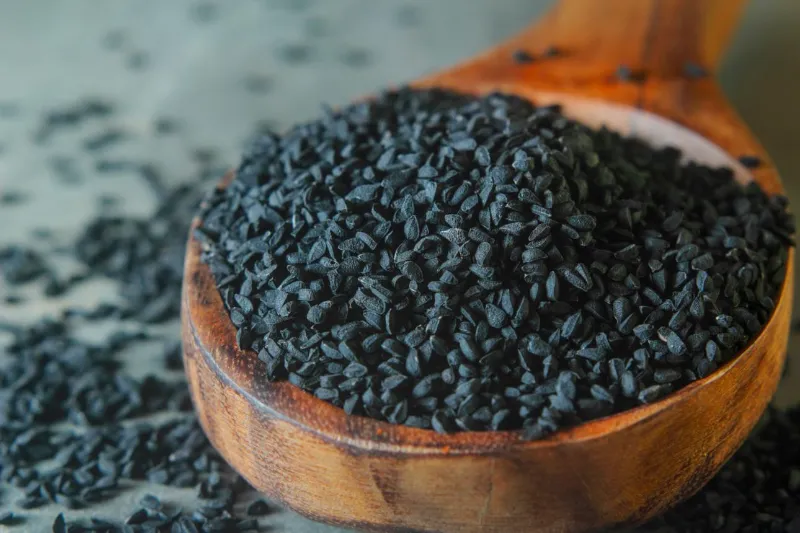
Nigella seeds, often called black seed or black cumin, come from the Nigella sativa plant and have been used medicinally across the Middle East, South Asia, and North Africa for over 2,000 years. There is even a famous Hadith referring to black seed as a cure for everything except death.
Modern science has caught up to that reputation with serious research. Studies published in journals including the Journal of Ethnopharmacology have documented thymoquinone, the active compound in black seed oil, showing anti-inflammatory, antioxidant, and antimicrobial properties.
Sprinkle nigella seeds on flatbreads, naan, and bagels for a slightly bitter, peppery crunch, or add them to curries, pickles, and roasted vegetables. Black seed oil can be taken by the teaspoon or drizzled over food.
27. Baobab Fruit
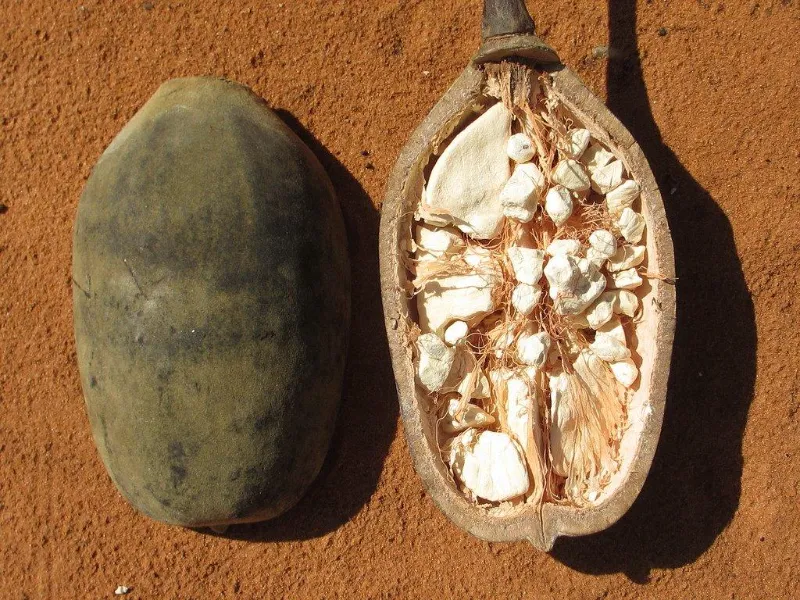
Baobab comes from the iconic baobab tree of sub-Saharan Africa, a tree so ancient and massive that locals often call it the Tree of Life. The fruit powder that comes from drying the pulp is genuinely one of the most nutrient-dense plant foods in existence.
Baobab powder has one of the highest vitamin C contents of any fruit, roughly six times more than oranges by weight. It is also exceptionally high in fiber, with studies suggesting nearly 50 percent of its dry weight is dietary fiber, supporting digestion, gut health, and sustained energy.
Mix baobab powder into smoothies, lemonade, or yogurt. It has a naturally tangy, citrusy flavor that works beautifully in drinks and light dressings. A small amount goes a very long way.
28. Lucuma
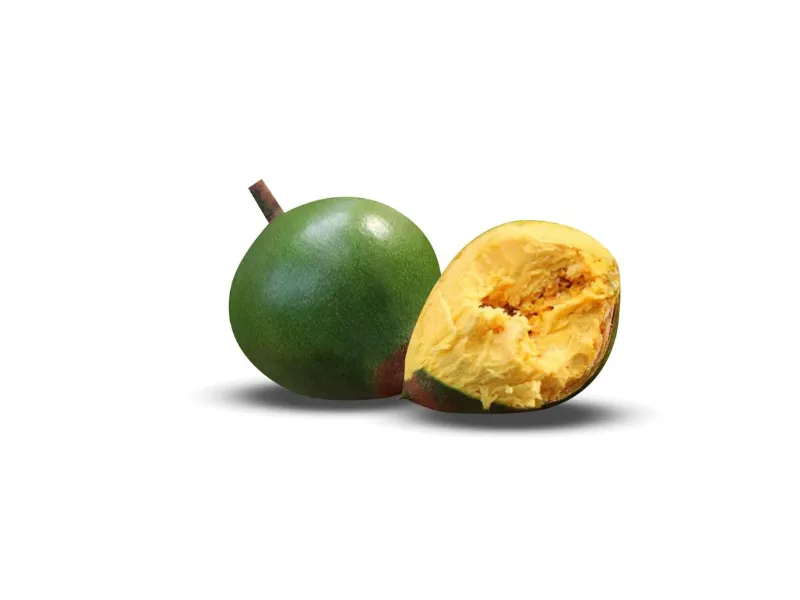
Lucuma is a Peruvian fruit with a dry, starchy flesh that tastes remarkably like sweet potato ice cream crossed with maple syrup. It has been used in Andean cultures for thousands of years, both as food and as a symbol of fertility and abundance.
Because it is naturally sweet but has a low glycemic index, lucuma is increasingly used as a natural sugar substitute. It also contains beta-carotene, iron, zinc, and B vitamins, giving it more nutritional substance than most sweeteners.
Use lucuma powder to sweeten smoothies, ice cream, yogurt, and baked goods. It pairs especially well with chocolate, vanilla, and tropical flavors. For anyone cutting back on refined sugar, it is a game changer.
29. Cherimoya
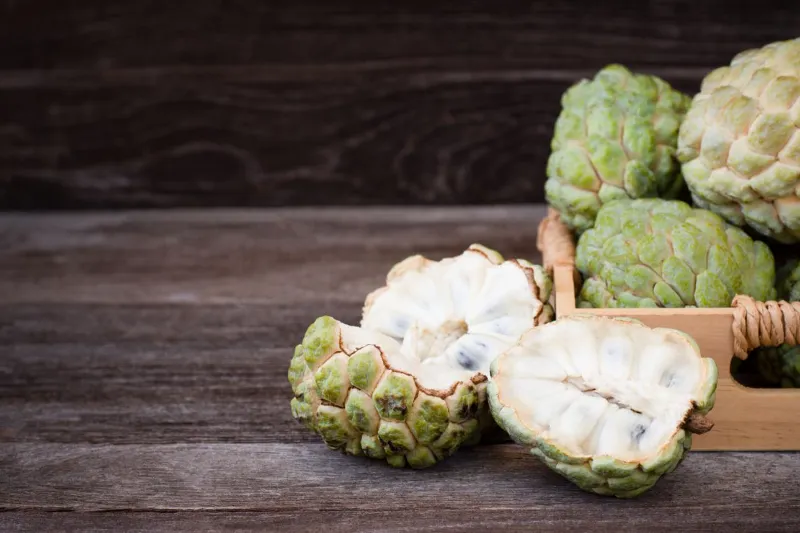
Mark Twain once called the cherimoya “the most delicious fruit known to men.” That is a bold statement, but after one bite of this creamy, custard-like fruit, you might agree with him.
Cherimoya is native to the Andes and tastes like a blend of banana, pineapple, and vanilla all at once. It is rich in vitamin C, B6, and several key antioxidants, including kaurenoic acid, which early research suggests may have anti-inflammatory properties.
Eat it chilled and scooped straight from the skin for the simplest, most indulgent experience. Blend it into smoothies or use it as a base for dairy-free ice cream. Just be sure to remove the seeds, which are not edible.
30. Pawpaw
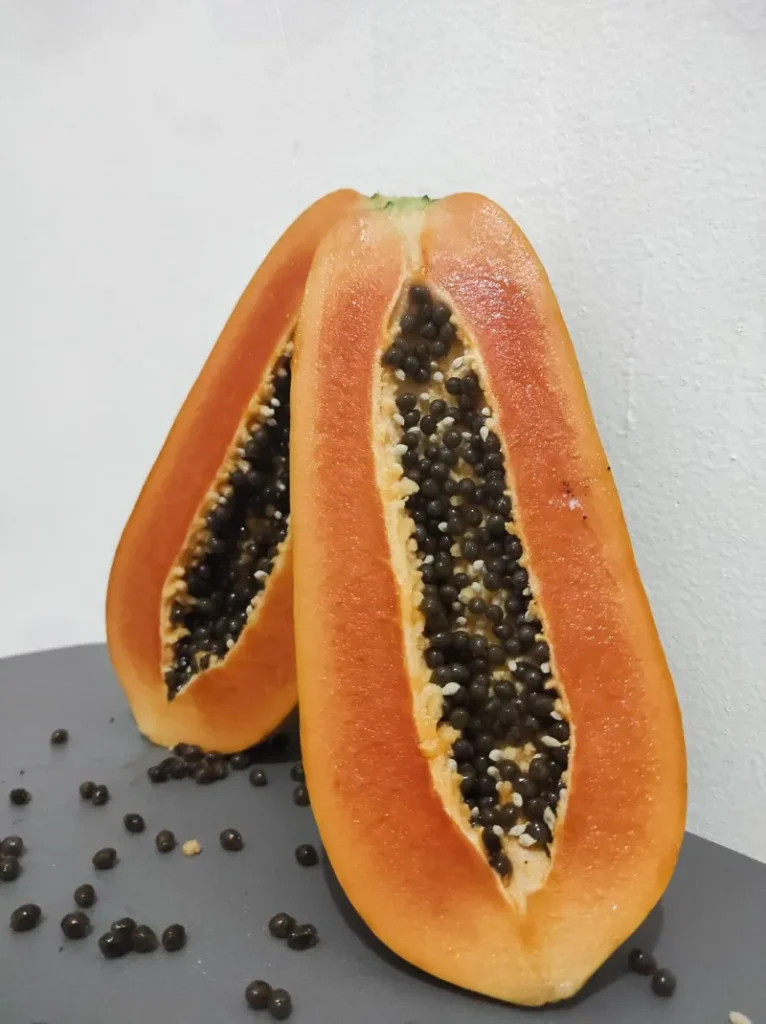
The pawpaw is North America’s largest native fruit, and most Americans have never tasted one despite the fact that it grows wild across much of the eastern US. It tastes like a tropical mashup of banana, mango, and vanilla, which feels almost impossible for a fruit that grows in Ohio.
Nutritionally, pawpaw outperforms apples, grapes, and peaches in protein, fat, and most essential minerals including magnesium, iron, copper, and zinc. Research from Kentucky State University has also identified annonaceous acetogenins in pawpaw, compounds being studied for their potential anti-cancer properties.
Eat pawpaw fresh and ripe at room temperature, because they do not travel well and are rarely sold commercially. If you live in the eastern US, look for local foragers or farmers markets in late summer. It is absolutely worth the hunt.
31. Mamey Sapote
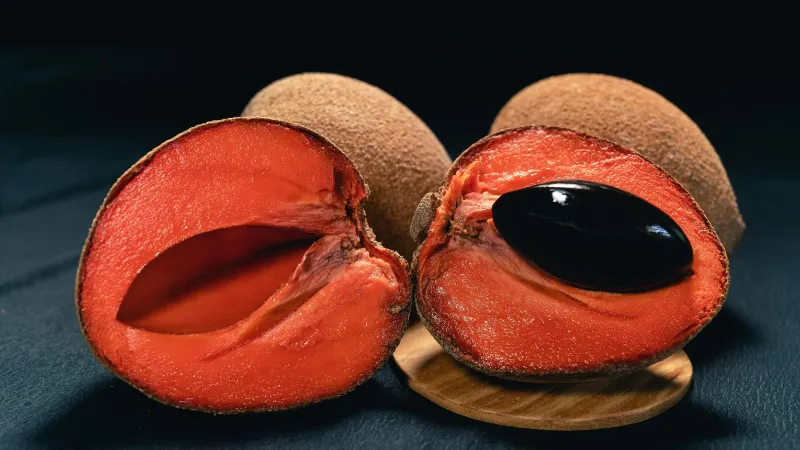
Mamey sapote is a large, football-shaped fruit native to Central America and the Caribbean, and it is deeply beloved in Cuban and Mexican American communities. The flesh inside is salmon-colored, smooth as pudding, and tastes like a dreamy combination of sweet potato, pumpkin, and cinnamon.
It is packed with vitamins B6 and C, copper, and manganese, along with carotenoids that give it that gorgeous orange color. These carotenoids, including beta-cryptoxanthin, are powerful antioxidants linked in research to reduced risk of inflammatory diseases.
Blend it into smoothies and milkshakes, use it in ice cream, or simply eat the flesh with a spoon. In Miami, mamey sapote batidos (milkshakes) are a neighborhood institution worth seeking out.
32. Jabuticaba
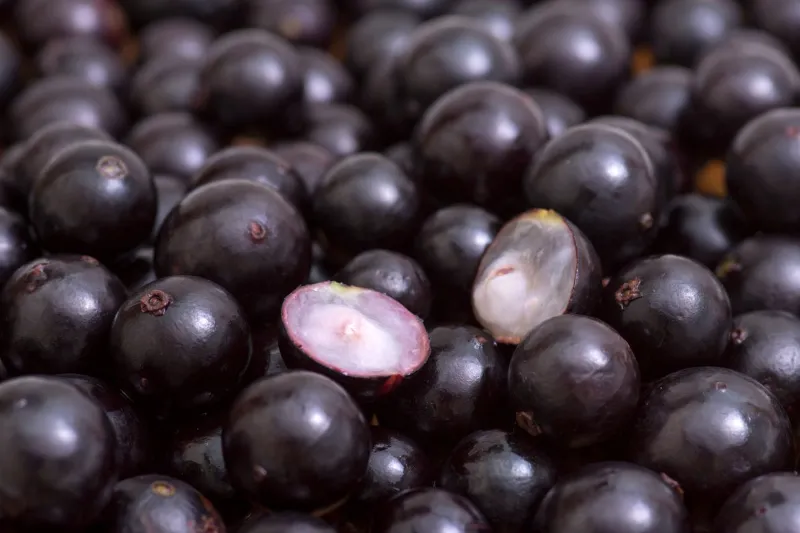
Jabuticaba might be the strangest and most magical fruit on this list. It is a Brazilian fruit that grows directly on the trunk and branches of its tree rather than on the tips of branches like most fruits, giving the tree a surreal, covered-in-grapes appearance.
The flavor is sweet and grape-like with a slightly tangy skin, and it is extraordinarily rich in antioxidants. Research published in Food Research International identified high concentrations of anthocyanins, ellagic acid, and other polyphenols that give jabuticaba strong anti-inflammatory and anti-aging properties.
Fresh jabuticaba is hard to find in the US outside of specialty Brazilian markets, but the powder and dried versions are available online. Use the powder in smoothies, yogurt, or antioxidant-rich acai-style bowls.
Final Thoughts
The world of plant-based whole foods is so much bigger and more exciting than what fits in your average grocery cart. From the fractal beauty of romanesco to the tropical magic of pawpaw, these 32 foods invite you to eat with curiosity and a little bit of adventure.
Start with one. Just one food from this list this week. Add it to something you already love, and see how it changes the experience. Your body, your gut, and honestly your tastebuds will thank you for it.
