
30 Shocking LDL Cholesterol Lowering Foods That Doctors Recommend

If your doctor has ever told you your LDL cholesterol is too high, you know that sinking feeling in your stomach. The good news? What you eat every single day has enormous power to change those numbers.
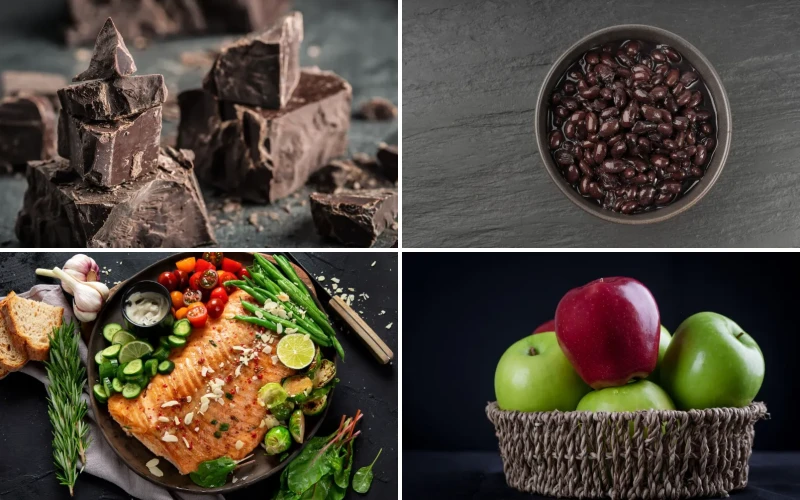
In this article, you will discover 30 science-backed foods that can naturally lower your LDL cholesterol, protect your heart, and help you feel more in control of your health starting with your very next meal.
1. Oats
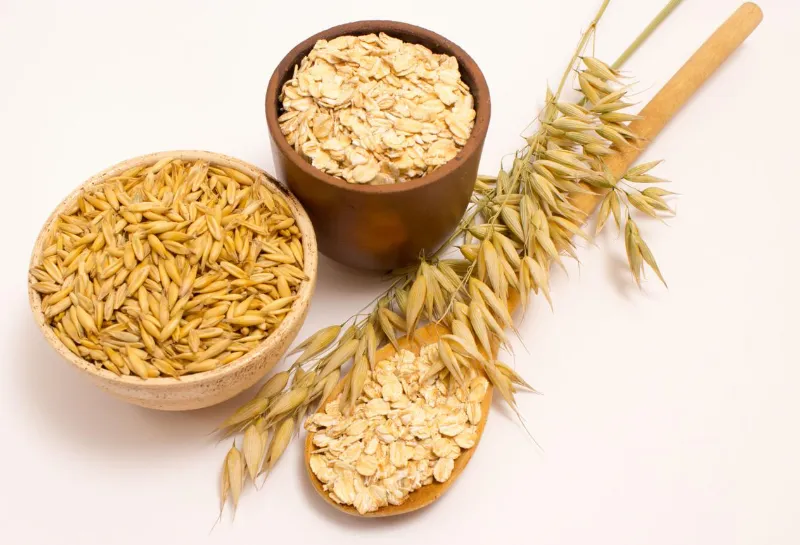
Oats are one of the most powerful cholesterol-lowering foods on the planet, and doctors have been recommending them for decades. The secret weapon inside oats is a soluble fiber called beta-glucan, which forms a thick gel in your digestive tract that literally traps LDL cholesterol and carries it out of your body before it can be absorbed.
A review published in the American Journal of Clinical Nutrition found that eating just 3 grams of oat beta-glucan per day can reduce LDL cholesterol by 5 to 10 percent. That is roughly one and a half cups of cooked oatmeal daily.
The best part? Oats are incredibly easy to work into your routine. Start your morning with a bowl of steel-cut or rolled oats, toss oat bran into smoothies, or bake oats into homemade energy balls for a heart-healthy snack on the go.
2. Barley
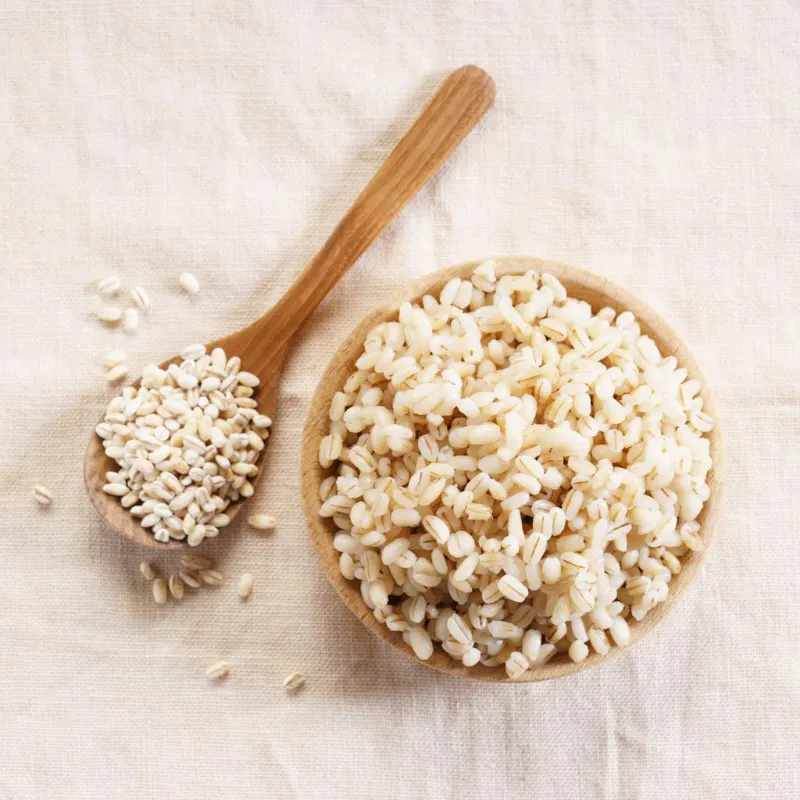
Barley is the underrated cousin of oats that most people completely overlook at the grocery store. Just like oats, barley is loaded with beta-glucan soluble fiber, which has been shown in multiple clinical trials to meaningfully reduce LDL cholesterol levels.
The FDA actually approved a health claim for barley back in 2006, recognizing that beta-glucan from barley can reduce the risk of heart disease. That is a big deal when it comes from a federal regulatory agency.
You can swap barley into soups, stews, and grain bowls instead of rice or pasta. It has a chewy, nutty texture that adds real heartiness to any dish while quietly working to protect your cardiovascular health.
3. Beans (Black Beans)
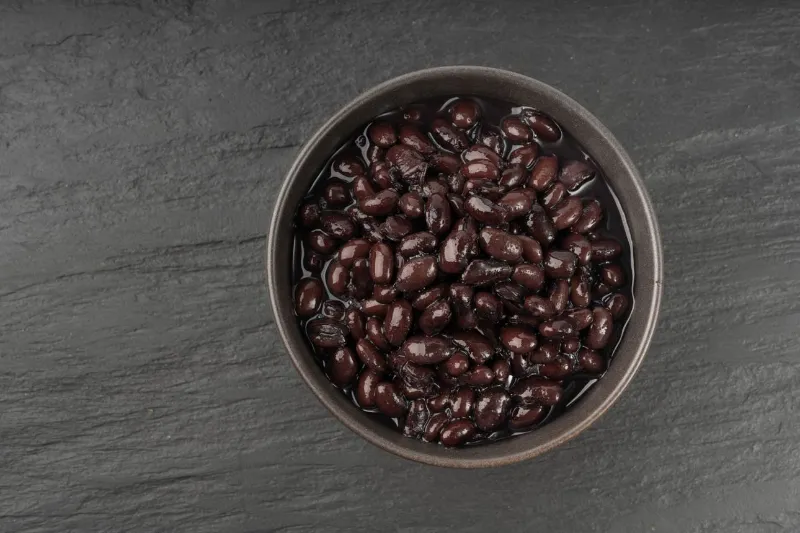
Black beans are a nutritional powerhouse that packs soluble fiber, plant-based protein, and cholesterol-fighting compounds all into one tiny package. The soluble fiber in black beans works the same way as oats by binding to cholesterol in the gut and preventing it from entering your bloodstream.
Research published in the Journal of Nutrition showed that eating one half cup of beans daily can lower LDL cholesterol by about 5 percent. Over time, that adds up to a significant difference in your cardiovascular risk.
Throw black beans into your tacos, mix them into salads, blend them into soups, or even use them as a base for hearty veggie burgers. They are cheap, filling, and one of the most heart-friendly foods you can put on your plate.
4. Lentils
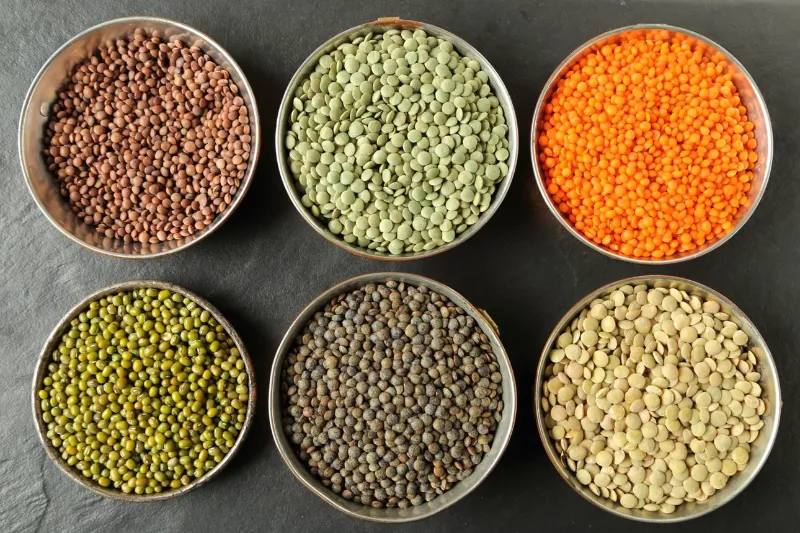
Lentils deserve way more love than they typically get in American kitchens. They are absolutely packed with soluble fiber and plant sterols, both of which work together to block LDL cholesterol from being absorbed into the bloodstream.
A 2019 meta-analysis in the journal Nutrients found that regular legume consumption, including lentils, was associated with significantly lower total and LDL cholesterol levels across multiple studies. The effect was especially strong when lentils replaced red meat in the diet.
Red, green, or brown lentils all work beautifully in soups, curries, and salads. They cook faster than most other legumes and do not even need to be soaked overnight, making them one of the most convenient heart-healthy foods you can keep in your pantry.
5. Avocado
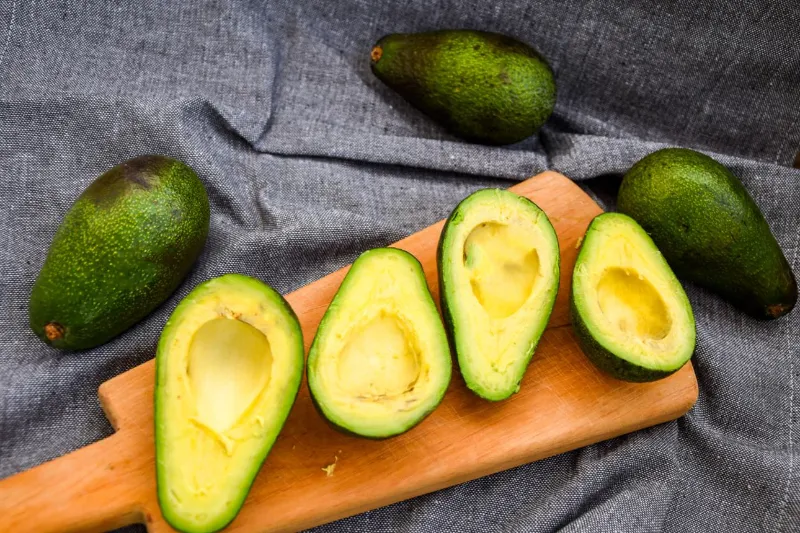
Avocado is one of those rare foods that is both delicious and genuinely good for your heart. It is rich in monounsaturated fatty acids, particularly oleic acid, which has been shown to lower LDL cholesterol while raising HDL, the good kind of cholesterol your body actually wants more of.
A landmark study published in the Journal of the American Heart Association found that eating one avocado per day as part of a moderate-fat diet reduced LDL cholesterol significantly more than a similar diet without avocado. Participants also showed lower levels of small, dense LDL particles, which are considered especially harmful to arteries.
Slice avocado onto toast, blend it into smoothies for creaminess, mash it up as guacamole, or use it in place of butter or mayo on sandwiches. Your heart will genuinely thank you for making this swap.
6. Olive Oil
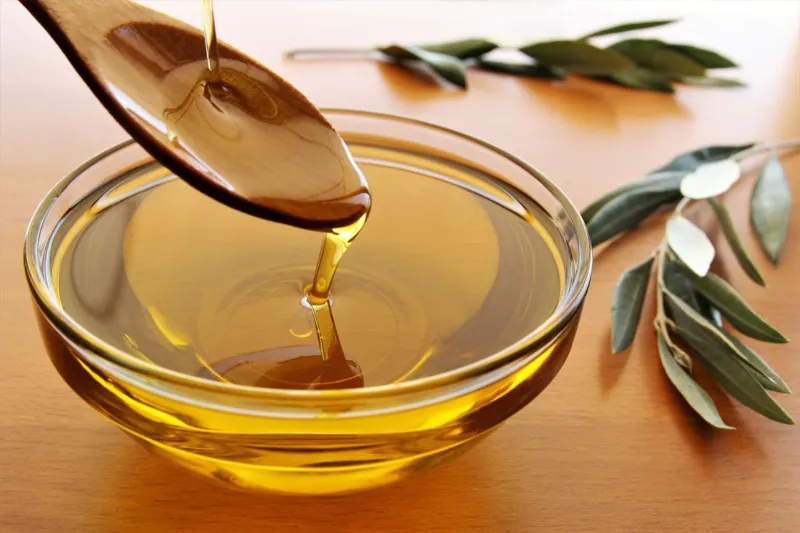
Olive oil has been at the center of heart-healthy Mediterranean diets for thousands of years, and modern science has only confirmed what those cultures seemed to know intuitively. The monounsaturated fats in olive oil help reduce LDL cholesterol while protecting HDL cholesterol from oxidative damage.
The famous PREDIMED study, one of the largest dietary trials ever conducted, found that people who followed a Mediterranean diet supplemented with extra virgin olive oil had significantly lower rates of heart attack, stroke, and cardiovascular death compared to those on a low-fat diet.
Use olive oil as your primary cooking fat for sauteing vegetables, drizzling over salads, and dipping whole grain bread. Just aim for extra virgin quality since it retains more of its beneficial polyphenol compounds.
7. Salmon
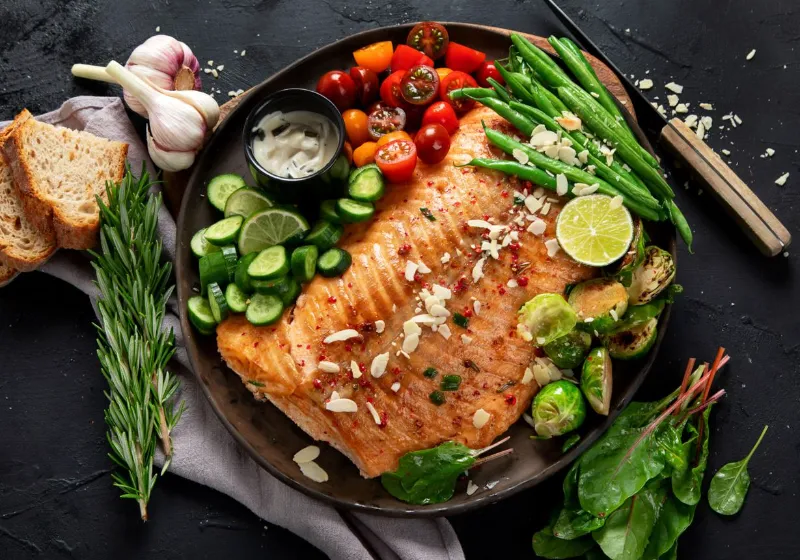
Salmon is one of the best sources of omega-3 fatty acids on earth, and those fats are incredible for your cardiovascular system. Omega-3s, specifically EPA and DHA found in fatty fish, lower triglycerides, reduce inflammation, and help shift your cholesterol profile in a healthier direction.
The American Heart Association recommends eating two servings of fatty fish like salmon per week for cardiovascular benefits. Research shows that regular fatty fish consumption can lower triglycerides by up to 30 percent and may modestly reduce LDL levels as well.
Bake salmon with lemon and herbs, grill it with a honey glaze, or flake it over a big grain bowl. Wild-caught Alaskan salmon tends to be the highest in omega-3s and the lowest in contaminants, making it the gold standard choice.
8. Mackerel
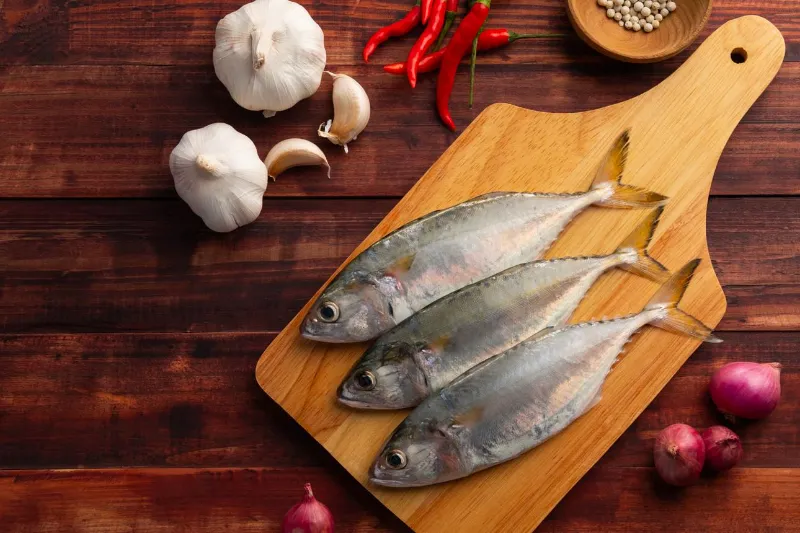
Mackerel does not get nearly the attention that salmon does, but it is arguably even richer in heart-healthy omega-3 fatty acids. It is also one of the most affordable fatty fish options, which makes it accessible for pretty much any budget.
Studies show that the omega-3 content in mackerel can help reduce LDL cholesterol oxidation, which is actually the process that makes LDL dangerous in the first place. Less oxidized LDL means less risk of it sticking to artery walls and forming dangerous plaques.
Atlantic mackerel is a great choice, often available canned just like tuna. Canned mackerel is fantastic on crackers, mixed into pasta, or added to grain bowls for a quick, cholesterol-friendly protein boost.
9. Walnuts
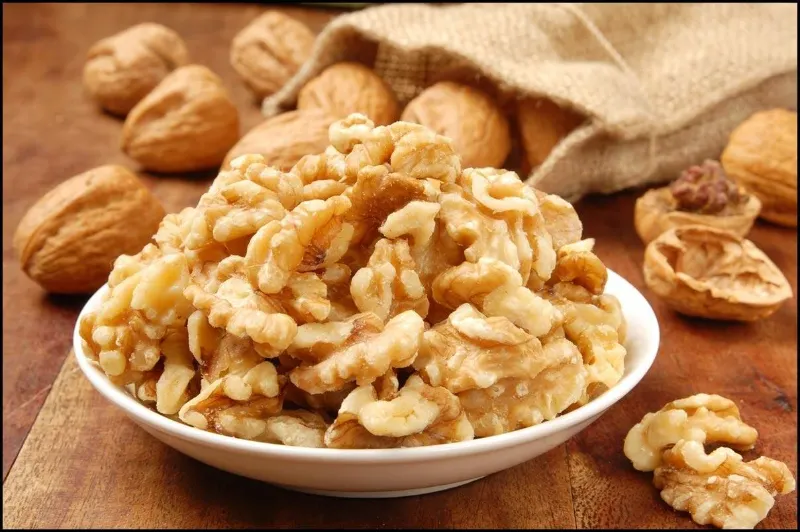
Walnuts stand apart from other nuts because they are one of the best plant-based sources of ALA omega-3 fatty acids. They also contain significant amounts of fiber, plant sterols, and L-arginine, an amino acid that helps keep artery walls flexible and healthy.
A meta-analysis published in the American Journal of Clinical Nutrition analyzed 13 walnut-feeding studies and found that diets rich in walnuts reduced total cholesterol by 5.4 percent and LDL cholesterol by 9.3 percent compared to control diets. That is a meaningful improvement from simply adding one food.
Snack on a small handful of walnuts between meals, toss them into oatmeal or salads, or use walnut butter the same way you would peanut butter. About one ounce, or roughly 14 walnut halves, per day appears to be the sweet spot for benefits.
10. Almonds
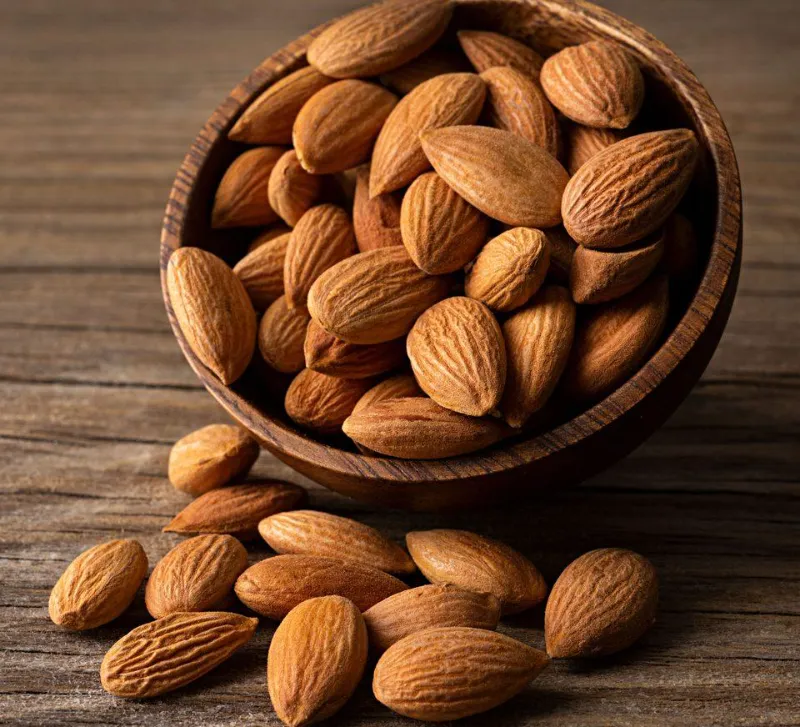
Almonds are another nut with impressive LDL-lowering credentials. They are rich in monounsaturated fats, vitamin E, fiber, and magnesium, all of which play roles in supporting a healthy cholesterol profile.
Research from Penn State University found that eating 1.5 ounces of almonds daily reduced LDL cholesterol and belly fat compared to a control diet, without causing weight gain. Participants also saw an increase in HDL cholesterol, which is exactly the kind of shift you want for heart health.
Keep a small bag of almonds in your car, desk, or gym bag for a convenient heart-healthy snack. You can also use almond flour in baking, sliced almonds as a salad topper, or almond butter as a spread on whole grain toast.
11. Flaxseeds
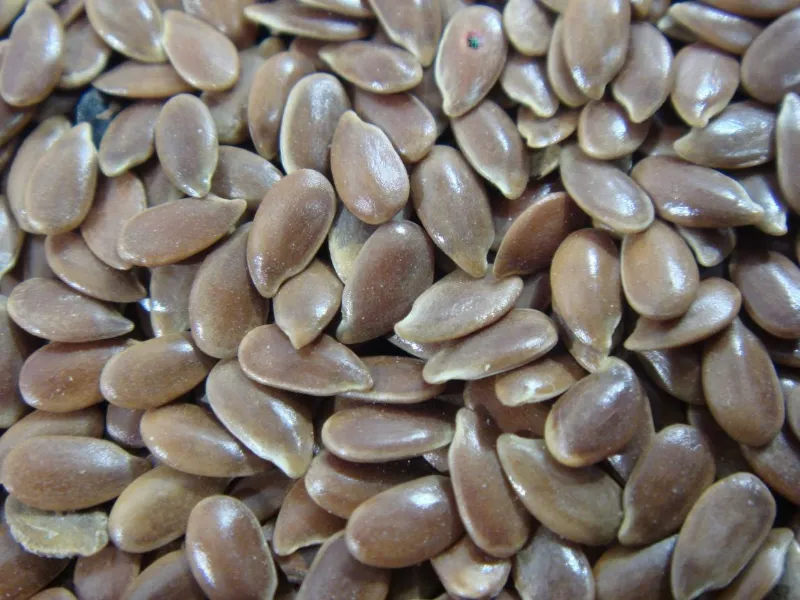
Flaxseeds are tiny but mighty when it comes to cholesterol management. They contain three key compounds that fight LDL cholesterol: soluble fiber, ALA omega-3 fatty acids, and lignans, which are plant compounds with antioxidant properties.
A review of 28 clinical trials found that flaxseed supplementation significantly reduced both total cholesterol and LDL cholesterol, with even stronger effects seen in postmenopausal women and people with high cholesterol to begin with. Ground flaxseeds tend to be more bioavailable than whole seeds because your body can actually digest and absorb the nutrients.
Add ground flaxseeds to smoothies, stir them into yogurt or oatmeal, or use flaxseed meal as a partial flour substitute in baking. One to two tablespoons per day is enough to start seeing benefits over time.
12. Chia Seeds
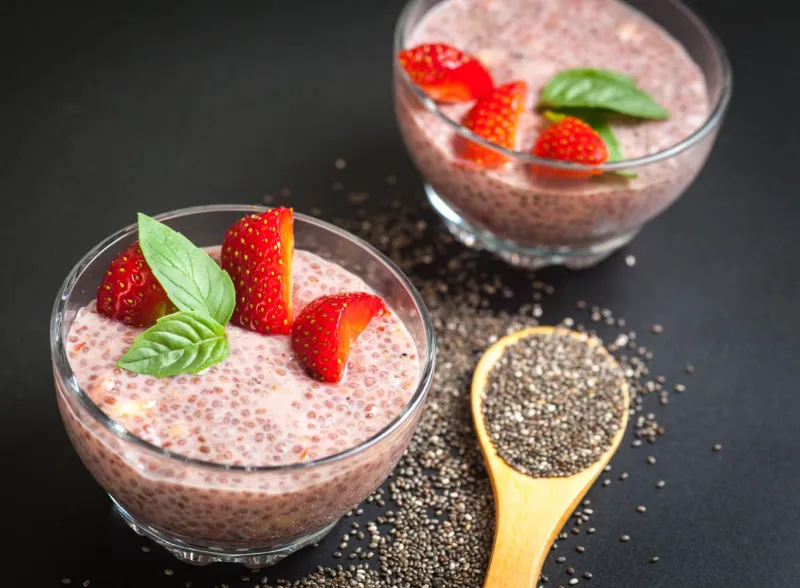
Chia seeds are a modern superfood with some serious science behind their cholesterol benefits. They are extraordinarily high in soluble fiber and ALA omega-3s, and they absorb water to form a gel in your gut that slows the absorption of cholesterol.
Studies have shown that chia seed consumption is associated with reductions in LDL cholesterol and triglycerides, along with increases in beneficial HDL cholesterol. One study published in the journal Nutrients found these effects were particularly pronounced in people who already had elevated cholesterol levels.
Stir chia seeds into water or juice and let them sit for a few minutes to form a drink, make chia pudding with almond milk overnight, or sprinkle them over yogurt and salads. They are nearly flavorless, so they blend into almost anything without changing the taste.
13. Dark Chocolate
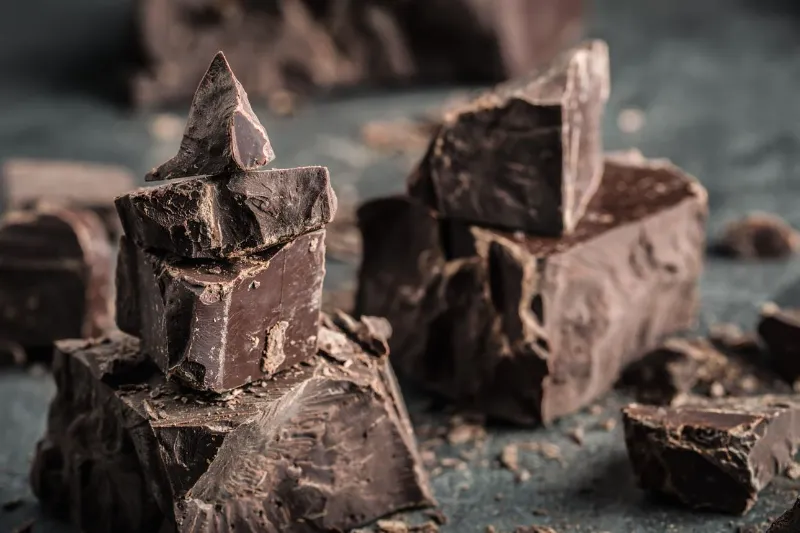
Yes, you read that right. Dark chocolate, the real kind with at least 70 percent cocoa content, can actually support lower LDL cholesterol levels. The cocoa flavanols in dark chocolate act as antioxidants that help prevent LDL cholesterol from becoming oxidized, which is the step that makes it dangerous.
Research published in the Journal of Nutrition found that consuming cocoa flavanols was associated with lower levels of oxidized LDL and improved blood vessel function. Another study found that dark chocolate raised HDL cholesterol as well.
Stick to one or two small squares of high-quality dark chocolate per day rather than a whole bar. Look for chocolate labeled 70 percent cocoa or higher, and avoid varieties loaded with added sugar and milk solids that dilute the benefits.
14. Green Tea
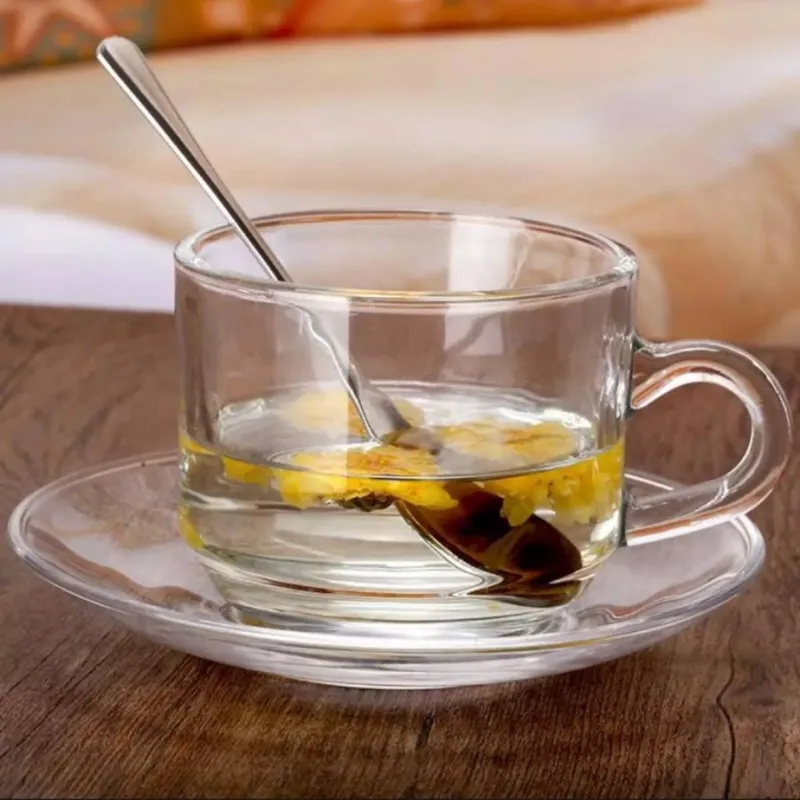
Green tea has been consumed in Asia for thousands of years, and researchers are now understanding exactly why it is so protective for the heart. The key compounds are catechins, a type of antioxidant that has been shown to reduce LDL cholesterol absorption in the intestines.
A meta-analysis of 14 randomized controlled trials found that green tea supplementation significantly lowered total cholesterol and LDL cholesterol compared to placebo groups. The effect was consistent across different populations and different forms of green tea, including brewed tea and extract capsules.
Swap one or two cups of coffee per day for green tea, either hot or iced. Matcha, which is powdered whole green tea leaves, delivers even higher concentrations of catechins if you really want to maximize the benefits.
15. Garlic
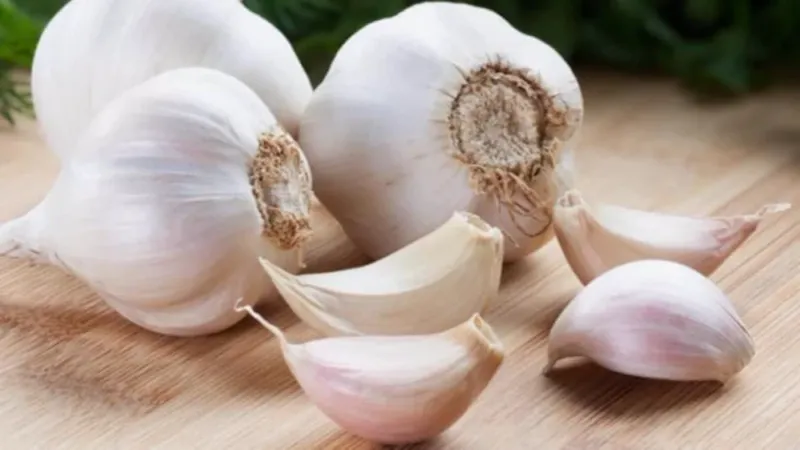
Garlic is so much more than a flavor enhancer. It contains a sulfur compound called allicin that is released when garlic is chopped or crushed, and allicin has been shown to lower LDL cholesterol and prevent LDL from oxidizing.
A meta-analysis published in the Journal of Nutrition found that garlic supplementation over six months or longer produced significant reductions in total cholesterol and LDL cholesterol. Raw or lightly cooked garlic preserves more allicin than garlic that has been exposed to high heat for extended periods.
Use fresh minced garlic generously in cooking, let it sit for 10 minutes after chopping to maximize allicin formation before adding it to heat, or talk to your doctor about aged garlic extract supplements if you want a more concentrated dose.
16. Apples
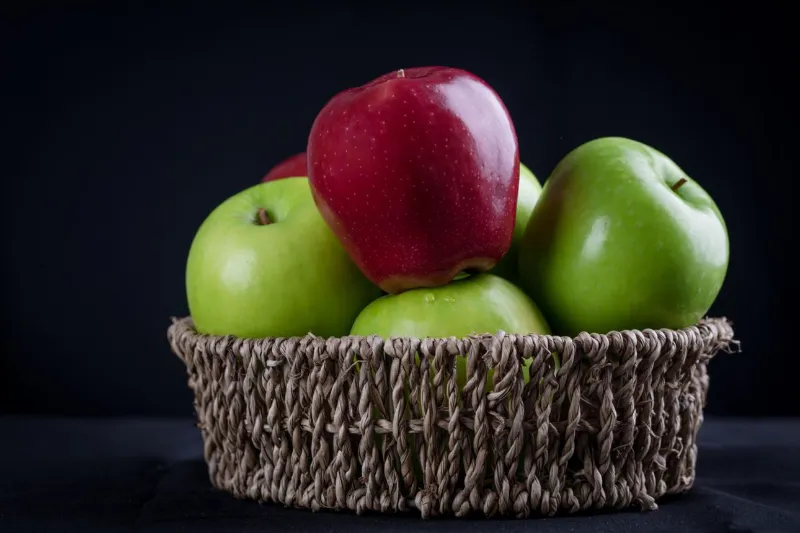
An apple a day really might help keep the cardiologist away. Apples are rich in pectin, a type of soluble fiber that forms a gel in your digestive system and binds to LDL cholesterol, helping to remove it from your body before it can cause harm.
Research from Ohio State University found that eating one apple per day for four weeks lowered oxidized LDL cholesterol by 40 percent in middle-aged adults. Participants also showed reduced levels of a protein associated with inflammation in the blood vessels.
Eat apples with the skin on since that is where much of the pectin and antioxidants are concentrated. Pair sliced apples with almond butter for a snack that combines the fiber benefits of the apple with the healthy fats of the nuts.
17. Strawberries
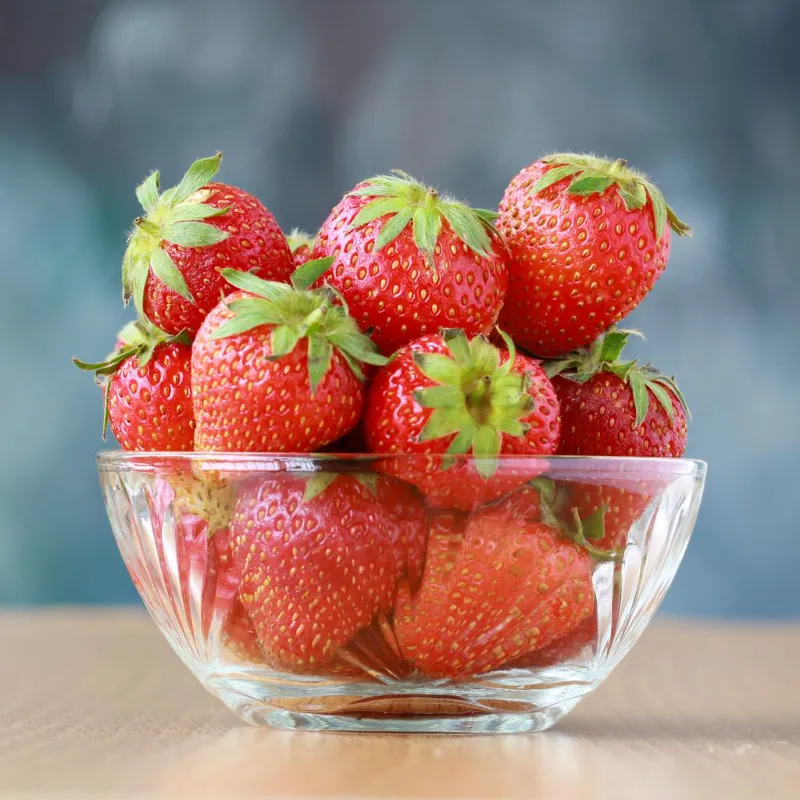
Strawberries are not just delicious, they are genuinely heart-protective. They contain pectin fiber, vitamin C, and powerful antioxidants called anthocyanins that help prevent LDL cholesterol from oxidizing and damaging your arteries.
A study published in the British Journal of Nutrition found that eating about one cup of strawberries daily for one month significantly reduced LDL cholesterol and increased antioxidant activity in the blood. The participants showed measurable improvements in vascular health markers too.
Add fresh or frozen strawberries to your morning smoothie, layer them into yogurt parfaits, or simply enjoy a bowl of them as a naturally sweet dessert. Frozen strawberries are just as nutritious as fresh and are often more affordable, making them a great year-round option.
18. Blueberries
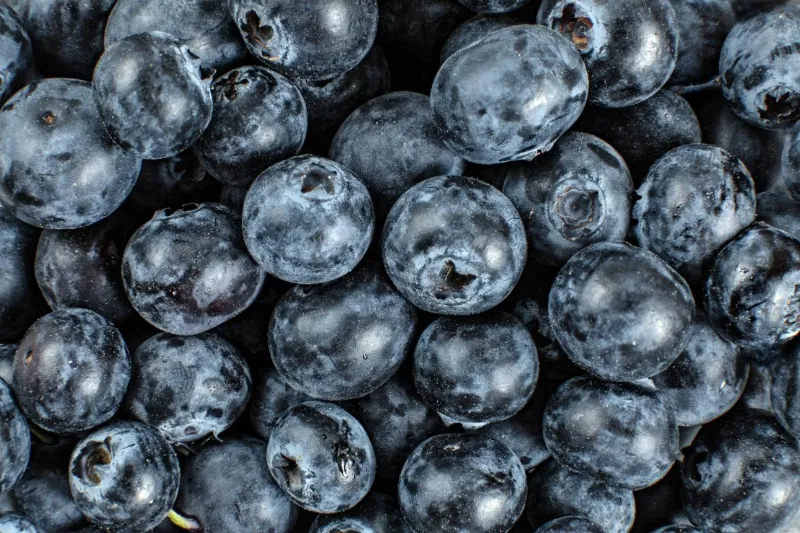
Blueberries are often called a superfood, and when it comes to heart health, they earn that title. They are bursting with anthocyanins, the same blue and purple pigments that give blueberries their signature color and also protect your arteries from LDL-induced damage.
Research from the University of East Anglia found that eating one cup of blueberries per day over eight weeks improved arterial stiffness, raised HDL cholesterol, and supported overall cardiovascular function. The antioxidant activity from blueberries also helps reduce the oxidative stress that makes LDL cholesterol dangerous.
Toss a handful of blueberries into your oatmeal every morning and you are stacking two powerhouse cholesterol-fighters together. Like strawberries, frozen blueberries are nutritionally equivalent to fresh and much easier on the budget.
19. Oranges
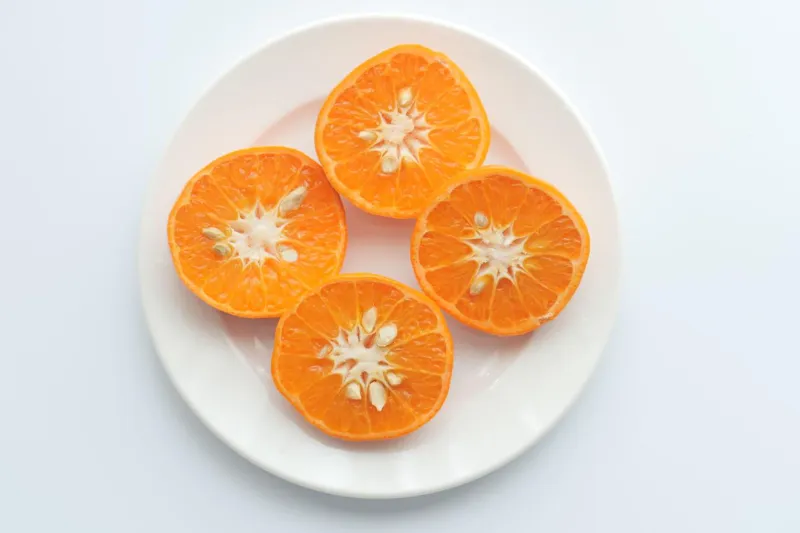
Oranges offer more than just vitamin C. They contain hesperidin, a flavonoid compound, along with pectin fiber, both of which have been shown to have meaningful effects on LDL cholesterol levels.
Studies have shown that drinking two to three cups of orange juice daily can raise HDL cholesterol and lower the LDL to HDL ratio, which is a key marker doctors use to assess cardiovascular risk. Eating whole oranges provides even more fiber benefit than just drinking the juice.
Snack on whole oranges, segment them into salads, or enjoy a glass of 100 percent freshly squeezed orange juice with breakfast. If you choose juice, just be mindful of portion size since juice lacks the full fiber content of the whole fruit.
20. Grapes
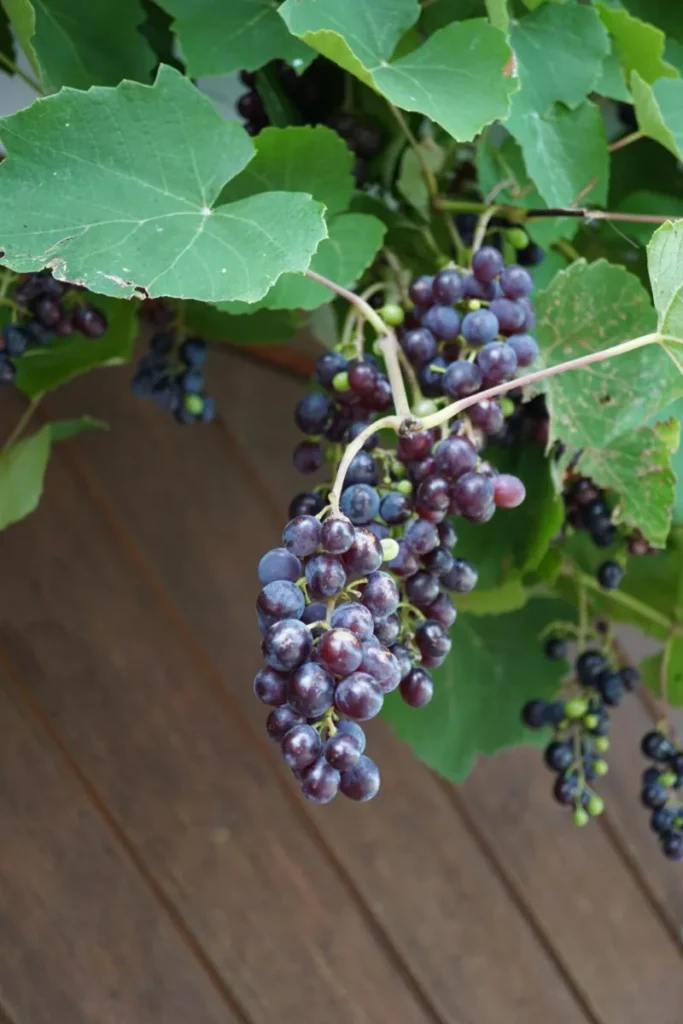
Grapes, especially red and purple varieties, are loaded with resveratrol and other polyphenols that have significant cardiovascular benefits. Resveratrol is the compound that gave red grape juice its heart-healthy reputation, though you can get the benefits without the alcohol by eating grapes directly.
Research has shown that grape consumption can reduce LDL cholesterol oxidation, lower blood pressure, and improve the health of the cells lining your arteries. The fiber in grapes also contributes modest soluble fiber benefits similar to other fruits.
Snack on fresh grapes throughout the day, freeze them for a refreshing summer treat, or toss them into a chicken or tuna salad for a sweet contrast. Red and purple grapes tend to have higher polyphenol content than green varieties.
21. Eggplant
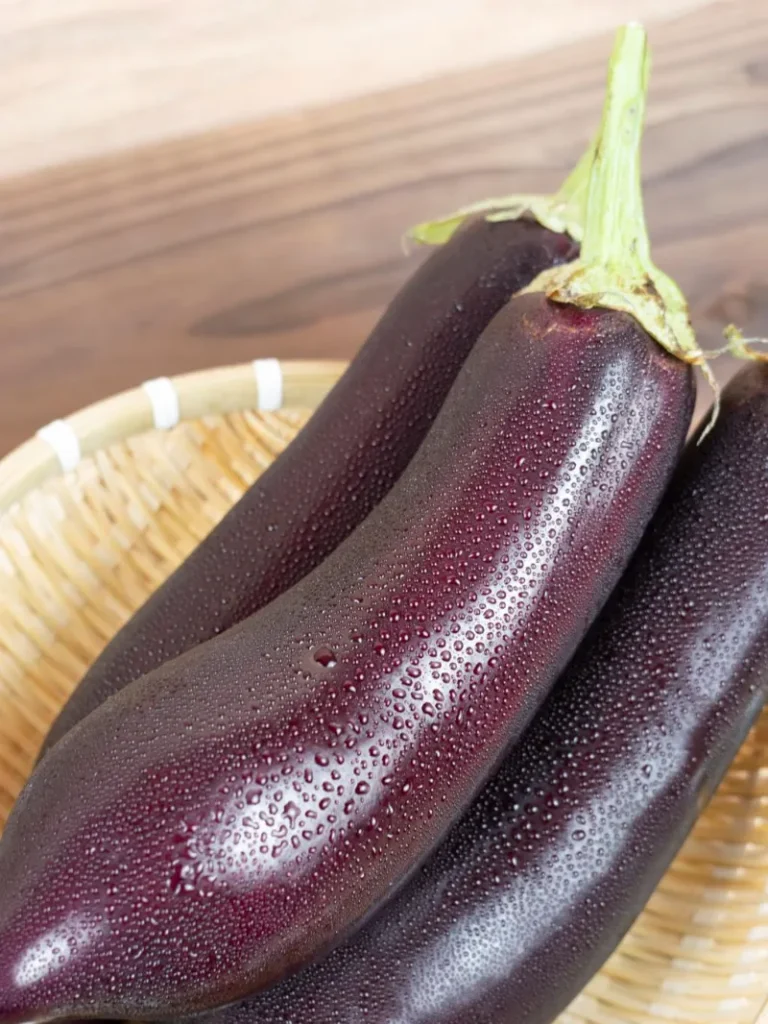
Eggplant is a fantastic low-calorie vegetable that contains a unique antioxidant called nasunin and is also a surprisingly good source of soluble fiber. The fiber in eggplant helps reduce LDL cholesterol absorption in the gut.
Studies conducted in Brazil found that eggplant juice lowered total cholesterol, LDL cholesterol, and triglycerides in animal models, and some human studies have shown similar promising results. While human research is still developing, eggplant is clearly a nutrient-dense choice that fits perfectly into any heart-healthy eating plan.
Roast eggplant with olive oil and garlic as a side dish, use it as the base for a hearty ratatouille, or make a batch of baba ganoush. Its meaty texture makes it an excellent plant-based substitute for meat in many recipes.
22. Okra
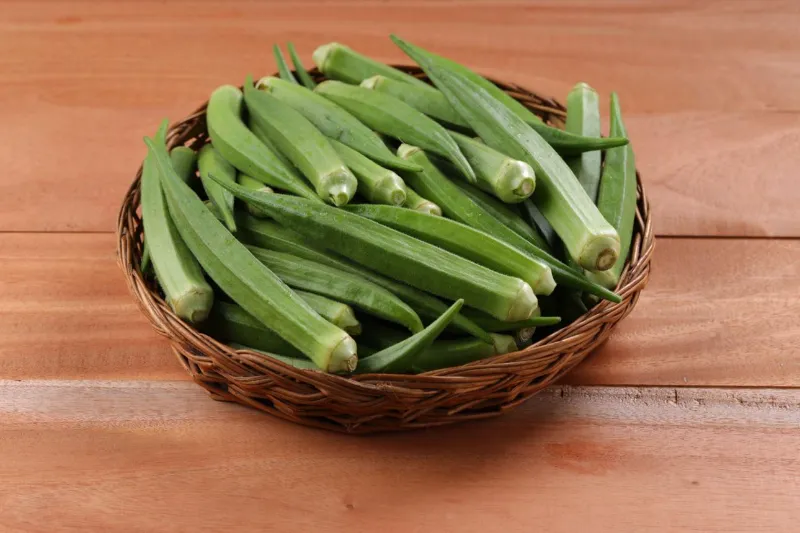
Okra might not be everyone’s first pick at the farmers market, but it deserves a serious look from anyone trying to lower their LDL. Okra is incredibly high in soluble fiber, and that signature slimy texture that turns some people off is actually the gel-forming pectin that traps cholesterol in the gut.
Research has found that the soluble fiber and polyphenols in okra can help reduce LDL cholesterol and slow the rate of cholesterol absorption after meals. It is also very low in calories and rich in vitamins C and K.
Try roasting okra at high heat to reduce the slimy texture and achieve crispy edges. It also works beautifully in Southern gumbo, stir-fries, and stews where that natural thickness actually improves the dish.
23. Spinach
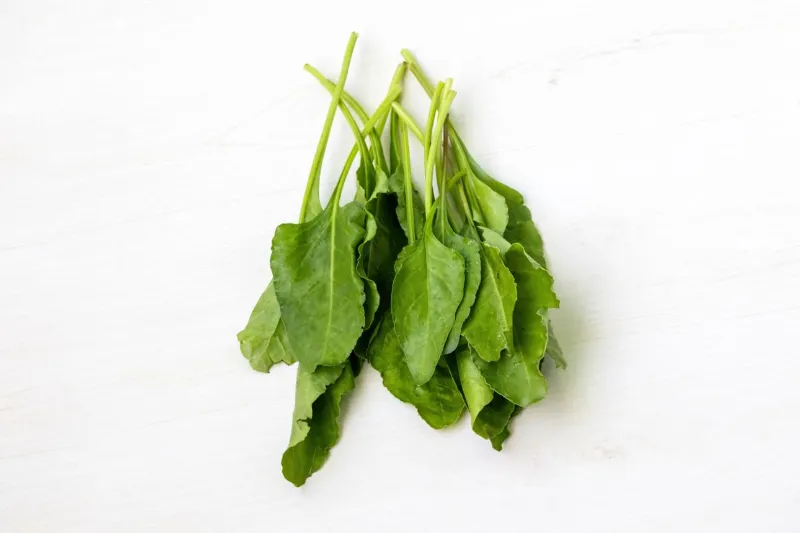
Spinach is one of the most nutrient-dense leafy greens available, and it packs a meaningful punch for cholesterol management. It contains lutein, a carotenoid compound that has been shown to prevent LDL cholesterol from binding to artery walls and triggering the plaque formation process.
Research published in the journal Arteriosclerosis, Thrombosis, and Vascular Biology found that lutein intake was associated with reduced arterial inflammation and a lower risk of atherosclerosis. Spinach is also rich in plant sterols, which naturally compete with cholesterol for absorption in the digestive tract.
Eat spinach raw in salads, wilt it into pasta dishes, blend it into smoothies where you will barely taste it, or saute it with garlic and olive oil as a simple side dish. The goal is to eat it consistently and in generous amounts.
24. Kale
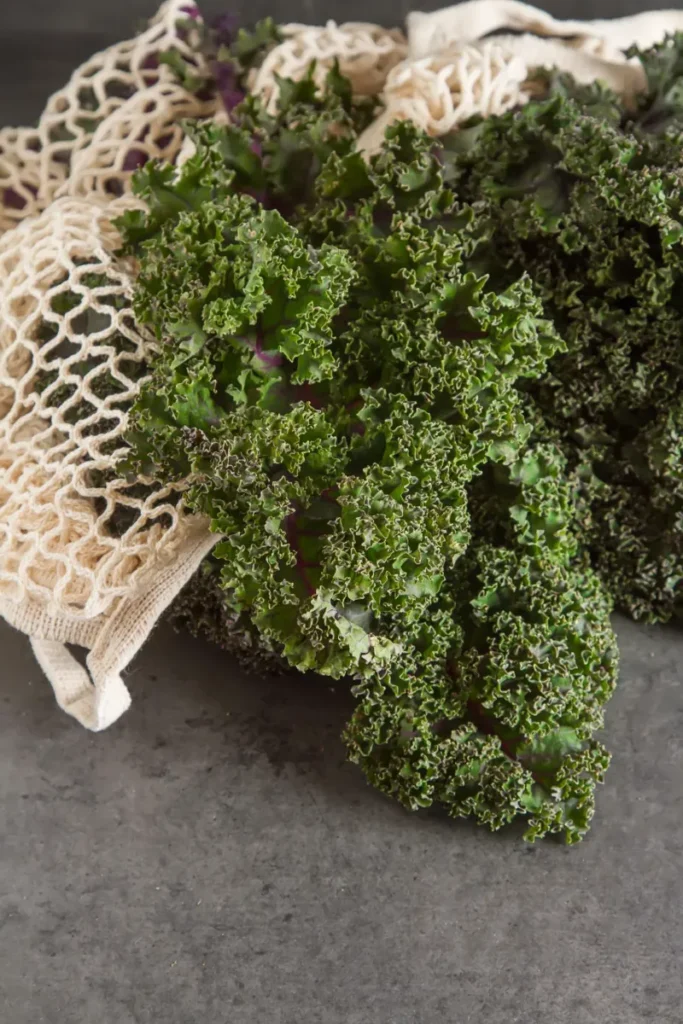
Kale has earned its superfood status, and its cholesterol-lowering credentials are part of the reason. Like spinach, kale contains bile acid sequestrants, compounds that bind to bile acids in the digestive tract and force the liver to use up LDL cholesterol to make more bile, essentially pulling cholesterol out of circulation.
A study found that drinking kale juice daily for 12 weeks increased HDL cholesterol by 27 percent and lowered LDL cholesterol by 10 percent in men with high cholesterol. The antioxidants in kale also help prevent LDL from oxidizing.
Massage raw kale with a little olive oil and lemon juice to break down its tough fibers for salads, blend it into smoothies, roast it into crispy kale chips, or stir it into soups and stews where it wilts down beautifully.
25. Soy (Edamame)
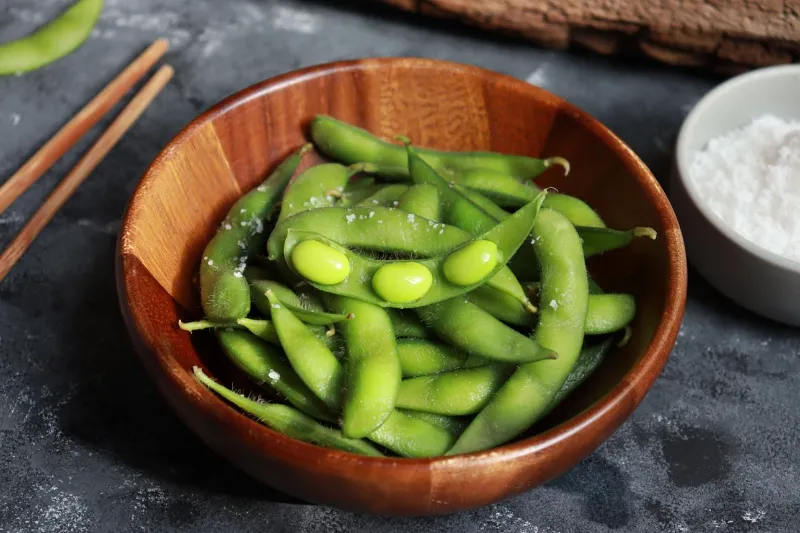
Edamame, those bright green soybeans you get at Japanese restaurants, are a complete plant protein with impressive cholesterol-lowering properties. Soy protein has been shown in studies to reduce LDL cholesterol, and the FDA actually recognizes soy as a heart-healthy food.
A meta-analysis of 38 clinical trials confirmed that soy protein intake was associated with significant reductions in LDL cholesterol and triglycerides. The isoflavones in soy, plant compounds similar to estrogen, also appear to contribute to improved blood lipid profiles.
Snack on steamed edamame sprinkled with a little sea salt, toss shelled edamame into grain bowls and stir-fries, or blend it into hummus for a protein-packed dip. It is one of the most satisfying plant-based protein sources you can eat.
26. Tofu
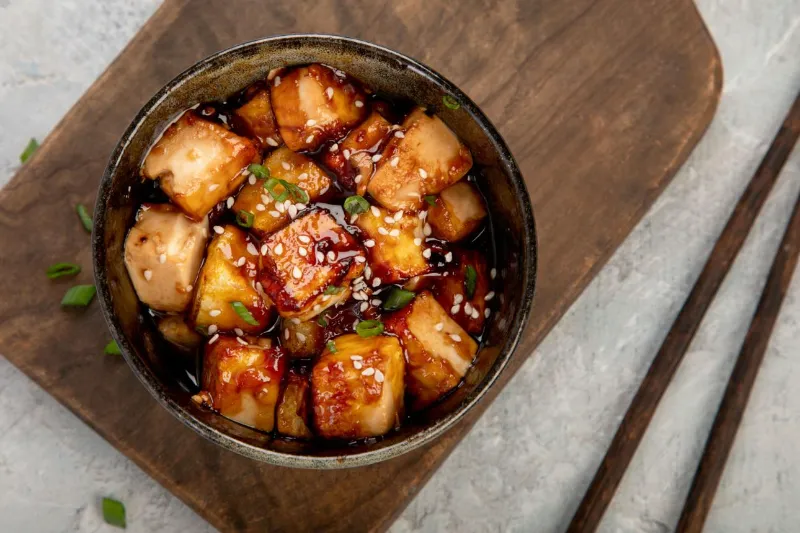
Tofu is made from soybeans and carries all the same heart benefits as edamame in a more versatile cooking form. Regular consumption of soy protein from tofu has been shown to lower LDL cholesterol, and swapping tofu in for red meat or high-fat dairy is one of the most effective dietary shifts you can make for heart health.
Research consistently shows that replacing animal protein with soy protein reduces LDL cholesterol by an average of around 5 percent, and when combined with other dietary changes like eating more fiber, the cumulative effect can be substantial.
Marinate and bake firm tofu as a meat substitute, crumble silken tofu into smoothies for a protein boost, or use tofu scramble as a cholesterol-free alternative to eggs. The key is to season and cook it well so you actually enjoy eating it.
27. Sweet Potatoes
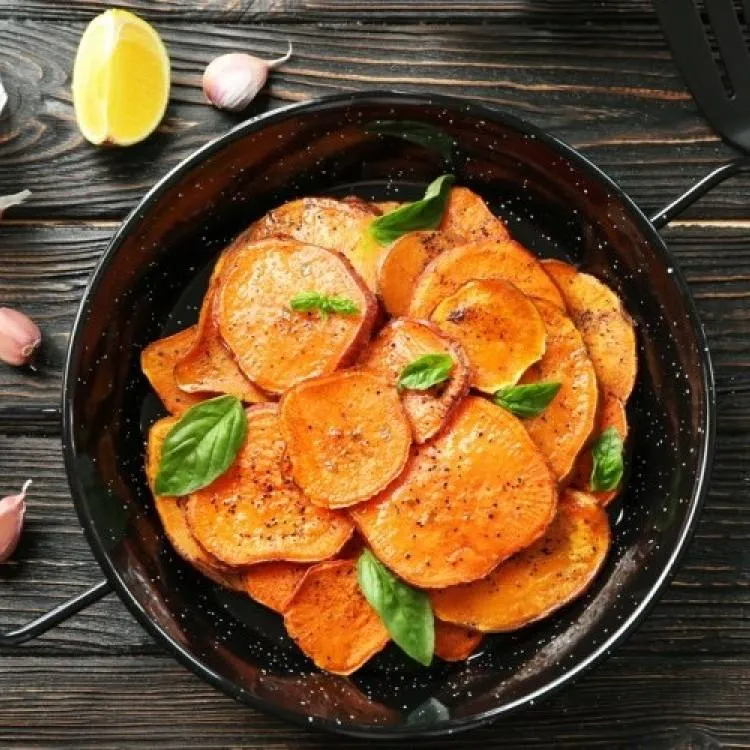
Sweet potatoes are one of the most comforting and nutrient-rich foods you can put on your plate. They are rich in soluble fiber, beta-carotene, potassium, and antioxidants, all of which contribute to a healthier cardiovascular system.
The soluble fiber in sweet potatoes, particularly a type called pectin, slows digestion and reduces LDL cholesterol absorption in the intestines. Studies have also shown that the antioxidants in sweet potatoes help protect LDL cholesterol from oxidation, reducing its ability to cause arterial damage.
Bake a whole sweet potato and top it with black beans and salsa for a complete heart-healthy meal, or roast cubed sweet potatoes with olive oil and cinnamon as a side dish. They are naturally sweet enough to satisfy cravings that might otherwise send you toward less healthy options.
28. Tomatoes
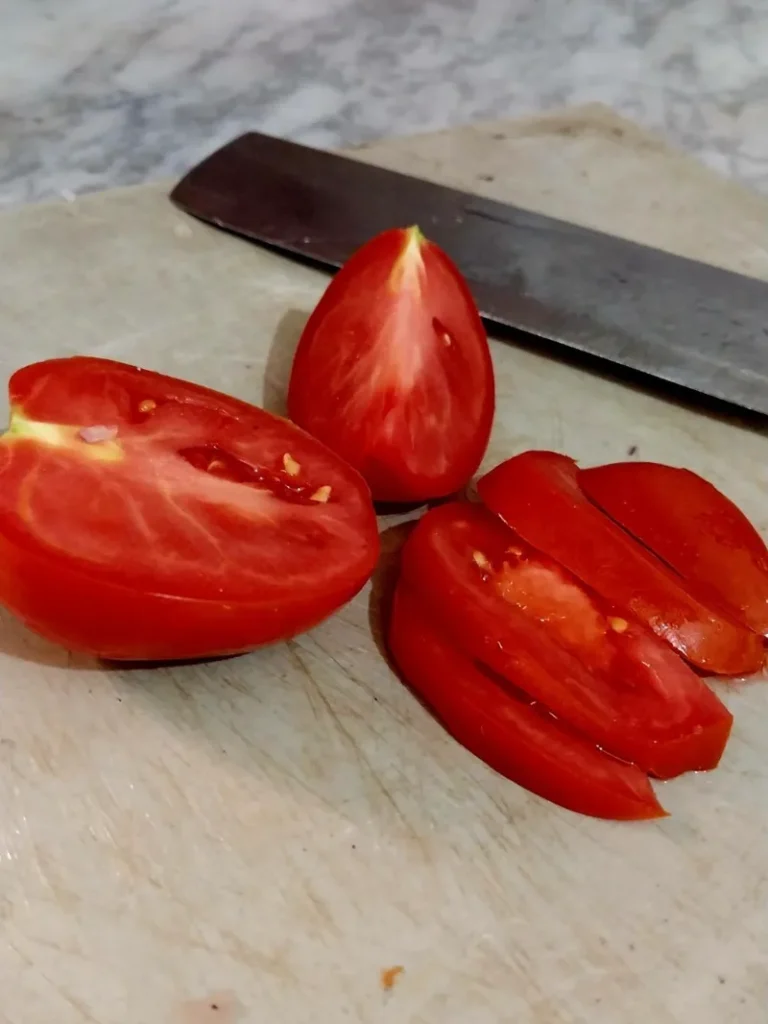
Tomatoes contain lycopene, a powerful carotenoid antioxidant that gives them their rich red color and provides impressive protection against LDL cholesterol oxidation. The less oxidized your LDL is, the less damage it can do to your arteries.
A meta-analysis published in Maturitas found that tomato-based food consumption was inversely associated with cardiovascular disease risk. Interestingly, cooking tomatoes actually increases the bioavailability of lycopene, meaning cooked tomato sauce delivers more lycopene than raw tomatoes.
Make tomato sauce a regular part of your weekly cooking, add sliced tomatoes to sandwiches and salads, enjoy tomato soup, or roast cherry tomatoes until they burst and caramelize. The more tomatoes you eat in a variety of ways, the better.
29. Psyllium Husk
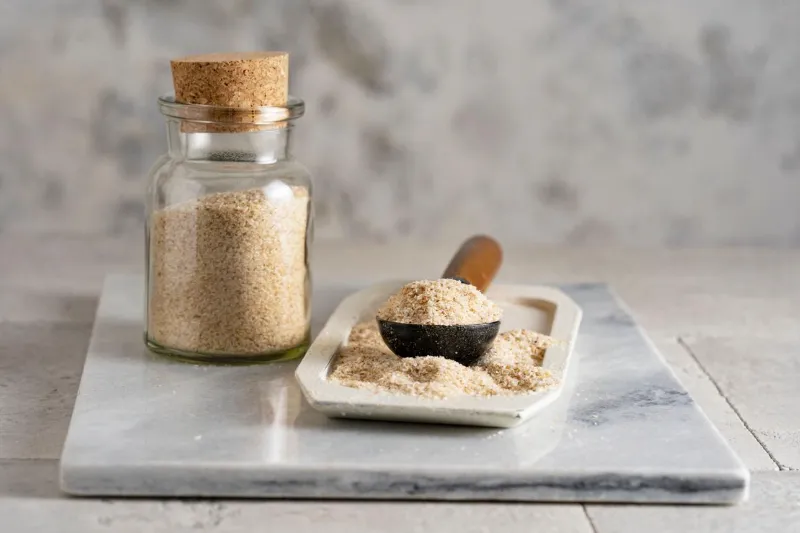
Psyllium husk might be the most powerful soluble fiber supplement you have never heard of. Derived from the seeds of the Plantago ovata plant, psyllium husk is almost entirely soluble fiber, making it one of the most concentrated cholesterol-lowering fiber sources available.
The FDA has approved a health claim for psyllium husk, recognizing that 7 grams per day as part of a low-fat diet may reduce the risk of heart disease. Multiple clinical trials have shown that psyllium supplementation consistently reduces LDL cholesterol by 5 to 10 percent.
Mix one tablespoon of psyllium husk powder into a glass of water or juice each day and drink it immediately before it gels too thickly. You can also stir it into smoothies or oatmeal. Start with a small amount and increase gradually to allow your digestive system to adjust.
30. Extra Virgin Olive Oil
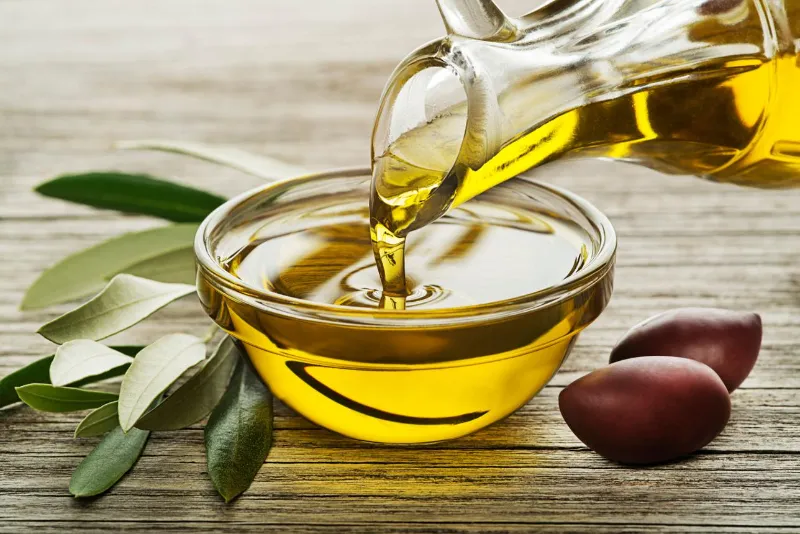
Extra virgin olive oil deserves its own spotlight separate from regular olive oil because the difference matters. Extra virgin is cold-pressed without chemical processing, which means it retains far more of its beneficial polyphenols, antioxidants, and oleocanthal, a compound with anti-inflammatory properties similar to ibuprofen.
Research shows that the polyphenols in extra virgin olive oil specifically help prevent LDL cholesterol from oxidizing, reduce inflammation in blood vessel walls, and improve the function of the endothelial cells that line your arteries. These are protective mechanisms that lower-quality oils simply cannot match.
Use extra virgin olive oil as your primary fat for salad dressings, drizzling over finished dishes, and low-to-medium heat cooking. Store it in a dark bottle away from heat and light to preserve its polyphenol content, and look for a harvest date on the bottle to ensure freshness.
Final Thoughts
Your heart health is not just in your doctor’s hands. It is on your plate, three times a day, every single day. Every one of these 30 foods gives your body a real, science-backed tool to push your LDL cholesterol in the right direction.
You do not have to overhaul your entire diet overnight. Start by adding two or three of these foods this week, and build from there. Small, consistent changes really do add up to big results over time. Your future self will be grateful you started today.
