
31 Secret Low Glycemic Foods List That Will Surprise You

You already know the usual advice: cut sugar, watch your carbs, eat more vegetables. But what if some of the most powerful foods for steady blood sugar are hiding in plain sight, and nobody is talking about them?

Get ready, because this list is going to shake up the way you shop, cook, and snack. These 31 low glycemic foods are delicious, affordable, and backed by real science — and some of them will genuinely surprise you.
1. Barley
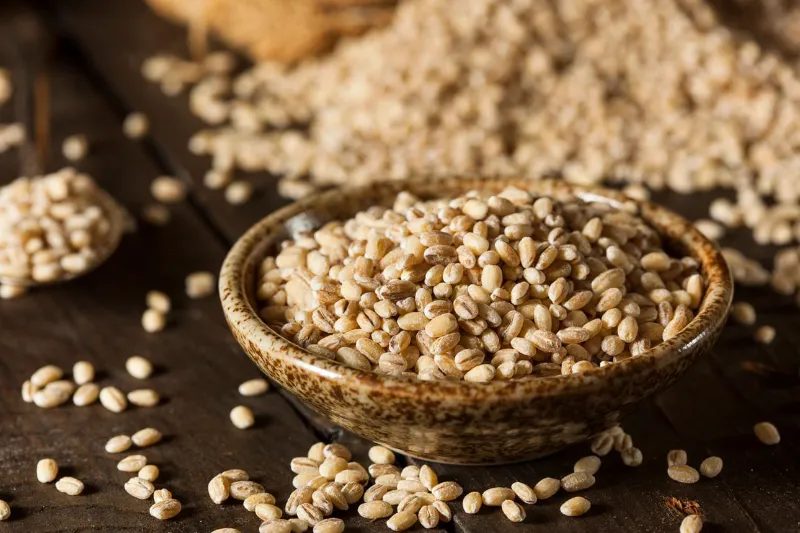
Barley has one of the lowest glycemic index scores of any grain, sitting at around 28. That is remarkably low compared to white rice, which clocks in at 70 or above. The secret is beta-glucan, a soluble fiber that slows digestion and keeps your blood sugar from spiking.
Beta-glucan does not just help with blood sugar, though. Research published in the American Journal of Clinical Nutrition shows it also lowers LDL cholesterol and supports gut health. It is basically a two-for-one deal inside a humble grain.
Try swapping barley into your soups and stews instead of rice or pasta. You can also cook it like oatmeal for a warm, nutty breakfast that keeps you full for hours.
2. Lentils
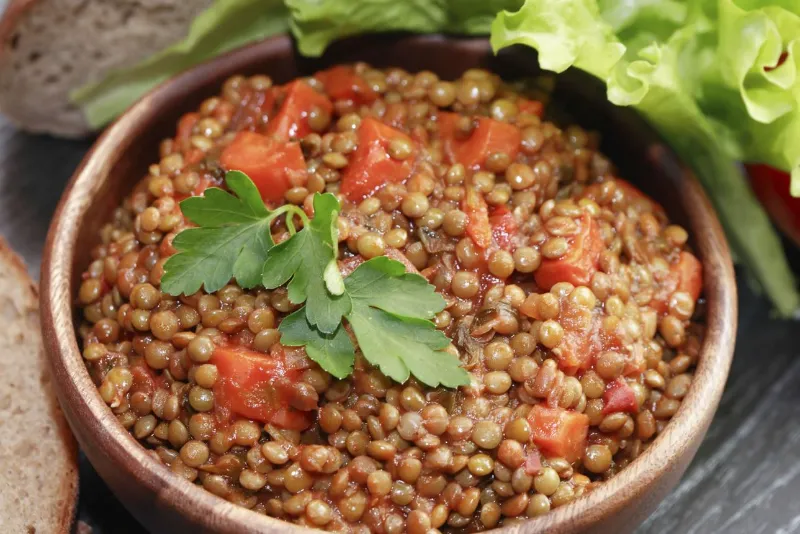
Lentils sit at a glycemic index of around 29, making them one of the most blood-sugar-friendly foods you can eat. They are loaded with both protein and fiber, which means your body digests them slowly and steadily. That combo is pure gold for energy stability.
Studies have shown that eating lentils regularly can actually reduce the glycemic response of other foods you eat alongside them. Scientists call this the “lentil effect,” and it is a real phenomenon. Add them to a meal and they help lower the overall blood sugar impact.
Toss lentils into salads, make a simple lentil soup, or use them as a hearty base for grain bowls. They are cheap, filling, and genuinely good for you in every way.
3. Chickpeas
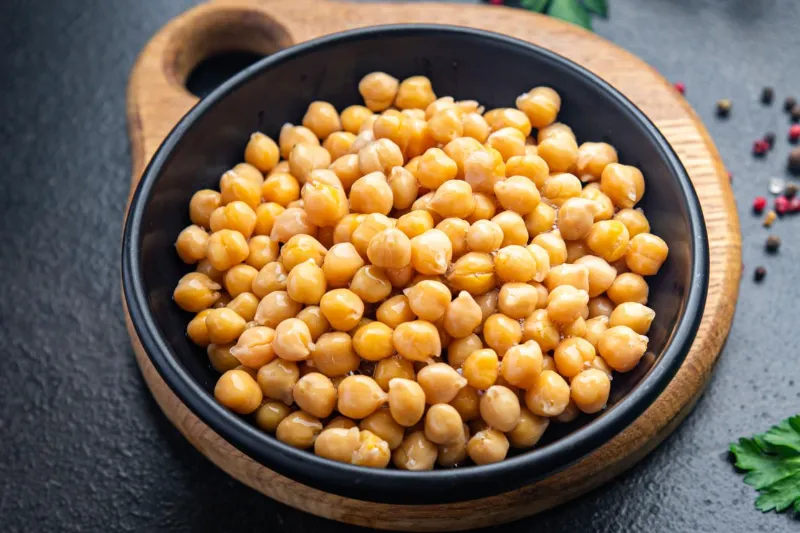
Chickpeas come in at a glycemic index of about 28, which places them firmly in the low category. They are rich in resistant starch, a type of carbohydrate your body cannot fully digest. That means it feeds your gut bacteria instead of sending sugar into your bloodstream.
The protein content in chickpeas is also worth celebrating. With around 15 grams per cooked cup, they help slow the absorption of any carbohydrates you eat with them. Your blood sugar stays steady, and you feel satisfied longer.
Roast them for a crunchy snack, blend them into hummus, or throw them into a stir-fry. Chickpeas are wildly versatile and easy to keep stocked in your pantry.
4. Black Beans
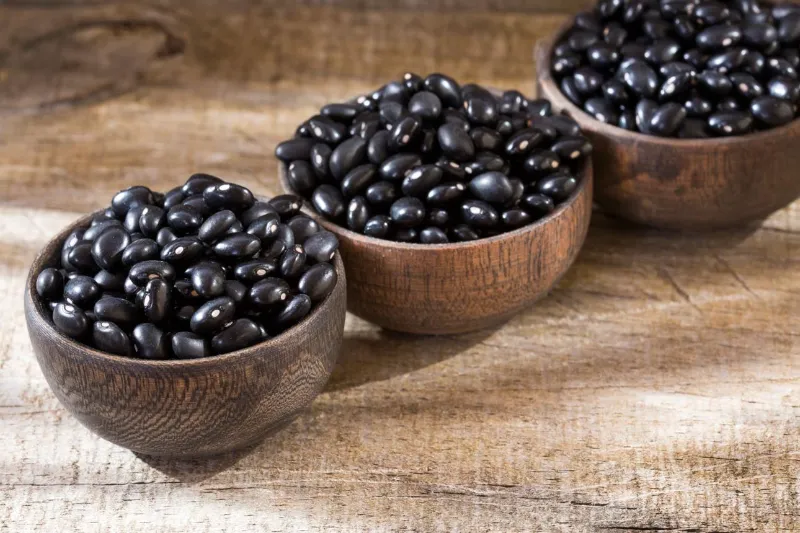
Black beans have a glycemic index of around 30, and they punch well above their weight in terms of nutrition. They are packed with anthocyanins, the same antioxidants found in blueberries, which give them that deep, dark color. These compounds help reduce inflammation and support metabolic health.
The fiber in black beans is particularly impressive. One cup of cooked black beans delivers about 15 grams of fiber, which slows glucose absorption significantly. That is more than half of the recommended daily intake in a single serving.
Use black beans in tacos, burrito bowls, or soups. They work well in veggie burgers too, adding both substance and nutrition without sending your blood sugar on a rollercoaster.
5. Kidney Beans
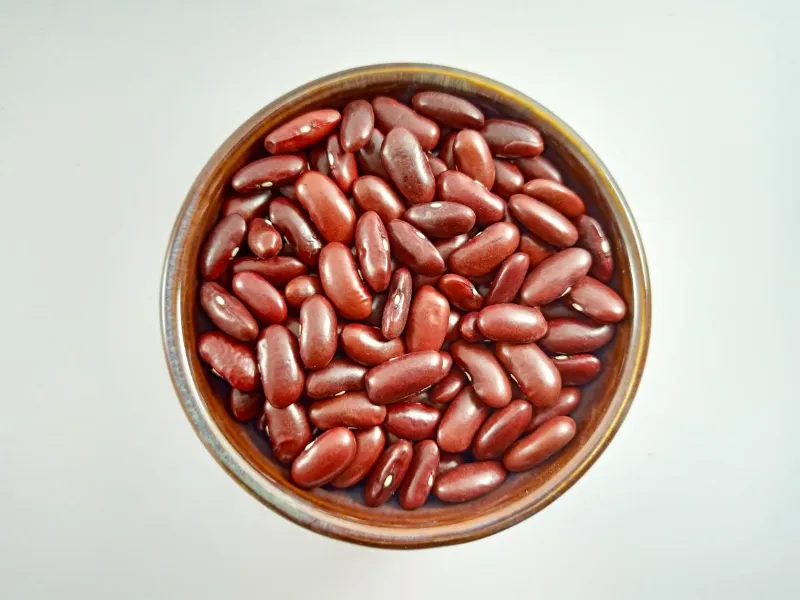
Kidney beans land around a glycemic index of 24, making them one of the lowest on this entire list. They are exceptionally rich in plant-based protein and iron, two nutrients that many Americans do not get enough of. Their thick, starchy texture also means they digest very slowly.
Research has consistently shown that legumes like kidney beans help improve insulin sensitivity over time. Regular consumption is linked to lower fasting blood glucose levels, especially in people managing type 2 diabetes. That is not just helpful, that is powerful.
Add them to chili, mix them into pasta dishes, or toss them into a hearty salad. Kidney beans are a staple worth keeping on hand every single week.
6. Cashews

Cashews have a glycemic index of about 22, which surprises most people who assume all nuts are equal. They are rich in magnesium, a mineral that plays a direct role in insulin function and blood sugar regulation. Many Americans are chronically low in magnesium without even knowing it.
The fat content in cashews is mostly oleic acid, the same heart-healthy monounsaturated fat found in olive oil. This type of fat actually supports better insulin sensitivity rather than working against it. So the creamy richness you love in cashews is doing good work in your body.
Snack on a small handful between meals, spread cashew butter on apple slices, or blend them into creamy sauces and soups. Just watch portion sizes since the calories add up fast.
7. Peanuts
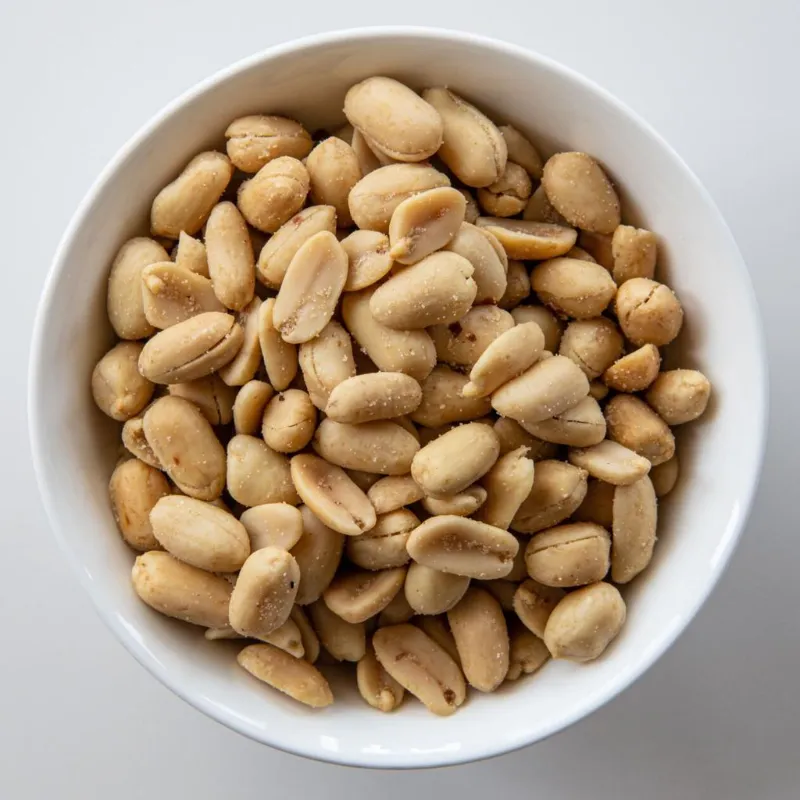
Peanuts sit at one of the lowest glycemic index scores of any food, around 14. They are technically legumes, not nuts, which might explain their impressive fiber content alongside healthy fats and protein. That triple combo makes them an elite blood sugar stabilizer.
A study in the Journal of Nutrition found that eating peanuts or peanut butter in the morning reduced blood sugar responses throughout the entire day. That is a significant carryover effect from a single food choice at breakfast. Pretty remarkable for something so simple and affordable.
Spread natural peanut butter on whole grain toast, add peanuts to stir-fries, or just eat them straight as a snack. Choose unsalted and natural varieties to avoid added sugar and excessive sodium.
8. Walnuts
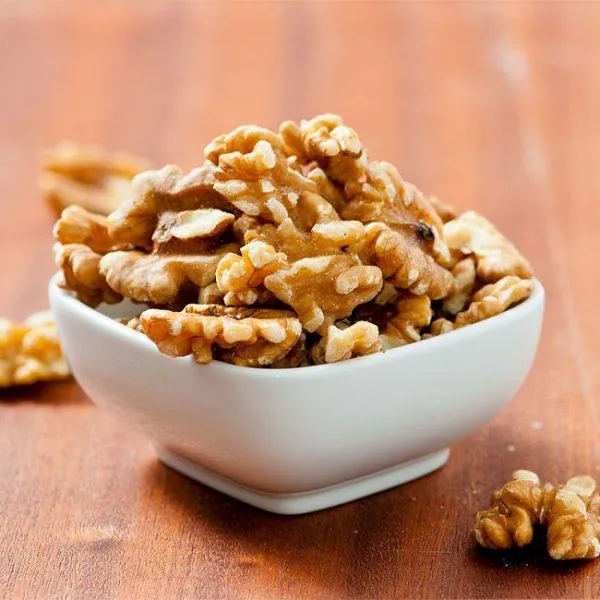
Walnuts have a glycemic index so low it is nearly unmeasurable, essentially zero, because they contain almost no digestible carbohydrates. What they do contain is an impressive amount of omega-3 fatty acids, specifically ALA, which reduces inflammation and supports brain and heart health.
The polyphenols in walnuts are another highlight. These plant compounds have been shown in clinical research to improve insulin sensitivity and reduce oxidative stress. Both of those effects directly support healthier blood sugar levels over time.
Eat a small handful as a snack, crush them over oatmeal or yogurt, or toss them into salads for a satisfying crunch. A quarter cup per day is a solid, evidence-backed amount to aim for.
9. Almonds
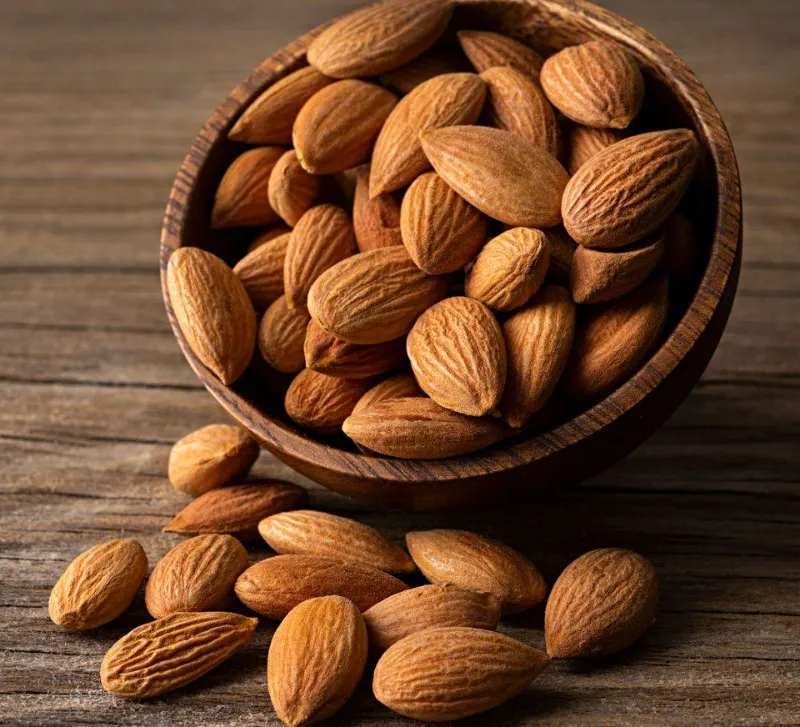
Almonds come with a glycemic index of around 0 to 15 depending on how they are prepared. They are one of the richest plant sources of vitamin E, an antioxidant that protects cells from damage linked to high blood sugar. They also contain a significant amount of magnesium, just like cashews.
Research published in Metabolism found that eating almonds with a high-carbohydrate meal significantly blunted the blood sugar response. Adding almonds to a meal literally lowers its overall glycemic impact. That is a simple and delicious food hack.
Snack on raw or roasted almonds, try almond butter on celery sticks, or use almond flour as a low-glycemic base for baking. They are one of the most convenient grab-and-go blood sugar tools out there.
10. Chia Seeds

Chia seeds have a glycemic index close to 1, which is about as low as it gets. They are almost entirely made up of fiber, and when they absorb liquid, they form a thick gel in your stomach that dramatically slows digestion. That gel also helps you feel full for a surprisingly long time.
One ounce of chia seeds contains about 10 grams of fiber and 5 grams of protein. For such a tiny seed, that is an extraordinary nutritional density. They also deliver omega-3s, calcium, and phosphorus in one tiny package.
Stir them into yogurt, make overnight chia pudding, or blend them into smoothies. You can also sprinkle them over salads or mix them into oatmeal without changing the flavor at all.
11. Flaxseeds
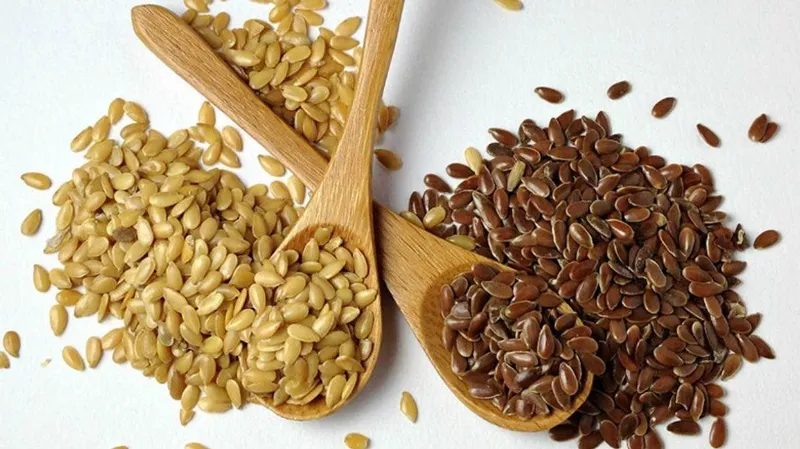
Flaxseeds have a glycemic index of around 35, and they come loaded with lignans, plant compounds that have been shown to improve insulin sensitivity. The high soluble fiber content also slows the rate at which sugar enters your bloodstream after eating. Together, these effects make flaxseeds a consistent performer for blood sugar balance.
The omega-3 fatty acids in flaxseeds, specifically ALA, add anti-inflammatory benefits that support metabolic health long term. Studies in diabetic populations have found that regular flaxseed consumption lowers fasting blood glucose and reduces A1C levels. That is meaningful, measurable progress.
Grind flaxseeds before eating them since whole seeds pass through undigested. Add ground flax to smoothies, oatmeal, yogurt, or baked goods for an easy daily boost.
12. Pumpkin Seeds
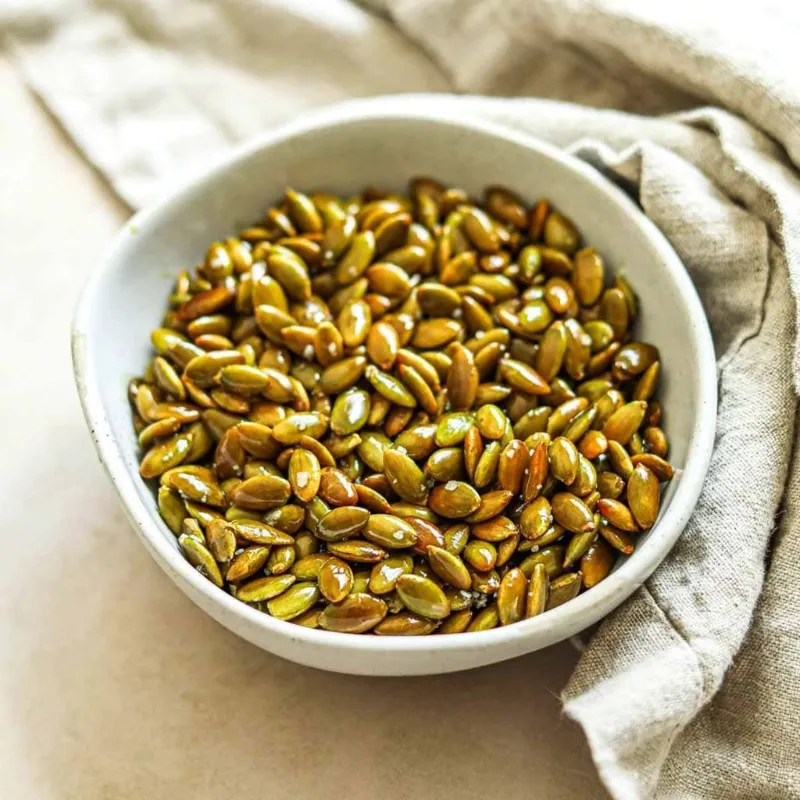
Pumpkin seeds, also called pepitas, have a glycemic index of around 25. They are one of the best plant-based sources of zinc, a mineral that plays a critical role in insulin production and secretion. Low zinc levels are actually associated with poorer blood sugar control.
They are also packed with magnesium, manganese, and plant-based omega-3s. The combination of healthy fats and protein helps slow digestion and stabilize glucose levels after meals. It is a small seed doing seriously big work.
Snack on roasted pumpkin seeds, toss them into salads, or add them to trail mix. They make a great crunchy topping for soups and grain bowls too.
13. Plain Greek Yogurt

Plain Greek yogurt has a glycemic index of around 11, making it one of the lowest dairy options available. It is packed with protein, typically 17 to 20 grams per cup, which significantly slows gastric emptying and reduces post-meal blood sugar spikes. The live probiotic cultures also support gut health, which is increasingly linked to better metabolic function.
Research shows that regular consumption of fermented dairy foods like Greek yogurt is associated with lower rates of type 2 diabetes. The fermentation process reduces lactose content and creates bioactive peptides that may directly improve insulin sensitivity. This is not just a diet food — it is genuinely functional nutrition.
Eat it plain with berries or nuts, use it as a base for dips and dressings, or substitute it for sour cream in recipes. Always choose unsweetened versions since flavored yogurts can be loaded with added sugar.
14. Whole Milk

Whole milk has a glycemic index of around 39, and full-fat dairy is finally getting the respect it deserves after years of being unfairly demonized. The fat in whole milk slows the absorption of its natural sugars, producing a much gentler blood sugar response than you might expect. It is also rich in calcium, vitamin D, and conjugated linoleic acid (CLA), a fatty acid with metabolic benefits.
Recent large-scale studies have found no association between full-fat dairy consumption and increased cardiovascular risk. In fact, some research suggests the opposite. The fat-soluble vitamins in whole milk are also better absorbed when the fat is present, making it nutritionally superior to skim in several ways.
Use whole milk in coffee, oatmeal, or smoothies. If you tolerate dairy well, it is a satisfying, low-glycemic addition to your daily routine.
15. Eggs
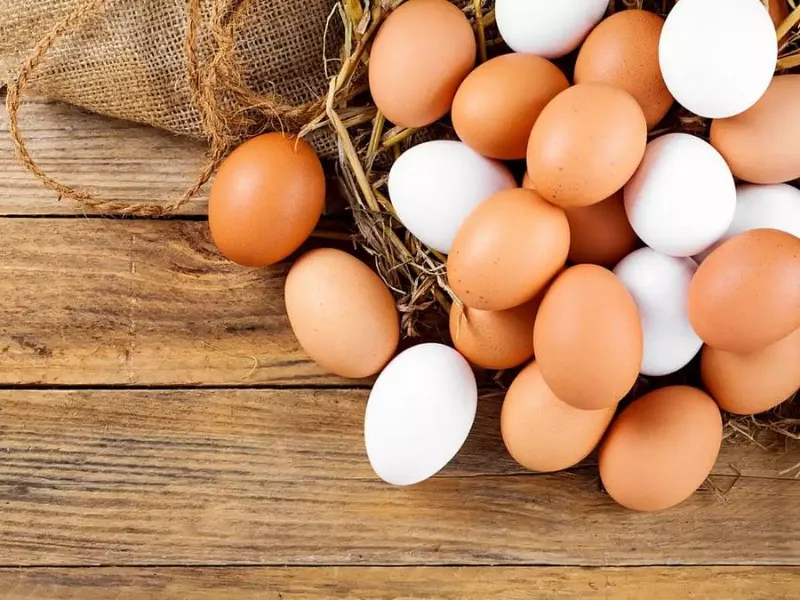
Eggs have a glycemic index of essentially zero because they contain no carbohydrates at all. But they belong on this list because of how powerfully they stabilize blood sugar when eaten as part of a meal. The protein and fat content in eggs slow digestion and reduce the glycemic response of any carbohydrates you eat alongside them.
A study in the American Journal of Clinical Nutrition found that eating eggs at breakfast led to significantly lower blood glucose and insulin levels throughout the morning compared to a carbohydrate-heavy breakfast. The effect lasted for hours after the meal. Eggs are doing serious blood sugar work even before you add anything else.
Scramble them, poach them, hard boil a batch for the week, or make a veggie-packed omelet. Eggs are one of the most practical, affordable, and effective blood sugar tools you have access to right now.
16. Avocado
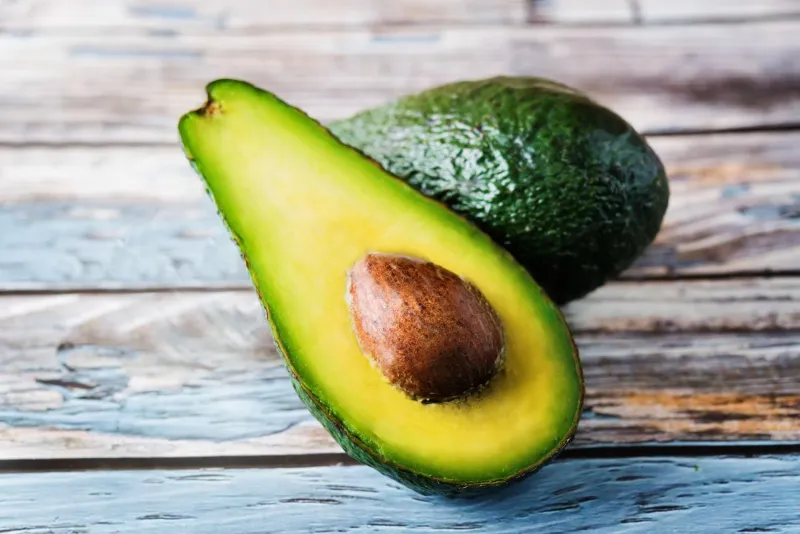
Avocados have a glycemic index of essentially zero and are one of the few fruits that contain almost no sugar at all. They are loaded with monounsaturated fats, the same heart-healthy type found in olive oil, which help improve insulin sensitivity. The fiber content, about 10 grams per fruit, adds a powerful blood sugar-stabilizing effect.
Avocados are also rich in potassium, which helps regulate fluid balance and supports healthy blood pressure. The combination of healthy fat, fiber, and potassium makes them one of the most nourishing whole foods you can eat. Adding avocado to a meal has been shown to lower the overall glycemic impact of that entire meal.
Spread avocado on whole grain toast, slice it into salads, blend it into smoothies for creaminess, or eat it plain with a little salt and lime. It is endlessly versatile and always a smart choice.
17. Broccoli

Broccoli has a glycemic index of around 15 and is one of the most nutrient-dense vegetables on the planet. It is rich in sulforaphane, a compound that has been shown in research to lower blood glucose by improving the liver’s ability to regulate sugar production. That is a pretty remarkable function for a vegetable.
Broccoli is also loaded with chromium, a trace mineral that enhances insulin’s action at the cellular level. Getting enough chromium helps your body use glucose more efficiently. You get it in significant amounts from just one cup of cooked broccoli.
Steam it, roast it with olive oil, add it to stir-fries, or eat it raw with hummus. Broccoli is one of those vegetables where the science fully backs up what your parents always told you.
18. Spinach
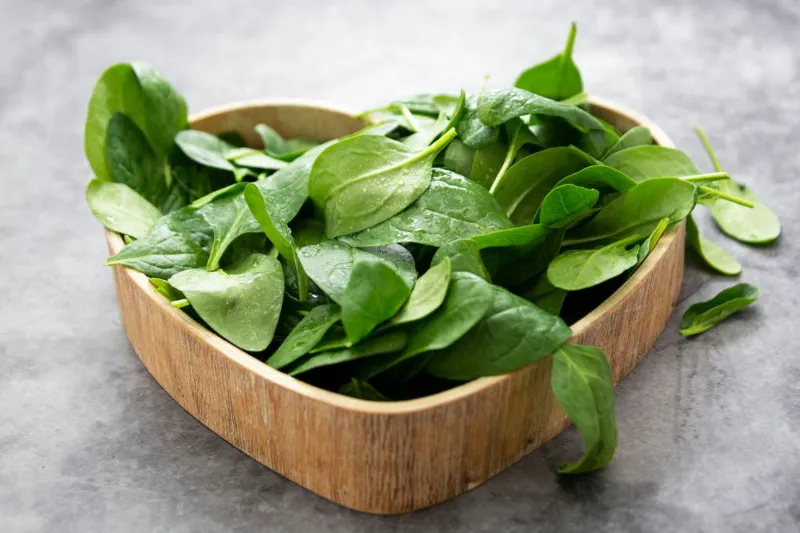
Spinach has a glycemic index of about 15 and is essentially a free food in terms of blood sugar impact. It is incredibly rich in magnesium, which as you have seen throughout this list, plays a central role in insulin function. Studies show that higher magnesium intake is consistently linked to lower risk of developing type 2 diabetes.
The alpha-lipoic acid in spinach is another standout nutrient. This antioxidant has been studied specifically for its ability to improve insulin sensitivity and reduce nerve damage associated with diabetes. You are getting a meaningful dose of it from a regular serving of spinach.
Add spinach to smoothies where you will not even taste it, wilt it into pasta or eggs, use it as a salad base, or toss it into soups at the end of cooking. It is one of the easiest vegetables to eat more of every single day.
19. Kale

Kale sits at a glycemic index of around 4, making it one of the lowest on this entire list. It is an exceptional source of vitamin K, vitamin C, and beta-carotene, all of which support metabolic and immune health. It also contains quercetin and kaempferol, flavonoids with documented anti-diabetic properties in research studies.
The fiber content in kale is notable for a leafy green, providing about 2.5 grams per cup raw. That might not sound like much, but it combines with kale’s low sugar content to create an essentially zero-impact food for blood glucose. You can eat it freely and generously.
Massage raw kale for salads to soften it, bake kale chips for a crunchy snack, blend it into smoothies, or add it to soups and stews. The heartier texture of kale actually holds up better in cooking than spinach does.
20. Cauliflower

Cauliflower has a glycemic index of about 15 and has quietly become one of the most popular low-glycemic substitutes for high-carb foods. It is rich in choline, a nutrient that supports liver function and fat metabolism, both of which are important for blood sugar regulation. It is also high in vitamin C and folate.
The versatility of cauliflower is genuinely impressive. You can rice it, mash it, roast it, or turn it into pizza crust, all without the blood sugar spike that comes from the foods it is replacing. That adaptability makes it an unusually practical low-glycemic food.
Make cauliflower rice instead of white rice, use mashed cauliflower instead of mashed potatoes, or simply roast florets with olive oil and garlic as a side dish. It absorbs flavors beautifully and works in almost any recipe.
21. Mushrooms

Mushrooms have a glycemic index close to 10 and are one of the few non-animal sources of vitamin D, especially when they have been sun-exposed or UV-treated. Vitamin D deficiency is strongly linked to insulin resistance, so getting more of it through food is worth prioritizing. Mushrooms also contain beta-glucans, the same soluble fiber found in barley, which supports blood sugar stability.
Research on specific mushroom varieties like shiitake and maitake has shown direct blood sugar-lowering effects in animal and human studies. The compounds responsible appear to improve insulin sensitivity and slow glucose absorption at the gut level. Mushrooms are genuinely medicinal, not just nutritious.
Sauté mushrooms as a side dish, add them to omelets and stir-fries, toss them into pasta or grain bowls, or blend them into soups for richness without cream. They absorb whatever flavors you cook them in, making them endlessly adaptable.
22. Cabbage
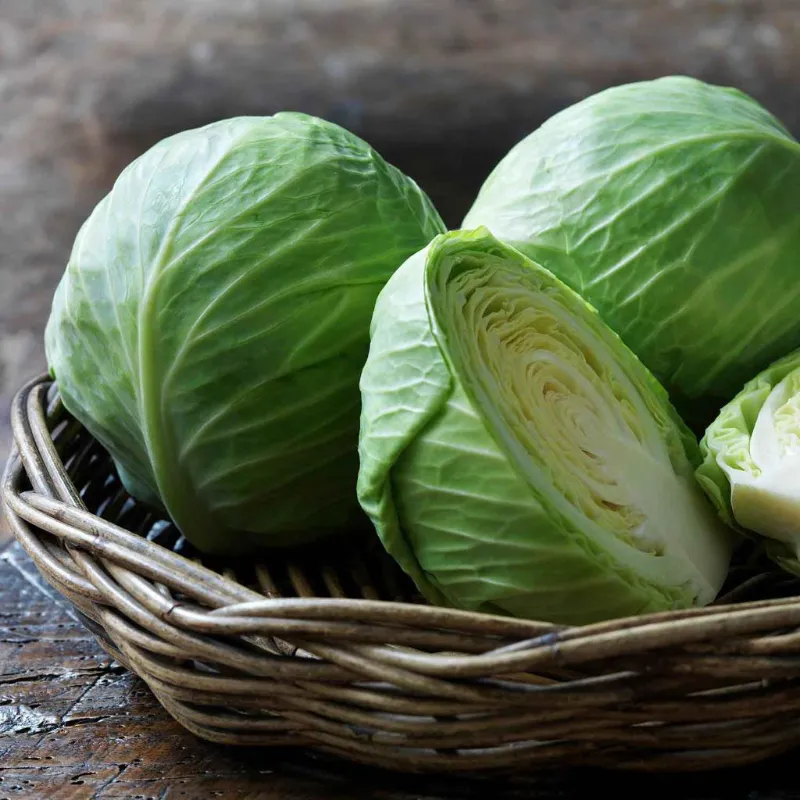
Cabbage has a glycemic index of around 10 and is one of the most underrated vegetables in the produce aisle. It is rich in sulforaphane, the same compound found in broccoli that helps regulate blood sugar through liver function. It is also high in vitamin K, vitamin C, and anthocyanins, particularly in the red variety.
The fiber in cabbage feeds beneficial gut bacteria, which increasingly appears to play a significant role in metabolic health and blood sugar regulation. A healthy gut microbiome is associated with better insulin sensitivity and lower fasting glucose levels. Fermented cabbage like sauerkraut amplifies these benefits by adding live probiotic cultures.
Shred raw cabbage into slaws and salads, roast it in wedges until caramelized, stir-fry it with garlic and ginger, or ferment it into sauerkraut at home. It is incredibly affordable and one of the best blood sugar vegetables you can buy.
23. Artichokes
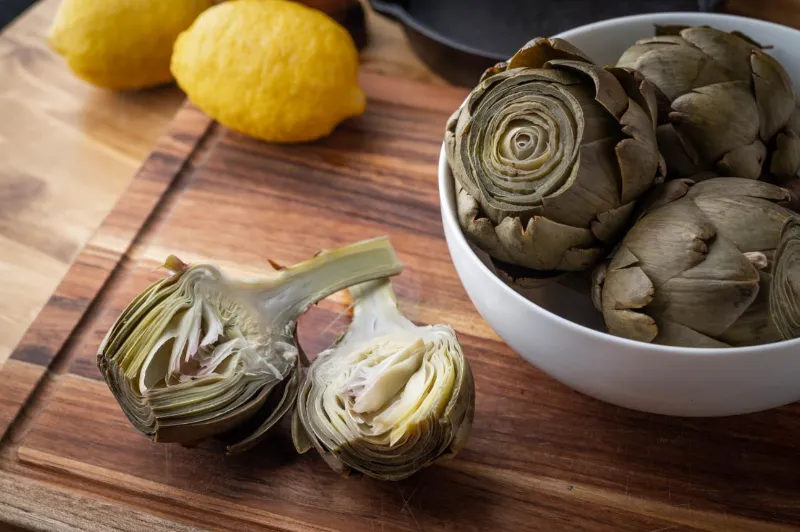
Artichokes have a glycemic index of around 15 and are one of the highest-fiber vegetables you can eat, with about 10 grams of fiber per medium artichoke. That fiber comes primarily from inulin, a prebiotic that feeds beneficial gut bacteria and has been shown to improve insulin sensitivity in clinical research. Your gut health and your blood sugar are more connected than most people realize.
Artichokes are also rich in cynarin, a compound that stimulates bile production and supports healthy liver function. A well-functioning liver is essential for proper glucose metabolism and blood sugar regulation. You are getting liver support, gut support, and blood sugar support all in one vegetable.
Steam artichokes and dip the leaves in hummus or olive oil, add artichoke hearts to salads and pasta dishes, or use them as a pizza topping. Frozen and canned artichoke hearts make this vegetable easy to enjoy year-round.
24. Asparagus

Asparagus has a glycemic index of about 15 and is a natural source of inulin, just like artichokes. This prebiotic fiber helps feed the beneficial bacteria that produce short-chain fatty acids, which in turn support insulin sensitivity and blood sugar balance. It is a chain reaction of good things triggered by one simple vegetable.
Asparagus is also rich in folate, vitamin K, and chromium. That chromium content, again, helps enhance insulin’s effectiveness at the cellular level. You are getting a meaningful amount of this important trace mineral from a standard serving.
Roast asparagus spears with olive oil and lemon until slightly crispy at the tips, grill them alongside proteins, steam them as a quick side dish, or chop them into omelets and frittatas. Fresh asparagus is delicious simply prepared.
25. Green Beans
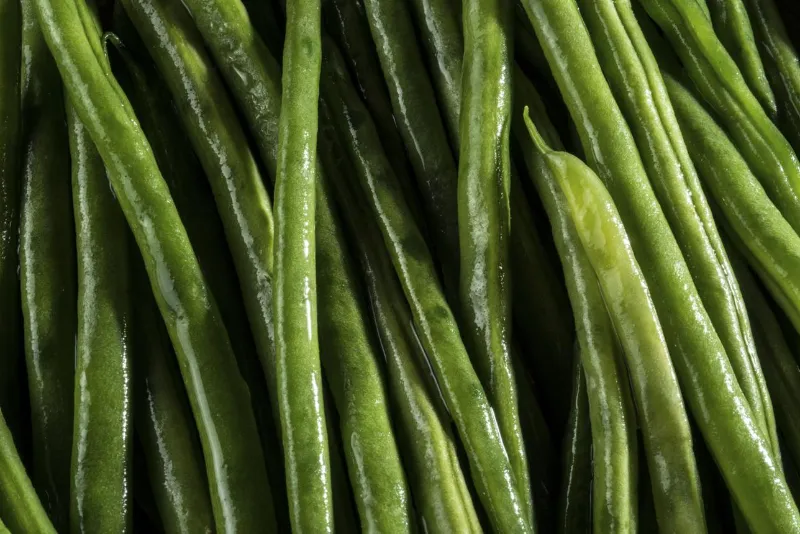
Green beans have a glycemic index of around 15 and provide a satisfying crunch alongside real nutritional value. They are a good source of vitamins C and K, as well as manganese and folate. Their low carbohydrate content and reasonable fiber level make them an easy addition to any blood sugar-friendly meal.
The carotenoids in green beans, including beta-carotene and lutein, add antioxidant benefits that help protect against oxidative stress. Chronic oxidative stress is one of the drivers of insulin resistance, so antioxidant-rich vegetables are directly supportive of metabolic health. Green beans are delivering more than they get credit for.
Steam or sauté green beans as a quick side dish, add them to stir-fries and soups, toss them cold into salads with olive oil and shallots, or roast them until slightly blistered and crispy. They are quick, easy, and reliably delicious.
26. Cherries

Cherries have a glycemic index of around 20 to 22, which is impressively low for a fruit this naturally sweet. They are particularly rich in anthocyanins, the deep red pigments that have been shown in research to improve insulin sensitivity and reduce inflammation. These compounds actually help cells respond to insulin more effectively.
A study in the Journal of Nutritional Biochemistry found that cherry consumption significantly reduced markers of inflammation linked to metabolic disease. The melatonin in cherries also supports healthy sleep, and sleep quality has a direct, documented impact on blood sugar regulation. Eating cherries is helping you on multiple fronts.
Eat fresh cherries as a snack, add frozen unsweetened cherries to smoothies, or top Greek yogurt with them for a satisfying dessert-like bowl. Tart cherries, in particular, have the most concentrated level of beneficial compounds.
27. Plums

Plums have a glycemic index of around 24 and are rich in chlorogenic acids, antioxidant compounds that have been shown to slow glucose absorption in the gut. These compounds essentially act as natural blood sugar buffers, reducing the spike that would otherwise occur from natural fruit sugars. That makes plums a smarter fruit choice than many people realize.
Plums are also a good source of vitamin C and potassium, and they contain sorbitol, a sugar alcohol that is absorbed more slowly than regular sugar. Their relatively high water and fiber content further supports a gentle glucose response. Everything about their composition works in your favor.
Eat plums fresh as a snack, slice them into salads, or bake them with cinnamon for a warm dessert. Prunes, which are dried plums, still retain many of these benefits but come with more concentrated sugar, so fresh is generally the better option.
28. Grapefruit
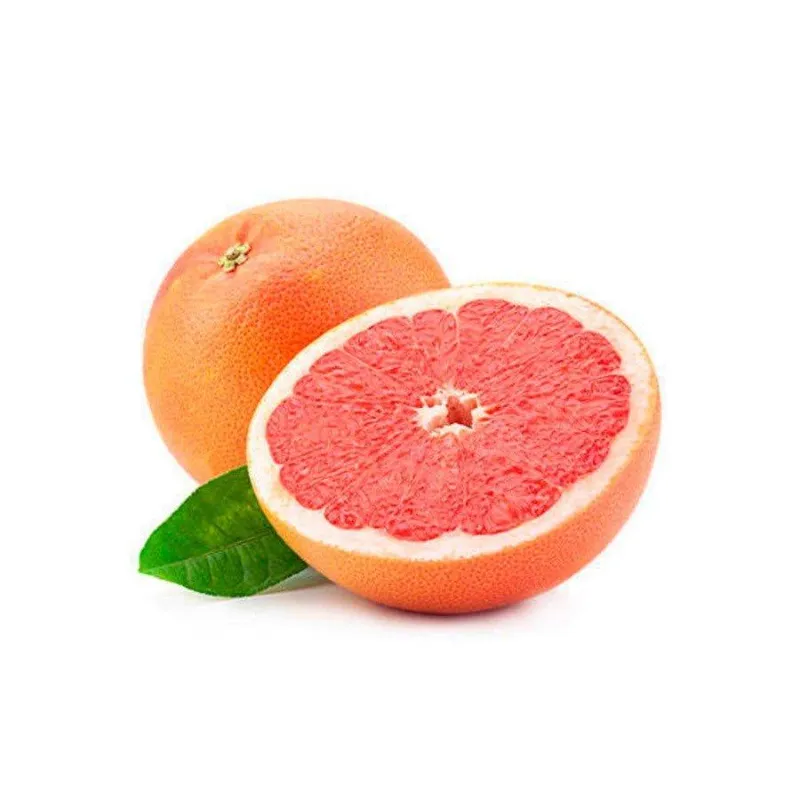
Grapefruit has a glycemic index of around 25 and has long been studied for its potential role in weight management and blood sugar control. It contains a flavonoid called naringenin, which has been shown in research to improve insulin sensitivity and support healthy fat metabolism. This compound is unique to grapefruit and its close citrus relatives.
A study published in Metabolism found that people who ate half a grapefruit before meals experienced significant improvements in insulin resistance compared to a control group. The effect was meaningful enough that researchers took it seriously as a dietary intervention. That is real, measurable impact from a single whole food.
Eat fresh grapefruit halves for breakfast, add grapefruit segments to salads with bitter greens and avocado, or drink freshly squeezed grapefruit juice without added sugar. Important note: grapefruit interacts with certain medications, so check with your doctor if you take prescription drugs regularly.
29. Pears
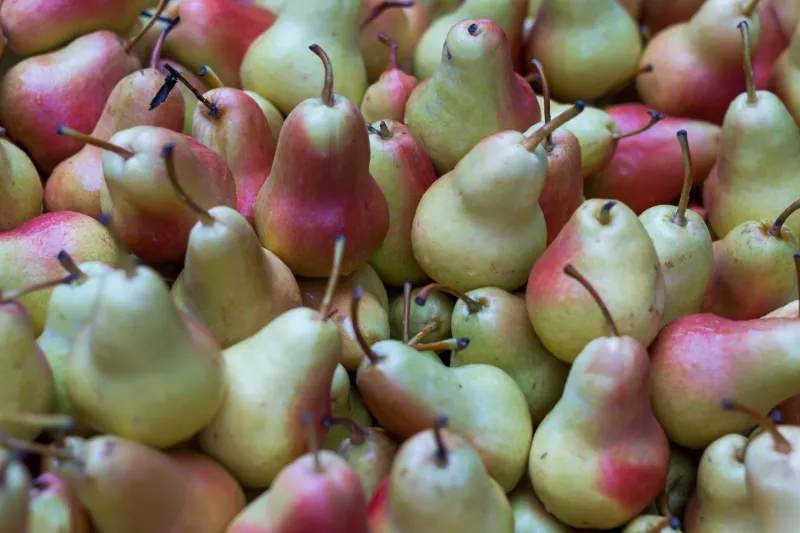
Pears have a glycemic index of around 38, which is considered low for a fruit that feels as naturally sweet as they do. Much of the fiber in pears is pectin, a soluble fiber that forms a gel in the gut and significantly slows the absorption of sugar. That gel effect is directly responsible for the gentler blood sugar response compared to many other fruits.
Pears are also a good source of vitamin C and copper, and they contain quercetin and catechins, both of which are anti-inflammatory flavonoids. Research suggests these compounds may directly protect pancreatic beta cells, the cells responsible for producing insulin. Protecting those cells matters enormously for long-term metabolic health.
Eat pears fresh with a handful of nuts for a balanced snack, slice them into salads with cheese and walnuts, or bake them with a sprinkle of cinnamon for a naturally sweet treat. Choose pears that are just ripe for the best flavor and nutrient content.
30. Apples
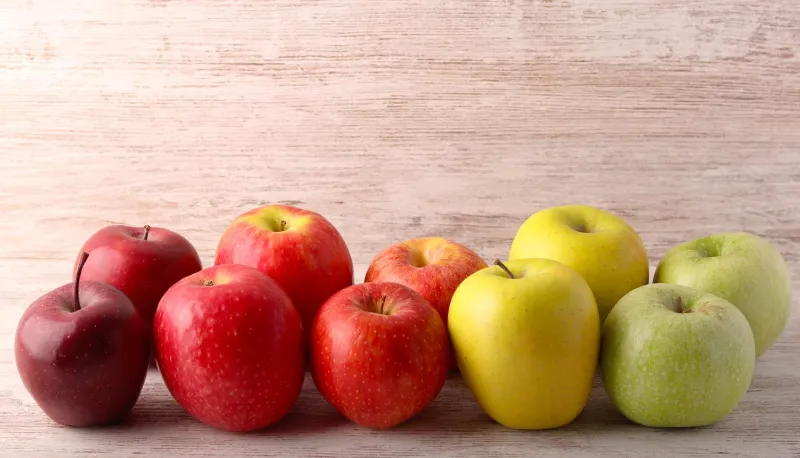
Apples have a glycemic index of around 36, and the saying about keeping the doctor away turns out to have real science behind it. Apples are rich in quercetin, chlorogenic acid, and catechins, three powerful compounds that have each been shown to slow glucose absorption and improve insulin sensitivity in clinical studies. The combination in a whole apple is more effective than any one of them alone.
The skin of an apple is where most of the quercetin and fiber are concentrated, so eating apples unpeeled is genuinely important. One medium apple with the skin provides about 4 grams of fiber, and the pectin content helps blunt the blood sugar response from the fruit’s natural fructose. Always eat the skin.
Pair apple slices with almond or peanut butter for a snack that combines low-glycemic fruit with healthy fat and protein. Add diced apple to oatmeal, salads, or whole grain dishes. The key is eating the whole fruit rather than drinking apple juice, which strips out the fiber and spikes blood sugar much faster.
31. Dark Chocolate (70%+)

Dark chocolate with 70% or more cocoa content has a glycemic index of around 23, which surprises almost everyone who hears it. The higher the cocoa percentage, the lower the sugar content and the higher the concentration of flavanols, particularly epicatechin and catechin. These compounds have been shown in multiple studies to improve insulin sensitivity and reduce blood sugar spikes.
Research published in the American Journal of Clinical Nutrition found that consuming high-cocoa dark chocolate improved insulin sensitivity within two weeks of regular consumption. The magnesium content in dark chocolate, about 65 milligrams per ounce, also contributes to better blood sugar regulation. This is one of the most satisfying items on this entire list, and it genuinely earns its place.
Eat one to two squares of 70%+ dark chocolate after a meal, melt it over fresh fruit, or chop it into homemade trail mix with nuts and seeds. The key is choosing chocolate with minimal added sugar and a high cocoa percentage. Read labels and choose quality over quantity.
Final Thoughts
Blood sugar balance does not have to be about restriction or deprivation. As this list shows, there are dozens of genuinely delicious, satisfying, and nourishing foods that work with your body instead of against it. Small, consistent choices add up to real, lasting change over time.
Start with two or three foods from this list that feel most accessible to you. Add them to meals you already love. Build from there. Your body will thank you more than you know.
