
23 Genius Low Carb Foods List That Are Worth Trying

If you’ve been curious about cutting carbs but have no idea where to start, you’re in the right place. Whether you’re keto-curious, managing blood sugar, or just trying to feel less sluggish after meals, the foods you choose make all the difference.
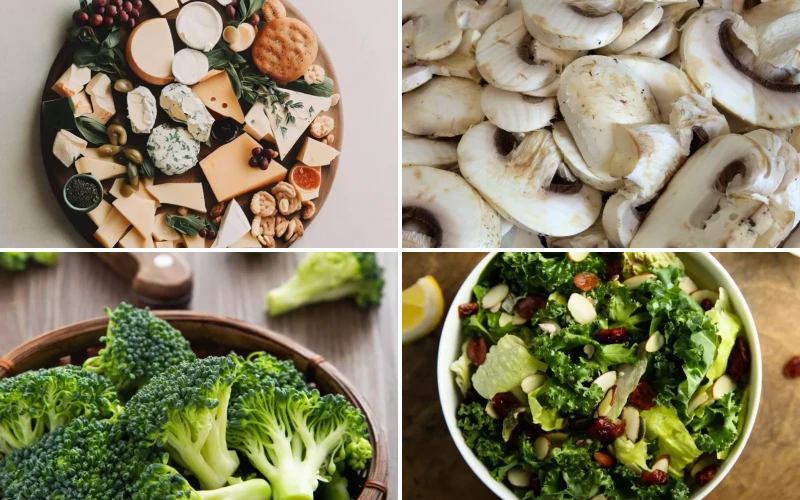
This list breaks down 23 genuinely great low carb foods, why they work, what the science says, and exactly how to work them into your day. No boring diet talk, just real, practical info you can actually use.
1. Eggs
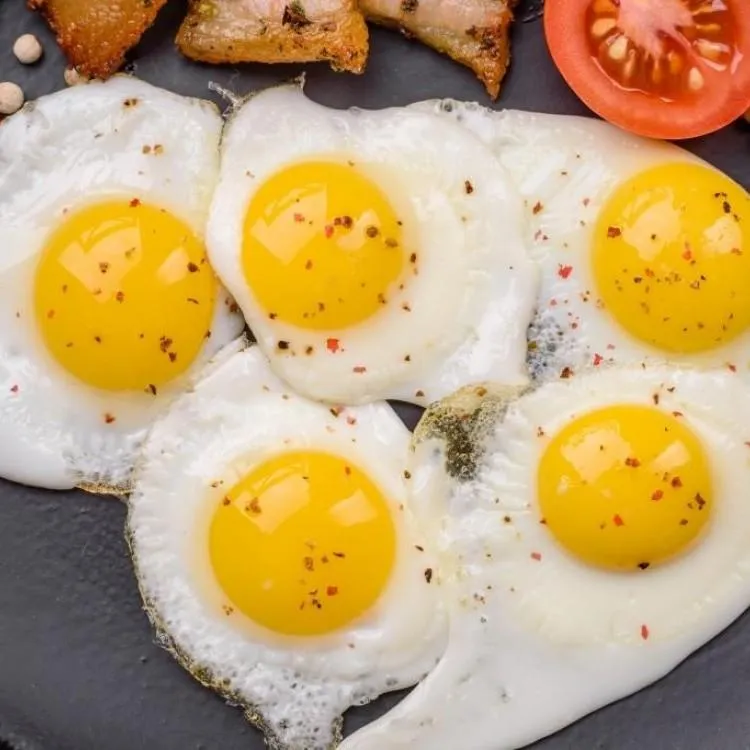
Eggs are basically the mascot of low carb eating, and for good reason. One large egg has less than 1 gram of carbs, but packs about 6 grams of high-quality protein.
They’re loaded with choline, a nutrient that supports brain health and is often under-consumed in the average American diet. Research has also shown that eating whole eggs can improve HDL (the “good”) cholesterol for most people.
The best part? They’re endlessly versatile. Scrambled, poached, boiled, baked into egg cups, or turned into a quick omelet with whatever veggies you have on hand. Eggs are the easiest win in low carb eating.
2. Avocado
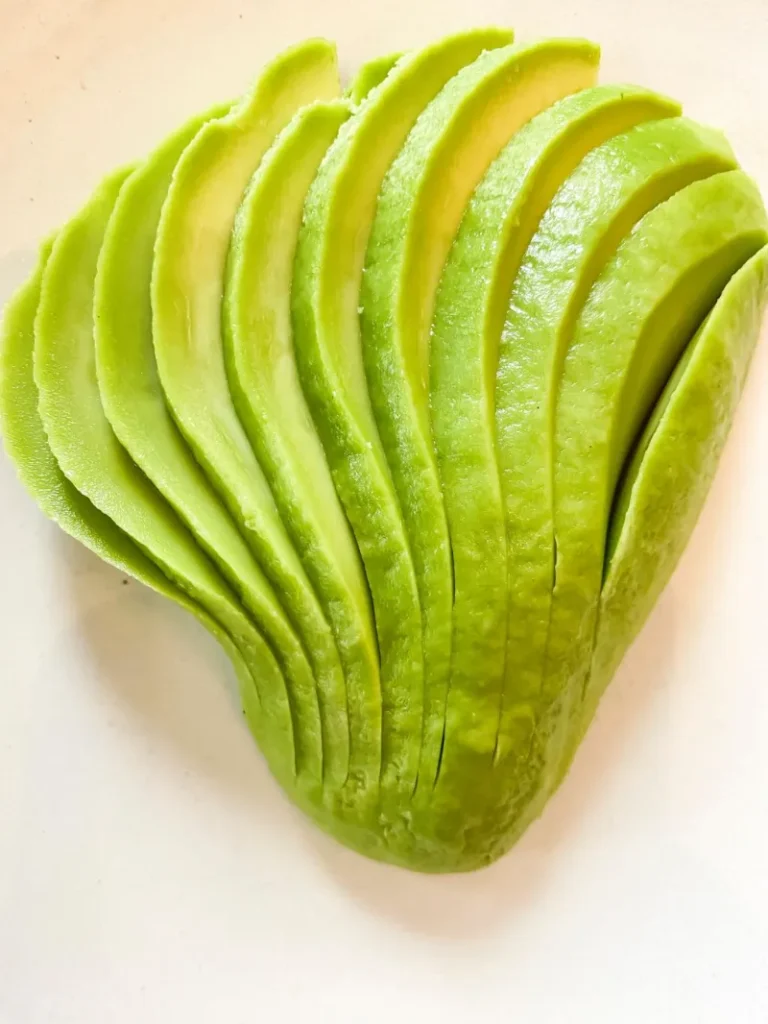
Avocados are one of those rare foods that feel indulgent but are secretly doing your body a serious favor. A whole avocado has around 12 grams of carbs, but nearly 10 of those are fiber, which means the net carb count is tiny.
They’re rich in heart-healthy monounsaturated fats, the same kind found in olive oil. Studies have linked regular avocado consumption to lower LDL cholesterol and reduced inflammation markers. Plus, they’re packed with potassium, which helps keep blood pressure in a healthy range.
Slice one over eggs, mash it into guacamole, blend it into a smoothie, or just eat it with a spoon and a little sea salt. Honestly, that last option is hard to beat.
3. Salmon
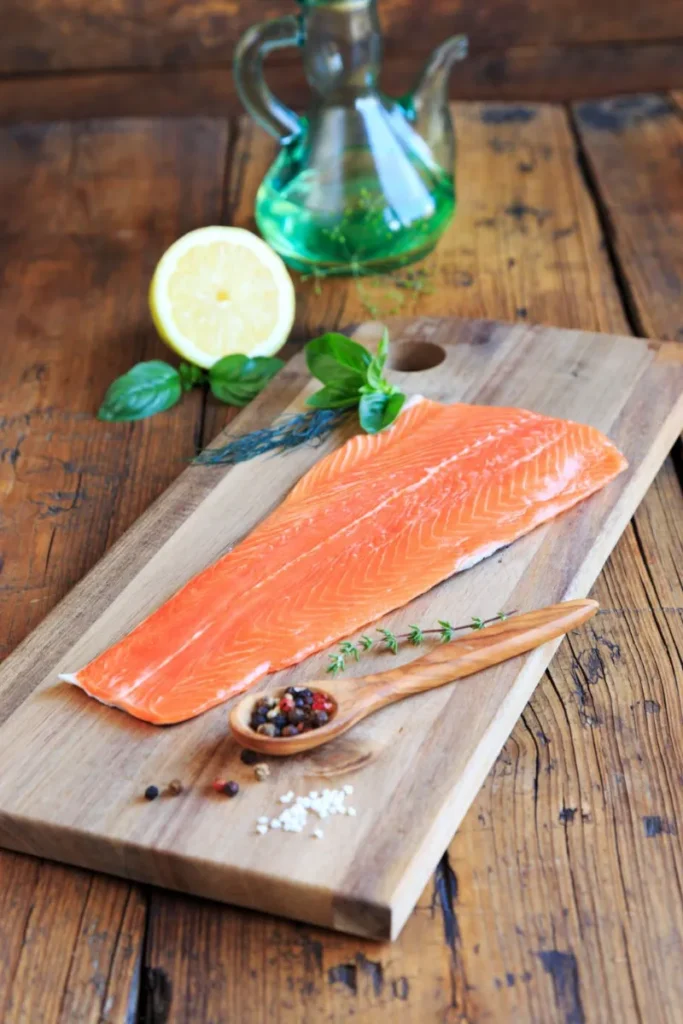
Salmon is one of the most nutrient-dense foods on the planet, full stop. It has zero carbs and is one of the best sources of omega-3 fatty acids you’ll find anywhere.
Omega-3s are well-studied for reducing inflammation, supporting heart health, and even improving mood and cognitive function. Wild-caught salmon also delivers a solid hit of vitamin D, selenium, and B vitamins that many people are quietly deficient in.
Aim for two to three servings a week. Bake it with lemon and herbs, pan-sear it in a little butter, or flake it cold over a salad. It works great in a low carb bowl with cauliflower rice too.
4. Chicken Breast
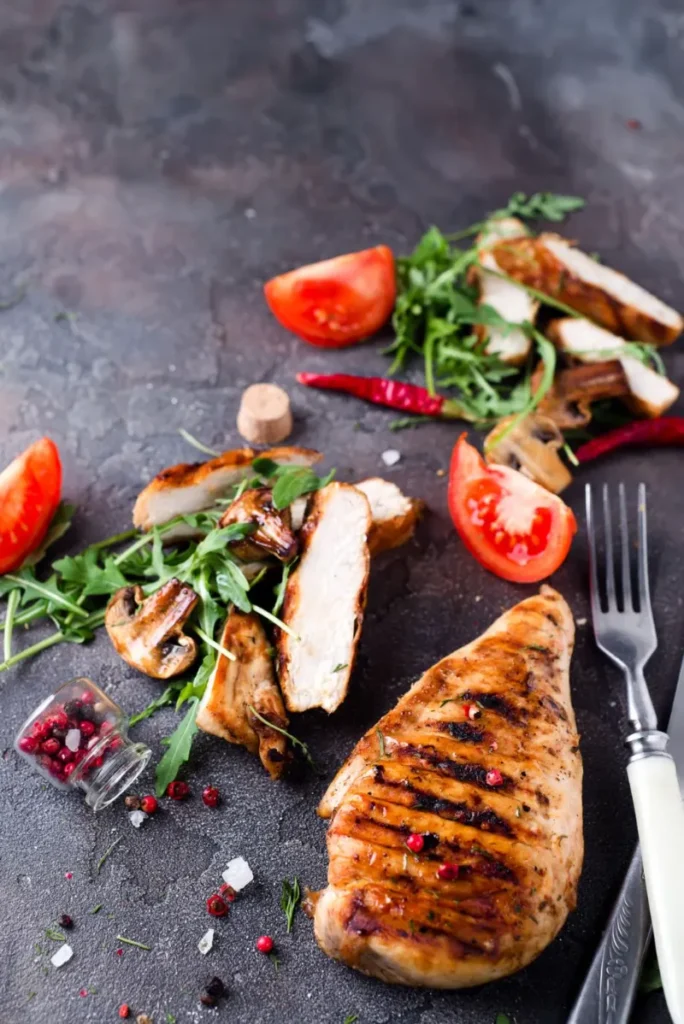
Chicken breast is the dependable workhorse of low carb meal prep, and it earns that reputation. A 3.5-ounce serving has roughly 31 grams of protein and zero carbs.
Protein is critical on a low carb diet because it keeps you full, supports muscle mass, and actually requires more energy to digest than fats or carbs, a phenomenon called the thermic effect of food. So you’re burning more calories just by eating it.
Season it well, and chicken breast is anything but boring. Marinate it overnight, grill it in batches, slice it over salads, or shred it into lettuce wraps. Having pre-cooked chicken in the fridge is one of the smartest low carb habits you can build.
5. Broccoli
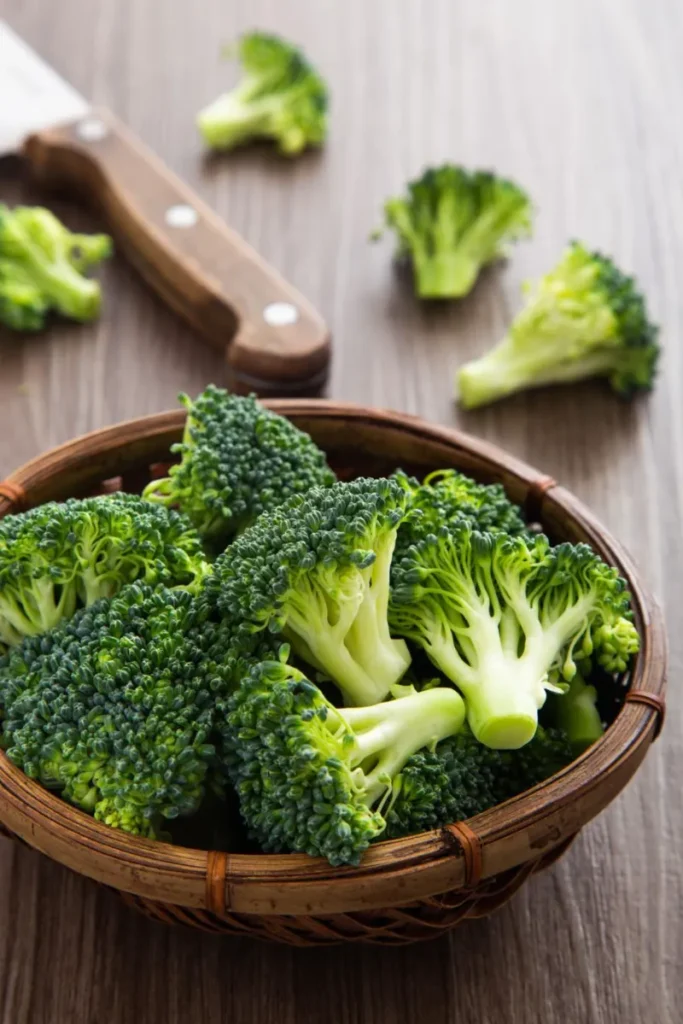
Broccoli is basically a multivitamin you can stir-fry. One cup of raw broccoli has about 6 grams of carbs, nearly half of which is fiber, and it delivers impressive amounts of vitamin C, vitamin K, and folate.
It also contains sulforaphane, a compound that has been studied extensively for its potential anti-cancer and anti-inflammatory properties. That’s a lot of power in a small green floret.
Roast it in the oven at high heat until the edges get crispy and slightly charred. That’s the move. You can also steam it quickly as a side dish or toss it raw into a salad for some crunch.
6. Cauliflower
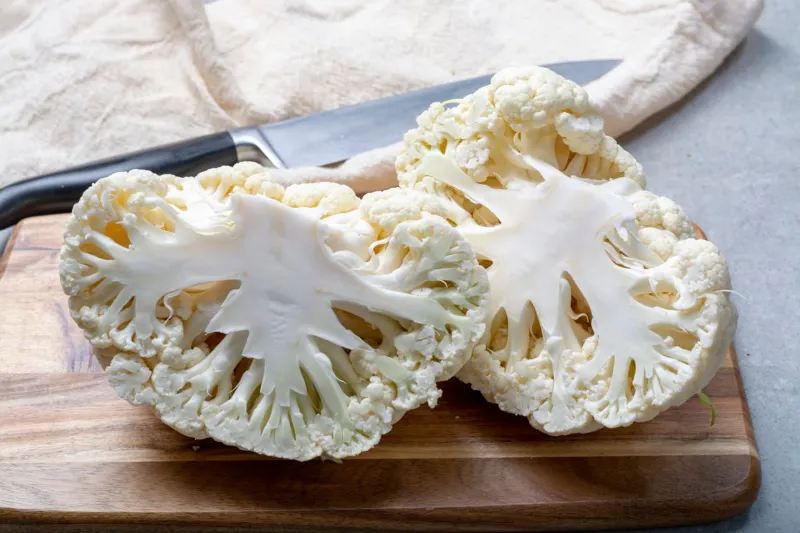
Cauliflower might be the most creative low carb swap in the game right now. It has about 5 grams of carbs per cup and can stand in for rice, mashed potatoes, pizza crust, and even mac and cheese with the right seasoning.
Beyond its flexibility, cauliflower is a great source of choline, vitamin C, and antioxidants. It belongs to the cruciferous vegetable family, which is consistently linked in research to reduced risk of chronic disease.
Buy it pre-riced to save time, or pulse florets in a food processor yourself. Sauté it in butter with garlic and you’ve got a low carb side that genuinely satisfies those starchy cravings.
7. Spinach
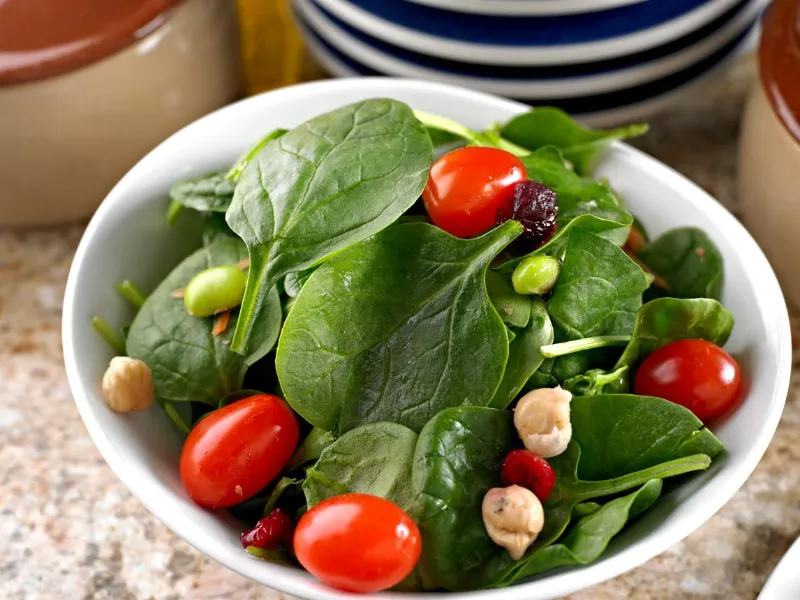
Spinach is so low in carbs it’s almost free. One cup of raw spinach has about 1 gram of net carbs, making it something you can eat in generous amounts without a second thought.
It’s loaded with magnesium, iron, vitamin K, and nitrates that have been shown in studies to support healthy blood pressure. Dark leafy greens like spinach are also among the top food sources of folate, which is essential for cell function and DNA synthesis.
Toss it into smoothies where it disappears completely, wilt it into eggs, layer it into salads, or use it as the base for any grain bowl. It’s one of those low carb ingredients that quietly improves every meal it touches.
8. Almonds
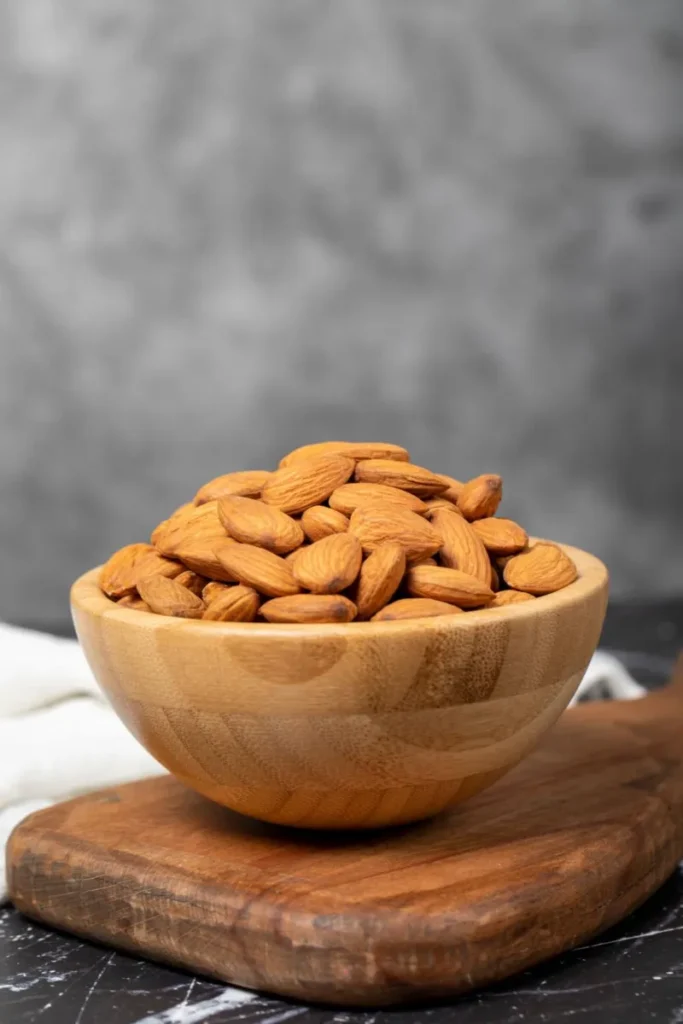
Almonds are a powerhouse snack that checks every box. A one-ounce serving has about 6 grams of carbs, 3.5 of which are fiber, plus 6 grams of protein and 14 grams of healthy fats.
They’re one of the best food sources of vitamin E, an antioxidant linked to skin health and immune function. Research published in the Journal of the American Heart Association found that eating almonds daily can meaningfully reduce LDL cholesterol.
Keep a small bag in your car, your desk, or your gym bag. They’re filling, they travel well, and they keep you away from the vending machine when hunger hits unexpectedly.
9. Olive Oil
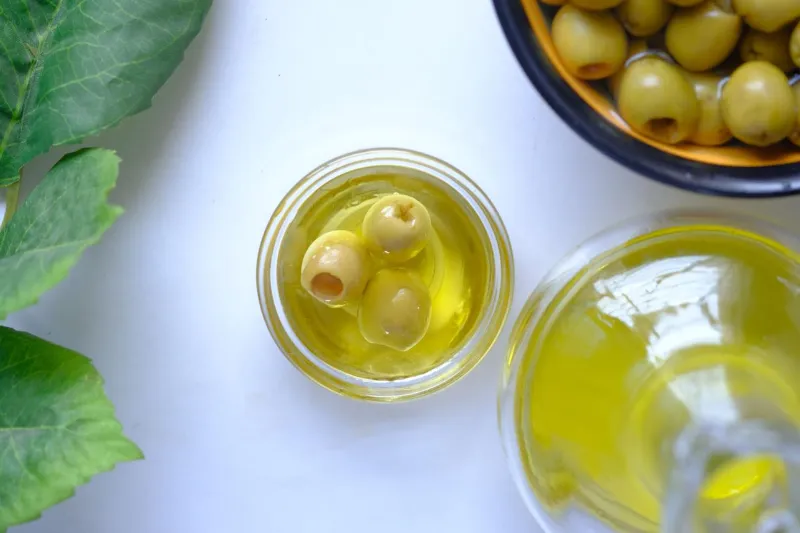
Olive oil isn’t a food you eat on its own, obviously, but it deserves a spot on this list because it’s foundational to healthy low carb cooking. It’s pure fat, zero carbs, and one of the most studied foods in nutrition science.
Extra virgin olive oil is rich in oleocanthal, a compound with anti-inflammatory effects so notable that some researchers have compared it in mechanism to ibuprofen. The Mediterranean diet, built largely around olive oil, is consistently ranked as one of the healthiest eating patterns in the world.
Use it as your primary cooking fat, drizzle it over salads and roasted vegetables, and don’t be shy with it. Quality matters here. Look for cold-pressed, extra virgin varieties for the most benefit.
10. Greek Yogurt
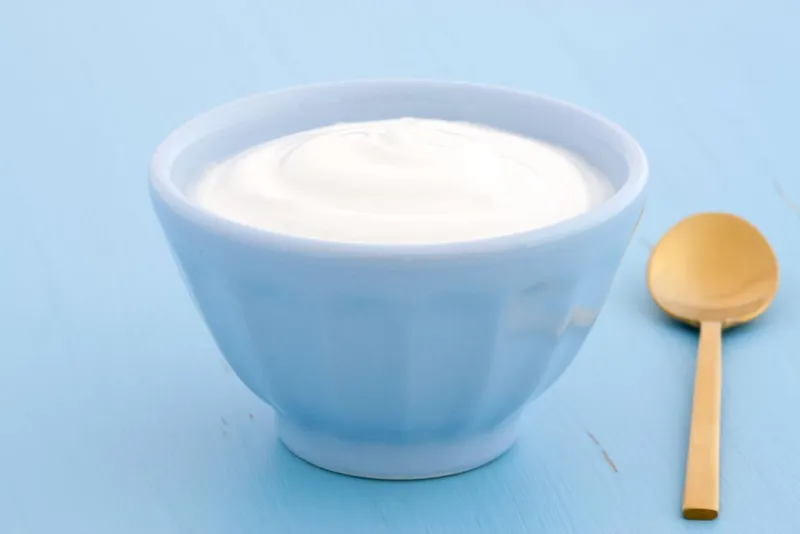
Full-fat Greek yogurt is a low carb dairy option that earns its place in your fridge. A plain, full-fat serving typically has around 5 to 8 grams of carbs and delivers a healthy dose of probiotics, calcium, and protein.
The probiotics in Greek yogurt support gut health, and a healthy gut microbiome is increasingly linked in research to everything from immune function to mental health. The high protein content also makes it genuinely filling compared to regular yogurt.
Stick to plain, full-fat versions and add your own flavoring. A handful of berries, a drizzle of almond butter, or a pinch of cinnamon is all it needs. Flavored versions often hide a surprising amount of added sugar.
11. Beef
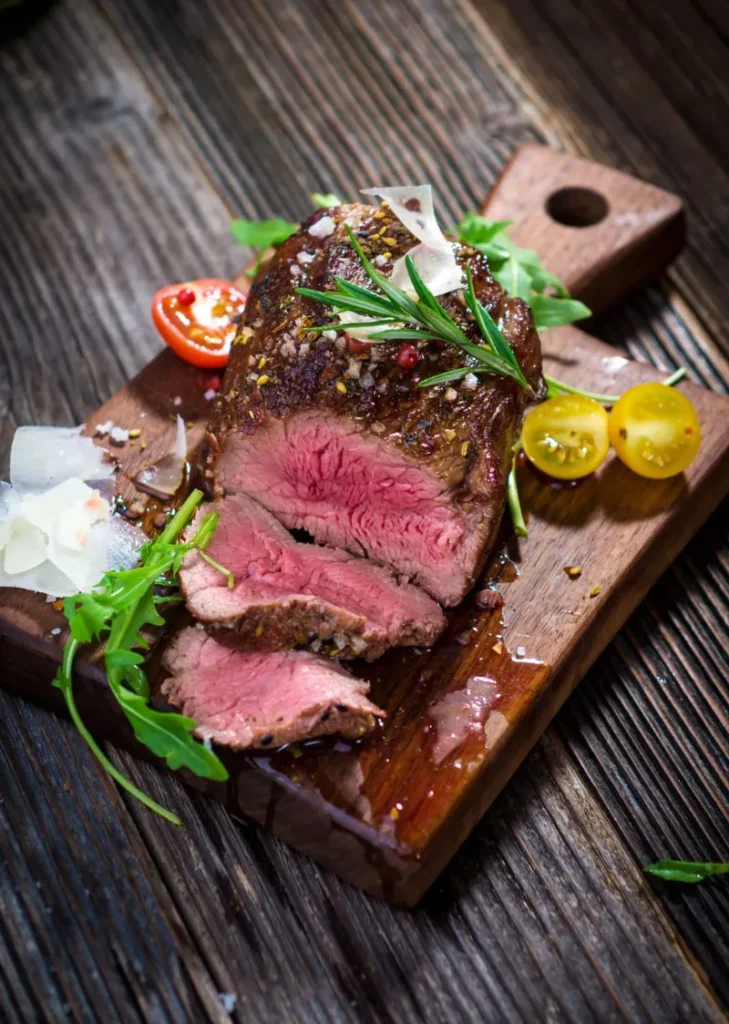
Beef is zero carb, rich in complete protein, and packed with nutrients that are hard to get elsewhere. It’s one of the best sources of zinc, iron, and B12, nutrients that support energy, immunity, and red blood cell production.
Grass-fed beef in particular has a better omega-3 to omega-6 ratio than conventionally raised beef and contains higher levels of conjugated linoleic acid (CLA), a fatty acid associated with reduced body fat in several studies.
Ground beef is the most budget-friendly option and incredibly versatile. Use it for lettuce-wrapped tacos, stuffed bell peppers, burger bowls, or just a simple pan-cooked portion alongside roasted vegetables.
12. Zucchini
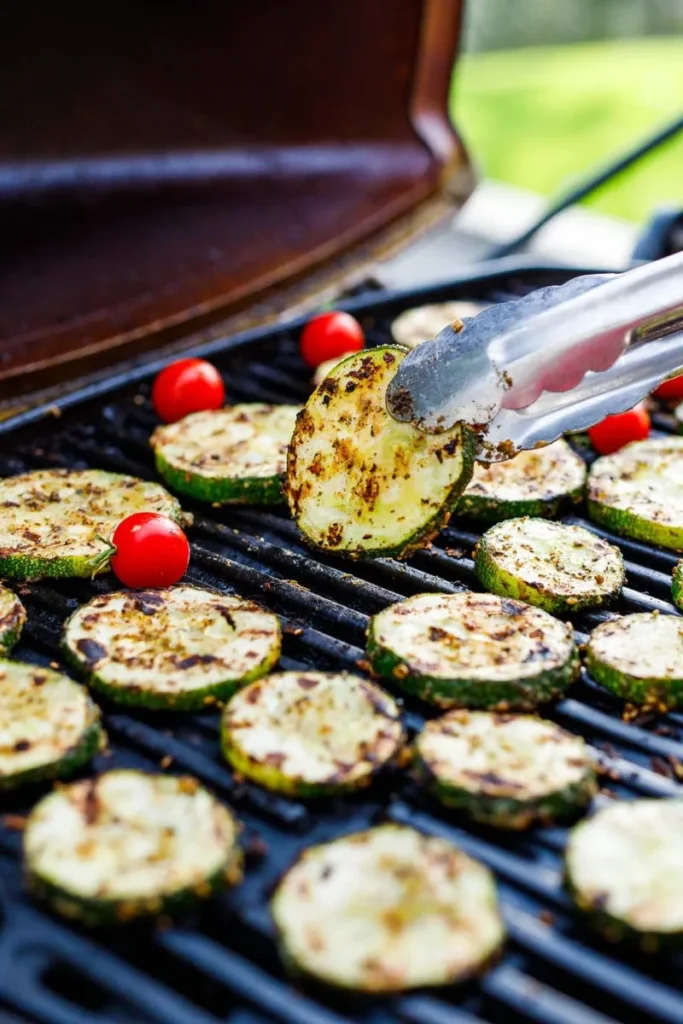
Zucchini is mild, filling, and has only about 4 grams of carbs per cup. It’s mostly water, which means it adds volume to meals without adding much in the way of calories or carbs.
It’s a solid source of vitamin C, potassium, and manganese. The high water content also makes it great for hydration, especially in the summer when you’re eating lighter meals.
Spiralize it into zoodles as a pasta replacement, slice it thin for lasagna layers, chop it into stir-fries, or roast it with olive oil and parmesan until it gets a little golden. It absorbs flavors beautifully, so season it well.
13. Bell Peppers
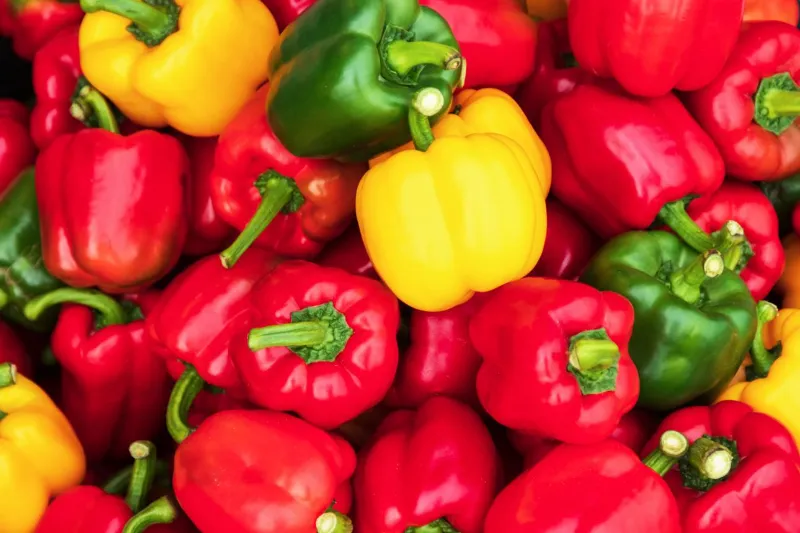
Bell peppers, especially red and orange ones, are one of the most vitamin C-rich foods you can eat. One medium red bell pepper has about 7 grams of carbs, but over 150% of your daily vitamin C needs.
Vitamin C isn’t just for fighting colds. It’s critical for collagen production, iron absorption, and acts as a powerful antioxidant in the body. Bell peppers also contain capsanthin and other carotenoids that support eye health and reduce oxidative stress.
Use them as a crunchy dipper instead of chips, slice them into stir-fries, stuff them with ground meat and cheese, or roast them whole until they’re soft and sweet. They add color and crunch to almost anything.
14. Cheese
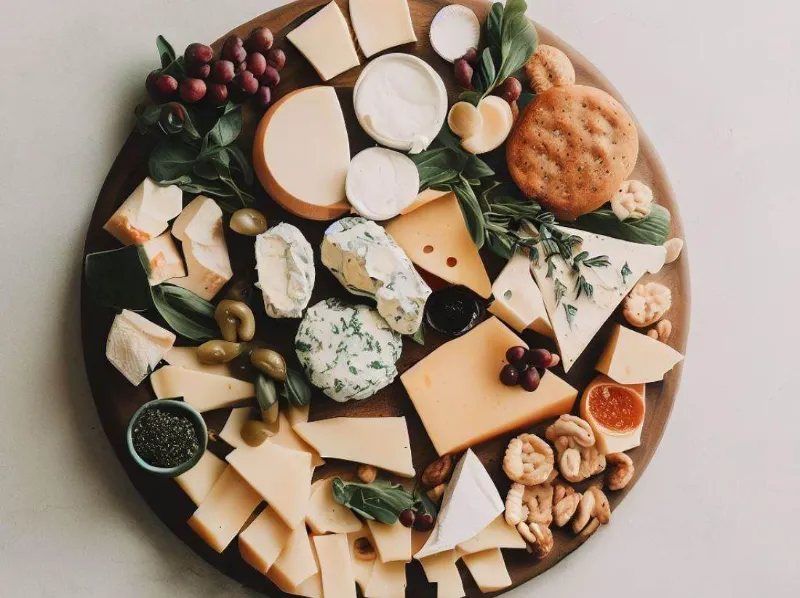
Good news: cheese is real food, it’s low in carbs, and it absolutely belongs in a healthy low carb diet. Most hard and semi-hard cheeses have 0 to 1 gram of carbs per serving and deliver a satisfying mix of fat and protein.
Cheese is a great source of calcium and phosphorus for bone health, and full-fat dairy has been linked in some research to lower rates of metabolic syndrome. The key is choosing minimally processed varieties over highly processed cheese products.
Cheddar, parmesan, mozzarella, gouda, brie, and goat cheese are all great choices. Melt it over vegetables, crumble it into salads, or just pair it with some deli meat for a quick high-protein snack.
15. Tuna
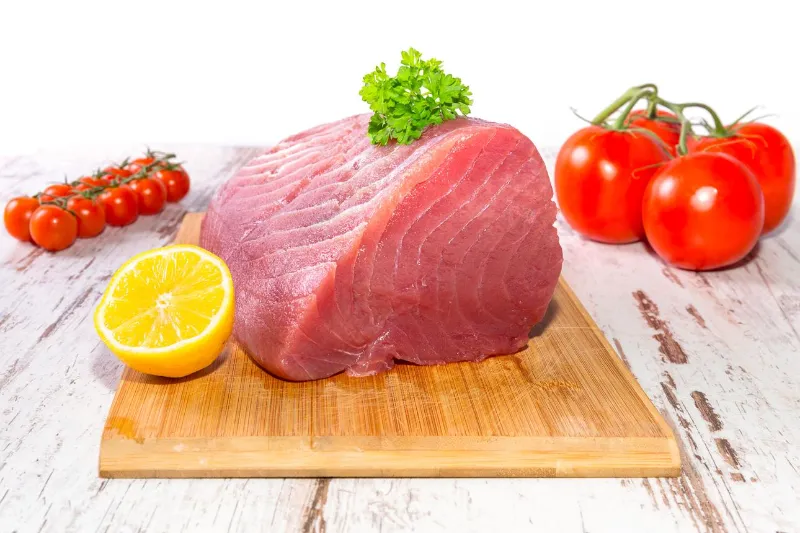
Canned tuna is one of the most affordable, convenient sources of lean protein and healthy fats you’ll find at any grocery store. It has zero carbs and about 25 grams of protein per can.
Tuna is also rich in selenium, a mineral that plays a key role in thyroid function and acts as a powerful antioxidant. Light canned tuna is lower in mercury than albacore, making it the safer choice if you’re eating it several times a week.
Mix it with avocado or mayo and stuff it into cucumber boats, layer it over a salad, or just eat it straight from the can when you’re in a hurry. Simple, cheap, and surprisingly satisfying.
16. Mushrooms
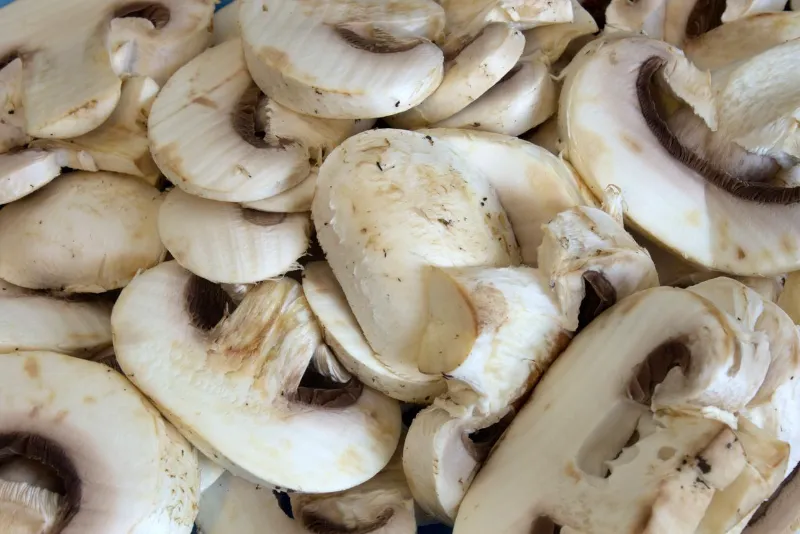
Mushrooms are low in carbs (about 2 to 3 grams per cup) and offer something unique in the plant world: they’re one of the only non-animal food sources of vitamin D, especially when they’ve been exposed to sunlight.
They’re also rich in beta-glucans, a type of soluble fiber that research suggests can support immune function and help regulate blood sugar levels. Different varieties bring different nutritional profiles, so it’s worth rotating through cremini, shiitake, and portobello.
Sauté mushrooms in butter with garlic and thyme for a ridiculously good side dish. Use large portobello caps as burger buns or pizza bases. They’re one of those low carb ingredients that genuinely feel hearty and satisfying.
17. Walnuts
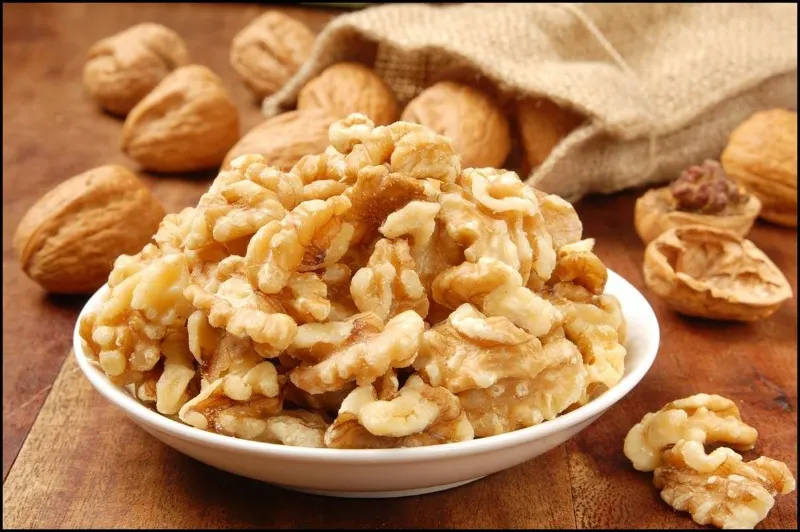
Walnuts stand out from other nuts because they’re exceptionally high in ALA, a plant-based omega-3 fatty acid. One ounce has about 4 grams of net carbs and a serious dose of anti-inflammatory fats.
Studies have specifically linked regular walnut consumption to improved heart health, reduced LDL cholesterol, and better cognitive function as we age. They also contain melatonin and polyphenols that may support better sleep and gut health.
Chop them up and sprinkle over salads, stir them into Greek yogurt, or eat them as a standalone snack. A small handful goes a long way since they’re rich and satisfying.
18. Cabbage
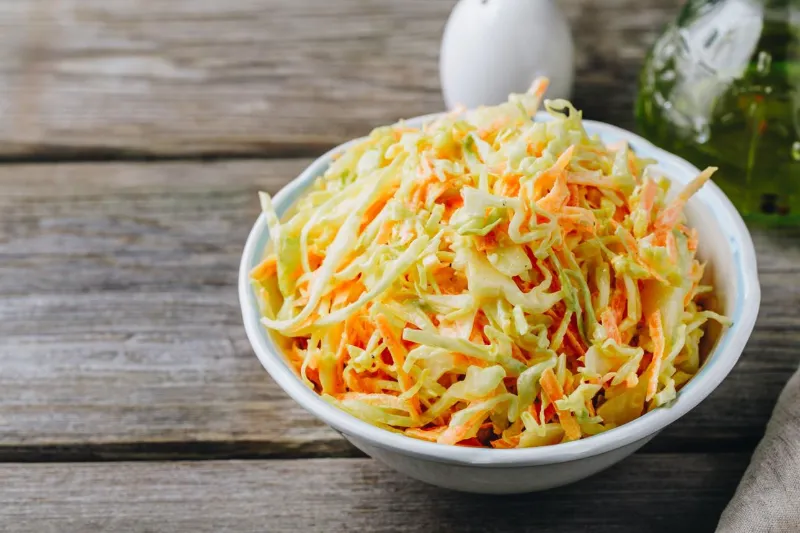
Cabbage is one of the most underrated vegetables in the low carb world. One cup of raw green cabbage has only about 5 grams of carbs and offers a solid hit of vitamin C, vitamin K, and fiber.
It’s also a cruciferous vegetable like broccoli and cauliflower, which means it contains glucosinolates, compounds that research links to reduced cancer risk and better detoxification processes in the liver.
Shred it for coleslaw dressed in olive oil and apple cider vinegar, sauté it in butter until it caramelizes, use it as a taco shell, or ferment it into sauerkraut for an added probiotic boost. It’s cheap, it lasts in the fridge for weeks, and it genuinely delivers.
19. Shrimp
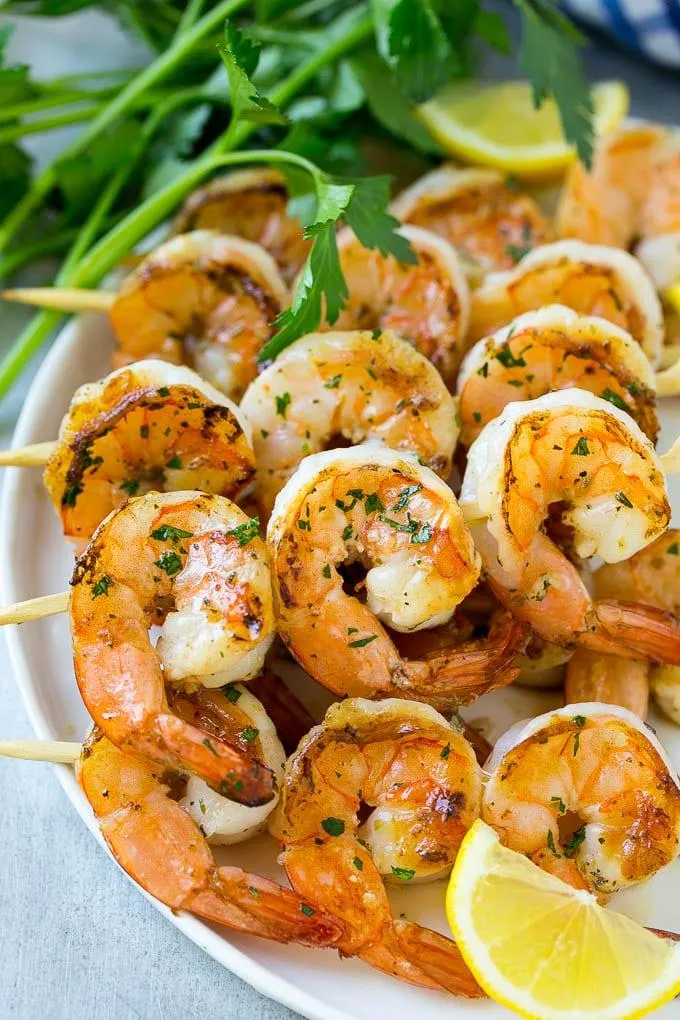
Shrimp is a zero-carb seafood option that’s lean, quick to cook, and incredibly versatile. A three-ounce serving delivers about 20 grams of protein for very few calories.
Shrimp is a great source of iodine, a mineral essential for thyroid function that many people don’t get enough of from their diet. It also contains astaxanthin, an antioxidant that gives shrimp its pink color and is linked to reduced inflammation and skin health benefits.
Sauté shrimp in garlic butter in under five minutes and serve over zoodles or cauliflower rice. Or toss them on skewers and grill them for a quick summer dinner. They go from frozen to table faster than almost any other protein.
20. Kale
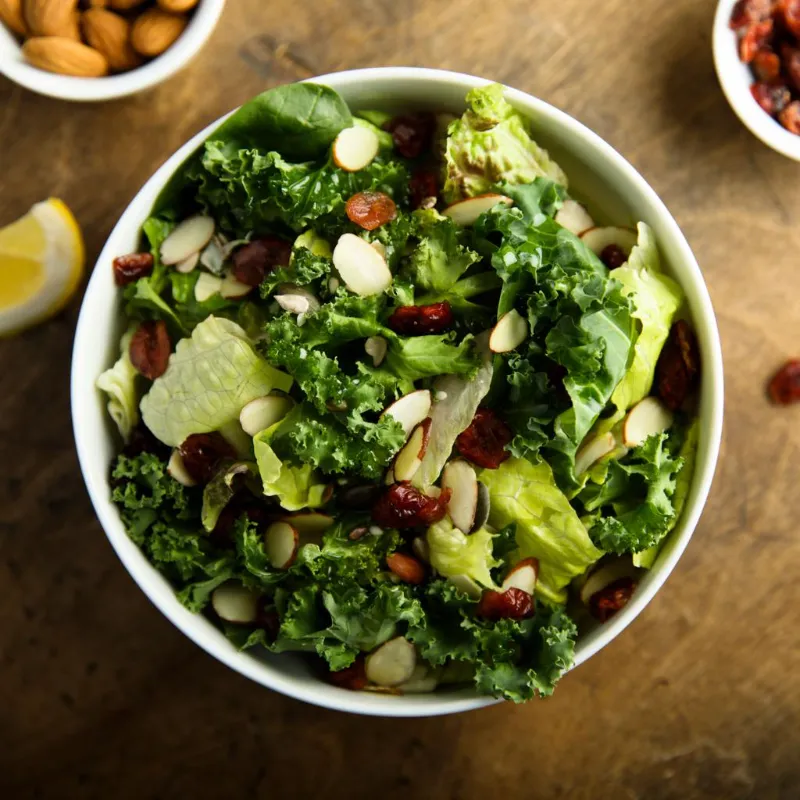
Kale is one of the most nutrient-dense foods on earth, and it’s legitimately low in carbs. One cup of raw kale has only about 6 grams of carbs and delivers extraordinary amounts of vitamins A, C, and K.
Vitamin K is crucial for blood clotting and bone health, and kale is one of the richest sources you’ll find anywhere. It also contains lutein and zeaxanthin, two antioxidants that research strongly links to reduced risk of age-related macular degeneration.
Massage raw kale with olive oil and lemon juice to soften it for salads. Roast it in the oven for kale chips. Blend it into smoothies or soups. It’s tough enough to hold up to cooking and versatile enough to use in almost any dish.
21. Cucumber
Cucumbers are refreshing, hydrating, and have only about 4 grams of carbs per cup. They’re mostly water, which makes them one of the most hydrating whole foods you can snack on, especially during warmer months.
They also provide small but meaningful amounts of vitamin K and potassium. While they’re not a nutritional powerhouse on their own, their high water content and low calorie density make them incredibly useful for adding volume to meals without adding carbs.
Use sliced cucumbers as your dipper instead of crackers. Layer them into salads, blend them into a cold gazpacho-style soup, or pickle them quickly in vinegar and salt for a tangy, crunchy snack that lasts all week.
22. Cream Cheese

Cream cheese is a smooth, rich, low carb dairy option with about 1 to 2 grams of carbs per ounce. It’s high in fat, which is exactly what you want on a low carb diet to promote satiety and sustained energy.
It contains small amounts of vitamin A and some beneficial fatty acids. More importantly, the fat content keeps you full and helps your body absorb fat-soluble vitamins from other foods in your meal.
Use it as a base for fat bomb recipes, spread it on cucumber slices or deli meat roll-ups, mix it into scrambled eggs for extra creaminess, or blend it with herbs and garlic for a savory dip. It’s one of those ingredients that quietly makes everything better.
23. Asparagus
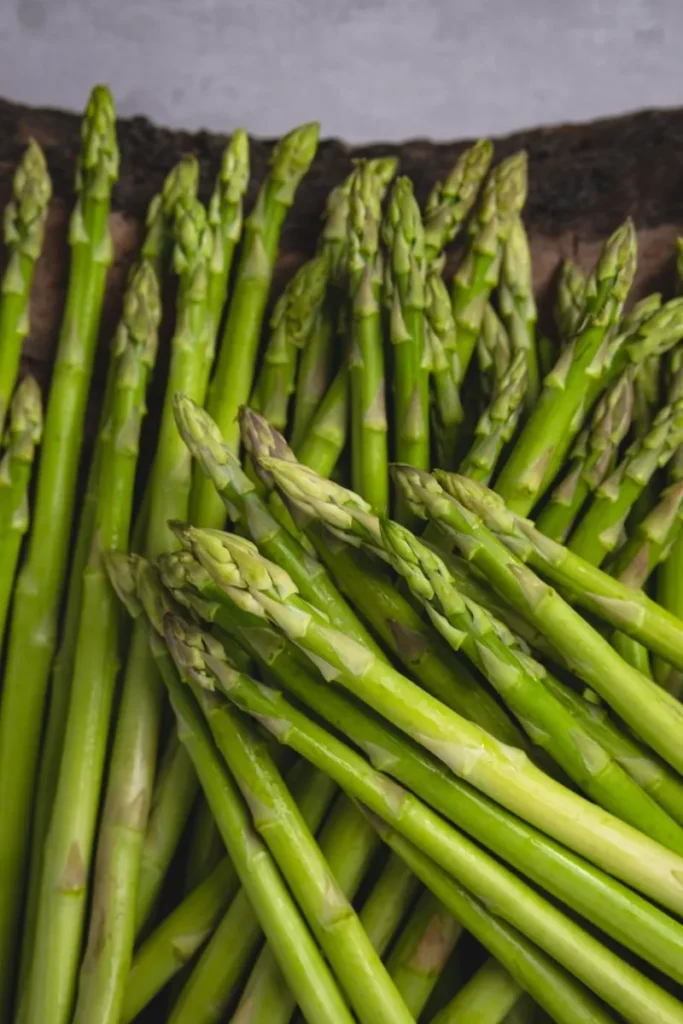
Asparagus is a springtime staple with only about 4 grams of net carbs per cup and a surprisingly impressive nutritional resume. It’s one of the best food sources of folate, which is essential for cell growth and especially important during pregnancy.
It also acts as a natural prebiotic, meaning it feeds the beneficial bacteria in your gut. Asparagus contains inulin, a type of fiber that research shows promotes the growth of Lactobacillus and Bifidobacterium, two of the most beneficial gut bacteria families.
Roast asparagus spears in the oven with olive oil, salt, and pepper until they’re slightly crispy at the tips. Wrap them in bacon for an easy appetizer. Or chop them into frittatas and omelets for a spring-ready low carb breakfast.
Final Thoughts
Eating low carb doesn’t have to feel restrictive or boring, and this list is proof. These 23 foods give you so much to work with, real flavors, real nutrition, and real variety. Start with a few of your favorites, get comfortable, and build from there. Your body will thank you for it.
