
34 Surprising Vitamin B12 Foods Vegetarian That Make a Real Difference

If you’ve gone vegetarian and started worrying about Vitamin B12, you’re not alone. It’s one of the most talked-about nutrients in the plant-based world, and for good reason.
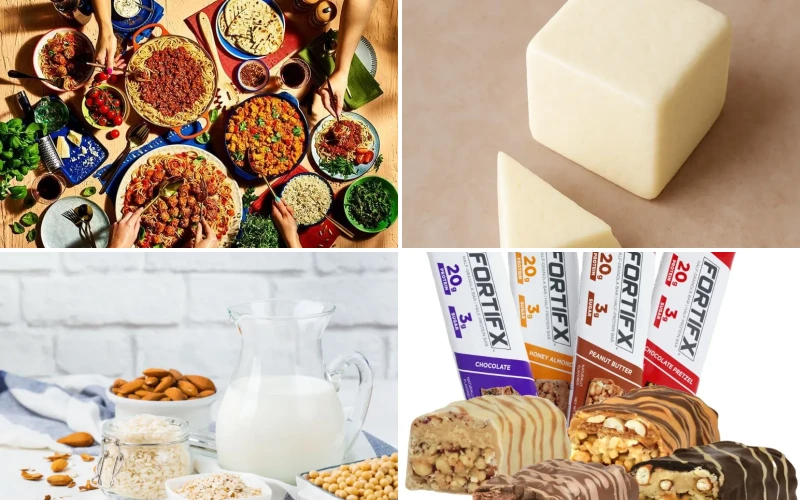
The good news? You have way more options than you think. From everyday dairy staples to clever fortified foods and ancient sea vegetables, this list is about to change how you shop, cook, and eat.
1. Nutritional Yeast
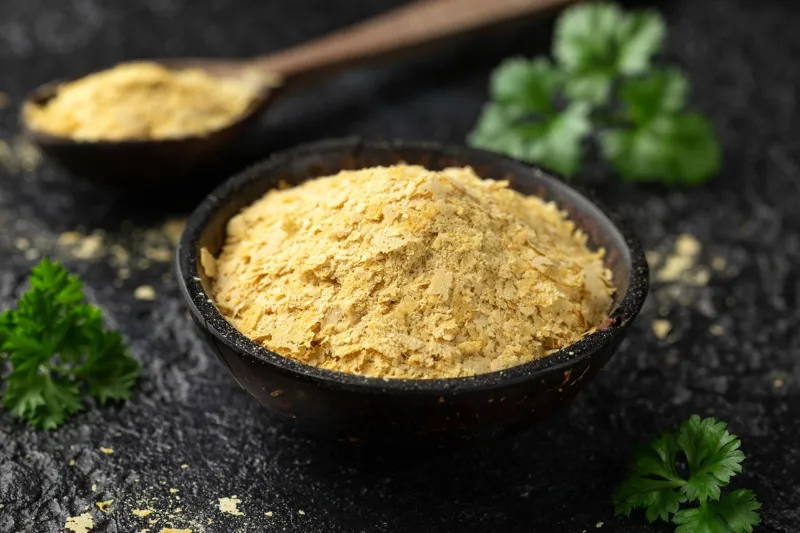
Nutritional yeast is the MVP of the vegetarian B12 world. It’s a deactivated yeast that comes in flakes or powder form, and many brands are specifically fortified with B12 to give you a serious nutritional boost.
Just two tablespoons of fortified nutritional yeast can deliver well over 100% of your daily B12 needs. It’s not just functional either. It has a savory, cheesy, nutty flavor that makes it genuinely delicious.
Sprinkle it on popcorn, stir it into pasta sauces, or use it as a topping for roasted vegetables. You can even blend it into cashew-based cheese sauces for a plant-powered flavor bomb that your whole family will love.
2. Fortified Plant Milk (Almond, Soy, Oat)
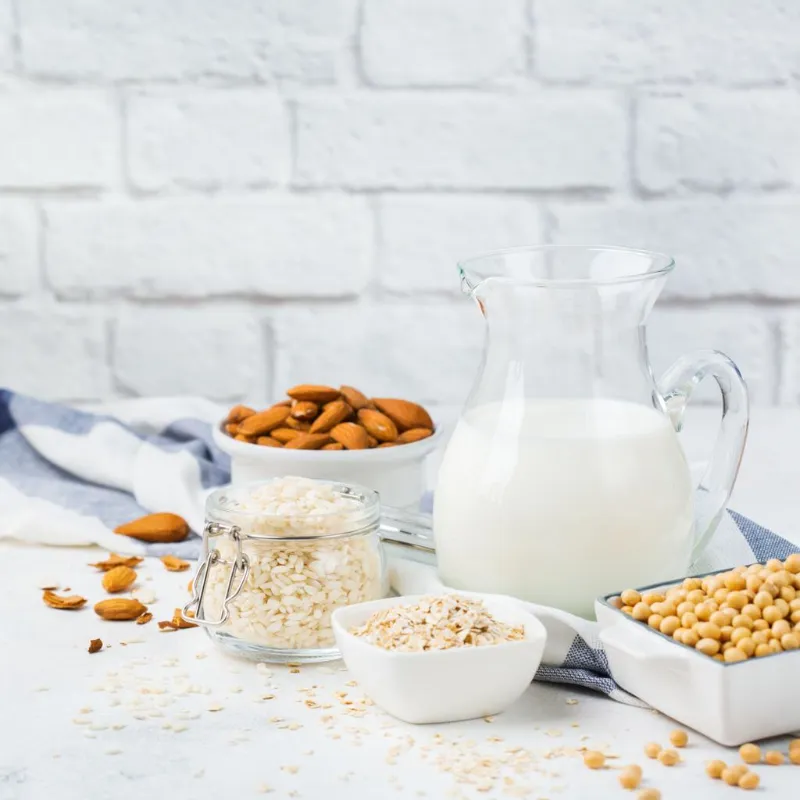
Plant milks have quietly become one of the smartest daily sources of B12 for vegetarians. Many almond, soy, and oat milk brands are fortified with Vitamin B12 right at the factory, making it effortless to get your dose.
One cup of fortified soy milk can contain up to 3 micrograms of B12, which is around 125% of the recommended daily intake. That’s a meaningful amount, especially if you’re using it every morning.
Pour it in your coffee, blend it into a smoothie, or use it as the base for overnight oats. It’s one of those foods that works for you without you even thinking about it.
3. Fortified Breakfast Cereals
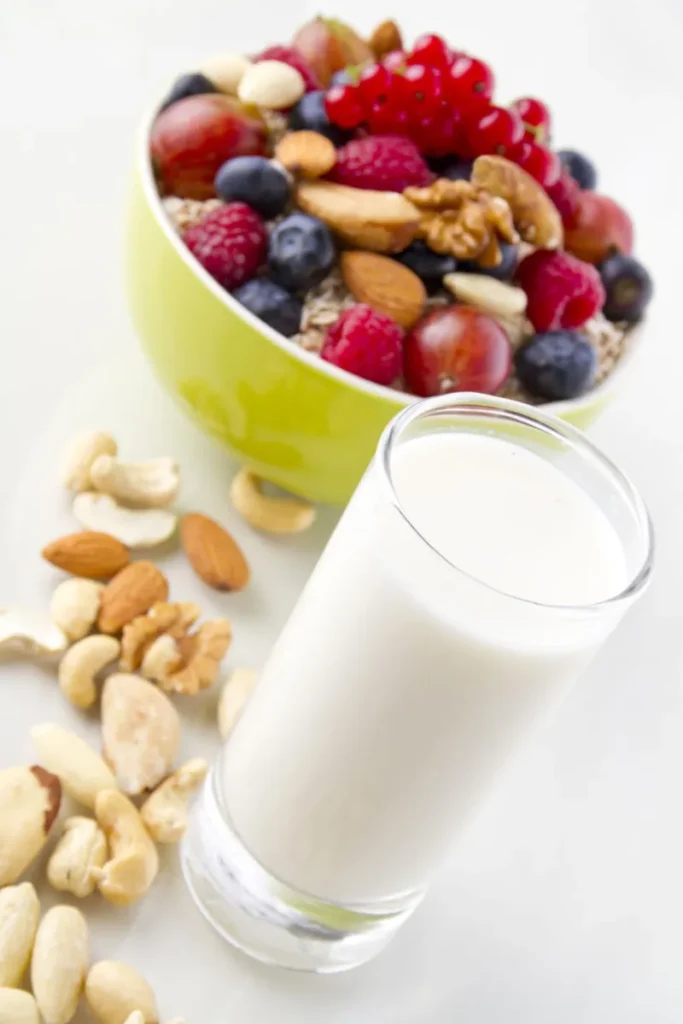
Your morning bowl of cereal might be doing more for you than you realize. Many breakfast cereals are fortified with a long list of vitamins and minerals, and B12 is often right there on the label.
Some brands pack in 25% to 100% of your daily B12 in just one serving. That’s a pretty remarkable return for something you’re already eating before 8 a.m.
Look for cereals with a shorter ingredient list and lower sugar content so you get the nutritional benefit without the sugar spike. Pair it with fortified plant milk and you’re stacking your B12 sources like a pro.
4. Tempeh

Tempeh is a fermented soybean product that originated in Indonesia, and it’s earned a real cult following in the vegetarian community. The fermentation process is where the magic happens for B12.
Certain strains of bacteria used in traditional fermentation can produce small amounts of B12 naturally. While the levels vary depending on how it’s made, tempeh remains a valuable part of a well-rounded vegetarian diet.
Slice it thin and pan-fry it until golden, crumble it into tacos, or marinate it in soy sauce and garlic before baking. It has a firm, hearty texture that satisfies in a way most plant proteins simply don’t.
5. Nori (Dried Seaweed)
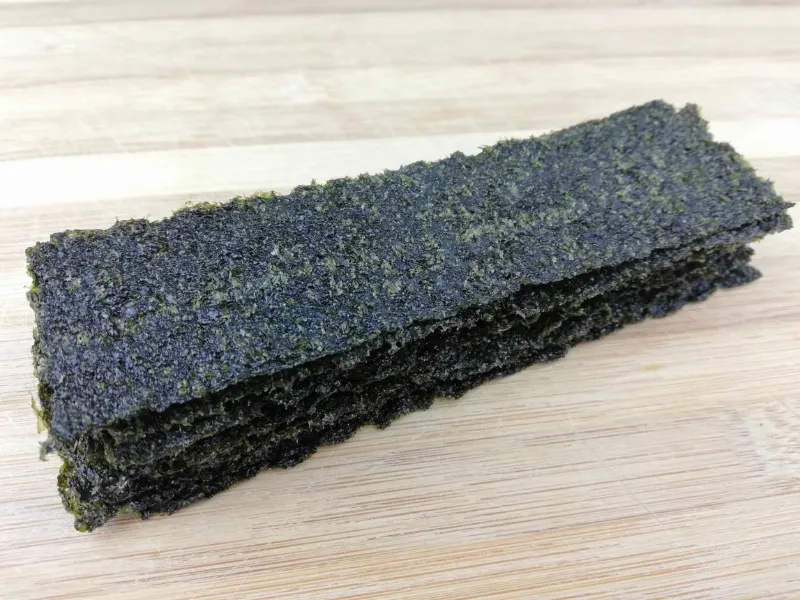
Nori is the dark, papery seaweed you see wrapped around sushi rolls, and it turns out it’s one of the few plant foods that contains a biologically active form of Vitamin B12. Research published in scientific journals has confirmed that dried purple laver, which is what nori is made from, contains meaningful levels of B12.
A few sheets of nori per day can contribute to your B12 intake in a real, usable way. It’s not going to replace a dedicated supplement if you’re fully vegan, but it’s a genuinely impressive whole-food source.
Use nori sheets to make homemade veggie sushi, crumble it over rice bowls, or snack on it straight from the package. It’s light, crispy, and surprisingly addictive.
6. Shiitake Mushrooms
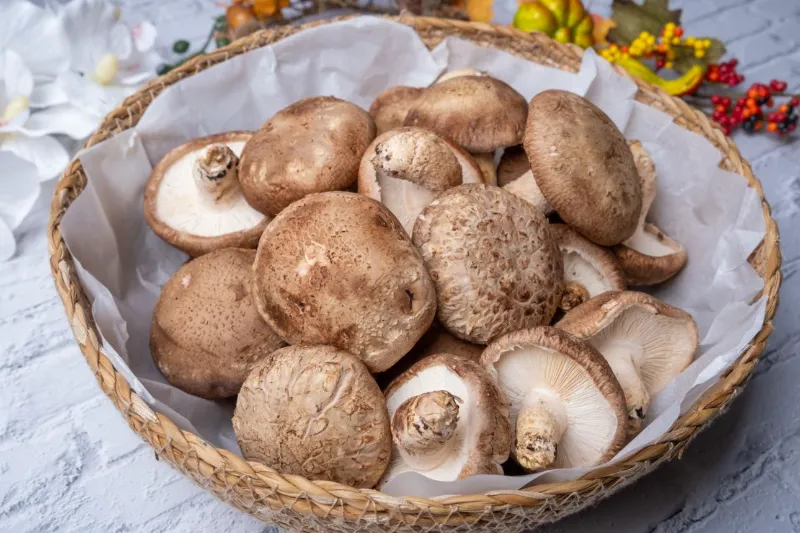
Shiitake mushrooms have been used in traditional Asian cuisine and medicine for centuries, and modern research has found that dried shiitake mushrooms contain small amounts of Vitamin B12. The key word here is dried, since sun-drying concentrates the nutrients.
While the B12 content in shiitakes is modest compared to fortified foods, they contribute to your overall intake as part of a varied diet. They’re also loaded with other beneficial compounds like polysaccharides that support immune health.
Rehydrate dried shiitakes in warm water and add them to soups, stir-fries, or grain bowls. The soaking liquid is packed with flavor too, so don’t throw it away. Use it as a savory base for broths and sauces.
7. Fortified Tofu
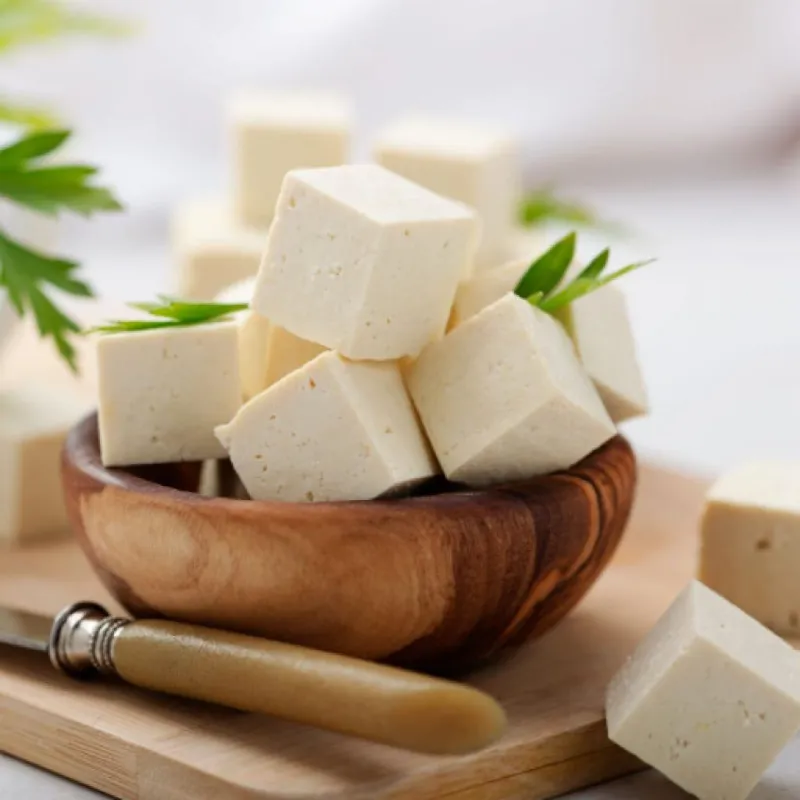
Tofu on its own doesn’t naturally contain much B12, but some brands fortify their products to make them a more complete nutritional package. It’s worth checking the label on your favorite tofu brand because the difference between fortified and unfortified can be significant.
Fortified tofu can deliver a solid portion of your daily B12 in a single serving, especially the silken or firm varieties sold in grocery stores across the US. Combined with its high protein content, it becomes a real nutritional powerhouse.
Press firm tofu, cut it into cubes, and bake it at 400 degrees for 25 minutes for a crispy protein that works in almost any dish. Crumble silken tofu into smoothies for a creamy texture without changing the flavor.
8. Eggs

If you’re a lacto-ovo vegetarian, eggs are one of your most reliable and naturally occurring sources of Vitamin B12. The nutrient is concentrated in the yolk, which is another reason to stop fearing the whole egg.
One large egg provides about 0.6 micrograms of B12, which is around 25% of your daily target. Eat two or three eggs and you’ve made a meaningful dent in your daily needs before lunchtime.
Scrambled, poached, hard-boiled, or baked into a frittata. Eggs are incredibly versatile and they pair well with just about every vegetable on the planet. They’re also one of the most affordable protein sources at any grocery store in the country.
9. Cottage Cheese
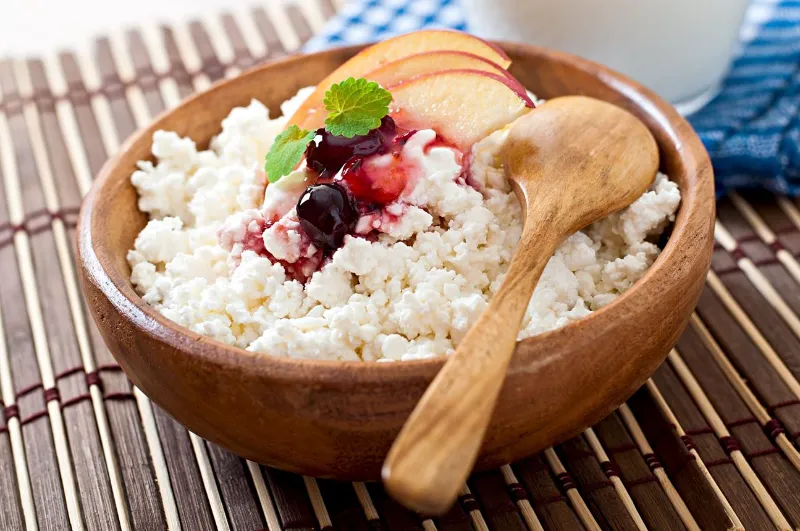
Cottage cheese has had a serious glow-up in recent years, and honestly, it deserves all the attention it’s getting. It’s high in protein, low in fat, and contains a respectable amount of Vitamin B12 per serving.
One cup of low-fat cottage cheese delivers around 1.1 micrograms of B12, which is about 45% of your daily value. That’s a solid return for something that tastes great straight from the container.
Eat it plain with fruit, blend it into pancake batter for extra protein, or use it as a creamy base for savory bowls topped with roasted vegetables. It’s one of those quietly powerful foods that’s been underrated for too long.
10. Greek Yogurt
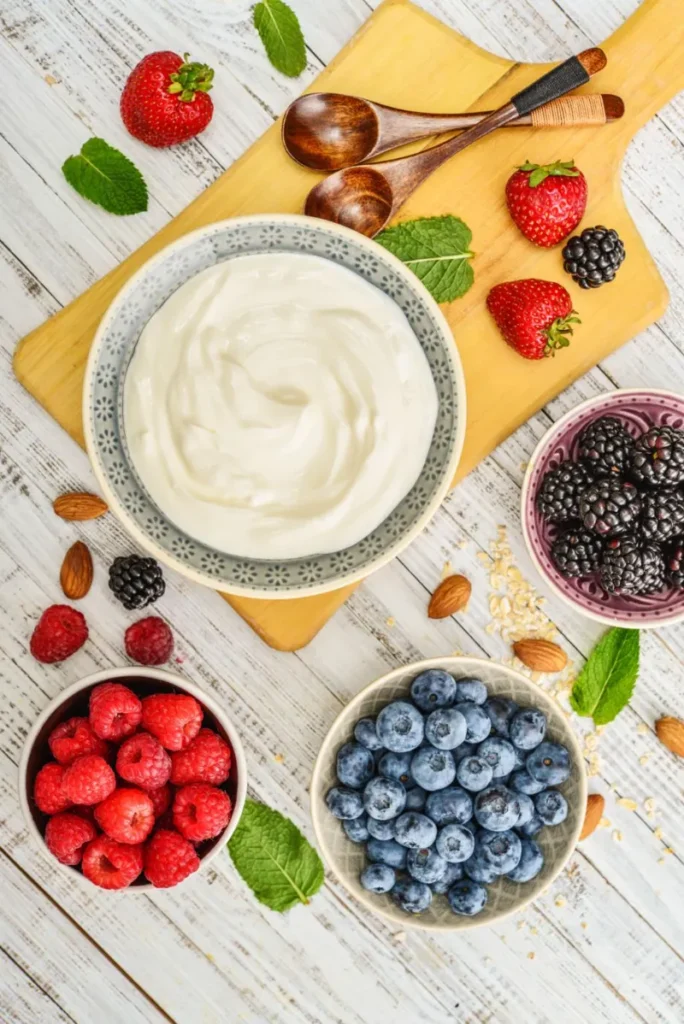
Greek yogurt is thick, tangy, and surprisingly rich in Vitamin B12. A single 6-ounce serving can provide anywhere from 1 to 1.3 micrograms of B12, depending on the brand and fat content.
The live active cultures in Greek yogurt also support gut health, which helps your body absorb nutrients more effectively. So you’re not just getting B12, you’re also optimizing your ability to use it.
Top it with berries and a drizzle of honey for breakfast, use it as a sour cream substitute in tacos and soups, or blend it into salad dressings for a creamy, protein-packed finish.
11. Milk (Cow’s Milk)

Good old cow’s milk is one of the most straightforward and effective sources of Vitamin B12 for vegetarians who include dairy. One cup provides about 1.2 micrograms, which is close to half of your daily recommended intake.
Milk also delivers calcium, vitamin D, and potassium alongside B12, making it a genuinely well-rounded nutritional package. It’s one of those foods that earns its place in a balanced vegetarian diet without much effort.
Drink it straight, add it to smoothies, pour it over cereal, or use it in cooking and baking. It’s one of the most versatile and accessible sources of B12 you’ll find at any grocery store across America.
12. Cheddar Cheese
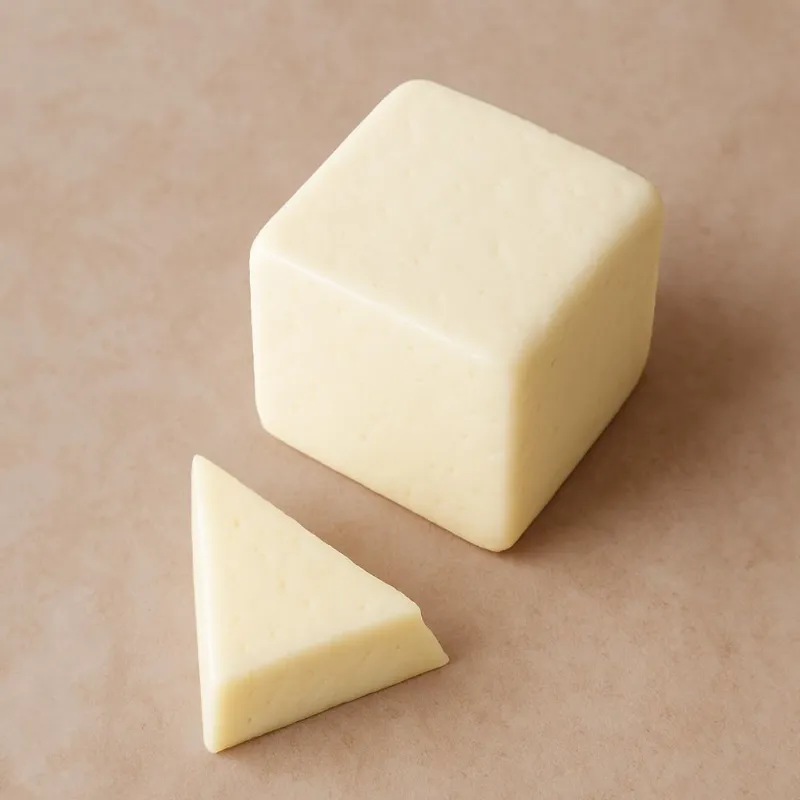
Cheddar cheese is a staple in most American refrigerators, and the good news is it carries a decent amount of Vitamin B12. One ounce of cheddar provides about 0.3 micrograms of B12, and let’s be honest, nobody eats just one ounce.
The sharper the cheddar, the more concentrated the flavor, which means you can use less of it while still getting a satisfying taste. It’s one of those foods where quality matters more than quantity.
Melt it over roasted vegetables, fold it into egg scrambles, or layer it into grain bowls and quesadillas. Cheddar is one of those happy ingredients that makes almost everything taste better.
13. Mozzarella Cheese

Fresh mozzarella is light, creamy, and a solid contributor to your daily B12 intake. One ounce delivers about 0.65 micrograms of B12, which adds up quickly when you’re making a Caprese salad or topping a pizza.
It also provides calcium and phosphorus for bone health, making it a smart addition to a vegetarian diet that might otherwise fall short on these minerals.
Pair fresh mozzarella with ripe tomatoes, fresh basil, and a drizzle of olive oil for a classic that never gets old. Or stretch it over homemade flatbreads and bake until bubbly and golden. Simple and satisfying.
14. Swiss Cheese
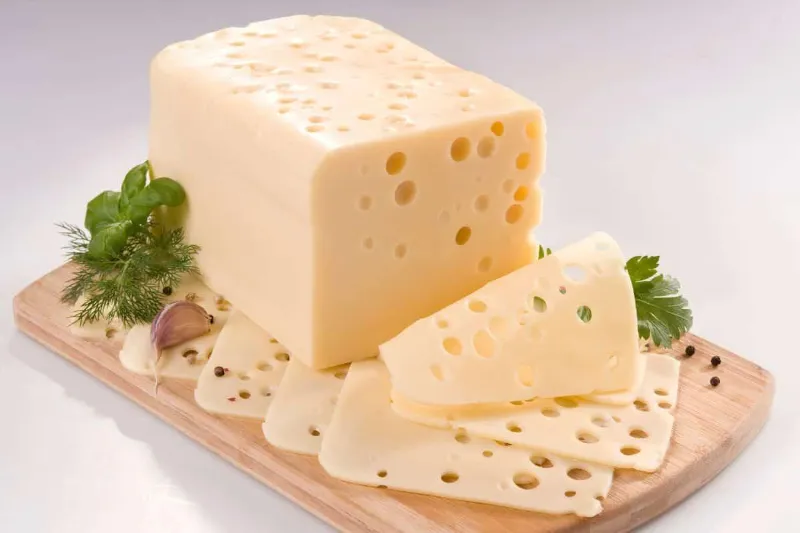
Swiss cheese has a mild, slightly nutty flavor that makes it a crowd-pleaser, and it’s also one of the better cheese sources of Vitamin B12. One ounce contains about 0.95 micrograms, making it one of the more generous dairy options on this list.
Its lower fat content compared to some other cheeses makes it a practical everyday option. You get the flavor and the nutrients without overloading on saturated fat.
Layer it into vegetarian sandwiches, melt it over roasted mushrooms, or pair it with sliced apples and whole grain crackers for a snack that actually keeps you full.
15. Ricotta Cheese
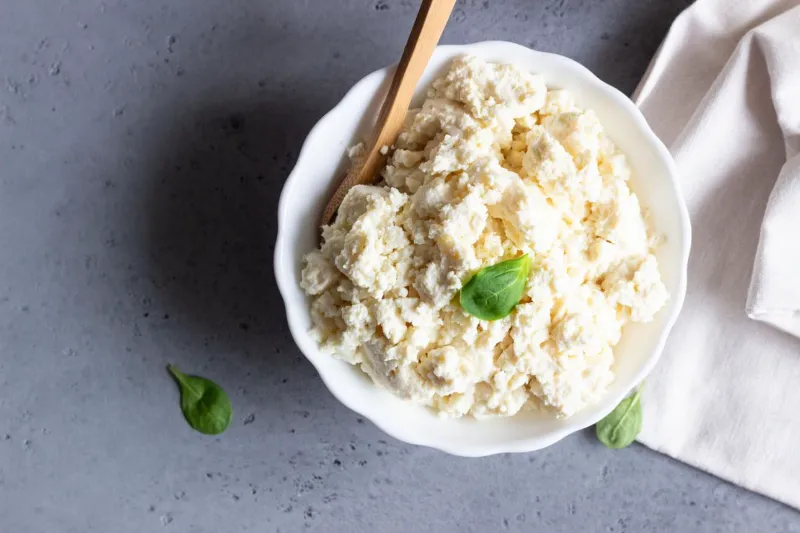
Ricotta is soft, mild, and incredibly versatile. Half a cup provides about 0.36 micrograms of B12, and since ricotta is usually used in generous amounts in cooking, it contributes meaningfully to your daily intake.
It’s also rich in calcium and whey protein, which makes it a double win for vegetarians looking to support both bone health and muscle recovery.
Spread it on whole grain toast with honey and sliced figs, use it as a filling for stuffed pasta shells, or stir it into scrambled eggs for a creamier texture. Ricotta makes comfort food feel a little more refined.
16. Fortified Orange Juice
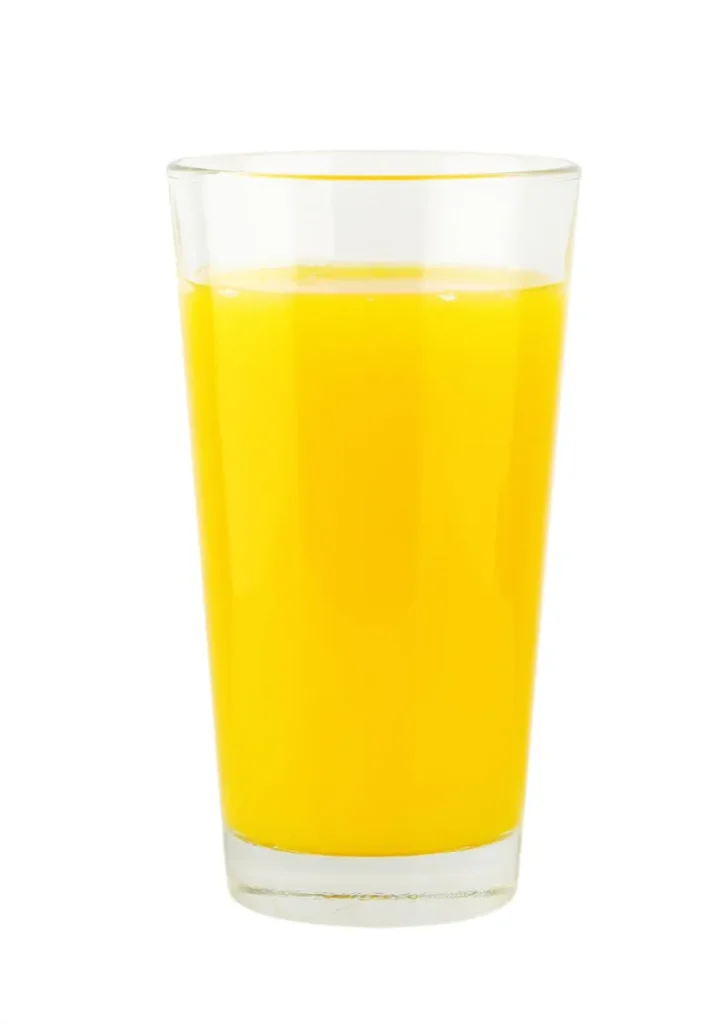
Most people don’t think of orange juice as a B12 source, but certain brands specifically fortify their OJ with Vitamin B12 and other nutrients. It’s worth scanning the label next time you’re at the store because the difference can be significant.
Fortified OJ can deliver a meaningful percentage of your daily B12 alongside Vitamin C, which some research suggests may help with the absorption of other nutrients. It’s a convenient option for people who prefer drinking their nutrition.
Pour it alongside your breakfast, blend it into smoothies for a citrusy base, or use it as a marinade liquid for tempeh and tofu. Check the label and choose brands that are also low in added sugar.
17. Fortified Nutritional Bars
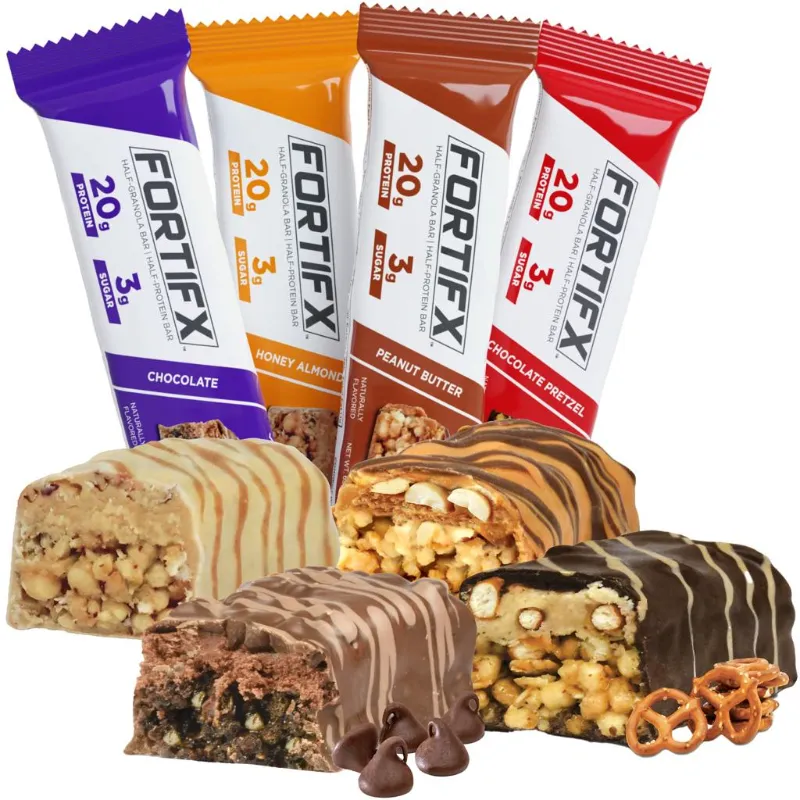
Energy bars and nutritional bars have evolved dramatically in the last decade, and many now include B12 as part of their vitamin and mineral blend. They’re a convenient on-the-go option for busy vegetarians who don’t always have time to prep a full meal.
Some bars deliver 20% to 50% of your daily B12 in a single package. That’s a solid contribution from something you can toss in your bag and eat between meetings.
Look for bars with recognizable ingredients, a decent protein content, and minimal added sugars. Read the label for B12 content specifically, since not all bars include it even if they’re marketed as nutritional.
18. Whey Protein Powder
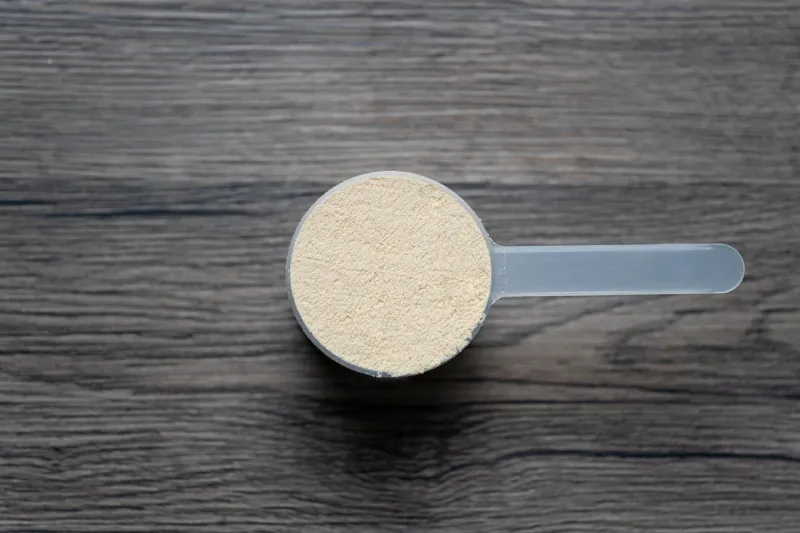
Whey protein is derived from milk during the cheese-making process, and it naturally contains Vitamin B12 as part of its dairy origin. Many whey protein powders are also further fortified to enhance their nutritional profile.
A single scoop of whey protein can provide up to 20% or more of your daily B12 depending on the brand. It’s a practical choice for vegetarians who are also focused on building or maintaining muscle.
Blend it into smoothies with frozen fruit and plant milk, stir it into oatmeal, or mix it with water for a quick post-workout shake. It’s one of the most efficient ways to stack protein and B12 in a single serving.
19. Chlorella (Algae Supplement)
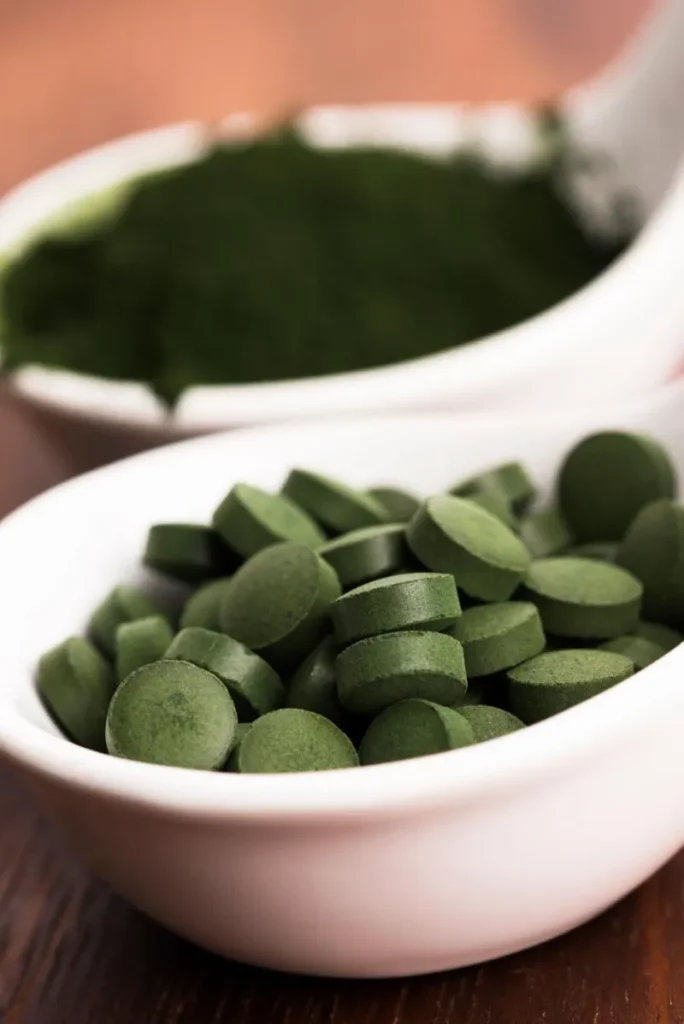
Chlorella is a freshwater algae that has gained a lot of attention in the wellness world, and for good reason. Multiple studies have found that chlorella contains biologically active Vitamin B12 that the human body can actually use.
Research published in nutritional science journals found that chlorella supplementation can improve B12 status in people who are deficient. It’s one of the most exciting whole-food B12 sources for vegetarians and vegans alike.
Chlorella is most commonly found as a powder or tablet. Add the powder to smoothies, mix it into energy balls, or simply take it as a capsule alongside your meals. Start with a small amount and build up since some people are sensitive to high doses.
20. Spirulina (with caveats)
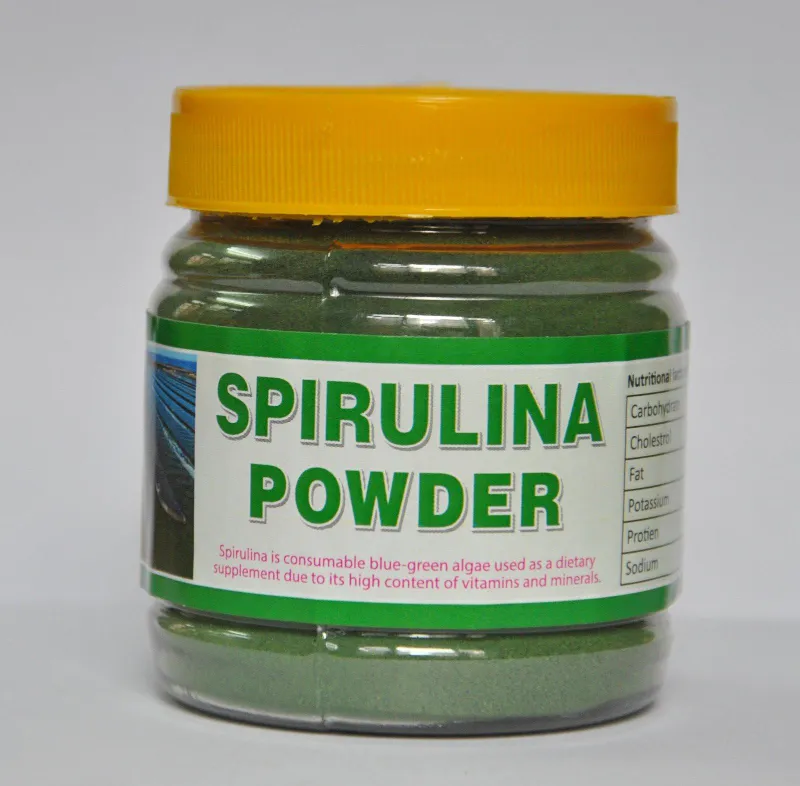
Spirulina is often listed as a B12 source, and it’s important to understand the nuance here. Spirulina does contain B12, but most of it is in a form called pseudovitamin B12, which research suggests the human body cannot absorb or use effectively.
So while spirulina is an impressive superfood packed with protein, iron, and antioxidants, you shouldn’t rely on it as your primary B12 source. Think of it as a bonus, not a solution.
That said, spirulina is still worth adding to your diet for everything else it brings. Blend it into green smoothies, mix it into energy balls, or dissolve it in water with lemon. Just pair it with more reliable B12 sources from this list.
21. Fortified Soy Milk
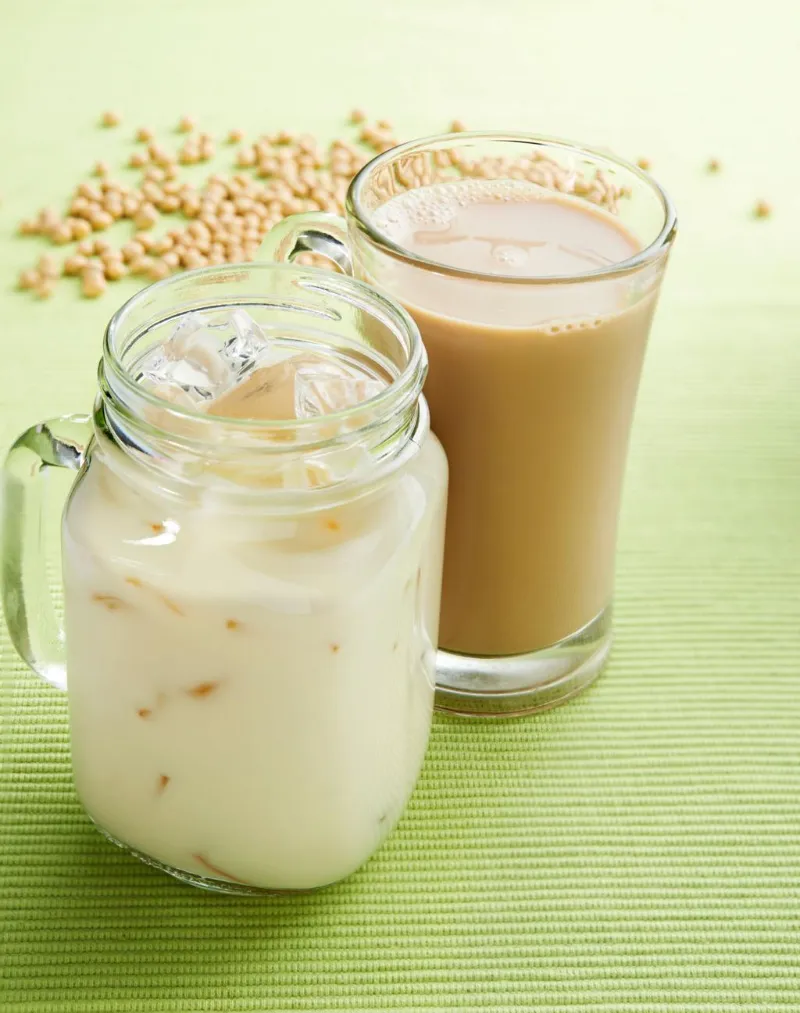
Soy milk is one of the most nutritionally complete plant milks available, and when it’s fortified with B12, it becomes a genuinely excellent daily staple. It has a higher protein content than most other plant milks, which makes it the closest in nutritional profile to cow’s milk.
A cup of fortified soy milk typically provides around 2 to 3 micrograms of B12. That’s a significant portion of your daily target in a single glass.
Use it as your everyday milk for cereal, coffee, baking, and cooking. It holds up well in savory applications too, making it one of the most flexible fortified foods on this entire list.
22. Paneer
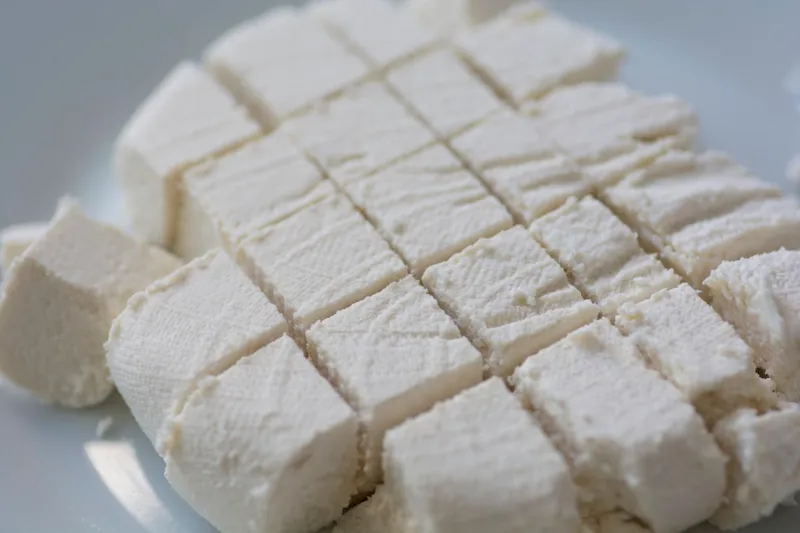
Paneer is a fresh Indian cheese made by curdling milk with an acid like lemon juice or vinegar. It’s a cornerstone of Indian vegetarian cooking and a solid natural source of Vitamin B12.
Half a cup of paneer provides about 0.8 micrograms of B12 along with a generous hit of protein and calcium. It’s a satisfying, versatile ingredient that fits beautifully into a vegetarian lifestyle.
Make palak paneer, cube it and pan-fry it until golden for use in curries, or add it to grain bowls with roasted vegetables and a drizzle of tahini. If you’ve never cooked with paneer before, this is your sign to start.
23. Kefir
Kefir is a fermented dairy drink that’s been consumed for centuries in Eastern Europe and Central Asia. It’s made by fermenting milk with kefir grains, which are a combination of bacteria and yeast that create a tangy, slightly fizzy drink.
One cup of kefir can provide around 0.9 to 1.4 micrograms of Vitamin B12, and the fermentation process makes many of its nutrients particularly easy to absorb. The live cultures in kefir also actively support gut health.
Drink it straight for breakfast, blend it into smoothies, use it as a base for overnight oats, or substitute it for buttermilk in pancake and baking recipes. It has a pleasantly sour flavor that grows on you fast.
24. Butter and Ghee
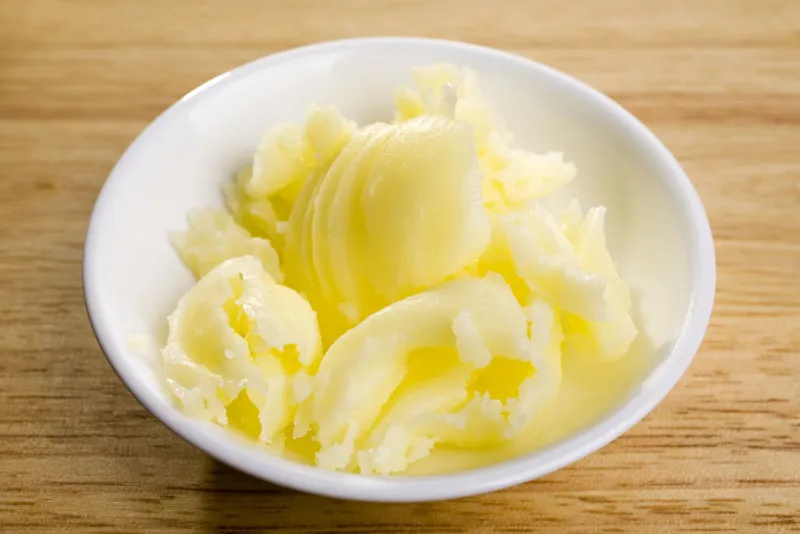
Butter and ghee both come from dairy, which means they carry small amounts of Vitamin B12. While neither is a high-dose source, they contribute to your overall intake when used regularly in cooking.
Ghee in particular has a rich, nutty flavor from the clarification process that removes milk solids and water. It’s been a staple in Ayurvedic cooking for thousands of years and has a higher smoke point than butter, making it ideal for sauteing.
Use butter to finish sauces and melt over vegetables, and use ghee for high-heat cooking like stir-frying and roasting. Every little bit of B12 adds up across the course of a day.
25. Fortified Rice Milk
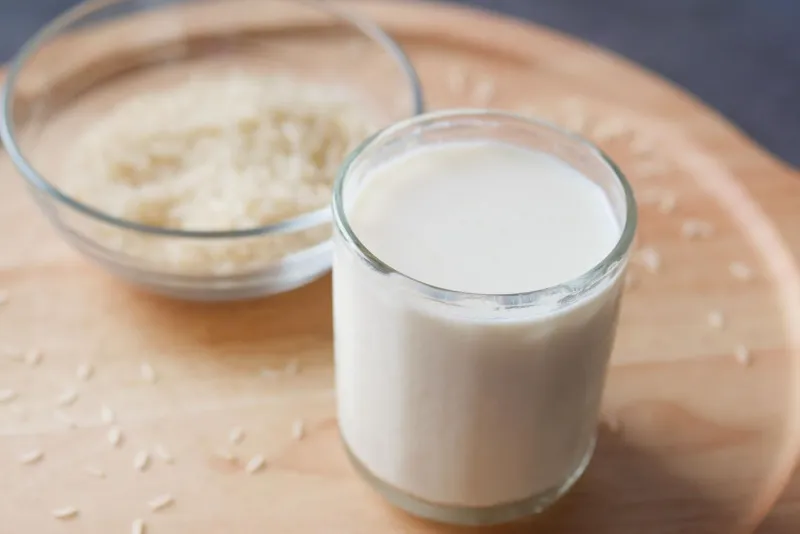
Rice milk is one of the lightest and most allergy-friendly plant milks available, making it a popular choice for people with nut or soy sensitivities. When it’s fortified with B12, it becomes a genuinely useful nutritional option.
Fortified rice milk typically contains around 1 to 2 micrograms of B12 per cup. It’s thinner and slightly sweeter than other plant milks, which makes it work well in certain recipes and beverages.
Pour it over cereal, add it to smoothies, or use it in baking where a lighter texture is preferred. Just make sure you’re buying the fortified version, since unfortified rice milk offers very little in the way of B12.
26. Fortified Coconut Milk
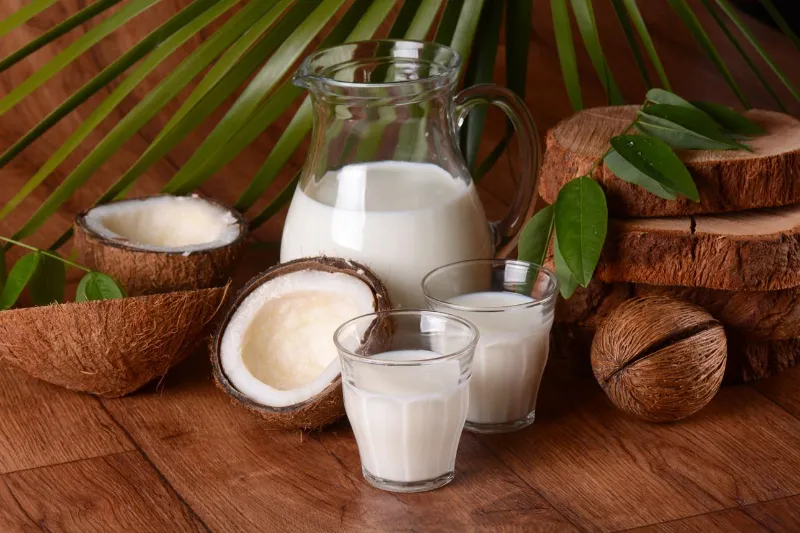
The coconut milk you find in cartons in the dairy aisle is quite different from the canned version used in cooking. Carton coconut milk is often fortified with B12, calcium, and other vitamins to make it a more nutritionally complete option.
One cup of fortified carton coconut milk can provide a useful portion of your daily B12 alongside its naturally occurring healthy fats. The medium-chain triglycerides in coconut milk have been studied for their potential metabolic benefits.
Use it in smoothies, pour it over granola, or froth it into a latte. Just note that the canned coconut milk used for curries and soups is typically not fortified, so they serve different nutritional purposes.
27. Lacto-Fermented Foods like Kimchi (with caveats)

Lacto-fermented foods like kimchi, sauerkraut, and traditional pickles go through a fermentation process involving lactic acid bacteria. Some research has suggested that certain fermented vegetables can contain small amounts of B12 produced by bacteria during fermentation.
The key word here is “small.” The amounts are inconsistent and depend heavily on the specific bacterial strains present and the fermentation conditions. You shouldn’t count on fermented vegetables as a primary B12 source.
That said, adding kimchi and sauerkraut to your diet is a fantastic idea for gut health, flavor, and overall nutrition. Eat them regularly as part of a varied diet alongside more reliable B12 sources from this list.
28. Parmesan Cheese
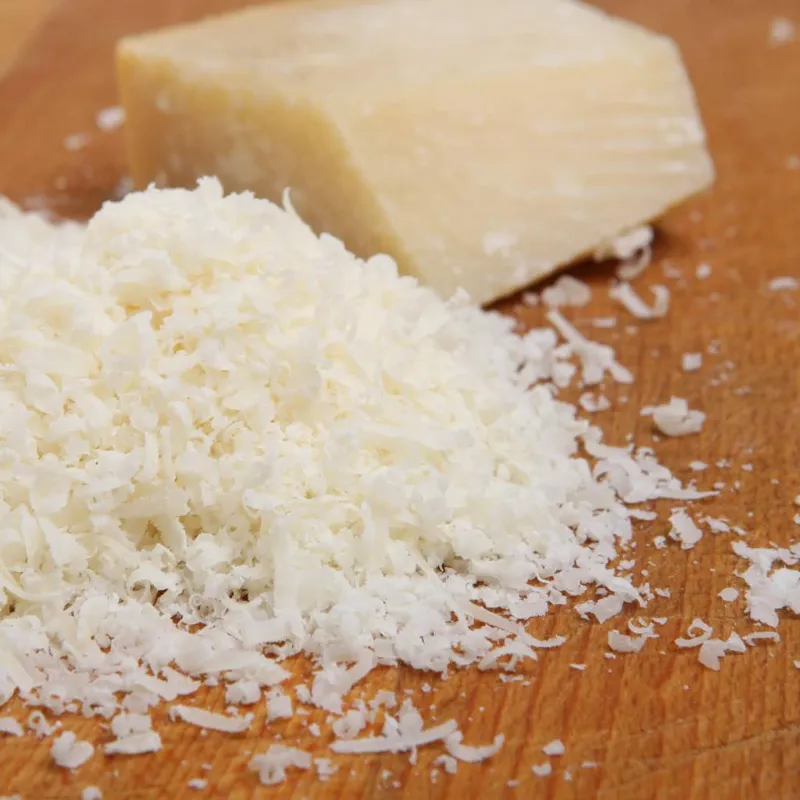
Parmesan is one of the most flavorful cheeses on the planet, and a little goes a long way. One ounce contains about 0.95 micrograms of Vitamin B12, which is impressive for something used in such small quantities.
Because Parmesan is so intensely flavored, you tend to use it as a finishing touch rather than a main ingredient. But even a tablespoon or two grated over pasta or salad adds up nutritionally over time.
Grate it fresh over pasta, risotto, and soups. Shave it over arugula salads with lemon and olive oil. Or just eat a small wedge alongside fruit and nuts as a simple, satisfying snack.
29. Gouda Cheese
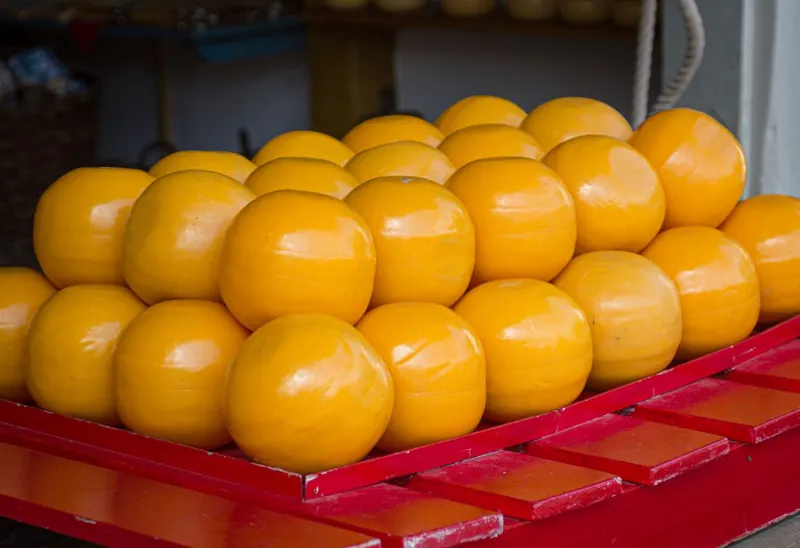
Gouda is a semi-hard Dutch cheese that ranges from mild and creamy when young to rich and caramel-like when aged. It’s also a solid source of Vitamin B12, providing about 0.7 micrograms per ounce.
Aged Gouda in particular develops complex nutty flavors that make it incredibly satisfying to eat in small amounts. It’s the kind of cheese that makes you slow down and actually enjoy what you’re eating.
Pair it with whole grain crackers and apple slices, melt it over roasted vegetables, or add it to a vegetarian grilled cheese with caramelized onions and mustard. It’s a versatile cheese that elevates simple meals.
30. Cream Cheese
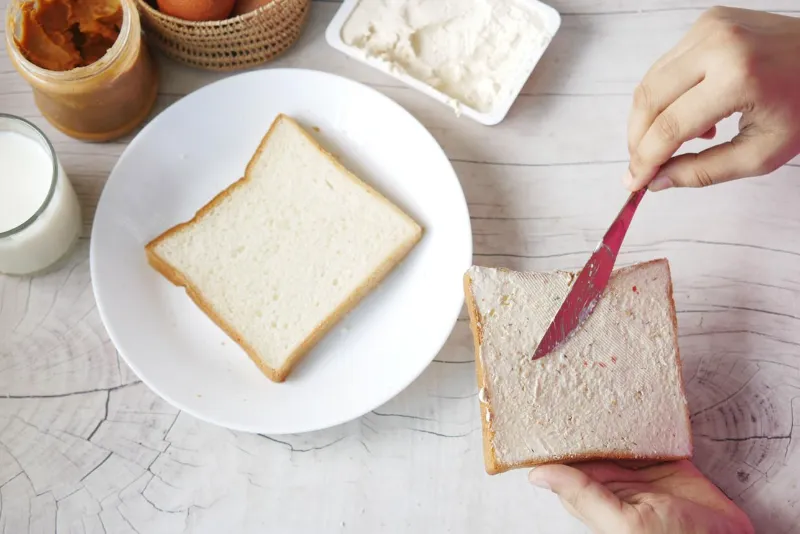
Cream cheese is smooth, rich, and contains a modest amount of Vitamin B12. Two tablespoons provide around 0.15 micrograms, and since most people use it liberally on bagels or in dips, it contributes more than the small serving size suggests.
It’s also a surprisingly useful cooking ingredient. It melts beautifully into sauces and can be used to add creaminess to soups, dips, and baked goods without overpowering other flavors.
Spread it on whole grain toast, blend it into savory dips with herbs and garlic, or stir it into pasta for a quick and creamy weeknight dinner. It’s one of those ingredients that makes food feel indulgent while still being practical.
31. Sour Cream
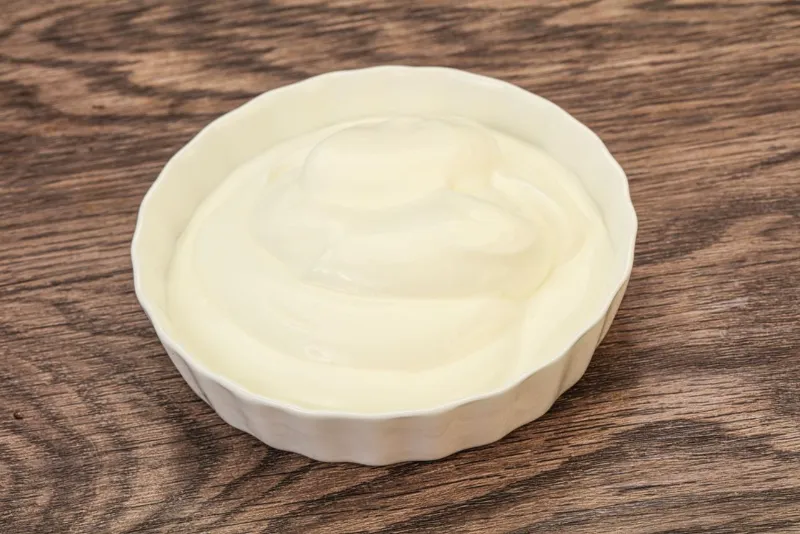
Sour cream is a fermented dairy product made from cream that has been thickened by lactic acid bacteria. It contains a small amount of Vitamin B12 per serving and adds a tangy creaminess that’s hard to replicate with anything else.
Two tablespoons of sour cream contribute a modest but real amount of B12 to your diet, especially if you’re using it regularly as a topping or ingredient. It’s another one of those background contributors that adds up across the day.
Dollop it on vegetarian chili, use it as a base for creamy salad dressings, or stir it into soups to add richness and tang. It’s an underrated ingredient that brings a lot to the table beyond just flavor.
32. Ice Cream

Here’s one you probably didn’t see coming. Ice cream is made from milk and cream, which means it naturally contains Vitamin B12. A half-cup serving provides about 0.25 micrograms, which is small but real.
Is ice cream a health food? No. But it is a source of B12, and knowing that makes the occasional scoop feel just a little bit more justified. Everything in moderation, as they say.
Enjoy it as the treat it is. Choose high-quality ice cream made with real dairy for the best flavor and the most genuine nutritional contribution. It’s a fun and delicious reminder that vegetarian nutrition doesn’t have to be boring or restrictive.
33. Fortified Energy Drinks
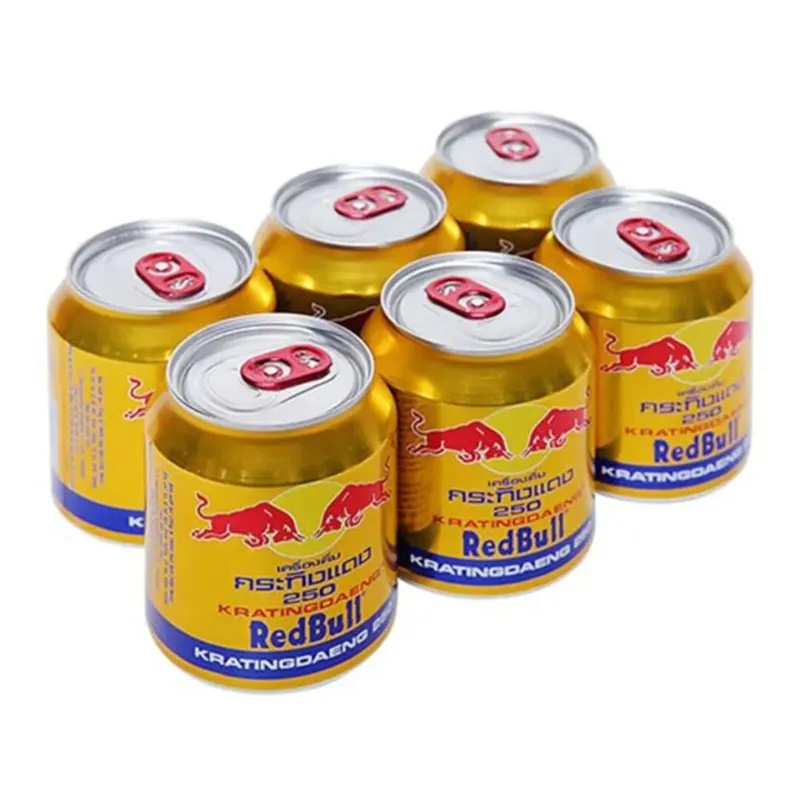
Some energy drinks are fortified with B vitamins including B12, often in very high amounts. A single can can sometimes contain several times the recommended daily intake of B12.
Your body doesn’t store excess B12 the way it does fat-soluble vitamins, so consuming more than you need isn’t harmful in most cases. However, energy drinks often come with high amounts of caffeine and sugar, so they’re not the most wholesome way to get your nutrients.
If you do consume energy drinks occasionally, check the label for B12 content and factor it into your daily total. But don’t let this be your primary strategy. There are far better ways to hit your B12 goals using the other foods on this list.
34. Quorn (Mycoprotein-based Meat Alternatives)

Quorn products are made from mycoprotein, which is derived from a naturally occurring fungus. Many Quorn products are also fortified with Vitamin B12, making them a useful and protein-rich option for vegetarians.
A serving of certain Quorn products can contribute a meaningful portion of your daily B12, especially when combined with other dairy and fortified foods throughout the day. The protein content rivals that of meat, making it a genuinely satisfying alternative.
Try Quorn in stir-fries, curries, pasta dishes, or simply seasoned and roasted in the oven. It holds up well to bold flavors and sauces, making it one of the most versatile meat alternatives available in stores across the US.
Final Thoughts
Getting enough Vitamin B12 as a vegetarian is completely achievable, and hopefully this list proves it. You don’t need to take a handful of supplements or completely overhaul how you eat. Small, consistent choices across the day add up to real results.
Start by adding two or three of these foods to your regular rotation and build from there. Your energy, your focus, and your long-term health are all worth it. You’ve got this.
