
27 Powerful Vitamin B12 Rich Foods That Are Changing Lives

If you have been feeling tired, foggy, or just not quite yourself, your body might be quietly crying out for more vitamin B12. This essential nutrient powers everything from your brain to your blood, and most Americans are not getting nearly enough of it.
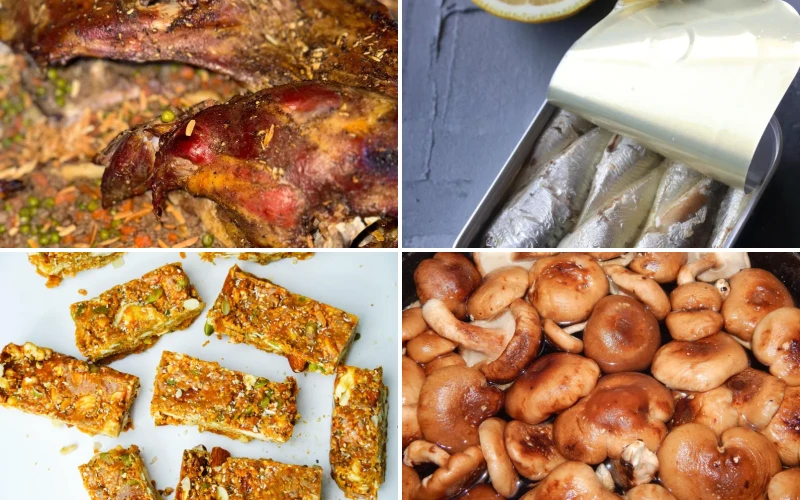
In this article, you will discover 28 incredible foods loaded with B12 that can help you feel sharper, stronger, and more energized. Some of them might surprise you.
1. Beef Liver
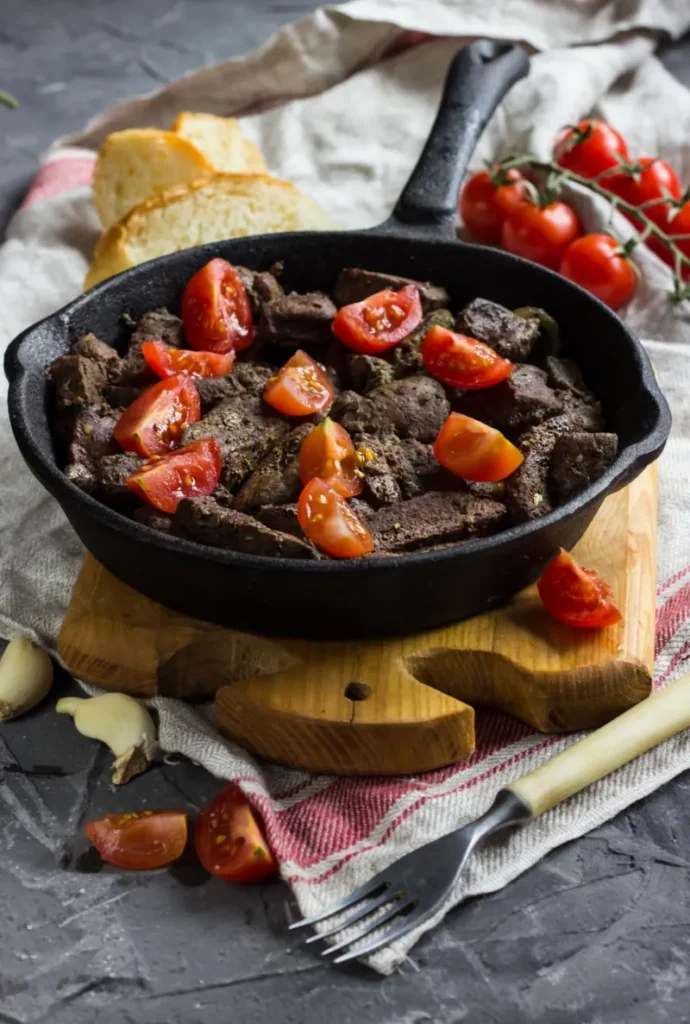
Beef liver is not the most glamorous food on the planet, but it might just be the most nutritious one. A single 3-ounce serving packs over 70 micrograms of vitamin B12, which is roughly 3,000% of your daily recommended intake. Yes, you read that right.
B12 in liver is in its most bioavailable form, meaning your body absorbs it incredibly efficiently. It also comes bundled with iron, folate, and vitamin A, making it a true nutritional powerhouse.
You do not need to eat it every day. Try pan-frying sliced beef liver with onions and a splash of Worcestershire sauce once a week. It is richer in flavor than you might expect, and your energy levels will thank you.
2. Clams
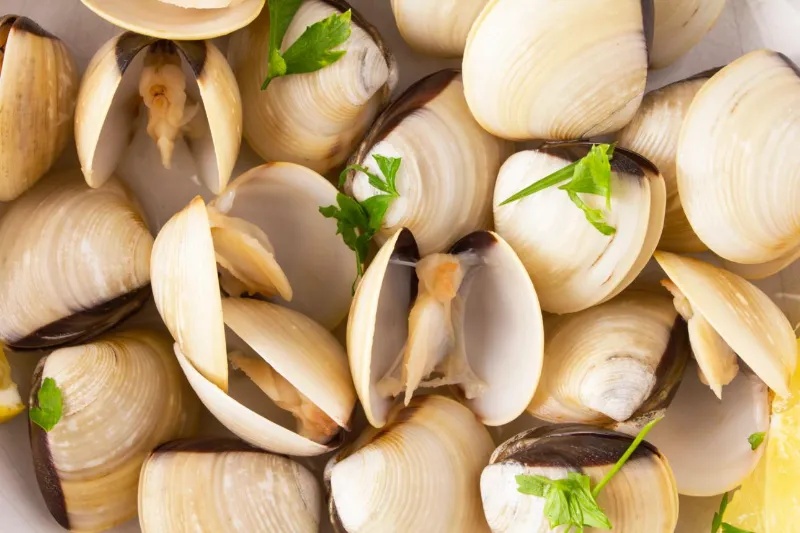
Clams are tiny but absolutely mighty when it comes to B12. A 3-ounce serving of cooked clams delivers around 84 micrograms of B12, more than almost any other food on the planet.
Beyond B12, clams are rich in iron and omega-3 fatty acids, which support heart health and reduce inflammation. Research shows that the combination of B12 and iron in clams is especially helpful for people dealing with anemia and chronic fatigue.
Toss them into pasta with garlic and olive oil, add them to chowder, or simply steam them with white grape juice and herbs. Clams are more versatile in the kitchen than most people realize.
3. Sardines
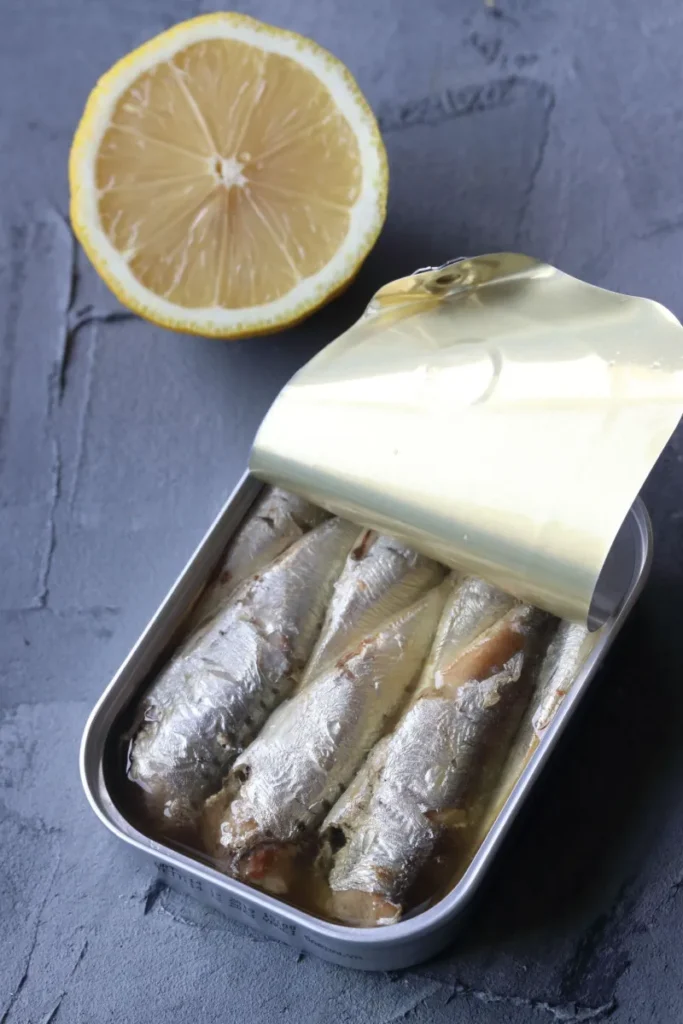
Sardines might have a reputation as the fish you eat when you are out of options, but science tells a very different story. One can of sardines gives you about 8 micrograms of B12 along with generous amounts of omega-3s, calcium, and vitamin D.
The omega-3 and B12 combo in sardines has been linked to better brain health and a lower risk of cognitive decline. A 2016 study published in Nutrients found that B12 deficiency is closely tied to memory problems and mood disorders.
Sardines on whole grain crackers with a squeeze of lemon is a snack that genuinely fuels you. If you have only tried them straight from the can and hated them, give them another shot with a little mustard or hot sauce.
4. Tuna
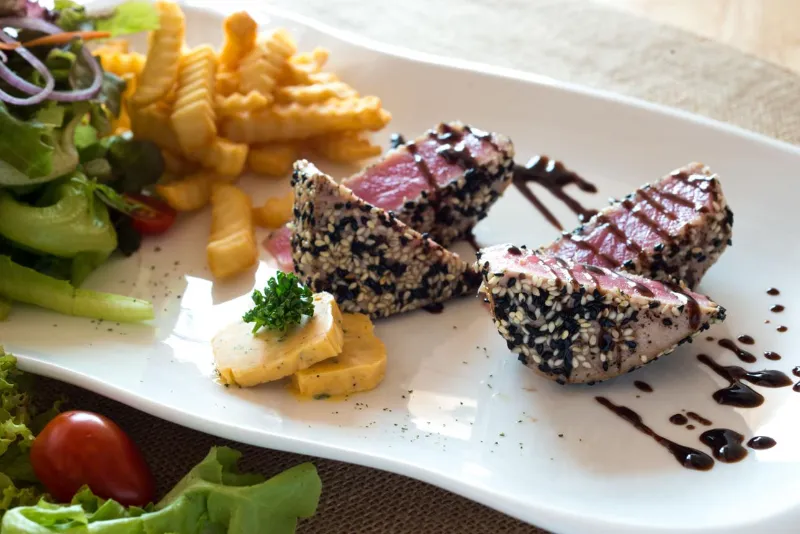
Tuna is one of the most popular fish in America, and for good reason. A 3-ounce serving of cooked yellowfin tuna delivers about 9 micrograms of B12, making it one of the easiest ways to hit your daily goal.
Tuna is also loaded with selenium, a mineral that works alongside B12 to protect your cells from oxidative stress. Together, these nutrients support thyroid function and a healthy immune response.
Whether you love it in a salad, a sandwich, or seared as a steak, tuna is one of those foods that fits seamlessly into almost any diet. Opt for canned light tuna a few times a week for a simple, affordable B12 boost.
5. Salmon
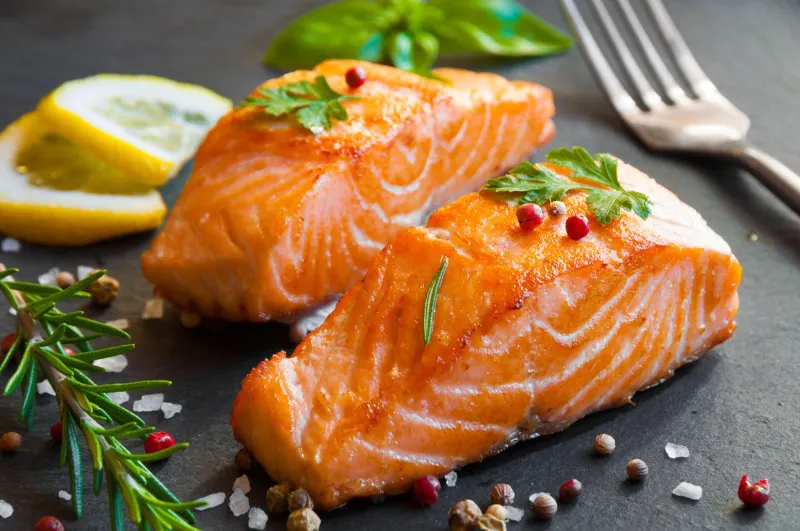
Salmon is one of those rare foods that manages to be both incredibly delicious and genuinely good for you. A 3-ounce cooked portion provides about 4.8 micrograms of B12, plus a hefty dose of omega-3 fatty acids and protein.
The omega-3s in salmon, specifically EPA and DHA, work in harmony with B12 to support brain health, reduce inflammation, and even help regulate mood. Studies have shown that people who eat fatty fish like salmon regularly have lower rates of depression.
Bake it, grill it, or add it to a grain bowl with roasted veggies. Wild-caught salmon tends to have higher nutrient density than farmed, so look for that on the label when you can.
6. Trout
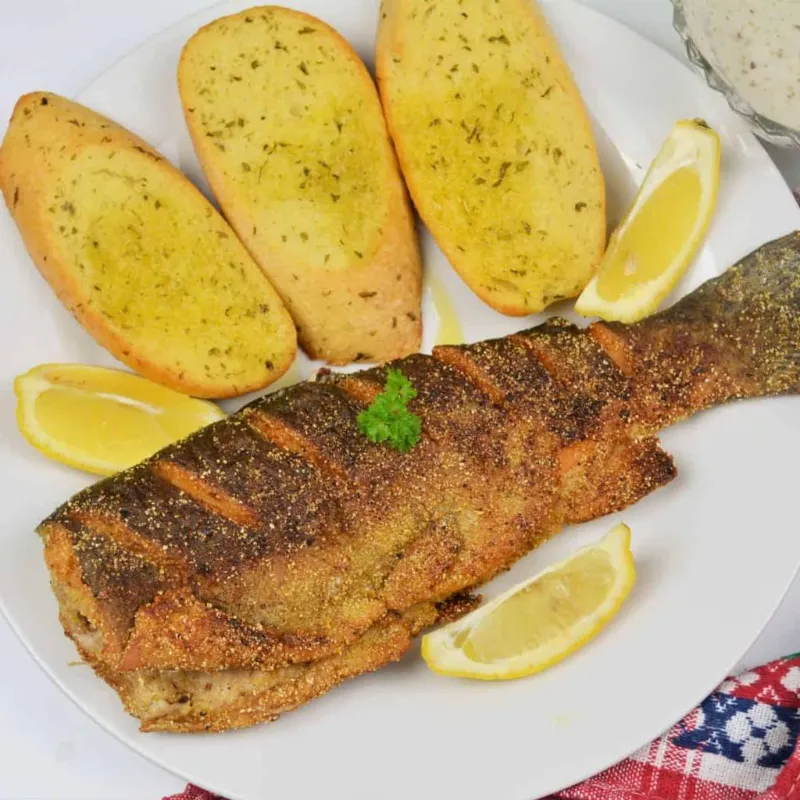
Rainbow trout is one of the most underrated fish in the American diet. A 3-ounce serving delivers about 5.4 micrograms of B12, putting it right up there with salmon in terms of nutritional punch.
Trout is also a great source of niacin, phosphorus, and selenium, all of which work together to support energy metabolism and DNA repair. It is a leaner option than salmon but equally satisfying and flavorful.
Trout grills beautifully in just 10 minutes with a little butter, lemon, and fresh dill. It is mild enough for people who do not love strong fish flavors, making it a fantastic gateway fish if you are trying to eat more seafood.
7. Beef
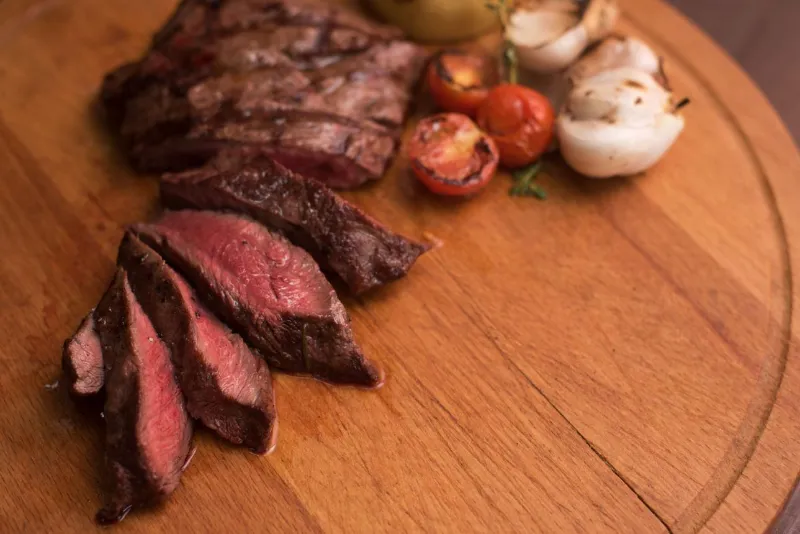
Whether you prefer a juicy burger or a Sunday steak, beef is one of the most reliable sources of vitamin B12 in the American diet. A 3-ounce serving of cooked ground beef provides around 2.4 micrograms of B12, while leaner cuts like sirloin offer similar amounts.
Beef also delivers zinc, iron, and creatine, nutrients that support muscle strength, immune function, and physical endurance. The B12 in beef is heme-based, which means your body absorbs it far more efficiently than plant-based forms.
You do not need to eat steak every night to benefit. Even adding ground beef to tacos, pasta, or a stir-fry a few times a week can make a meaningful difference in your B12 levels over time.
8. Lamb

Lamb is a flavorful red meat that often gets overlooked in the American grocery cart. A 3-ounce serving of cooked lamb provides about 2.7 micrograms of B12, along with impressive amounts of zinc and iron.
Lamb is particularly rich in conjugated linoleic acid, a fatty acid that researchers have linked to improved body composition and heart health. Combined with its B12 content, lamb is a nutrient-dense choice for people looking to support both their energy and their overall wellness.
Lamb chops with rosemary and garlic are a classic for a reason. If you have never cooked with lamb, it is much easier than it looks and brings a depth of flavor that beef simply cannot replicate.
9. Eggs
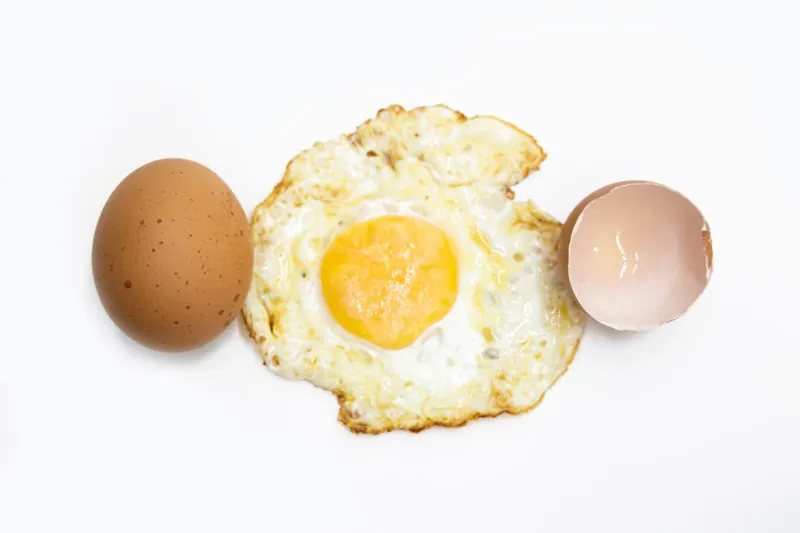
Eggs are one of the most convenient and affordable sources of vitamin B12 you can find. Two large eggs provide about 1.3 micrograms of B12, and the nutrient is concentrated in the yolk, so please do not toss it.
Eggs also contain choline, a nutrient closely related to B12 that plays a critical role in brain development, memory, and liver health. Research from Harvard has highlighted choline as one of the most under-consumed nutrients in the American diet.
Scrambled, poached, hard-boiled, or baked into a frittata, eggs are one of those endlessly versatile foods you can build a meal around in under 15 minutes. Eating two eggs at breakfast is one of the easiest daily habits you can start today.
10. Milk
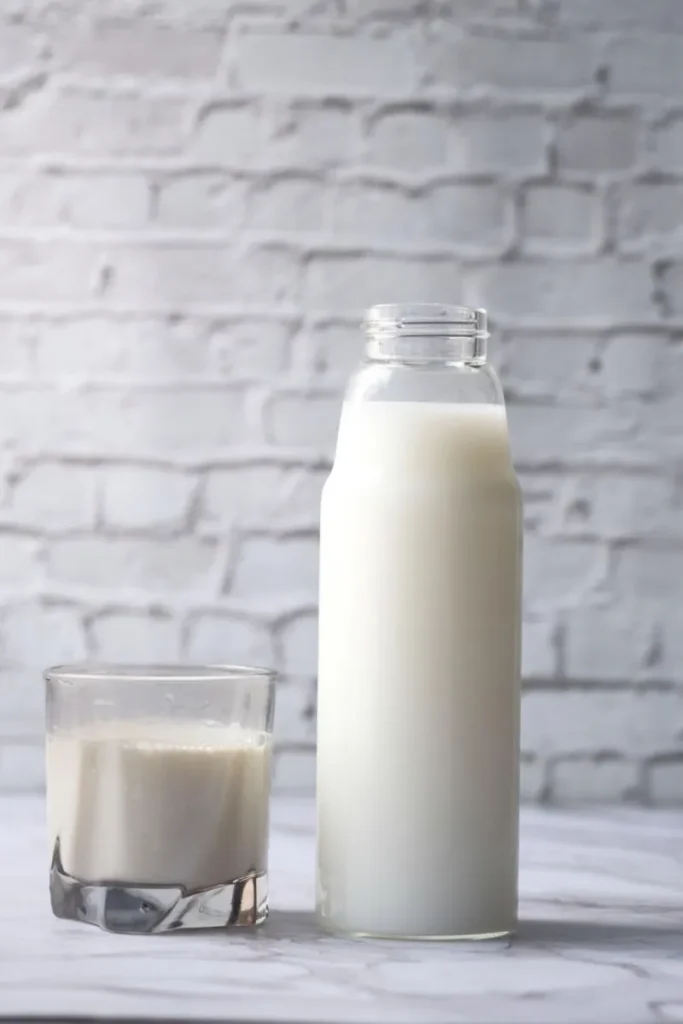
A single cup of whole milk contains about 1.2 micrograms of vitamin B12, which makes it one of the most accessible B12 sources for people of all ages. It is also rich in calcium, vitamin D, and protein, creating a well-rounded nutritional package.
The B12 in dairy is highly bioavailable, meaning your body absorbs it well without any special preparation. Studies have found that people who regularly consume dairy tend to have significantly higher blood B12 levels than those who avoid it.
Sip it on its own, pour it over cereal, add it to smoothies, or use it as the base for a warm golden milk drink. Milk is simple, affordable, and one of the most reliable ways to keep your B12 levels steady.
11. Yogurt
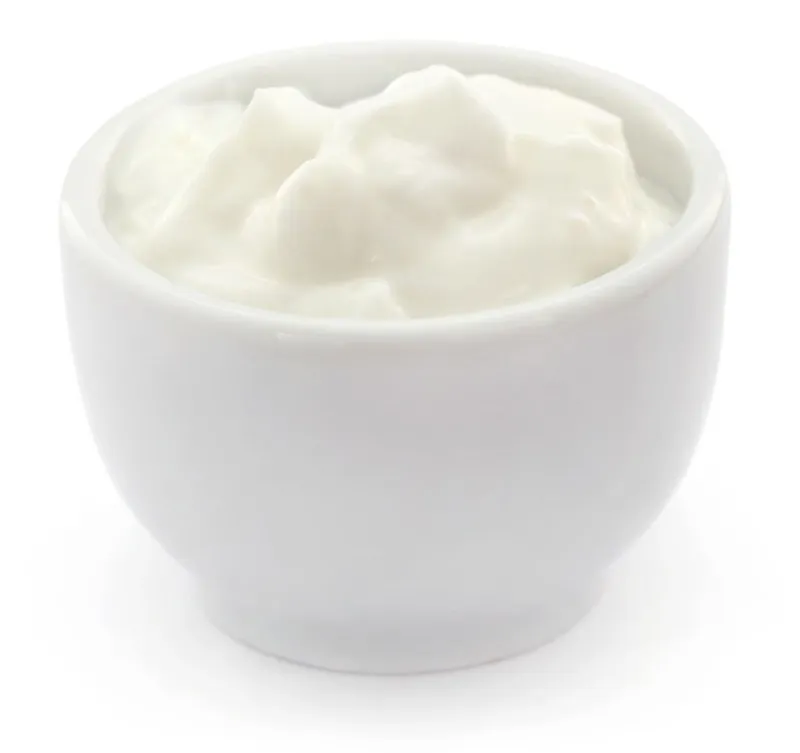
Yogurt brings B12 to the table along with a bonus that most other foods cannot offer: live probiotic cultures. A single cup of plain low-fat yogurt delivers about 1.1 micrograms of B12 and gut-friendly bacteria that support digestion and immune health.
A healthy gut actually helps your body absorb B12 more effectively, so yogurt is doing double duty. Research published in the American Journal of Clinical Nutrition found that probiotic-rich foods can enhance the absorption of key nutrients, including B vitamins.
Go for plain Greek yogurt to get the most protein and the least added sugar. Top it with berries, a drizzle of honey, and some granola for a breakfast that tastes indulgent but fuels you genuinely well.
12. Swiss Cheese

Swiss cheese might just be the tastiest way to sneak more B12 into your day. A single ounce of Swiss cheese provides about 0.95 micrograms of B12 along with calcium and phosphorus for strong bones.
Aged cheeses like Swiss tend to have higher B12 concentrations than younger, softer cheeses because the fermentation process encourages bacterial B12 production. That distinctive nutty flavor is actually a sign of the nutrient-rich aging process at work.
Melt it on a turkey sandwich, layer it in an omelet, or enjoy it on a charcuterie board. Swiss cheese is one of those satisfying foods that makes eating healthy feel like anything but a sacrifice.
13. Cottage Cheese
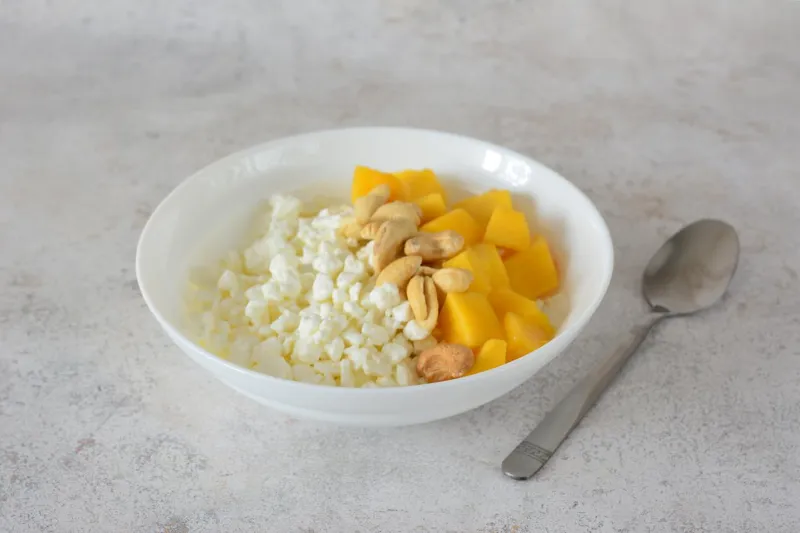
Cottage cheese is having a well-deserved moment right now, and the nutrition science backs up all the hype. A half-cup serving provides about 0.7 micrograms of B12 along with a solid 14 grams of protein.
The casein protein in cottage cheese digests slowly, which means it keeps you full for longer and supports muscle repair over several hours. Pair that with its B12 content and you have a snack that does serious work for your body.
Eat it with sliced peaches and a sprinkle of cinnamon, blend it into smoothies for a creamy texture, or use it as a ricotta substitute in pasta dishes. It is one of those foods that adapts to almost any flavor direction you take it.
14. Fortified Breakfast Cereals
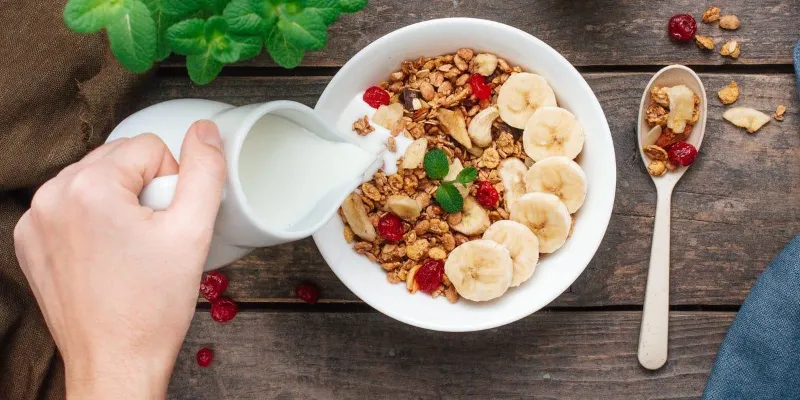
Fortified breakfast cereals are one of the best B12 options for people who do not eat much meat or dairy. Many popular cereals are enriched with 100% of the daily recommended B12 intake per serving, making them a genuinely effective option.
The B12 added to cereals is cyanocobalamin, a synthetic form that the body converts to active B12. Research has shown it is well absorbed, especially for older adults whose stomach acid production has declined and who may struggle to extract B12 from animal foods.
Check the nutrition label and look for cereals with at least 25% of the daily value per serving, and pair them with fortified plant-based milk for an even bigger B12 hit. Just watch the sugar content and opt for lower-sugar varieties when possible.
15. Nutritional Yeast
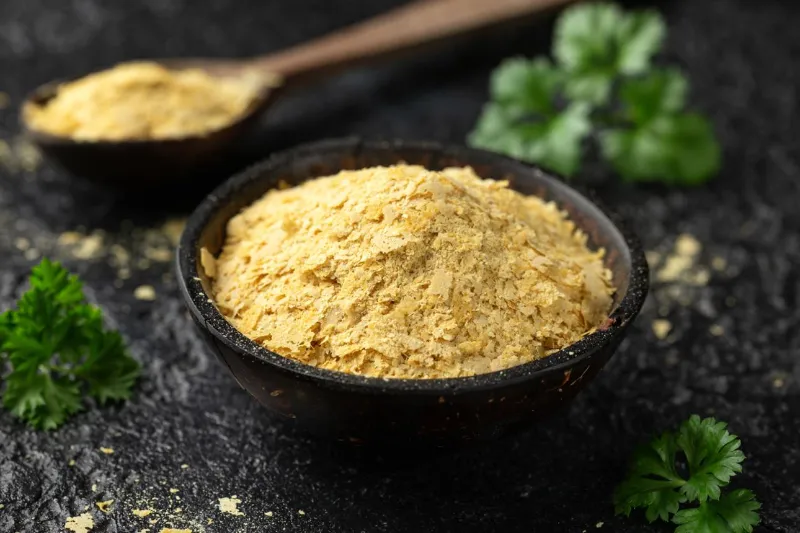
Nutritional yeast has become a staple in plant-based kitchens for good reason. When fortified, just two tablespoons can deliver between 4 and 8 micrograms of B12, making it one of the most potent vegan-friendly B12 sources available.
It has a savory, cheesy flavor that makes it incredibly versatile. Beyond B12, fortified nutritional yeast is rich in B-complex vitamins and protein, supporting everything from energy metabolism to skin health.
Sprinkle it over popcorn, stir it into pasta sauces, or blend it into dressings and dips. It sounds a little unusual if you have never tried it, but most people who give it a fair shot end up reaching for it daily.
16. Fortified Plant-Based Milk
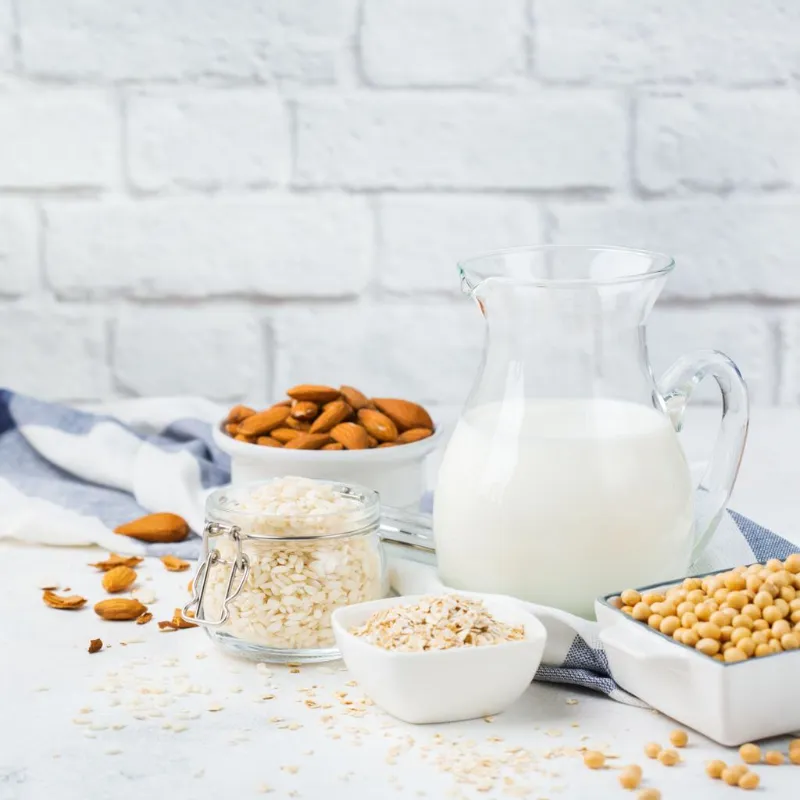
If you have switched from dairy to oat, almond, or soy milk, fortified versions can be a genuine lifesaver for your B12 intake. Most fortified plant-based milks provide between 1 and 3 micrograms of B12 per cup, comparable to cow’s milk.
Soy milk tends to be the most nutritionally complete plant-based option overall, offering more protein alongside its B12 content. The key word here is fortified, so always check the label since unfortified versions contain virtually no B12.
Use it in your morning coffee, pour it over cereal, or blend it into a smoothie. It is an effortless swap that keeps your B12 intake on track even if you have stepped away from dairy.
17. Tempeh
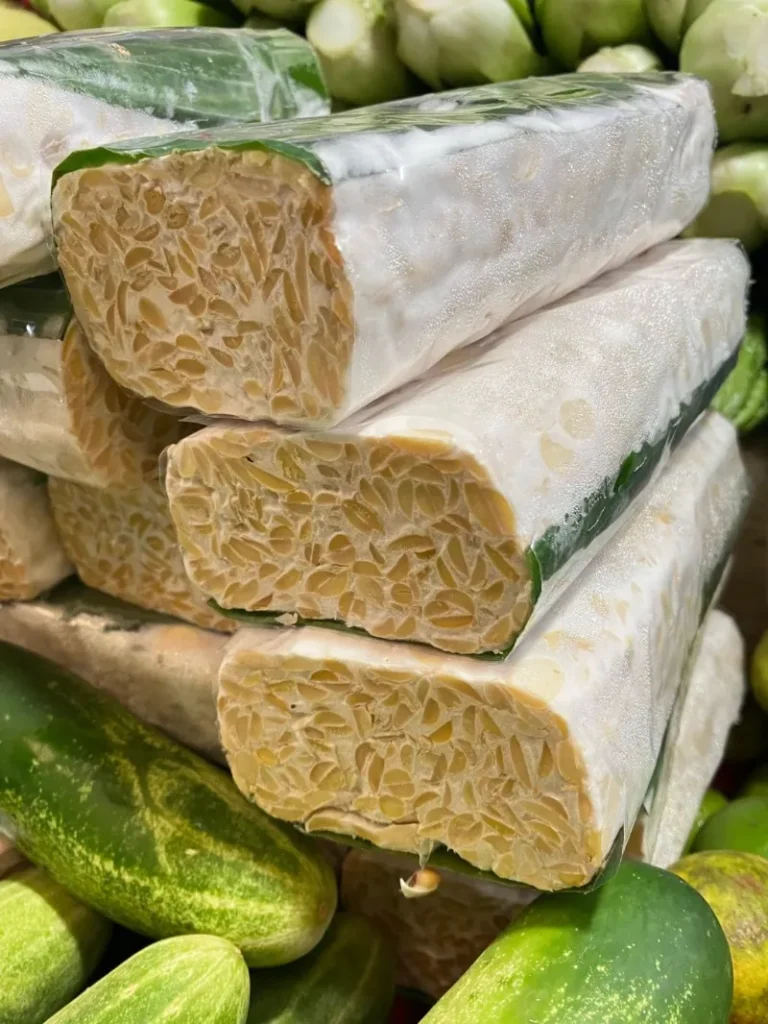
Tempeh is a fermented soy product that provides small but meaningful amounts of B12 as a natural byproduct of the fermentation process. Studies have found that tempeh can contain between 0.7 and 8 micrograms of B12 per 100 grams, though amounts vary depending on the fermentation method used.
Because it is fermented, tempeh also supports gut health by introducing beneficial bacterial cultures. It is also one of the most protein-dense plant foods available, with about 19 grams of protein per 100 grams.
Slice it thin and pan-fry it until crispy, crumble it into tacos, or marinate it in soy sauce and ginger before grilling. Tempeh absorbs flavors beautifully and has a satisfying chewy texture that makes it a genuinely filling meat alternative.
18. Nori (Seaweed)
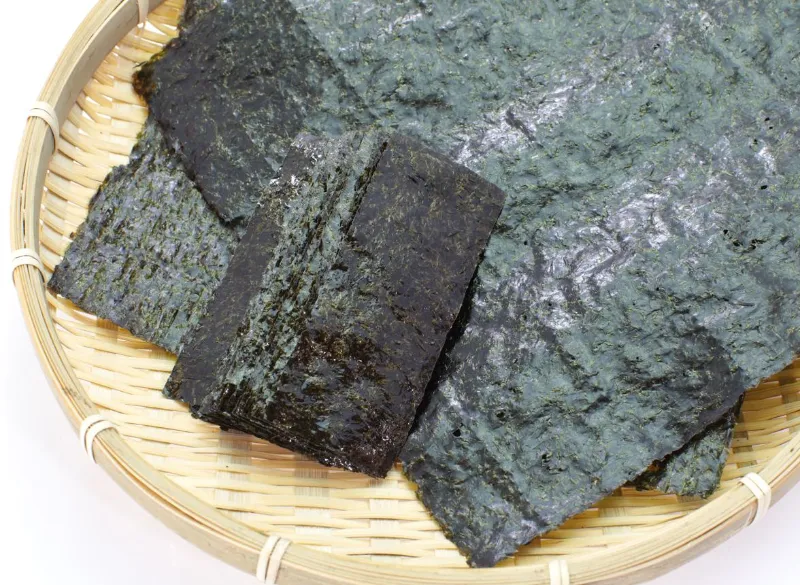
Nori, the dried seaweed used to wrap sushi rolls, is one of the few plant foods that contains a biologically active form of vitamin B12. Studies published in the Journal of Agricultural and Food Chemistry found that dried purple nori contains meaningful amounts of the active B12 form.
It is not a replacement for animal-based B12, but for people eating plant-based diets, it is a valuable supplementary source. Nori is also rich in iodine, which supports thyroid function, and antioxidants that protect cells from damage.
Snack on roasted nori sheets, crumble them over rice bowls, or use them to make homemade sushi. It is light, crispy, and one of those snacks that feels indulgent but is essentially a nutritional free pass.
19. Shiitake Mushrooms
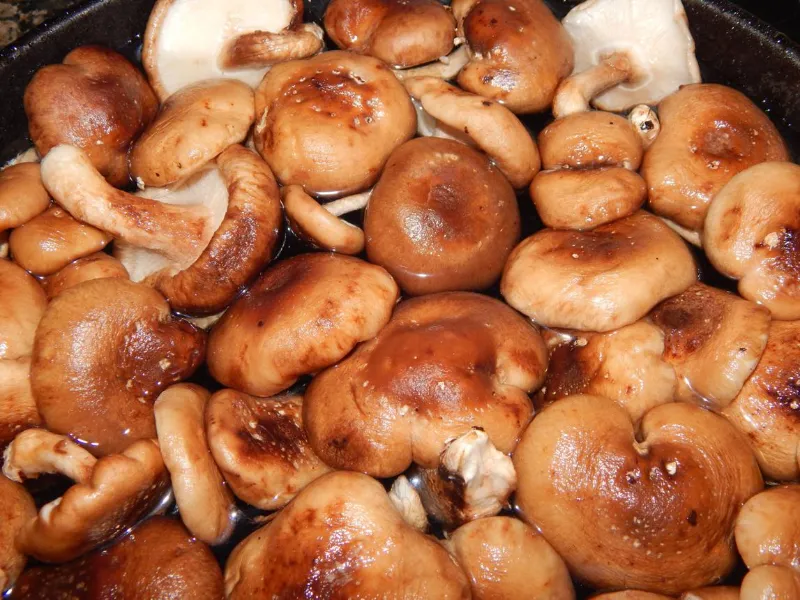
Shiitake mushrooms are one of the most exciting foods in the plant-based B12 conversation. Dried shiitake mushrooms contain a form of B12 called pseudovitamin B12, and while its bioavailability is still being studied, research suggests fresh shiitakes may offer more accessible amounts.
Beyond B12, shiitakes are rich in lentinan, a compound that has been studied extensively for its immune-boosting and potential anti-cancer properties. They also provide copper, selenium, and B5, all of which contribute to sustained energy production.
Saute them with garlic and olive oil as a side dish, add them to soups and stir-fries, or roast them until they get beautifully crispy. They are one of those vegetables that rewards you with deep, umami-rich flavor the more heat you apply.
20. Fortified Tofu
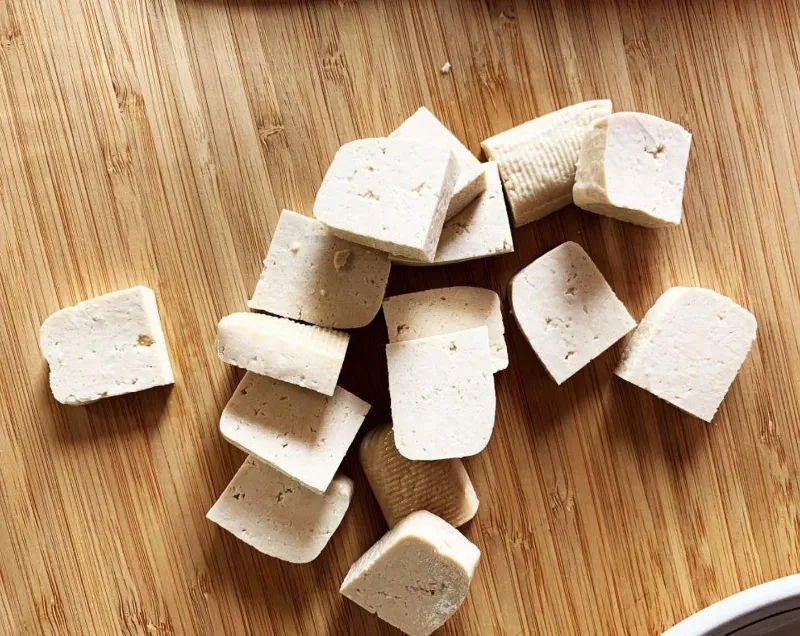
Plain tofu does not naturally contain B12, but many brands now sell calcium-set or fortified varieties that add meaningful amounts of the nutrient. Some fortified tofu products provide up to 20% of the daily B12 value per serving.
Tofu is also one of the most complete plant-based proteins available, containing all nine essential amino acids. For people eating vegan or vegetarian diets, fortified tofu can be a cornerstone of a genuinely balanced nutrition plan.
Always check the label to confirm the tofu is fortified before relying on it for B12. Firm tofu holds up well in stir-fries and on the grill, while silken tofu blends into smoothies, sauces, and desserts with a beautifully creamy texture.
21. Chicken

Chicken is the most consumed protein in America, and its B12 content is a big reason it deserves that status. A 3-ounce serving of cooked chicken breast provides about 0.3 micrograms of B12, while darker cuts like thighs and drumsticks offer slightly more.
Chicken is also one of the leanest animal proteins available, making it easy to eat regularly without significantly increasing your saturated fat intake. Its high protein content supports muscle maintenance and metabolism, especially when paired with consistent physical activity.
Roast it, grill it, poach it for meal prep, or throw it in a slow cooker with broth and vegetables. Chicken is one of those endlessly forgiving proteins that makes eating healthy convenient and affordable.
22. Turkey
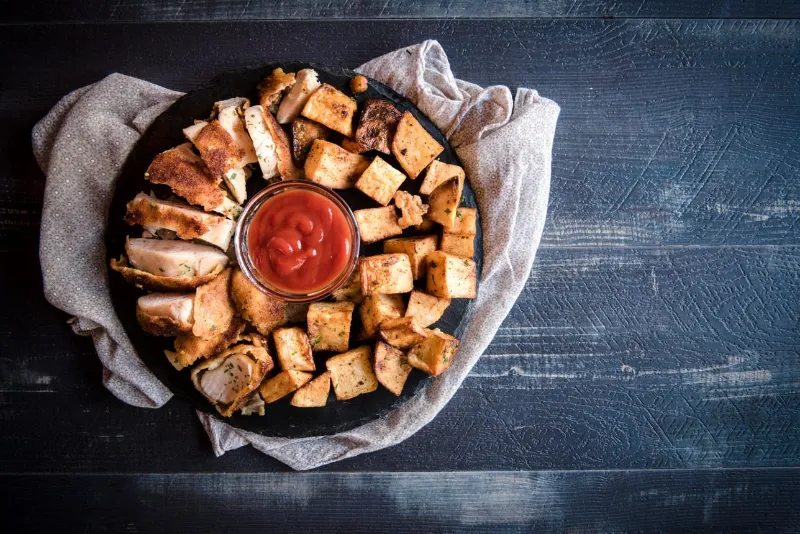
Turkey should not be something you only think about in November. A 3-ounce serving of roasted turkey breast delivers about 0.3 micrograms of B12, along with impressive amounts of selenium, zinc, and the amino acid tryptophan.
Tryptophan is a precursor to serotonin, the feel-good neurotransmitter, which means turkey is literally a mood-supporting food. Combined with its B12 content, it is a protein that nourishes both your body and your brain.
Slice it thin for sandwiches, toss cubed turkey into salads, or stir it into a hearty soup. Ground turkey is also a fantastic substitute for ground beef in tacos, pasta sauces, and burgers with almost identical texture and far less fat.
23. Crab
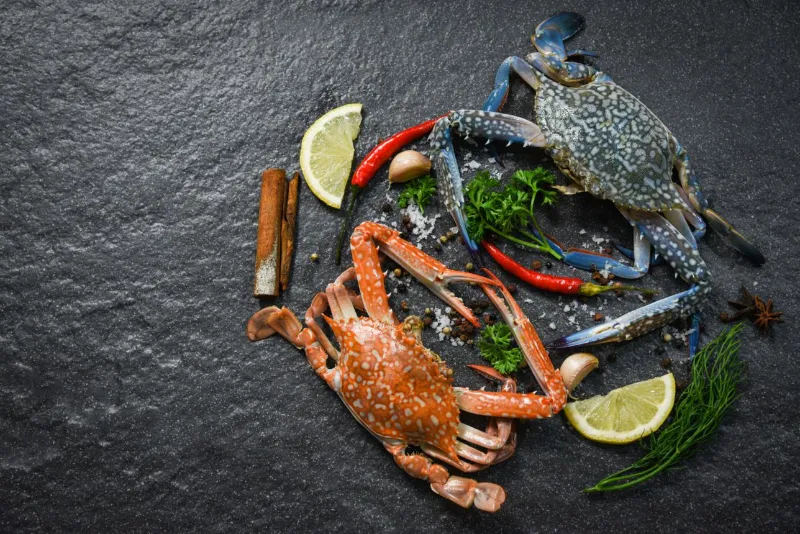
Crab is a luxurious source of B12 that also happens to be incredibly lean. A 3-ounce serving of cooked blue crab delivers about 9.8 micrograms of B12, well over four times the daily recommended intake in a single serving.
Crab is also rich in zinc, which is essential for immune function and wound healing, and phosphorus, which supports bone density. It is one of those indulgent-feeling foods that is genuinely doing serious nutritional work under the surface.
Enjoy it in a classic crab cake, pile it into a simple pasta with butter and garlic, or serve it chilled with a side of cocktail sauce. Fresh crab is a treat, but even canned crab meat delivers impressive B12 numbers at a fraction of the price.
24. Lobster
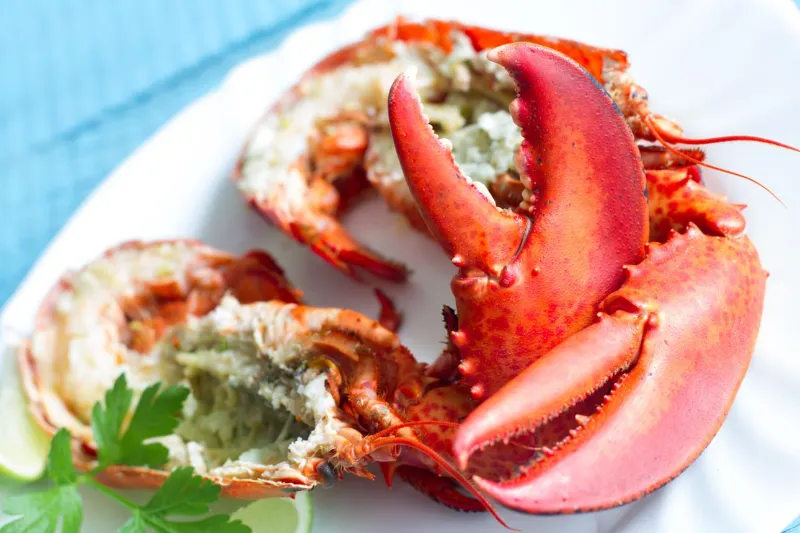
Lobster might feel like a special occasion food, but nutritionally it is a powerhouse worth celebrating more often. A 3-ounce serving of cooked lobster provides about 2.9 micrograms of B12 along with copper, selenium, and a surprisingly lean protein profile.
Copper is a mineral that works in tandem with B12 to support red blood cell production and nervous system function. Together, these nutrients make lobster one of the most complete seafood options available.
You do not need to visit a fancy restaurant to enjoy it. Lobster tails are available at many grocery stores and grill beautifully in under 10 minutes with a little butter and lemon. Treat yourself a little more often.
25. Oysters
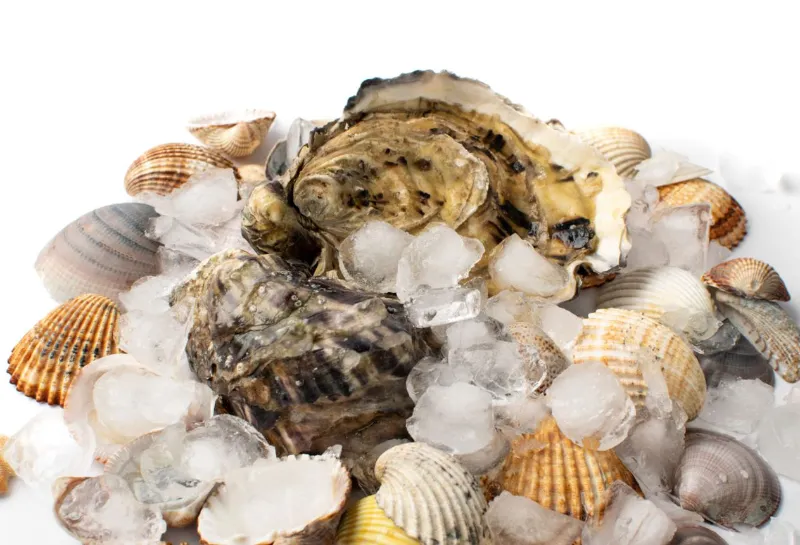
Oysters are a nutritional phenomenon. Just six medium oysters deliver roughly 16 micrograms of B12, along with some of the highest concentrations of zinc found in any food on Earth.
Zinc and B12 together form a powerful duo for immune resilience. Research shows that adequate zinc intake can reduce the duration of colds, while B12 supports the production of immune cells that protect your body from infection.
Raw oysters on the half shell with mignonette are the classic approach, but grilled oysters with garlic butter are equally incredible and more approachable for people who are nervous about eating them raw. Either way, they are a nutritional win.
26. Mussels
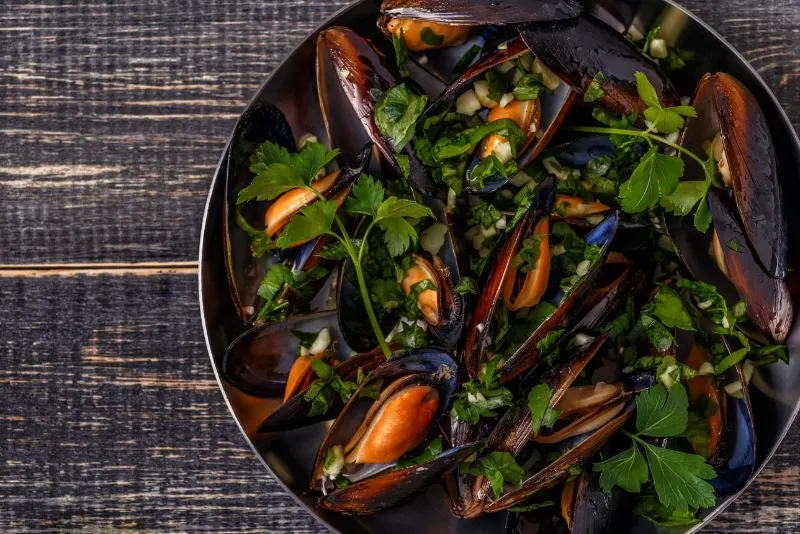
Mussels are one of the most sustainable and affordable shellfish options out there, and they happen to be absolute B12 champions. A 3-ounce serving of cooked mussels delivers about 20 micrograms of B12, one of the highest concentrations of any food.
They are also an excellent source of manganese, selenium, and omega-3 fatty acids. The combination of B12 and omega-3s in mussels is particularly powerful for brain health, with research linking both nutrients to reduced risk of cognitive decline and depression.
Steam them in white grape juice with shallots and fresh parsley for a dinner that feels impressive but takes less than 15 minutes to make. Mussels are genuinely one of the easiest high-reward seafood dishes you can cook at home.
27. Fortified Energy and Protein Bars
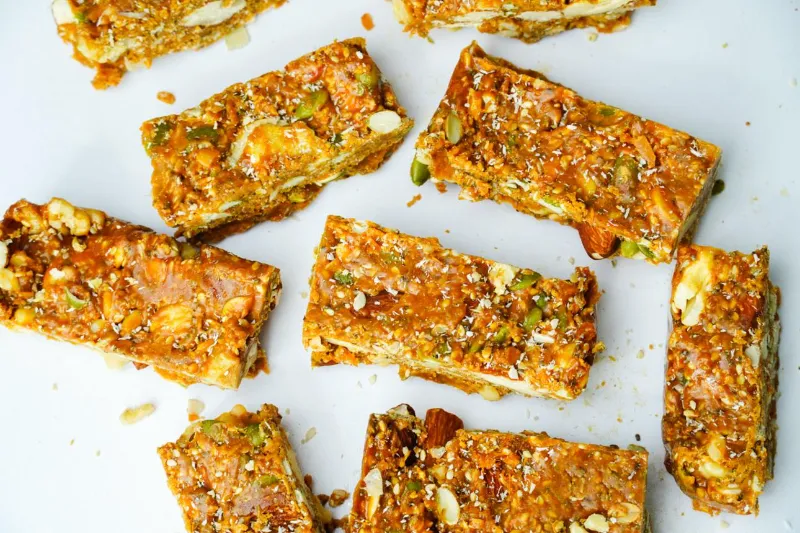
Fortified energy and protein bars have come a long way, and many top brands now use them as a vehicle for delivering significant amounts of B12. Some bars provide 50 to 100% of the daily B12 value in a single convenient wrapper.
For people with busy lifestyles who struggle to sit down for B12-rich meals, a well-chosen protein bar can genuinely fill nutritional gaps. Look for bars that list cyanocobalamin or methylcobalamin on the ingredient list, as these are the most effective forms of supplemental B12.
Not all bars are created equal though. Aim for options with at least 10 grams of protein, fewer than 10 grams of added sugar, and a short ingredient list. Think of them as a nutritional safety net, not a substitute for whole food sources.
Final Thoughts
Getting enough vitamin B12 does not have to be complicated. Whether you love seafood, enjoy a classic burger, or follow a plant-based lifestyle, there are options on this list that can work for you.
Start by adding one or two of these foods to your weekly routine and see how you feel. Small, consistent changes have a way of adding up to big results, and your brain, your blood, and your energy levels are all rooting for you.
