
35 Science-Backed Fermented Foods For Gut Health

Think you know fermented foods? You might be surprised. Most people stop at yogurt and call it a day, but the world of fermented foods is wildly bigger, more delicious, and more powerful than that.

Get ready to meet 35 gut-loving, science-backed fermented foods that could transform your digestive health. Some you can find at your grocery store, others you can make at home, and a few might just blow your mind completely.
1. Kefir
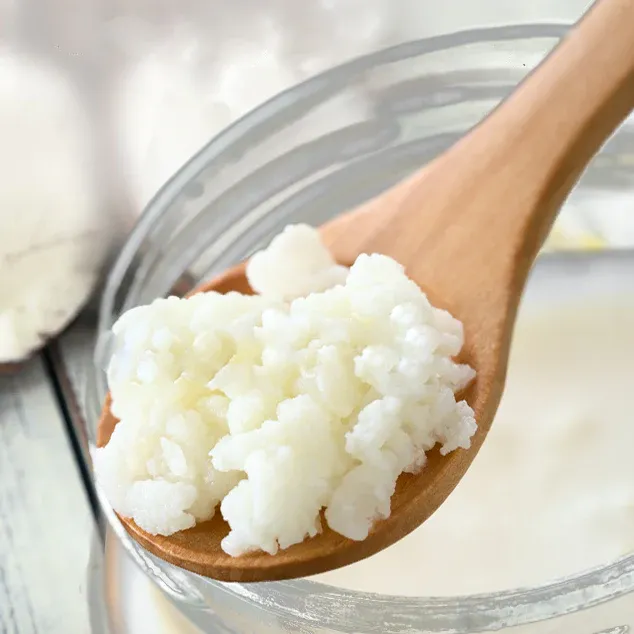
Kefir is basically yogurt’s more powerful older sibling. It’s a tangy, drinkable fermented milk loaded with up to 61 strains of beneficial bacteria and yeasts — way more diversity than most probiotic supplements.
Research published in Nutrients found that regular kefir consumption can improve lactose digestion, reduce inflammation, and support immune function. It’s especially good for people who are lactose intolerant since the fermentation process breaks most of it down.
You can drink it straight, blend it into smoothies, or use it as a base for salad dressings. Look for it in the dairy section of most US grocery stores or make your own with kefir grains.
2. Kimchi

Kimchi is Korea’s iconic fermented cabbage dish and a true gut health superstar. It’s packed with Lactobacillus bacteria, fiber, vitamins C and K, and a range of antioxidants from the chili, garlic, and ginger used to make it.
A 2021 study found that eating kimchi daily was linked to a reduced risk of obesity and a healthier gut microbiome. The fermentation also boosts the bioavailability of the nutrients in the vegetables, meaning your body absorbs more goodness with every bite.
Add it to rice bowls, scrambled eggs, tacos, or just eat it straight from the jar. It’s easy to find in the Asian section of most grocery stores or at Korean markets.
3. Sauerkraut
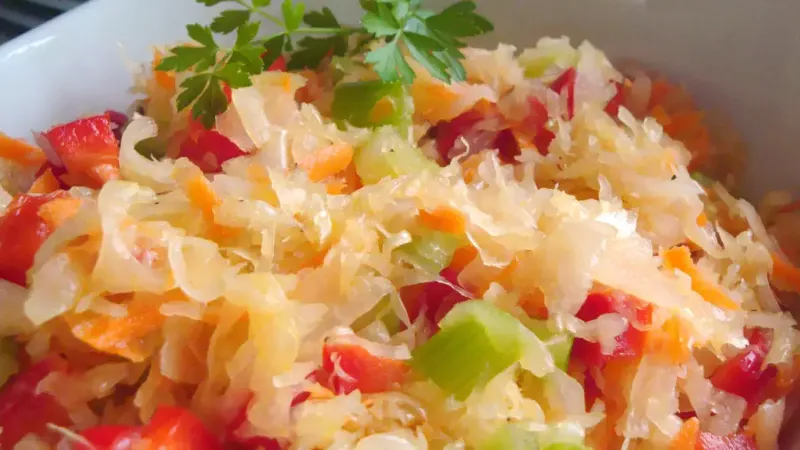
Sauerkraut is one of the oldest fermented foods on the planet and for good reason. It’s just cabbage and salt, but those two simple ingredients create a probiotic powerhouse rich in Lactobacillus bacteria, vitamin C, and digestive enzymes.
Studies show that one serving of unpasteurized sauerkraut can contain more probiotics than an entire bottle of supplements. The key word is unpasteurized. The shelf-stable canned versions are heat-treated, which kills the beneficial bacteria, so go for the refrigerated kind.
Pile it on hot dogs, add it to avocado toast, or eat it as a side dish. Your gut bacteria will love you for it.
4. Miso
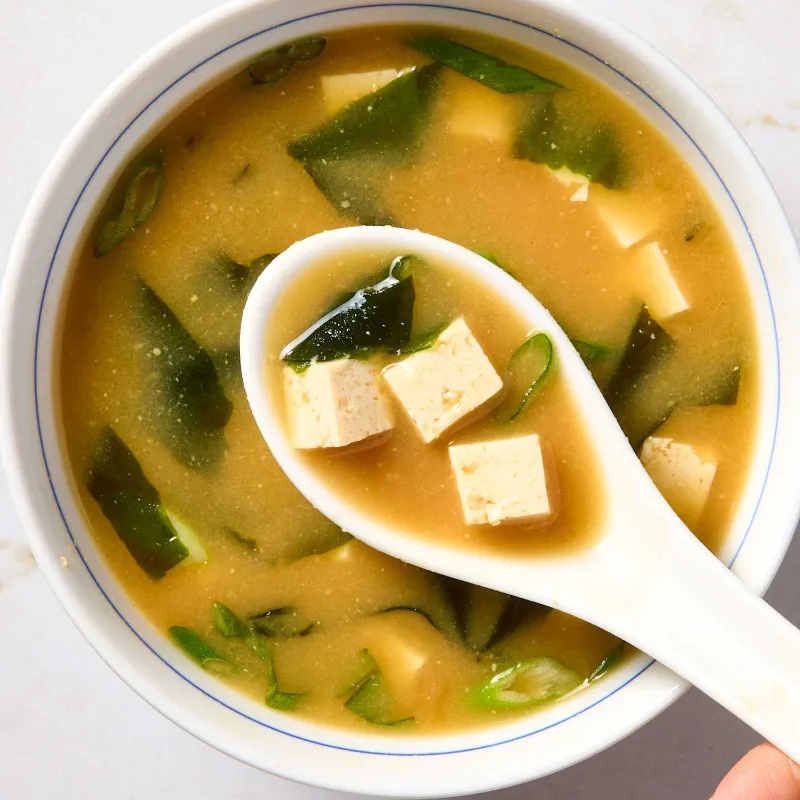
Miso is a Japanese fermented soybean paste that’s been supporting gut and overall health for over 2,500 years. It’s fermented using a mold called Aspergillus oryzae (koji), which breaks down the soybeans into easily digestible amino acids, beneficial enzymes, and probiotics.
Research suggests miso may help reduce the risk of certain digestive cancers and support a healthy gut lining. It’s also rich in B vitamins, manganese, and zinc — nutrients that support your immune system and energy production.
Stir a spoonful into warm (not boiling) water for miso soup, use it as a marinade for salmon or chicken, or blend it into salad dressings. Heat destroys probiotics, so add it to dishes at the very end.
5. Tempeh
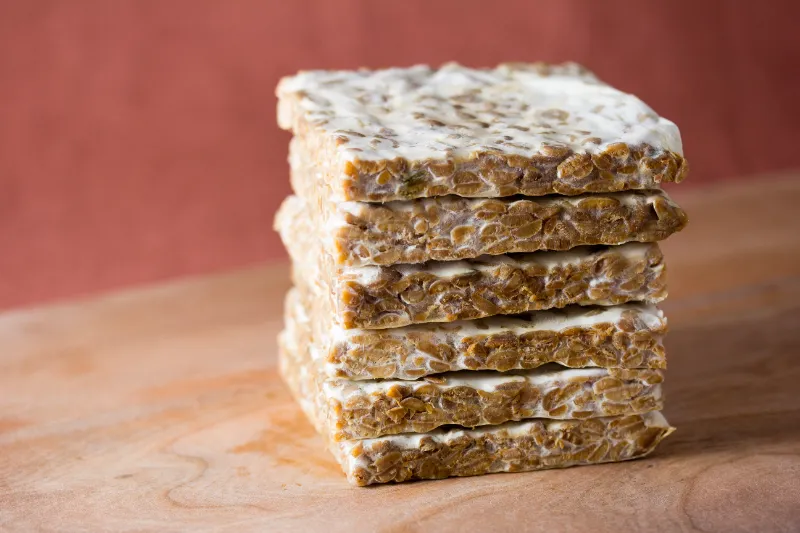
If you want a fermented food with serious protein, tempeh is your answer. Made from whole fermented soybeans, it packs around 31 grams of protein per cup and is loaded with probiotics, B vitamins, and minerals like iron and calcium.
The fermentation process actually reduces the phytic acid in soybeans, which is an antinutrient that blocks mineral absorption. That means your body gets more out of every bite compared to non-fermented soy products.
Slice it and pan-fry it with soy sauce and garlic, crumble it into stir-fries, or marinate it and grill it. Tempeh has a nutty, earthy flavor that gets better the more you cook with it.
6. Kombucha
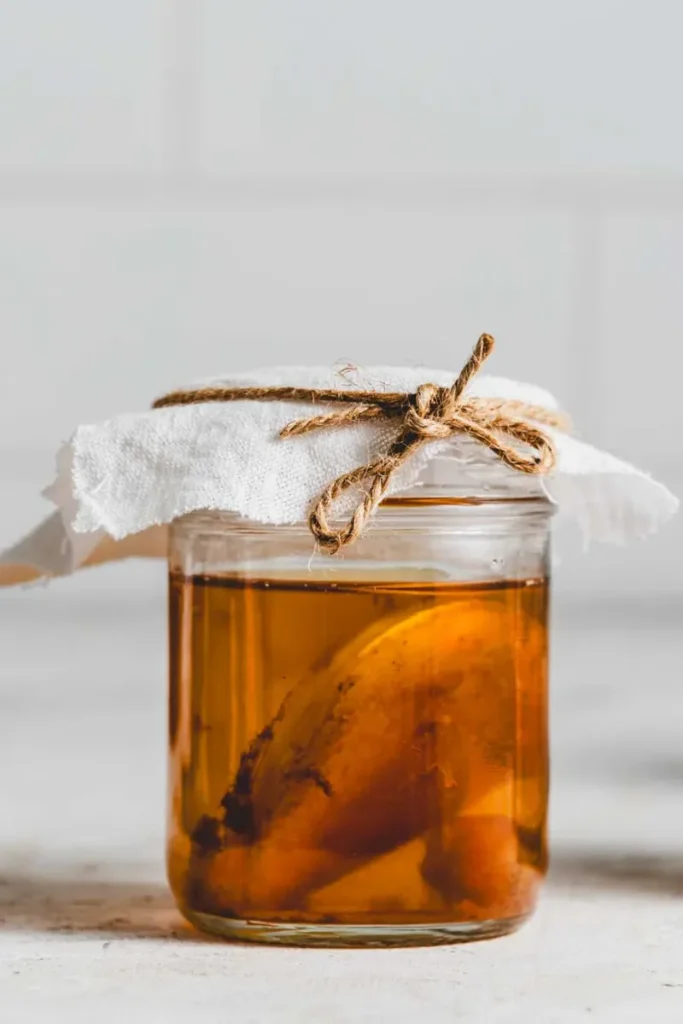
Kombucha is a fizzy, fermented tea that’s taken American health culture by storm, and the hype is somewhat earned. It’s made using a SCOBY (symbiotic culture of bacteria and yeast), which ferments the tea and produces a drink rich in organic acids, B vitamins, and beneficial probiotics.
Research suggests kombucha may help support liver health, reduce inflammation, and improve gut microbiome diversity. The glucuronic acid it produces is thought to support the body’s natural detox processes.
Drink it chilled as a soda alternative or use it as a base for mocktails. Just watch the sugar content on store-bought versions, as some brands sneak in a lot.
7. Natto
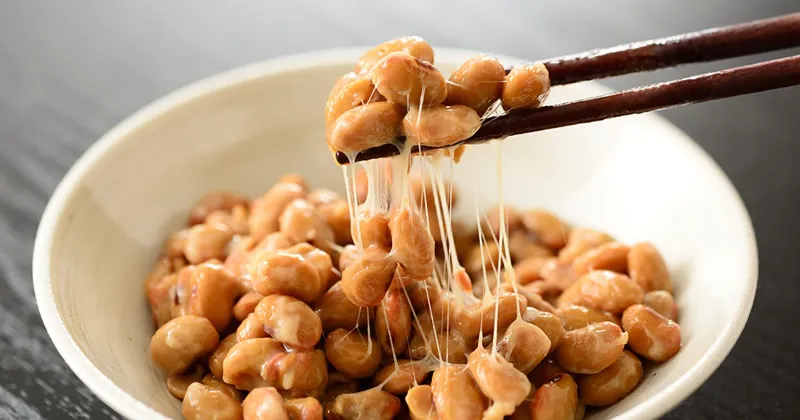
Natto might be the most polarizing food on this list. It’s a Japanese dish of fermented soybeans with a sticky, slimy texture and a strong, pungent flavor. But push past the initial weirdness because natto is genuinely extraordinary for your health.
It contains Bacillus subtilis, a probiotic strain that survives stomach acid better than most. Natto is also the richest dietary source of vitamin K2 in the world, a nutrient linked to improved bone density, heart health, and calcium regulation.
Try it the traditional way over steamed rice with soy sauce and mustard, or mix it into a savory breakfast bowl. You can find it at Japanese grocery stores or online.
8. Lassi

Lassi is a traditional South Asian yogurt-based drink that’s been consumed for thousands of years, especially in India and Pakistan. The plain, savory version is made with yogurt, water, and salt, creating a probiotic-rich drink that’s incredibly refreshing and gut-friendly.
The live cultures in lassi, primarily Lactobacillus acidophilus and Streptococcus thermophilus, help balance the gut microbiome and support digestion. It’s also naturally cooling, which is why it’s traditionally consumed with spicy meals.
Blend yogurt with water and a pinch of salt for a savory lassi, or go sweet with honey, cardamom, and mango. It takes about two minutes to make and your stomach will thank you.
9. Kvass

Kvass is a traditional Eastern European fermented beverage made from rye bread. Yes, bread. The fermentation produces a slightly sour, mildly fizzy drink with a deep, earthy flavor and a notable dose of B vitamins, particularly B1, B2, and B6.
It contains lactic acid bacteria from the fermentation process and has been used in Russia and Ukraine for centuries as a digestive tonic and energy booster. Some research suggests its organic acids may help support a balanced gut environment.
Look for it at Eastern European delis or specialty grocery stores. It has very low alcohol content and tastes a bit like tangy, dark bread in liquid form.
10. Tepache
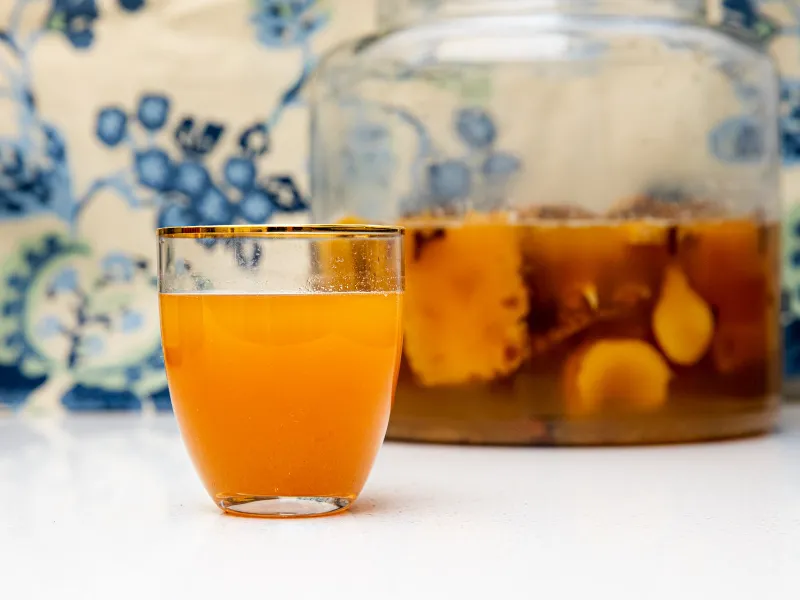
Tepache is a Mexican fermented pineapple drink that’s slightly fizzy, mildly sweet, and surprisingly probiotic. It’s made by fermenting pineapple rinds and cores with brown sugar and spices like cinnamon and cloves.
The wild fermentation process captures natural yeasts and bacteria from the pineapple skin, creating a drink rich in beneficial microorganisms and digestive enzymes. The pineapple also brings bromelain, a powerful anti-inflammatory enzyme, to the party.
It’s incredibly easy to make at home. Just toss pineapple rinds, a little sugar, and water in a jar for two to three days and you’ve got a delicious, gut-friendly drink. Serve it over ice with a squeeze of lime.
11. Injera
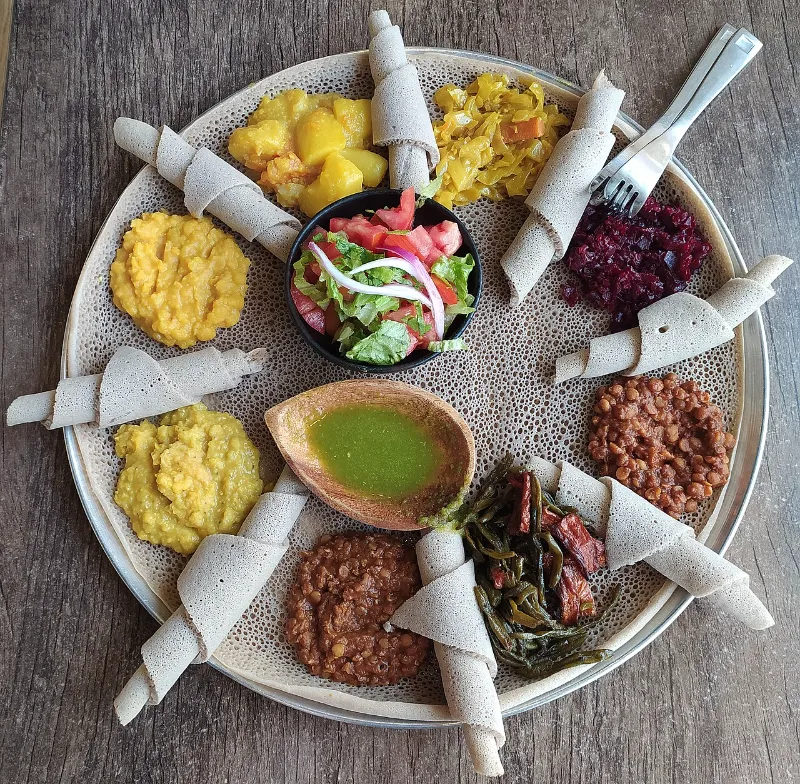
Injera is a spongy, sourdough flatbread from Ethiopia and Eritrea that doubles as both the plate and the utensil in traditional meals. It’s made from teff flour that’s fermented for two to three days, which gives it its distinctive tangy flavor and creates a wealth of beneficial bacteria.
Teff itself is a nutritional gem. It’s high in iron, calcium, and resistant starch, a type of fiber that feeds your gut bacteria. The fermentation further enhances its digestibility and nutrient availability.
Find it at Ethiopian restaurants or specialty stores. It pairs beautifully with lentils, stews, and roasted vegetables.
12. Curtido
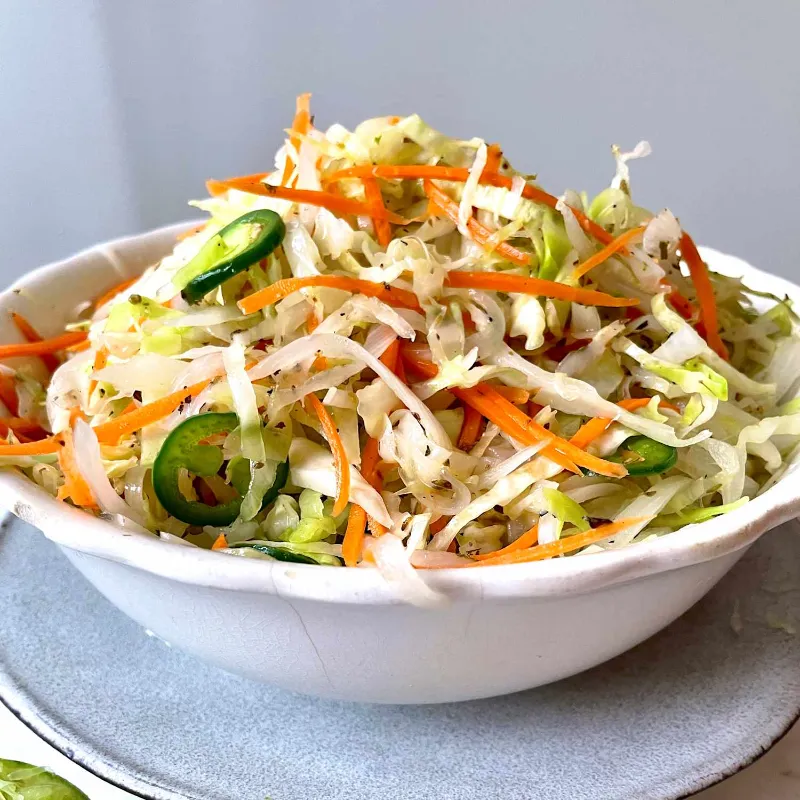
Curtido is a lightly fermented cabbage relish from El Salvador and Central America that’s similar to sauerkraut but with a Latin twist. It’s made with cabbage, carrots, onions, and vinegar or brine, then left to ferment briefly for a tangy, crunchy result.
Like sauerkraut, it’s rich in Lactobacillus bacteria and digestive enzymes. The cabbage provides prebiotic fiber, which feeds and sustains your good gut bacteria long-term.
Traditionally served with pupusas, curtido also works beautifully as a taco topping, a side salad, or a crunchy sandwich condiment.
13. Poi

Poi is a traditional Hawaiian food made from fermented taro root. It has a smooth, slightly gooey texture and a mildly sour taste that gets more pronounced with longer fermentation. Taro is one of the most digestible starches out there, making it gentle on sensitive stomachs.
Fermented poi contains Lactobacillus bacteria and is considered hypoallergenic, meaning it rarely triggers food sensitivities. It was historically used as a healing food for infants and people with digestive issues.
You can find it at Hawaiian specialty stores or online.
14. Amazake
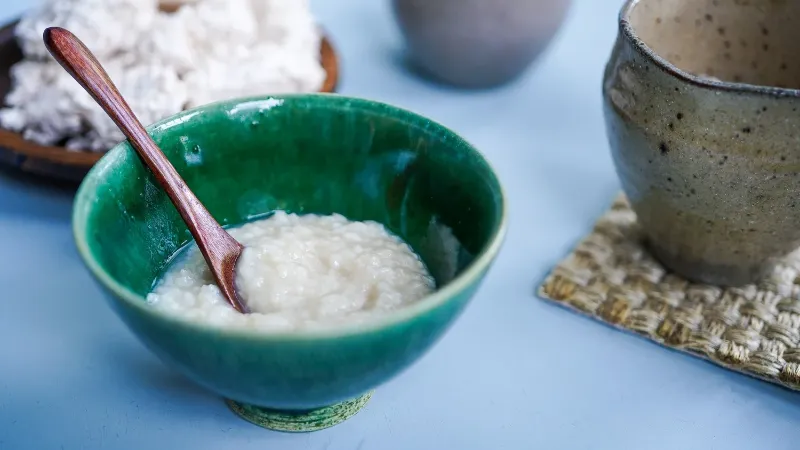
Amazake is a traditional Japanese sweet drink made from fermented rice using koji mold. Unlike many fermented beverages, it’s non-alcoholic and naturally sweet, almost like a thick, warming rice pudding in drink form.
The koji fermentation breaks down the starch in rice into simple sugars and amino acids, making amazake incredibly easy to digest. It’s also rich in resistant starch, B vitamins, and digestive enzymes that support gut health.
Look for it at Japanese grocery stores or make it at home with rice and koji starter. It’s wonderful warm in the winter or chilled in summer.
15. Doenjang
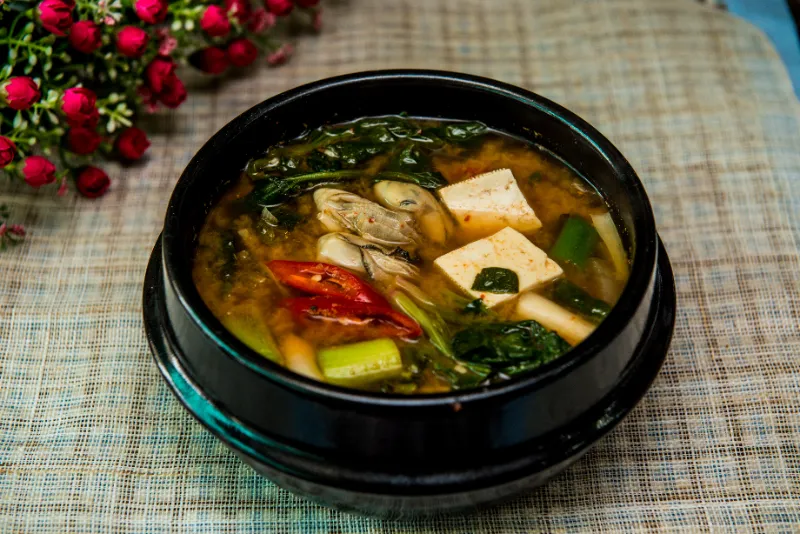
Doenjang is a Korean fermented soybean paste similar to miso but with a deeper, more complex, and earthier flavor profile. It’s been a cornerstone of Korean cooking for centuries and is fermented for months or even years, developing an incredible depth of beneficial microorganisms.
Research published in Food Chemistry found that doenjang may have anti-cancer properties linked to its fermentation-derived compounds. It’s also rich in probiotics, isoflavones, and amino acids that support gut health and hormone balance.
Use it to make doenjang jjigae (Korean soybean paste stew), blend it into dipping sauces, or use it as a seasoning base for vegetable dishes.
16. Gochujang
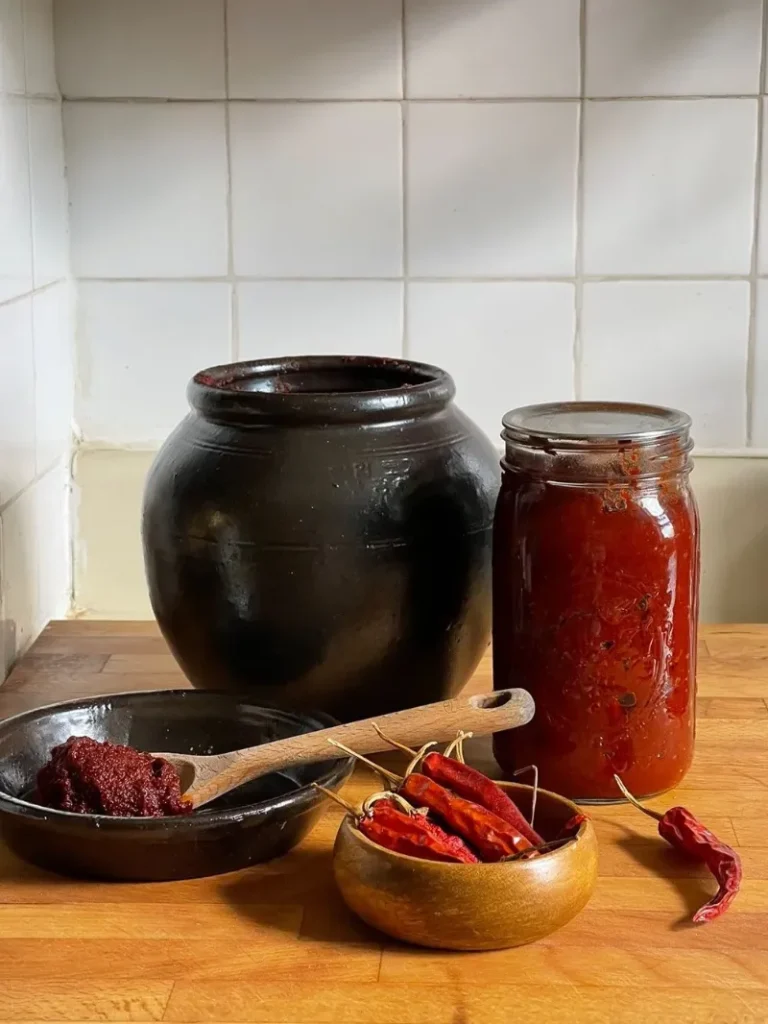
Gochujang is a Korean fermented chili paste made from red chili peppers, glutinous rice, fermented soybeans, and salt. It’s one of the most complex condiments on the planet, balancing heat, sweetness, and deep umami in a way that’s incredibly hard to replicate.
The fermentation process produces beneficial Lactobacillus strains and a range of bioactive compounds. Capsaicin from the chili peppers has been shown in studies to support gut motility, reduce inflammation, and even promote the growth of beneficial gut bacteria.
Mix it into marinades, stir-fries, and sauces, or use it as a dip for roasted vegetables. It’s one of those condiments that makes everything taste better.
17. Shio Koji
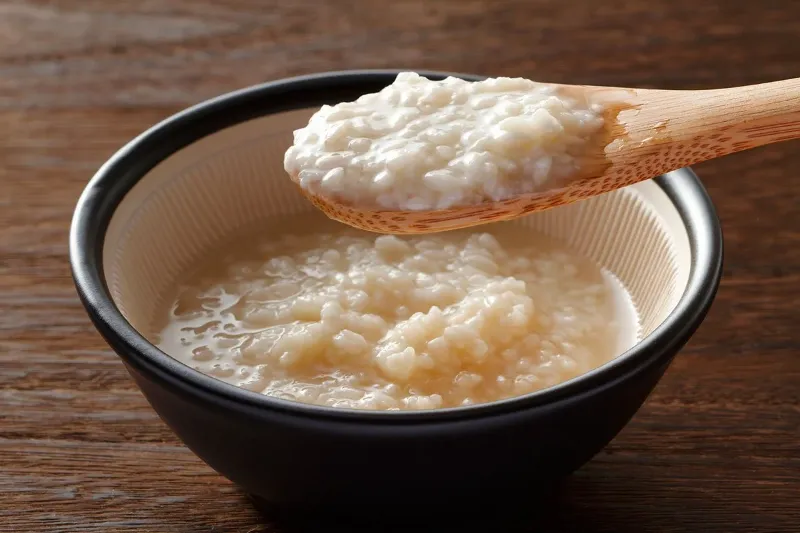
Shio koji is a Japanese fermented seasoning made by combining salt, water, and rice koji. It looks like a thick, gloopy paste and might not seem exciting at first glance, but it’s one of the most transformative fermented ingredients you’ll ever use in the kitchen.
The enzymes in koji, particularly proteases and amylases, break down proteins and starches in whatever food you mix it with. This creates a deep umami flavor and, when used as a marinade, dramatically improves the texture and digestibility of meat, fish, and vegetables.
Rub it on chicken, salmon, or tofu and let it marinate in the fridge overnight. The result is something genuinely extraordinary.
18. Nukadoko Pickles
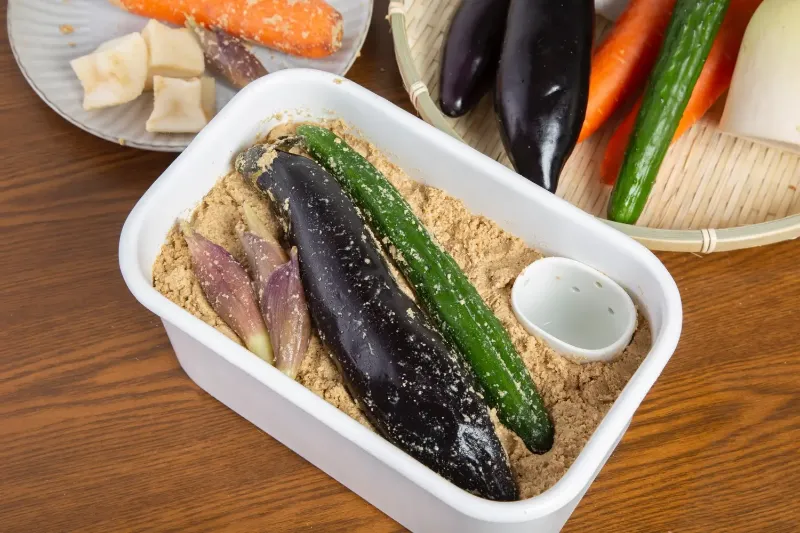
Nukadoko pickles are Japanese vegetables fermented in a rice bran bed called nuka. Common vegetables like cucumbers, carrots, and radishes are pressed into the bran paste and left to ferment for hours or days, absorbing incredible amounts of beneficial bacteria, B vitamins, and minerals in the process.
The fermentation is wild and alive in a beautiful way. The nuka bed itself contains Lactobacillus and other beneficial microbes that transfer to the vegetables, making each pickle a genuine probiotic food.
You can find nukadoko kits online or at Japanese grocery stores. The fermented vegetables are crunchy, tangy, and incredibly satisfying as a side dish.
19. Jun Tea

Jun tea is often called the “champagne of kombucha” and it lives up to the name. It’s made by fermenting green tea and raw honey with a SCOBY, which creates a lighter, more delicate flavor compared to regular kombucha.
Because it uses raw honey, jun contains additional enzymes, antioxidants, and antimicrobial compounds not found in standard kombucha. Green tea brings EGCG, one of the most studied antioxidants in the world, adding a powerful anti-inflammatory dimension to this drink.
It’s harder to find commercially, but you can brew it at home with a jun SCOBY, which you can order online. The process takes about seven days and the result is absolutely worth the wait.
20. Water Kefir
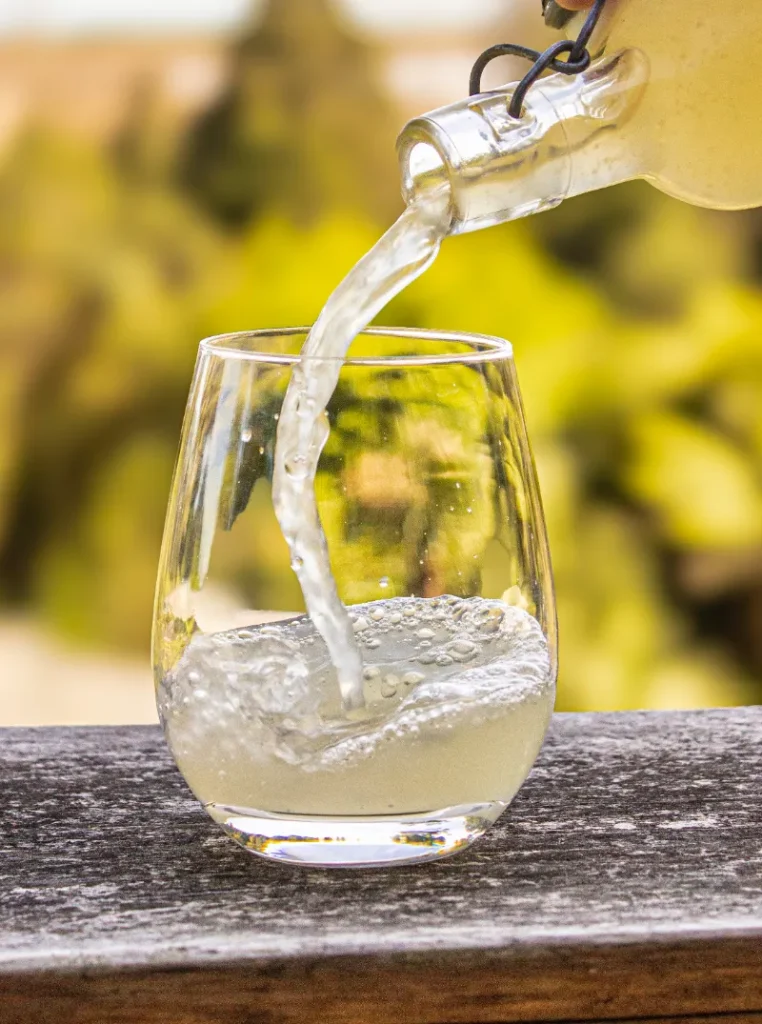
Water kefir is dairy-free kefir made by fermenting sugar water (or coconut water or fruit juice) with water kefir grains. It’s fizzy, slightly sweet, mildly tangy, and loaded with a diverse range of probiotics and beneficial yeasts.
It’s an excellent option for people who are dairy-free or vegan but still want the gut health benefits of traditional kefir. Research shows water kefir supports a healthy gut microbiome and may have antimicrobial properties that help crowd out harmful bacteria.
Make it at home with water kefir grains (available online), sugar, and water. Add fruit juice or fresh ginger for extra flavor. It ferments in about 24 to 48 hours.
21. Beet Kvass
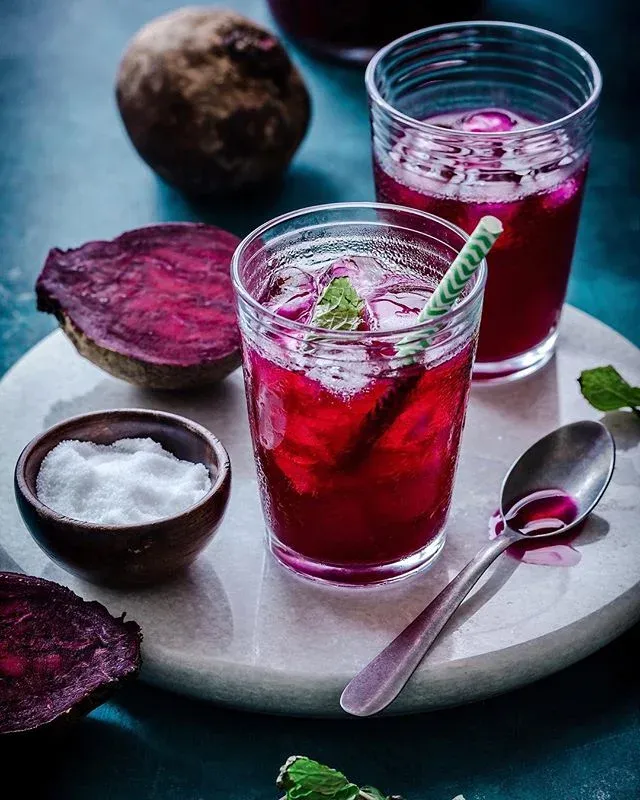
Beet kvass is a lacto-fermented beet tonic that’s deeply earthy, tangy, and surprisingly energizing. Unlike bread kvass, this version is made purely from beets, salt, and water, which creates a probiotic-rich liquid packed with betaine, folate, and nitrates.
Dietary nitrates from beets have been extensively studied for their ability to support cardiovascular health and improve blood flow. Combined with the probiotic content from fermentation, beet kvass is genuinely one of the most nutrient-dense things you can drink.
Drink a small glass each morning as a tonic or add it to salad dressings and soups. It’s easy to make at home and keeps in the fridge for weeks.
22. Fermented Cod Liver Oil
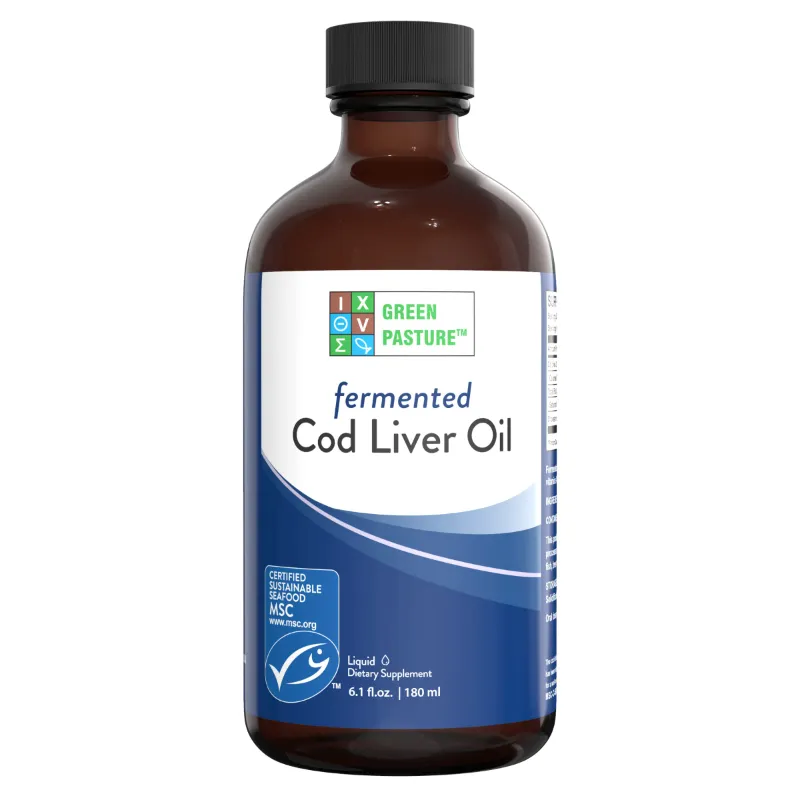
Okay, this one is not exactly a food you sit down and eat, but it deserves a spot on this list. Fermented cod liver oil is one of the most nutrient-dense substances humans have ever consumed, used by traditional cultures from Norway to Iceland for centuries.
Unlike regular cod liver oil, the fermented version is produced through a cold fermentation process that preserves naturally occurring vitamins A and D, omega-3 fatty acids, and quinones in their most bioavailable forms. Research suggests these nutrients work synergistically to support gut lining integrity, immune function, and inflammation control.
Take it in capsule or liquid form. Yes, it smells a bit intense. Your gut doesn’t care.
23. Tibicos
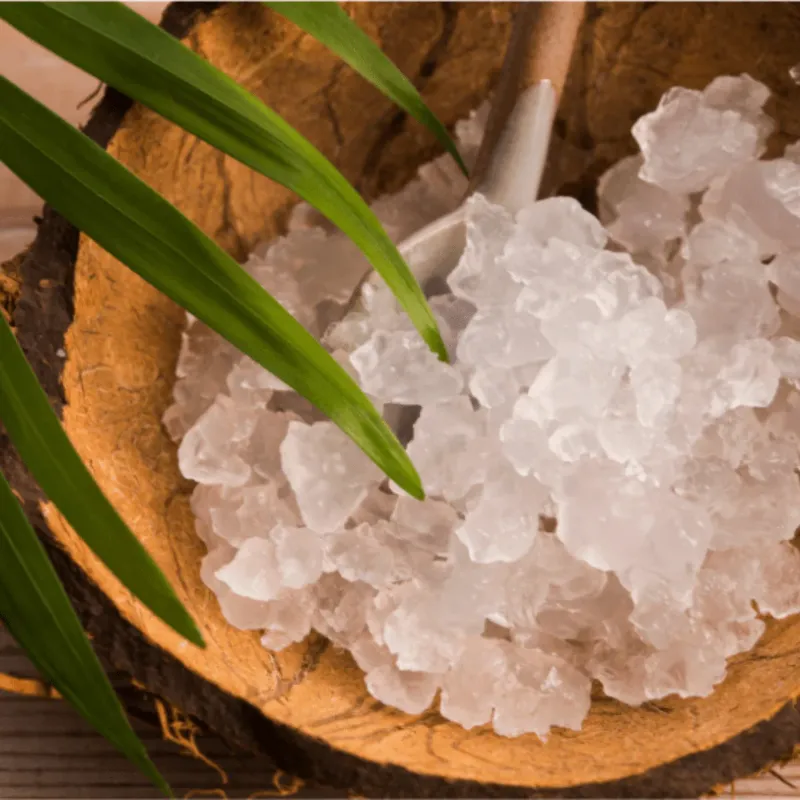
Tibicos, also known as tibi or sugar kefir crystals, are water kefir grains with a particularly rich tradition in Mexico and Latin America. The grains ferment sugar water or fruit juices into a probiotic drink similar to water kefir but with regional variations in flavor and microbial composition.
Studies have found tibicos cultures contain a broad diversity of Lactobacillus, Leuconostoc, and Acetobacter species, creating a probiotic profile that rivals many expensive supplements. Traditional cultures used it as a remedy for digestive issues and as a daily health tonic.
Brew it at home, flavor it with hibiscus, citrus, or tamarind, and enjoy it as a naturally fizzy, gut-friendly alternative to soda.
24. Caspian Sea Yogurt
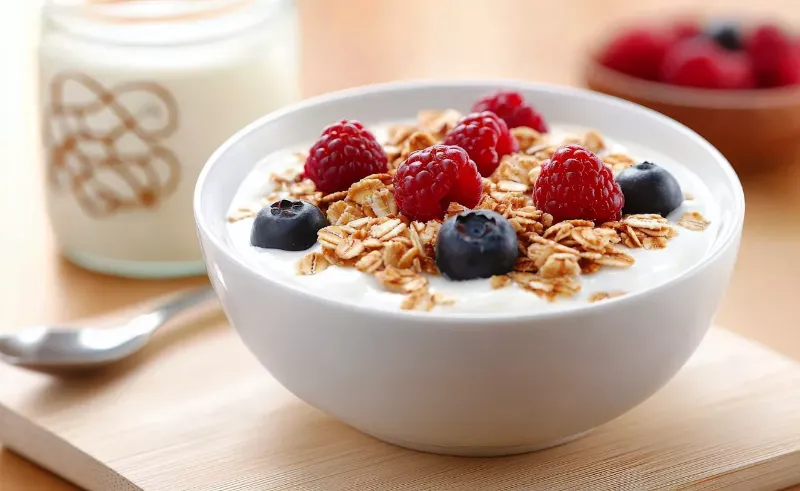
Caspian Sea yogurt is a unique, ropy-textured yogurt originating from the Caucasus region that ferments at room temperature without any special equipment. Unlike regular yogurt, it contains a distinctive strain called Lactococcus lactis subsp. cremoris, which creates a thick, stretchy texture and a milder flavor.
This yogurt is incredibly gentle on the digestive system and has been associated with longevity in the Caucasus region. The room-temperature fermentation makes it especially easy to make at home without a yogurt maker or any complicated setup.
Eat it plain, use it in place of sour cream, or blend it into smoothies. Once you have a starter culture, you can keep it going indefinitely.
25. Viili
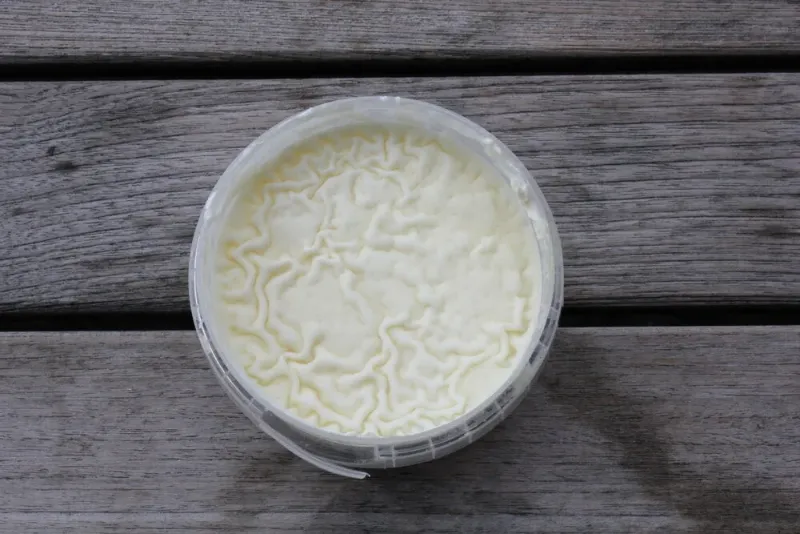
Viili is a traditional Finnish fermented milk with a pleasantly thick, stretchy consistency caused by its unique exopolysaccharide-producing bacteria. It’s been made in Scandinavian households for generations and sits somewhere between yogurt and sour cream in texture.
The exopolysaccharides produced during fermentation act as prebiotics themselves, feeding beneficial gut bacteria. Viili also contains Lactobacillus and Leuconostoc strains that support a healthy gut microbiome and immune function.
Make it at home with a viili starter culture (available online) and whole milk. It ferments at room temperature in about 24 hours and can be kept going indefinitely as a continuous culture.
26. Filmjölk
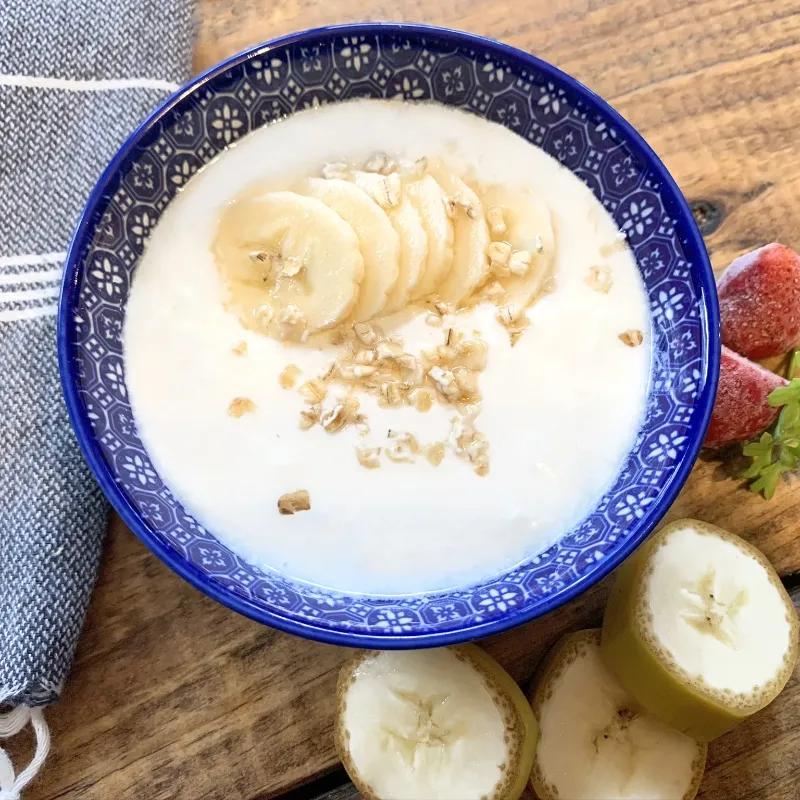
Filmjölk (pronounced “filmyolk”) is Sweden’s answer to drinkable yogurt and it’s been a breakfast staple in Scandinavia for centuries. It’s made from whole milk fermented with Lactococcus lactis and Leuconostoc mesenteroides, producing a mild, slightly tangy flavor that’s incredibly easy to drink.
These bacterial strains produce both probiotics and exopolysaccharides, supporting gut health on multiple fronts. Filmjölk is also associated with a lower risk of cardiovascular disease in Scandinavian population studies.
Pour it over cereal, blend it into smoothies, or drink it straight as a morning ritual. You can sometimes find it at IKEA or specialty Scandinavian stores in the US.
27. Skyr
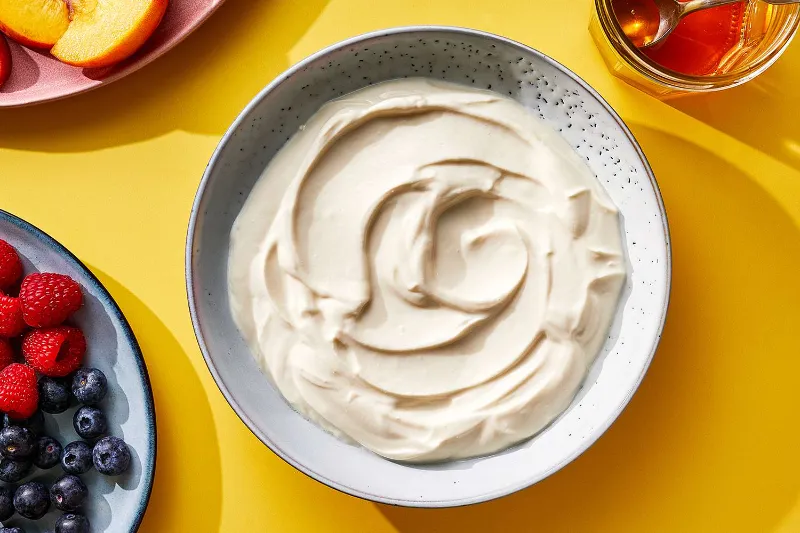
Skyr is Iceland’s traditional fermented dairy product and it’s had a serious moment in the American health food scene. Technically classified as a soft cheese, it’s made by fermenting skim milk with live cultures and then straining it to a thick, protein-dense consistency.
A single serving packs around 17 grams of protein with very low fat content. The live cultures provide probiotic benefits, and the high protein content supports satiety, muscle repair, and stable blood sugar levels throughout the day.
Eat it plain, top it with berries and granola, or use it as a high-protein substitute for sour cream in recipes. You can find it at most major US grocery stores now.
28. Preserved Lemons
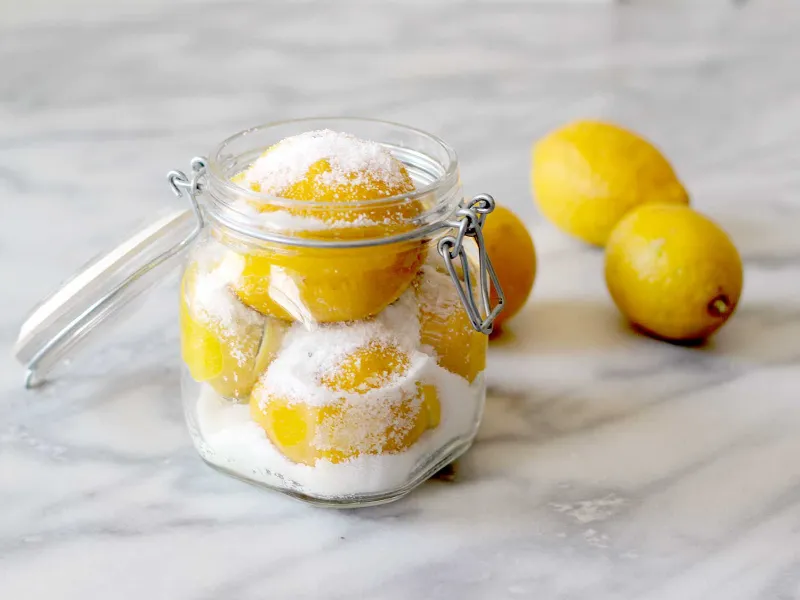
Preserved lemons are whole lemons that have been lacto-fermented in salt and their own juice for weeks or months. The fermentation softens the rind and transforms the citrus into something intensely flavorful, complex, and surprisingly probiotic.
The fermentation process creates lactic acid bacteria that support gut health while also dramatically increasing the bioavailability of the lemon’s vitamin C and antioxidant compounds. The rind itself, which is usually discarded in fresh lemons, becomes the edible star after fermentation.
Chop or blend them into salad dressings, grain salads, roasted vegetables, and Moroccan-inspired tagines. You can make them at home for pennies or find them at specialty stores.
29. Fermented Black Garlic
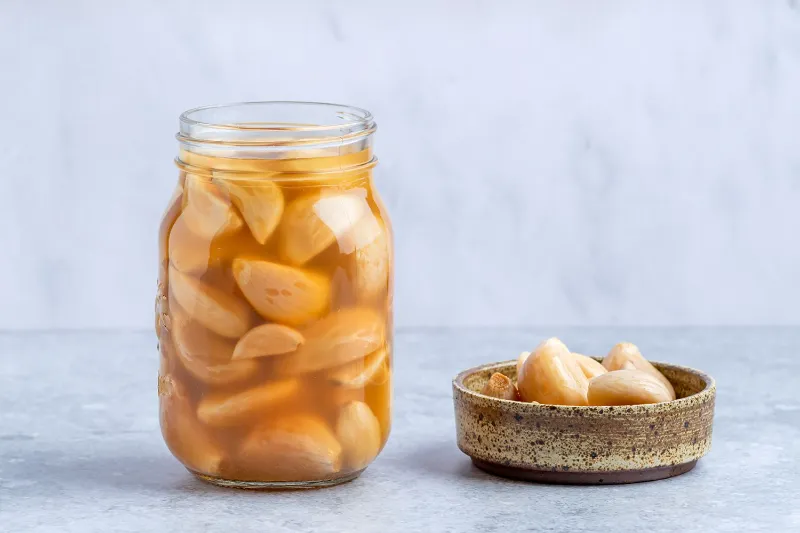
Black garlic is regular garlic that’s been slowly fermented at low heat over several weeks, transforming its sharp, pungent flavor into something sweet, jammy, and deeply complex. The fermentation process significantly increases its concentration of S-allylcysteine, a potent antioxidant compound derived from allicin.
Research has shown that S-allylcysteine in black garlic has anti-inflammatory, cardiovascular-protective, and potentially anti-cancer properties. It also contains beneficial compounds that support liver detoxification and gut barrier integrity.
Eat the cloves whole as a snack, spread them on toast like butter, or blend them into sauces. Find them at Whole Foods, specialty grocery stores, or online.
30. Fermented Hot Sauce
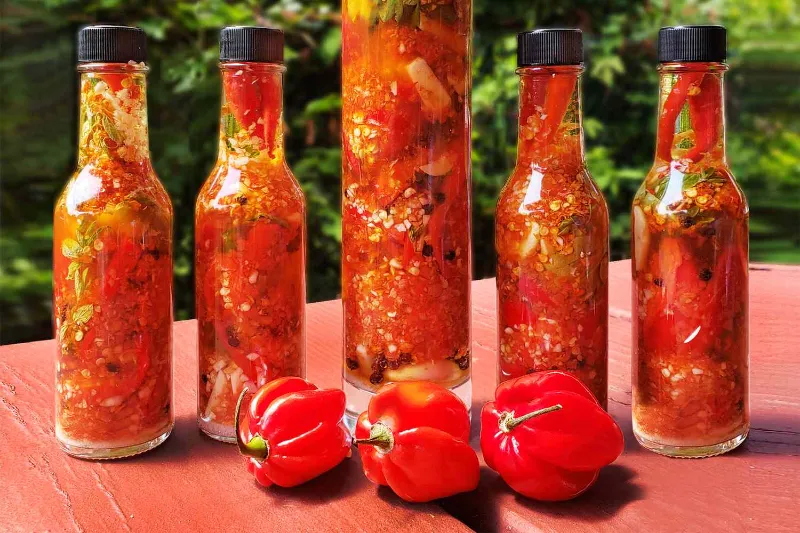
Your favorite hot sauce might already be fermented. Many traditional hot sauces, including Tabasco and sriracha, use lacto-fermented chili peppers as their base, which creates a depth of flavor and probiotic content you won’t find in vinegar-only versions.
The lactic acid bacteria from the fermentation process support gut health, while the capsaicin in the chilies promotes healthy gut motility and reduces inflammation. The fermentation also enhances the bioavailability of the antioxidants in the peppers.
Look for hot sauces that list fermented peppers or list “aged peppers” in the ingredients. Better yet, make your own at home by blending peppers with salt, packing them in a jar, and fermenting for one to two weeks.
31. Fermented Oat Porridge

Soaking and fermenting oats overnight before cooking is an old Scandinavian and Scottish tradition that modern science is now backing up in a big way. The fermentation activates phytase, an enzyme that breaks down phytic acid, dramatically improving the mineral absorption of iron, zinc, and magnesium from the oats.
Overnight fermented oats also develop a higher content of resistant starch and beta-glucan, a type of soluble fiber that feeds beneficial gut bacteria and helps regulate cholesterol and blood sugar levels.
Simply cover your oats with water and a splash of whey or apple cider vinegar and leave them at room temperature overnight. Then cook them as usual in the morning for a gut-friendly, deeply nourishing breakfast.
32. Fermented Cashew Cheese
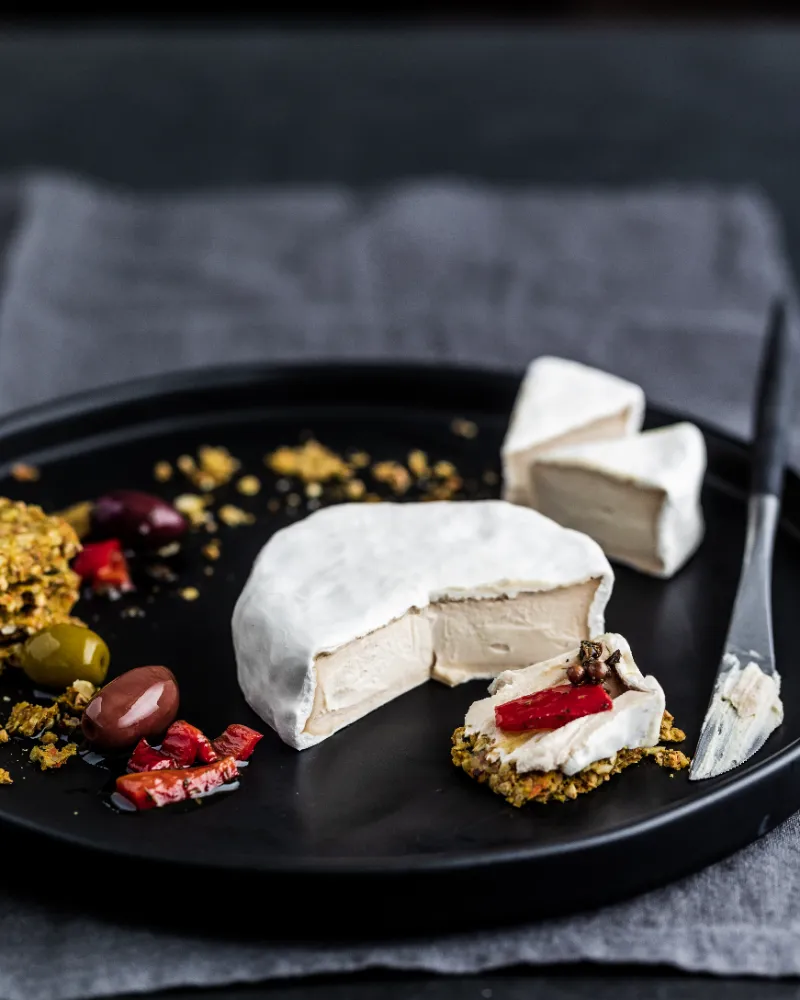
Fermented cashew cheese is a completely plant-based cheese alternative made by blending soaked cashews with probiotics and letting the mixture ferment for 24 to 48 hours. The result is a tangy, creamy “cheese” that’s both delicious and genuinely beneficial for your gut.
The probiotics used in the fermentation, typically Lactobacillus strains from probiotic capsules, survive in the finished product and contribute to gut microbiome diversity. Cashews themselves are rich in magnesium, zinc, and heart-healthy monounsaturated fats.
Make it at home by blending soaked cashews with probiotic powder, lemon juice, and salt, then leaving the mixture to ferment on the counter. Use it as a dip, a spread, or a soft cheese alternative.
33. Pineapple Vinegar
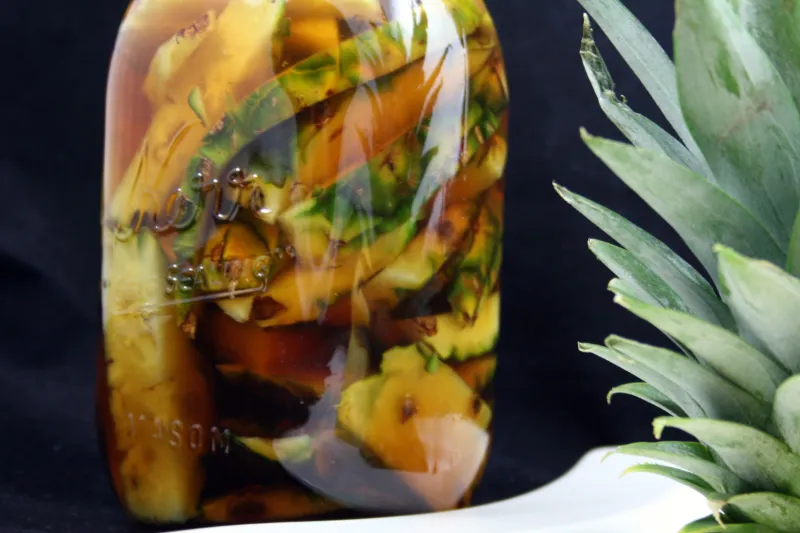
Pineapple vinegar is made by fermenting pineapple juice through two stages: first into alcohol, then into acetic acid through a second fermentation. The result is a fruity, golden vinegar with a gentler flavor than apple cider vinegar and a unique set of health-supporting compounds.
Like apple cider vinegar, raw pineapple vinegar contains the “mother,” a collection of beneficial bacteria, enzymes, and proteins that form during fermentation. It also retains some of the bromelain from the pineapple, which supports protein digestion and reduces inflammation.
Use it in salad dressings, marinades, and shrubs. It’s harder to find in stores but very easy to make at home with pineapple juice and a mother culture.
34. Fermented Turmeric
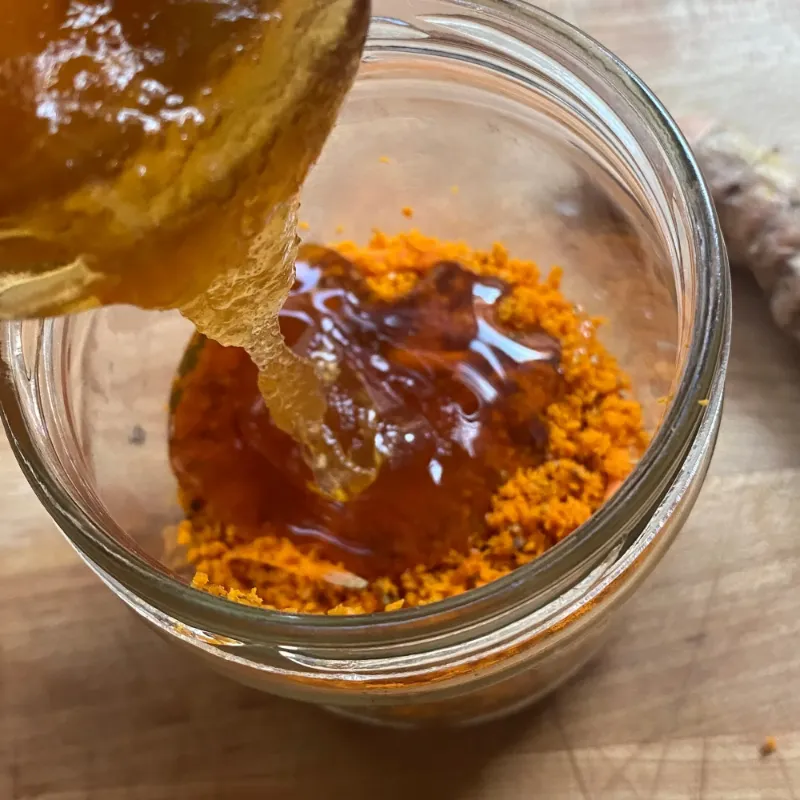
Turmeric is already an anti-inflammatory superstar, but fermented turmeric takes things to a whole new level. Fermenting turmeric with beneficial bacteria significantly increases the bioavailability of curcumin, the primary active compound in turmeric, which normally has notoriously poor absorption in its raw form.
Research shows that fermented turmeric may have enhanced antioxidant, anti-inflammatory, and gut-protective properties compared to regular turmeric. The fermentation process also produces additional beneficial metabolites that weren’t present in the raw spice.
Look for fermented turmeric supplements or pastes at health food stores, or ferment turmeric paste at home using whey or probiotic starter culture. Add it to golden milk, smoothies, or savory dishes.
35. Fermented Beet Hummus
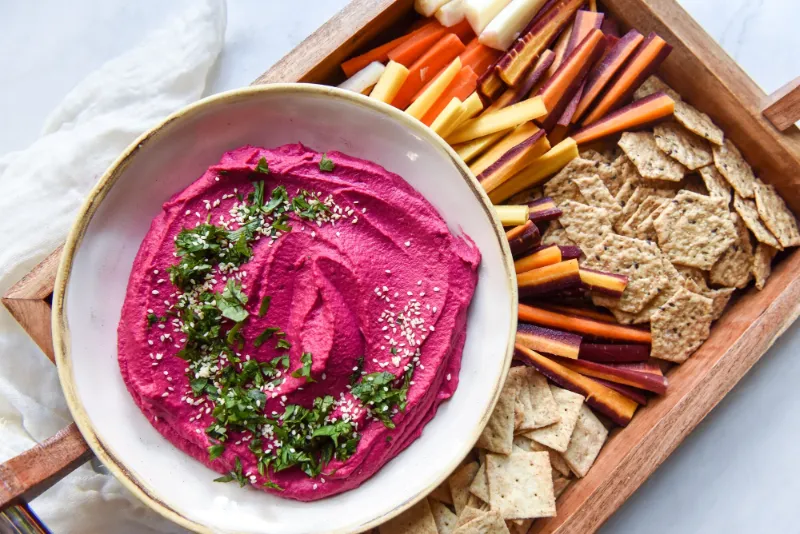
Fermented beet hummus combines the prebiotic power of chickpeas, the probiotic richness of fermented beets, and the gut-friendly fats of tahini into one stunningly purple, deeply nutritious dip. It’s a whole-foods powerhouse that tastes incredible.
Chickpeas are rich in resistant starch and soluble fiber that feed your gut bacteria. Fermented beets add probiotic bacteria, nitrates, and betaine. Tahini brings calcium and healthy fats. Together, they create a synergistic gut-health food that hits multiple beneficial pathways at once.
Make it by blending cooked chickpeas with fermented beet kvass, tahini, lemon, and garlic. The result is a vivid, tangy, probiotic-rich dip that will make you rethink what hummus can be.
Final Thoughts
Your gut is home to trillions of microorganisms that shape your digestion, immunity, mood, and overall health. The good news is you have real, delicious, science-backed ways to nurture that inner ecosystem every single day.
You don’t have to try all 35 at once. Pick one or two that intrigue you this week, work them into your meals, and notice how your body responds. Small, consistent changes are how real gut health transformations happen. Your microbiome is rooting for you.
