
25 Surprising Iron Rich Foods For Pregnancy Most People Don’t Know About

If you’re pregnant and tired of hearing “just eat more spinach,” this one’s for you. There’s a whole world of iron-rich foods out there that most people have never thought to put on their plate, and some of them are delicious, easy to find, and incredibly powerful for you and your baby.
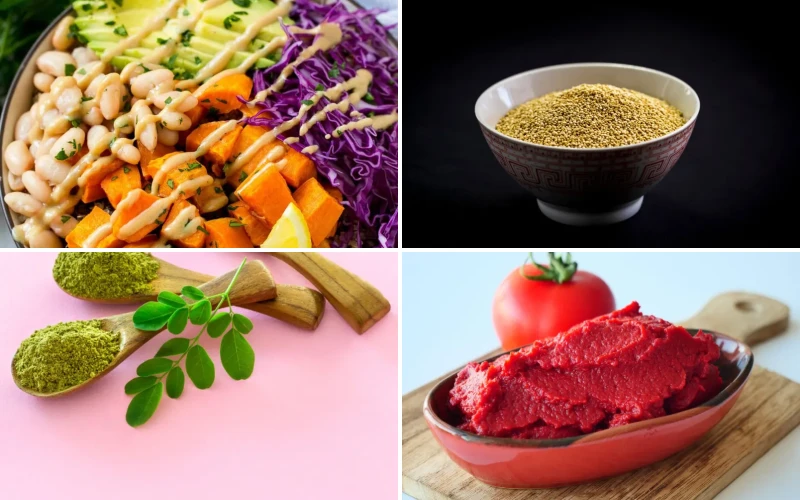
Getting enough iron during pregnancy isn’t optional. Your body is working overtime to make more blood, support your growing baby, and keep your energy from crashing. So let’s talk about 25 foods that can genuinely help, starting with the ones that might surprise you most.
1. Dried Apricots
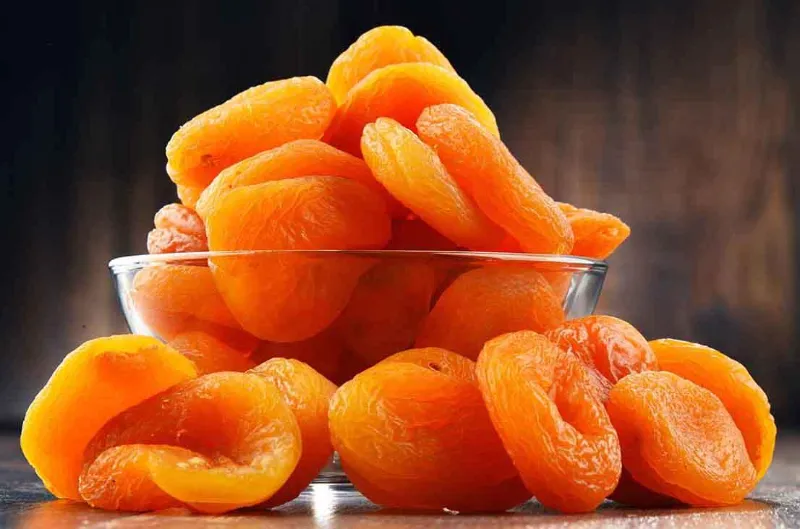
You probably think of apricots as a summer fruit, but the dried version is an iron-packed snack you can toss in your bag and eat anywhere. A half-cup serving delivers around 2 mg of non-heme iron, which is a solid contribution toward your daily pregnancy goal of 27 mg.
Dried apricots are also rich in vitamin C, which is a big deal. Vitamin C actually helps your body absorb non-heme iron more efficiently, so you’re getting a two-for-one benefit with every handful.
Pair them with a handful of nuts for a quick snack, chop them into oatmeal, or mix them into a trail mix with seeds. They’re sweet, satisfying, and doing a lot more work than their tiny size suggests.
2. Blackstrap Molasses
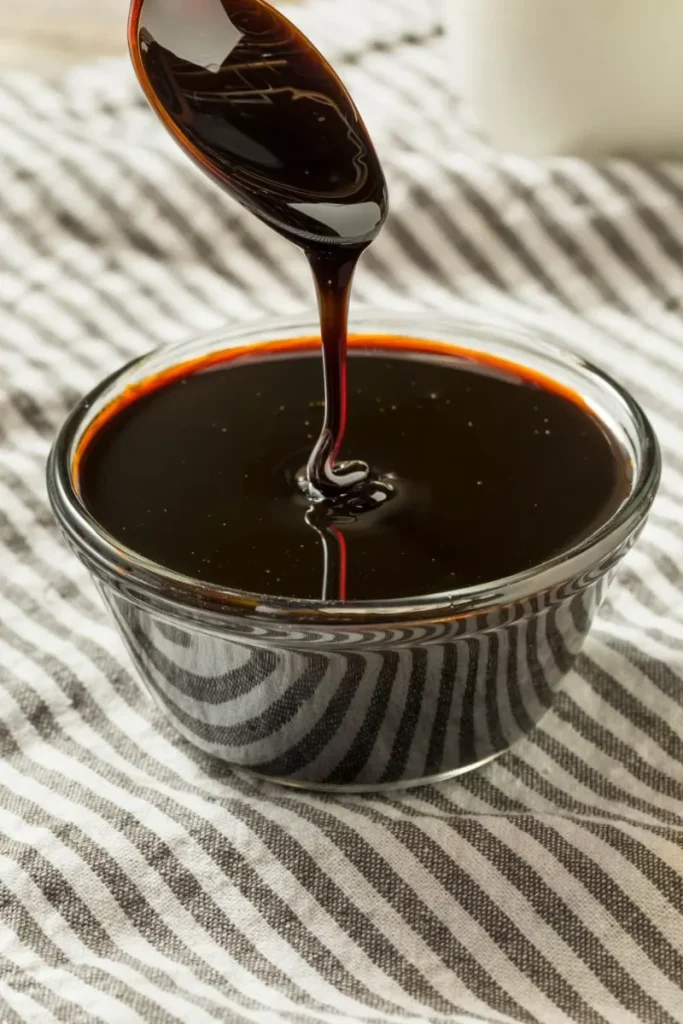
This one surprises almost everyone. Blackstrap molasses is the thick, dark syrup left over after sugar cane is processed, and it holds onto an impressive amount of nutrients that refined sugar loses completely. Just one tablespoon contains around 3.5 mg of iron.
It’s also packed with calcium, magnesium, and potassium, making it one of the most nutrient-dense sweeteners you can use during pregnancy. Think of it as a sweetener that actually gives something back.
Stir a tablespoon into warm water or oat milk for a simple iron-boosting drink. You can also drizzle it over pancakes, blend it into smoothies, or use it in baking. The taste is robust and slightly bitter, but mixed into other foods it works beautifully.
3. Hemp Seeds
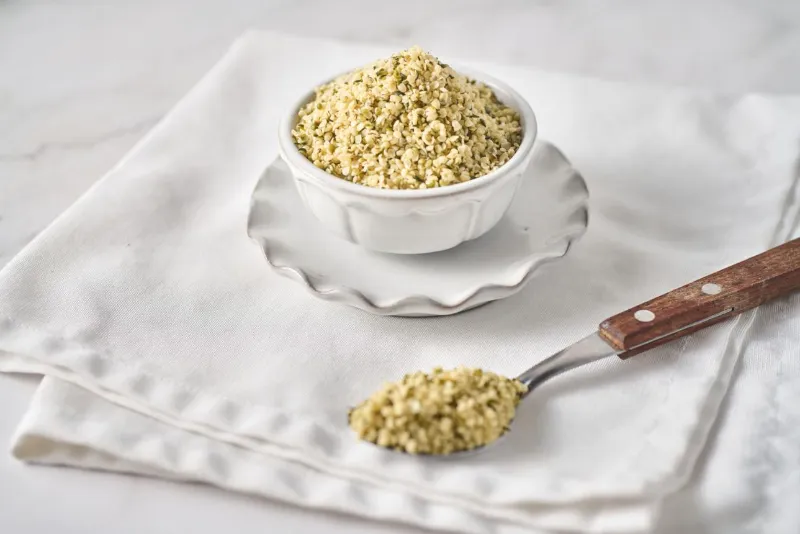
Hemp seeds are one of those quiet overachievers in the nutrition world. Three tablespoons pack about 2.4 mg of iron along with a complete protein profile, meaning they contain all nine essential amino acids your body needs during pregnancy.
They’re also loaded with omega-3 fatty acids, which support your baby’s brain development. So you’re getting iron, protein, and healthy fats all from one tiny seed. That’s a pretty good deal.
Sprinkle them over yogurt, blend them into smoothies, or stir them into salad dressings. They have a mild, slightly nutty flavor that blends into almost anything without changing the taste too much.
4. Pumpkin Seeds
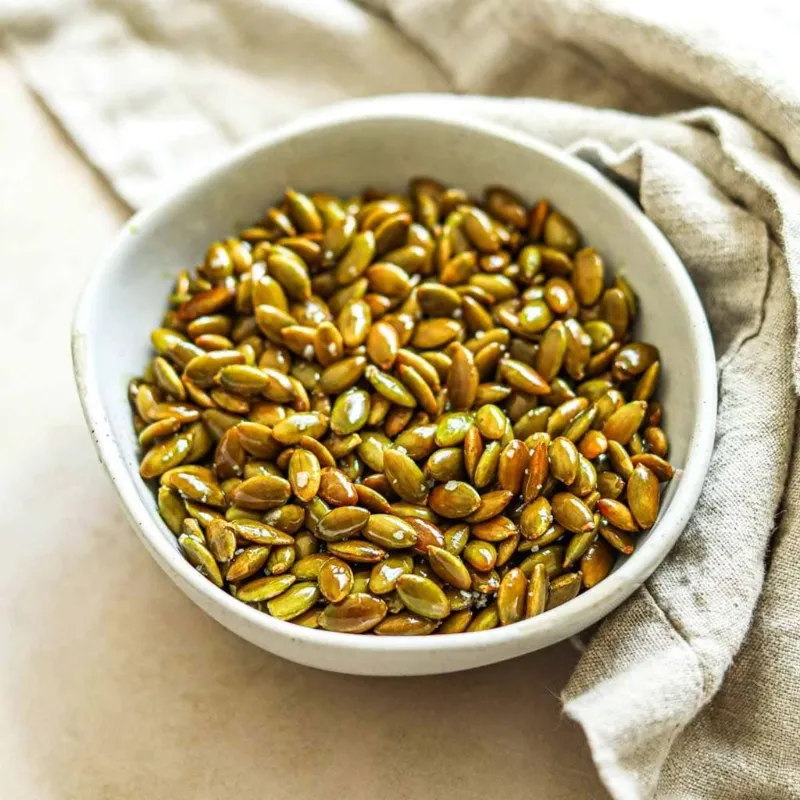
Pumpkin seeds, also called pepitas, are one of the richest plant-based sources of iron you can find. Just one ounce of roasted pumpkin seeds delivers around 2.5 mg of iron, plus zinc, magnesium, and healthy fats.
Zinc is especially valuable during pregnancy because it supports immune function and cell growth. You’re getting a mineral combo that works hard for both you and your baby at the same time.
Eat them roasted as a snack, toss them on soups or salads, or blend them into a homemade seed butter. They’re crunchy, satisfying, and easy to keep at your desk for those moments when you need something quick and nourishing.
5. Spirulina
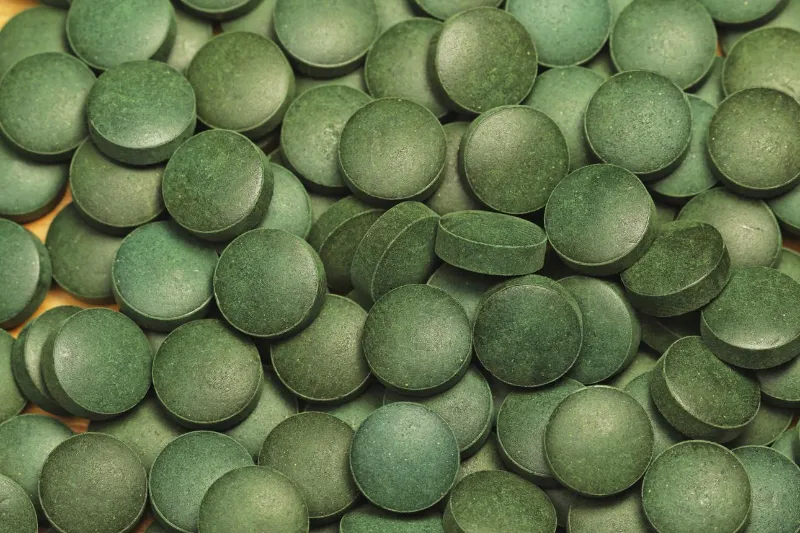
Spirulina might look a little intimidating in its bright green powdered form, but this blue-green algae is one of the most concentrated sources of iron on the planet. One tablespoon contains roughly 2 mg of iron along with protein, B vitamins, and antioxidants.
Research published in nutrition journals has highlighted spirulina’s potential to help combat iron deficiency anemia, partly because it also contains chlorophyll, which shares a similar structure to hemoglobin. Your body knows how to use it.
Blend it into a fruit smoothie where the sweetness balances the earthy taste, or mix it into energy balls with dates and oats. Always check with your doctor before adding spirulina to your pregnancy routine, as quality and sourcing do matter here.
6. Amaranth
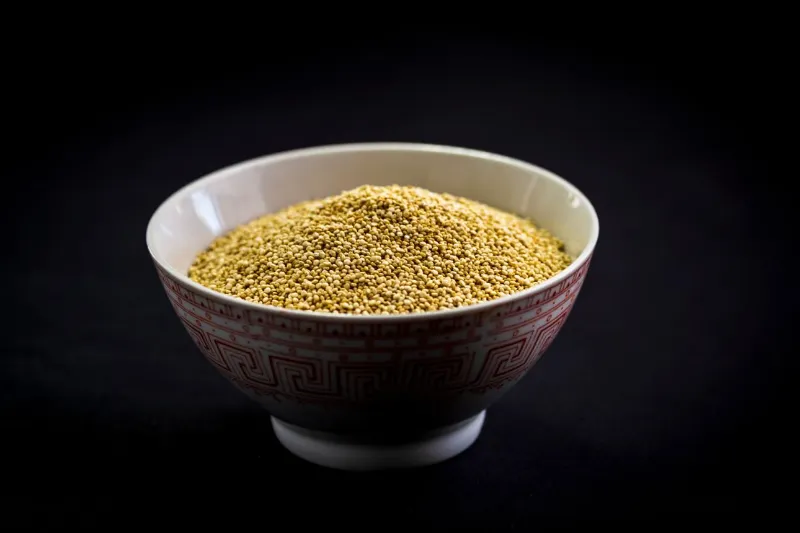
Amaranth is an ancient grain that most American grocery stores now carry in the health food aisle, and it deserves way more attention than it gets. One cooked cup provides around 5 mg of iron, which puts it ahead of most grains by a significant margin.
It’s also a complete protein and rich in calcium, which makes it a stellar choice for pregnant women who want to cover multiple nutritional bases in one meal. Ancient Aztec civilizations relied on it for good reason.
Cook it like oatmeal for a warm breakfast porridge, use it as a base for grain bowls, or pop it in a dry pan for a crunchy topping. Its slightly nutty, earthy flavor works well with both sweet and savory toppings.
7. Moringa Powder
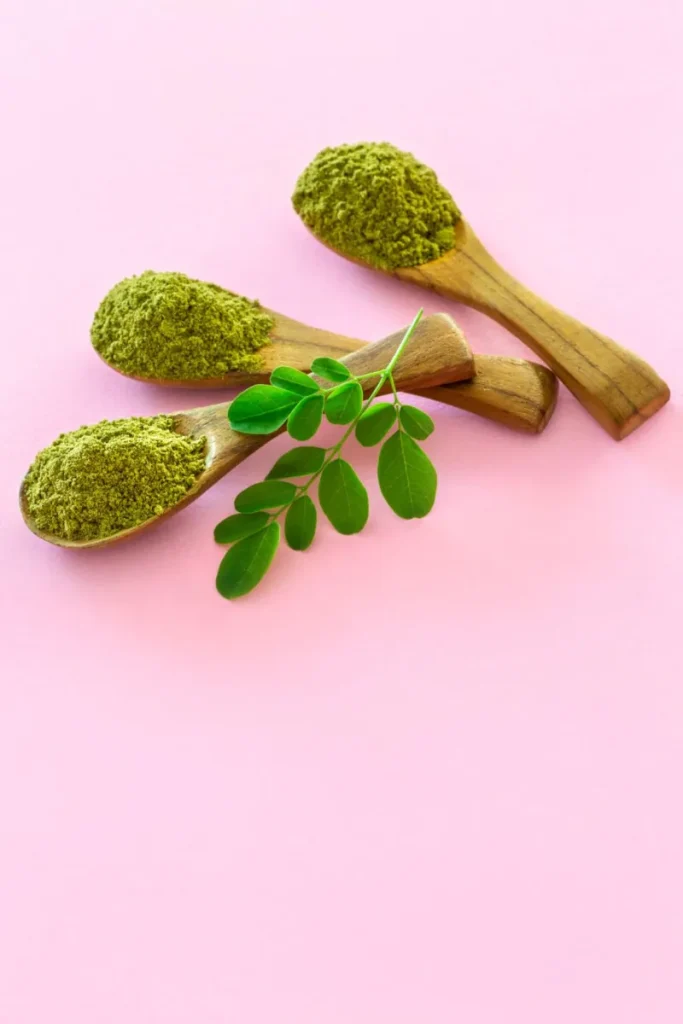
Moringa comes from the leaves of the Moringa oleifera tree, and it has been used in traditional medicine across South Asia and Africa for centuries. The dried leaf powder contains roughly 4 mg of iron per tablespoon, along with vitamin C, calcium, and folate, which is essential for fetal neural development.
The combination of iron and vitamin C in a single food is particularly useful because the vitamin C boosts how well your body actually absorbs that iron. It’s like the food comes with its own absorption booster built in.
Add a teaspoon to smoothies, stir it into soups, or mix it into energy balls. Start small since the flavor is quite strong and green, and as always, talk to your healthcare provider before adding new supplements to your pregnancy diet.
8. Sunflower Seeds
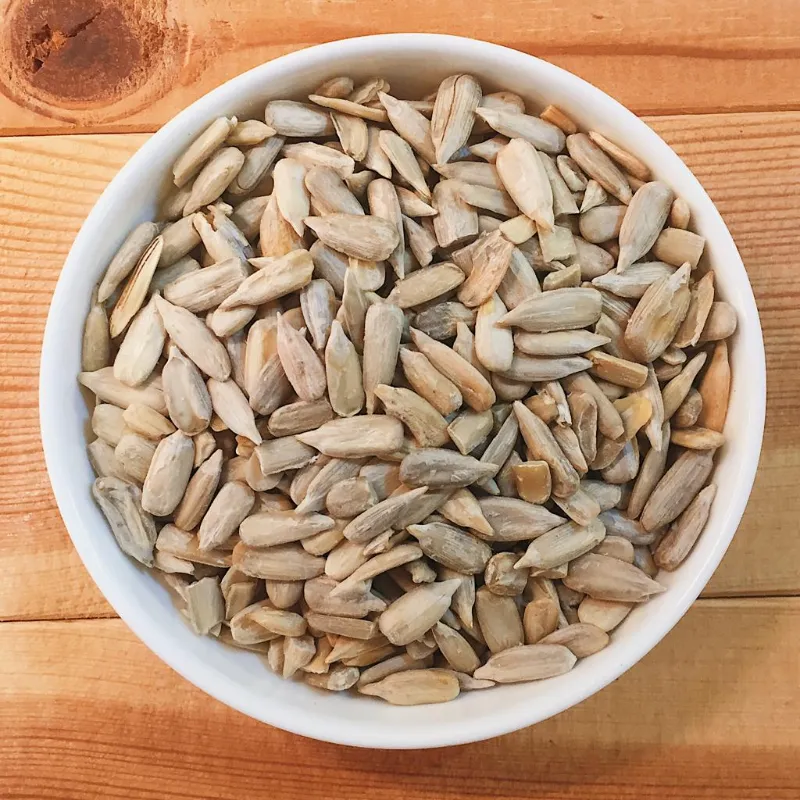
Sunflower seeds are a classic American snack, but most people don’t realize how nutritionally rich they actually are. One ounce of dry roasted sunflower seeds contains about 1 mg of iron along with vitamin E, selenium, and magnesium.
Vitamin E is a powerful antioxidant that helps protect your cells, and selenium supports thyroid function, which matters quite a bit during pregnancy. You’re not just snacking, you’re nourishing.
Toss them on a salad, mix them into granola, or eat them straight from the bag. Unsalted or lightly salted versions are your best bet during pregnancy since you want to keep sodium in check while still enjoying the crunch.
9. Tahini
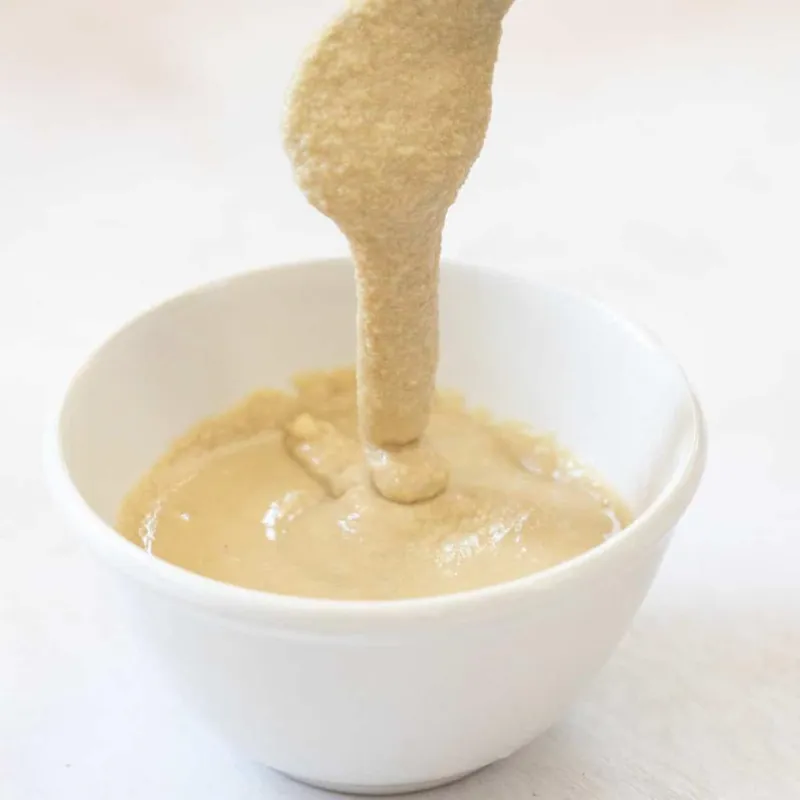
Tahini is simply ground sesame seed paste, and it’s the base of hummus. But on its own, it’s a surprisingly iron-rich food that most people overlook. Two tablespoons of tahini contain around 2.7 mg of iron plus healthy fats, calcium, and B vitamins.
Sesame seeds are also a source of sesamin and sesamolin, two compounds studied for their antioxidant and anti-inflammatory properties. During pregnancy, managing inflammation matters, and your food can help with that.
Drizzle tahini over roasted vegetables, use it as a salad dressing base with lemon and garlic, or spread it on toast with a drizzle of honey. It’s incredibly versatile and has that rich, nutty depth that makes everything taste a little more satisfying.
10. Canned Clams
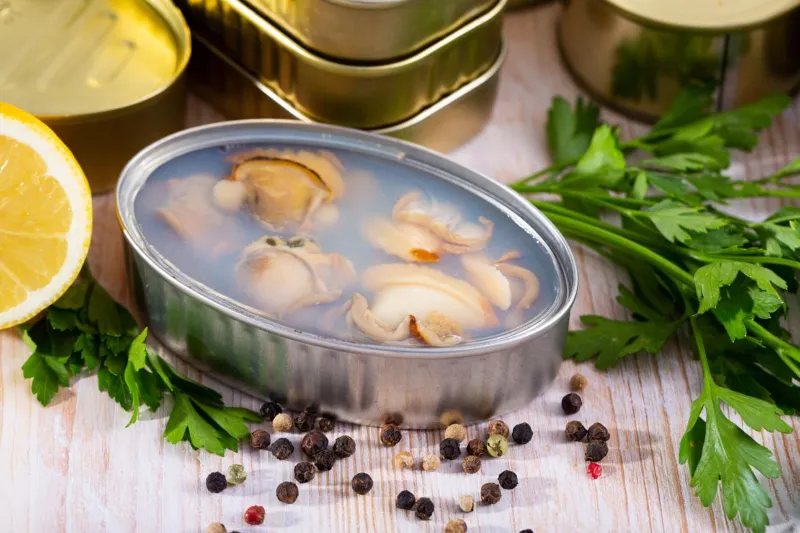
Here’s a seafood option that often gets completely overlooked in favor of salmon or shrimp. Canned clams are one of the single highest sources of iron you can find in any food. A three-ounce serving of canned clams delivers an astounding 23 mg of iron, nearly your entire daily pregnancy requirement in one serving.
They’re also rich in vitamin B12, which supports nerve development in your baby and helps prevent megaloblastic anemia in you. This is heme iron too, the kind your body absorbs most efficiently.
Stir them into pasta with olive oil and garlic for a classic clam linguine, add them to chowder, or mix them into rice dishes. Canned clams are affordable, shelf-stable, and nutritionally extraordinary for pregnant women.
11. White Beans
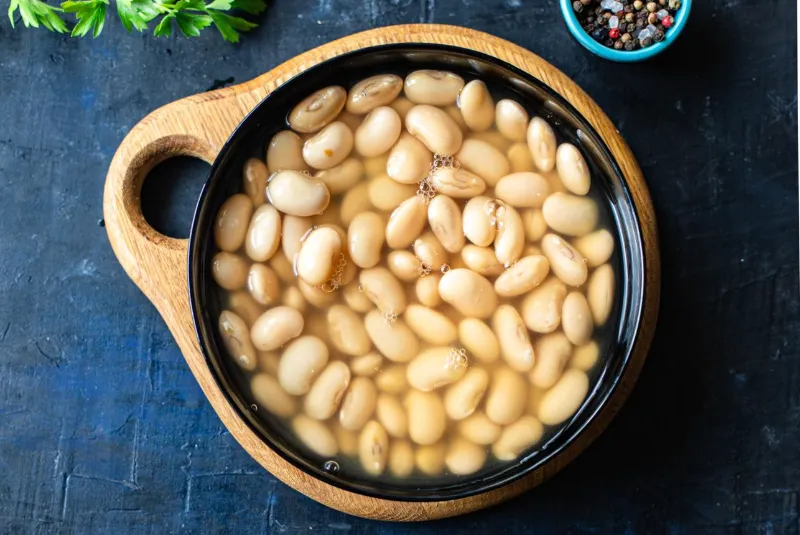
White beans, whether navy beans, cannellini, or great northern beans, are quiet iron champions in the legume world. One cooked cup contains around 4 to 8 mg of iron depending on the variety, plus fiber, folate, and plant-based protein.
Folate is one of the most important nutrients in the first trimester because it supports healthy neural tube development in your baby. Getting it from whole food sources like beans means you’re also getting fiber and iron alongside it.
Blend white beans into soups for a creamy texture without cream, toss them into salads, or mash them with garlic and olive oil as a spread. They’re mild enough to disappear into almost any dish while still delivering serious nutrition.
12. Soybeans and Edamame
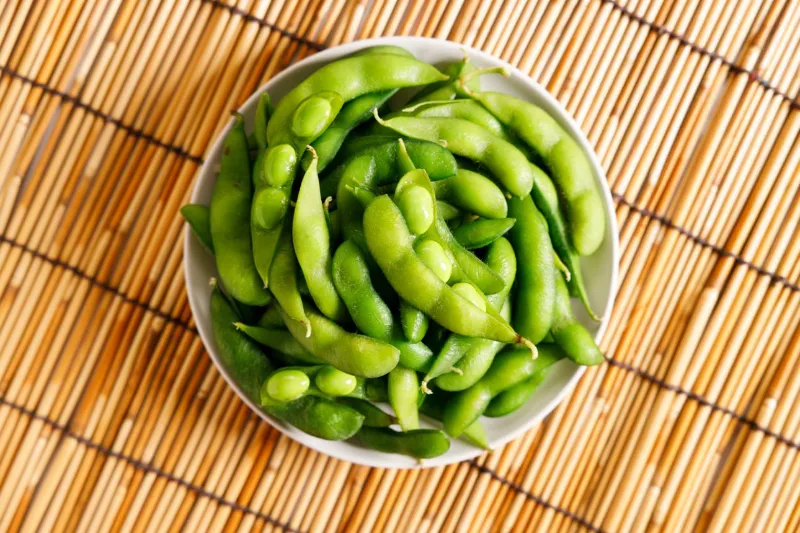
Fresh edamame at a Japanese restaurant might feel like a simple appetizer, but you’re actually eating one of the best plant-based iron sources available. One cooked cup of soybeans contains around 8 to 9 mg of iron, which is exceptional for a plant food.
Soy also contains phytoestrogens, which some people worry about during pregnancy. Current evidence from organizations like the American College of Obstetricians and Gynecologists suggests that whole soy foods in moderate amounts are safe and beneficial. Always check in with your provider if you have specific concerns.
Steam edamame and sprinkle with a little sea salt for a snack, toss shelled edamame into stir-fries, or blend silken tofu and soybeans into smoothies. There are so many ways to work them in without it feeling repetitive.
13. Dark Chocolate
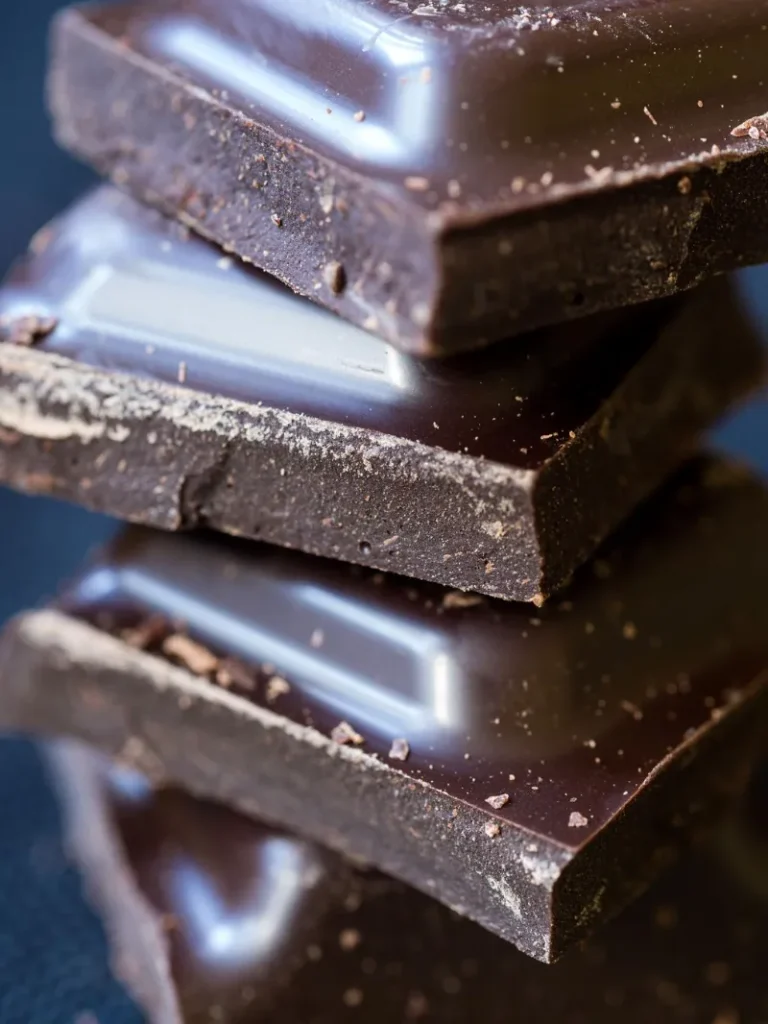
Yes, really. Good quality dark chocolate, specifically 70% cacao or higher, contains around 3 to 4 mg of iron per ounce. It’s also rich in magnesium, copper, and flavonoids that support cardiovascular health.
Cacao has been studied for its role in improving blood flow and reducing inflammation, both of which matter during pregnancy. The key is keeping it in reasonable amounts because dark chocolate also contains caffeine, which you want to monitor during pregnancy.
A square or two of high-quality dark chocolate with a handful of dried apricots makes a genuinely iron-rich snack that also happens to feel like a treat. That combination is something your prenatal vitamin absolutely cannot replicate.
14. Dried Thyme
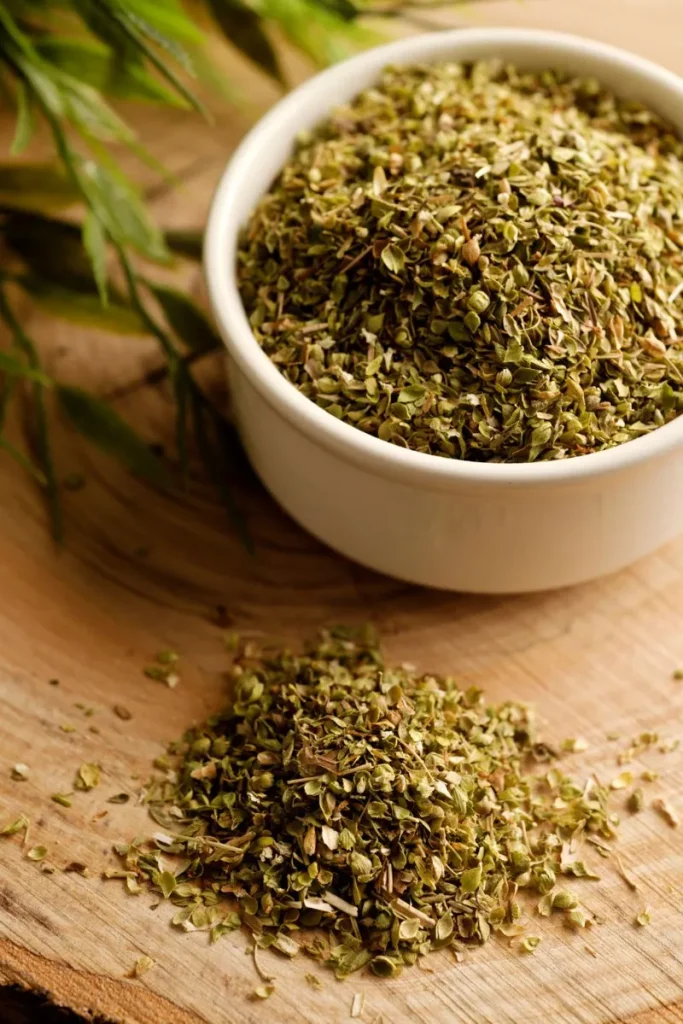
This might be the most unexpected entry on the list. Dried thyme is a cooking herb that most Americans have sitting in their spice cabinet right now, and one tablespoon contains around 1.7 mg of iron.
You’re not going to eat a tablespoon of thyme in one sitting, of course. But seasoning your food generously with thyme, rosemary, and other iron-containing herbs adds up over the course of a day and contributes to your overall intake in a meaningful way.
Use dried thyme liberally in roasted vegetables, soups, egg dishes, and marinades. It’s one of those small additions that costs nothing, requires zero effort, and quietly supports your iron levels every single day.
15. Beet Greens
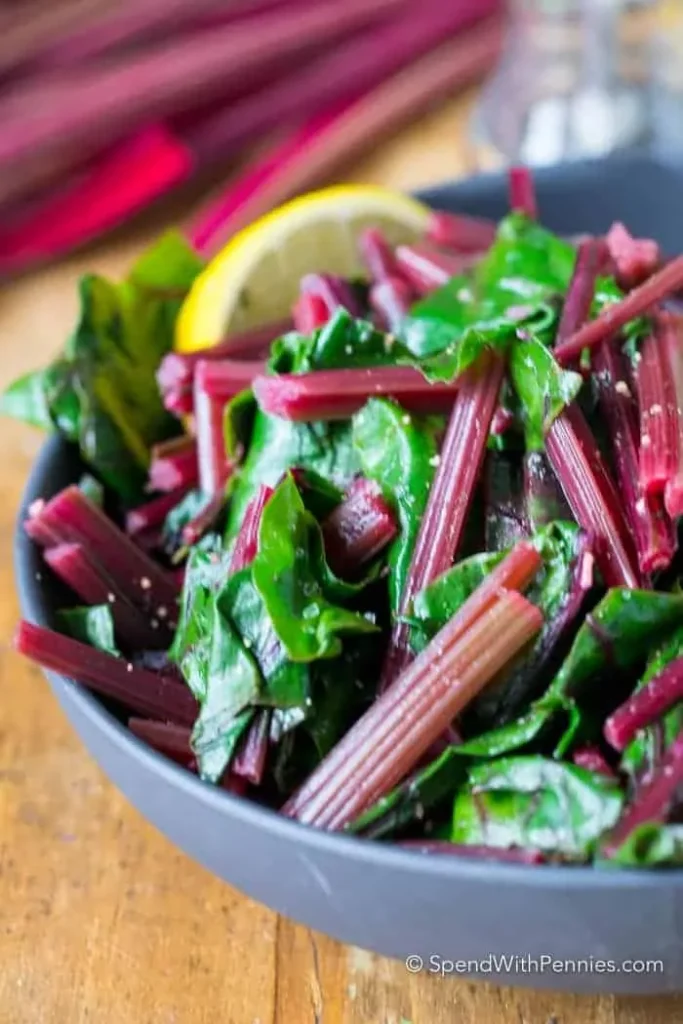
Most people buy beets and throw away the greens without a second thought. That’s a nutritional mistake worth correcting. One cooked cup of beet greens contains around 2.7 mg of iron along with vitamins A, C, and K, plus potassium.
The vitamin C content in beet greens helps you absorb the iron from the same meal, which is exactly the kind of nutritional synergy you want to take advantage of during pregnancy. The greens and the root are working together for you.
Saute beet greens with olive oil and garlic just like you would spinach or kale. They wilt down quickly and have a mild, slightly earthy flavor that pairs well with lemon juice and a pinch of red pepper flakes.
16. Prune Juice
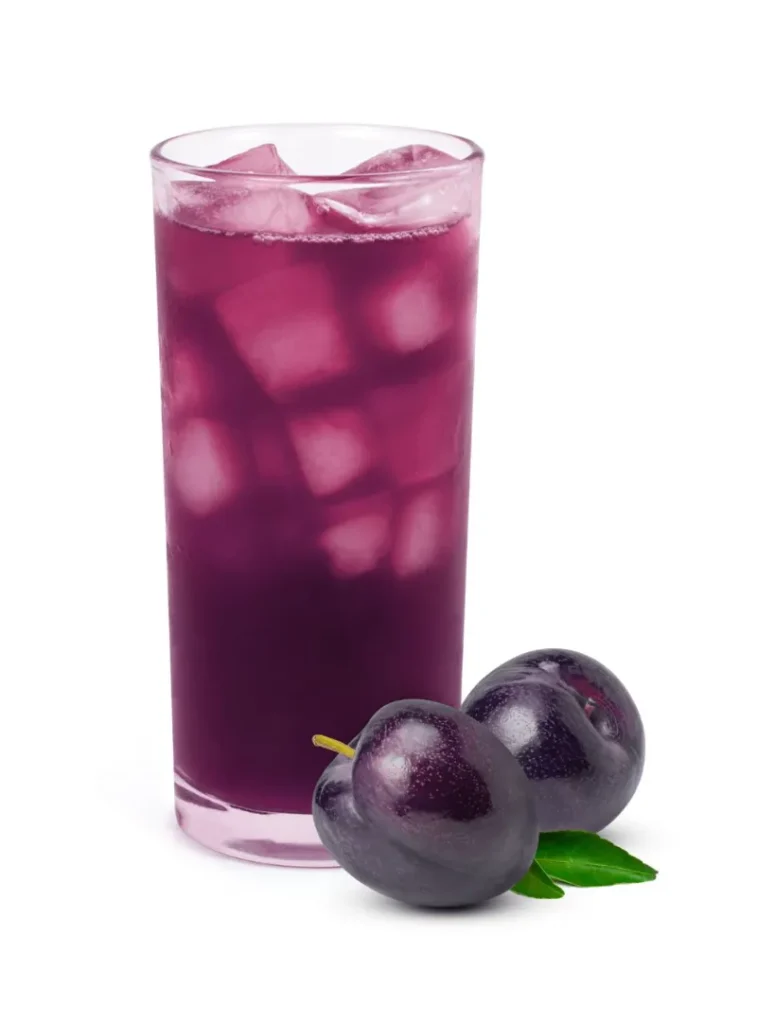
Prune juice already has a reputation for helping with pregnancy constipation, which is a real and very common issue. But it’s also a meaningful source of iron, with about 3 mg of iron per eight-ounce glass.
Prunes are dried plums, and the juicing process concentrates their nutrients significantly. They’re also rich in sorbitol and fiber, which explains why they’re so effective for digestive comfort. During pregnancy, managing constipation while boosting iron is a double win you should absolutely take.
Drink a small glass with breakfast or mix it into a smoothie with banana and yogurt to balance the sweetness. It’s one of the most underrated pregnancy beverages out there.
17. Tofu
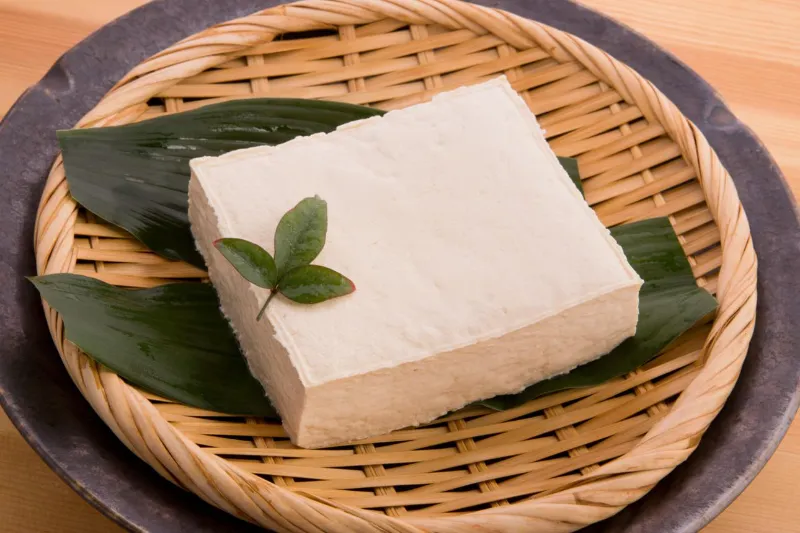
Tofu is one of those foods that people either love or dismiss without really giving it a fair chance. But firm tofu contains around 3 mg of iron per half-cup serving, and it’s one of the most versatile protein sources you can cook with during pregnancy.
It’s also a good source of calcium and protein, which are both critical for fetal bone development and your own nutritional needs. The iron in tofu is non-heme, so pairing it with a vitamin C source like bell peppers or tomatoes helps your body absorb more of it.
Press firm tofu to remove moisture, then cube it and pan-fry it until crispy. Add it to stir-fries, grain bowls, or scrambles. Once it picks up the flavors of the sauce or spices you use, it becomes genuinely delicious.
18. Quinoa
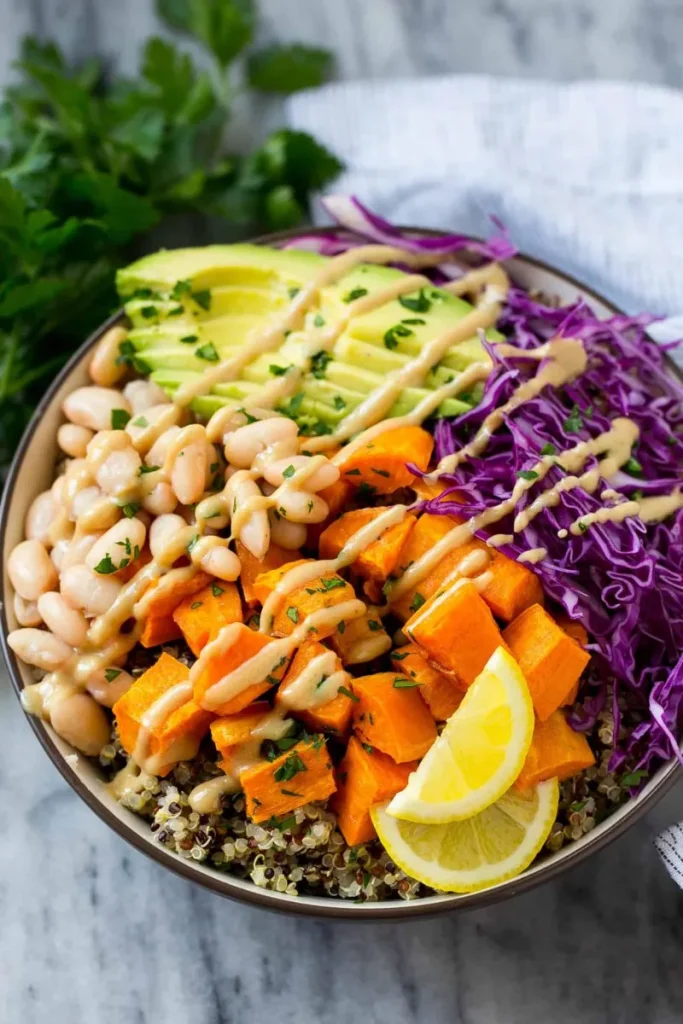
Quinoa gets praised often for its protein, but its iron content deserves equal attention. One cooked cup provides around 2.8 mg of iron along with all nine essential amino acids, making it a complete protein grain, which is rare in the plant world.
Quinoa also contains riboflavin, B6, and folate, nutrients that support your baby’s development throughout all three trimesters. It’s a grain that earns its place at the table not just as a trendy food but as a genuinely nutritious one.
Use quinoa as a base for lunch bowls topped with roasted vegetables and tahini dressing, stir it into soups for extra protein, or cook it sweet with almond milk and cinnamon for breakfast. It absorbs flavors beautifully and cooks in under 20 minutes.
19. Canned Tomato Paste
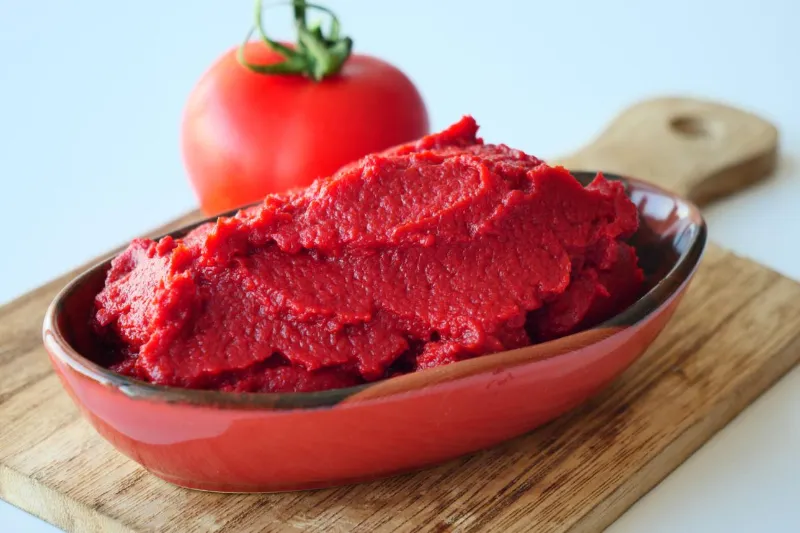
Canned tomato paste is one of the most concentrated sources of tomato nutrition available, and most people use it just to add flavor to sauces without realizing what else it brings. Two tablespoons of tomato paste contain around 1.3 mg of iron and a powerful dose of lycopene.
Lycopene is an antioxidant that has been studied for its role in supporting healthy blood pressure during pregnancy and reducing oxidative stress. Cooking tomatoes concentrates their lycopene significantly compared to eating them raw.
Add tomato paste to pasta sauces, soups, stews, and braises. It deepens the flavor of savory dishes while quietly adding iron and antioxidants to every meal you make. It’s one of the most affordable nutritional upgrades in your kitchen.
20. Oat Bran
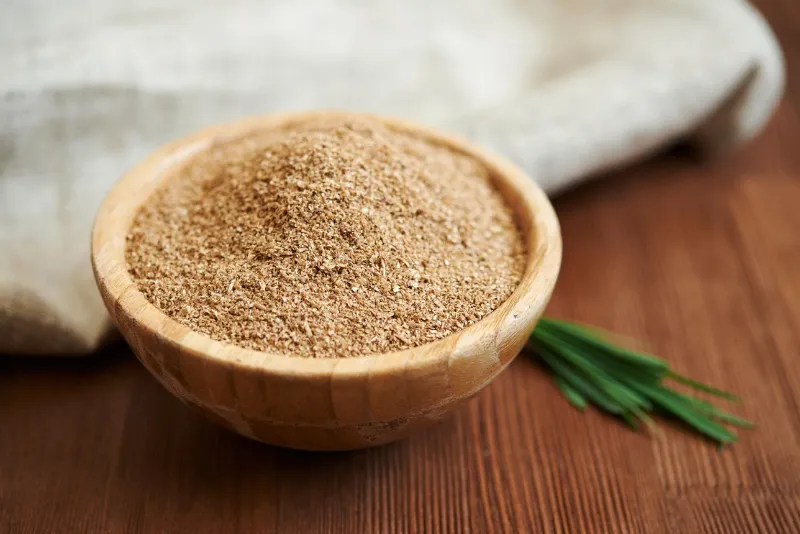
Oat bran is the outer layer of the oat grain, and it’s more nutrient-dense than regular rolled oats. Half a cup of cooked oat bran contains around 3.3 mg of iron along with beta-glucan fiber, which research has shown helps lower cholesterol and stabilize blood sugar.
For pregnant women managing gestational diabetes risk or just trying to keep energy levels steady throughout the day, the blood sugar stabilizing effect of oat bran is a real benefit. And the iron is substantial for a breakfast food.
Cook it like oatmeal with warm milk and top it with dried apricots and pumpkin seeds to stack multiple iron sources together in one breakfast. That combination alone could deliver a significant portion of your daily iron needs before you even leave the house.
21. Dried Lentils
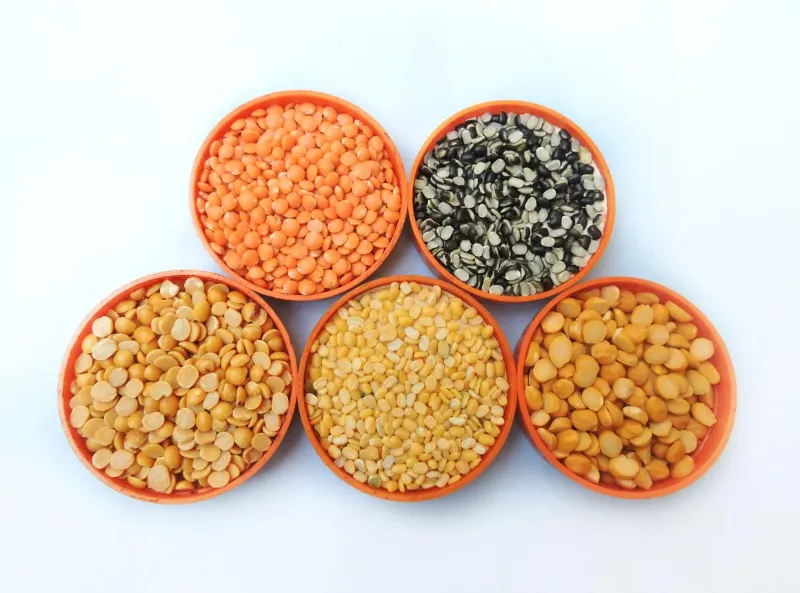
Lentils are already well known as an iron source, but dried lentils in their uncooked form are worth calling out specifically because of how easy they are to store and use. One cooked cup of lentils provides around 6.6 mg of iron, more than many meat sources.
They’re also one of the richest food sources of folate available, which is crucial for preventing neural tube defects during early pregnancy. Getting folate from whole foods rather than supplements alone is something many nutrition experts recommend.
Red lentils cook in just 15 to 20 minutes without soaking and dissolve into a thick, comforting dal or soup. Green and brown lentils hold their shape well and work in salads and grain bowls. Keep a few bags in your pantry and you’ll always have a quick iron-rich meal option ready.
22. Watermelon Seeds
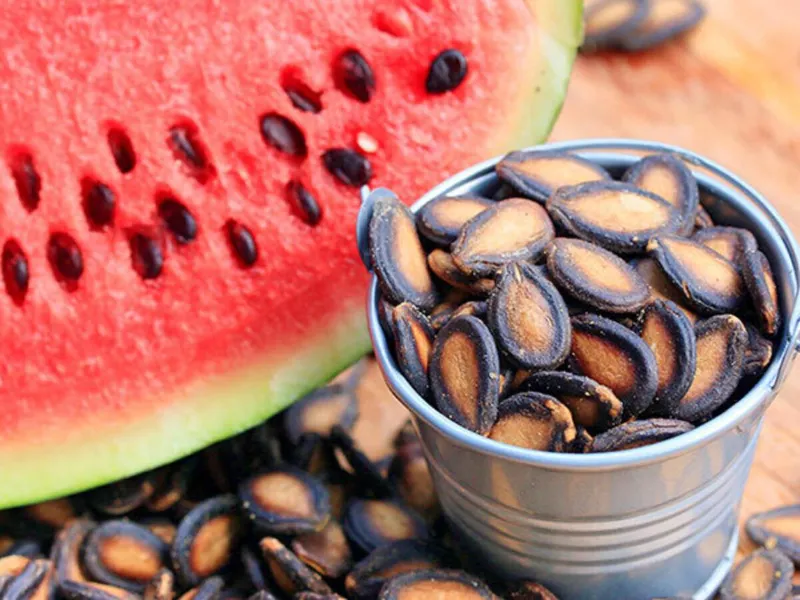
This one genuinely surprises people. Roasted watermelon seeds are a traditional snack in many parts of Africa and Asia, and one ounce contains around 2 mg of iron along with magnesium and zinc. Most Americans toss these seeds without knowing what they’re throwing away.
You can buy roasted watermelon seeds at many health food stores and online. They have a slightly nutty flavor and a satisfying crunch that makes them a great snack or salad topper.
If you buy a whole watermelon, save the seeds, rinse them, dry them, and roast them in the oven at 325 degrees with a light drizzle of olive oil and salt. You’ll have a crunchy iron-rich snack in under 20 minutes from something you would have just discarded.
23. Natto
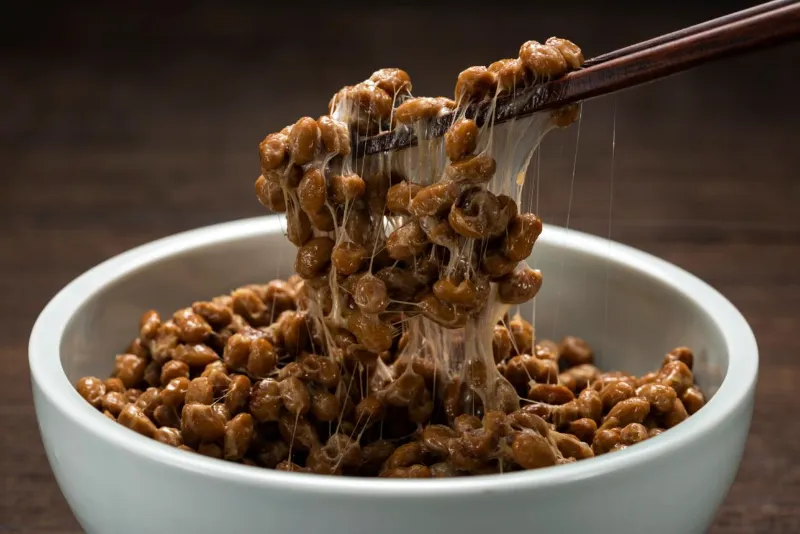
Natto is fermented soybeans and it’s a staple breakfast food in Japan. It has a strong smell, a sticky texture, and a flavor that takes some getting used to, but nutritionally it is remarkable. One hundred grams of natto provides around 8 mg of iron along with an extraordinary amount of vitamin K2 and probiotics.
Vitamin K2 supports healthy bone metabolism and cardiovascular health, and the probiotics support gut health, which affects how well you absorb all nutrients including iron. This is truly a food where the whole is greater than the sum of its parts.
Find natto at Asian grocery stores, typically in the frozen section. Traditional preparation is to stir it vigorously, mix with soy sauce and mustard, and serve over warm rice. It’s an acquired taste, but for the nutritional payoff it offers pregnant women, it’s worth trying at least once.
24. Fortified Breakfast Cereals
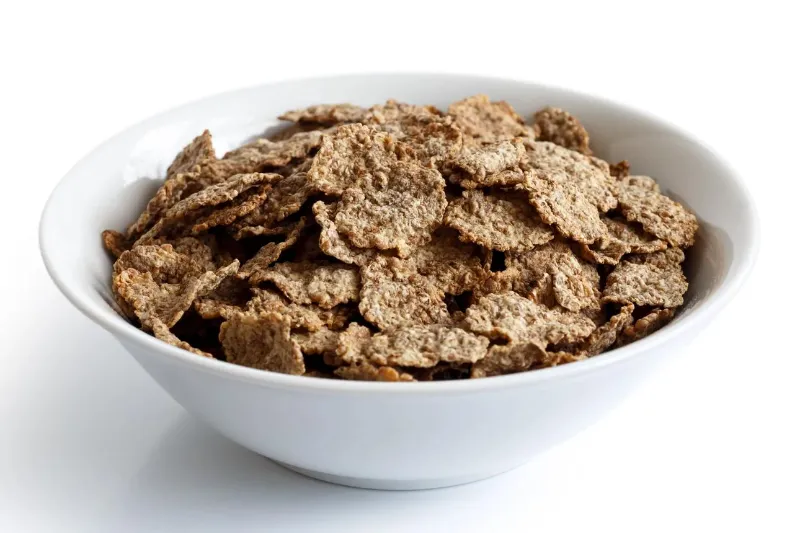
Fortified breakfast cereals often get dismissed as processed junk food, but the fortification process adds nutrients that are genuinely bioavailable and useful. Many fortified cereals contain 18 mg of iron per serving, which is nearly 100% of a non-pregnant adult’s daily need and a significant contribution to a pregnant woman’s 27 mg daily goal.
The iron added to fortified cereals is typically ferric orthophosphate or reduced iron, both of which the body can absorb reasonably well. Pair your cereal with orange juice or a vitamin C-rich fruit and absorption improves even further.
Choose cereals with lower sugar content and check the nutrition label specifically for iron percentage. Total, Grape Nuts, and Cream of Wheat are among the higher-iron options. Eaten with milk, fortified cereal becomes a breakfast that genuinely moves the needle on your iron intake.
25. Cooked Swiss Chard
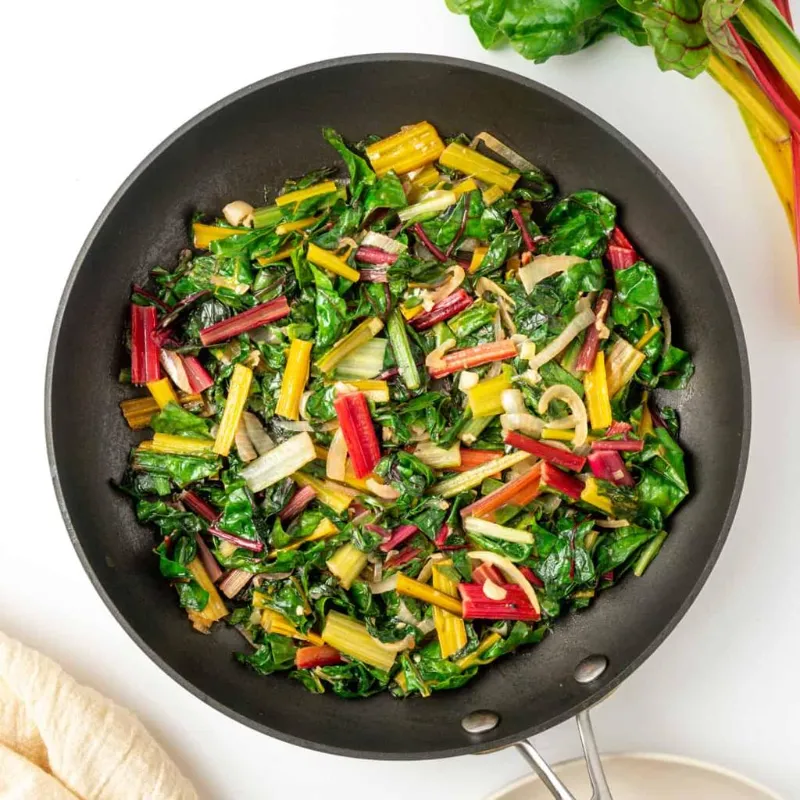
Swiss chard doesn’t get nearly as much attention as kale or spinach, but it’s just as nutritious and honestly a lot more pleasant to cook with. One cooked cup of Swiss chard provides around 4 mg of iron along with vitamins A, C, and K, plus magnesium and potassium.
The bright colors in Swiss chard, the deep red stems and vibrant green leaves, come from betalain pigments, which have antioxidant and anti-inflammatory properties. Your body is processing a lot during pregnancy, and antioxidant support from whole foods is genuinely valuable.
Saute Swiss chard with garlic and olive oil for a quick side dish, add it to lentil soups, or layer it into frittatas and egg bakes. It wilts quickly and has a mild, slightly earthy flavor that works with almost any savory dish you’re already making.
Final Thoughts
Building a pregnancy diet that truly supports your iron needs doesn’t have to mean choking down foods you don’t enjoy. From creamy tahini to crispy tofu to a square of dark chocolate, there are so many delicious ways to get there. Start by picking three or four foods from this list that actually appeal to you and work them into your meals this week. Small, consistent changes add up to big results for you and your baby.
