
26 Secret Foods For Acid Reflux Diet That Doctors Recommend

If you’ve ever felt that familiar burning creep up your chest after a meal, you know how miserable acid reflux can be. The good news? What you eat can make a massive difference, and there are some surprisingly powerful foods that can help calm things down.
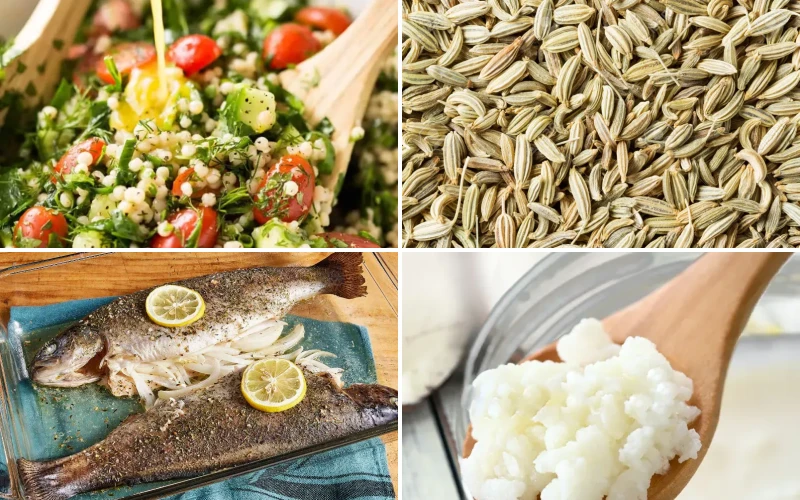
In this article, you’ll discover 26 doctor-recommended foods that can soothe your digestive system, reduce flare-ups, and help you actually enjoy eating again. Some of these might already be in your kitchen right now.
1. Oatmeal

Oatmeal is one of the best breakfast choices you can make if acid reflux is part of your life. It’s a complex carbohydrate that absorbs stomach acid naturally, helping to neutralize that harsh, burning sensation before it starts.
It’s also high in fiber, which supports healthy digestion and keeps food moving through your gut at a steady pace. Slower digestion in a healthy way means less pressure on the lower esophageal sphincter, which is the little valve that keeps stomach acid where it belongs.
Try it plain or with a drizzle of honey and a few banana slices. Skip the flavored instant packets, though, since they’re often loaded with sugar and additives that can actually trigger reflux.
2. Ginger
Ginger has been used as a digestive remedy for thousands of years, and modern science backs it up. It contains active compounds called gingerols and shogaols that have natural anti-inflammatory properties and help speed up gastric emptying, meaning food leaves your stomach faster and has less time to cause trouble.
Studies published in journals like the European Journal of Gastroenterology have highlighted ginger’s ability to reduce nausea and stomach discomfort. That makes it especially helpful if your reflux comes with that queasy, unsettled feeling.
You can steep fresh ginger slices in hot water for a soothing tea, grate it into stir-fries, or blend it into smoothies. Just keep portions modest since very large amounts can occasionally irritate the stomach.
3. Bananas
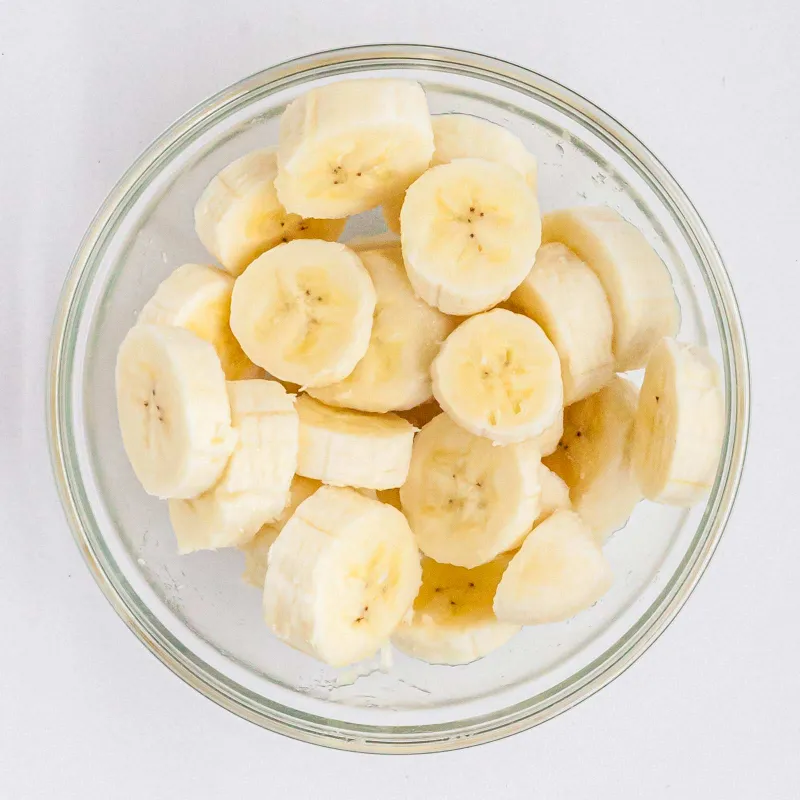
Bananas are a natural antacid, and that’s not just a folk remedy. They have a naturally alkaline pH, which means they help counteract the excess acid in your stomach and esophagus. Their soft, gentle texture also makes them easy on a sensitive digestive system.
They’re rich in pectin, a soluble fiber that helps food move smoothly through your digestive tract. This reduces the likelihood of acid being pushed back up. They’re also a great source of potassium, which supports healthy muscle function, including that all-important valve keeping acid in your stomach.
Grab one as a snack between meals, blend it into a smoothie, or slice it over your morning oatmeal. Ripe bananas tend to be easier to digest than green ones, so let them yellow up before eating.
4. Melons
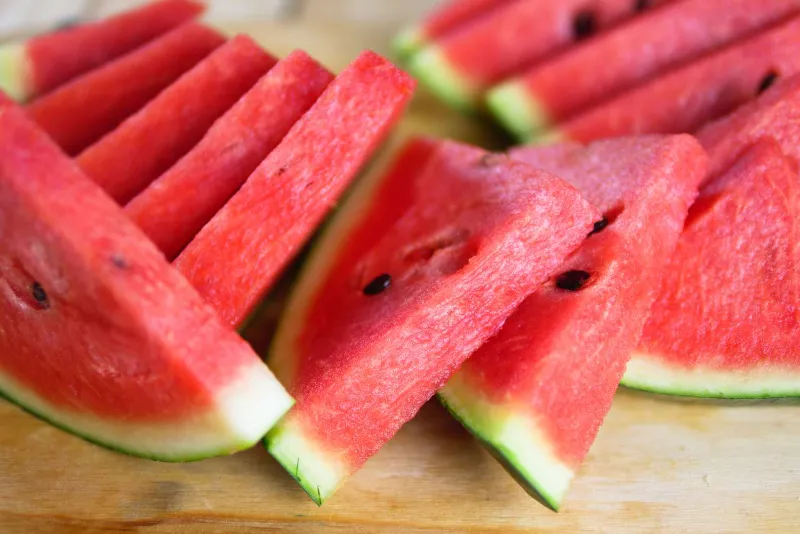
Melons like cantaloupe, honeydew, and watermelon are incredibly gentle on your digestive system. They have a very high water content, which helps dilute stomach acid, and their alkaline nature makes them a smart snack choice for reflux sufferers.
They’re also low in fat and easy to digest, two qualities that keep your stomach from overworking itself. Heavy, fatty foods force your stomach to produce more acid, so choosing light, hydrating options like melon is a smart swap.
Enjoy melon chilled on a hot afternoon or pair it with a small portion of low-fat yogurt. Just keep portion sizes reasonable since eating large amounts of any food, even healthy ones, can put pressure on your stomach.
5. Fennel
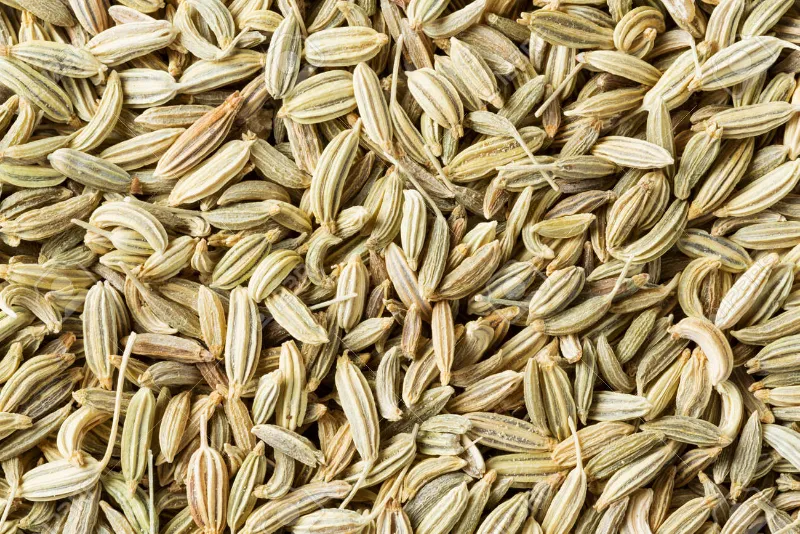
Fennel is one of the most underrated tools in the acid reflux toolbox. This crisp, mildly licorice-flavored vegetable has a pH of around 6.9, making it nearly neutral and very gentle on your esophagus.
It contains a compound called anethole, which research suggests has anti-spasmodic properties. That means it can help relax the smooth muscles of the digestive tract, reducing cramping, bloating, and the kind of pressure that pushes acid upward.
Slice fennel raw into salads, roast it as a side dish, or steep fennel seeds in hot water for a calming after-dinner tea. It pairs beautifully with lean fish and chicken, making it a versatile kitchen staple.
6. Aloe Vera Juice
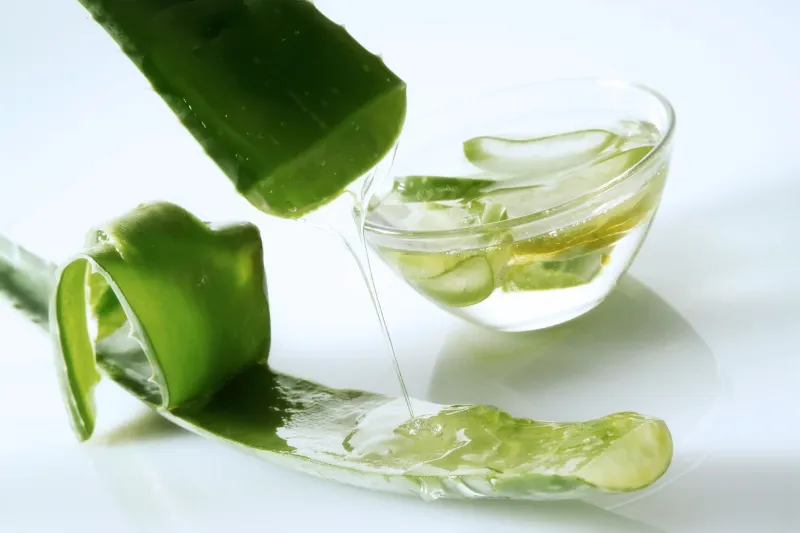
You probably know aloe vera as a sunburn soother, but it works similar magic inside your digestive system. The clear gel from the aloe plant has natural anti-inflammatory and soothing properties that can cool an irritated esophageal lining.
Research published in the Journal of Traditional Chinese Medicine found that aloe vera syrup significantly reduced the frequency of acid reflux symptoms including heartburn and regurgitation. It appears to work by coating and calming inflamed tissue throughout the digestive tract.
Look for food-grade aloe vera juice at health food stores and make sure it says “decolorized” and “purified” on the label. Drink a small amount, around a quarter cup, before meals to help prepare your digestive system.
7. Green Vegetables
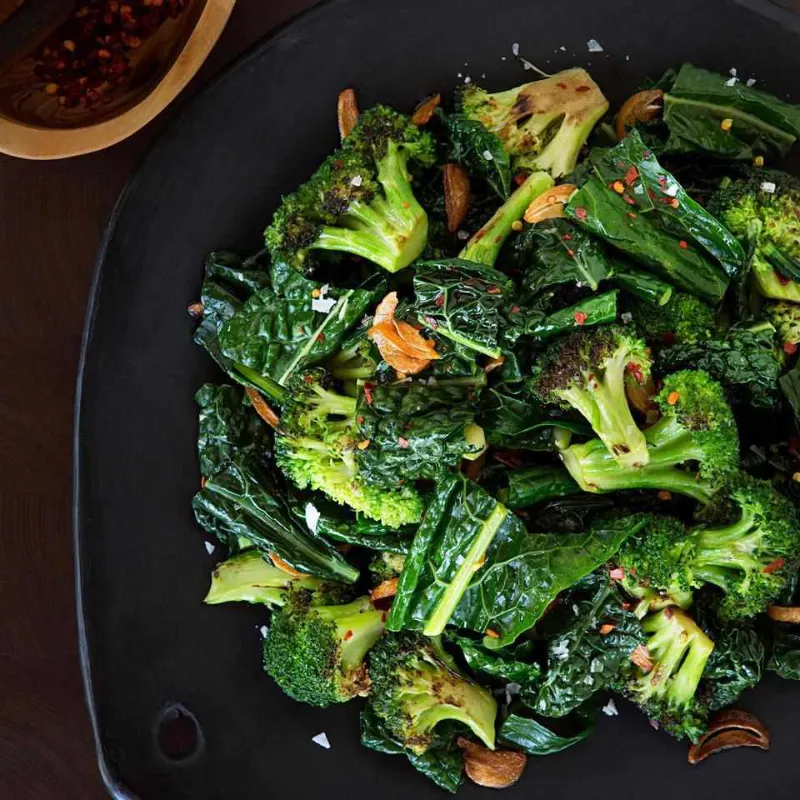
Broccoli, spinach, kale, green beans, and asparagus are all low in fat, low in acid, and high in fiber. This triple combination makes them some of the most reflux-friendly foods you can eat. They naturally help balance the pH in your stomach without triggering more acid production.
Leafy greens like spinach and kale are particularly rich in magnesium, a mineral that plays an important role in muscle and nerve function throughout the digestive system. Many people with chronic reflux are actually low in magnesium, which can worsen symptoms.
Steam, roast, or saute your greens in a small amount of olive oil and avoid frying them or drowning them in heavy sauces. Even a simple side of steamed broccoli with your dinner can make a real difference over time.
8. Lean Chicken and Turkey
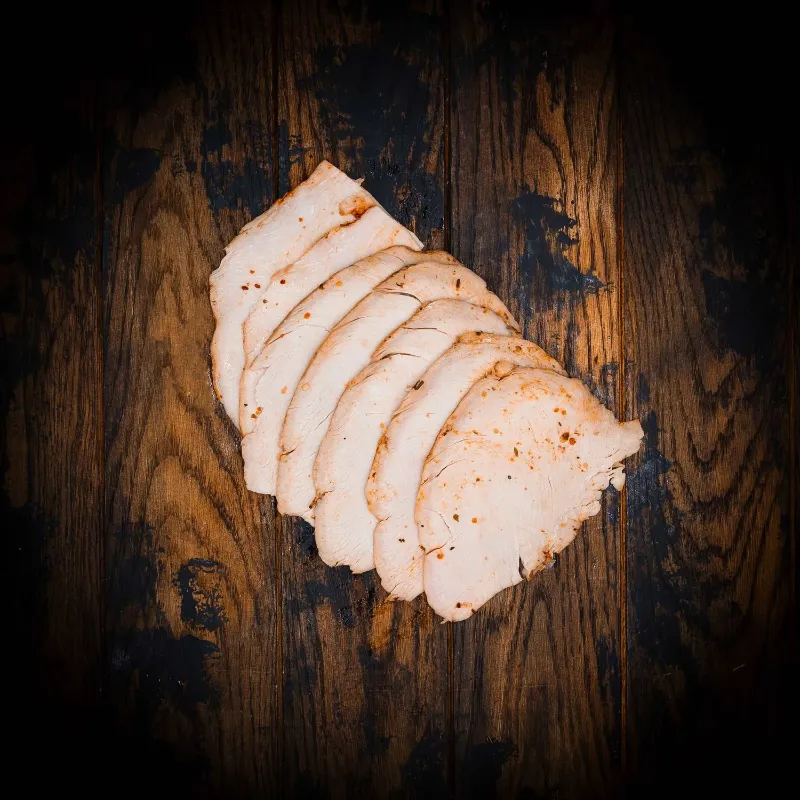
Protein is essential, but the type you choose matters a lot when you have acid reflux. Lean poultry like skinless chicken breast and turkey breast is low in fat, which is key because fatty meats slow down digestion and increase the pressure that forces acid upward.
High-fat meats also stimulate more stomach acid production, which is the last thing you need when your esophagus is already irritated. Swapping out beef burgers and fried chicken for baked or grilled turkey can make a noticeable difference in how you feel after meals.
Bake, broil, grill, or poach your chicken and turkey instead of frying it. Season with herbs like parsley, basil, and thyme rather than heavy spice blends that can irritate a sensitive stomach.
9. Fish
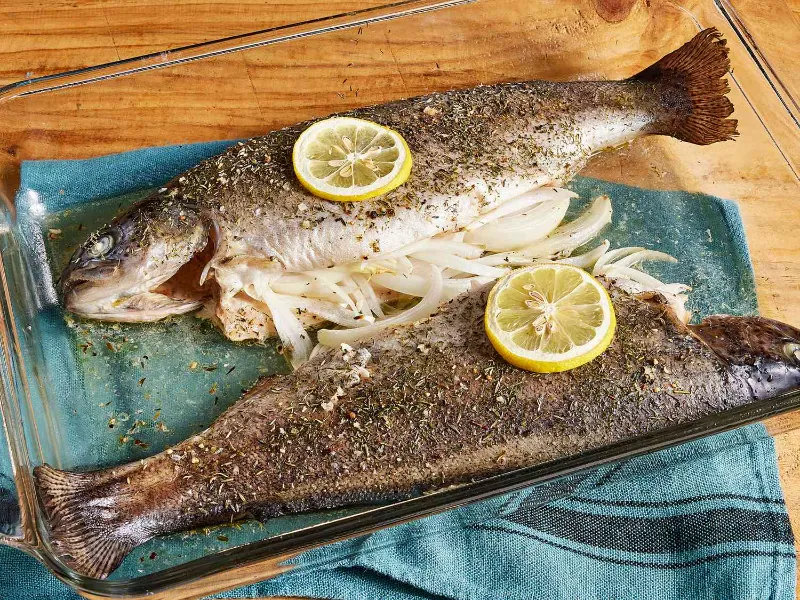
Fatty fish like salmon, trout, and mackerel are rich in omega-3 fatty acids, which are anti-inflammatory throughout the whole body, including the digestive tract. Reducing inflammation in the esophagus can ease the discomfort that comes with frequent acid exposure.
Unlike red meat or fried fish, these options are also relatively easy to digest, meaning your stomach doesn’t have to work overtime. They’re a fantastic source of protein that won’t stress your digestive system the way heavier proteins sometimes do.
Aim for two to three servings of fatty fish per week, and stick to baked, broiled, or poached preparations. Avoid fish fries or heavily battered options, and keep creamy sauces to a minimum.
10. Egg Whites

Eggs are a breakfast staple, but the yolk is where most of the fat lives, and fat can be a reflux trigger. Egg whites, on the other hand, are nearly fat-free and packed with high-quality protein, making them an excellent reflux-friendly option.
They’re also easy on the digestive system and won’t sit heavy in your stomach the way a full egg or a greasy omelet might. They’re incredibly versatile, too, so you’re not stuck eating boring breakfasts just because you’re managing reflux.
Scramble them with spinach and a pinch of turmeric, make a simple egg white omelet with diced vegetables, or hard boil a few for an easy snack. Keep cooking fats light, a small amount of olive oil is perfect.
11. Avocado
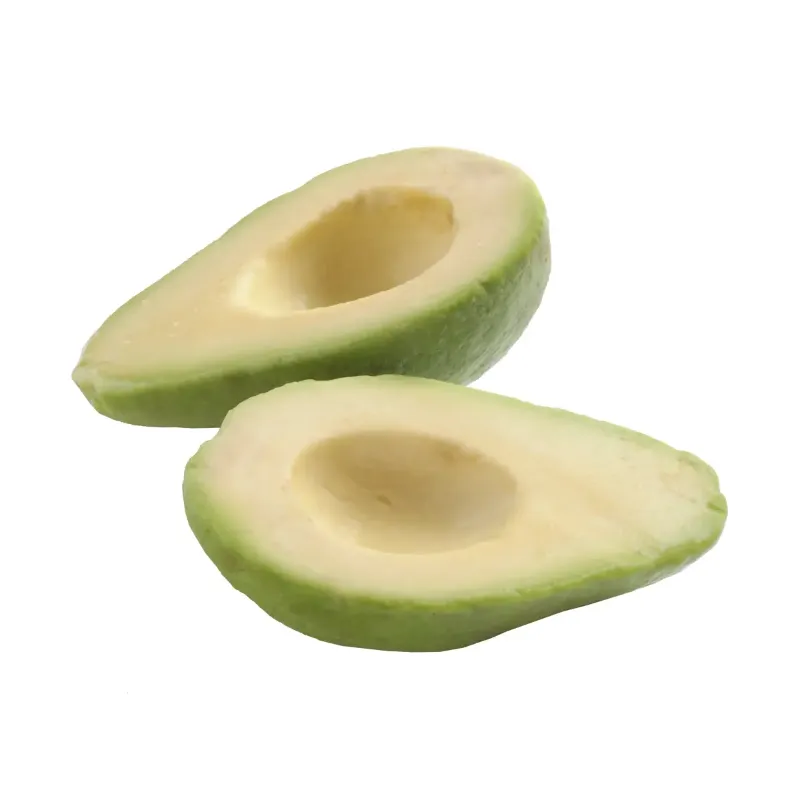
Avocado might surprise you here since it’s a fatty food, but the type of fat matters enormously. Avocados are loaded with monounsaturated fats, which are the heart-healthy kind that are actually easier on your digestive system than the saturated fats found in meat and dairy.
They’re also rich in fiber, potassium, and vitamins C and E, all of which support a healthy digestive lining. Vitamin E in particular has been studied for its role in protecting the esophageal tissue from acid damage.
Keep portions moderate, about a quarter to half an avocado at a time. Spread it on whole grain toast, add it to salads, or mash it with a squeeze of lemon juice as a simple side. Overloading on any fat, even healthy fat, can still trigger reflux in sensitive individuals.
12. Olive Oil
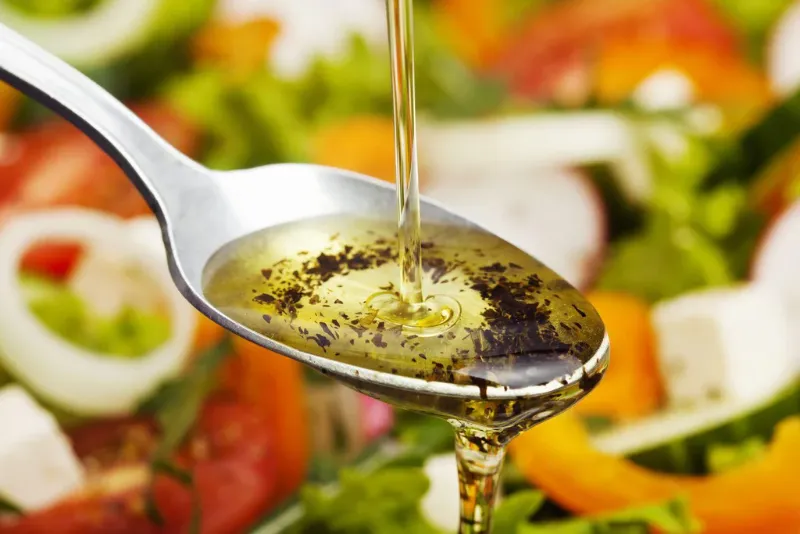
Olive oil is one of the most studied cooking fats in the world, and its anti-inflammatory properties are well-documented. Extra virgin olive oil contains polyphenols and oleic acid that help reduce inflammation throughout the body, including in your digestive tract.
It’s also a much gentler fat than butter or vegetable shortening, making it a smart swap in your cooking. Unlike heavy saturated fats, olive oil doesn’t significantly slow gastric emptying or stimulate excess acid production when used in reasonable amounts.
Drizzle it over roasted vegetables, use it as a base for light salad dressings, or use a small amount to saute your proteins and greens. Just don’t go overboard since any fat in large quantities can be a trigger.
13. Whole Grain Bread

White bread and refined carbs are quickly digested and can cause blood sugar spikes that indirectly affect digestion. Whole grain bread, on the other hand, is digested more slowly and contains significantly more fiber, which keeps your digestive system running smoothly.
The fiber in whole grains also helps absorb excess stomach acid, much like oatmeal does. It creates a kind of buffer in your digestive system that reduces the chance of acid being pushed back up toward your throat.
Look for bread where “whole grain” or “whole wheat” is listed as the first ingredient. Use it for sandwiches with lean turkey, avocado, or hummus, and skip heavy spreads like full-fat mayo or butter.
14. Brown or White Rice
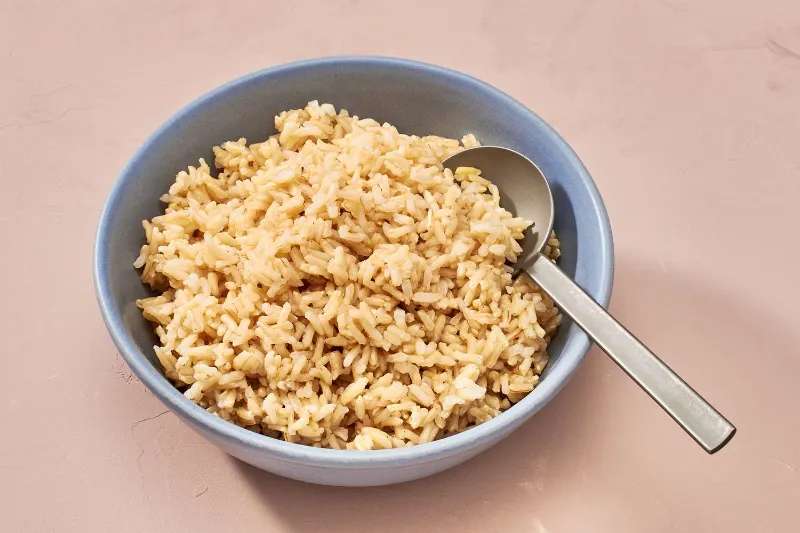
Rice is one of the most easily digestible carbohydrates on the planet. Both brown and white rice are gentle on the stomach, low in fat, and unlikely to trigger reflux symptoms. They act as a kind of absorbent base that soaks up excess acid during digestion.
Brown rice has the edge nutritionally since it contains more fiber and magnesium, both of which support digestive health. But white rice is a perfectly fine option, especially if your stomach is particularly sensitive and you need something ultra-mild.
Use rice as a base for meals with lean protein and steamed vegetables. Avoid loading it with heavy sauces, cheese, or creamy gravies that can undermine its reflux-friendly qualities.
15. Quinoa and Couscous
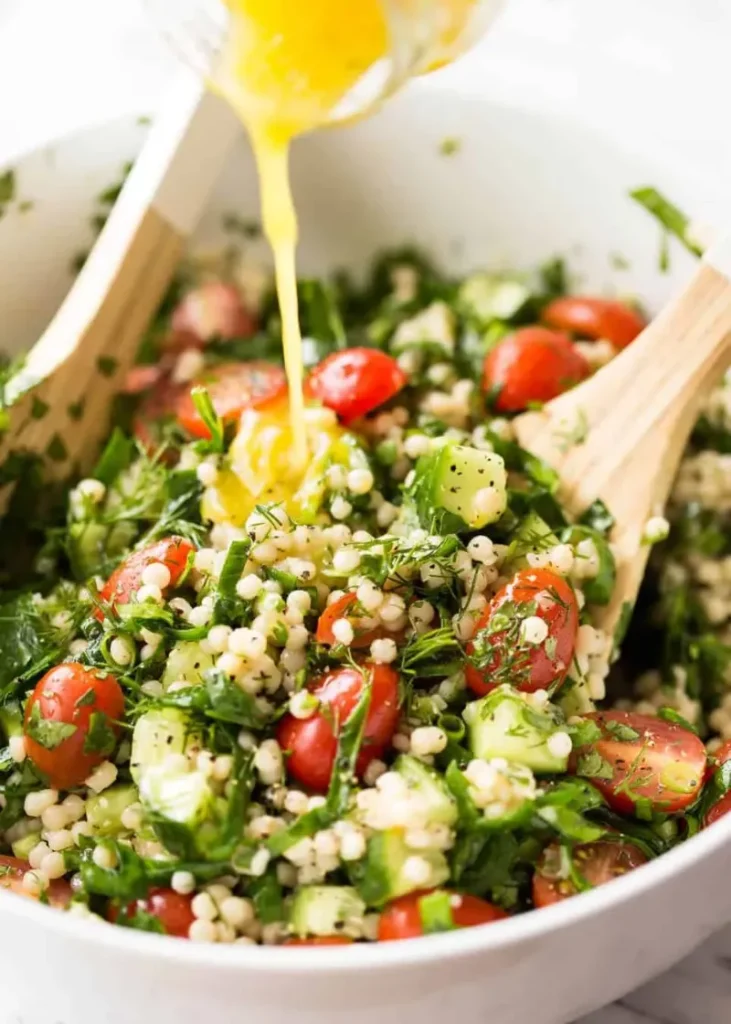
Quinoa is a powerhouse grain alternative that’s high in protein, fiber, and magnesium. It’s also alkaline-forming in the body, meaning it helps neutralize excess acidity rather than contributing to it. For anyone managing reflux, that’s a meaningful advantage.
Couscous is another mild, easy-to-digest grain that works beautifully as a side dish. It’s light on the stomach and pairs well with lean proteins and vegetables without adding any burden to your digestive system.
Both grains are incredibly versatile in the kitchen. Use quinoa in grain bowls, salads, or as a base for stir-fries, and try couscous with roasted vegetables and a drizzle of olive oil for a simple, reflux-friendly meal.
16. Parsley
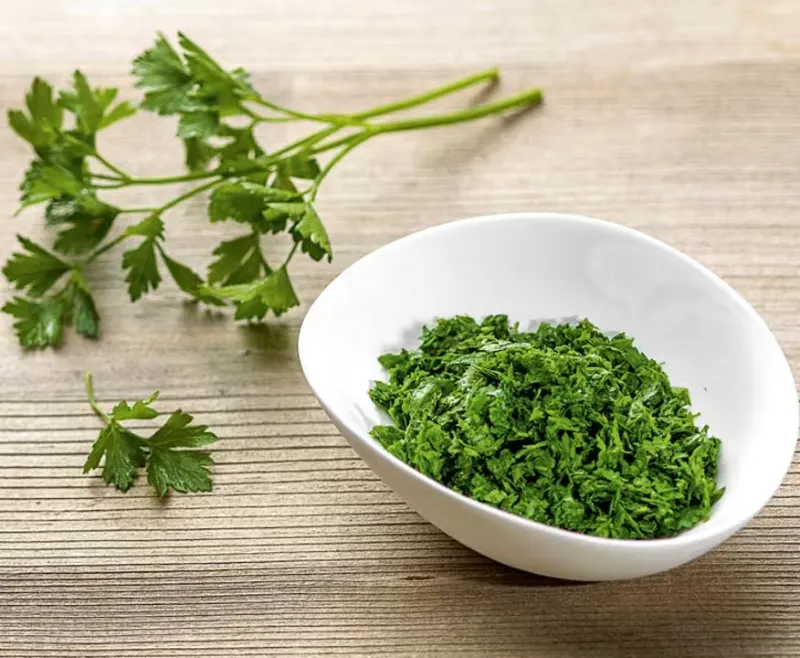
Parsley is more than just a plate garnish. This bright green herb has been used for centuries as a digestive aid, and there’s real science behind its reputation. It contains flavonoids and volatile oils that help support digestion and reduce bloating and gas.
It also has mild diuretic properties that help reduce water retention, which can sometimes contribute to abdominal pressure. And it’s naturally alkaline, so it helps balance the pH environment in your stomach.
Add fresh parsley generously to salads, sprinkle it over soups and grain dishes, or blend it into a simple herb sauce for chicken or fish. It’s one of the easiest ways to boost your meals without any extra effort.
17. Chamomile Tea

Chamomile tea is one of the most time-honored remedies for digestive upset, and clinical research supports its use. It contains apigenin, a natural compound with anti-inflammatory and antispasmodic effects that help relax the muscles of the digestive tract and reduce cramping.
A 2019 review in the journal Molecular Medicine Reports highlighted chamomile’s ability to ease gastrointestinal distress, including conditions related to excess acid. It also has mild sedative properties that can help reduce stress, which is a well-known reflux trigger.
Brew a cup of chamomile tea about 30 minutes after dinner to help your stomach settle. Keep it unsweetened or add just a small amount of honey, and skip any citrus additions that could counteract its soothing benefits.
18. Licorice Root (DGL)

Deglycyrrhizinated licorice, commonly called DGL, is a specially processed form of licorice root that’s become a well-known natural remedy for acid reflux and gastric irritation. The “deglycyrrhizinated” part just means a potentially harmful compound has been removed, making it safe for regular use.
DGL works by stimulating the production of mucus in the stomach lining, which acts as a protective barrier against acid. Several studies, including research published in Alimentary Pharmacology and Therapeutics, have found it effective for reducing heartburn symptoms.
DGL is typically available in chewable tablet form at health food stores and pharmacies. Chew one or two tablets about 20 minutes before meals for the best results, and look for reputable brands that clearly label their DGL content.
19. Coconut Water
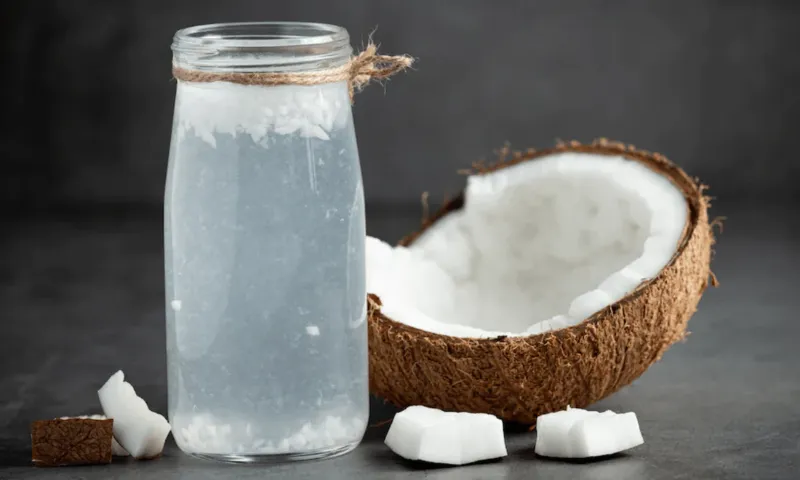
Coconut water has a naturally alkaline pH, typically around 5.6, and is rich in electrolytes like potassium and magnesium that support healthy muscle function, including the muscles involved in digestion. Staying well-hydrated is also one of the simplest ways to help dilute stomach acid.
It’s a much better choice than sodas, citrus juices, and caffeinated drinks, which are all notorious reflux triggers. The gentle sweetness of coconut water makes it satisfying enough to actually replace those more problematic beverages.
Sip it throughout the day or have a glass with meals instead of coffee or soda. Choose plain, unsweetened coconut water without added flavors or preservatives for the cleanest, most reflux-friendly option.
20. Almonds
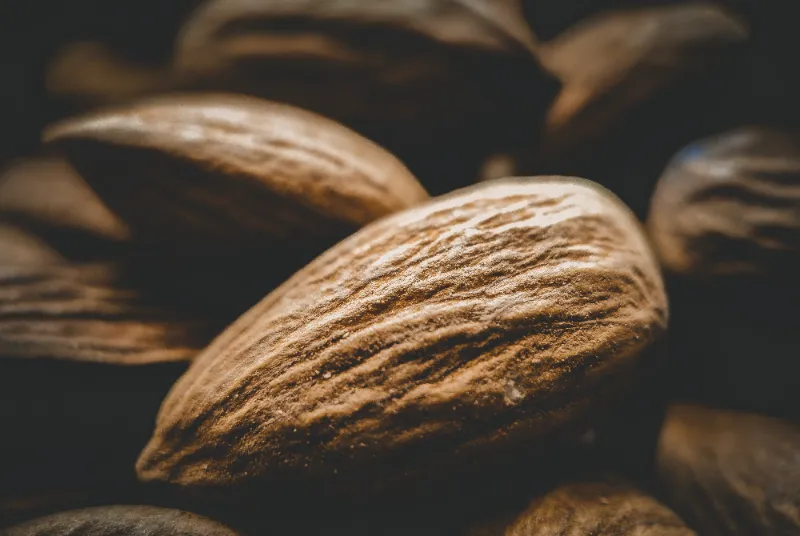
Almonds have a naturally alkaline quality that makes them surprisingly helpful for managing acid reflux. Some practitioners and patients report that eating a small handful of raw almonds after a meal helps neutralize stomach acid and reduce that familiar burning sensation.
They’re also rich in healthy fats, protein, and magnesium, which collectively support digestive health and help maintain the proper function of the lower esophageal sphincter. Magnesium, in particular, is often depleted in people who take proton pump inhibitors for reflux.
Stick to a small portion, about 10 to 15 raw almonds, as a snack or after meals. Avoid salted, roasted, or flavored varieties since additives and excess salt can sometimes irritate a sensitive stomach.
21. Non-fat or Low-fat Yogurt
Full-fat dairy is often a reflux trigger, but non-fat and low-fat yogurt is a different story. The probiotic cultures in yogurt, particularly Lactobacillus and Bifidobacterium strains, help balance the gut microbiome and support more efficient, comfortable digestion.
Research has shown a clear connection between gut microbiome health and acid reflux symptoms. An imbalanced gut can slow digestion and increase the likelihood of acid backing up into the esophagus. Eating probiotic-rich foods regularly can help shift that balance in your favor.
Choose plain, unsweetened varieties and add your own toppings like banana, honey, or a sprinkle of ground flaxseed. Flavored yogurts often contain high amounts of sugar or citrus additives that can undo the reflux-friendly benefits.
22. Kefir
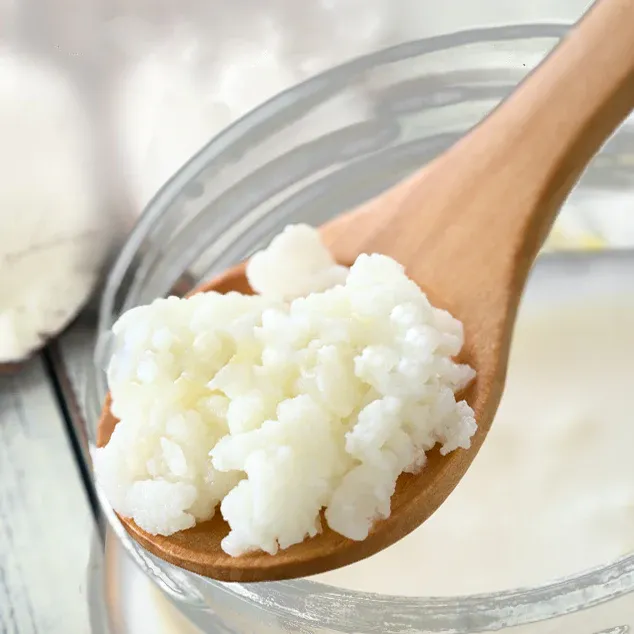
Kefir is a fermented milk drink that contains even more probiotic strains than regular yogurt. It’s been studied extensively for its positive effects on gut health, and its benefits for people with digestive conditions including acid reflux are increasingly well-documented.
Because it’s fermented, kefir is also easier to digest than regular milk. Many people who are sensitive to dairy find they tolerate kefir much better, partly because the fermentation process breaks down much of the lactose.
Try low-fat kefir as part of your breakfast routine or blend it into a smoothie with banana and a handful of spinach. Start with a small amount if you’re new to fermented foods, as your gut may need a little time to adjust.
23. Bone Broth

Bone broth has had a major resurgence in popularity, and for good reason. It’s rich in collagen, gelatin, and amino acids like glycine and proline, which help repair and strengthen the lining of the gut and esophagus. A stronger digestive lining is more resistant to the damage that acid reflux causes over time.
Glycine, in particular, has been shown in research to have anti-inflammatory effects and to support healthy digestion. It also helps stimulate stomach acid production in the right amounts, which sounds counterintuitive but is actually important since too little acid can also cause reflux-like symptoms.
Sip warm bone broth as a light meal, use it as a base for soups and stews, or cook your rice and grains in it for extra flavor and nutrients. Look for low-sodium versions or make your own at home.
24. Celery
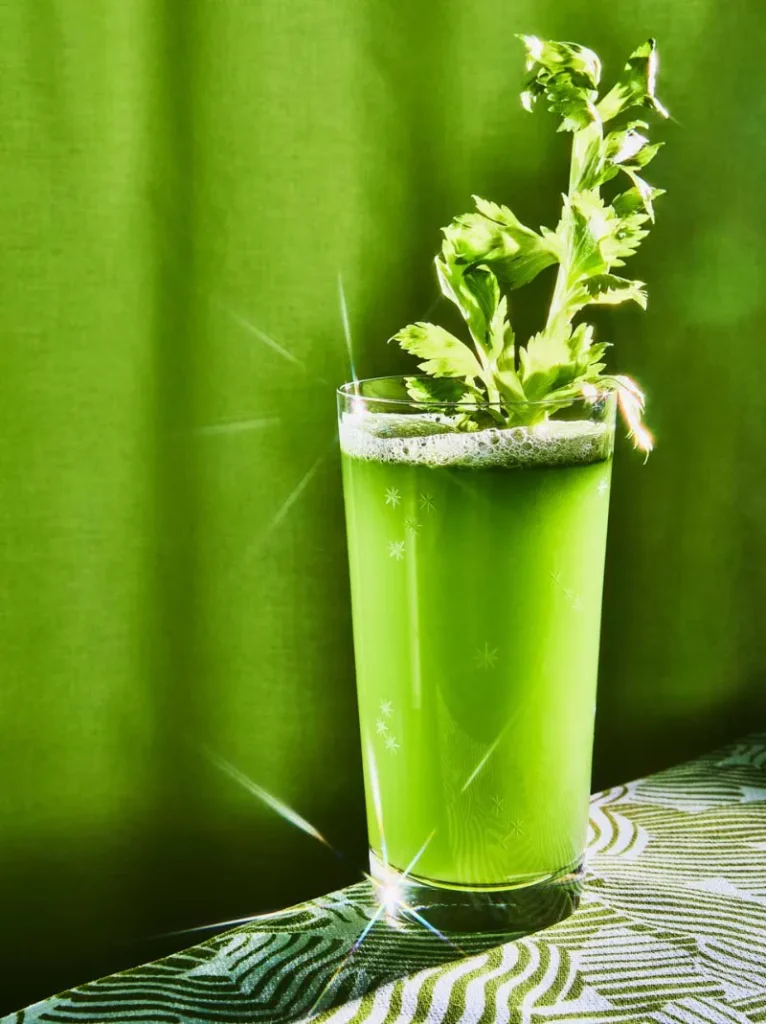
Celery is almost entirely water, which makes it an incredibly hydrating, low-acid snack. It has a pH of around 6.5, which means it’s mildly acidic but well within the safe zone for acid reflux sufferers. Its high water content helps dilute stomach acid and keep the digestive system flushed.
It’s also a source of natural sodium, which supports the production of hydrochloric acid in the stomach in healthy, appropriate amounts. This helps ensure proper digestion and reduces the fermentation and bloating that can push acid upward.
Snack on celery sticks between meals, add chopped celery to soups and salads, or blend it into green juices. It’s one of the most affordable and accessible reflux-friendly foods on this list.
25. Watermelon
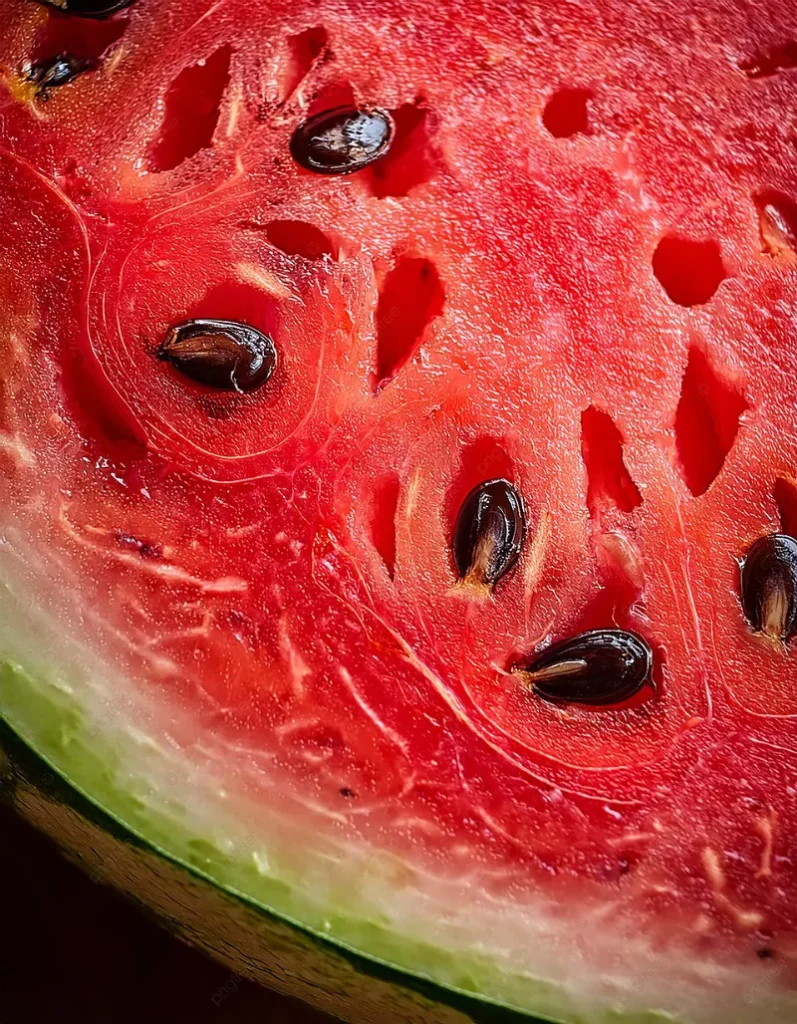
Watermelon is about 92 percent water, making it one of the most hydrating foods you can eat. Its high water content dilutes stomach acid, and its naturally alkaline properties make it a particularly soothing choice during a reflux flare-up.
It’s also rich in lycopene, a powerful antioxidant that has anti-inflammatory effects throughout the body. While research specifically on lycopene and reflux is limited, reducing systemic inflammation is consistently associated with better digestive health and reduced symptom severity.
Enjoy a generous bowl of chilled watermelon as a summer dessert, blend it into a refreshing smoothie, or eat it as a snack between meals. It’s naturally sweet without being acidic, which makes it a great substitute for citrus fruits that can trigger reflux.
26. Potatoes (Non-Fried)
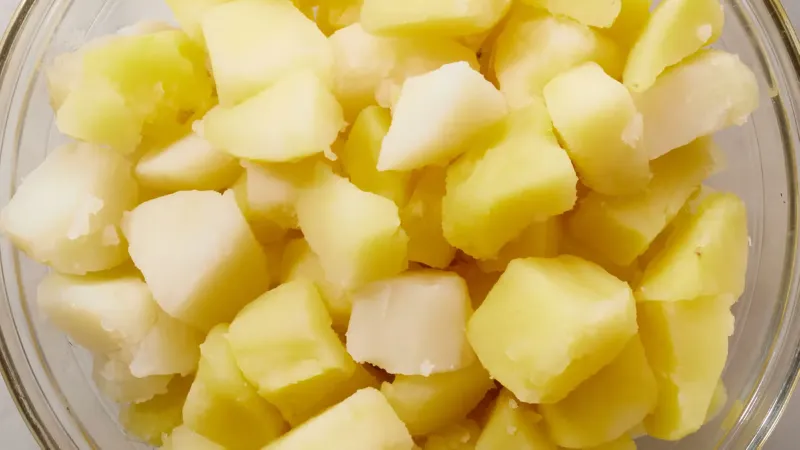
Plain potatoes are one of the most naturally alkaline foods you can eat, sitting at a pH of around 6.1. They’re starchy, gentle, and incredibly effective at absorbing excess stomach acid, which is why they’re often recommended as a base food during a reflux flare-up.
They’re also rich in potassium and B vitamins, which support overall digestive and nerve health. The key is in the preparation. Boiled, baked, and steamed potatoes are all excellent choices, while french fries and potato chips are loaded with fat and salt that will make reflux significantly worse.
Try baked sweet potatoes for an extra nutritional boost since they’re higher in fiber and antioxidants. Top them with a spoonful of low-fat yogurt or a drizzle of olive oil instead of butter and sour cream for a satisfying, reflux-safe meal.
Final Thoughts
Managing acid reflux doesn’t have to mean giving up delicious, satisfying food. These 26 foods give you a real, practical toolkit to start rebuilding your diet around ingredients that work with your body, not against it. Small, consistent changes add up faster than you think.
Start by adding just two or three of these foods to your weekly routine and notice how your body responds. Your digestive system will thank you, and you might be surprised at how much better you feel with just a few simple swaps.
