
25 Clinically Proven Foods To Avoid While Breastfeeding You Need to Add to Your Diet

Breastfeeding is one of the most powerful things you can do for your baby. But did you know that what lands on your plate directly affects the quality of your breast milk?
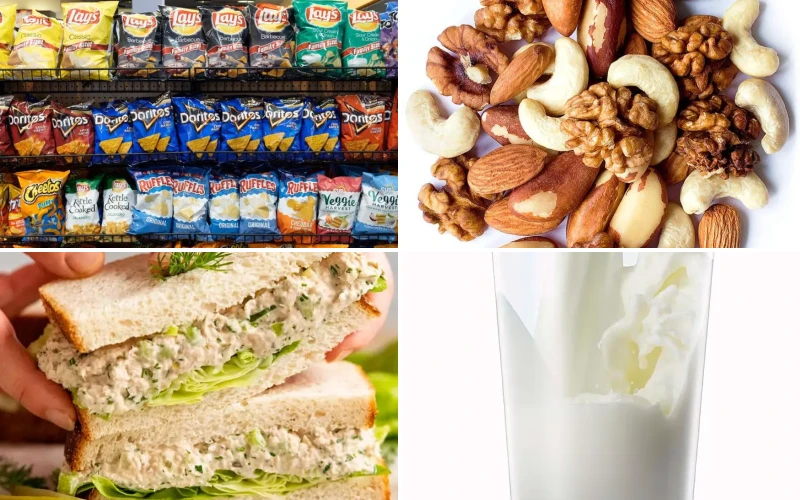
The good news is that with just a few simple tweaks, you can protect your little one and feel amazing doing it. Here are 25 foods to be aware of, backed by real science, so you can make the best choices for you and your baby.
1. Alcohol

Let’s start with the big one. When you drink alcohol, it passes directly into your breast milk at roughly the same concentration as it’s in your blood. That means even one drink can expose your baby to alcohol through nursing.
Research published in the journal Pediatrics shows that alcohol can disrupt your baby’s sleep patterns and slow their motor development. Your baby’s liver is still immature and simply cannot process alcohol the way yours can.
The safest approach is to skip it entirely while breastfeeding. If you do have a drink, wait at least two hours per drink before nursing. Pumping and dumping does not actually speed up alcohol leaving your milk.
2. Caffeine (Coffee, Tea, Energy Drinks)

That morning cup of coffee is a lifeline for most new moms. But caffeine does transfer into breast milk, and babies metabolize it much more slowly than adults do.
Newborns can take up to 97 hours to clear caffeine from their system. This can lead to irritability, poor sleep, and fussiness. As your baby grows, they handle it better, but it is still worth keeping an eye on.
Most experts, including the CDC, say up to 200mg of caffeine daily (about one 12oz cup of coffee) is generally safe. Just watch your baby for signs of restlessness or trouble sleeping, especially in the early weeks.
3. High-Mercury Fish (Shark, Swordfish, King Mackerel, Tilefish)

Fish is a fantastic source of protein and omega-3s, but certain species accumulate dangerously high levels of mercury. These large, predatory fish sit at the top of the food chain and absorb mercury from everything they eat.
Mercury is a neurotoxin that can damage your baby’s developing brain and nervous system. The FDA and EPA both specifically advise breastfeeding moms to avoid shark, swordfish, king mackerel, and tilefish entirely.
You do not have to give up seafood altogether though. Salmon, sardines, tilapia, and canned light tuna are all low-mercury options that are safe to enjoy two to three times per week.
4. Peppermint

Love a good peppermint tea or a handful of candy canes? This one might surprise you. Peppermint, especially in large amounts, contains menthol, which has been shown to reduce milk supply.
Herbalists and lactation consultants have long used peppermint as a natural way to wean or reduce oversupply. That tells you something about its potency when it comes to milk production.
If you are working hard to maintain your milk supply, it is best to avoid peppermint teas, peppermint candies, and large quantities of mint-flavored products. A small amount in toothpaste is generally not a concern.
5. Parsley
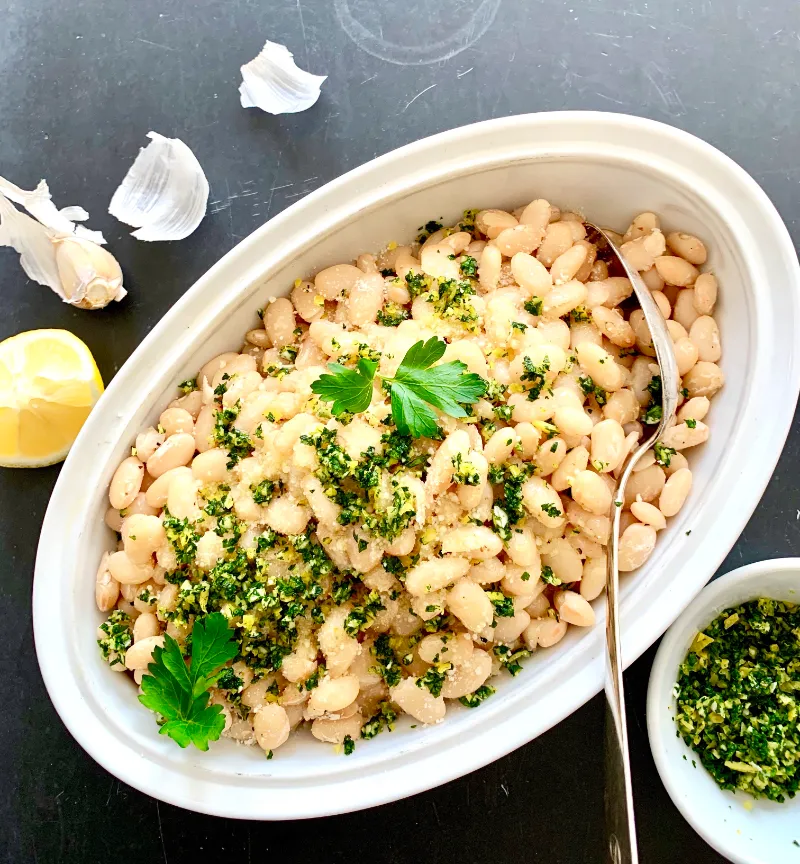
Parsley is a nutritious herb packed with vitamins C and K. But like peppermint, consuming large amounts of parsley has been traditionally linked to reducing breast milk supply.
Parsley contains compounds called apiol and myristicin that are thought to have anti-galactagogue effects, meaning they may work against milk production. It is commonly used by herbalists for this exact purpose.
A garnish on your plate? Totally fine. But skip the large parsley salads and concentrated parsley supplements while you are nursing, especially if milk supply is already a concern.
6. Sage
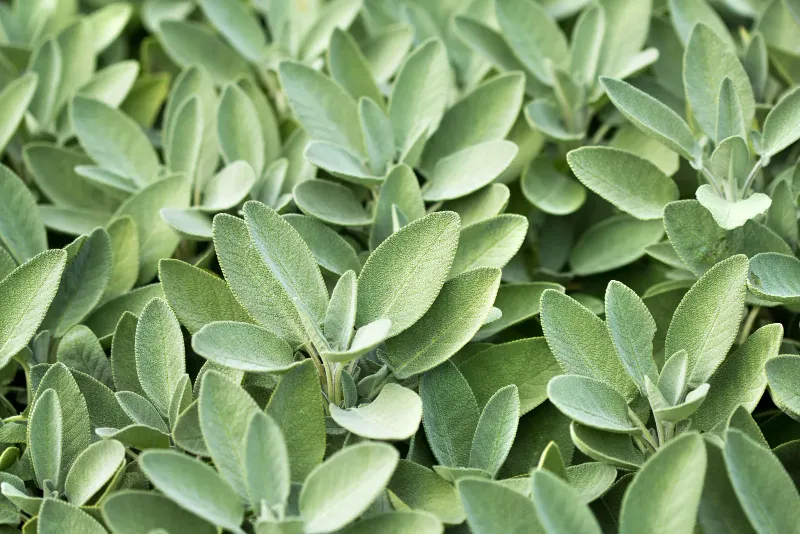
Sage is a wonderful cooking herb, but it has a long history of being used to dry up breast milk. Even small amounts of sage consumed regularly can impact your supply over time.
The compound thujone found in sage is believed to act like a mild estrogen blocker, which can interfere with the hormones that drive milk production. Some cultures deliberately brew sage tea during the weaning process.
Fresh sage leaves used occasionally in cooking are unlikely to cause a big problem. But sage teas, sage supplements, and cooking dishes with large quantities of dried sage are worth avoiding if you want to keep your supply strong.
7. Spearmint

Spearmint is another member of the mint family that can affect milk supply, similar to peppermint and sage. It contains carvone, a compound that may reduce prolactin levels, the hormone responsible for milk production.
Some herbal research and lactation literature specifically flag spearmint as one to watch. While it is not as well studied as peppermint in clinical settings, the anecdotal and herbal evidence is consistent enough to warrant caution.
Again, a bit of flavor here and there is unlikely to cause trouble. But spearmint teas, herbal blends, and supplements should be approached with care during breastfeeding.
8. Garlic
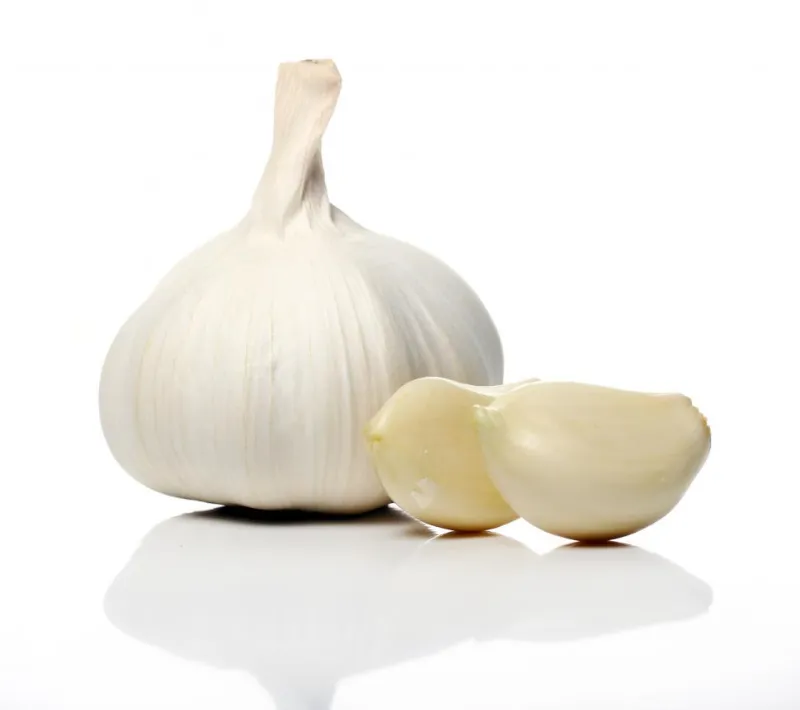
Garlic changes the flavor of your breast milk pretty significantly. Studies have actually shown that babies nurse for longer when their mothers eat garlic, because some babies seem to enjoy the altered taste. But for others, it can be a problem.
Some babies are sensitive to the sulfur compounds in garlic and may become gassy, colicky, or fussy after mom eats it. Every baby is different, so it is really about watching your own little one’s reaction.
If your baby seems uncomfortable or gassy after you have had a garlic-heavy meal, try cutting it back and see if things improve. If your baby nurses happily and shows no signs of distress, enjoy your garlic bread.
9. Citrus Fruits
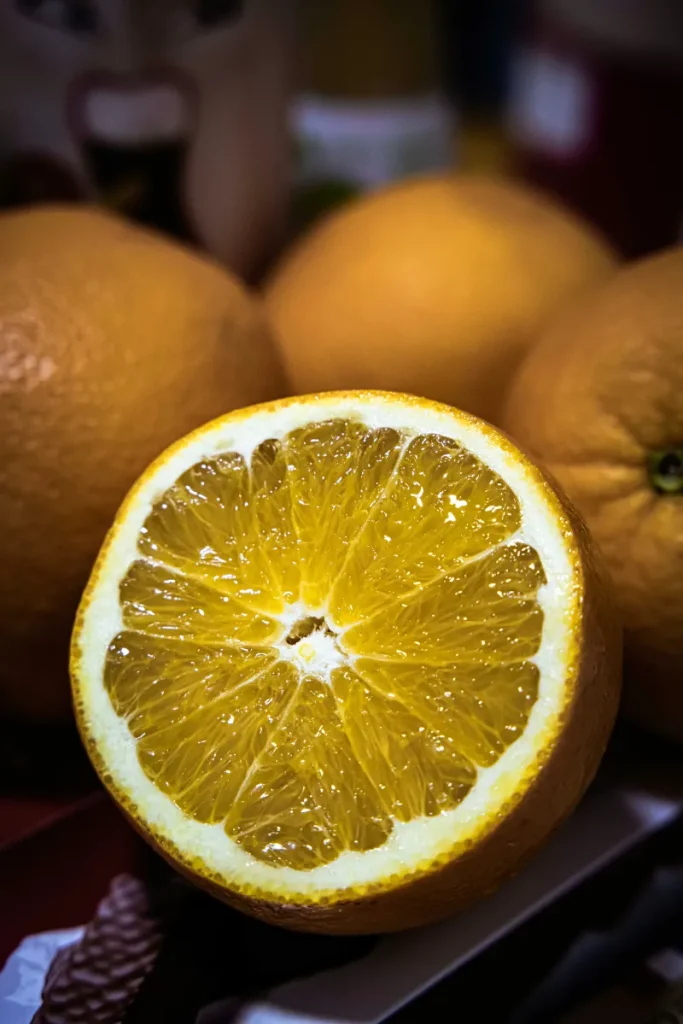
Oranges, lemons, grapefruits, and limes are loaded with vitamin C and antioxidants, which are great for you. However, citrus fruits are highly acidic, and that acidity can irritate some babies’ still-developing digestive systems.
Some breastfeeding moms notice that after eating a lot of citrus, their baby becomes fussy, develops a diaper rash, or has loose stools. This is because the acidic compounds can pass through breast milk and upset a sensitive stomach.
You do not need to eliminate citrus entirely. Just pay attention to how your baby responds. If you notice a pattern of fussiness following your citrus intake, try reducing your consumption for a week or two and see if it makes a difference.
10. Strawberries

Strawberries are another fruit that some breastfed babies react poorly to. They contain natural compounds called salicylates, which can irritate sensitive babies and contribute to rashes, fussiness, or tummy trouble.
Not every baby will react to strawberries. But if your baby consistently seems uncomfortable after you eat them, it is worth experimenting with cutting them out temporarily to see if it helps.
Like most foods on this list, this is not a hard rule for everyone. It is about paying attention to your individual baby and being willing to adjust based on what you observe.
11. Dairy Products (Cow’s Milk)
Cow’s milk is one of the most common culprits when it comes to breastfed babies who seem uncomfortable, gassy, or colicky. Proteins from cow’s milk, particularly casein and whey, can pass into breast milk and cause reactions in sensitive infants.
Studies estimate that around 2 to 3 percent of breastfed infants have a cow’s milk protein sensitivity. Symptoms can include excessive crying, gas, skin rashes, eczema, and reflux-like symptoms.
If your baby seems persistently uncomfortable and you have ruled out other causes, try eliminating dairy from your diet for two to four weeks and see if there is improvement. It can take about two weeks for dairy proteins to fully clear from your milk.
12. Soy Products
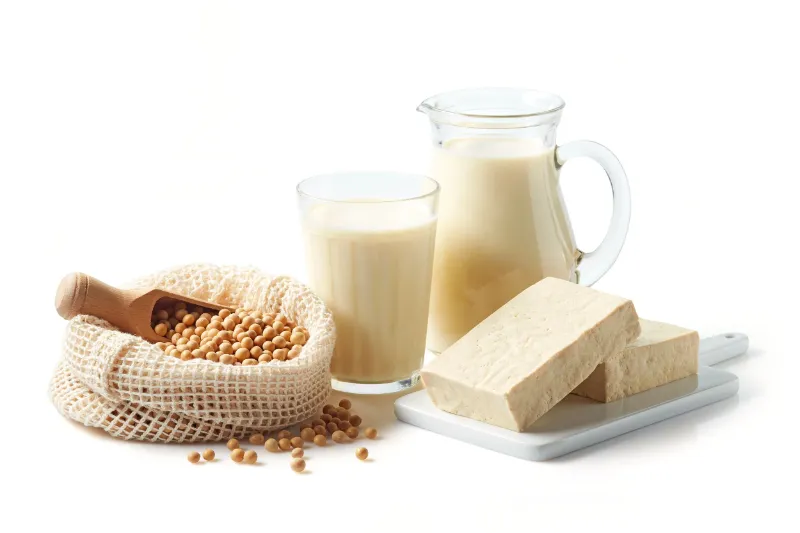
Soy is often the first thing moms reach for when they eliminate dairy. But here is the thing: soy protein is structurally similar to cow’s milk protein, and many babies who are sensitive to one are also sensitive to the other.
Research suggests that roughly 50 percent of infants with cow’s milk protein intolerance also react to soy. Tofu, soy milk, edamame, and soy sauce all contain these proteins.
If you have eliminated dairy and your baby is still uncomfortable, soy may be the next thing to investigate. Talk to your pediatrician or a lactation consultant for guidance on an elimination diet.
13. Wheat and Gluten
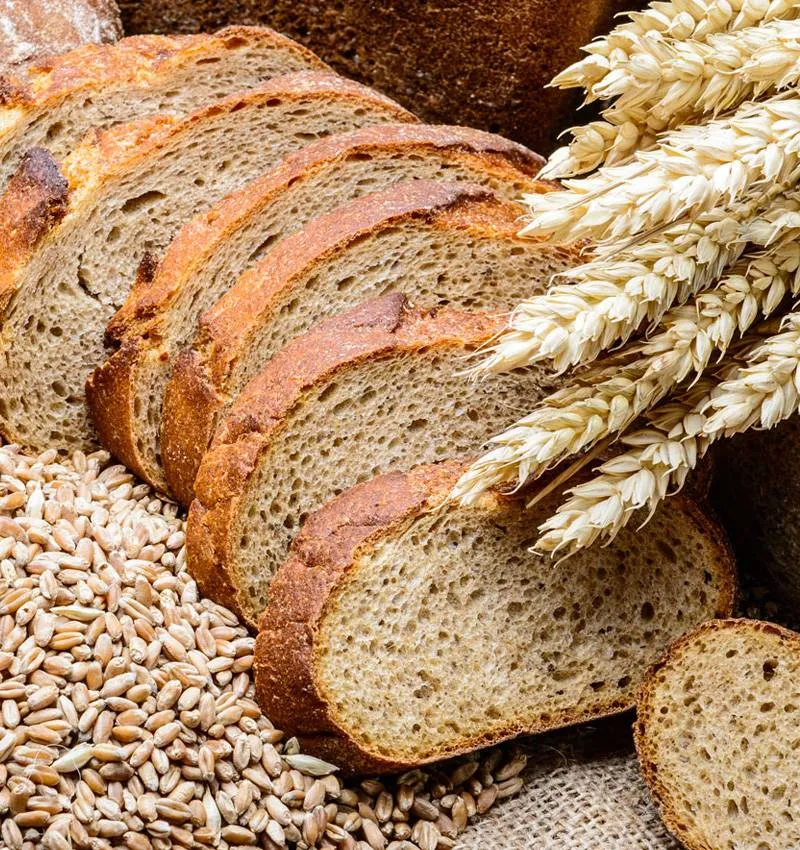
Gluten sensitivity in breastfed babies is less common than dairy or soy sensitivity, but it does happen. Gluten is the protein found in wheat, barley, and rye, and proteins from gluten can pass into breast milk.
In babies with a gluten sensitivity or family history of celiac disease, exposure through breast milk may trigger digestive discomfort, skin reactions, or general fussiness. The evidence here is more mixed, but it is worth knowing.
If you have tried eliminating dairy and soy without improvement, and especially if there is a family history of celiac disease or gluten sensitivity, it may be worth discussing a wheat elimination trial with your healthcare provider.
14. Eggs

Eggs are a nutritional powerhouse for nursing moms, packed with protein, choline, and healthy fats. But egg white protein is one of the more common food allergens, and it can pass through breast milk.
Some babies show signs of egg sensitivity, including skin rashes, eczema, digestive upset, or respiratory symptoms. This tends to be more of a concern if there is a family history of egg allergies.
If you notice skin issues or persistent digestive trouble in your baby, eggs could be a contributing factor. Egg yolks are generally less allergenic than egg whites, so some moms find they can tolerate yolks while cutting out the whites.
15. Peanuts
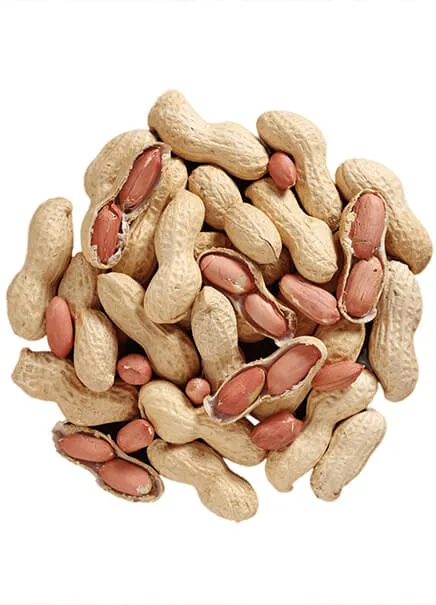
Peanut allergy is one of the most serious and most common food allergies in children. The good news is that current research actually suggests early exposure to peanut proteins through breast milk may help reduce allergy risk for most babies.
However, if there is a strong family history of peanut allergy, particularly if a sibling has a peanut allergy, you should discuss peanut consumption with your baby’s pediatrician before continuing.
For most families without a significant allergy history, eating peanuts while breastfeeding is considered safe and may even be beneficial. But always consult your healthcare provider if you have any concerns.
16. Tree Nuts
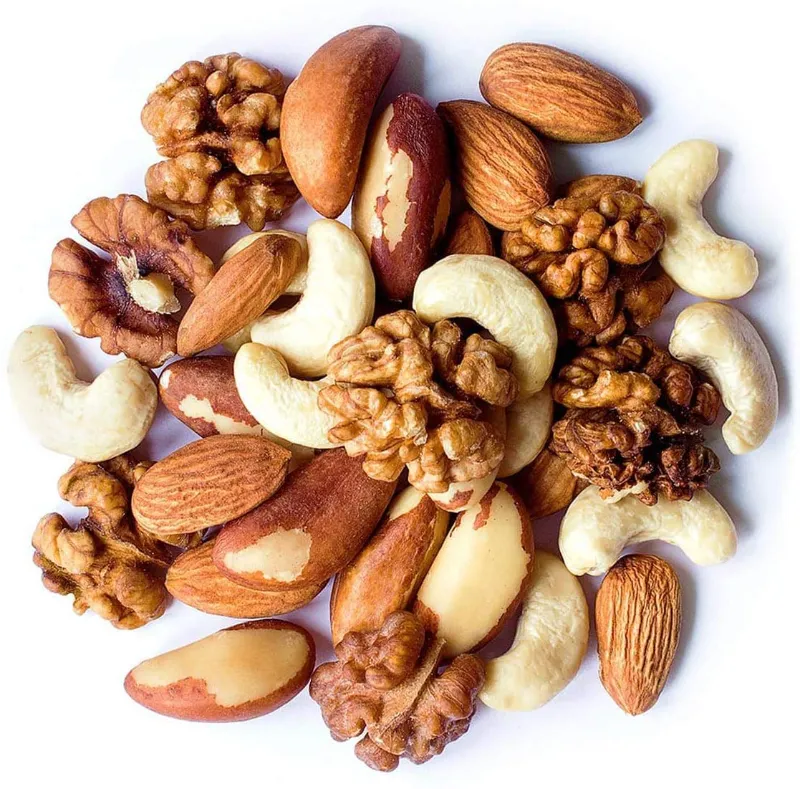
Tree nuts like cashews, walnuts, almonds, and pistachios are another group of common allergens that can pass into breast milk. They are nutritionally wonderful for nursing moms, but protein transfer is possible.
If your baby seems to react after you eat tree nuts, particularly with skin symptoms or digestive issues, it is worth noting and discussing with your pediatrician. The evidence is less clear-cut than for peanuts, but the possibility is real.
Most moms can enjoy tree nuts without any problem. The key is simply paying attention to your baby’s responses and being willing to adjust if patterns emerge.
17. Corn
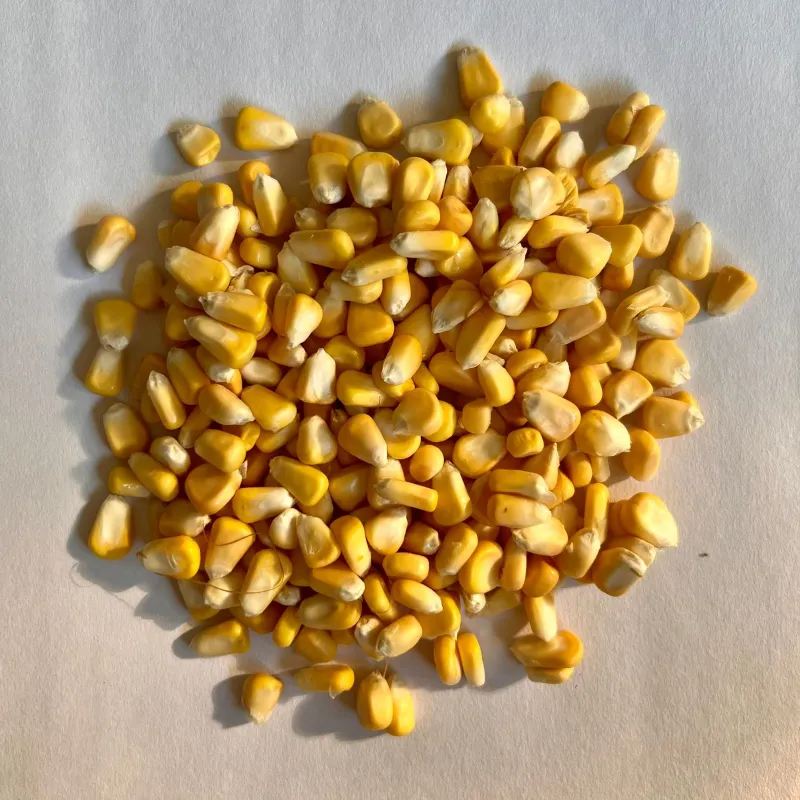
Corn and corn-derived ingredients are in a surprising number of processed foods, from corn syrup to cornstarch to corn oil. Some babies who are sensitive to multiple foods also react to corn.
Corn sensitivity in infants is not as common as dairy or soy, but it is worth being aware of if you have already eliminated the main culprits and are still seeing symptoms. Corn proteins can pass through breast milk just like other food proteins.
If you suspect corn, the tricky part is reading ingredient labels carefully, since corn derivatives hide in countless packaged foods. An experienced dietitian can help you navigate this if needed.
18. Chocolate

Chocolate, especially dark chocolate, contains both caffeine and a related stimulant called theobromine. Both of these compounds can pass into breast milk and affect your baby.
In most cases, a small amount of chocolate is fine. But if your baby seems unusually fussy, has trouble sleeping, or shows signs of overstimulation after you have had chocolate, that could be why.
Theobromine has a longer half-life than caffeine in infants and can accumulate with repeated exposure. If chocolate seems to correlate with a fussy baby, try cutting back and see if things calm down.
19. Spicy Foods
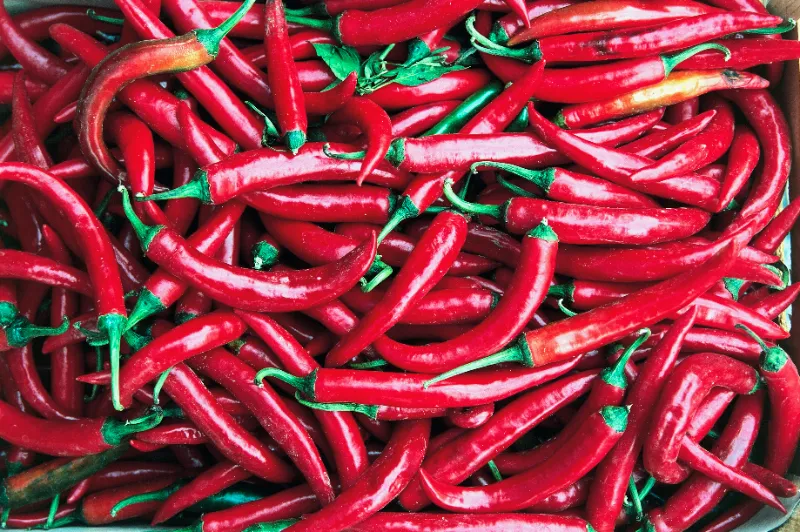
Spicy food does not necessarily harm your baby, but the compounds that make food spicy, like capsaicin from chili peppers, can pass into breast milk and alter its flavor and occasionally its effects on digestion.
Some babies handle spice just fine and may even show a preference for varied flavors, which research suggests can broaden their palate later in life. Other babies become gassy, fussy, or uncomfortable.
Pay attention to your baby after you eat a particularly spicy meal. If there is no reaction, enjoy your hot sauce. If your baby consistently seems upset, dialing back the spice for a while is a simple and harmless fix.
20. Artificial Sweeteners

Artificial sweeteners like saccharin, acesulfame potassium, and even some forms of stevia can pass into breast milk. Their long-term effects on infants are not yet well understood, and the research is still evolving.
A 2022 study published in the American Journal of Clinical Nutrition found that certain artificial sweeteners were detected in the breast milk of mothers who consumed them. What this means for babies’ health is still being studied.
The precautionary approach is to minimize artificial sweeteners during breastfeeding and rely on natural sources of sweetness when needed. Water, herbal teas (safe varieties), and whole fruits are excellent alternatives.
21. Processed and Junk Food

Highly processed foods, fast food, and junk food are loaded with artificial additives, trans fats, excess sodium, and refined sugars. While these do not pose an immediate danger to your baby through breast milk, they do reduce the overall nutritional quality of your milk.
Your body prioritizes getting key nutrients into your breast milk, but if your diet is poor, it will draw from your own stores, potentially depleting you of important vitamins and minerals. That is not good for you or your baby long term.
Think of breast milk quality as a direct reflection of your nutritional intake. The more whole, nutrient-dense foods you eat, the more nourishing your milk will be. You deserve to feel your best too.
22. Gassy Vegetables (Broccoli, Cabbage, Cauliflower)
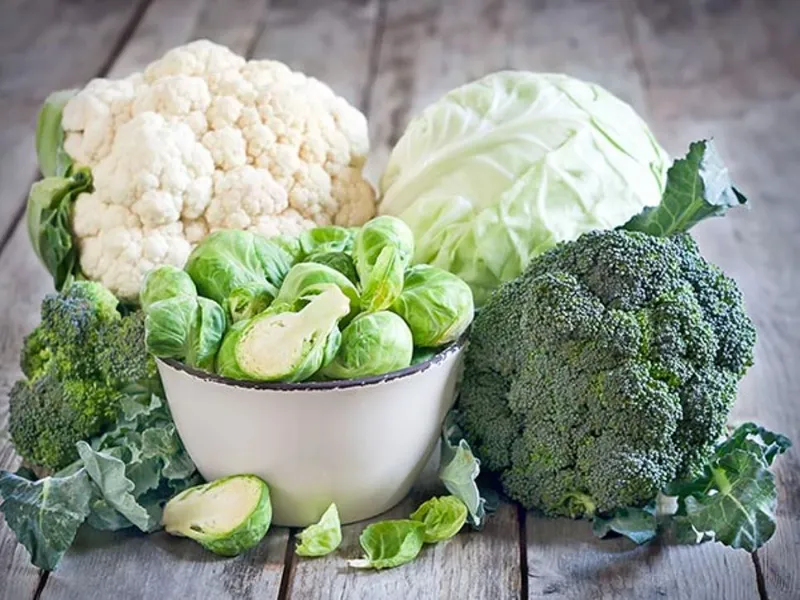
Here is a common one that gets mixed reviews from experts. Gas-producing vegetables like broccoli, cabbage, cauliflower, and Brussels sprouts contain compounds that, according to some lactation experts, can contribute to gas and fussiness in some babies.
The scientific evidence on this is not entirely conclusive. Gas-producing carbohydrates do not technically pass into breast milk, but some compounds from these vegetables do. Many babies have no reaction at all.
That said, if your baby is consistently gassy and uncomfortable, and you eat a lot of these cruciferous vegetables, it may be worth experimenting with reducing them temporarily. Many moms do find a connection.
23. Canned Tuna (High Mercury Risk)
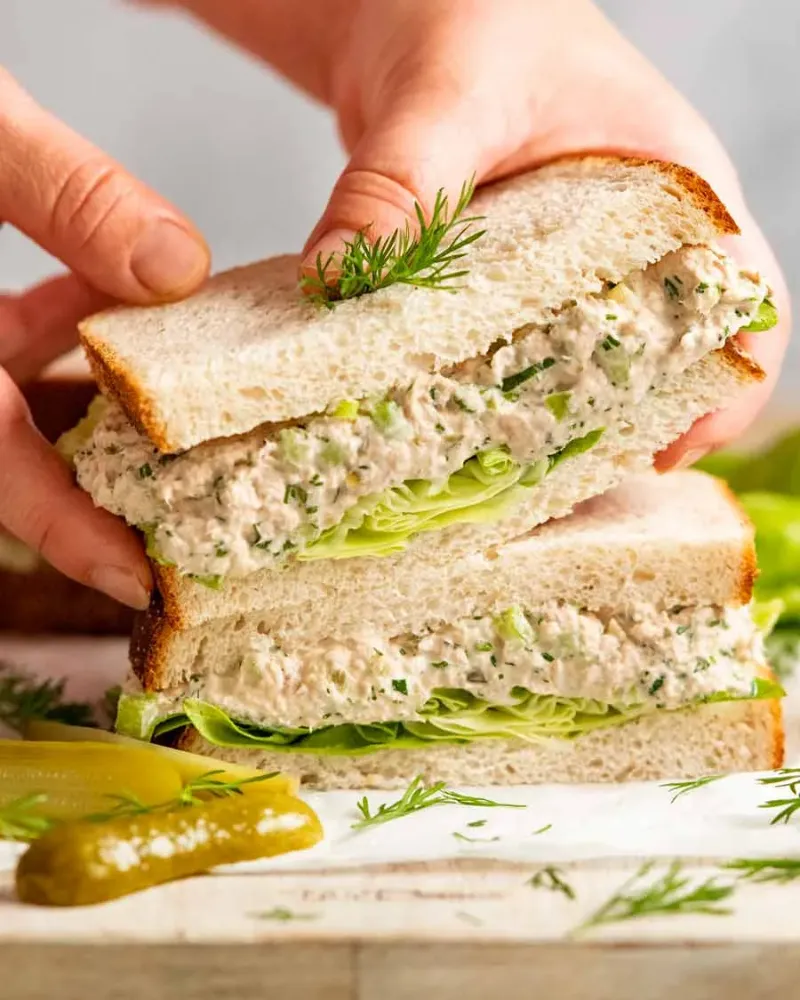
Canned tuna is affordable, convenient, and protein-packed. But it comes with a mercury concern. Albacore (white) tuna tends to be higher in mercury than light tuna, and the FDA recommends limiting it while breastfeeding.
The recommendation is no more than one serving (about 6 ounces) of albacore tuna per week for breastfeeding moms. Canned light tuna is a safer option and can be consumed up to three times per week.
Mercury accumulates in your body over time and can pass into breast milk, where it poses a risk to your baby’s developing brain and neurological system. Stick to the limits and you can still enjoy tuna safely.
24. Raw or Undercooked Seafood
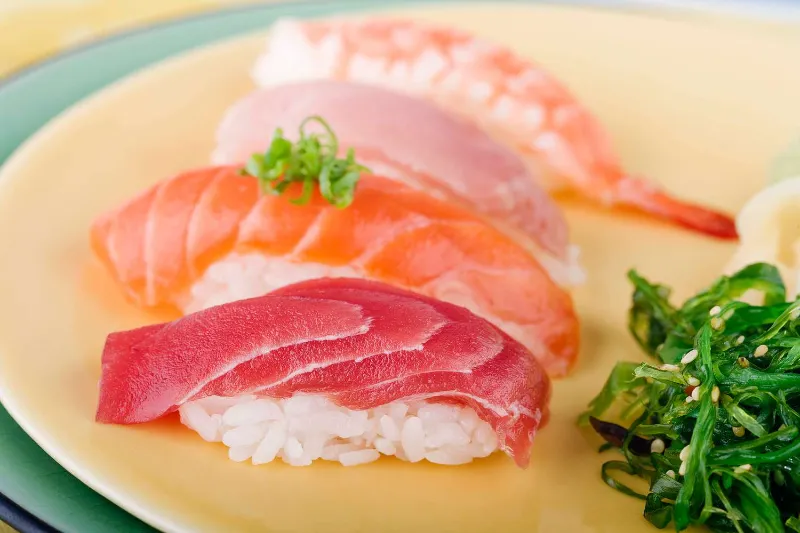
Raw seafood, including sushi, oysters, and ceviche, carries a risk of bacterial and parasitic contamination. While the risk is lower during breastfeeding than during pregnancy, foodborne illness is a real concern.
A serious bout of food poisoning from raw seafood can leave you dehydrated, depleted, and unable to nurse effectively. Some pathogens can also theoretically pass into breast milk. Your immune system is already working overtime as a new mom.
Play it safe and stick to fully cooked seafood for now. The sushi will still be there when you are done breastfeeding, and your baby’s health is worth the temporary sacrifice.
25. Certain Herbal Teas

Herbal teas can feel like a natural, healthy choice, but some herbs are not safe during breastfeeding. Herbs like comfrey, pennyroyal, coltsfoot, and kava can be harmful and should be avoided entirely while nursing.
Some teas marketed as general wellness blends can contain these herbs without clearly listing them, making label reading really important. Even some weight loss or detox teas can contain compounds that affect your milk supply or harm your baby.
Safe herbal tea options during breastfeeding include ginger, chamomile, and rooibos in moderate amounts. When in doubt, check with your healthcare provider before adding any new herbal tea to your routine.
Final Thoughts
Breastfeeding is a journey, and it looks different for every mom and every baby. You are doing an incredible thing by paying attention to what you eat and how it affects your little one.
Start by observing your baby’s responses after meals and make gentle adjustments as needed. You do not have to overhaul everything at once. Small, informed choices add up to big benefits over time. Trust yourself, trust your body, and when in doubt, reach out to a lactation consultant or your healthcare provider for personalized guidance.
