
27 Secret Biotin Rich Foods You Need to Add to Your Diet

If you’ve been dealing with brittle nails, thinning hair, or just feeling a little off, biotin might be exactly what your body is craving. This powerful B vitamin plays a huge role in how your body converts food into energy, and most people aren’t getting nearly enough of it.
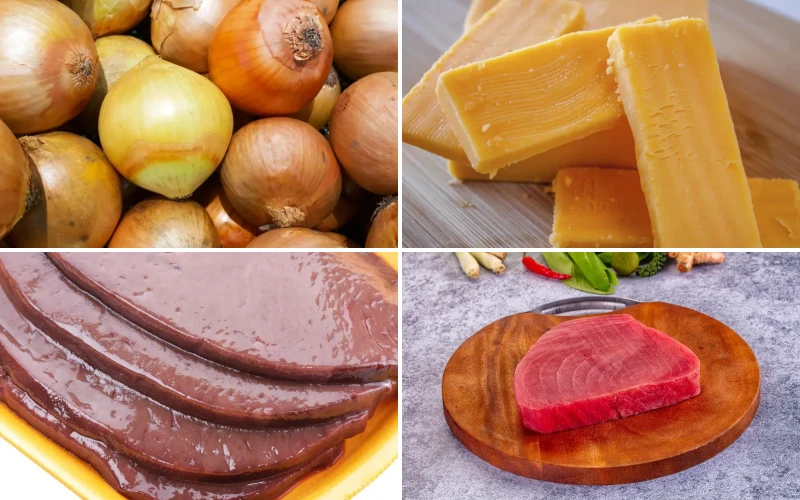
The good news? You don’t need fancy supplements to boost your levels. These 27 foods are delicious, easy to find, and packed with the biotin your body needs to thrive.
Egg Yolks
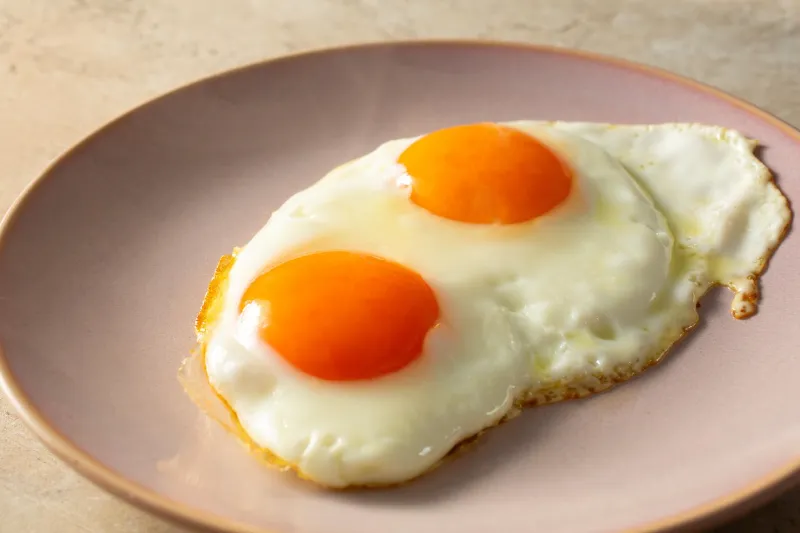
Egg yolks are one of the richest natural sources of biotin you can find. A single cooked egg yolk delivers around 10 micrograms of biotin, making it a seriously efficient way to hit your daily target.
The key word there is cooked. Raw egg whites contain a protein called avidin that actually blocks biotin absorption, so always cook your eggs first.
Scrambled, poached, hard-boiled — it doesn’t matter. Any way you cook them, you’re setting yourself up for a solid biotin boost first thing in the morning.
Beef Liver
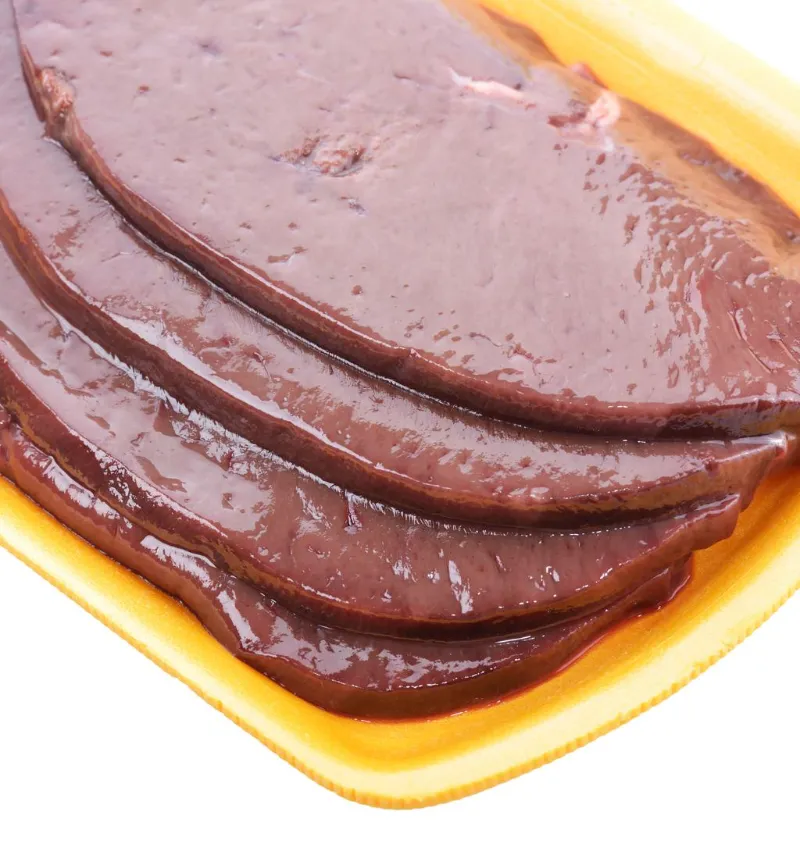
Beef liver might not be the first thing that comes to mind at dinnertime, but nutritionally speaking, it’s one of the most impressive foods on the planet. A 3-ounce serving can contain over 30 micrograms of biotin, which is more than your entire recommended daily intake.
It’s also loaded with iron, vitamin A, and B12, making it a true nutritional powerhouse.
If the taste is a little strong for you, try soaking it in milk before cooking, or pair it with caramelized onions. Just one or two servings a week makes a real difference.
Salmon
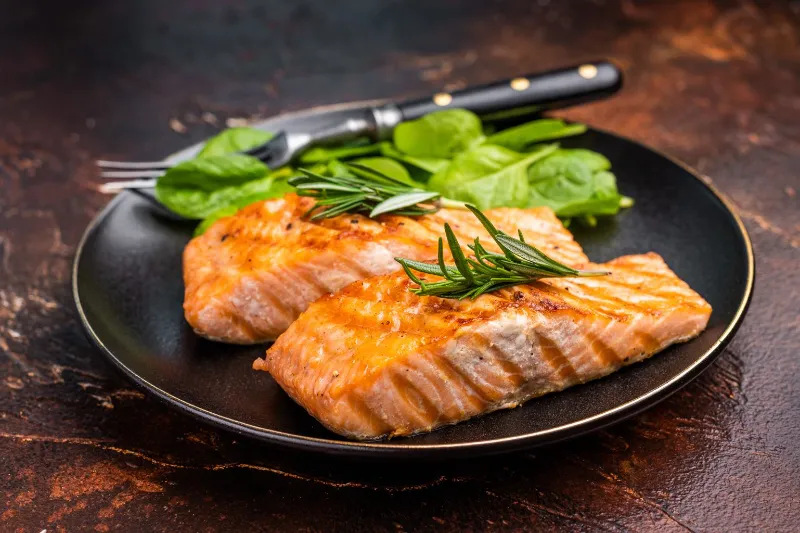
Salmon is already a fan favorite for heart health and omega-3 fatty acids, but it deserves serious credit for its biotin content too. A 3-ounce serving of cooked salmon provides about 5 micrograms of biotin alongside all that good healthy fat.
Biotin and omega-3s together are actually a fantastic combo for hair health, since both contribute to scalp nourishment and follicle strength.
Grill it, bake it, or toss it in a grain bowl. Salmon is one of the easiest high-biotin proteins to work into your weekly rotation.
Sunflower Seeds
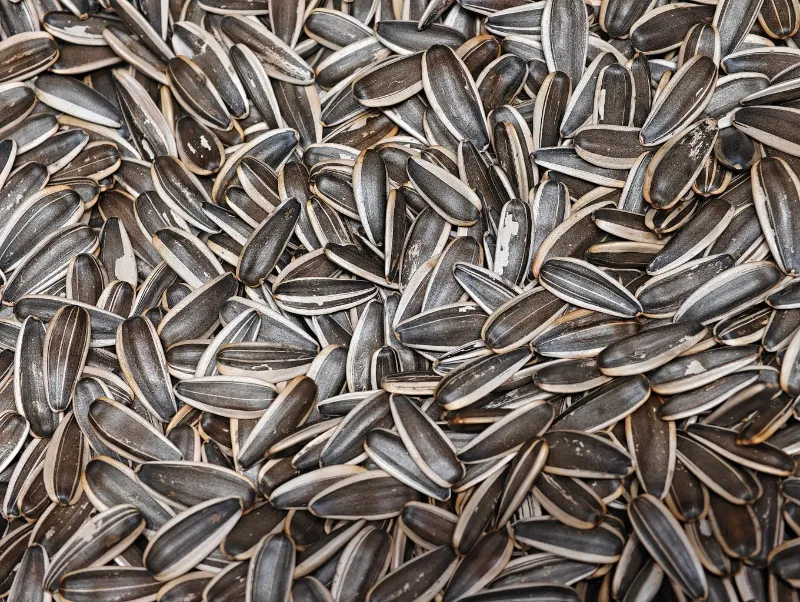
These little seeds pack a surprising punch when it comes to biotin. A quarter cup of roasted sunflower seeds gives you around 2.6 micrograms, and they’re incredibly easy to snack on throughout the day.
They’re also rich in vitamin E and healthy fats, which complement biotin’s role in skin and nail health beautifully.
Sprinkle them over salads, mix them into trail mix, or just grab a handful when you need something crunchy. Simple, affordable, and genuinely good for you.
Sweet Potatoes
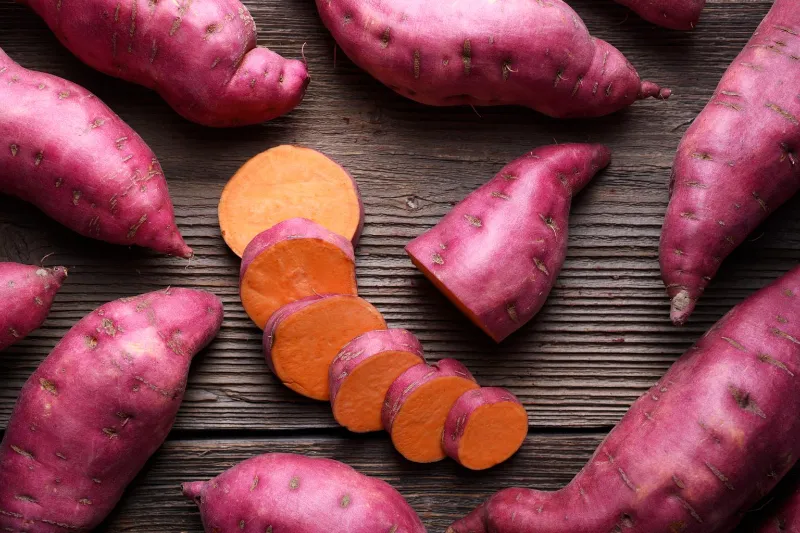
Sweet potatoes are one of the best plant-based sources of biotin out there. Half a cup of cooked sweet potato contains roughly 2.4 micrograms of biotin, along with a hefty dose of beta-carotene and fiber.
Beta-carotene converts to vitamin A in your body, which works alongside biotin to support healthy skin cell turnover.
Roast them as fries, mash them as a side, or cube them into a warming soup. Sweet potatoes are endlessly versatile and honestly one of the most nutritious foods in the produce aisle.
Almonds
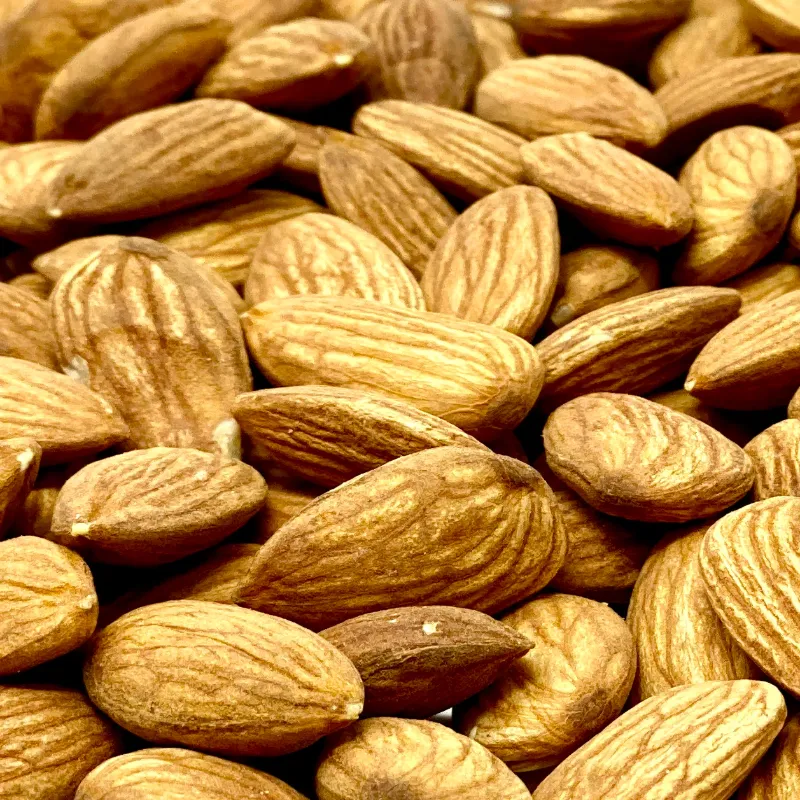
Almonds are a biotin-rich snack that you can literally carry in your pocket. A quarter cup of roasted almonds delivers about 1.5 micrograms of biotin, plus a solid dose of vitamin E and magnesium.
These nutrients work together to reduce oxidative stress in the body, which can otherwise interfere with healthy hair growth and skin repair.
Keep a small bag in your desk drawer or gym bag for an easy, on-the-go biotin boost that also keeps your energy steady between meals.
Cheddar Cheese
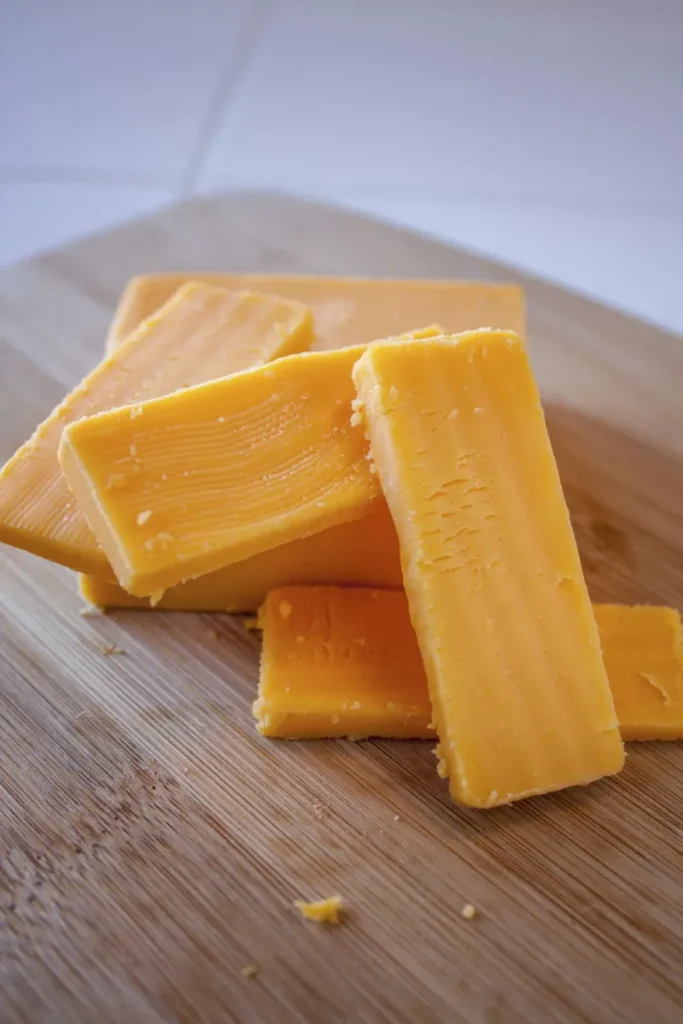
Yes, cheese made the list, and for good reason. Cheddar cheese contains about 0.4 to 2 micrograms of biotin per ounce, and because most people eat more than one ounce at a time, it adds up quickly.
Dairy products in general are a solid source of biotin because of how it gets absorbed during the fermentation and aging processes.
Melt it on eggs, slice it onto crackers, or shred it over a veggie-packed omelet. Cheddar is one of those feel-good foods that secretly pulls its nutritional weight.
Avocado
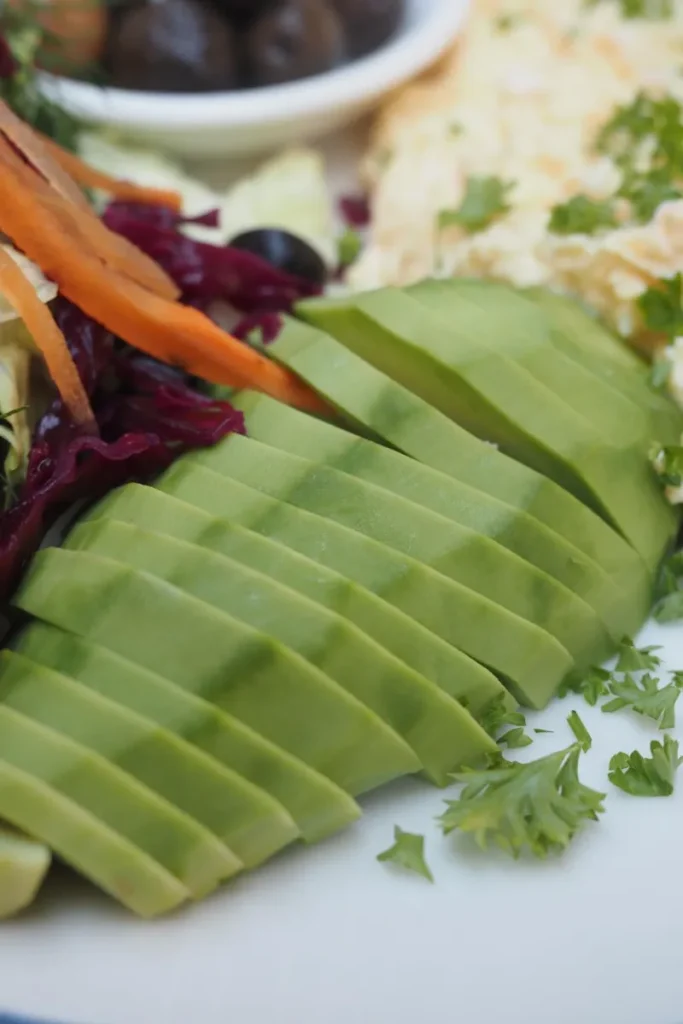
Avocados have earned their superfood status for good reason. Half an avocado contains around 2 to 6 micrograms of biotin, depending on the size, along with healthy monounsaturated fats that your body needs to absorb fat-soluble nutrients properly.
Biotin is a water-soluble vitamin, but it works even better when consumed alongside healthy fats, making avocado a truly synergistic food.
Smash it on toast, blend it into a smoothie, or use it as a creamy base for dressings. Avocado is one of the most nutrient-dense foods you can add to your plate.
Raspberries
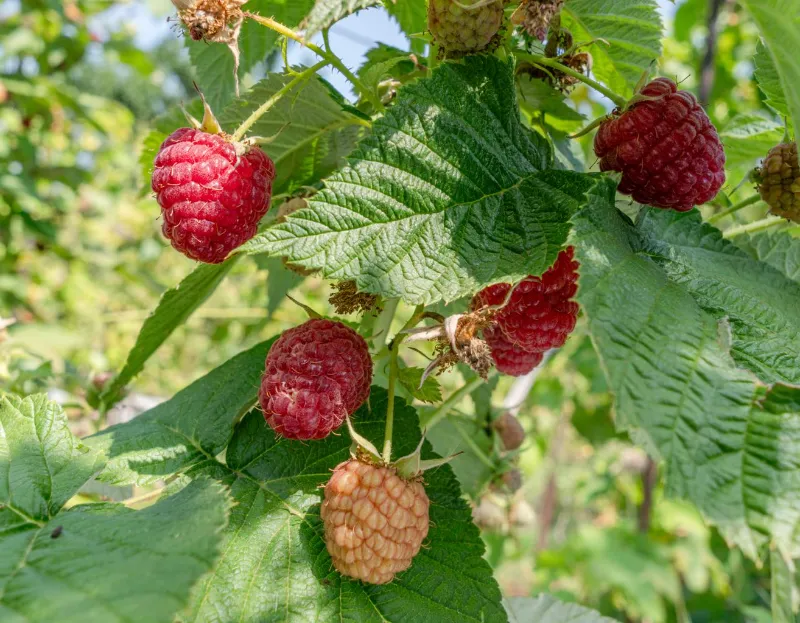
Raspberries are a surprisingly good source of biotin among fruits, offering about 0.2 to 2 micrograms per half-cup serving. They’re also loaded with antioxidants and vitamin C, which support collagen production and overall skin health.
Vitamin C helps protect hair follicles from free radical damage, and paired with biotin, the combination is genuinely powerful for hair and skin.
Add them to your morning yogurt, blend them into a smoothie, or just eat them by the handful. Fresh or frozen, raspberries are an easy and delicious way to get more biotin in.
Cauliflower
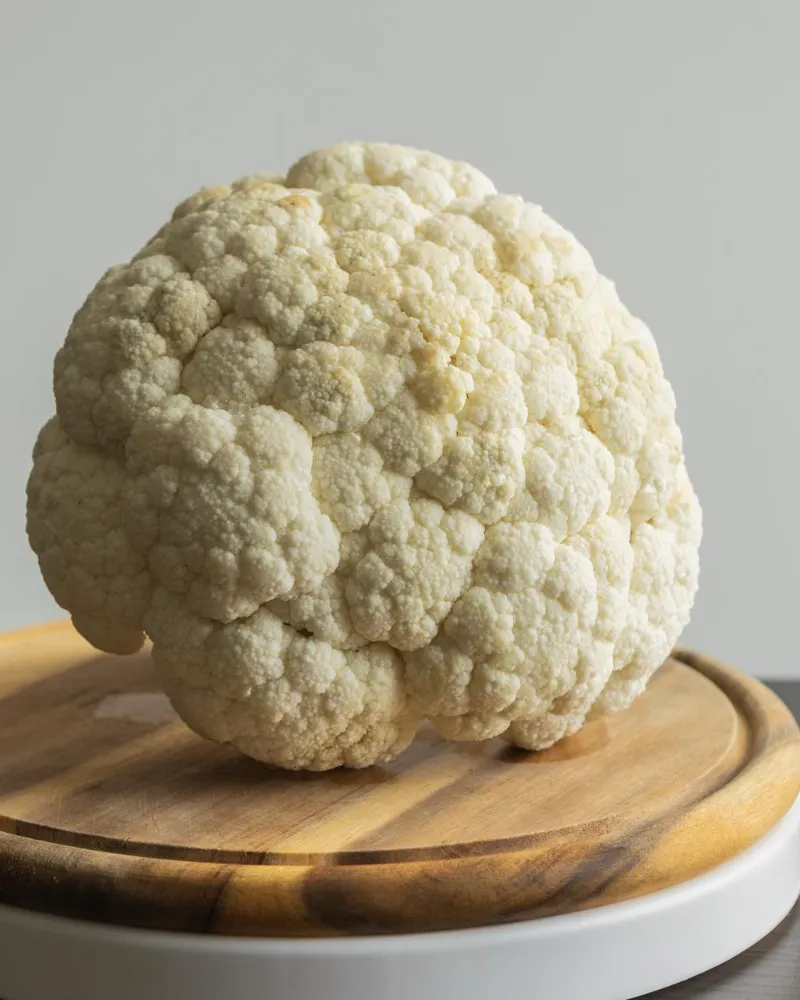
Cauliflower is a quiet overachiever in the biotin department. One cup of raw cauliflower contains about 4 micrograms of biotin, which is more than many people expect from a pale, unassuming vegetable.
It’s also rich in choline, a nutrient that supports brain function and works alongside B vitamins like biotin in metabolic processes.
Roast it until it’s golden and crispy, mash it as a lower-carb alternative to potatoes, or rice it as a base for grain bowls. Cauliflower is endlessly adaptable and worth way more respect than it gets.
Mushrooms
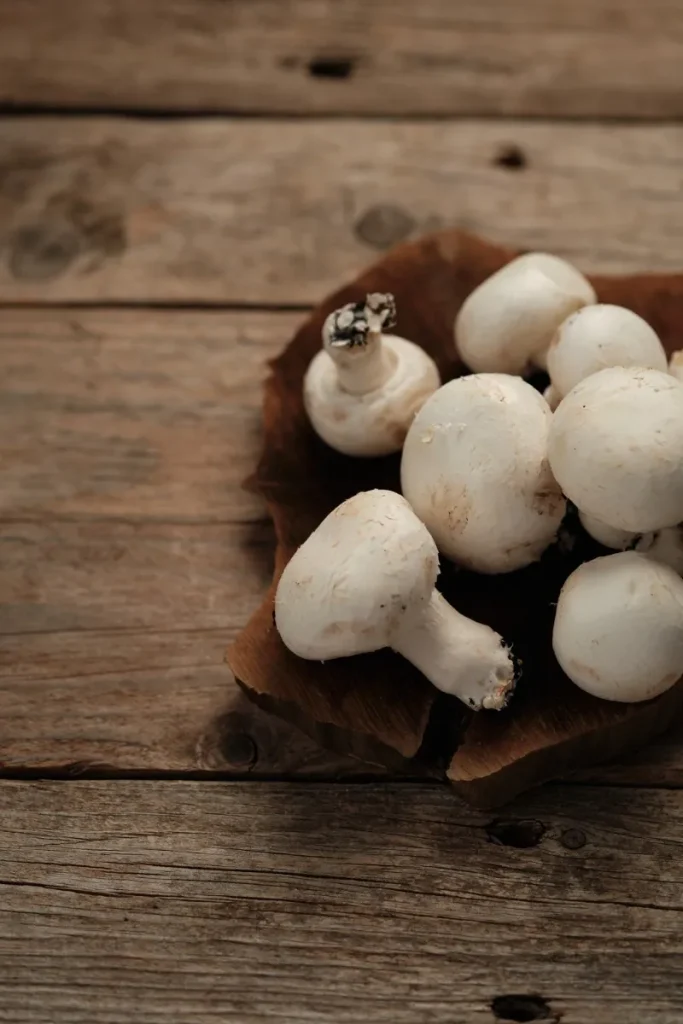
Mushrooms are a fantastic biotin source, especially for vegetarians and vegans looking to boost their intake. A cup of cooked mushrooms can deliver anywhere from 2 to 5 micrograms of biotin, depending on the variety.
They also contain selenium and B vitamins that work in concert with biotin to support energy metabolism and immune health.
Sauté them with garlic and olive oil, toss them into stir-fries, or pile them onto a burger. Mushrooms absorb flavor like a dream and bring serious nutritional value with them.
Spinach
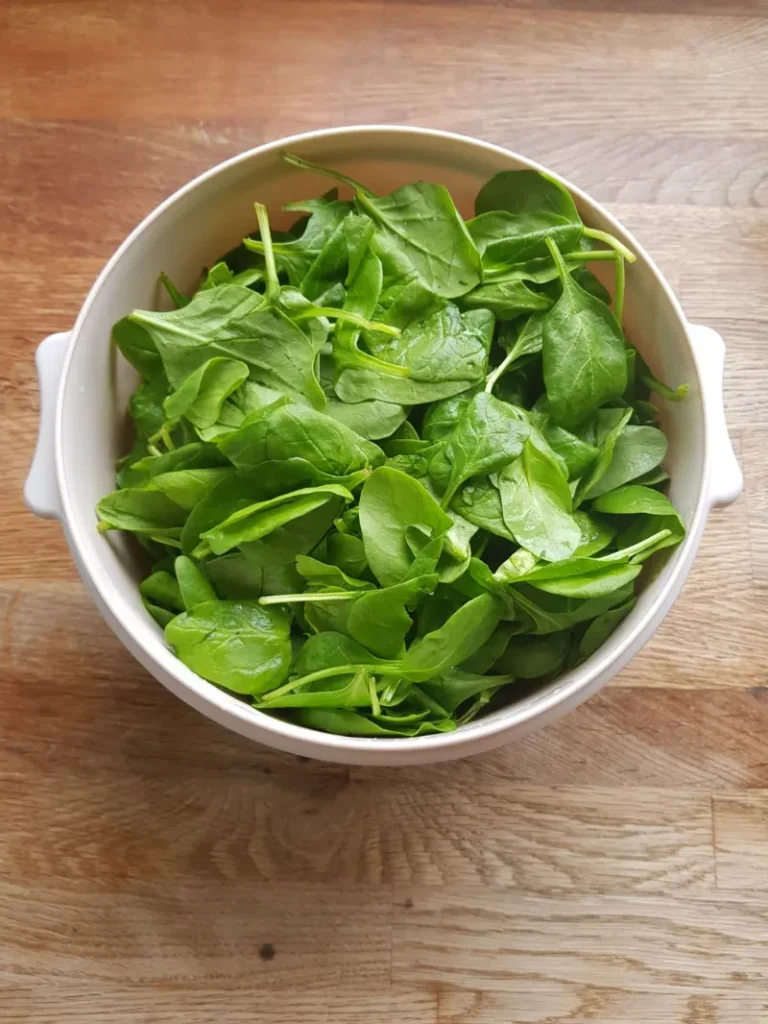
Spinach is one of those vegetables that makes sense to eat as often as possible. One cup of cooked spinach contains around 7 micrograms of biotin, making it one of the highest plant-based sources on this list.
It’s also rich in folate and iron, nutrients that work alongside biotin to support cell energy and oxygen transport throughout the body.
Wilt it into pasta, blend it into smoothies where you’ll barely taste it, or use it as the base for a hearty salad. Spinach is one of the easiest nutritional upgrades you can make to any meal.
Walnuts
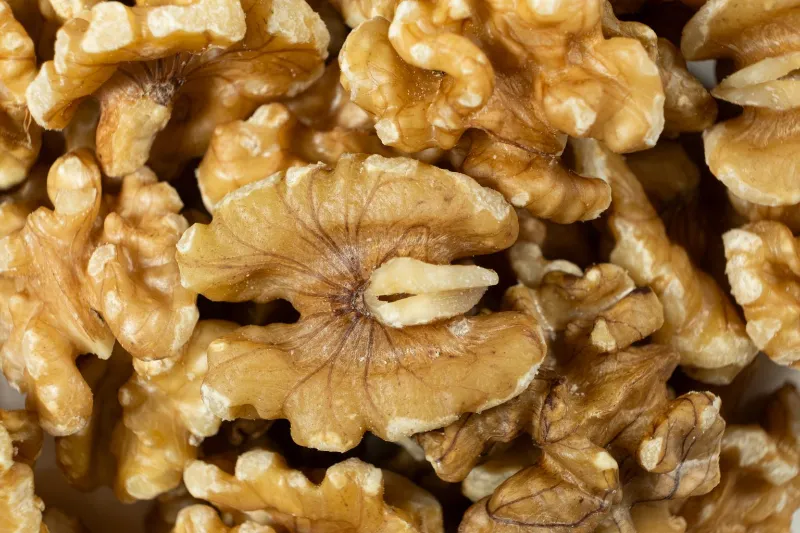
Walnuts are one of the best nut choices for biotin, delivering about 9.5 micrograms per quarter cup. They also happen to be one of the top plant-based sources of omega-3 fatty acids, which means they support both brain health and hair health in one go.
The combination of biotin and omega-3s in walnuts helps nourish hair from the inside out, making them a popular food recommendation for anyone experiencing thinning or breakage.
Chop them into oatmeal, toss them over salads, or just snack on them straight. Walnuts are worth keeping on hand at all times.
Peanuts
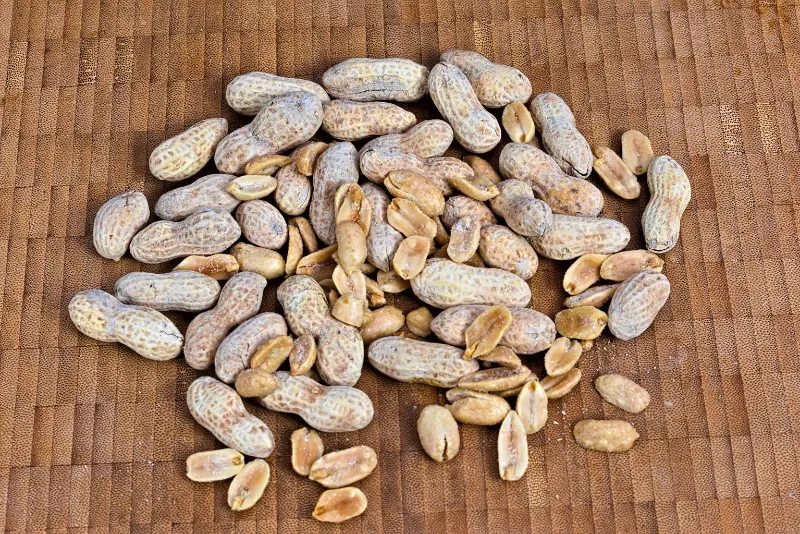
Peanuts are genuinely one of the most biotin-dense foods you can eat. A quarter cup of roasted peanuts contains around 26 micrograms of biotin, which blows most other foods on this list out of the water.
They’re also high in protein and niacin, another B vitamin that supports healthy metabolism alongside biotin.
Peanut butter counts too, though it contains slightly less per serving due to processing. Still, a couple of tablespoons of natural peanut butter on toast is a delicious and effective way to support your biotin levels daily.
Oats
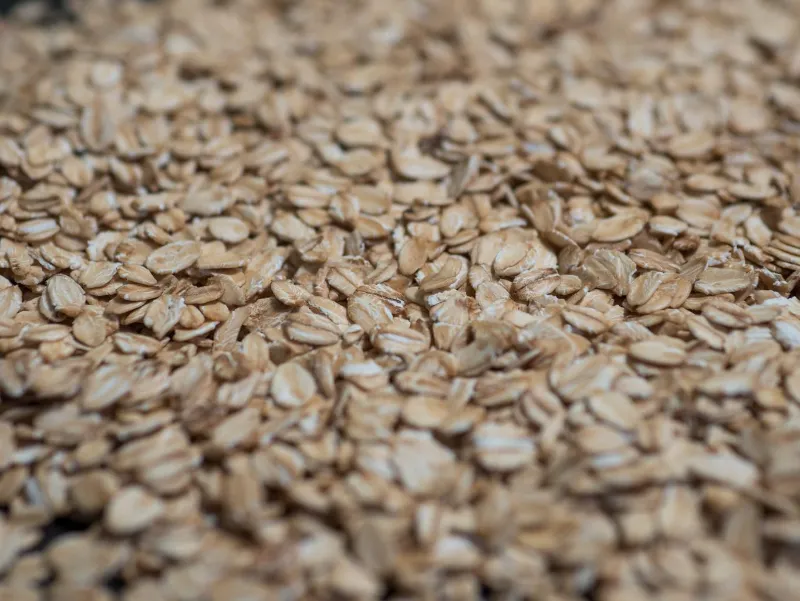
Oats are a morning staple that also happens to be a solid biotin source, offering about 0.2 micrograms per cup of cooked oats. While that might sound modest, oats provide sustained energy and a rich matrix of B vitamins that work collectively to support your metabolism.
They’re also high in beta-glucan fiber, which feeds beneficial gut bacteria and indirectly supports nutrient absorption, including biotin.
Top your bowl with walnuts, peanut butter, and raspberries, and you’ve got a breakfast that’s practically a biotin bomb in the best possible way.
Tuna

Canned tuna is one of the most affordable and convenient biotin sources around. A 3-ounce serving of cooked tuna contains about 0.6 micrograms of biotin, and because it’s also high in protein and selenium, it supports muscle recovery and thyroid health at the same time.
Selenium works closely with biotin-dependent enzymes in the body, making tuna a particularly well-rounded nutritional choice.
Mix it with avocado for a creamy, mayo-free tuna salad, pile it on whole grain crackers, or toss it into pasta. Tuna is a practical pantry staple that earns its place in a biotin-rich diet.
Sardines

Sardines are small but seriously mighty. A 3-ounce serving of sardines packs about 2.7 micrograms of biotin along with calcium, vitamin D, and omega-3 fatty acids that most Americans are chronically low in.
The combination of vitamin D and biotin is particularly interesting because vitamin D receptors play a role in hair follicle cycling, meaning these two nutrients may work together to support healthy hair growth.
Try them on whole grain toast with a squeeze of lemon, or toss them into a Mediterranean-style salad. They’re an acquired taste for some, but absolutely worth trying.
Chicken Breast
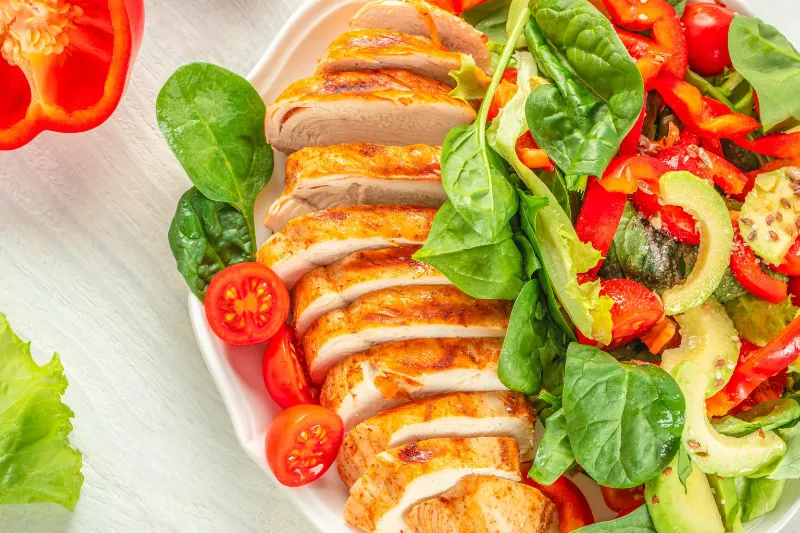
Chicken breast is a lean protein staple that also contributes meaningfully to your biotin intake. A 3-ounce serving of cooked chicken provides about 0.4 micrograms of biotin, along with high-quality protein that your body needs to build keratin, the structural protein in your hair and nails.
Biotin actually plays a direct role in keratin synthesis, so pairing it with plenty of protein makes a lot of biological sense.
Grill it, bake it, slice it over a salad, or shred it into soups. Chicken breast is one of the most versatile proteins in the kitchen and a reliable addition to a biotin-focused diet.
Broccoli
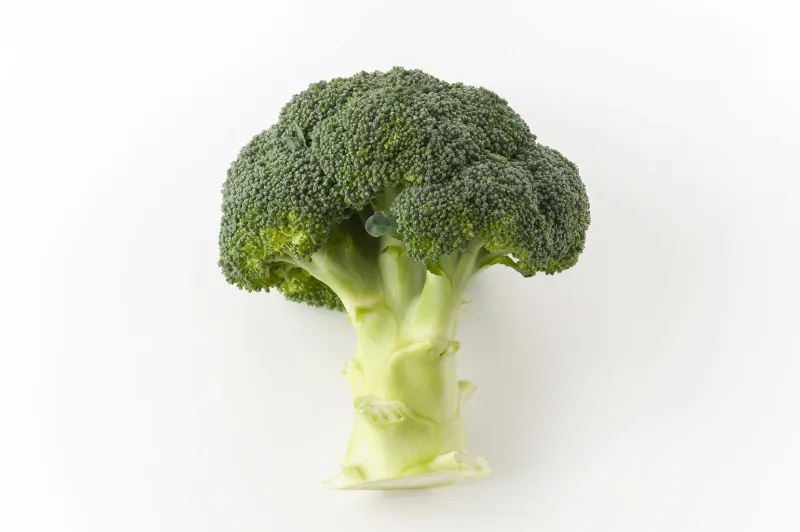
Broccoli is another cruciferous vegetable that quietly delivers on the biotin front. One cup of raw broccoli contains around 0.4 micrograms of biotin, and it comes bundled with vitamin C, sulforaphane, and fiber that support everything from gut health to detoxification.
Sulforaphane in particular has been studied for its potential to reduce oxidative stress, which can deplete B vitamins including biotin over time.
Steam it lightly to preserve the most nutrients, roast it for crispy edges, or chop it raw into salads. Broccoli is one of those vegetables that works no matter how you prepare it.
Bananas
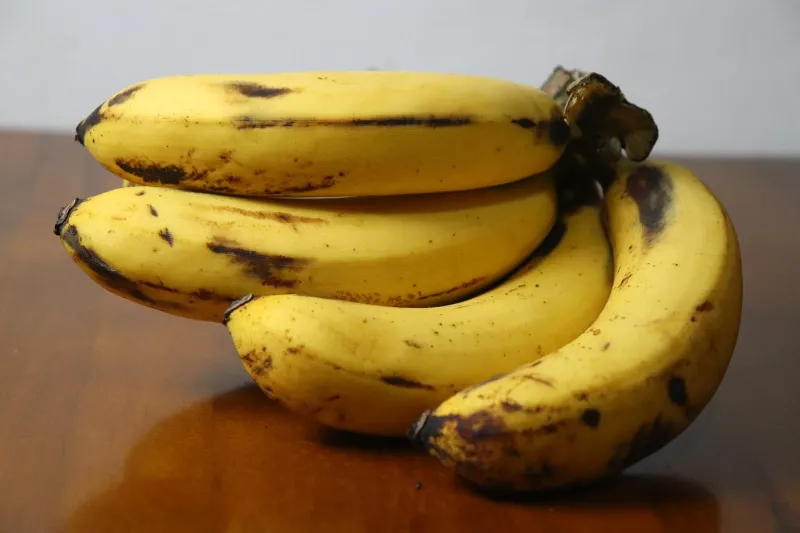
Bananas are one of the most overlooked biotin sources in the fruit world. A medium banana provides about 0.2 micrograms of biotin along with potassium, vitamin B6, and natural sugars that give you a quick, clean energy boost.
B6 and biotin work together in amino acid metabolism, meaning they’re a genuinely complementary nutritional pair.
Slice one over oatmeal, blend it into a smoothie, or just peel and eat. Bananas are portable, inexpensive, and a lot more nutritious than people give them credit for.
Soybeans and Edamame
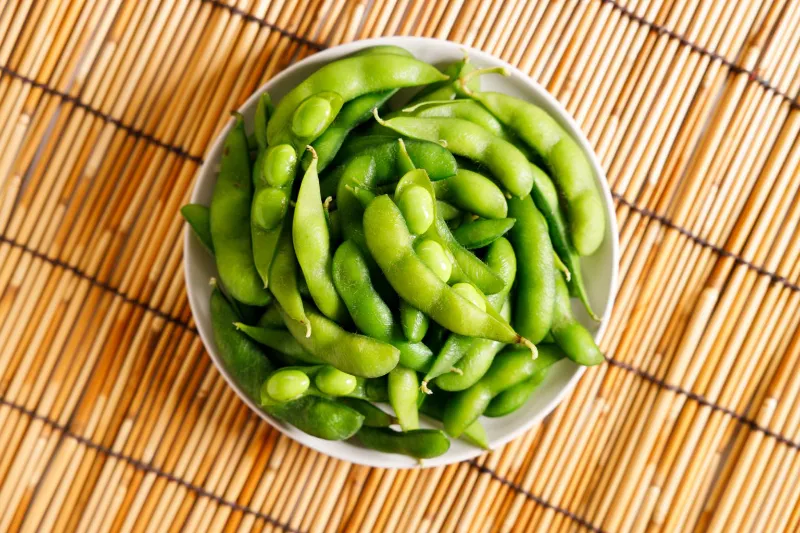
Soybeans and edamame are excellent plant-based sources of biotin, offering around 19.3 micrograms per three-ounce serving of whole soybeans. That makes them one of the highest biotin-containing plant foods on the planet.
They’re also rich in complete protein, meaning they contain all nine essential amino acids, which is rare for a plant source and makes them particularly valuable for vegetarians and vegans.
Steam edamame and sprinkle with sea salt for a quick snack, or add soybeans to grain bowls, soups, and stir-fries. Easy, filling, and genuinely impressive from a nutrition standpoint.
Carrots
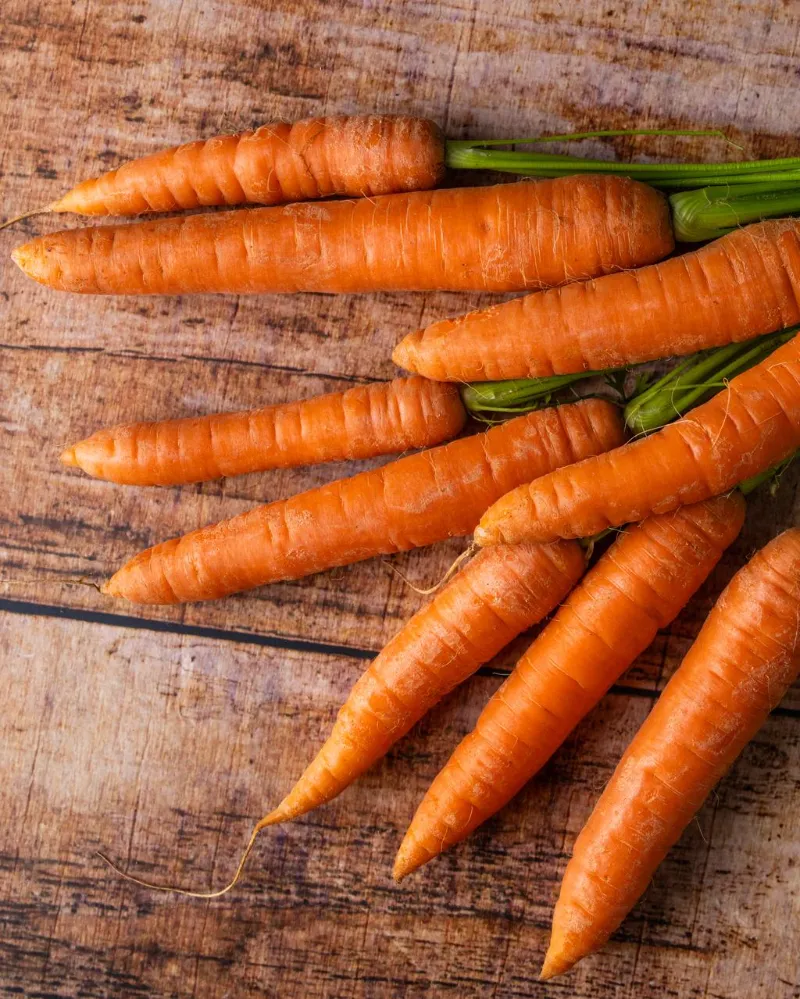
Carrots bring a gentle but consistent biotin contribution to your diet. Half a cup of raw carrots delivers around 0.6 micrograms of biotin, along with beta-carotene that converts to vitamin A and supports healthy skin cell production.
Vitamin A and biotin are a strong team when it comes to skin health, with both nutrients supporting cell regeneration and moisture retention in different but complementary ways.
Dip them in hummus, roast them with honey and cumin, or shred them into slaws. Carrots are a simple, affordable food that deserve a permanent spot on your plate.
Onions
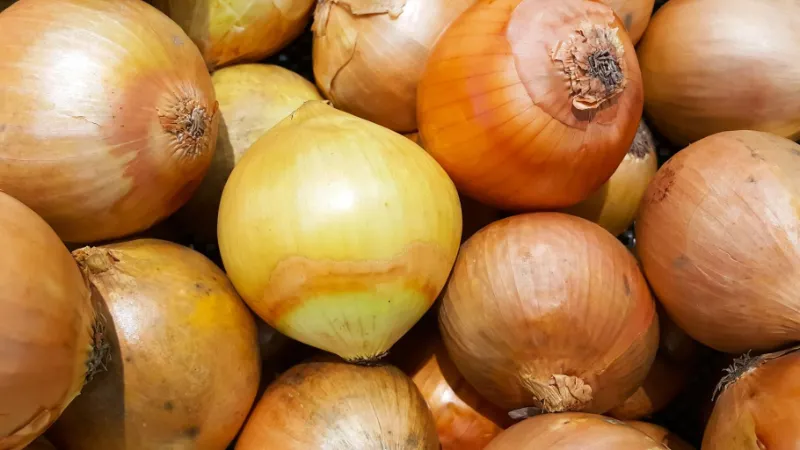
Onions are a biotin source that most people would never suspect. A half cup of raw onions contains about 0.01 milligrams of biotin, and because onions are used so frequently in cooking, the amount adds up over time without you even thinking about it.
They’re also rich in quercetin, a flavonoid with anti-inflammatory properties that supports overall cellular health and may help the body use nutrients more efficiently.
Caramelize them slowly for a rich, sweet topping, dice them raw into salsas and salads, or use them as the aromatic base for almost any savory dish. Onions are the unsung heroes of biotin-rich cooking.
Tomatoes
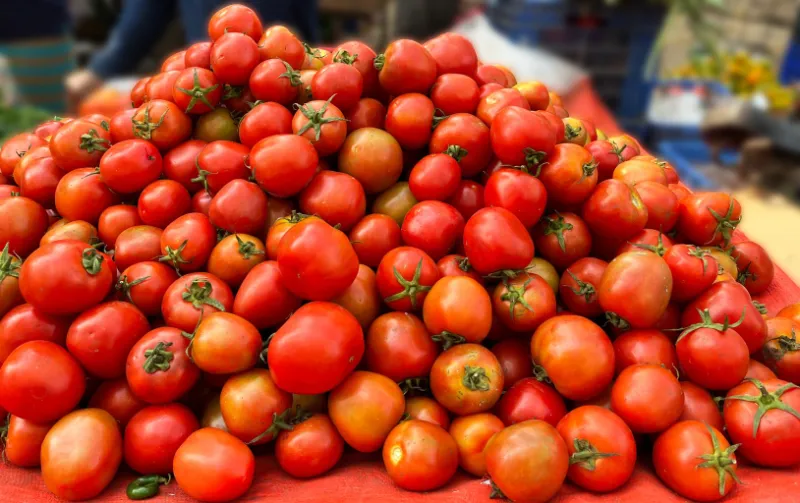
Tomatoes are another everyday ingredient that sneaks biotin into your diet in a surprisingly consistent way. One cup of raw tomatoes provides about 7.2 micrograms of biotin, making them one of the more impressive vegetable sources on this list.
They’re also loaded with lycopene, a powerful antioxidant that protects cells from damage and has been studied for its role in supporting skin health and reducing inflammation.
Eat them fresh in salads, roast them until they’re jammy and sweet, or blend them into sauces. Tomatoes are one of those foods that taste better the more you cook with them, and they’re working for your health every step of the way.
Greek Yogurt
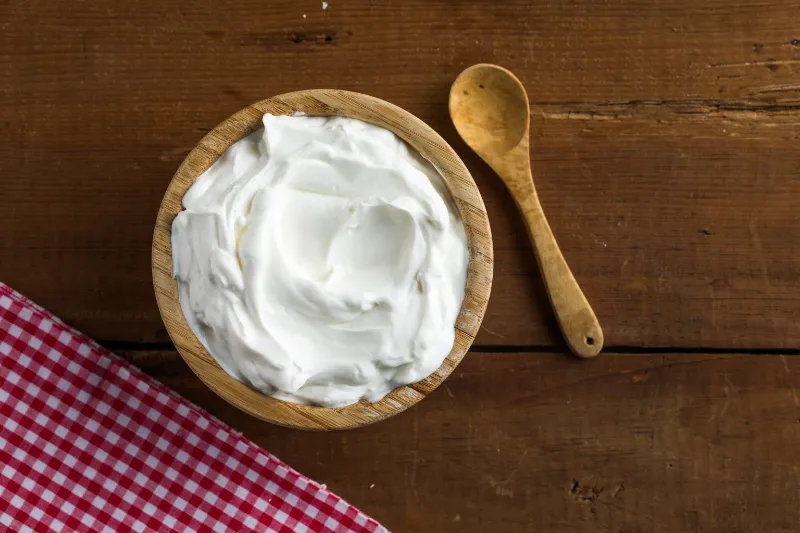
Greek yogurt is a creamy, satisfying way to get biotin into your day. A cup of plain Greek yogurt provides around 0.2 to 2 micrograms of biotin, along with probiotics, calcium, and a serious protein punch.
The probiotics in Greek yogurt are worth paying attention to here because a healthy gut microbiome actually produces some biotin on its own. Supporting your gut health is a way of indirectly supporting your biotin levels.
Use it as a base for smoothies, swap it in for sour cream in recipes, or top it with walnuts and raspberries for a breakfast that covers multiple biotin sources in one bowl.
Nutritional Yeast
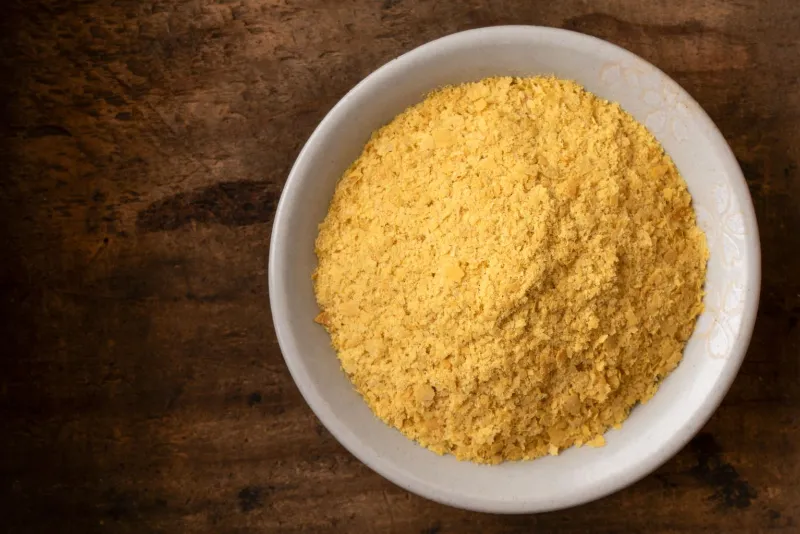
Nutritional yeast might just be the most biotin-dense food on this entire list. Two tablespoons of nutritional yeast can deliver anywhere from 21 to over 30 micrograms of biotin, and many brands are also fortified with additional B12, making it a staple in plant-based diets for good reason.
It has a naturally cheesy, nutty flavor that makes it incredibly versatile in the kitchen, and it dissolves easily into sauces, soups, and dressings without any fuss.
Sprinkle it over popcorn, stir it into pasta sauce, or whisk it into salad dressings. Nutritional yeast is one of the easiest and most impactful biotin upgrades you can make, especially if you’re eating mostly plant-based.
Final Thoughts
You don’t need to overhaul your entire diet to get more biotin. Start by adding two or three of these foods to meals you’re already making, and build from there. Small, consistent changes make the biggest difference over time.
Your hair, skin, nails, and energy levels will thank you. And now that you know just how many delicious options are out there, there’s really no reason to wait.
