
26 Doctor-Approved Foods That Boost Metabolism and Make a Real Difference

If you’ve ever felt like your metabolism has a mind of its own, you’re not alone. The good news is that what you eat every single day can actually make a measurable difference in how efficiently your body burns energy.
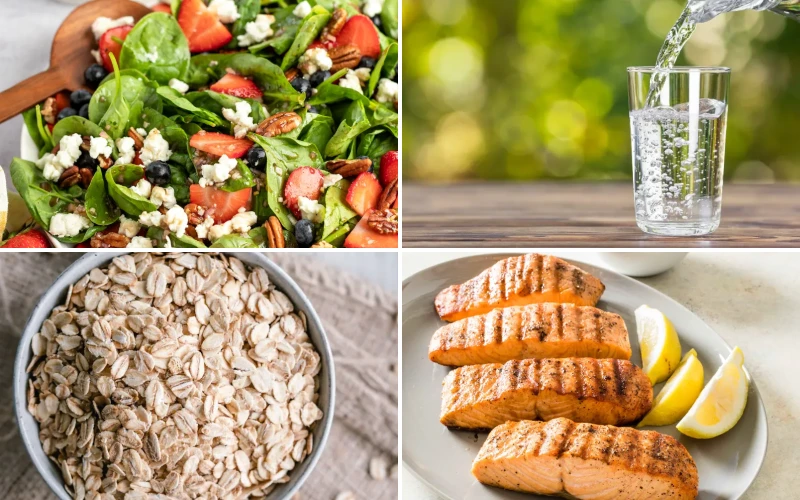
Keep reading, because these 26 doctor-approved foods are backed by real science and are probably already sitting in your grocery store. No weird supplements, no fad diets. Just food that actually works.
1. Green Tea

Green tea is one of the most studied metabolism-boosting drinks on the planet. It contains a powerful combo of caffeine and catechins, especially one called EGCG (epigallocatechin gallate), that together rev up your body’s fat-burning engine.
Research published in the American Journal of Clinical Nutrition found that green tea extract increased fat oxidation by about 17%. That means your body is literally burning more fat even at rest.
Aim for 2 to 3 cups a day for the best results. Brew it fresh and skip the sugary bottled versions, those often cancel out the benefits.
2. Coffee

Good news for coffee lovers: your morning cup is doing more than waking you up. Caffeine stimulates your central nervous system and has been shown to increase metabolic rate by 3 to 11%, according to research in the European Journal of Clinical Nutrition.
It also promotes the release of adrenaline, which signals your body to break down fat and use it as fuel. That’s a pretty solid deal for something you already love.
Stick to black coffee or coffee with minimal additions. Too much sugar or cream can quickly undo those metabolic perks.
3. Chili Peppers

The heat you feel from chili peppers is caused by a compound called capsaicin, and that burn is actually your metabolism kicking into gear. Capsaicin activates thermogenesis, a process where your body produces heat by burning more calories.
Studies show capsaicin can boost your metabolic rate temporarily by around 4 to 5%. It also helps reduce appetite, so you’re burning more and eating a little less.
Add fresh or dried chili peppers to eggs, soups, stir-fries, or even salad dressings. Your taste buds and your waistline will thank you.
4. Ginger
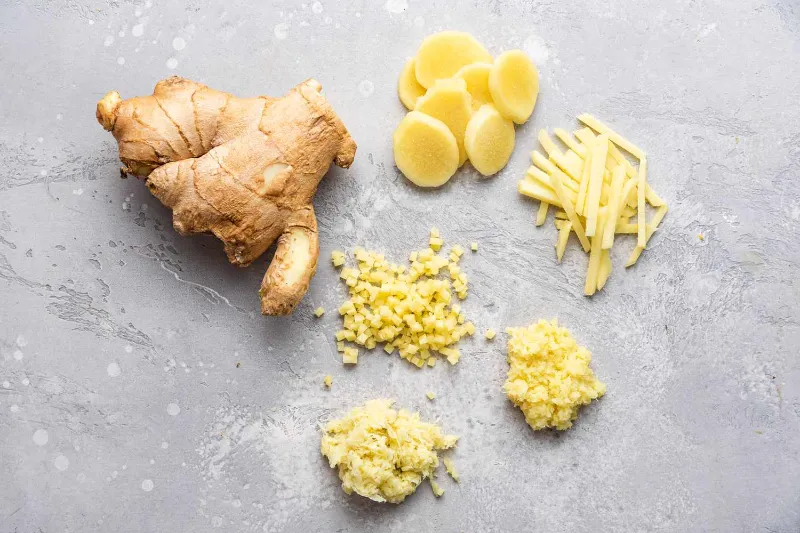
Ginger has been used in traditional medicine for centuries, and modern science is finally catching up on why. It contains gingerols and shogaols, compounds that have thermogenic properties, meaning they help raise your body temperature and increase calorie burn.
A meta-analysis in the Annals of the New York Academy of Sciences found that ginger supplementation had meaningful effects on body weight and metabolic rates. It also supports digestion, which helps your body absorb nutrients more efficiently.
Brew it as a tea, grate it fresh into smoothies, or add it to sauces and dressings. Even small amounts add up over time.
5. Apple Cider Vinegar
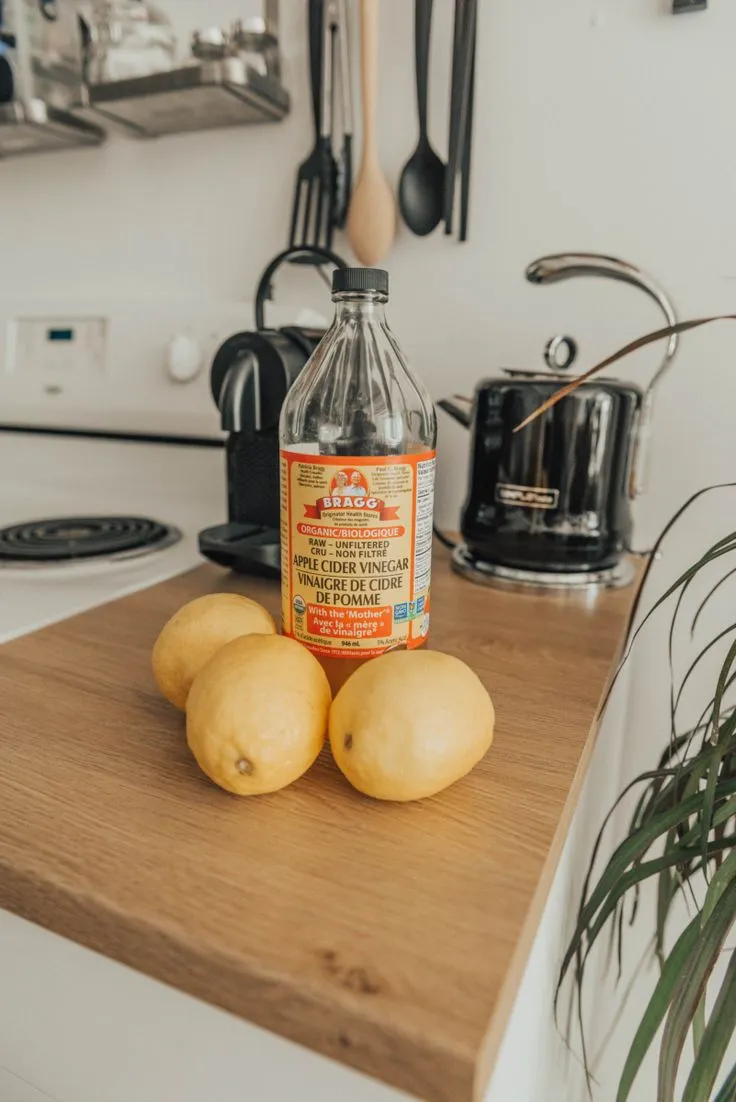
Apple cider vinegar, or ACV, has earned its buzz for a reason. Its main active compound, acetic acid, has been shown to increase the enzyme AMPK, which encourages fat burning and reduces fat and sugar production in the liver.
A study in Bioscience, Biotechnology, and Biochemistry found that participants who consumed vinegar daily over 12 weeks had measurably lower body weight, belly fat, and triglyceride levels compared to the control group.
Mix one to two tablespoons into a glass of water before meals. Always dilute it, because straight ACV can damage tooth enamel and irritate your throat.
6. Lean Chicken Breast

Protein is a metabolism supercharger, and lean chicken breast is one of the best sources you can get. Digesting protein requires significantly more energy than digesting fat or carbs, a concept known as the thermic effect of food (TEF).
Protein has a TEF of around 20 to 30%, meaning your body burns up to 30 calories just processing every 100 calories of protein you eat. That’s a built-in calorie burn just from choosing the right food.
Grill it, bake it, or slice it into salads and bowls. Keep the skin off to stay lean and maximize the protein-to-calorie ratio.
7. Turkey

Turkey is another lean protein powerhouse that works just like chicken to keep your metabolism humming. It’s rich in B vitamins, particularly B6 and niacin, which are essential for converting food into usable energy at the cellular level.
It also contains selenium, a mineral that supports thyroid function. Your thyroid gland is literally the master controller of your metabolic rate, so keeping it healthy is key.
Ground turkey is incredibly versatile. Use it in tacos, pasta sauces, or stuffed peppers for a high-protein, metabolism-friendly meal.
8. Eggs

Eggs are a complete protein source, meaning they contain all nine essential amino acids your body needs. That complete amino acid profile makes them extremely effective at triggering that thermic effect and keeping your muscle mass strong, which directly supports a faster metabolism.
The yolk is where most of the nutrients live, including choline, which supports liver function and fat metabolism. So yes, eat the whole egg.
Hard-boil a batch at the start of the week for easy grab-and-go snacks, or whip up a veggie-packed scramble to start your morning with real fuel.
9. Greek Yogurt

Greek yogurt is packed with protein, probiotics, and calcium, a triple threat for your metabolism. Calcium has been linked to increased fat breakdown in fat cells, while probiotics support gut health, which emerging research ties directly to metabolic efficiency.
One cup of plain Greek yogurt delivers around 17 to 20 grams of protein depending on the brand. That’s nearly as much as a chicken breast in a creamy, satisfying snack.
Go for plain, full-fat or low-fat versions and add your own fruit or honey. Flavored varieties often sneak in more sugar than a candy bar.
10. Cottage Cheese
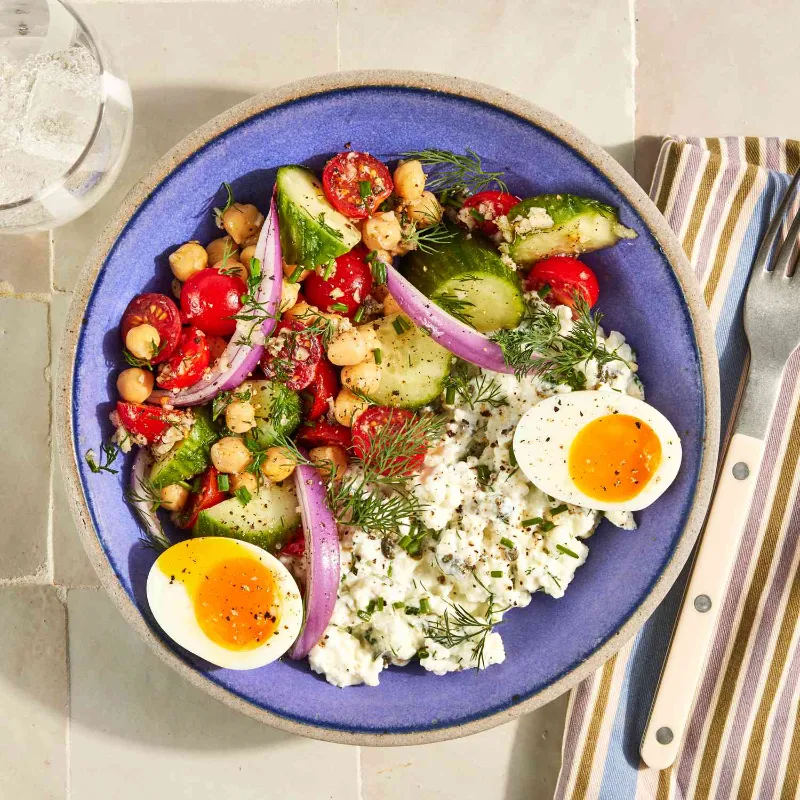
Cottage cheese might not be flashy, but it’s a metabolic workhorse. It’s extremely high in casein protein, a slow-digesting type that keeps your body in a muscle-building, metabolism-supporting state for hours.
It’s also low in calories relative to its protein content. A half-cup serving gives you around 14 grams of protein for only about 90 calories, making it one of the most efficient foods you can eat.
Eat it plain, layer it with berries, or blend it into smoothies for a creamy texture. It’s also surprisingly good as a savory dip base with herbs and garlic.
11. Salmon
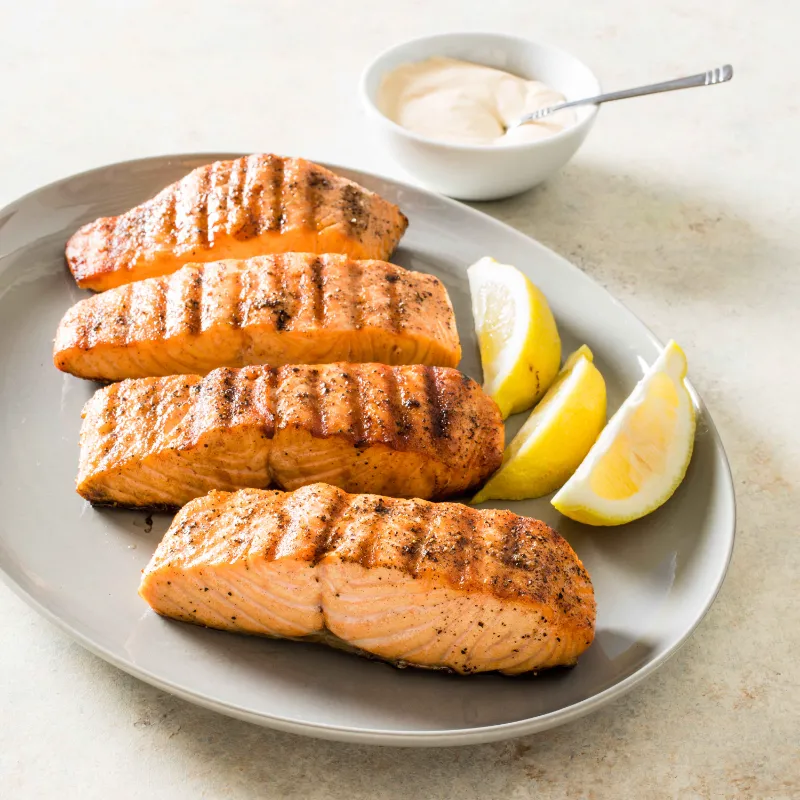
Salmon is loaded with omega-3 fatty acids, which do something really interesting: they reduce inflammation and have been shown to improve insulin sensitivity. Better insulin sensitivity means your body stores less fat and burns more energy efficiently.
A study in the journal Obesity found that omega-3 supplementation was linked to increased resting metabolic rate. Salmon also delivers a solid dose of high-quality protein, doubling up the metabolic benefits.
Aim for two to three servings per week. Bake it, pan-sear it, or flake it over a salad for a quick, nutrient-dense meal.
12. Sardines

Sardines don’t get nearly enough credit. They’re one of the most nutrient-dense foods on the planet, packed with omega-3s, protein, vitamin D, and B12, all nutrients that support energy metabolism and thyroid health.
They’re also sustainable and affordable, which makes them a real winner. One can of sardines gives you about 23 grams of protein for under 200 calories.
Try them on whole grain crackers with a squeeze of lemon, or mix them into pasta with olive oil and garlic. If you’ve never tried them, give them a real chance.
13. Lentils

Lentils are a plant-based protein and fiber powerhouse. The combination of protein and fiber means they take a long time to digest, keeping your metabolism working steadily and your blood sugar levels stable throughout the day.
They’re also high in iron, which is critical for transporting oxygen to your muscles. Low iron is one of the most common reasons people feel sluggish and metabolically slow, especially women.
Add lentils to soups, stews, or grain bowls. They cook quickly compared to other legumes and soak up whatever flavor you cook them in.
14. Black Beans
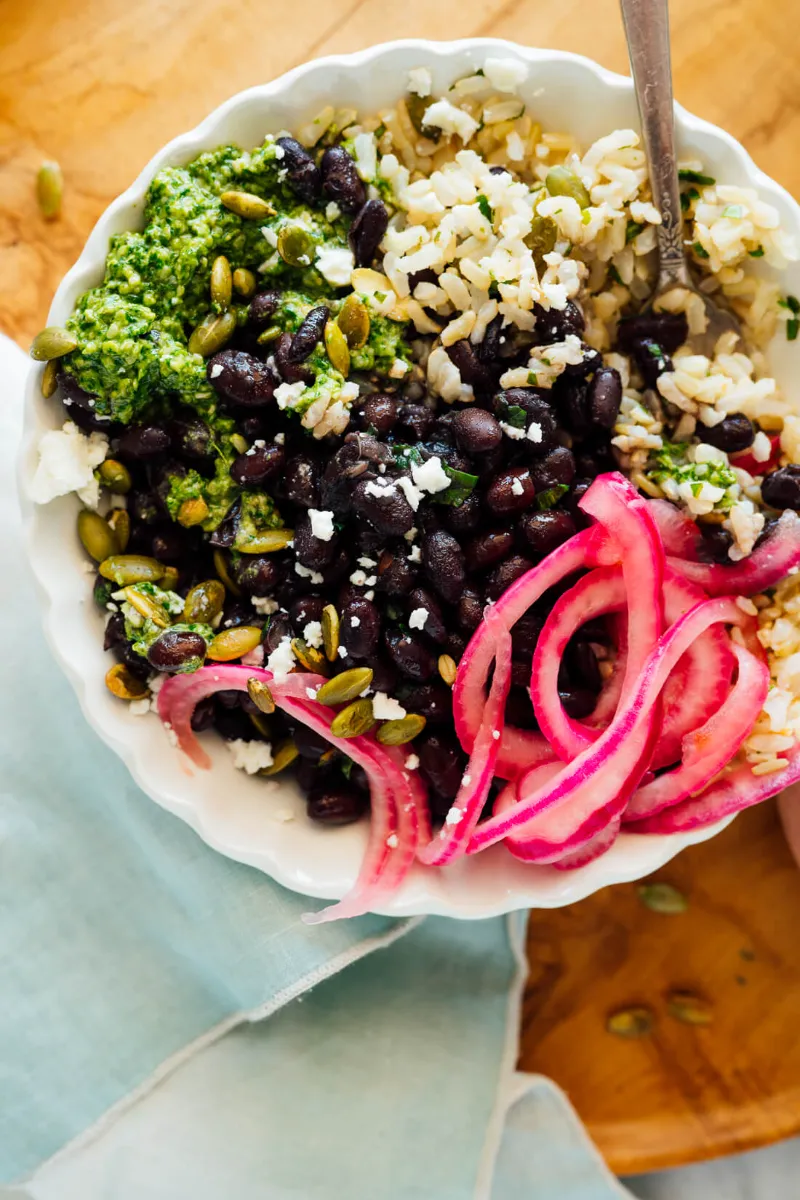
Black beans are another legume that punches way above its weight class metabolically. They’re rich in resistant starch, a type of carbohydrate that your body cannot fully digest and instead ferments in the gut, feeding beneficial bacteria and improving metabolic health.
Research shows resistant starch can increase fat oxidation and reduce fat storage. Plus, black beans are high in protein and fiber, keeping you full and your blood sugar steady.
Toss them into burritos, layer them on salads, or blend them into a thick soup. They’re cheap, filling, and genuinely good for your metabolism.
15. Oatmeal
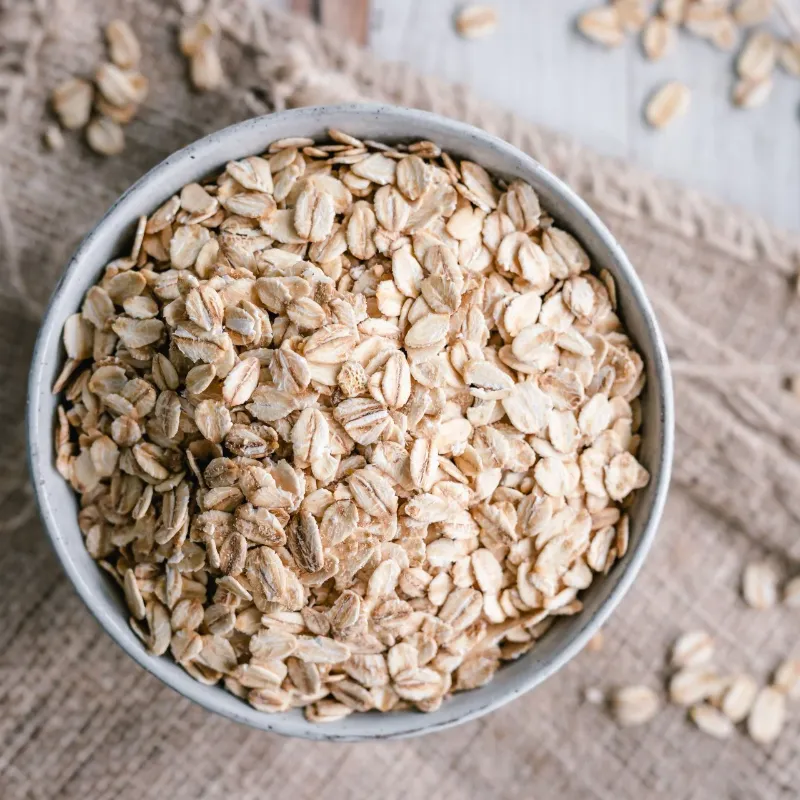
Oatmeal is one of the most underrated metabolism-supporting foods you can eat for breakfast. It’s rich in beta-glucan, a soluble fiber that slows digestion, stabilizes blood sugar, and has been shown to reduce appetite-stimulating hormones.
When your blood sugar stays stable, your body is less likely to store excess energy as fat. Oats also provide B vitamins and iron, both essential for energy metabolism at the cellular level.
Choose rolled or steel-cut oats over instant varieties, which often have added sugar. Top with nuts, seeds, and berries for a complete metabolic morning meal.
16. Quinoa

Quinoa is one of the only plant foods that qualifies as a complete protein, containing all nine essential amino acids. That makes it incredibly valuable for muscle maintenance, and more muscle mass means a higher resting metabolic rate.
It’s also high in magnesium, a mineral involved in over 300 enzymatic reactions in the body, many of which relate directly to energy production. Magnesium deficiency is surprisingly common and can leave you feeling tired and metabolically sluggish.
Swap quinoa in for rice or pasta in your meals. It cooks in about 15 minutes and works beautifully as a base for bowls, salads, or sides.
17. Broccoli
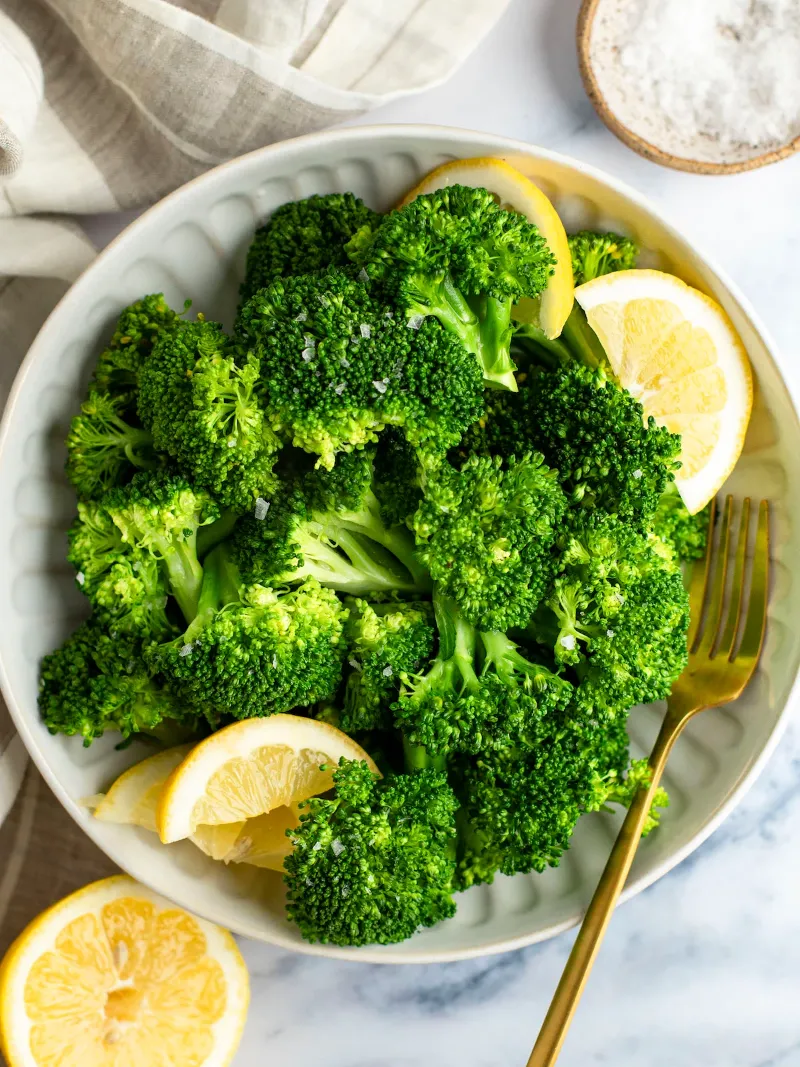
Broccoli is a metabolic multitasker. It’s high in fiber, low in calories, and contains a compound called sulforaphane that research suggests can reduce fat cell formation and support liver detoxification, helping your body process and eliminate waste more efficiently.
It also delivers a surprising amount of protein for a vegetable, about 2.5 grams per cup, along with vitamin C, which supports the production of carnitine, a molecule that helps your body convert fat into energy.
Roast it with olive oil and garlic for a crispy side dish, or steam it and toss it into stir-fries, pasta, or grain bowls. Either way, eat more of it.
18. Spinach

Spinach is a leafy green that quietly supports your metabolism in several important ways. It’s rich in iron, magnesium, and B vitamins, all nutrients that your mitochondria (the energy factories in your cells) need to keep running at full speed.
It also contains thylakoids, compounds found in its membranes that research has shown can reduce cravings and slow fat digestion, helping you feel satisfied longer after eating.
Add a handful to smoothies (you won’t taste it, we promise), sauté it with garlic as a side, or use it as the base for salads instead of iceberg lettuce.
19. Avocado
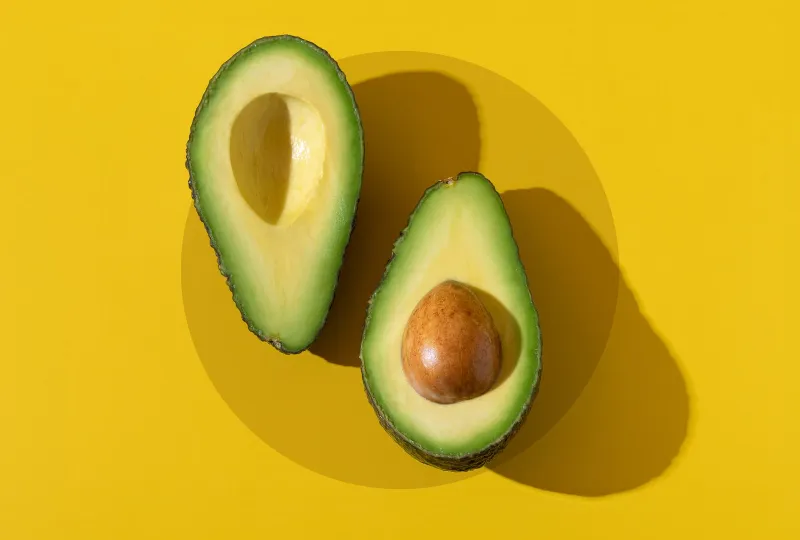
Avocado is full of healthy monounsaturated fats, the kind that actually support metabolic health rather than hinder it. These fats help reduce inflammation, improve insulin sensitivity, and support the absorption of fat-soluble vitamins like A, D, E, and K.
Research from the Nutrition Journal found that people who eat avocados regularly tend to have lower BMI and better metabolic health markers than those who don’t. The fiber and fat combo also keeps hunger hormones in check.
Slice it onto toast, blend it into smoothies, mash it into guacamole, or simply eat it with a spoon and a little sea salt. There’s no wrong way to enjoy an avocado.
20. Coconut Oil
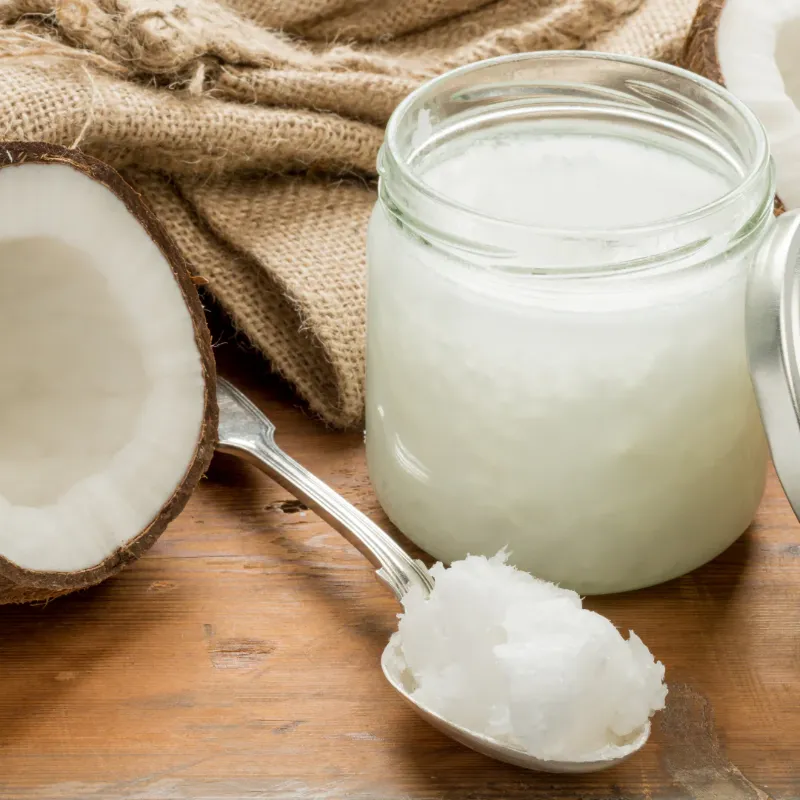
Coconut oil contains medium-chain triglycerides (MCTs), a unique type of fat that gets absorbed and metabolized differently than most dietary fats. MCTs go directly to the liver, where they’re quickly converted into energy or ketones rather than stored as body fat.
Studies show that MCT consumption can increase the number of calories your body burns by 5% over 24 hours. One study even found it increased energy expenditure by 120 calories per day compared to longer-chain fats.
Use it for sautéing vegetables or cooking eggs at medium heat. A little goes a long way, so one to two tablespoons per day is plenty.
21. Almonds
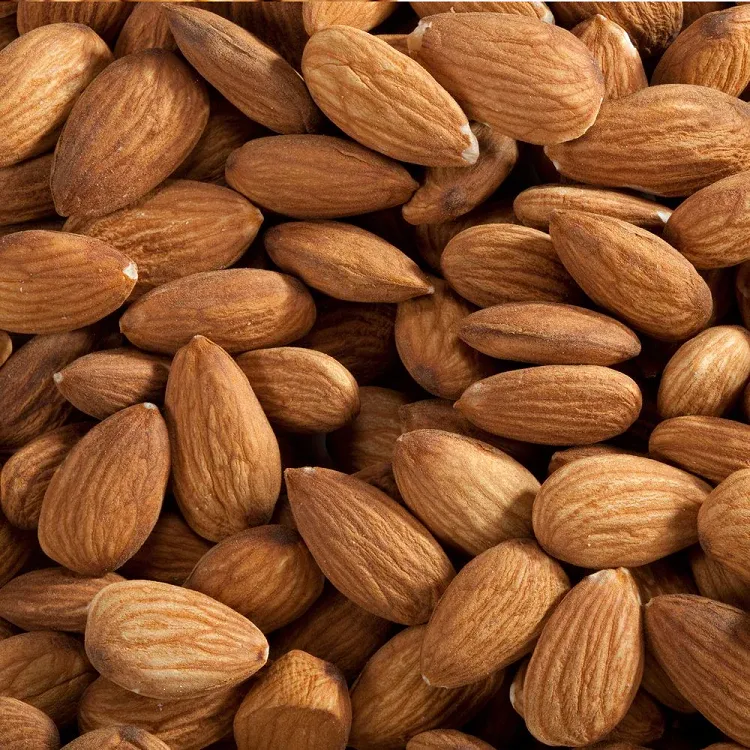
Almonds are a fantastic snack for keeping your metabolism running between meals. They’re packed with protein, healthy fats, and magnesium, all of which work together to maintain stable energy levels and support muscle function.
What’s interesting is that your body doesn’t absorb all the calories in almonds due to their cell wall structure. Research suggests you absorb about 20% fewer calories from almonds than their label indicates, making them even more metabolism-friendly than they already appear.
Keep a small handful (about 1 ounce or 23 almonds) as a go-to snack. Pair them with fruit for a balanced mini-meal that keeps your energy steady.
22. Chia Seeds

Chia seeds might be tiny, but they’re loaded with fiber, protein, and omega-3 fatty acids, a combination that creates a slow, steady burn of energy rather than spikes and crashes. That steady energy release keeps your metabolism engaged and consistent throughout the day.
The fiber in chia seeds forms a gel-like substance in your stomach, which slows digestion and promotes the release of gut hormones that signal fullness. You naturally eat less without feeling deprived.
Stir them into yogurt, mix them into smoothies, or make an overnight chia pudding with almond milk and berries. They expand when soaked, so they’re incredibly filling.
23. Flaxseeds
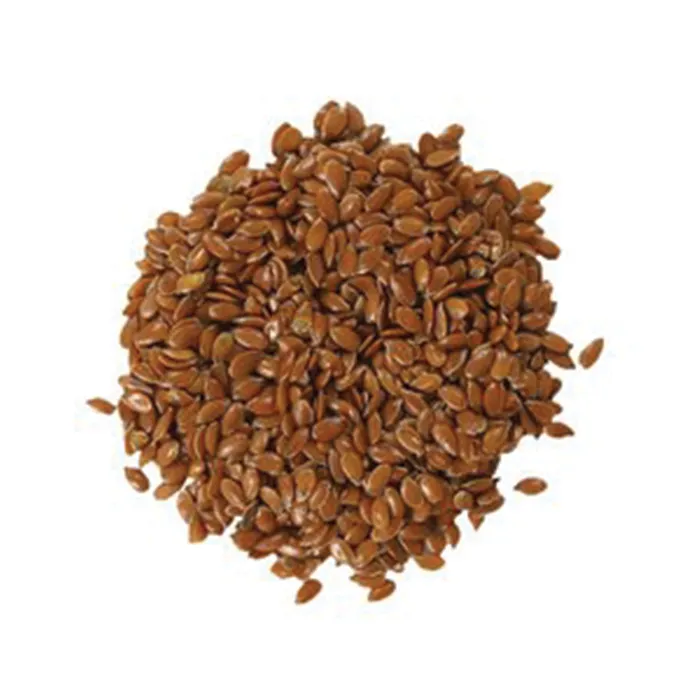
Flaxseeds are one of the richest plant sources of ALA omega-3 fatty acids, which support anti-inflammatory pathways and improve insulin sensitivity, both of which are closely linked to metabolic efficiency.
They’re also loaded with lignans, plant compounds with antioxidant properties that research links to improved hormonal balance, particularly in women. Balanced hormones play a major role in how well your metabolism functions.
Always use ground flaxseeds rather than whole, because your body can’t break down the whole seed to access the nutrients. Add a tablespoon to oatmeal, smoothies, or baked goods.
24. Cinnamon

Cinnamon does something really useful for your metabolism: it improves how your cells respond to insulin. Better insulin sensitivity means your body processes glucose more efficiently and is less likely to convert excess sugar into stored fat.
Research published in Diabetes Care found that even small amounts of cinnamon, as little as half a teaspoon daily, significantly improved blood sugar levels in people with type 2 diabetes. For everyone else, it can help prevent the blood sugar spikes that lead to energy crashes and cravings.
Sprinkle it on oatmeal, stir it into coffee, add it to smoothies, or mix it into yogurt. It’s one of the easiest metabolism-supporting swaps you can make.
25. Turmeric

Turmeric contains curcumin, one of the most researched anti-inflammatory compounds in the world. Chronic inflammation is a well-established driver of metabolic dysfunction, so reducing it has real downstream effects on how efficiently your body processes energy.
Curcumin has also been shown in animal studies to suppress fat tissue growth, and emerging human research is pointing in the same direction. Adding black pepper to turmeric increases curcumin absorption by up to 2,000%, so always pair them together.
Add turmeric to scrambled eggs, soups, rice, or golden milk lattes. It has a mild earthy flavor that plays well with many savory dishes.
26. Water

Water is the most underrated metabolism booster of all, and it costs almost nothing. Drinking water increases your resting metabolic rate by up to 30% within 10 minutes, according to research published in the Journal of Clinical Endocrinology and Metabolism, with the effect lasting about an hour.
Mild dehydration is actually one of the most common reasons people experience energy slumps and a sluggish metabolism. Your cells literally cannot run their chemical reactions efficiently without adequate water.
Aim for at least 8 cups a day, more if you’re active or live in a hot climate. Start your morning with a full glass before coffee, and keep a water bottle visible throughout your day as a reminder.
Final Thoughts
Your metabolism isn’t fixed, and these 26 foods prove it. Small, consistent choices really do add up to meaningful change over time. Start by adding just two or three of these foods to your regular routine this week and build from there. Your body will respond, and you’ll feel the difference sooner than you think.
