
37 Proven Foods High In Zinc You Probably Didn’t Know About

You already know zinc matters, but do you actually know which foods are quietly packed with it? Most people think of supplements first, but the truth is your plate can do most of the heavy lifting.
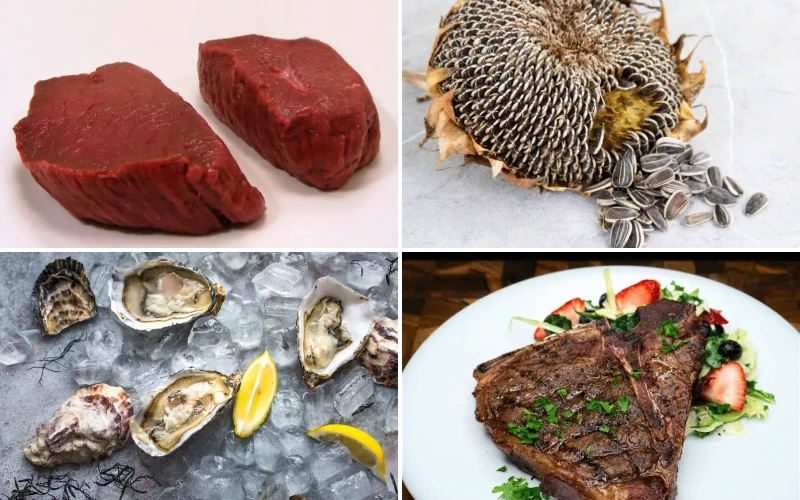
From meaty classics to surprising plant-based picks, this guide walks you through 37 real, delicious foods that deliver a solid zinc boost. Get ready to shop smarter and eat better.
1. Oysters

Oysters are the undisputed zinc champions of the food world. A single 3-ounce serving delivers around 32–74 mg of zinc, which blows the daily recommended value of 8–11 mg completely out of the water.
Zinc in oysters is bound to amino acids, making it highly bioavailable, meaning your body absorbs it quickly and efficiently. That’s a big deal compared to plant sources, where absorption can be slower.
You don’t need to eat them every day. Even once or twice a week, steamed, raw, or baked, can meaningfully support immune function, skin health, and hormone balance.
2. Beef (Chuck Roast)
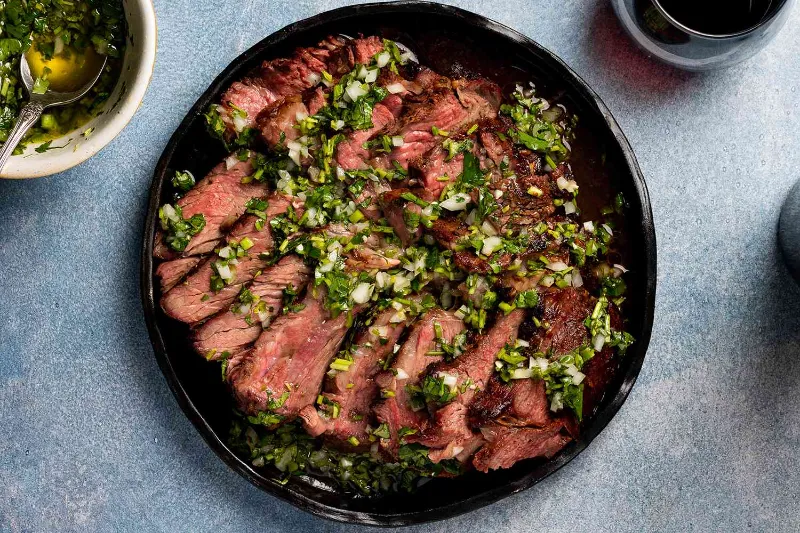
Beef chuck roast is one of the most budget-friendly zinc powerhouses you’ll find at any grocery store. A 3-ounce cooked serving packs about 7 mg of zinc, getting you well over halfway to your daily goal.
Red meat contains heme zinc, a form your body absorbs far more easily than the non-heme zinc found in grains or legumes. That’s why beef remains one of the most reliable dietary zinc sources in American diets.
Slow-cook it, braise it, or throw it in a hearty stew. However you serve it, your body will thank you for the boost.
3. Crab

Whether you’re cracking open blue crab or enjoying a Dungeness feast, you’re getting an impressive zinc hit. A 3-ounce serving of cooked crab delivers around 6–7 mg of zinc.
Crab also brings along selenium, copper, and B12, making it a genuinely well-rounded seafood choice. It’s low in fat and high in lean protein, which pairs perfectly with zinc’s role in muscle repair.
Try crab cakes, crab salad, or just serve it steamed with a little butter. Simple preparation keeps the nutrients intact.
4. Lobster

Lobster might feel like a special occasion food, but nutritionally it earns its keep anytime. A 3-ounce serving provides around 3–4 mg of zinc alongside a great lean protein punch.
Lobster is particularly rich in copper and selenium too, which work alongside zinc to support antioxidant activity in your body. Think of them as a mineral dream team.
Steamed or broiled is always best to preserve its nutritional value. Skip the heavy cream sauces and let the natural richness shine.
5. Spinach
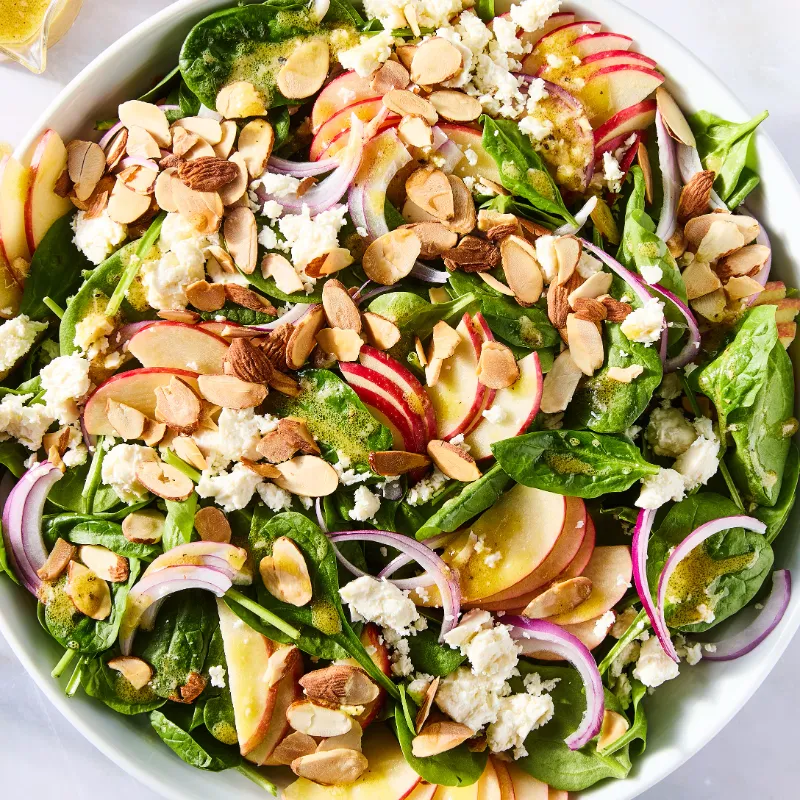
Spinach wraps up our list as a reliable everyday green with about 1.4 mg of zinc per cooked cup. It’s not as dramatic as oysters, but it’s something you can easily eat every single day.
Cooking spinach is actually important for zinc, as heat breaks down oxalic acid, a compound that can bind to minerals and reduce their absorption. Lightly sautéed or steamed spinach releases more bioavailable zinc than the raw version.
Toss it into pasta, blend it into smoothies (you won’t taste it), or wilt it as a simple side. Spinach is one of those ingredients that makes every meal a little bit better and a whole lot more nutritious.
6. Chicken (Dark Meat)

Dark meat chicken, think thighs and drumsticks, gets a bad reputation it doesn’t deserve. A 3-ounce serving of cooked dark meat delivers roughly 2.5–3 mg of zinc, notably more than white meat.
The extra fat content in dark meat also helps your body absorb fat-soluble nutrients more efficiently. Zinc absorption specifically benefits from being eaten alongside dietary fat.
Roasted chicken thighs are one of the easiest, cheapest, and most satisfying meals you can make. They’re hard to overcook and even harder to get tired of.
7. Turkey

Turkey isn’t just for Thanksgiving. Dark turkey meat in particular is a solid zinc source, delivering about 3–4 mg per 3-ounce serving.
Turkey is also rich in tryptophan, the amino acid famous for helping produce serotonin. Combined with zinc’s role in mood regulation, turkey is genuinely good for your mental wellness too.
Ground turkey is incredibly versatile. Tacos, meatballs, stir-fries, or stuffed peppers, it fits wherever you need a lean protein with a quiet nutritional backbone.
8. Lamb

Lamb is popular worldwide but surprisingly underutilized in most American kitchens. That’s a shame because a 3-ounce serving of cooked lamb provides around 4–5 mg of zinc, comparable to beef.
Lamb is particularly rich in carnitine and conjugated linoleic acid (CLA), a fatty acid that researchers have linked to improved body composition. Add zinc into the mix, and you’ve got a serious nutritional package.
A simple lamb chop with rosemary and garlic is all you need. It’s elegant, filling, and a lot easier to cook than most people think.
9. Bison

Bison is leaner than beef but almost as rich in zinc. A 3-ounce cooked serving delivers around 4–5 mg, and it comes with less saturated fat than conventional beef.
Bison is also often grass-fed by nature, which tends to improve its omega-3 fatty acid content. That’s a nice bonus for heart and brain health alongside your zinc intake.
You can swap bison for beef in almost any recipe. Burgers, chili, and meatloaf all work beautifully with bison, often with a slightly sweeter, richer flavor.
10. Venison
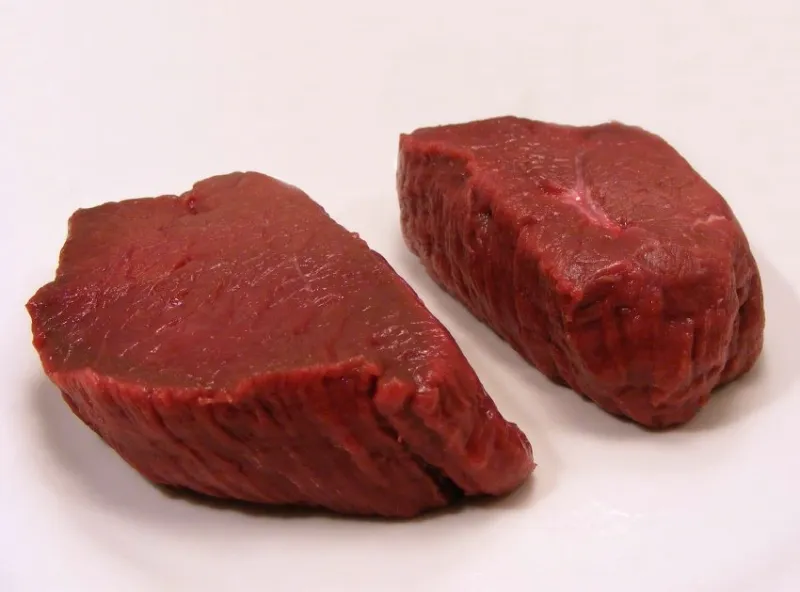
Venison, or deer meat, is lean, gamey in the best way, and genuinely nutrient-dense. A 3-ounce serving delivers around 2–3 mg of zinc with very little fat.
Because deer are typically wild or pasture-raised, venison tends to be free of additives and antibiotics. It’s one of the cleanest animal proteins you can find.
Venison stew, venison burgers, or simple pan-seared medallions are all fantastic options. If you have access to it, it’s absolutely worth working into your rotation.
11. Pumpkin Seeds
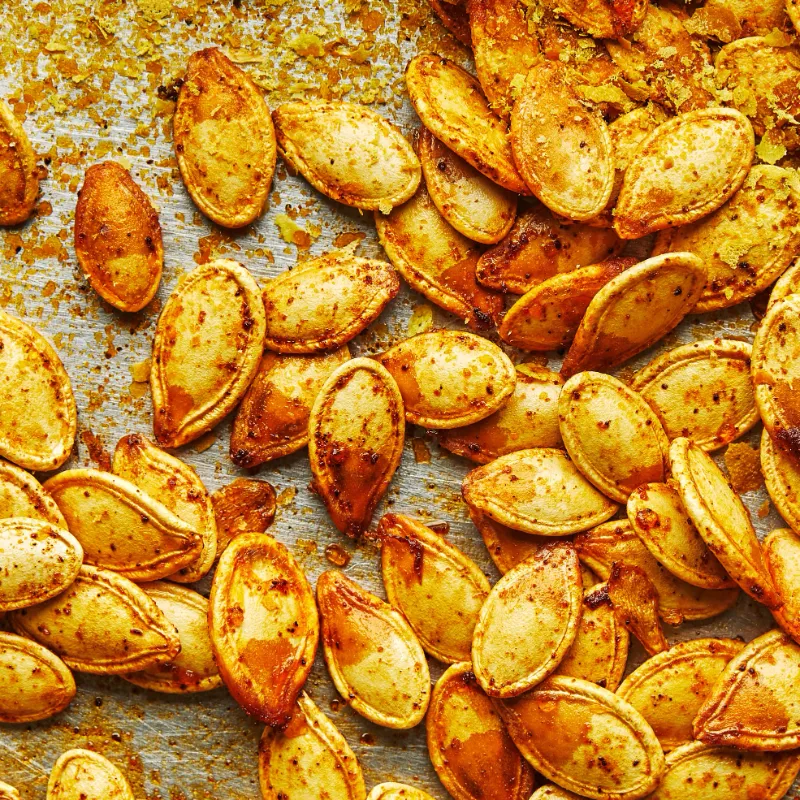
Now we’re crossing into plant territory, and pumpkin seeds lead the pack. Just one ounce delivers about 2.2 mg of zinc, making them one of the best plant-based zinc sources available.
They’re also packed with magnesium, healthy fats, and antioxidants. Research has linked pumpkin seeds to better prostate health, improved sleep, and reduced inflammation.
Toss them on salads, blend them into smoothies, or just snack on them raw. Roasting them lightly with a pinch of sea salt makes them genuinely hard to put down.
12. Hemp Seeds
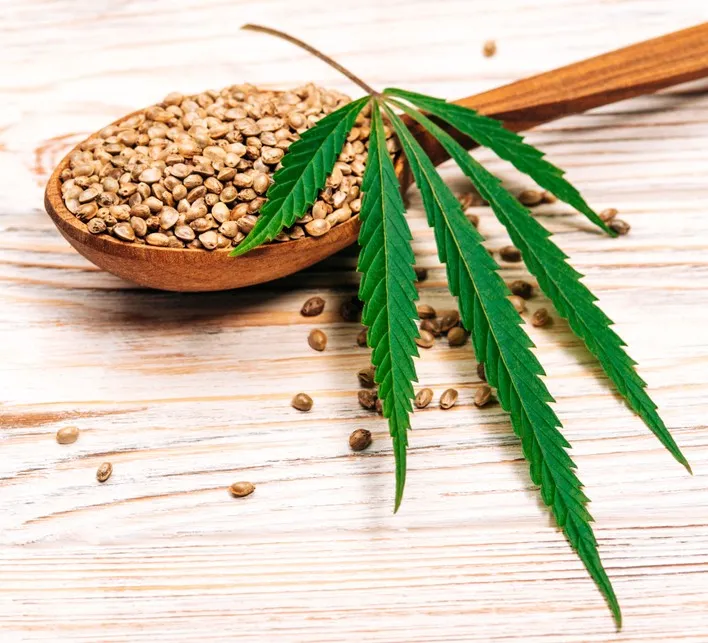
Hemp seeds are small but seriously impressive. Three tablespoons deliver around 3 mg of zinc alongside a complete amino acid profile and a powerful ratio of omega-3 to omega-6 fatty acids.
They’re one of the few plant foods considered a complete protein, meaning they contain all nine essential amino acids. For anyone eating mostly plant-based, hemp seeds are close to a perfect food.
Sprinkle them on oatmeal, yogurt, or smoothie bowls. They have a mild, nutty flavor that blends into almost anything without overpowering it.
13. Cashews
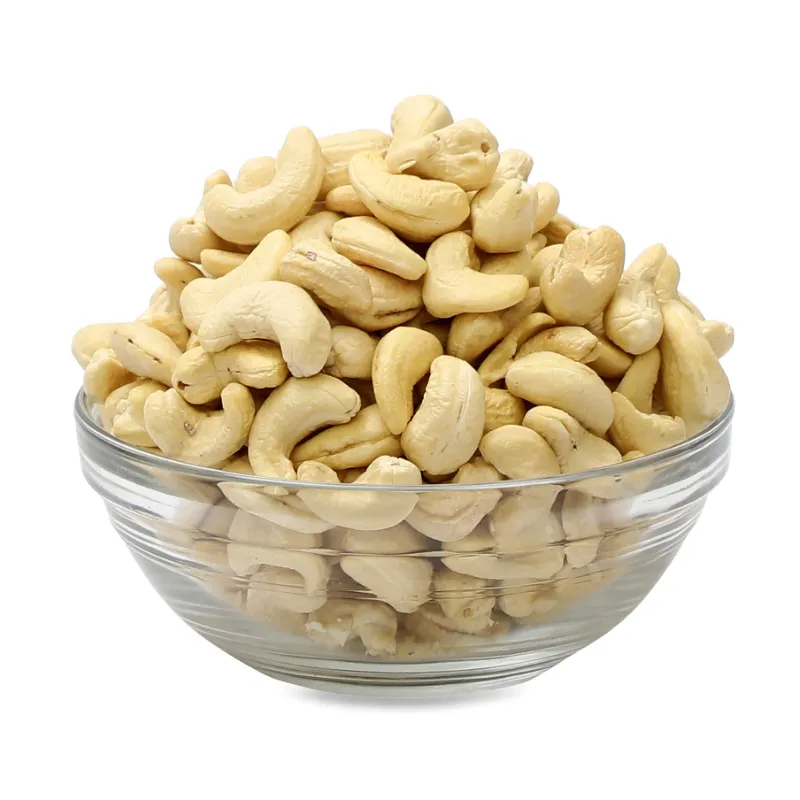
Cashews taste like a treat but behave like a nutritional supplement. A one-ounce serving provides about 1.6 mg of zinc, and they’re one of the most popular nut snacks in the US for good reason.
They’re also rich in copper and magnesium, and their creamy fat content helps your body absorb fat-soluble nutrients more effectively. Zinc from cashews is reasonably bioavailable for a nut, especially when eaten as part of a balanced meal.
Cashew butter on whole grain toast is a genuinely satisfying snack. Or toss whole cashews into a stir-fry for crunch, flavor, and nutrition all at once.
14. Almonds
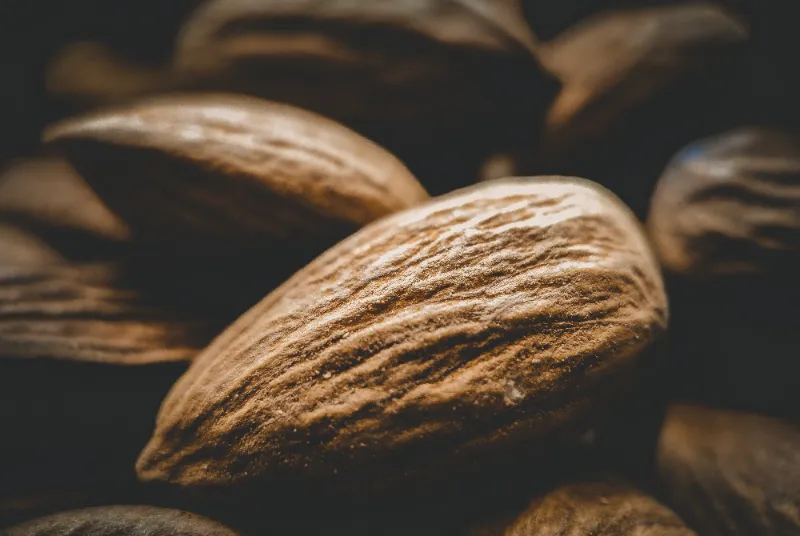
Almonds are a classic healthy snack, and they bring about 0.9 mg of zinc per ounce. While that’s lower than some nuts, they more than make up for it in other nutrients.
Almonds are loaded with vitamin E, a powerful antioxidant that supports skin and immune health. Zinc and vitamin E together make almonds a solid choice for anyone focused on skin clarity and immune resilience.
A small handful of raw or roasted almonds makes an excellent between-meal snack. Almond butter is another easy way to work them into your daily eating routine.
15. Sunflower Seeds
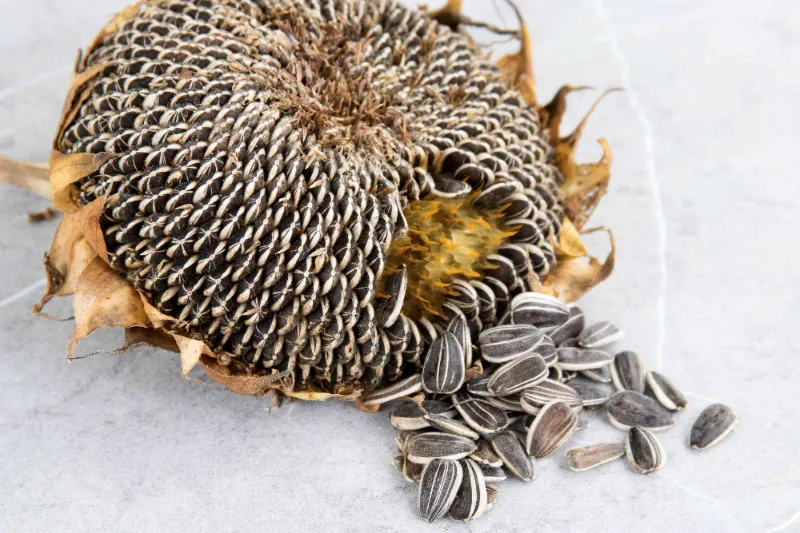
Sunflower seeds are a humble snack with real nutritional muscle. A quarter-cup serving delivers about 1.7 mg of zinc, plus a hefty dose of vitamin E and selenium.
They’re particularly high in linoleic acid, an omega-6 fatty acid important for skin barrier function. Combined with zinc’s role in skin cell production, sunflower seeds are genuinely skin-friendly.
Shell them yourself for a mindful snacking experience, or grab hulled seeds to toss onto salads and grain bowls. Either way, your body gets the benefit.
16. Pine Nuts
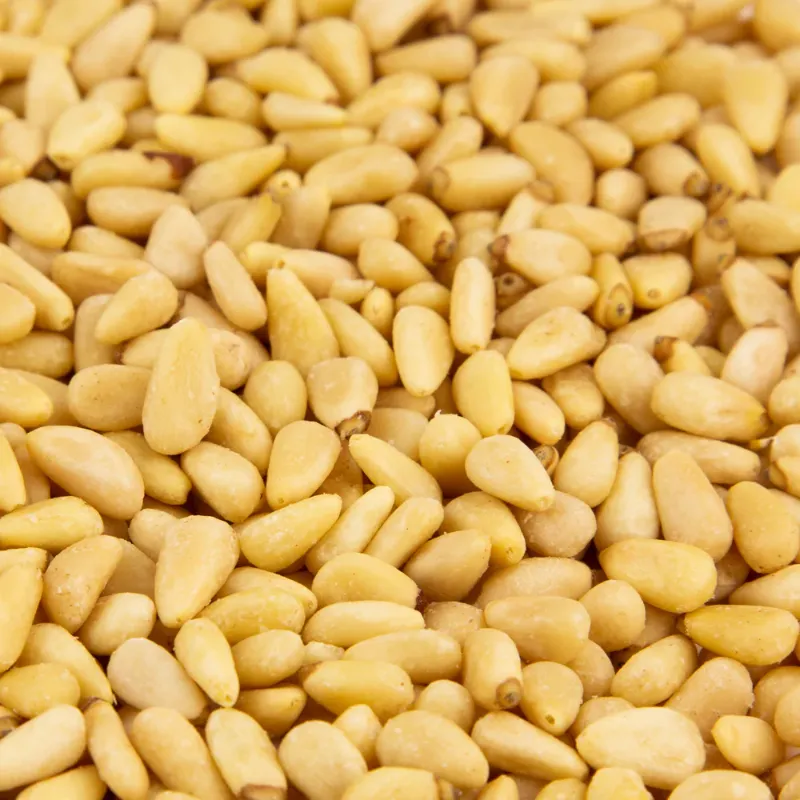
Pine nuts are delicate, buttery, and surprisingly zinc-rich. One ounce provides about 1.8 mg of zinc, making them one of the better nut-based sources around.
They’re also rich in pinolenic acid, a unique fatty acid found almost exclusively in pine nuts that has been studied for appetite regulation. Zinc plus natural appetite support? That’s a pretty useful combination.
Classic pesto is the most famous use, but pine nuts are equally wonderful toasted and tossed over roasted vegetables or pasta. A little goes a long way, both nutritionally and in flavor.
17. Pecans

Pecans are a beloved Southern staple that bring a respectable 1.3 mg of zinc per ounce. They’re also one of the most antioxidant-rich nuts in the world, according to USDA data.
Their high content of manganese and copper works synergistically with zinc to support bone health and immune function. Nuts rarely work in isolation, and pecans are a great example of a whole food delivering a full mineral package.
Enjoy them raw, candied in small amounts, or folded into oatmeal. Pecan halves make a satisfying snack that keeps hunger at bay for hours.
18. Chickpeas
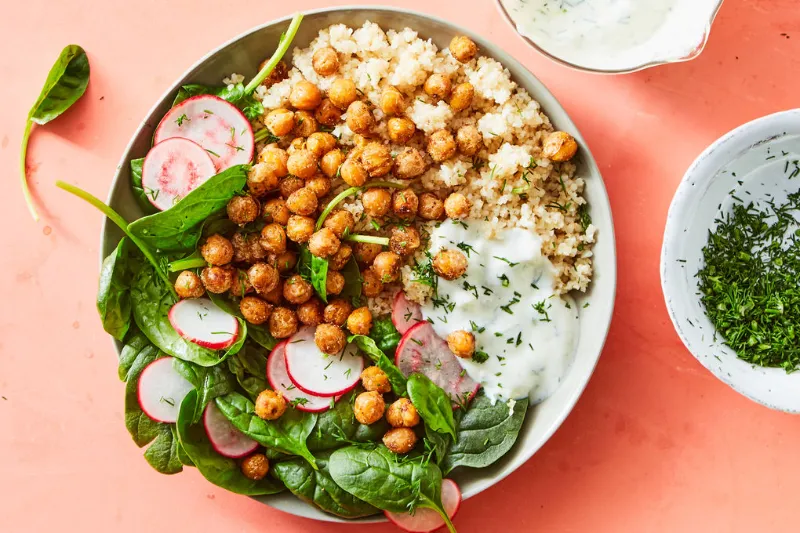
Chickpeas are one of the most versatile legumes on earth, and they deliver about 2.5 mg of zinc per cooked cup. They’re a cornerstone of plant-based diets for good reason.
One thing to know: legumes contain phytic acid, which can slightly reduce zinc absorption. You can improve this by soaking dried chickpeas before cooking, which breaks down some of that phytic acid.
Hummus, roasted chickpeas, curries, or soups, the options are endless. Including vitamin C-rich foods in the same meal can also help boost mineral absorption.
19. Lentils
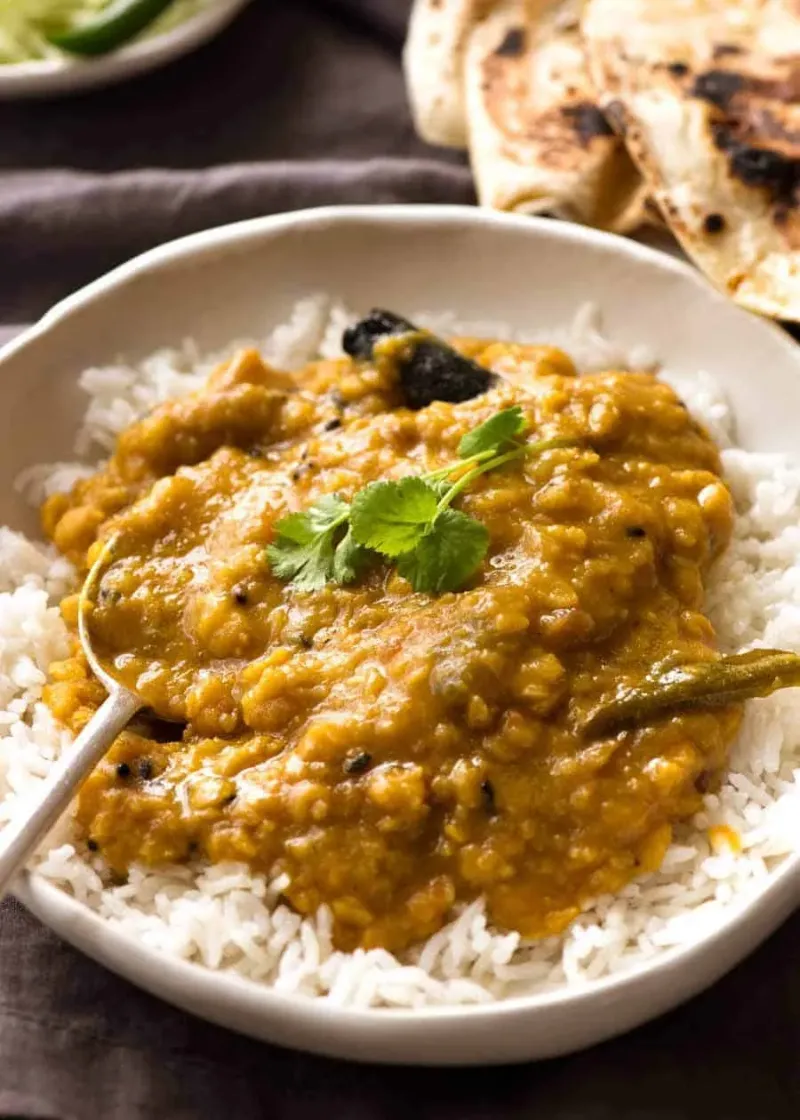
Lentils punch well above their weight for a pantry staple. One cooked cup provides around 2.5 mg of zinc, plus an impressive 18 grams of protein and nearly 16 grams of fiber.
They’re one of the most studied legumes for heart health, with research consistently showing they help lower LDL cholesterol and stabilize blood sugar. That fiber and zinc combination is genuinely hard to beat in a single, inexpensive ingredient.
Red lentils cook in under 20 minutes and melt into soups and sauces beautifully. Green or brown lentils hold their shape better, making them great for grain bowls and salads.
20. Black Beans
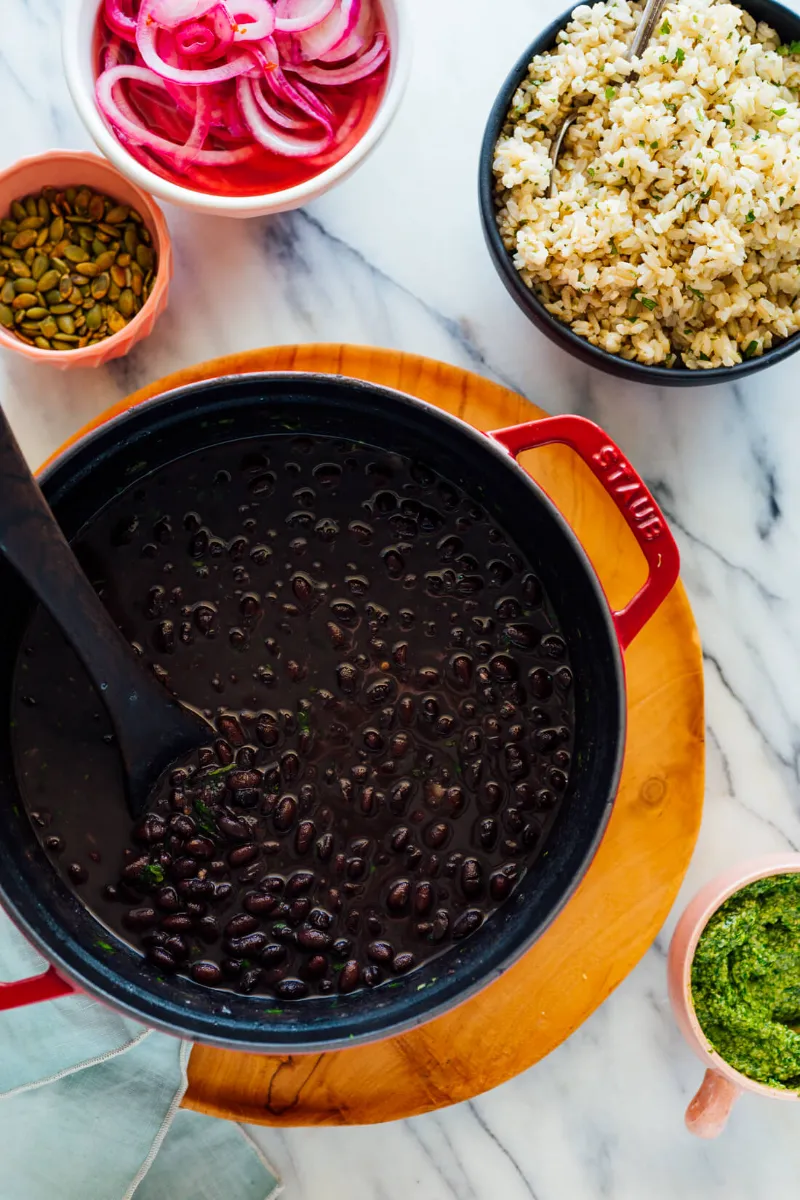
Black beans are a staple in American kitchens and a reliable plant-based zinc source, delivering about 2 mg per cooked cup. They’re also incredibly rich in anthocyanins, the same antioxidants found in blueberries.
The fiber in black beans feeds your gut microbiome, and a healthy gut actually improves overall mineral absorption, including zinc. It’s a bit of a virtuous cycle.
Black bean tacos, burrito bowls, or a simple side of seasoned beans are all fast, affordable ways to get more zinc on your plate. Canned beans work just as well as dried.
21. Kidney Beans

Kidney beans are meaty, satisfying, and deliver around 1.8 mg of zinc per cooked cup. They’re also one of the highest-fiber legumes available, supporting both digestive and cardiovascular health.
Their deep red color comes from polyphenols that act as antioxidants in the body. Combined with zinc’s immune-supporting properties, kidney beans earn their spot as a true functional food.
A classic chili is probably the easiest and most delicious way to enjoy them. They also work wonderfully in bean salads with olive oil, herbs, and a squeeze of lemon.
22. Edamame
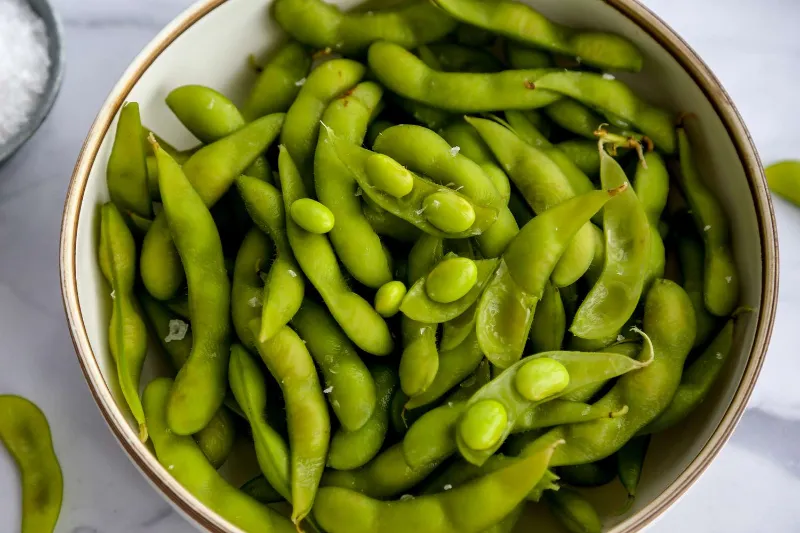
Edamame, young soybeans, are a snack that genuinely earns the word “superfood.” One cup of cooked edamame delivers about 2.1 mg of zinc alongside 17 grams of complete plant-based protein.
Soybeans are one of the only plant foods that contain all essential amino acids. The zinc they provide is moderately bioavailable, especially when paired with a varied, whole-food diet.
Steamed edamame with a pinch of sea salt is one of the best snacks you can put on the table. They’re fast, satisfying, and kid-friendly too.
23. Tofu
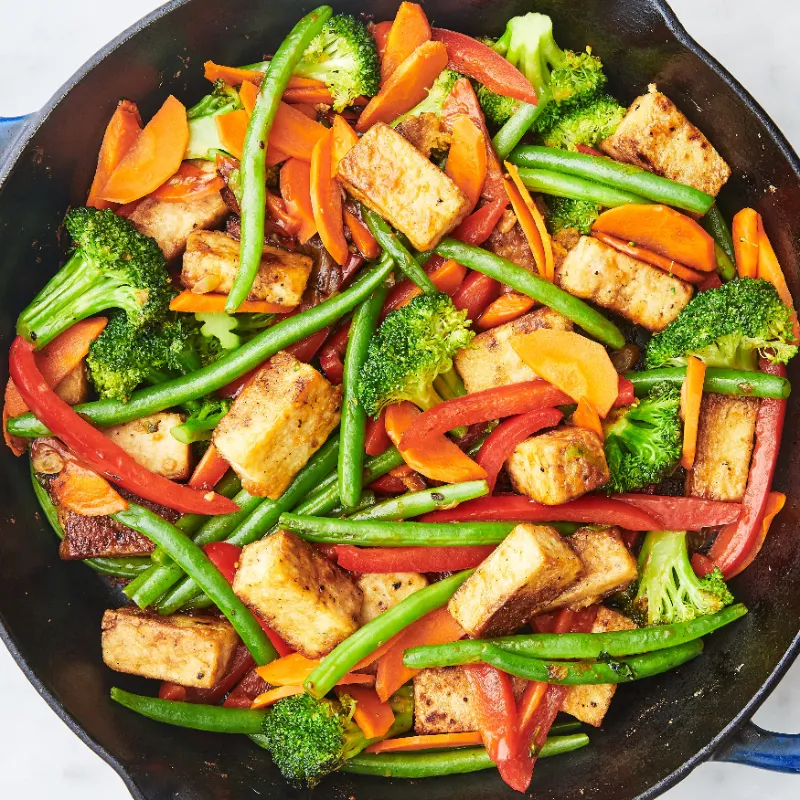
Tofu is mild, endlessly versatile, and a solid zinc contributor. A half-cup serving of firm tofu delivers around 2 mg of zinc, depending on how it’s been processed.
Tofu made with calcium sulfate has slightly better mineral bioavailability. It’s also a great source of isoflavones, plant compounds that support hormonal balance and bone density.
Crispy pan-fried tofu, silken tofu in soups, or marinated tofu in grain bowls all work equally well. Don’t be afraid to season it boldly because it absorbs whatever you throw at it.
24. Tempeh
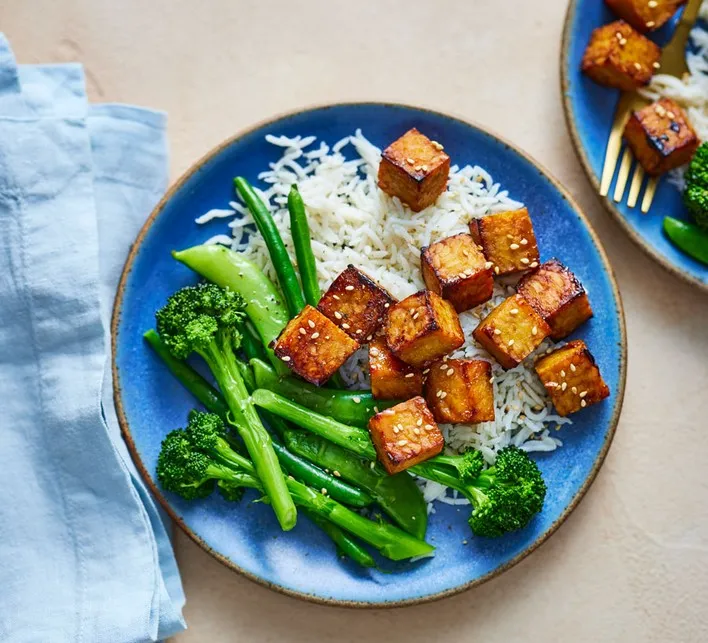
Tempeh takes tofu’s zinc content and elevates it. A 3-ounce serving delivers about 1.7–2 mg of zinc, and unlike tofu, tempeh has been fermented, which significantly reduces phytic acid and improves mineral absorption.
Fermentation also introduces beneficial probiotic compounds that support gut health. A healthier gut means better absorption of all nutrients, including zinc.
Slice it thin and pan-fry it until crispy, crumble it into tacos, or cube it for a stir-fry. Once you find your tempeh preparation style, it becomes a genuinely craveable ingredient.
25. Quinoa
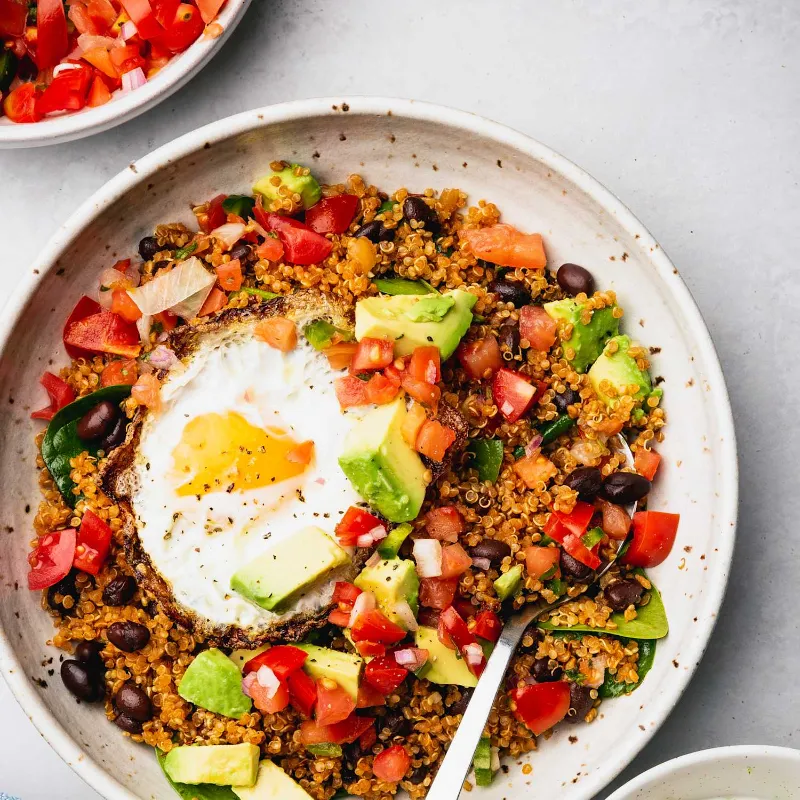
Quinoa is often called a grain but it’s technically a seed, and it delivers around 2 mg of zinc per cooked cup. It’s also one of the rare plant-based complete proteins.
Because quinoa is a seed, it has less phytic acid than many grains, which means its zinc is more bioavailable than what you’d find in wheat or oats. Rinsing quinoa before cooking removes even more of the natural coating that can inhibit absorption.
Use it as a rice substitute, build grain bowls on top of it, or mix it into soups for added texture and nutrition. It’s a genuinely easy grain to work into almost any meal.
26. Oats
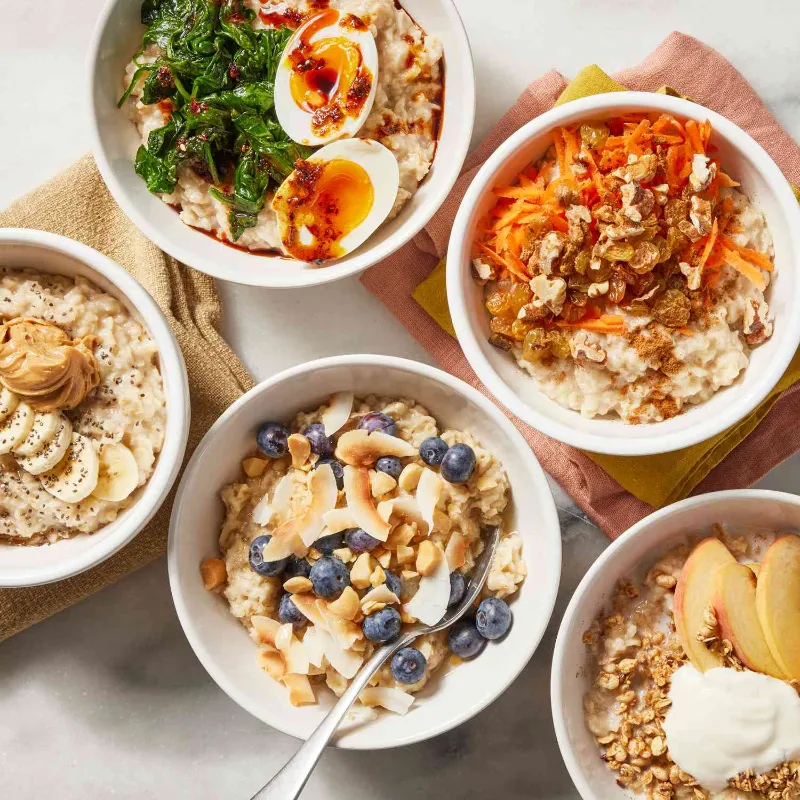
Oats are a breakfast classic with a solid zinc profile. One cup of dry rolled oats contains about 2.9 mg of zinc, making your morning bowl a genuinely productive nutritional start.
Oats also contain beta-glucan, a soluble fiber that has been extensively studied for its cholesterol-lowering effects. The combination of zinc, beta-glucan, and B vitamins makes oats one of the most cost-effective health foods available.
Classic oatmeal, overnight oats, or baked oat recipes all preserve the zinc content well. Adding seeds or nut butter on top only amplifies the nutritional value.
27. Brown Rice
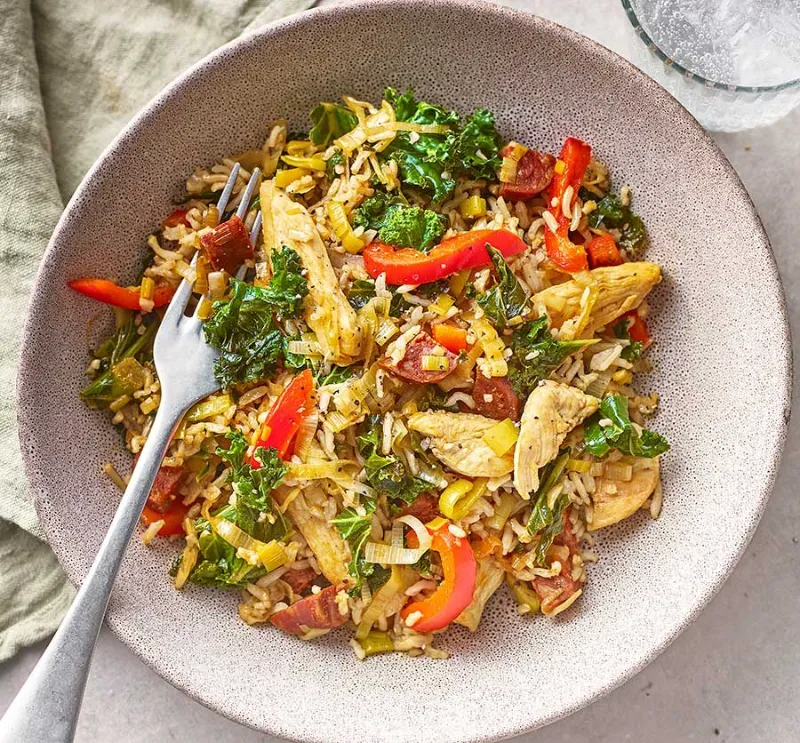
Brown rice is a reliable, everyday grain that delivers about 1.2 mg of zinc per cooked cup. It’s less exciting than some other sources, but its real power is in consistency.
As a whole grain, brown rice retains its bran and germ layers, where most of the nutrients, including zinc, actually live. White rice loses those layers during processing, significantly reducing its mineral content.
Swapping white rice for brown in your regular meals is one of the simplest upgrades you can make. The nuttier flavor and chewier texture actually grow on you pretty quickly.
28. Wheat Germ
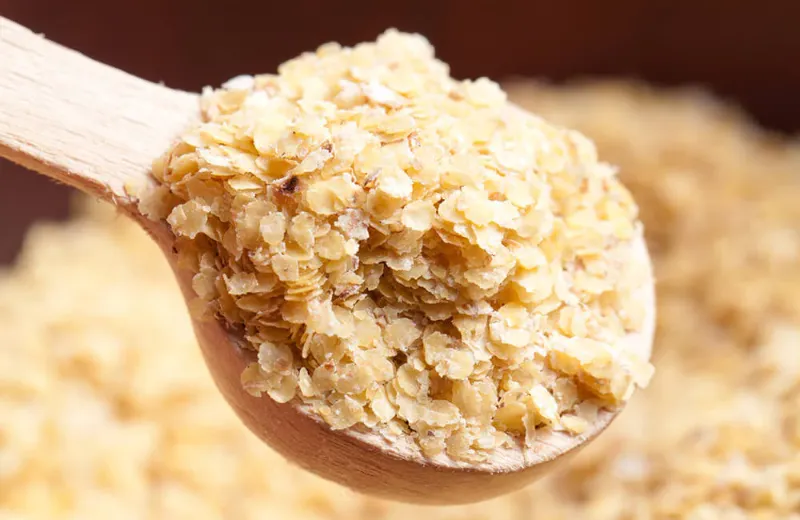
Wheat germ is the most nutrient-dense part of the wheat kernel, and just two tablespoons pack about 2.4 mg of zinc. Most people don’t realize they can easily add it to everyday foods without changing the taste much.
It’s also loaded with vitamin E, folate, and thiamine, making it one of the most impressive nutritional additions you can make to a standard diet. Wheat germ is essentially a whole-food supplement hiding in the grain aisle.
Sprinkle it on yogurt, blend it into smoothies, or stir it into oatmeal. It has a mild, slightly nutty flavor that blends effortlessly into whatever you pair it with.
29. Fortified Cereals

Fortified breakfast cereals are one of the most accessible zinc sources for Americans, with many delivering 25–100% of the daily recommended value per serving. They’re not the most “whole food” option, but they’re real and they work.
Zinc fortification is particularly valuable for children and older adults who may struggle to meet daily needs through diet alone. The zinc added to cereals is typically zinc oxide or zinc sulfate, both of which are reasonably well absorbed.
Choose cereals with lower sugar content to get the zinc benefit without the blood sugar spike. Pairing fortified cereal with milk or a zinc-rich topping doubles the morning dose nicely.
30. Cheddar Cheese
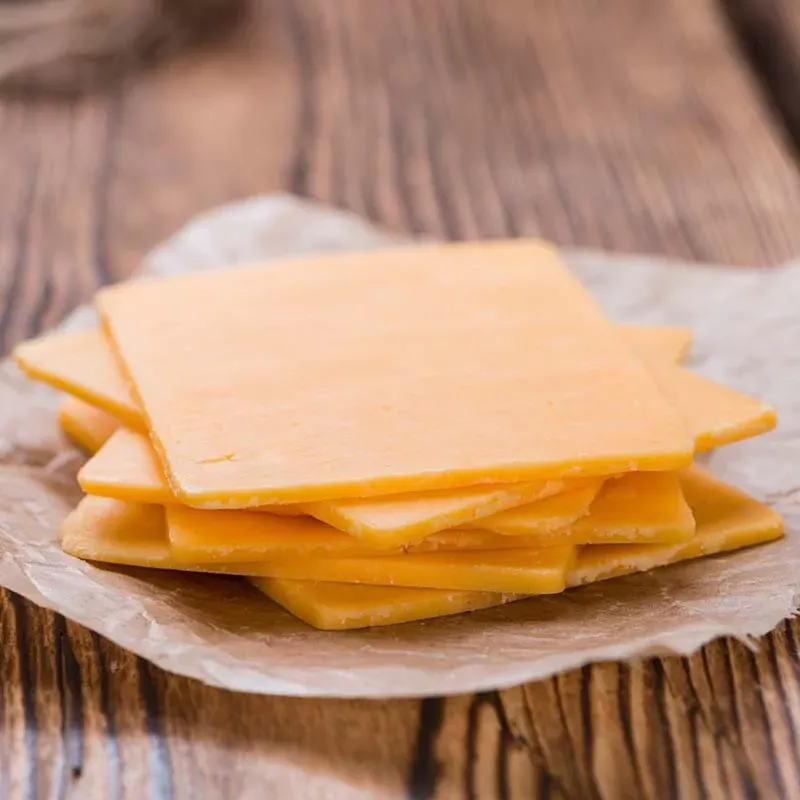
Cheddar cheese is a comfort food that quietly contributes around 1.5–2 mg of zinc per 1.5-ounce serving. It’s also one of the most beloved cheeses in America, so this is genuinely good news.
Dairy zinc is highly bioavailable because it’s bound to proteins and accompanied by casein, which actually enhances zinc absorption. It’s one of the more efficient zinc delivery systems in food form.
Melt it on whole grain toast, add it to scrambled eggs, or enjoy it as a snack with apple slices. However you eat it, a moderate portion works in your favor nutritionally.
31. Swiss Cheese

Swiss cheese offers a similar zinc profile to cheddar, about 1.1 mg per ounce, but with a slightly lower fat content and a distinctive nutty flavor. It’s a great option if you prefer a milder cheese.
Like all dairy products, the zinc in Swiss cheese comes packaged with calcium, phosphorus, and vitamin K2, all of which work together to support bone density. Zinc and K2 together specifically support the proteins that mineralize bone tissue.
Layer it in sandwiches, melt it on a burger, or pair it with sliced turkey for a quick snack. It’s a low-effort way to chip away at your daily zinc goal.
32. Yogurt (Plain, Full-Fat)
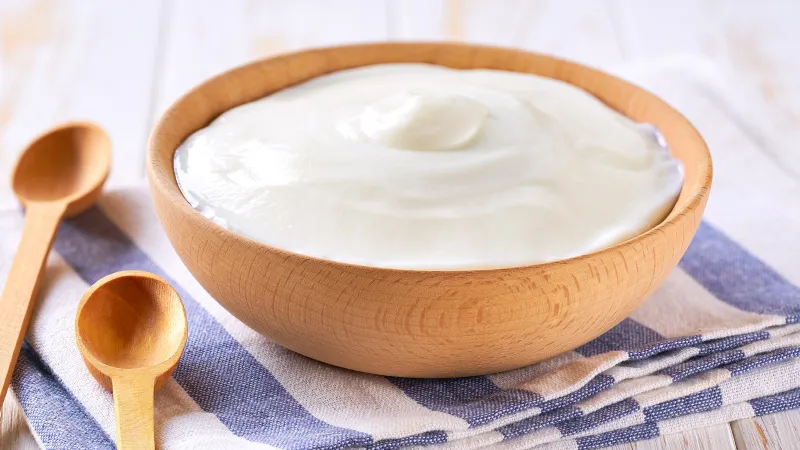
Plain, full-fat yogurt is one of the most versatile and nutritionally complete foods you can keep in your fridge. A 1-cup serving delivers about 1.7–2 mg of zinc alongside probiotics, calcium, and complete protein.
The live cultures in yogurt support gut health, which as mentioned earlier, directly improves your ability to absorb minerals like zinc. The fat content also helps absorb fat-soluble vitamins present in the meal.
Use it as a base for parfaits, as a sour cream substitute, or mix it into salad dressings. Plain Greek yogurt is even higher in protein, though it has a similar zinc content.
33. Milk
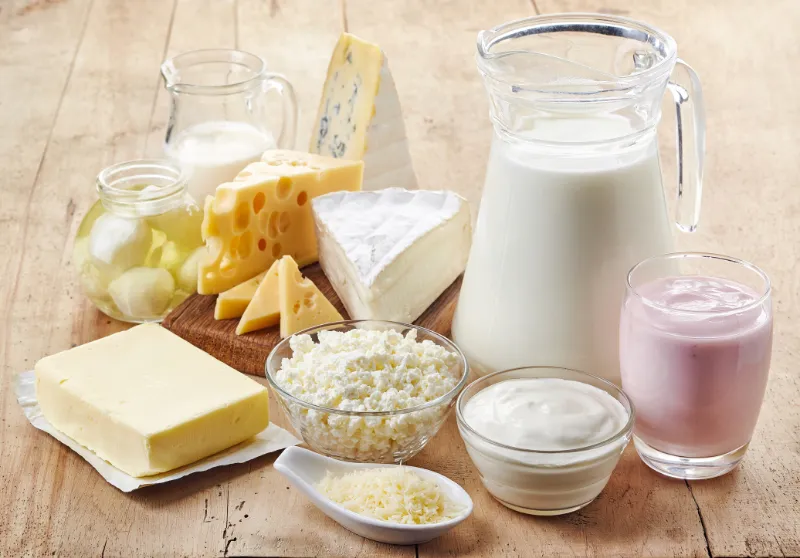
A simple glass of whole milk contains about 0.9 mg of zinc, and it’s one of the most bioavailable sources available. Zinc in dairy milk is bound to caseins, which actually boost intestinal zinc transport.
Milk is also consistently associated with better overall nutrient intake in studies, largely because it delivers calcium, potassium, vitamin D, and zinc in a single convenient package. For kids especially, milk remains one of the most efficient zinc delivery vehicles.
Dairy or fortified plant-based milk can serve this role depending on your dietary needs. Soy milk tends to have the highest zinc content among plant-based milk alternatives.
34. Eggs

Eggs are one of the most complete foods in existence, and they deliver about 0.6 mg of zinc per large egg. The zinc is mostly concentrated in the yolk, so whole eggs are the way to go.
Eggs also contain choline, lutein, and all eight essential amino acids, making them a nutritional all-star even before you factor in their zinc contribution. They’re also one of the most affordable high-quality protein sources in any American grocery store.
Scrambled, poached, hard-boiled, or fried, the preparation method doesn’t significantly affect zinc content. Two to three eggs at breakfast gets you off to a solid nutritional start.
35. Dark Chocolate

Yes, dark chocolate makes the list, and it earns its spot. A 1-ounce serving of 70–85% cacao dark chocolate delivers about 0.9–1 mg of zinc along with magnesium, iron, and powerful flavonoid antioxidants.
Research published in journals like the British Journal of Nutrition has highlighted cacao’s antioxidant activity and its potential cardiovascular benefits. The zinc adds a genuine mineral boost to what’s already a polyphenol-rich treat.
Stick to one or two squares of high-cacao chocolate to keep sugar in check. Look for 70% cacao or higher to get the most nutritional benefit per bite.
36. Shiitake Mushrooms
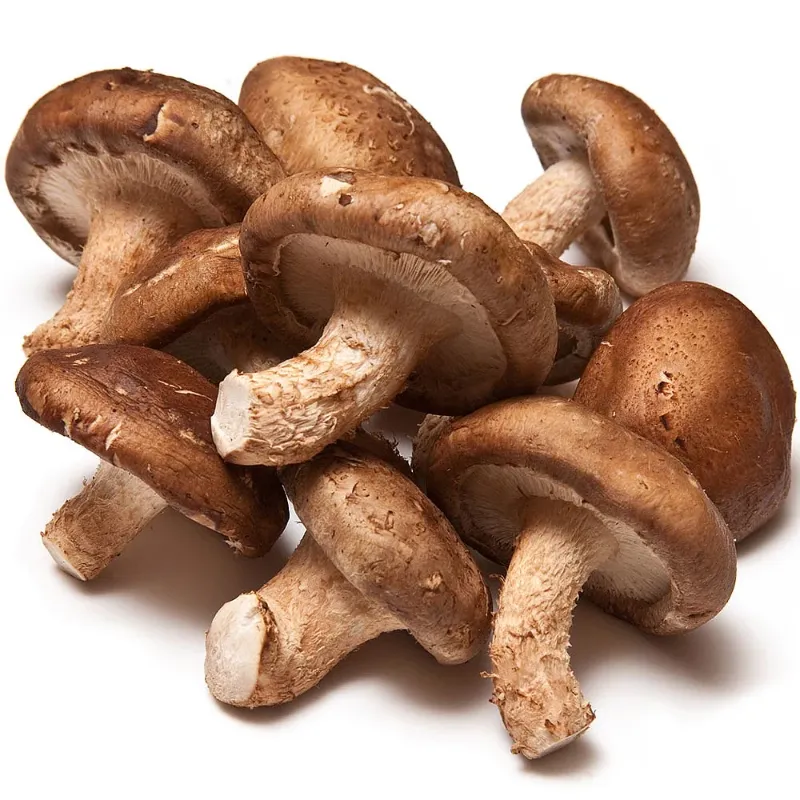
Shiitake mushrooms are the fungi world’s zinc standout. A half-cup of cooked shiitakes delivers around 1 mg of zinc, plus beta-glucans, the same immune-boosting polysaccharides found in oats.
Research has specifically examined shiitake mushrooms for their ability to support immune cell activity. Combined with zinc’s well-documented role in immune defense, shiitakes are a genuinely functional ingredient worth adding to your weekly meals.
Sauté them with garlic and olive oil as a side dish, toss them into ramen, or use them in grain bowls and omelets. They add depth of flavor and a solid nutritional foundation to almost any savory dish.
Final Thoughts
Getting enough zinc doesn’t have to mean popping a supplement every morning. As you’ve just seen, it can taste like a crab cake, a dark chocolate square, or a warm bowl of oatmeal.
Start small. Pick two or three foods from this list that you already enjoy and make them a regular habit. Your immune system, your skin, your energy, and your body as a whole will feel the difference over time.
