
32 Shocking Pregnancy Foods To Eat That Doctors Recommend

Growing a baby is one of the most incredible things your body will ever do. And what you eat during those nine months matters more than you might think.
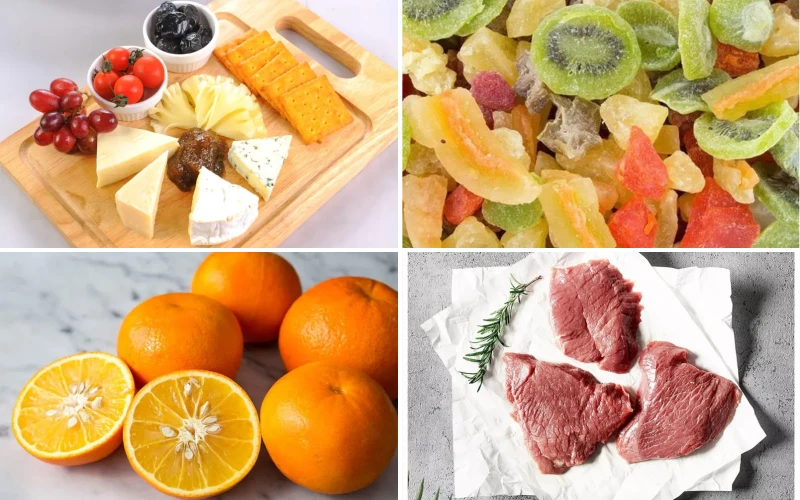
The good news? You do not need a complicated diet plan or expensive supplements to nourish yourself and your baby well. These 32 doctor-recommended foods are delicious, accessible, and backed by real science.
1. Eggs
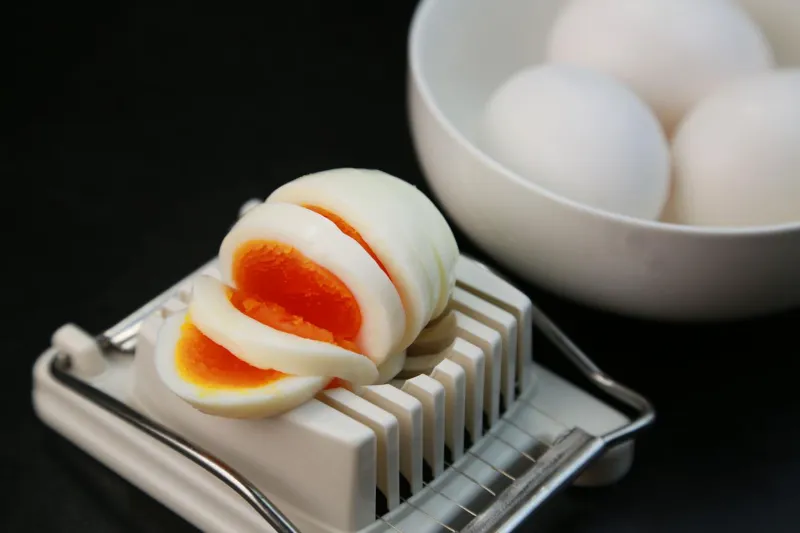
Eggs are one of the most complete foods you can eat during pregnancy. One large egg contains choline, a nutrient that plays a massive role in your baby’s brain development and helps prevent neural tube defects.
Most Americans do not get enough choline, and pregnancy increases your need for it even more. Two eggs a day can cover a significant chunk of your daily choline requirement, which sits at around 450mg for pregnant women.
The best part? Eggs are incredibly versatile. Scrambled, boiled, poached, or baked into a frittata, they fit into almost any meal. Just make sure they are fully cooked during pregnancy to avoid any risk of salmonella.
2. Salmon
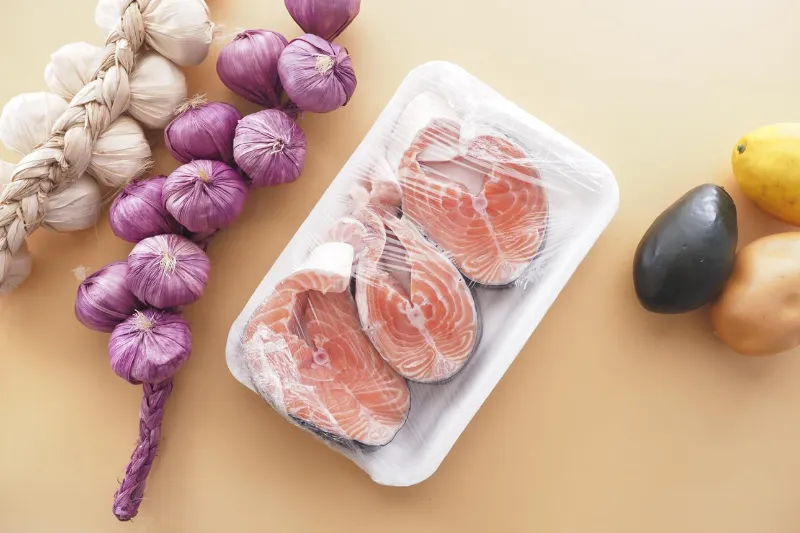
Salmon is one of the few foods that delivers DHA, a type of omega-3 fatty acid that is essential for your baby’s brain and eye development. Research published in the American Journal of Clinical Nutrition links DHA intake during pregnancy to better cognitive outcomes in children.
Wild-caught salmon is also a great source of protein and vitamin D, two nutrients that are commonly deficient in pregnant women. Vitamin D supports bone development and immune function in your growing baby.
The FDA recommends pregnant women eat 8 to 12 ounces of low-mercury seafood per week, and salmon is on their safe list. Aim for two to three servings a week, whether you grill it, bake it, or toss it into pasta.
3. Sweet Potatoes
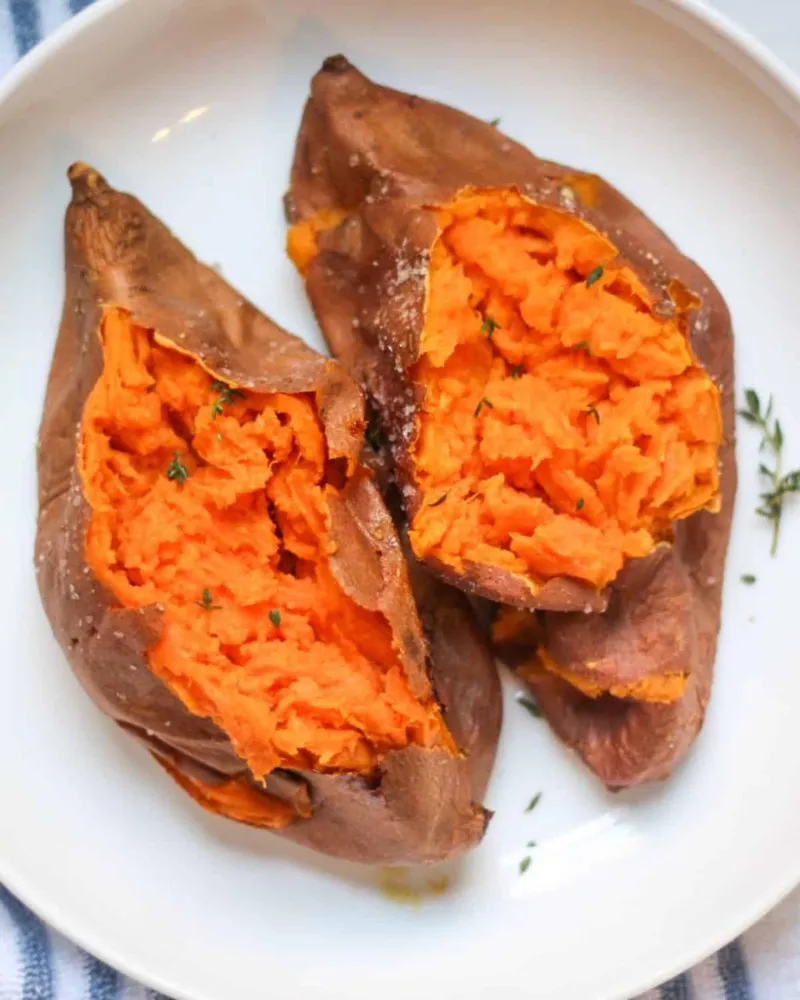
Sweet potatoes are loaded with beta-carotene, which your body converts into vitamin A. Vitamin A is critical for your baby’s cell growth, eye development, and immune function.
One medium sweet potato provides more than 100% of your daily vitamin A needs. They are also rich in fiber, which helps with one of pregnancy’s most common complaints: constipation.
Roast them with a little olive oil, mash them as a side dish, or bake them and top with Greek yogurt. They are sweet enough to feel indulgent but nourishing enough to feel good about.
4. Avocado
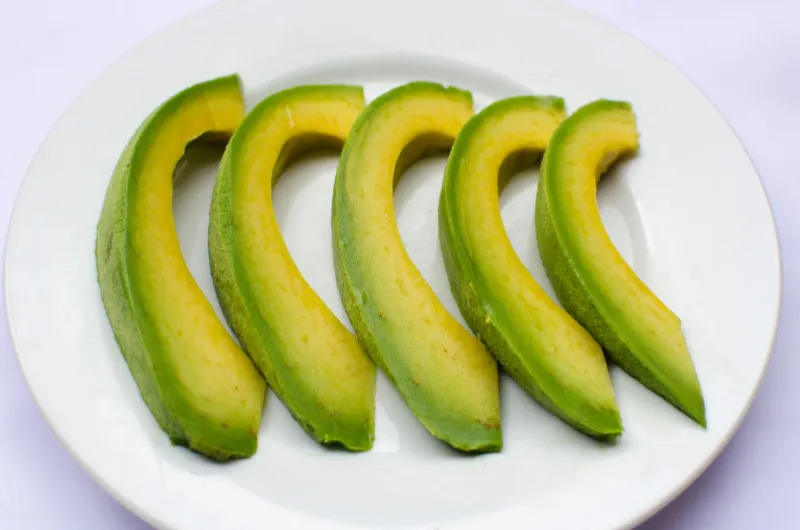
Avocados are rich in folate, a B vitamin that is crucial in the first trimester for preventing neural tube defects like spina bifida. Getting enough folate before and during early pregnancy is one of the most important steps you can take.
On top of that, avocados are packed with healthy monounsaturated fats that help your body absorb fat-soluble vitamins like A, D, E, and K. They also contain potassium, which can help ease leg cramps, a very real pregnancy struggle.
Spread them on whole grain toast, blend them into smoothies, or slice them over salads. They are creamy, filling, and genuinely good for you and your baby.
5. Lentils
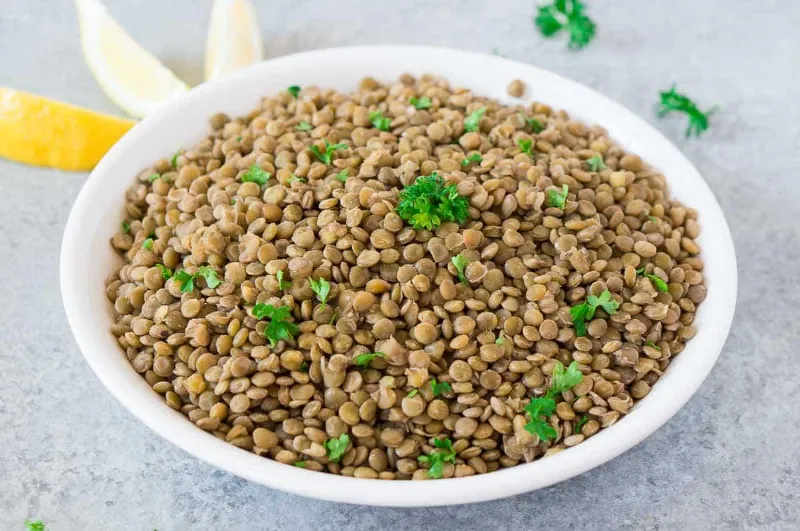
Lentils are a powerhouse of plant-based protein and folate. One cup of cooked lentils delivers about 358 micrograms of folate, which is nearly all of your daily recommended intake during pregnancy.
They are also packed with iron, a mineral your body needs in much greater quantities while pregnant. Iron helps produce the extra blood your body requires to support the placenta and your growing baby.
Add lentils to soups, stews, or grain bowls. They are budget-friendly, easy to cook, and incredibly filling. If you are vegetarian or vegan, lentils should be a staple on your pregnancy plate.
6. Greek Yogurt
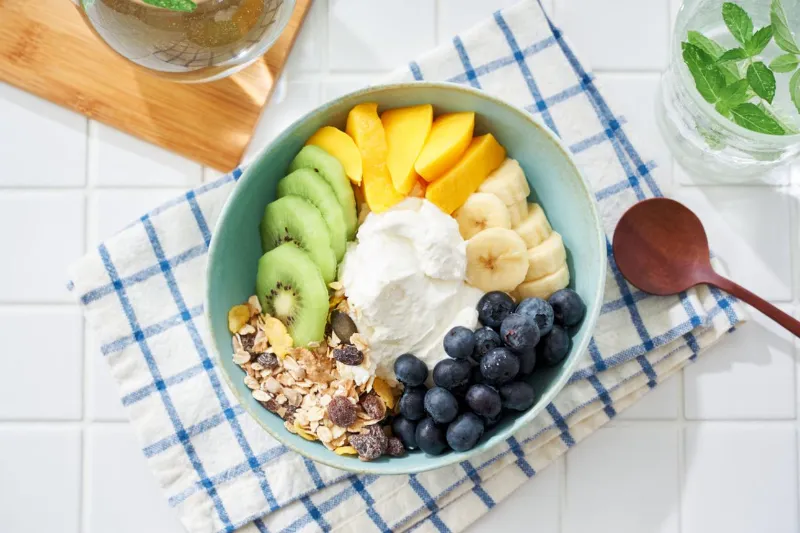
Greek yogurt contains more protein and calcium than regular yogurt, making it one of the best dairy choices during pregnancy. Calcium is essential for building your baby’s bones and teeth, and if you do not get enough, your body will pull it from your own bones.
Many Greek yogurts also contain live probiotic cultures, which support gut health. A healthy gut microbiome during pregnancy has been linked to a lower risk of gestational diabetes and reduced chances of eczema in babies.
Enjoy it as a snack with fruit, use it in place of sour cream, or blend it into smoothies. Just choose full-fat or low-fat versions over non-fat, since healthy fats help with nutrient absorption.
7. Leafy Greens (Spinach and Kale)
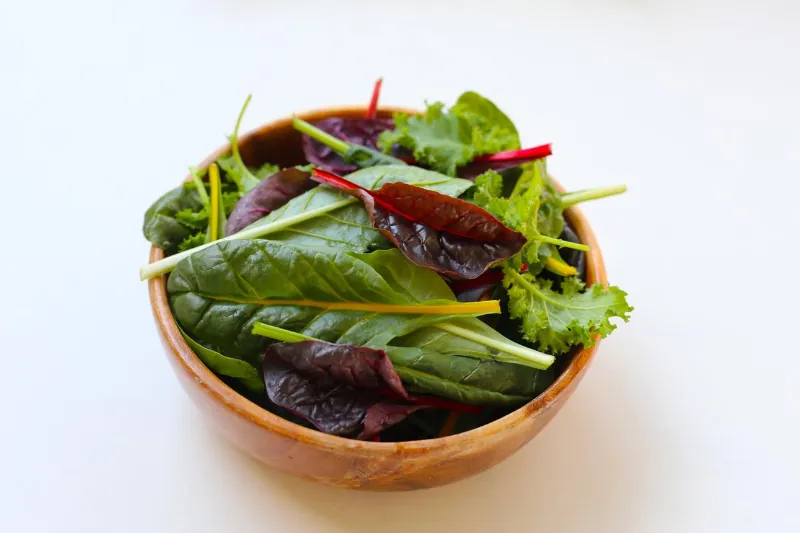
Spinach and kale are nutritional overachievers. They are loaded with folate, iron, calcium, vitamin C, and vitamin K, all in one dark, leafy package.
Vitamin C in leafy greens actually helps your body absorb the non-heme iron found in plant foods more efficiently. So eating spinach alongside iron-rich foods is a clever nutritional strategy that many doctors recommend.
Blend spinach into smoothies where you will barely taste it, saute kale with garlic as a side dish, or toss both into salads. The more variety you get, the broader your nutrient base.
8. Berries
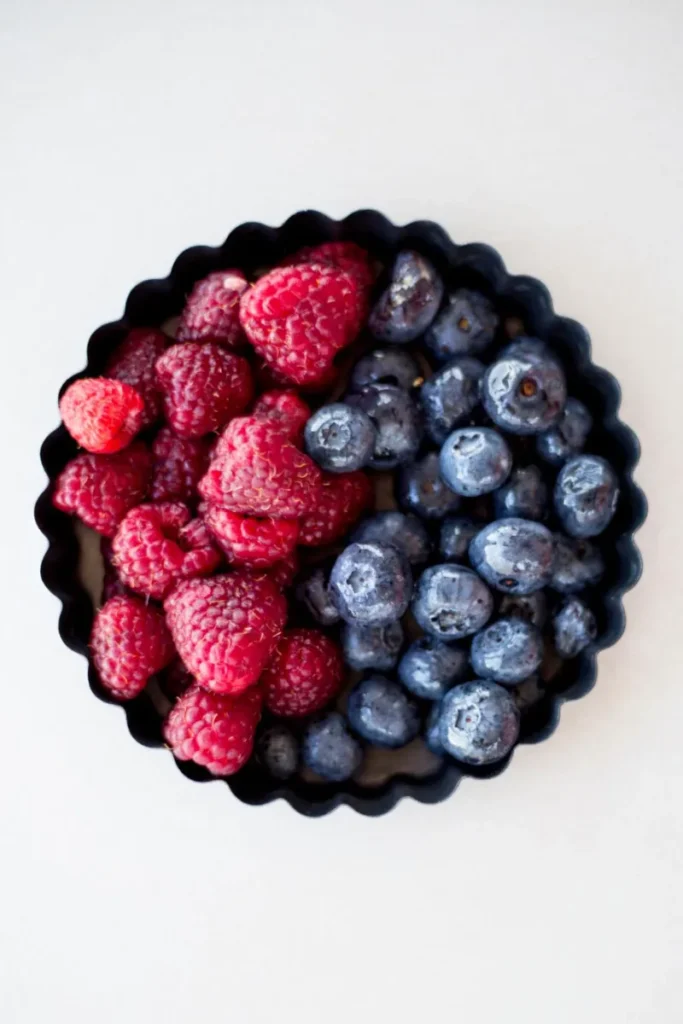
Blueberries, strawberries, and raspberries are bursting with antioxidants, particularly vitamin C and anthocyanins. These compounds help protect your cells from damage and support your immune system during pregnancy.
Vitamin C also plays a role in collagen production, which is essential for your baby’s skin, bones, and connective tissue. Strawberries alone provide over 100% of your daily vitamin C in just one cup.
Berries are also naturally sweet and lower in sugar than many fruits, making them a great choice if you are watching your blood sugar. Toss them over oatmeal, blend them into smoothies, or eat them by the handful as a snack.
9. Broccoli
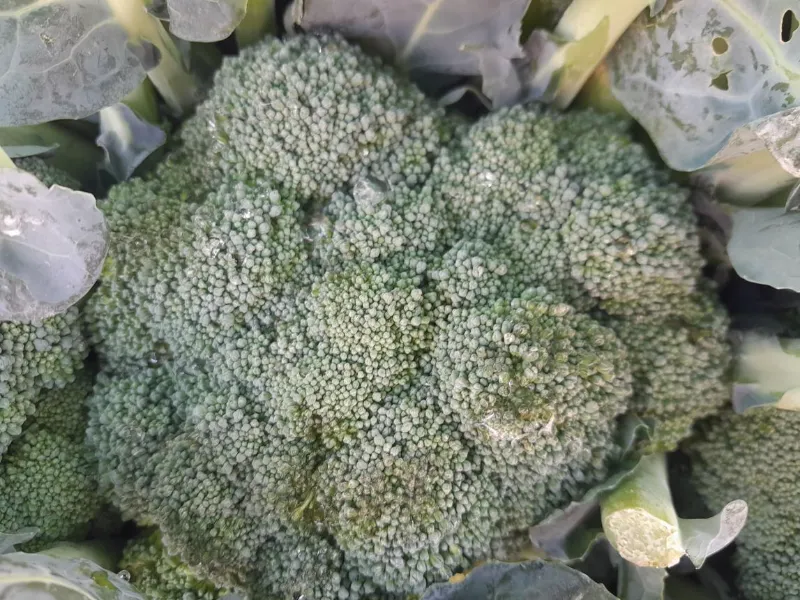
Broccoli is one of those vegetables that somehow manages to be rich in almost everything. It contains folate, iron, calcium, vitamin C, and fiber, all at once.
Studies suggest that the fiber in broccoli and other cruciferous vegetables may also help prevent constipation during pregnancy, which affects a huge percentage of pregnant women. Staying regular is more important for your comfort and health than most people realize.
Roast broccoli in the oven with olive oil for a caramelized, crunchy texture. Steam it lightly to preserve the most nutrients. Or add it to stir-fries and pasta dishes for an easy nutrition boost.
10. Bananas
Bananas are rich in vitamin B6, a nutrient that has been shown in research to help reduce nausea and vomiting in early pregnancy. If morning sickness is hitting you hard, adding bananas to your diet is a gentle, natural strategy worth trying.
They are also a great source of potassium, which helps regulate fluid balance and can ease those notorious pregnancy leg cramps. Plus, the natural sugars in bananas offer a quick energy boost when fatigue takes over.
Bananas are one of the easiest snacks to eat on the go. Pair them with a handful of nuts or a dollop of almond butter for a more balanced snack that keeps your blood sugar steady.
11. Beans
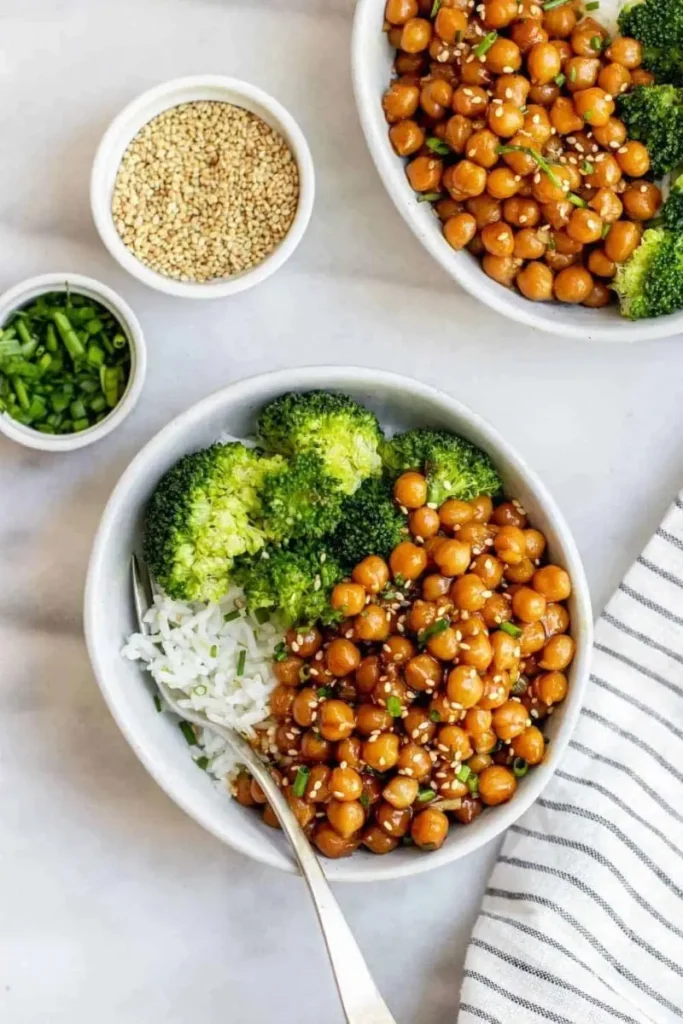
Black beans, chickpeas, kidney beans, and other legumes are incredible sources of plant-based protein, fiber, iron, and folate. They are also one of the most affordable foods on this entire list.
The fiber in beans feeds healthy gut bacteria and helps prevent constipation. Their iron content supports the increased blood volume your body needs during pregnancy, which rises by nearly 50 percent.
Toss chickpeas into salads, make a simple black bean taco filling, or blend them into hummus. Beans are incredibly adaptable and can be worked into almost any cuisine you already love.
12. Nuts
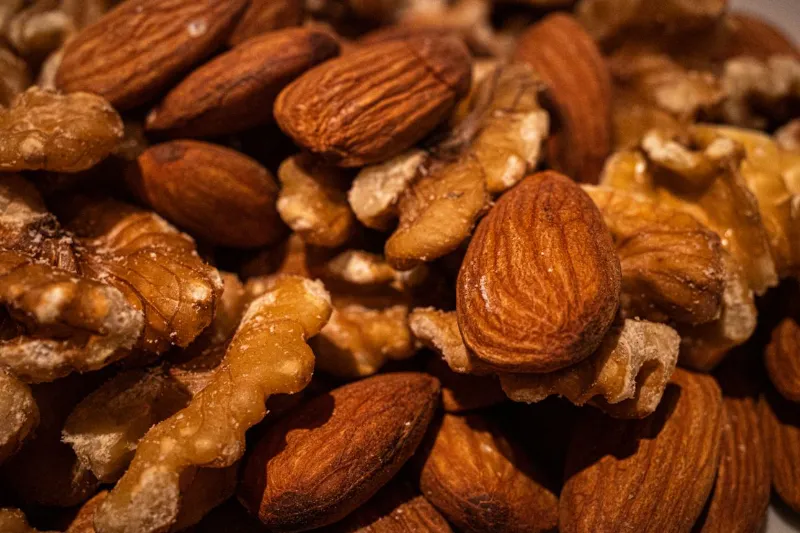
Walnuts and almonds are among the most nutrient-dense snacks you can reach for during pregnancy. Walnuts are one of the best plant-based sources of omega-3 fatty acids, while almonds deliver magnesium, vitamin E, and calcium in every small handful.
Magnesium is particularly important during pregnancy because it supports muscle and nerve function and has been linked in research to a lower risk of preterm labor. Many pregnant women are low in magnesium without even knowing it.
Keep a small bag of mixed nuts in your purse or at your desk for easy snacking. Pair them with fruit for a well-rounded mini-meal that gives you energy and nutrients between bigger meals.
13. Oats
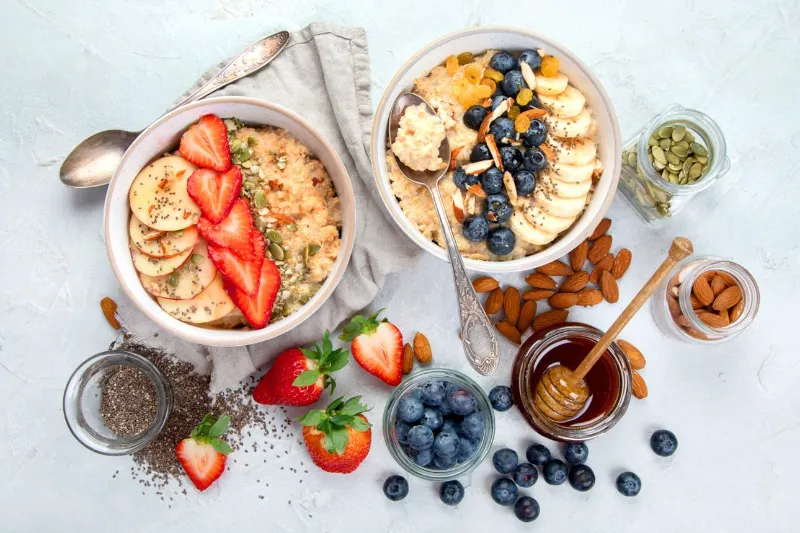
Oats are one of the best breakfast choices you can make during pregnancy. They are rich in complex carbohydrates, which release energy slowly and help prevent the blood sugar crashes that leave you feeling exhausted and irritable.
They also contain beta-glucan, a type of soluble fiber that supports healthy cholesterol levels and feeds your gut bacteria. Oats even provide a decent amount of iron and B vitamins for a grain.
Make overnight oats the night before for a grab-and-go breakfast. Top them with berries, banana slices, and a spoonful of nut butter for a meal that checks multiple nutritional boxes in one bowl.
14. Oranges
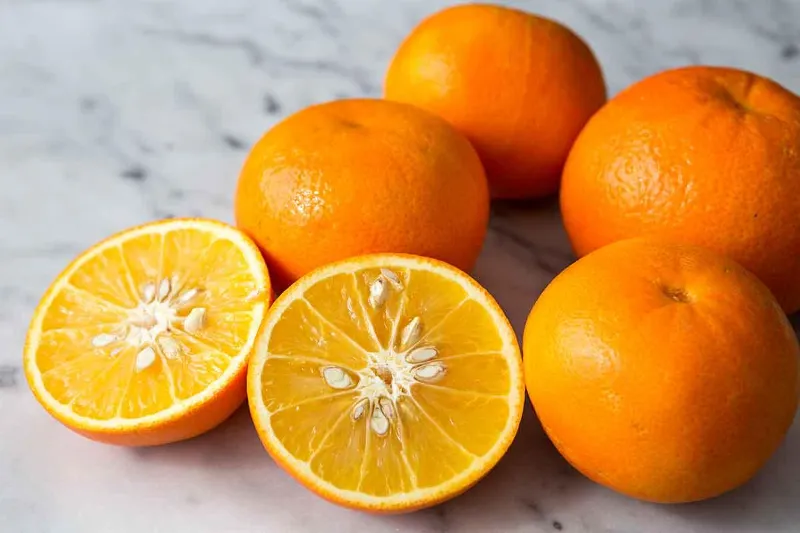
Oranges are famous for their vitamin C content, and that reputation is well earned. One large orange delivers over 90mg of vitamin C, which is nearly all of what pregnant women need daily.
Vitamin C is not just about immunity. It helps your body absorb iron from plant-based foods, which matters a lot if you are eating a mostly vegetarian diet. It also supports the development of your baby’s connective tissue and teeth.
Eat them as a snack, squeeze fresh juice into your water, or add orange segments to salads. The whole fruit is better than juice alone because it contains fiber that slows sugar absorption.
15. Pasteurized Cheese
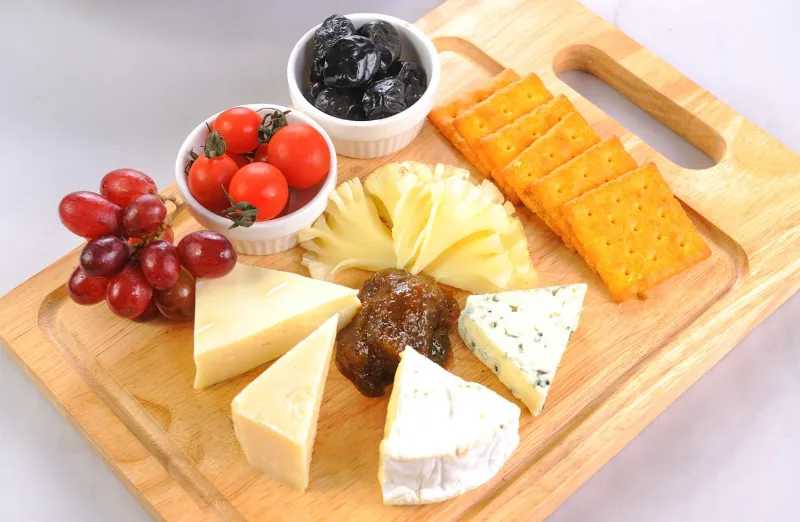
Cheese is a fantastic source of calcium, protein, and B vitamins during pregnancy. And contrary to popular belief, you do not need to avoid all cheese, just unpasteurized varieties like some soft imported cheeses.
Pasteurized cheddar, mozzarella, colby, and cream cheese are all safe and nutritious choices. Calcium from dairy is particularly well absorbed by the body compared to many plant-based sources.
Add cheese to eggs, melt it over vegetables, or pair it with whole grain crackers for a satisfying snack. It is one of the easiest ways to get calcium into your day without even thinking about it.
16. Lean Beef
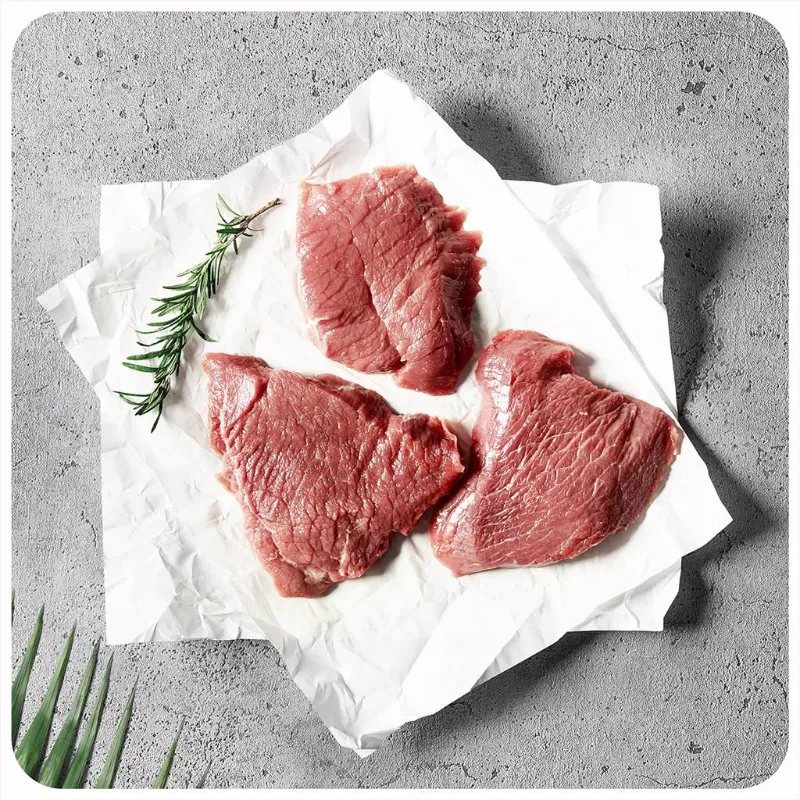
Lean beef is one of the richest sources of heme iron, which is the type of iron your body absorbs most easily compared to plant sources. Iron deficiency anemia is one of the most common pregnancy complications, and eating iron-rich foods can help prevent it.
Beef also provides zinc, a mineral that supports healthy fetal growth and immune development. A 3-ounce serving of lean ground beef contains around 3mg of iron, which puts a real dent in your daily 27mg pregnancy requirement.
Choose lean cuts like sirloin or ground beef that is at least 90% lean. Make sure it is cooked thoroughly to an internal temperature of 160°F to avoid any risk from bacteria.
17. Chicken
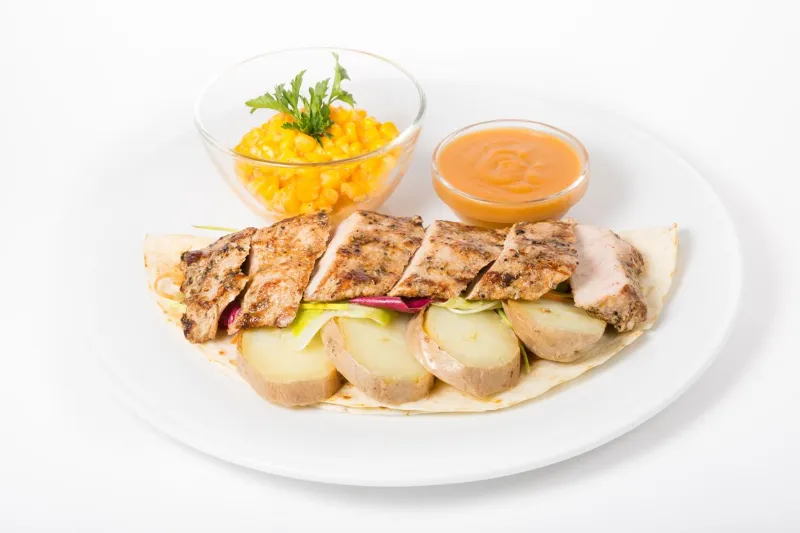
Chicken is a lean, versatile protein that delivers a complete set of amino acids your body needs to build your baby’s tissues and organs. It is also rich in B vitamins, particularly B3 (niacin) and B6, which support energy metabolism and fetal brain development.
Protein needs increase significantly during pregnancy, from around 46 grams per day to about 71 grams. A single chicken breast can provide over 30 grams of that goal.
Roast a batch of chicken at the beginning of the week and use it in salads, wraps, soups, and grain bowls throughout. It is one of the most practical proteins for busy pregnant women.
18. Edamame
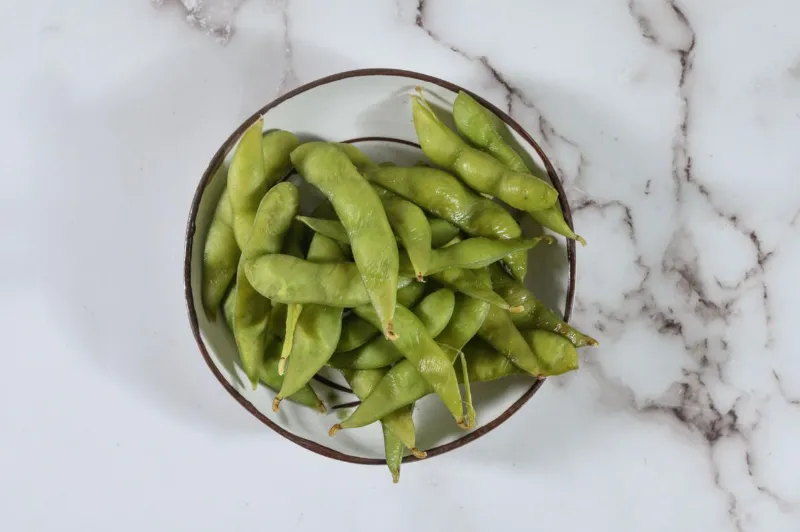
Edamame, which are young soybeans, are one of the rare plant foods that contain complete protein, meaning all nine essential amino acids. They are also a great source of folate, calcium, and plant-based iron.
One cup of edamame delivers around 17 grams of protein and 482 micrograms of folate, more than your entire daily recommended intake. That is a serious nutritional punch in a small, snackable package.
Buy them frozen and steam or microwave them in minutes. Sprinkle with a little sea salt for a satisfying snack, or toss them into rice bowls and stir-fries for a protein boost.
19. Quinoa
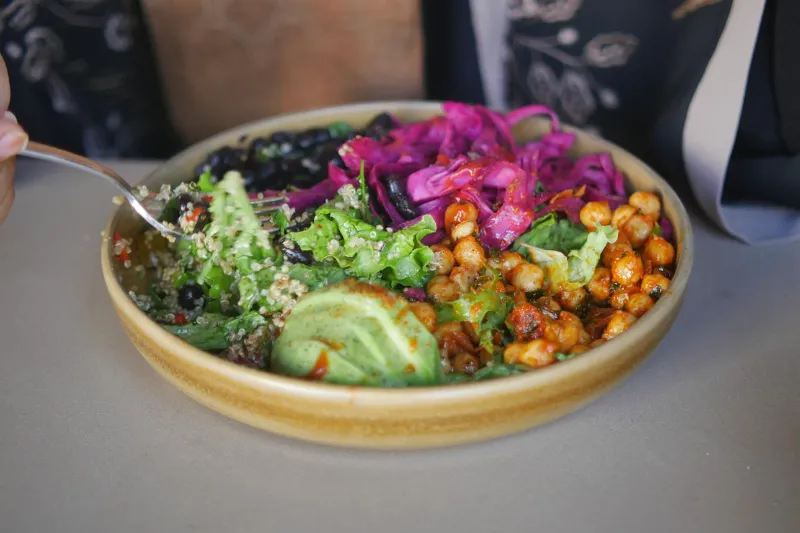
Quinoa is technically a seed but cooks and eats like a grain. What sets it apart is that it is a complete protein, containing all essential amino acids, which is rare in the plant world.
It is also rich in iron, magnesium, and fiber. One cup of cooked quinoa provides about 8 grams of protein and 2.8mg of iron. For vegetarian or vegan moms, it is an especially valuable staple.
Cook a big batch and keep it in the fridge for the week. Use it as a base for grain bowls, mix it into soups, or serve it as a side dish in place of rice or pasta.
20. Tofu
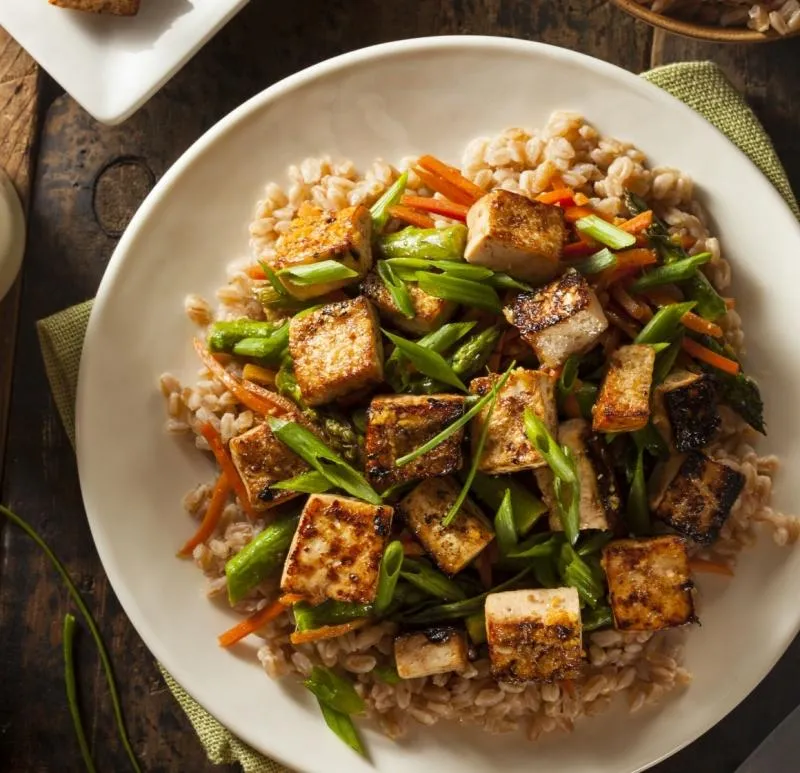
Tofu is one of the most versatile plant-based proteins available, and it is packed with calcium, iron, and all essential amino acids. Firm tofu is particularly calcium-rich when it is set with calcium sulfate, so checking the label is worth it.
For vegetarian and vegan pregnant women, tofu is an invaluable protein source that can be used in place of meat in dozens of dishes. Research has not found any harm in moderate soy consumption during pregnancy despite old concerns.
Scramble it with vegetables for a plant-based breakfast, cube and bake it for salads, or blend silken tofu into smoothies for a creamy protein boost. It takes on flavors beautifully with the right marinades and seasonings.
21. Chia Seeds
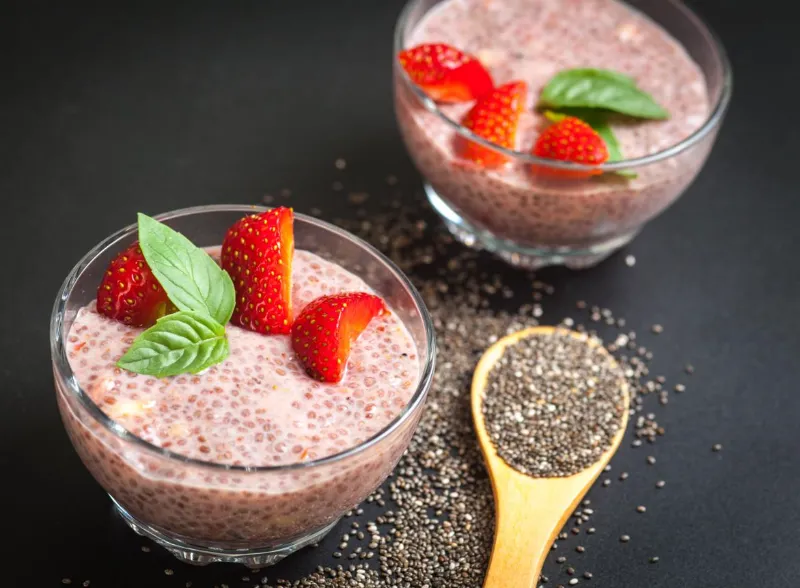
Chia seeds are tiny but mighty. Just two tablespoons deliver 5 grams of omega-3 fatty acids, 4 grams of protein, and 10 grams of fiber. They are also a plant-based source of calcium and iron.
The omega-3s in chia seeds are in the form of ALA, which your body partially converts to DHA and EPA. While fatty fish is still the best source of DHA, chia seeds are a great complement, especially for those who avoid seafood.
Stir them into yogurt, mix them into smoothies, or make a simple overnight chia pudding with almond milk and berries. They expand in liquid to create a satisfying, gel-like texture that keeps you full for hours.
22. Dried Fruits (Dates and Apricots)
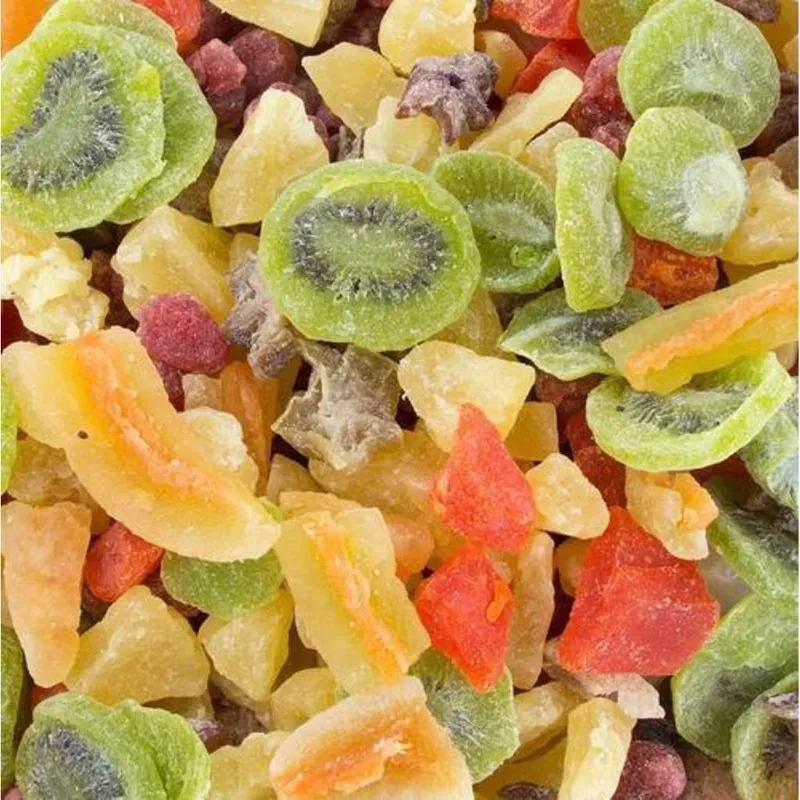
Dates are famous in pregnancy circles for a reason. A study published in the Journal of Obstetrics and Gynaecology found that women who ate six dates per day in the last four weeks of pregnancy had significantly shorter labors and higher rates of spontaneous labor compared to those who did not.
Dried apricots are similarly impressive, offering a concentrated source of iron, potassium, and fiber. Just be mindful of portion sizes since dried fruit is calorie-dense and higher in natural sugar than fresh fruit.
Eat dates as an afternoon snack, chop dried apricots into oatmeal, or mix them into trail mix with nuts and seeds. They also make a natural sweetener in energy ball recipes.
23. Beets
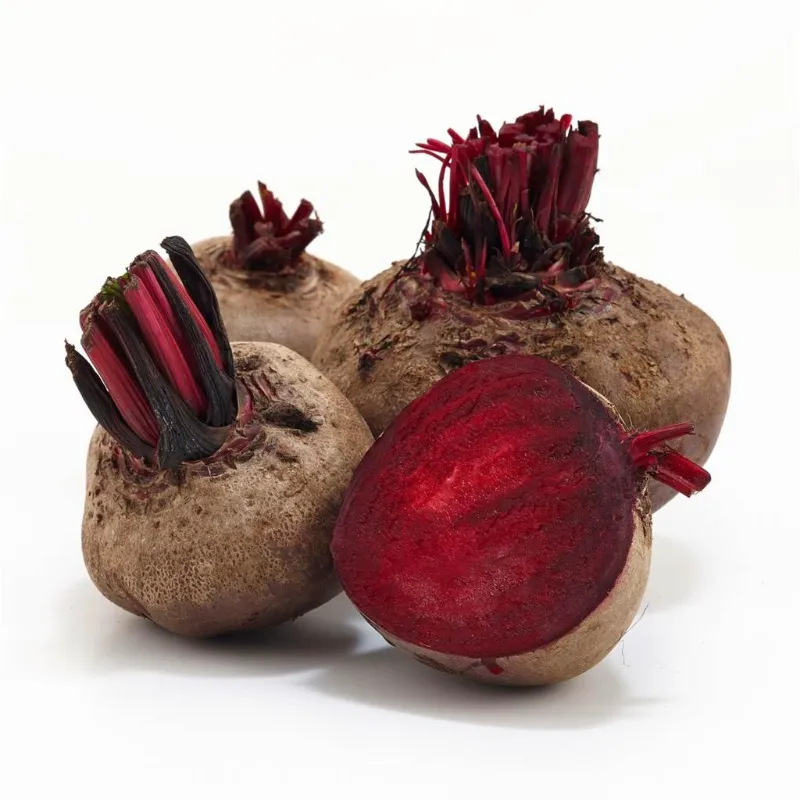
Beets are rich in nitrates, folate, and iron, making them a surprisingly powerful pregnancy food. The natural nitrates in beets have been shown in research to improve blood flow and oxygen delivery, which supports placental function.
They are also one of the better plant sources of folate. One cup of raw beets provides around 148 micrograms of folate, adding meaningfully to your daily total.
Roast beets and add them to salads, blend them into smoothies for a deep red color, or drink beet juice diluted with water. Their earthy sweetness is an acquired taste, but the nutritional payoff is worth it.
24. Pumpkin Seeds
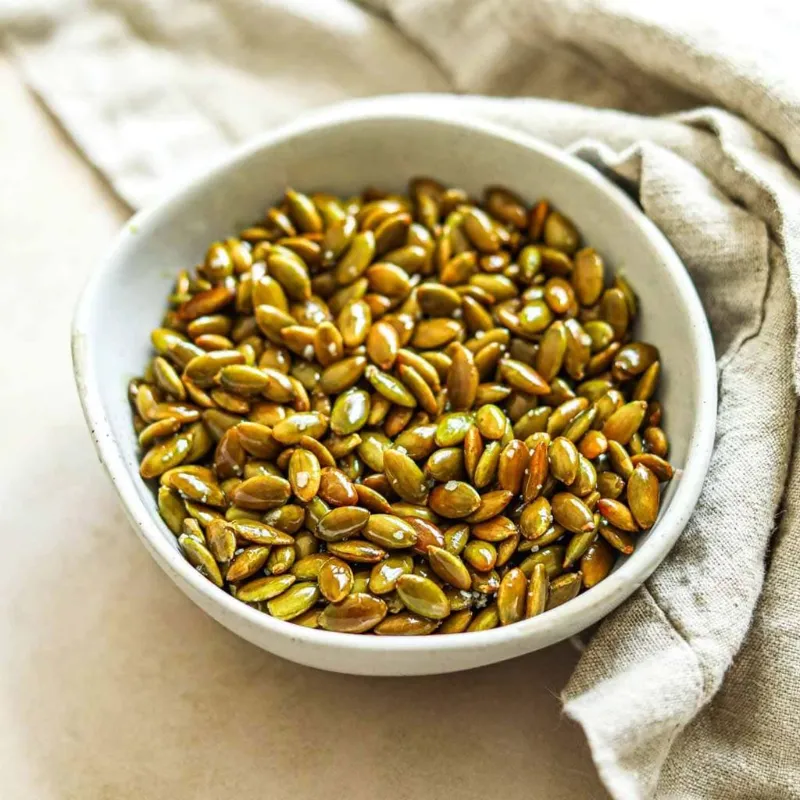
Pumpkin seeds, also called pepitas, are one of the best food sources of zinc. Zinc is a mineral that plays a critical role in DNA synthesis, immune function, and normal fetal growth and development.
They are also rich in magnesium, iron, and plant-based omega-3 fatty acids. A one-ounce serving packs in about 2.7mg of zinc and 1.7mg of iron, which is meaningful given how much extra iron pregnancy requires.
Sprinkle them over salads and oatmeal, toss them into trail mix, or snack on them plain. They are crunchy, satisfying, and take almost zero effort to incorporate into your day.
25. Fortified Cereals
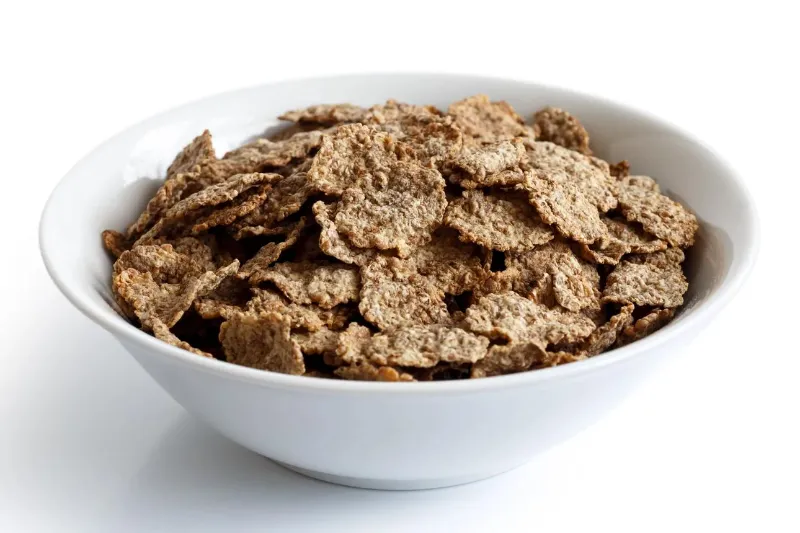
Fortified breakfast cereals are one of the most convenient ways to boost your intake of iron and folic acid during pregnancy. Many brands are fortified with 100% of your daily folic acid requirement in a single serving.
They can also deliver zinc, B vitamins, and vitamin D depending on the brand. Reading the nutrition label matters here because fortification levels vary widely between different cereals.
Choose whole grain options with less than 10 grams of added sugar per serving for the best nutritional balance. Pair with milk or fortified plant milk for calcium and enjoy with a piece of fruit for a well-rounded breakfast.
26. Prunes
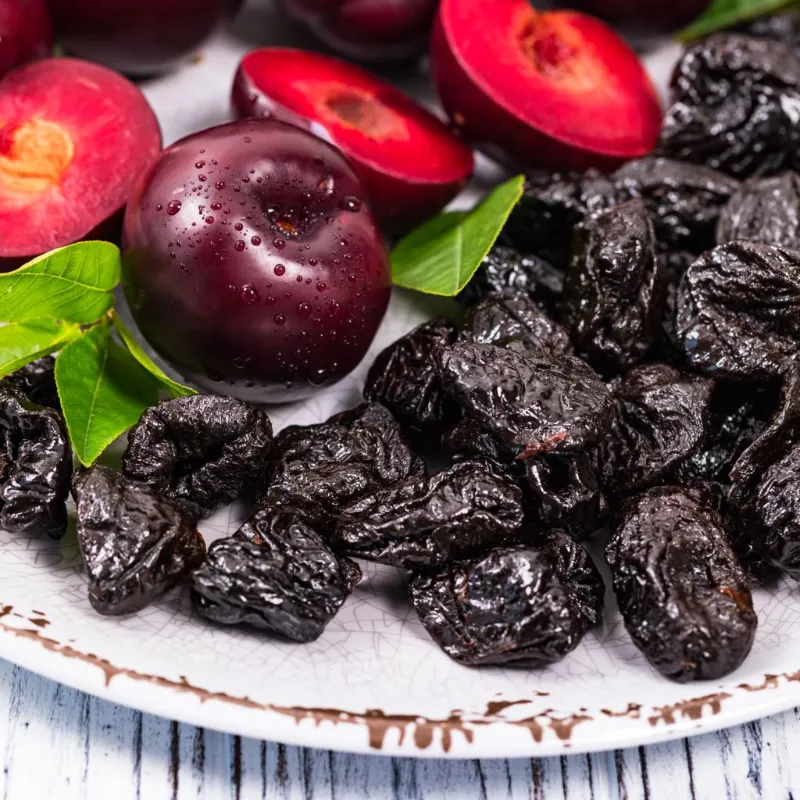
Prunes have a reputation for helping with digestion, and that reputation is fully deserved. They are rich in sorbitol, a natural sugar alcohol that draws water into the intestines and keeps things moving.
But prunes are also a genuinely nutritious food beyond their digestive benefits. They provide iron, potassium, vitamin K, and a decent amount of fiber. For pregnant women dealing with constipation, they are one of the gentlest and most effective natural remedies.
Eat four to five prunes as a daily snack, chop them into oatmeal, or blend a couple into smoothies. They have a rich, caramel-like sweetness that pairs surprisingly well with chocolate or nut butter.
27. Mangoes
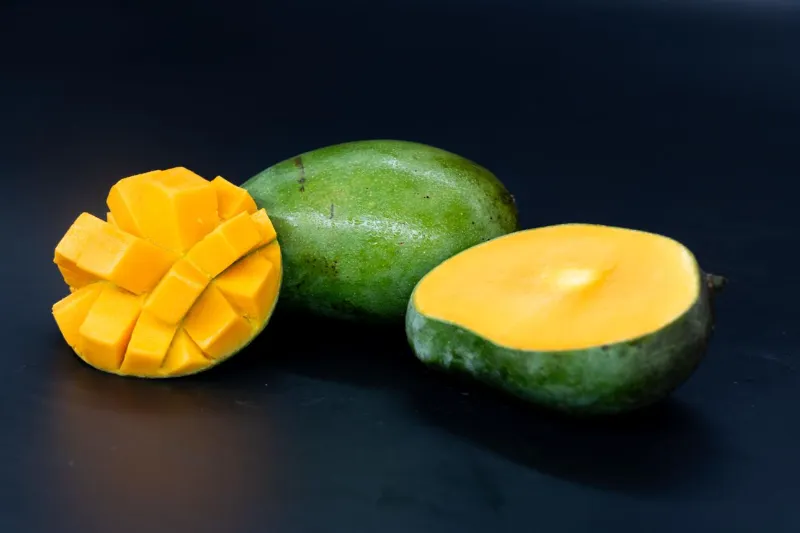
Mangoes are one of the most vitamin C-rich fruits you can eat during pregnancy. One cup provides about 60mg of vitamin C along with generous amounts of vitamin A from beta-carotene and a good hit of folate.
The natural sugars in mango make it a satisfying way to curb sweet cravings in a more nutritious direction. The fiber content also helps with blood sugar regulation compared to reaching for something processed.
Slice fresh mango for a snack, blend it into smoothies, or add it to salsa for a fruity, refreshing condiment over chicken or fish. Frozen mango works just as well and is available year-round at a lower cost.
28. Sardines
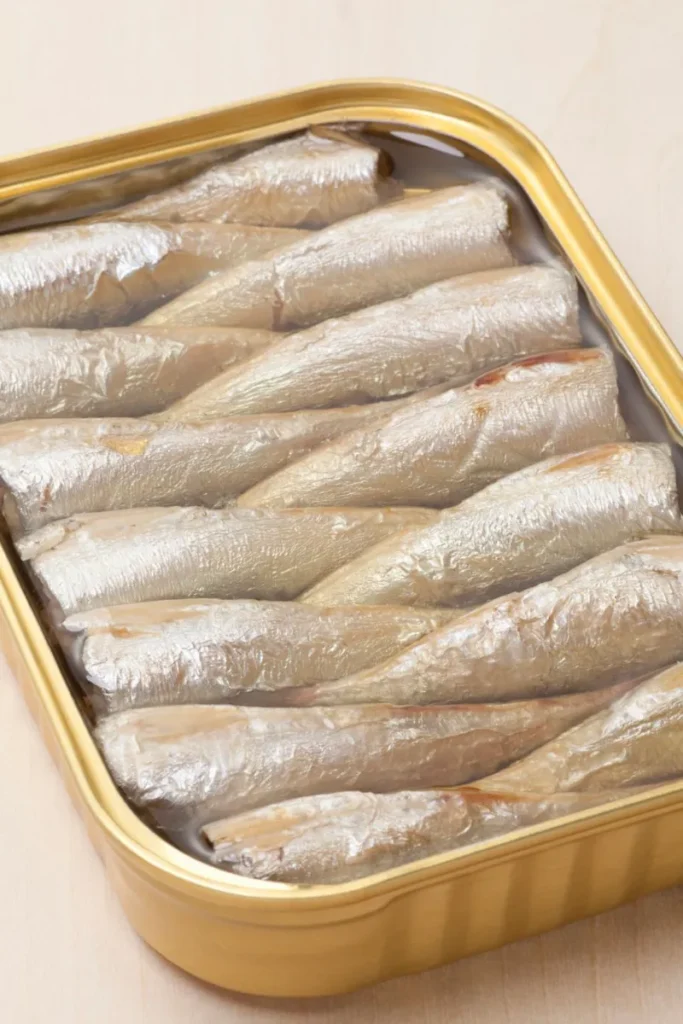
Sardines are one of the most underrated pregnancy foods out there. They are rich in DHA omega-3s, calcium (from the edible bones), vitamin D, and vitamin B12, all in a small, affordable tin.
Because sardines are small fish low on the food chain, they accumulate very little mercury, making them one of the safest seafood choices during pregnancy. The FDA includes them on its recommended pregnancy seafood list.
Try them on whole grain crackers with a squeeze of lemon, mash them into pasta with olive oil and garlic, or add them to a salad. Yes, it takes getting used to, but the nutritional value is hard to match.
29. Sunflower Seeds
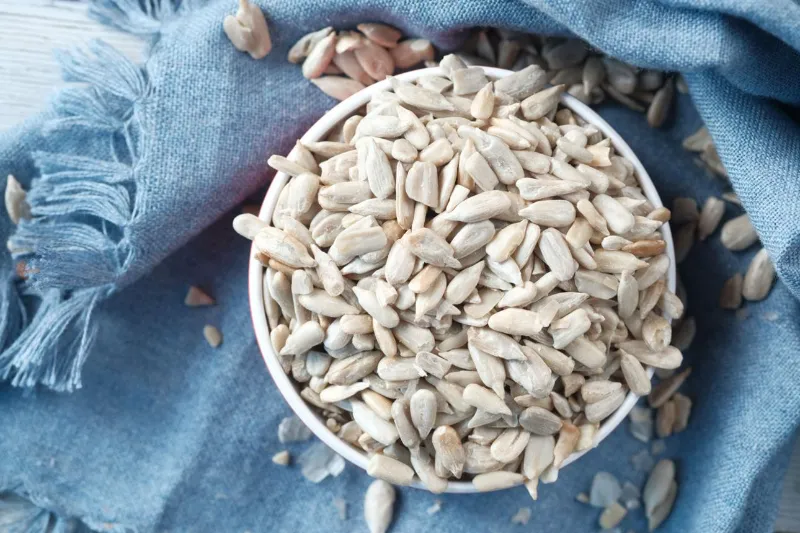
Sunflower seeds are loaded with vitamin E, an antioxidant that supports immune function and helps protect cells from damage. One ounce provides about 7.4mg of vitamin E, nearly half of the daily recommended amount for pregnant women.
They are also a great source of folate, magnesium, and selenium, a trace mineral that supports thyroid function and protects against oxidative stress. Selenium requirements increase slightly during pregnancy to support your baby’s growth.
Keep a small container of sunflower seeds at your desk or in your bag for easy snacking. Add them to salads, yogurt, or oatmeal for a crunchy, nutritious topping that requires zero preparation.
30. Carrots
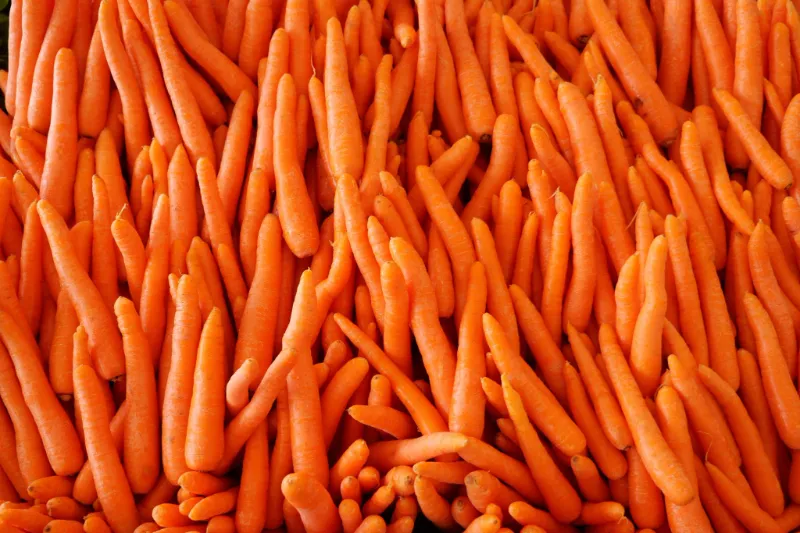
Carrots are one of the richest vegetable sources of beta-carotene, which converts to vitamin A in your body. Vitamin A is essential for your baby’s eye development, immune system, and organ formation, particularly during the first trimester.
They are also crunchy, satisfying, and portable, which makes them one of the most practical pregnancy snacks. The fiber in carrots helps with digestion and keeps you feeling fuller longer.
Dip baby carrots in hummus for a snack that delivers both protein and beta-carotene. Shred them into salads, roast them with a drizzle of honey and cumin, or add them to soups and stews for sweetness and color.
31. Whole Grain Bread
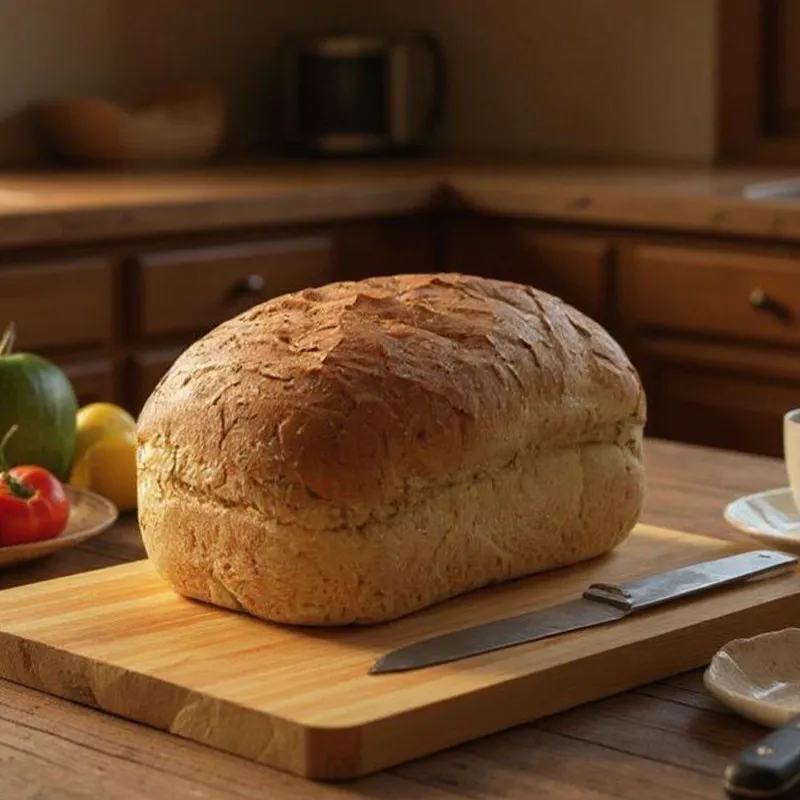
Whole grain bread provides complex carbohydrates, B vitamins, fiber, and iron in a form that is easy to incorporate into any meal. Unlike white bread, whole grain varieties retain the bran and germ of the wheat, where most nutrients live.
The fiber in whole grain bread helps regulate blood sugar and supports healthy digestion. This matters during pregnancy when blood sugar fluctuations and constipation are both common challenges.
Use whole grain bread for toast, sandwiches, and avocado toast. Look for “100% whole grain” or “100% whole wheat” on the label rather than just “wheat bread,” which can be misleading about actual whole grain content.
32. Water and Hydrating Foods
Water is not technically a food but it might be the most important thing on this entire list. During pregnancy, your blood volume increases dramatically and amniotic fluid must be constantly replenished. The American College of Obstetricians and Gynecologists recommends pregnant women drink 8 to 10 cups of water per day.
Hydrating foods like cucumber, watermelon, and celery also count toward your fluid intake. Watermelon in particular is over 90% water and also provides lycopene, an antioxidant linked to reduced risk of preeclampsia.
If plain water feels boring, add slices of lemon, cucumber, or fresh mint to make it more appealing. Staying consistently hydrated reduces headaches, supports kidney function, and helps prevent urinary tract infections, which are more common during pregnancy.
Final Thoughts
Pregnancy nutrition does not need to be overwhelming. Small, consistent choices add up to a big difference for you and your baby. Start with one or two foods from this list that feel easy to add, and build from there. Your body is doing something extraordinary, and it deserves to be nourished like it.
