
31 Genius Folate Rich Foods You Probably Didn’t Know About

Getting enough folate in your diet is one of those things most people overlook until a doctor mentions it. But this mighty B vitamin does so much more than support pregnancy health — it powers your brain, your heart, and basically every cell in your body.
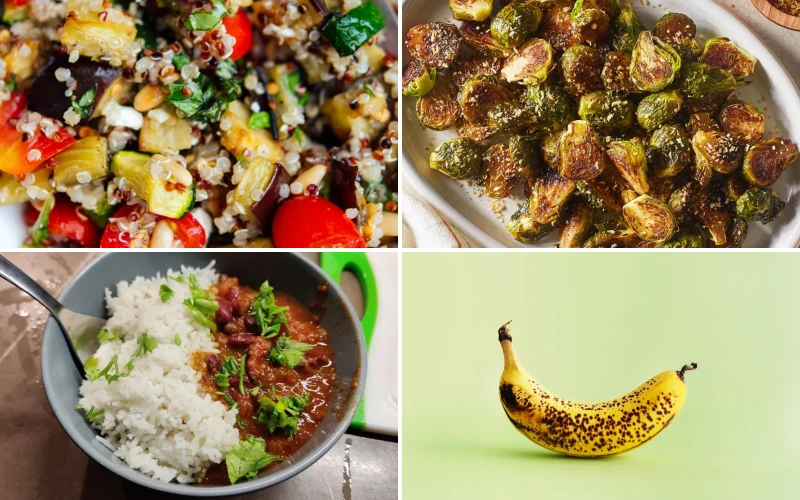
Stick around, because you’re about to discover 31 surprisingly delicious foods packed with folate that you can easily add to your everyday meals.
1. Edamame

Those little green pods you snack on at sushi restaurants? They’re folate goldmines. A single cup of cooked edamame delivers around 482 mcg of folate — that’s well over 100% of your daily recommended intake.
Edamame is also loaded with plant-based protein and fiber, making it one of the most nutritionally complete snacks out there. Your body absorbs the folate from edamame pretty efficiently too, especially when lightly steamed.
Toss them with sea salt for a simple snack, or mix them into grain bowls and salads. Frozen edamame is just as nutritious as fresh, so keeping a bag in your freezer is a total no-brainer.
2. Lentils
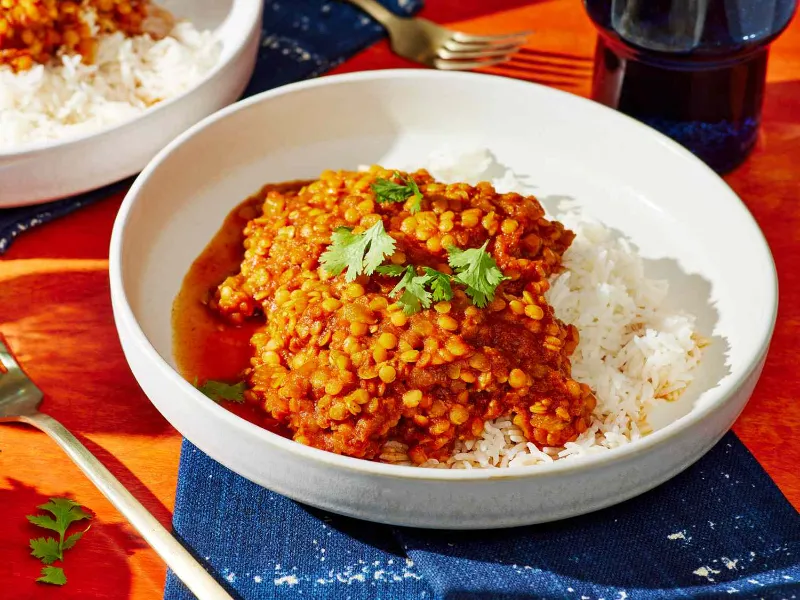
Lentils are the unsung heroes of the legume world. One cooked cup contains roughly 358 mcg of folate, which covers about 90% of what most adults need in a day.
Beyond folate, lentils are rich in iron and plant-based protein, making them a smart choice for anyone trying to eat more sustainably. Studies have linked regular legume consumption to lower risks of heart disease and better blood sugar control.
Red, green, or black — all varieties are packed with goodness. Throw them into soups, make a lentil curry, or use them as a base for veggie tacos.
3. Asparagus
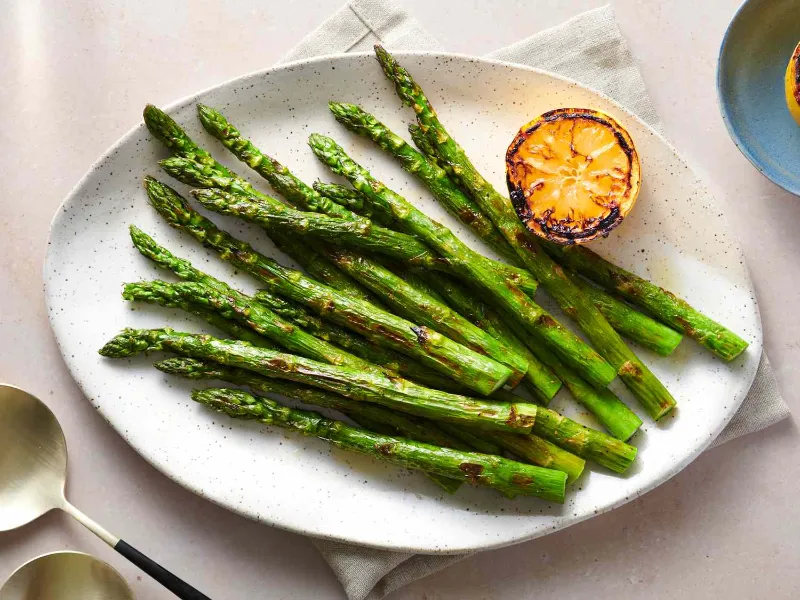
Asparagus has earned its reputation as a superfood, and the folate content is a big reason why. Just six spears of cooked asparagus give you around 134 mcg of folate, which is a solid chunk of your daily target.
This veggie is also a natural prebiotic, meaning it feeds the good bacteria in your gut. Asparagus contains glutathione too, which is a powerful antioxidant your liver loves.
Roast it in the oven with olive oil and lemon, or shave it raw into a spring salad. It cooks fast, tastes amazing, and makes pretty much any plate look like a restaurant meal.
4. Spinach
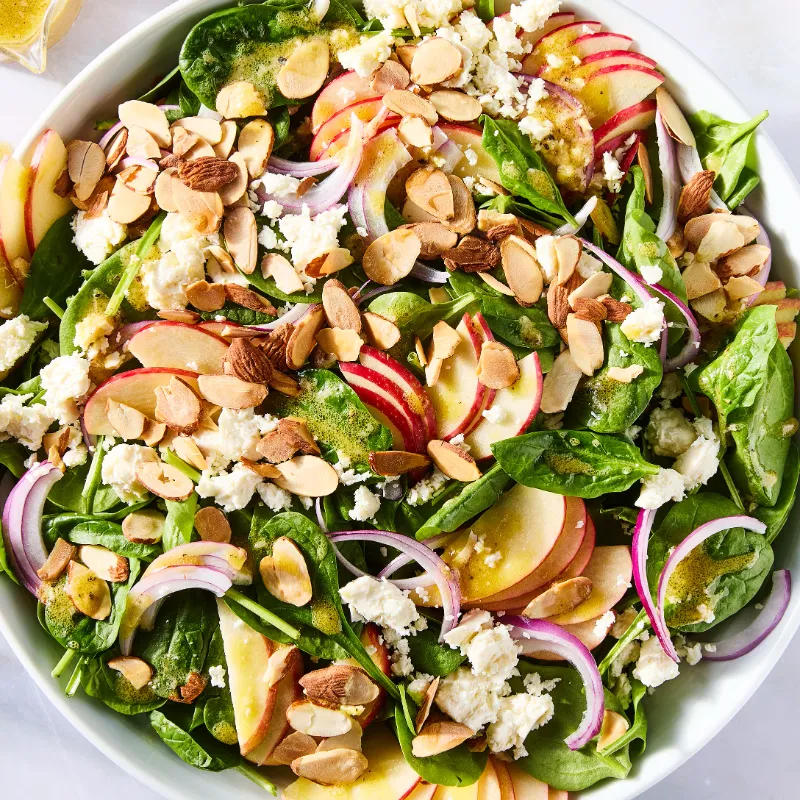
Popeye was onto something. One cup of cooked spinach packs around 263 mcg of folate, and it’s one of the most versatile greens you’ll ever work with.
Folate in spinach works alongside its iron and magnesium content to support red blood cell production and energy metabolism. Research has shown that diets rich in leafy greens like spinach are associated with a reduced risk of cognitive decline as you age.
Blend it into smoothies (you won’t even taste it), sauté it with garlic, or layer it into lasagna. Getting more spinach into your life is honestly one of the easiest nutrition wins there is.
5. Black-Eyed Peas
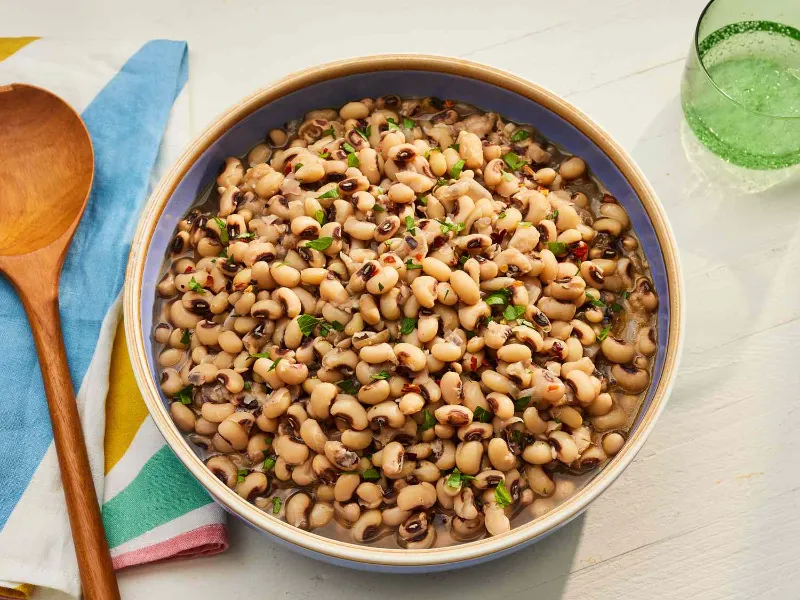
Black-eyed peas are a Southern staple with serious nutritional credentials. One cooked cup delivers about 356 mcg of folate along with a hefty dose of potassium and fiber.
These legumes are rich in slow-digesting carbohydrates, which means they help stabilize blood sugar and keep you feeling full for hours. Folate works with vitamin B12 in black-eyed peas to support healthy homocysteine levels, which is a key marker for heart health.
Try them in a classic Hoppin’ John dish, add them to a veggie soup, or season them up Southern-style with onion and smoked paprika. They’re cheap, filling, and genuinely delicious.
6. Avocado
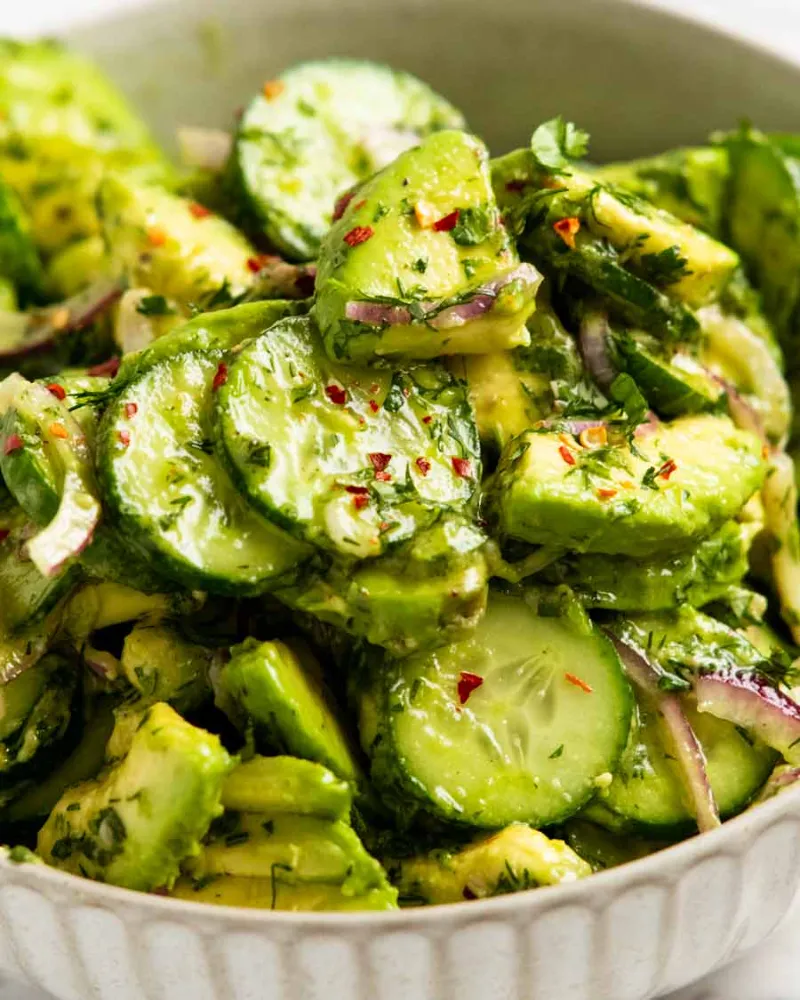
Yes, your favorite toast topper is a legitimate folate source. Half an avocado contains roughly 82 mcg of folate, and the healthy monounsaturated fats it contains actually help your body absorb more of it.
Avocado is one of the few fruits that provides substantial folate alongside fat-soluble vitamins like K and E. That fat-folate combo is a real nutritional win, since folate absorption improves when eaten with dietary fat.
Mash it on toast, slice it into salads, or blend it into a creamy salad dressing. There’s basically no wrong way to eat an avocado, and your body will thank you every single time.
7. Broccoli
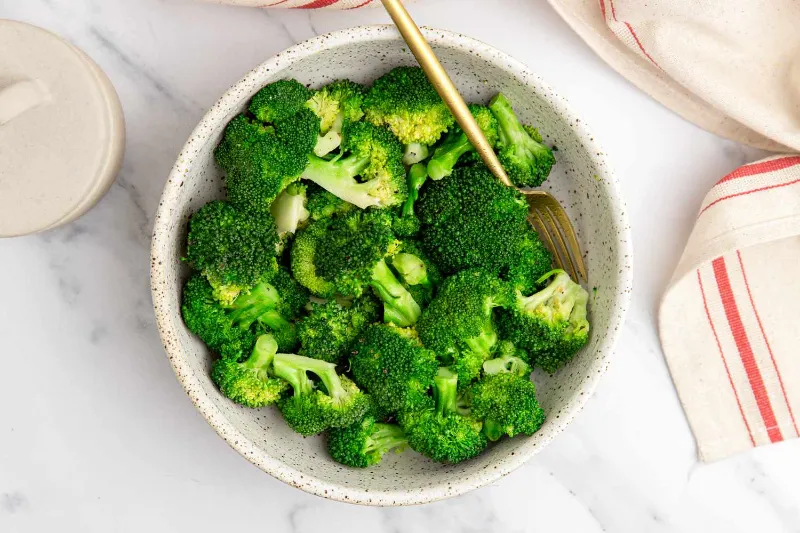
Broccoli is a nutritional powerhouse that deserves way more credit than it gets. One cup of cooked broccoli provides about 168 mcg of folate, plus a generous helping of vitamin C and vitamin K.
Research from Johns Hopkins University has highlighted broccoli’s sulforaphane content, a compound that may have protective effects against certain cancers. Combined with folate’s role in DNA repair, broccoli is genuinely one of the most health-supportive vegetables you can eat.
Steam it lightly to preserve nutrients, roast it until the edges crisp up, or chop it raw into a crunchy slaw. Kids and adults alike tend to enjoy it most when it has a little char on it from the oven.
8. Beets
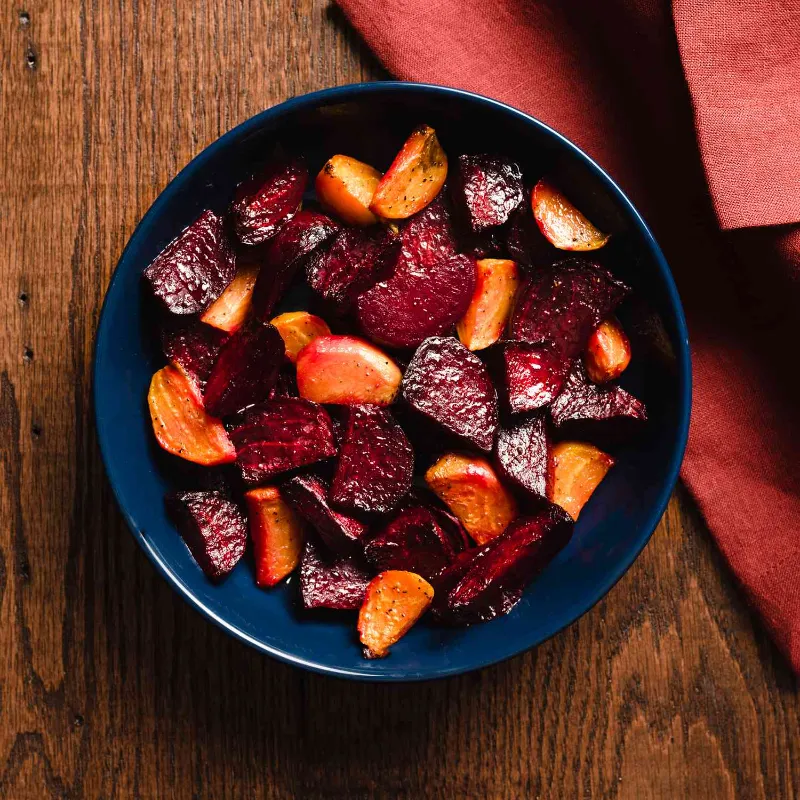
Beets have had a serious glow-up in the culinary world, and their folate content is part of what makes them so special. One cup of raw beets contains around 148 mcg of folate, plus natural nitrates that support cardiovascular health.
Those nitrates get converted to nitric oxide in your body, which helps relax and dilate blood vessels. Paired with folate’s heart-protective benefits, beets are genuinely one of the best foods for your cardiovascular system.
Roast them whole and slice them over salads, pickle them for a tangy condiment, or blend them into a vibrant smoothie. Beet hummus is also a thing, and it’s absolutely worth trying.
9. Brussels Sprouts
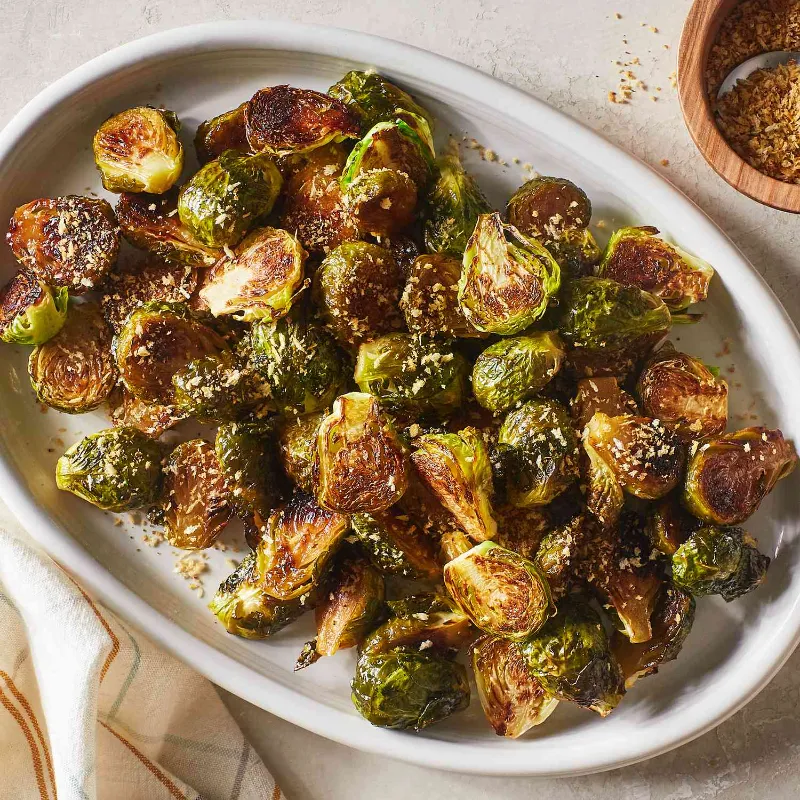
Brussels sprouts have gone from the most hated vegetable to a trendy restaurant staple, and honestly they deserve the redemption arc. One cup of cooked Brussels sprouts provides around 94 mcg of folate alongside impressive amounts of vitamin C and K.
Like broccoli, Brussels sprouts belong to the cruciferous vegetable family, which is linked to reduced inflammation and cancer-protective properties. Their fiber content also supports a healthy gut microbiome, which influences everything from immunity to mood.
Roast them with balsamic glaze and parmesan, shave them raw into a salad, or pan-fry them with bacon and garlic. The key is high heat — that’s what gives them those irresistible crispy edges.
10. Romaine Lettuce
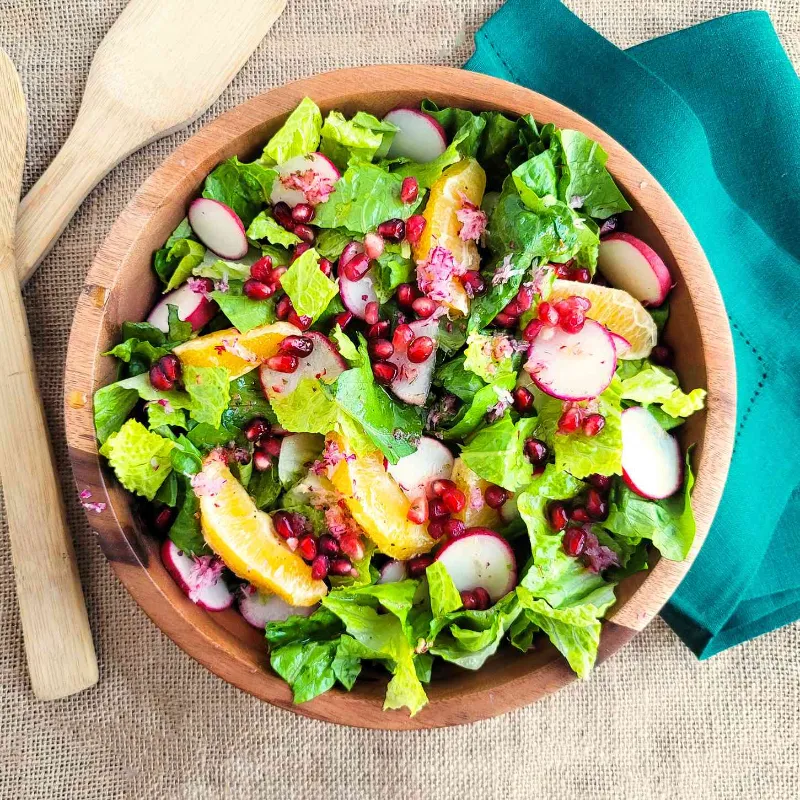
Romaine lettuce is so much more than a Caesar salad base. Two cups of shredded romaine deliver about 128 mcg of folate, making it one of the most folate-dense salad greens available.
It’s also high in vitamin A, which supports eye health, and vitamin K for bone strength. The high water content means it’s hydrating and low-calorie, making it an excellent everyday base for nutrient-packed meals.
Use it as lettuce wraps instead of tortillas, layer it into sandwiches, or pile it high in grain bowls. It adds a satisfying crunch that makes any meal feel a little more alive.
11. Kidney Beans

Kidney beans are a pantry staple with surprising folate power. One cooked cup gives you about 229 mcg of folate along with significant amounts of plant-based protein and iron.
These beans are particularly high in resistant starch, a type of fiber that feeds beneficial gut bacteria and may help with weight management. Regular bean consumption has been linked to lower LDL cholesterol in multiple clinical studies.
Throw them into chili, mash them for a quick bean dip, or add them to rice dishes for a protein boost. Canned kidney beans work just as well as dried, so there’s zero barrier to getting them on your plate more often.
12. Chickpeas
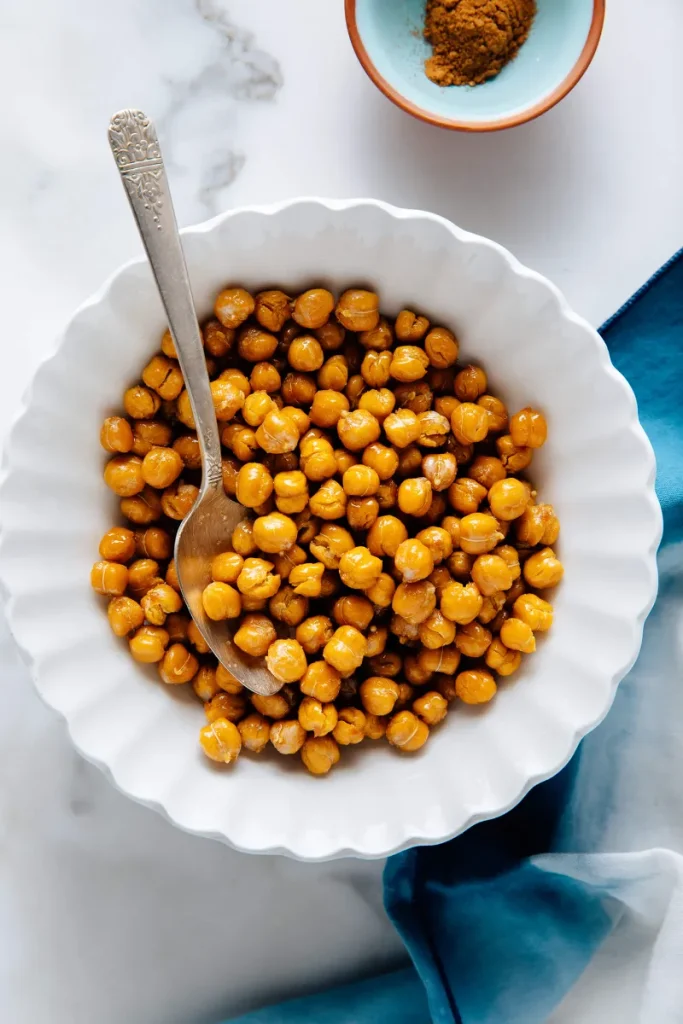
Chickpeas are one of the most versatile foods on the planet, and their folate content makes them even more lovable. One cup of cooked chickpeas delivers around 282 mcg of folate, plus a winning combination of protein and fiber.
Research has shown that regular chickpea consumption can improve satiety, reduce post-meal blood sugar spikes, and support healthy cholesterol levels. Folate in chickpeas plays a key role in amino acid metabolism, which is essential for everything from muscle repair to neurotransmitter production.
Roast them for a crunchy snack, blend them into hummus, or toss them into curries and pasta dishes. They soak up flavors beautifully, which makes them endlessly adaptable in the kitchen.
13. Sunflower Seeds
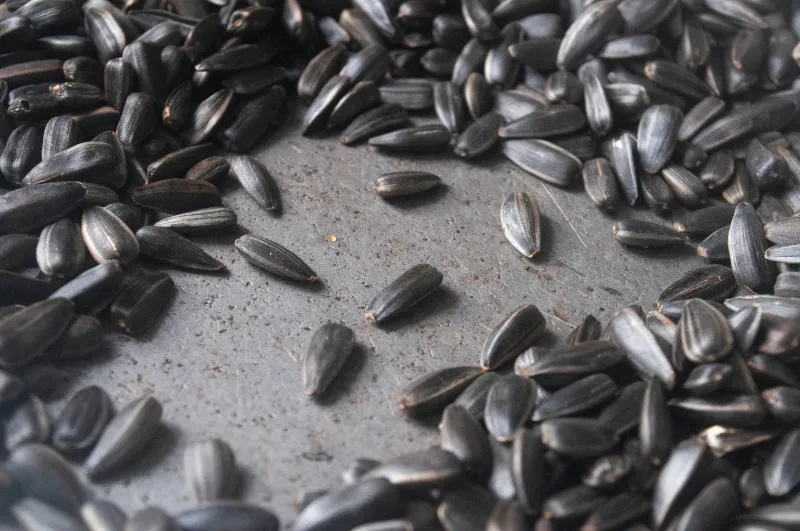
Sunflower seeds are a sneaky little folate source that most people completely ignore. A quarter cup of dry roasted sunflower seeds contains about 82 mcg of folate, plus an impressive amount of vitamin E and selenium.
Vitamin E is a fat-soluble antioxidant that works alongside folate to protect cells from oxidative stress. Sunflower seeds are also rich in magnesium, which supports muscle function, sleep quality, and stress management.
Sprinkle them over salads, stir them into oatmeal, or mix them into homemade trail mix. They add the perfect nutty crunch to just about anything, and a little goes a long way nutritionally.
14. Peanuts

Peanuts get a bad reputation sometimes due to their calorie count, but they’re genuinely nutritious when eaten in reasonable amounts. A quarter cup of dry roasted peanuts provides around 88 mcg of folate alongside healthy fats, protein, and resveratrol.
Resveratrol is the same heart-protective compound found in red grape juice, and it works synergistically with folate to support cardiovascular health. Peanuts also have a low glycemic index, meaning they won’t spike your blood sugar the way many snacks do.
Eat them as a snack, spread peanut butter on whole grain toast, or use peanut sauce in Asian-inspired dishes. Natural peanut butter with no added sugar is absolutely the way to go for maximum nutrition.
15. Wheat Germ
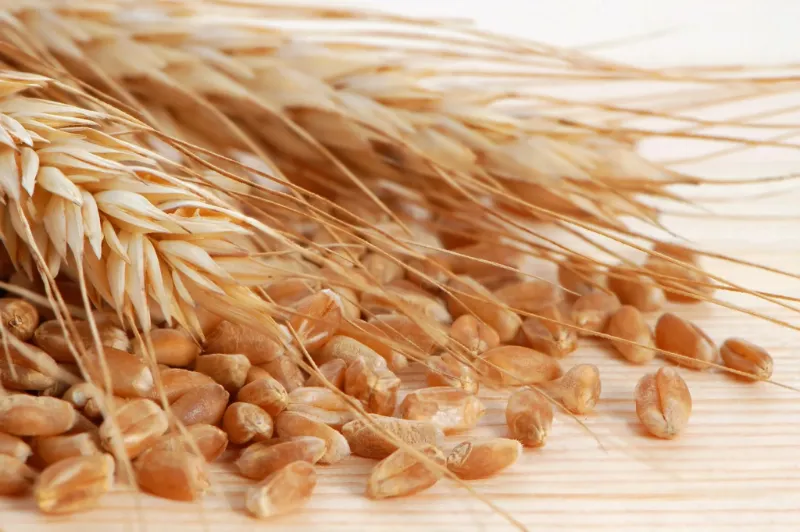
Wheat germ is the nutrient-packed embryo of the wheat kernel, and it’s one of the most concentrated folate sources you’ll find. Just two tablespoons of toasted wheat germ provide around 40 mcg of folate along with vitamin E, zinc, and thiamine.
It’s also high in phytosterols, plant compounds that compete with cholesterol for absorption in the gut and can help lower LDL levels over time. Wheat germ has a mild, nutty flavor that blends easily into other foods.
Stir it into yogurt, sprinkle it over cereal, or blend it into smoothies. You can also mix it into pancake batter or meatloaf for a quiet nutritional upgrade that nobody will even notice.
16. Fortified Breakfast Cereals
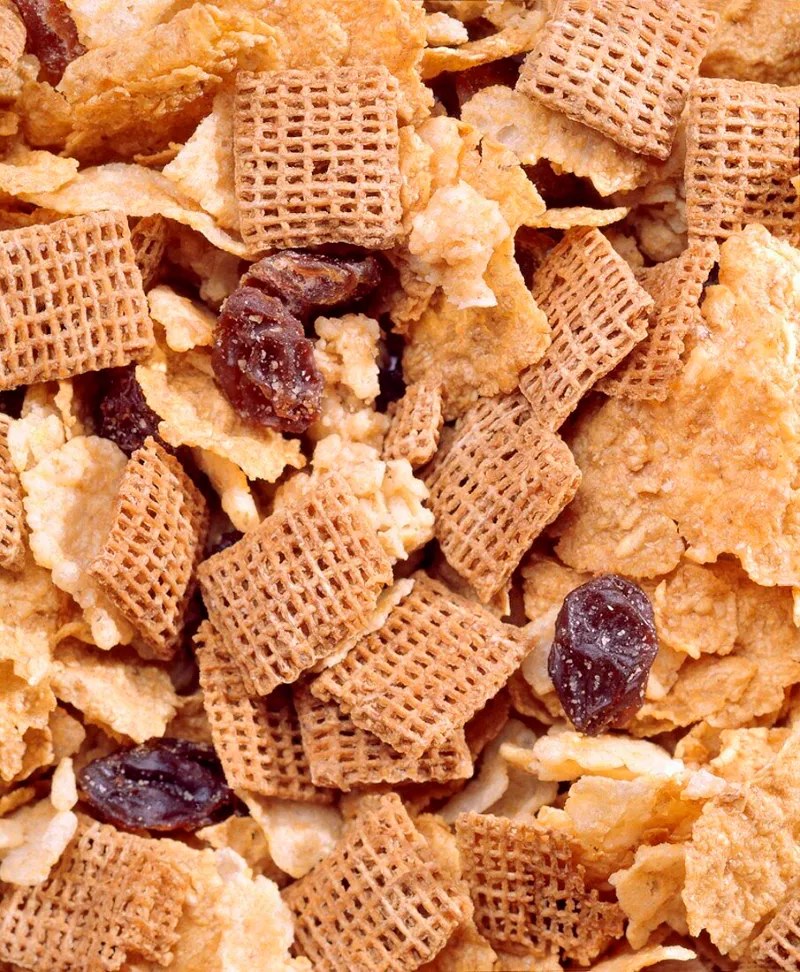
Fortified breakfast cereals might be the most accessible folate source on this entire list. Many brands provide 100% or more of your daily folate needs in a single serving, thanks to folic acid fortification.
The FDA mandated the fortification of grain products with folic acid back in 1998, and studies show this policy has meaningfully reduced neural tube defect rates in the US. While whole food folate is always preferable, fortified cereals are a practical option for people with higher needs.
Choose cereals with less added sugar and more fiber for the best overall nutritional profile. Pair them with milk or a folate-rich fruit like mango or strawberries to turn breakfast into a genuinely powerful meal.
17. Beef Liver
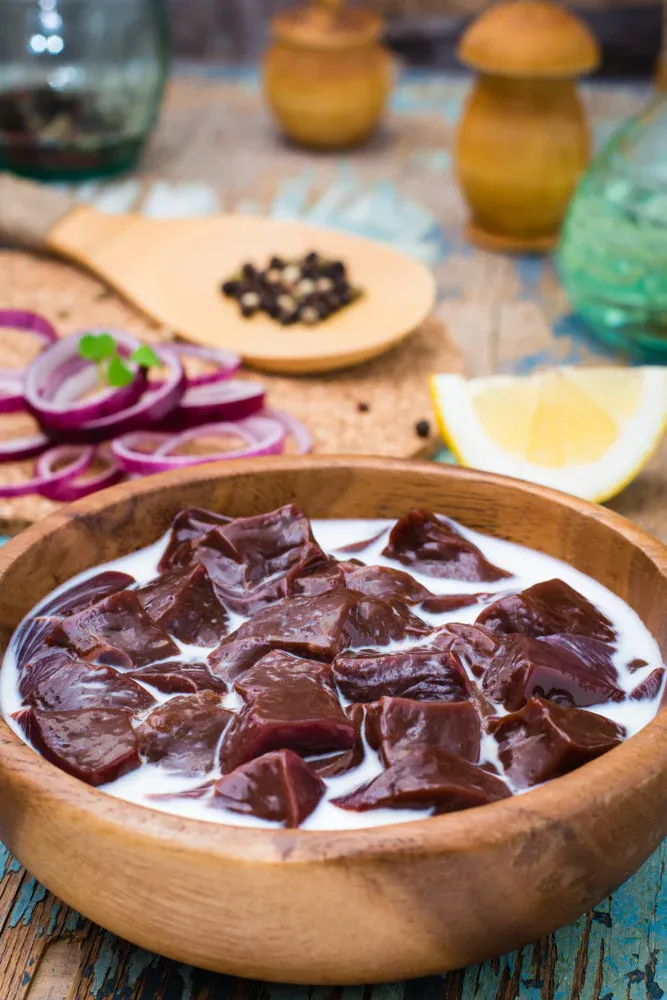
Beef liver might not be glamorous, but nutritionally speaking it’s almost unmatched. A three-ounce serving of cooked beef liver contains a jaw-dropping 215 mcg of folate, plus sky-high amounts of vitamin B12, iron, and vitamin A.
Liver is one of the most nutrient-dense foods on earth, and many nutrition researchers consider it a true superfood. The combination of folate and B12 in beef liver is particularly powerful for supporting healthy red blood cells and neurological function.
If the flavor is too strong for you, try soaking it in milk before cooking to mellow it out. Sauté it with onions and a splash of Worcestershire sauce, or blend it into meatballs or burger patties where it essentially disappears.
18. Chicken Liver
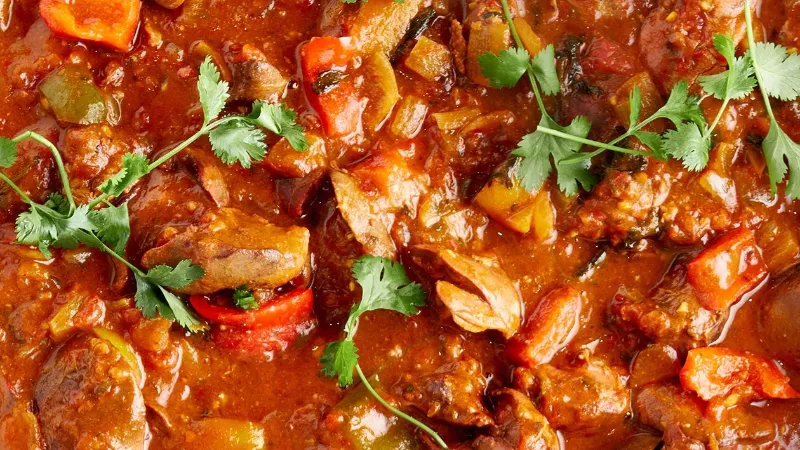
Chicken liver is a slightly milder alternative to beef liver, and it’s just as impressive nutritionally. Three ounces of cooked chicken liver delivers about 476 mcg of folate — that’s over 100% of your daily needs in one small serving.
It’s also rich in riboflavin, which supports energy metabolism, and copper, which plays a role in iron absorption and immune function. Traditional cuisines around the world have featured liver prominently for centuries for good reason.
Try it as a pâté spread on crackers or crusty bread, or cook it simply with butter, shallots, and fresh thyme. It’s affordable, quick to prepare, and nutritionally one of the best investments you can make at the grocery store.
19. Papaya
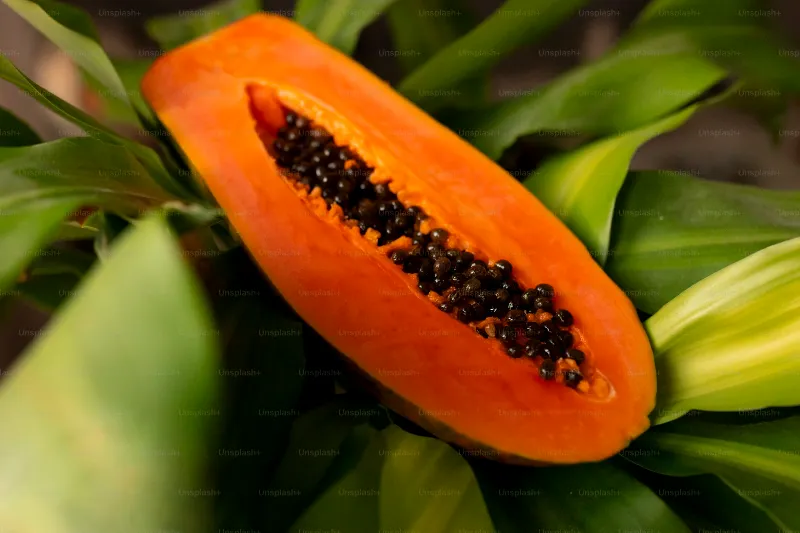
Papaya is a tropical fruit that earns its place on this list with both flavor and nutrition. One small papaya provides around 115 mcg of folate alongside a powerful enzyme called papain that supports healthy digestion.
Papaya is also one of the best dietary sources of vitamin C, with a single fruit providing well over 100% of your daily needs. The combination of folate, vitamin C, and beta-carotene makes papaya a genuine immune-boosting powerhouse.
Eat it fresh with a squeeze of lime, blend it into a tropical smoothie, or dice it into a salsa to serve alongside fish or chicken. Its naturally sweet flavor makes it an easy sell even for people who are skeptical about eating more fruit.
20. Oranges
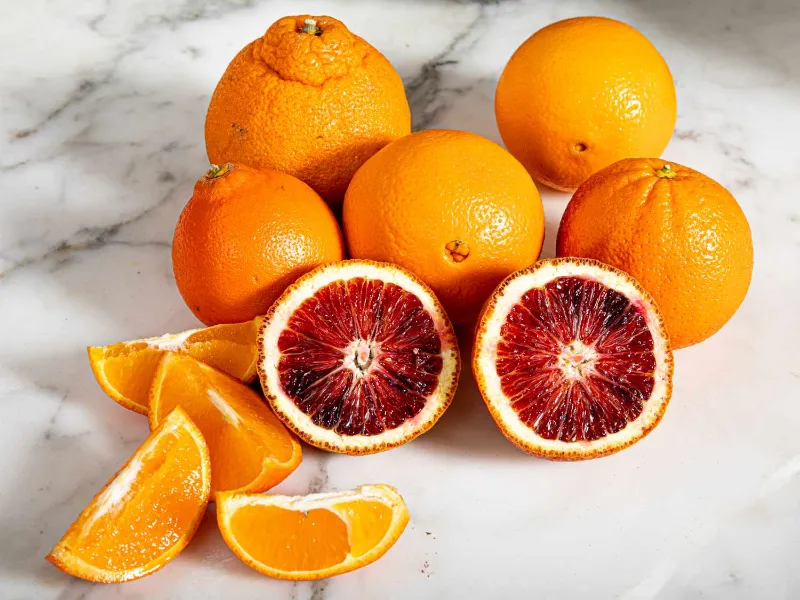
Oranges are practically synonymous with vitamin C, but their folate content deserves equal billing. One large orange provides about 55 mcg of folate, and orange juice can deliver even more — around 74 mcg per cup.
The folate in citrus fruits comes packaged with flavonoids like hesperidin and naringenin, which have anti-inflammatory and antioxidant properties. Studies have linked regular citrus consumption to improved heart health and a lower risk of certain types of stroke.
Eat them whole for the fiber benefit, or enjoy a glass of fresh-squeezed juice as part of a folate-rich breakfast. Toss orange segments into salads, use the zest to flavor baked goods, or blend them into vinaigrettes for a bright citrusy dressing.
21. Strawberries

Strawberries are one of those foods that feel indulgent but are actually incredibly good for you. One cup of fresh strawberries provides about 40 mcg of folate along with a remarkable amount of vitamin C and anthocyanins.
Anthocyanins are the pigments that give strawberries their red color, and they’ve been extensively studied for their anti-inflammatory and brain-protective properties. A study published in the Annals of Neurology found that regular berry consumption was associated with slower rates of cognitive aging in older adults.
Slice them over oatmeal, blend them into smoothies, or eat them straight from the container. Strawberries are also one of the few fruits that pair beautifully with both sweet and savory flavors, like balsamic vinegar or fresh basil.
22. Mango
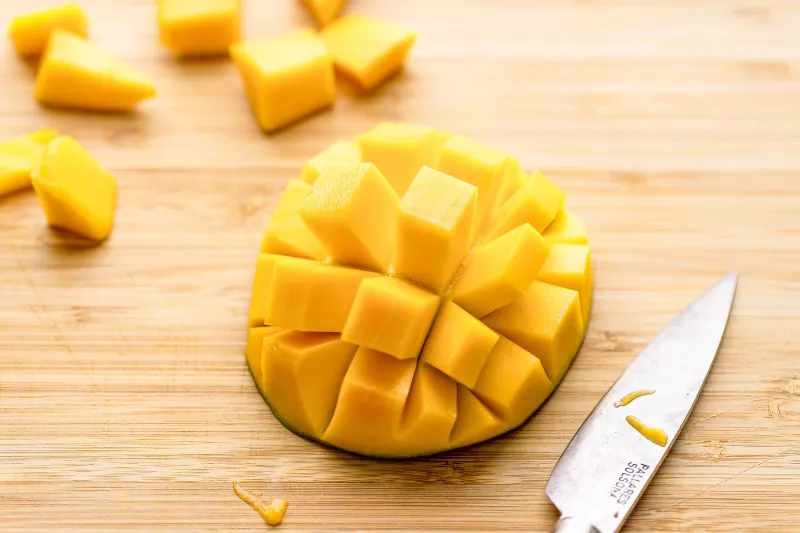
Mango is often called the king of fruits, and its nutritional profile backs that up nicely. One cup of sliced mango delivers about 71 mcg of folate plus impressive amounts of vitamin A, vitamin C, and digestive enzymes.
Mangoes contain amylases, enzymes that help break down complex carbohydrates into simpler sugars for easier digestion. Their folate content is especially valuable because it comes packaged with vitamins that enhance its absorption and utilization in the body.
Eat it fresh, blend it into lassi or smoothies, dice it into a salsa, or freeze it for a refreshing summer treat. Ripe mango also works beautifully in grain bowls alongside avocado and black beans for a folate-rich combo meal.
23. Banana

Bananas are one of the most convenient and underrated sources of folate in the produce aisle. One medium banana provides about 24 mcg of folate along with potassium, vitamin B6, and natural sugars for quick energy.
Vitamin B6 in bananas works closely with folate in the methylation cycle, a critical biochemical process involved in mood regulation, immune function, and DNA repair. Bananas also contain tryptophan, which the body converts to serotonin with the help of B6.
Eat them on their own, slice them over cereal or oatmeal, or freeze them to blend into creamy “nice cream.” They’re also one of the best natural pre-workout snacks because they provide fast-digesting energy without causing a crash.
24. Kale
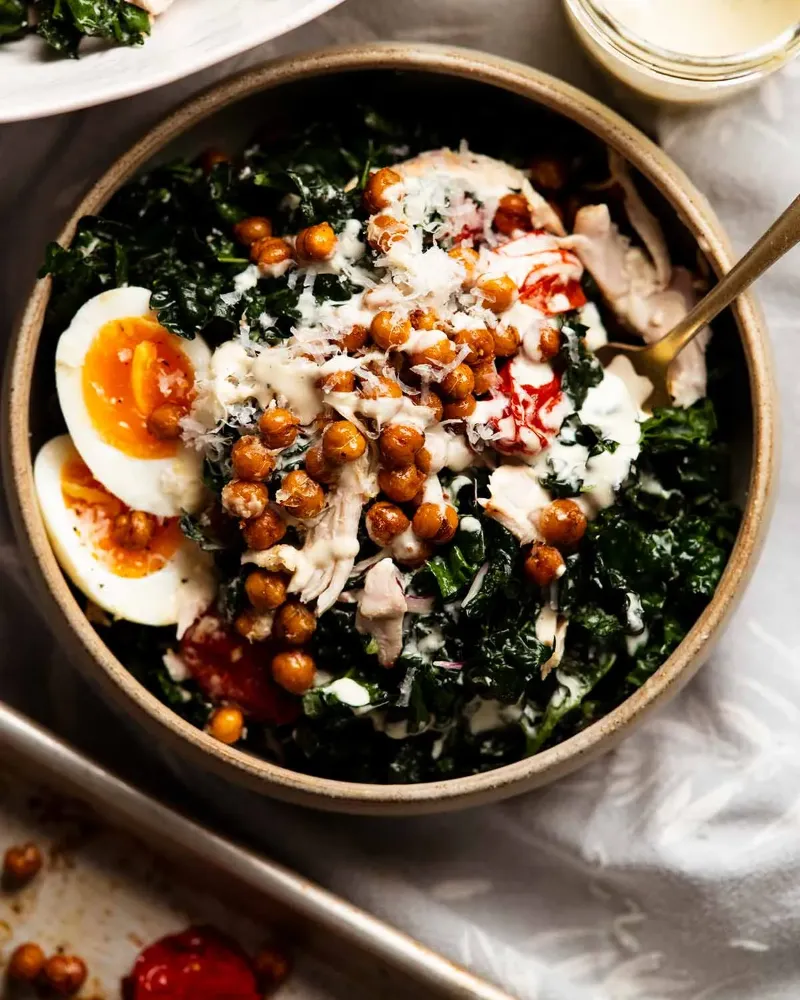
Kale has been a nutrition darling for over a decade, and it genuinely deserves the hype. One cup of cooked kale provides around 76 mcg of folate along with extraordinary amounts of vitamins K, A, and C.
Kale is one of the richest dietary sources of vitamin K1, which is essential for blood clotting and bone health. The combination of folate, vitamin C, and powerful antioxidants like lutein and zeaxanthin makes kale especially supportive of eye health and cellular protection.
Massage raw kale with olive oil and lemon to soften it for salads, sauté it with garlic as a simple side dish, or bake it into crispy kale chips. It holds up beautifully in soups and stews without going mushy.
25. Mustard Greens
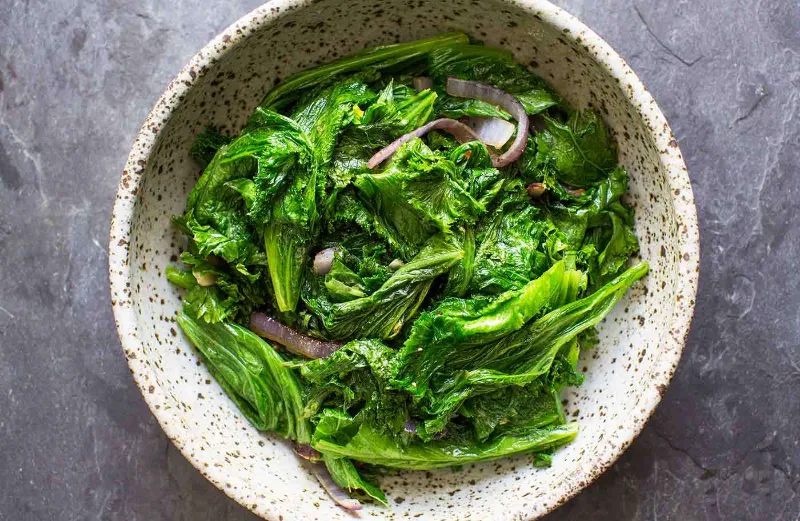
Mustard greens are a Southern cooking classic that don’t get nearly enough attention outside of regional cuisine. One cup of cooked mustard greens delivers about 105 mcg of folate along with glucosinolates, compounds with well-documented cancer-protective properties.
Research has shown that regular consumption of glucosinolate-rich vegetables is associated with reduced risks of colorectal, breast, and lung cancers. Mustard greens also have a natural peppery bite that adds a ton of flavor without any added salt or fat.
Sauté them with garlic and a splash of apple cider vinegar, add them to a pot of beans, or use them in place of spinach in egg dishes. If you haven’t cooked with mustard greens before, you’re genuinely in for a treat.
26. Bok Choy
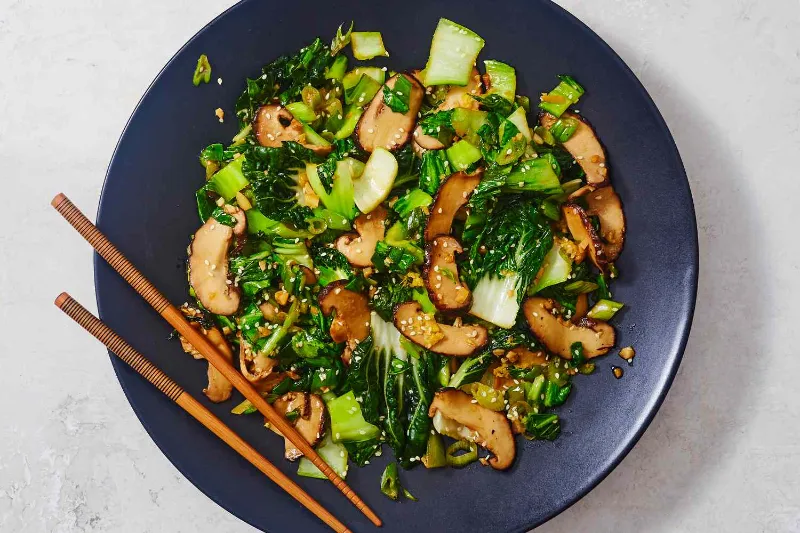
Bok choy is a staple in Asian cuisine that deserves a permanent spot in American kitchens too. One cup of cooked bok choy provides about 70 mcg of folate alongside calcium, vitamin C, and potassium.
Its calcium content is particularly noteworthy because bok choy has a high calcium bioavailability — meaning your body actually absorbs it well compared to some other plant sources. Combined with its folate content, bok choy is a smart addition to anyone’s diet who’s focused on bone health and cardiovascular wellness.
Stir-fry it with ginger and soy sauce, add baby bok choy to ramen or miso soup, or toss it into a noodle bowl. It cooks in just a few minutes and takes on flavors really beautifully.
27. Okra
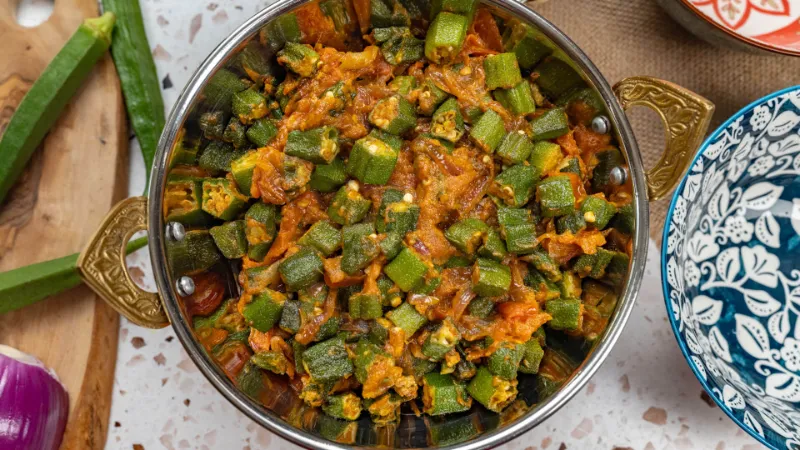
Okra is polarizing because of its texture, but if you cook it right it’s absolutely delicious and impressively nutritious. One cup of cooked okra provides around 74 mcg of folate plus mucilage, a type of soluble fiber that helps lower cholesterol and stabilize blood sugar.
That same mucilage that gives okra its characteristic sliminess is actually what makes it so useful for digestive health. It coats the gut lining and can help protect it from irritation and inflammation.
Roast it at high heat until the edges caramelize and the sliminess disappears, fry it Southern-style for a crowd-pleasing side dish, or add it to gumbo where it acts as a natural thickener. Roasting is the game-changer for okra skeptics.
28. Artichoke

Artichokes are one of the most nutritious vegetables you can eat, and one medium artichoke provides about 107 mcg of folate along with prebiotic fiber called inulin that feeds healthy gut bacteria.
Research has shown that artichoke leaf extract can support liver health and help reduce LDL cholesterol levels. The combination of folate, antioxidants like cynarin and chlorogenic acid, and prebiotic fiber makes artichokes an all-around digestive and cardiovascular powerhouse.
Steam or roast them and dip the leaves in garlic aioli, add artichoke hearts to pasta or pizza, or toss them into a Mediterranean grain bowl. Canned artichoke hearts are a totally valid option and make this vegetable accessible year-round.
29. Cauliflower

Cauliflower has had one of the most impressive culinary glow-ups in recent memory. One cup of cooked cauliflower provides about 55 mcg of folate alongside glucosinolates and a surprising amount of vitamin C and choline.
Choline is an essential nutrient that works closely with folate to support brain development and liver function. Many Americans don’t get enough choline in their diets, so cauliflower is a genuinely useful and underappreciated source.
Rice it, roast it, mash it, or turn it into a pizza crust. Cauliflower has a mild flavor that absorbs seasonings beautifully, which is why it works in so many different culinary applications.
30. Quinoa
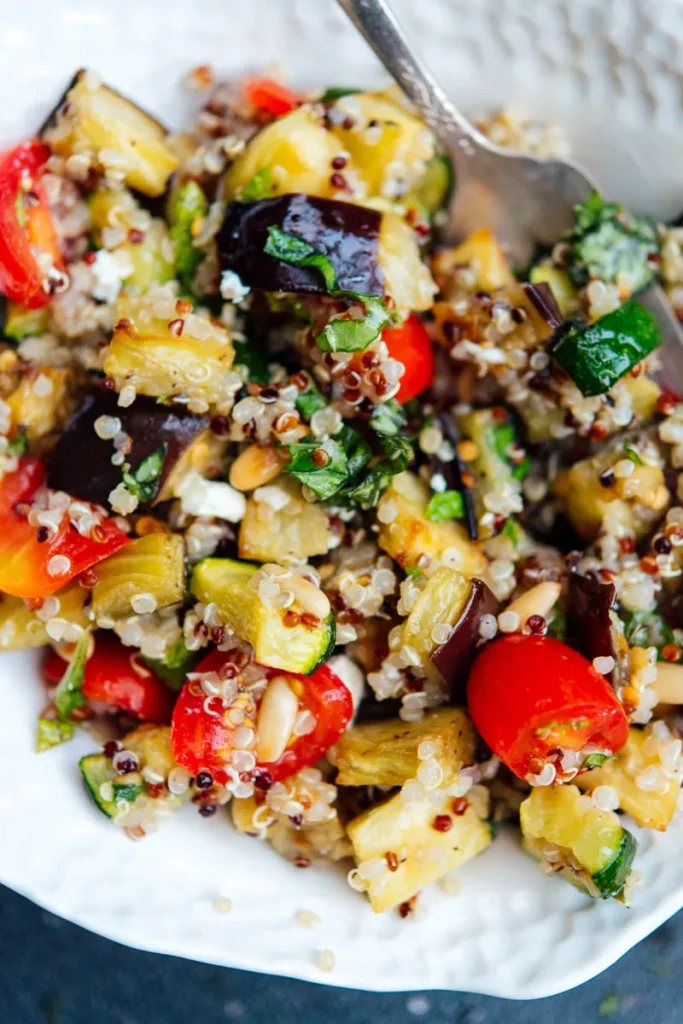
Quinoa is one of the few plant foods that provides all nine essential amino acids, and its folate content adds to its impressive nutritional resume. One cup of cooked quinoa delivers about 78 mcg of folate along with magnesium, iron, and zinc.
Unlike most grains, quinoa has a relatively low glycemic index, meaning it provides sustained energy without causing significant blood sugar spikes. Its combination of complete protein and folate makes it an especially valuable staple for plant-based eaters.
Use it as a base for grain bowls, swap it in for rice or pasta, stir it into soups for extra protein, or cook it like oatmeal for a savory breakfast. Once you have a batch cooked in the fridge, getting it onto your plate every day is effortless.
31. Walnuts
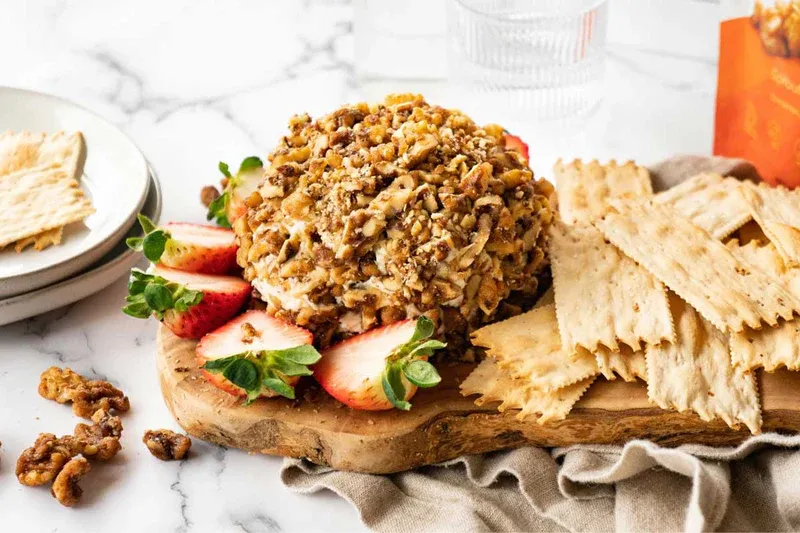
Walnuts round out this list with a satisfying crunch and a seriously impressive nutrient profile. A quarter cup of walnuts provides about 28 mcg of folate along with the highest omega-3 content of any tree nut.
The omega-3 fatty acids in walnuts — specifically alpha-linolenic acid — have been linked in multiple studies to improved cardiovascular health, reduced inflammation, and better cognitive function. Folate works alongside these healthy fats to support overall brain health and protect against age-related mental decline.
Toss them into oatmeal, sprinkle them over salads, stir them into banana bread batter, or eat a small handful as an afternoon snack. A little goes a long way with walnuts, both nutritionally and in terms of flavor.
Final Thoughts
Getting more folate into your diet doesn’t have to be complicated or boring. From edamame to walnuts, there are so many delicious ways to hit your daily needs without even thinking about it.
Start by picking just two or three foods from this list that you genuinely love, and find simple ways to eat them more often. Small, consistent changes are what actually stick — and your brain, heart, and cells will feel the difference.
