
32 Game-Changing Calcium Rich Foods For Women That Will Surprise You

Getting enough calcium is one of the most important things you can do for your body as a woman. Yet most of us are falling short without even realizing it.
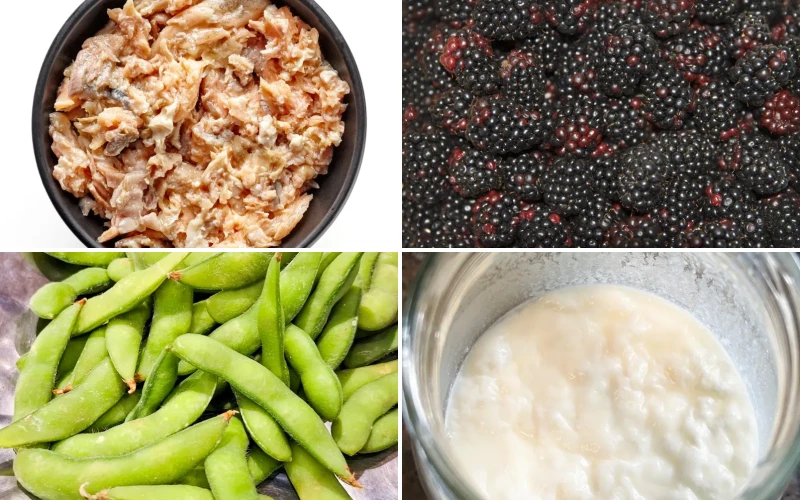
From stronger bones to better sleep and even mood support, calcium does so much more than you think. Stick around because some of these foods on this list are going to genuinely catch you off guard.
1. Milk

Milk is the classic calcium powerhouse for a reason. One cup of whole or low-fat milk delivers around 300 mg of calcium, which is roughly 23% of your daily recommended intake.
Your body absorbs the calcium in milk really efficiently, especially when paired with vitamin D. Many milk brands in the US are already fortified with D, making it a double win.
You do not have to drink it plain either. Use it in oatmeal, smoothies, soups, or even your morning coffee to sneak in that calcium boost effortlessly.
2. Yogurt

Plain yogurt actually edges out milk on the calcium scale, with one cup offering up to 400 mg. It also brings probiotics to the party, which support gut health and even calcium absorption.
Research suggests that the live cultures in yogurt can help your body process nutrients more effectively. So you are getting a two-for-one benefit here.
Go for plain Greek yogurt to skip added sugars, and top it with fruit and a drizzle of honey for a satisfying snack that works hard for your bones.
3. Parmesan Cheese
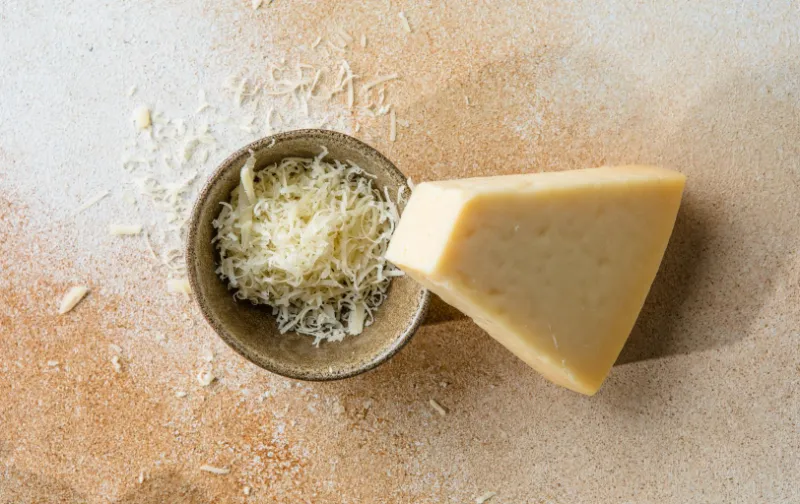
Here is a fun one. Parmesan is one of the most concentrated sources of calcium in the cheese world, with about 330 mg per ounce.
Because it is aged and firm, the calcium in Parmesan is packed in tightly. A little goes a long way, and it adds incredible flavor to salads, pastas, and roasted vegetables.
Just a few tablespoons grated over your dinner can give your calcium intake a meaningful nudge without feeling like you are trying at all.
4. Kefir

Kefir is like drinkable yogurt’s more powerful sibling. This fermented dairy drink packs up to 300 mg of calcium per cup, plus an army of beneficial bacteria that most yogurts cannot compete with.
Studies have shown kefir may actually improve bone density over time, making it especially valuable for women approaching or going through menopause. It is tangy, creamy, and surprisingly versatile.
Blend it into smoothies, use it as a base for salad dressings, or just drink it straight up if you enjoy the tart flavor.
5. Sardines

Do not scroll past this one. Sardines are genuinely one of the best calcium sources you will ever find, with about 350 mg per 3-ounce serving of canned sardines with bones.
The bones are actually the secret here. They are soft enough to eat and loaded with calcium. Sardines also bring omega-3 fatty acids into the mix, which support heart health and reduce inflammation.
Try them on whole grain crackers with a squeeze of lemon and some hot sauce. Once you find the right combo, you will be hooked.
6. Canned Salmon With Bones
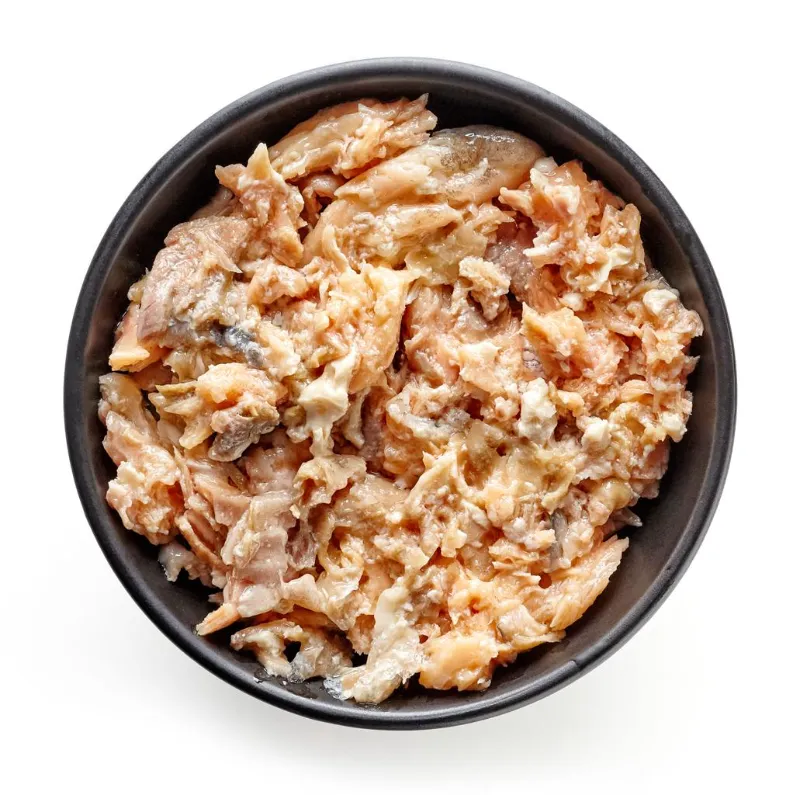
Canned salmon with the bones left in is another underrated gem. Those soft, edible bones give you around 180 to 230 mg of calcium per serving, depending on the brand.
Wild-caught salmon is also rich in vitamin D, which helps your body actually absorb and use the calcium you are taking in. This combo is incredibly powerful for bone health.
Mash it up into salmon patties, mix it into pasta, or pile it on a salad for a quick, affordable, and calcium-packed meal.
7. Anchovies

Anchovies are tiny but they are absolutely mighty when it comes to calcium. A small 2-ounce serving can give you around 170 mg, plus a serious hit of heart-healthy omega-3s.
They dissolve into sauces and dressings, adding a salty, umami depth that elevates the whole dish. You would never even know they were there half the time.
Stir them into marinara, blend them into Caesar dressing, or melt them into olive oil with garlic for a sauce that works on everything.
8. Calcium-Set Tofu
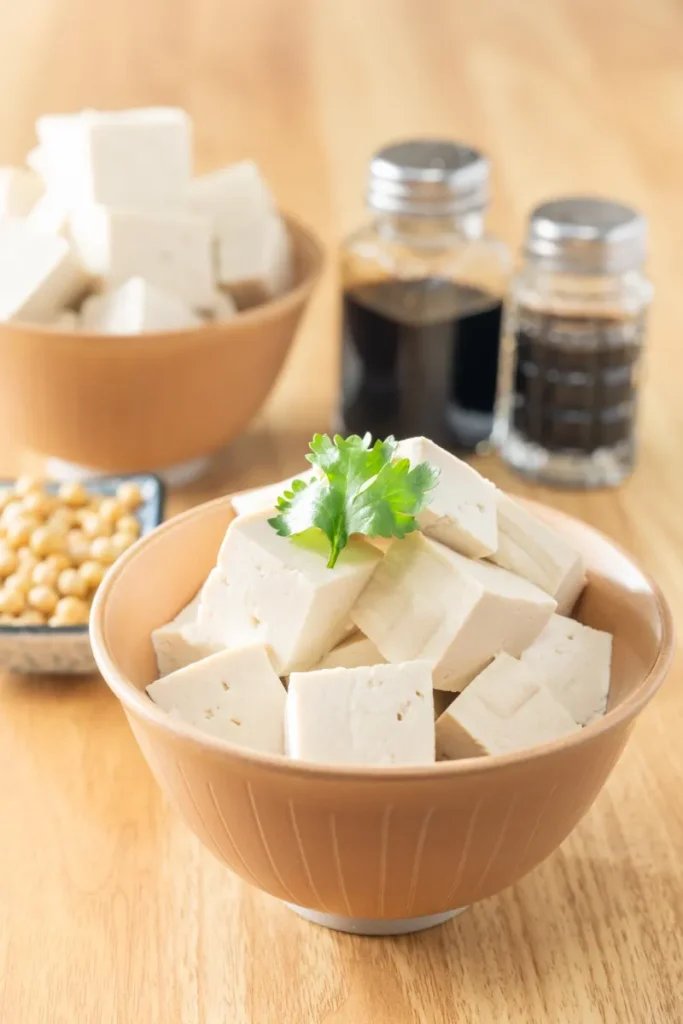
Not all tofu is created equal. Tofu that is made using calcium sulfate as a coagulant can contain a whopping 350 mg or more of calcium per half cup.
This makes it one of the most impressive plant-based calcium sources out there. It is also a complete protein, meaning it contains all the essential amino acids your body needs.
Check the label before you buy because the calcium content varies by brand. Firm or extra-firm calcium-set tofu works beautifully in stir-fries, curries, or baked crispy in the oven.
9. Edamame

Edamame, which are young soybeans, are a fun and easy snack that brings about 98 mg of calcium per cup. They also deliver plant-based protein and fiber in one satisfying little package.
Soybeans contain isoflavones, which some research links to improved bone density in women, particularly after menopause. This makes edamame a smart choice at any life stage.
Keep a bag of frozen shelled edamame in your freezer for a quick snack. Toss with sea salt, a little sesame oil, and red pepper flakes for something seriously good.
10. Tempeh
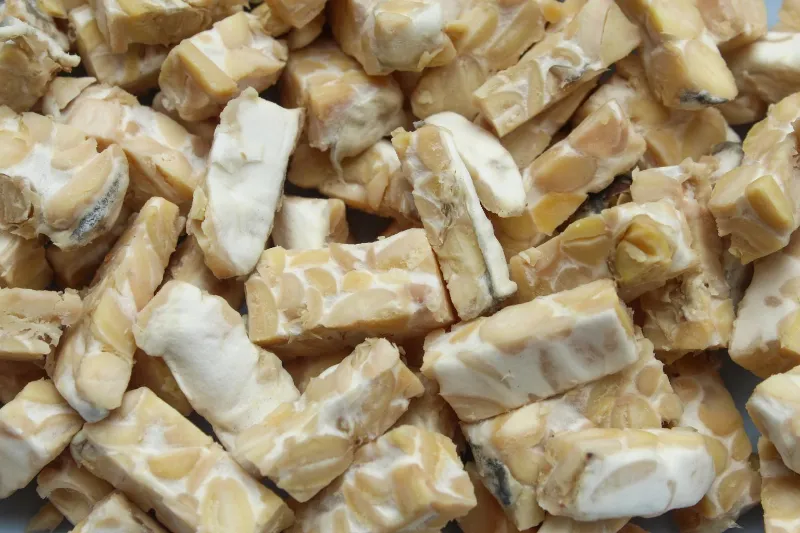
Tempeh is fermented soy, and the fermentation process actually makes its nutrients more bioavailable, meaning your body absorbs them better. One cup of tempeh can offer around 180 mg of calcium.
It is also one of the richest plant-based sources of protein, with around 31 grams per cup. If you are plant-based or trying to cut back on meat, tempeh is a game changer.
Slice it thin, marinate it in soy sauce, garlic, and maple syrup, then pan-fry it until crispy. You will not miss the meat at all.
11. White Beans
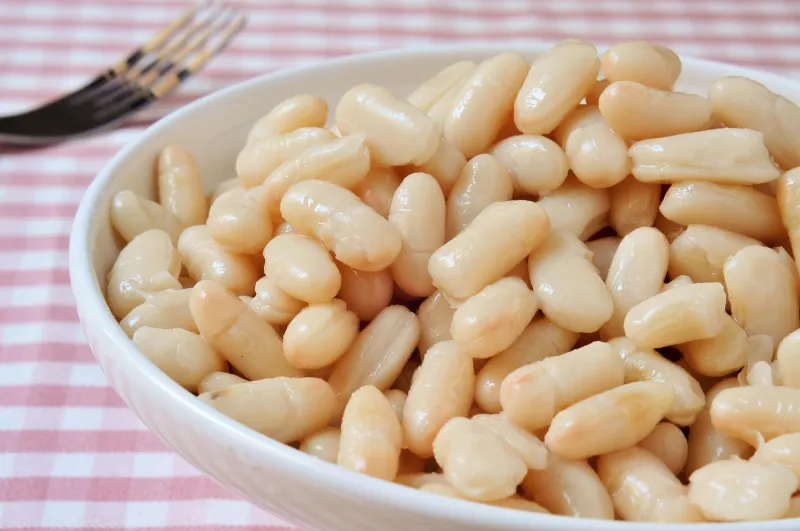
White beans, including cannellini and navy beans, are a seriously underappreciated calcium source. One cup of cooked white beans gives you around 130 to 160 mg of calcium along with a hefty dose of fiber.
They also contain magnesium, which works hand-in-hand with calcium to support bone health and muscle function. This mineral duo is something many women do not get enough of.
Throw them into soups, stews, or blend them into a creamy white bean dip. They are cheap, filling, and incredibly versatile.
12. Black-Eyed Peas
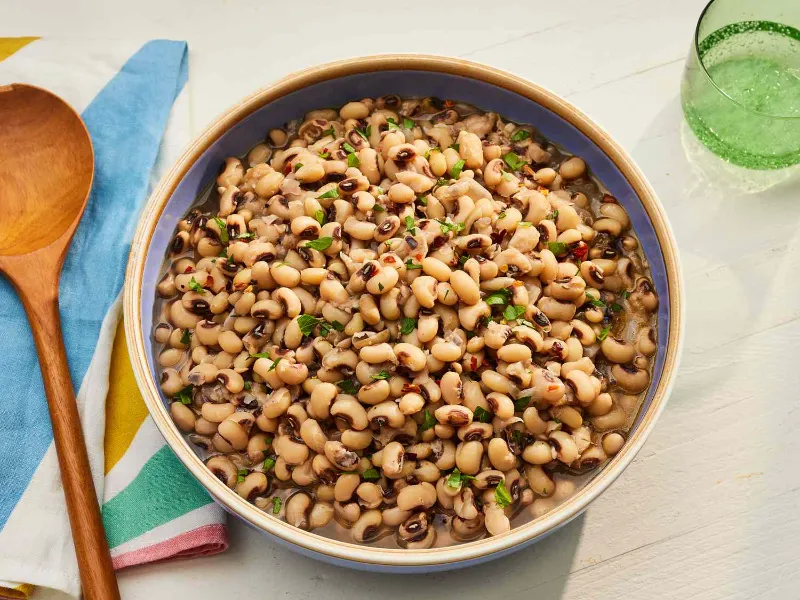
Black-eyed peas are a Southern US staple with some real nutritional muscle. One cup of cooked black-eyed peas offers around 210 mg of calcium, making them one of the top legume sources.
They are also rich in folate and potassium, both important for women’s health at every stage of life. Folate is especially critical if you are pregnant or planning to be.
Use them in salads, rice dishes, or the classic Southern New Year’s dish, Hoppin’ John. They are hearty, flavorful, and nutritious all at once.
13. Chickpeas

Chickpeas, also called garbanzo beans, bring around 80 mg of calcium per cup along with plant-based protein and gut-loving fiber. They are one of the most popular legumes in the country for good reason.
The fiber in chickpeas also supports estrogen metabolism, which is a bonus for hormonal balance in women. What is not to love?
Roast them for a crunchy snack, blend them into hummus, or toss them into grain bowls for an easy and satisfying calcium contribution throughout the day.
14. Lentils

Lentils are a pantry MVP with about 38 mg of calcium per cooked cup. While that number sounds modest, lentils also bring iron, folate, and fiber, making them a nutritional overachiever.
Iron is especially important for women of reproductive age since monthly cycles can deplete iron stores. Pairing lentils with vitamin C rich foods boosts iron absorption at the same time.
Lentil soup, lentil tacos, or a simple lentil salad are all easy weeknight winners that support your calcium intake one delicious bowl at a time.
15. Bok Choy
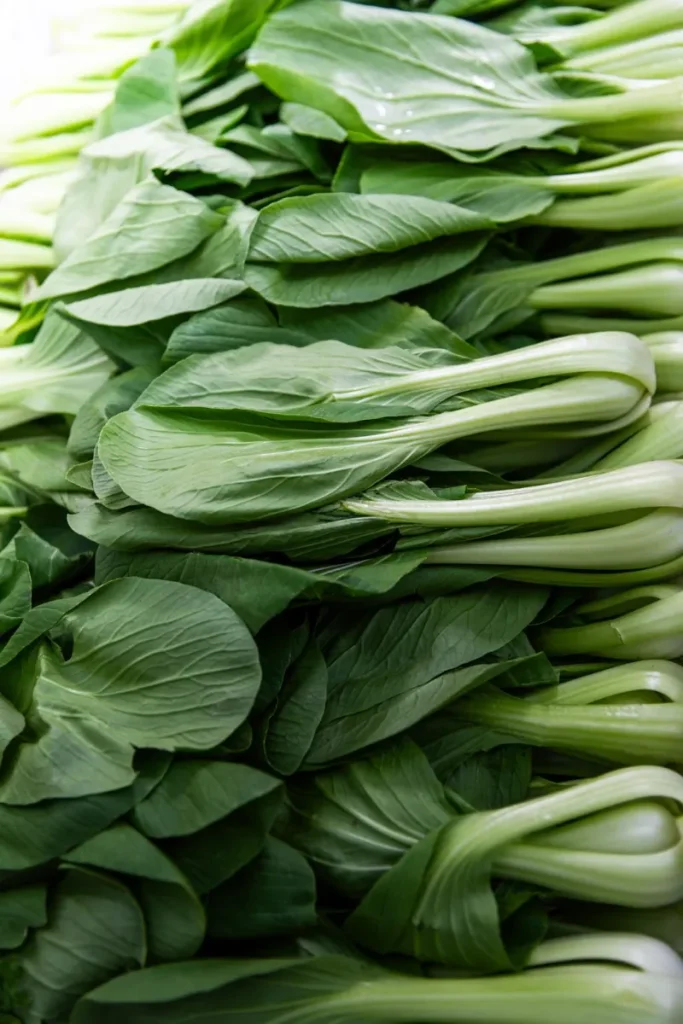
Bok choy is a leafy green that delivers calcium in a form your body absorbs really well. One cup of cooked bok choy offers around 160 mg of calcium with very low oxalate content.
Oxalates are compounds found in some greens that can block calcium absorption. Bok choy is naturally low in oxalates, which makes its calcium especially accessible to your body.
Stir-fry it with garlic and sesame oil, add it to soups, or chop it raw into slaws. It is mild, tender, and incredibly easy to work with.
16. Kale

Kale has earned its superfood reputation when it comes to calcium. One cup of cooked kale gives you around 180 mg, and like bok choy it has low oxalate levels for great absorption.
Kale is also packed with vitamin K, which plays a key role in directing calcium to your bones rather than letting it accumulate in your arteries. That is a big deal for long-term bone health.
Massage raw kale with olive oil for salads, blend it into smoothies, or bake it into crispy kale chips for a snack that actually does something for your body.
17. Broccoli

Broccoli gives you about 60 mg of calcium per cooked cup, and it pairs that with vitamin C, which helps your body use calcium more effectively. It is a supporting cast member that punches above its weight.
It also contains sulforaphane, a compound studied for its potential to support bone cell health. Research in this area is still growing, but the early findings are encouraging.
Roast it until the edges are crispy, steam it and toss with tahini, or blend it into soups. It is one of the most adaptable vegetables in your kitchen.
18. Collard Greens

Collard greens are the calcium kings of the leafy green world. One cup of cooked collards delivers around 250 to 270 mg of calcium, making them a serious competitor to dairy.
They have been a cornerstone of Southern cooking for generations, and with good reason. They are filling, flavorful, and nutritionally dense in a way few vegetables can match.
Slow cook them with a little olive oil, garlic, and red pepper flakes. Or chop them fresh and use the large leaves as wraps. Either way, your bones will thank you.
19. Spinach

Spinach is rich in calcium, with about 240 mg per cooked cup, but here is the catch. It is also high in oxalates, which significantly reduce how much calcium your body can actually absorb.
That does not mean you should skip it. Spinach is still full of iron, magnesium, and antioxidants that benefit women’s health in multiple ways.
Just do not rely on it as your primary calcium source. Mix it with lower-oxalate greens like kale or bok choy to get the nutritional benefits without the absorption limitation.
20. Arugula

Arugula is peppery, refreshing, and brings around 125 mg of calcium per cooked cup. It is also very low in oxalates, so the calcium is highly absorbable.
Its bitter notes come from glucosinolates, compounds that have been studied for their potential to support cellular health. It is a surprisingly nutritious salad green.
Layer it under roasted vegetables, toss it with olive oil and shaved Parmesan, or use it as a pizza topping added after baking so it stays crisp and fresh.
21. Watercress

Watercress is one of the most nutrient-dense foods on the planet by weight, and it provides about 120 mg of calcium per cooked cup. It is delicate, slightly spicy, and wildly underused.
Some research has even highlighted watercress as beneficial for reducing oxidative stress related to exercise, which is great news if you are active and trying to protect your joints and bones.
Use it as a salad base, blend it into green smoothies, or pile it onto sandwiches for a peppery crunch that quietly supports your calcium goals.
22. Okra
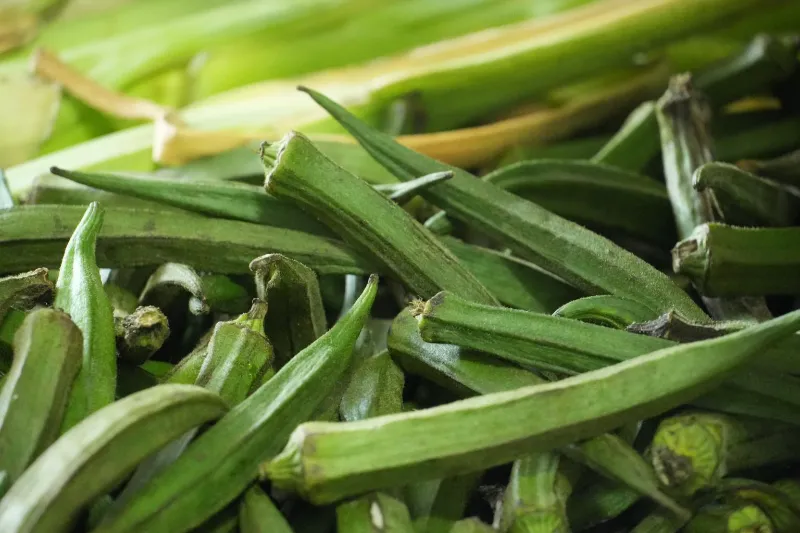
Okra brings roughly 135 mg of calcium per cooked cup and is packed with fiber, folate, and vitamin K. It is a Southern classic that deserves way more love outside of its home region.
The mucilaginous texture that gives it a reputation can actually be tamed with dry heat cooking methods. Roasting or grilling okra gives it a completely different and far more approachable texture.
Slice it thin and roast it at high heat until the edges crisp up. You might just become an okra convert.
23. Sweet Potatoes
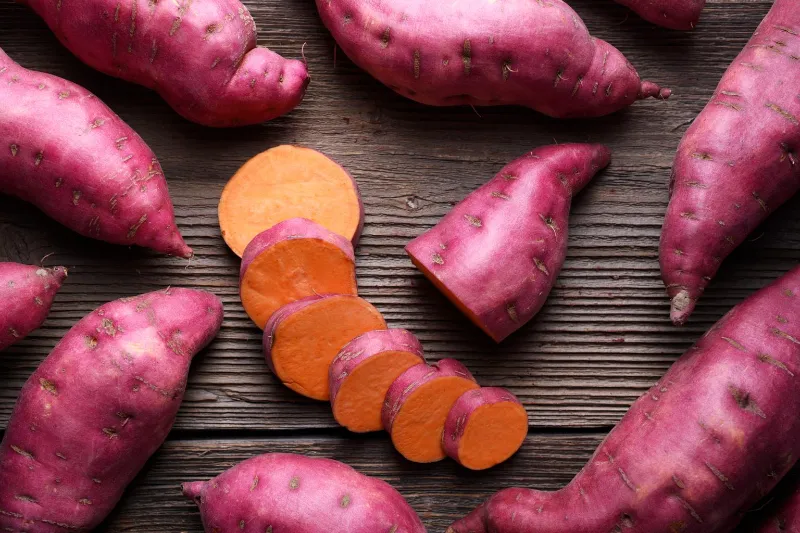
Sweet potatoes are not usually the first food that comes to mind for calcium, but they offer around 70 mg per cup along with potassium, which is crucial for preventing calcium loss through urine.
Diets high in potassium help the kidneys retain calcium instead of flushing it out. So sweet potatoes are not just adding calcium, they are helping you hold onto it.
Bake them whole, mash them, or cube them and roast with cinnamon and olive oil. They are comforting, delicious, and genuinely good for your bones.
24. Butternut Squash
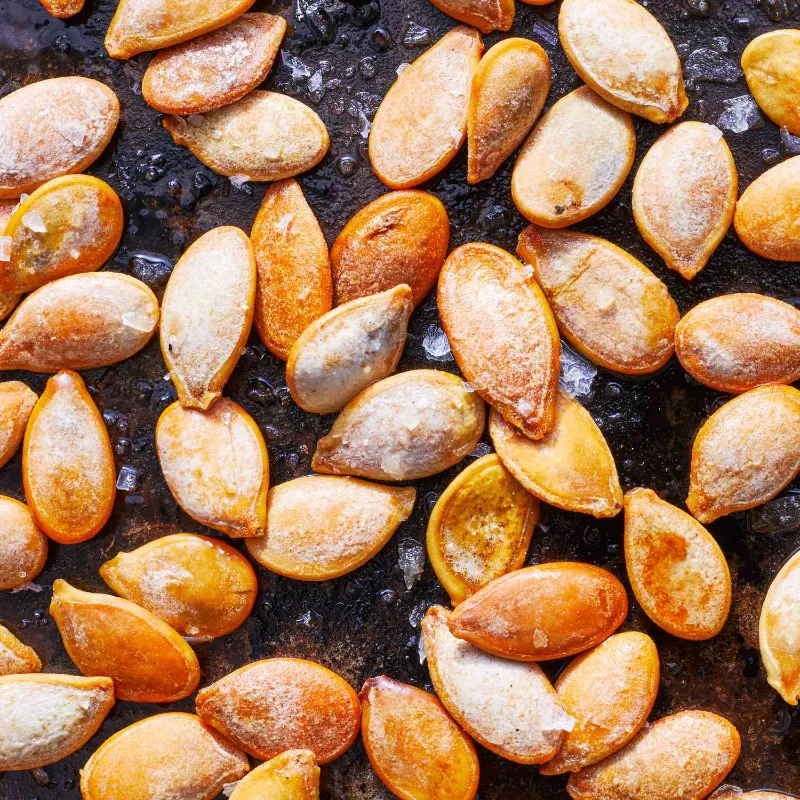
Butternut squash is another veggie that quietly contributes to your calcium intake with about 84 mg per cooked cup. It is also loaded with beta-carotene, which converts to vitamin A in the body.
Vitamin A plays a role in bone cell development, complementing calcium’s work in keeping your skeleton strong. These nutrients all work better together than in isolation.
Roast it with maple syrup and sage, blend it into a velvety soup, or toss it into grain bowls for a naturally sweet addition to your calcium-forward diet.
25. Dried Figs

Dried figs are a sweet and surprising calcium source, offering around 135 mg per half cup serving. They make one of the easiest grab-and-go snacks you can keep in your bag or desk drawer.
They are also rich in fiber and potassium, both of which support overall bone and metabolic health. Ancient civilizations have valued figs as a health food for thousands of years, and science is starting to back that up.
Pair a small handful with a few almonds for a snack that covers multiple nutrient bases at once. Just watch your portion size since the natural sugar content adds up.
26. Oranges
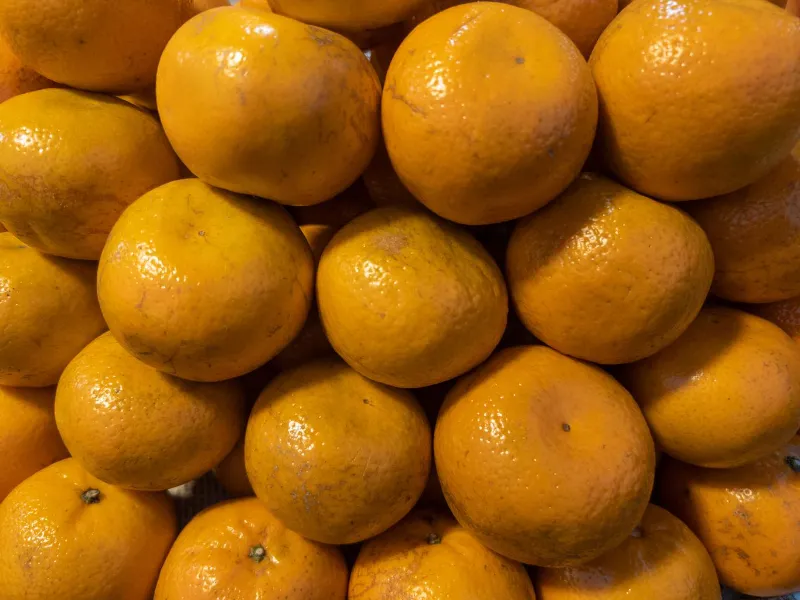
One medium orange gives you about 65 mg of calcium along with vitamin C, which enhances calcium absorption. These two nutrients together make oranges more valuable for bone health than the numbers might initially suggest.
Vitamin C is also essential for collagen production, which forms the matrix that calcium mineralizes into in your bones. So you are building the scaffold and filling it in at the same time.
Eat oranges fresh, add segments to salads, or squeeze the juice over roasted vegetables. The whole fruit is better than juice since you keep all the fiber intact.
27. Blackberries
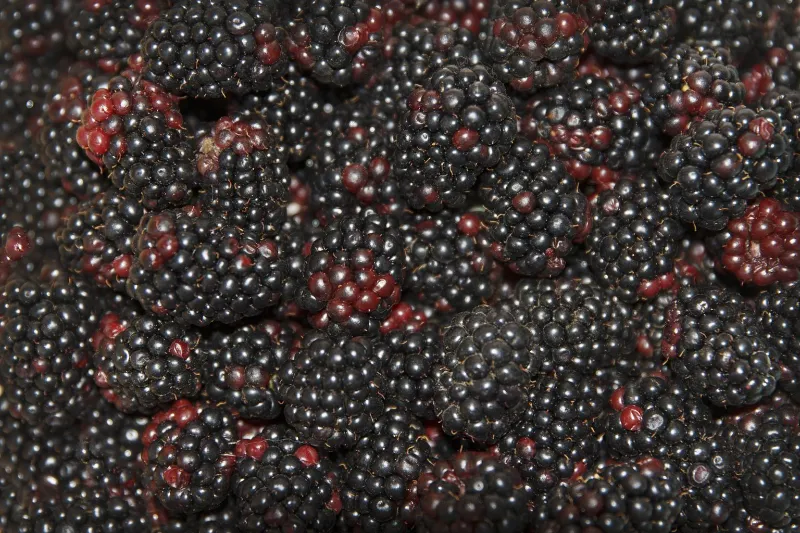
Blackberries offer around 40 mg of calcium per cup, which is modest but meaningful when you think about how many sources add up throughout the day. They also bring a powerful antioxidant punch.
The anthocyanins that give blackberries their deep purple-black color have been linked in research to reduced bone loss. They work by supporting the cells that build bone and slowing down those that break it down.
Toss them into smoothies, layer them in yogurt parfaits, or eat them by the handful as a snack. Every little bit counts toward your daily calcium goal.
28. Almonds
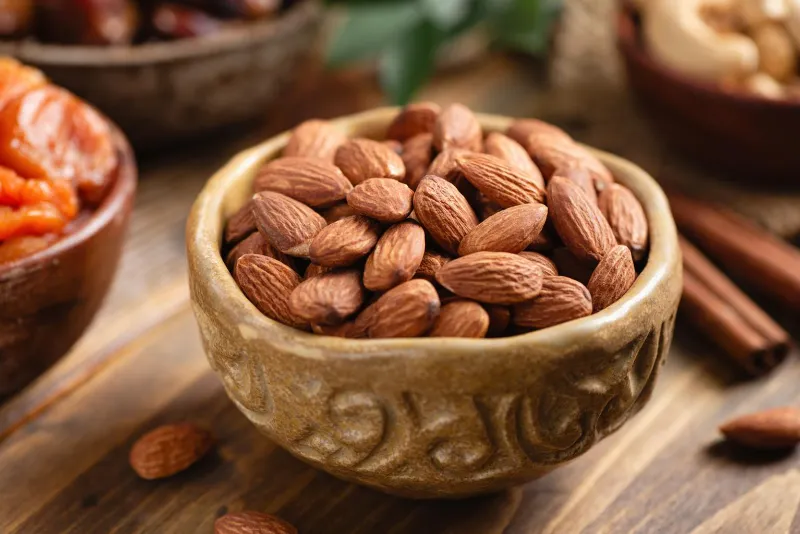
Almonds are the calcium champs of the nut world, delivering about 76 mg per ounce, which is roughly 23 nuts. They are also rich in magnesium and vitamin E, both important for women’s health.
Magnesium helps convert vitamin D into its active form in the body, which then helps you absorb calcium. So almonds are supporting your calcium system from a completely different angle.
Keep a small bag of almonds in your purse or car for a snack that stabilizes blood sugar while supporting your bones. Almond butter on apple slices is another effortless option.
29. Chia Seeds
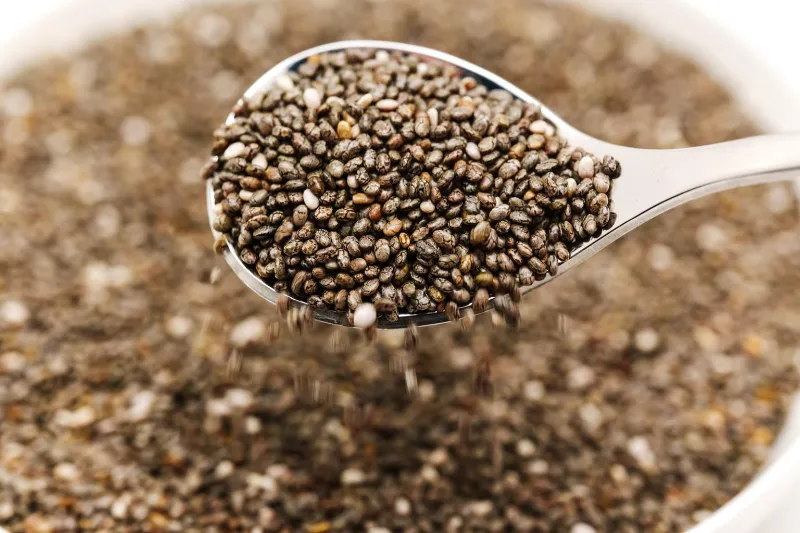
Chia seeds are a tiny nutritional miracle, packing about 180 mg of calcium per two tablespoon serving. That is more calcium per calorie than most dairy products, which is a pretty extraordinary claim for a seed.
They also provide omega-3 fatty acids and phosphorus, another mineral essential to bone structure. Omega-3s have anti-inflammatory properties that help protect bone tissue over time.
Stir chia seeds into yogurt, oatmeal, or make overnight chia pudding by soaking them in plant milk overnight. By morning you have a creamy, calcium-rich breakfast ready to go.
30. Sesame Seeds and Tahini
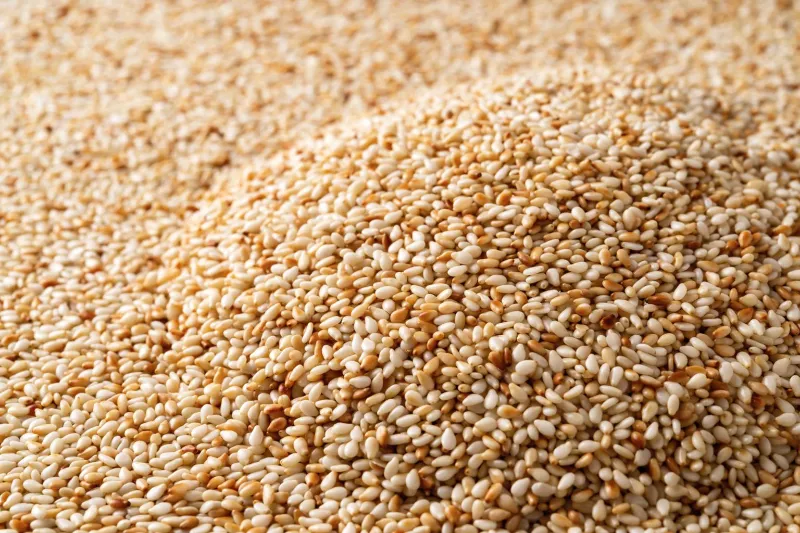
Sesame seeds are one of the richest plant-based calcium sources you can find, with about 280 mg per ounce. Tahini, which is just ground sesame seeds, makes that calcium incredibly easy to eat.
Calcium in sesame seeds is found in the outer hull, so look for unhulled sesame seeds or tahini made from whole sesame seeds to get the full benefit.
Drizzle tahini over roasted vegetables, use it as a dip base, or blend it into dressings. It is nutty, creamy, and one of the most calcium-dense condiments in existence.
31. Fortified Orange Juice

Fortified orange juice is a great option for women who do not consume dairy and want a simple way to get calcium in. Most fortified OJ brands offer around 350 mg of calcium per cup, similar to milk.
They typically add calcium citrate malate, a form of calcium that is actually well-absorbed by the body even without food. That is a meaningful advantage over some other calcium supplements.
One glass with breakfast is an effortless habit that makes a real dent in your daily needs. Just choose a 100% juice option with no added sugars to keep things clean.
32. Fortified Plant Milks
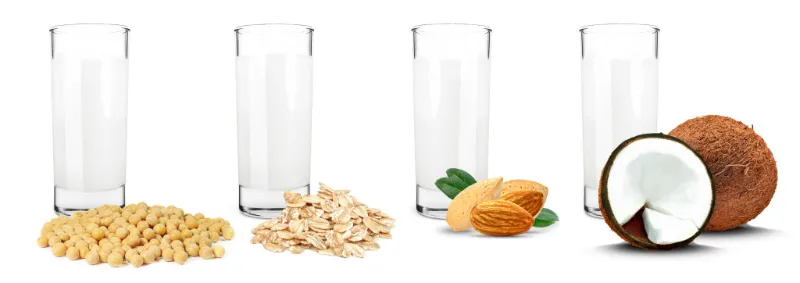
Oat milk, almond milk, and soy milk are all frequently fortified with calcium, often providing 300 to 450 mg per cup. Soy milk tends to have the most complete nutritional profile thanks to its natural protein content.
Many brands also fortify with vitamin D2 or D3, giving you the calcium absorption support that makes the mineral actually useful to your body. Always shake the carton before pouring since the calcium can settle at the bottom.
Read labels carefully because fortification levels vary widely between brands. Some unfortified versions contain very little calcium, so checking the nutrition panel is a habit worth building.
Final Thoughts
Your body works hard for you every single day, and calcium is one of the foundational nutrients that keeps it running strong. The good news is that building a calcium-rich diet does not have to be complicated or boring.
Start by picking three or four foods from this list that genuinely excite you and find easy, delicious ways to eat them regularly. Small consistent choices add up to big results over time, and your bones, muscles, and overall health will feel the difference.
