
32 Surprising Acne Foods To Eat Backed by Science

If you’ve been fighting breakouts and feel like nothing is working, you might be overlooking something hiding right in your kitchen. What you eat plays a bigger role in your skin’s health than most people realize.
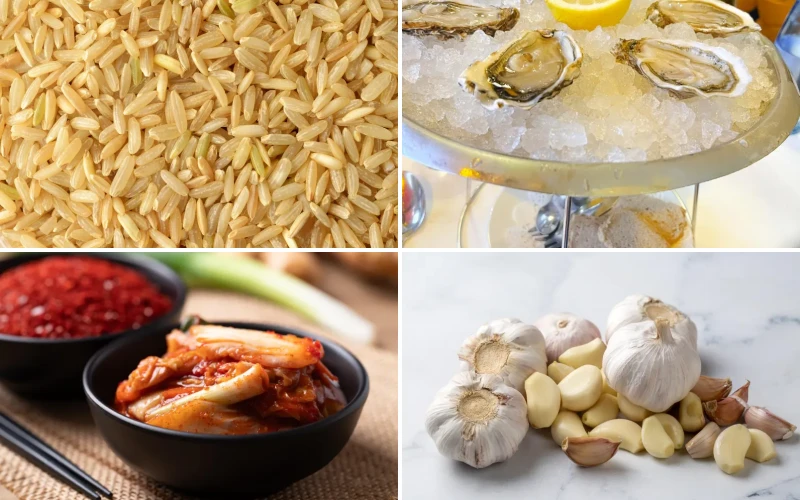
In this article, you’ll discover 32 science-backed foods that can actually help calm acne, reduce inflammation, and support clearer skin from the inside out. Some of these might genuinely surprise you.
Fatty Fish (Salmon)
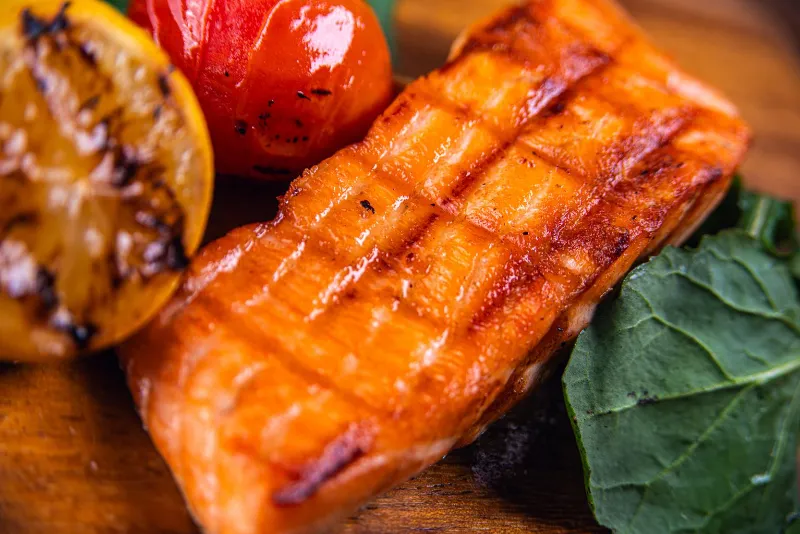
Salmon is one of the most powerful foods you can eat for your skin. It’s loaded with omega-3 fatty acids, specifically EPA and DHA, which are well-known for fighting inflammation throughout the body.
Acne is, at its core, an inflammatory condition. Research published in Lipids in Health and Disease found that omega-3 supplementation significantly reduced both inflammatory and non-inflammatory acne lesions.
Aim for two servings of wild-caught salmon per week. You can bake it, grill it, or even toss it into a simple grain bowl with some greens.
Avocado
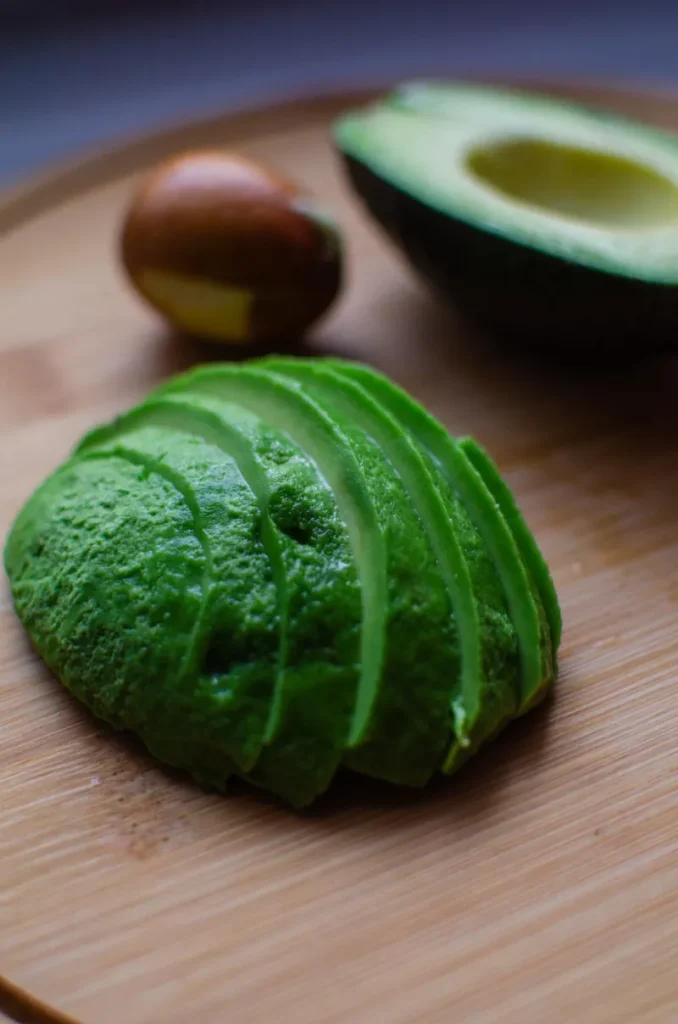
Avocado isn’t just a trendy toast topping. It’s genuinely one of the best foods for your skin, packed with vitamin E, vitamin C, and healthy monounsaturated fats.
Vitamin E is a fat-soluble antioxidant that helps protect skin cells from oxidative damage, which can worsen acne. A study in the Journal of Investigative Dermatology found that people with acne tend to have lower levels of antioxidants in their skin.
Half an avocado a day is a great place to start. Slice it onto eggs, blend it into a smoothie, or just eat it with a spoon and a pinch of sea salt.
Walnuts
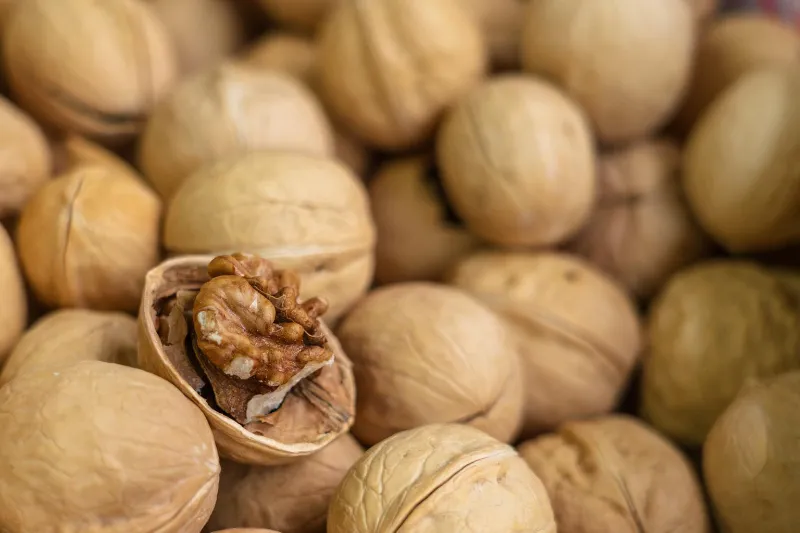
Walnuts are one of the few plant-based sources of omega-3 fatty acids, making them a great option if you don’t eat fish. They also contain zinc, vitamin E, and selenium, all of which support skin health.
Zinc in particular is a standout nutrient for acne. Multiple studies have shown that people with acne tend to have lower zinc levels, and supplementing with zinc can reduce breakouts significantly.
A small handful of walnuts as a snack or tossed into your morning oatmeal is an easy way to get these benefits daily.
Sweet Potatoes
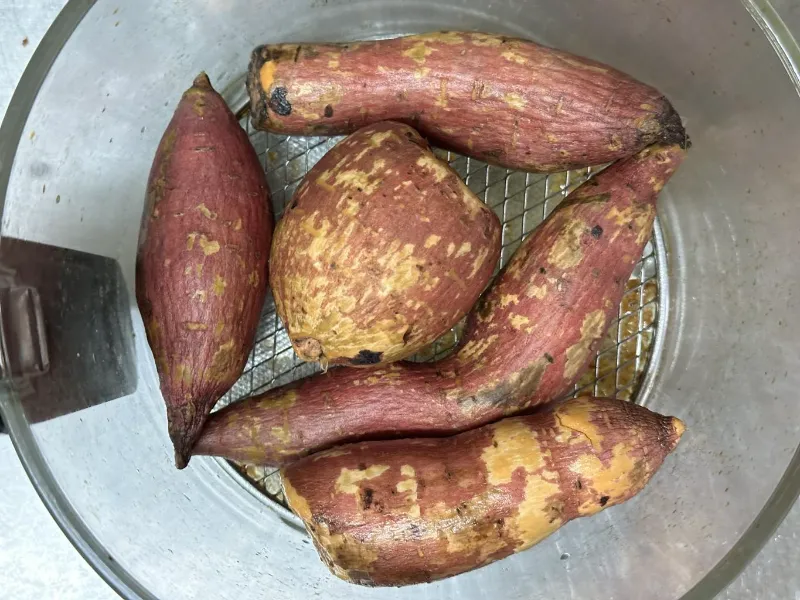
Sweet potatoes are rich in beta-carotene, the pigment that gives them their orange color. Your body converts beta-carotene into vitamin A, a nutrient that’s essential for skin cell turnover.
In fact, the prescription acne medication tretinoin is derived from vitamin A. Getting it naturally through food is a gentler way to support the same process.
Roasted sweet potato wedges, mashed sweet potato, or even sweet potato soup are all delicious ways to add this skin-loving food to your weekly routine.
Bell Peppers
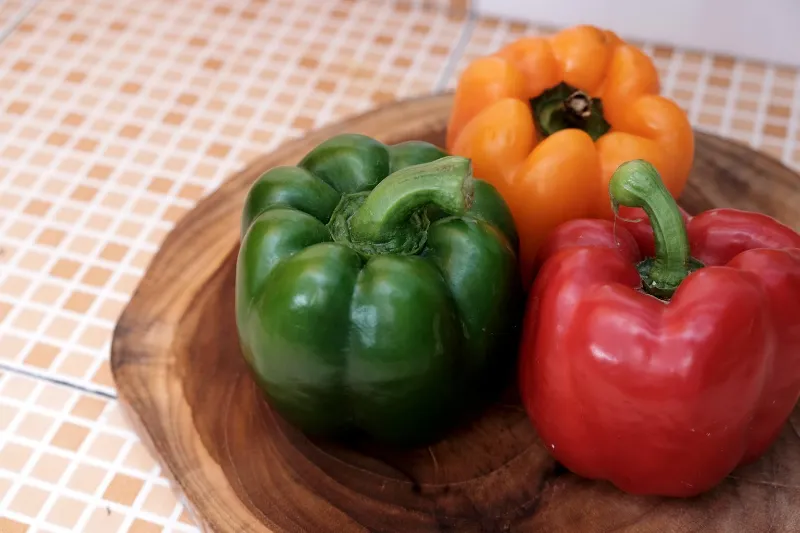
You might not think of bell peppers as a skin food, but they’re actually one of the highest vitamin C foods on the planet. One medium red bell pepper has more vitamin C than an orange.
Vitamin C is essential for collagen production and helps your skin repair itself after breakouts. It’s also a powerful antioxidant that neutralizes free radicals before they can damage skin tissue.
Slice them raw for snacking, toss them into stir-fries, or roast them as a side dish. Red and yellow varieties pack the most vitamin C per bite.
Broccoli
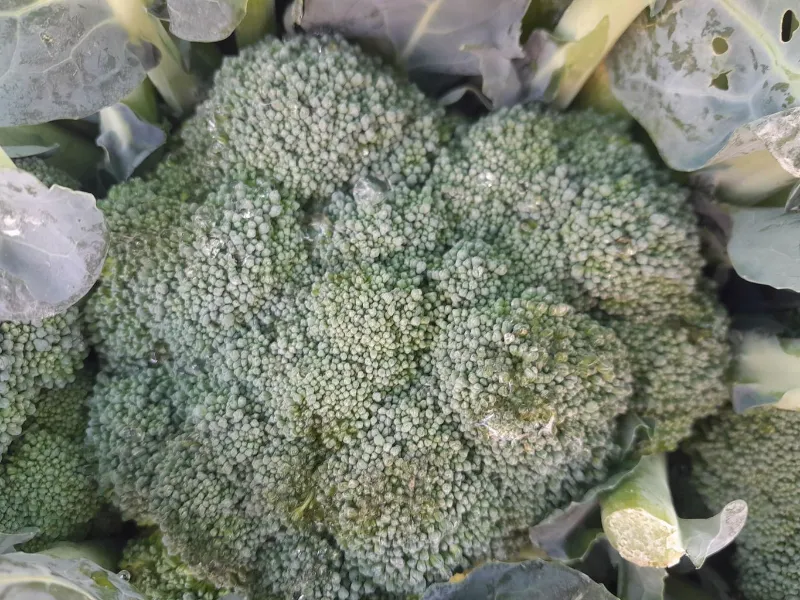
Broccoli is a nutritional powerhouse that’s often overlooked in skin care conversations. It contains vitamins A, C, and K, as well as a compound called sulforaphane, which has impressive antioxidant and anti-inflammatory properties.
Sulforaphane has been studied for its ability to protect skin cells from UV damage and reduce oxidative stress. Since oxidative stress is a key driver of acne inflammation, this matters a lot.
Steam it lightly to preserve the most nutrients, or eat it raw with hummus. Just don’t overcook it or you’ll lose a lot of the good stuff.
Tomatoes
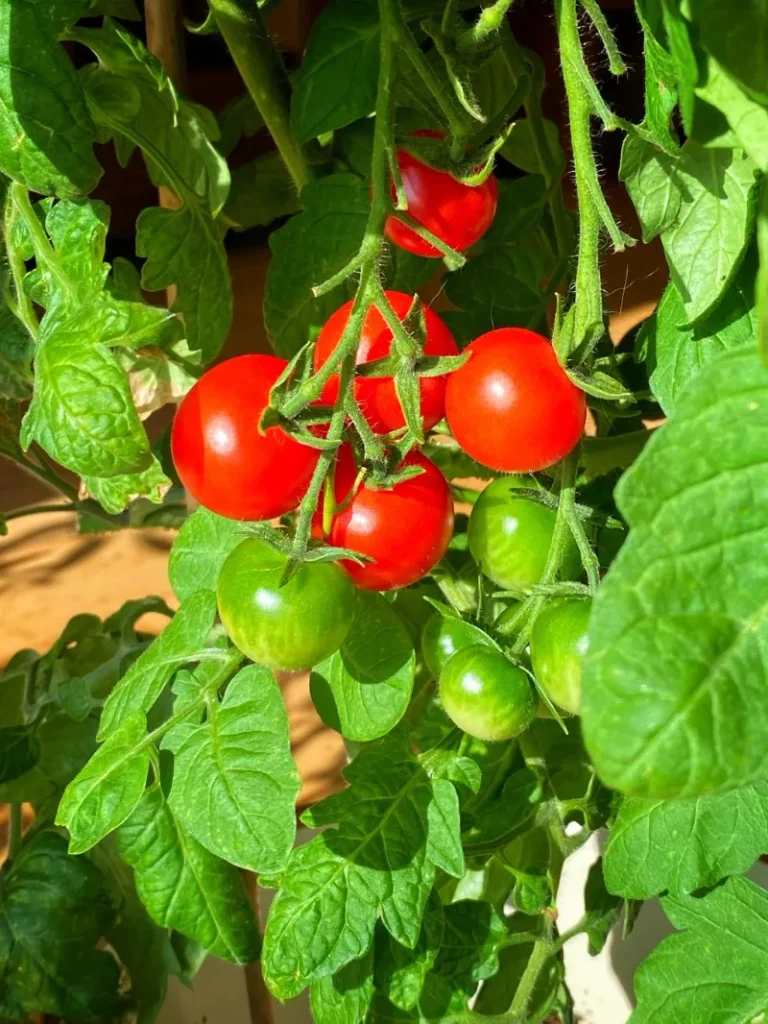
Tomatoes are one of the best dietary sources of lycopene, a carotenoid antioxidant that gives them their red color. Lycopene has been shown to reduce skin inflammation and protect against environmental damage.
Interestingly, cooked tomatoes actually deliver more bioavailable lycopene than raw ones. So that tomato sauce you love? It’s doing more for your skin than you might think.
Add tomatoes to salads, blend them into soups, or simmer them down into a simple pasta sauce. Your skin will thank you either way.
Kale
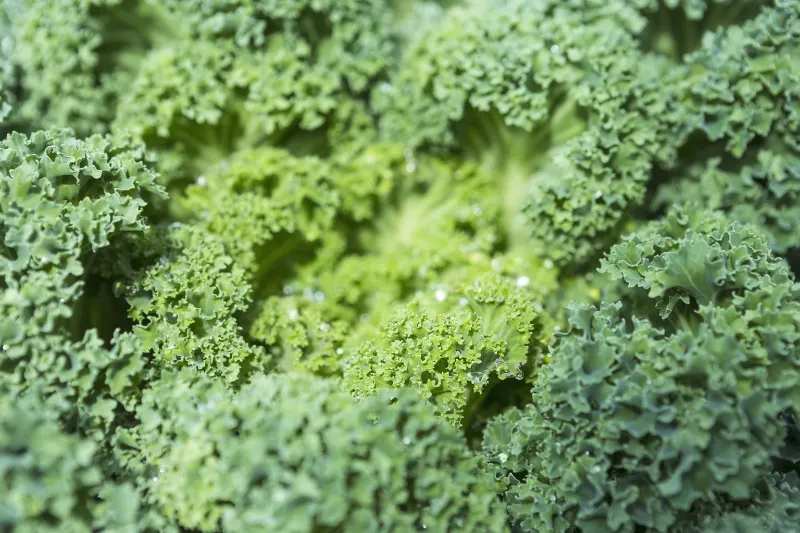
Kale has earned its superfood status for good reason. It’s one of the most nutrient-dense leafy greens you can eat, offering high doses of vitamins A, C, and K, plus antioxidants like quercetin and kaempferol.
These antioxidants help fight the oxidative stress that contributes to acne formation. Quercetin in particular has been shown in lab studies to inhibit bacterial growth, including the bacteria linked to acne.
Massage raw kale with a little olive oil and lemon to soften it for salads. Or toss it into smoothies where you won’t even taste it.
Spinach
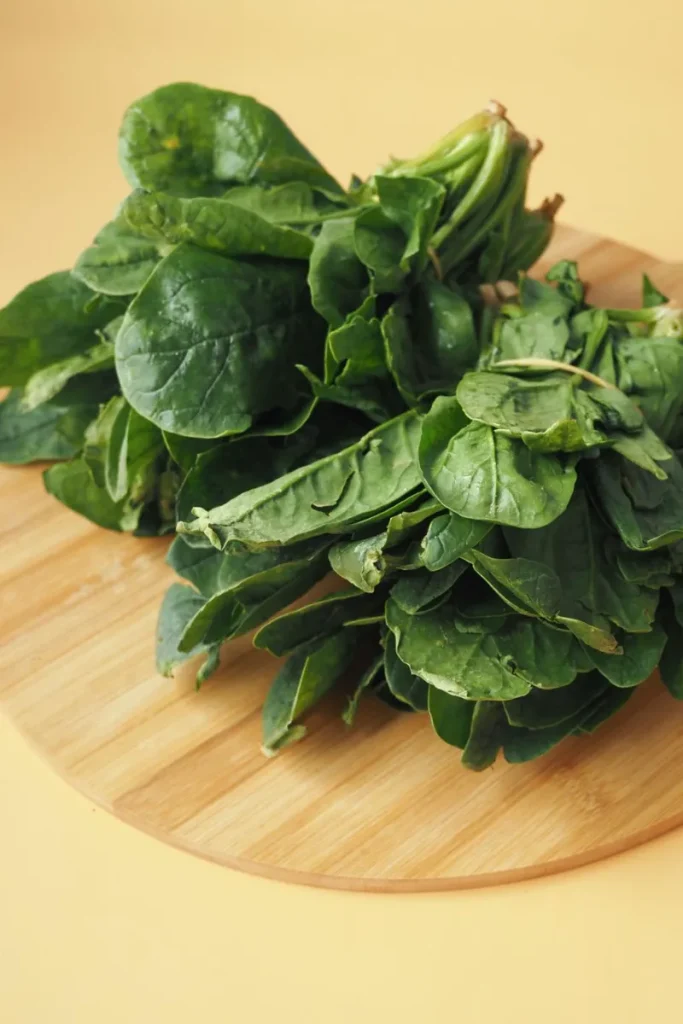
Spinach is packed with iron, magnesium, and folate, but its real superpower for skin is its high antioxidant content. It’s especially rich in lutein and zeaxanthin, which help protect skin cells from damage.
Magnesium is worth noting too. Some research suggests that low magnesium levels can increase inflammation, which may worsen acne for some people.
Add spinach to smoothies, scramble it into eggs, or wilt it into pasta dishes. It’s one of the easiest greens to incorporate because the flavor is so mild.
Blueberries
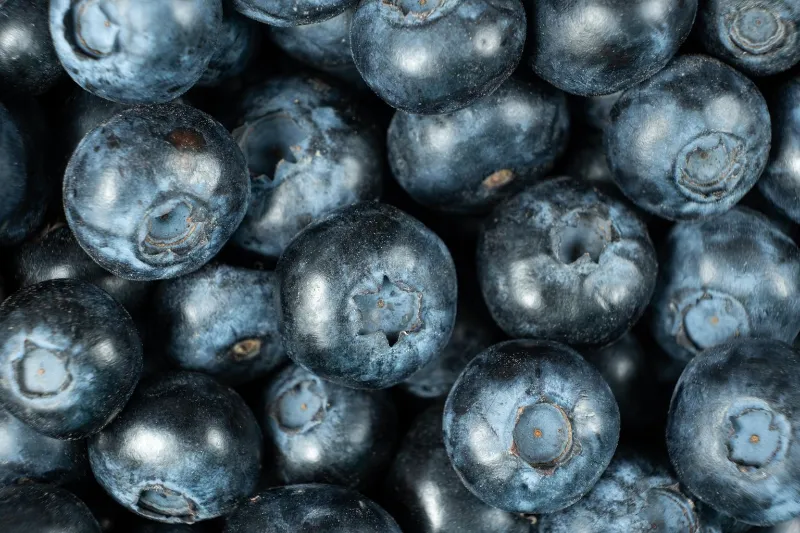
Blueberries are tiny but mighty when it comes to skin health. They’re loaded with anthocyanins, the dark blue-purple pigments that act as potent antioxidants in the body.
These antioxidants help neutralize free radicals that can trigger inflammation and worsen breakouts. A study in the Journal of Agricultural and Food Chemistry ranked blueberries among the highest antioxidant fruits available.
Fresh or frozen, blueberries work great. Toss them into yogurt, oatmeal, smoothies, or eat them by the handful as a snack.
Green Tea
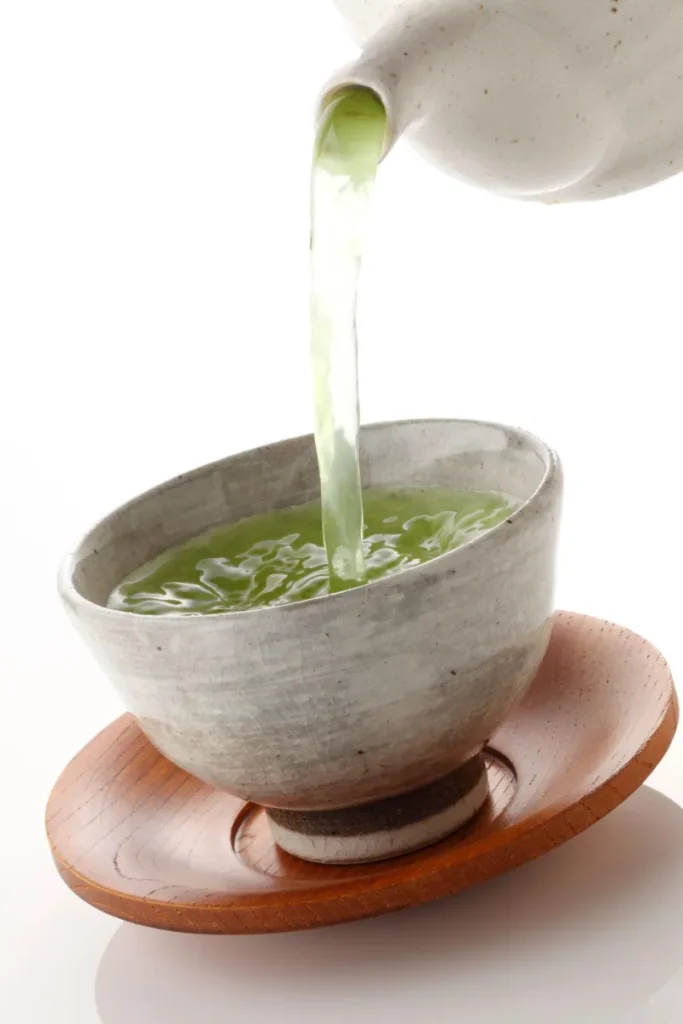
Green tea is one of the most studied beverages for skin health. It’s rich in polyphenols called catechins, especially EGCG (epigallocatechin gallate), which has powerful anti-inflammatory and antimicrobial effects.
Research published in the Journal of Investigative Dermatology found that EGCG can reduce sebum production, one of the primary drivers of acne. Drinking it regularly may help regulate oil levels in your skin.
Swap your afternoon coffee for a cup of green tea. Matcha is an even more concentrated source of EGCG if you want an extra boost.
Turmeric
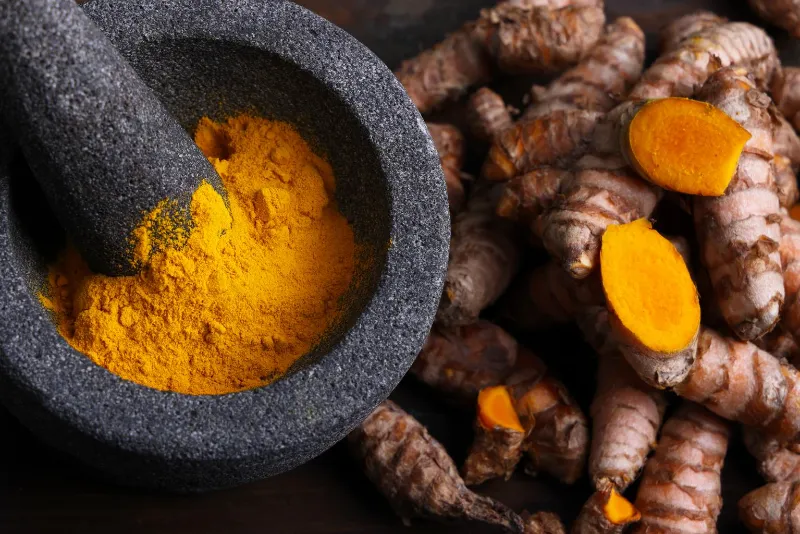
Turmeric has been used in traditional medicine for centuries, and modern science is catching up. Its active compound, curcumin, is one of the most studied anti-inflammatory substances in the world.
Curcumin works by blocking NF-kB, a molecule that activates genes related to inflammation. For acne-prone skin, reducing systemic inflammation can make a real visible difference.
Add turmeric to smoothies, golden milk lattes, soups, or scrambled eggs. Pair it with black pepper to increase curcumin absorption by up to 2000%.
Ginger

Ginger is another anti-inflammatory powerhouse that deserves a regular spot in your diet. It contains gingerols and shogaols, compounds that inhibit inflammatory pathways in the body.
Some research also suggests ginger has antimicrobial properties, meaning it may help fight the bacteria that contribute to acne breakouts directly.
Fresh ginger is easy to grate into stir-fries, teas, and smoothies. You can also slice it and steep it in hot water for a simple ginger tea that’s both soothing and beneficial.
Garlic
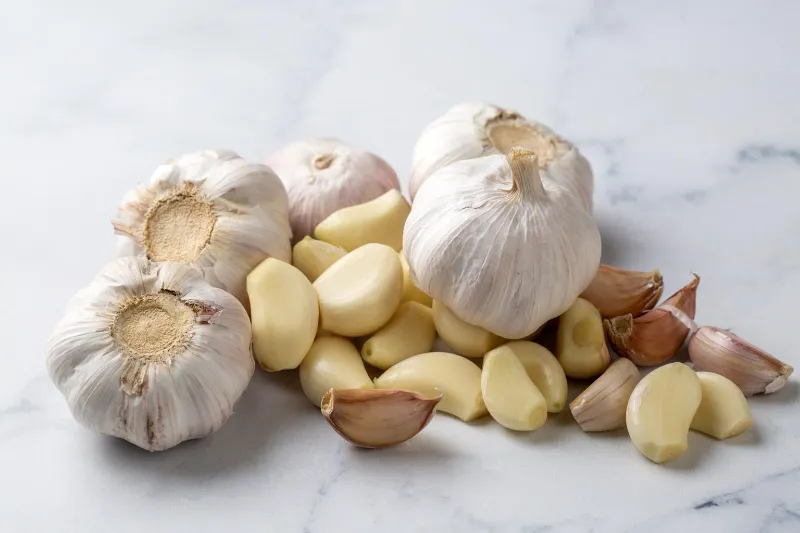
Garlic contains allicin, a sulfur compound released when garlic is crushed or chopped. Allicin has impressive antibacterial and anti-inflammatory properties that have been studied for their potential role in skin health.
Some studies suggest that allicin can inhibit the growth of Cutibacterium acnes, the bacteria most commonly associated with acne development.
Use fresh garlic generously in cooking. Let it sit for a few minutes after chopping before adding heat, as this allows more allicin to form.
Pumpkin Seeds
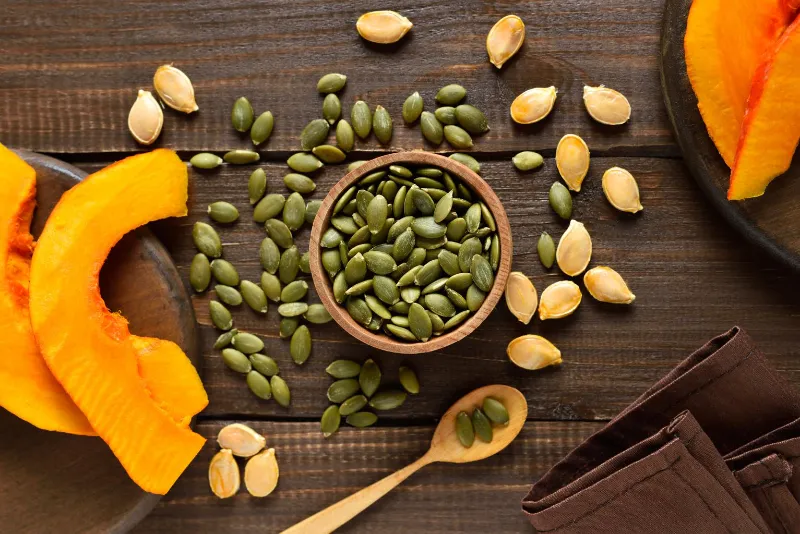
Pumpkin seeds are one of the richest plant-based sources of zinc, a mineral that’s critically important for acne-prone skin. Zinc helps regulate oil production, reduce inflammation, and inhibit acne-causing bacteria.
A meta-analysis published in BioMed Research International found that zinc supplementation was effective in reducing both inflammatory and non-inflammatory acne lesions.
Sprinkle pumpkin seeds on salads, blend them into smoothies, or snack on a small handful between meals. They’re also great in homemade trail mix.
Sunflower Seeds
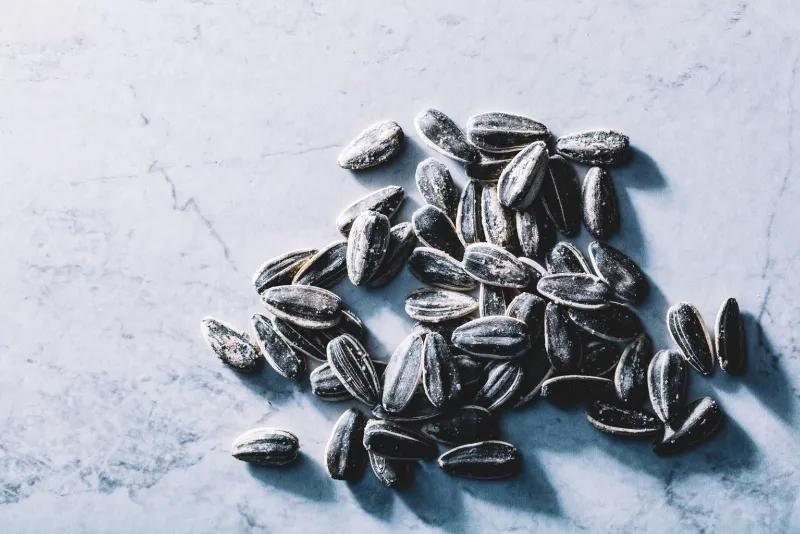
Sunflower seeds are an excellent source of vitamin E, one of the most important antioxidants for skin health. Just one ounce provides nearly 50% of your daily recommended vitamin E intake.
Vitamin E works alongside vitamin C to protect skin cell membranes from oxidative damage. Since acne-prone skin is already dealing with heightened inflammation, this protection really matters.
Add sunflower seeds to salads, granola, or just munch them as a snack. Sunflower seed butter is also a great option if you prefer a spread.
Dark Chocolate
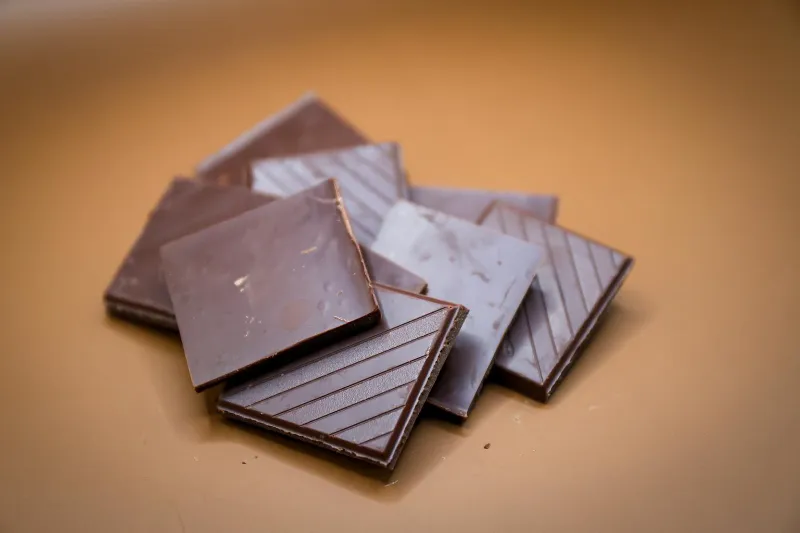
Yes, chocolate can actually be good for your skin, but only the right kind. Dark chocolate with 70% or more cacao is rich in flavanols, antioxidants that improve skin hydration and reduce inflammation.
A study published in the Journal of Nutrition found that consuming high-flavanol cocoa led to measurable improvements in skin texture, hydration, and blood flow over time.
One or two squares of good quality dark chocolate a day is the sweet spot. Just avoid milk chocolate, which is high in sugar and dairy, both of which can actually trigger acne.
Oysters

Oysters might not be on your regular grocery list, but they’re worth knowing about. They’re the single richest dietary source of zinc, with just six oysters providing more than 400% of your daily recommended intake.
Given how strongly zinc deficiency is linked to acne, oysters are one of the most targeted foods you can eat for clearer skin. They also contain selenium and omega-3s for added skin benefits.
If fresh oysters aren’t your thing, canned oysters are budget-friendly and easy to add to pasta, rice dishes, or chowders.
Eggs
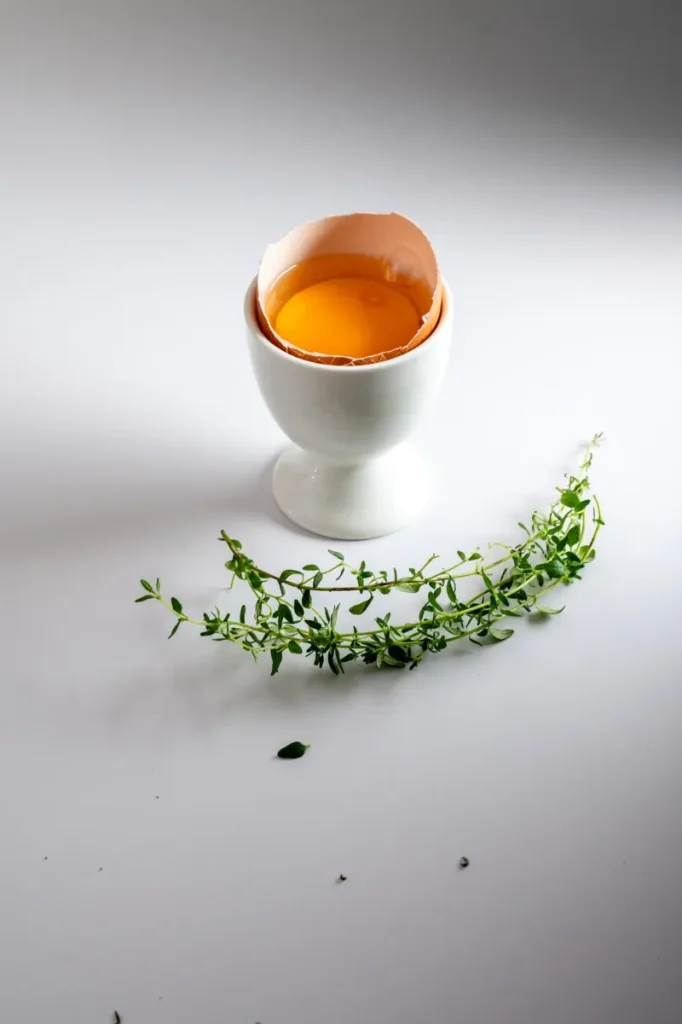
Eggs are a nutritional powerhouse that often gets overlooked in skin health conversations. They’re rich in protein, vitamin A, vitamin D, selenium, and lutein, all of which support healthy skin cell function.
The yolk specifically contains biotin, a B vitamin that plays a key role in maintaining the skin’s protective barrier. Biotin deficiency has been associated with dry, inflamed, and acne-prone skin.
Eggs are one of the most versatile foods out there. Scrambled, boiled, poached, or baked into dishes, aim for whole eggs rather than just whites to get the full skin-supporting nutrient profile.
Greek Yogurt
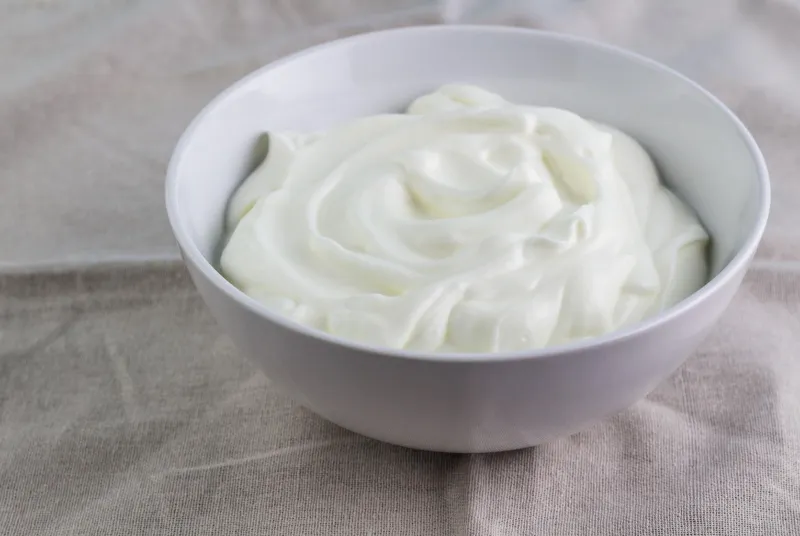
Greek yogurt is a great source of probiotics, the beneficial bacteria that support a healthy gut microbiome. There’s a growing body of research connecting gut health to skin health through what scientists call the gut-skin axis.
When your gut microbiome is out of balance, it can increase systemic inflammation, which shows up on your skin as breakouts. Probiotics help restore that balance.
Choose plain, full-fat Greek yogurt to avoid added sugars that can worsen acne. Top it with berries and pumpkin seeds for a skin-loving breakfast.
Kefir
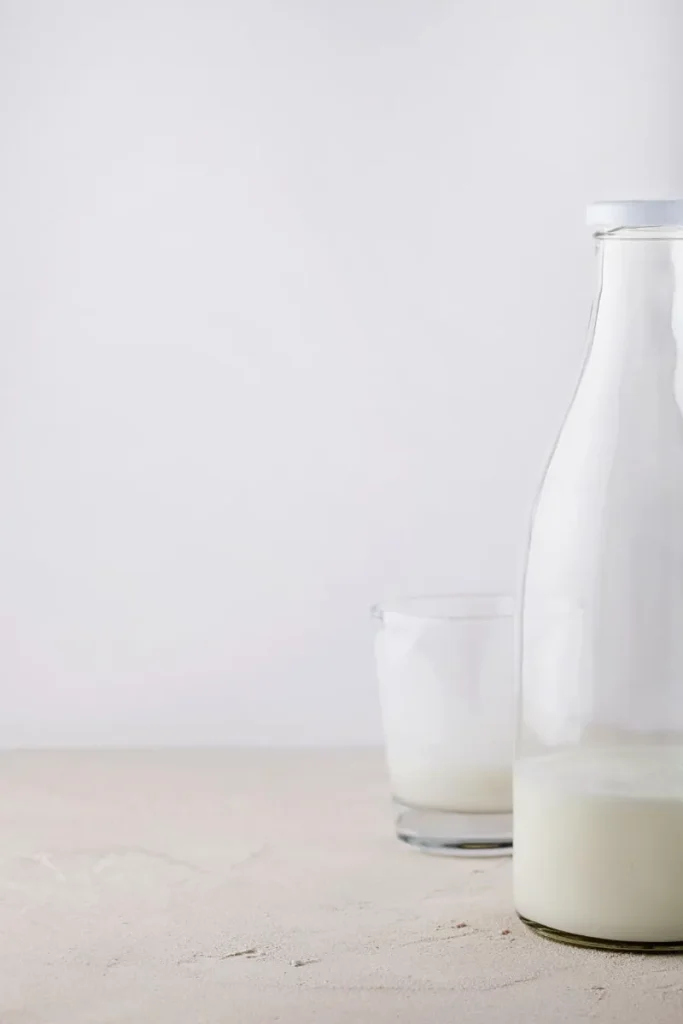
Kefir is a fermented milk drink that contains even more probiotics than yogurt. It’s rich in lactobacillus strains that have been studied for their ability to reduce skin inflammation and improve acne.
A study published in the Journal of Dairy Science found that regular kefir consumption positively altered the gut microbiome in ways that could benefit inflammatory conditions, including skin issues.
Drink kefir on its own, blend it into smoothies, or use it as a base for salad dressings. It has a pleasant tangy flavor that’s easy to enjoy.
Kimchi

Kimchi is a traditional Korean fermented vegetable dish that’s loaded with probiotics, vitamins, and antioxidants. It’s made from cabbage, radishes, garlic, and ginger, which means it’s bringing multiple skin benefits at once.
The fermentation process increases the bioavailability of its nutrients and generates beneficial bacteria that support gut health. As mentioned, a healthy gut is closely tied to clearer skin.
You can find kimchi in most grocery stores now. Add it as a side dish, toss it into rice bowls, or fold it into scrambled eggs for a flavorful boost.
Sauerkraut
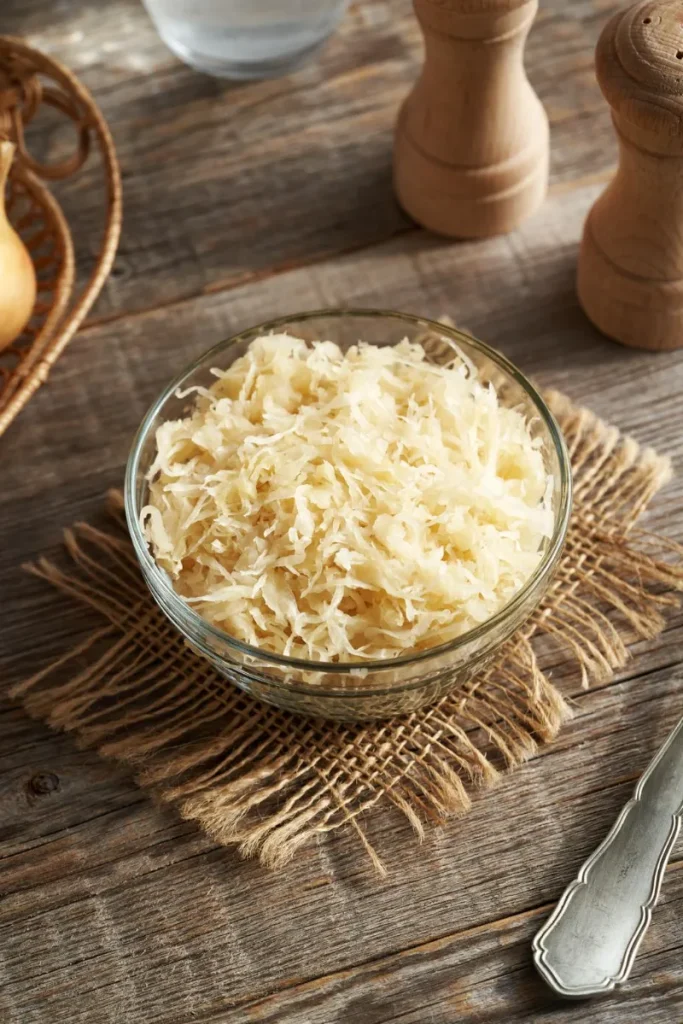
Sauerkraut, fermented cabbage, is one of the simplest and most accessible probiotic foods available. It’s rich in lactobacillus bacteria and vitamin C, both of which support skin health.
Research has shown that the probiotics in fermented foods like sauerkraut can help reduce the inflammatory cytokines that drive acne formation from the inside out.
Just make sure to buy the refrigerated kind, not the shelf-stable canned variety. The canned version is pasteurized, which kills the beneficial bacteria you’re after.
Brown Rice
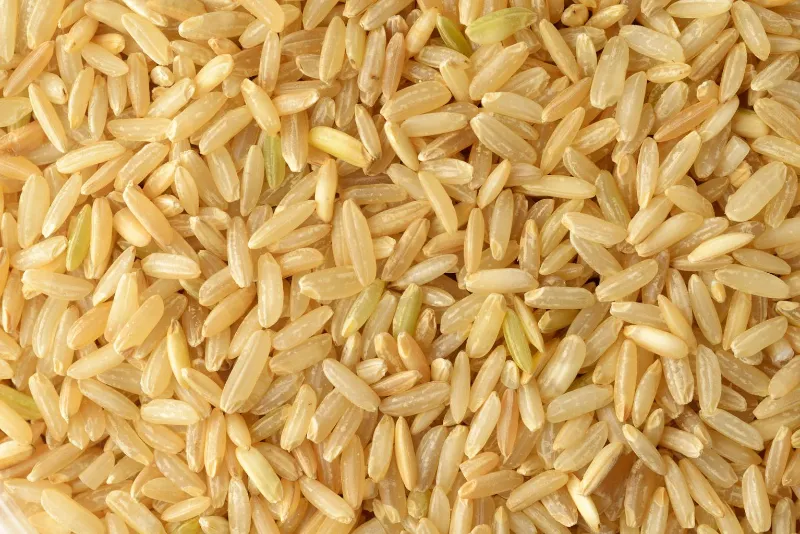
Brown rice is a whole grain that has a lower glycemic index than white rice. This matters for acne because high-glycemic foods spike your blood sugar, which triggers a cascade of hormones that increase oil production and inflammation.
Research from the American Journal of Clinical Nutrition found a significant link between high-glycemic diets and acne severity. Switching to lower-GI grains can be a practical game changer.
Brown rice works as a base for grain bowls, stir-fries, and side dishes. It takes a bit longer to cook than white rice, but the skin benefits make it well worth the extra few minutes.
Quinoa
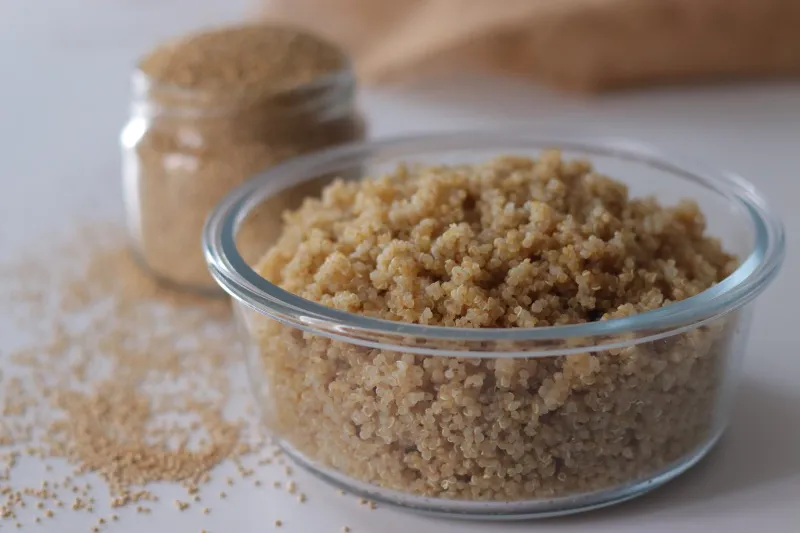
Quinoa is a complete protein grain that contains all nine essential amino acids. It’s also rich in zinc, iron, and magnesium, making it a well-rounded skin-supportive food.
Its low glycemic index means it won’t spike your blood sugar the way refined grains do. That hormonal stability translates to less oil production and fewer breakouts over time.
Use quinoa as a base for salads, mix it into soups, or prep a big batch at the start of the week to use across multiple meals.
Lentils
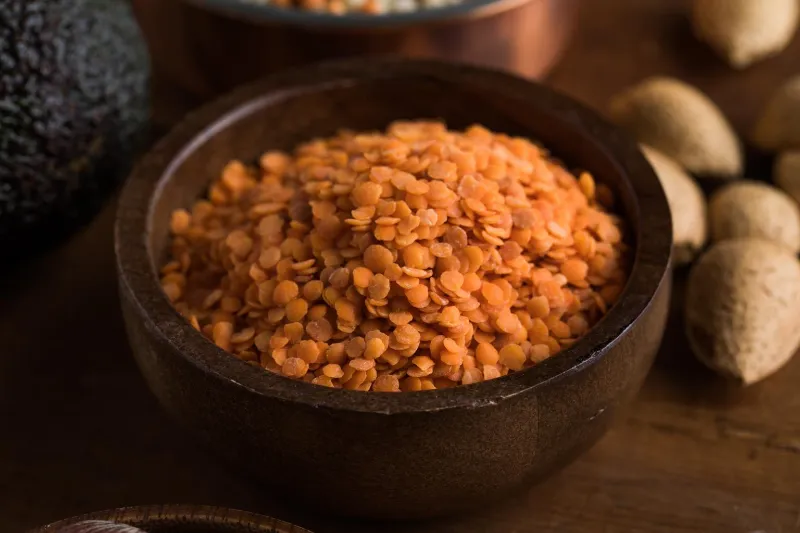
Lentils are an incredibly affordable and nutritious food that deserves more attention in the acne conversation. They’re high in protein, fiber, zinc, and folate, all while having a low glycemic index.
Their high fiber content is especially valuable. Fiber feeds beneficial gut bacteria, which supports the gut-skin axis and helps reduce systemic inflammation that can manifest as breakouts.
Red lentil soup, lentil tacos, and lentil salads are all easy and satisfying ways to eat more of this underrated legume.
Chickpeas
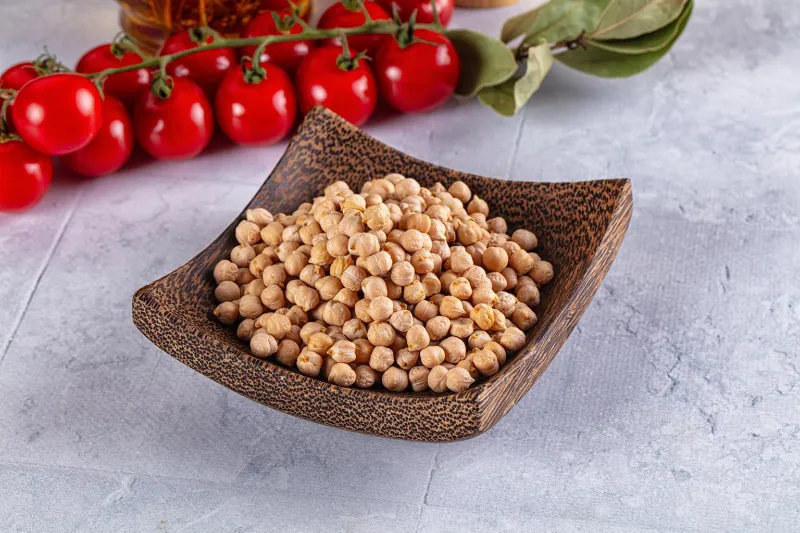
Chickpeas are another fiber-rich legume that supports both gut health and blood sugar stability. They’re also a solid source of zinc and vitamin B6, which helps regulate hormones that can contribute to acne.
Hormonal acne, the kind that clusters around the chin and jawline, is often driven by androgen fluctuations. Foods that support hormonal balance, like chickpeas, can help calm this type of breakout over time.
Roast chickpeas for a crunchy snack, blend them into hummus, or add them to salads and grain bowls for extra protein and texture.
Flaxseeds
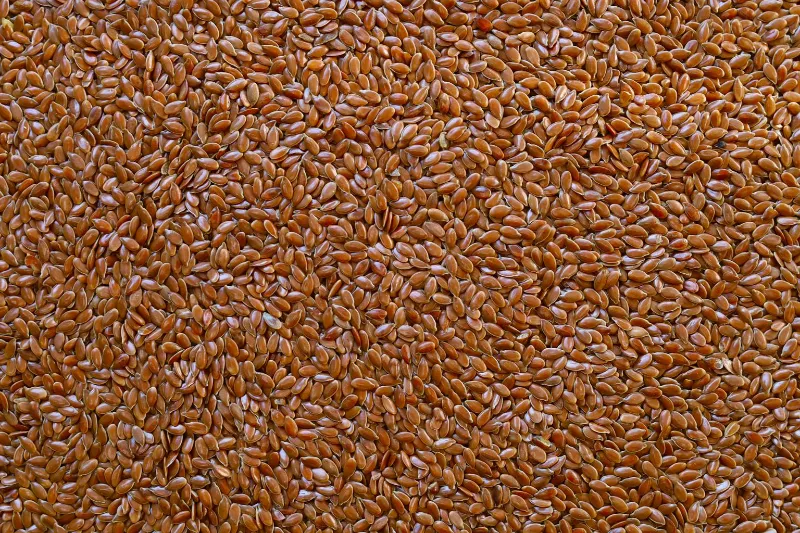
Flaxseeds are one of the richest plant-based sources of alpha-linolenic acid (ALA), a type of omega-3 fatty acid. They also contain lignans, antioxidant compounds that have anti-inflammatory effects.
While ALA isn’t as potent as the EPA and DHA found in fish, the body can convert some of it into these active forms. For people who don’t eat fish, flaxseeds are a valuable alternative.
Always use ground flaxseeds rather than whole, since your body can’t fully digest the whole seeds. Add a tablespoon to smoothies, oatmeal, or yogurt daily.
Chia Seeds
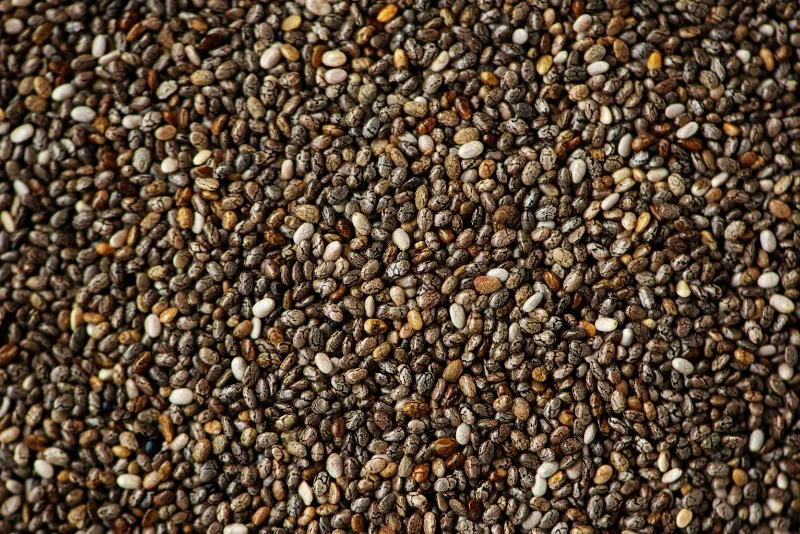
Chia seeds are tiny but remarkably nutrient-dense. They’re packed with omega-3 fatty acids, fiber, magnesium, and antioxidants, a combination that tackles acne from multiple angles at once.
The fiber in chia seeds feeds gut bacteria and helps regulate blood sugar levels, both of which are important factors in keeping your skin clear over the long term.
Soak chia seeds overnight to make chia pudding, or stir them into smoothies and oatmeal. They absorb liquid and expand, so they’re surprisingly filling too.
Green Apples
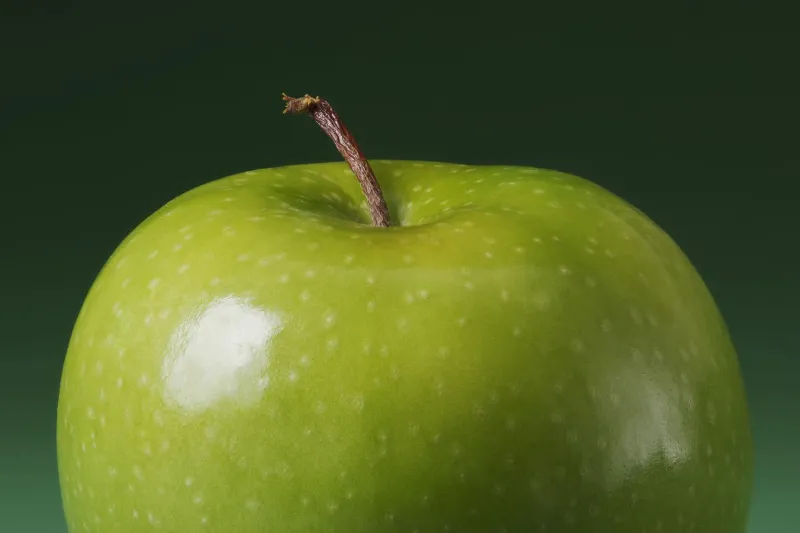
Green apples, like Granny Smiths, have a lower sugar content than red apples and are rich in quercetin, vitamin C, and dietary fiber. Quercetin in particular has been studied for its anti-inflammatory and antimicrobial effects.
The fiber in green apples also acts as a prebiotic, feeding the beneficial bacteria in your gut and supporting the gut-skin connection that research is increasingly linking to acne.
Eat them as a snack with almond butter, slice them into salads, or blend them into green smoothies for a crisp, refreshing flavor boost.
Cucumber
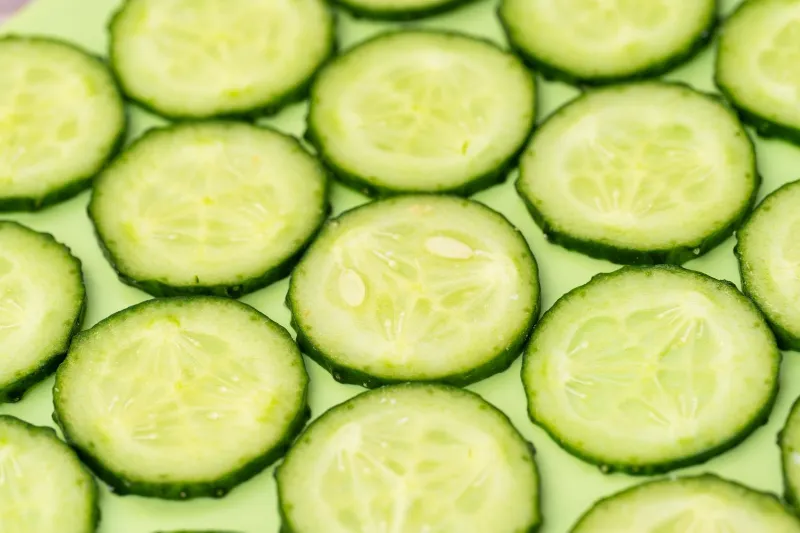
Cucumber is about 95% water, making it one of the most hydrating foods you can eat. Proper hydration is essential for maintaining the skin’s moisture barrier, which helps keep acne-causing bacteria and irritants out.
Cucumbers also contain silica, a trace mineral that supports collagen production and skin elasticity. They’re low in sugar and easy to eat in large amounts without worrying about glycemic impact.
Slice cucumbers into water, add them to salads, or snack on them with hummus. They’re one of the easiest and most refreshing ways to support your skin daily.
Carrots
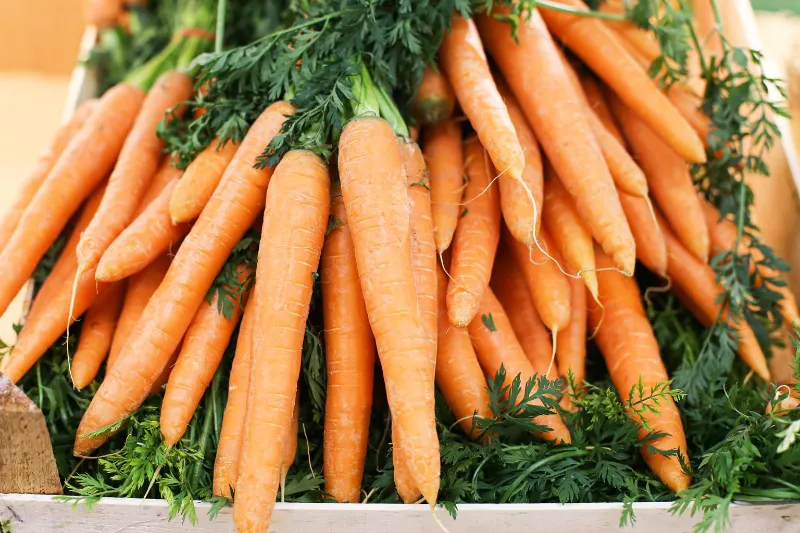
Carrots are another excellent source of beta-carotene, which converts to vitamin A in the body. As we touched on earlier, vitamin A is a key nutrient for regulating skin cell turnover and preventing clogged pores.
Research suggests that people with acne may benefit from adequate vitamin A intake, as it helps normalize the shedding of dead skin cells, a process that goes haywire in acne-prone skin.
Snack on raw carrot sticks with hummus, roast them as a side dish, or blend them into soups. They’re sweet, satisfying, and incredibly good for your skin.
Final Thoughts
Clearing your skin isn’t just about what you put on it. It’s also about what you put in your body. The 32 foods on this list all bring real, science-backed benefits that work from the inside out to reduce inflammation, balance hormones, support gut health, and keep your skin barrier strong.
You don’t need to overhaul your entire diet overnight. Start by adding two or three of these foods into your meals this week and build from there. Small, consistent changes add up in a big way, and your skin will show it.
