
27 Surprising Strep Throat Foods To Eat That Will Transform Your Health

If you’ve ever had strep throat, you know the misery. Every swallow feels like a battle, and the last thing you want to do is eat. But here’s the thing: what you eat when you’re sick can actually speed up your recovery and make the whole experience a lot more bearable.
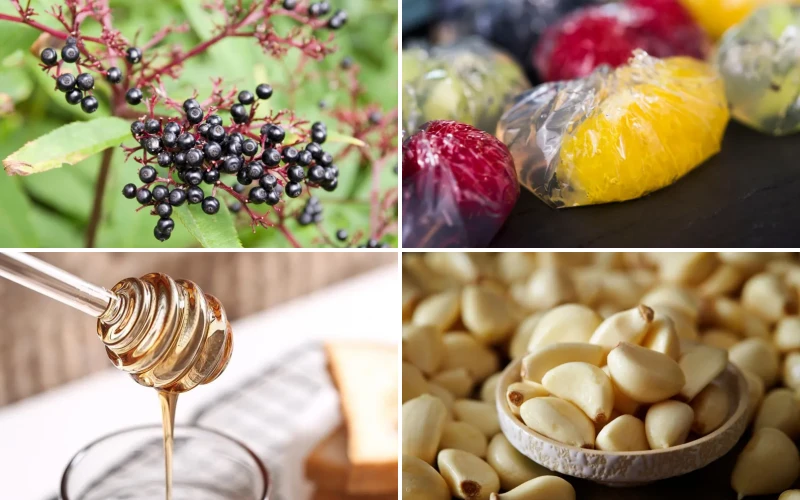
The good news? Some of these foods do more than just soothe. They actively fight inflammation, support your immune system, and help your body heal faster. Let’s dig into 27 surprising foods that can genuinely transform how you feel during and after strep.
1. Honey

Honey is basically nature’s throat coat. It has been used for centuries as a natural remedy, and modern science totally backs that up. Studies show raw honey contains hydrogen peroxide, bee defensin-1, and a low pH that collectively kill harmful bacteria, including Streptococcus.
The thick consistency is a bonus too. It physically coats your throat lining, which reduces that raw, scratchy feeling almost instantly. One study published in the journal BMJ Evidence-Based Medicine found honey outperformed common cough suppressants in relieving throat irritation.
Just stir a tablespoon into warm (not boiling) water or herbal tea. Heating honey too high destroys its beneficial enzymes, so keep it lukewarm. Always skip honey for children under one year old.
2. Ginger

Ginger is a powerhouse anti-inflammatory that most people seriously underestimate. It contains a compound called gingerol, which has documented antibacterial and antiviral properties that help your immune system fight back.
When your throat is swollen and tender, ginger helps calm that inflammation at the cellular level. It also eases nausea, which sometimes tags along with strep, especially when you’re on antibiotics. That makes it a double win when you’re feeling rough.
Steep a few slices of fresh ginger in hot water for about 10 minutes, add honey, and sip slowly. You can also add grated ginger to soups or smoothies for an effortless health boost.
3. Garlic
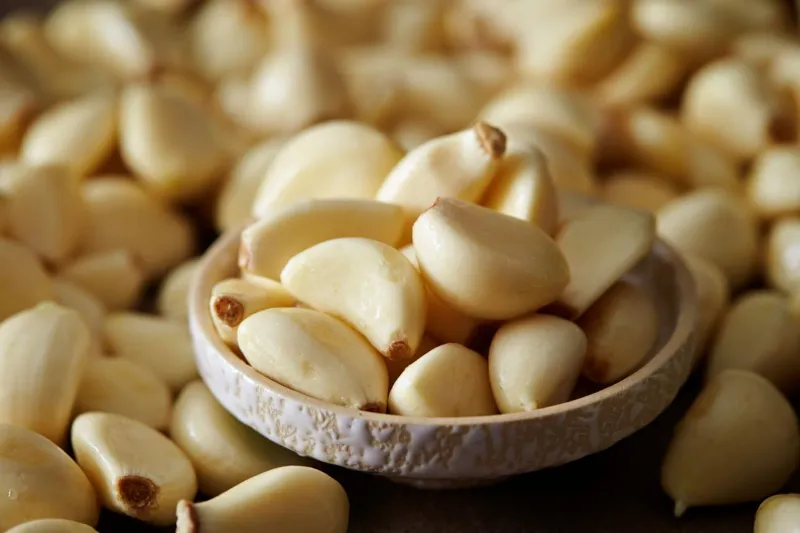
Garlic might not be the most appealing food when you’re sick, but it’s one of the most effective. The magic comes from allicin, a sulfur compound released when you crush or chop garlic. Allicin has strong antimicrobial properties, and research shows it can inhibit Streptococcus bacteria directly.
A study in the journal Phytotherapy Research confirmed that allicin-rich garlic extract showed significant antibacterial activity. That’s pretty compelling for a food you probably already have in your kitchen.
For the biggest benefit, crush a clove and let it sit for 10 minutes before using it. This maximizes allicin production. Add it to warm broth, mashed potatoes, or soups. Cooking reduces some potency, so raw is better if your stomach can handle it.
4. Chicken Soup

There’s a reason your grandma always pushed chicken soup when you were sick. It turns out she was onto something real. A study from the University of Nebraska found that chicken soup actually inhibits neutrophil migration, which is the process that causes inflammation in your upper respiratory tract.
Beyond the science, the warm liquid helps keep your throat moist, loosens mucus, and keeps you hydrated when swallowing feels brutal. The protein from the chicken also gives your immune system the raw materials it needs to produce antibodies.
Go for a simple homemade version if you can, since canned soups tend to be high in sodium. Load it with soft vegetables and add a little garlic for extra immune support. Sip it slowly and let it do its job.
5. Bone Broth
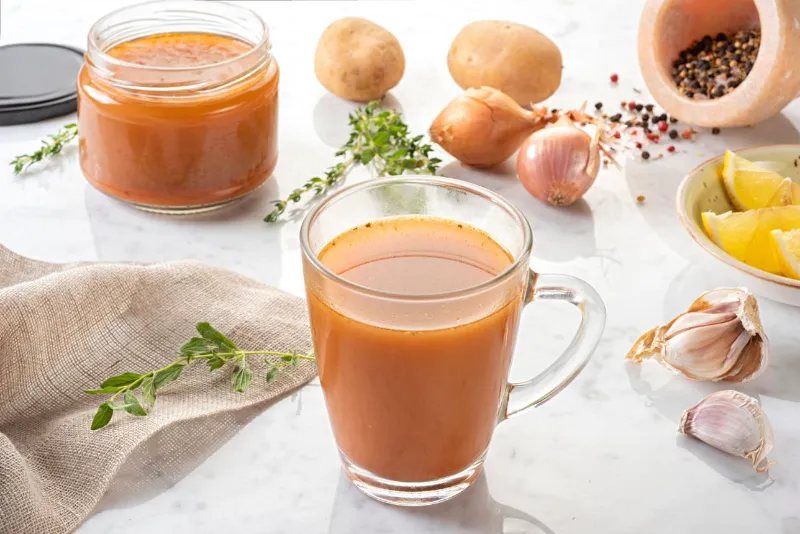
Bone broth takes chicken soup’s benefits and amplifies them. It’s rich in collagen, gelatin, and amino acids like glycine and proline, which help soothe and repair the mucous membranes lining your throat.
The glycine in bone broth also supports immune function and has been shown in animal studies to reduce inflammatory markers. Meanwhile, minerals like magnesium, calcium, and phosphorus are easily absorbed in liquid form, which matters when you’re not eating much solid food.
Sip it warm throughout the day like a savory tea. Look for brands that are slow-simmered for 12 to 24 hours for maximum nutrient density, or make your own by simmering chicken or beef bones with apple cider vinegar to draw out the minerals.
6. Warm Lemon Water

Lemon water is simple, accessible, and genuinely helpful. The vitamin C in lemon juice supports your immune system by stimulating the production of white blood cells. One medium lemon gives you about 30 to 40 mg of vitamin C, which adds up meaningfully when you’re sipping throughout the day.
The acidity in lemon also creates an environment that makes it harder for bacteria to thrive. Plus, the warm water itself soothes throat tissue and keeps you hydrated, which is one of the most important things you can do when you’re sick.
Squeeze half a lemon into warm (not hot) water, add a teaspoon of honey, and drink it first thing in the morning. It’s one of the easiest rituals you can build into your recovery routine. Your throat will thank you.
7. Turmeric
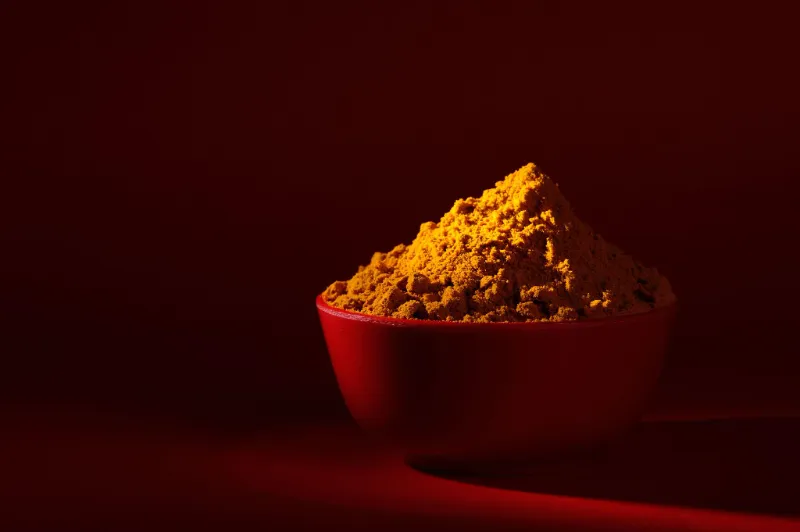
Turmeric is one of those foods that genuinely earns its superfood label. The active compound, curcumin, is one of the most well-studied natural anti-inflammatories in existence. It works by blocking NF-kB, a molecule that travels into your cell nuclei and switches on inflammation.
When you have strep, your throat is inflamed and angry. Curcumin helps dial down that response without the side effects of over-the-counter anti-inflammatories. Some research even suggests curcumin has direct antimicrobial activity against certain bacterial strains.
The catch is that curcumin is poorly absorbed on its own. Always pair it with black pepper, which contains piperine and boosts curcumin absorption by up to 2000 percent. Stir a teaspoon of turmeric and a pinch of black pepper into warm milk or broth for a cozy and effective drink.
8. Yogurt (with Live Cultures)
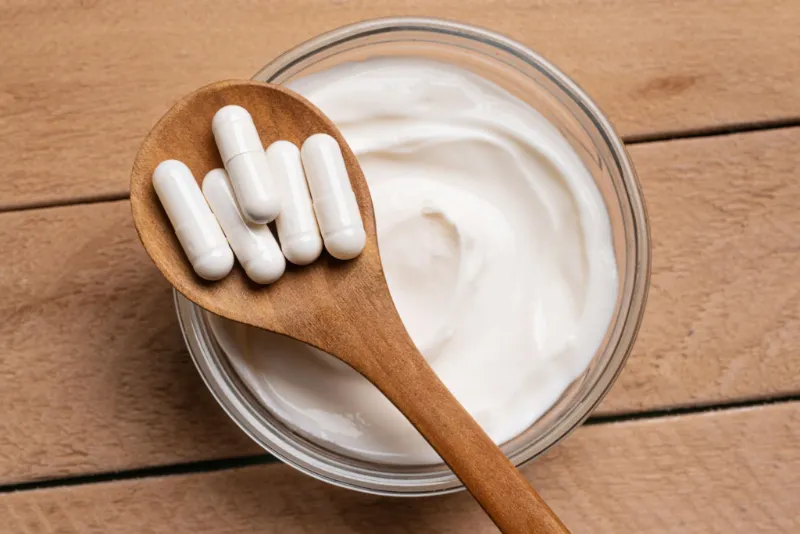
Not all yogurts are created equal. You want the kind with live active cultures, specifically Lactobacillus and Bifidobacterium strains. These probiotics help maintain a healthy balance of gut bacteria, which is directly connected to immune function.
About 70 percent of your immune system lives in your gut, so keeping that environment balanced matters enormously when you’re fighting an infection. Research published in the British Journal of Nutrition found that probiotic supplementation reduced both the incidence and duration of respiratory infections.
Go for plain, full-fat Greek yogurt and sweeten it naturally with honey. The cool, smooth texture is also incredibly soothing on an inflamed throat. If you’re on antibiotics, probiotics are especially important since antibiotics wipe out both bad and good bacteria.
9. Oatmeal

When eating feels hard, oatmeal is your best friend. It’s soft, warm, easy to swallow, and surprisingly nutritious. Oats contain beta-glucan, a type of soluble fiber that activates macrophages, the immune cells that hunt down and destroy bacteria.
Beta-glucan has been studied extensively and shown to enhance immune defenses, reduce inflammation, and even improve the effectiveness of antibiotic treatment in some research models. That’s a lot of power packed into a humble bowl of porridge.
Cook it on the softer side with a little extra water or milk, and top it with honey and banana. Skip crunchy granola or hard toppings that could irritate your already sore throat. A warm, creamy bowl of oats is one of the most comforting things you can eat right now.
10. Mashed Potatoes

Mashed potatoes deserve way more credit as a recovery food. They’re easy to swallow, soft on a sore throat, and packed with vitamin C, potassium, and vitamin B6, all of which play key roles in immune function.
Vitamin B6 is particularly important because it supports the production of T cells, the immune cells that directly attack bacteria. A medium potato contains about 30 percent of your daily B6 needs. That’s not nothing, especially when your body is working overtime.
Keep your mashed potatoes simple and smooth. Avoid heavy seasoning that might irritate your throat, and skip anything chunky. A little butter and warm milk is all you need. This is genuinely one of those foods that feels like a warm hug in a bowl.
11. Scrambled Eggs

Eggs are one of the most complete foods on the planet, and scrambled eggs are perfectly suited for a sore throat. They’re soft, high in protein, and loaded with nutrients including zinc, selenium, and vitamin D, all of which are critical for fighting off infection.
Zinc in particular is a heavy hitter for immune health. It helps activate T cells and has been shown in studies to reduce the duration of throat infections when taken early. One large egg provides about 5 percent of your daily zinc needs, and eating a couple adds up fast.
Scramble them gently on low heat so they stay soft and creamy rather than rubbery. Add a tiny pinch of turmeric for extra anti-inflammatory benefit. This is one of those recovery meals that’s quick, easy, and genuinely good for you.
12. Bananas

Bananas are the ultimate sick-day fruit. They’re soft enough to slide down a sore throat without causing any discomfort, and they’re rich in vitamin B6, potassium, and vitamin C. Potassium is especially important when you’ve been sweating from a fever or not eating much.
The natural sugars in bananas also give you a quick energy boost without spiking your blood sugar too dramatically. That gentle energy lift can make a real difference when you’re feeling wiped out and exhausted from fighting an infection.
Eat them ripe, when they’re at their sweetest and softest. You can also blend them into a smoothie or mash them into oatmeal for extra creaminess. Bananas are one of those foods that work hard without asking much of your tired body.
13. Applesauce
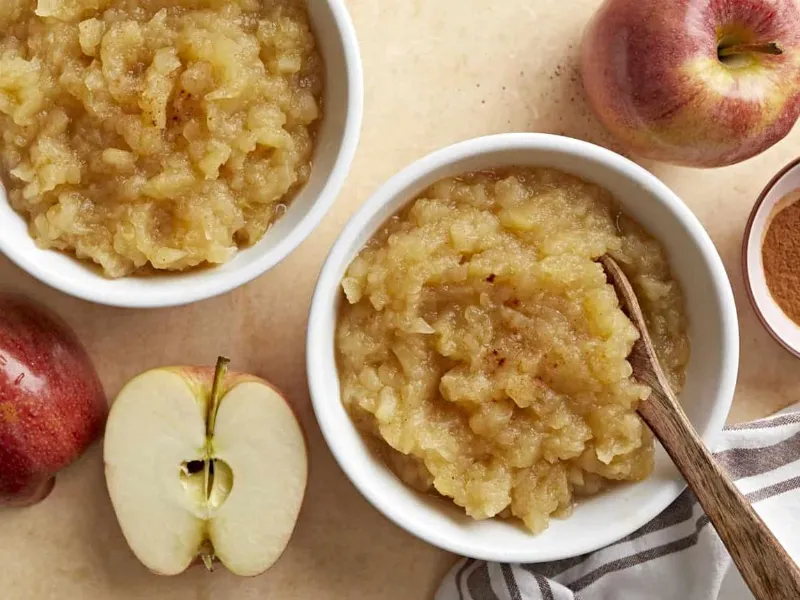
Applesauce is easy to overlook, but it’s a genuinely smart choice when you’re sick. It’s smooth, cool, easy to swallow, and provides pectin, a type of soluble fiber that feeds beneficial gut bacteria and supports immune health.
Apples also contain quercetin, a plant flavonoid with anti-inflammatory and antiviral properties. Research in the journal Nutrients highlighted quercetin’s ability to modulate the immune response and reduce oxidative stress, both of which matter during an active infection.
Choose unsweetened applesauce to avoid added sugar, which can actually suppress immune function temporarily. The cool temperature is also soothing on inflamed throat tissue. It’s simple, gentle, and effective, which is exactly what you need right now.
14. Avocado
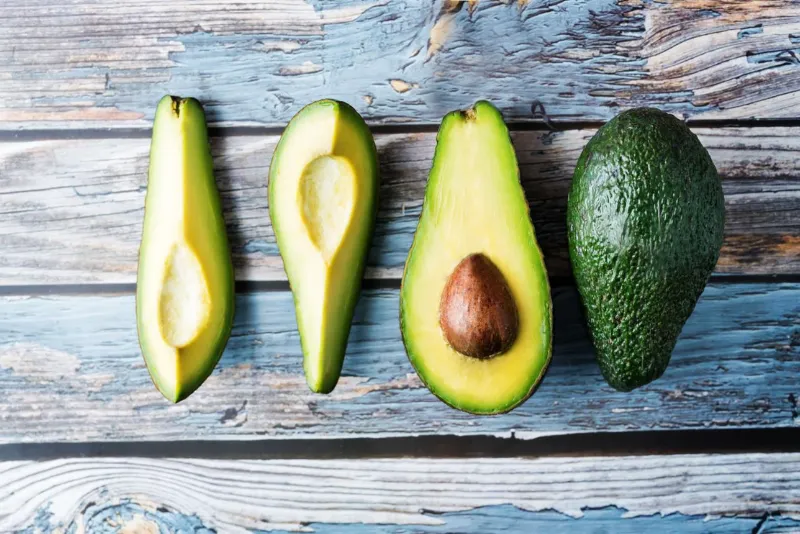
Avocado might surprise you on this list, but it genuinely earns its place. It’s incredibly easy to eat, with a buttery texture that slides down a sore throat effortlessly. And nutritionally, it’s a powerhouse packed with vitamins C, E, K, and B6, plus healthy monounsaturated fats.
Vitamin E is particularly valuable here. It’s a fat-soluble antioxidant that protects immune cells from damage and supports antibody production. Most Americans don’t get enough vitamin E, and strep is exactly the time when your immune cells need maximum protection.
Mash it simply with a little lemon juice and salt for an easy, soothing snack. You can also spread it on soft bread or stir it into a warm bowl of soup. The healthy fats also help your body absorb fat-soluble vitamins from other foods you’re eating, so think of avocado as a nutritional multiplier.
15. Coconut Oil
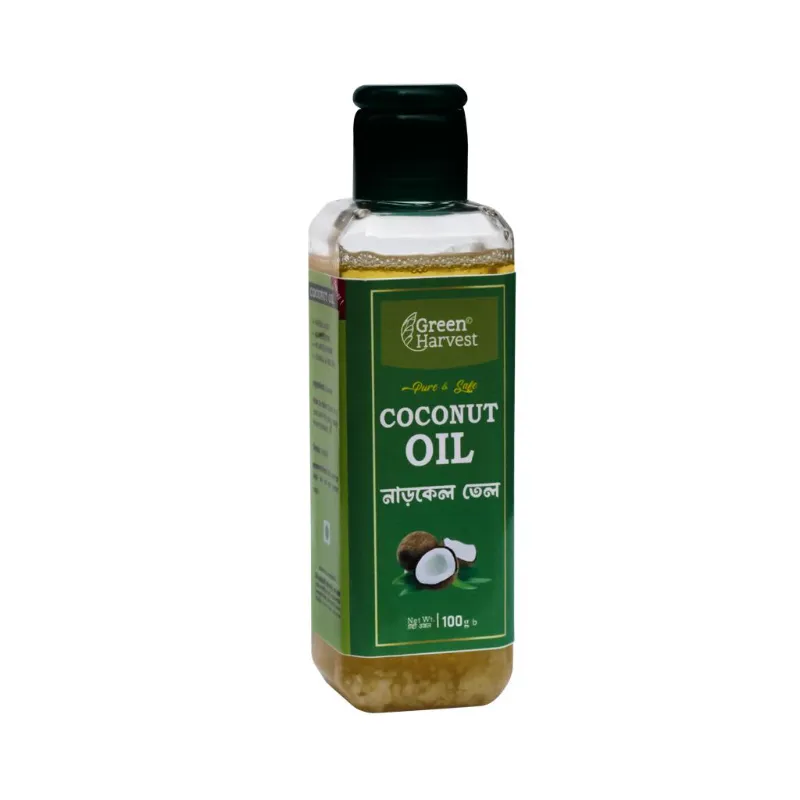
Coconut oil contains a medium-chain fatty acid called lauric acid, which your body converts to monolaurin. Here’s where it gets interesting: monolaurin has documented antimicrobial properties and has been studied for its ability to disrupt the cell membranes of bacteria, including Streptococcus.
Research published in the Journal of Medicinal Food showed that lauric acid could inhibit bacterial growth in laboratory settings. While it’s not a replacement for antibiotics, it can be a genuinely supportive addition to your recovery routine.
Add a teaspoon to warm herbal tea or stir it into soups and oatmeal. You can also use it for oil pulling, swishing a tablespoon around your mouth for 10 minutes, which some research suggests helps reduce harmful oral bacteria. It’s a small step with meaningful potential benefits.
16. Green Tea

Green tea is loaded with polyphenols called catechins, particularly EGCG (epigallocatechin gallate), which is one of the most studied natural antioxidants in existence. EGCG has demonstrated both antiviral and antibacterial properties in multiple research settings.
A study in the Journal of Agricultural and Food Chemistry found that green tea catechins could inhibit the growth of Streptococcus mutans and other harmful bacteria. The antioxidants also help reduce inflammation and protect your cells from oxidative stress during infection.
Brew it at around 175 degrees Fahrenheit rather than boiling, which preserves more of those delicate catechins. Add honey and lemon to turn it into a genuine throat-healing trifecta. Sip a few cups throughout the day and let the warmth and nutrients work together.
17. Peppermint Tea

Peppermint tea contains menthol, and that cooling sensation isn’t just a feeling. Menthol activates cold-sensitive receptors in your throat, which creates a numbing effect that temporarily eases throat pain. It’s essentially natural topical relief in a cup.
Beyond the numbing sensation, peppermint has real antibacterial and anti-inflammatory properties. Research has shown that peppermint oil inhibits the growth of several bacterial strains, and the rosmarinic acid in peppermint leaves has documented anti-inflammatory effects.
Brew a strong cup and let it cool to a warm but comfortable temperature. Add a little honey for extra soothing power. Peppermint tea is also caffeine-free, so it’s a great choice in the evening when you need relief but don’t want anything that will keep you awake.
18. Chamomile Tea

Chamomile has been used medicinally for thousands of years, and it holds up surprisingly well under scientific scrutiny. It contains apigenin, a flavonoid with anti-inflammatory and mild analgesic properties that can reduce throat swelling and discomfort.
Studies have also found that inhaling chamomile steam may help relieve congestion and sore throat symptoms. Meanwhile, chamomile’s gentle sedative effect supports restful sleep, and sleep is one of the most powerful tools your immune system has for fighting infection.
Brew a cup before bed and add honey for extra comfort. The ritual of warming your hands around a mug of chamomile tea is calming in itself, and that stress reduction also supports your immune response. Sometimes the simplest things make the biggest difference.
19. Elderberry

Elderberry has exploded in popularity, and for good reason. Research shows that elderberry extract contains anthocyanins that actively stimulate immune cell activity. A meta-analysis published in Complementary Medicine Research found that elderberry significantly reduced the duration and severity of respiratory infections.
Elderberry compounds also appear to block viruses from attaching to cell receptors, which may reduce the risk of secondary infections while your immune system is occupied fighting strep. That’s a meaningful benefit when you’re already vulnerable.
Look for elderberry syrup or lozenges at your local health food store. Take it at the first sign of illness and continue through your recovery. It’s safe for most adults and older children, though you should always check with your doctor if you’re on immunosuppressant medications.
20. Manuka Honey

Regular honey is impressive, but Manuka honey is in a different league. It comes from bees that pollinate the Manuka bush in New Zealand, and its key compound, methylglyoxal (MGO), gives it significantly stronger antibacterial activity than standard honey.
Studies published in the European Journal of Clinical Microbiology and Infectious Diseases found that Manuka honey was effective against Streptococcus pyogenes, the exact bacteria responsible for strep throat. That’s not a coincidence worth ignoring.
Look for a UMF (Unique Manuka Factor) rating of 10 or higher for therapeutic benefit. It’s more expensive than regular honey, but a small amount goes a long way. Stir it into warm tea, take it straight off the spoon, or swallow it slowly to coat your throat for as long as possible.
21. Sweet Potatoes

Sweet potatoes are one of the richest sources of beta-carotene you can eat, and your body converts beta-carotene into vitamin A. Vitamin A plays a critical role in maintaining the mucous membranes that line your throat and respiratory tract, essentially keeping your body’s first line of defense intact.
When those membranes are healthy, they’re better at trapping and expelling bacteria before they can cause deeper damage. Vitamin A deficiency is actually linked to increased susceptibility to respiratory infections, which makes sweet potatoes a genuinely strategic food choice.
Bake or steam them until they’re very soft, then mash with a little butter and a pinch of cinnamon. Skip the marshmallow toppings and keep it simple. The naturally sweet flavor and soft texture make them one of the most satisfying foods you can eat when your throat is sore.
22. Smoothies

When eating solid food feels impossible, smoothies are the answer. You can pack an enormous amount of nutrition into a single glass, and the cool temperature is immediately soothing on an inflamed throat. They’re also completely customizable depending on what your body needs most.
A well-built smoothie can include banana for potassium and energy, Greek yogurt for probiotics and protein, frozen berries for vitamin C and antioxidants, ginger for its anti-inflammatory effects, and honey for soothing and antibacterial properties. That’s a serious nutritional punch in one drinkable meal.
Blend everything until completely smooth, with no chunks that could irritate your throat. Drink it slowly rather than gulping it down. Think of your smoothie as a healing vehicle, not just a snack, and build it intentionally with recovery in mind.
23. Ice Cream and Frozen Yogurt

Yes, this one is real, and yes, it actually helps. Cold foods temporarily numb inflamed throat tissue and provide relief from pain in a way that’s both immediate and enjoyable. Your doctor may have even recommended this one as a kid, and the science supports it.
The key is choosing options that aren’t too sugary or acidic, since both can irritate already-sensitive throat tissue. Frozen yogurt with live cultures is a particularly smart choice because you get the numbing benefit plus the probiotic support.
Stick to smooth flavors without chunks, nuts, or candy mix-ins. Take small spoonfuls and let them melt slowly in your mouth so the cold has time to numb your throat tissue rather than just passing through quickly. This might be the most enjoyable prescription you’ve ever received.
24. Gelatin and Jell-O

Gelatin is an underrated recovery food, and here’s why. It’s made from collagen, and when you eat it, your body uses those amino acids to support tissue repair and maintain the integrity of your gut lining. A healthy gut lining is directly linked to stronger immune function.
Glycine, one of the primary amino acids in gelatin, also has anti-inflammatory properties and has been shown in research to help reduce inflammatory markers throughout the body. When your throat is inflamed and your immune system is in overdrive, that’s genuinely useful support.
Plain gelatin dissolved in warm water with lemon and honey is the cleanest option. If you go the Jell-O route, look for lower-sugar versions. Either way, the cool, slippery texture is easy on a sore throat and goes down without any discomfort. It’s comfort food with actual benefits.
25. Soft-Cooked Vegetables
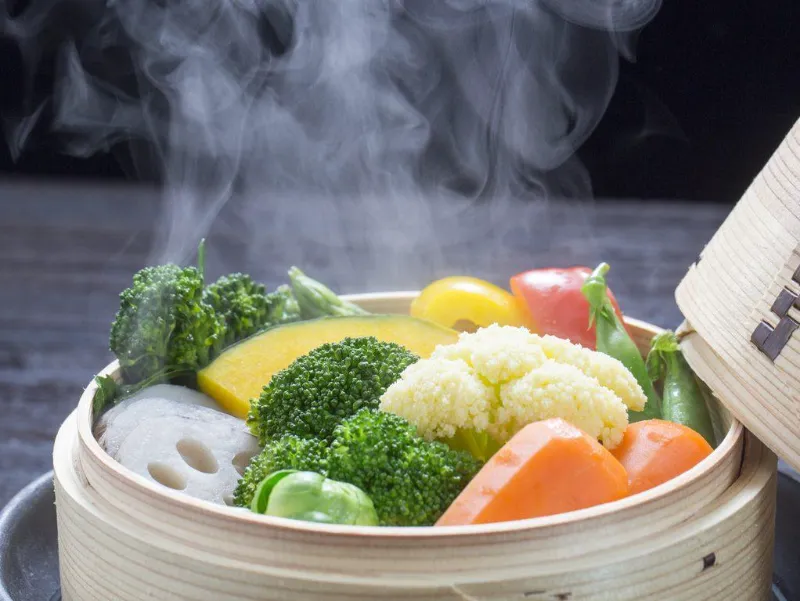
When you’re sick, vegetables are the last thing most people feel like eating. But your body desperately needs the micronutrients to fuel your immune response, and soft-cooked vegetables make getting them easy. Think steamed carrots, zucchini, cooked spinach, and soft butternut squash.
Cooked vegetables are much easier on a sore throat than raw ones, and some nutrients actually become more bioavailable after cooking. Cooked carrots, for example, deliver more beta-carotene (which converts to vitamin A) than raw. Cooked spinach provides more iron and calcium per serving than raw spinach.
Steam or boil vegetables until they’re genuinely tender, then season lightly with salt and a drizzle of olive oil. Adding them to soups or broths is an easy way to get multiple servings without much effort. Your immune system will be grateful even if your taste buds are less enthusiastic right now.
26. Pomegranate Juice

Pomegranate juice is one of the most antioxidant-rich drinks you can consume. It contains punicalagins and punicic acid, compounds that are unique to pomegranate and have shown impressive anti-inflammatory and antibacterial properties in research settings.
A study published in the International Journal of Food Microbiology found that pomegranate extract inhibited the growth of several bacterial strains, including oral Streptococcus. Another study found that pomegranate juice had higher antioxidant activity than red grape juice and green tea combined, which puts it in elite company.
Look for 100 percent pure pomegranate juice with no added sugar. Dilute it slightly with water if the tartness feels too sharp on your throat. Drink it slowly and let it coat your throat as it goes down. This is one of those instances where something tasting a little intense is actually a sign that it’s working.
27. Sage

Sage is one of the most respected herbal remedies for throat ailments in traditional medicine across multiple cultures, and it has solid scientific backing to support that reputation. It contains rosmarinic acid and other phenolic compounds with strong anti-inflammatory and antibacterial properties.
A study in the European Journal of Medical Research found that a sage and echinacea spray was as effective as a chlorhexidine and lidocaine spray for relieving sore throat symptoms. That’s a meaningful result for a simple herb that most people have in their spice cabinet right now.
Brew sage tea by steeping a tablespoon of fresh or dried sage leaves in boiling water for 10 minutes, then strain and let it cool to a comfortable temperature. You can also use it as a gargle, which gets the active compounds directly onto inflamed throat tissue. Add honey and lemon to make it more palatable and even more effective.
Final Thoughts
Strep throat is miserable, but what you eat during recovery genuinely matters. These 27 foods give your immune system real nutritional ammunition, soothe your throat naturally, and help you bounce back faster. Start with a few that feel most accessible and build from there.
You don’t need to try everything at once. Even adding two or three of these foods consistently can make a meaningful difference in how quickly you feel like yourself again. Your body knows how to heal. Give it the right fuel and get out of its way.
