
25 Proven Foods To Eat When Sick You Need to Start Eating Now

Feeling under the weather is the worst. Your body aches, your energy is gone, and the last thing you want to do is think about what to eat.

But here’s the thing — what you eat when you’re sick can make a real difference in how fast you bounce back. So let’s talk about the 25 best foods to reach for when your body needs it most.
1. Chicken Soup

There’s a reason your grandma always made chicken soup when you were sick. It’s not just comfort — it’s actually science.
Chicken soup has been shown in studies to help reduce upper respiratory symptoms. The warm broth helps thin mucus secretions, making it easier to breathe, while the steam acts as a natural decongestant.
The combination of protein from the chicken, vitamins from the vegetables, and hydration from the broth gives your immune system real fuel to work with. A bowl or two a day when you’re sick is honestly one of the best things you can do for yourself.
2. Ginger

Ginger is one of those foods that punches way above its weight. Even a small amount can do a lot for your body when you’re feeling rough.
It contains a compound called gingerol, which has powerful anti-inflammatory and antioxidant properties. Studies have found that ginger can help ease nausea, soothe an upset stomach, and even reduce sore throat pain.
You can sip it as a tea, grate fresh ginger into hot water with lemon and honey, or add it to soups and broths. It’s easy to use and works fast, so keep some fresh ginger root in your kitchen year-round.
3. Honey

If you’ve got a cough that won’t quit, honey might be your new best friend. Research published in the journal BMJ Evidence-Based Medicine actually found that honey outperformed some over-the-counter cough suppressants.
Honey has natural antimicrobial properties and coats the throat to soothe irritation and calm that scratchy feeling. Raw honey, in particular, contains small amounts of antioxidants and enzymes that support immune function.
Stir a spoonful into warm tea, mix it with lemon juice and hot water, or just take it straight off the spoon. Just remember — never give honey to children under one year old.
4. Garlic
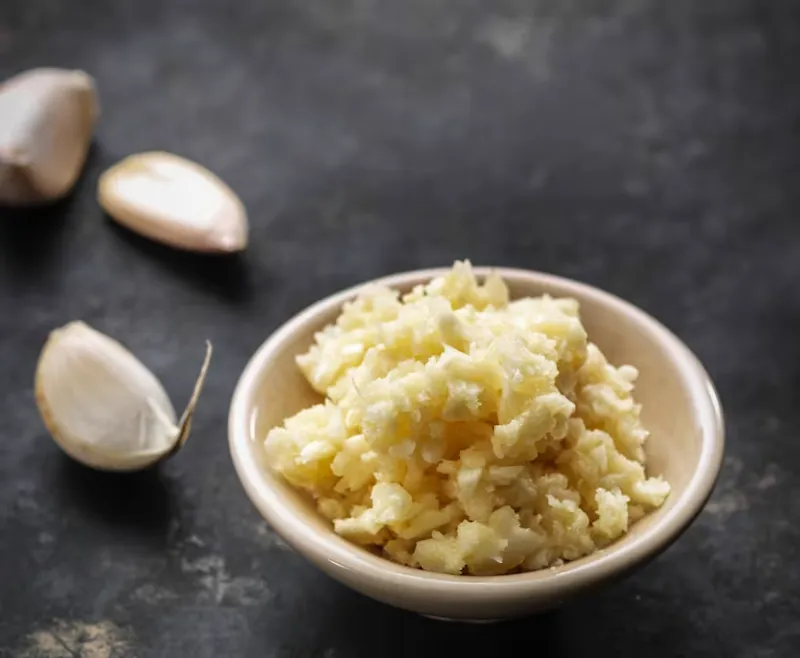
Garlic smells strong for a reason. Those sulfur compounds — especially one called allicin — are what give garlic its powerful immune-boosting reputation.
Studies have shown that people who take garlic supplements get sick less often, and when they do get sick, they recover faster. Raw garlic delivers the most allicin, but even cooked garlic still provides immune support.
Add it generously to soups, stir it into broths, or mix minced garlic with olive oil and use it as a simple sauce. Your breath might suffer, but your immune system will thank you.
5. Turmeric

Turmeric is the golden spice that’s had a wellness moment for a reason. Its active compound, curcumin, is one of the most well-researched natural anti-inflammatories out there.
When you’re sick, your body is inflamed and working overtime. Curcumin helps calm that inflammatory response, and research suggests it may also support immune cell activity.
The easiest way to use it is in a warm golden milk latte — just heat up some milk (dairy or plant-based), add turmeric, a pinch of black pepper (which boosts curcumin absorption by up to 2,000%), and a little honey. It’s cozy, soothing, and genuinely helpful.
6. Bone Broth
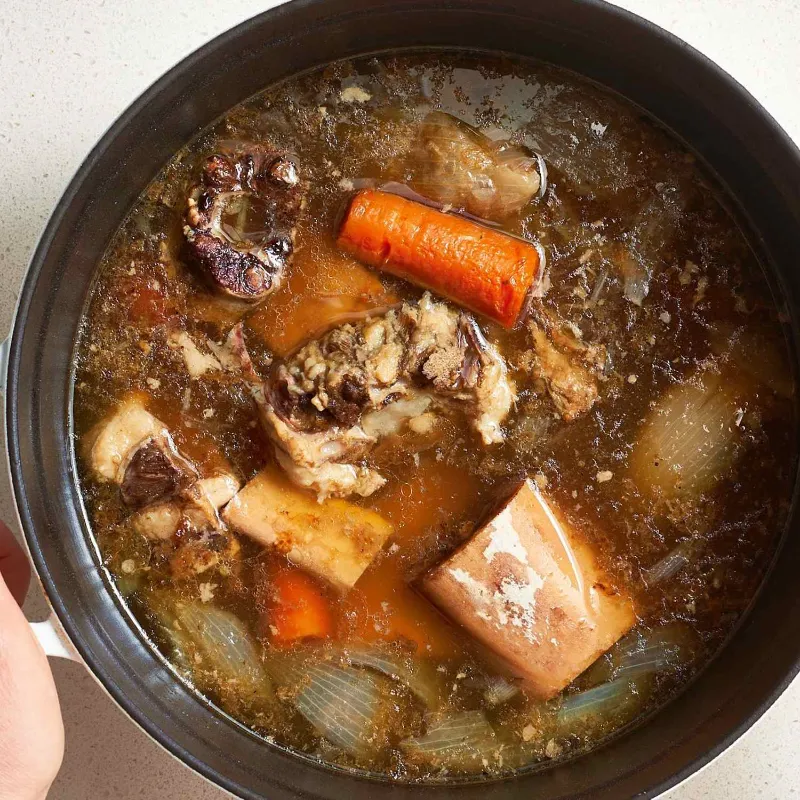
Bone broth is basically slow-cooked nutrition in a cup. When bones simmer for hours, they release collagen, gelatin, amino acids like glycine and proline, and minerals like calcium, magnesium, and phosphorus.
These nutrients help support gut health, reduce inflammation, and keep you hydrated when you’re struggling to eat solid foods. The gelatin in bone broth is especially helpful for soothing and protecting the lining of your digestive tract.
Sip it warm like tea, use it as the base for soups, or cook rice and vegetables in it for extra nutrition. Store-bought works, but homemade is even better if you have the time.
7. Yogurt

Your gut and your immune system are deeply connected — about 70% of your immune cells live in your gut, which is exactly why yogurt deserves a spot on this list.
Yogurt is packed with probiotics, the beneficial bacteria that keep your gut microbiome balanced. A healthy gut microbiome means a stronger, more responsive immune system when you need it.
Look for yogurt that says “live and active cultures” on the label. Plain Greek yogurt is a great option since it’s also high in protein. Add a drizzle of honey or some sliced banana to make it easier to get down when you’re not feeling great.
8. Oatmeal
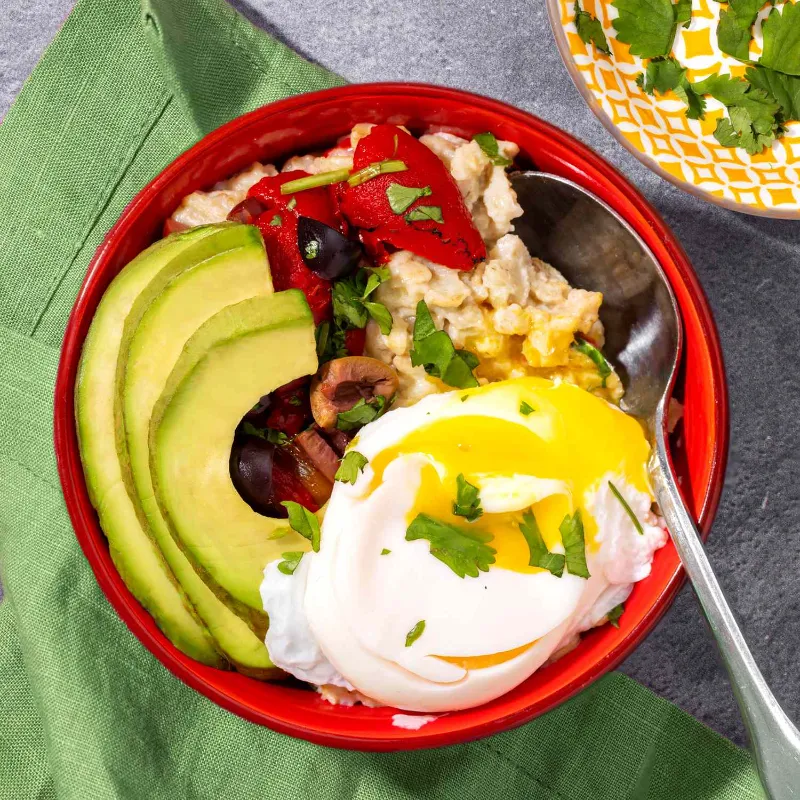
When your appetite is off and everything sounds unappealing, oatmeal is a gentle, nourishing choice your stomach can actually handle.
Oats contain a type of soluble fiber called beta-glucan, which research has linked to immune system activation. Beta-glucan helps stimulate immune cells called macrophages and natural killer cells — your body’s first line of defense.
Oatmeal is also easy to digest, warming, and filling without being heavy. Cook it with water or milk, add a spoonful of honey, some sliced banana, and a pinch of cinnamon for a sick-day breakfast that actually feels good.
9. Bananas

Bananas are one of the few foods that almost always sound okay when you’re sick. They’re soft, easy to digest, and packed with nutrients your depleted body needs.
They’re rich in potassium, which is crucial for replacing electrolytes lost through sweating, vomiting, or diarrhea. Bananas also contain vitamin B6 and a small amount of vitamin C, both important for immune function.
The natural sugars in bananas give you a gentle energy boost without spiking your blood sugar or upsetting your stomach. Keep a bunch on the counter so they’re always within reach on sick days.
10. Blueberries
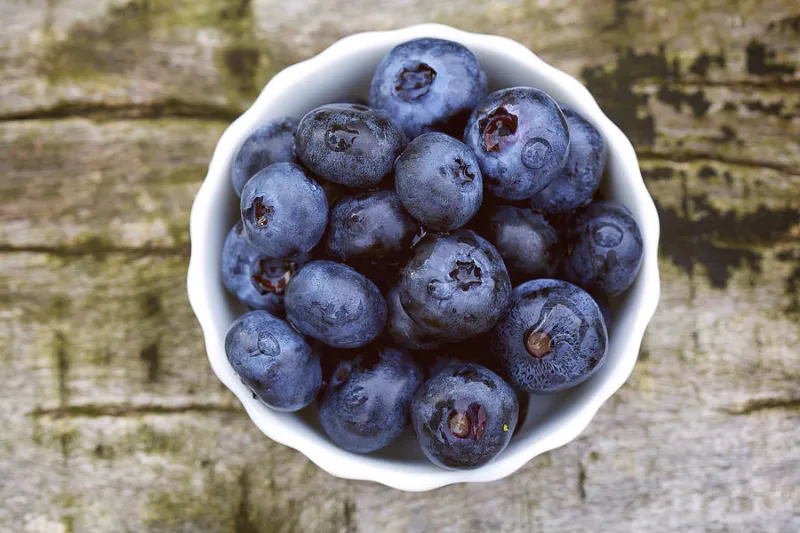
Blueberries are tiny but loaded with immune-supporting nutrition. They’re one of the richest sources of antioxidants of any fruit, particularly a group of flavonoids called anthocyanins.
Research from the University of Auckland found that people who regularly ate flavonoid-rich foods were significantly less likely to develop upper respiratory tract infections. Anthocyanins also have anti-inflammatory and antiviral properties that can help your body fight off illness.
Toss them into oatmeal, blend them into a smoothie, or just eat them by the handful. Frozen blueberries work just as well as fresh, so stock your freezer and don’t worry about seasonality.
11. Oranges
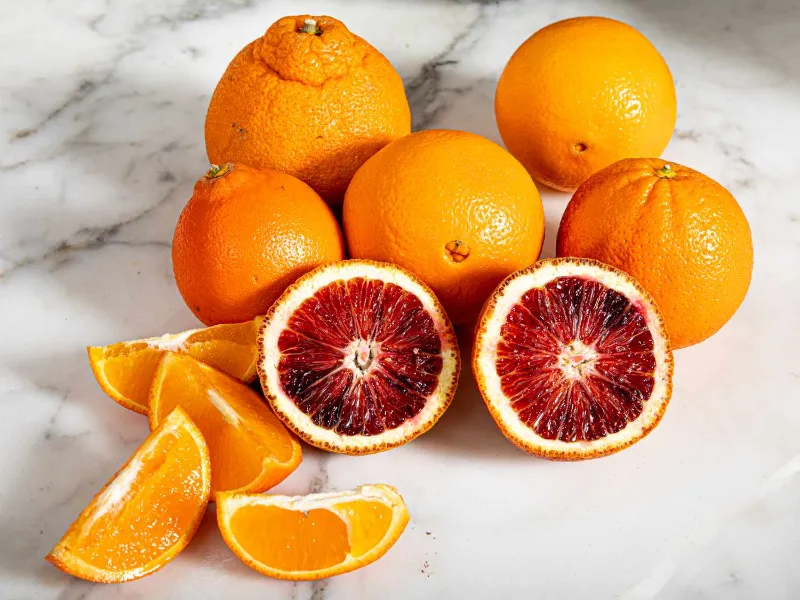
Everyone knows about vitamin C when it comes to getting sick, and oranges are one of the best natural sources around. One medium orange gives you about 70 milligrams of vitamin C, which is close to the daily recommended amount.
Vitamin C supports the production and function of white blood cells, which are your body’s main infection fighters. Research also suggests it may help shorten the duration of a cold by a day or two when taken consistently.
Fresh orange juice, whole oranges, or even orange segments are all great options. But go for whole fruit over juice when you can, since you’ll also get fiber, which supports gut health.
12. Kiwi
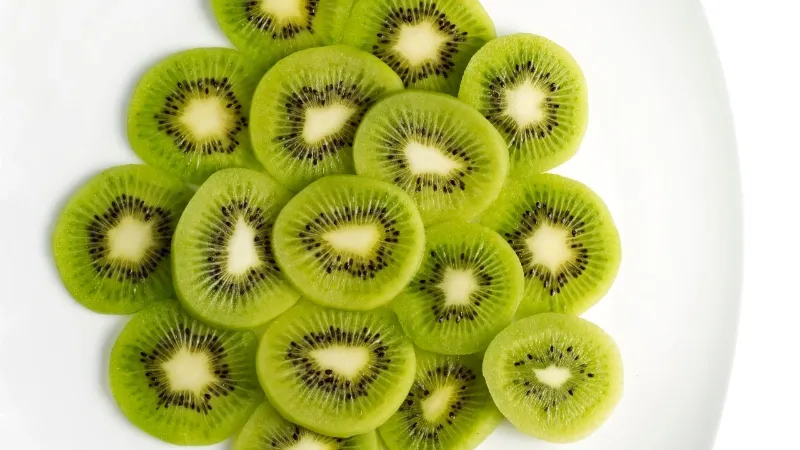
Kiwi doesn’t always get the attention it deserves, but it’s one of the most vitamin C-dense foods you can eat. Ounce for ounce, kiwi actually has more vitamin C than oranges.
Beyond vitamin C, kiwi also provides vitamin K, vitamin E, folate, and potassium. A study from the University of Otago found that eating kiwi regularly reduced the severity and duration of upper respiratory infections in older adults.
Slice them in half and scoop out the flesh with a spoon, or throw a couple into a smoothie. They’re tart, refreshing, and packed with everything your immune system needs.
13. Pomegranate
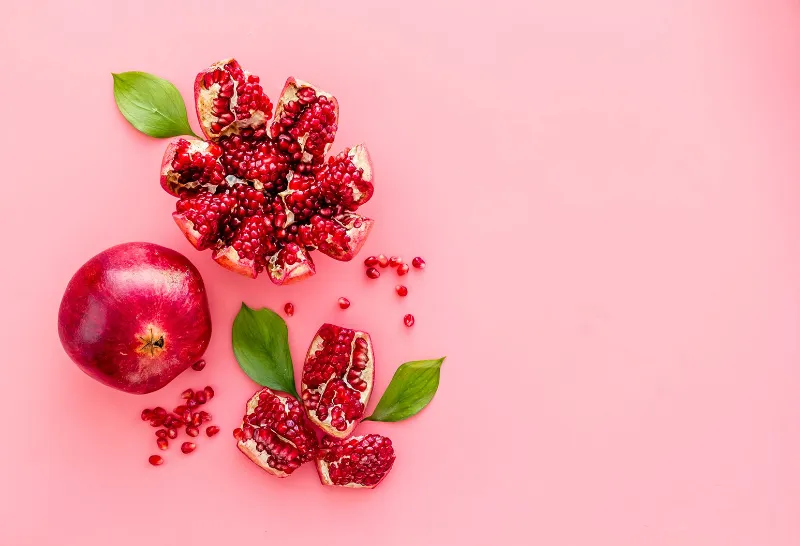
Pomegranate might feel like a fancy choice, but its health benefits are seriously impressive. The seeds and juice are loaded with punicalagins and punicic acid, two antioxidants found almost exclusively in pomegranate.
These compounds have strong anti-inflammatory, antiviral, and antibacterial properties. Some research suggests pomegranate extract can help inhibit the replication of certain viruses, making it a smart choice when you’re fighting something off.
Pure pomegranate juice is the easiest way to get it in. Just check the label and make sure it’s 100% pomegranate juice with no added sugar. A small glass a day can go a long way.
14. Green Tea

Green tea has been used medicinally for thousands of years, and modern science has backed up why. It’s rich in a powerful antioxidant called EGCG (epigallocatechin gallate), which has been shown to have antiviral and immune-boosting properties.
Green tea also contains L-theanine, an amino acid that supports the production of germ-fighting compounds in your T-cells. Plus, the warmth helps with congestion and the mild caffeine can give you a gentle energy lift without the jitters.
Brew a cup with water just under boiling — too hot can destroy some of the beneficial catechins. Add a squeeze of lemon and a little honey to make it even more soothing and effective.
15. Peppermint Tea
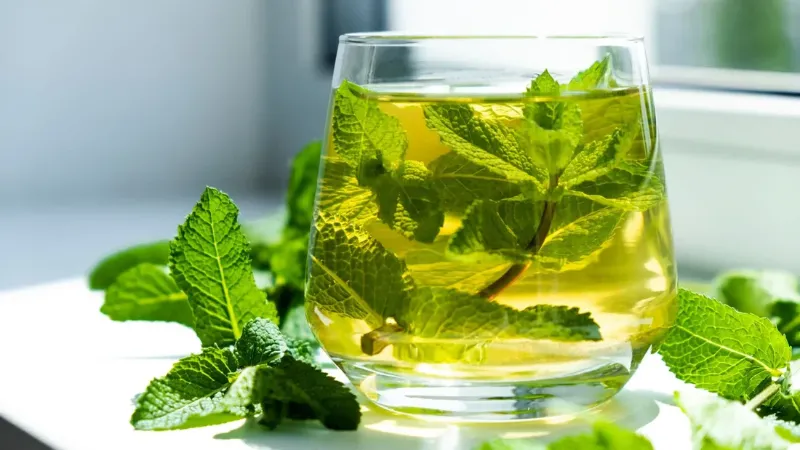
If you’re congested, nauseous, or dealing with a pounding headache, peppermint tea is genuinely one of the most soothing things you can reach for.
The menthol in peppermint acts as a natural decongestant and has a mild numbing effect that can soothe a sore throat. Research has also shown that peppermint has antiviral and antibacterial properties that can support your immune response.
Brew a strong cup, hold it close to your face for a few seconds and breathe in the steam, then sip slowly. It’s one of those simple remedies that feels almost immediately calming when you’re miserable.
16. Elderberry
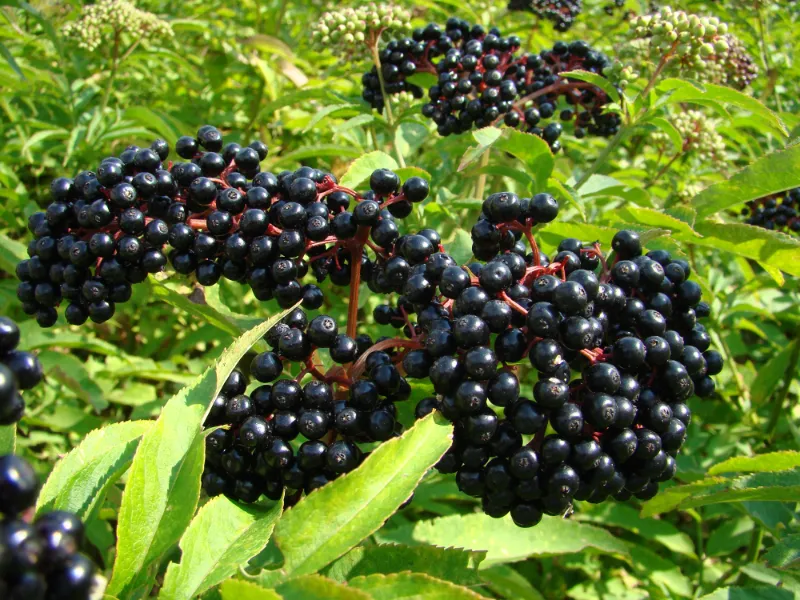
Elderberry has had a serious glow-up in the wellness world, and for good reason. It’s loaded with antioxidants, particularly anthocyanins, and has a long history of use as a natural remedy for colds and flu.
Multiple studies have found that elderberry extract can reduce the duration of flu symptoms by up to four days. It appears to work by boosting immune cytokine production and may also help block viruses from entering cells.
You can find elderberry in syrup, gummies, capsules, and teas. Elderberry syrup is one of the most popular forms — just look for a version with minimal added sugar and take it at the first sign of illness.
17. Broccoli
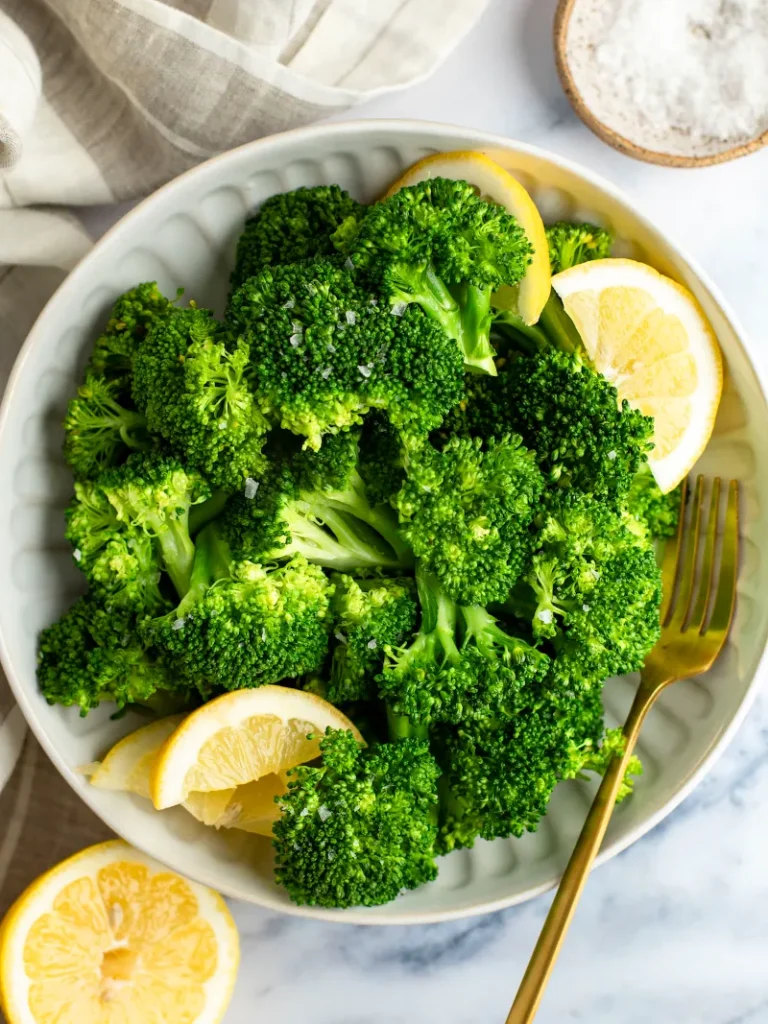
Broccoli is one of the most nutrient-dense vegetables on the planet, and when you’re sick, that density really matters.
It’s packed with vitamins C, A, and E, plus antioxidants and fiber. Research has also highlighted a compound in broccoli called sulforaphane, which has been shown to boost the activity of antioxidant genes and enzymes in immune cells.
If your appetite is low, try steaming broccoli until it’s very soft so it’s easy to eat, or blend it into a simple soup with garlic and bone broth. It doesn’t need to be fancy to be effective.
18. Spinach
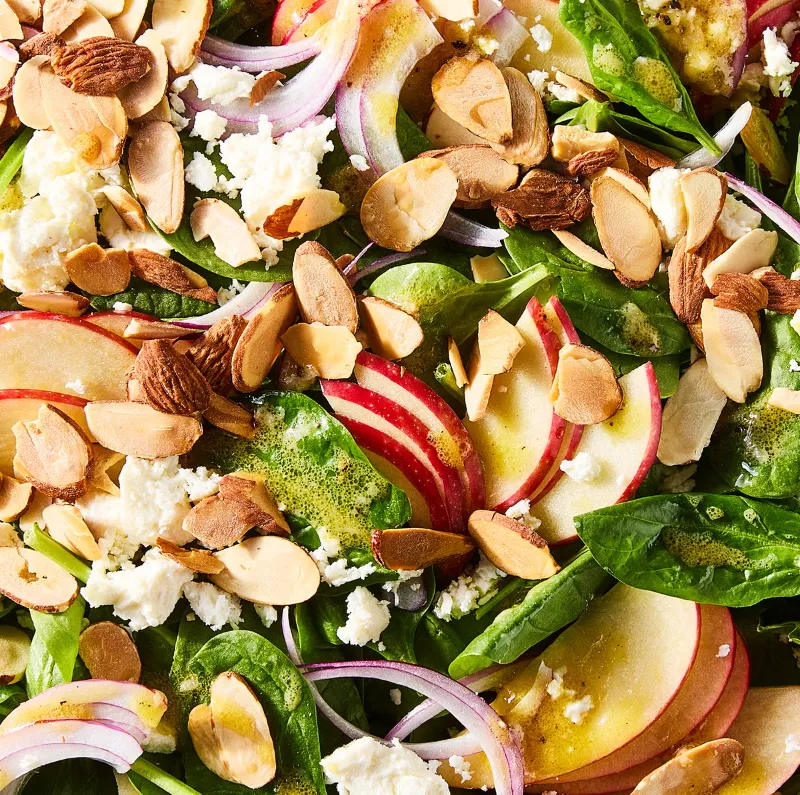
Spinach is a quiet powerhouse that belongs in your sick-day routine. It’s rich in vitamin C, vitamin A, iron, folate, and a wide range of antioxidants that all work together to support immune function.
Folate in particular is important because it helps your body produce and maintain new cells, including immune cells. Iron is also critical — even mild iron deficiency can impair your immune response and leave you feeling more fatigued.
When you’re sick, wilted spinach in soup or broth is one of the easiest ways to get it in. Or if you can handle a smoothie, blend a big handful with banana, frozen blueberries, and a little orange juice for a sneaky nutrient boost.
19. Sweet Potatoes
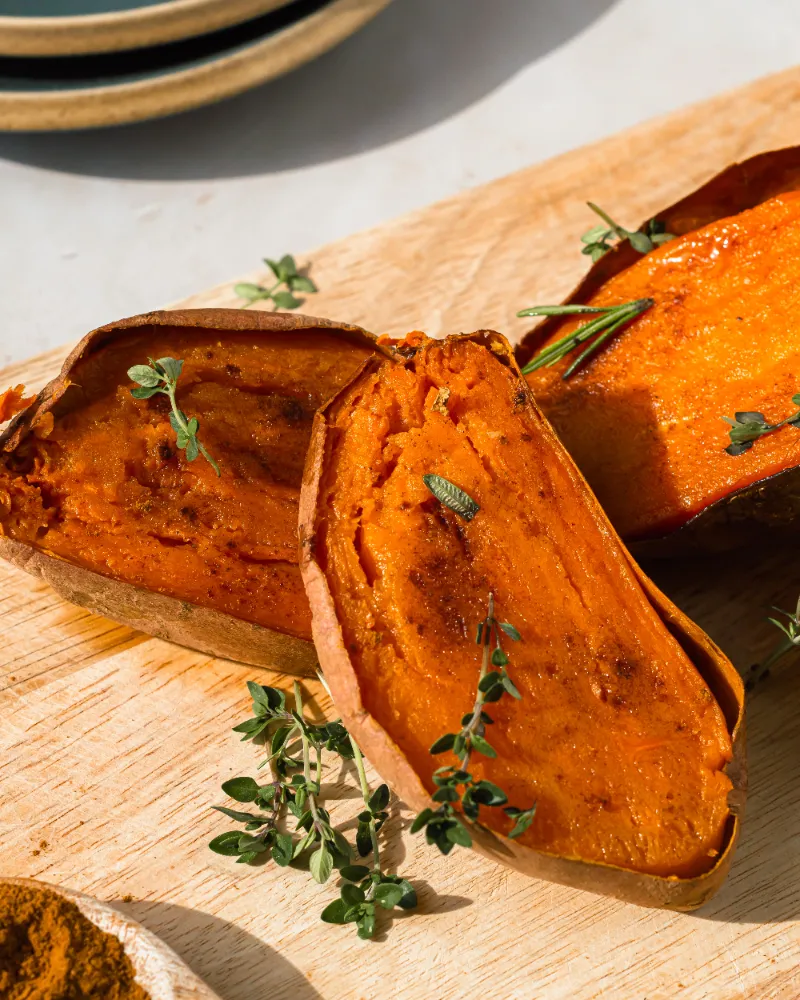
Sweet potatoes are rich in beta-carotene, which your body converts into vitamin A. And vitamin A is absolutely essential for maintaining healthy mucous membranes — the first physical barrier your body uses to keep viruses and bacteria out.
Research has shown that vitamin A deficiency is linked to weakened immunity and increased susceptibility to infections. Getting enough of it helps your body mount a faster and more effective defense.
Baked sweet potato is easy to digest, naturally sweet, and incredibly nourishing. A little butter or coconut oil on top helps your body absorb the fat-soluble beta-carotene even better.
20. Avocado
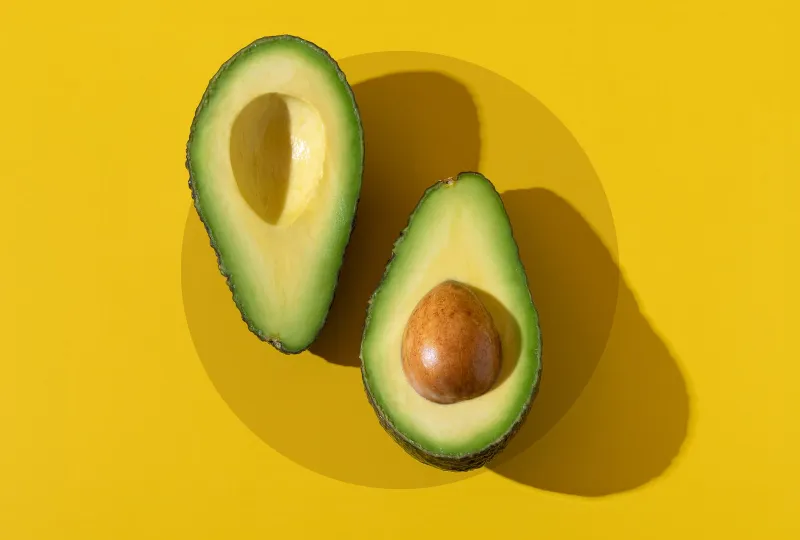
Avocado might not be the first thing you think of when you’re sick, but it’s one of the most nutrient-rich foods you can eat to support recovery.
It’s loaded with healthy monounsaturated fats, which help your body absorb fat-soluble vitamins like A, D, E, and K. It also provides vitamin B6, vitamin C, vitamin E, and potassium — all of which play roles in immune function and energy metabolism.
When you don’t have much appetite, avocado on soft toast or mashed into a simple bowl with a pinch of salt is easy to eat and genuinely satisfying. It’s calorie-dense enough to fuel your body even when you can only manage a few bites.
21. Salmon
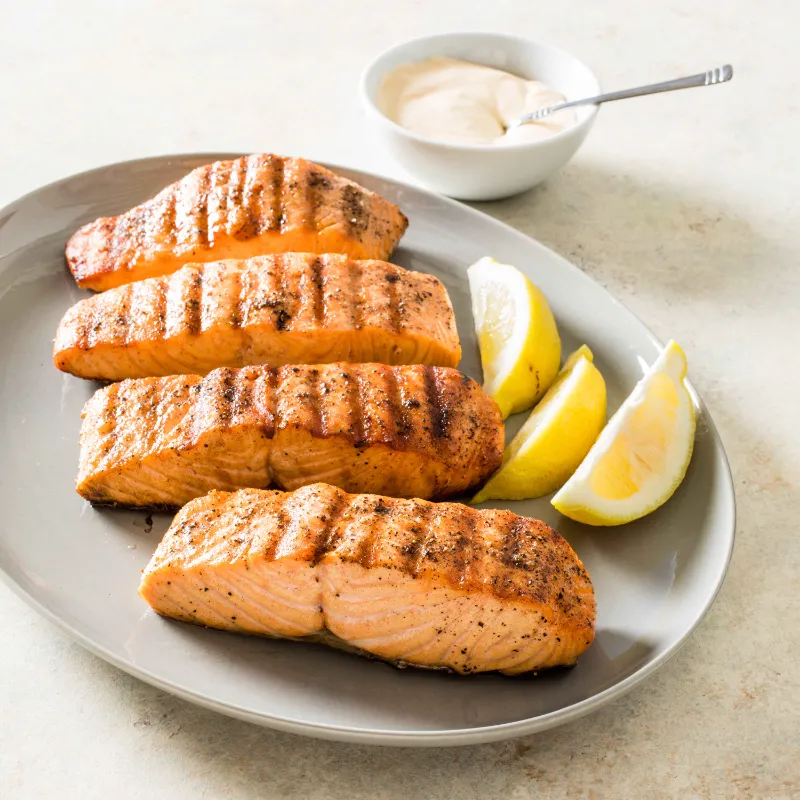
Your body does most of its healing during rest, and salmon helps support that process with omega-3 fatty acids, high-quality protein, and vitamin D — three nutrients that are critical when you’re sick.
Omega-3s, specifically EPA and DHA, help regulate the inflammatory response, which is important because runaway inflammation is what causes a lot of the misery you feel when you’re ill. Vitamin D has also been consistently linked to immune function, and many Americans are already deficient.
A simple baked or poached salmon fillet is one of the best sick-day dinners you can make. It’s gentle, easy to eat, and delivers serious nutritional recovery support in one meal.
22. Eggs

Eggs are one of the most complete foods available, and they’re especially valuable when you’re sick and your body is working hard to rebuild and defend.
They provide high-quality complete protein (meaning all nine essential amino acids), zinc, selenium, and vitamins B12 and D. Zinc and selenium are both critical minerals for immune cell function and antioxidant defense, and many people don’t get enough of either.
Scrambled eggs are soft, easy to make, and easy to eat even when you’re exhausted. Add some spinach or turmeric to the scramble if you’re feeling up to it, and you’ve got a genuinely healing little meal.
23. Almonds
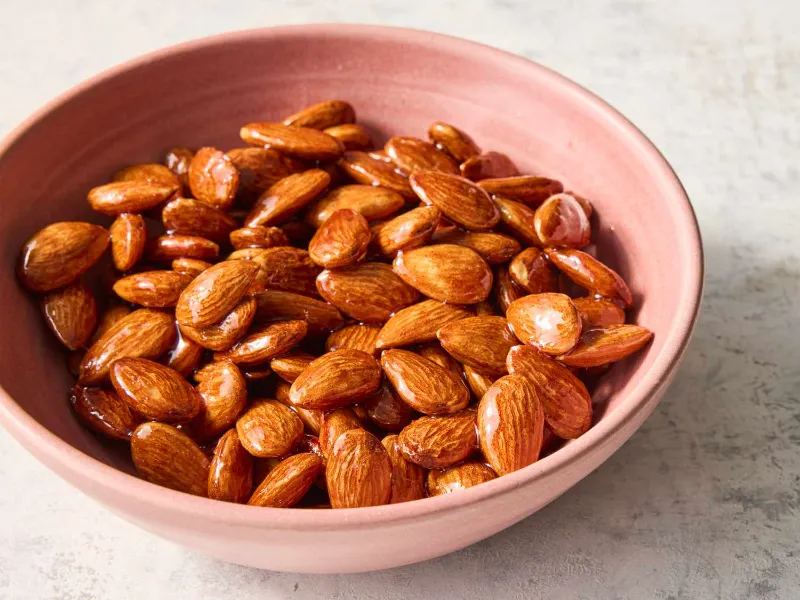
When you’re under the weather, vitamin E often gets overlooked in favor of vitamin C — but it’s just as important for immune health. Almonds are one of the best food sources of vitamin E around.
Vitamin E is a fat-soluble antioxidant that helps protect immune cells from oxidative damage. It also plays a role in the production of immune-boosting natural killer cells. A small handful of almonds gives you nearly all the vitamin E you need for the day.
Almonds are also a good source of magnesium, which can help with muscle soreness and sleep quality — both of which matter a lot when you’re recovering. Keep a small bag of almonds on your nightstand for easy snacking between naps.
24. Coconut Water

When you’re sick with a fever, vomiting, or diarrhea, staying hydrated is one of the most important things you can do. Coconut water makes that easier because it replaces fluids and electrolytes at the same time.
It’s naturally rich in potassium, magnesium, sodium, and calcium — the key electrolytes your body loses when you sweat or are sick. Unlike sports drinks, it provides these without artificial colors, flavors, or excessive sugar.
Sip coconut water throughout the day alongside regular water to keep your electrolyte balance in check. It’s light, slightly sweet, and much easier to get down when your stomach is unhappy than heavier foods or drinks.
25. White Rice
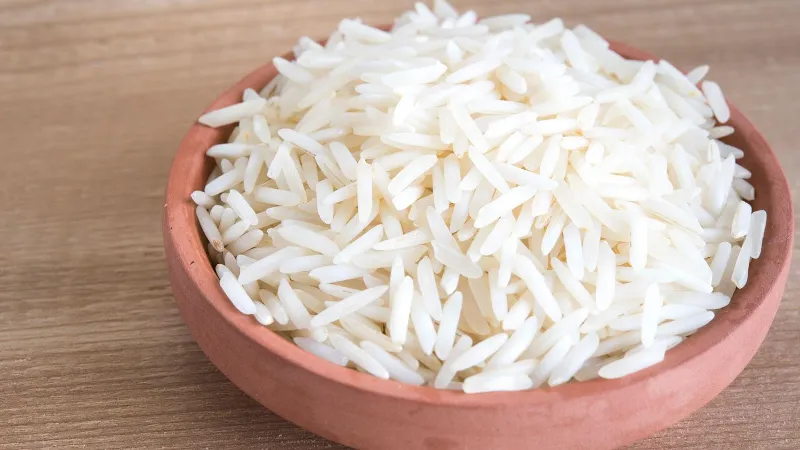
Plain white rice might seem too simple to belong on this list, but simplicity is exactly the point. When you’re sick and your digestive system is struggling, plain white rice is one of the most gentle and easily digestible foods you can eat.
It provides carbohydrates for energy, which your body is burning rapidly while fighting an infection. It’s also part of the classic BRAT diet (Bananas, Rice, Applesauce, Toast) often recommended for upset stomachs and digestive distress.
Cook it plain, or simmer it in bone broth for extra nutrition without adding anything hard to digest. A small bowl of soft, warm rice can be just the thing to give your body fuel without overtaxing your system.
Final Thoughts
Getting sick is never fun, but eating the right foods can genuinely speed up your recovery and help you feel more like yourself sooner. You don’t need to eat all 25 of these at once — just focus on what sounds manageable and what you have on hand.
Start small, stay hydrated, and be kind to yourself. Your body knows how to heal — it just needs the right fuel to do it well. Feel better soon!
