
25 Game-Changing Foods To Eat For Prediabetes That Will Surprise You

If you’ve just been told your blood sugar is creeping into prediabetes territory, take a breath. You’re not alone, and you’re not powerless.
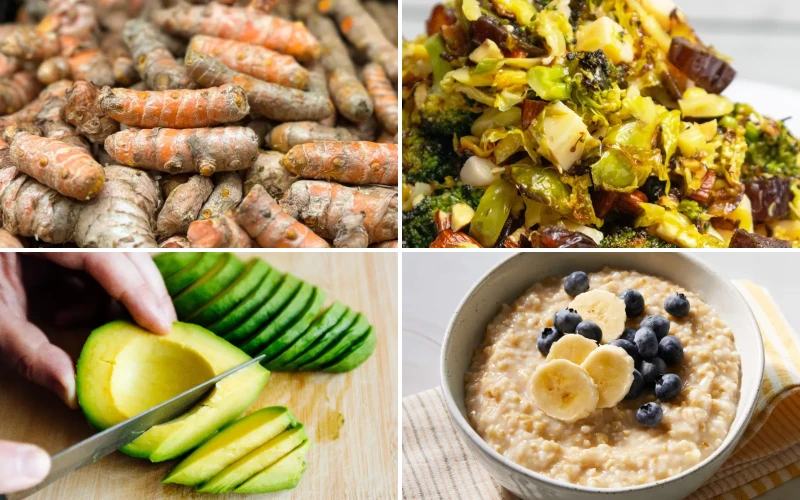
The good news? What you put on your plate every single day can genuinely move the needle. Some of these 25 foods might totally surprise you.
1. Bitter Melon
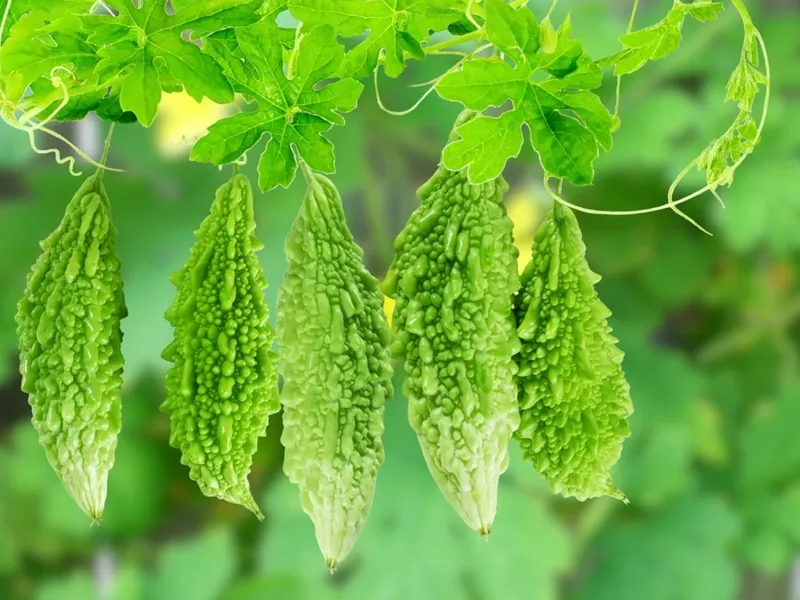
Ever heard of a vegetable that actually acts like insulin? Bitter melon is the real deal. It contains compounds called charantin and polypeptide-p, which research suggests can help lower blood glucose levels naturally.
You can find it at most Asian grocery stores. It looks like a bumpy, bright green cucumber and tastes exactly like its name warns you.
Don’t let the flavor scare you off though. Try slicing it thin, stir-frying it with garlic and a little sesame oil, and pairing it with rice. Over time, your taste buds genuinely do adjust.
2. Barley
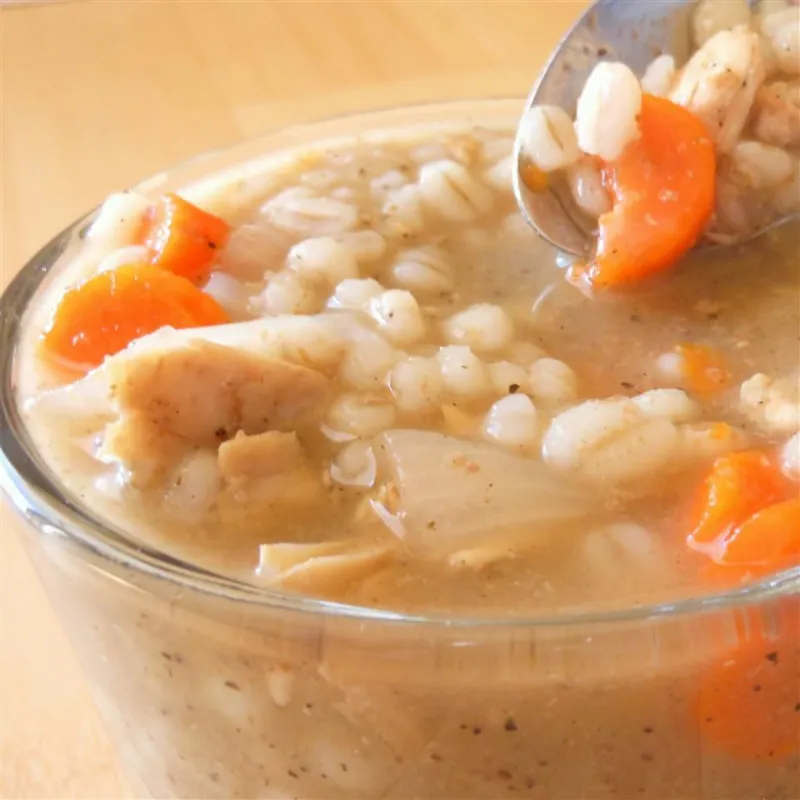
Barley is one of the most underrated grains on the planet, especially for blood sugar management. It’s loaded with a type of soluble fiber called beta-glucan, which slows down how fast glucose enters your bloodstream.
Studies have shown that eating barley can significantly lower blood sugar and insulin responses after meals compared to white rice or bread. That slow-release energy keeps you fuller longer too.
Swap barley into soups, grain bowls, or even use it instead of rice as a side dish. It has a chewy, satisfying texture that’s honestly really comforting.
3. Broccoli Sprouts

These tiny little sprouts pack a punch way beyond their size. Broccoli sprouts are one of the richest sources of sulforaphane, a compound that has shown real promise in reducing insulin resistance in research studies.
A 2012 study published in the International Journal of Food Sciences and Nutrition found that broccoli sprout consumption was linked to improved insulin sensitivity in type 2 diabetic patients. That’s a big deal.
Toss a handful on your salad, add them to a sandwich, or blend them into a smoothie. They have a mild, slightly peppery flavor that blends easily into most meals.
4. Chia Seeds
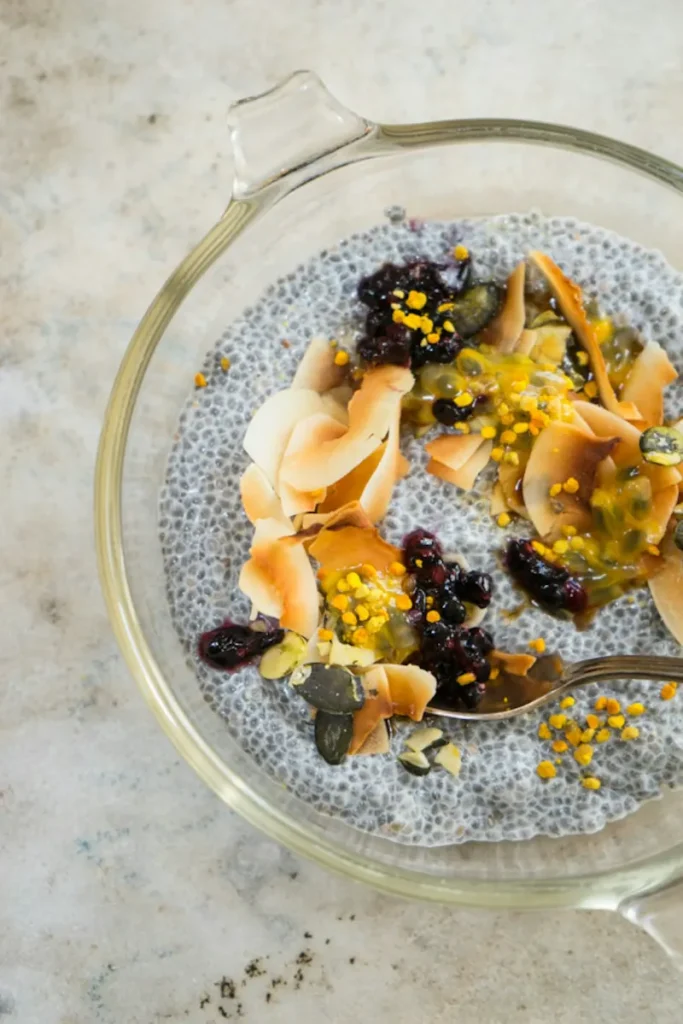
Chia seeds might be tiny, but their impact on blood sugar is anything but small. They’re packed with soluble fiber and omega-3 fatty acids, which together slow digestion and blunt those post-meal blood sugar spikes.
When chia seeds hit liquid, they form a thick gel in your gut. That gel literally slows down how fast your body absorbs carbohydrates. Pretty cool, right?
Stir two tablespoons into Greek yogurt overnight, add them to smoothies, or make a simple chia pudding with unsweetened almond milk. They’re one of the easiest additions to your daily routine.
5. Cinnamon
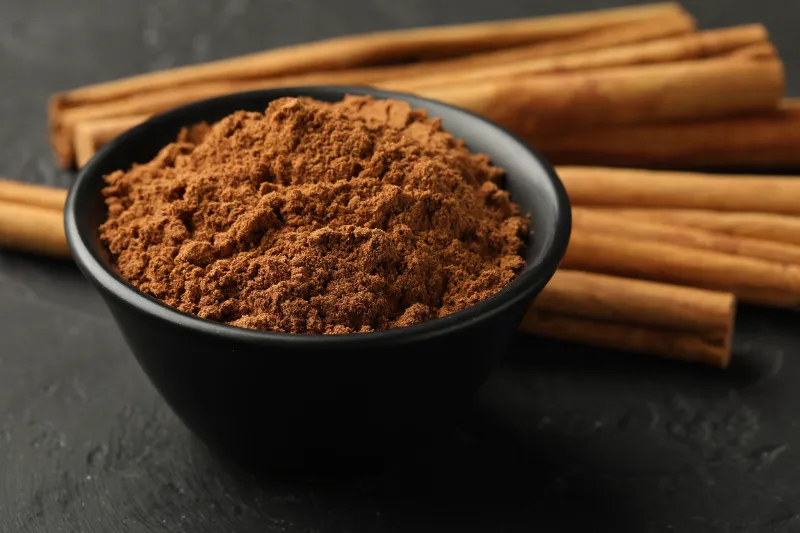
Here’s one that probably is already in your spice cabinet. Cinnamon has been studied for its ability to improve insulin sensitivity and lower fasting blood sugar levels, particularly Ceylon cinnamon (not the more common Cassia variety).
Research published in the journal Diabetes Care found that as little as one gram of cinnamon daily could reduce blood glucose in people with type 2 diabetes. For prediabetes, those early benefits really matter.
Sprinkle it on your oatmeal, stir it into coffee, or add it to smoothies. Just make sure you’re reaching for true Ceylon cinnamon from your health food store for the best results.
6. Fenugreek Seeds
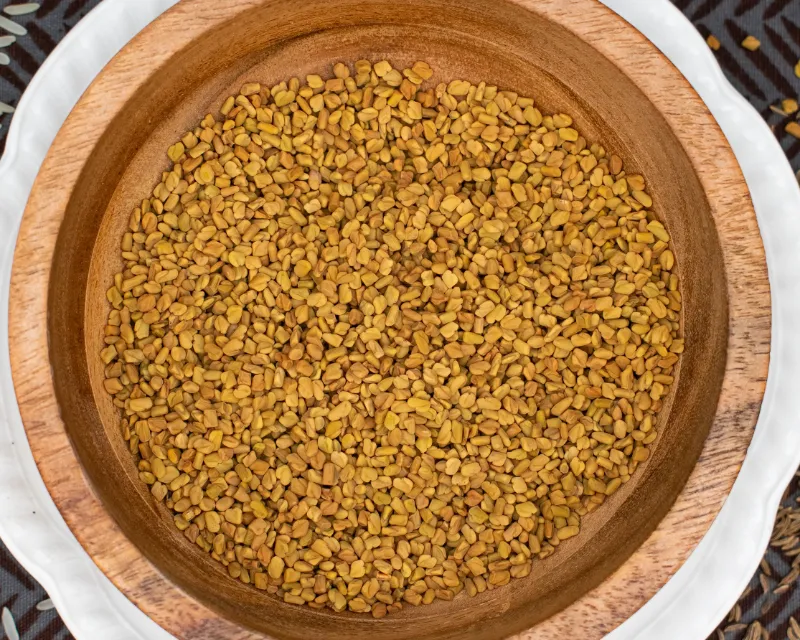
Fenugreek might be new to your kitchen, but it’s been used in Ayurvedic medicine for blood sugar support for centuries. These small golden-brown seeds are rich in soluble fiber and contain an amino acid called 4-hydroxyisoleucine, which may stimulate insulin secretion.
Multiple clinical trials have found that fenugreek seeds can significantly lower fasting blood glucose and improve glucose tolerance. That’s a combination you really want working in your favor.
You can soak a teaspoon of seeds overnight and drink the water in the morning, grind them into a powder for cooking, or find fenugreek supplements at health food stores. Start small since the flavor is quite strong.
7. Apple Cider Vinegar

Yes, it’s a little tangy and yes, people on the internet have overclaimed what it can do. But there is legitimate science behind apple cider vinegar and blood sugar. The acetic acid in ACV has been shown to slow gastric emptying, which delays glucose absorption after meals.
A study in the journal Diabetes Care found that consuming vinegar before a high-carb meal reduced post-meal blood sugar by up to 34% in insulin-resistant individuals. That’s not nothing.
Mix one to two tablespoons in a large glass of water before meals. Always dilute it since drinking it straight can damage your tooth enamel and irritate your throat.
8. Lentils
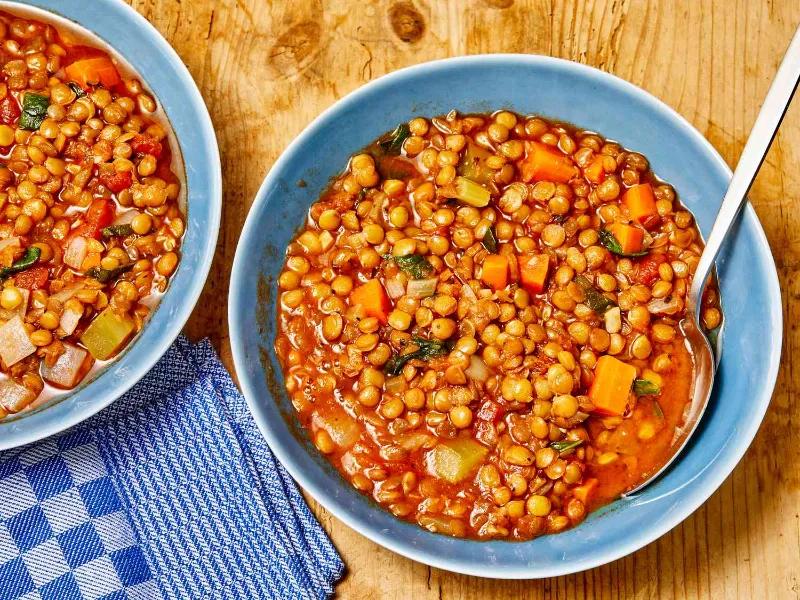
Lentils are one of the most blood-sugar-friendly foods you can possibly eat. They have a very low glycemic index, meaning they cause a slow, gradual rise in blood sugar rather than a sharp spike, thanks to their combo of protein, fiber, and complex carbs.
They’re also incredibly filling. That combination of protein and fiber keeps hunger at bay for hours, which helps prevent the overeating that can derail blood sugar management.
Make a big pot of lentil soup on Sunday and eat it all week. They’re cheap, they’re fast to cook (no soaking needed), and they work in everything from salads to tacos.
9. Flaxseeds
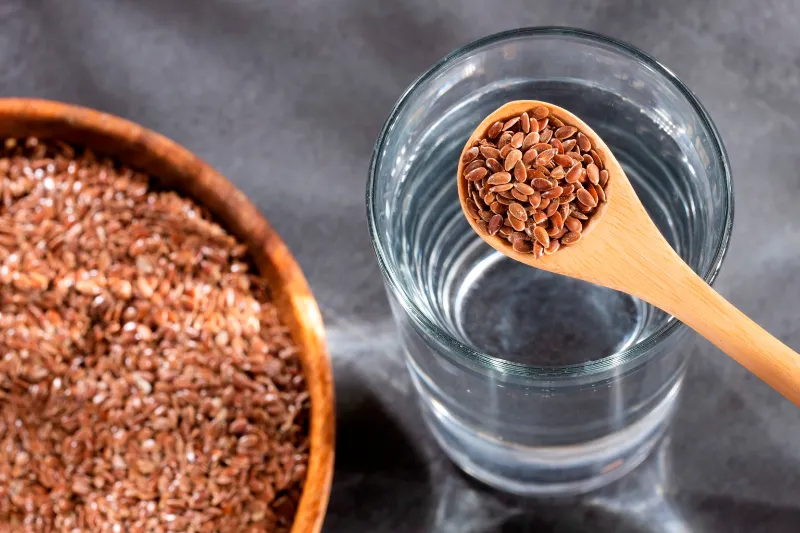
Flaxseeds are another fiber powerhouse that deserve way more attention in the blood sugar conversation. They’re one of the best plant sources of lignans and alpha-linolenic acid (ALA), an omega-3 fat that helps reduce inflammation linked to insulin resistance.
Research suggests that ground flaxseed may improve insulin sensitivity and reduce fasting blood glucose over time. Ground is the key word here since whole flaxseeds pass right through your body without being absorbed.
Add a tablespoon of ground flaxseed to your oatmeal, smoothies, or yogurt every morning. It has a mild, slightly nutty flavor that barely changes the taste of whatever you’re adding i
10. Avocado
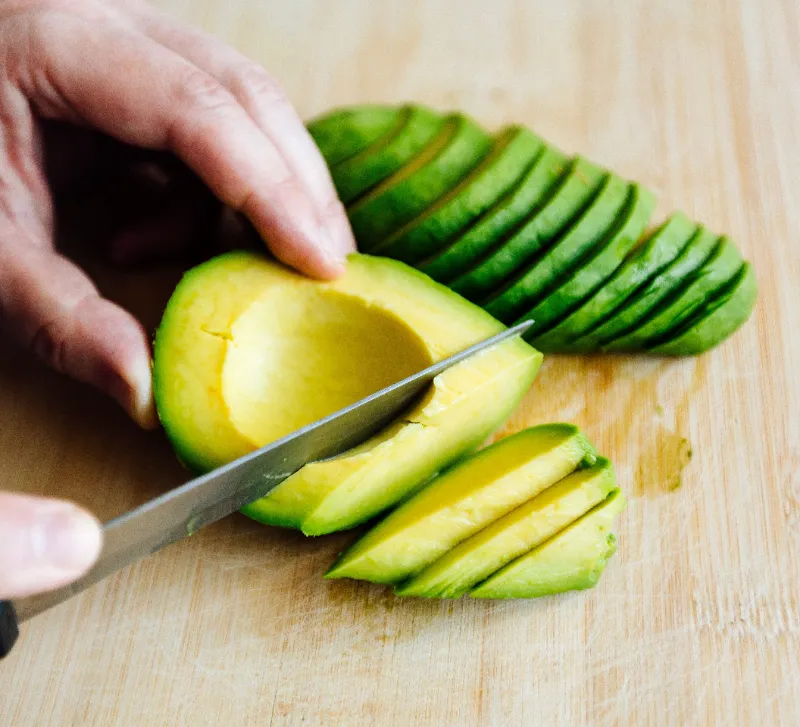
Avocado is one of those rare foods that feels indulgent but is genuinely great for your metabolic health. It’s rich in monounsaturated fats and fiber, both of which help slow digestion and prevent blood sugar from spiking after meals.
Research published in Nutrients found that adding avocado to a meal significantly reduced post-meal blood glucose and insulin levels compared to the same meal without it. The healthy fat also helps your body absorb fat-soluble vitamins more efficiently.
Eat it sliced on eggs, mashed on whole grain toast, or blended into smoothies for a creamy texture. Half an avocado a day is a genuinely powerful blood sugar tool.
11. Blueberries
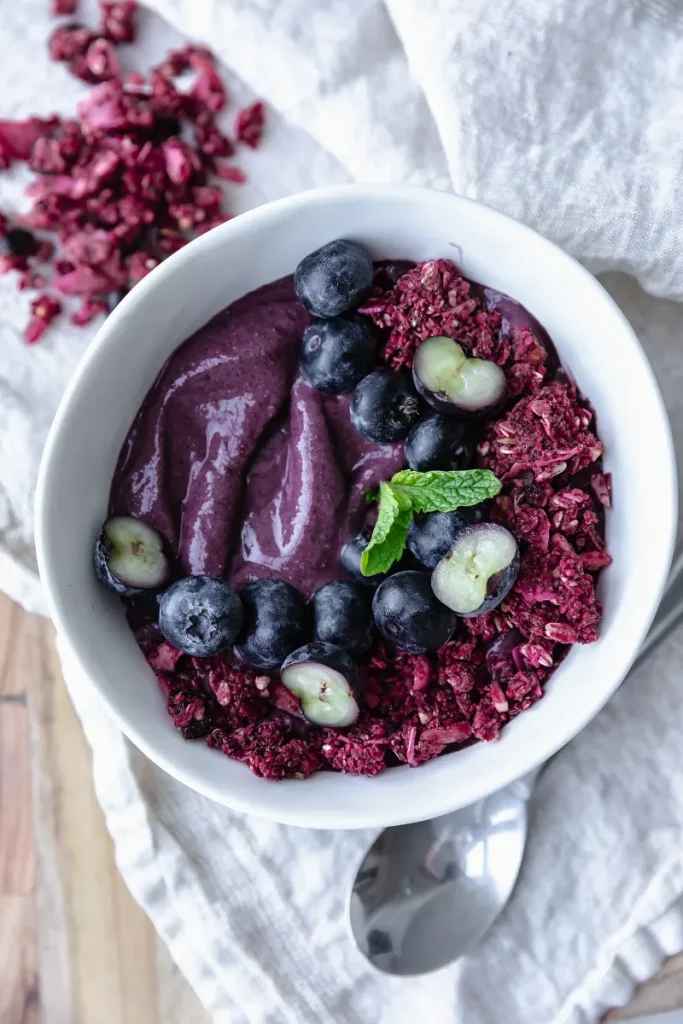
Blueberries are often called a superfood and for once, that label is actually earned. They’re packed with anthocyanins, the pigments that give them their deep blue color, and those pigments have been shown to improve insulin sensitivity.
A landmark study from the University of Michigan found that consuming blueberry smoothies daily for six weeks significantly improved insulin sensitivity in obese, non-diabetic adults. That’s the exact population at risk for prediabetes.
Toss a half-cup into your morning oatmeal, blend them into a smoothie, or eat them as a snack. Frozen blueberries are just as nutritious as fresh and way more affordable year-round.
12. Walnuts
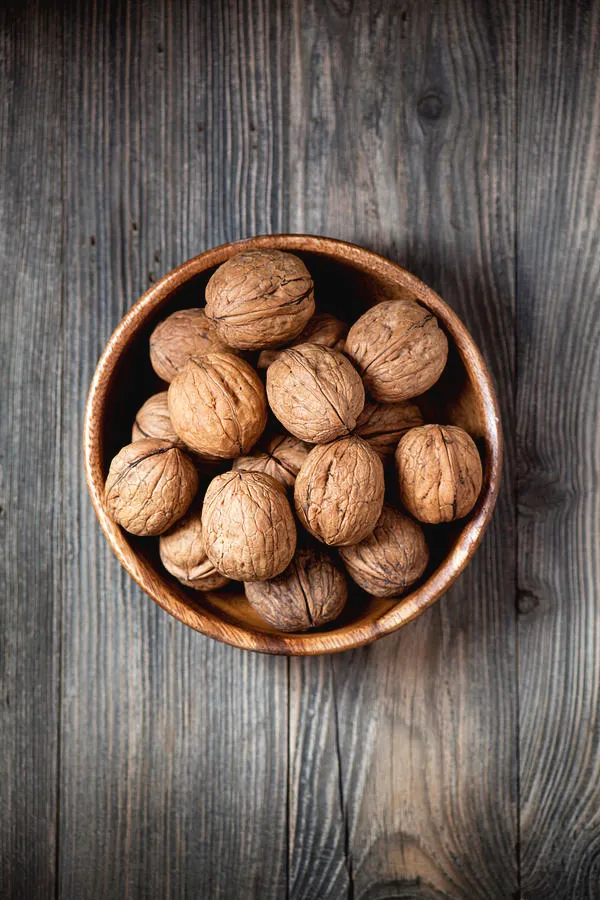
Walnuts are the only tree nut with a meaningful amount of ALA omega-3 fatty acids, and that’s a big part of why they’re so helpful for prediabetes. Those omega-3s reduce the chronic inflammation that drives insulin resistance.
Beyond omega-3s, walnuts contain magnesium, a mineral that plays a direct role in glucose metabolism. Many people with prediabetes are actually low in magnesium without even knowing it.
A small handful (about 14 walnut halves) makes a perfect afternoon snack. Pair them with a piece of fruit to balance the fat with a little natural sweetness and fiber.
13. Steel-Cut Oats
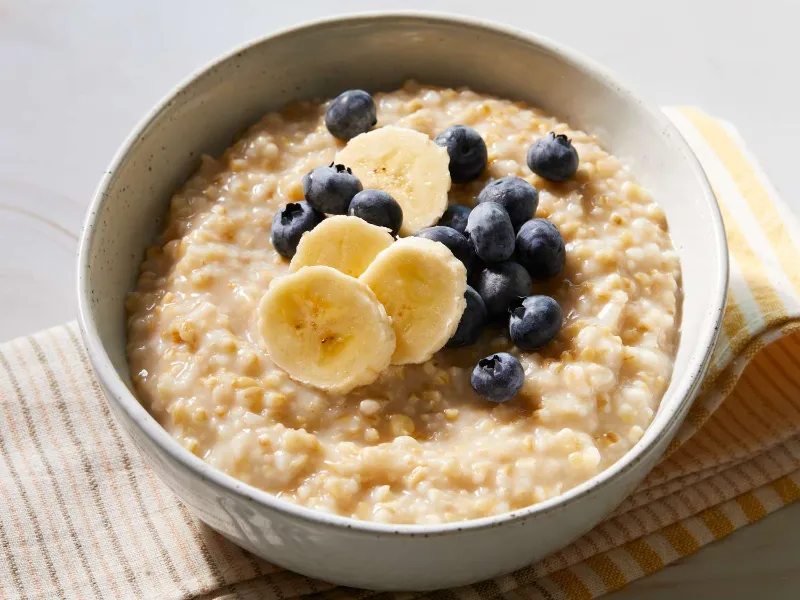
Not all oats are created equal when it comes to blood sugar. Steel-cut oats are minimally processed, meaning they take longer to digest and cause a much more gradual blood sugar rise compared to instant oats or rolled oats.
They’re also high in beta-glucan fiber, the same superstar fiber found in barley. Research consistently shows beta-glucan improves post-meal glucose response and increases feelings of fullness.
Cook a big batch at the start of the week and refrigerate it. Reheat a portion each morning and top it with cinnamon, chia seeds, and a handful of blueberries for a genuinely powerful blood-sugar-friendly breakfast.
14. Sardines
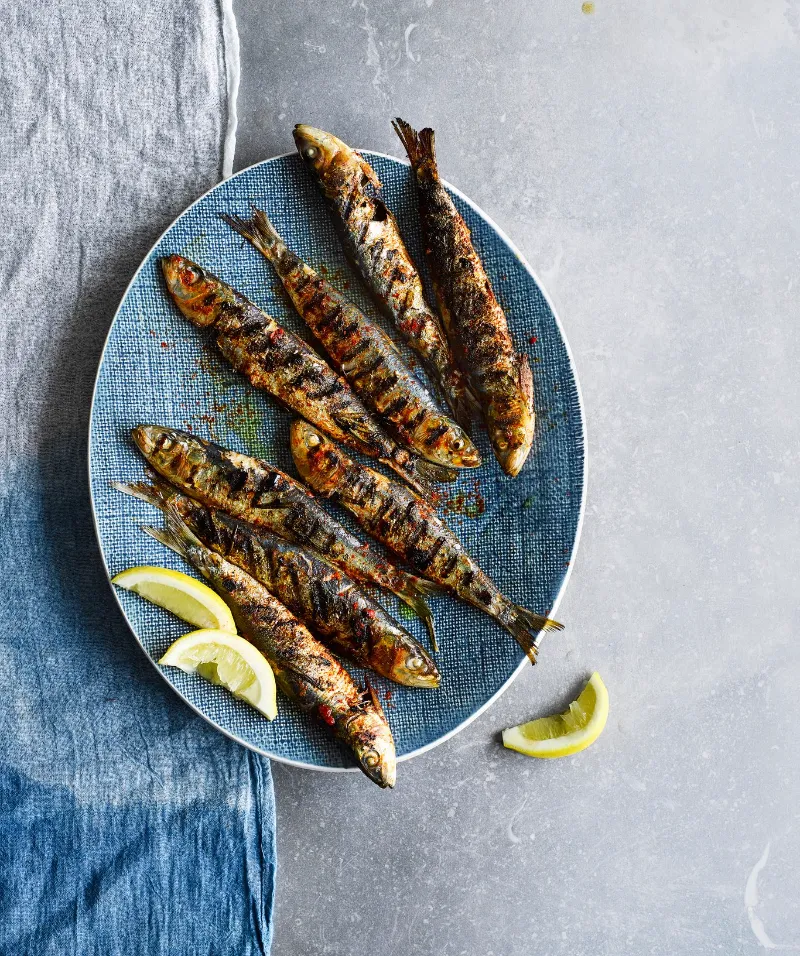
Sardines might be the most underestimated food on this entire list. They’re one of the richest sources of EPA and DHA omega-3 fatty acids, which reduce inflammation and improve insulin signaling at the cellular level.
They’re also loaded with vitamin D, a nutrient that research has linked to improved insulin sensitivity. A large portion of Americans are vitamin D deficient, and low levels are associated with higher diabetes risk.
Try sardines packed in olive oil on whole grain crackers with mustard and sliced cucumber. It sounds like an odd combo but it’s genuinely delicious and takes about two minutes to put tog
15. Spinach
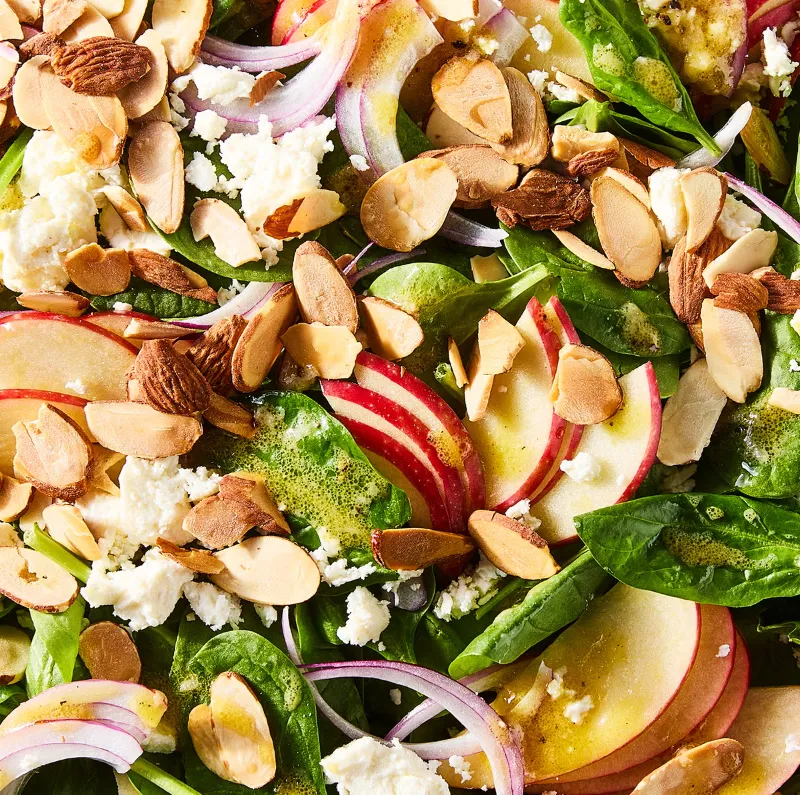
Spinach is one of the best sources of magnesium you can eat, and as mentioned earlier, magnesium is deeply tied to insulin function. Low magnesium levels are associated with a 19% higher risk of developing type 2 diabetes, according to a meta-analysis published in Diabetes Care.
It’s also extremely low in calories and carbohydrates, making it one of those foods you can eat in generous amounts without any blood sugar concern at all.
Add a few big handfuls to smoothies (you genuinely cannot taste it), wilt it into eggs, pile it into wraps, or use it as a salad base. Make spinach a daily habit and your body will thank you.
16. Turmeric
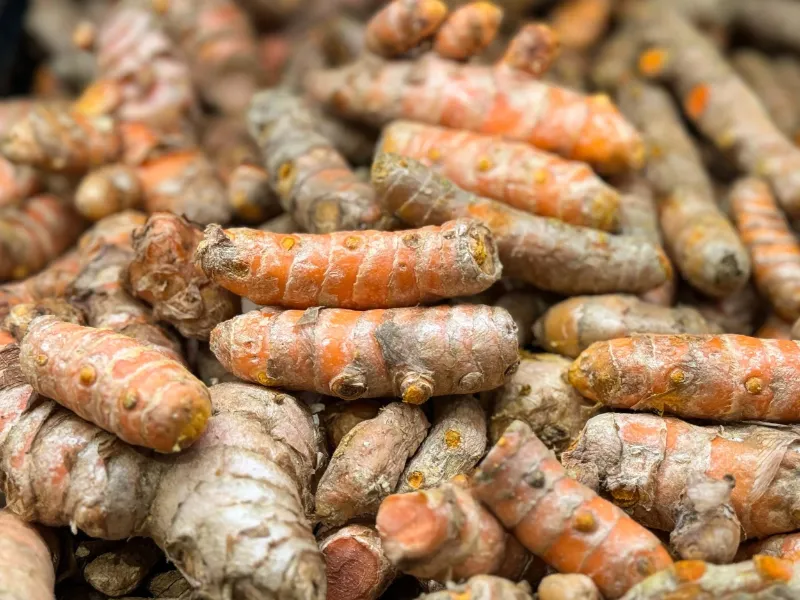
The compound that gives turmeric its golden color, curcumin, is one of the most studied natural anti-inflammatory agents in the world. And inflammation is at the root of insulin resistance, so reducing it matters a lot for prediabetes.
A clinical trial published in Diabetes Care found that curcumin supplementation over nine months prevented prediabetes from progressing to type 2 diabetes far more effectively than a placebo. Those are genuinely impressive results.
Add turmeric to scrambled eggs, soups, roasted vegetables, or golden milk lattes. Pair it with black pepper, which contains piperine, a compound that boosts curcumin absorption by up to 2,000%.
17. Plain Unsweetened Greek Yogurt
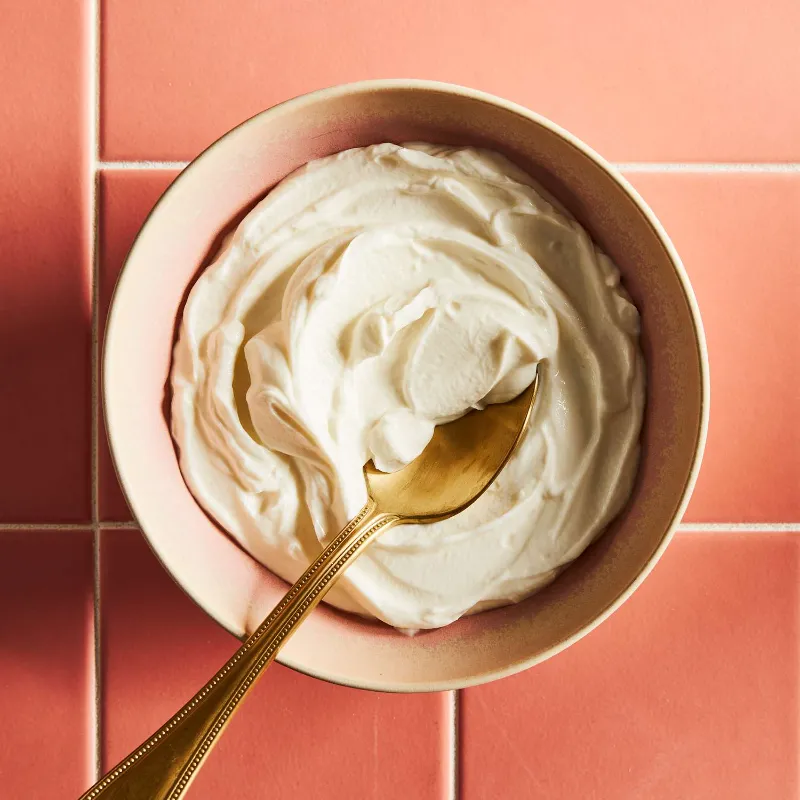
Greek yogurt is a probiotic powerhouse, and emerging research is making a strong case that gut health and blood sugar regulation are deeply connected. A healthier gut microbiome appears to improve the body’s insulin response over time.
Greek yogurt also delivers a solid hit of protein, which slows digestion and prevents post-meal glucose spikes. It has roughly twice the protein of regular yogurt, which makes it far more satisfying.
Always reach for plain, unsweetened varieties. Flavored Greek yogurts are often loaded with added sugar that completely cancels out the benefits. Sweeten yours naturally with berries and a dash of cinnamon instead.
18. Eggs
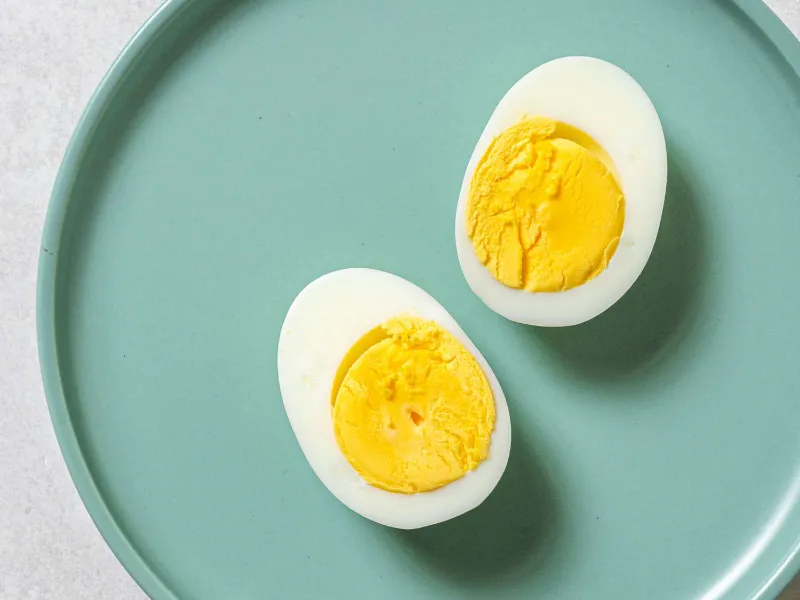
Eggs got a bad reputation for decades because of cholesterol concerns, but the science has shifted significantly. For most healthy people, eating whole eggs has minimal impact on cardiovascular risk, and for blood sugar management, they’re genuinely excellent.
Eggs are essentially carb-free and packed with protein and healthy fat, which means they don’t raise blood glucose at all. Starting your day with eggs instead of toast or cereal can meaningfully change your entire morning glucose pattern.
Scramble them, poach them, hard-boil a batch for grab-and-go snacks, or make a veggie-packed frittata. Eggs are one of the most versatile and affordable tools in your blood sugar toolkit.
19. Black Beans
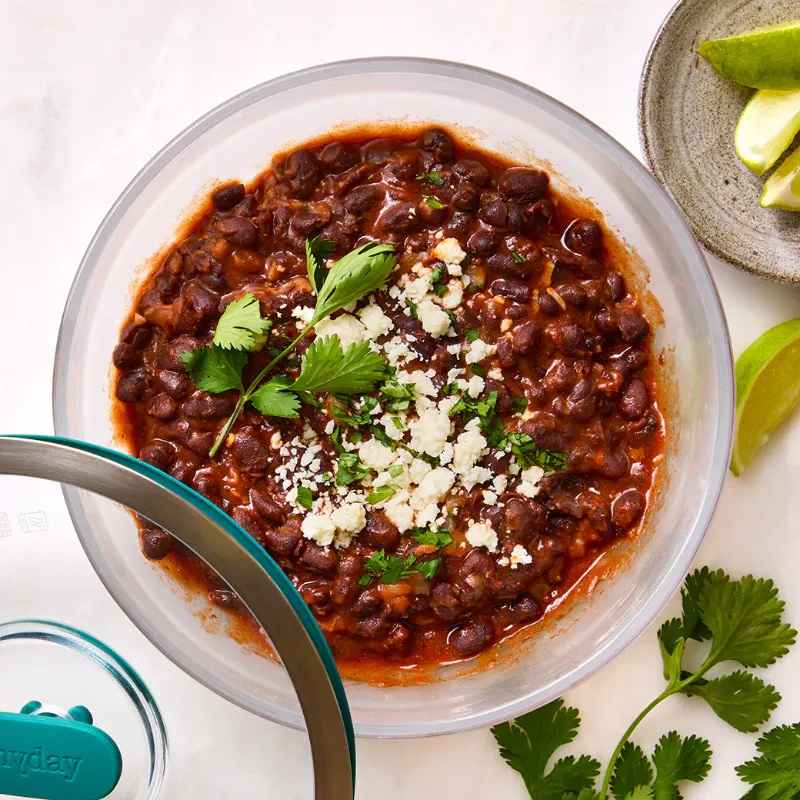
Black beans are a fiber and protein combo that your blood sugar management strategy absolutely needs. They have a glycemic index of just 30, which is considered very low, meaning they cause an extremely gradual rise in blood sugar compared to most carbohydrate sources.
They’re also rich in resistant starch, a type of carbohydrate that actually feeds your beneficial gut bacteria rather than being digested and absorbed as glucose. That’s a genuinely unique benefit.
Add black beans to salads, grain bowls, tacos, or soups. Canned black beans are completely fine, just rinse them first to reduce the sodium content by up to 40%.
20. Sweet Potatoes
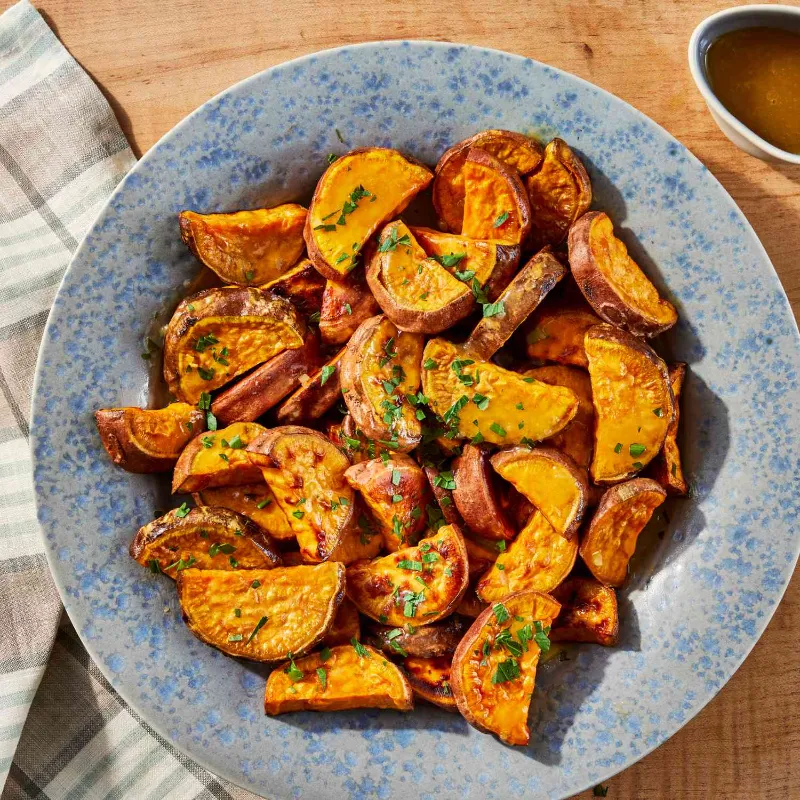
Sweet potatoes sometimes get unfairly avoided by people managing blood sugar because they sound like they should be sugary. But their high fiber content, especially when you eat the skin, significantly slows glucose absorption.
They’re also rich in beta-carotene and chromium, a mineral that enhances insulin’s action in the body. Chromium deficiency has been linked to impaired glucose tolerance, so getting more of it is genuinely useful.
Bake them whole instead of mashing them with butter and brown sugar. A medium baked sweet potato with a little cinnamon and a drizzle of olive oil is a satisfying, blood-sugar-friendly side dish that tastes like comfort food.
21. Almonds
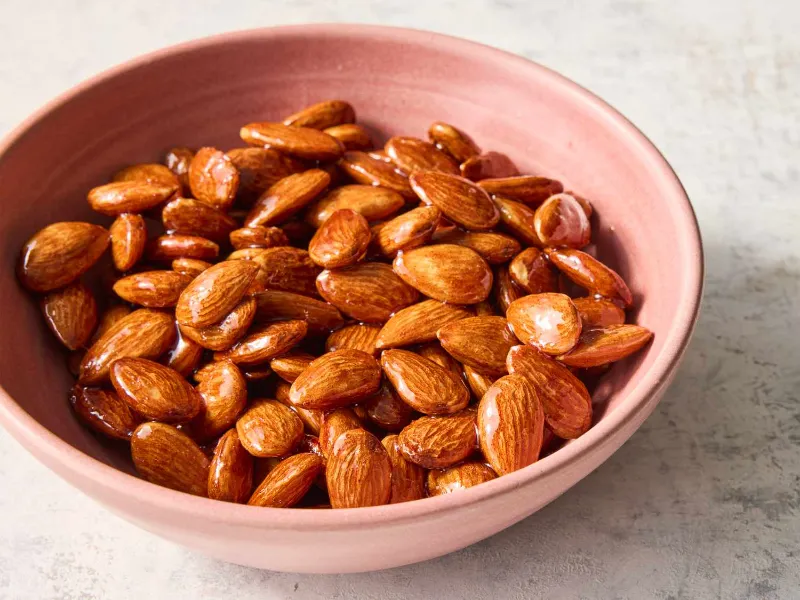
Almonds are one of the most convenient blood sugar-friendly snacks you can keep on hand. They’re rich in magnesium, healthy monounsaturated fats, and fiber, all of which work together to slow digestion and blunt glucose spikes.
Research published in the journal Metabolism found that eating almonds with a high-glycemic-index meal significantly reduced the post-meal blood sugar response. The effect was dose-dependent, meaning more almonds led to a greater benefit up to a point.
A one-ounce serving (about 23 almonds) is the sweet spot. Keep a small container in your bag, desk drawer, or car so you always have a blood-sugar-friendly snack ready when hunger hits unexpectedly.
22. Kale
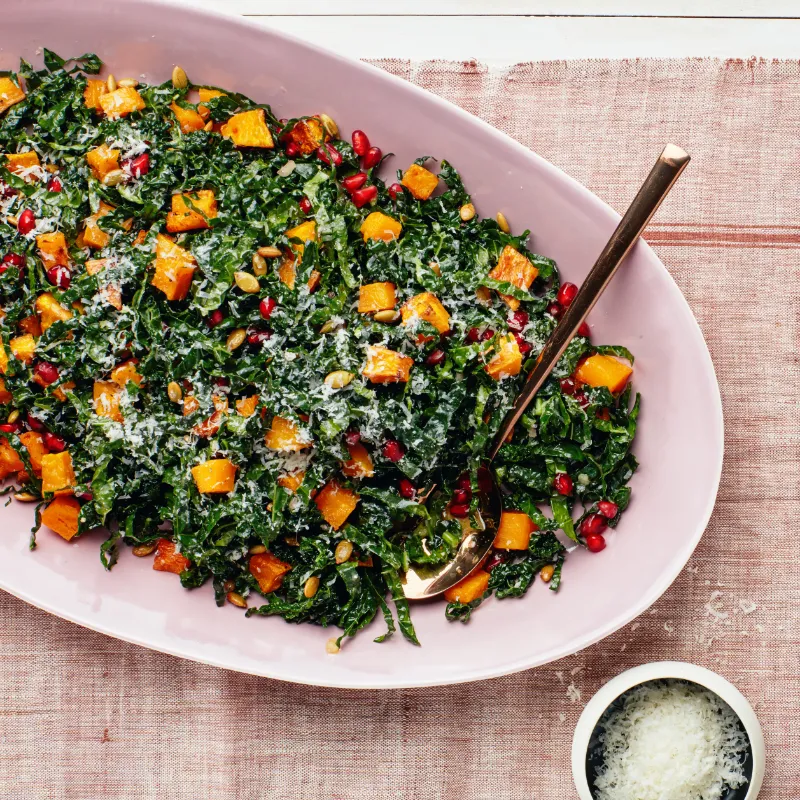
Kale is one of the most nutrient-dense foods on the planet, and for prediabetes specifically, its high levels of vitamin K, vitamin C, and alpha-lipoic acid (ALA) make it especially valuable. ALA is an antioxidant that has been shown to improve insulin sensitivity and reduce blood glucose levels in studies.
It’s also extremely low in digestible carbohydrates, so you can eat a generous amount without any blood sugar consequence. That kind of freedom is genuinely helpful when you’re recalibrating your diet.
Massage raw kale with olive oil and lemon juice for a hearty salad, sauté it with garlic as a side dish, or blend a handful into a smoothie. Kale chips are also a surprisingly satisfying crunchy snack.
23. Green Tea

Green tea contains a powerful antioxidant called EGCG (epigallocatechin gallate), and this compound has been shown in multiple studies to improve insulin sensitivity and reduce fasting blood glucose. It’s one of the most studied natural compounds for metabolic health.
A meta-analysis published in the American Journal of Clinical Nutrition found that green tea consumption was associated with significantly lower fasting glucose and hemoglobin A1c levels. That’s the exact marker your doctor uses to track blood sugar trends over time.
Drink one to three cups daily, ideally without adding sugar or sweetened milk. Matcha, which is ground whole green tea leaves, delivers an even higher concentration of EGCG if you want to amplify the effect.
24. Olive Oil
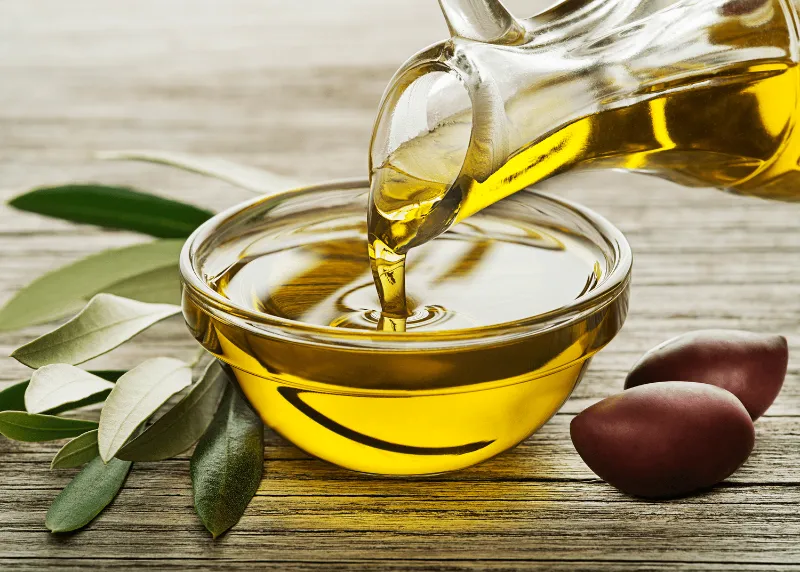
Extra virgin olive oil is central to the Mediterranean diet, which is consistently ranked as one of the best eating patterns for metabolic health and diabetes prevention. The oleic acid and polyphenols in olive oil work together to reduce inflammation and improve insulin sensitivity.
Research from the journal Diabetes Care found that a Mediterranean diet rich in olive oil reduced the risk of developing type 2 diabetes by over 40% compared to a low-fat diet. Those are numbers worth paying attention to.
Use extra virgin olive oil as your primary cooking fat and salad dressing base. It’s delicious drizzled over roasted vegetables, stirred into soups, or used for sautéing. Heat it gently since high heat can degrade some of its beneficial compounds.
25. Pumpkin Seeds
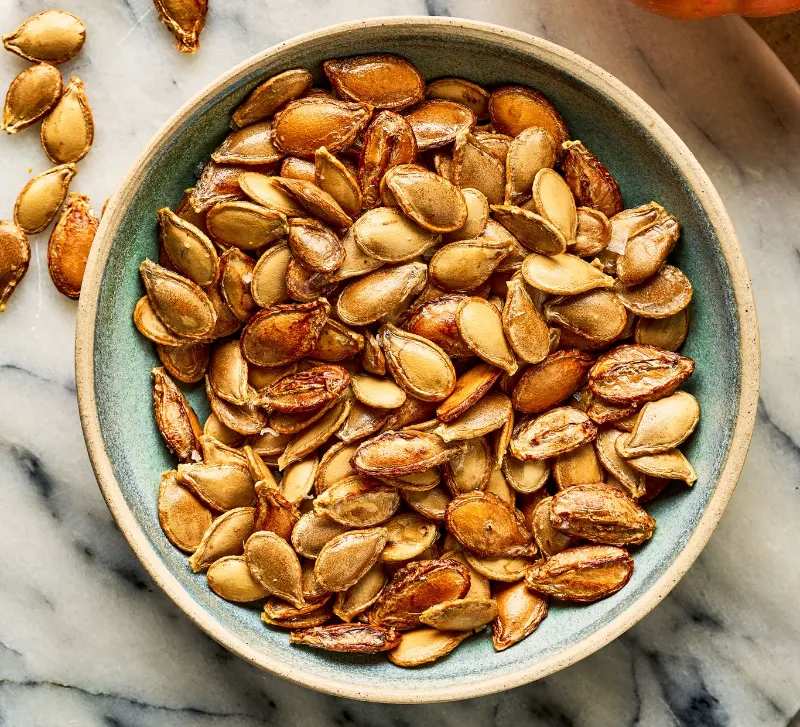
Pumpkin seeds (also called pepitas) are one of the best plant-based sources of magnesium, zinc, and healthy unsaturated fats. Zinc plays a direct role in insulin synthesis and secretion, and many people with prediabetes have suboptimal zinc levels without knowing it.
A small study published in Nutrition Research found that pumpkin seed oil improved HDL cholesterol and reduced diastolic blood pressure in postmenopausal women, both markers closely tied to metabolic health. The seeds themselves carry many of the same benefits.
Snack on a small handful, sprinkle them over salads or oatmeal, or blend them into a homemade trail mix with walnuts and almonds. They’re crunchy, satisfying, and honestly one of the easiest power foods to work into your daily routine.
Final Thoughts
Managing prediabetes doesn’t have to feel like deprivation. It’s really about crowding your plate with foods that genuinely work for your body, and as you’ve seen, many of them are delicious.
Start by adding just two or three of these foods this week. Small, consistent changes are what move the needle. Your blood sugar, your energy, and your future self will all feel the difference.
