
34 Incredible Foods To Eat During Menstrual Phase That Make a Real Difference

Your period week doesn’t have to feel like survival mode. What you eat during your menstrual phase can genuinely shift how you feel, from easing cramps to boosting your energy and lifting your mood.
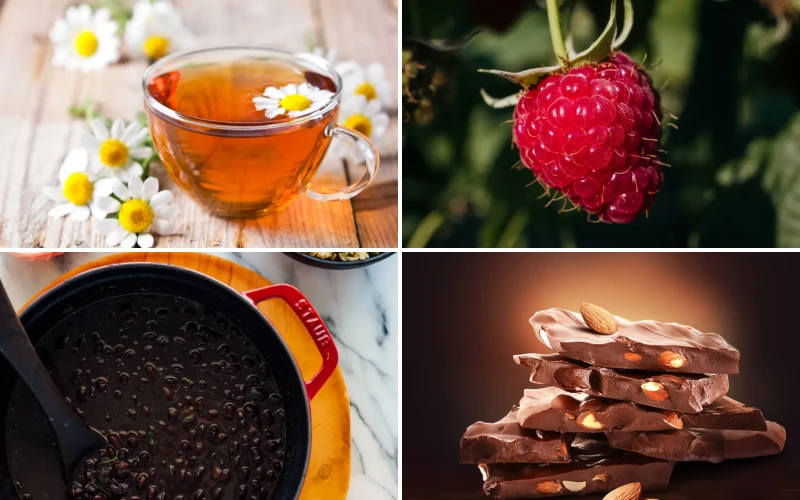
Below you’ll find 34 real, science-backed foods that support your body right when it needs it most. Think of this as your go-to guide for eating smarter during your cycle, not just eating less of the “bad” stuff.
1. Dark Chocolate
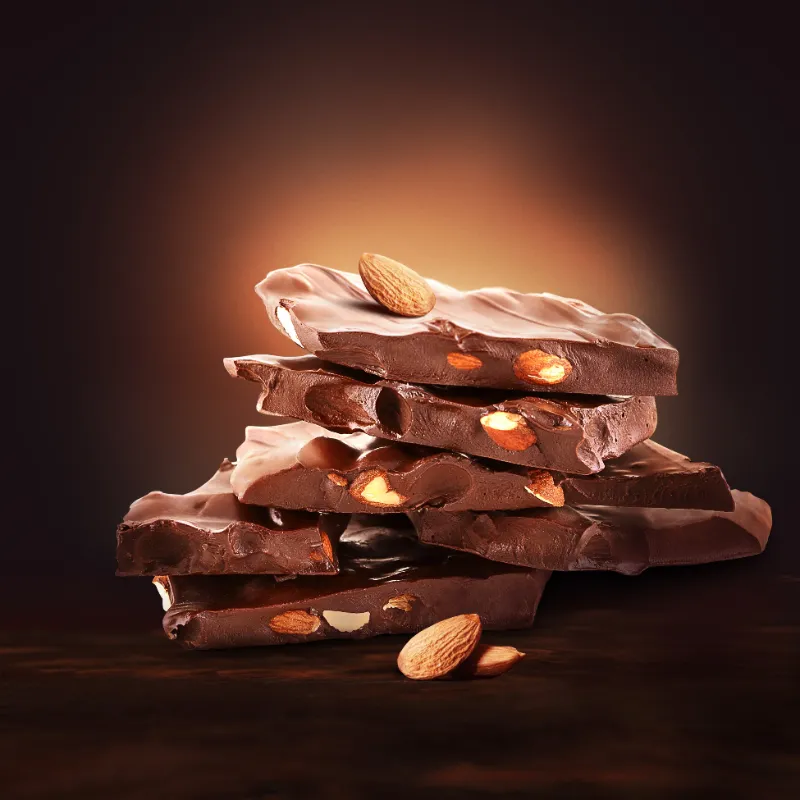
Yes, your craving for chocolate during your period is actually your body being smart. Dark chocolate (70% cacao or higher) is rich in magnesium, a mineral that helps relax uterine muscles and reduce cramping.
Magnesium also plays a key role in regulating serotonin, your feel-good brain chemical. Low magnesium levels are linked to worse PMS symptoms, so topping up with a square or two of dark chocolate can genuinely help your mood.
Look for dark chocolate with minimal added sugar. A 1-ounce serving gives you around 50 mg of magnesium plus iron and antioxidants. Melt it into oatmeal, add it to a smoothie, or just enjoy a few squares as an afternoon treat.
2. Spinach
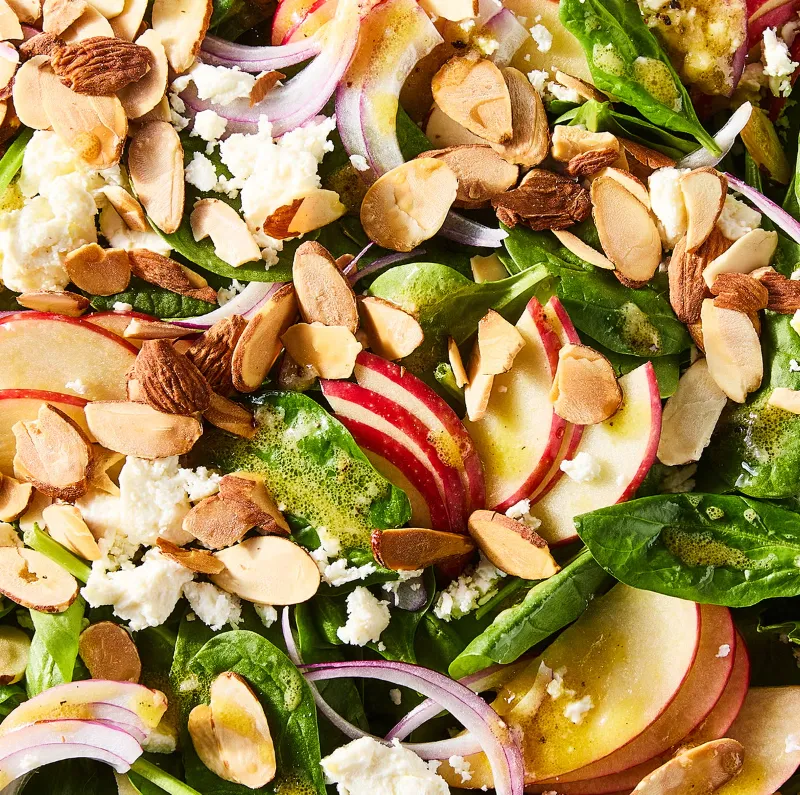
Spinach is one of the best plant-based sources of iron you can eat, and that matters a lot during your period when you’re losing blood. Low iron leads to fatigue, brain fog, and that heavy, wiped-out feeling so many people experience during their cycle.
One cup of cooked spinach delivers around 6 mg of iron, plus folate and vitamin K. Vitamin C helps your body absorb non-heme iron from plants more efficiently, so pair your spinach with a squeeze of lemon or some bell peppers.
Toss it into scrambled eggs, blend it into a smoothie (you won’t taste it), or sauté it with garlic as a simple side dish. Your energy levels will thank you.
3. Kale
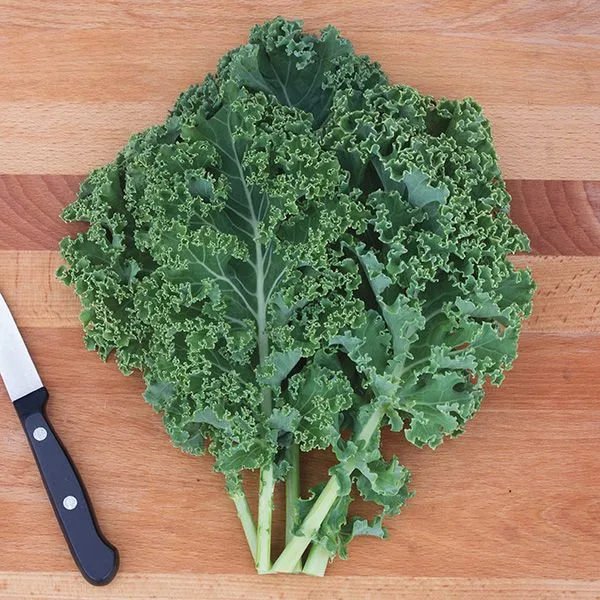
Kale is a menstrual phase powerhouse. It’s loaded with calcium, iron, vitamin C, and vitamin K, all nutrients your body is working hard to maintain during this phase of your cycle.
Calcium is especially worth noting. Research published in the American Journal of Obstetrics and Gynecology found that women with higher calcium intake experienced fewer PMS symptoms, including mood swings and cramping. Kale gives you a plant-based calcium boost without dairy.
Massaged kale salads are great for digestion, or you can blend it into soups and stews if raw greens feel heavy right now. A warm kale and white bean soup is one of the coziest, most nourishing meals you can make during your period week.
4. Salmon
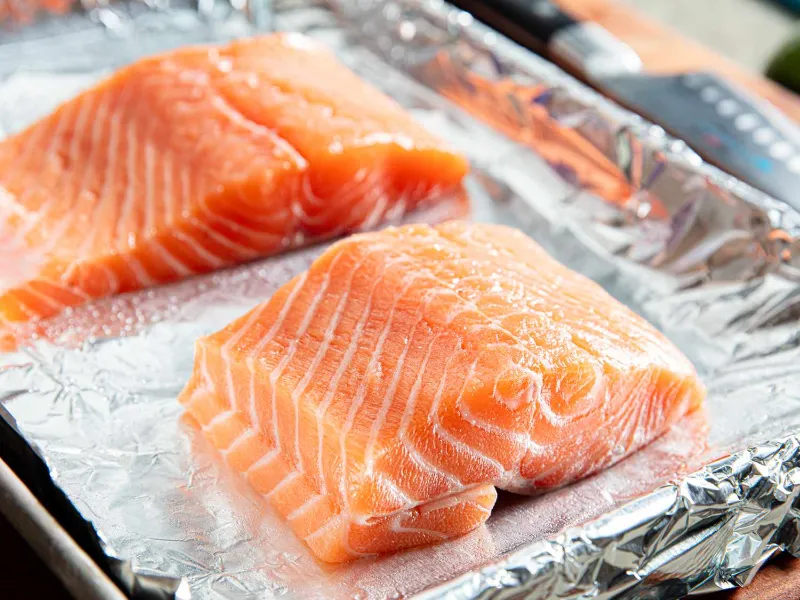
Salmon is one of the richest sources of omega-3 fatty acids on the planet, and omega-3s are anti-inflammatory superstars. During your menstrual phase, your body produces prostaglandins, hormone-like compounds that trigger uterine contractions and cause cramping.
Studies show that omega-3 supplementation can significantly reduce menstrual pain, sometimes performing better than ibuprofen in clinical trials. Eating salmon regularly gives you that same anti-inflammatory support naturally.
Aim for two servings of fatty fish per week. Baked salmon with roasted veggies is an easy weeknight dinner, or throw some canned salmon into a quick pasta or grain bowl for a no-fuss meal when you’re low on energy.
5. Sardines
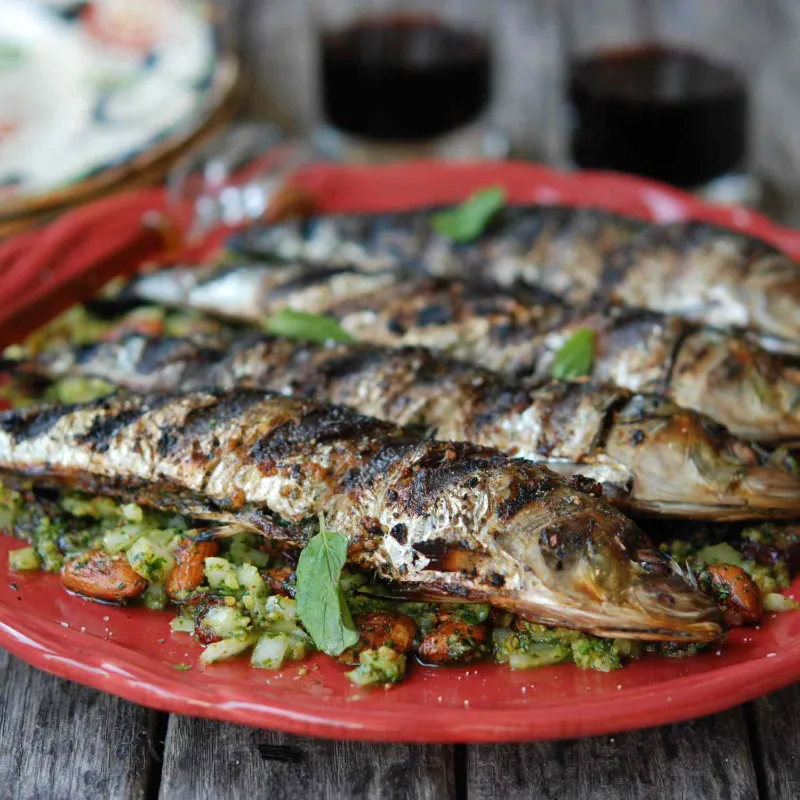
Sardines might not be the first thing you reach for, but hear this out. They pack more omega-3s per ounce than almost any other fish, plus they’re one of the best food sources of vitamin D and calcium combined.
Vitamin D deficiency has been linked to more severe period pain and lower mood. Getting it through food, alongside calcium, creates a synergistic effect that supports muscle relaxation and emotional balance during your cycle.
Canned sardines in olive oil are budget-friendly and shelf-stable. Try them on whole grain crackers with some Dijon mustard and sliced cucumber, or mash them into pasta with garlic, capers, and lemon for a quick, satisfying meal.
6. Flaxseeds
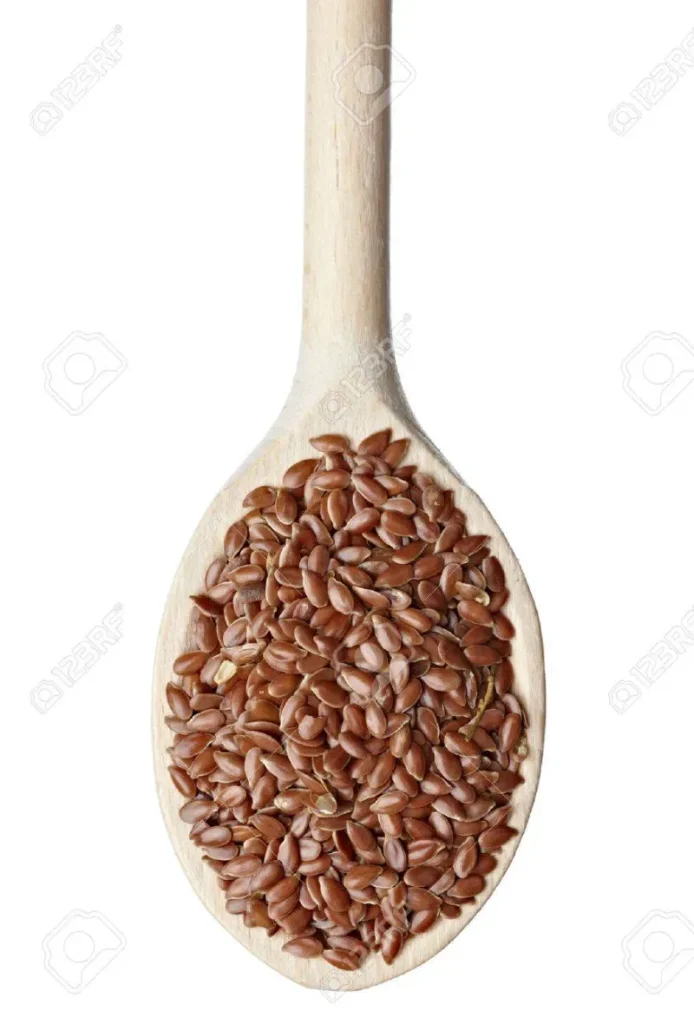
Flaxseeds contain lignans, a type of phytoestrogen that can help gently modulate estrogen levels in your body. During your menstrual phase, supporting hormonal balance is key to managing symptoms like bloating, mood shifts, and breast tenderness.
They’re also one of the top plant-based sources of ALA omega-3 fatty acids, which help fight inflammation. Plus, the fiber in flaxseeds keeps your digestion moving smoothly, which can ease bloating and that heavy, sluggish feeling.
Always use ground flaxseeds rather than whole ones, since your body can’t fully break down the whole seed. Sprinkle them onto yogurt, oatmeal, smoothies, or mix into pancake batter. Two tablespoons a day is a great starting point.
7. Chia Seeds
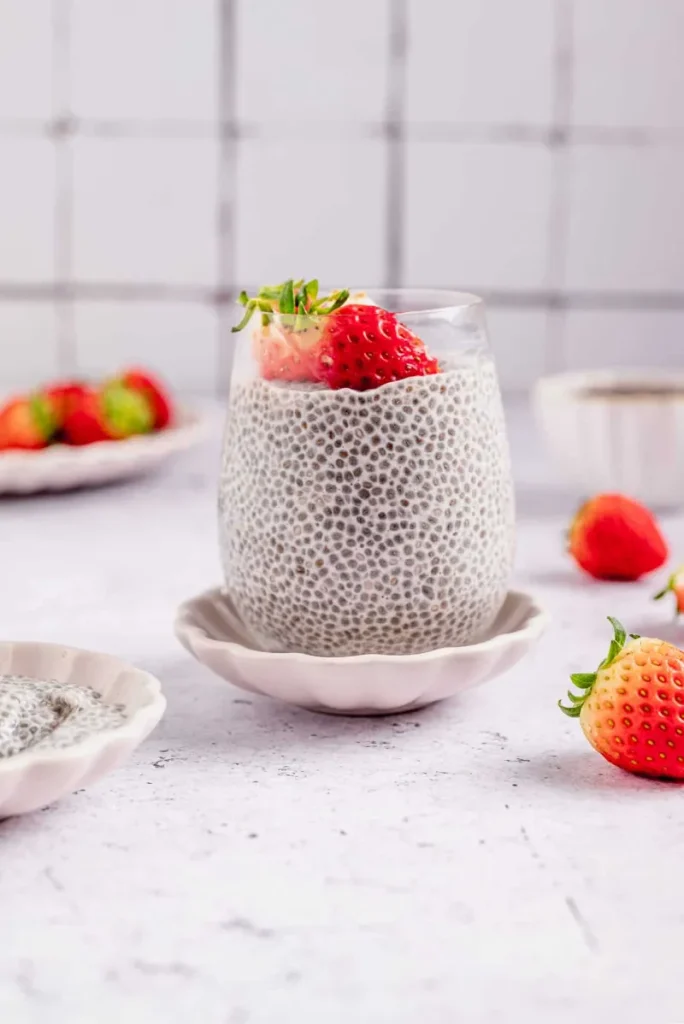
Chia seeds are tiny but they punch way above their weight when it comes to nutrition. Two tablespoons deliver around 5 grams of omega-3 ALA fatty acids, 10 grams of fiber, and a solid hit of calcium and magnesium.
The combination of omega-3s and magnesium makes chia seeds particularly well-suited for period week. Omega-3s cool down inflammation that drives cramping, while magnesium helps relax the smooth muscle of the uterus.
Overnight chia pudding is one of the easiest period-friendly breakfasts you can make. Mix 3 tablespoons of chia seeds with a cup of your favorite milk, let it sit overnight, and top with berries in the morning. It’s filling, soothing, and requires zero morning effort.
8. Walnuts
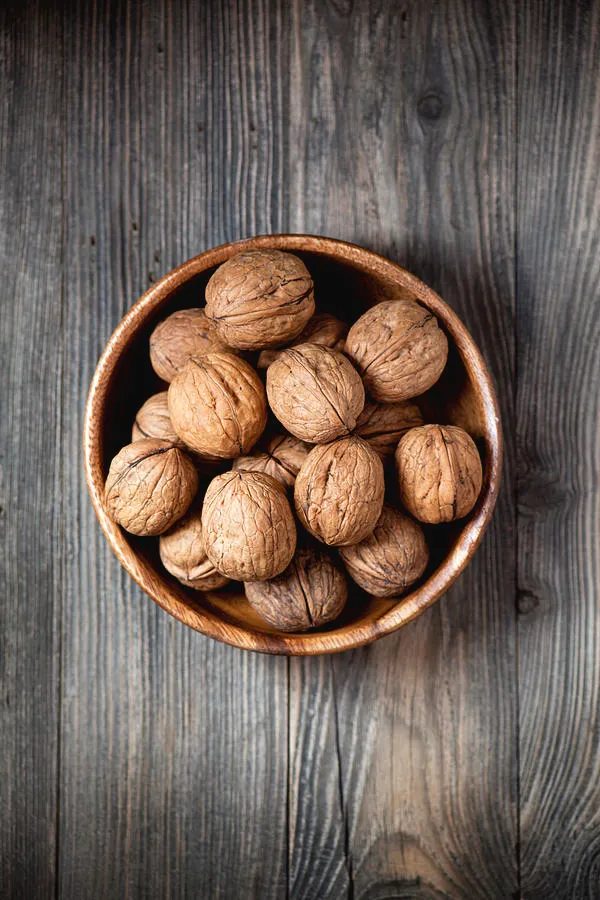
Among all the nuts, walnuts have the highest concentration of plant-based omega-3 fatty acids. They’re also rich in magnesium, manganese, and B vitamins, making them a solid snack choice during your period.
The anti-inflammatory effects of walnut consumption are well-documented. Regular walnut intake is associated with reduced levels of C-reactive protein, a key marker of inflammation in the body. Less systemic inflammation often translates to less menstrual pain.
A small handful of walnuts makes a great snack on its own, or try chopping them over oatmeal, blending into pesto, or mixing into a trail mix with dark chocolate chips and dried cherries for a period-friendly treat that also satisfies sweet cravings.
9. Bananas
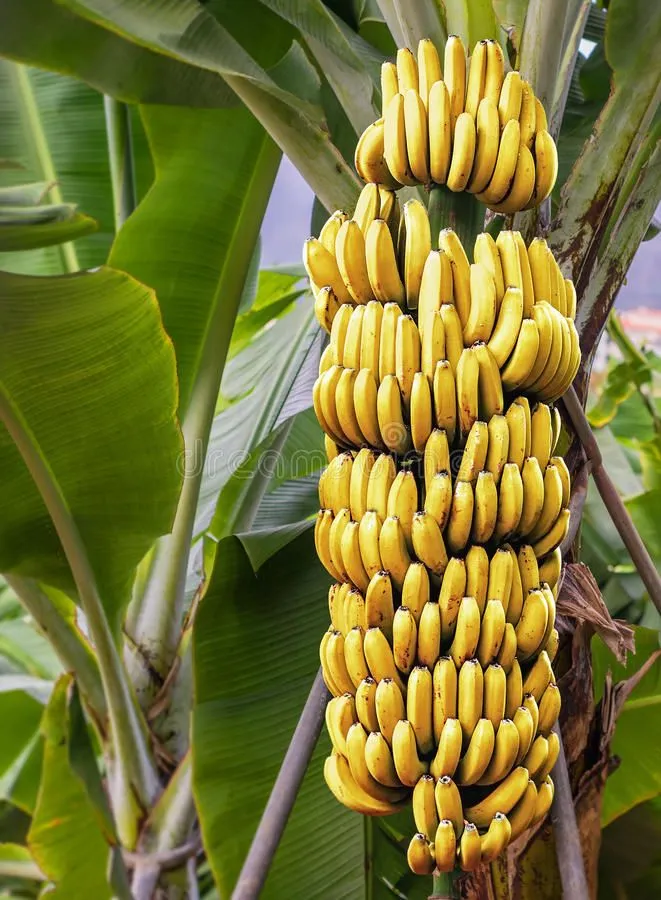
Bananas are one of the most period-friendly fruits you can keep on hand. They’re rich in potassium and vitamin B6, two nutrients that work together to reduce bloating and water retention during your menstrual phase.
Vitamin B6 in particular plays a crucial role in serotonin production. Research shows that B6 supplementation can significantly reduce emotional PMS symptoms like irritability, anxiety, and low mood. Getting it through food is a gentle, consistent way to support your mental wellbeing.
Bananas are also easy to digest when your stomach feels sensitive. Blend them into smoothies, slice over oatmeal, or just grab one on the go. Frozen bananas blended alone also make an incredibly satisfying one-ingredient “nice cream” when chocolate cravings hit.
10. Avocado
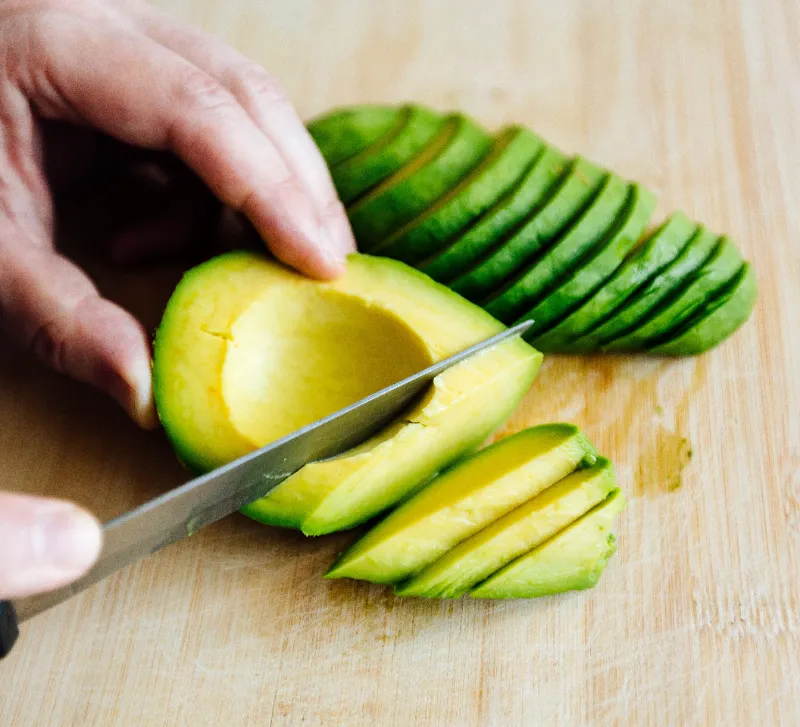
Avocados are loaded with healthy monounsaturated fats, potassium, magnesium, and vitamin E, a lineup that’s basically tailor-made for period support. The healthy fats help your body absorb fat-soluble vitamins and support hormone production.
Potassium reduces muscle cramping and water retention, while magnesium helps calm the nervous system. Vitamin E has been studied specifically for menstrual pain relief and shown to reduce the severity of cramps when consumed regularly.
Avocado toast, guacamole, avocado sliced over eggs, or blended into a creamy smoothie are all great options. If you find you’re extra hungry during your period, the healthy fat content in avocado will keep you fuller for longer without spiking your blood sugar.
11. Sweet Potatoes
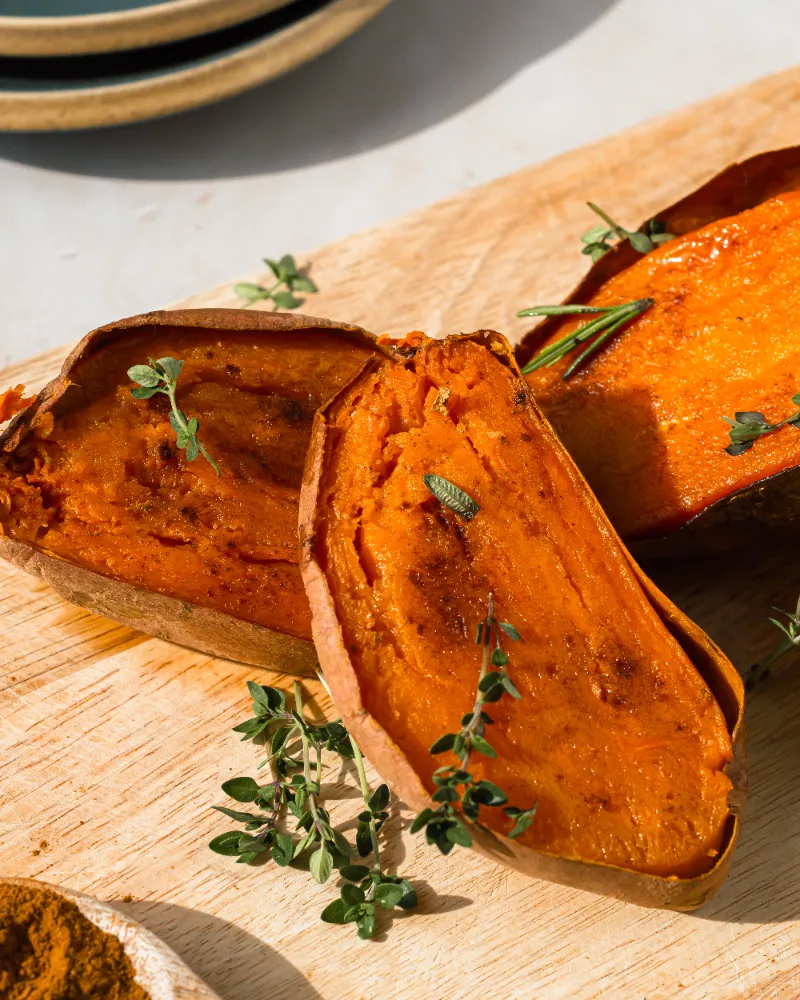
Sweet potatoes are comfort food that also happens to be nutritional gold during your menstrual phase. They’re rich in complex carbohydrates, which provide steady energy and help stabilize blood sugar during a time when your body naturally craves more carbs.
They’re also an excellent source of vitamin B6, potassium, and magnesium, plus beta-carotene, which your body converts to vitamin A. Vitamin A supports healthy mucous membranes and plays a role in regulating reproductive hormones.
Baked sweet potatoes with a drizzle of tahini and some black beans make an easy, nourishing dinner. Or roast them in cubes and toss into grain bowls or soups. They’re filling, naturally sweet, and genuinely satisfying when your energy is
12. Beets
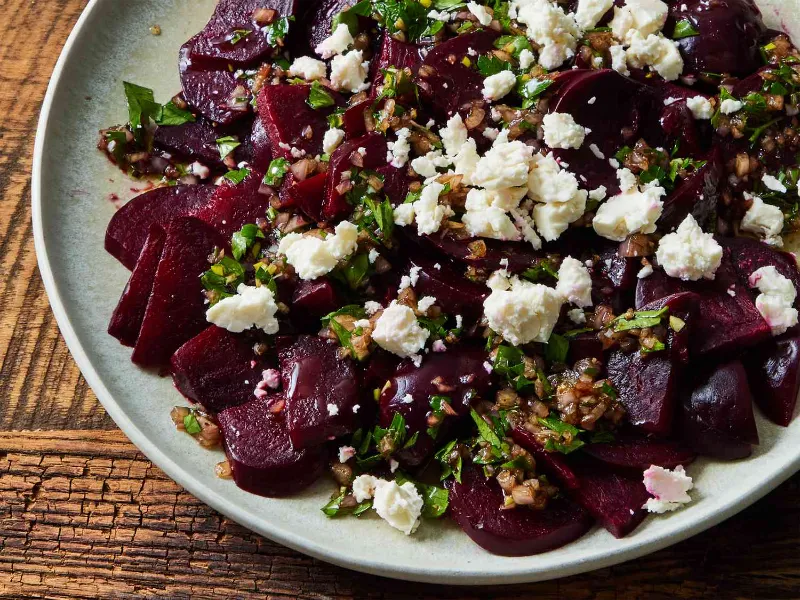
Beets are one of the most underrated period foods. They’re packed with iron, folate, and betalains, the pigments that give beets their deep red color and act as powerful antioxidants and anti-inflammatory agents in the body.
Because you’re losing blood during your period, replenishing iron and folate is important for maintaining energy and red blood cell production. Beets also contain nitrates that improve blood flow, which can actually help relieve the pelvic congestion that contributes to cramp discomfort.
Roasted beets are beautiful over a salad with goat cheese and walnuts. You can also blend them into smoothies with berries, or try beet hummus as a colorful, nutrient-rich dip. Even store-bought beet juice can be a quick daily boost during your cycle.
13. Blueberries
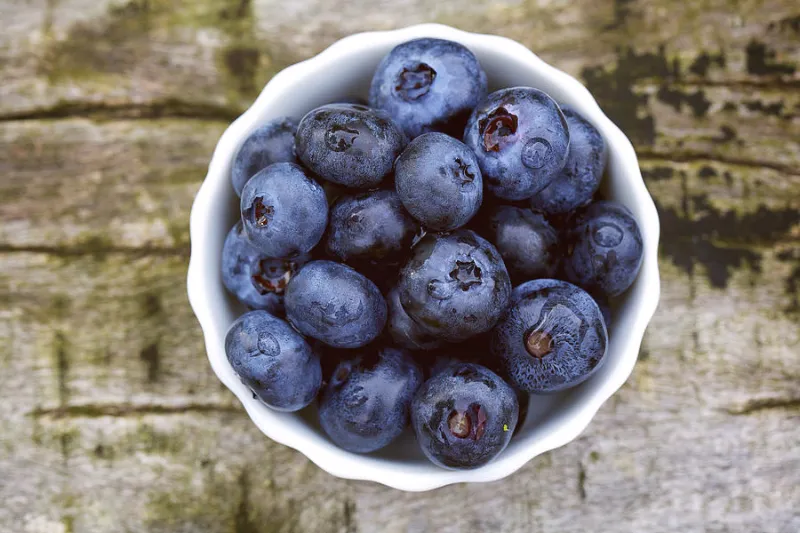
Blueberries are among the most antioxidant-dense foods available, and during your period, that matters. Oxidative stress can worsen inflammation and amplify pain perception, so flooding your body with antioxidants is a genuinely helpful strategy.
They’re rich in anthocyanins, the compounds responsible for their deep blue color, which have been shown to reduce inflammatory markers. Blueberries also contain vitamin C and manganese, which support tissue repair and healthy blood flow.
Toss a handful into oatmeal, Greek yogurt, or smoothies. Frozen blueberries work just as well as fresh and are often more affordable. A blueberry-spinach smoothie with chia seeds and almond milk is one of the most nourishing things you can make during period week.
14. Raspberries
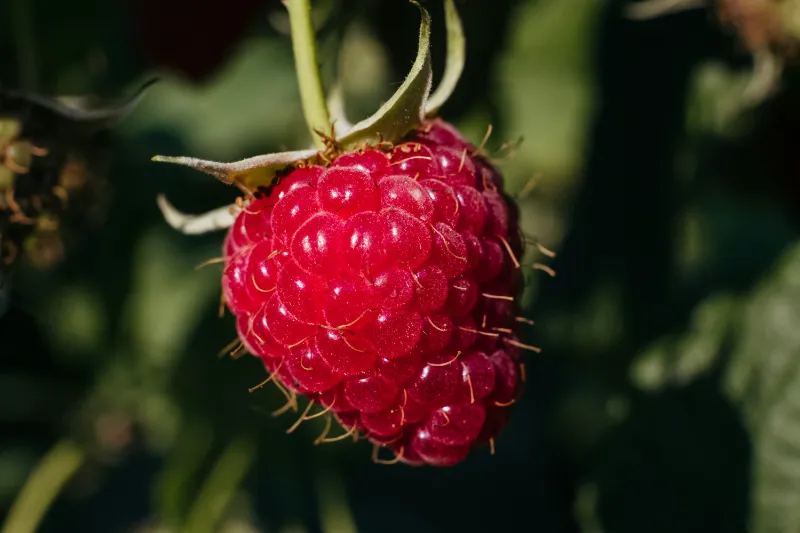
Raspberries are high in vitamin C, fiber, and ellagic acid, a polyphenol with notable anti-inflammatory and antioxidant properties. They’re also one of the highest-fiber fruits out there, which helps keep digestion on track when bloating tends to slow things down.
The raspberry leaf connection is worth mentioning too. While the fruit is different from the herb, raspberries share some of the same toning compounds that traditional herbalists have long associated with uterine health and menstrual comfort.
Fresh raspberries over yogurt, stirred into overnight oats, or blended into a smoothie are all delicious options. They’re naturally sweet enough to satisfy sugar cravings without the blood sugar crash that comes from processed sweets.
15. Strawberries
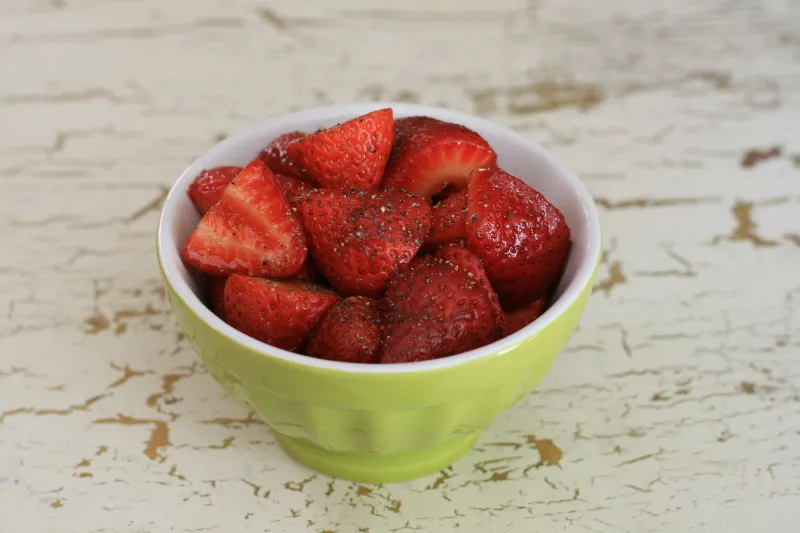
Strawberries are one of the best food sources of vitamin C, and that’s important during your period for more than one reason. Vitamin C boosts your immune system, supports collagen production, and crucially, helps your body absorb non-heme iron from plant foods.
They also contain quercetin, a flavonoid with anti-inflammatory and antihistamine properties that can help reduce the swelling and discomfort associated with menstruation. Quercetin has been studied for its ability to inhibit prostaglandin synthesis, the same mechanism as some pain relievers.
A bowl of sliced strawberries with a little Greek yogurt and a drizzle of honey is a simple, satisfying snack. Blend them into smoothies, add to salads, or make a quick strawberry chia jam to spread on whole grain toast throughout the week.
16. Oranges
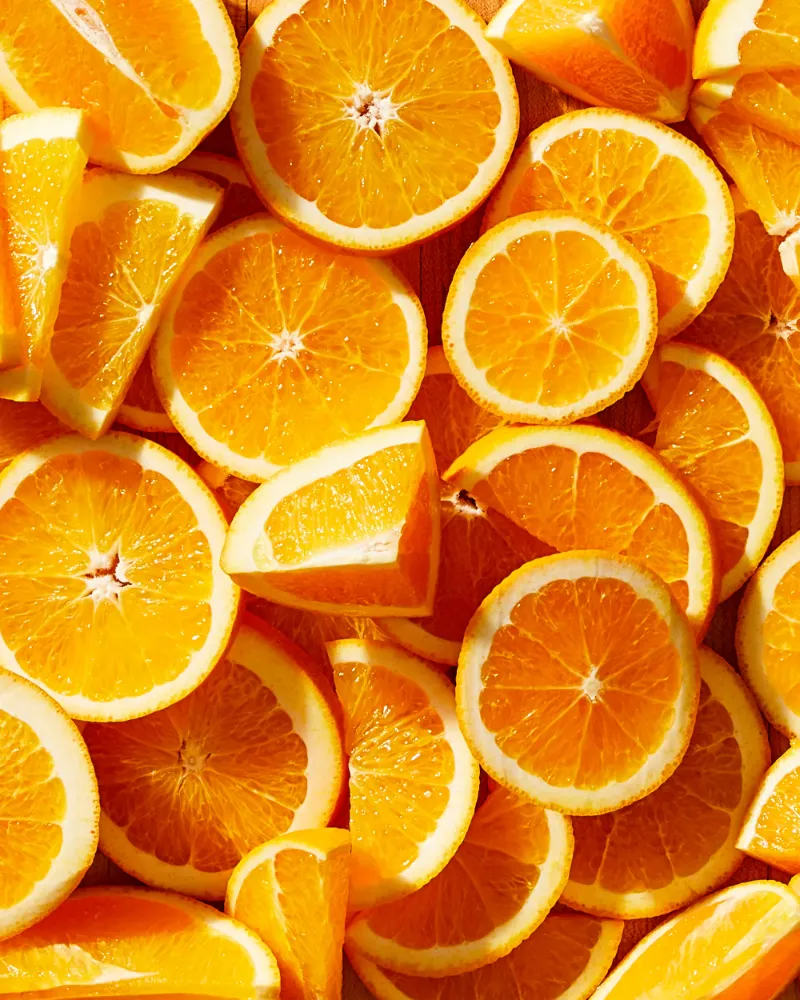
Oranges deliver a solid vitamin C boost along with folate, potassium, and calcium. All of these nutrients play a role in menstrual health, from supporting energy levels to reducing cramping and regulating mood.
Vitamin C also supports adrenal function, which is relevant during your period since your body is under mild physiological stress. Keeping your adrenal glands supported helps regulate cortisol and prevent the anxiety spike some people experience during menstruation.
Whole oranges give you fiber that juice doesn’t. Peel one as a snack, add segments to a salad with fennel and mint, or squeeze fresh orange juice over a smoothie bowl. The natural sweetness also makes them a great option when you’re craving something sugary but want to make a nourishing choice.
17. Lentils
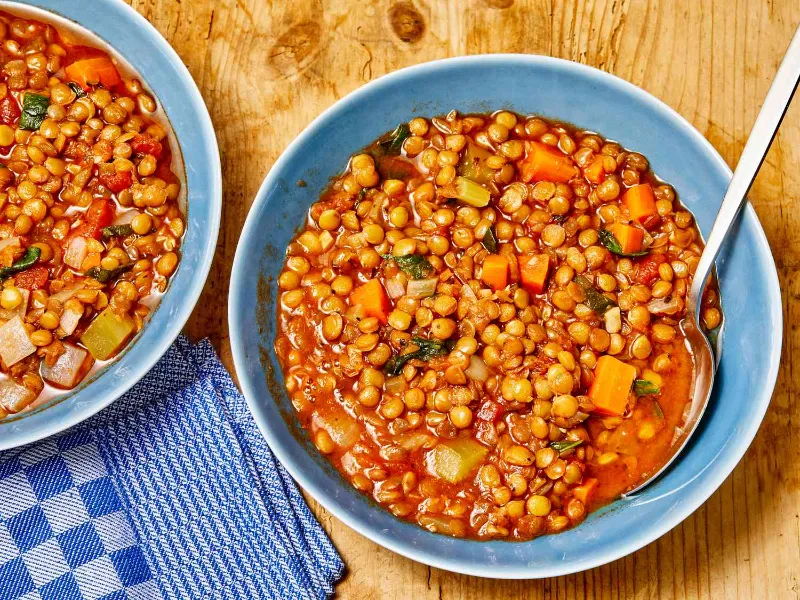
Lentils are one of the best plant-based iron sources you can eat, delivering around 6 mg of iron per cooked cup. That’s significant when you’re losing iron through menstrual blood. They also contain folate, which supports red blood cell production and helps prevent fatigue.
Beyond iron, lentils are rich in soluble fiber that feeds your gut bacteria and helps regulate blood sugar. Stable blood sugar during your period means fewer mood swings, more consistent energy, and less intense food cravings.
Lentil soup is one of the most warming, satisfying meals for period week. Red lentils cook quickly and are perfect for a simple soup with coconut milk and turmeric. Green or brown lentils work beautifully in salads or as a base for grain bowls topped with roasted vegetables.
18. Chickpeas
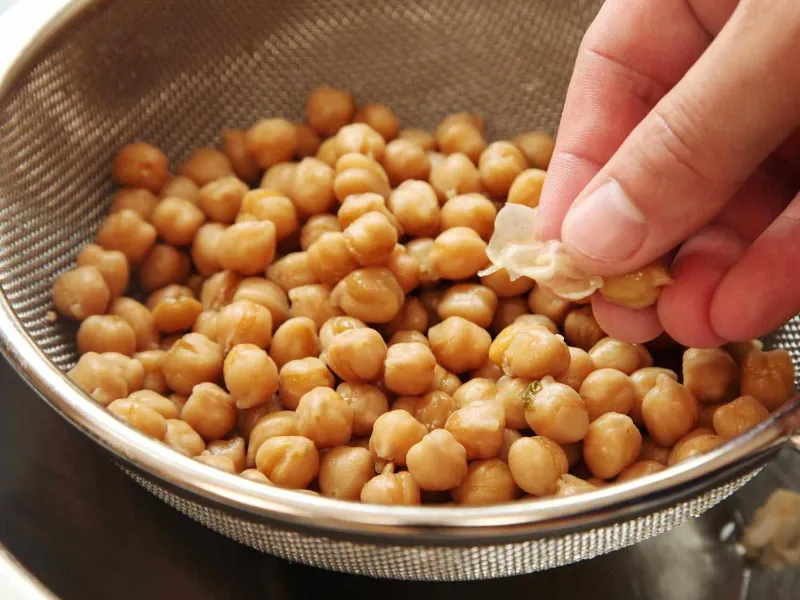
Chickpeas are a period-week staple for good reason. They’re rich in iron, zinc, magnesium, and B vitamins, particularly B6, which supports serotonin production and helps ease mood-related symptoms during menstruation.
Zinc is a lesser-known but important mineral for menstrual health. Research shows that zinc deficiency is associated with more painful periods, and zinc supplementation has been found to reduce the intensity of dysmenorrhea (painful cramps). Chickpeas give you a natural food source of this key mineral.
Roasted chickpeas make a crunchy, satisfying snack. Hummus with veggies is an easy, nutrient-dense option when cooking feels like too much. Chickpea curry with spinach is one of the most nourishing meals you can have during this phase of your cycle.
19. Black Beans
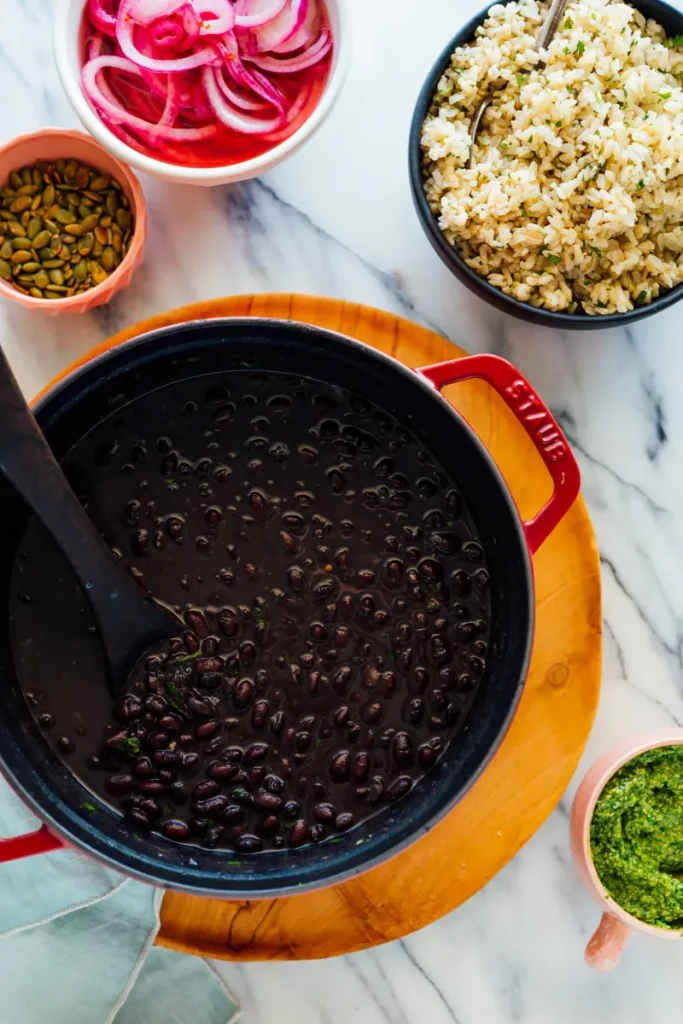
Black beans bring iron, magnesium, folate, and a hefty dose of fiber to the table. The magnesium content is particularly valuable, helping reduce uterine cramping and supporting the nervous system during what can be a physically demanding few days.
The fiber in black beans also acts as a prebiotic, feeding beneficial gut bacteria. A healthy gut microbiome plays a surprising role in estrogen metabolism. When your gut bacteria are balanced, excess estrogen is cleared from the body more efficiently, which helps keep hormonal symptoms in check.
Black bean tacos, burrito bowls, or a simple black bean and sweet potato soup are all great options. They’re filling, inexpensive, and pair well with so many of the other period-friendly foods on this list, making them an easy staple to keep stocked during your cycle.
20. Tofu
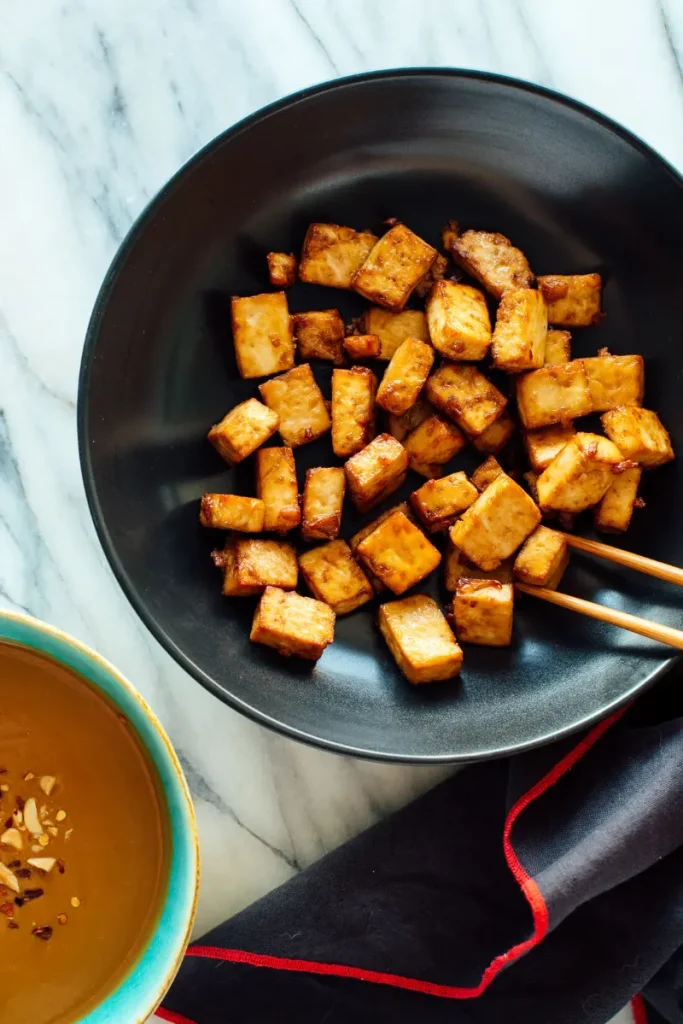
Tofu is made from soybeans, which contain phytoestrogens called isoflavones. These compounds have a mild estrogen-like effect in the body and can help balance estrogen levels, which often fluctuate during the menstrual phase.
Tofu is also a great source of iron, calcium, and magnesium, the trio of minerals most important for managing period symptoms. Firm tofu in particular provides around 3 mg of iron per serving, plus calcium that rivals dairy products.
Silken tofu blends beautifully into smoothies and sauces for a protein boost without any gritty texture. Firm tofu can be pan-fried, baked, or crumbled into scrambles. A tofu stir-fry with broccoli, sesame, and ginger is both quick to make and incredibly nourishing during period week.
21. Tempeh
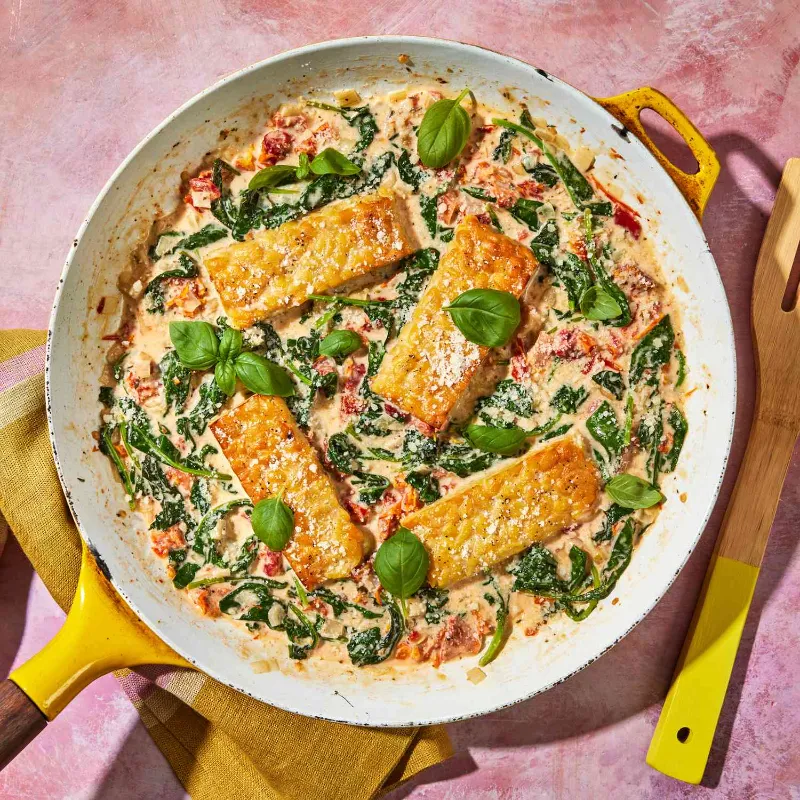
Tempeh is fermented tofu’s more nutrient-dense cousin. The fermentation process makes its nutrients easier to absorb and adds beneficial probiotics that support gut health. Like tofu, it contains isoflavones that support hormonal balance.
What sets tempeh apart is its protein content. A 3-ounce serving delivers around 16 grams of complete protein, which helps stabilize blood sugar, reduce cravings, and maintain energy during a time when your body is working hard.
Slice tempeh thin and pan-fry it with tamari, maple syrup, and garlic for a quick, savory addition to grain bowls or salads. Tempeh bacon is a satisfying, protein-rich option for breakfast that pairs well with eggs and avocado for a complete period-supportive morning meal.
22. Eggs
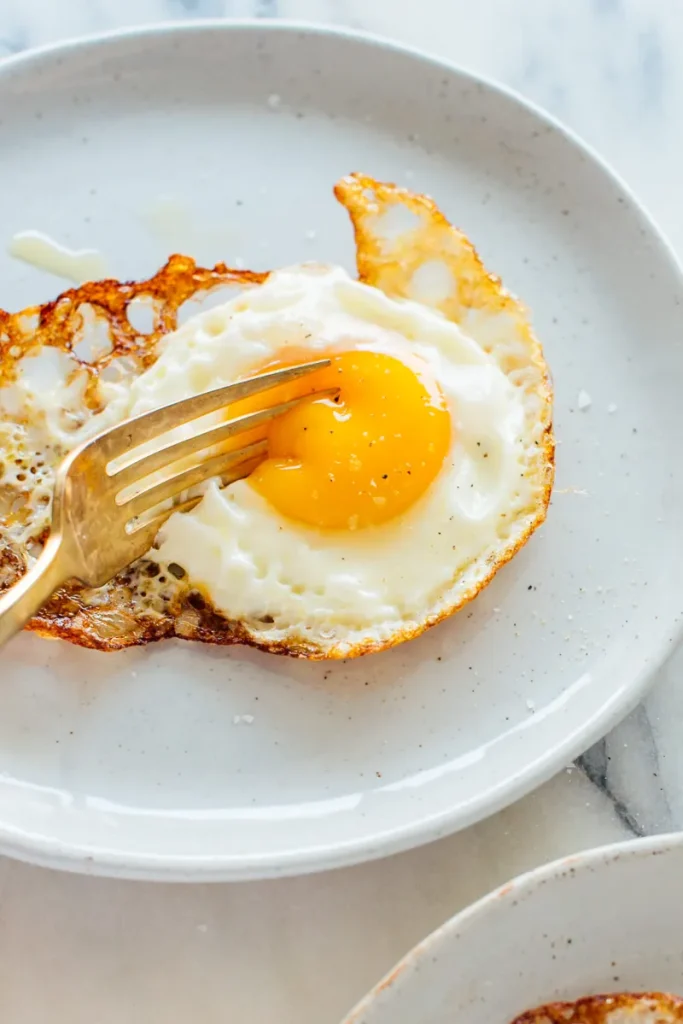
Eggs are one of the most complete nutritional packages in the whole food world. They contain iron, B12, choline, vitamin D, and all nine essential amino acids. During your period, when your body needs extra nourishment, eggs are a quick, reliable source of real nutrition.
Choline is often overlooked but plays a key role in neurotransmitter production, including acetylcholine, which supports memory, focus, and mood. When you’re dealing with the mental fog that sometimes accompanies menstruation, choline-rich foods like eggs can help you feel sharper.
Eggs are also one of the few dietary sources of vitamin D, which is strongly linked to menstrual pain severity. Scrambled, poached, soft-boiled, or baked into a frittata with veggies, eggs are endlessly versatile and perfect for period week meals.
23. Greek Yogurt
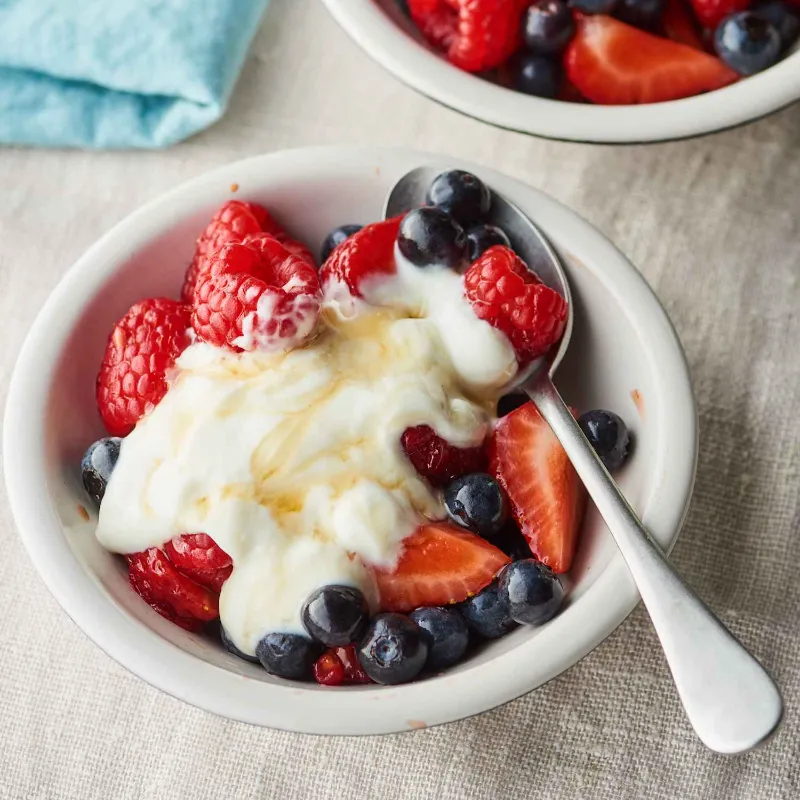
Greek yogurt is rich in calcium, protein, and probiotics, a combination that makes it particularly valuable during your menstrual phase. Calcium, as research has shown, reduces the frequency and severity of PMS symptoms, including cramping and mood changes.
The probiotics in Greek yogurt help maintain a healthy gut microbiome, which plays a role in estrogen metabolism and inflammation regulation. A well-balanced gut means your body processes hormones more efficiently and keeps inflammatory responses in check.
Plain, full-fat Greek yogurt is the best option for maximum calcium and satiety. Top it with blueberries, flaxseeds, and a little honey for a period-perfect breakfast or snack. It also works beautifully as a base for smoothies or as a creamy swap for sour cream in savory dishes.
24. Ginger
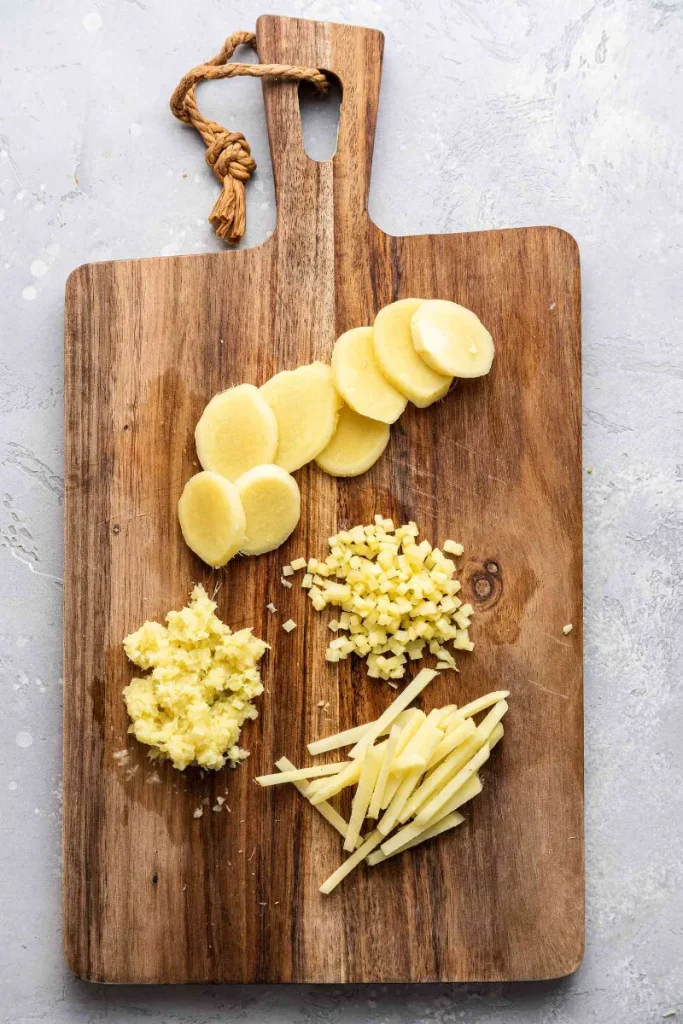
Ginger is one of the most well-studied natural remedies for menstrual pain. A randomized controlled trial published in the Journal of Alternative and Complementary Medicine found that ginger was as effective as ibuprofen and mefenamic acid in relieving dysmenorrhea. That’s powerful.
The active compounds in ginger, gingerols and shogaols, inhibit prostaglandin synthesis and reduce the production of pro-inflammatory molecules. This directly targets the mechanism that causes uterine cramping, making ginger one of the most targeted foods you can eat during your period.
Fresh ginger tea is the simplest way to get a therapeutic dose. Slice a thumb-sized piece, steep in hot water for 10 minutes, and add honey and lemon. You can also grate fresh ginger into stir-fries, soups, smoothies, and dressings throughout the week for ongoing support.
25. Turmeric
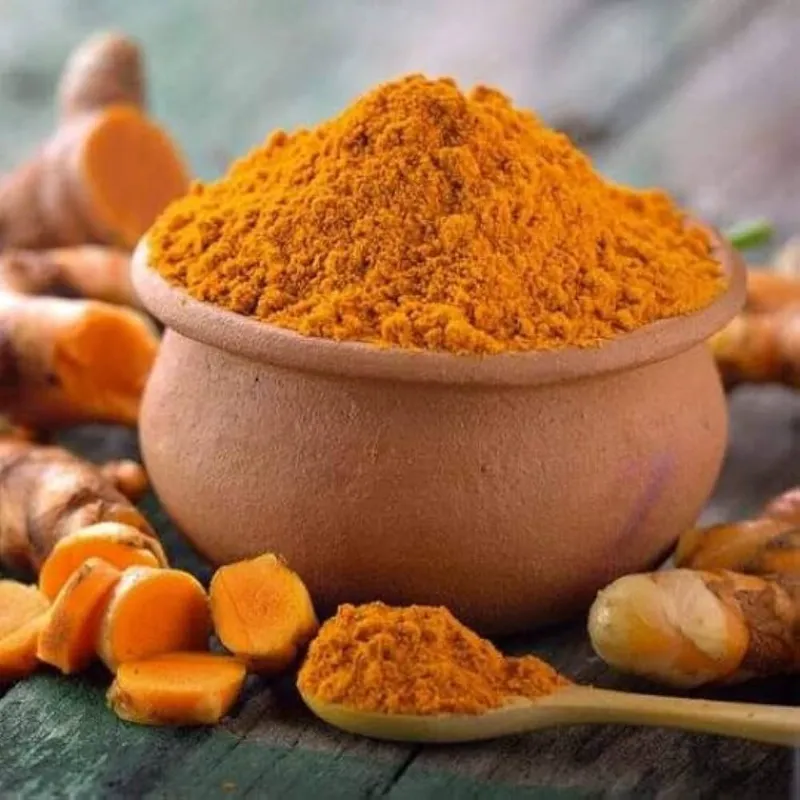
Turmeric contains curcumin, one of the most researched anti-inflammatory compounds in nutrition science. Curcumin works by blocking NF-kB, a molecule that activates inflammatory genes in the body. Less inflammation means less pain and less bloating during your period.
Research has also shown that curcumin can help ease PMS symptoms by influencing serotonin and dopamine pathways. One study found that women who took curcumin for seven days around their period reported significantly lower PMS severity compared to the placebo group.
The trick with turmeric is bioavailability. Pair it with black pepper (which contains piperine) to increase curcumin absorption by up to 2,000%. Golden milk, a warm drink made with turmeric, black pepper, ginger, and milk, is a beautiful evening ritual during your menstrual phase.
26. Chamomile Tea
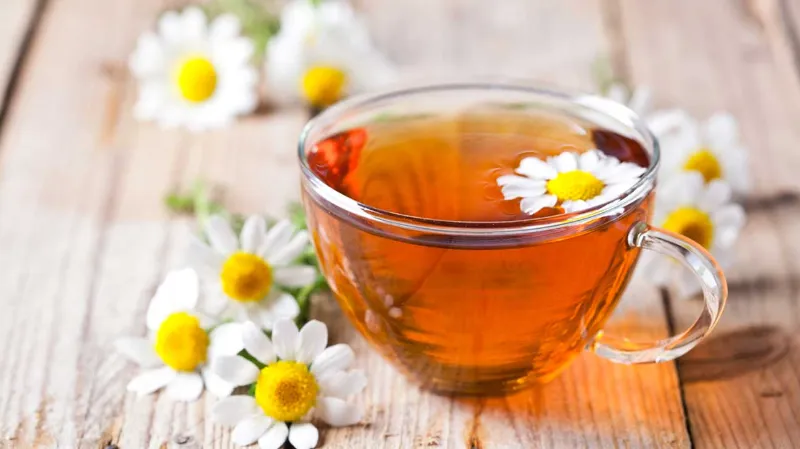
Chamomile tea has been used for centuries to ease menstrual discomfort, and modern science is starting to back up what traditional healers already knew. Chamomile contains apigenin and other flavonoids that act as antispasmodics, meaning they help relax smooth muscle in the uterus.
Studies have found that regular chamomile consumption raises levels of glycine, an amino acid that reduces muscle spasms and acts as a mild nerve relaxant. Drinking chamomile tea in the days leading up to and during your period can meaningfully reduce cramping intensity.
A warm mug of chamomile before bed is also an excellent sleep aid during period week, when discomfort can disrupt rest. Add a little honey and a slice of fresh ginger to boost its soothing, anti-inflammatory properties. Two to three cups a day during menstruation is a gentle, effective approach.
27. Pumpkin Seeds
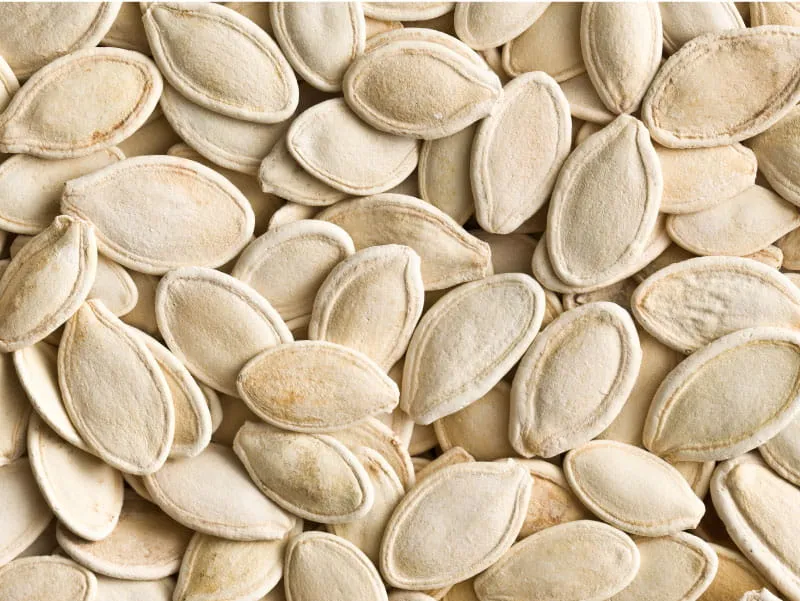
Pumpkin seeds are one of the richest food sources of zinc and magnesium you can find, and both minerals are critical during your menstrual phase. Zinc reduces the production of prostaglandins that cause cramping, while magnesium relaxes uterine muscles and calms the nervous system.
Just one ounce of pumpkin seeds provides about 37% of your daily magnesium needs and 20% of your zinc needs. They’re also a good source of iron and tryptophan, the precursor to serotonin, which helps lift mood during low-energy days.
Keep a small container of pumpkin seeds in your bag or on your desk for easy snacking. Sprinkle them over salads, soups, or oatmeal. Toasted pumpkin seeds with a pinch of sea salt and cinnamon are one of the easiest, most satisfying period snacks you can make.
28. Sunflower Seeds
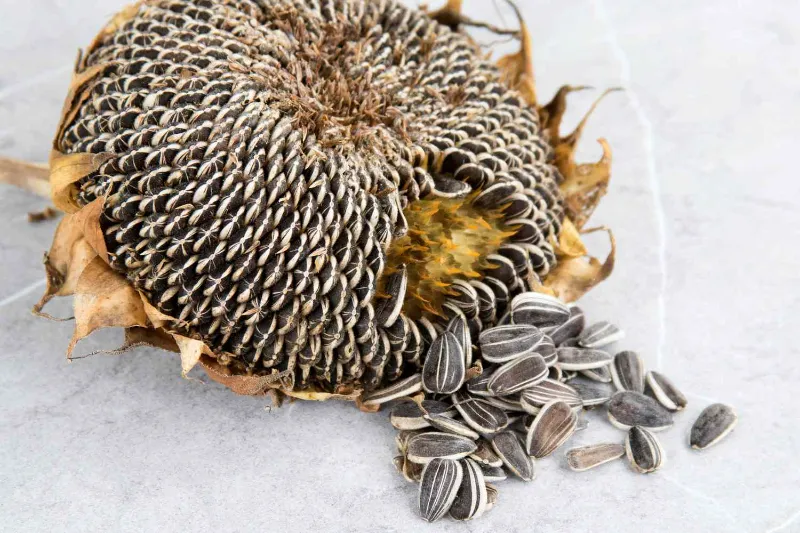
Sunflower seeds are packed with vitamin E, selenium, and B vitamins, all of which support period health in different ways. Vitamin E is a fat-soluble antioxidant that has been clinically shown to reduce the severity of menstrual pain when consumed regularly.
Selenium works alongside vitamin E to reduce oxidative stress and inflammation. B vitamins, particularly B1 (thiamine) and B2 (riboflavin), have been associated in research with lower risk of PMS symptoms when consumed in adequate amounts through food.
Sunflower seed butter is a delicious nut-free spread for toast or apple slices. Toss a handful of seeds over your salad, blend into homemade trail mix, or use sunflower seed butter as the base for a smoothie or sauce. They’re mild in flavor and easy to work into daily eating.
29. Brown Rice
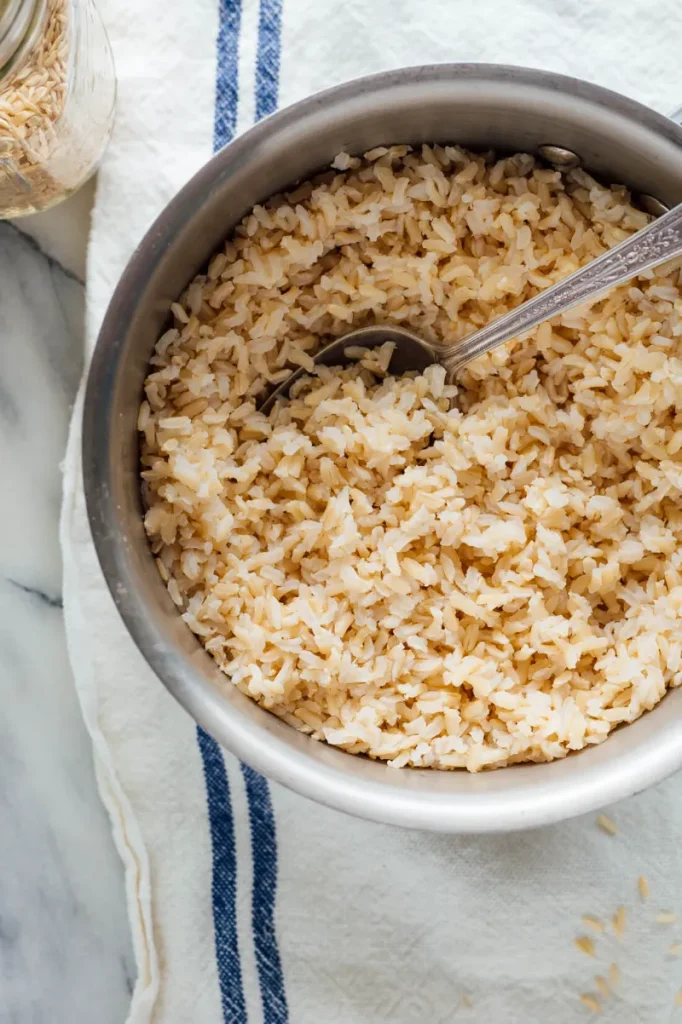
Brown rice is a complex carbohydrate that digests slowly, providing steady, sustained energy during your menstrual phase when blood sugar can be more volatile. Unlike refined white rice, brown rice retains its bran layer, which contains fiber, B vitamins, and magnesium.
The fiber in brown rice also supports healthy estrogen metabolism. When dietary fiber binds to excess estrogen in the digestive tract and removes it from the body, it helps prevent the estrogen dominance that can worsen symptoms like bloating, breast tenderness, and heavy flow.
Brown rice is the perfect base for a nourishing period bowl. Layer it with roasted sweet potatoes, black beans, avocado, and a tahini drizzle for a meal that covers multiple period-supportive nutrients in one bowl. It also reheats beautifully throughout the
30. Oats
Oats are comforting, warming, and genuinely therapeutic during period week. They’re rich in magnesium, iron, zinc, and B vitamins, plus beta-glucan fiber that stabilizes blood sugar and feeds beneficial gut bacteria.
The tryptophan in oats helps support serotonin production, which contributes to feelings of calm and wellbeing. If you tend to feel anxious or irritable during your period, starting the day with a warm bowl of oatmeal is a simple, nourishing act of self-care.
Steel-cut oats have the lowest glycemic index and the most fiber, but rolled oats work beautifully too. Top your bowl with flaxseeds, walnuts, blueberries, and a drizzle of almond butter for a breakfast that hits nearly every menstrual phase nutrient in one go.
31. Quinoa
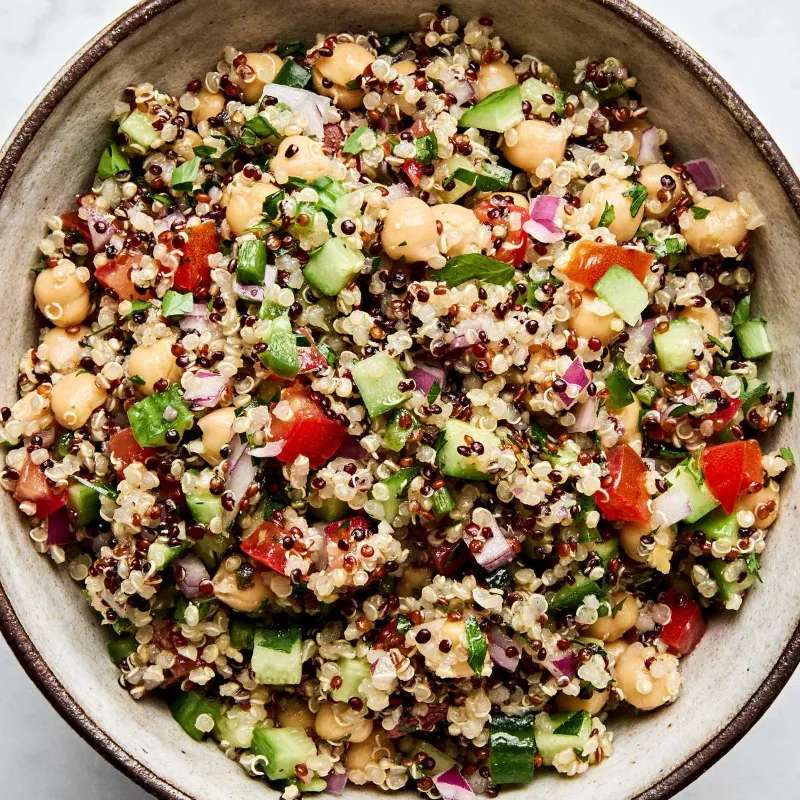
Quinoa is one of the few plant foods that qualifies as a complete protein, meaning it contains all nine essential amino acids. During your period, adequate protein intake helps stabilize blood sugar, reduce cravings, and support the tissue repair that naturally occurs after menstruation.
Quinoa is also a good source of iron, magnesium, and zinc, the same mineral trio that appears throughout this list for good reason. It’s also gluten-free, which is worth knowing if you find that gluten worsens your bloating during your cycle.
Quinoa cooks in about 15 minutes and keeps well in the fridge all week. Use it as the base for grain bowls, mix into soups to thicken them, or make a warm quinoa porridge with cinnamon, almond milk, and berries as a cozy, protein-rich breakfast alternative to oats.
32. Bone Broth
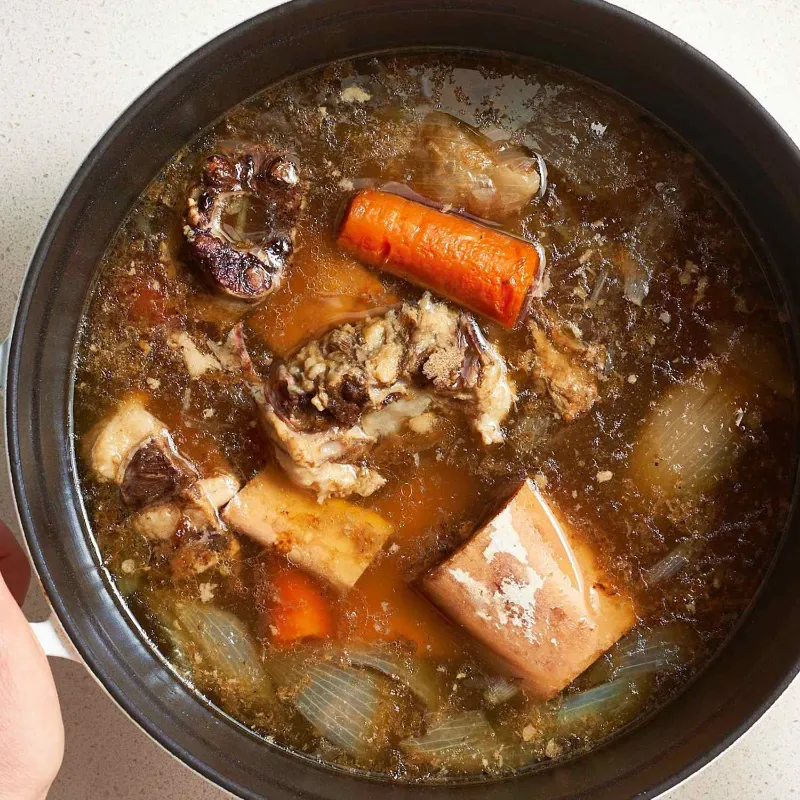
Bone broth might be the most underrated item on this entire list. It’s rich in glycine, proline, and collagen, compounds that support gut lining integrity, reduce inflammation, and promote deep relaxation. The glycine content in particular makes bone broth a natural nervous system soother.
During your period, your body is in a mild inflammatory state. The gelatin in bone broth helps seal and heal the gut lining, reducing the systemic inflammation that travels outward and worsens cramps, headaches, and fatigue. It’s essentially soothing from the inside out.
Sip warm bone broth from a mug like tea, especially in the evenings when cramps tend to peak. Use it as the base for soups, stews, and grain cooking to add flavor and nutrients. Look for brands with no added MSG, or make your own in a slow cooker for maximum nutrient density.
33. Watermelon
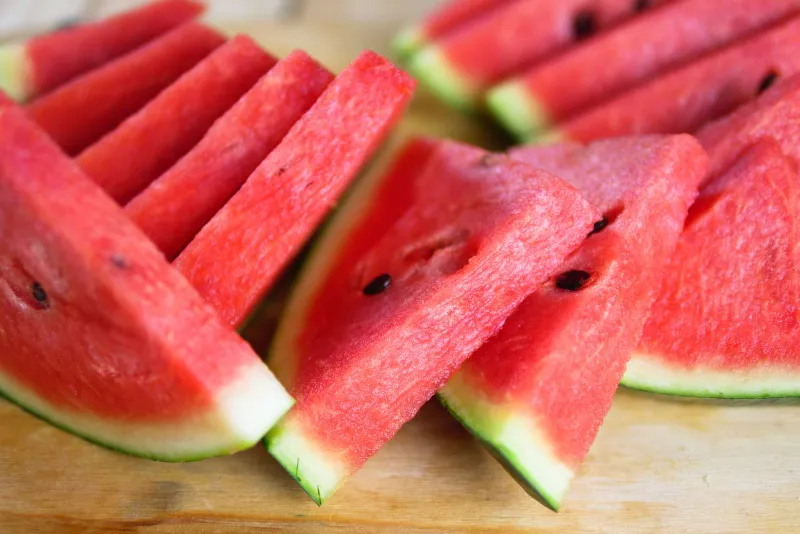
Watermelon is about 92% water, making it one of the most hydrating foods you can eat. Staying well-hydrated during your period reduces bloating, eases headaches, and helps your blood flow more smoothly, which can lessen cramping intensity.
Watermelon also contains citrulline, an amino acid that converts to arginine in the body and promotes healthy blood vessel dilation. Better circulation means better blood flow to the uterus and potentially less cramping. Plus, its natural sugars satisfy sweet cravings in a wholesome way.
Eat watermelon chilled as a refreshing snack, blend it into a hydrating smoothie with mint and lime, or cube it into a summer salad with cucumber and feta. Even in colder months, a small bowl of watermelon can be a sweet, hydrating treat during the heaviest days of your period.
34. Coconut Water
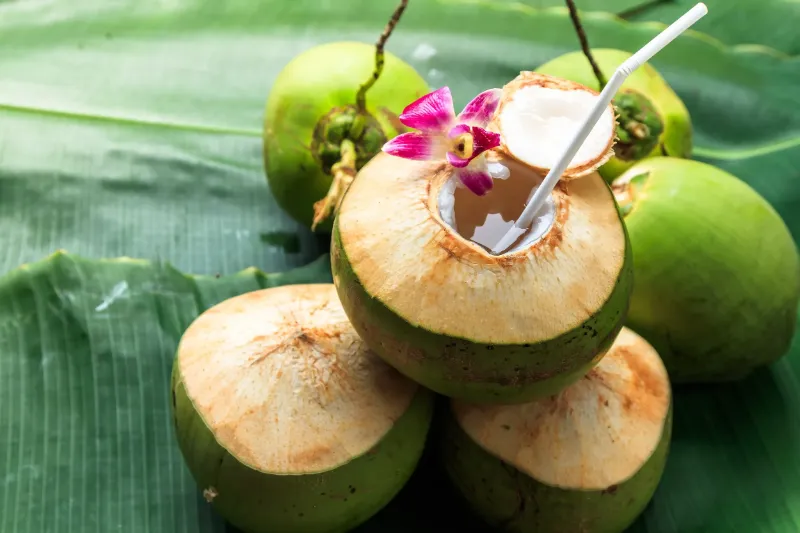
Coconut water is nature’s electrolyte drink. It’s loaded with potassium, magnesium, and sodium, the exact minerals your body loses through blood and sweat during your period. Replenishing electrolytes helps reduce muscle cramping, fatigue, and the dizzy spells some people experience with heavier flows.
Unlike most sports drinks, coconut water delivers these electrolytes without artificial colors, flavors, or excessive added sugar. The natural sugars in coconut water are accompanied by fiber and other compounds that allow for a gentler blood sugar response.
Drink a glass of coconut water in the morning during your period, especially if your flow is heavy. Mix it into smoothies, use it as a base for overnight oats, or simply sip it chilled throughout the day. It’s a simple, effective way to stay hydrated and replenish what your body is working hard to replace.
Final Thoughts
Your menstrual phase is a time to slow down and nourish yourself with intention. You don’t have to overhaul your entire diet overnight. Start with one or two foods from this list each cycle and notice how your body responds.
Small, consistent changes really do add up. Save this article, share it with a friend who might need it, and remember that eating well during your period is one of the most powerful forms of self-care you have.
