
24 Life-Changing Iron Rich Foods For Kids Most People Don’t Know About

If your child seems tired all the time, struggles to focus, or keeps getting sick, low iron might be the culprit. It’s one of the most common nutrient deficiencies in kids across the US, and most parents have no idea it’s happening.
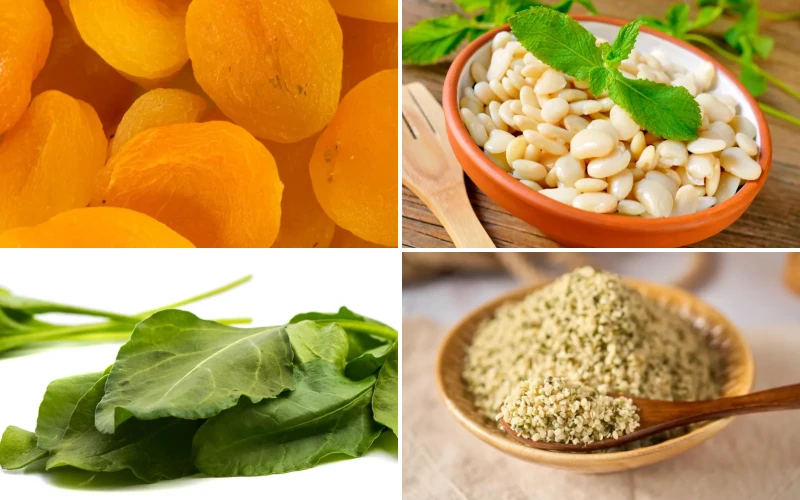
The good news? You don’t have to rely on supplements alone. There are tons of delicious, kid-friendly foods packed with iron just waiting to make it onto your family’s plate. Here are 24 that most people completely overlook.
1. Lentils
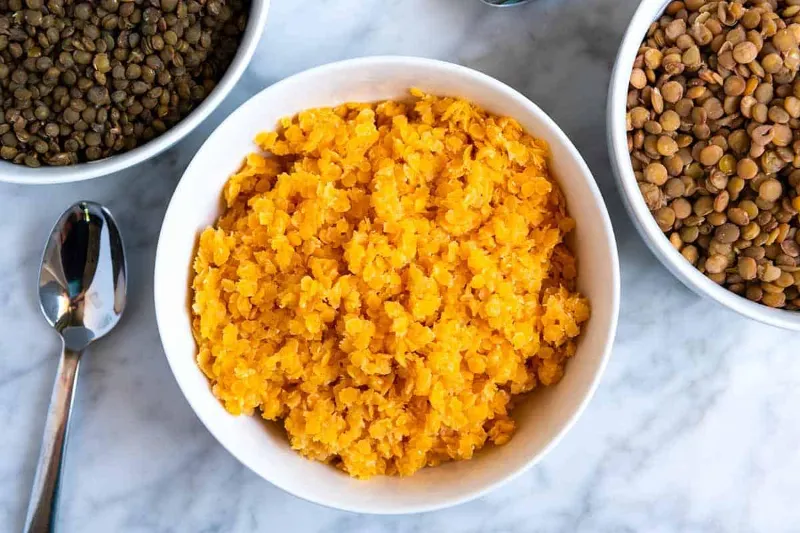
Lentils are honestly one of the most underrated foods you can feed your kid. A single cup of cooked lentils delivers around 6.6 mg of iron, which is a huge chunk of what kids need daily.
They’re also loaded with fiber and plant-based protein, making them a genuinely filling meal. The iron in lentils is non-heme iron, which absorbs better when paired with a vitamin C source like tomatoes or bell peppers.
Stir them into soups, blend them into a pasta sauce, or make little lentil patties your kids will actually want to eat. They take on flavors really well, so picky eaters are less likely to notice them.
2. Spinach
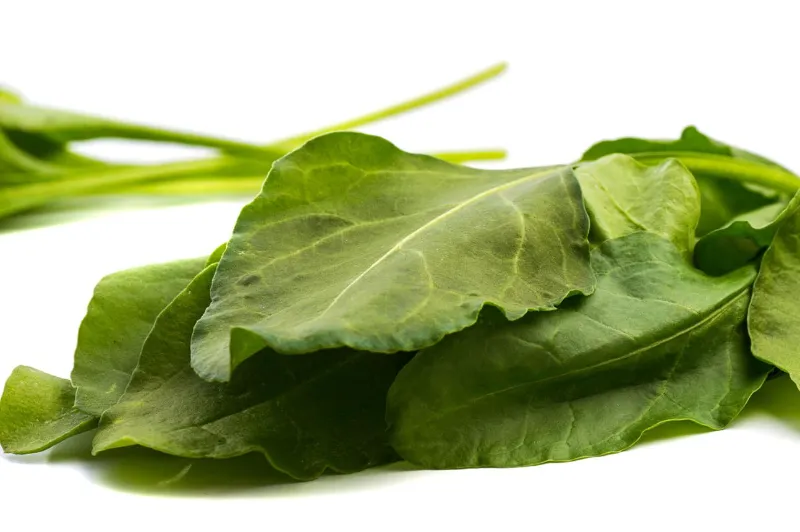
Popeye was onto something. Spinach contains about 3.6 mg of iron per cooked cup, and it’s incredibly easy to sneak into meals without your child even knowing it’s there.
The key is pairing it with vitamin C to boost iron absorption. Think spinach smoothies with a squeeze of orange juice, or wilted spinach in a pasta dish with tomato sauce.
Fresh baby spinach in quesadillas or scrambled eggs is another great move. It wilts down so much your kids won’t even taste it, but they’ll get all the iron benefits.
3. Tofu
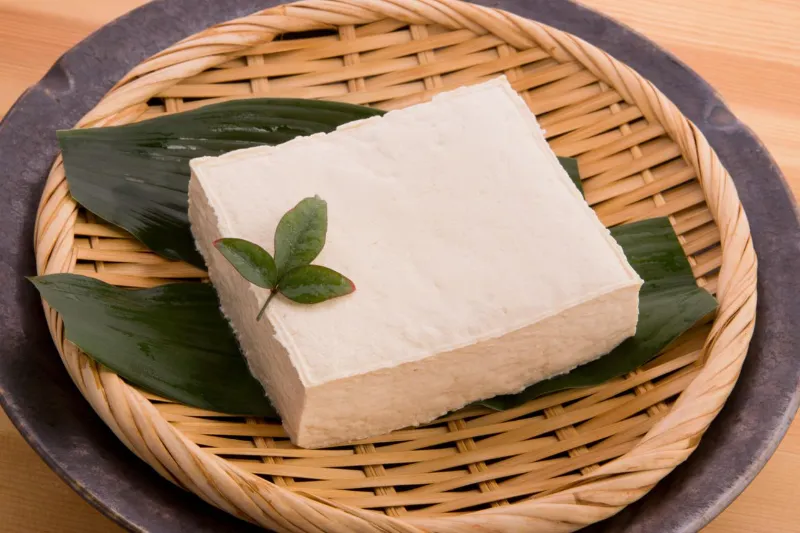
Tofu might not be the first thing that pops into your head for kids, but firm tofu has around 3 mg of iron per half cup. That’s genuinely impressive for a plant food.
It also provides calcium and all essential amino acids, making it a nutritional powerhouse for growing bodies. The soy-based protein supports muscle development and energy levels too.
Try baking it with a little soy sauce and sesame oil until crispy. Most kids love the texture, and you can serve it as nuggets or cubes alongside rice and veggies.
4. Pumpkin Seeds
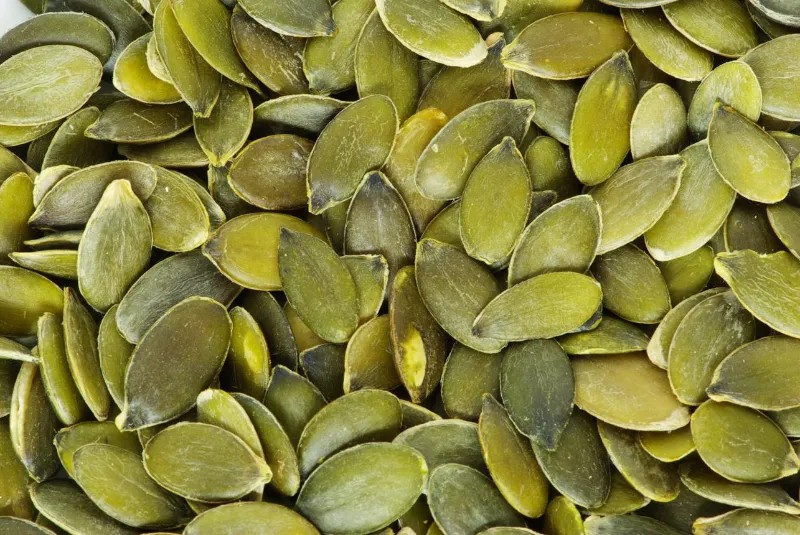
These little seeds pack a serious punch. One ounce of pumpkin seeds contains about 2.5 mg of iron, plus magnesium, zinc, and healthy fats that support brain development.
They’re also one of the best plant-based sources of zinc, which works alongside iron to support a healthy immune system in kids. That’s a pretty big deal during cold and flu season.
Sprinkle them on oatmeal, toss them into trail mix, or let your kids snack on lightly salted roasted ones straight from the bag. They’re easy, portable, and totally delicious.
5. Quinoa
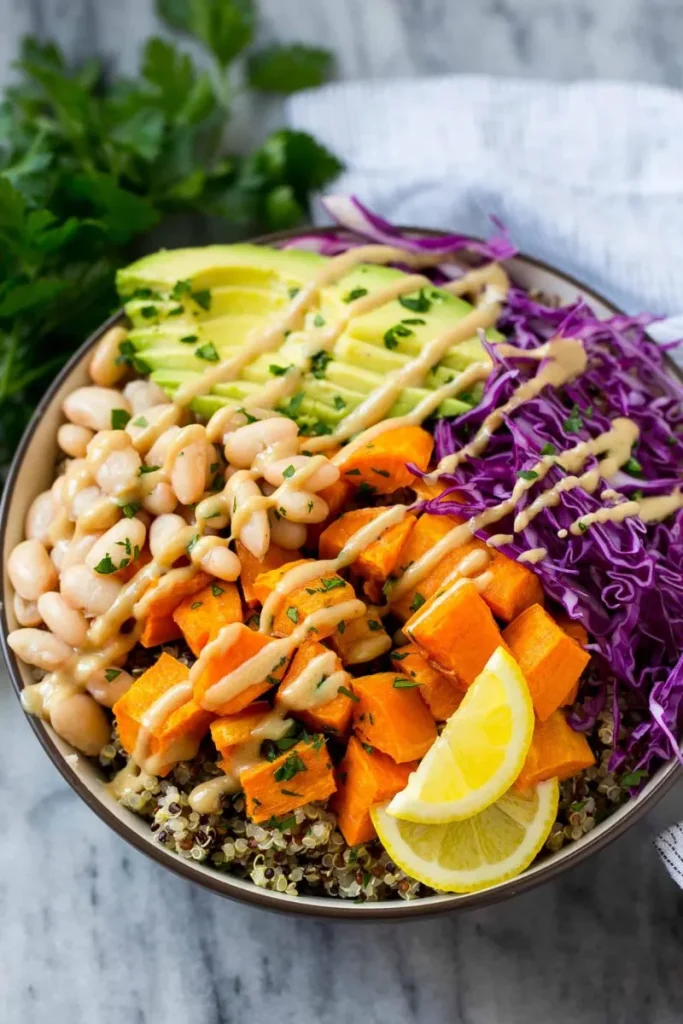
Quinoa is one of the rare plant foods that contains all nine essential amino acids, and it also delivers about 2.8 mg of iron per cooked cup. It’s a complete protein and an iron source in one.
Because it’s a complete protein, it helps the body absorb and use iron more effectively. Pairing quinoa with colorful veggies or a citrus dressing makes it even more nutritious.
Use it as a base for grain bowls, stir it into soups, or make fun little quinoa “fried rice” with eggs and veggies. Most kids take to the slightly nutty flavor pretty quickly.
6. Fortified Cereals
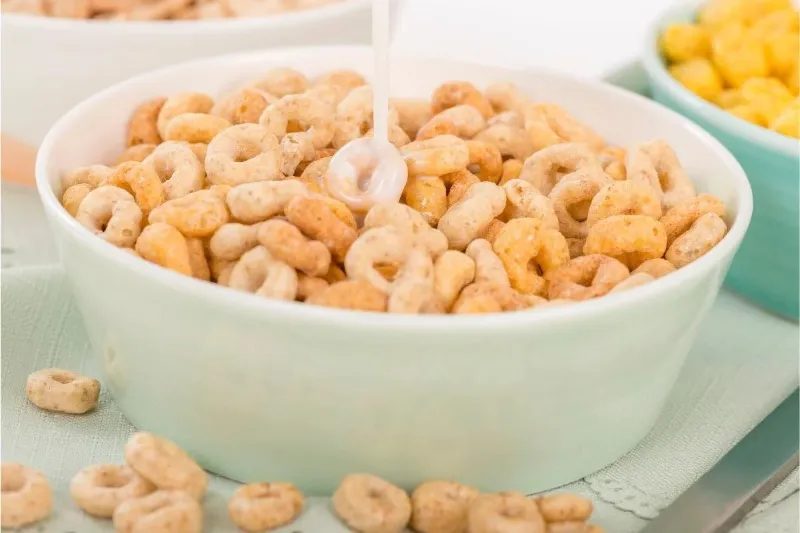
Here’s a surprisingly powerful one: many breakfast cereals are fortified with 100% of a child’s daily iron needs in just one serving. Check the label for cereals like Total, Cheerios, or Cream of Wheat.
Fortified iron is often in the ferric form, which absorbs best when paired with vitamin C. That means a glass of orange juice with breakfast isn’t just tasty, it actually supercharges the iron absorption.
Just watch the sugar content when you’re picking cereals. Go for lower-sugar options and dress them up with fresh fruit so your kids still feel like they’re getting a treat.
7. Black Beans
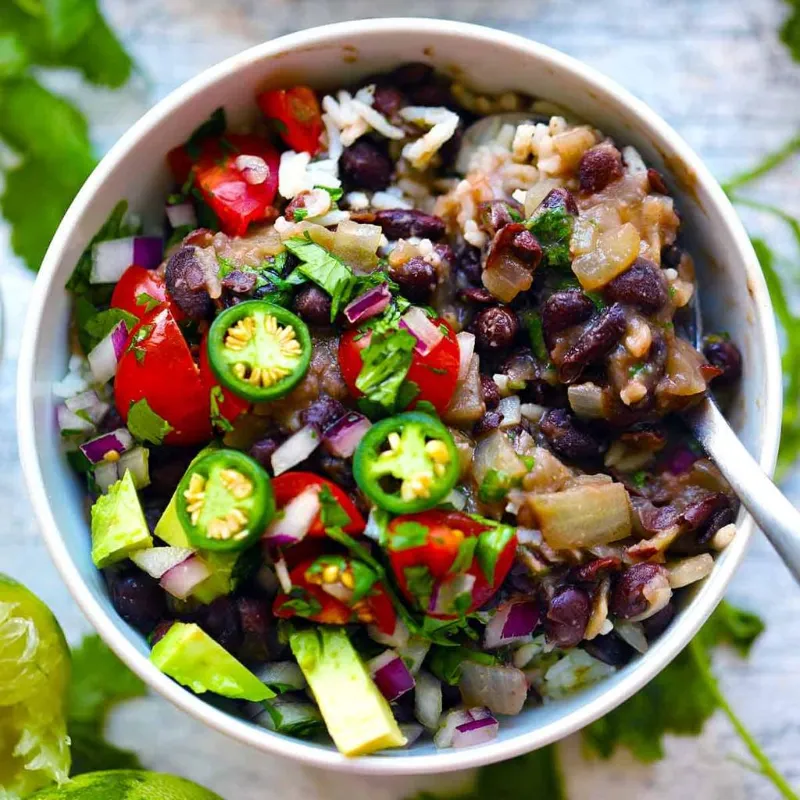
Black beans are a staple in many American households, and for good reason. One cup of cooked black beans contains about 3.6 mg of iron alongside loads of fiber, folate, and protein.
Research shows that the fiber in black beans helps support healthy gut bacteria, which plays a role in overall nutrient absorption. So feeding your kid black beans benefits them in more ways than one.
Tacos, burritos, bean quesadillas, or even a simple rice and beans dish are all winners with kids. Add some salsa for a vitamin C boost that helps the iron absorb better.
8. Chickpeas
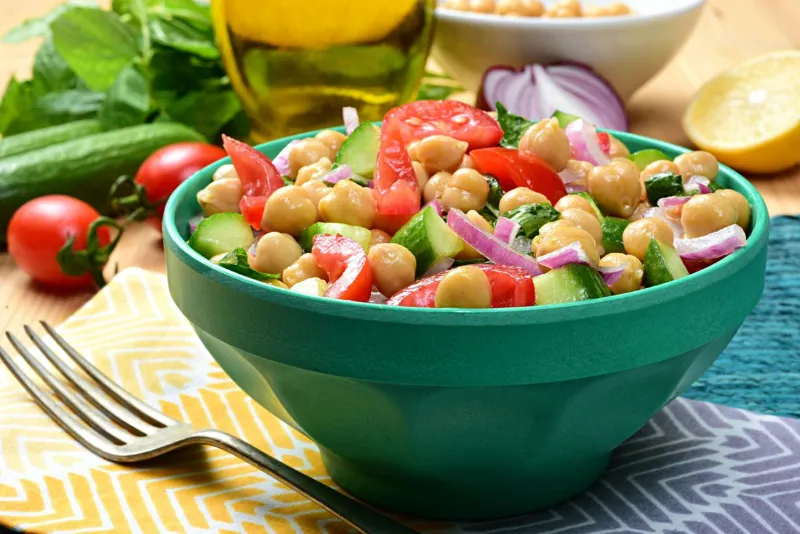
Chickpeas, also called garbanzo beans, offer about 4.7 mg of iron per cooked cup. They’re incredibly versatile and have a mild flavor most kids tolerate really well.
They’re also high in folate and manganese, nutrients that work together to support energy metabolism and healthy red blood cell production. That’s exactly what you want for an active, growing kid.
Roasted chickpeas make an amazing crunchy snack. You can also blend them into hummus for dipping with veggies, or toss them into pasta and salads for an iron boost.
9. Dark Chocolate
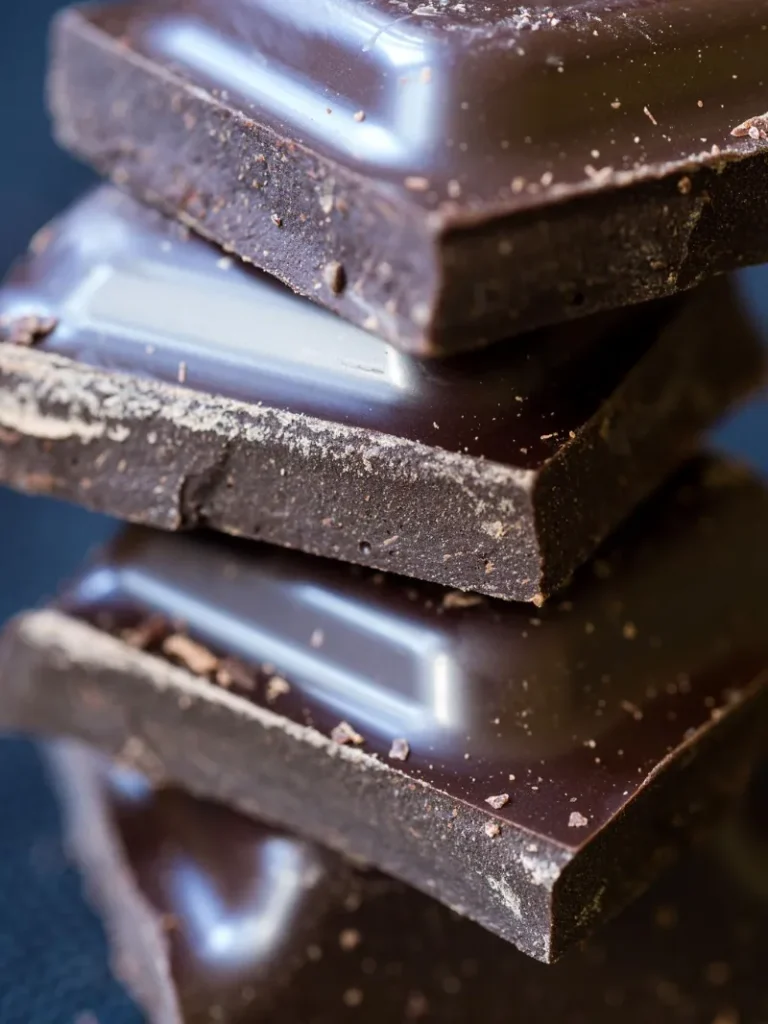
Yes, you read that right. Dark chocolate with 70% or more cacao contains around 3.4 mg of iron per ounce. It’s one of those foods that feels like a cheat but genuinely delivers nutrients.
Dark chocolate is also rich in antioxidants called flavonoids, which support cardiovascular health and reduce inflammation. A small piece after lunch or dinner is a legit nutritional move.
Keep portions reasonable since it does contain caffeine and sugar. But offering your child a square or two of good-quality dark chocolate as a treat? Totally guilt-free.
10. Edamame
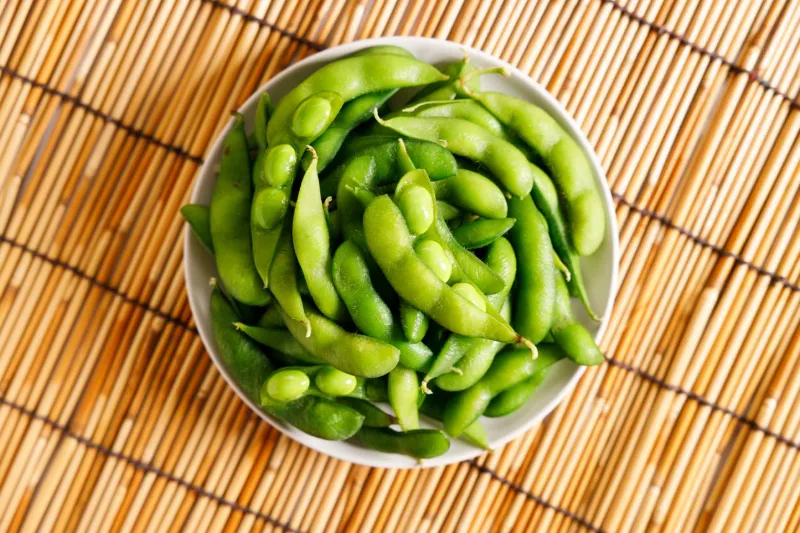
Edamame, the steamed soybeans you get at Japanese restaurants, are surprisingly iron-rich. One cup of cooked edamame delivers about 3.5 mg of iron along with complete protein and fiber.
Soybeans contain isoflavones that support bone health, and the protein content makes edamame a filling snack that keeps energy levels steady throughout the day.
Lightly salted edamame is one of those snacks kids absolutely love. Keep a bag of frozen edamame in your freezer and steam it up in minutes for after-school snacking.
11. Tempeh
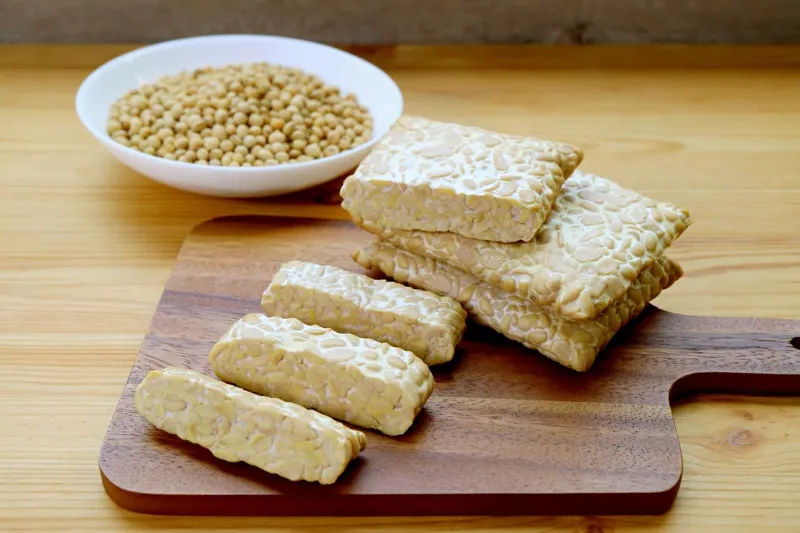
Tempeh is fermented soy that offers around 2.7 mg of iron per half cup. The fermentation process actually improves nutrient absorption, making the iron more bioavailable than in other soy foods.
Because it’s fermented, tempeh also supports gut health with natural probiotics. A healthy gut absorbs iron and other nutrients far more efficiently, so this is a real double benefit.
Slice it thin, marinate it in teriyaki sauce, and bake until crispy. Most kids who are used to Asian-inspired flavors take to it quickly. It also works great crumbled into tacos or stir fries.
12. White Beans
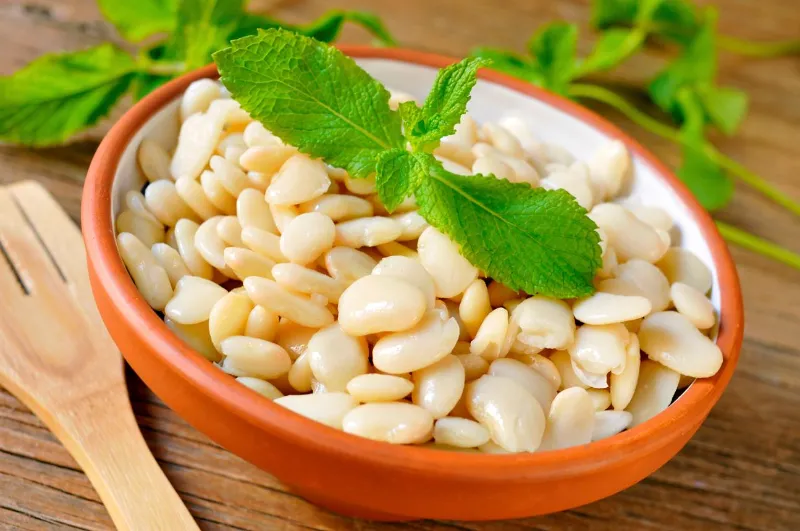
White beans, including navy and cannellini beans, are some of the most iron-dense foods on the planet. A single cup packs about 8 mg of iron, which is extraordinary for a plant food.
They’re also incredibly high in potassium and folate, nutrients that support heart health and cell development in growing kids. The combination of iron and folate is especially important during periods of rapid growth.
Blend white beans into creamy soups, mash them onto toast, or stir them into pasta dishes. Their mild flavor means they disappear into sauces without your kids even noticing.
13. Hemp Seeds
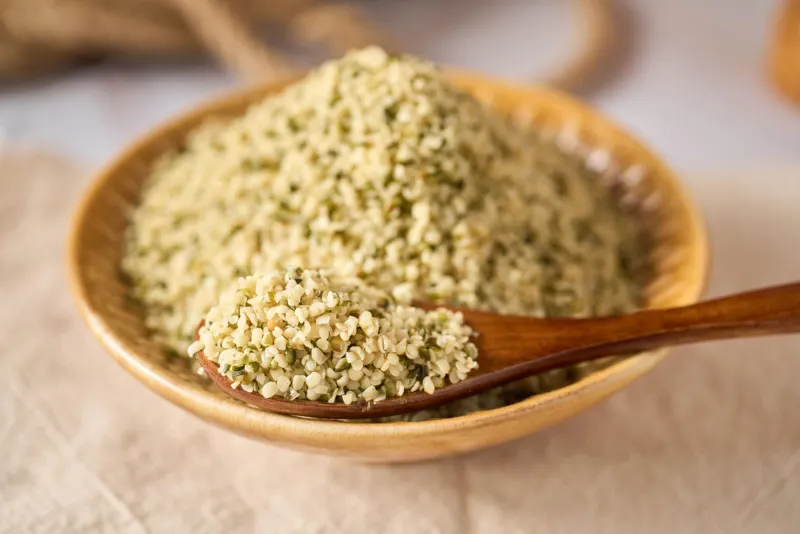
Hemp seeds are a nutritional goldmine that most parents have never tried. Three tablespoons contain about 2.4 mg of iron plus omega-3 fatty acids that support brain development and focus.
They also deliver a nearly perfect 3:1 ratio of omega-6 to omega-3 fats, which research links to reduced inflammation and better cognitive function in children. That’s a big deal for school-age kids.
Sprinkle hemp seeds on yogurt, blend them into smoothies, or mix them into oatmeal. They have a mild, nutty taste and you’d barely know they were there, but the nutritional payoff is huge.
14. Dried Apricots
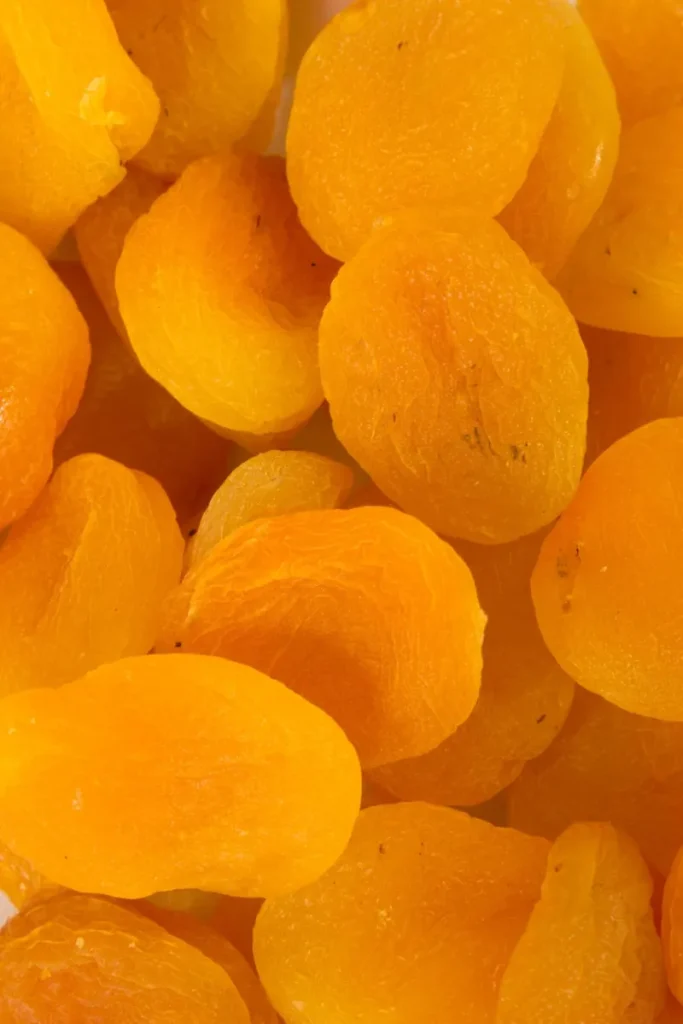
Dried apricots are a portable, sweet snack that also happen to be a decent iron source. About half a cup delivers around 2 mg of iron plus beta-carotene, which the body converts to vitamin A.
Vitamin A actually helps regulate iron metabolism in the body, so dried apricots are kind of a two-for-one deal. They also provide potassium and fiber for digestive health.
Toss them in lunchboxes, mix them into trail mix, or chop them into oatmeal. Just go for unsulfured varieties when you can since they skip the preservatives while still tasting great.
15. Tahini
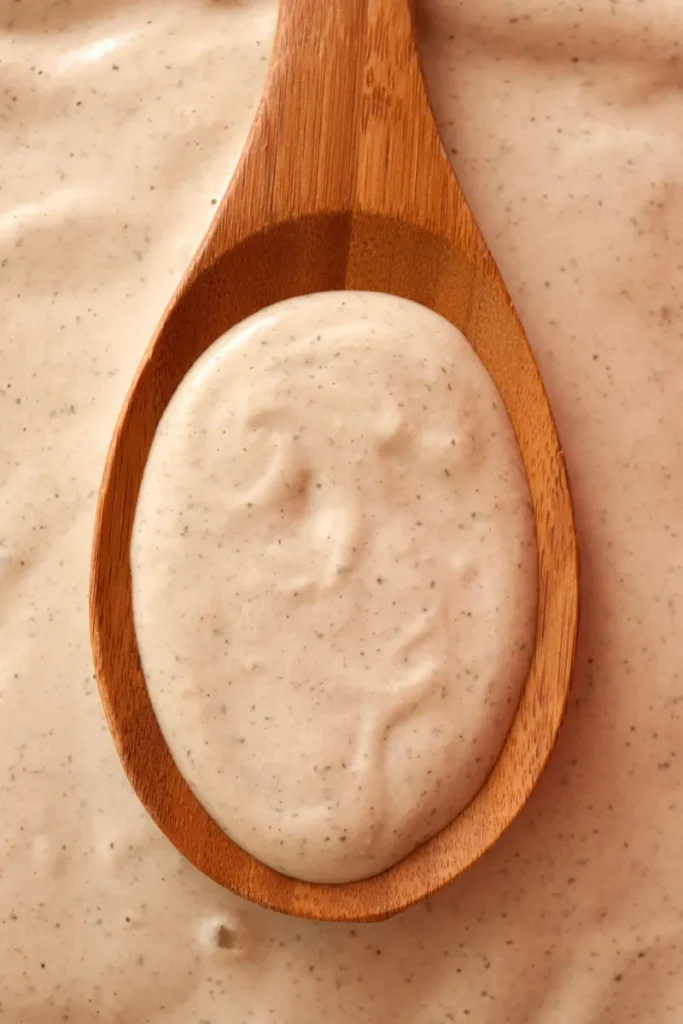
Tahini, which is just ground sesame paste, is a hidden iron hero. Two tablespoons contain about 2.7 mg of iron plus calcium, which is rare in iron-rich foods since calcium usually competes with iron absorption.
Sesame seeds contain compounds called lignans, which have antioxidant properties and support healthy hormone balance as kids grow. It’s a surprisingly complex little food.
Drizzle tahini over grain bowls, blend it into salad dressings, or make a quick tahini dipping sauce for veggies. It’s also the base of hummus, which kids famously love.
16. Sunflower Seeds
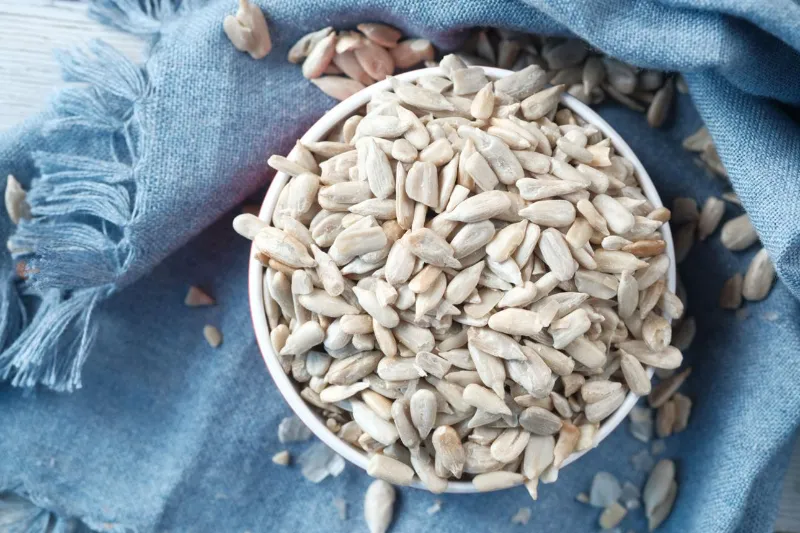
Sunflower seeds offer about 1.9 mg of iron per ounce along with vitamin E, selenium, and healthy unsaturated fats. The vitamin E in particular works as an antioxidant that protects red blood cells from damage.
They’re also a good source of magnesium, which supports hundreds of enzyme reactions in the body including those involved in energy production. Kids who move a lot need magnesium.
Add them to salads, mix into homemade granola, or use sunflower seed butter as a nut-free alternative to peanut butter. It’s a great option for school lunchboxes where nuts are banned.
17. Prune Juice
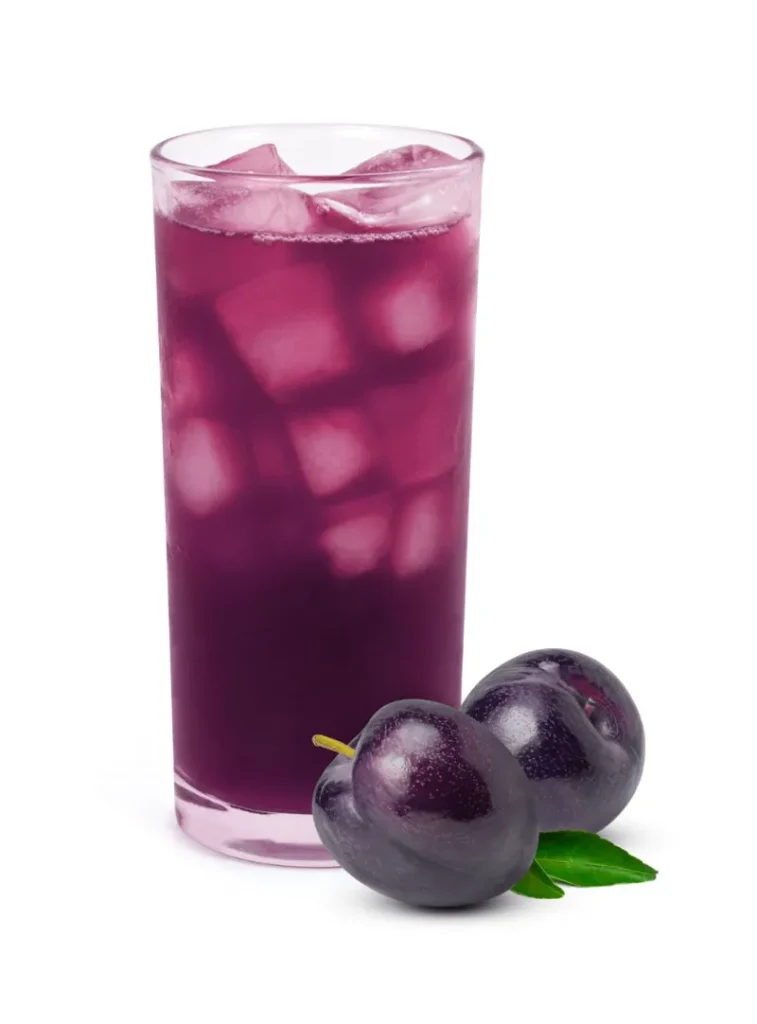
Prune juice might get laughed at, but it genuinely contains about 3 mg of iron per cup. It’s also one of the most accessible iron-rich drinks you can give a child who’s resistant to eating iron-rich foods.
Prunes are also high in vitamin C, which dramatically improves iron absorption right in the same sip. It’s one of the few high-iron beverages that comes with its own absorption booster built in.
Dilute it with a little water if the flavor is too strong for younger kids, or mix it into a smoothie with banana and yogurt. Most kids warm up to the sweet, slightly tangy taste quickly.
18. Amaranth
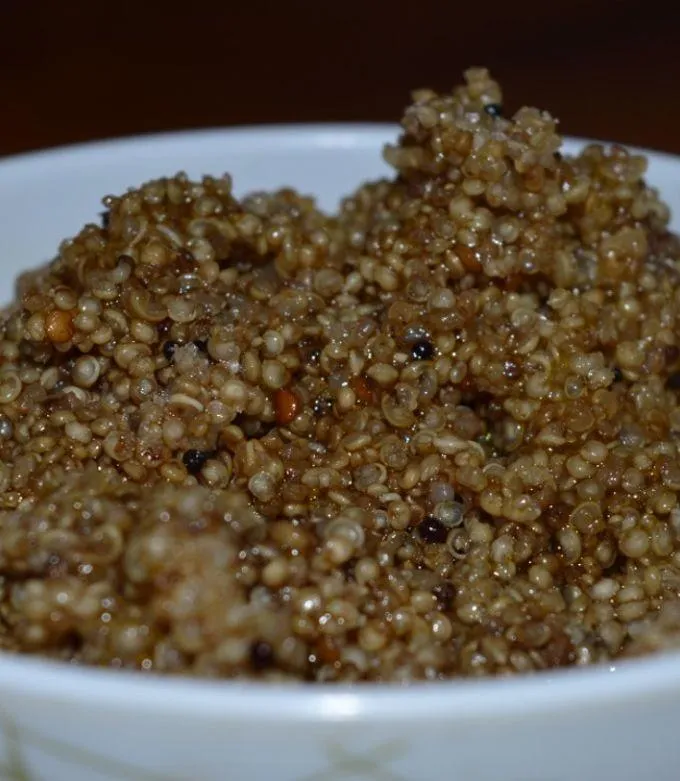
Amaranth is an ancient grain that was a staple food for the Aztecs, and for good reason. One cup of cooked amaranth delivers about 5.2 mg of iron plus manganese, phosphorus, and magnesium.
Like quinoa, amaranth is a complete protein, meaning it provides all nine essential amino acids. The combination of complete protein and high iron makes it uniquely effective at supporting red blood cell production.
Cook it like oatmeal for breakfast with a little honey and cinnamon, or use it as a base for grain salads. It has a slightly earthy, nutty flavor that kids often enjoy once they try it.
19. Blackstrap Molasses
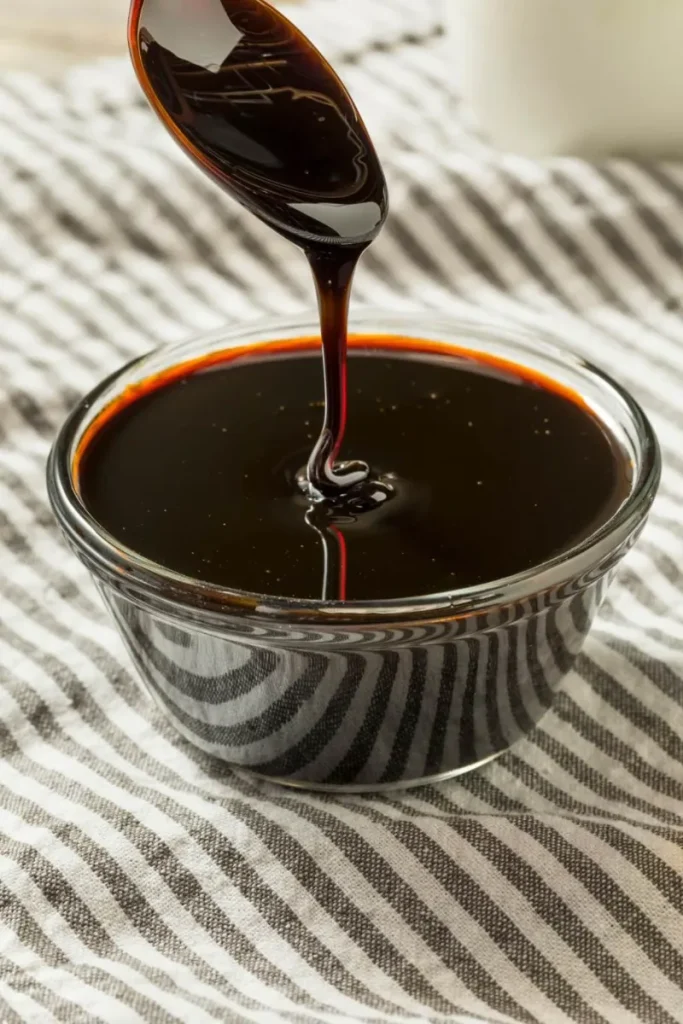
This is the one most people completely skip over, and it’s a mistake. Just one tablespoon of blackstrap molasses contains about 3.5 mg of iron. It’s essentially a byproduct of sugar refining that keeps all the nutrients the sugar loses.
It also contains calcium, magnesium, and potassium, making it one of the most mineral-dense foods you’ll ever find. Some pediatric nutritionists actually recommend it as a natural supplement for kids with low iron.
Stir it into oatmeal, add a spoonful to smoothies, or drizzle it over pancakes. The flavor is rich and slightly bitter, but mixed into sweet foods it becomes a genuinely delicious addition.
20. Kidney Beans
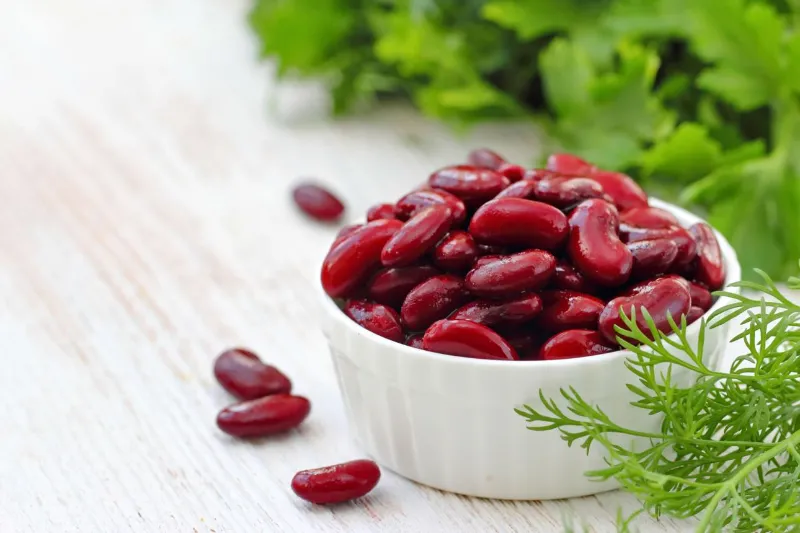
Kidney beans deliver about 5.2 mg of iron per cooked cup along with significant amounts of protein, folate, and fiber. They’re one of the most filling and nutritious legumes you can add to your kid’s diet.
The folate in kidney beans is particularly important for children because it supports DNA synthesis and healthy cell division. Growing kids need folate just as much as pregnant women do.
Chili is the obvious move here, and kids tend to love a well-seasoned bean chili with cheese on top. You can also mash kidney beans into quesadilla fillings or toss them into pasta with tomato sauce.
21. Chia Seeds
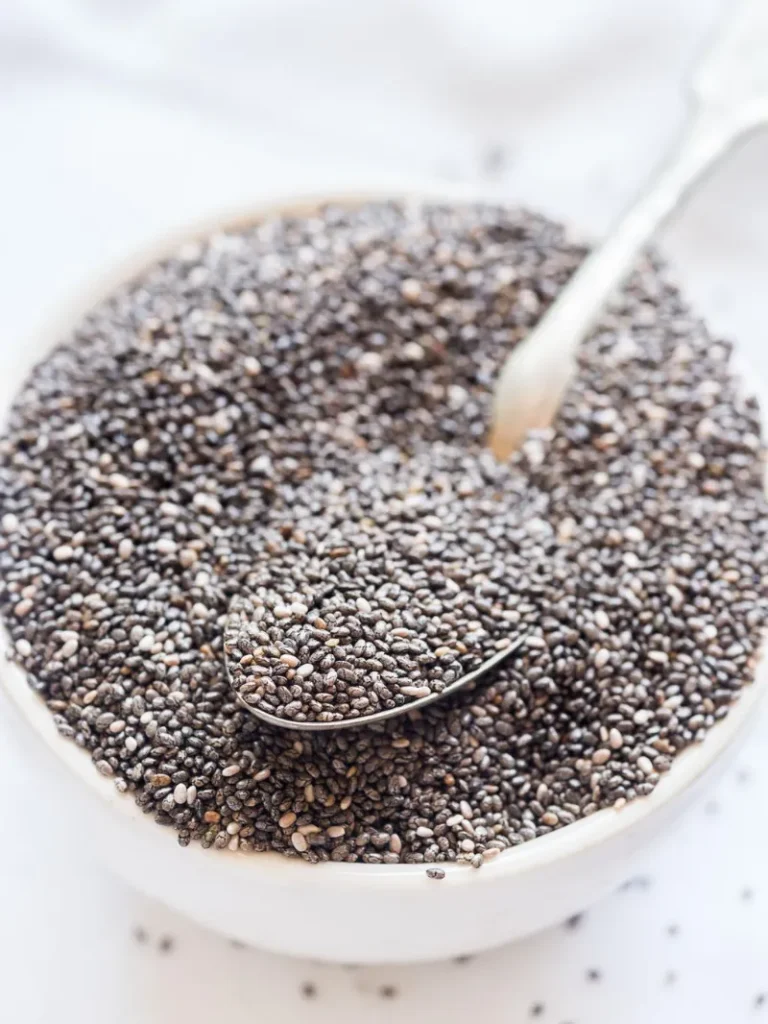
Chia seeds are tiny but mighty. Two tablespoons offer about 2.2 mg of iron plus omega-3 fatty acids, calcium, and more fiber than most people get in an entire meal.
The omega-3s in chia seeds support brain development and have been linked in studies to improved attention and memory in school-age children. Pairing that with iron makes chia a brain and blood builder at the same time.
Make overnight chia pudding with milk and a little honey, and your kids have a ready-to-eat breakfast. You can also add chia seeds to smoothies, yogurt, or even mix them into homemade muffin batter.
22. Oats
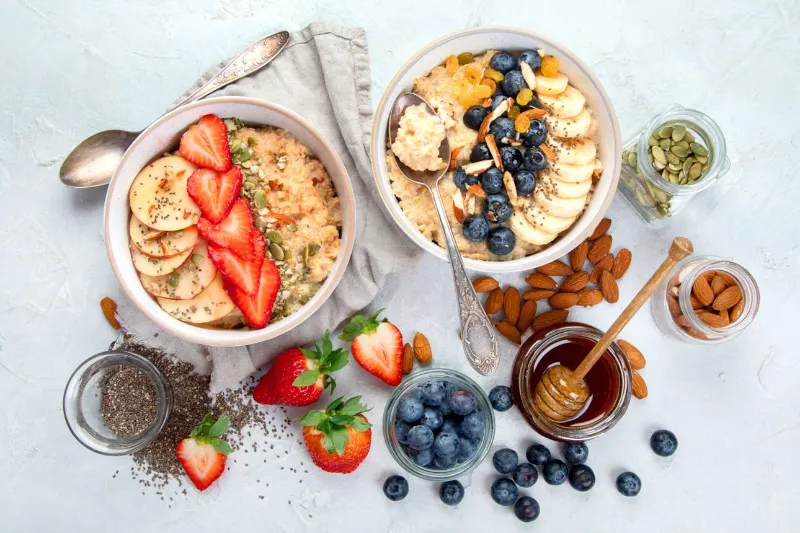
Plain rolled oats might seem boring, but one cup of cooked oats contains about 3.4 mg of iron. Given that most American kids eat oatmeal regularly anyway, this is an easy nutritional win.
Oats also contain beta-glucan, a soluble fiber shown in research to support healthy cholesterol levels and steady blood sugar. That means your kid gets sustained energy through the morning rather than a crash before lunch.
Top oatmeal with strawberries or orange slices to add vitamin C for better iron absorption. Overnight oats, oat pancakes, and homemade granola bars are all fun ways to get kids excited about oats.
23. Moringa Powder
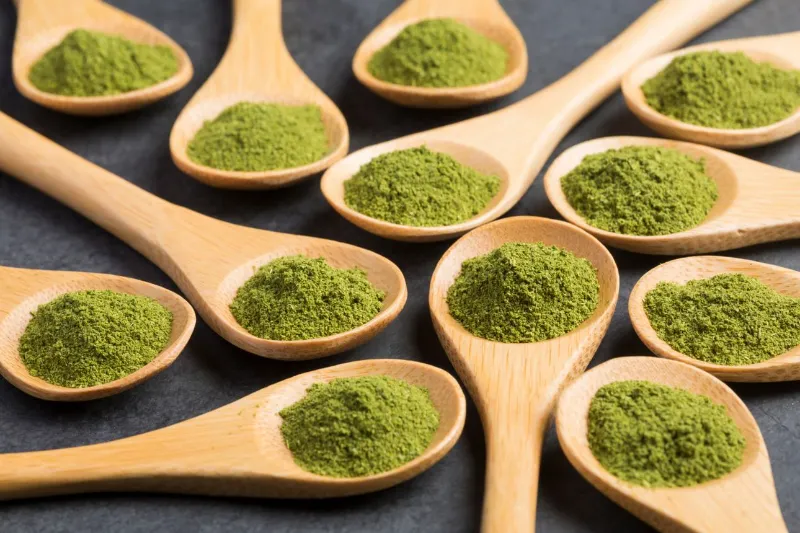
Moringa is a plant that’s been used medicinally for thousands of years in South Asia and Africa, and it’s starting to catch on in the US for good reason. One tablespoon of moringa powder contains about 4 mg of iron.
It’s also one of the few plant foods to contain all essential amino acids along with significant amounts of calcium, vitamin C, and potassium. Some researchers have called it one of the most nutrient-dense plants on Earth.
Add a teaspoon to smoothies, stir it into pancake batter, or mix it into homemade energy bites with oats and nut butter. The flavor is mild and slightly grassy, and it blends well into sweet recipes.
24. Dried Mulberries
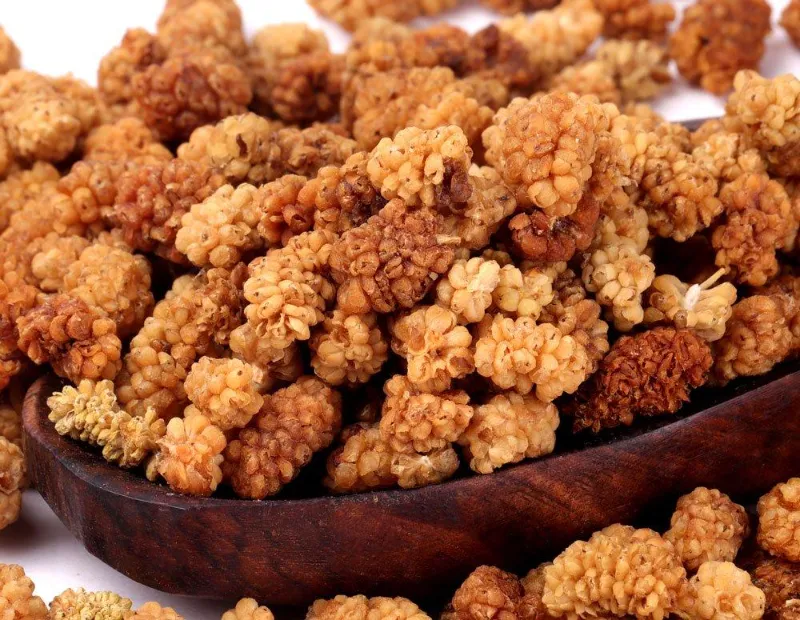
Dried mulberries are one of the most underrated superfoods in the US, and most people have never even tried them. A half cup delivers about 2.6 mg of iron along with vitamin C and resveratrol, the same antioxidant found in red grape juice.
Resveratrol has been studied for its anti-inflammatory effects, and the natural vitamin C in mulberries helps boost iron absorption from the same snack. It’s a rare food that handles both tasks at once.
They taste like a cross between a fig and a grape, which most kids absolutely love. Toss them into trail mix, sprinkle them on cereal, or just eat them straight as a sweet and chewy snack.
Final Thoughts
Getting enough iron into your kid’s diet doesn’t have to feel like a battle. As you can see, there’s a whole world of delicious, approachable foods that can make a real difference in your child’s energy, focus, and health.
Start small. Pick two or three foods from this list and work them into meals this week. Your child’s body will thank you, even if they never know why they suddenly have so much more energy to play.
