
27 Genius Low Calorie Foods List That Will Transform Your Health

What if the secret to feeling lighter, more energized, and genuinely healthier was already sitting in the produce aisle?
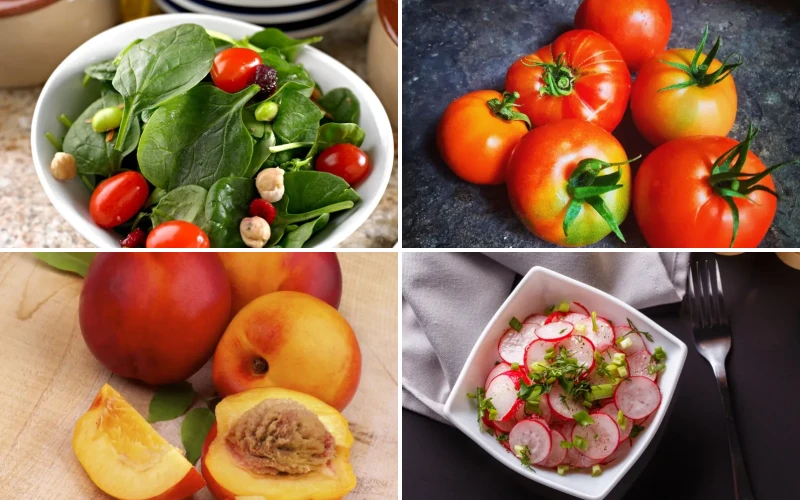
These 27 foods are low in calories but packed with nutrients, fiber, and science-backed benefits that your body will thank you for. Read on and get ready to fill your cart with purpose.
1. Cucumber

Cucumbers are about 96% water, making them one of the most hydrating foods you can eat. At just 16 calories per cup, they let you snack freely without any guilt whatsoever.
They contain antioxidants like flavonoids and tannins that help fight inflammation in the body. Research suggests regular consumption may help reduce oxidative stress at the cellular level.
Slice them into salads, dip them in hummus, or drop them into your water for a refreshing twist. They absorb flavors beautifully, so they work in just about any dish you throw them into.
2. Celery
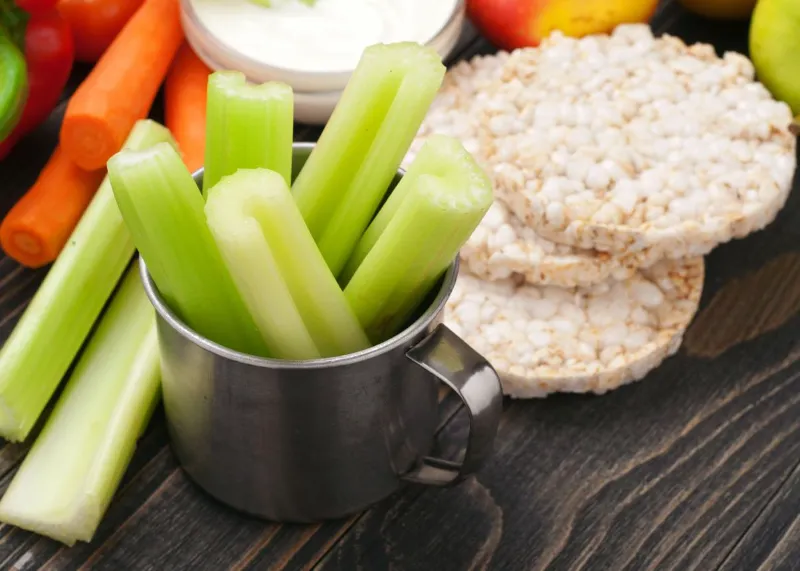
Celery is famously low in calories, offering just 6 calories per stalk. It also delivers a satisfying crunch that genuinely helps curb snack cravings between meals.
It contains a compound called apigenin, which has shown anti-inflammatory and even potential anticancer properties in early research. You also get a solid dose of vitamin K, which supports healthy bones.
Pair it with almond butter for a filling snack, or chop it into soups and stews for extra texture. It also works surprisingly well in green smoothies without overpowering the flavor.
3. Watermelon
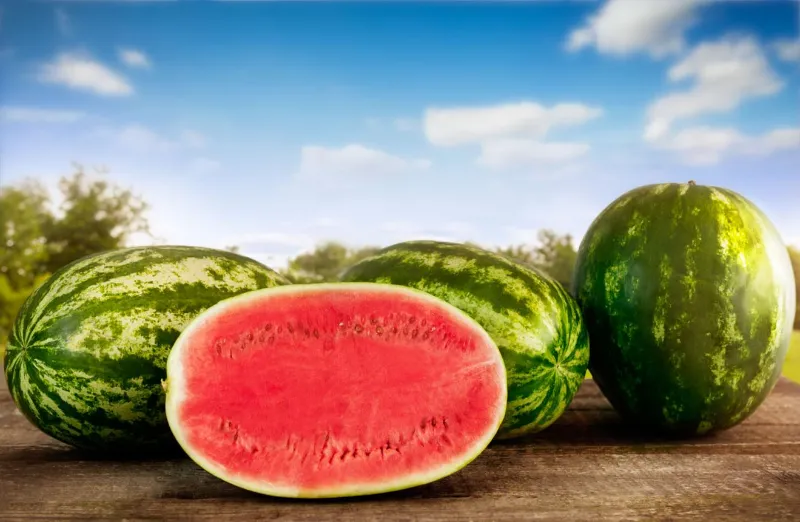
Watermelon feels indulgent, but a full two cups comes in at around 80 calories. It is made up of about 92% water, which means it helps keep you full and hydrated at the same time.
It is rich in lycopene, a powerful antioxidant linked to reduced risk of heart disease and certain cancers. Studies have also shown that the amino acid citrulline in watermelon may support muscle recovery after exercise.
Eat it chilled as a dessert, blend it into a smoothie, or toss it in a summer salad with mint and feta. It is one of the easiest ways to make healthy eating feel like a treat.
4. Strawberries
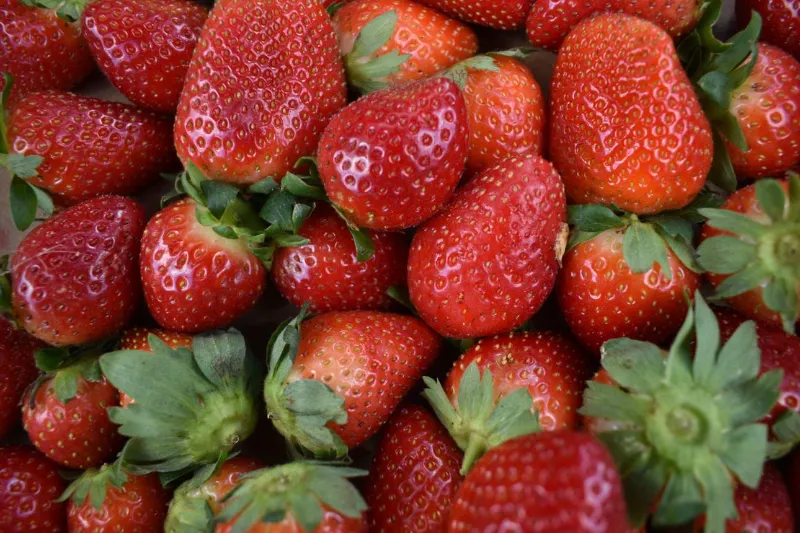
Strawberries pack a serious nutritional punch for just 49 calories per cup. They are loaded with vitamin C, with one serving delivering more than your full daily recommended intake.
Studies show that the antioxidants in strawberries, particularly anthocyanins, are linked to improved heart health and better blood sugar regulation. Their natural sweetness also makes them an excellent substitute for high-calorie desserts.
Add them to oatmeal, blend them into smoothies, or just eat them straight from the fridge. A bowl of strawberries with a dollop of Greek yogurt feels like dessert but works like a health food.
5. Spinach
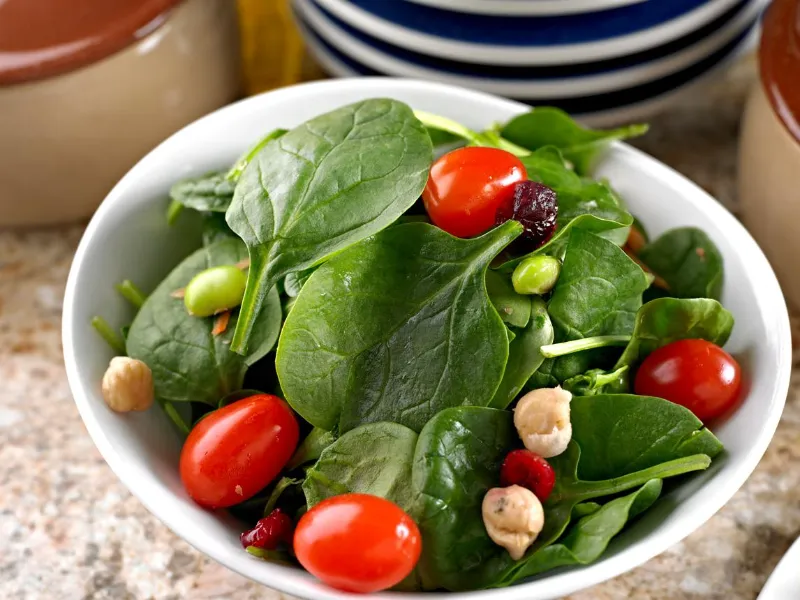
Spinach offers a jaw-dropping amount of nutrition for only 7 calories per cup raw. It is rich in iron, folate, magnesium, and vitamins A, C, and K all at once.
Research published in the journal Cell Metabolism found that compounds in spinach called thylakoids can reduce hunger hormones and increase feelings of fullness. That is a big deal if you are trying to manage your appetite naturally.
Toss it in salads, wilt it into pasta, or blend it into smoothies where the flavor almost disappears completely. It is one of the easiest vegetables to sneak into meals without anyone noticing.
6. Broccoli
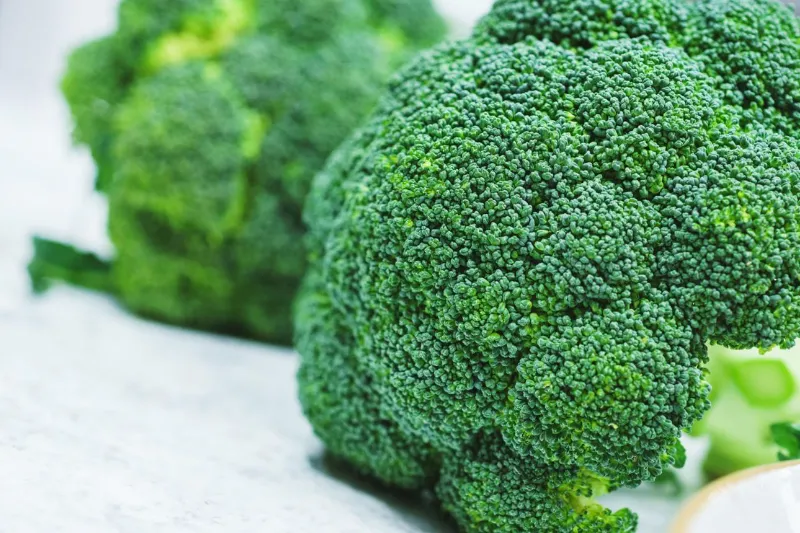
Broccoli is one of the most nutrient-dense vegetables on the planet, packing fiber, protein, and vitamins C and K into just 55 calories per cup. It is genuinely hard to find a more complete vegetable for the calorie cost.
It contains sulforaphane, a compound that has been widely studied for its ability to support detoxification and reduce inflammation. Some research also links sulforaphane to protective effects against certain types of cancer.
Roast it in the oven with olive oil and garlic for a crispy, satisfying side dish. Steaming it lightly preserves the most nutrients if you want to get the maximum benefit.
7. Grapefruit
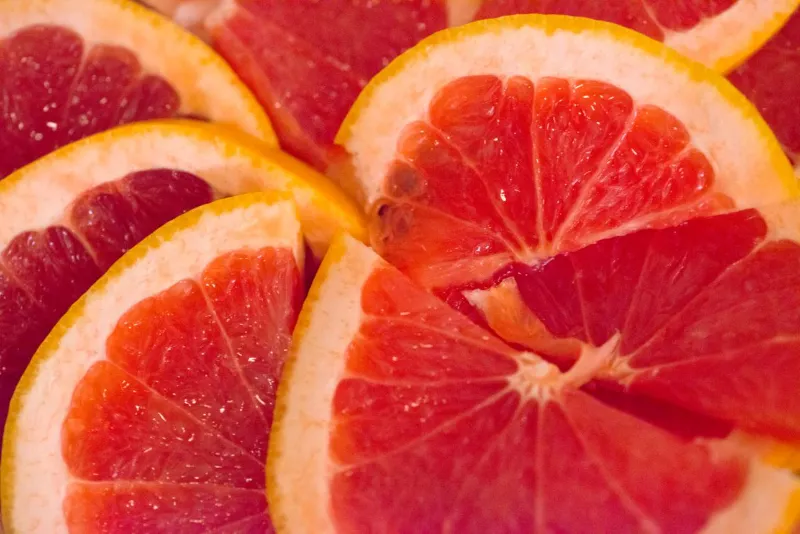
Half a grapefruit contains just 52 calories and offers a solid dose of vitamin C and fiber. Its tart, slightly bitter flavor is refreshing in a way that wakes up your palate without any added sugar.
Studies have shown that eating grapefruit before meals may help reduce overall calorie intake due to its fiber content and glycemic effect. Research also suggests compounds in grapefruit may support fat metabolism and improve insulin sensitivity.
Sprinkle a little sea salt or drizzle honey on it to balance the tartness. Just be mindful if you are on certain medications, as grapefruit can interact with some of them.
8. Zucchini

Zucchini is incredibly mild in flavor and incredibly low in calories, coming in at around 20 calories per cup. That mild taste actually makes it one of the most versatile vegetables in any kitchen.
It is a good source of vitamin B6, potassium, and manganese, which all play a role in energy metabolism and muscle function. The fiber in zucchini also supports healthy digestion and helps you feel satisfied between meals.
Spiralize it into zucchini noodles as a pasta alternative, grill it with seasoning, or bake it into muffins and bread. It disappears beautifully into dishes while quietly adding nutrition.
9. Cauliflower

Cauliflower has become one of the most celebrated low-calorie foods for a very good reason. At just 25 calories per cup, it can stand in for rice, mashed potatoes, pizza crust, and more.
It is loaded with choline, a nutrient important for brain function and liver health that many Americans do not get enough of. It also contains glucosinolates, compounds that research has linked to cancer-fighting properties.
Roast it whole for a stunning centerpiece dish or blitz it into cauliflower rice for an easy grain swap. Once you season it well, it genuinely satisfies the craving for heavier comfort foods.
10. Romaine Lettuce

Romaine is the nutritional overachiever of the lettuce world. At just 8 calories per cup, it delivers folate, vitamin A, vitamin K, and even a small amount of omega-3 fatty acids.
Its high water content and fiber make it filling for its calorie count, and the crunch is genuinely satisfying in a way that thin or wilted greens just are not. Studies suggest that dark leafy greens like romaine support cognitive health as we age.
Use it as a wrap instead of tortillas, pile it high in salads, or chop it as a base for grain bowls. It holds up much better than other lettuces, so your salad will not turn soggy in minutes.
11. Tomatoes
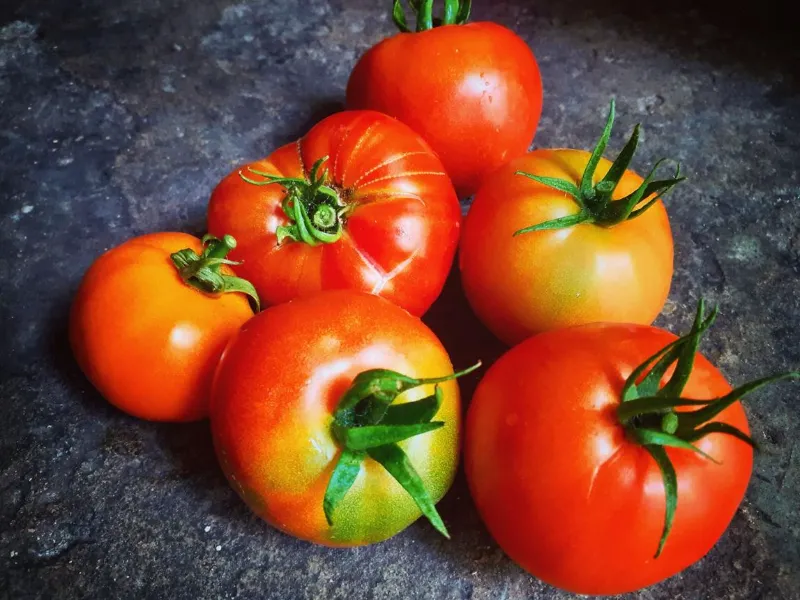
Tomatoes sit at just 32 calories per cup and are one of the richest dietary sources of lycopene you can find. Lycopene is a potent antioxidant linked to a reduced risk of heart disease and prostate cancer.
Interestingly, cooking tomatoes actually increases the bioavailability of lycopene, making marinara sauce and roasted tomatoes particularly beneficial. You also get vitamin C, potassium, and folate in every serving.
Slice them onto sandwiches, roast them with herbs, or make a quick fresh salsa. Few ingredients are as cheap, versatile, and genuinely good for you all at once.
12. Mushrooms
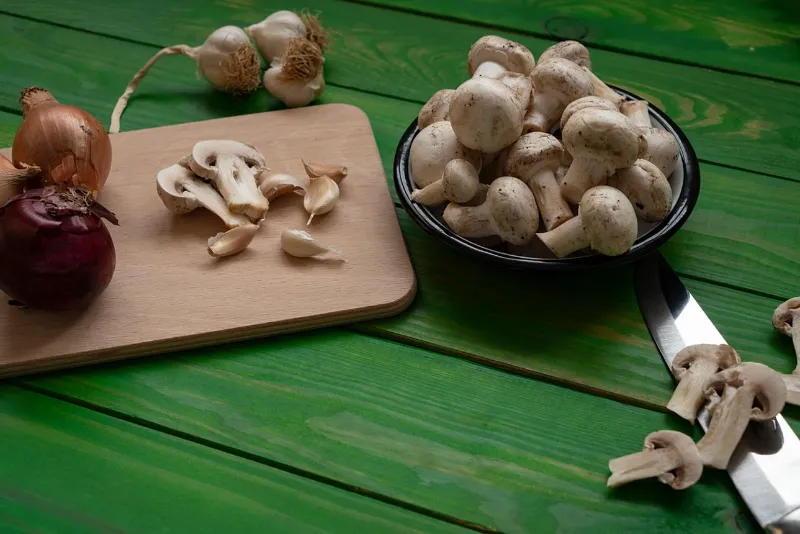
Mushrooms are unique in the plant world because they are one of the only non-animal food sources of vitamin D, especially when exposed to sunlight. A cup of mushrooms has roughly 15 to 20 calories depending on the variety.
They are rich in beta-glucans, a type of fiber that research has shown can support immune function and help reduce LDL cholesterol. Certain varieties like shiitake and maitake have been studied extensively for their immune-boosting properties.
Sauté them with garlic and herbs as a side, stuff them with cheese for a low-carb appetizer, or blend them into soups for a deeply savory base. They add a meaty, umami richness to dishes that makes healthy food feel genuinely satisfying.
13. Asparagus
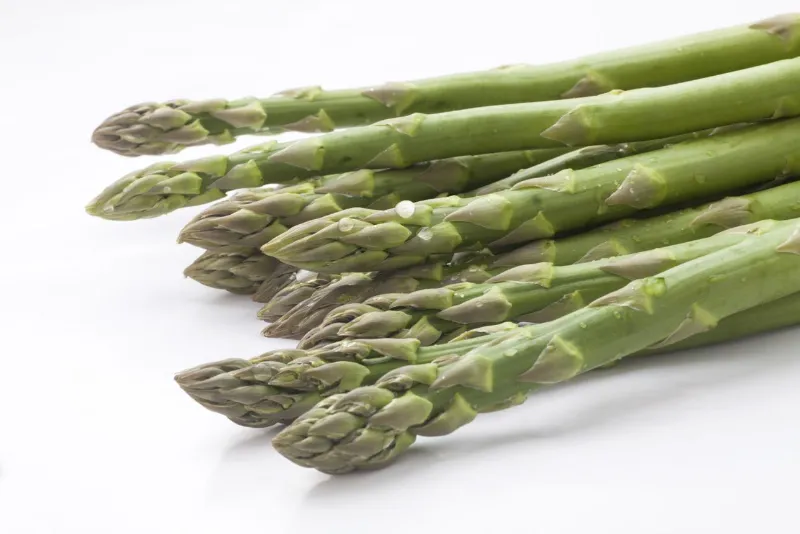
Asparagus offers just 20 calories per half cup and is loaded with folate, vitamins A, C, E, and K, plus a prebiotic fiber called inulin. Inulin feeds the beneficial bacteria in your gut, supporting a healthier microbiome overall.
It also contains glutathione, one of the body’s most important antioxidants that helps protect cells from damage and supports liver detoxification. Few vegetables deliver that kind of internal support for such a low calorie cost.
Roast it in the oven at high heat for slightly crispy tips, or grill it with lemon for a simple and elegant side. It cooks in minutes, which makes it one of the easiest weeknight vegetables you can add to your rotation.
14. Kale
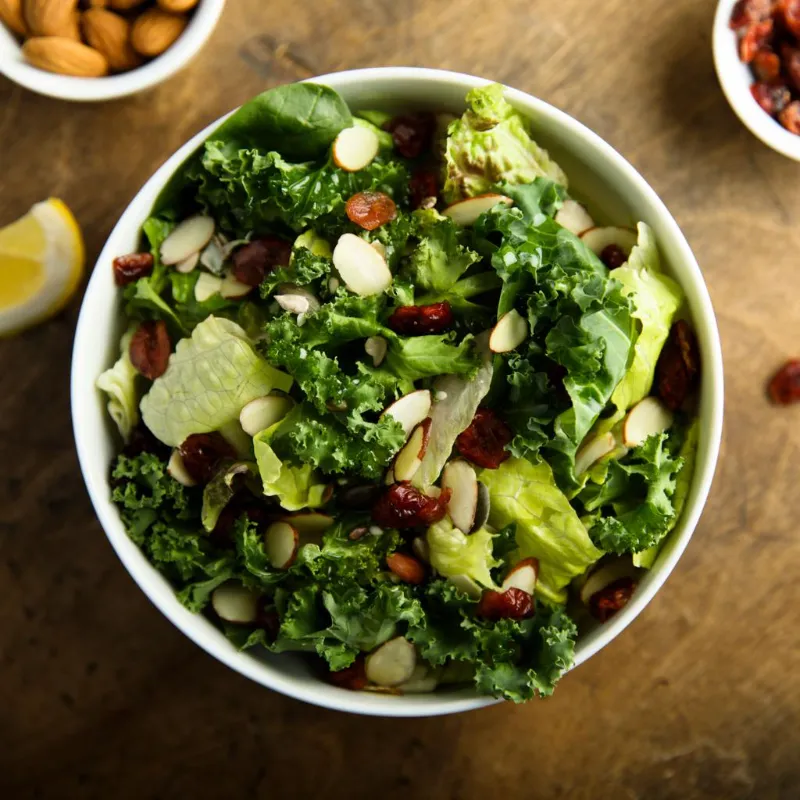
Kale has rightfully earned its superfood status. One cup of raw kale provides vitamins A, C, and K at levels that exceed your daily needs, all for around 33 calories.
It contains quercetin and kaempferol, two antioxidants that have been studied for their ability to lower blood pressure, reduce inflammation, and even protect against depression. The calcium in kale is also surprisingly bioavailable compared to other plant sources.
Massage raw kale with a little olive oil and lemon to soften it and reduce bitterness before using it in salads. Bake it into crispy chips or stir it into soups for an easy way to get more greens into your day.
15. Oranges
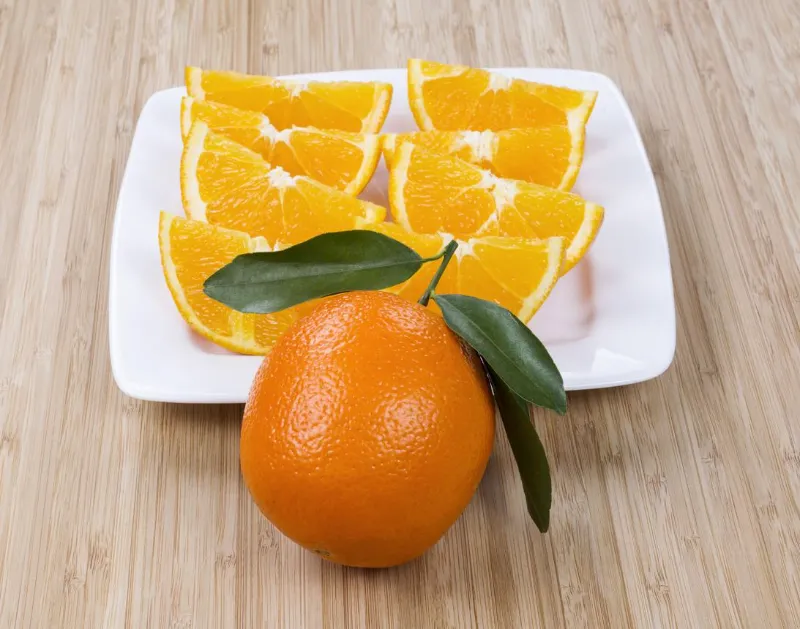
An average orange contains just 62 calories and delivers your entire daily vitamin C requirement in one go. That matters because vitamin C is essential for immune function, collagen production, and iron absorption.
Oranges are also high in flavonoids like hesperidin, which research has linked to improved blood pressure and reduced inflammation. The fiber in whole oranges also slows sugar absorption, making them a much smarter choice than orange juice.
Eat them as a portable snack, segment them into salads, or zest the peel into baked goods and dressings. The zest actually contains even more concentrated nutrients and flavor than the flesh itself.
16. Blueberries
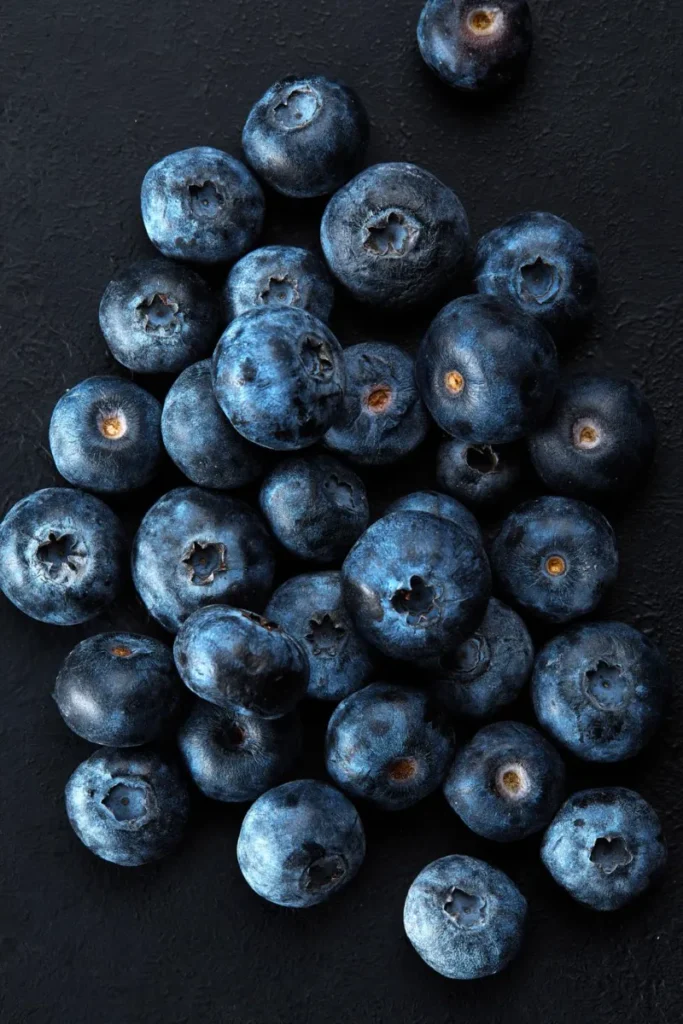
Blueberries are tiny but they pack a research-backed punch that few foods can match. At around 84 calories per cup, they are one of the highest antioxidant foods available anywhere.
Studies from Harvard and other institutions have linked regular blueberry consumption to a slower rate of cognitive decline in aging adults. The anthocyanins that give them their deep blue color cross the blood-brain barrier and appear to directly protect brain cells.
Toss them into oatmeal, blend them into smoothies, or eat them by the handful as a snack. Frozen blueberries retain virtually all their nutritional value and are often more affordable than fresh ones.
17. Bell Peppers
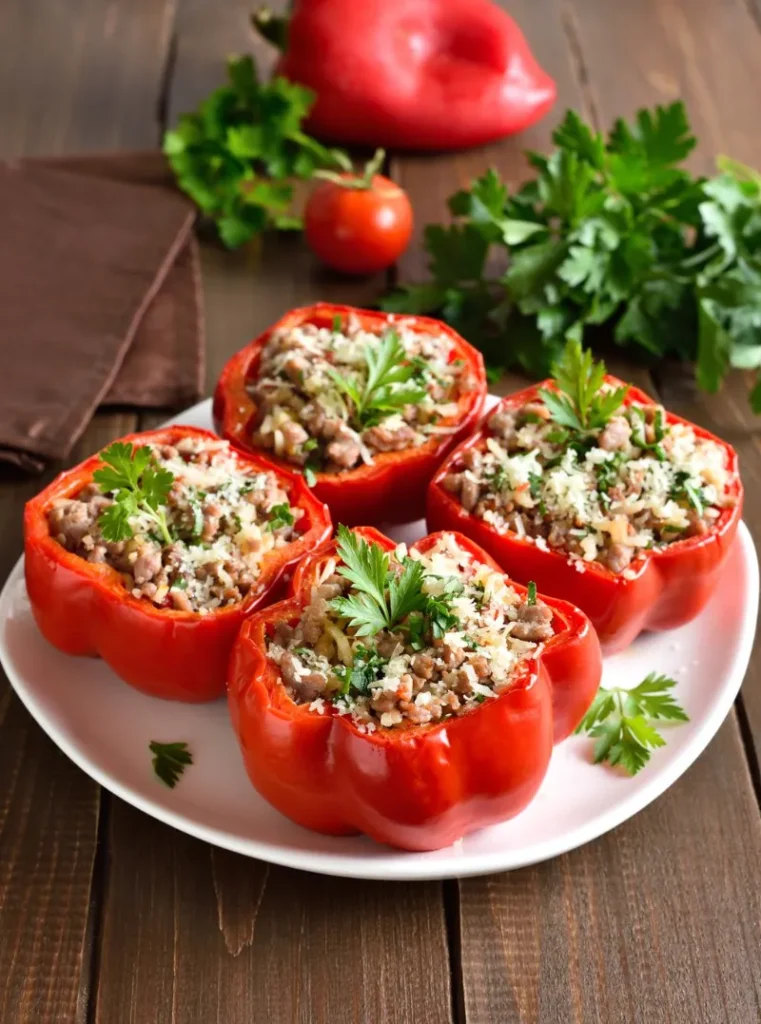
Bell peppers, especially red ones, contain more vitamin C than oranges do. A single red bell pepper has just 37 calories but delivers over 150% of your daily vitamin C needs.
They are rich in capsanthin, beta carotene, and quercetin, antioxidants that research has associated with reduced cancer risk and improved eye health. The fiber in bell peppers also contributes to digestive health and steady blood sugar levels.
Slice them raw for dipping, stuff them with quinoa and veggies for a hearty meal, or roast them until they caramelize and sweeten. Their natural sweetness makes them a crowd-pleaser even for picky eaters.
18. Cabbage

Cabbage is one of the most underrated vegetables in the produce section. It comes in at just 22 calories per cup and is a fantastic source of vitamin K, vitamin C, and gut-supporting fiber.
As a cruciferous vegetable, cabbage contains sulforaphane and other compounds that research links to cancer prevention and liver health. Fermented forms like sauerkraut and kimchi also provide beneficial probiotics that support your gut microbiome.
Use it shredded as a taco topping, make a crunchy coleslaw, or braise it in the oven until tender and golden. It is cheap, shelf-stable for longer than most produce, and works beautifully in dozens of recipes.
19. Radishes
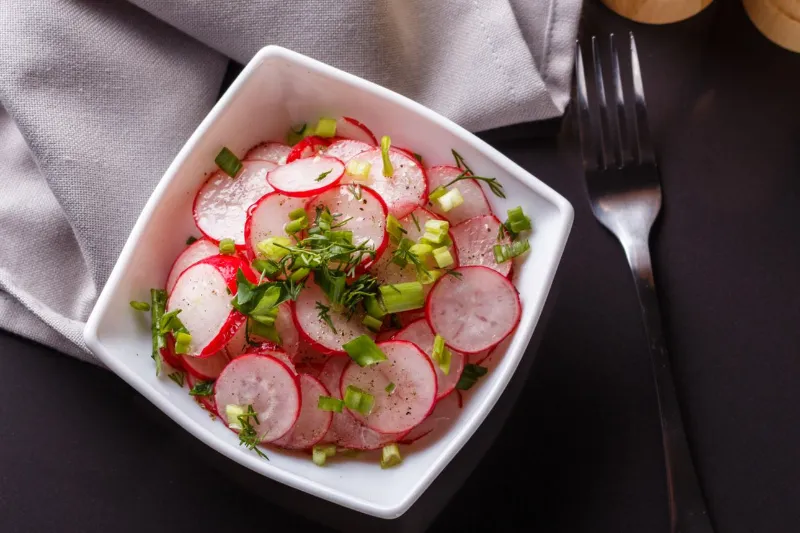
Radishes are crisp, peppery, and come in at just 18 calories per cup. Most people overlook them, but they are genuinely worth adding to your regular routine.
They contain compounds called isothiocyanates, which have shown anticancer properties in laboratory studies. Radishes are also a good source of folate, potassium, and vitamin C, and they support liver function through their natural detoxifying compounds.
Slice them thin over salads and tacos for a peppery crunch, or roast them in the oven where they mellow into something almost buttery. Pickling them in vinegar takes just 30 minutes and makes an incredible condiment.
20. Peaches
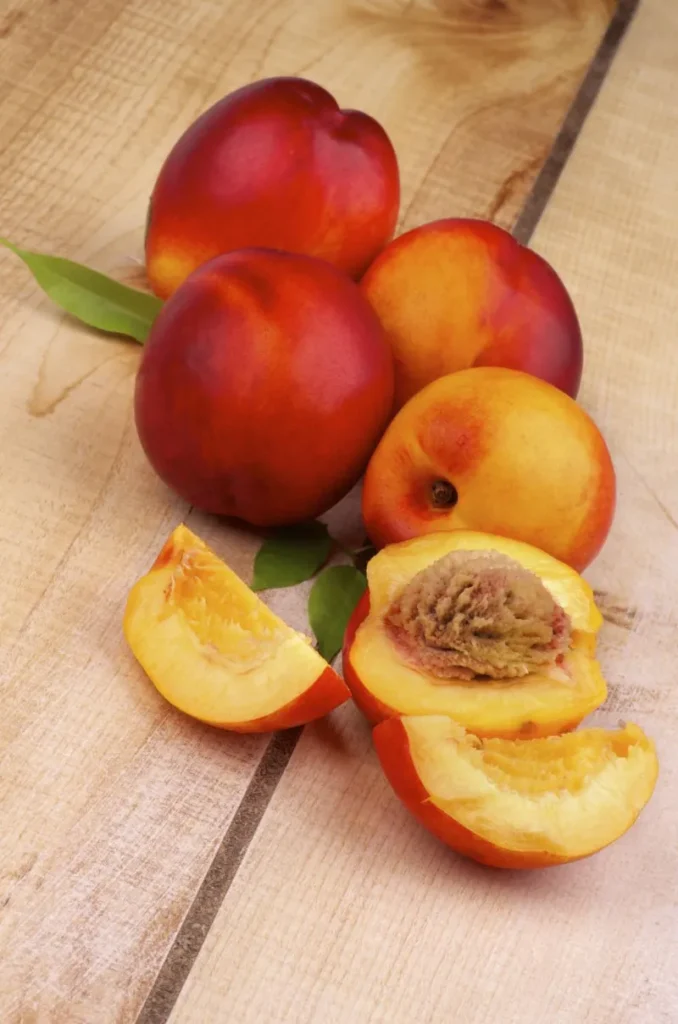
A medium peach has just 59 calories and brings a natural sweetness that makes it feel like a much more indulgent choice than it actually is. That natural sweetness comes along with fiber, vitamin C, and potassium.
Research has shown that the polyphenols in peaches may help combat metabolic syndrome by reducing inflammation, lowering blood pressure, and improving cholesterol levels. They also contain beta carotene, which the body converts into vitamin A to support skin and eye health.
Eat them fresh in the summer when they are at peak ripeness, or buy frozen sliced peaches for smoothies year-round. Grill them for a dessert that genuinely impresses people at dinner parties.
21. Green Beans

Green beans are a humble classic that clocks in at just 31 calories per cup. They are high in vitamins C and K and provide a solid amount of folate, which is essential for cell repair and DNA synthesis.
The fiber in green beans helps support healthy digestion, and their low glycemic index makes them a smart choice for maintaining steady energy throughout the day. They are also a good source of silicon, a trace mineral that supports bone health and connective tissue.
Steam them lightly and finish with lemon and almonds, or sauté them with garlic for a five-minute side dish that never gets old. They hold their texture beautifully and do not go limp like some other vegetables.
22. Arugula
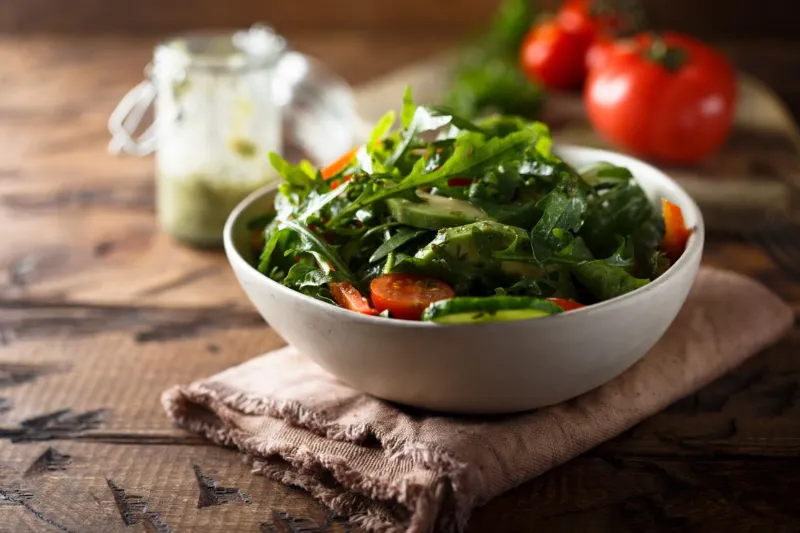
Arugula has a peppery, slightly bitter flavor that adds instant personality to any dish. It offers only 5 calories per cup, making it one of the lowest-calorie greens you can find.
It is particularly rich in nitrates, which the body converts to nitric oxide, a compound that relaxes blood vessels and may lower blood pressure. Arugula also provides erucin, a compound being studied for its potential to inhibit cancer cell growth.
Use it as a pizza topping right after baking, pile it onto sandwiches for a grown-up upgrade, or toss it with shaved parmesan and lemon. Its bold flavor means a small amount goes a long way.
23. Beets

Beets are vibrant, earthy, and come in at around 59 calories per cup when cooked. They are one of the richest dietary sources of nitrates, which research has shown can improve athletic performance and lower blood pressure.
Studies have found that drinking beet juice before exercise can increase stamina and reduce oxygen consumption during physical activity. Beets are also high in betalains, pigments with potent antioxidant and anti-inflammatory properties.
Roast them in foil until tender and serve with goat cheese and walnuts, or add them to smoothies where they add sweetness and a gorgeous color. You can also buy pre-cooked beets at most grocery stores for a quick and convenient option.
24. Carrots
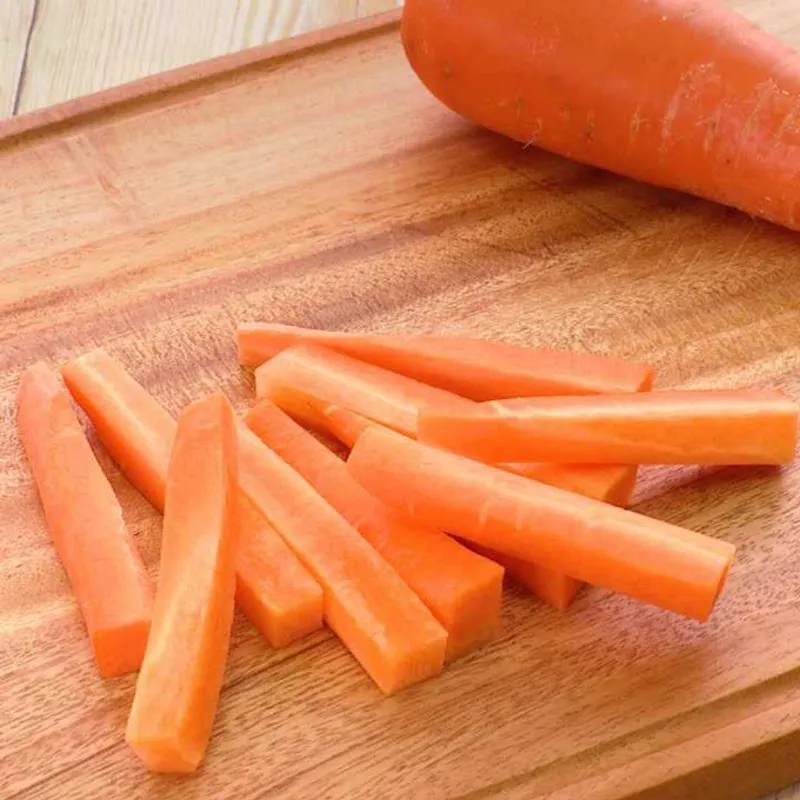
Carrots are one of the most popular vegetables in America for a very good reason. At just 52 calories per cup, they deliver an impressive amount of beta carotene, the precursor to vitamin A that supports vision, immune function, and skin health.
Research shows that people who eat foods rich in beta carotene have a lower risk of certain cancers, particularly lung and breast cancer. The fiber in carrots also helps feed beneficial gut bacteria and supports healthy digestion.
Keep baby carrots on hand for easy snacking with hummus or dip, roast them with honey and thyme for a side dish, or shred them into salads and slaws. They are one of the easiest vegetables to eat more of without any effort.
25. Apples
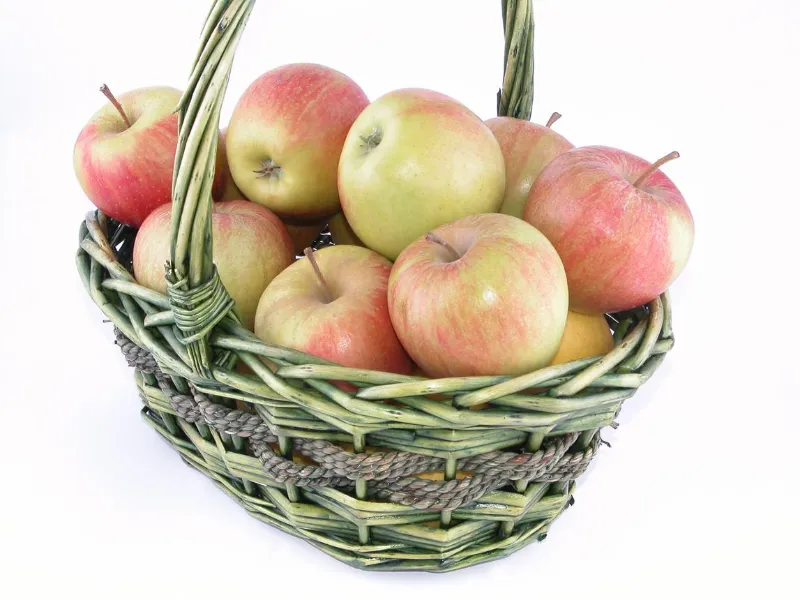
The old saying about apples and doctors exists for good reason. One medium apple contains around 95 calories along with fiber, vitamin C, and a range of antioxidants including quercetin and catechin.
Research has linked regular apple consumption to a lower risk of type 2 diabetes, heart disease, and certain cancers. The pectin in apples acts as a prebiotic, feeding beneficial gut bacteria and supporting a healthier microbiome.
Eat them whole as a portable snack, slice them with almond butter, or bake them with cinnamon and oats for a wholesome dessert. The skin is where most of the antioxidants live, so always eat it.
26. Plain Non-Fat Greek Yogurt

Greek yogurt earns its spot on this list because it offers protein, calcium, and probiotics in a way that almost no other low-calorie food can match. A six-ounce serving of plain non-fat Greek yogurt has around 100 calories and 17 grams of protein.
The live cultures in Greek yogurt, particularly Lactobacillus and Bifidobacterium strains, support gut health and immune function. Research also shows that high-protein foods like Greek yogurt increase satiety hormones and help reduce overall daily calorie intake.
Use it as a base for dips and dressings, swap it for sour cream in recipes, or top it with berries and a drizzle of honey for a balanced breakfast. It is one of the most filling things you can eat for the calorie count.
27. Egg Whites

Egg whites are practically pure protein, with a single large egg white delivering 17 calories and 3.6 grams of high-quality protein. That protein profile is about as complete as it gets from any food source.
Because they are so high in protein and virtually free of fat and carbohydrates, egg whites are one of the most efficient foods for supporting muscle maintenance and recovery. Studies consistently show that high-protein diets improve satiety, reduce late-night snacking, and support healthy body composition over time.
Scramble them with vegetables for a light but filling breakfast, whip them into omelets, or use them in baking as a low-calorie binder. They take on seasoning and flavor beautifully, so they never have to be boring.
Final Thoughts
Eating well does not have to mean eating less of what you love. It means discovering foods that nourish you deeply while keeping your calories in a place that works for your goals.
Start by adding just two or three of these foods to your next grocery run and build from there. Small swaps, done consistently, are what truly transform your health over time.
