
40 Science-Backed Soft Foods After Tonsil Surgery That Will Surprise You

Recovering from tonsil surgery is no joke. Your throat is sore, swallowing feels like a challenge, and the last thing you want is to eat something that makes it worse.
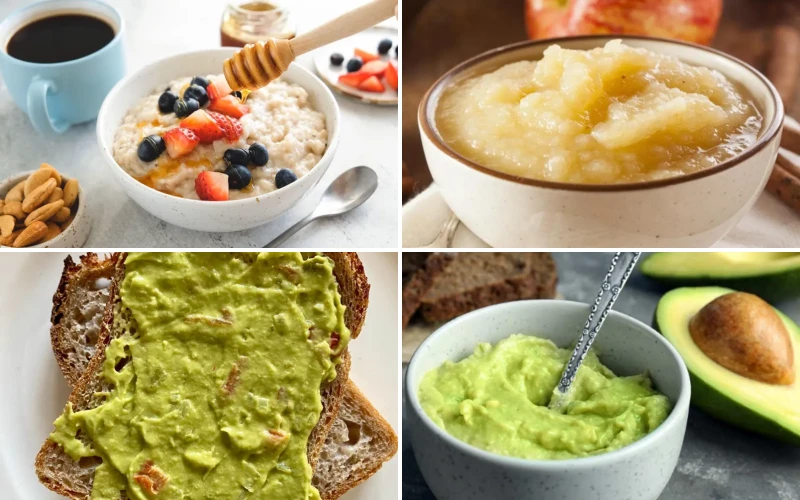
But here is the good news: eating well during recovery does not have to be boring or bland. There are actually some genuinely delicious, science-backed foods that can help you heal faster, stay nourished, and even feel a little more like yourself again.
1. Applesauce
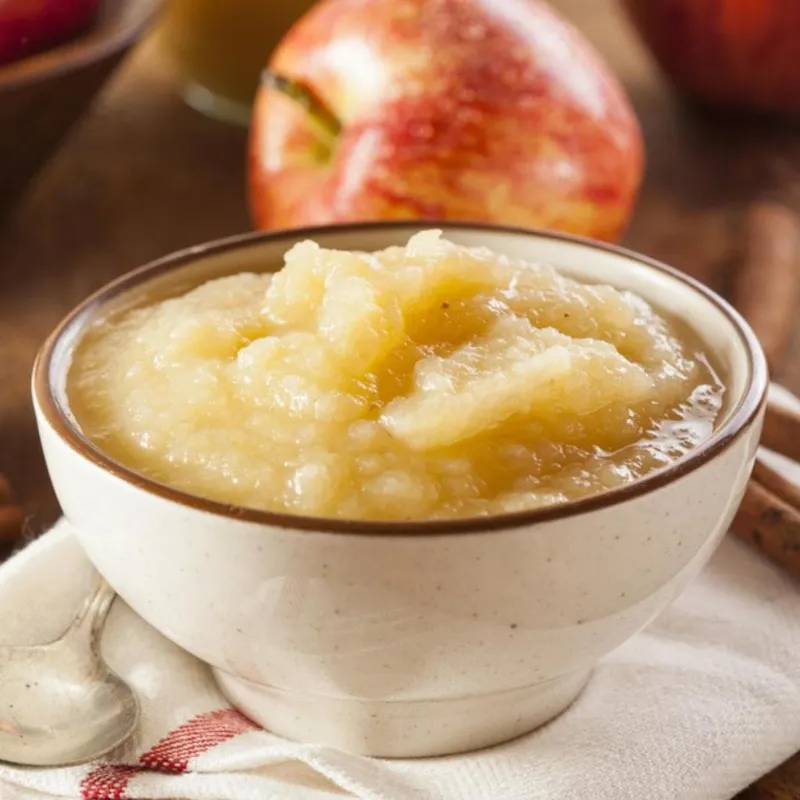
Applesauce is one of the most recommended post-surgery foods for a reason. It is smooth, easy to swallow, and surprisingly packed with nutrients your body needs to heal.
Apples are rich in vitamin C and quercetin, a natural antioxidant that helps reduce inflammation. A 2020 study published in Nutrients found that quercetin plays a meaningful role in supporting immune function, which is exactly what your body is working hard on after surgery.
Go for unsweetened applesauce to avoid unnecessary sugar, and try chilling it in the fridge for extra soothing relief on your tender throat.
2. Greek Yogurt
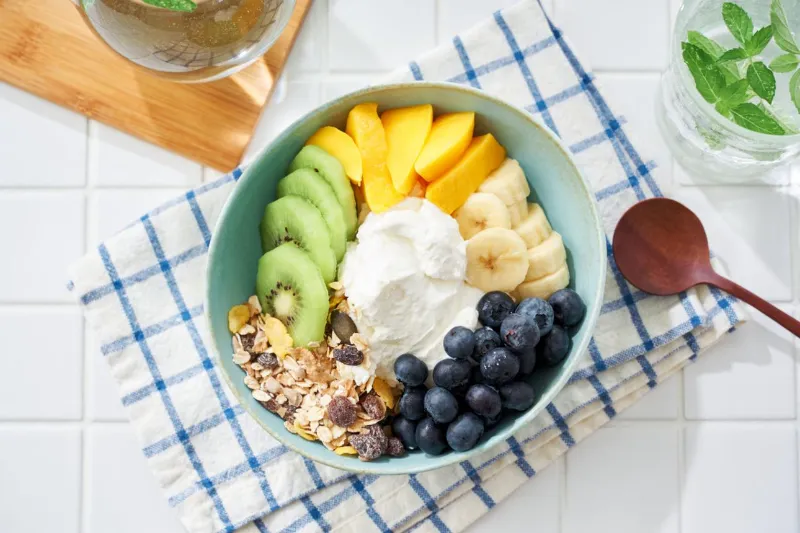
Greek yogurt is basically a recovery superfood in a little tub. It is cool, creamy, and loaded with protein, which your body desperately needs to repair tissue after any surgical procedure.
One cup of plain Greek yogurt delivers up to 20 grams of protein along with probiotics that support gut health. Research published in the Journal of Clinical Gastroenterology has shown that probiotics can help counteract the effects of antibiotics, which many tonsillectomy patients are prescribed post-op.
Stick to plain, full-fat Greek yogurt and avoid anything with chunks, granola, or fruit bits that could irritate your throat.
3. Mashed Potatoes
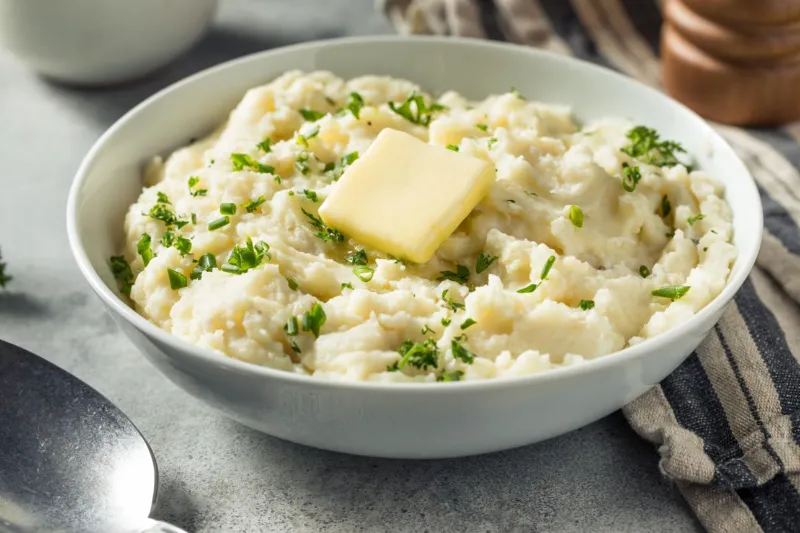
Mashed potatoes feel like a warm hug in a bowl, and they are genuinely one of the best soft foods you can eat after tonsil surgery. They are filling, comforting, and versatile enough to customize based on what your stomach can handle.
Potatoes are a great source of potassium, vitamin B6, and complex carbohydrates that give your body steady energy while it focuses on healing. The key is to make them ultra-smooth and creamy, so skip the lumps and go heavy on the butter or olive oil.
Make sure they are not too hot, though. Warm is fine, but hot foods can increase blood flow to the surgical area and raise your risk of bleeding.
4. Scrambled Eggs
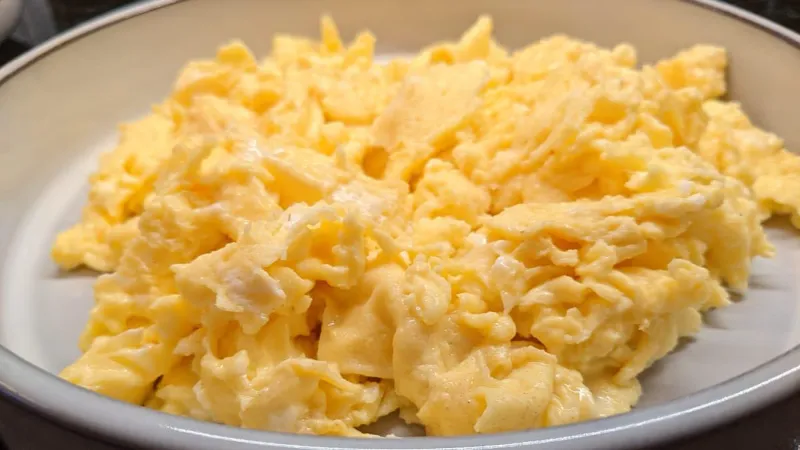
Scrambled eggs are soft, protein-rich, and incredibly easy to prepare. They are one of the most complete protein sources available, meaning they contain all nine essential amino acids your body needs for tissue repair.
Eggs also contain zinc, which plays a direct role in wound healing. A review in the journal Advances in Wound Care confirmed that zinc deficiency can significantly slow the healing process, making eggs a smart daily choice post-surgery.
Cook them low and slow for the softest texture possible, and skip any added vegetables, spices, or cheese that could feel scratchy going down.
5. Smoothies

Smoothies are practically made for tonsil surgery recovery. They let you pack a ton of nutrition into one drinkable meal that requires zero chewing and minimal swallowing effort.
You can load a smoothie with fruits, vegetables, protein powder, nut butters, and healthy fats, all in one go. Research consistently shows that adequate micronutrient intake speeds up post-surgical recovery, and smoothies make hitting those targets surprisingly easy.
One word of caution: skip the straw. Sucking through a straw creates suction in your mouth that can dislodge the healing clots in your throat and trigger bleeding.
6. Avocado
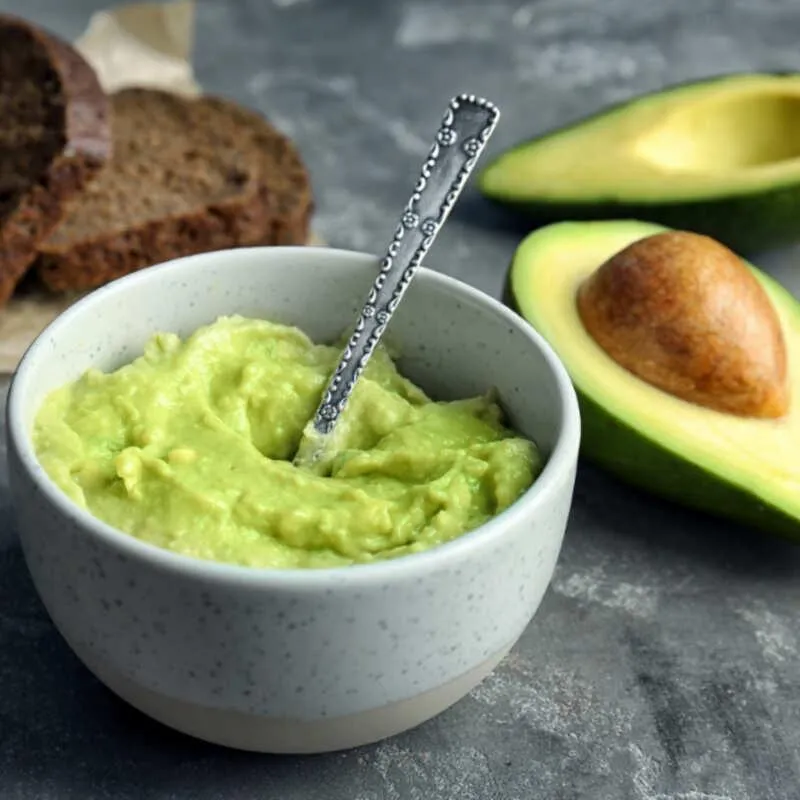
Avocado might be the most nutrient-dense soft food on this entire list. It is rich in healthy monounsaturated fats, potassium, folate, and vitamin K, all of which support tissue repair and cellular recovery.
The fat content in avocado also helps your body absorb fat-soluble vitamins like A, D, E, and K more efficiently. That means eating avocado alongside other nutrient-rich foods actually makes those nutrients work harder for you.
Scoop it straight from the skin, mash it into a smooth paste, or blend it into a smoothie. It is one of the easiest foods to eat when your throat is at its most sensitive.
7. Banana Ice Cream
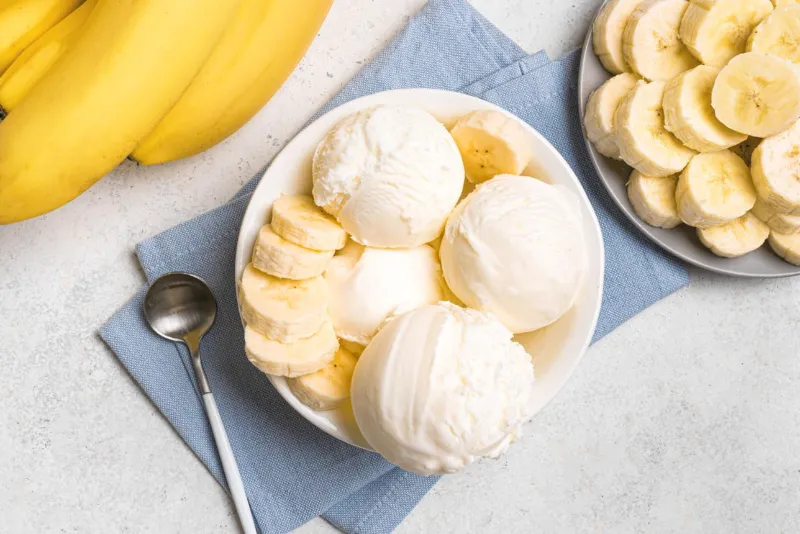
Yes, you read that right. Banana ice cream, made by blending frozen bananas into a creamy soft-serve consistency, is both delicious and genuinely healing after tonsil surgery.
Bananas are rich in vitamin B6, which supports immune function and helps regulate inflammation. The cold temperature of frozen banana ice cream also acts as a natural numbing agent for your sore throat, giving you temporary but real relief.
All you need is a frozen banana and a blender. You can add a spoonful of almond butter or a splash of oat milk for a creamier result.
8. Hummus
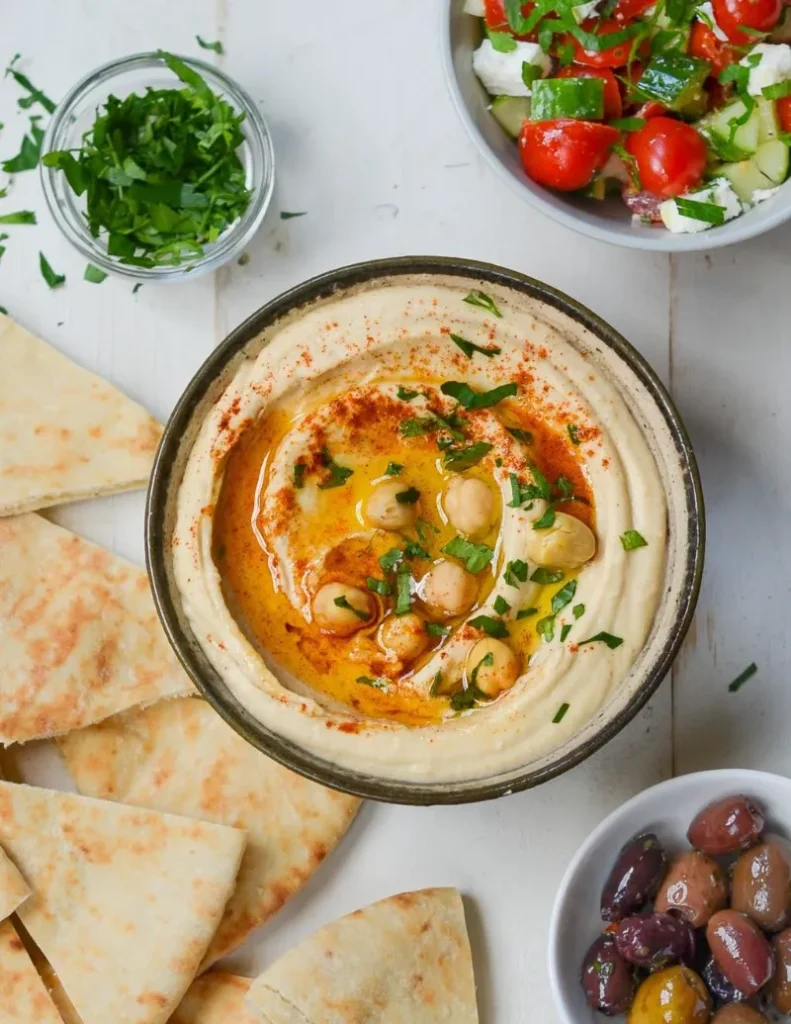
Hummus is smooth, savory, and packed with plant-based protein and fiber. It is made primarily from chickpeas, which are loaded with iron, folate, and manganese, nutrients that support your body’s natural healing processes.
Chickpeas also contain a range of B vitamins that help convert food into usable energy, which matters a lot when your body is working overtime to recover from surgery.
Eat it with a spoon on its own or use it as a soft dip for very tender, nearly dissolving soft bread. Just make sure the texture is completely smooth with no chunky bits.
9. Oatmeal
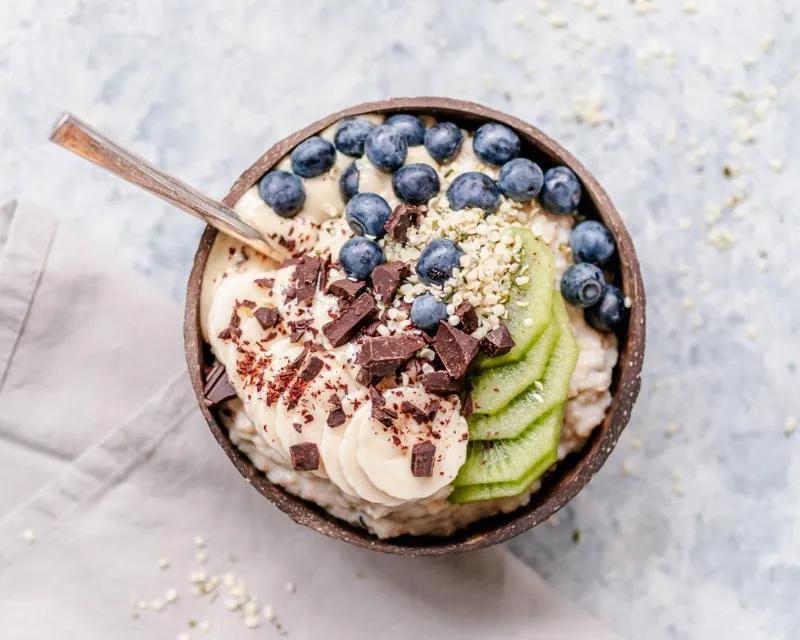
Oatmeal is one of the most underrated recovery foods out there. When cooked to a soft, creamy consistency, it is easy to swallow and incredibly nourishing.
Oats contain beta-glucan, a type of soluble fiber shown in numerous studies to support immune function and reduce inflammation. A 2015 review in Nutrients highlighted beta-glucan’s role in activating immune cells, helping your body fight off infection while it heals.
Always let your oatmeal cool down before eating. Adding a drizzle of honey gives you an extra anti-inflammatory boost and makes it feel a little more indulgent.
10. Pudding
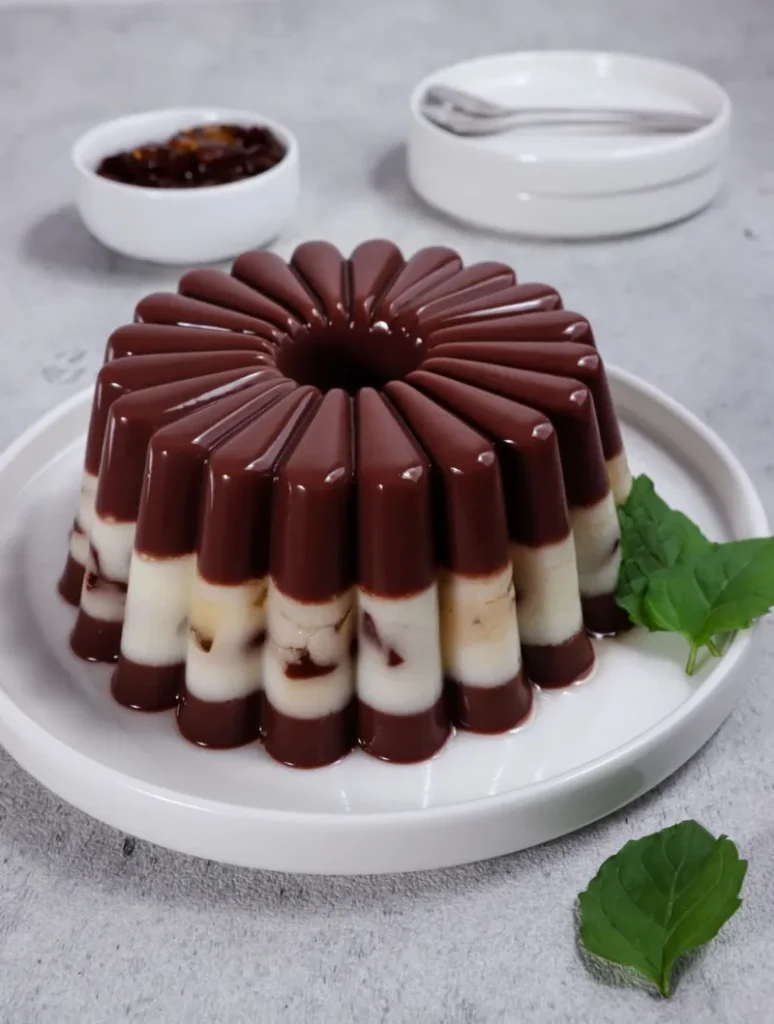
Pudding is pure comfort in a cup. Whether it is chocolate, vanilla, or butterscotch, pudding goes down easily and gives your throat a break from working hard.
While pudding is not nutritionally dense on its own, it can be fortified. Stir in a scoop of unflavored protein powder or make it with whole milk to boost the protein and fat content without changing the texture.
Keep portions moderate if you are choosing store-bought versions, since many are high in added sugar. Homemade pudding made with milk, egg yolks, and a natural sweetener is a much better option.
11. Cottage Cheese
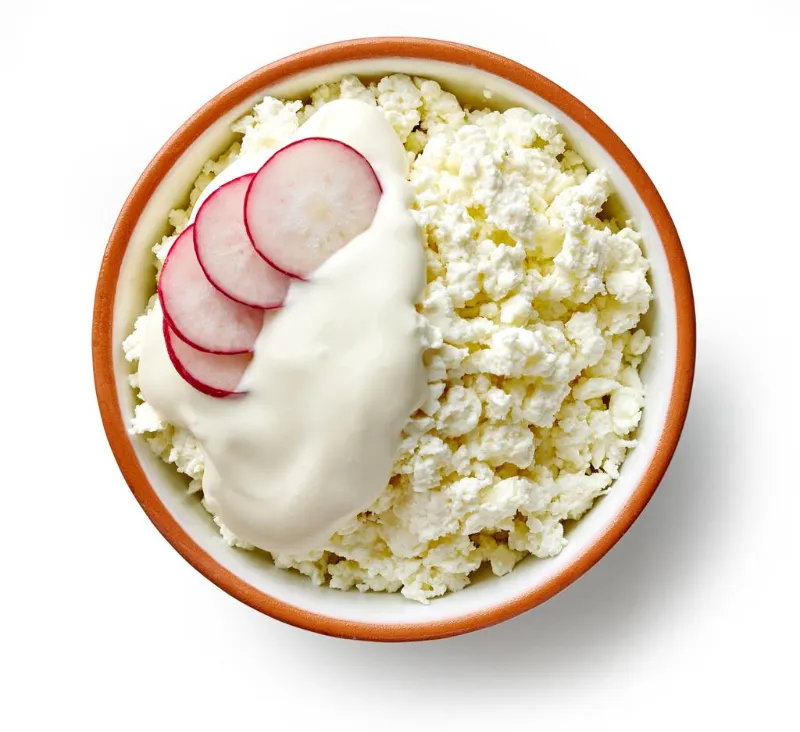
Cottage cheese is a protein powerhouse that often gets overlooked. A half-cup serving delivers around 12 to 14 grams of protein, making it one of the most efficient soft protein sources available.
It is also rich in calcium and phosphorus, which are important for overall cellular function during recovery. Some research suggests that high-protein diets in the immediate post-surgical period can meaningfully reduce recovery time.
Choose a small-curd or whipped variety for the smoothest texture, and eat it chilled for added soothing benefit.
12. Mashed Sweet Potatoes
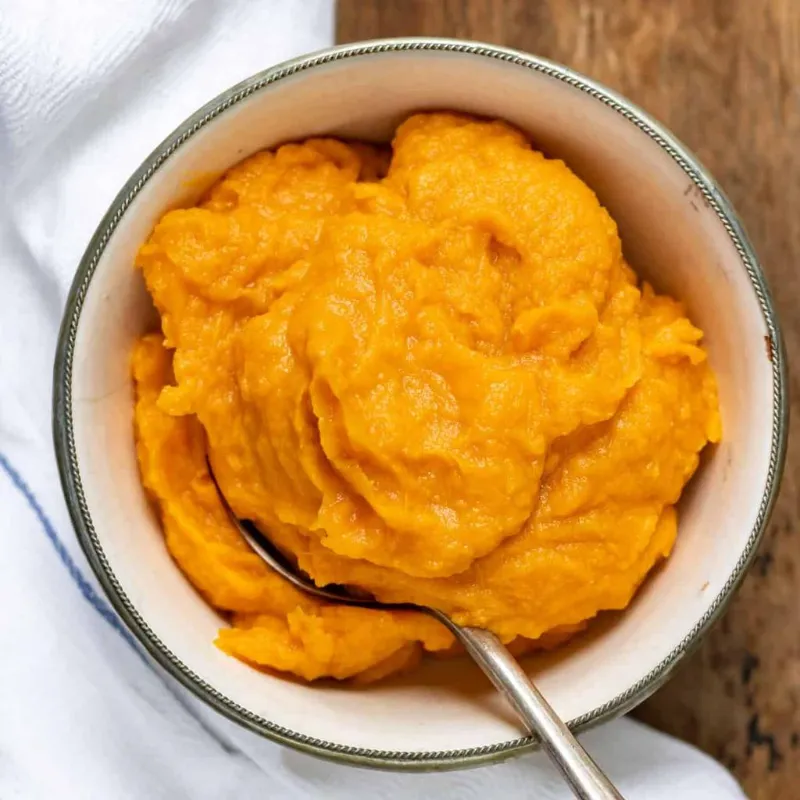
Sweet potatoes are basically a nutritional treasure chest. They are loaded with beta-carotene, which your body converts to vitamin A, a critical nutrient for immune defense and skin and tissue repair.
One medium sweet potato also provides about 25% of your daily vitamin C needs, along with potassium and manganese. All of these nutrients work together to support faster, more complete healing after surgery.
Mash them with a little butter and a pinch of cinnamon for a naturally sweet, anti-inflammatory meal that feels like dessert but fuels recovery.
13. Bone Broth
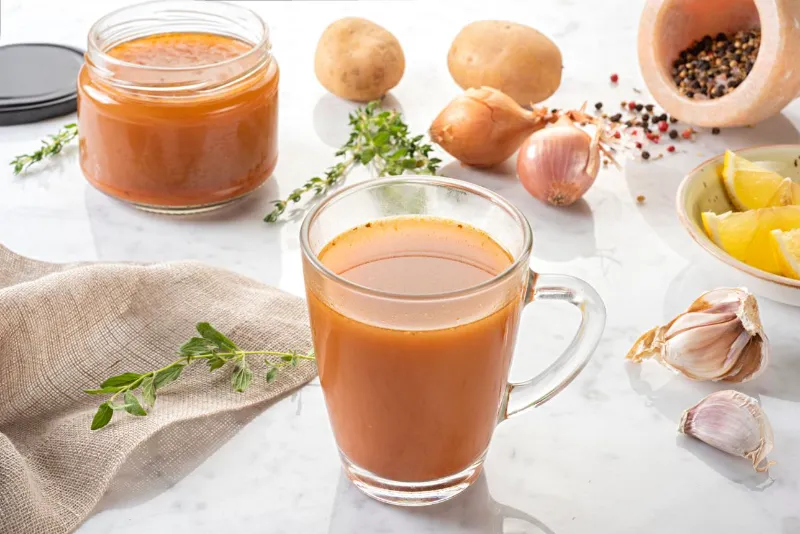
Bone broth has been used for centuries as a healing food, and modern science is starting to back up what grandmothers everywhere already knew. It is rich in collagen, gelatin, glycine, and proline, all of which support tissue repair and gut lining integrity.
A study in the journal Nutrients found that glycine, an amino acid abundant in bone broth, plays a direct role in wound healing and collagen synthesis. That is exactly what your healing throat tissue needs.
Sip it warm, never hot, and choose a high-quality store-bought version or make your own by simmering bones for several hours.
14. Soft Tofu
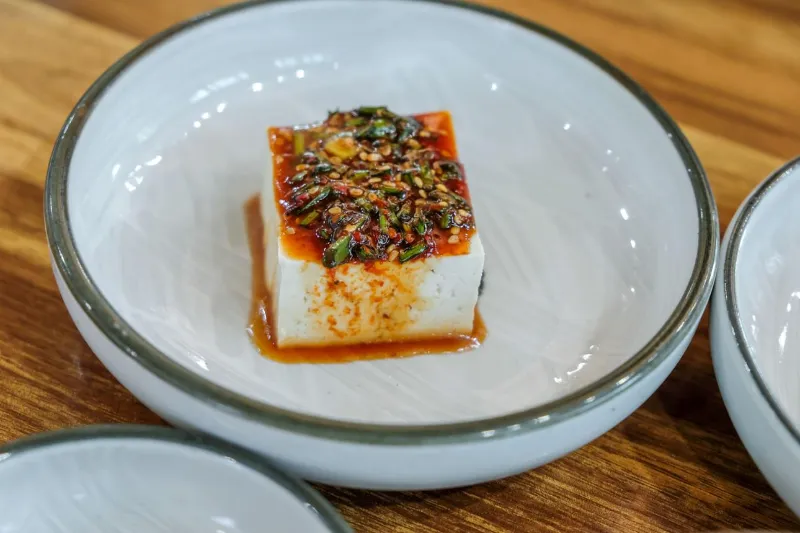
Silken or soft tofu is a fantastic protein source that requires almost no effort to eat. It has a texture so smooth and gentle that it practically dissolves as it goes down.
Tofu is made from soybeans and contains all essential amino acids, making it a complete protein. It is also rich in calcium and iron, two minerals that support energy levels and cellular repair during recovery.
Serve it cold with a very gentle drizzle of low-sodium soy sauce, or blend it into a smoothie for a protein boost you will barely taste.
15. Ice Cream

Here is the one you were waiting for. Ice cream is genuinely recommended by many surgeons after tonsillectomy, and for good reason. The cold temperature helps numb pain and reduce localized swelling in the throat.
Plain vanilla or simple flavors are the safest bet. Avoid anything with mix-ins like cookie pieces, nuts, or candy that could scratch your healing tissue.
While ice cream is a treat rather than a superfood, it serves a real functional purpose in the first few days post-surgery, so enjoy it without guilt.
16. Jell-O
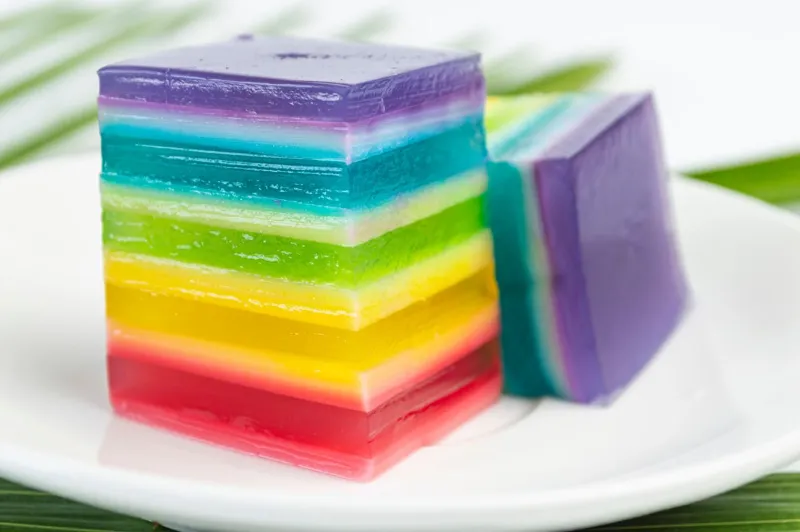
Jell-O is one of the classic post-tonsillectomy recommendations from medical professionals. It is soft, hydrating, and easy on your throat no matter how sore it gets.
Gelatin, the main ingredient in Jell-O, contains proline and glycine, the same amino acids found in bone broth that support tissue repair. While the amounts in Jell-O are smaller, every bit of nutritional support counts when you are healing.
Choose sugar-free versions if you want to reduce added sugar, or make your own with fruit juice and unflavored gelatin for a more nutritious version.
17. Mashed Peas
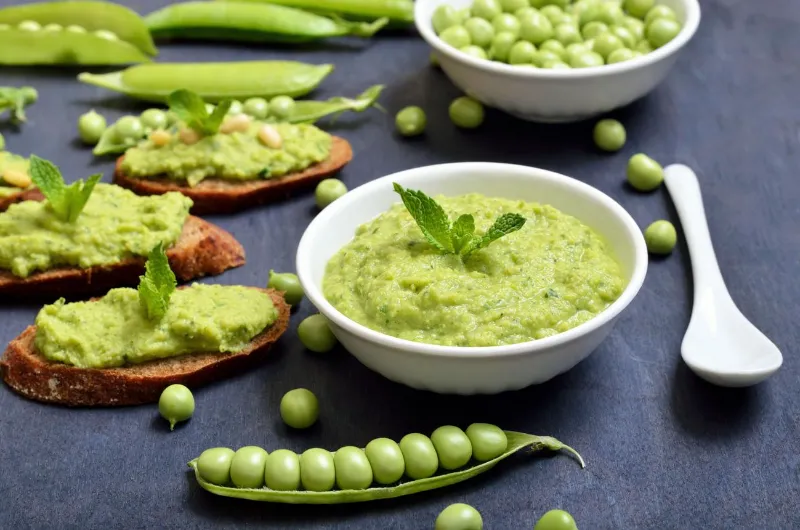
Green peas are surprisingly nutrient-dense, offering a solid hit of plant-based protein, fiber, and vitamins A, C, and K. Mashed into a smooth, creamy consistency, they become a gentle and healing soft food.
Vitamin K plays a crucial role in blood clotting and wound healing, which makes peas particularly relevant after a surgical procedure. Research has consistently confirmed vitamin K’s role in supporting proper tissue repair.
Steam them until very tender, then blend or mash with a little butter and salt until completely smooth. No lumps allowed.
18. Cream of Wheat
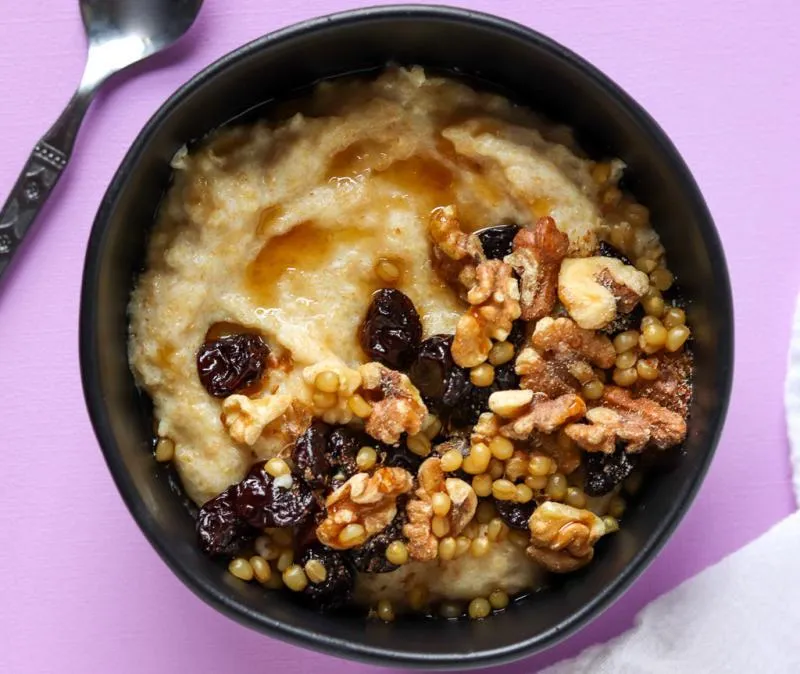
Cream of Wheat is a smooth, warm cereal that goes down easily and provides a good base of carbohydrates and iron. It is particularly helpful if you are feeling low-energy during recovery, which is extremely common after surgery.
Iron is essential for transporting oxygen throughout your body, and maintaining adequate levels helps your cells do the work of healing. Many post-surgery patients experience mild fatigue partly due to reduced food intake, so iron-rich options like Cream of Wheat can help.
Cook it slightly thinner than the package suggests and add a drizzle of honey or a spoonful of nut butter for extra calories and flavor.
19. Soft Poached Eggs
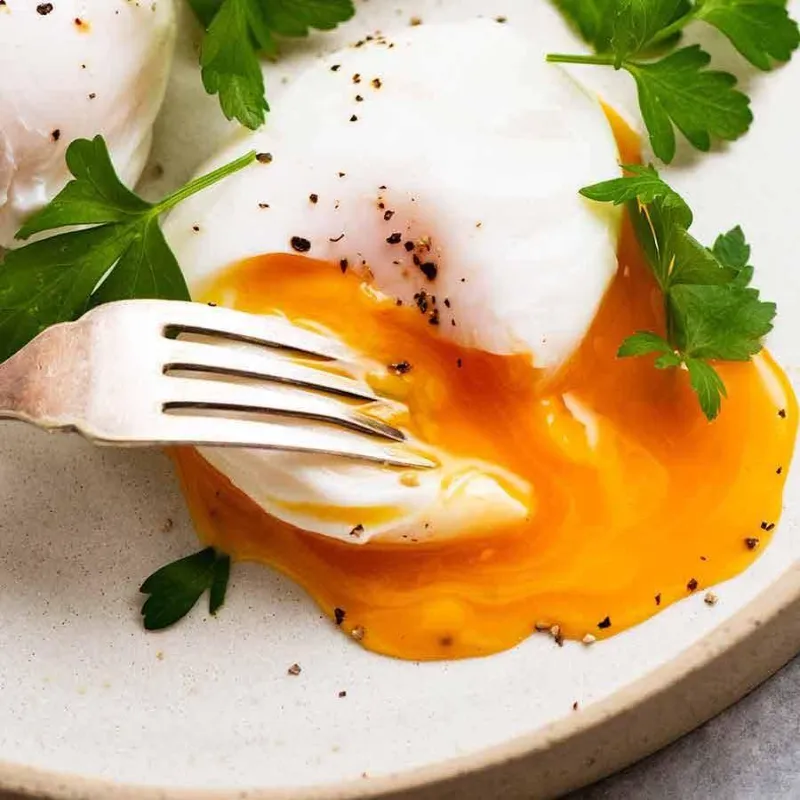
A perfectly poached egg has a silky, tender white and a runny yolk that together create one of the softest egg textures possible. They are an excellent source of protein, healthy fats, and choline, a nutrient important for cellular membrane health and brain function.
The runny yolk adds a natural richness that makes the egg easier to swallow and more satisfying. Choline, found abundantly in egg yolks, also plays a role in reducing systemic inflammation.
Let them cool slightly before eating, and skip any toast or toppings that could add texture you do not want at this stage of recovery.
20. Ricotta Cheese
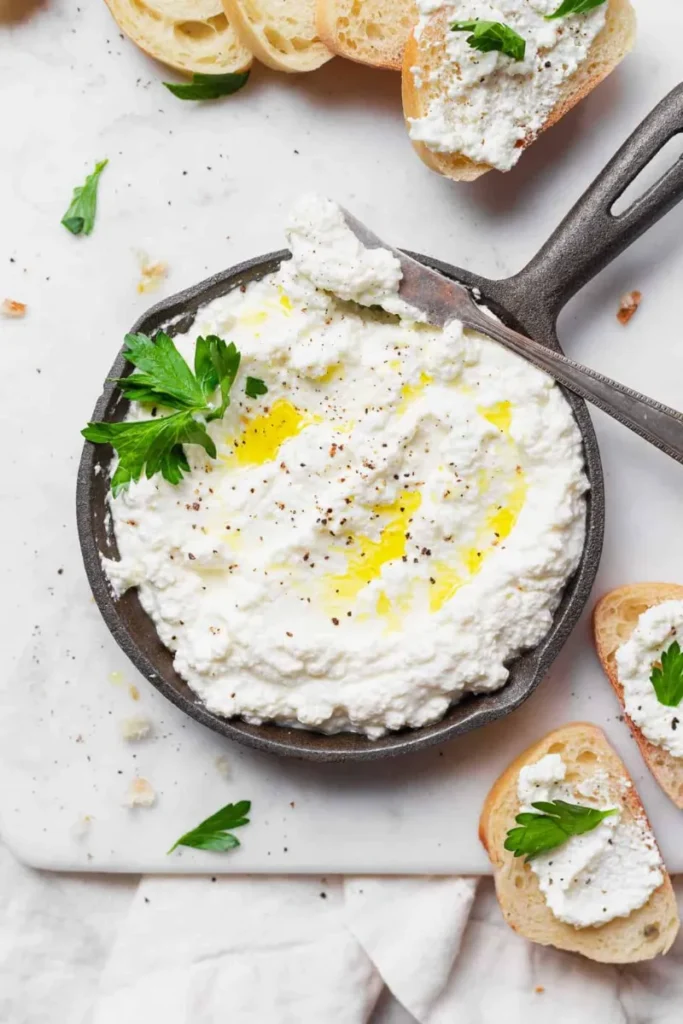
Ricotta is one of the creamiest, most gentle cheeses you can eat. It is light in texture but substantial in nutrition, offering a good amount of protein, calcium, and phosphorus in every serving.
Calcium and phosphorus work together to support bone and tissue strength, both of which are important during any healing process. Ricotta also has a mild, slightly sweet flavor that makes it easy to eat even when your appetite is low.
Eat it plain by the spoonful, mix it with a little honey, or blend it into a smoothie for a creamy protein boost.
21. Pumpkin Puree
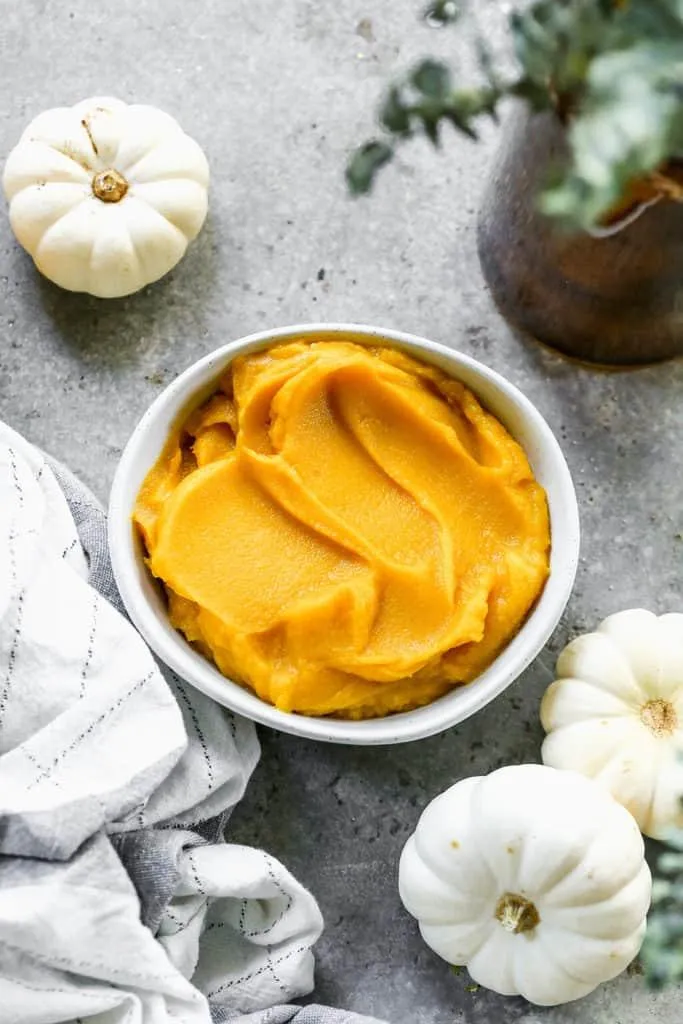
Pure pumpkin puree, not pie filling, is a low-calorie, high-fiber, and incredibly nutrient-dense food. It is rich in beta-carotene, vitamin C, potassium, and zinc, all nutrients that directly support immune function and tissue healing.
Zinc in particular has strong research support for its role in surgical recovery. Studies published in Wound Repair and Regeneration have shown that zinc supplementation and zinc-rich foods can speed up wound closure and reduce infection risk.
Eat it warm with a little cinnamon and honey, or mix it into oatmeal or a smoothie for a subtle nutritional upgrade.
22. Mashed Avocado Toast (Soft Bread)
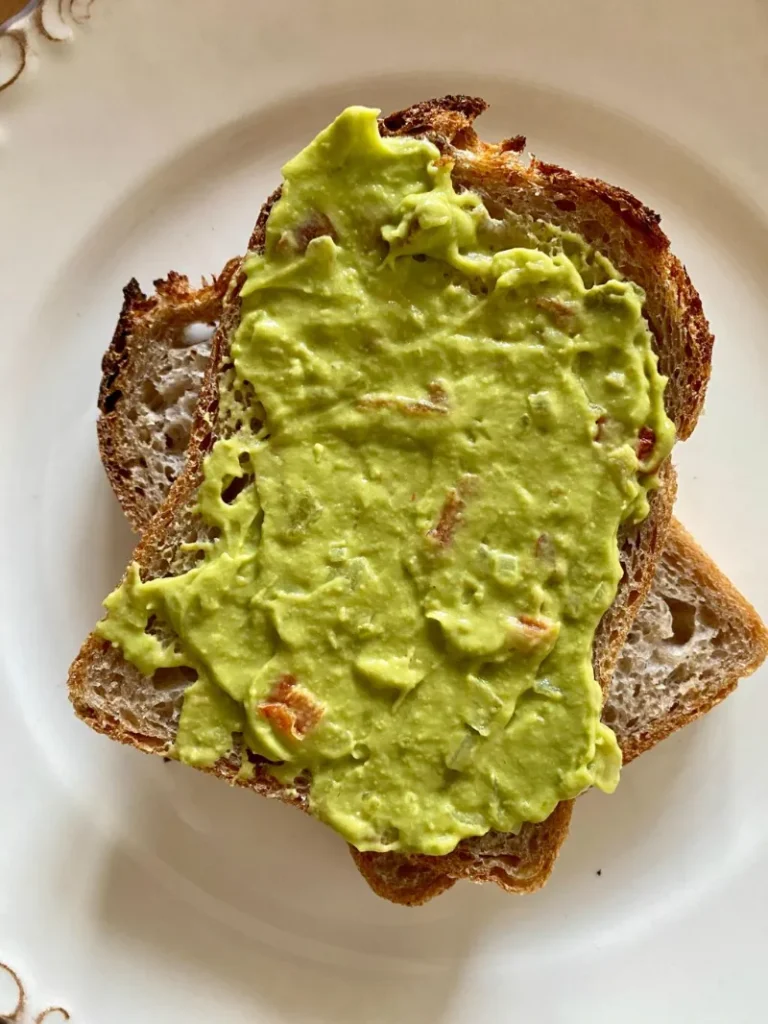
When you are a week or so into recovery and your throat is starting to feel a little better, very soft bread with mashed avocado can feel like a real meal again. Choose the softest white bread you can find and let it sit under the avocado mash until it absorbs some moisture and becomes almost melt-in-your-mouth tender.
Avocado provides healthy fats and potassium while the bread adds carbohydrates for sustained energy. This combination helps stabilize blood sugar, which can get a little erratic when your food intake is limited.
Take small bites and chew thoroughly until completely broken down before swallowing. Go slow, and listen to your body.
23. Smooth Peanut Butter
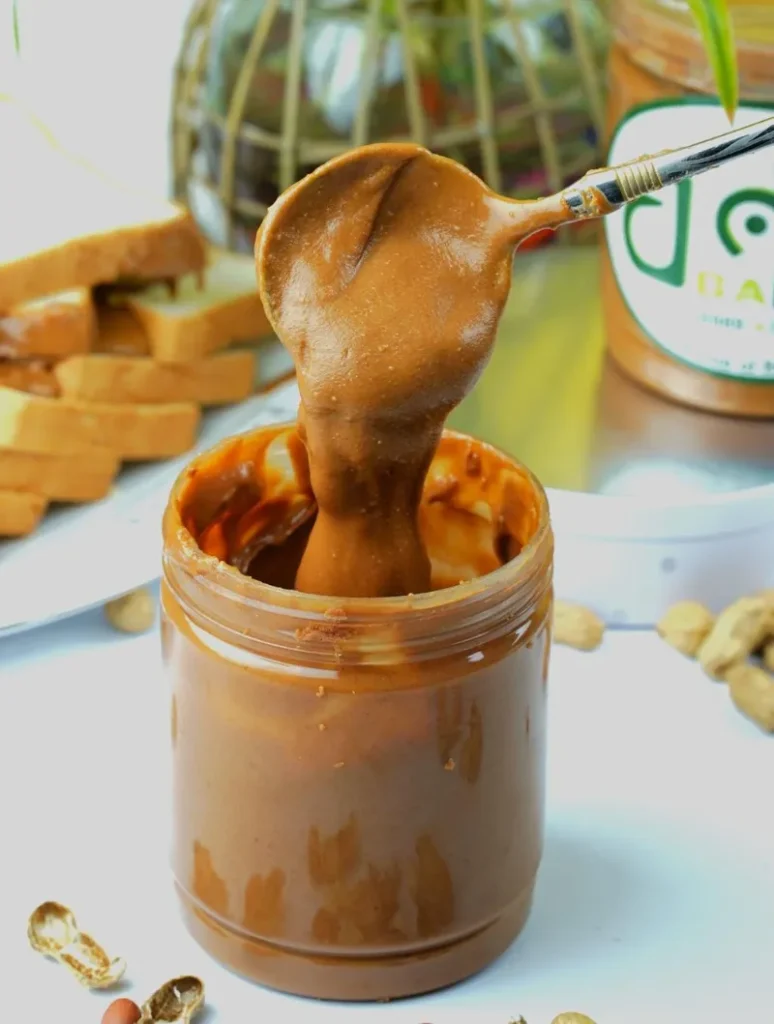
Smooth peanut butter is calorie-dense, protein-rich, and full of healthy monounsaturated fats. When you are not eating much, getting enough calories becomes a real challenge, and peanut butter helps solve that problem efficiently.
It contains niacin, magnesium, and vitamin E, all of which support energy production and cellular repair. Research has also shown that the monounsaturated fats in peanut butter have mild anti-inflammatory properties.
Eat it by the spoonful, blend it into a smoothie, or stir it into oatmeal. Just make sure it is completely smooth with no crunchy bits anywhere.
24. Coconut Milk Soup

A smooth, blended soup made with coconut milk is one of the most soothing and nourishing things you can eat during recovery. Coconut milk is rich in medium-chain triglycerides, a type of fat that your body metabolizes quickly and efficiently for energy.
MCTs have been studied for their antimicrobial properties, and lauric acid, the primary MCT in coconut, has shown promise in supporting immune defense. A warm, mild coconut-based soup with pureed vegetables provides both hydration and substantial nutrition.
Keep the temperature comfortably warm, not hot, and blend everything completely smooth before eating.
25. Soft Polenta
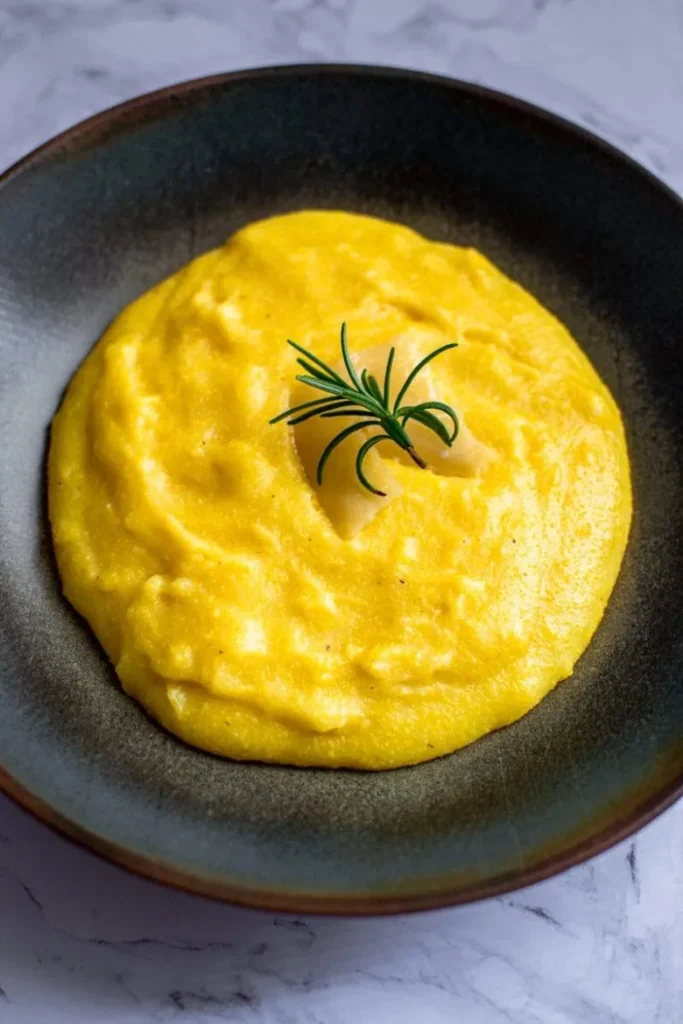
Polenta is made from ground cornmeal and when cooked to a creamy consistency, it is one of the most comforting soft foods you can make. It is gluten-free, easy to digest, and provides a steady source of complex carbohydrates.
Corn is a source of lutein and zeaxanthin, antioxidants that protect cells from oxidative stress. While not specifically studied for surgical recovery, antioxidant-rich foods broadly support the body’s healing response by reducing inflammation and cellular damage.
Make it with broth instead of water for extra flavor and nutrition, and stir in a little butter or olive oil for a smoother, richer texture.
26. Mashed Lentils
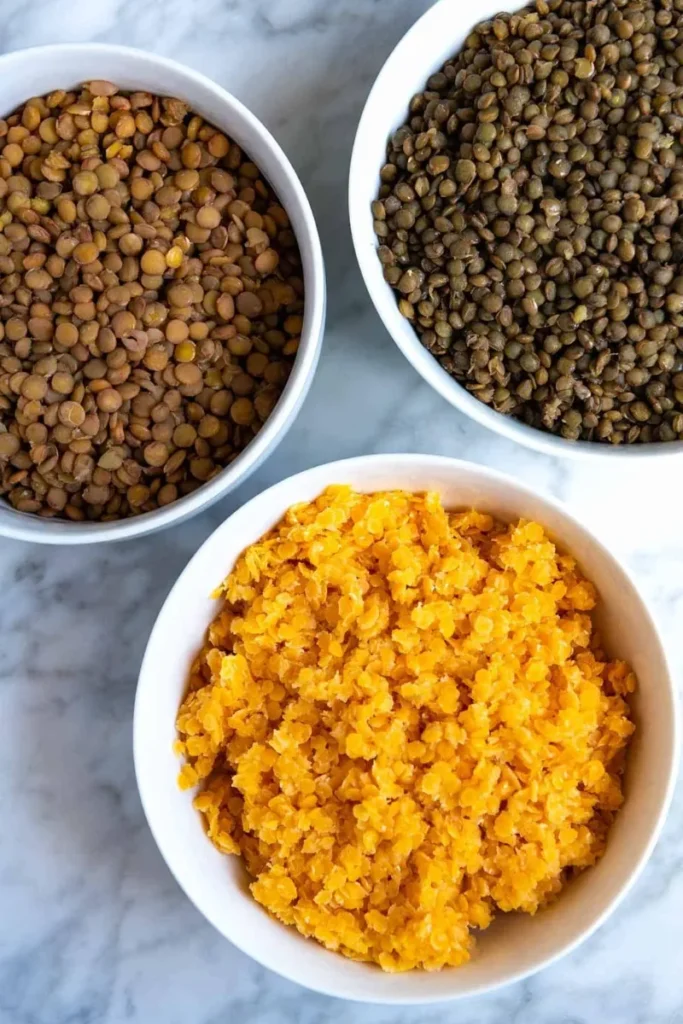
Lentils are one of the most nutritionally complete plant foods available. They are packed with protein, iron, folate, and magnesium, and when thoroughly cooked and mashed, they become soft enough to eat comfortably during tonsil surgery recovery.
Folate is particularly important for tissue repair and cell division, the exact biological processes happening at your surgical site as it heals. Lentils are also rich in polyphenols, plant compounds with well-documented anti-inflammatory effects.
Cook red lentils until completely soft, then blend or mash thoroughly with a little olive oil and a very mild seasoning. Avoid any whole spices that could irritate your throat.
27. Banana
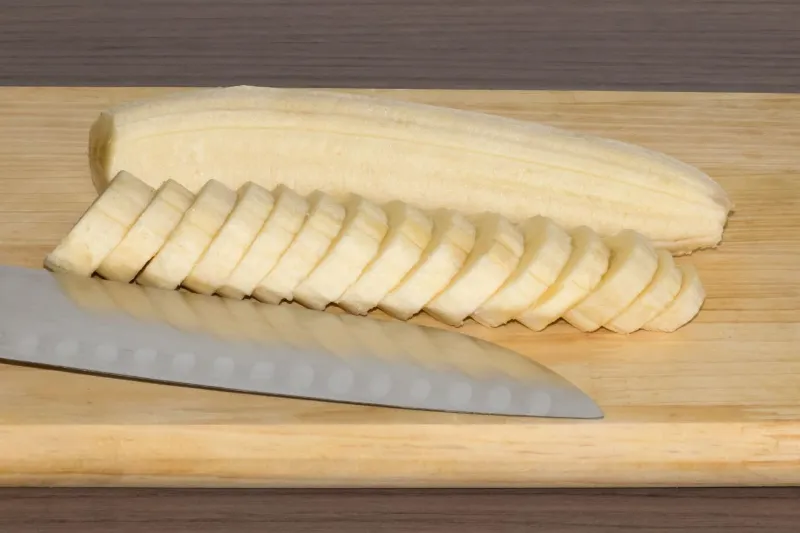
A ripe banana is one of the safest and most convenient soft foods after tonsil surgery. It requires no cooking, no prep, and naturally has a soft, smooth texture that is easy to swallow.
Bananas are loaded with potassium, which plays a crucial role in muscle function and fluid balance. They also contain pectin, a soluble fiber that supports healthy digestion and helps keep your gut moving even when your diet is restricted.
Choose very ripe bananas for the softest texture and highest sugar content, which gives your body a quick energy source when eating feels like a chore.
28. Soft Cooked Oats with Honey
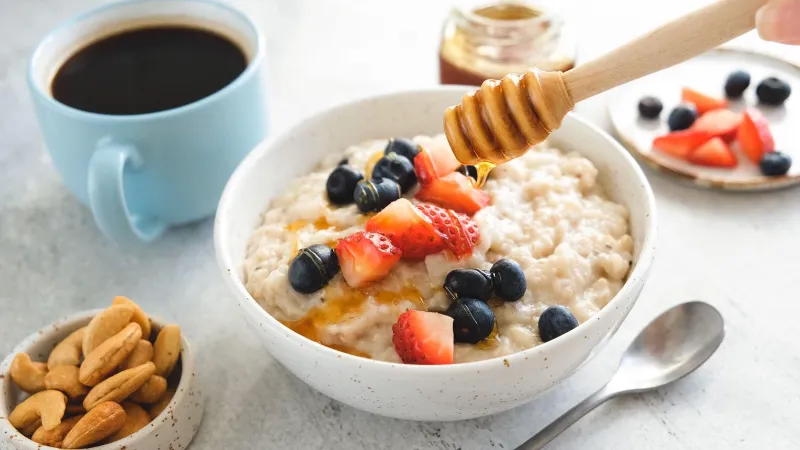
Honey has been used medicinally for thousands of years, and its antibacterial and anti-inflammatory properties are well-supported by modern research. A 2014 review in Evidence-Based Complementary and Alternative Medicine highlighted honey’s ability to inhibit bacterial growth and support wound healing.
Combining honey with soft-cooked oats gives you the immune-boosting power of beta-glucan and the soothing, antimicrobial properties of honey in one comforting bowl. It is simple, effective, and genuinely good.
Use raw or Manuka honey if you can, as these varieties have the highest concentration of beneficial compounds. Let the oats cool to a comfortable warm temperature before adding the honey to preserve its active properties.
29. Almond Butter
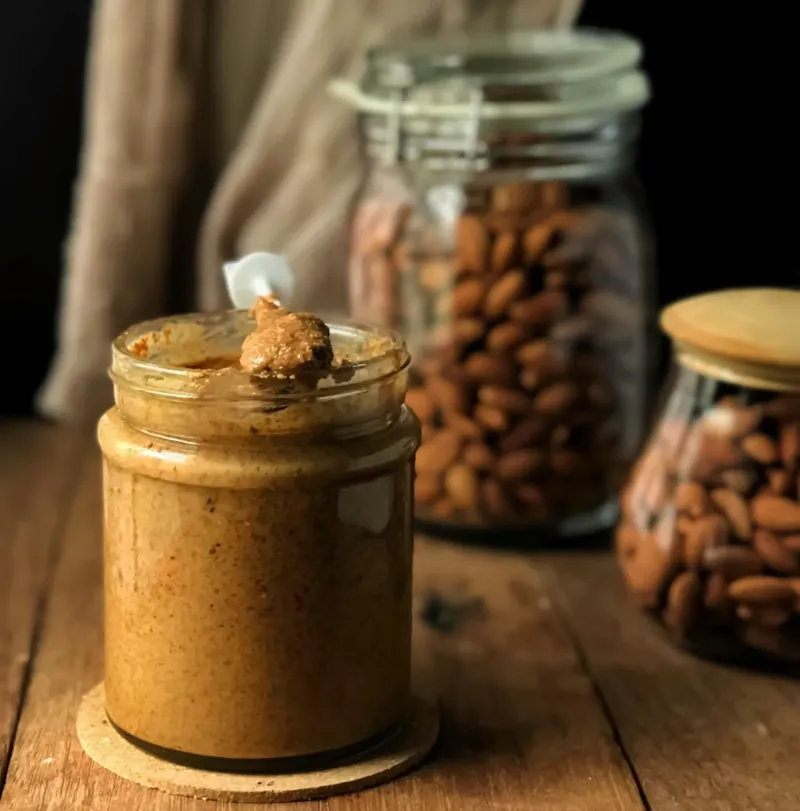
Almond butter is a smooth, calorie-dense spread that offers a slightly different nutritional profile than peanut butter. It is particularly rich in vitamin E, a fat-soluble antioxidant that protects cells from oxidative damage and supports skin and tissue repair.
Almonds also contain magnesium, which supports hundreds of enzymatic reactions in the body, including those involved in protein synthesis and energy production. Getting enough magnesium helps your body carry out the cellular work of healing more efficiently.Choose a smooth, natural variety with no added sugar or salt, and eat it by the spoonful or blended into a smoothie.
30. Frozen Yogurt

Frozen yogurt gives you the cold, soothing comfort of ice cream with the added benefit of live probiotic cultures. The cold temperature provides immediate, localized relief for throat soreness, while the probiotics support gut health during antibiotic treatment.
Research published in JAMA found that probiotic supplementation significantly reduced antibiotic-associated diarrhea, a common side effect of post-surgical antibiotic courses. Getting those probiotics from food is a natural and delicious way to protect your digestive system.
Choose a plain or lightly flavored variety with no mix-ins, and look for brands that specifically state “live and active cultures” on the label.
31. Mashed Carrots
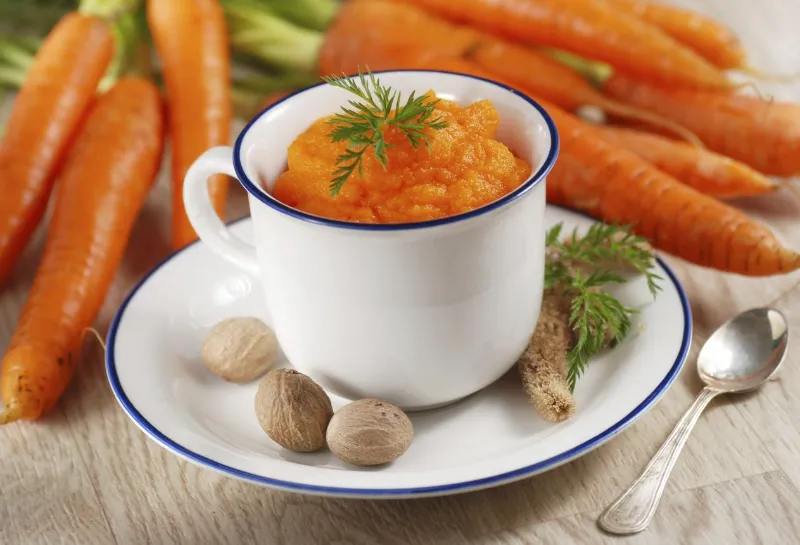
Carrots are one of the richest food sources of beta-carotene, which your body converts to vitamin A on demand. Vitamin A is critical for maintaining the integrity of mucous membranes, including the lining of your throat and respiratory tract.
When carrots are cooked until very soft and then mashed or pureed, they become easy to eat and digest. The natural sweetness makes them appealing even when your appetite is suppressed by pain medication or general discomfort.
Steam them until completely tender, then blend with a little butter and a pinch of ginger, which has its own well-documented anti-inflammatory properties.
32. Soft Scrambled Tofu
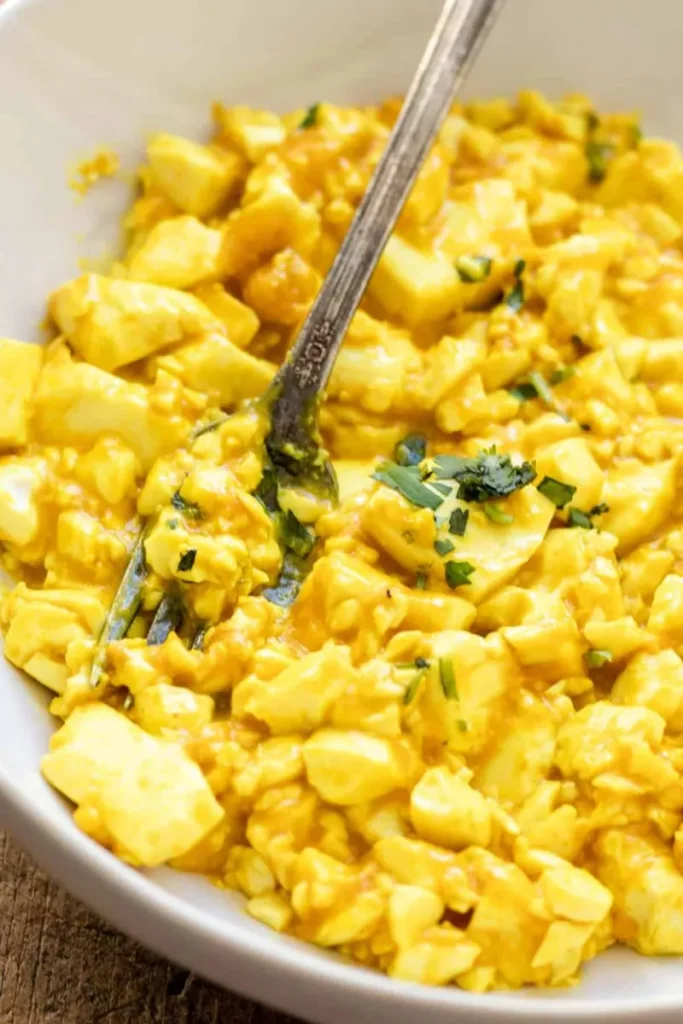
Scrambled tofu cooked gently with a little turmeric and olive oil is a plant-based alternative to scrambled eggs that is just as soft and protein-rich. Firm tofu crumbled finely and cooked slowly becomes almost custard-like in texture.
Turmeric contains curcumin, one of the most studied natural anti-inflammatory compounds in the world. Hundreds of clinical studies have examined curcumin’s ability to reduce inflammatory markers, and adding even a small amount to your food during recovery is a smart, easy choice.
Keep it mild and smooth, and pair it with a soft mashed side to make a more complete and satisfying meal.
33. Cream Cheese
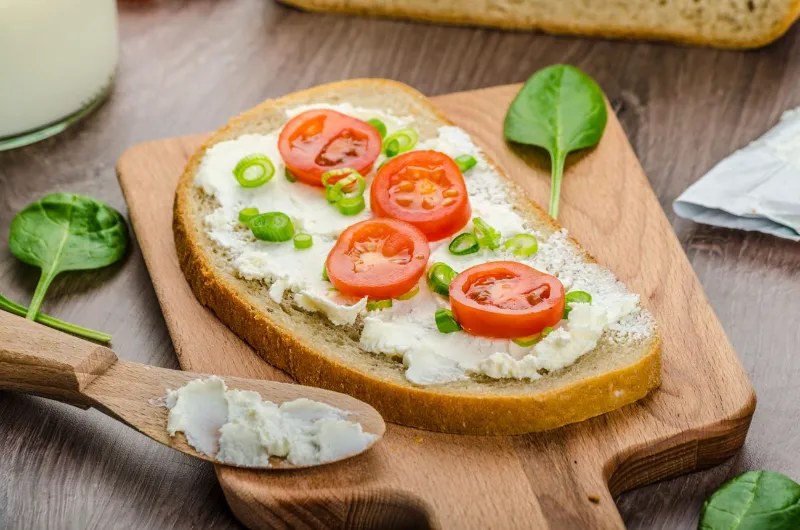
Cream cheese is soft, mild, and surprisingly versatile during recovery. It is high in fat, which helps you maintain calorie intake when eating is difficult, and it has a smooth, spreadable texture that goes down easily.
While not the most nutritionally dense food on this list, cream cheese provides a satisfying richness that can make other foods more palatable. Try mixing it with a little honey or mashing it with ripe banana for a naturally sweet, high-calorie snack.
Full-fat versions are the best choice during recovery since you need calories, and the added fat helps you stay fuller longer on smaller portions.
34. Watermelon (Seedless, Blended)
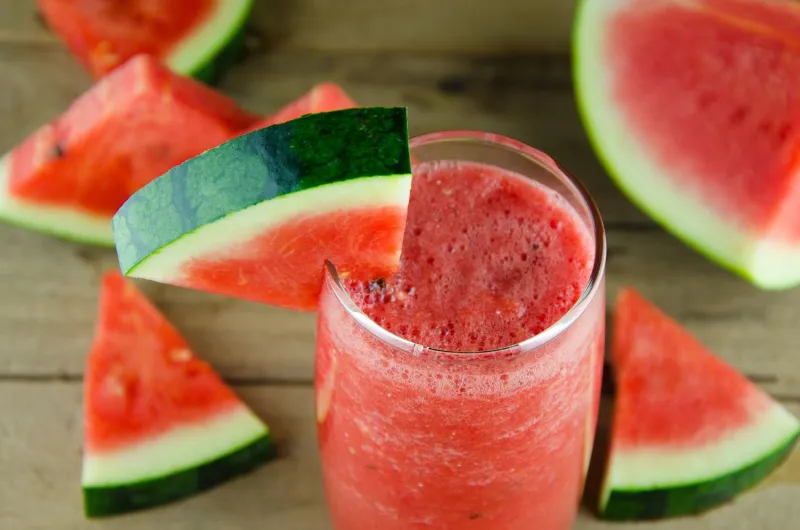
Watermelon is about 92% water, making it one of the most hydrating foods you can eat. Staying hydrated after tonsil surgery is absolutely essential, since dehydration is actually one of the most common post-op complications.
Blended seedless watermelon becomes a smooth, refreshing drink that cools your throat, provides natural sugars for quick energy, and helps you hit your daily fluid goals. It also contains lycopene, a powerful antioxidant linked to reduced inflammation.
You can freeze blended watermelon into popsicle molds for an extra-soothing treat that doubles as pain management.
35. Mashed Cauliflower
Mashed cauliflower is a lighter, lower-carb alternative to mashed potatoes that is just as creamy when made right. Cauliflower is rich in vitamin C, choline, and glucosinolates, compounds that support liver detoxification and reduce oxidative stress.
Vitamin C plays a direct role in collagen synthesis, the protein your body uses to rebuild and repair damaged tissue. Getting adequate vitamin C in the days following surgery can meaningfully support the speed and quality of your healing.
Steam cauliflower until completely soft, then blend with butter, a splash of broth, and a small amount of garlic if your throat can tolerate mild seasoning.
36. Tahini
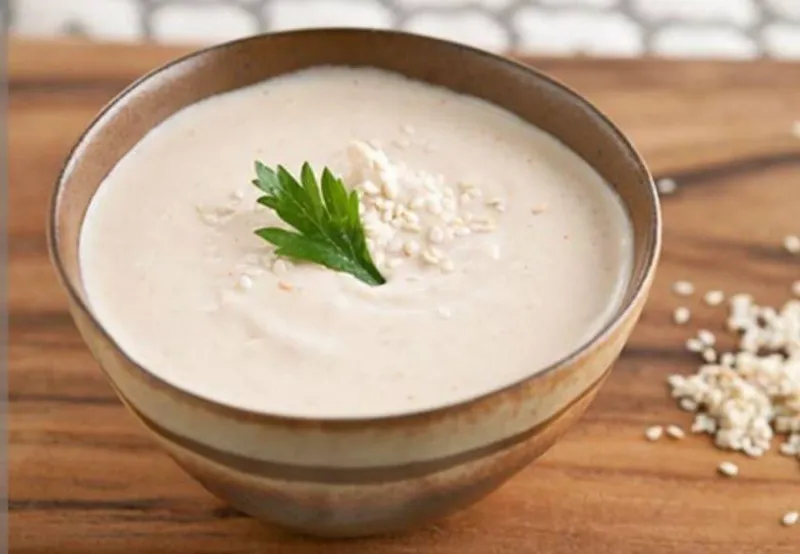
Tahini is a smooth paste made from ground sesame seeds, and it is one of the most mineral-dense foods you can eat. It is exceptionally high in calcium, copper, manganese, and phosphorus, all minerals that support bone health, immune function, and cellular repair.
Copper in particular plays a role in collagen formation and iron absorption. Getting adequate copper through food helps ensure that the collagen being synthesized at your surgical site is structurally sound and forms correctly.
Eat it by the spoonful, drizzle it over mashed vegetables, or stir it into a smoothie. Its rich, nutty flavor works well in both sweet and savory combinations.
37. Soft Cooked Quinoa
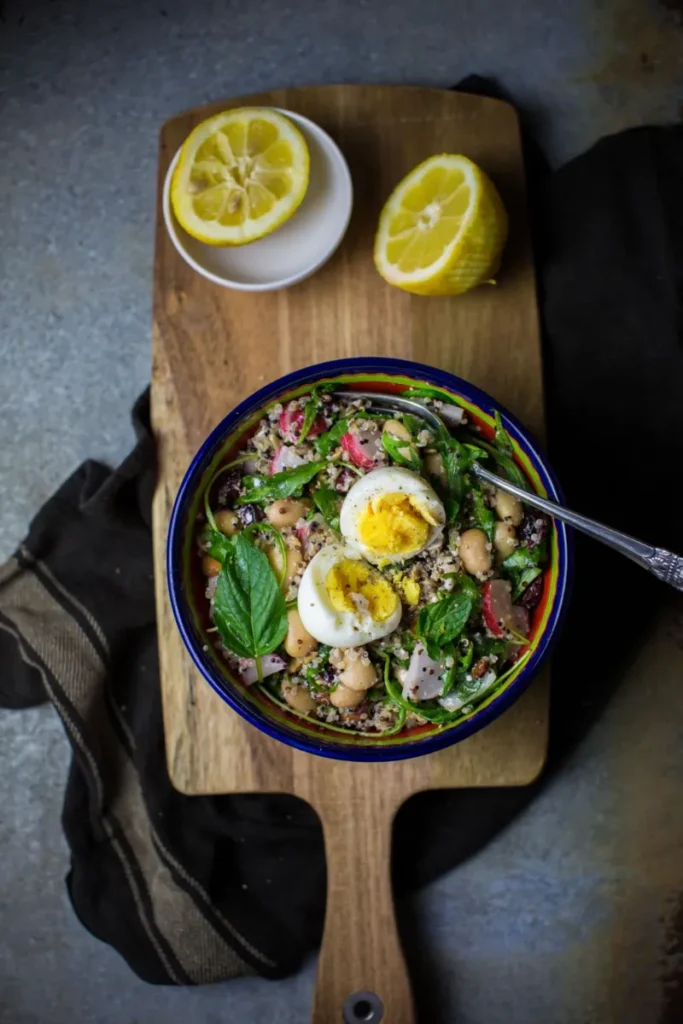
Quinoa is one of the few plant foods that is a complete protein, meaning it contains all nine essential amino acids. When cooked to a soft, almost porridge-like consistency with extra liquid, it is gentle enough to eat even in the early days of recovery.
It is also rich in iron, magnesium, and manganese, and has a lower glycemic index than most grains, meaning it gives you sustained energy without blood sugar spikes. That steady energy matters a lot when your body is simultaneously fighting fatigue and healing from surgery.
Cook it in broth for extra flavor and nutrition, and serve it slightly warm with a drizzle of olive oil.
38. Custard

Custard is smooth, creamy, and made from egg yolks and milk, which together provide a respectable amount of protein, fat, and fat-soluble vitamins. It is one of the most soothing textures imaginable for a sore throat.
The egg yolks in custard are rich in vitamin D, a nutrient that plays a well-documented role in immune regulation. Research published in BMJ found that vitamin D supplementation reduced the risk of respiratory infections, suggesting its importance for anyone whose immune system is under stress.
Make it at home with whole milk and egg yolks for the most nutritious version, and serve it chilled or at room temperature.
39. Pureed Butternut Squash
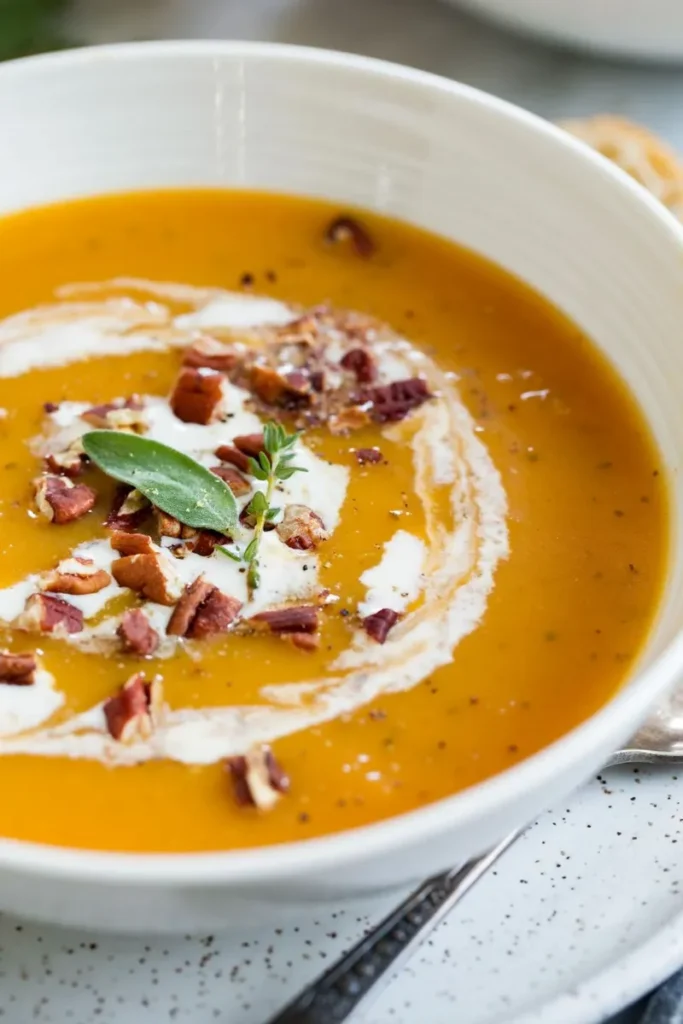
Butternut squash is sweet, creamy when pureed, and loaded with beta-carotene, vitamin C, and potassium. It has a naturally smooth texture that blends beautifully and goes down easily even when your throat is at its most sensitive.
Potassium supports electrolyte balance and muscle function, which matters because pain medications and reduced food intake can both disrupt electrolyte levels during recovery. Keeping potassium levels stable helps your body function more normally during a challenging healing period.
Roast it until very tender, scoop out the flesh, and blend until completely smooth with a little coconut oil and cinnamon for a comforting, nourishing bowl.
40. Gelatin-Based Fruit Cups

Gelatin-based fruit cups combine the healing properties of gelatin with the vitamins and natural sugars from soft, pureed fruit. They are easy to make at home by mixing unflavored gelatin with 100% fruit juice and letting it set in the fridge.
Gelatin supports gut health and contains glycine and proline, amino acids that directly support the production of collagen in healing tissue. Using fruit juice as the base adds vitamin C and natural antioxidants that further support recovery.
Avoid store-bought versions with added sugar or artificial flavoring. Homemade gelatin cups with real fruit juice are a far better option and taste surprisingly good.
Final Thoughts
Recovery from tonsil surgery is tough, but what you eat makes a genuine difference in how fast and how well you heal. Every item on this list gives your body something real to work with, whether it is protein, antioxidants, healthy fats, or simple soothing comfort.
Start with what sounds good to you and build from there. Your appetite will come back, your throat will heal, and before you know it, you will be eating normally again. Until then, eat gently, stay hydrated, and take good care of yourself.
