
39 Shocking Inflammatory Foods To Avoid List for Faster Results

If you’ve been doing everything right but still feel tired, bloated, or stuck in a cycle of aches and sluggishness, your diet might be quietly working against you.
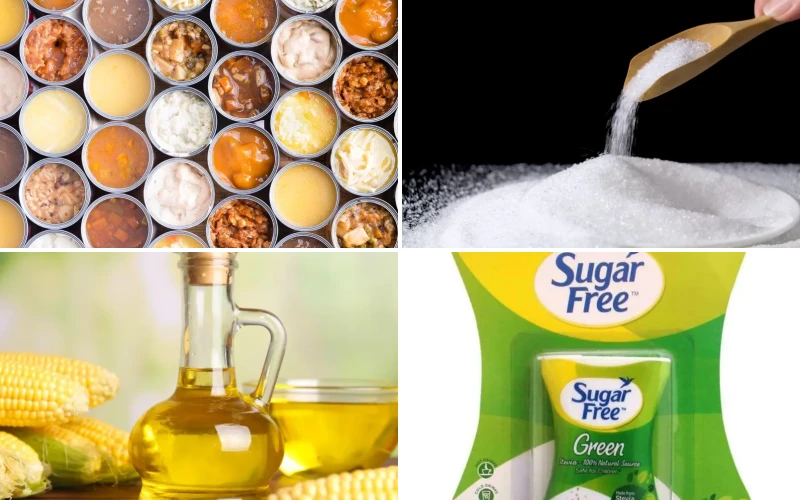
Inflammation is sneaky. It doesn’t always show up as obvious pain. Sometimes it’s brain fog, stubborn belly fat, or just feeling “off” all the time. The good news? Knowing which foods fan those flames gives you the power to make smarter choices starting today.
1. White Sugar

White sugar is one of the biggest drivers of chronic inflammation in the American diet, and most of us eat way more than we think.
When you eat a lot of sugar, your body releases pro-inflammatory messengers called cytokines. Research published in the Journal of Endocrinology has linked high sugar intake to elevated levels of inflammatory markers like CRP (C-reactive protein).
Try cutting back gradually. Swap sweetened snacks for fruit, use cinnamon to satisfy a sweet craving, and start reading nutrition labels because sugar hides everywhere.
2. High-Fructose Corn Syrup

High-fructose corn syrup (HFCS) shows up in hundreds of packaged foods, from salad dressings to bread.
Your liver processes fructose differently than regular glucose, and in large amounts, it can trigger fat buildup and systemic inflammation. Studies have shown that high fructose consumption promotes the production of uric acid, which is a known inflammatory trigger.
Scan ingredient labels and choose products that list no HFCS. Real, whole foods are almost always the safer bet here.
3. Refined White Bread

White bread might feel like a comfort food staple, but it’s stripped of the fiber and nutrients that make whole grains beneficial.
Because refined flour spikes your blood sugar fast, your body releases a rush of insulin. That blood sugar rollercoaster promotes inflammatory responses and leaves you hungry again within hours.
Make the switch to 100% whole grain bread. Look for “whole wheat” or “whole grain” as the first ingredient, not just a buzzword on the packaging.
4. White Rice

Similar to white bread, white rice loses most of its fiber and micronutrients during processing.
It has a high glycemic index, meaning it raises blood sugar quickly. Over time, consistently spiking blood sugar is one of the key contributors to low-grade chronic inflammation, which has been tied to conditions like type 2 diabetes and heart disease.
Brown rice, cauliflower rice, or quinoa are easy swaps that keep your blood sugar steadier and your gut happier.
5. Margarine

Margarine was once marketed as the healthier alternative to butter, but that story has changed significantly.
Many margarines contain trans fats or partially hydrogenated oils, both of which are strongly linked to increased inflammation and cardiovascular risk. Even “trans fat-free” labels can be misleading since products with less than 0.5g per serving can still legally claim zero.
Small amounts of real butter or avocado-based spreads are far better choices for your inflammatory load.
6. Vegetable Oils (Canola, Soybean, Corn Oil)
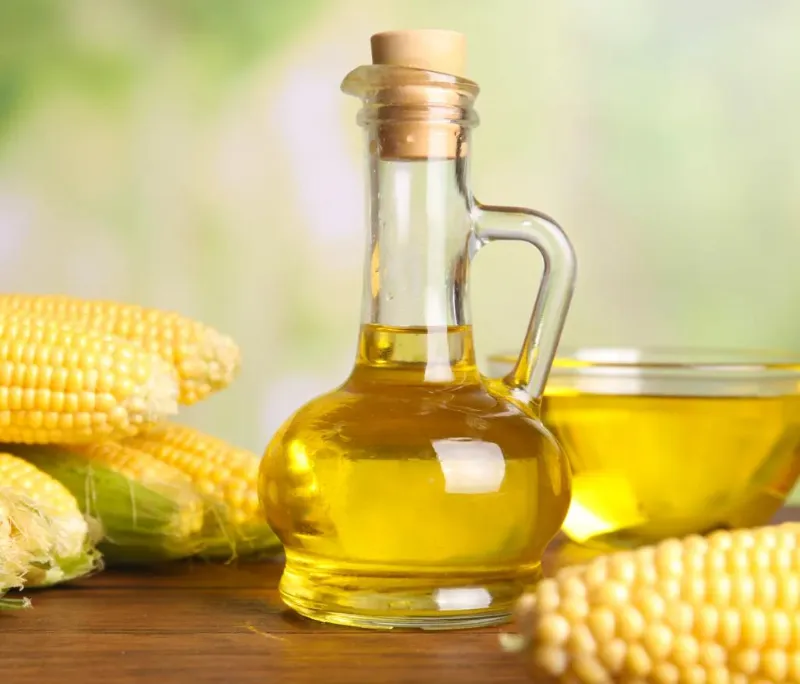
These oils are everywhere, from restaurant kitchens to bottled dressings, and they come loaded with omega-6 fatty acids.
Your body needs a balance of omega-6 to omega-3 fats. When omega-6 intake skyrockets, it shifts your body toward a pro-inflammatory state. The average American’s omega-6 to omega-3 ratio is estimated to be around 15:1, when ideally it should be closer to 4:1.
Cook with olive oil, avocado oil, or coconut oil instead. They’re far more inflammation-friendly options.
7. Fried Foods (French Fries, Fried Chicken)
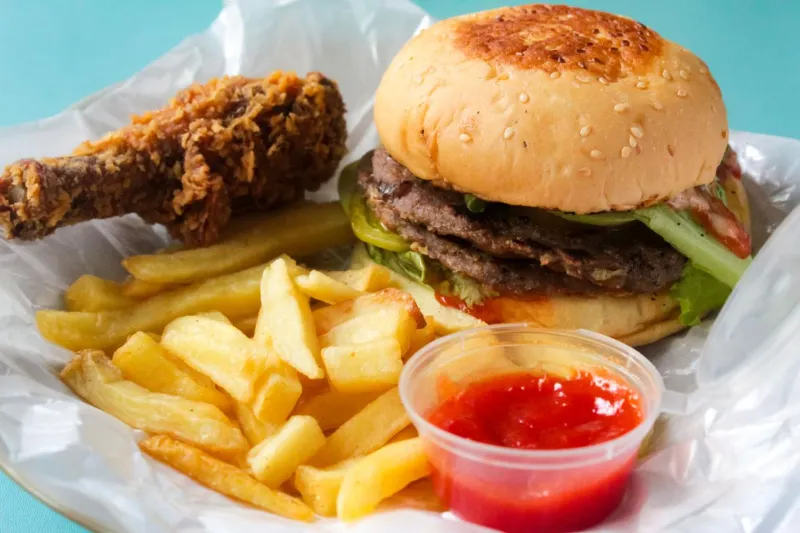
Fried foods are a double hit: the frying process itself and the oils used are both inflammation promoters.
When food is fried at high temperatures, it produces compounds called advanced glycation end products (AGEs), which are notorious for triggering oxidative stress and inflammation in the body. Plus, most restaurants fry in those high-omega-6 vegetable oils.
Craving something crispy? Air frying with a drizzle of avocado oil gives you that satisfying crunch with a lot less inflammatory damage.
8. Fast Food Burgers

The occasional fast food burger is one thing, but making it a regular habit? Your body will feel it.
Beyond the refined bun and processed patty, fast food burgers often contain additives, preservatives, and seed oils that all pile onto your body’s inflammatory burden. Studies have linked frequent fast food consumption to higher levels of CRP and other inflammatory markers.
If you love burgers, try making them at home with grass-fed beef on a whole-grain bun. You’ll actually taste the difference.
9. Hot Dogs

Hot dogs are heavily processed, made from leftover meat scraps, packed with sodium, and loaded with preservatives like sodium nitrate.
Sodium nitrate, in particular, has been linked to inflammation and is classified as a probable carcinogen by the World Health Organization. Regular consumption of processed meats like hot dogs is associated with increased risk of colorectal cancer and cardiovascular inflammation.
Save hot dogs for the rare summer cookout treat rather than a weekly staple, and look for nitrate-free versions when you do indulge.
10. Processed Deli Meats
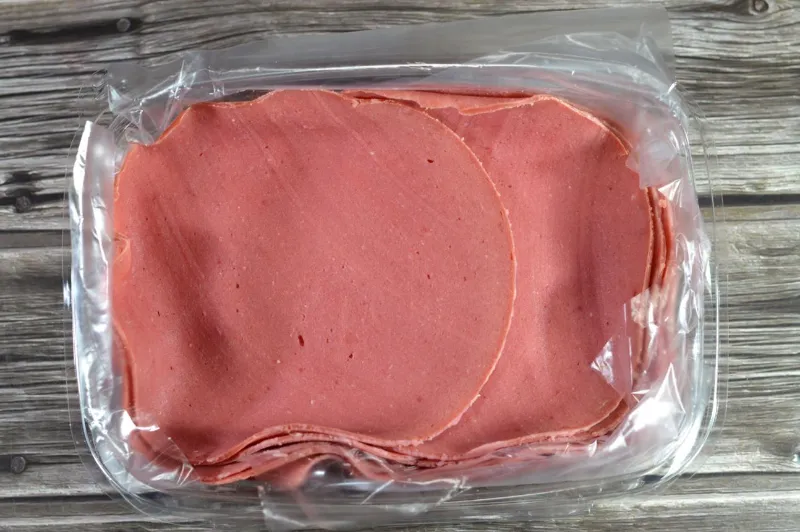
That turkey or ham sandwich might feel like a light lunch, but processed deli meats are stealthily inflammatory.
They’re typically high in sodium, preservatives, and additives that promote inflammation at the cellular level. The World Cancer Research Fund has identified processed meats as a direct cause of colorectal cancer, partially due to their role in promoting chronic inflammation.
Choose freshly sliced, minimally processed options when possible, or swap deli meat for grilled chicken or canned wild-caught tuna.
11. Bacon
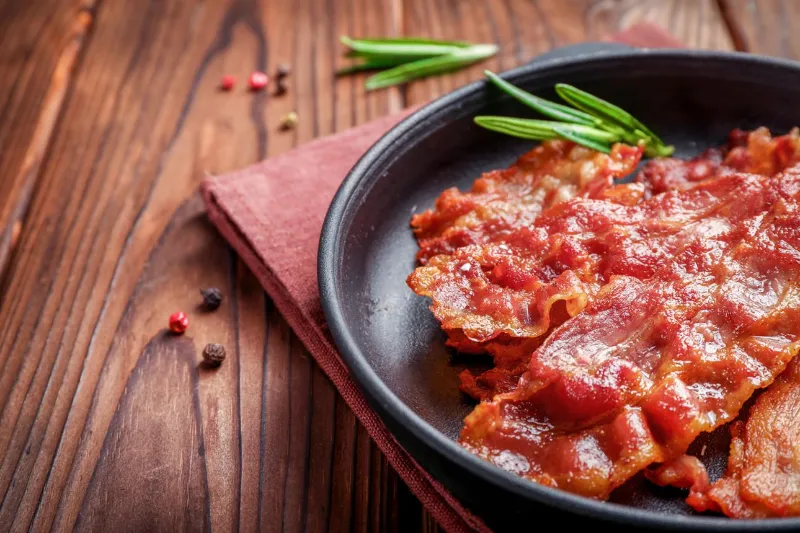
Bacon is a fan favorite, but it’s one of the most inflammatory foods you can eat regularly.
It’s high in saturated fat and sodium, and the nitrates used to preserve it have been linked to gut inflammation and increased cancer risk. Cooking bacon at high heat also creates heterocyclic amines, which are compounds associated with DNA damage and systemic inflammation.
Enjoying it occasionally won’t derail your health, but daily bacon is a habit worth breaking.
12. Sausages

Like bacon and hot dogs, sausages are processed meats that carry a significant inflammatory burden.
They’re typically made with fillers, artificial flavorings, and preservatives that your body struggles to process cleanly. High sodium content also contributes to vascular inflammation, which puts extra strain on your heart over time.
Look for clean-ingredient chicken or turkey sausages from brands that skip the artificial fillers and nitrates.
13. Packaged Cookies

Packaged cookies are an inflammation trifecta: refined flour, sugar, and industrial oils all in one bite.
They tend to be made with partially hydrogenated fats and high-fructose corn syrup, which is a combination that research consistently ties to elevated inflammatory markers. Because they’re engineered to be hyper-palatable, one cookie rarely stays one cookie.
Satisfy your sweet tooth with dark chocolate (70%+ cacao), dates, or homemade oat cookies sweetened with banana or honey.
14. Donuts

Donuts combine deep frying with refined sugar and white flour, making them one of the most inflammatory breakfast choices around.
They spike blood sugar sharply, then leave you crashing within an hour. That sugar crash triggers a cortisol response, which is itself inflammatory. Over time, this kind of daily blood sugar chaos contributes to insulin resistance.
If you love a sweet breakfast, Greek yogurt with berries gives you sweetness, protein, and anti-inflammatory polyphenols all at once.
15. Pastries and Croissants

Buttery, flaky pastries might feel indulgent in the best way, but they’re typically made from refined flour, sugar, and industrial fats.
Many commercial pastries are made with shortening or margarine that contains trans fats. Even when they don’t, the combination of refined carbs and sugar creates a blood sugar spike that fuels low-grade inflammation.
Save pastries for a true occasional treat, and when you do have one, pair it with protein to slow the blood sugar response.
16. Potato Chips
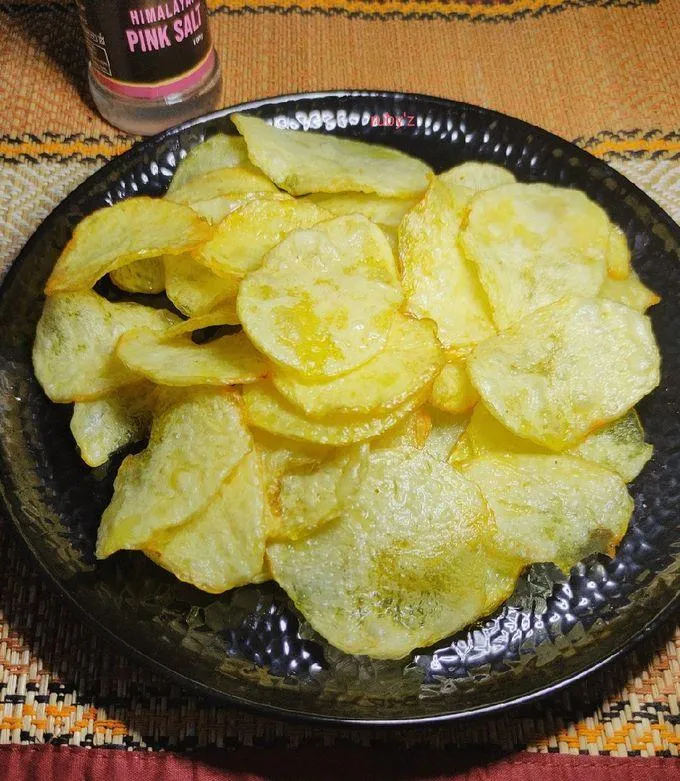
Potato chips are fried in inflammatory oils and loaded with sodium, artificial flavors, and often MSG.
The high-heat frying process creates acrylamide, a chemical compound that forms when starchy foods are cooked at very high temperatures. Acrylamide has been shown in animal studies to be a potential carcinogen and pro-inflammatory agent.
Swap chips for air-popped popcorn, roasted chickpeas, or sliced veggies with hummus when you need that satisfying crunch.
17. Microwave Popcorn (Butter-Flavored)

Movie night popcorn feels harmless, but butter-flavored microwave popcorn is loaded with artificial butter flavoring, seed oils, and sometimes perfluorinated chemicals from the bag lining itself.
Diacetyl, a compound used in artificial butter flavoring, has been linked to lung inflammation in factory workers and raises broader concerns with frequent exposure. The bags of many microwave popcorn brands are also lined with PFAS chemicals that can leach into food.
Air-pop your own popcorn and top it with real butter or olive oil and sea salt. It’s genuinely better tasting too.
18. Crackers (Refined Flour-Based)

Most crackers on store shelves are made from refined white flour, palm oil, and sodium, which is a combination that offers zero anti-inflammatory benefit.
Because they’re low in fiber and protein, they digest rapidly and spike blood sugar just like white bread. Manufacturers often add “natural flavors” and preservatives that further stress the body’s detox systems.
Swap them for seed crackers, almond flour crackers, or rice cakes topped with nut butter for a more blood-sugar-friendly snack.
19. Sugary Breakfast Cereals

That colorful cereal box marketed to kids and adults alike is basically a bowl of sugar with a side of food dye.
Many popular breakfast cereals contain more sugar per serving than a donut, plus refined grains that digest instantly and trigger blood sugar spikes. Artificial coloring agents like Red 40 and Yellow 5 have been studied for their potential links to inflammation and behavioral issues.
Start your morning with oatmeal, eggs, or a protein smoothie to actually fuel your day without the inflammation hangover.
20. Instant Oatmeal (Flavored)
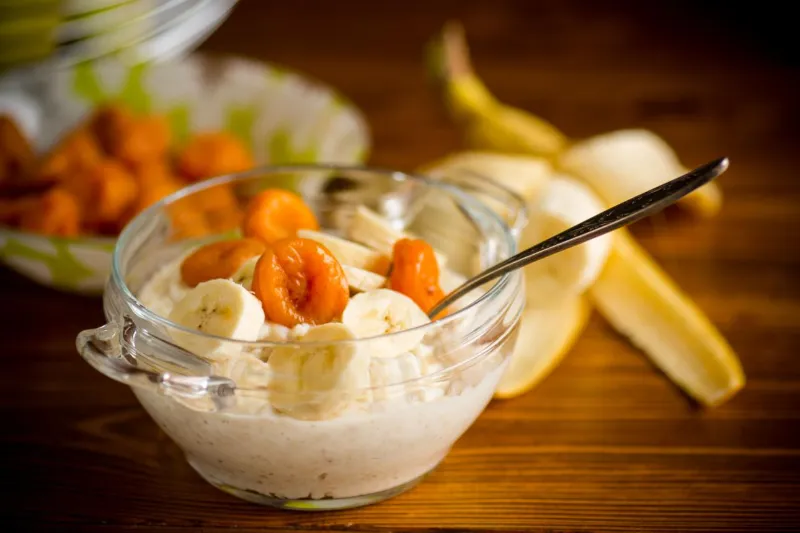
Plain oatmeal is a great anti-inflammatory choice, but flavored instant varieties are a different story entirely.
Flavored instant oatmeal packets are often packed with added sugars, artificial flavors, and sometimes hydrogenated oils. A single packet can contain up to 12 grams of sugar, which is a stark contrast to the plain version.
Make your own quick oats with cinnamon, a drizzle of honey, and fresh berries. It takes the same amount of time and does your body a whole lot more good.
21. Flavored Yogurt

Yogurt has a health halo, but flavored varieties can contain as much sugar as a candy bar.
When yogurt is loaded with added sugar, the anti-inflammatory benefits of probiotics get overshadowed by the inflammatory effects of all that sweetness. Many brands also add artificial thickeners and colorings that don’t do your gut any favors.
Buy plain Greek yogurt and flavor it yourself with fresh fruit, a spoonful of honey, or a sprinkle of granola. You stay in control of what goes in.
22. Ice Cream

Ice cream is one of America’s most beloved treats, but it’s also a concentrated dose of sugar and saturated fat.
The combination of refined sugar and dairy fat creates a perfect storm for inflammatory responses, especially for people who are sensitive to lactose or casein. Frequent consumption has been linked to elevated triglycerides and inflammatory markers in the bloodstream.
Frozen banana “nice cream” or coconut milk-based frozen desserts can satisfy that cold, sweet craving with far less inflammatory impact.
23. Milkshakes

A milkshake might feel like a nostalgic treat, but it delivers a massive hit of sugar, saturated fat, and refined dairy all at once.
A typical fast food milkshake contains 60 to 90 grams of sugar, which is more than three times the American Heart Association’s daily recommended limit for added sugar. That sugar overload triggers a cascade of inflammatory responses that can last for hours.
Blend your own smoothie with frozen fruit, almond milk, and a scoop of protein powder for a creamy treat that actually supports your health.
24. Soda and Sugary Drinks

Soda is liquid inflammation. There’s really no other way to put it.
A single can of soda contains around 39 grams of sugar, mostly as high-fructose corn syrup. Research shows that regular soda consumption dramatically increases levels of uric acid and CRP, which are two major inflammation markers. Diet soda isn’t much better, as it comes with its own inflammatory concerns tied to artificial sweeteners.
Sparkling water with a squeeze of citrus or a splash of 100% juice gives you that fizzy satisfaction without the inflammatory load.
25. Energy Drinks

Energy drinks are a cocktail of sugar, artificial stimulants, synthetic vitamins, and chemical additives that put your body under real stress.
Studies have documented that regular energy drink consumption raises inflammatory markers and puts strain on the cardiovascular system. The combination of high caffeine and sugar triggers cortisol spikes, which is a known pro-inflammatory hormone.
If you need an energy boost, try matcha, black coffee, or a B-vitamin supplement instead. Your adrenal glands will thank you.
26. Fruit Juices (Store-Bought)
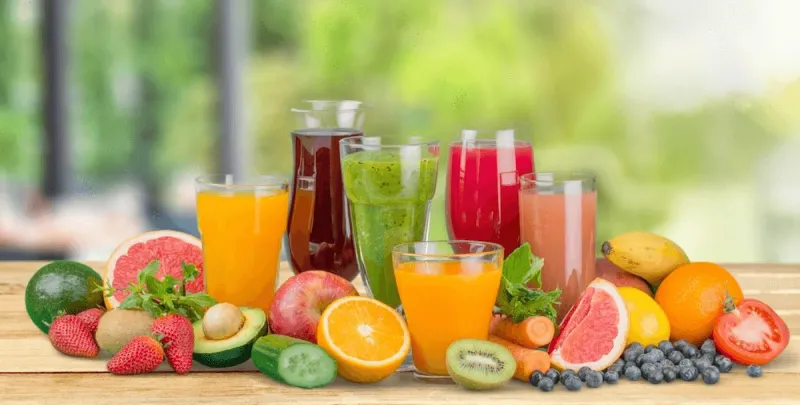
Fruit juice sounds healthy, but most store-bought versions are sugar bombs with very little nutritional redemption.
Even “100% fruit juice” contains concentrated fructose without the fiber that slows its absorption in whole fruit. Without that fiber, juice acts more like soda in your body, spiking blood sugar rapidly and triggering insulin and inflammatory responses.
Eat the whole fruit whenever possible. If you love juice, dilute it with water or make your own green juice with mostly vegetables and a small amount of fruit.
27. Alcohol

Alcohol is processed by your liver as a toxin, and your immune system responds accordingly.
Chronic or heavy alcohol consumption is one of the most well-documented causes of systemic inflammation. It disrupts gut microbiome balance, increases intestinal permeability (often called “leaky gut”), and triggers the release of pro-inflammatory cytokines.
Moderating your intake to an occasional drink is far better for your body than regular drinking. Red grape juice in small amounts, thanks to resveratrol, is the least inflammatory alcoholic option.
28. Artificial Sweeteners
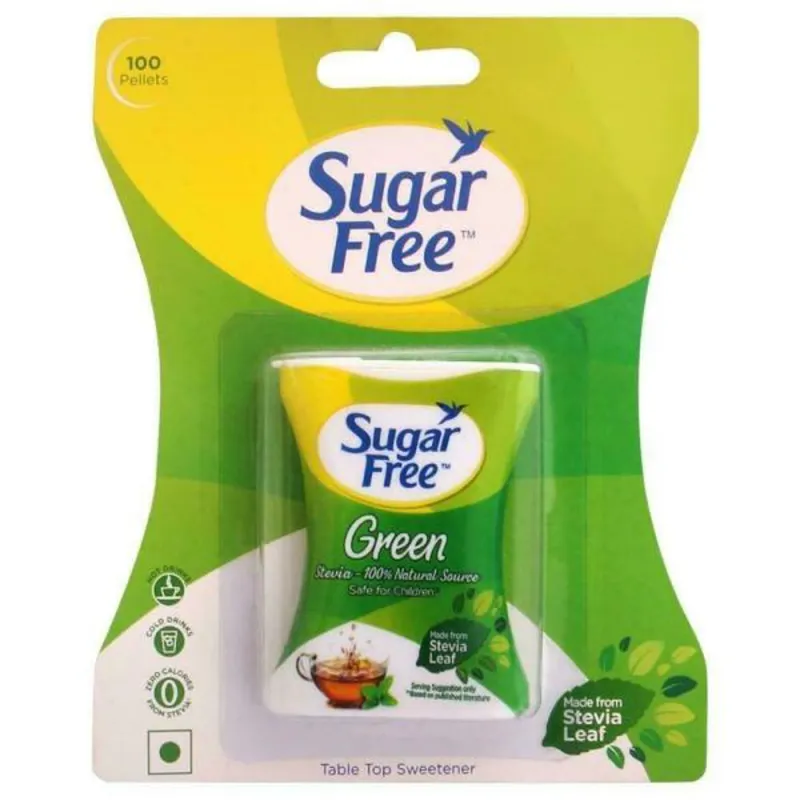
Swapping sugar for artificial sweeteners seems like a smart move, but your gut might disagree.
Studies, including research published in Nature, have found that certain artificial sweeteners like saccharin and sucralose can negatively alter the gut microbiome, leading to inflammation and glucose intolerance. Your gut bacteria play a huge role in your overall inflammatory state.
Try small amounts of stevia or monk fruit extract, which appear to have a more neutral effect on gut bacteria, as gentler alternatives.
29. Ketchup and BBQ Sauce

These beloved condiments are sneaky sugar delivery systems that most people never think twice about.
A single tablespoon of ketchup has about 4 grams of sugar, and most people use far more than one tablespoon. BBQ sauce can be even worse, with some brands packing 15 or more grams of sugar per serving. Combined with high-fructose corn syrup and sodium, these condiments add up fast.
Make your own tomato-based sauces with less sugar, or explore mustard, salsa, and hot sauce as lower-sugar condiment swaps.
30. Ranch Dressing and Creamy Dips
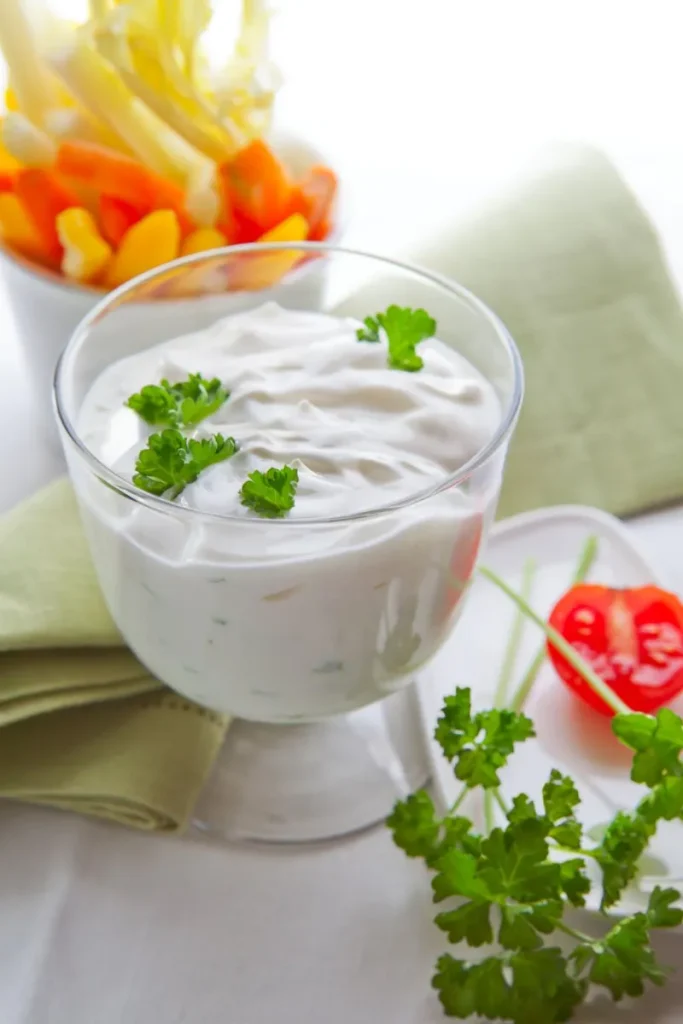
Ranch dressing is made from a base of buttermilk, mayonnaise, and a blend of industrial oils, which is a combination that’s easy to overdo.
Most store-bought ranch and creamy dips are made with soybean or canola oil, adding significantly to your omega-6 burden. The sodium content is also sky-high, which contributes to vascular inflammation over time.
Make your own dressings with olive oil and apple cider vinegar, or try Greek yogurt-based dips that give you creaminess with a probiotic bonus.
31. Soy Sauce (High Sodium)

A splash of soy sauce might seem insignificant, but just one tablespoon contains around 900 to 1,000 mg of sodium.
Excessive sodium intake promotes water retention, raises blood pressure, and contributes to vascular inflammation. For people who are sodium-sensitive, even moderate soy sauce use can have a noticeable inflammatory effect.
Coconut aminos is a fantastic lower-sodium, soy-free alternative that delivers similar umami flavor with a lot less inflammatory baggage.
32. Packaged Soups (Canned)
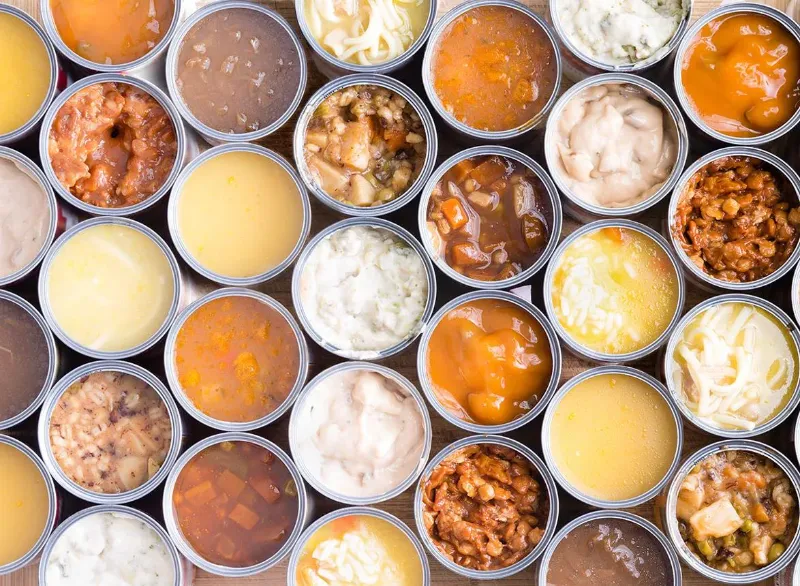
Canned soups feel like a quick, wholesome meal, but the sodium content alone should give you pause.
A single can of condensed soup can deliver over 1,500 mg of sodium, and that’s often before you even add water. Many canned soups also contain BPA from can linings, which is an endocrine disruptor that has been shown to promote inflammation at the cellular level.
Choose low-sodium options, look for BPA-free cans, or better yet, batch-cook your own soups on weekends and freeze them in portions.
33. Frozen Pizzas

Frozen pizza is a perfect storm of refined flour, processed meats, industrial cheese, and seed oil-laden sauce.
Each component on its own would raise your inflammatory load, and together they create a meal that’s hard for your body to recover from quickly. The high sodium content in commercial frozen pizzas also adds to the cardiovascular stress.
If you love pizza, make your own with a cauliflower or whole wheat crust, fresh tomato sauce, and quality toppings. You’ll be shocked at how satisfying it is.
34. Frozen Meals / TV Dinners
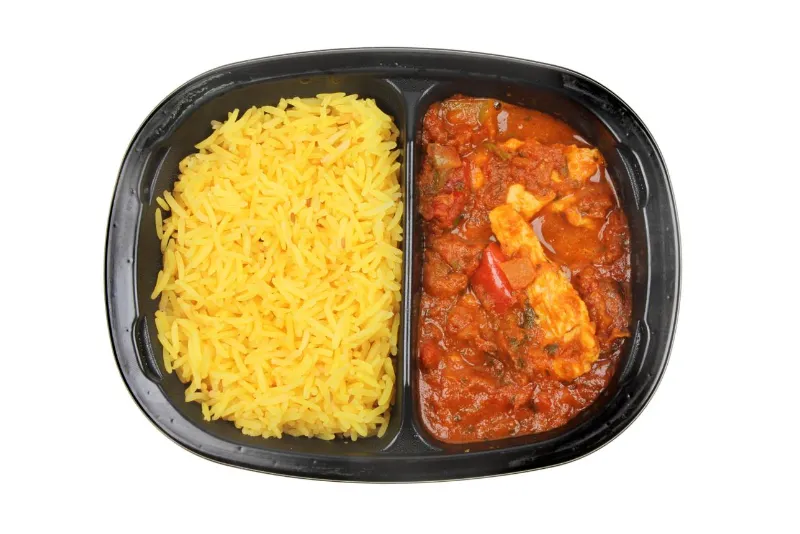
Convenience comes at a cost, and with frozen meals, that cost is often your inflammation levels.
These meals are typically high in sodium, refined carbs, artificial preservatives, and low-quality proteins or fats. Long shelf life requires heavy processing that strips away nutrients and adds chemicals your immune system has to deal with.
Meal prepping on Sundays is a game-changer. A few hours of cooking gives you grab-and-go meals all week that are actually nourishing.
35. Cheese Puffs and Corn Chips

These snacks are made from refined corn, artificial flavors, and synthetic coloring agents like Yellow 6, which has been flagged in studies for potential inflammatory effects.
They’re also designed to be highly addictive, engineered to hit what food scientists call the “bliss point,” which is the precise combination of salt, fat, and crunch that makes it nearly impossible to stop. And the inflammatory oils they’re fried or baked in don’t help.
Roasted chickpeas, seed-based crackers, or even plain popcorn can scratch that crunchy itch with far less damage.
36. Candy and Gummy Bears

Gummy bears and hard candies are almost pure sugar, and many are dyed with artificial colorings like Red 40 and Blue 1.
These dyes have been studied for their potential connection to hyperactivity, gut irritation, and low-grade inflammation, particularly in sensitive individuals. Combined with the sugar load, candy is one of the most inflammatory snacks you can reach for.
A small square of dark chocolate or a handful of frozen grapes delivers sweetness with genuine nutritional value instead.
37. Chocolate Bars (Milk Chocolate)

Milk chocolate might be the crowd favorite, but from an inflammatory standpoint, it falls far short of its dark chocolate cousin.
Milk chocolate is high in added sugar and dairy, and low in the flavanols that make dark chocolate genuinely anti-inflammatory. The sugar content drives blood sugar spikes, and the dairy can trigger inflammation in people with sensitivities.
Switch to dark chocolate with at least 70% cacao content. Research shows dark chocolate’s flavanols actively reduce inflammation and support cardiovascular health.
38. Coffee Creamers (Non-Dairy)

Non-dairy creamers are one of those products that sounds healthier than it is.
Most are made from a base of corn syrup solids, hydrogenated oils, and artificial flavors, all of which are pro-inflammatory. The hydrogenated oils still used in many brands contain trace amounts of trans fats that add up with daily use.
Swap your creamer for a splash of real half-and-half, full-fat coconut milk, or oat milk with no added oil. Your morning coffee can still be creamy without the chemical cocktail.
39. Farmed Salmon
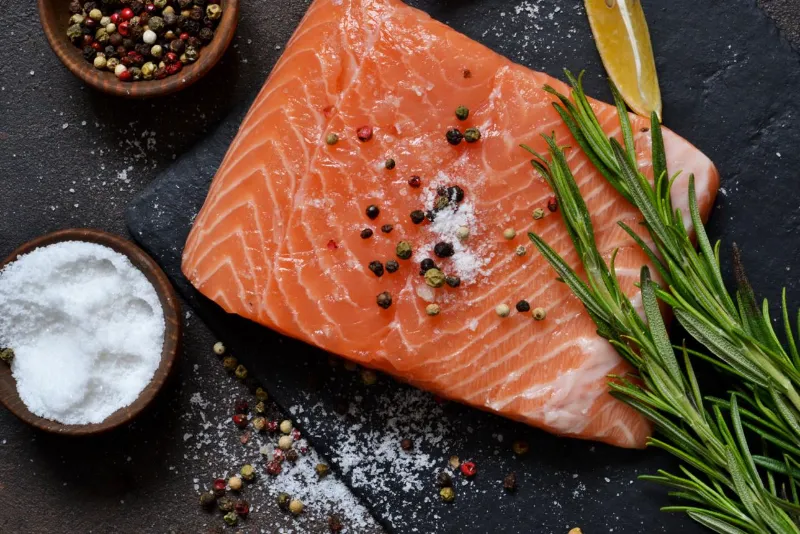
Wild-caught salmon is one of the most anti-inflammatory foods on the planet, but farmed salmon tells a very different story.
Farmed salmon is typically raised on a diet of processed fish meal, soy, and synthetic astaxanthin (the compound that gives salmon its pink color). This diet leads to a much higher omega-6 to omega-3 ratio compared to wild-caught fish, which flips salmon’s anti-inflammatory reputation on its head. Research has also found higher levels of PCBs and other contaminants in farmed fish.
Always choose wild-caught salmon, look for Alaskan or Pacific varieties, and check the label carefully. It’s worth the extra few dollars for the real inflammatory benefit.
Final Thoughts
You don’t have to overhaul your entire diet overnight. Start by swapping just two or three of these foods this week, and notice how your body responds.
Small, consistent changes add up faster than you think. Your body wants to heal, and every time you choose a less inflammatory option, you’re giving it a real chance to do exactly that. You’ve got this.
