
24 Clinically Proven High Fiber Low Carb Foods That Are Worth Trying

If you have ever tried to eat healthier but felt completely lost between all the conflicting advice online, you are not alone. The good news? There is a simple, science-backed strategy that works: eating foods that are high in fiber and low in carbs.

These two qualities together are a powerhouse combo. They help you stay full longer, support your gut health, keep blood sugar steady, and even help with weight management. Let’s dig into 24 of the best options you can start adding to your plate today.
1. Avocado
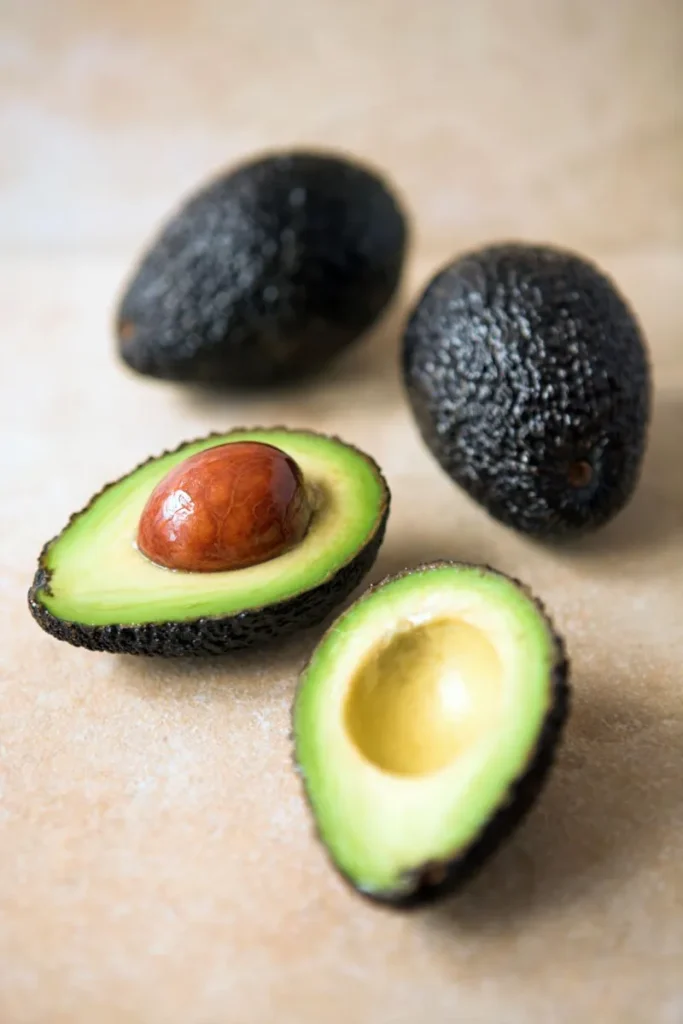
Avocados are one of the most fiber-rich fruits you will ever find, packing around 10 grams of fiber per cup while staying impressively low in net carbs.
They are loaded with monounsaturated fats, the kind your heart loves. Research published in the Journal of the American Heart Association found that eating one avocado a day can help lower LDL cholesterol levels.
Slice it onto eggs, blend it into a smoothie, or just eat it with a spoon and a pinch of salt. There is really no wrong way to enjoy avocado.
2. Chia Seeds
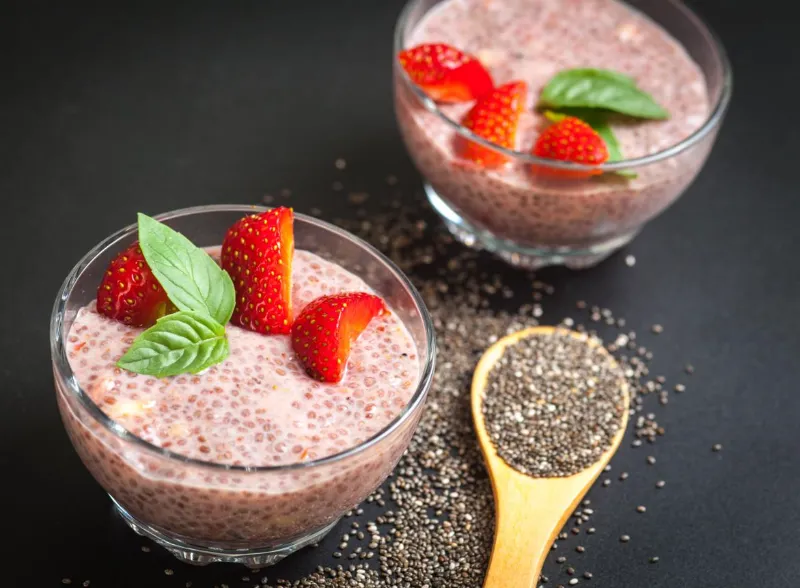
Do not let their tiny size fool you. Two tablespoons of chia seeds deliver about 10 grams of fiber, making them one of the most fiber-dense foods on the planet.
When chia seeds hit liquid, they form a gel-like texture. This slows digestion and helps you feel full for hours, which is great news if you are trying to manage hunger or blood sugar spikes.
Stir them into yogurt, overnight oats (use low-carb alternatives like coconut yogurt), or make a simple chia pudding with almond milk and a little vanilla.
3. Flaxseeds
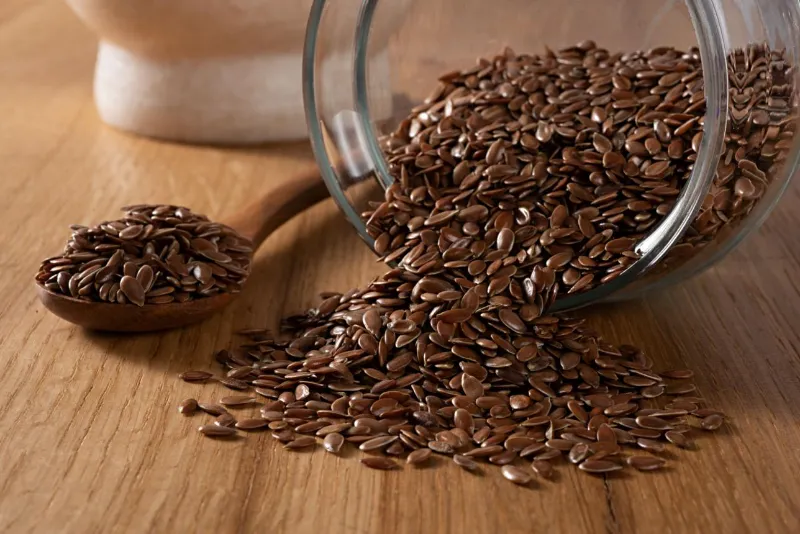
Flaxseeds are a quiet superstar in the nutrition world. One ounce gives you around 8 grams of fiber, and they are one of the richest plant-based sources of omega-3 fatty acids.
Studies have shown that flaxseeds may help reduce inflammation, support heart health, and even play a role in hormone balance thanks to their lignans, which are plant compounds with antioxidant effects.
Always go for ground flaxseeds rather than whole ones. Your body can actually absorb the nutrients better that way. Sprinkle them into smoothies, salad dressings, or baked goods.
4. Almonds
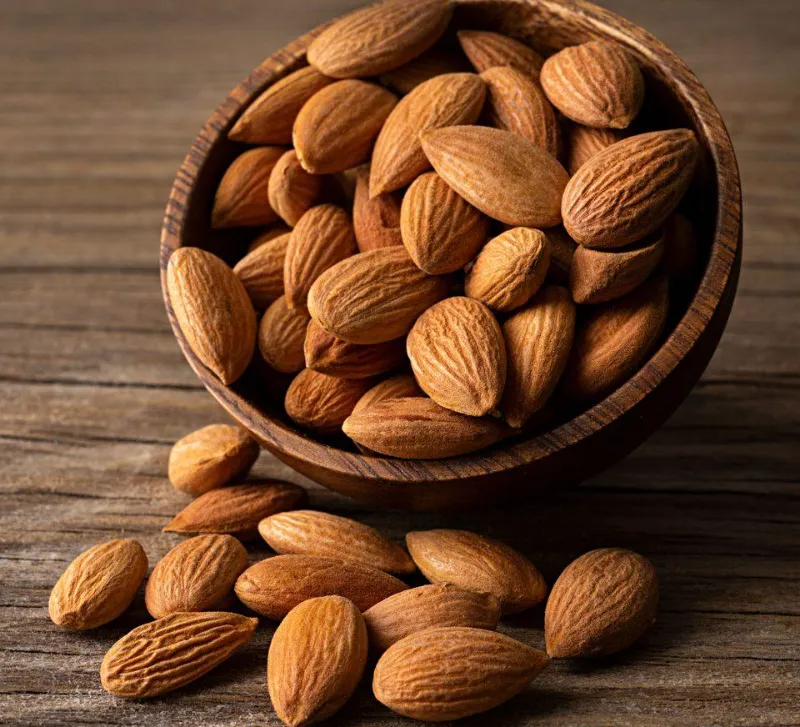
Almonds are the kind of snack that actually earns its keep. A one-ounce serving gives you about 3.5 grams of fiber along with healthy fats, magnesium, and vitamin E.
The fiber in almonds, combined with their protein and fat content, makes them incredibly satisfying. A study in the European Journal of Clinical Nutrition found that people who ate almonds as a snack consumed fewer calories later in the day.
Grab a small handful as a snack, chop them over salads, or use almond flour in low-carb baking. They are endlessly versatile.
5. Blackberries
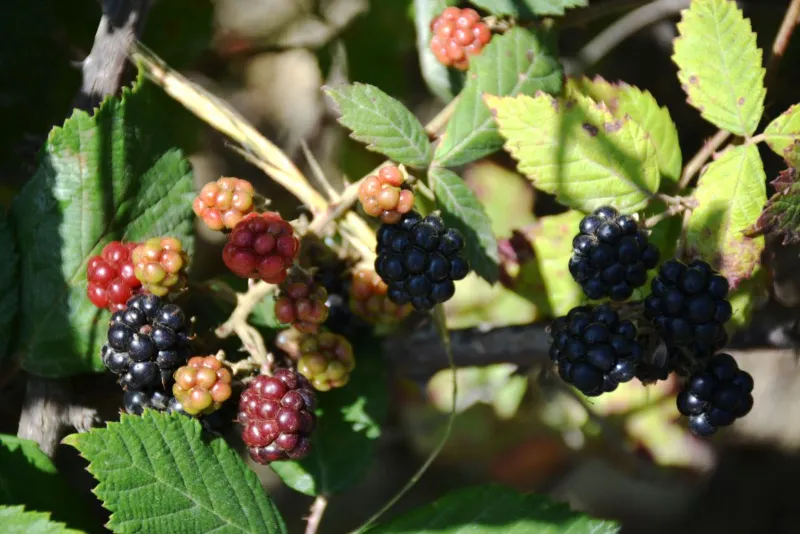
Blackberries are basically nature’s candy, except they come with 8 grams of fiber per cup and only about 6 grams of net carbs.
They are rich in anthocyanins, the pigments that give them their deep purple-black color. These compounds have been linked in research to reduced oxidative stress and better brain health over time.
Add them to a bowl of full-fat Greek yogurt, toss them into a salad with goat cheese and walnuts, or just eat them by the handful straight out of the container.
6. Raspberries
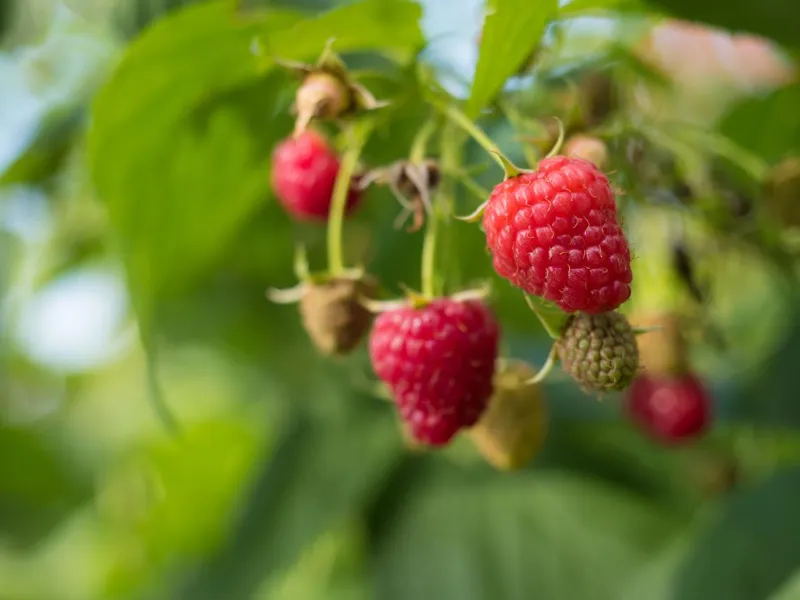
Raspberries might be the single best fruit for a high fiber low carb lifestyle. One cup gives you a whopping 8 grams of fiber with just 5 grams of net carbs.
They are also packed with vitamin C and quercetin, an antioxidant that has been studied for its anti-inflammatory and immune-supporting properties. Your body gets a lot of value from a small serving.
Blend them into protein shakes, layer them in low-carb parfaits, or enjoy them on their own as a refreshing snack any time of day.
7. Broccoli
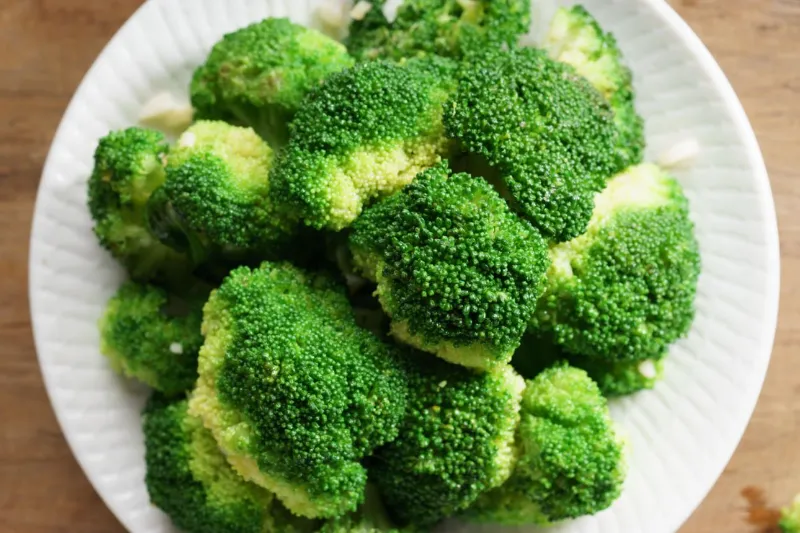
Broccoli is one of those vegetables that genuinely lives up to its reputation. One cup of cooked broccoli delivers about 5 grams of fiber and only 6 grams of net carbs.
It is also rich in sulforaphane, a compound that has been extensively studied for its potential to support cancer prevention and reduce inflammation at the cellular level. That is some serious nutritional muscle for a vegetable.
Roast it with olive oil and garlic, steam it and toss it with lemon juice, or chop it raw into salads. Broccoli takes on flavor beautifully no matter how you cook it.
8. Cauliflower

Cauliflower has had quite the glow-up over the past decade, and for good reason. It is incredibly low in carbs, offering about 2 grams of net carbs per cup, along with a solid 2 grams of fiber.
It also contains choline, a nutrient that many Americans do not get enough of. Choline supports brain function, liver health, and the nervous system, so this humble vegetable is doing a lot of quiet work.
Use it as a rice substitute, mash it like potatoes, or turn it into a pizza crust. The options are honestly endless once you start experimenting.
9. Kale
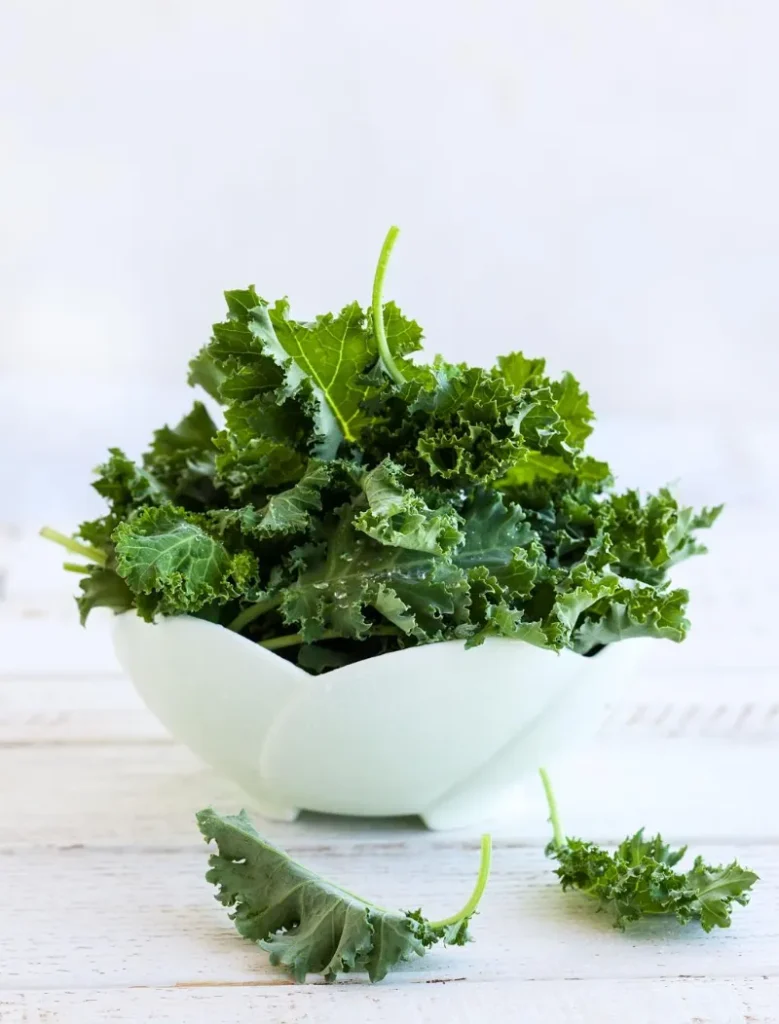
Kale has earned its superfood status fair and square. One cup of raw kale has around 2 grams of fiber and is loaded with vitamins K, A, and C, plus powerful antioxidants like lutein and zeaxanthin.
Research has connected regular leafy green consumption with a reduced risk of cognitive decline as you age. Basically, eating kale is a solid investment in your future self.
Massage raw kale with olive oil and lemon for a tender salad, sauté it with garlic as a side dish, or bake it into crispy kale chips for a satisfying crunch.
10. Spinach
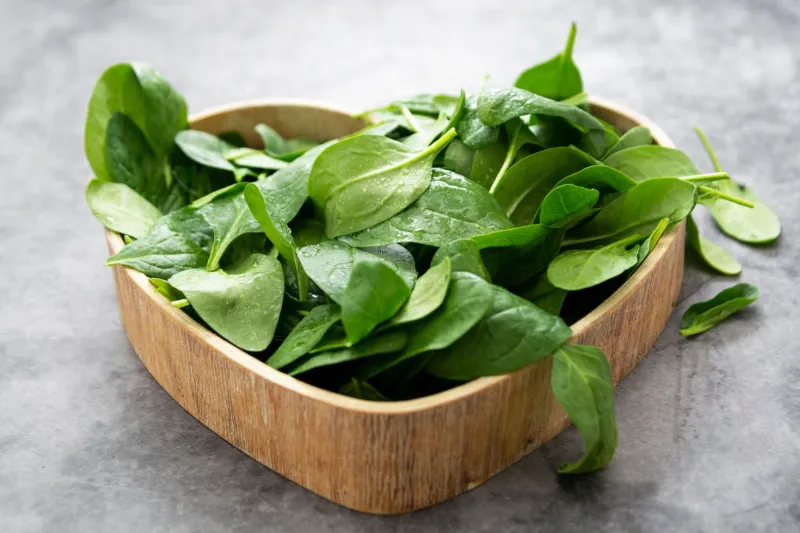
Spinach is mild, versatile, and quietly one of the most nutrient-dense foods you can eat. It offers about 4 grams of fiber per cooked cup and is incredibly low in carbs.
It is rich in magnesium, a mineral that plays a role in over 300 biochemical reactions in your body, including blood sugar regulation and muscle function. Many people in the US are actually low in magnesium without even realizing it.
Toss it raw into smoothies (you will barely taste it), sauté it with butter and garlic, or layer it into omelets and egg scrambles.
11. Brussels Sprouts
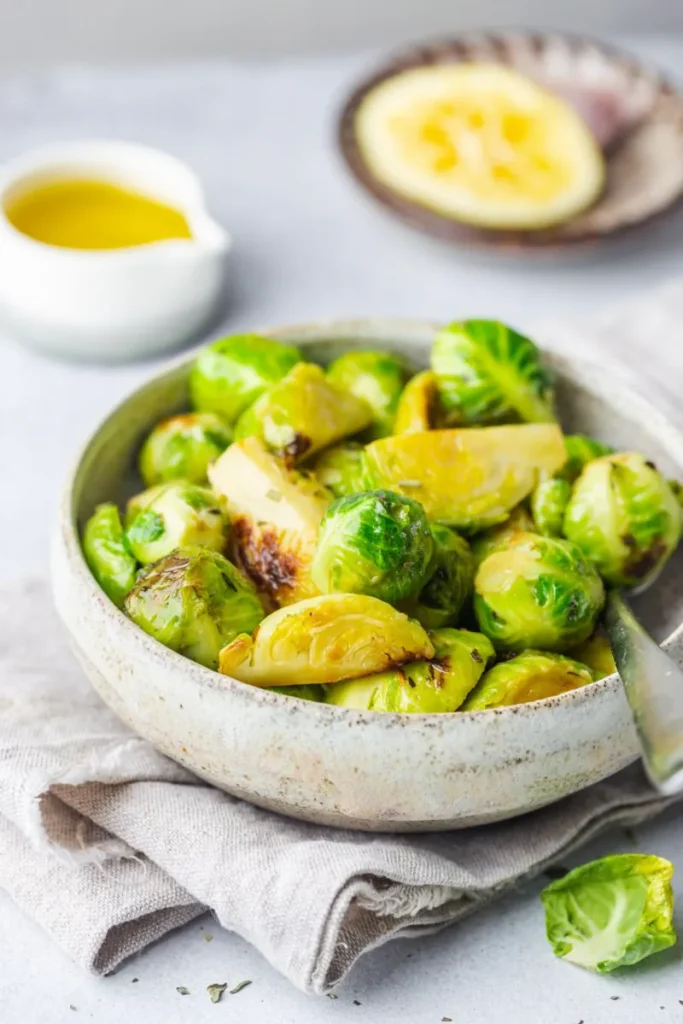
Brussels sprouts have shaken off their bad reputation and are now rightfully celebrated. One cup of cooked Brussels sprouts contains about 4 grams of fiber and just 5 grams of net carbs.
They are rich in glucosinolates, compounds that your body converts into cancer-fighting substances. Studies have consistently linked cruciferous vegetable consumption to a lower risk of several types of cancer.
Roast them at high heat with olive oil and a pinch of sea salt until the outer leaves get caramelized and crispy. That is really the magic method right there.
12. Artichokes
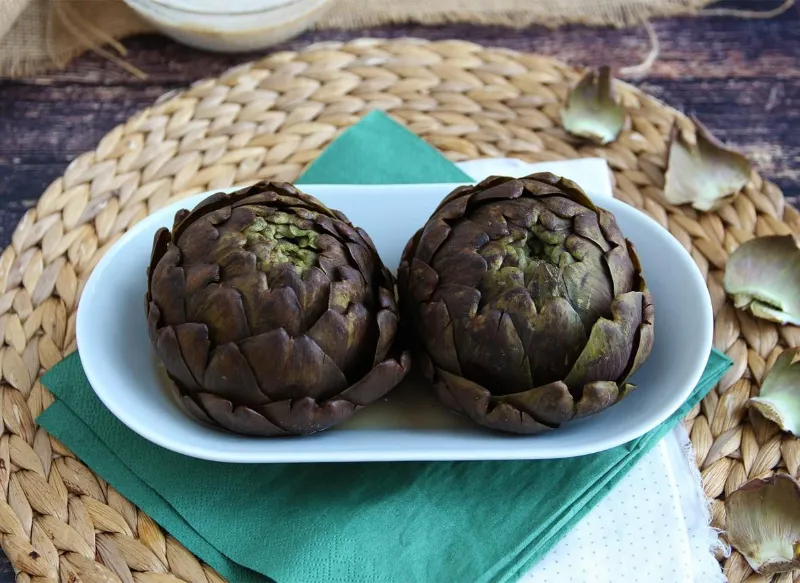
Artichokes are genuinely one of the highest fiber vegetables you can find, with one medium artichoke delivering around 7 grams of fiber and about 6 grams of net carbs.
They are particularly rich in inulin, a prebiotic fiber that feeds the beneficial bacteria in your gut. A healthy gut microbiome has been linked to everything from better immunity to improved mood, so this is a big deal.
Steam or boil them and dip the leaves in a little mayo or melted butter. They are a fun, interactive food that feels indulgent while still being genuinely good for you.
13. Asparagus
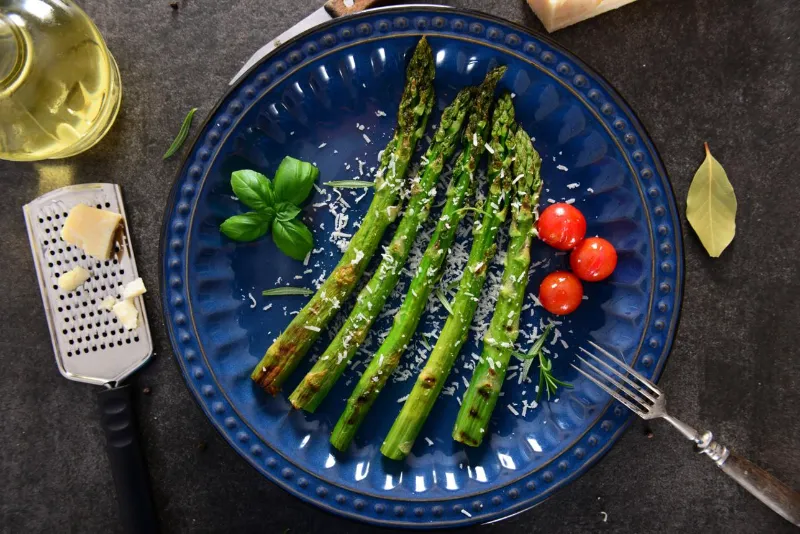
Asparagus is a spring favorite that deserves a year-round spot on your plate. One cup of asparagus gives you about 3.6 grams of fiber and very few net carbs.
It is one of the best food sources of folate, which is essential for DNA repair and cell growth. It also contains asparagine and antioxidants that support kidney function and help your body flush out excess fluids.
Roast it in the oven with olive oil and lemon zest, grill it as a side dish, or chop it into omelets and frittatas for a quick and satisfying meal.
14. Cabbage
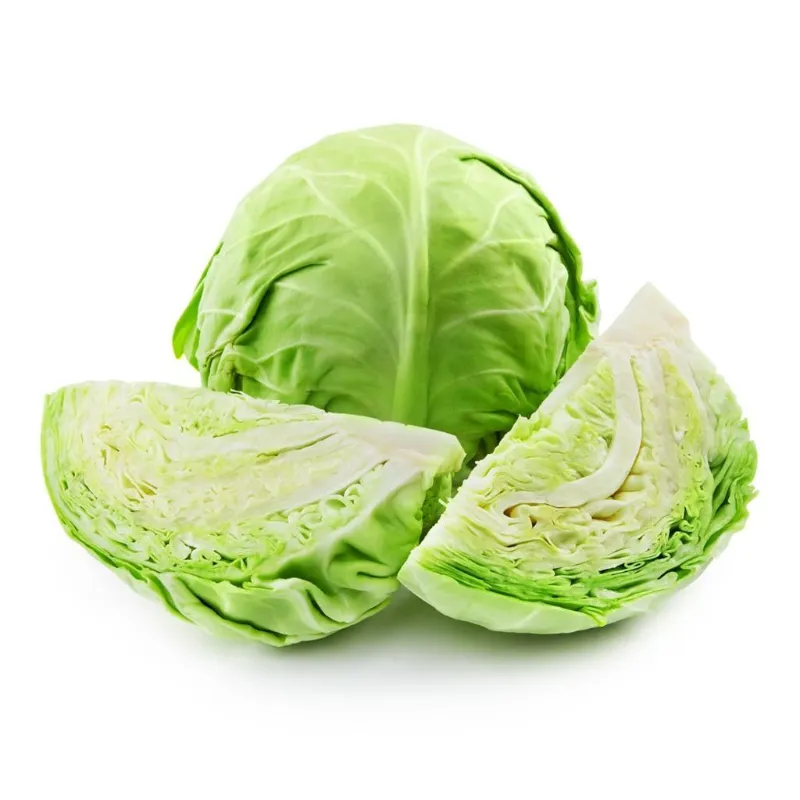
Cabbage is one of the most underrated vegetables out there. One cup of raw cabbage gives you about 2 grams of fiber for next to no carbs, and it is very affordable to boot.
It contains high levels of vitamin C and powerful antioxidants that have been studied for anti-inflammatory effects. Fermented cabbage, like sauerkraut and kimchi, also provides probiotics that support a healthy gut.
Shred it raw for slaws, sauté it with butter and caraway seeds, or ferment it at home for a gut-friendly probiotic boost.
15. Collard Greens
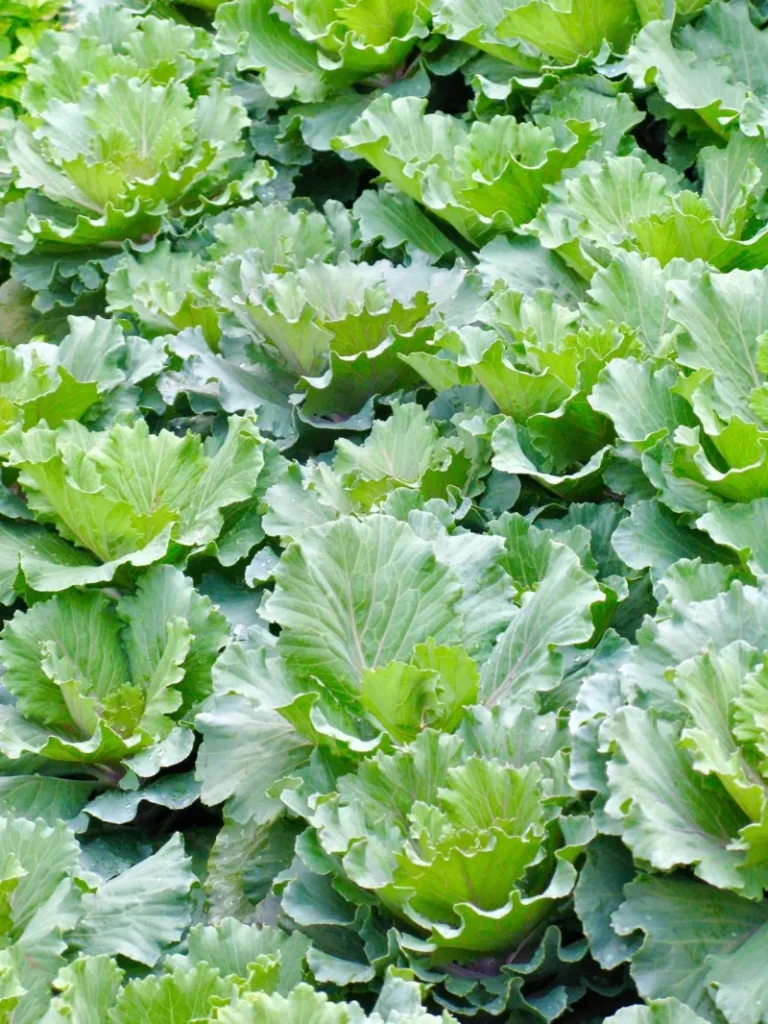
Collard greens are a staple of Southern cooking for good reason. One cup of cooked collard greens delivers about 5 grams of fiber and is loaded with vitamins K, A, and C.
Research has shown that the fiber in collard greens binds to bile acids in the digestive tract, which helps lower cholesterol naturally. It is one of the more underappreciated mechanisms for heart health in the food world.
Cook them low and slow with a bit of turkey bacon and garlic, or use large raw leaves as wraps instead of tortillas for a crunchy, low-carb alternative.
16. Zucchini
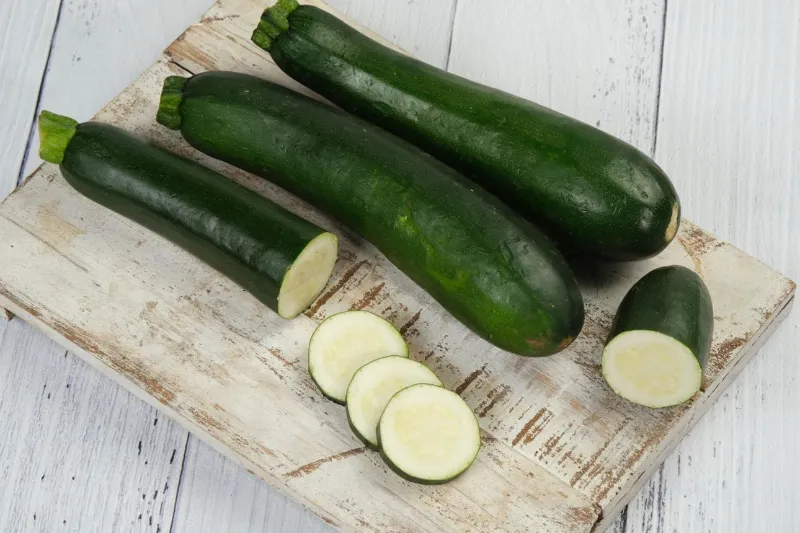
Zucchini is light, mild, and incredibly easy to work with in the kitchen. One medium zucchini has about 2 grams of fiber and only around 3 grams of net carbs.
It is rich in water content, which makes it naturally hydrating, and it contains good amounts of potassium and vitamin B6. Potassium plays a key role in maintaining healthy blood pressure levels.
Spiralize it into noodles as a pasta substitute, slice it onto a grill, or bake it into zucchini bread using almond flour for a low-carb treat.
17. Celery
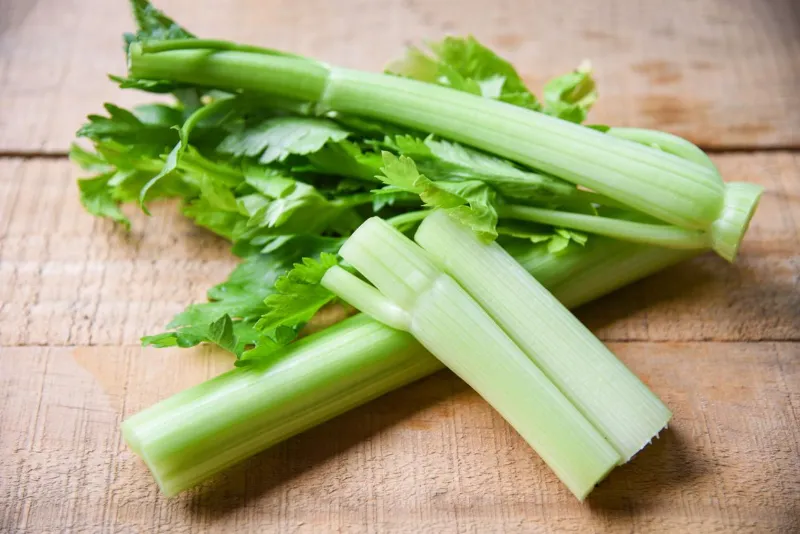
Celery is often dismissed as a diet food for its low calorie count, but there is more going on here than meets the eye. One cup of celery provides about 1.6 grams of fiber and is practically carb-free.
It contains a compound called apigenin, a flavonoid that has been studied for its anti-inflammatory and potential neuroprotective properties. It is also rich in water, which helps with hydration and satiety.
Dip it in almond butter or guacamole for a satisfying snack, add it to soups and stews for crunch, or juice it along with cucumber and ginger for a refreshing morning drink.
18. Mushrooms
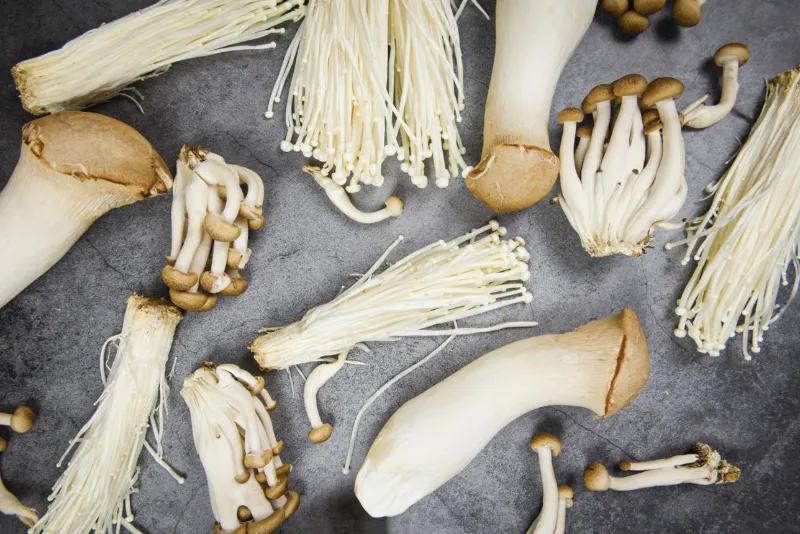
Mushrooms are a unique food category that bridges plant and animal nutrition in interesting ways. One cup of mushrooms has about 1 gram of fiber with almost zero net carbs.
They are one of the only plant-based sources of vitamin D, especially when they have been exposed to sunlight. They also contain beta-glucans, a type of soluble fiber that has been studied for its immune-boosting and cholesterol-lowering effects.
Sauté them in butter with garlic and thyme, pile them onto burgers or steaks, or roast them whole until they get deeply savory and caramelized.
19. Walnuts
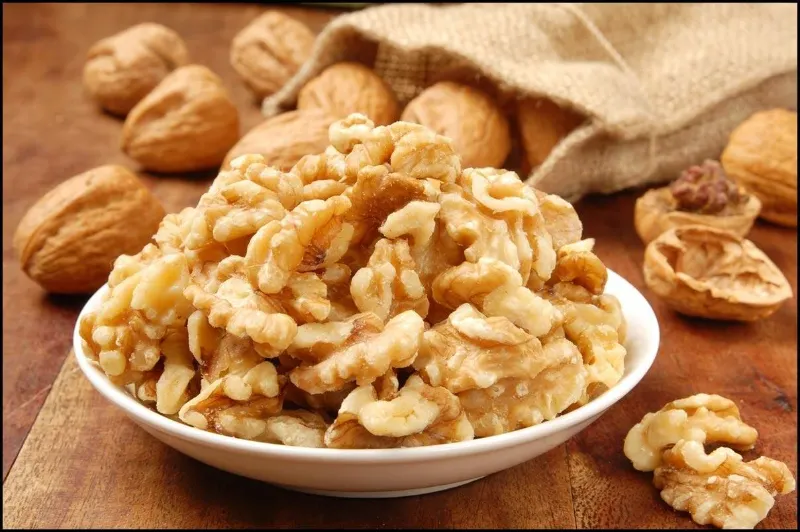
Walnuts are the brain food you have probably heard about, and the science backs that up. One ounce gives you about 2 grams of fiber along with a remarkable amount of ALA omega-3 fatty acids.
A study published in the Journal of Nutrition found that regular walnut consumption was associated with better cognitive performance, especially in older adults. The combination of healthy fats, antioxidants, and fiber makes them uniquely nourishing.
Eat them as a snack, crush them over salads, or mix them into low-carb granola with coconut flakes and cinnamon for something that feels like a treat.
20. Pecans
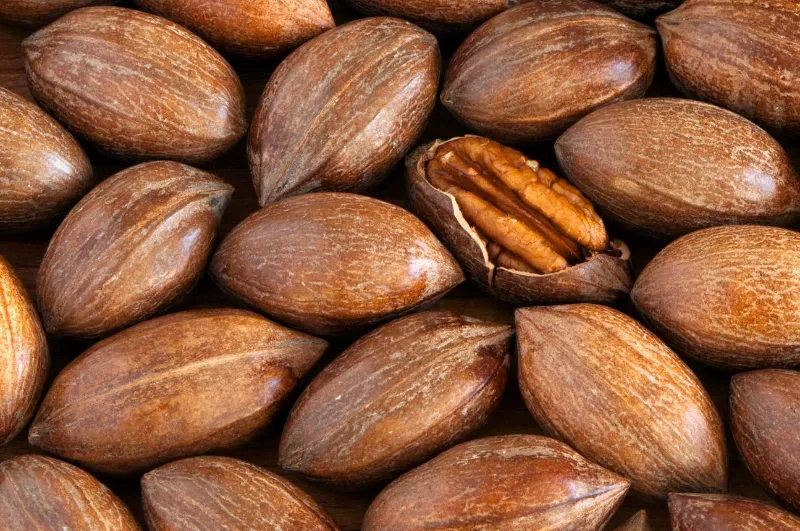
Pecans are the most fiber-rich tree nut you can find, offering about 2.7 grams of fiber per ounce along with a rich buttery flavor that is deeply satisfying.
They are loaded with antioxidants, particularly gamma-tocopherol, a form of vitamin E that has been studied for its role in heart health and reducing oxidative stress. A handful of pecans a day is genuinely good medicine.
Toast them lightly in a dry pan to bring out their flavor, then add them to salads, pair them with cheese, or enjoy them with a small piece of dark chocolate for a satisfying dessert.
21. Pumpkin Seeds
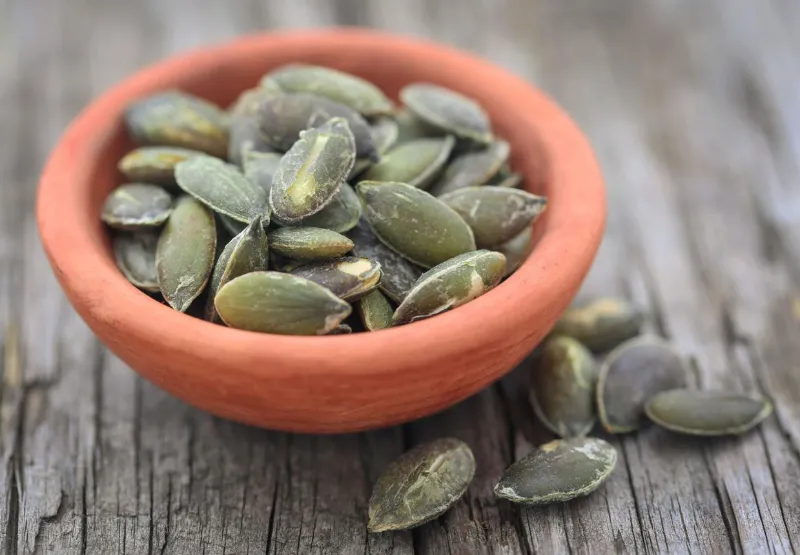
Pumpkin seeds, also called pepitas, are small but incredibly nutrient-dense. One ounce delivers about 1.8 grams of fiber along with an impressive dose of magnesium, zinc, and iron.
Zinc in particular plays a key role in immune function, wound healing, and protein synthesis. Many people fall short of their daily zinc needs, and pumpkin seeds are one of the tastiest ways to fill that gap.
Roast them with sea salt and smoked paprika for a crunchy snack, sprinkle them over soups and salads, or mix them into low-carb trail mix for an on-the-go option.
22. Coconut Meat

Coconut meat is rich, satisfying, and genuinely high in fiber, with about 7 grams per cup of shredded coconut. It is also low in net carbs when eaten in its natural, unsweetened form.
It contains medium-chain triglycerides (MCTs), a type of fat that is metabolized differently from other fats. MCTs are quickly converted to energy by the liver, and some research suggests they may support fat burning and mental clarity.
Add unsweetened shredded coconut to low-carb granola or yogurt bowls, use coconut flour in baking, or enjoy fresh coconut chunks as a sweet and filling snack.
23. Olives
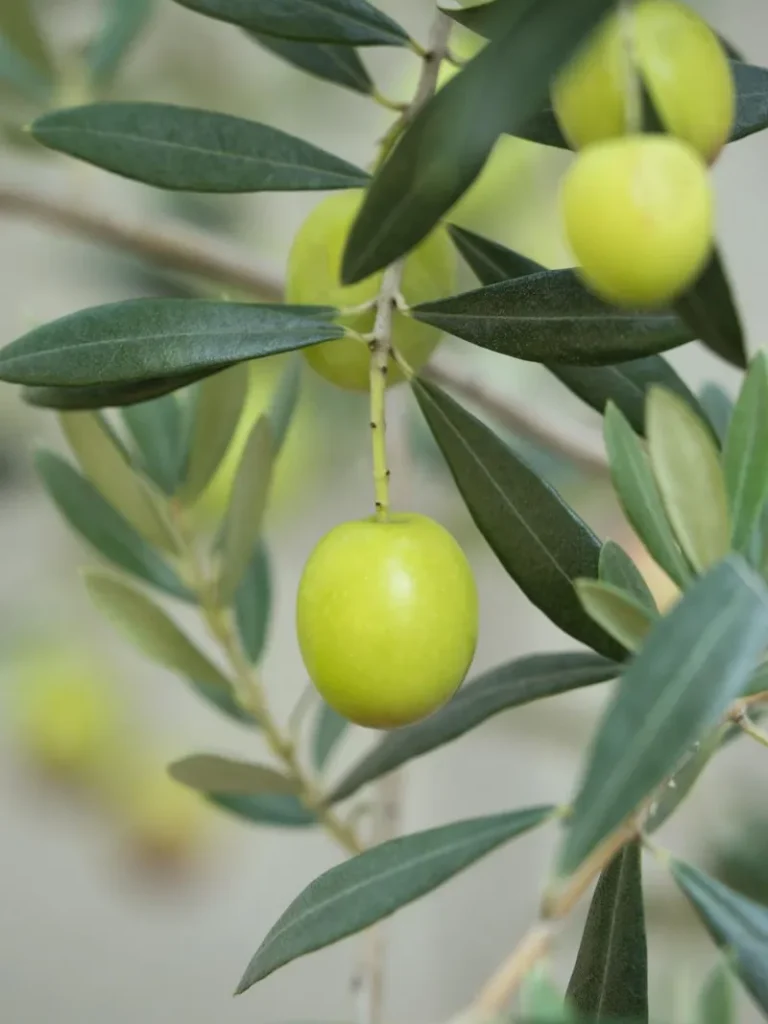
Olives are the perfect grab-and-go snack that most people overlook. Ten olives give you about 1.5 grams of fiber and almost no net carbs, plus a satisfying salty, savory flavor.
They are rich in oleic acid, the same monounsaturated fat found in olive oil, which has been extensively studied for its heart-protective properties. They also contain oleuropein, an antioxidant unique to olives that has anti-inflammatory benefits.
Eat them straight from the jar, pair them with cheese and deli meats for a quick snack board, or chop them into salads, grain-free tacos, or roasted vegetable dishes.
24. Hemp Seeds
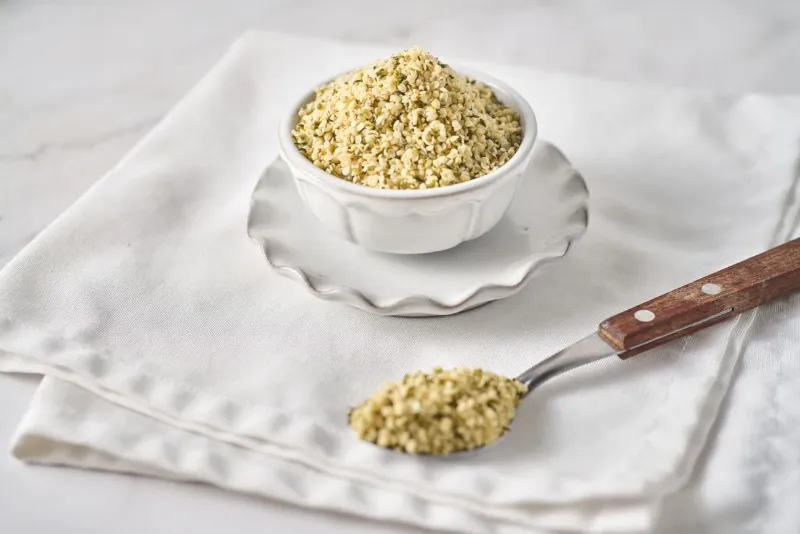
Hemp seeds round out this list beautifully. Three tablespoons provide about 1.2 grams of fiber, but what makes them especially impressive is their protein and fat profile.
They contain all nine essential amino acids, making them a complete protein source, which is rare in the plant world. They are also rich in gamma-linolenic acid (GLA), a fatty acid that research has linked to reduced inflammation and improved hormonal balance.
Sprinkle them over smoothie bowls, salads, or yogurt, blend them into shakes for a protein boost, or stir them into oatmeal alternatives like hemp seed porridge for a creamy, nutritious breakfast.
Final Thoughts
Adding high fiber, low carb foods to your daily routine does not have to feel like a chore. Start with two or three foods from this list that genuinely appeal to you, and build from there. Small, consistent changes really do add up over time. Your gut, your energy levels, and your overall health will thank you for it.
