
25 Genius Foods For Clear Skin You Should Never Ignore

Your skin is basically a mirror of what you’re putting into your body. And if you’ve been chasing clear, glowing skin through creams and serums alone, you might be missing the most powerful tool you have — your plate.
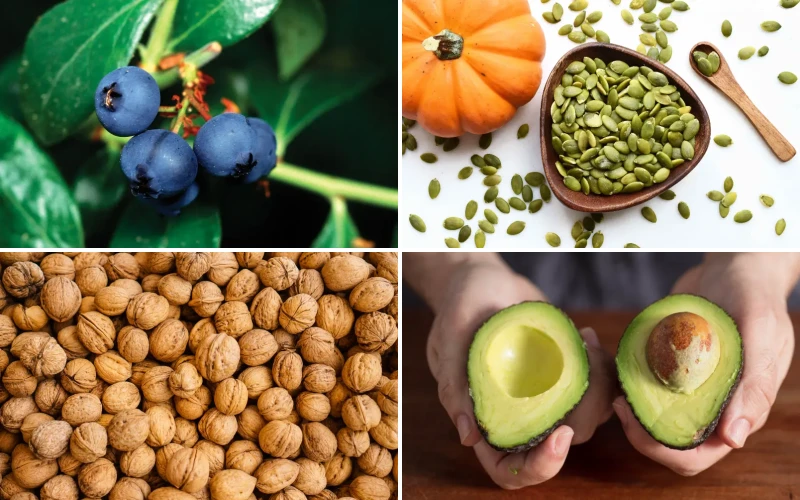
The good news? You don’t need a complicated routine or expensive products. These 25 foods are backed by science, easy to find at any US grocery store, and genuinely delicious. Let’s dig in.
1. Avocado
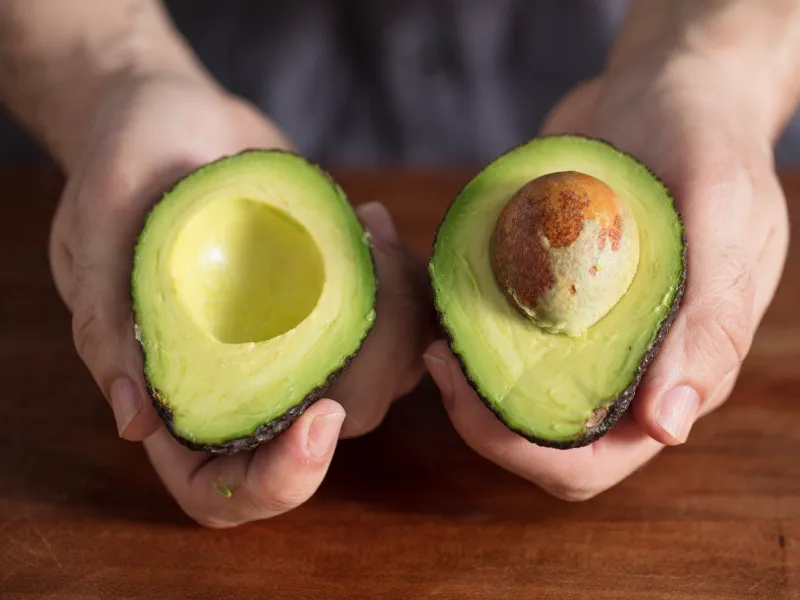
Avocados are loaded with healthy monounsaturated fats that help keep your skin soft, supple, and hydrated from within. They’re also rich in vitamins E and C, two antioxidants that work together to protect your skin from oxidative damage.
Vitamin E on its own is great, but research shows it works even better when paired with vitamin C — and avocado gives you both in one creamy package. That’s a pretty good deal.
Spread it on toast, blend it into a smoothie, or just eat it with a spoon. However you enjoy it, your skin is going to thank you.
2. Blueberries
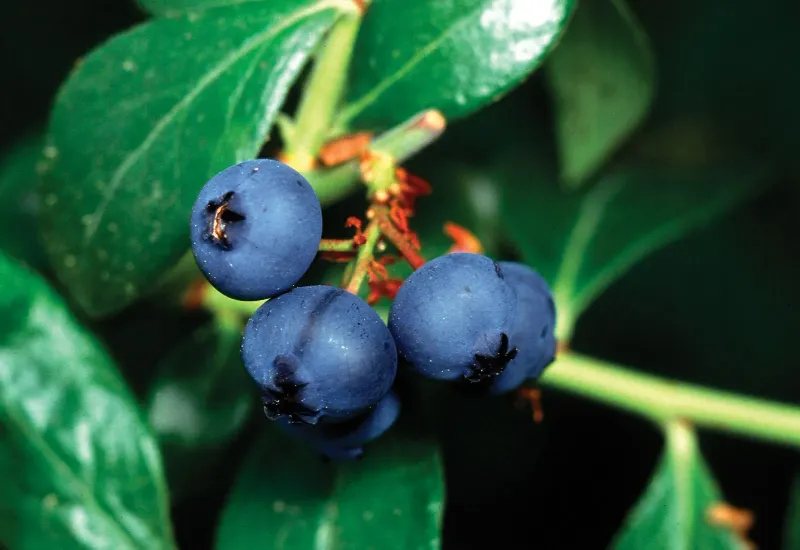
Blueberries are one of the most antioxidant-rich foods on the planet. They’re packed with anthocyanins, the compounds that give them their deep blue color and also help fight free radical damage that leads to dull, aging skin.
Studies have linked regular blueberry consumption to reduced inflammation throughout the body — and since inflammation is a major driver of acne and redness, that’s a big win. They’re also a solid source of vitamin C, which supports collagen production.
Toss a handful into your morning oatmeal or yogurt. Fresh or frozen, they’re equally effective and budget-friendly year-round.
3. Sweet Potatoes

Sweet potatoes are one of the best sources of beta-carotene you can eat. Your body converts beta-carotene into vitamin A, a nutrient that’s essential for cell turnover and keeping your skin smooth and clear.
Vitamin A is actually the same compound used in retinol skincare products — except when you get it from food, there’s zero risk of irritation or peeling. It also acts as a natural sunscreen of sorts, building up in your skin and protecting against UV damage over time.
Bake one and top it with Greek yogurt and a drizzle of honey for a skin-loving meal that actually tastes incredible.
4. Salmon

Salmon is one of the richest sources of omega-3 fatty acids, particularly EPA and DHA. These healthy fats are absolutely crucial for maintaining your skin’s lipid barrier — the protective layer that locks in moisture and keeps irritants out.
Low omega-3 intake has been linked to increased acne and dryness, according to research published in the journal Lipids in Health and Disease. Salmon also contains astaxanthin, a powerful antioxidant that improves skin elasticity and reduces the appearance of fine lines.
Aim for two servings a week. Grilled, baked, or on a salad — it’s one of the easiest upgrades you can make for your skin.
5. Walnuts
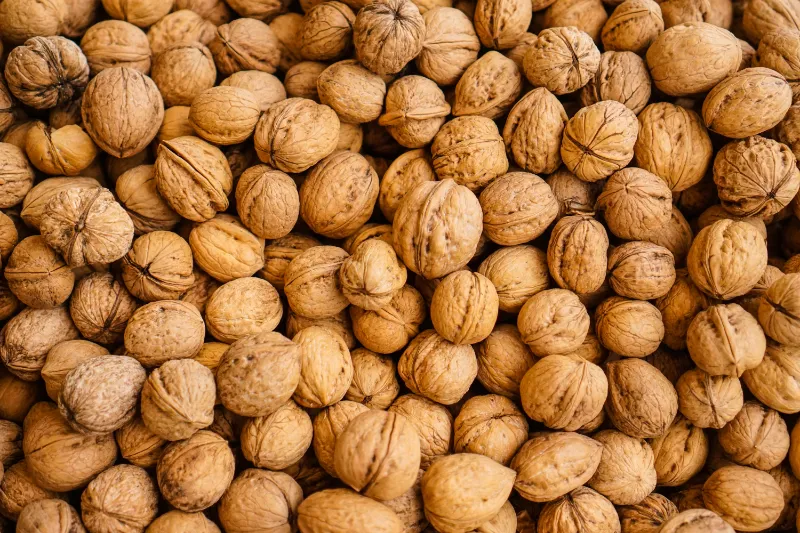
Walnuts stand out from other nuts because they contain both omega-3 and omega-6 fatty acids in a fairly balanced ratio. That balance matters because too much omega-6 without enough omega-3 can trigger inflammation.
They’re also a great source of zinc, which plays a key role in wound healing, controlling oil production, and reducing the bacteria associated with acne. A handful of walnuts also gives you small amounts of vitamin E and selenium.
Keep a bag at your desk and snack on them throughout the day. Your skin, your brain, and your heart will all benefit.
6. Spinach
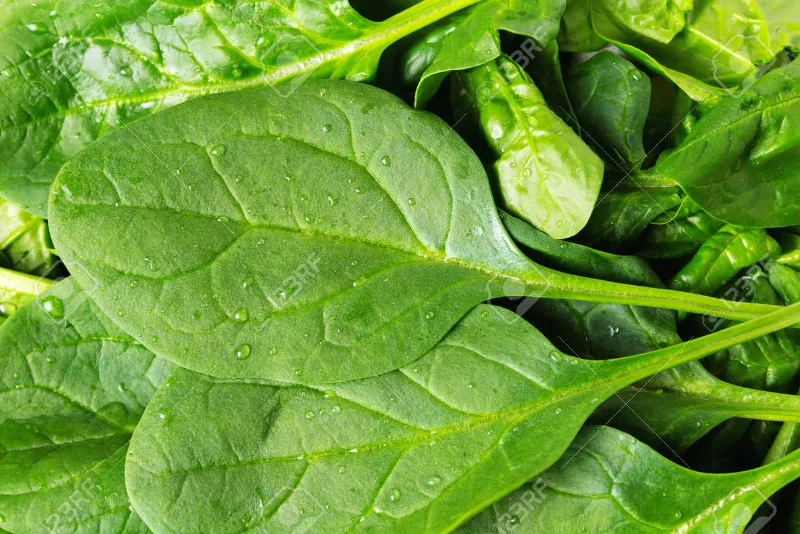
Spinach is basically a multivitamin in leaf form. It contains vitamins A, C, E, and K, plus iron, folate, and a range of B vitamins — all nutrients that contribute to healthy, radiant skin.
The iron in spinach supports healthy circulation, which means better oxygen and nutrient delivery to your skin cells. It’s also rich in lutein, an antioxidant that research suggests may help protect skin from sun damage and improve skin tone.
Raw spinach in a smoothie is one of the sneakiest ways to get it in — you genuinely cannot taste it when paired with fruit.
7. Green Tea

Green tea contains a group of antioxidants called catechins, with EGCG (epigallocatechin gallate) being the most studied. EGCG has been shown to reduce redness, improve skin hydration, and even help regulate sebum production.
A 2016 study found that women who drank green tea daily for 12 weeks showed significant improvements in skin elasticity and hydration. The anti-inflammatory properties of catechins also make green tea helpful for conditions like acne and rosacea.
Swap your afternoon coffee for a cup of green tea and let it do its quiet, powerful work every single day.
8. Tomatoes
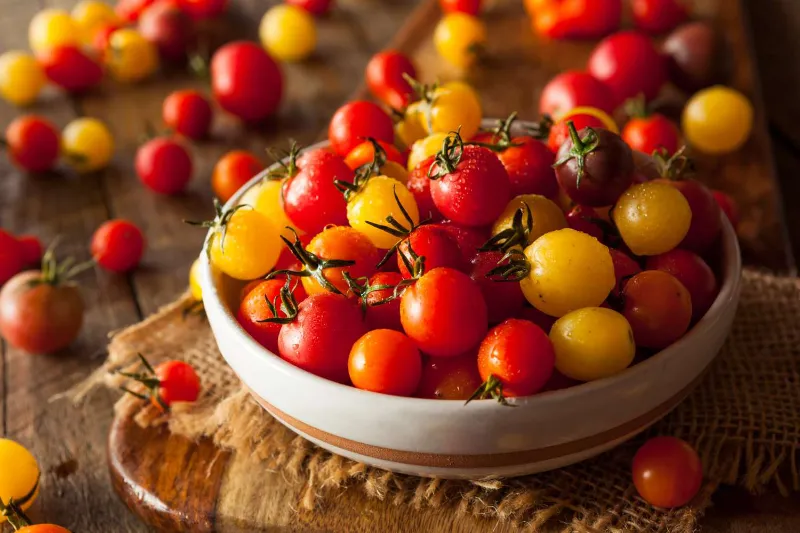
Tomatoes are one of the best food sources of lycopene, a carotenoid antioxidant that gives them their red color. Lycopene has been shown in studies to protect skin from UV-induced damage and reduce the risk of sunburn when consumed regularly.
What’s interesting is that cooked tomatoes actually have more bioavailable lycopene than raw ones. So tomato paste, marinara sauce, and roasted tomatoes are actually even better for your skin than a fresh slice.
Add tomato paste to soups, stews, and pasta sauces. You’ll get a concentrated dose of lycopene along with your meal.
9. Dark Chocolate
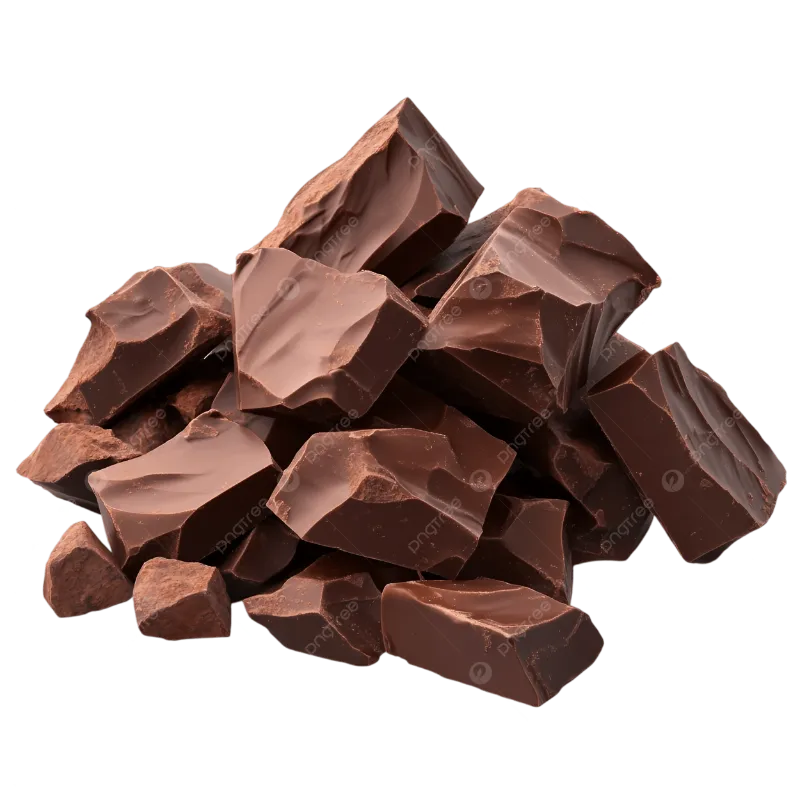
Yes, really. High-quality dark chocolate (70% cacao or higher) is loaded with flavanols — antioxidants that improve skin hydration, increase blood flow to the skin, and reduce roughness and scaling.
A study from the Journal of Nutrition found that women who drank a flavanol-rich cocoa drink daily for 12 weeks had significantly better skin texture and hydration. The key is sticking to dark chocolate with minimal added sugar, since sugar is one of the worst things for acne-prone skin.
A square or two after dinner is genuinely good for you. That’s a skincare routine everyone can get behind.
10. Broccoli
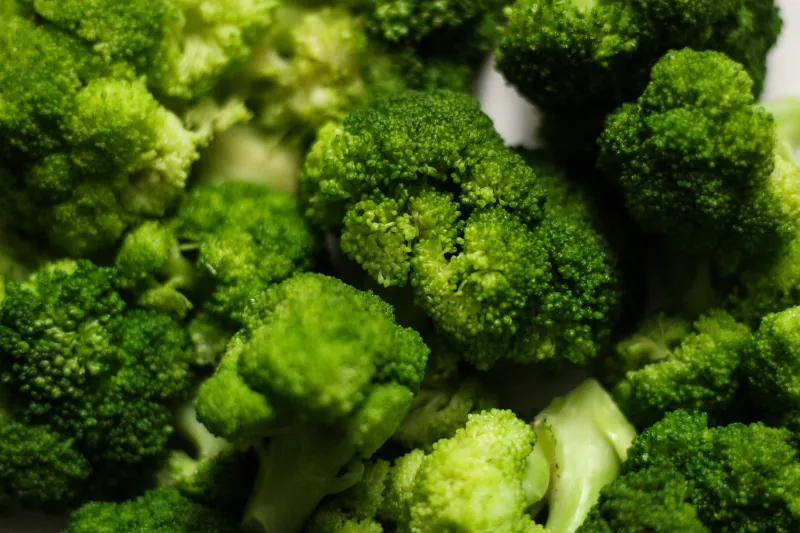
Broccoli is a serious skin superfood that doesn’t always get the credit it deserves. It contains vitamins A, C, and K, along with zinc and a compound called sulforaphane that has remarkable antioxidant properties.
Sulforaphane has been shown in research to protect against UV damage by neutralizing harmful free radicals and activating the skin’s own protective mechanisms. It may even help reduce the long-term risk of skin cancer with regular consumption.
Lightly steam it to preserve the most nutrients, or roast it with olive oil and garlic for a side dish that’s both delicious and genuinely good for your complexion.
11. Turmeric

Turmeric contains curcumin, one of the most well-researched anti-inflammatory compounds in the natural world. Chronic inflammation is a root cause of many skin issues — from acne to eczema to premature aging — and curcumin targets it directly.
Studies have found curcumin can help reduce acne lesions, calm psoriasis flares, and improve overall skin tone. The catch is that curcumin isn’t absorbed well on its own — pairing it with black pepper increases absorption by up to 2,000%.
Add turmeric and a pinch of black pepper to scrambled eggs, soups, or golden milk lattes for a combo that’s as effective as it is flavorful.
12. Pumpkin Seeds
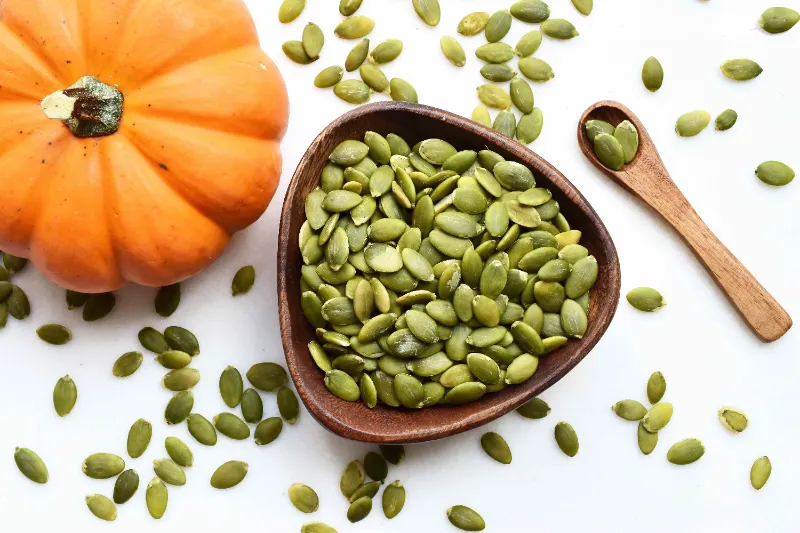
Pumpkin seeds are one of the best plant-based sources of zinc, a mineral that’s deeply connected to skin health. Zinc helps regulate oil glands, reduces inflammation, and speeds up healing — making it especially valuable if you’re dealing with acne.
They’re also rich in magnesium, which helps manage the cortisol response to stress. Since stress is a well-known acne trigger, that calming effect on your nervous system has real skin benefits too.
Sprinkle them on salads, blend them into pesto, or just eat them straight as a snack. They’re small but seriously mighty.
13. Olive Oil
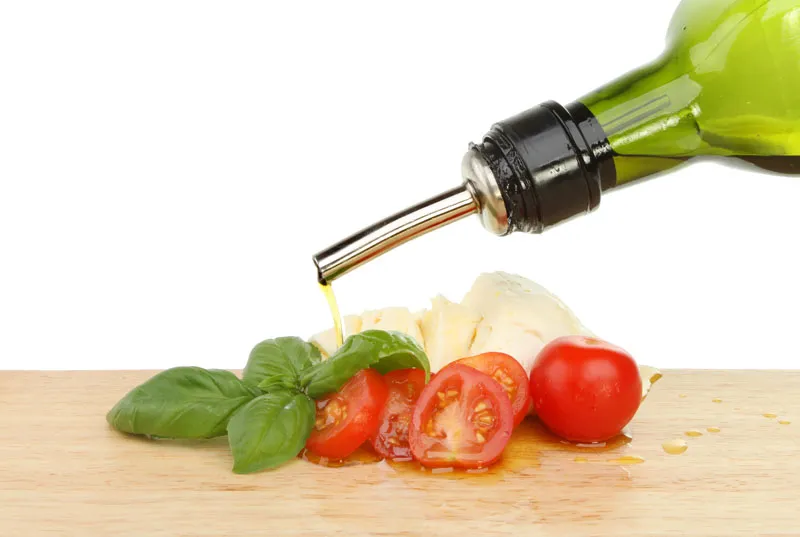
Extra virgin olive oil is a cornerstone of the Mediterranean diet, which is consistently linked in research to healthier, more youthful skin. It’s rich in oleic acid, a monounsaturated fat that helps keep the skin barrier strong and moisturized.
It also contains squalene, a natural moisturizing compound that your skin actually produces on its own — but in decreasing amounts as you age. Getting squalene through diet helps replenish what your skin is losing.
Use it as your primary cooking fat and drizzle it over salads and roasted veggies. It’s one of the simplest and most impactful swaps you can make.
14. Kale

Kale is an absolute powerhouse for skin health. One cup gives you over 100% of your daily vitamin C needs, along with significant amounts of vitamin A, vitamin K, and lutein.
Vitamin C is essential for collagen synthesis — your skin literally cannot build new collagen without it. And since collagen is what keeps your skin firm and plump, getting enough vitamin C through food is one of the most practical anti-aging strategies you have.
Massage raw kale with a little olive oil and lemon juice to break down the toughness and make it easier to eat. Or blend it into smoothies where you won’t even notice it.
15. Greek Yogurt
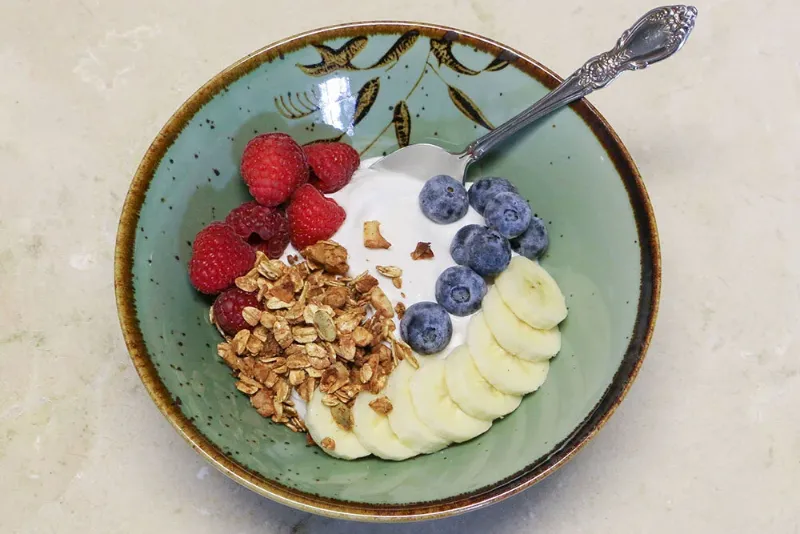
Greek yogurt is one of the best dietary sources of probiotics, the beneficial bacteria that support a healthy gut microbiome. The gut-skin connection is real and increasingly well-supported by research — an imbalanced gut microbiome is linked to acne, eczema, and rosacea.
It’s also high in protein, which provides the amino acids your body needs to repair skin tissue and produce collagen. The lactic acid in yogurt even has mild exfoliating properties when used topically, but eating it regularly supports skin renewal from the inside out.
Go for plain, full-fat Greek yogurt and add your own fruit and honey. The flavored versions tend to pack in a lot of added sugar, which works against your skin goals.
16. Bell Peppers
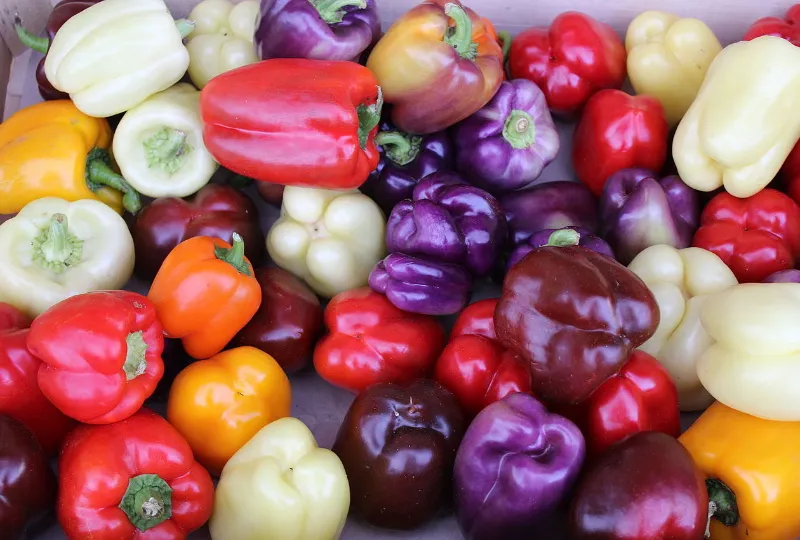
Red, yellow, and orange bell peppers are among the most vitamin C-rich foods you can eat — even more so than oranges, gram for gram. Vitamin C’s role in collagen production makes it one of the most important nutrients for skin firmness and elasticity.
Bell peppers also contain beta-carotene and quercetin, an antioxidant with strong anti-inflammatory properties. Together, these compounds help protect your skin from environmental damage and reduce the redness and puffiness associated with inflammation.
Slice them up and dip them in hummus, add them to stir-fries, or roast them with olive oil. They’re versatile, affordable, and genuinely one of the best snacks for your skin.
17. Sunflower Seeds
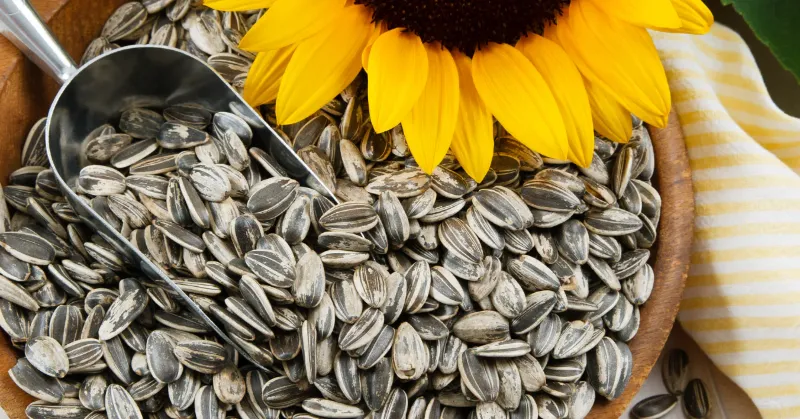
Sunflower seeds are one of the richest food sources of vitamin E, an antioxidant that protects your skin cells from oxidative stress and UV damage. Just a small handful gives you nearly your full daily recommended intake.
They’re also high in linoleic acid, an omega-6 fatty acid that research has linked to a stronger, more intact skin barrier. Studies suggest that people with acne tend to have lower levels of linoleic acid in their skin’s surface oil, making sunflower seeds a particularly smart choice for acne-prone skin.
Add them to trail mix, sprinkle over oatmeal, or toss into a salad for a satisfying crunch that quietly works wonders for your complexion.
18. Chia Seeds
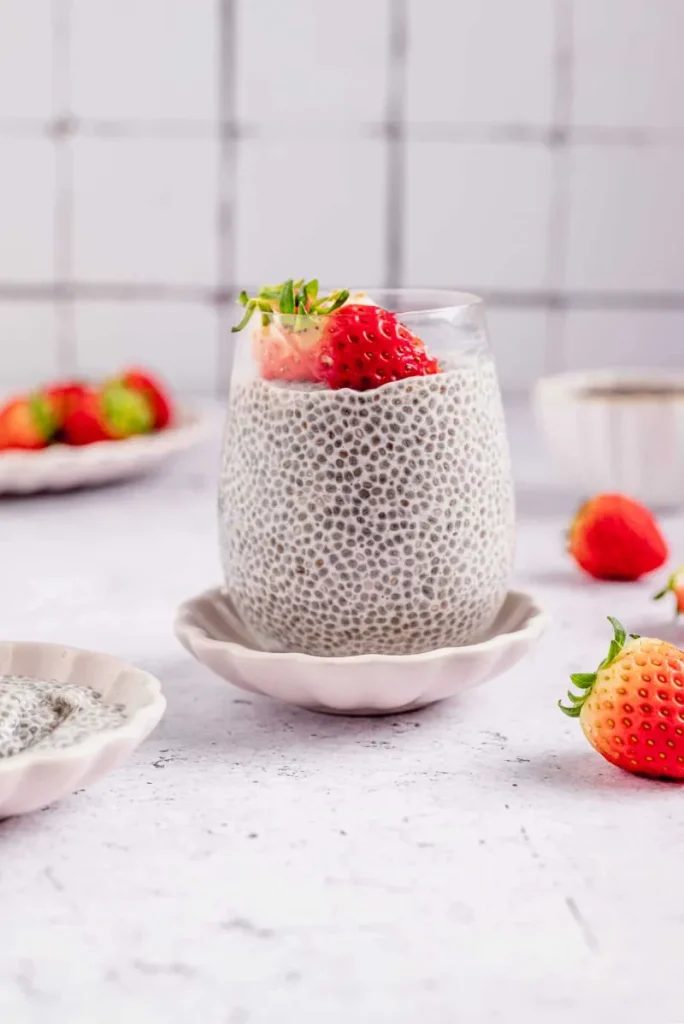
Chia seeds are a plant-based source of ALA omega-3 fatty acids, which help reduce inflammation and support a healthy skin barrier. They’re also incredibly rich in fiber, which feeds the beneficial bacteria in your gut — and as we now know, a happy gut often means clearer skin.
They absorb up to 10 times their weight in water, which means they help keep you hydrated at a cellular level. Proper hydration is one of the simplest and most underrated things you can do for your complexion.
Make overnight chia pudding by mixing two tablespoons into almond milk with a touch of maple syrup. By morning you’ve got a ready-made, skin-loving breakfast.
19. Cucumber
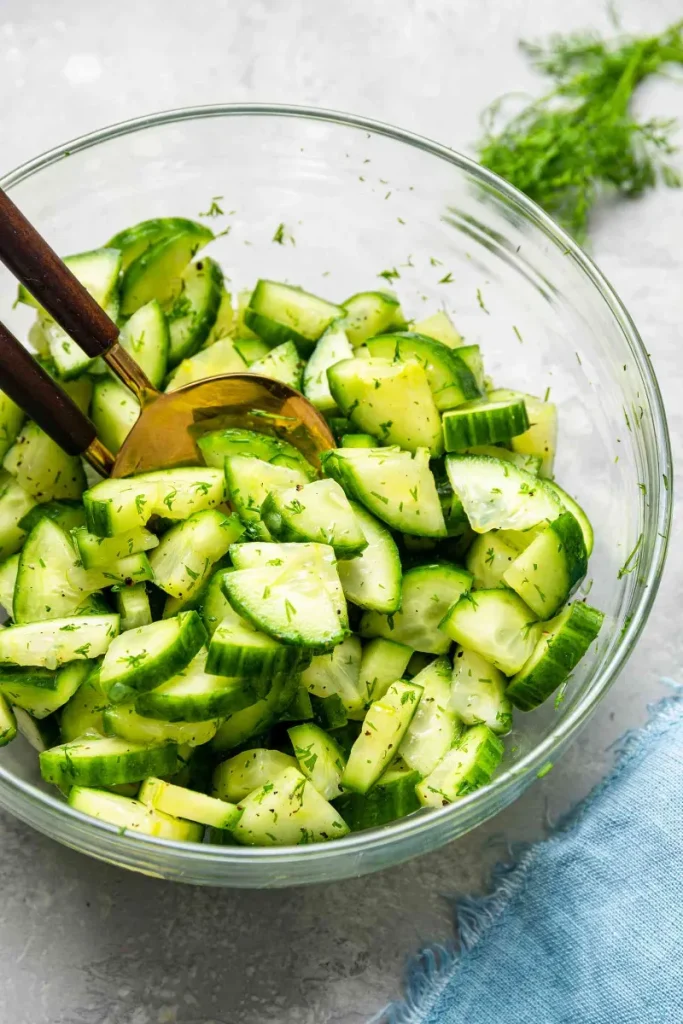
Cucumbers are about 96% water, which makes them one of the most hydrating foods you can eat. Skin hydration isn’t just about drinking water — it’s also about eating water-rich foods that deliver hydration along with vitamins and minerals.
They contain silica, a trace mineral that supports the connective tissue in your skin and helps maintain firmness and elasticity. Cucumbers are also naturally anti-inflammatory, which is why the classic cucumber-on-eyes trick actually has some scientific merit.
Add sliced cucumber to your water, toss it into salads, or snack on it with hummus. It’s a light, refreshing habit your skin will genuinely appreciate.
20. Almonds
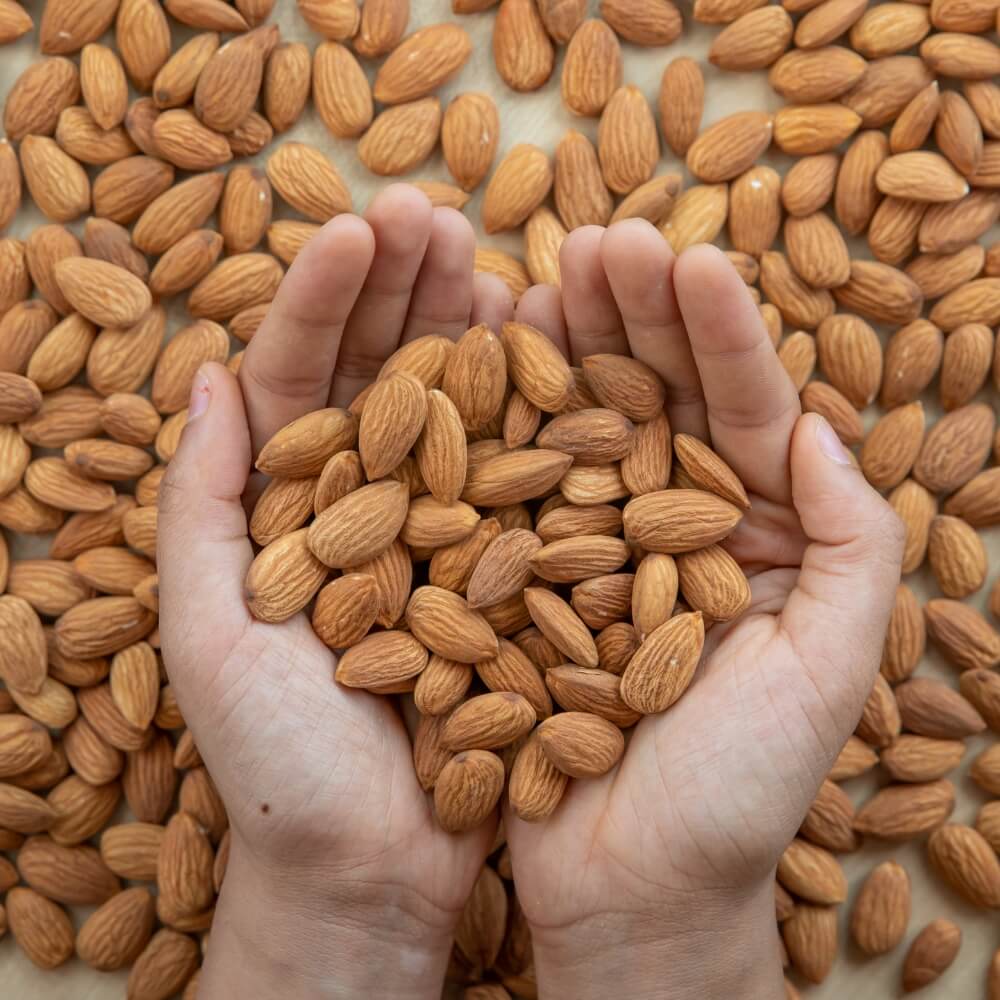
Almonds are another excellent source of vitamin E, and they also deliver magnesium, zinc, and healthy fats in every handful. Vitamin E protects your skin from oxidative damage while the healthy fats support your skin’s lipid barrier.
Almonds are also high in riboflavin (vitamin B2), which plays an important role in skin cell regeneration. If you’ve ever noticed your skin looking dull and lackluster, low riboflavin could be part of the picture.
A small handful as an afternoon snack is one of the easiest and most satisfying skin-care habits you can build. They keep you full and give your skin a consistent daily dose of nourishment.
21. Oysters

Oysters are the single richest food source of zinc on the planet — one serving can give you several times your daily recommended intake. Zinc is critical for regulating the skin’s oil production, reducing acne-causing bacteria, and supporting the healing of blemishes.
Research published in the journal Dermatology found that zinc supplementation significantly reduced acne in clinical trials, and getting zinc through food is even better than supplements for overall absorption and balance. Oysters also provide selenium and vitamin D, two more skin-supportive nutrients.
If raw oysters aren’t your thing, they’re also delicious grilled or baked. Even canned oysters (available at most grocery stores) offer impressive zinc levels at a fraction of the cost.
22. Pomegranate
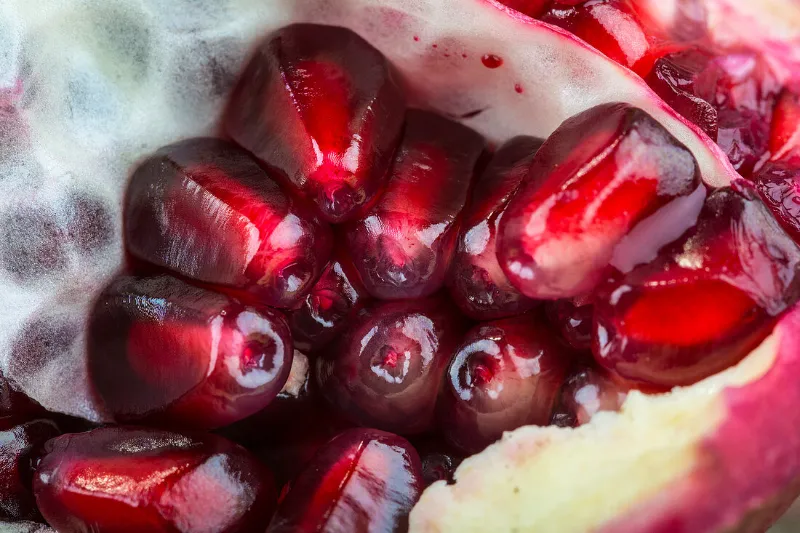
Pomegranates contain an exceptionally high concentration of punicalagins and punicic acid, antioxidants that are found almost nowhere else in the food world. These compounds have been shown to reduce inflammation, protect against sun damage, and even support collagen production.
Research has found that pomegranate extract can help regenerate the dermis and epidermis — the two main layers of skin — making it one of the most skin-specific fruits you can eat. The deep red color is your visual cue to just how rich in antioxidants it is.
Sprinkle pomegranate seeds over salads, yogurt, or oatmeal. They add a satisfying pop of flavor and a serious antioxidant boost in every bite.
23. Bone Broth

Bone broth has become popular for good reason. It’s one of the only direct food sources of collagen peptides — small proteins that your gut can absorb and use to support skin structure, elasticity, and hydration.
A study published in the Journal of Cosmetic Dermatology found that women who took collagen supplements daily for eight weeks saw measurable improvements in skin hydration and elasticity. Bone broth delivers the same collagen precursors in a natural, food-based form.
Sip it warm like tea, use it as a base for soups and stews, or cook your rice and grains in it for an easy nutritional upgrade that works behind the scenes.
24. Carrots
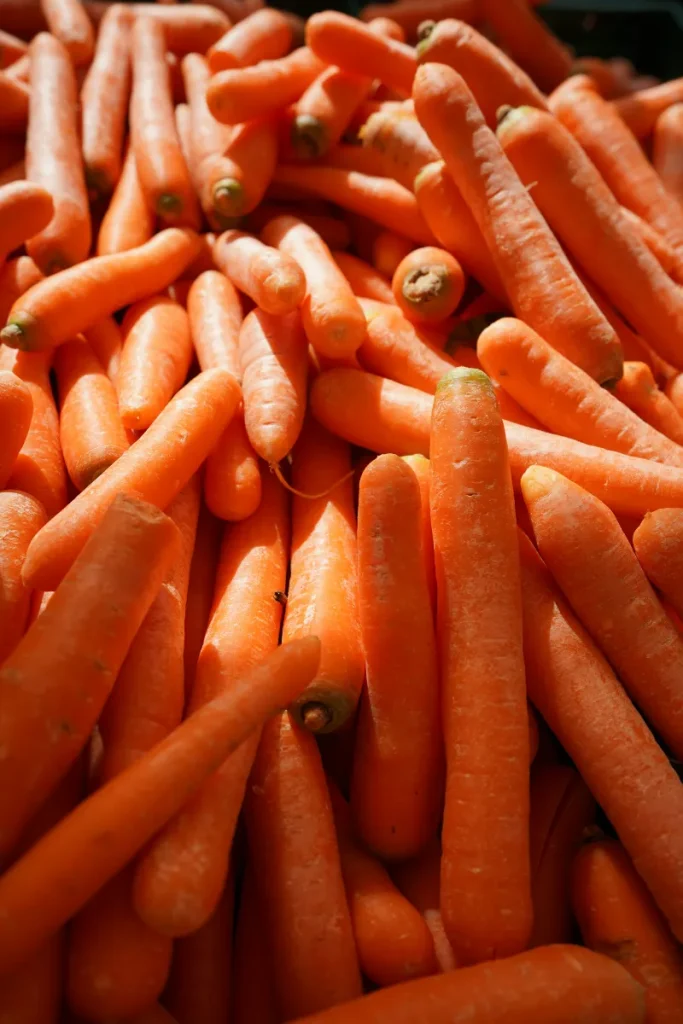
Carrots are another fantastic source of beta-carotene, which your body converts to vitamin A for skin cell renewal and protection. Regular beta-carotene intake has even been shown to give skin a subtle, healthy golden glow — a natural warmth that studies suggest people actually find more attractive than a tan.
They’re also rich in biotin, a B vitamin that supports healthy skin, hair, and nails. Biotin deficiency is rare but can show up as dry, flaky skin — making carrots a simple protective measure.
Snack on baby carrots with almond butter or hummus. Roast them with olive oil and cumin for a side dish that’s sweet, earthy, and great for your complexion.
25. Lemon Water

Lemon water might sound basic, but starting your day with it is one of the simplest habits you can add to your routine. Lemons are high in vitamin C, and even a small squeeze adds a meaningful dose of this collagen-supporting antioxidant to your morning.
The habit also encourages you to drink more water overall, which directly impacts skin hydration, flushing of toxins, and how plump and smooth your skin looks throughout the day. Some research also suggests lemon’s citric acid may support liver function, which plays a background role in how your skin looks and feels.
Squeeze half a lemon into a glass of warm water every morning before coffee. It’s a small ritual with surprisingly consistent skin benefits over time.
Final Thoughts
Clear, glowing skin doesn’t come from a single miracle ingredient — it comes from consistent, nourishing choices made meal by meal. The 25 foods on this list aren’t a quick fix. They’re a lifestyle upgrade that pays off in the mirror, week after week.
Start small. Pick two or three foods from this list and weave them into your meals this week. Build from there. Your skin is always listening to what you feed it, so why not give it something worth hearing?
