
30 Powerful Foods For Gut Health for Faster Results

Your gut is doing a lot more for you than just digesting dinner. It influences your mood, your immune system, your energy, and even how clearly you think.

The good news? The right foods can transform your gut health faster than you might expect. Here are 30 powerhouse foods that feed your gut the good stuff it needs to thrive.
1. Yogurt
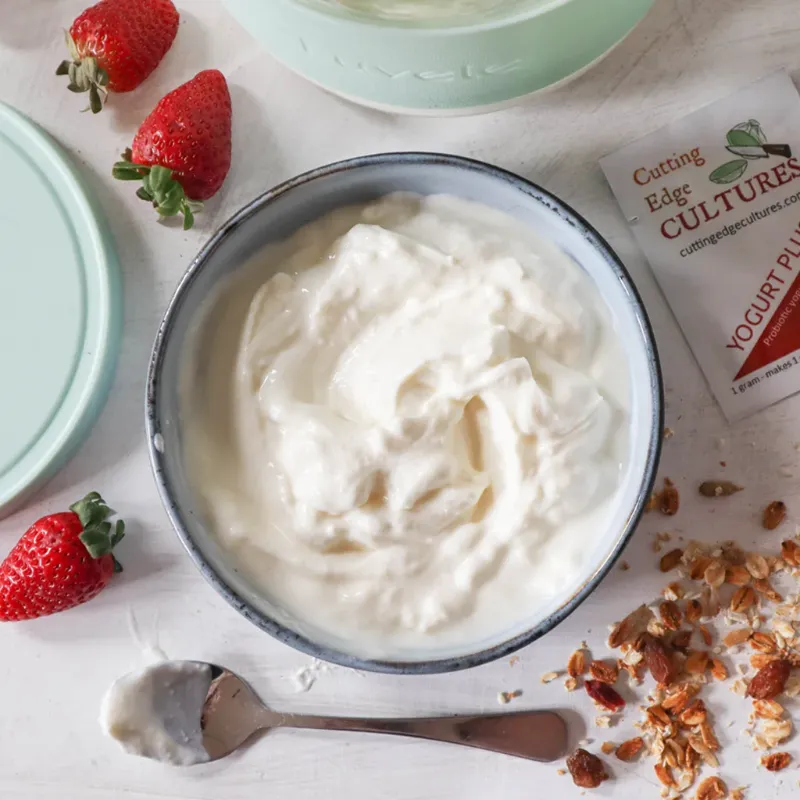
Yogurt is one of the most accessible probiotic foods on the planet. It is packed with live bacteria cultures like Lactobacillus and Bifidobacterium that go straight to work populating your gut with beneficial microbes.
Research consistently shows that regular yogurt consumption improves digestion, reduces bloating, and supports immune function. Your gut lining actually communicates with your immune system, so a healthier gut means a stronger defense against illness.
Go for plain, unsweetened yogurt to get the most benefit. Greek yogurt is a great pick because it also delivers a solid protein boost alongside those live cultures.
2. Kefir
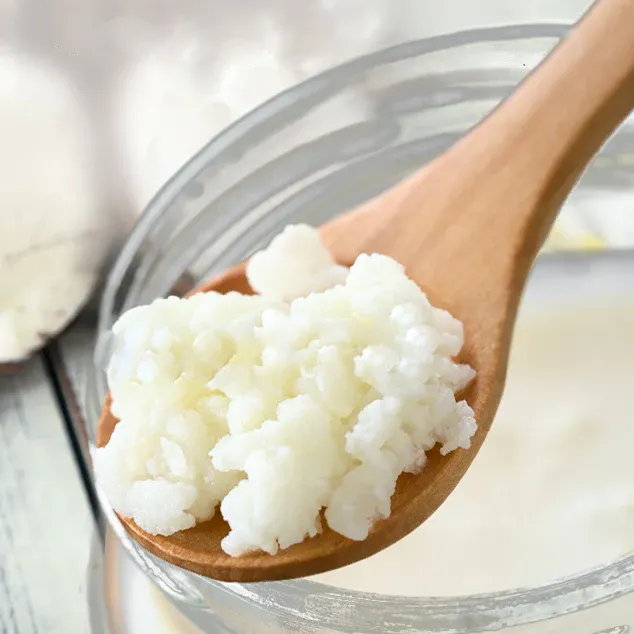
Think of kefir as yogurt’s more powerful cousin. This fermented milk drink contains up to 61 different strains of bacteria and yeast, making it one of the most diverse probiotic sources you can find.
Studies show kefir can actually help people with lactose intolerance digest dairy better, because the fermentation process breaks down most of the lactose. It also has antimicrobial properties that help keep harmful bacteria in check.
Drink it straight, blend it into a smoothie, or use it as a base for salad dressings. Just make sure the label says “live and active cultures.”
3. Sauerkraut
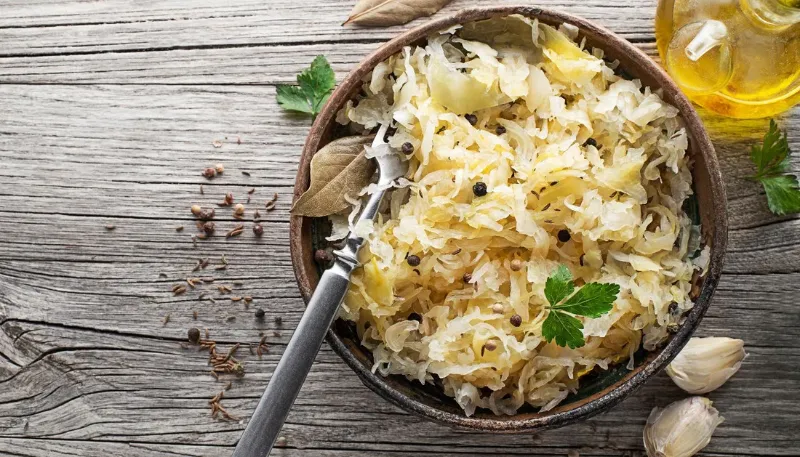
Sauerkraut is simply fermented cabbage, but do not let the simplicity fool you. It is loaded with Lactobacillus bacteria that feed a healthy gut microbiome and support smooth digestion.
It is also rich in fiber, which acts as fuel for your good gut bacteria. On top of that, sauerkraut is a great source of vitamin C and vitamin K2, a nutrient most Americans do not get enough of.
Always buy the refrigerated kind from the store, not the shelf-stable canned version. Heat kills the live bacteria, so the jarred stuff in the cold aisle is what you want.
4. Kimchi
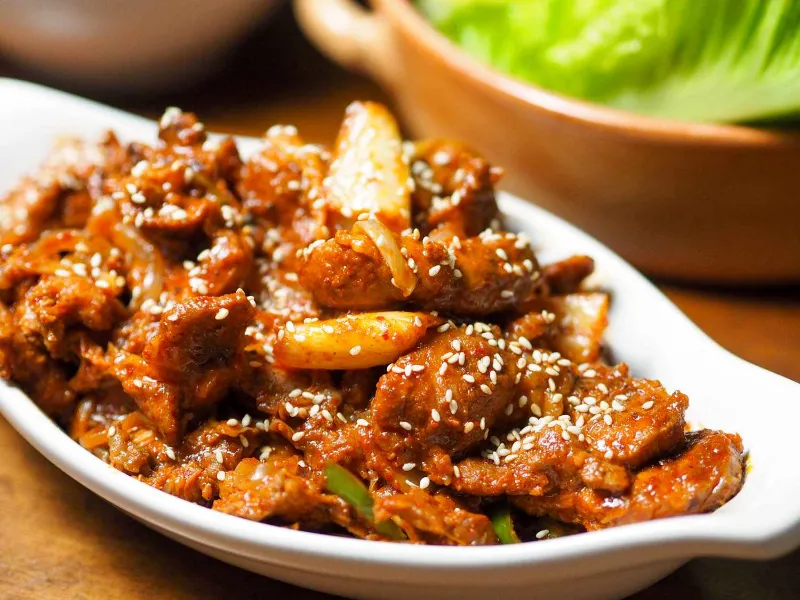
Kimchi is a traditional Korean dish made from fermented vegetables, most often cabbage and radishes, spiced with garlic, ginger, and chili. It is spicy, tangy, and incredibly good for your gut.
The fermentation process creates a rich community of probiotic bacteria, and research published in the Journal of Medicinal Food found that kimchi consumption was linked to improved gut microbiome diversity. Diversity in gut bacteria is one of the strongest markers of good digestive health.
You can eat kimchi as a side dish, toss it into fried rice, or layer it on eggs. Start small if you are new to fermented foods since your gut may need time to adjust.
5. Miso

Miso is a fermented soybean paste used heavily in Japanese cuisine, and it brings serious gut health benefits to the table. It contains live probiotic cultures along with a range of enzymes that help your body break down food more efficiently.
Miso is also rich in B vitamins, manganese, and zinc, all of which support gut lining integrity. A healthy gut lining means fewer toxins and undigested food particles slipping into your bloodstream, something researchers call “leaky gut.”
Stir a spoonful of miso into warm (not boiling) water to make a simple miso soup. High heat destroys the probiotics, so keep the temperature gentle.
6. Tempeh
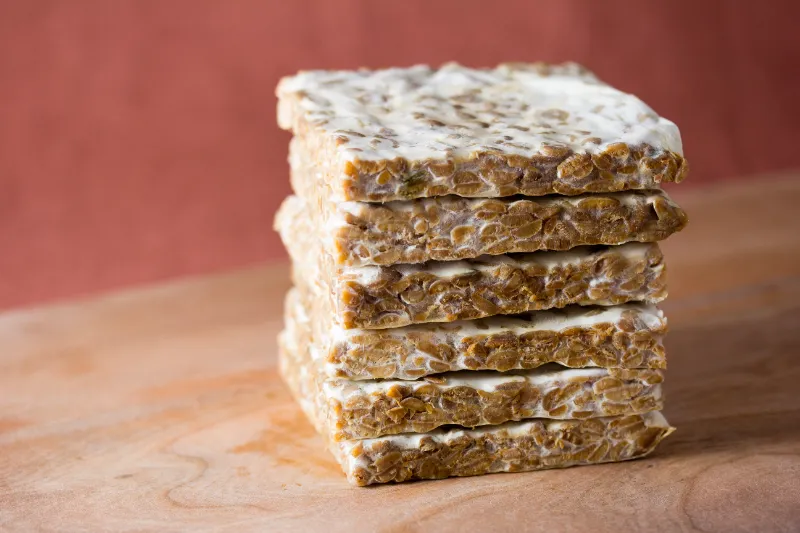
Tempeh is a fermented soy product that originated in Indonesia, and it is one of the best plant-based sources of probiotics out there. The fermentation process also makes the nutrients in soybeans much easier for your body to absorb.
It is packed with protein, fiber, and prebiotics, the fuel that feeds your good gut bacteria. Tempeh also contains riboflavin and manganese, nutrients that support your gut’s natural repair processes.
Slice it thin and pan-fry it, crumble it into tacos, or marinate and bake it. It has a slightly nutty, earthy flavor that takes on whatever seasoning you throw at it.
7. Kombucha

Kombucha is a fermented tea drink that has gone from health food store niche to mainstream grocery staple for good reason. It contains a colony of bacteria and yeast that produce organic acids, B vitamins, and probiotics during fermentation.
The organic acids in kombucha, particularly acetic acid and glucuronic acid, may support liver function and help your digestive system run more smoothly. Some research also suggests it has antioxidant properties that reduce gut inflammation.
Stick to low-sugar varieties and treat it as a complement to your diet rather than a cure-all. One serving a day is plenty for most people.
8. Sourdough Bread
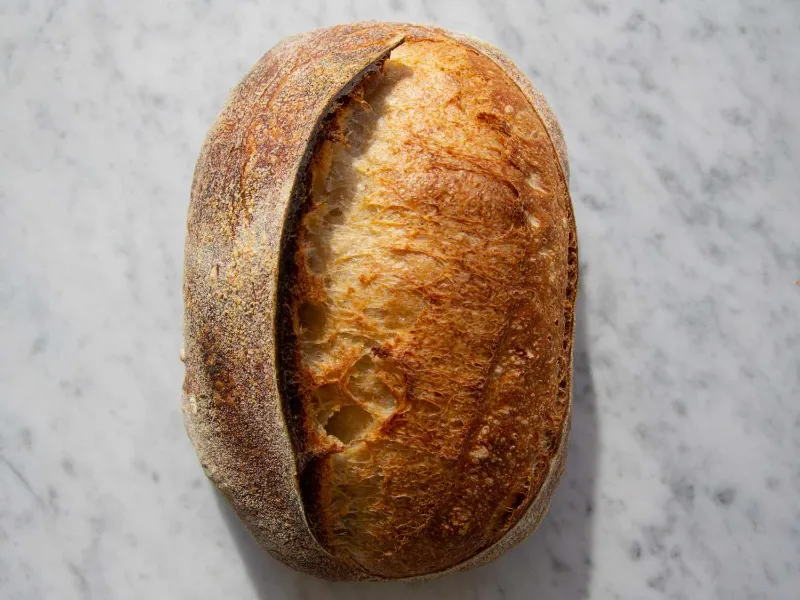
Not all bread is created equal, and sourdough is in a class of its own when it comes to gut health. The long fermentation process breaks down gluten and phytic acid, making it much easier to digest than conventional bread.
The wild yeast and bacteria used in sourdough fermentation also produce short-chain fatty acids, which nourish the cells lining your colon. Research suggests sourdough has a lower glycemic impact than regular bread, meaning it is less likely to spike your blood sugar and disrupt your gut microbiome.
Look for sourdough made with just flour, water, and salt, with no added yeast or preservatives. Real sourdough tastes slightly tangy and chewy in all the right ways.
9. Bananas
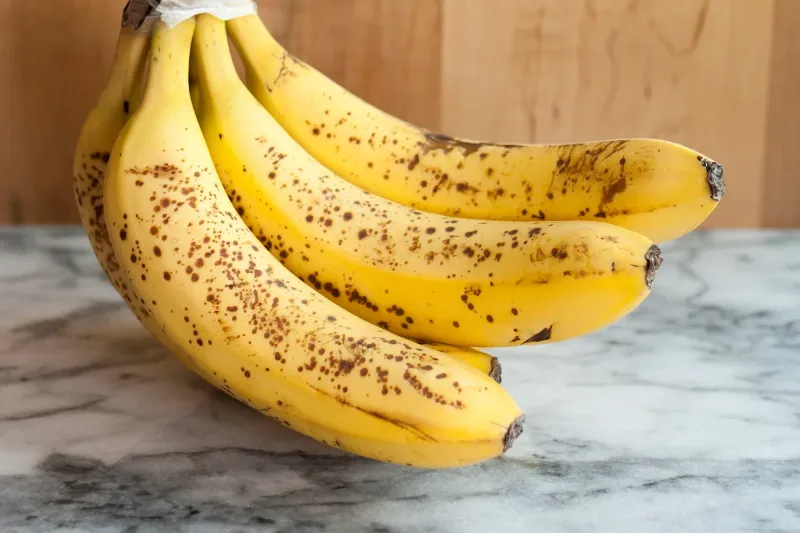
Bananas are one of the most gut-friendly fruits you can eat, especially when they are slightly underripe. Those just-turning-yellow bananas are rich in resistant starch, a type of fiber that your gut bacteria absolutely love.
Resistant starch passes through your small intestine undigested and arrives in your colon, where it feeds beneficial bacteria like Bifidobacterium. This fermentation process produces butyrate, a short-chain fatty acid that strengthens the gut lining and reduces inflammation.
Riper bananas are sweeter and easier to digest if you have a sensitive stomach. Either way, bananas are an easy, affordable gut health win you can grab at any grocery store.
10. Garlic
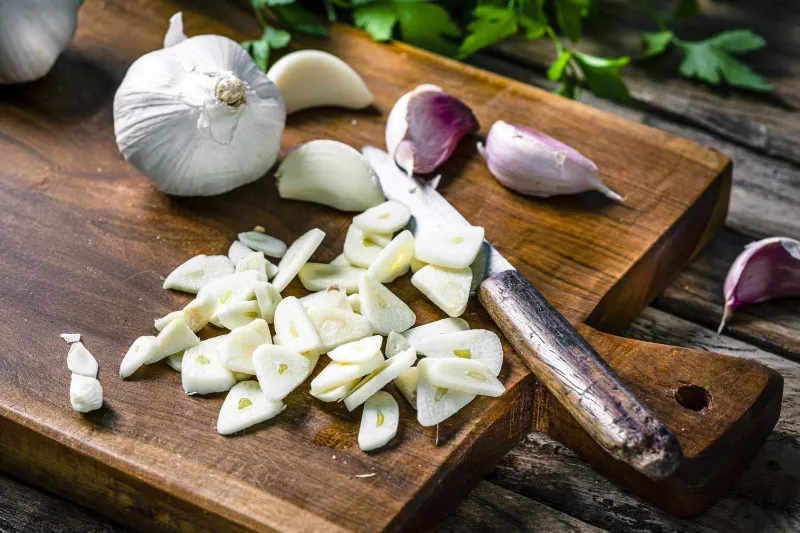
Garlic does far more than flavor your food. It is a potent prebiotic, meaning it feeds the beneficial bacteria already living in your gut rather than introducing new ones.
The key compound here is inulin, a type of prebiotic fiber found in garlic that selectively stimulates the growth of Bifidobacteria and Lactobacillus. Garlic also contains allicin, a sulfur compound with powerful antimicrobial properties that helps keep harmful gut bacteria in check.
Raw garlic offers the most benefit, but cooked garlic still delivers. Add it generously to soups, sauces, roasted vegetables, and stir-fries for a daily gut health boost.
11. Onions
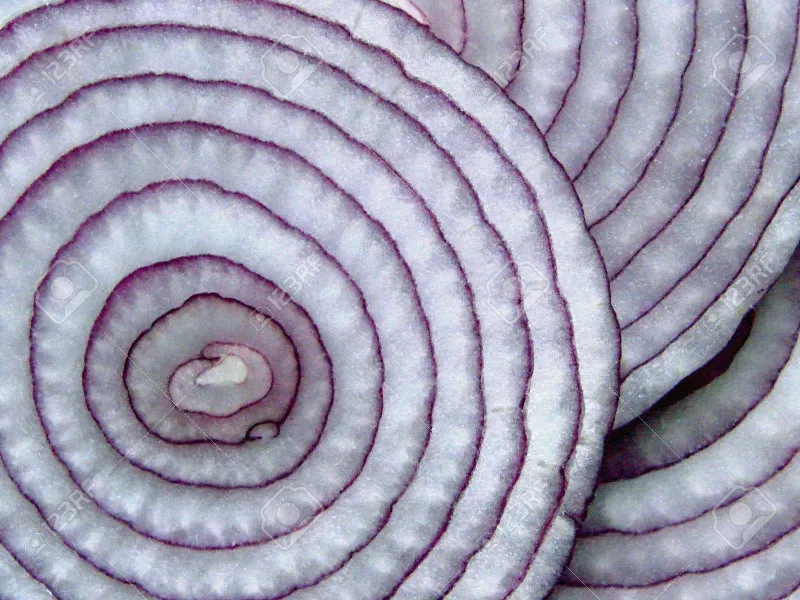
Onions are another prebiotic powerhouse that most people already have in their kitchen without realizing the gut benefits. Like garlic, they are rich in inulin and fructooligosaccharides (FOS), which are types of prebiotic fiber that nourish your good gut bacteria.
Studies show that FOS promotes the growth of beneficial bacteria, improves bowel regularity, and may even help reduce the risk of colon cancer. Onions are also rich in quercetin, a flavonoid with anti-inflammatory effects on the gut lining.
Red onions tend to have slightly higher antioxidant content than yellow, but both are excellent. Raw onions in salads or salsas deliver the most prebiotic punch.
12. Leeks
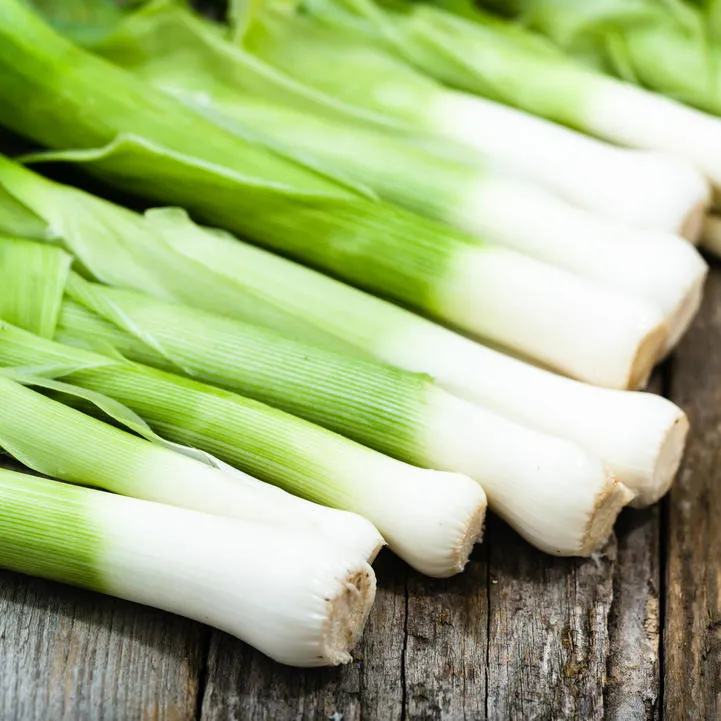
Leeks belong to the same family as garlic and onions, and they bring similar prebiotic benefits with a milder, sweeter flavor. They are particularly high in inulin fiber, which research shows can increase beneficial gut bacteria populations by up to 30%.
Leeks are also a good source of polyphenols, plant compounds that act as fuel for gut bacteria and have been linked to reduced gut inflammation. They provide vitamin K and folate as well, supporting the overall health of your digestive tract.
Slice leeks into soups and stews, sauté them as a side dish, or fold them into egg dishes. They are underused and underrated in American kitchens.
13. Asparagus
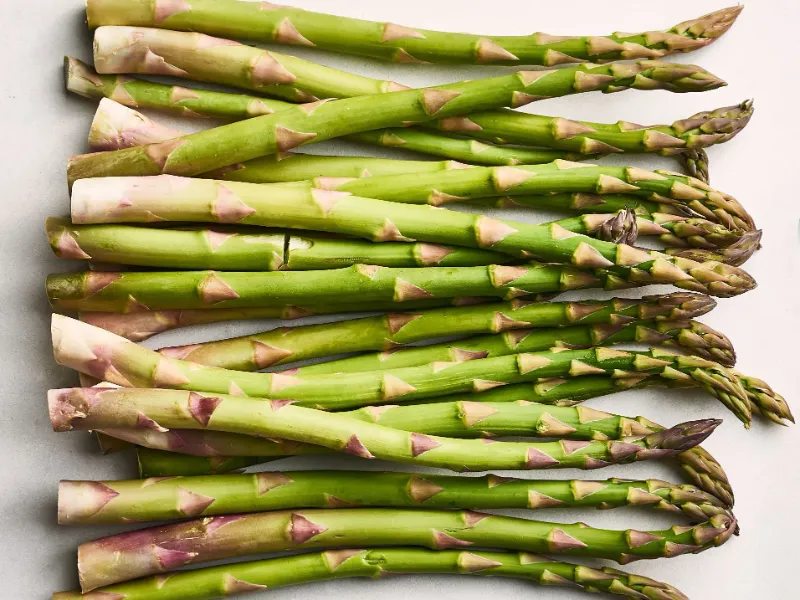
Asparagus is one of the richest sources of inulin among vegetables, making it a serious prebiotic food. That inulin feeds beneficial gut bacteria while also helping regulate bowel movements naturally.
Asparagus is also loaded with folate, vitamins A, C, E, and K, and the antioxidant glutathione, which helps protect your gut lining from oxidative damage. Research published in Food Chemistry found that asparagus extract significantly boosted Lactobacillus and Bifidobacterium levels in lab studies.
Roast it, steam it, or grill it with a little olive oil and lemon. Even a few spears a few times a week can make a meaningful difference over time.
14. Jerusalem Artichokes
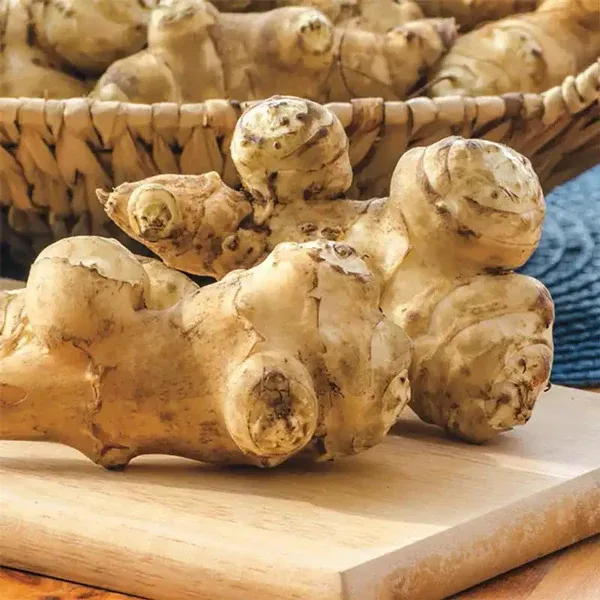
Jerusalem artichokes, also called sunchokes, look like lumpy potatoes but function like gut health superfoods. They contain more inulin per gram than almost any other vegetable, making them an extraordinarily powerful prebiotic food.
Research shows that the inulin in Jerusalem artichokes significantly increases beneficial gut bacteria, especially Bifidobacteria, while reducing populations of harmful bacteria like Clostridium. They are also rich in iron, potassium, and B vitamins.
Roast them like potatoes, slice them thin for a salad, or blend them into soup. A word of warning: start with small amounts because their high fiber content can cause gas until your gut adjusts.
15. Apples
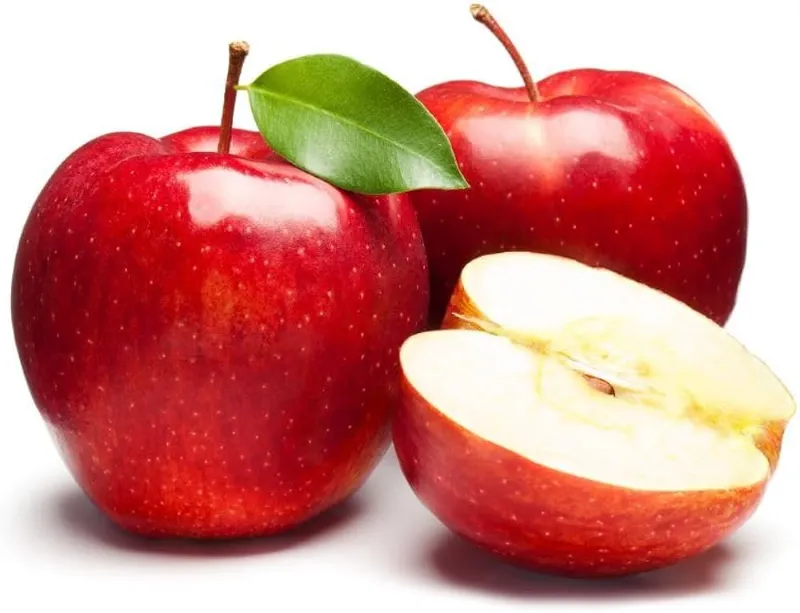
An apple a day really might keep digestive trouble away. Apples are rich in pectin, a soluble fiber that acts as a prebiotic and helps increase beneficial bacteria like Lactobacillus and Bifidobacterium in the gut.
Pectin also helps regulate bowel movements, reduces gut inflammation, and may even lower cholesterol by binding to it in the digestive tract. Research shows that the polyphenols in apple skin provide additional fuel for gut bacteria.
Eat the whole apple, skin and all, for the full benefit. Cooking apples slightly, like in unsweetened applesauce, breaks down the pectin and makes it even more bioavailable.
16. Flaxseeds
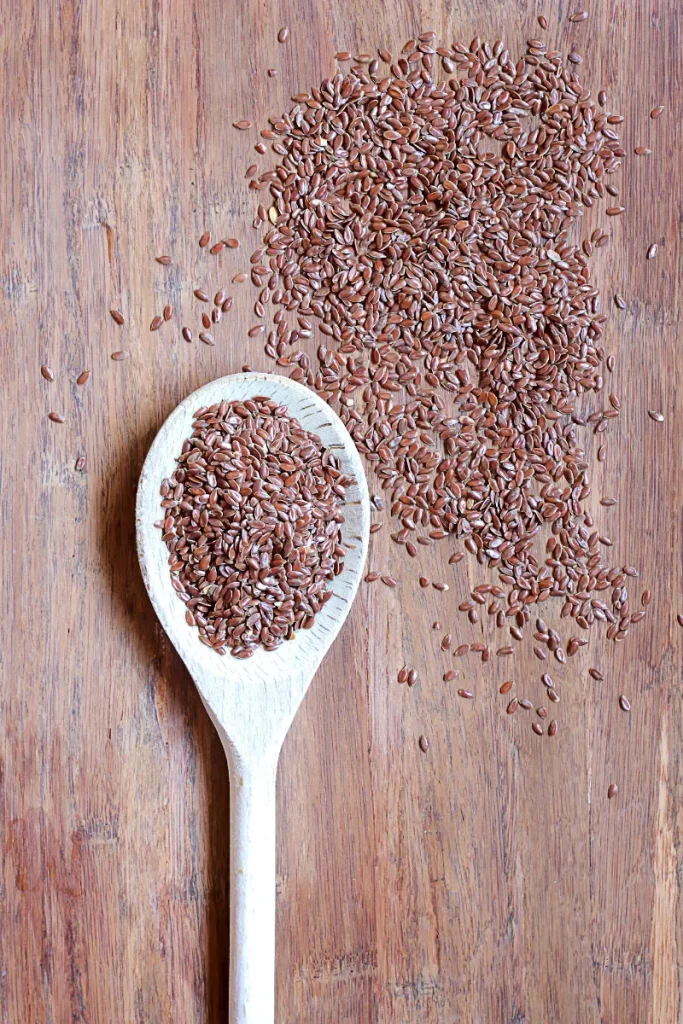
Flaxseeds are a gut health triple threat: they contain soluble fiber, insoluble fiber, and omega-3 fatty acids, all of which benefit your digestive system in different ways. The soluble fiber feeds good gut bacteria, while the insoluble fiber keeps things moving through your digestive tract.
The omega-3s in flaxseeds, specifically alpha-linolenic acid, help reduce gut inflammation. Studies show that regular flaxseed consumption improves bowel regularity and may lower the risk of colorectal cancer.
Ground flaxseeds are far easier for your body to absorb than whole seeds. Stir a tablespoon into oatmeal, smoothies, or yogurt every day for a simple and effective gut health habit.
17. Chia Seeds
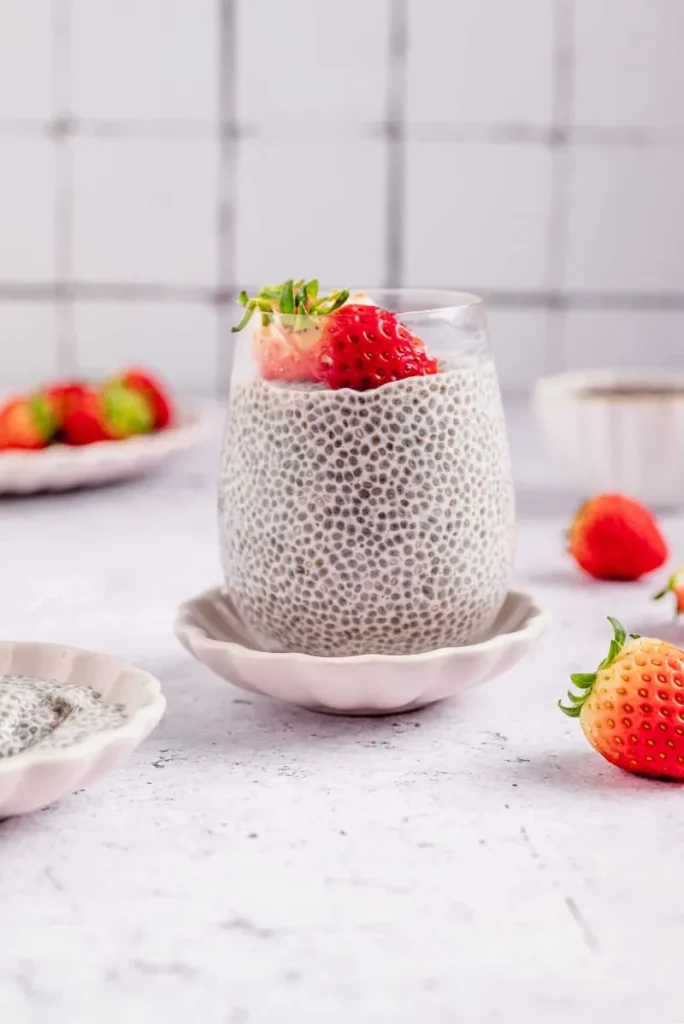
Chia seeds form a thick gel when they absorb water, and that gel is basically a slow-moving feast for your gut bacteria. The soluble fiber in chia seeds feeds beneficial microbes while also softening stool and easing digestion.
Two tablespoons of chia seeds provide about 10 grams of fiber, which is close to 40% of your daily recommended intake. They are also packed with omega-3 fatty acids and calcium, making them one of the most nutrient-dense seeds available.
Soak them in almond milk or water overnight to make chia pudding, or sprinkle them on yogurt and oatmeal. They are tasteless, so they fit into almost anything.
18. Oats
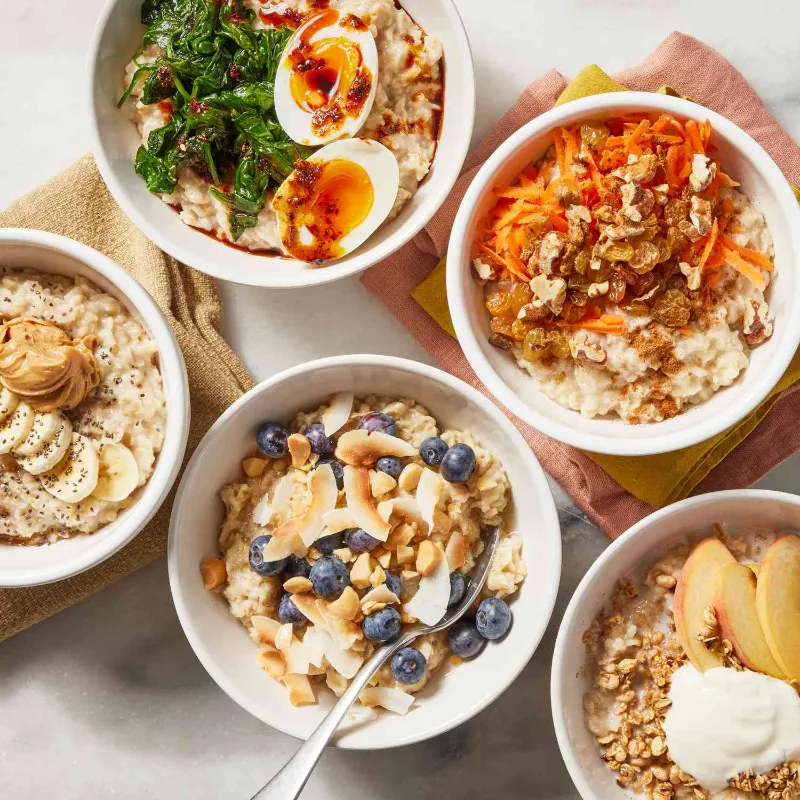
Oats are rich in a special type of soluble fiber called beta-glucan, and research on this fiber and gut health is genuinely impressive. Beta-glucan feeds beneficial gut bacteria, helps regulate blood sugar, and lowers LDL cholesterol, all while keeping you full and satisfied.
Studies show that beta-glucan promotes the growth of Bifidobacterium and produces short-chain fatty acids that strengthen the gut lining. Oats are also naturally anti-inflammatory, helping to calm an irritated digestive tract.
Choose rolled oats or steel-cut oats over instant oats for more fiber and slower digestion. Overnight oats are a convenient way to get this gut health powerhouse into your morning routine.
19. Barley
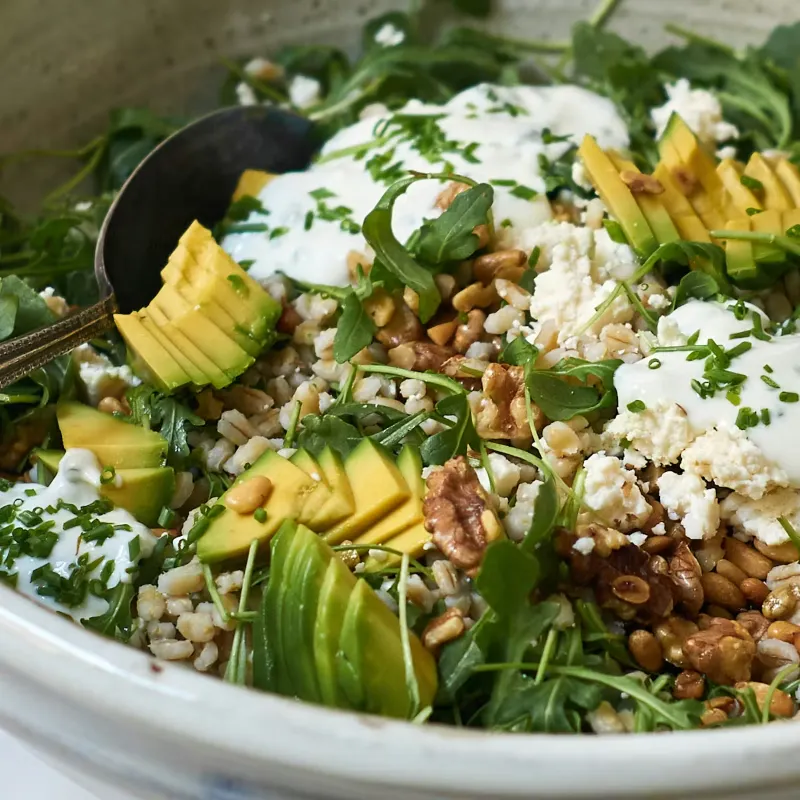
Barley is one of the highest-fiber grains you can eat, and most of that fiber is beta-glucan, the same gut-loving soluble fiber found in oats. It has been shown to significantly increase beneficial gut bacteria and improve overall microbiome diversity.
Barley also ranks low on the glycemic index, meaning it feeds your gut bacteria without spiking your blood sugar. Research published in Cell Metabolism found that eating barley can improve gut health markers within just three days.
Add pearl barley to soups and stews, or use it as a base for grain bowls. It has a satisfying, chewy texture that holds up beautifully in hearty recipes.
20. Lentils

Lentils are one of the best sources of prebiotic fiber available, packed with both soluble and insoluble fiber that work together to keep your gut functioning well. They are also rich in resistant starch, which ferments in your colon and produces gut-nourishing butyrate.
Studies show that regular lentil consumption increases beneficial gut bacteria populations and reduces inflammatory markers in the gut. They are also loaded with plant-based protein, iron, and folate, making them one of the most nutritionally complete foods on this list.
Red lentils cook quickly and work great in soups and curries. Green and brown lentils hold their shape and are perfect for salads and side dishes.
21. Chickpeas
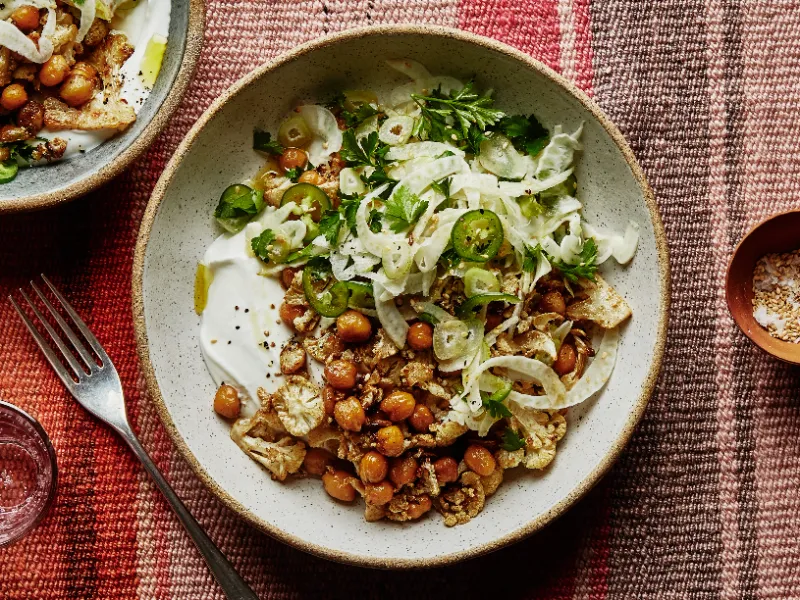
Chickpeas, also known as garbanzo beans, are a gut health staple in Mediterranean and Middle Eastern diets for a reason. They are loaded with fiber and resistant starch that feed beneficial gut bacteria and promote a diverse, thriving microbiome.
Research shows that chickpea consumption reduces levels of harmful bacteria while increasing populations of Bifidobacteria. They are also a great source of plant-based protein and complex carbohydrates that help regulate blood sugar and support sustained energy.
Roast them for a crunchy snack, blend them into hummus, or toss them into salads and grain bowls. Canned chickpeas are just as nutritious as dried and far more convenient.
22. Black Beans
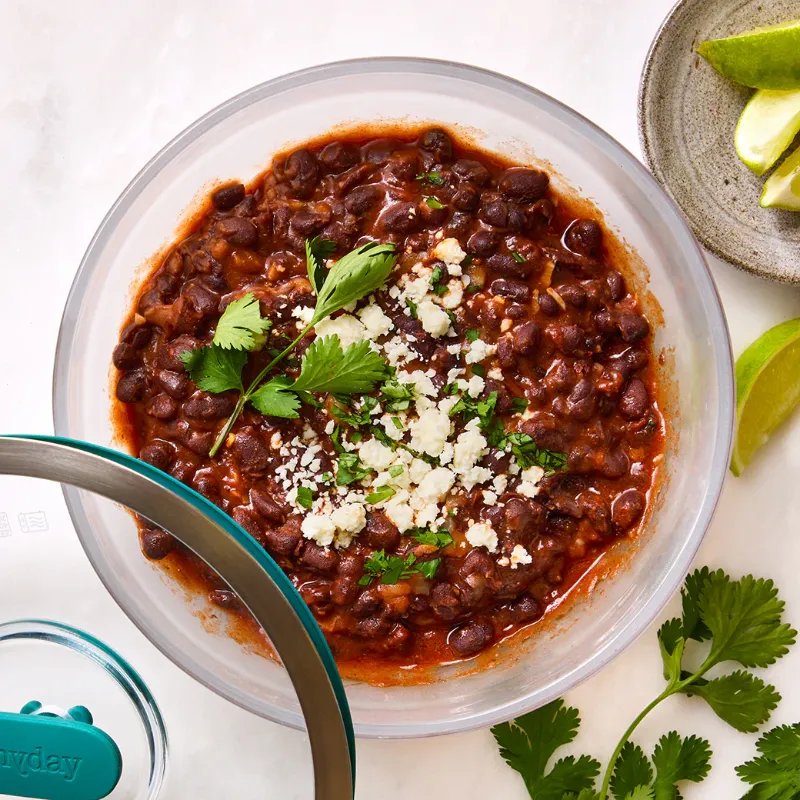
Black beans are fiber royalty. One cup delivers around 15 grams of fiber, which is more than half your daily target in a single serving.
The resistant starch in black beans functions as a premium prebiotic, feeding Bifidobacterium and Lactobacillus while producing anti-inflammatory short-chain fatty acids in the colon. Research also shows that the dark pigment in black beans contains polyphenols that have additional prebiotic effects on gut bacteria.
Add black beans to tacos, soups, rice dishes, or salads. If canned beans give you gas, rinse them thoroughly before eating to remove some of the gas-producing compounds.
23. Broccoli
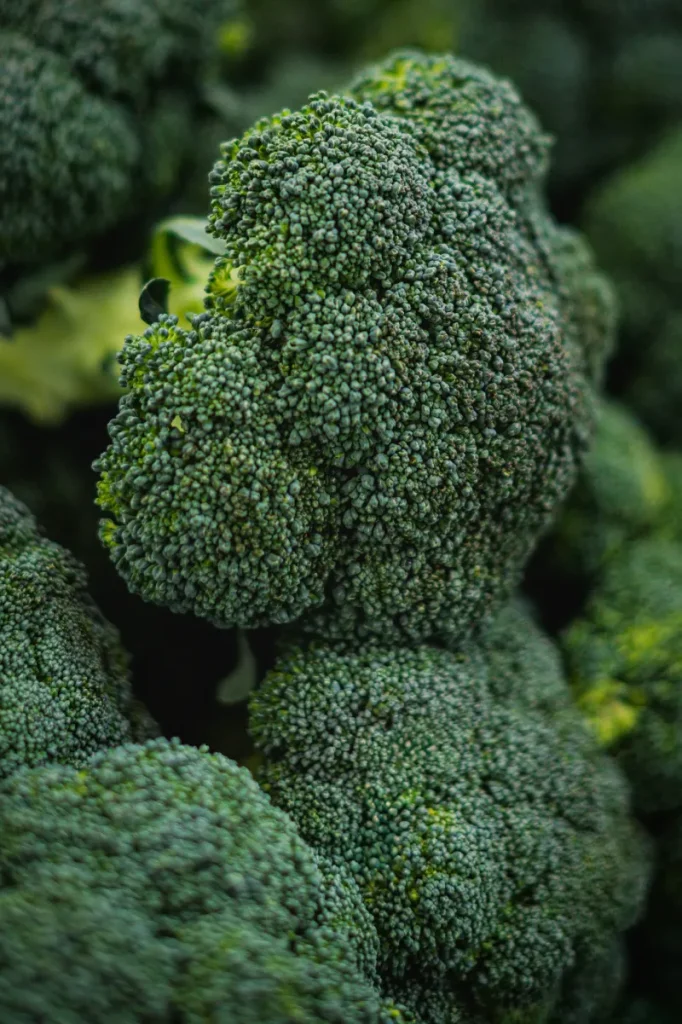
Broccoli is a gut health powerhouse that delivers fiber, vitamins, and unique sulfur compounds called glucosinolates. These compounds break down in your gut into substances that reduce inflammation and support the growth of beneficial bacteria.
Research from Penn State University found that people who ate around three cups of broccoli a week had significantly lower gut inflammation and a healthier microbiome composition compared to those who did not. Broccoli is also rich in sulforaphane, a compound that protects the gut lining from damage.
Steam or lightly roast broccoli rather than boiling it to preserve more of the nutrients and fiber. A sprinkle of lemon juice and garlic takes it from plain to genuinely delicious.
24. Brussels Sprouts
Brussels sprouts belong to the same cruciferous family as broccoli and bring similar gut health benefits. They are rich in glucosinolates, sulforaphane, and prebiotic fiber that collectively support a healthy, diverse gut microbiome.
The fiber in Brussels sprouts feeds beneficial bacteria and adds bulk to your stool, supporting regular bowel movements. Their high vitamin C content also supports the immune system that lives right alongside your gut lining.
Roasting Brussels sprouts at high heat until they are caramelized and slightly crispy is a total game changer if you have only ever eaten them boiled. A little olive oil, salt, and a squeeze of lemon is all you need.
25. Ginger
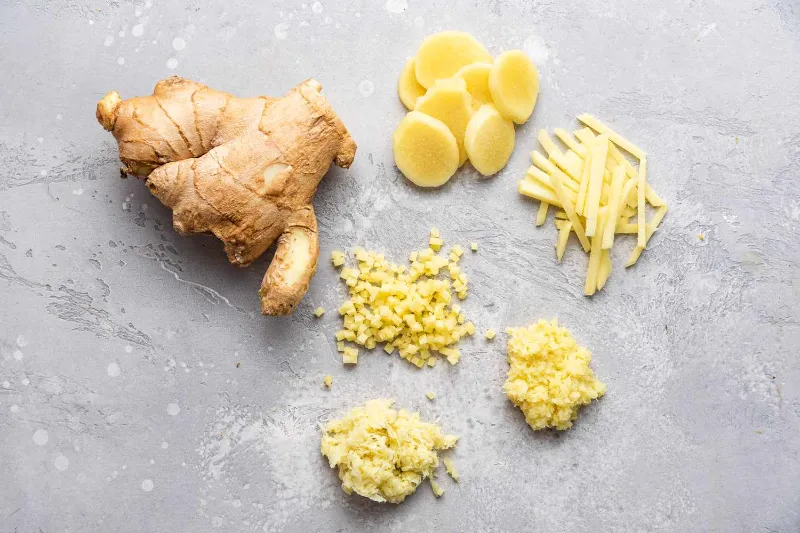
Ginger has been used as a digestive aid for thousands of years, and modern science backs up what ancient healers already knew. The active compound gingerol has powerful anti-inflammatory and antioxidant effects that soothe an irritated gut and support healthy digestion.
Research shows that ginger speeds up gastric emptying, meaning it helps food move through your stomach more efficiently and reduces bloating, nausea, and discomfort. It also stimulates the production of digestive enzymes that help break down food.
Fresh ginger grated into hot water with lemon makes a simple and effective digestive tea. You can also add it to smoothies, stir-fries, soups, and dressings for a daily anti-inflammatory boost.
26. Turmeric
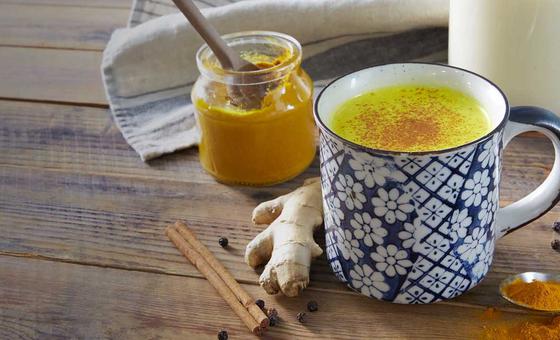
Turmeric contains curcumin, one of the most well-studied anti-inflammatory compounds in the world, and its effects on the gut are significant. Curcumin helps reduce gut inflammation, supports the growth of beneficial bacteria, and helps repair the gut lining.
Research published in Clinical Nutrition found that curcumin supplementation significantly improved gut microbiome diversity and reduced markers of gut inflammation. It may also play a role in preventing and managing inflammatory bowel conditions like Crohn’s disease and ulcerative colitis.
Pair turmeric with black pepper, which contains piperine, a compound that increases curcumin absorption by up to 2,000%. Add both to golden milk, soups, rice dishes, and egg scrambles.
27. Bone Broth

Bone broth has been a healing food across cultures for centuries, and it earns its place on this list thanks to its unique concentration of gut-supportive nutrients. It is rich in gelatin, collagen, and amino acids like glutamine and glycine that help maintain and repair the gut lining.
Glutamine in particular is the primary fuel source for the cells lining your intestines. Research shows it helps strengthen the tight junctions between intestinal cells, which is your body’s main defense against leaky gut.
Make your own by simmering bones for 12 to 24 hours, or buy a quality store-bought version with minimal ingredients. Drink it warm as a comforting broth or use it as the base for soups and grains.
28. Almonds
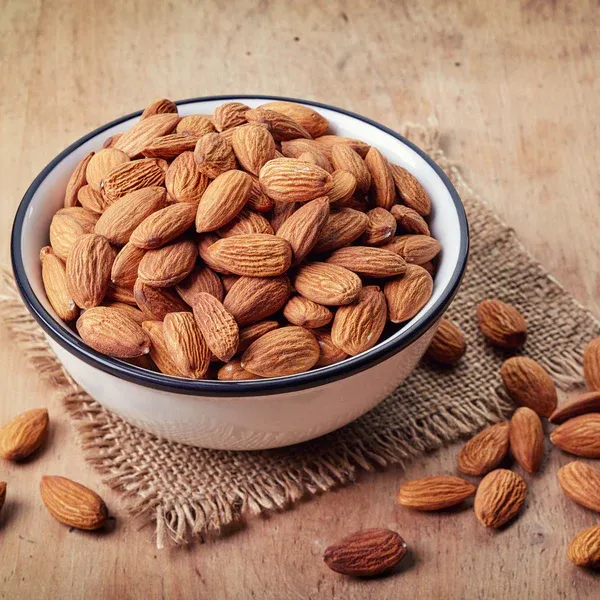
Almonds might not be the first thing you think of for gut health, but research is increasingly clear that they are excellent for your microbiome. They are rich in fiber, healthy fats, and polyphenols that collectively act as fuel for beneficial gut bacteria.
A study in the American Journal of Clinical Nutrition found that eating almonds significantly increased Bifidobacterium levels while reducing populations of harmful bacteria. The polyphenols in almond skins also have antioxidant effects that protect the gut lining from oxidative stress.
A small handful of raw almonds, about 1 oz or 23 nuts, makes a convenient and genuinely effective gut health snack. Whole almonds with the skin on offer more polyphenol benefit than blanched or sliced varieties.
29. Dark Chocolate

Good news: dark chocolate belongs on a gut health list, and it is totally legitimate. Dark chocolate that is 70% cacao or higher is rich in polyphenols called flavanols that feed beneficial gut bacteria and increase microbiome diversity.
Research from Louisiana State University found that gut bacteria ferment the polyphenols in dark chocolate and produce compounds that reduce gut inflammation. The prebiotic fiber in dark chocolate also helps stimulate the growth of Bifidobacterium and Lactobacillus.
One or two squares of high-quality dark chocolate (70% cacao or more) a day is enough to get the benefit without overdoing the sugar. Think of it as a reward that your gut bacteria appreciate just as much as you do.
30. Green Bananas
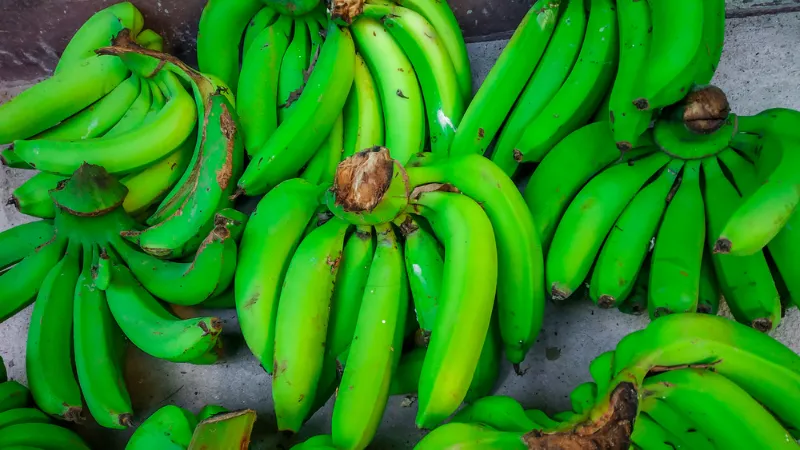
Green bananas get their own spot separate from ripe bananas because they function quite differently in your gut. They are extraordinarily high in resistant starch, with far more than their fully ripe counterparts, making them one of the richest prebiotic foods available.
Research shows that resistant starch from green bananas significantly boosts Bifidobacterium and Lactobacillus, reduces gut inflammation, and improves insulin sensitivity. As bananas ripen, that resistant starch converts to simple sugars, so the greener the banana, the more prebiotic power it carries.
Green bananas work best cooked or blended into smoothies since they are starchy and firm. Green banana flour is also available and can be added to baked goods and smoothies as an easy way to sneak in serious prebiotic fiber.
Final Thoughts
Your gut health does not transform overnight, but adding even a handful of these 30 foods to your weekly routine can make a real and noticeable difference. Start small, be consistent, and let your microbiome do the rest.
Pick two or three foods from this list today and work them into your meals this week. Your gut, your mood, and your energy levels will thank you for it.
