
33 Underrated Foods To Lower Blood Sugar You Need to Start Eating Now

Managing blood sugar does not have to mean bland meals and endless restrictions. In fact, some of the most powerful blood sugar regulators are hiding right in your grocery store, waiting to be discovered.
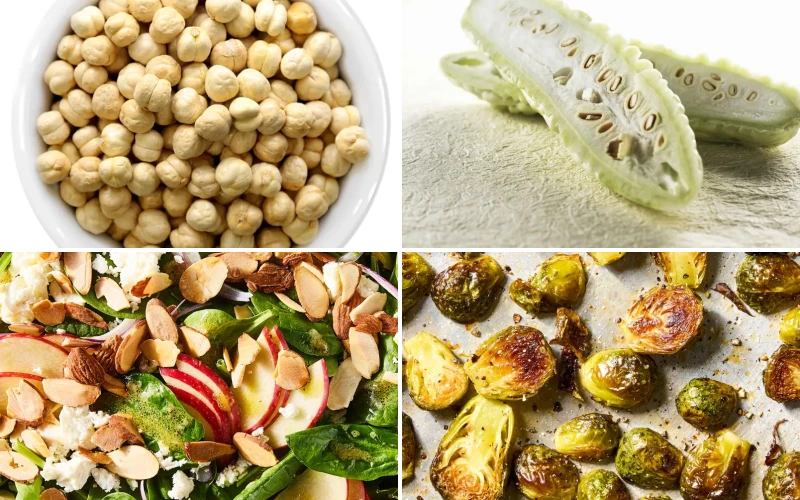
Get ready to meet 33 surprisingly delicious foods that can help bring your glucose levels back into balance, naturally and without the guesswork.
1. Cinnamon
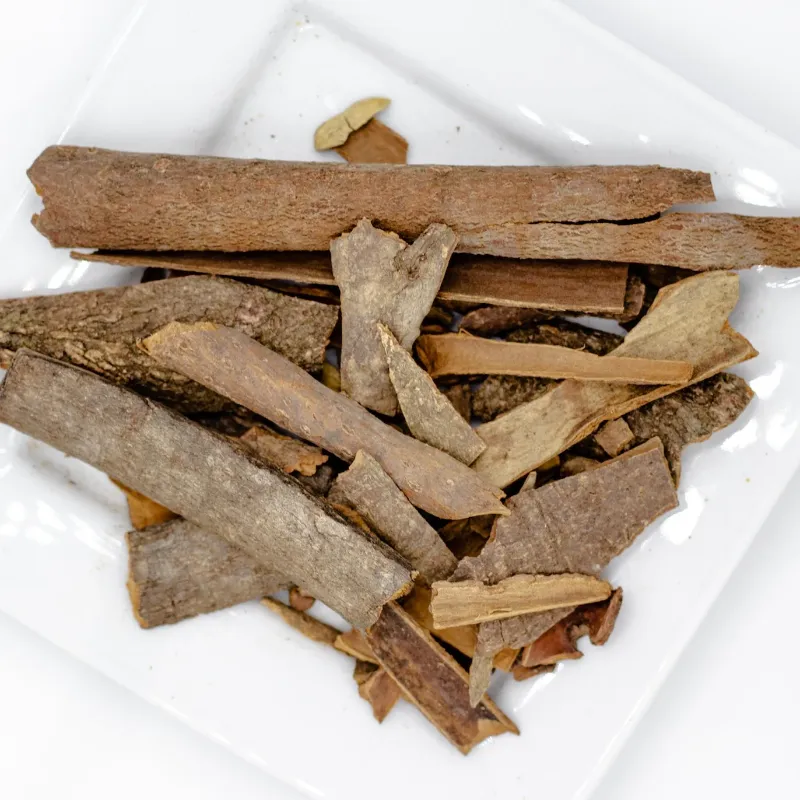
Cinnamon is not just a cozy spice for your morning oatmeal. Research published in the Journal of Medicinal Food shows it can improve insulin sensitivity and lower fasting blood sugar levels.
It contains a compound called cinnamaldehyde, which mimics insulin and helps your cells absorb glucose more efficiently. Even a small amount makes a measurable difference.
Sprinkle half a teaspoon into your coffee, smoothie, or yogurt every day. It is one of the easiest upgrades you can make to your diet right now.
2. Apple Cider Vinegar
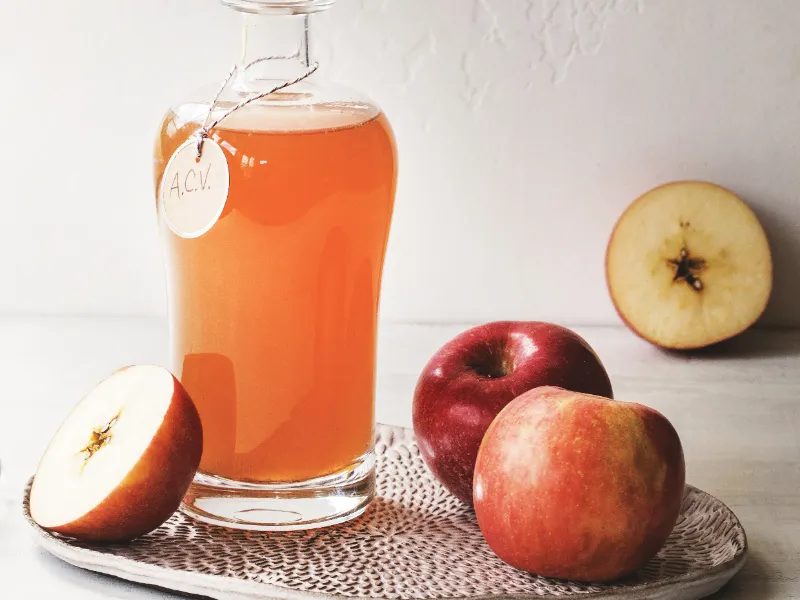
Apple cider vinegar has earned its health hype for a reason. Studies show that taking two tablespoons before a high-carb meal can reduce post-meal blood sugar spikes by up to 34%.
The acetic acid in ACV slows the digestion of starches and improves insulin sensitivity overnight. That is a pretty powerful punch from a simple pantry staple.
Mix it into salad dressings, dilute it in a glass of water, or use it as a marinade. Just make sure you always dilute it to protect your tooth enamel.
3. Spinach
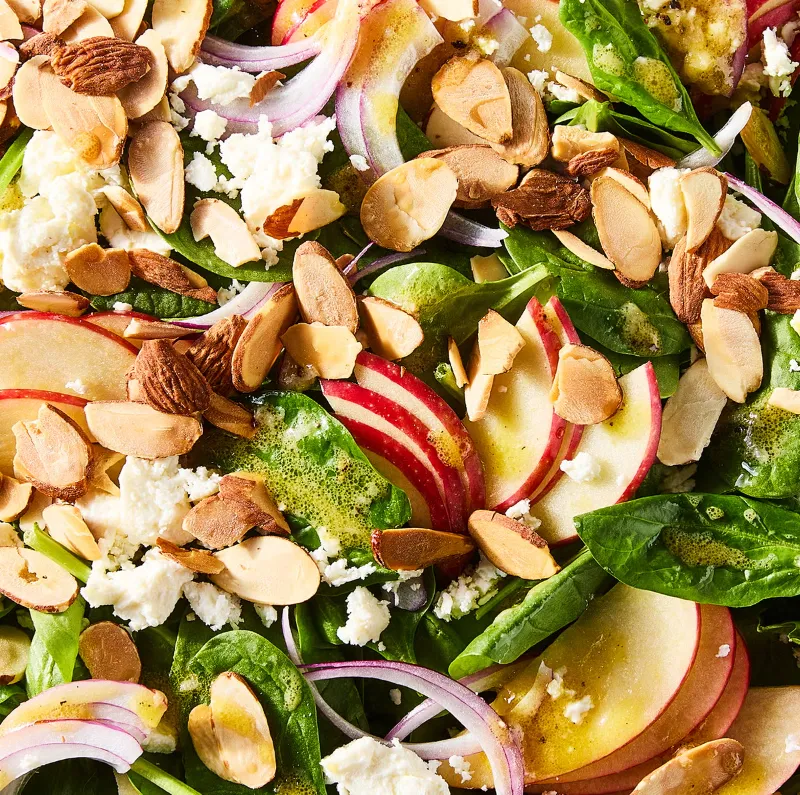
Spinach is loaded with magnesium, a mineral that plays a direct role in glucose metabolism. Research suggests that people with low magnesium levels are significantly more likely to develop type 2 diabetes.
One cup of cooked spinach delivers nearly 40% of your daily magnesium needs. It is also packed with fiber, which slows sugar absorption after meals.
Toss it into scrambled eggs, blend it into smoothies, or saute it with garlic as a quick side dish. The mild flavor makes it one of the easiest greens to sneak into anything.
4. Kale
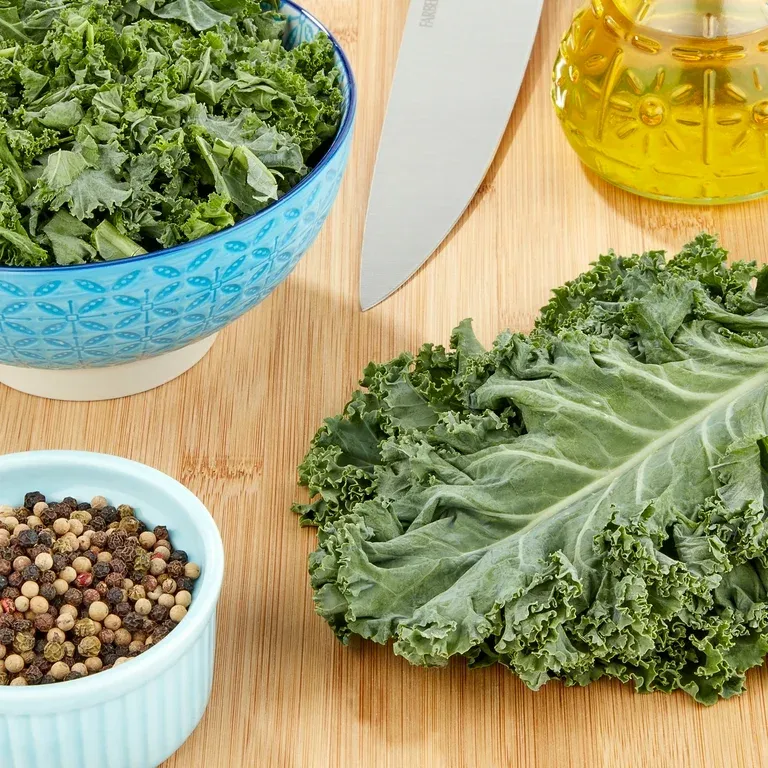
Kale is a fiber powerhouse that helps slow the release of glucose into your bloodstream. It also contains alpha-lipoic acid, an antioxidant shown in studies to reduce insulin resistance.
Its high chromium content is another bonus. Chromium is a trace mineral that enhances insulin’s ability to do its job at the cellular level.
Try massaging raw kale with a little olive oil and lemon for a tender salad, or bake it into crispy chips for a snack that actually satisfies.
5. Blueberries
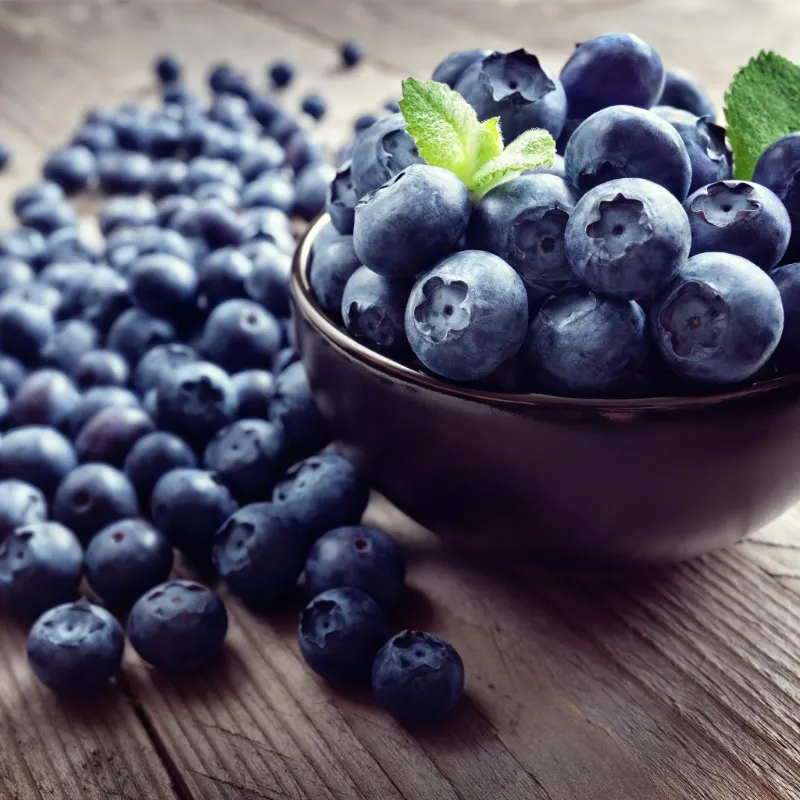
Blueberries are one of the best fruits you can eat for blood sugar control. Despite their natural sweetness, their low glycemic index means they release sugar slowly into your bloodstream.
A study from the University of Michigan found that bioactive compounds in blueberries called anthocyanins can improve insulin sensitivity. These are the same pigments that give blueberries their deep blue color.
Add a handful to your oatmeal, yogurt, or smoothie. Fresh or frozen both work great and give you the same blood sugar benefits.
6. Strawberries
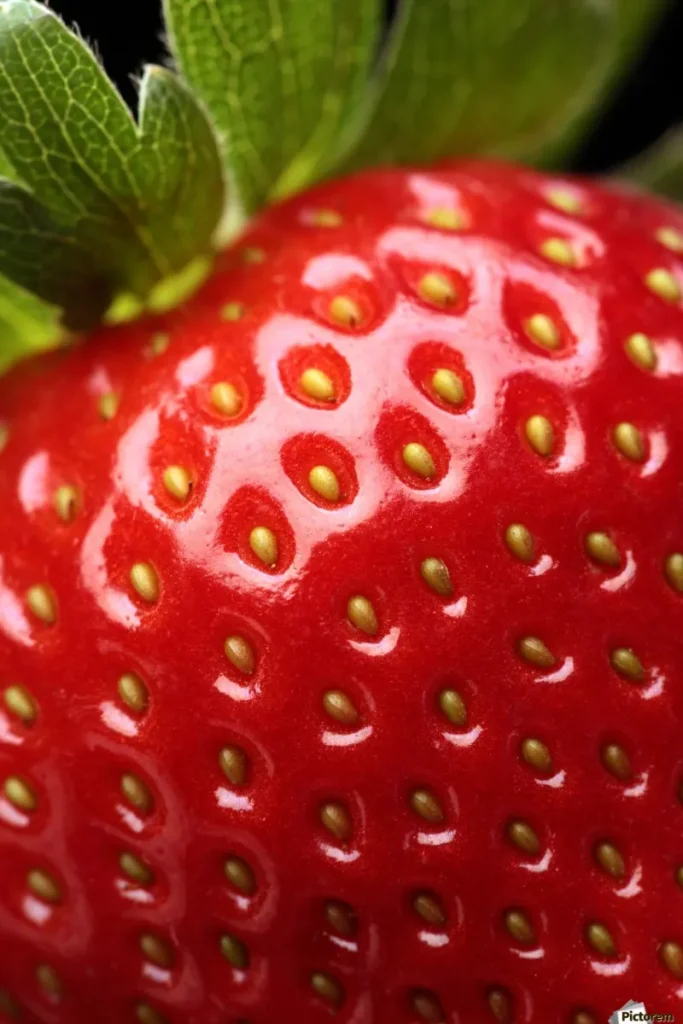
Strawberries are surprisingly low in sugar for a fruit that tastes that sweet. One cup has only about 7 grams of sugar and delivers a solid dose of vitamin C and fiber.
Fiber slows digestion and blunts blood sugar spikes, while research shows that the polyphenols in strawberries may actually improve insulin signaling. It is a sweet win.
Slice them over cottage cheese, add them to a spinach salad, or just eat them plain. They are one of those rare foods where the healthy choice is also the most delicious one.
7. Oats
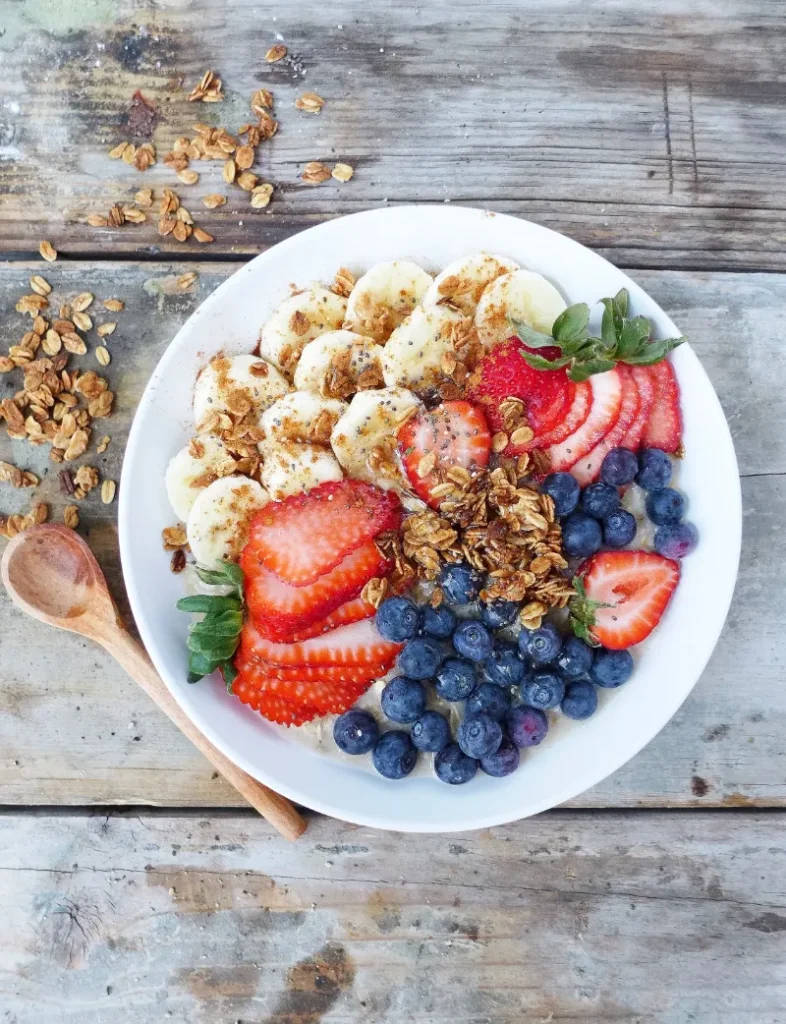
Not all carbs are the enemy, and oats are proof of that. They contain a powerful soluble fiber called beta-glucan, which forms a gel in your digestive system and slows the absorption of glucose.
Multiple studies confirm that eating oats regularly can lower both fasting blood sugar and insulin response after meals. Steel-cut and rolled oats have a much lower glycemic index than instant varieties.
Cook them with cinnamon and top with berries for a blood sugar friendly breakfast that keeps you full for hours. Skip the flavored packets, which are often loaded with added sugar.
8. Barley
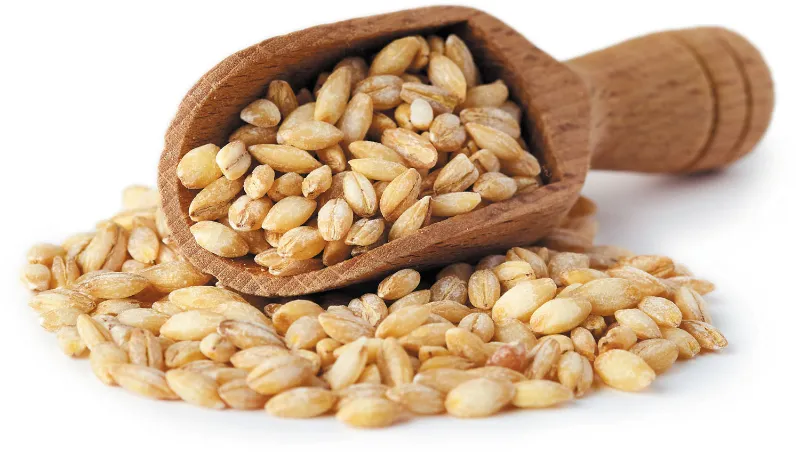
Barley is arguably even more effective than oats when it comes to blood sugar control. It has one of the lowest glycemic index scores of any grain, thanks to its incredibly high beta-glucan content.
A study in the European Journal of Clinical Nutrition found that eating barley significantly reduced blood sugar and insulin levels after meals. It also feeds the good bacteria in your gut, which play a role in metabolic health.
Swap barley into soups, grain bowls, or use it as a rice substitute. It has a satisfying chewy texture that makes meals feel hearty and filling.
9. Almonds
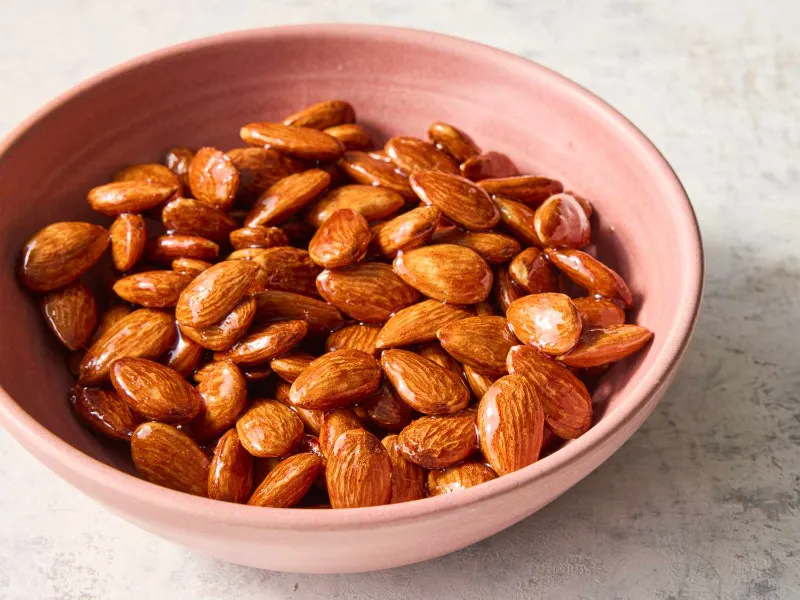
Almonds are a snacking superstar for blood sugar management. Their combination of healthy fats, fiber, and magnesium helps blunt glucose spikes when eaten alongside carbohydrates.
One study found that eating almonds with a high-glycemic meal reduced the post-meal blood sugar response by up to 30%. That is a huge impact from just a small handful.
Keep a portion of almonds at your desk, in your bag, or by the couch for snacking. Just stick to about one ounce, roughly 23 almonds, to keep calories in check.
10. Walnuts
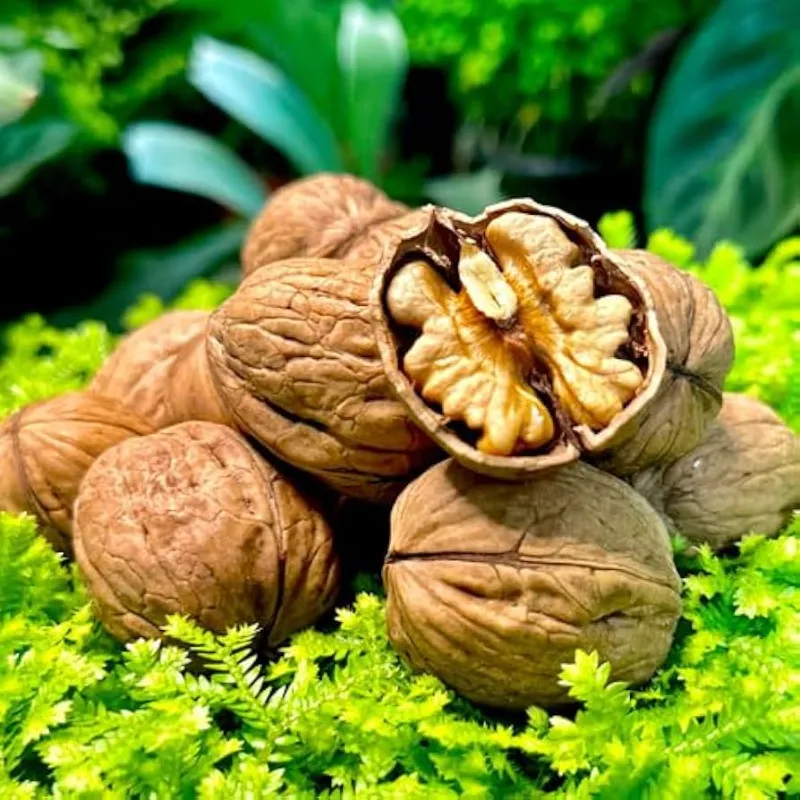
Walnuts bring something almonds do not: a significant dose of omega-3 fatty acids. These healthy fats reduce inflammation, which is closely tied to insulin resistance.
Research published in Diabetes Care found that people who regularly ate tree nuts, including walnuts, had better blood sugar control and lower A1C levels. The fiber and protein content also help keep you satisfied longer.
Toss walnuts into oatmeal, salads, or just eat them as a standalone snack. Their rich, buttery flavor makes them one of the most satisfying ways to support your health.
11. Avocado
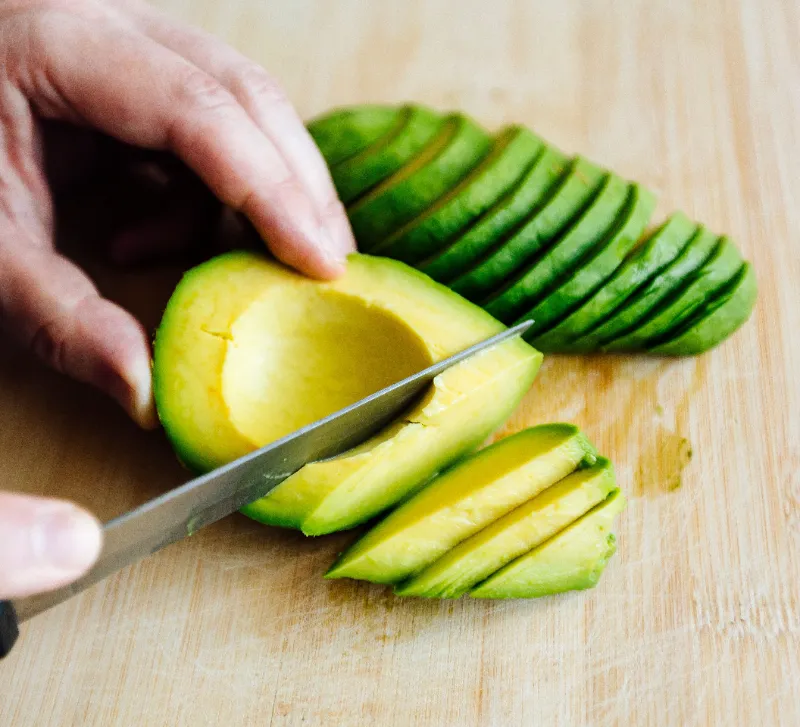
Avocados are rich in monounsaturated fats and fiber, both of which work together to slow digestion and prevent blood sugar spikes. They are also one of the most filling foods you can eat.
Studies show that adding avocado to a meal can significantly reduce post-meal glucose and insulin levels compared to eating the same meal without it. That creamy texture comes with serious metabolic benefits.
Spread it on whole grain toast, mash it into guacamole, or slice it onto salads and grain bowls. Half an avocado per day is a practical and delicious target.
12. Lentils
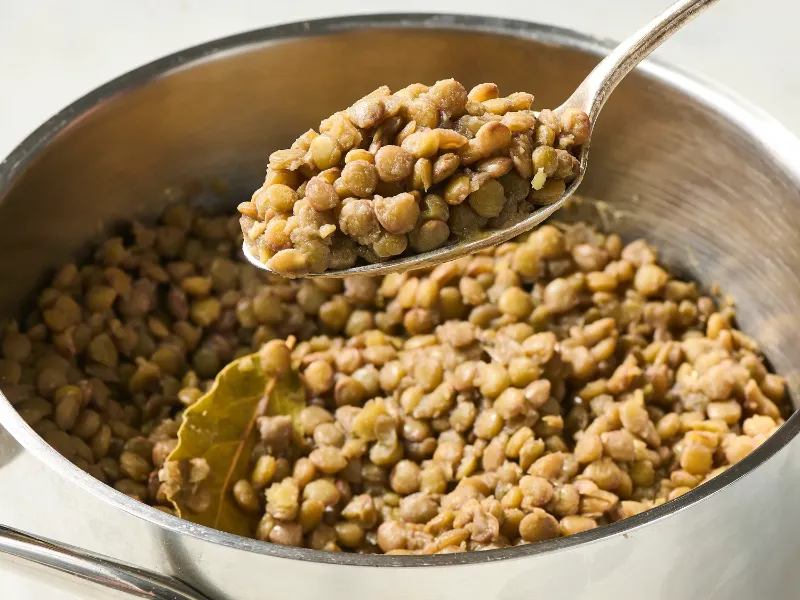
Lentils are one of the most underrated blood sugar foods on the planet. They are high in both protein and fiber, making them one of the slowest-digesting foods you can eat.
Their low glycemic index means they cause a very gradual rise in blood sugar. Research also suggests that regular legume consumption is associated with a significantly lower risk of type 2 diabetes.
Cook up a big pot of lentil soup or add them to salads, tacos, or grain bowls. They are cheap, filling, and incredibly versatile.
13. Black Beans
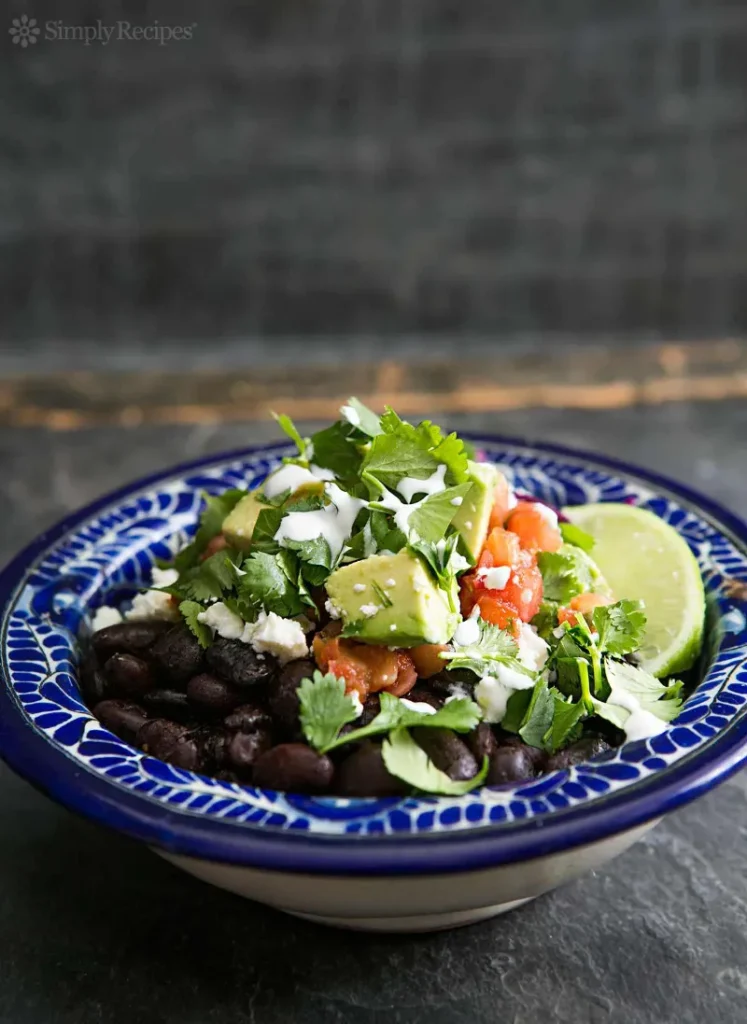
Black beans are another legume heavy hitter. One cup delivers about 15 grams of fiber and 15 grams of protein, a combination that keeps glucose levels steady for hours.
The resistant starch in black beans acts almost like dietary fiber in your gut, feeding healthy bacteria and reducing glucose absorption. Studies consistently show that diets rich in legumes lead to better glycemic control.
Use them in burritos, grain bowls, soups, or even as a base for a veggie burger patty. Canned black beans work just as well as dried when you rinse them first.
14. Chickpeas
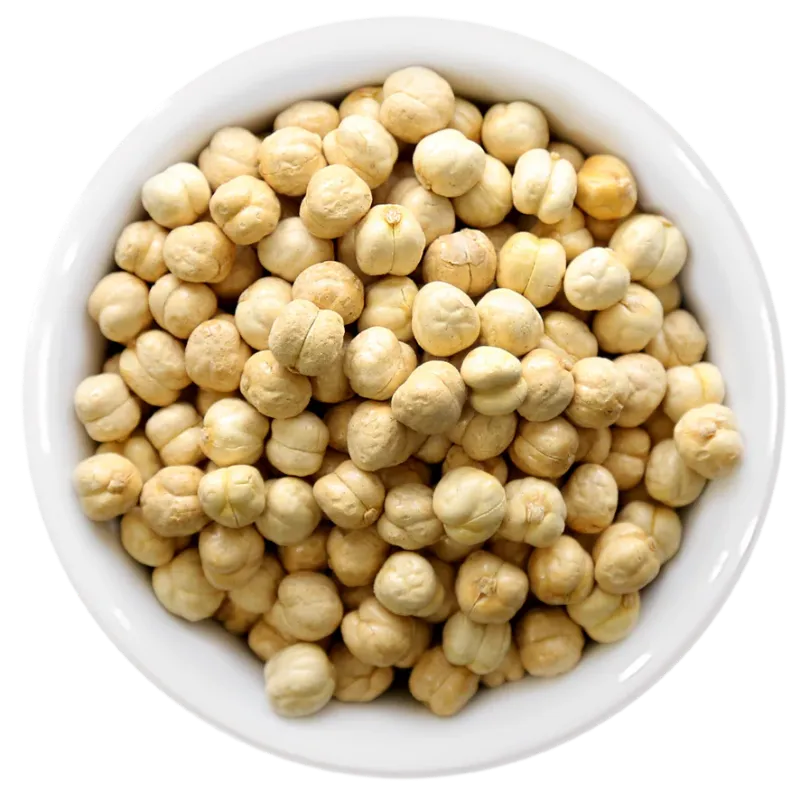
Chickpeas have a glycemic index of just 28, meaning they cause one of the smallest blood sugar rises of any carbohydrate food. That is lower than most vegetables.
They are also rich in protein and fiber, which together create a slow, sustained energy release that keeps your glucose stable between meals. Studies have shown that eating chickpeas regularly can reduce post-meal blood sugar by up to 36%.
Roast them for a crunchy snack, blend them into hummus, or toss them into salads and curries. Their mild, nutty flavor works in almost any dish.
15. Salmon
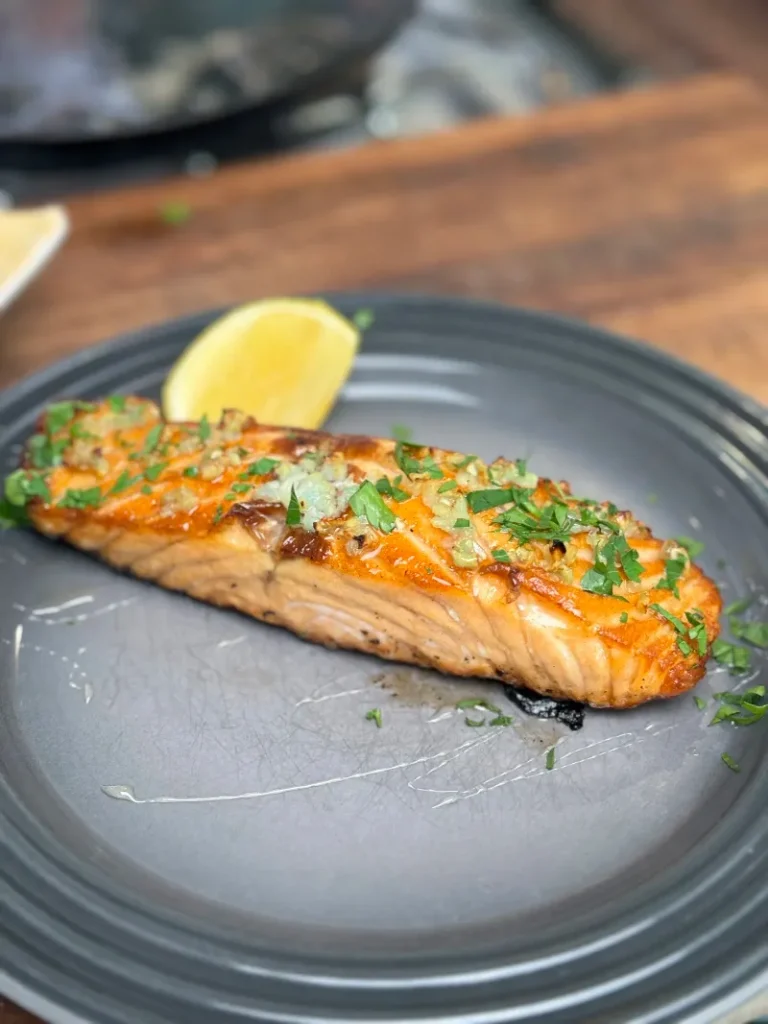
Salmon is not typically on the blood sugar radar, but it absolutely should be. Its omega-3 fatty acids reduce inflammation and improve insulin sensitivity in a meaningful way.
Research shows that people who eat fatty fish regularly tend to have better blood glucose control and lower rates of metabolic syndrome. The high protein content also slows digestion and prevents glucose spikes after meals.
Aim for two servings of salmon per week. Bake it, grill it, or flake it into grain bowls and salads for an easy protein boost.
16. Sardines
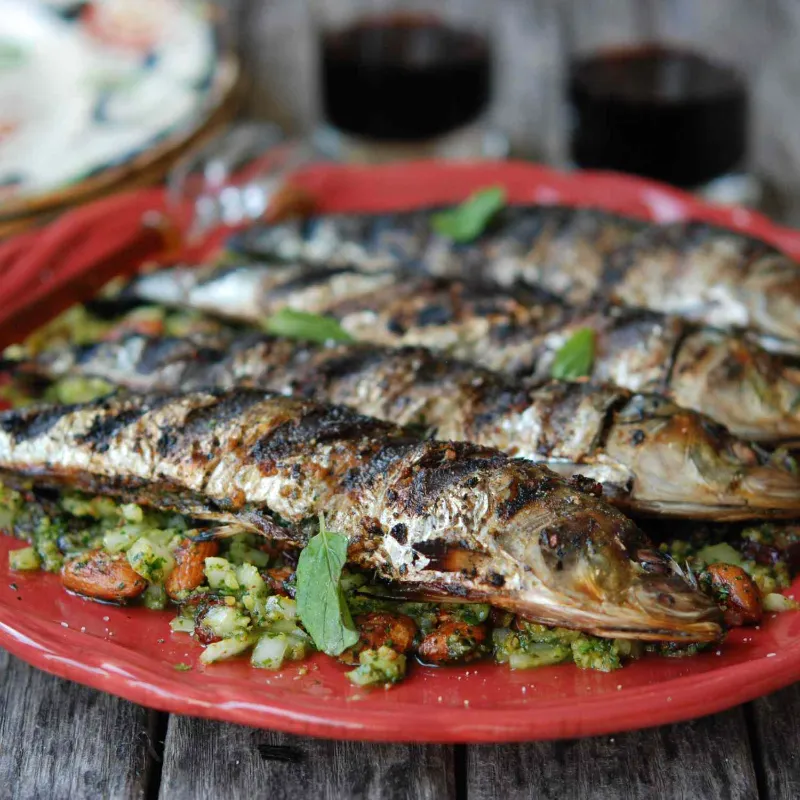
Sardines are possibly the most underrated food for blood sugar and overall metabolic health. They pack more omega-3s per ounce than almost any other fish, along with a hefty dose of protein and vitamin D.
Low vitamin D levels are strongly linked to insulin resistance, so getting more from food and sunlight matters. Sardines are also one of the most sustainable and affordable fish options available.
Try them on whole grain crackers with mustard, toss them into pasta, or add them to a salad with olives and tomatoes. Give them a chance before you write them off.
17. Garlic
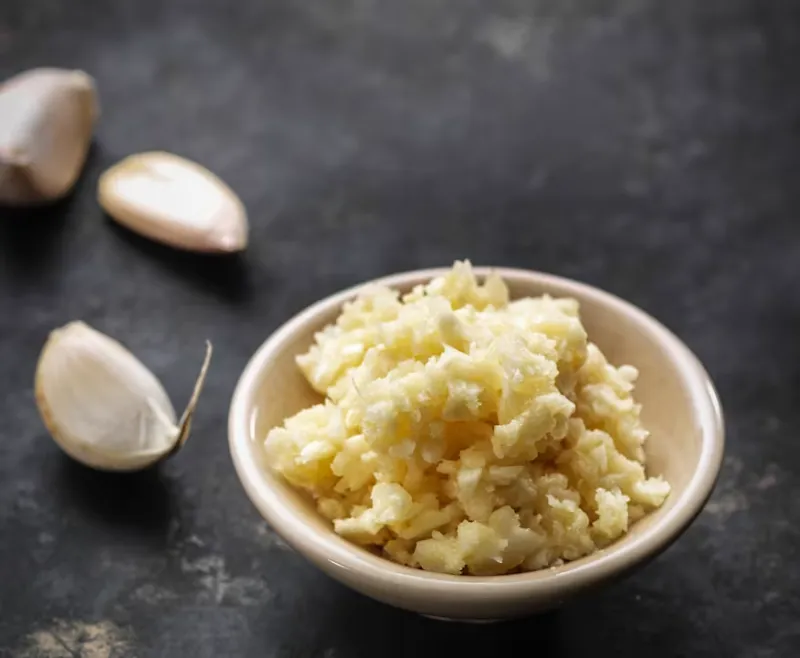
Garlic has been used medicinally for thousands of years, and modern science is catching up. Studies show that allicin, the active compound in garlic, can improve insulin sensitivity and lower fasting blood sugar levels.
One review of multiple studies found that garlic supplementation significantly reduced both blood sugar and cholesterol in people with type 2 diabetes. Raw garlic is more potent, but cooked garlic still delivers real benefits.
Use garlic generously in your cooking. Roast whole bulbs, mince it into sauces, or try adding raw garlic to dressings for maximum blood sugar impact.
18. Broccoli
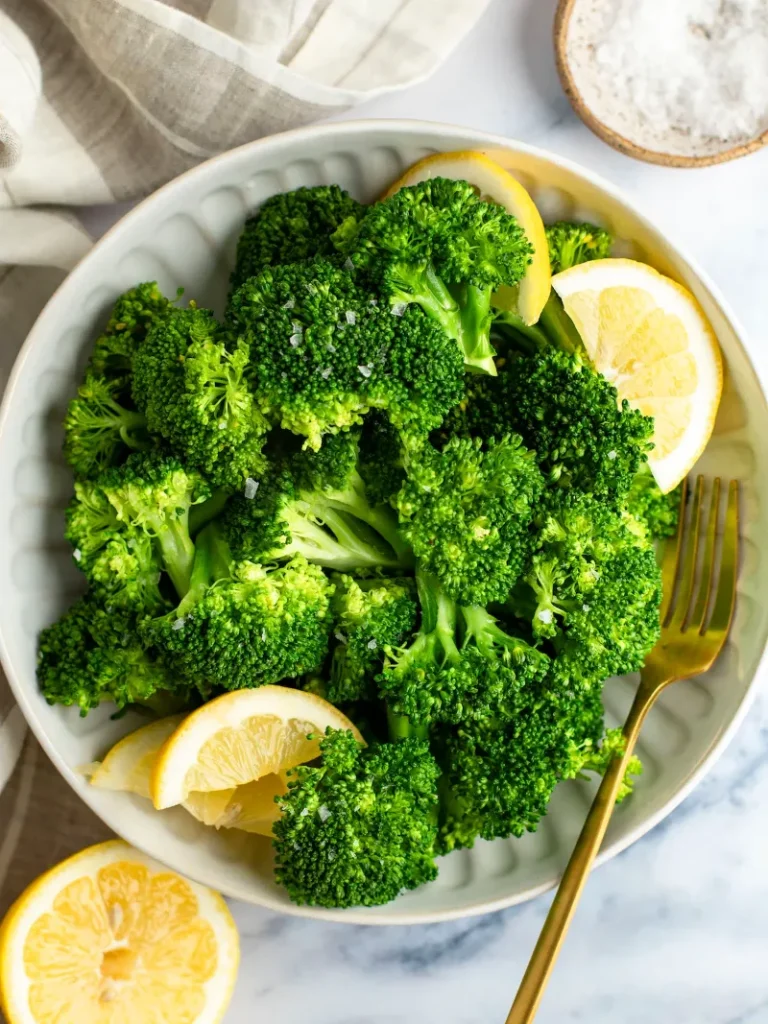
Broccoli contains a compound called sulforaphane, which has been shown in research to lower blood sugar and improve insulin resistance. It is one of the few vegetables with this specific anti-diabetic compound.
It is also loaded with fiber, vitamin C, and chromium, all of which support healthy glucose metabolism. For a non-starchy vegetable, broccoli packs an impressive nutritional punch.
Steam it, roast it at high heat for crispy edges, or eat it raw with hummus. However you eat it, broccoli is one of the most powerful vegetables for blood sugar on this list.
19. Brussels Sprouts
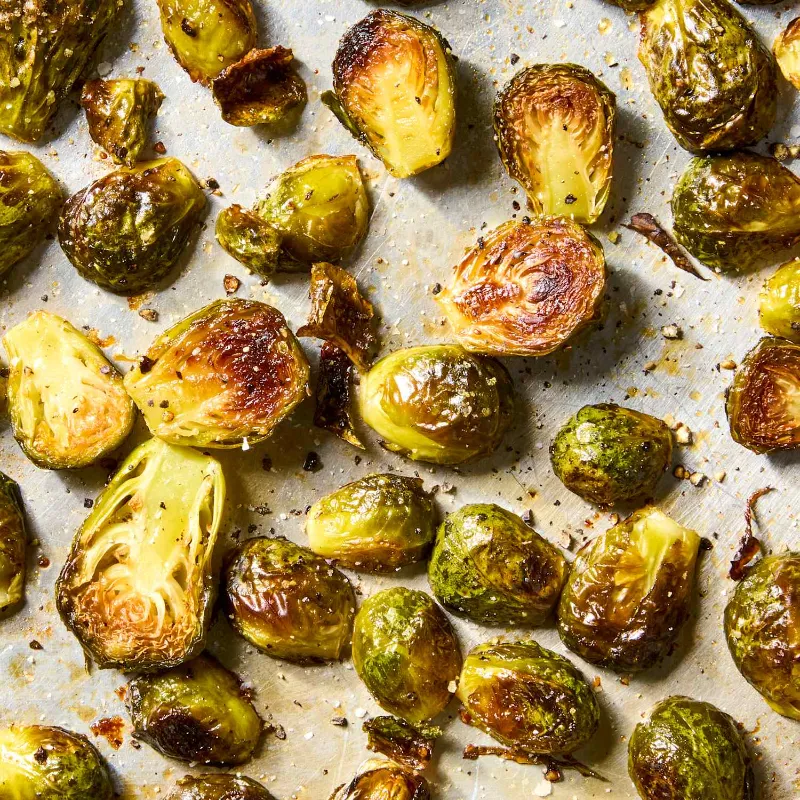
Brussels sprouts belong to the same cruciferous family as broccoli and share many of the same blood sugar benefits. They are rich in alpha-lipoic acid, an antioxidant that studies have shown can lower blood sugar and improve nerve function in diabetics.
Their high fiber content also helps slow the digestion of carbohydrates, keeping your glucose levels more even throughout the day. One cup has just 8 grams of carbs and 4 grams of fiber.
Roast them with olive oil and a pinch of sea salt until caramelized. Once you try them this way, you will wonder why you ever avoided them.
20. Chia Seeds
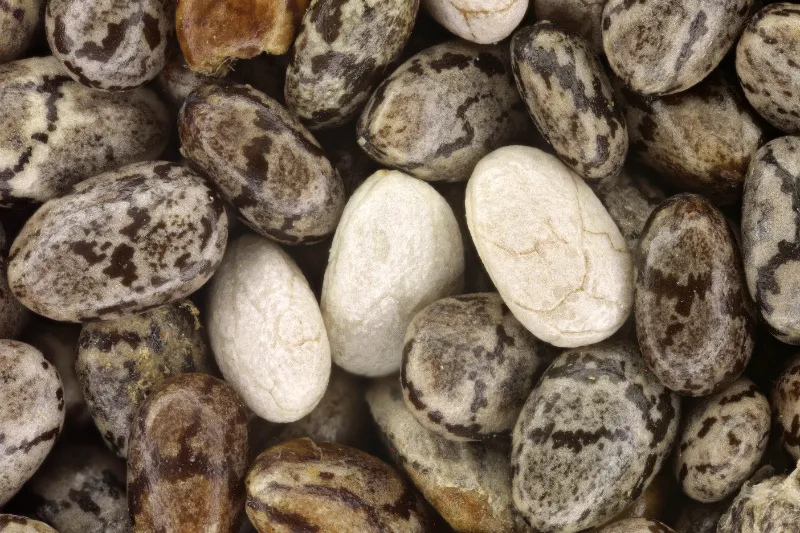
Chia seeds are tiny but tremendously powerful for blood sugar control. When they absorb liquid, they form a thick gel that dramatically slows digestion and reduces the glycemic impact of any meal.
Studies show that chia seeds can reduce post-meal blood sugar spikes and improve insulin sensitivity over time. They also deliver a solid dose of omega-3 fatty acids, fiber, and protein in every tablespoon.
Stir them into yogurt, overnight oats, or smoothies. Make a simple chia pudding by soaking two tablespoons in a cup of almond milk overnight for an easy breakfast.
21. Flaxseeds
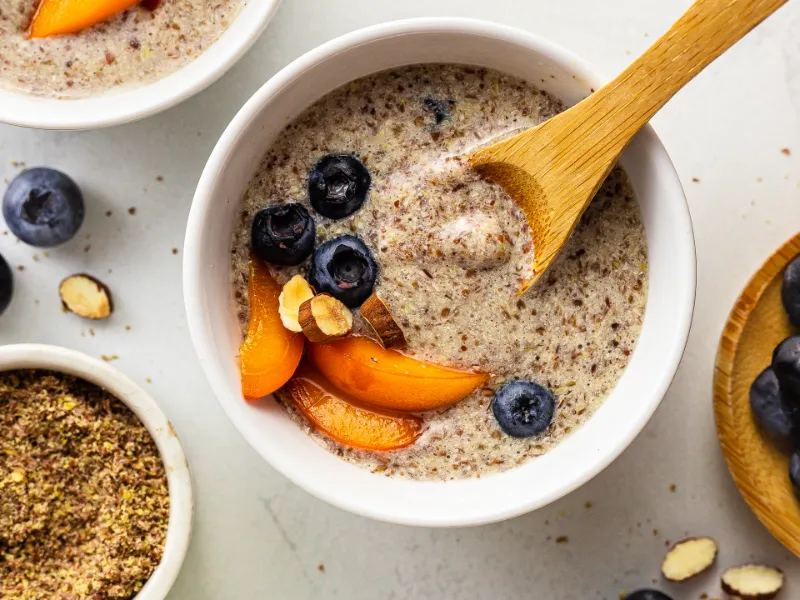
Flaxseeds are rich in lignans, a type of plant compound that research shows can improve insulin sensitivity and lower fasting blood glucose. They are also one of the best plant sources of omega-3 fatty acids.
The soluble fiber in flaxseeds slows sugar absorption just like chia seeds do. One study found that eating ground flaxseed daily for three months led to significant reductions in blood sugar.
Use ground flaxseed rather than whole, since your body absorbs it much better. Stir a tablespoon into smoothies, oatmeal, or yogurt every morning.
22. Greek Yogurt

Full-fat Greek yogurt is one of the most satisfying blood sugar friendly foods you can eat. Its combination of protein and probiotics makes it uniquely effective for glycemic control.
Research shows that the probiotic bacteria in yogurt can improve gut health in ways that positively affect insulin sensitivity. The protein content also helps slow gastric emptying, meaning glucose enters your bloodstream more slowly.
Choose plain, full-fat Greek yogurt and sweeten it yourself with berries or a drizzle of honey. Avoid the flavored varieties, which are often packed with added sugar.
23. Bitter Melon
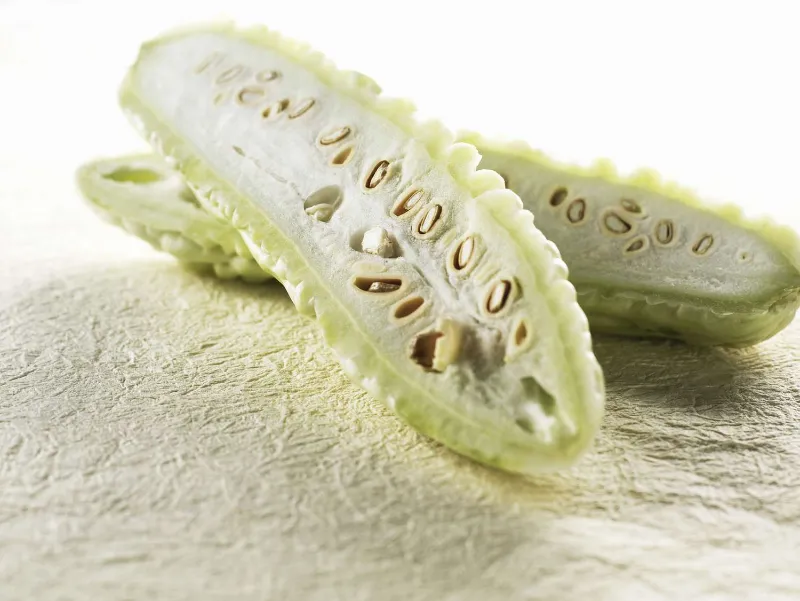
Bitter melon is used in traditional medicine across Asia, Africa, and the Caribbean to manage blood sugar, and science supports the practice. It contains at least three active compounds that act similarly to insulin in the body.
Studies have found that bitter melon can lower fasting blood glucose and improve glucose tolerance in people with type 2 diabetes. It is one of the most direct food-based tools for blood sugar management available.
You can find it at Asian grocery stores. Try it stir-fried with garlic and eggs, which is a classic preparation that balances out its intense bitterness.
24. Fenugreek
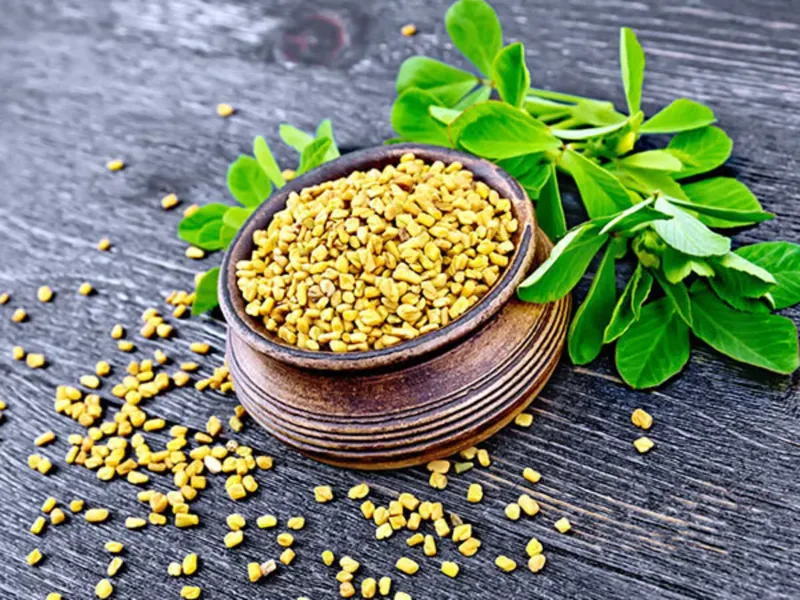
Fenugreek seeds are loaded with soluble fiber and a unique amino acid called 4-hydroxyisoleucine, both of which have been shown to directly improve insulin function. Studies have found that fenugreek can significantly reduce both fasting and post-meal blood sugar levels.
It is widely used in Indian cooking and is increasingly available in health food stores across the US. You can use it as a spice or take it as a supplement.
Soak fenugreek seeds overnight and eat them first thing in the morning. Or use ground fenugreek as a spice in curries, roasted vegetables, and spice rubs for meat.
25. Turmeric
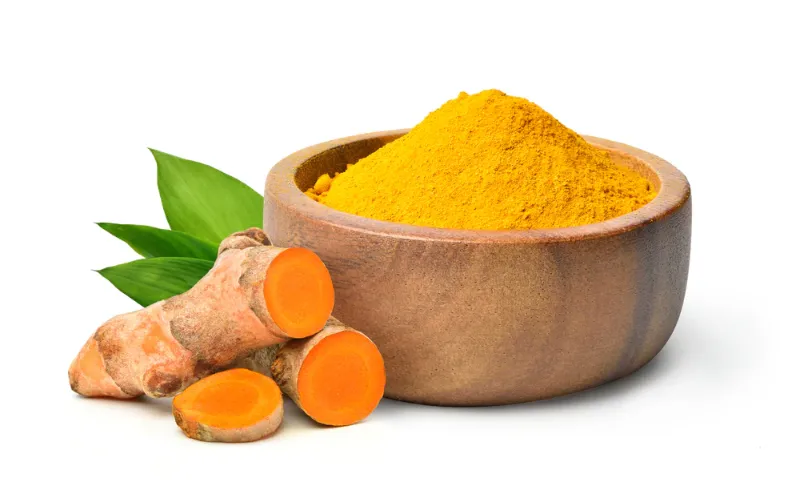
Turmeric’s active compound, curcumin, is one of the most well-studied natural anti-inflammatory agents. Chronic inflammation is a major driver of insulin resistance, which is why turmeric is so relevant for blood sugar health.
Research shows that curcumin can improve insulin sensitivity, reduce fasting blood glucose, and even lower A1C levels in people with prediabetes. One study found it may even help prevent the progression from prediabetes to type 2 diabetes.
Add turmeric to soups, scrambled eggs, rice, or golden milk lattes. Pair it with black pepper, which contains piperine and boosts curcumin absorption by up to 2,000%.
26. Ginger
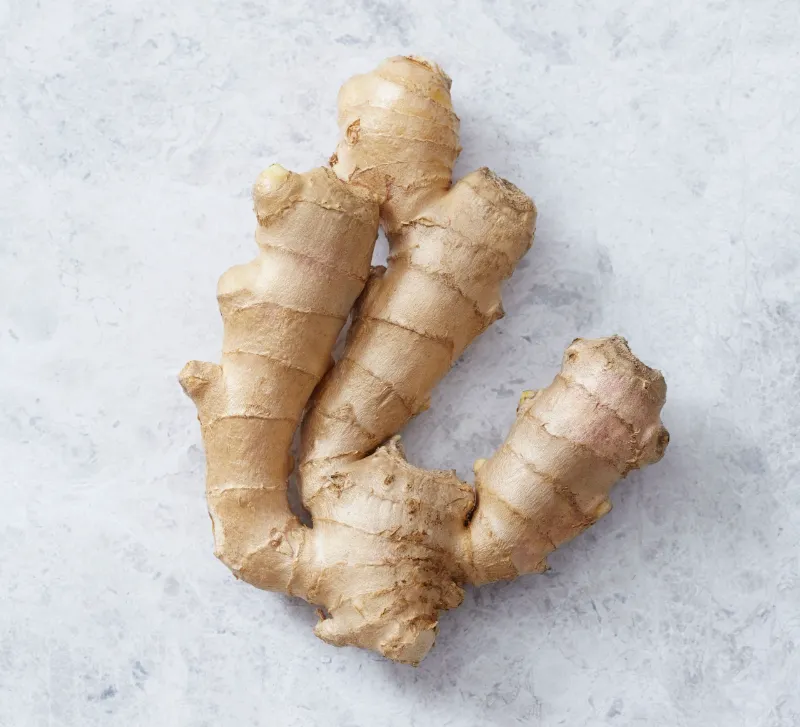
Fresh ginger contains gingerols and shogaols, bioactive compounds with potent anti-inflammatory and blood sugar lowering effects. Research suggests ginger can improve insulin sensitivity and lower fasting blood glucose over time.
One clinical study found that participants who took ginger supplements for 12 weeks had meaningfully lower fasting blood sugar and A1C levels compared to those who did not. It also helps with digestion, which indirectly supports better glucose regulation.
Grate fresh ginger into stir-fries, teas, and dressings. It adds a bright, spicy warmth that makes every dish feel alive and intentional.
27. Okra
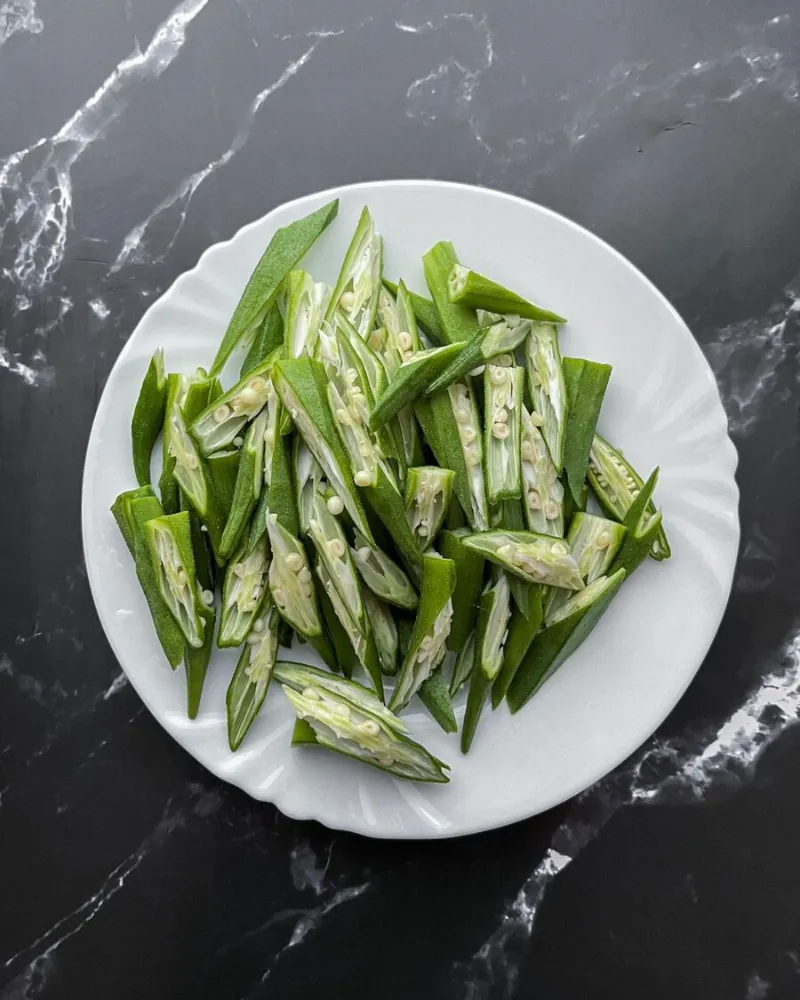
Okra might not be the first vegetable you reach for, but it has a surprising reputation in blood sugar research. It contains compounds called polyphenols and flavonoids that have been shown to inhibit enzymes involved in glucose absorption.
The thick, gel-like substance in okra, known as mucilage, slows the rate at which sugar is absorbed into the bloodstream after eating. Studies in animal models have shown promising blood sugar lowering effects, with human research following close behind.
Roast sliced okra until crispy to avoid the slimy texture that puts most people off. It pairs beautifully with tomatoes, garlic, and spices in Southern-style cooking.
28. Artichokes
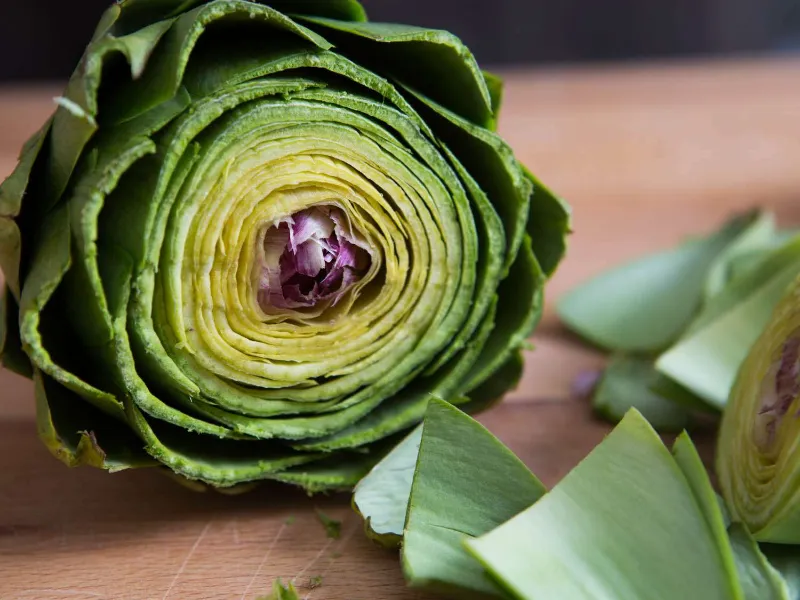
Artichokes are packed with cynarin, a compound that stimulates bile production and helps regulate glucose metabolism in the liver. They are also one of the highest-fiber vegetables you can eat, with one medium artichoke delivering about 7 grams of fiber.
Research suggests that artichoke leaf extract can significantly reduce fasting blood sugar and insulin levels. Their prebiotic fiber also feeds beneficial gut bacteria that influence how your body processes glucose.
Steam whole artichokes and dip the leaves in olive oil and lemon. Or use canned artichoke hearts in pasta, salads, and grain bowls for an easy weeknight shortcut.
29. Pumpkin Seeds
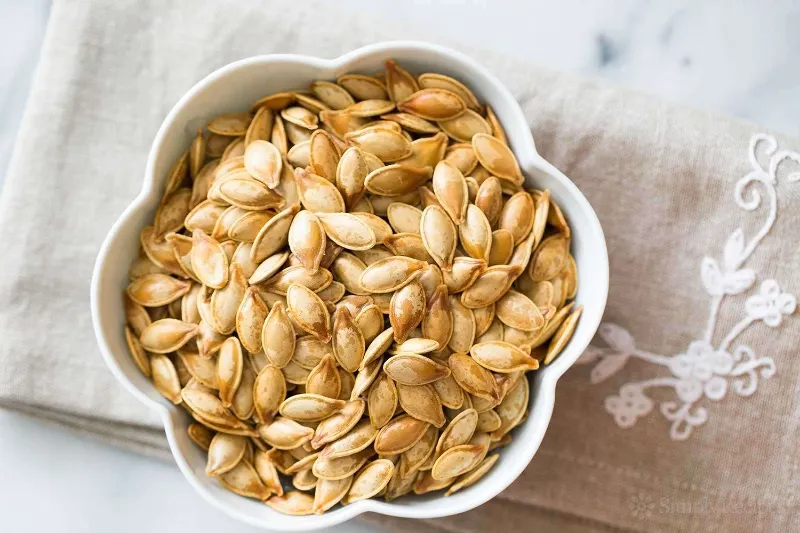
Pumpkin seeds are an outstanding source of magnesium, with just one ounce providing about 40% of your daily needs. Since magnesium plays a direct role in over 300 enzymatic reactions, including glucose metabolism, this matters a lot.
Studies show that people with higher magnesium intake have a significantly lower risk of developing type 2 diabetes. Pumpkin seeds also deliver zinc, which is involved in insulin production and secretion.
Eat them raw as a snack, toss them into salads, or sprinkle them over oatmeal and soups. They are one of the most nutrient-dense seeds you can add to your regular rotation.
30. Barberries
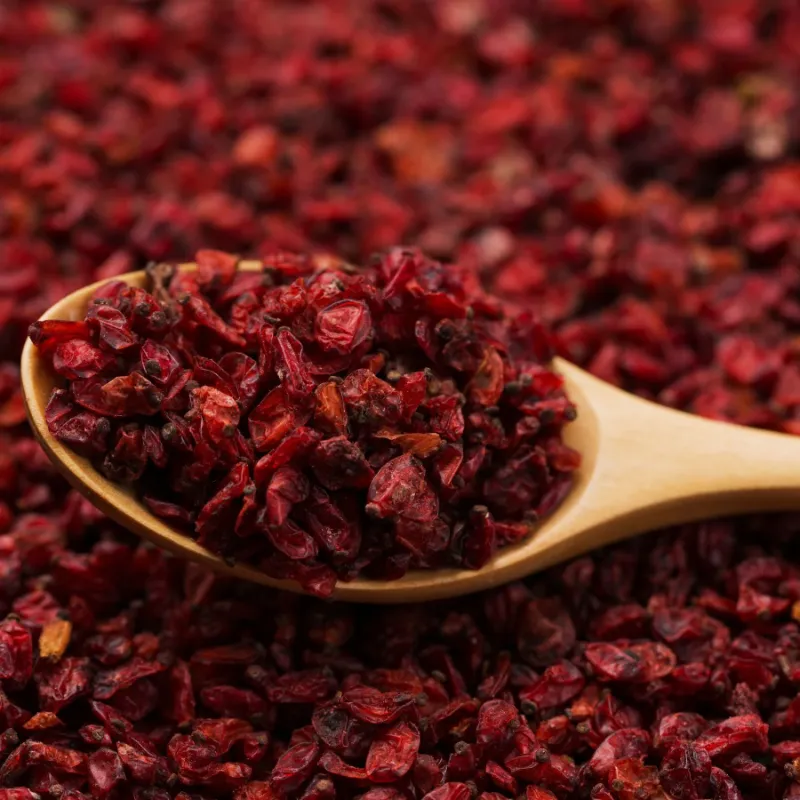
Barberries are small, tart red berries that are incredibly rich in berberine, a naturally occurring compound with remarkable blood sugar lowering properties. Research shows that berberine activates an enzyme called AMPK, which regulates how the body uses glucose, essentially working like a natural metformin.
Multiple studies have found berberine to be as effective as certain diabetes medications for lowering blood sugar and A1C. Barberries are one of the richest natural food sources of this compound.
Look for dried barberries at Middle Eastern or specialty grocery stores. They are used widely in Persian rice dishes and make a tangy, delicious addition to grain salads.
31. Asparagus
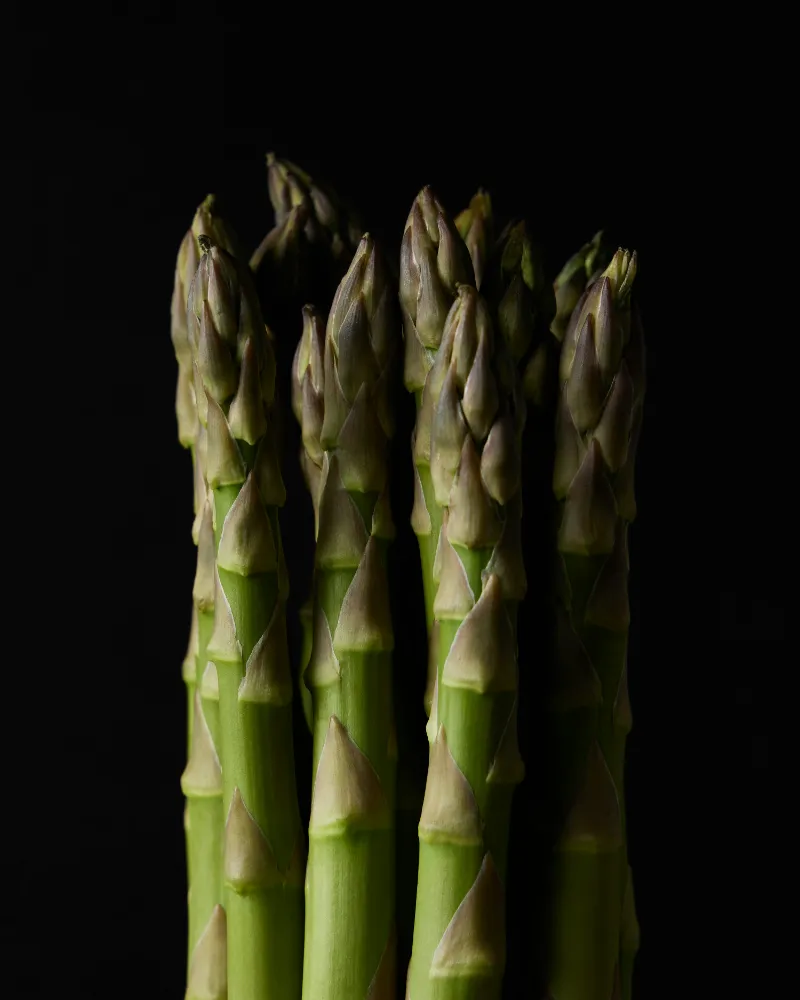
Asparagus is a natural prebiotic food, meaning it feeds the good bacteria in your gut that influence how your body processes and responds to glucose. It also contains a unique carbohydrate called inulin, which does not spike blood sugar at all.
Research suggests that asparagus may stimulate insulin production and improve the function of beta cells in the pancreas, the very cells responsible for making insulin. It is also low in calories and carbohydrates, making it an easy addition to any meal plan.
Roast asparagus spears with olive oil and garlic, or grill them quickly for a slightly smoky flavor. They cook in under 15 minutes and pair beautifully with fish, eggs, or whole grains.
32. Cabbage
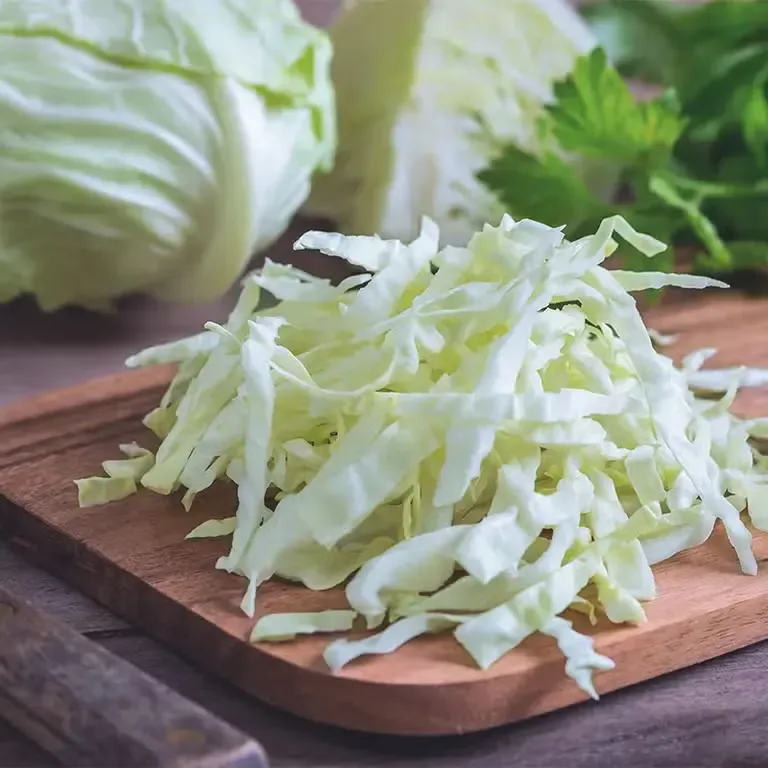
Cabbage is one of the most affordable and underappreciated blood sugar friendly vegetables you can find. It is very low in carbohydrates and high in fiber, making it an excellent base for blood sugar stabilizing meals.
It is also rich in sulforaphane, the same compound found in broccoli that improves insulin sensitivity. Red cabbage in particular is packed with anthocyanins, the pigments shown to improve glucose metabolism.
Slice it raw into slaws, saute it with onions and apple cider vinegar, or use it as a low-carb wrap. It is crunchy, satisfying, and incredibly good for you.
33. Unripe Mango

This one surprises most people. While ripe mango is high in sugar, unripe green mango has a very different nutritional profile. It is rich in mangiferin, a natural plant compound shown in studies to improve insulin sensitivity and reduce blood sugar levels.
Unripe mango is also lower in fructose and higher in pectin, a type of soluble fiber that slows sugar absorption. It is widely eaten in South and Southeast Asian cuisines for this very reason.
Look for green mango at Asian or Latin grocery stores. Slice it thinly and toss it with lime juice, chili flakes, and a pinch of salt for a refreshing salad that doubles as a blood sugar ally.
Final Thoughts
You do not need a dramatic overhaul to start supporting your blood sugar. Adding even five or six of these foods to your weekly routine can make a real, measurable difference over time.
Start small, stay consistent, and remember that every meal is a chance to nourish your body. Pick a few favorites from this list, experiment in the kitchen, and enjoy the journey to feeling better one bite at a time.
