
24 Life-Changing Foods To Lower Cortisol Levels You Should Never Ignore

Stress has a way of sneaking into everything, your sleep, your mood, your waistline, and even your immune system. A lot of that damage is driven by one hormone: cortisol.
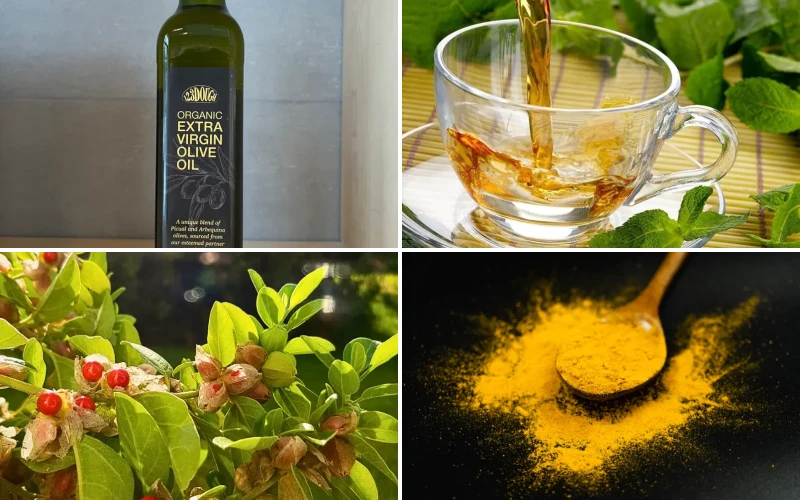
The good news? What you eat plays a surprisingly powerful role in keeping cortisol in check. These 24 foods are backed by science, easy to find at any grocery store, and genuinely delicious. Let’s get into it.
1. Dark Chocolate
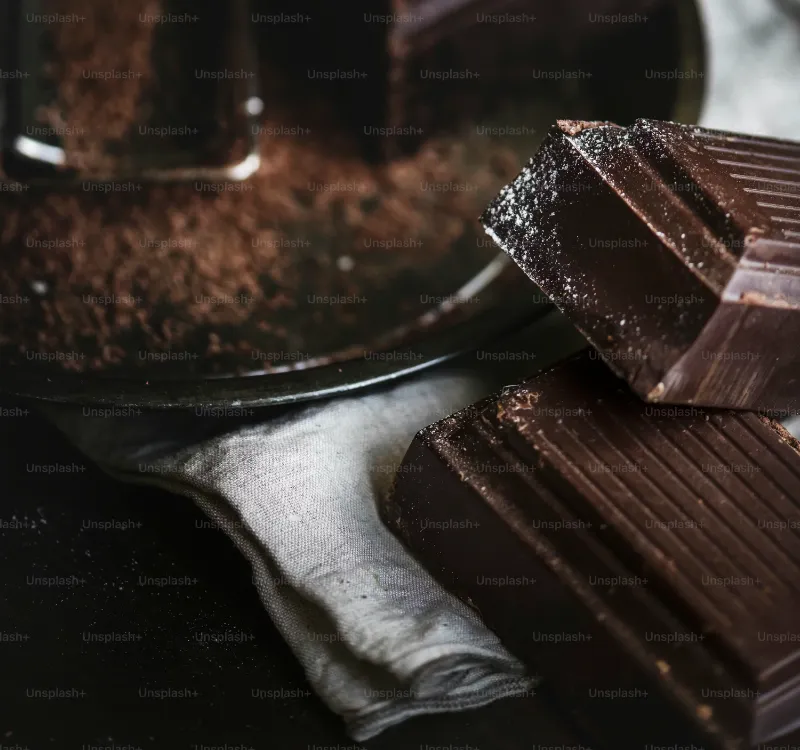
Yes, you read that right. Dark chocolate is not just a treat, it is an actual stress-fighting tool.
Cocoa is rich in flavonoids, plant compounds that have been shown to reduce cortisol levels and lower blood pressure. A study published in the Journal of the American College of Cardiology found that regular consumption of dark chocolate was linked to reduced stress hormones in the body.
The key is to go for chocolate that is at least 70% cacao. A square or two in the afternoon is all you need. Think of it as medicine that actually tastes amaz
2. Blueberries
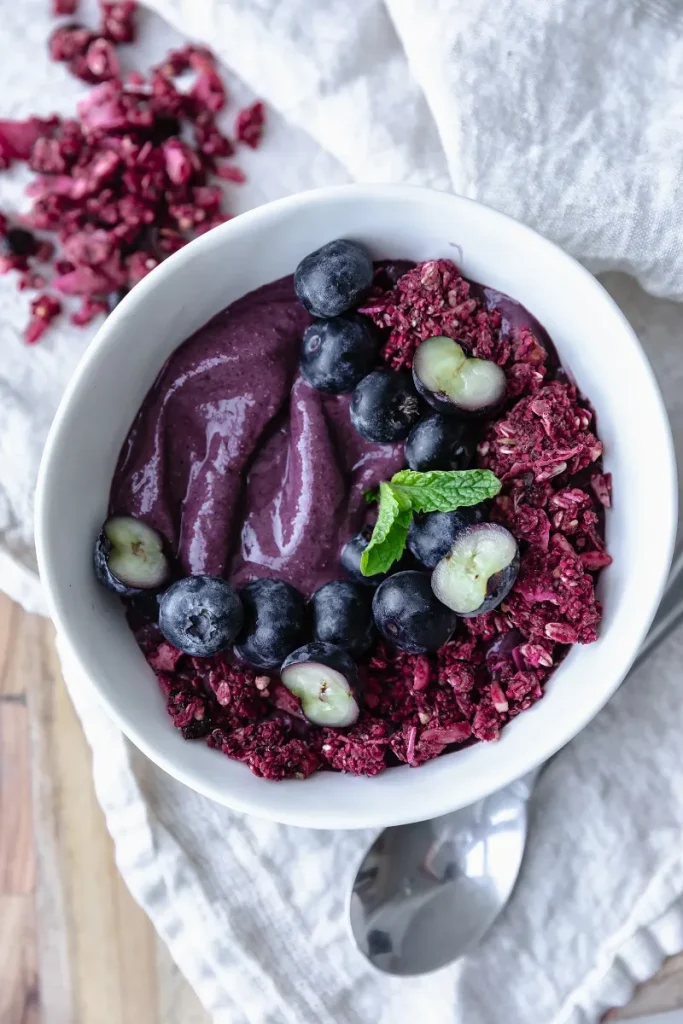
These tiny berries pack a serious punch when it comes to managing stress at the cellular level.
Blueberries are loaded with antioxidants, especially anthocyanins, the compounds that give them their deep blue color. Research shows that antioxidants help counteract oxidative stress, which is one of the biological side effects of elevated cortisol.
Toss a handful into your morning oatmeal, blend them into a smoothie, or just snack on them straight from the container. Fresh or frozen, they work just as well either way.
3. Avocado
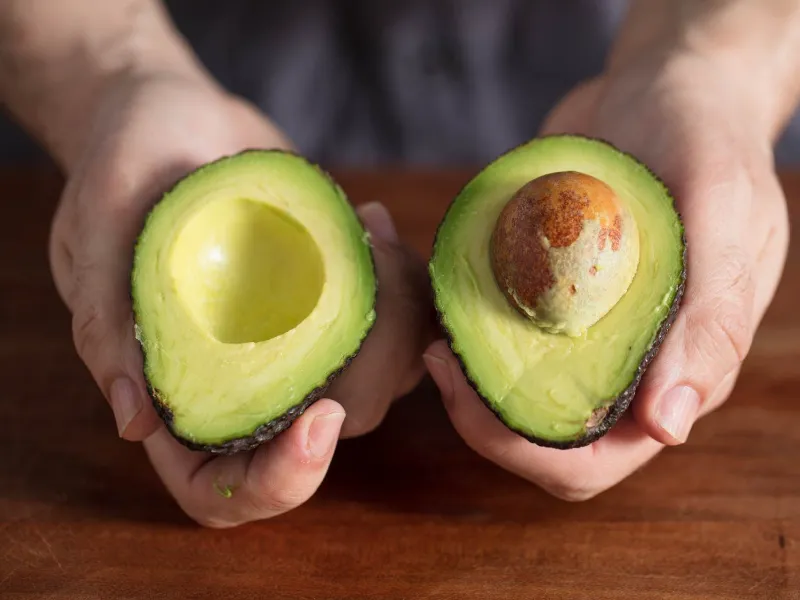
Avocados are basically nature’s stress-relief cream, except you eat them instead of applying them.
They are packed with potassium and healthy monounsaturated fats that support brain health and help regulate blood pressure, both of which take a hit when cortisol spikes. They also contain B vitamins, which your nervous system absolutely needs to stay calm and functional.
Spread it on toast, slice it into a salad, or scoop it straight out of the skin with a sprinkle of salt. Honestly, there is no wrong way to eat an avocado.
4. Salmon
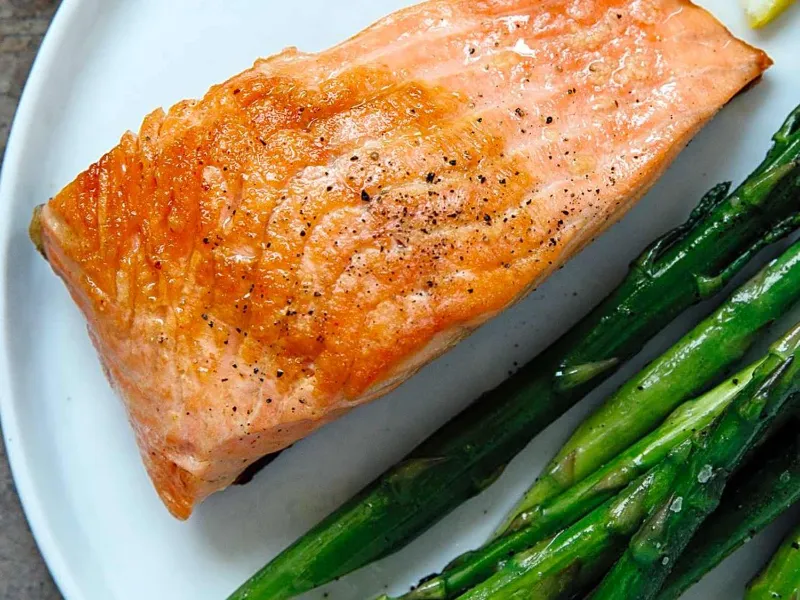
If there is one food your stress hormones genuinely fear, it is fatty fish like salmon.
Salmon is one of the richest dietary sources of omega-3 fatty acids, specifically EPA and DHA. These healthy fats have been shown in clinical studies to significantly reduce cortisol levels and lower the body’s inflammatory response to stress. A study published in Diabetes & Metabolism found that omega-3 supplementation blunted cortisol spikes in participants under mental stress.
Aim for two servings of salmon per week. Bake it, grill it, or pop open a can of wild-caught salmon for a quick, budget-friendly option.
5. Chamomile Tea
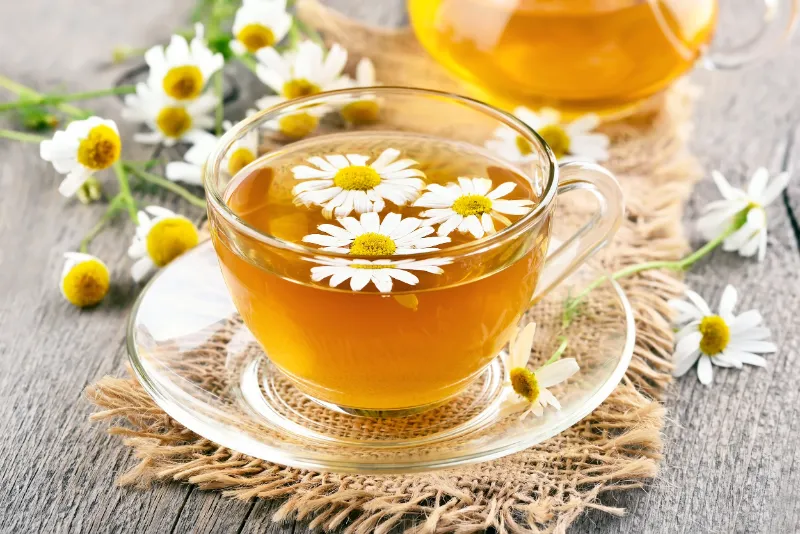
Sometimes the most powerful stress remedy is also the simplest one.
Chamomile tea has been used for centuries as a natural calming agent, and modern science is starting to catch up with tradition. It contains apigenin, an antioxidant that binds to certain receptors in your brain and promotes relaxation without making you groggy. Research also suggests it can lower cortisol levels and reduce generalized anxiety over time.
Brew a cup about an hour before bed and make it part of your wind-down routine. Think of it as a warm signal to your nervous system that it is time to relax.
6. Spinach
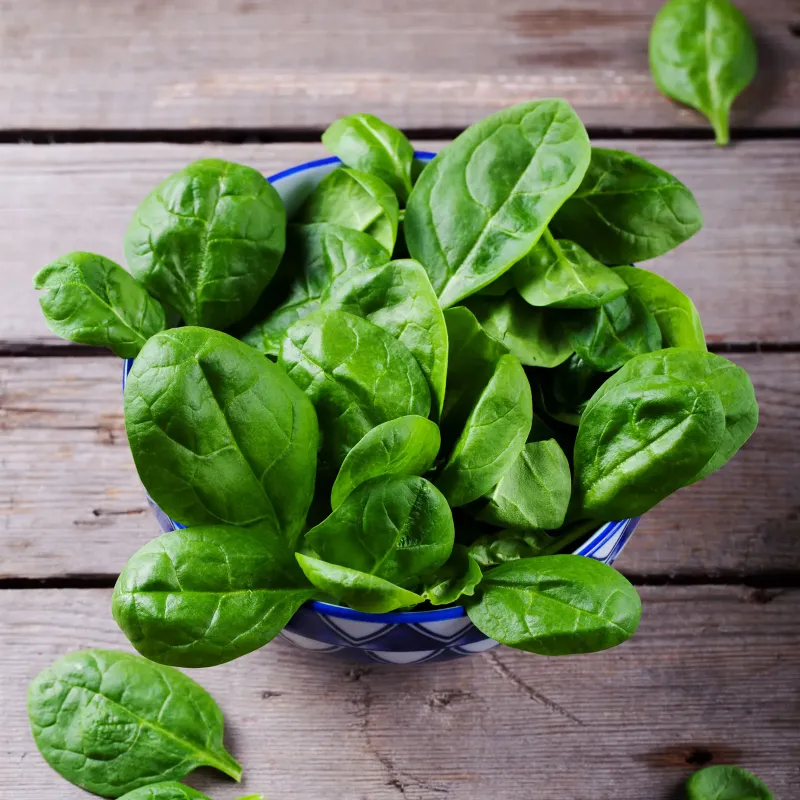
Spinach is one of the most underrated stress-fighting foods out there, and most people have no idea.
It is exceptionally high in magnesium, a mineral that plays a direct role in regulating the body’s cortisol response. Studies show that magnesium deficiency is linked to higher anxiety levels and elevated stress hormones. The frustrating truth is that most Americans do not get enough magnesium from their diet.
Add a couple of handfuls of spinach to smoothies (you will not taste it, promise), sauté it with garlic as a quick side dish, or toss it into pasta and soups. It is one of the easiest nutritional upgrades you can make.
7. Bananas
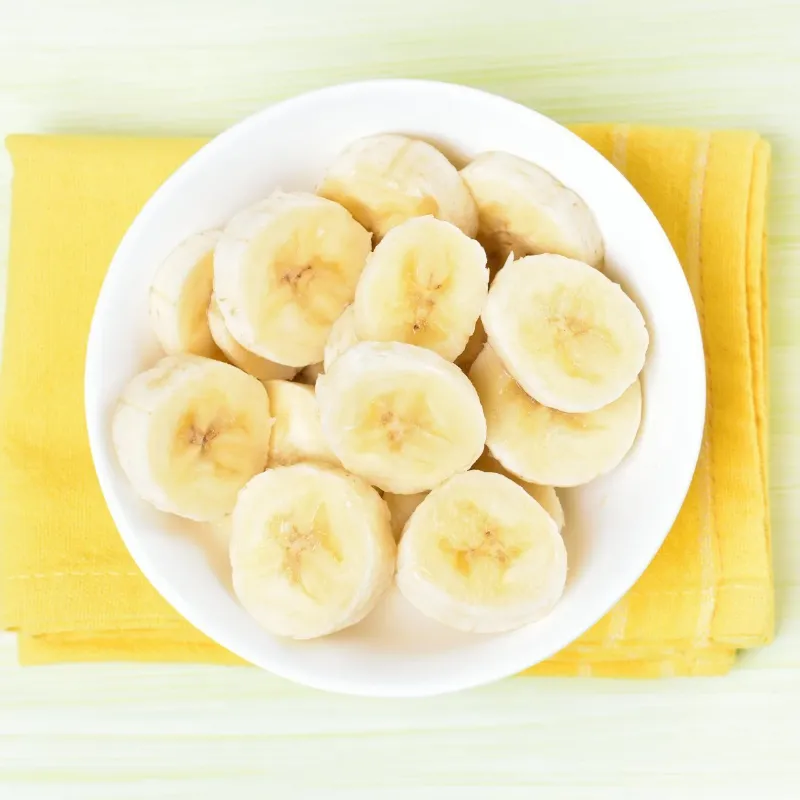
Bananas are cheap, portable, and surprisingly powerful when it comes to stress management.
They are rich in vitamin B6, which helps your brain produce serotonin and dopamine, the feel-good neurotransmitters that directly counter the effects of cortisol. They also provide potassium and natural sugars that give you a steady energy boost without the crash that comes from processed snacks.
Keep a bunch on your counter so you actually grab one when you need a quick snack. Pair it with almond butter for extra staying power and bonus stress-relief benefits.
8. Oats
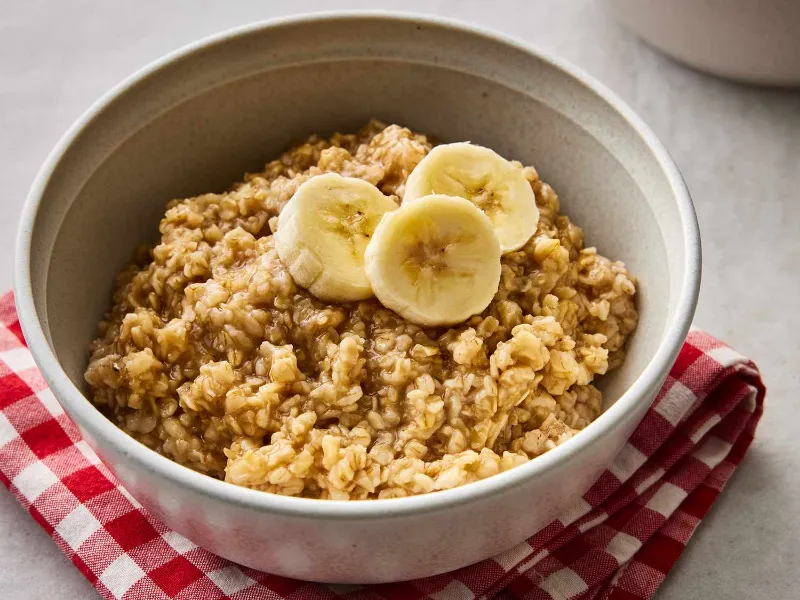
Starting your day with oats might be one of the best things you can do for your cortisol levels.
Oats are a complex carbohydrate, which means they digest slowly and help keep your blood sugar stable throughout the morning. That matters because blood sugar crashes are one of the fastest ways to trigger a cortisol spike. Oats also promote the production of serotonin, helping you feel calm and focused.
Go for steel-cut or old-fashioned rolled oats rather than the instant packets loaded with sugar. Top them with blueberries, chia seeds, and a drizzle of honey for a genuinely powerful anti-stress breakfast.
9. Turmeric
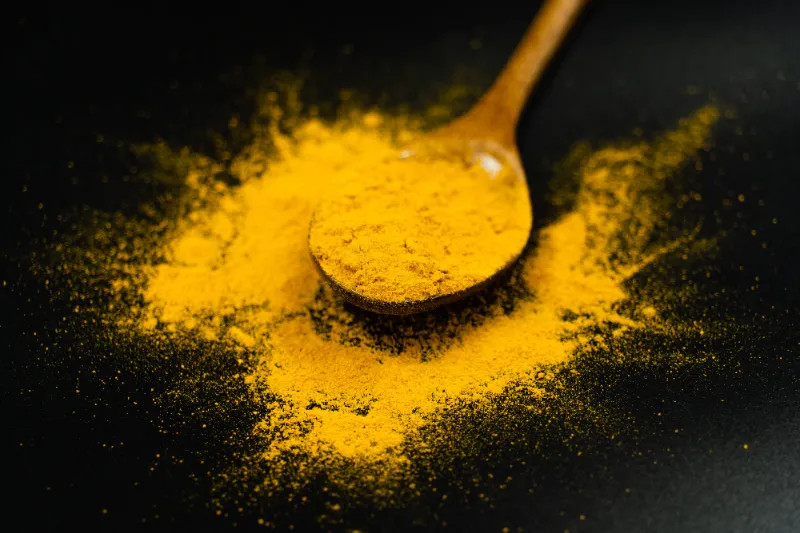
Turmeric has gone from obscure spice to wellness superstar, and honestly, the hype is deserved.
Its active compound, curcumin, is one of the most studied anti-inflammatory substances in the world. Chronic inflammation and high cortisol go hand in hand, so reducing inflammation is a direct way to take pressure off your stress response system. Multiple studies have shown that curcumin can lower cortisol levels and even improve symptoms of anxiety and depression.
Add it to scrambled eggs, stir it into soups, or make a warm golden milk latte with turmeric, oat milk, and a pinch of black pepper. That last part is important because black pepper increases curcumin absorption by up to 2,000%.
10. Green Tea
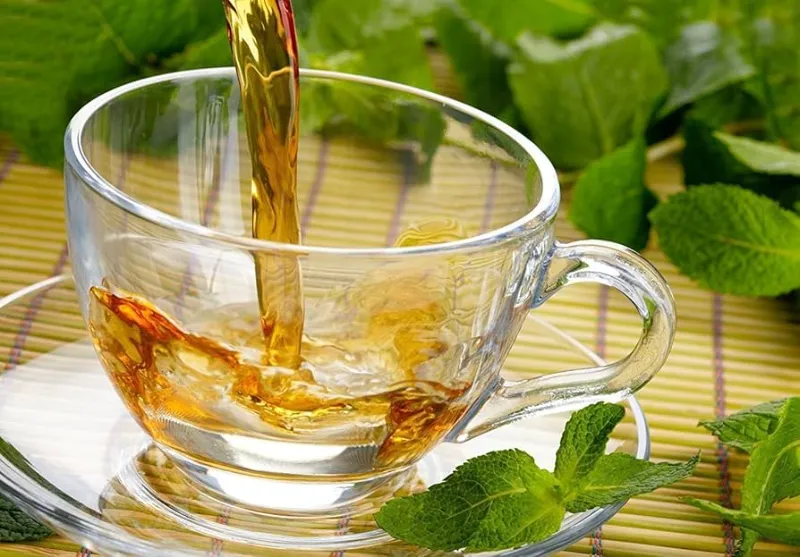
Green tea gives you a calm, focused kind of energy that coffee simply cannot match.
The reason is L-theanine, an amino acid found almost exclusively in tea leaves. L-theanine promotes alpha brain waves, the ones associated with a relaxed but alert mental state, and it actively reduces the cortisol response to stress. Combined with a modest amount of caffeine, it creates what many people describe as a smooth, anxiety-free energy boost.
Swap your second cup of coffee for a mug of green tea and notice the difference within a few days. Matcha, which is powdered green tea, delivers an even higher concentration of L-theanine.
11. Almonds
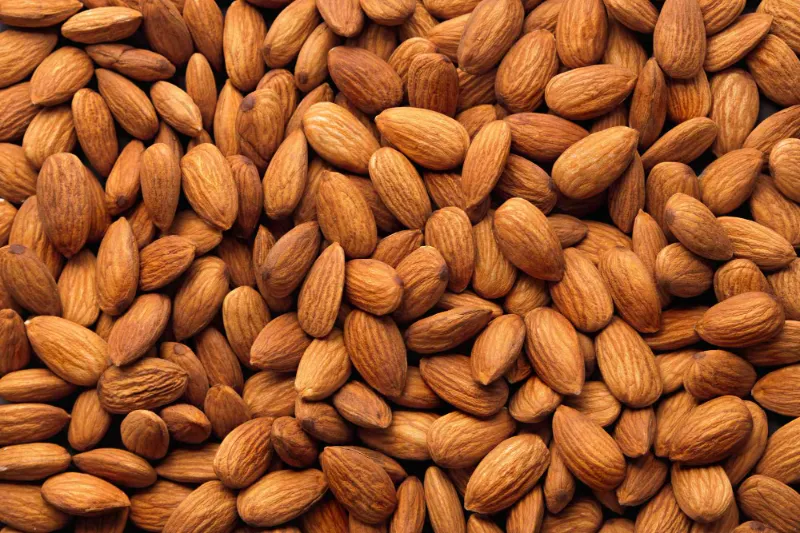
Almonds are one of the most stress-protective snacks you can keep within arm’s reach.
They are rich in vitamin E, an antioxidant that helps protect your body from the oxidative damage that cortisol causes over time. They also deliver magnesium, healthy fats, and B vitamins, all of which support a healthy stress response. Research suggests that regular nut consumption is associated with lower cortisol levels and better mood regulation.
A small handful, about 23 almonds, is the ideal serving size. Keep a bag at your desk, in your gym bag, or in your car so you are never reaching for something worse when stress hits.
12. Sweet Potatoes
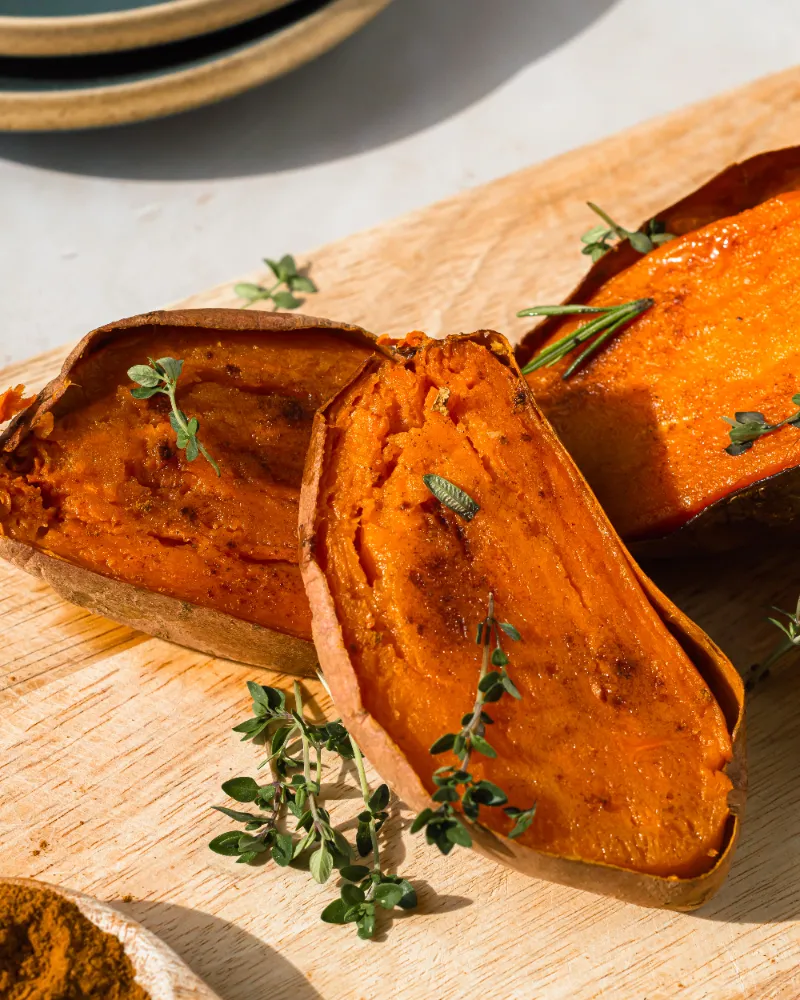
Sweet potatoes deserve way more credit than they get as a stress-busting food.
They are naturally rich in vitamin C, potassium, and complex carbohydrates, all of which help manage cortisol. Vitamin C in particular has impressive evidence behind it: studies have shown that it significantly lowers cortisol levels after stressful events and speeds up the body’s recovery from stress. The fiber in sweet potatoes also feeds beneficial gut bacteria, which brings its own calming benefits.
Roast a tray of sweet potato cubes on Sunday and use them throughout the week. They work in bowls, salads, and as a simple side dish with virtually any protein.
13. Broccoli
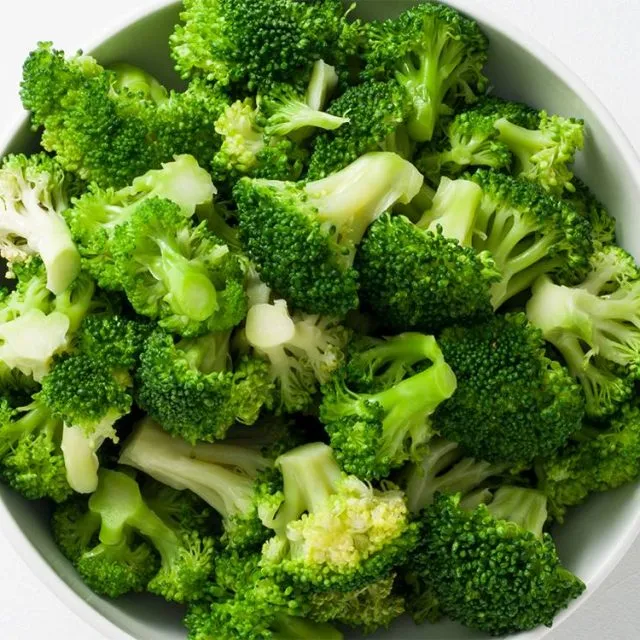
Broccoli is one of the most nutrient-dense vegetables you can put on your plate, and it has some surprising stress-fighting credentials.
It is loaded with vitamin C and folate, both of which are depleted rapidly during periods of high stress. It also contains sulforaphane, a compound that has been shown to have neuroprotective properties and may help reduce anxiety by interacting with stress pathways in the brain.
Roasted broccoli with a little olive oil and garlic is a game changer if you find steamed broccoli boring. Getting it into a slightly crispy, caramelized state makes it genuinely craveable.
14. Garlic
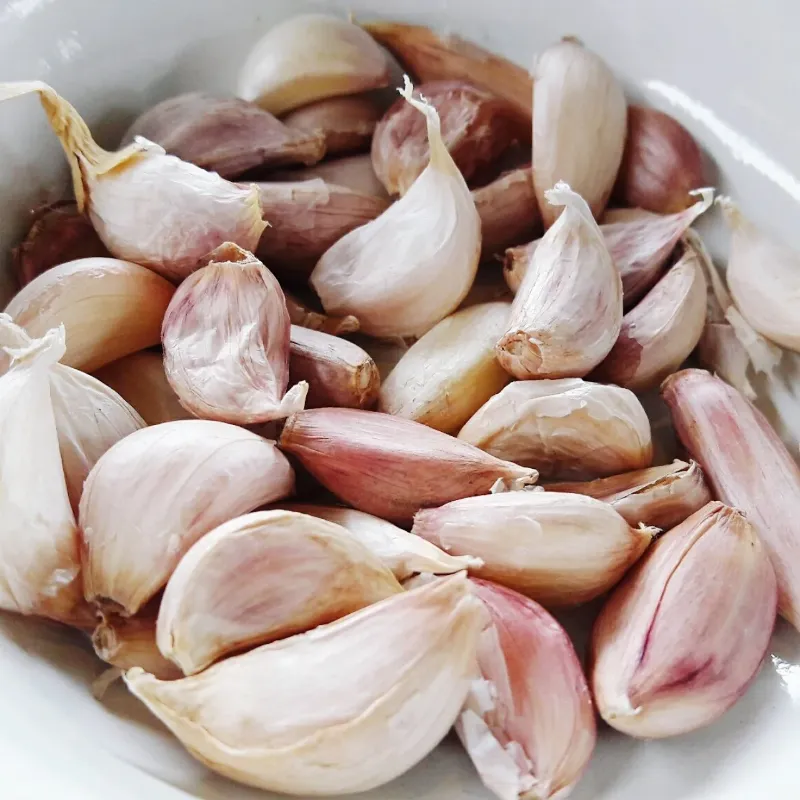
Garlic is not just for warding off vampires. It is also a legit stress reducer.
Garlic is packed with allicin, a compound released when garlic is chopped or crushed. Allicin has powerful antioxidant properties that help counteract the cellular damage caused by elevated cortisol. Some animal studies also suggest that garlic may directly inhibit cortisol synthesis in the adrenal glands, though more human research is still needed.
The good news is that garlic makes almost everything taste better. Sauté it into vegetables, stir it into sauces, or roast a whole head until it becomes a sweet, spreadable paste. Your taste buds and your stress levels will both thank you.
15. Oranges
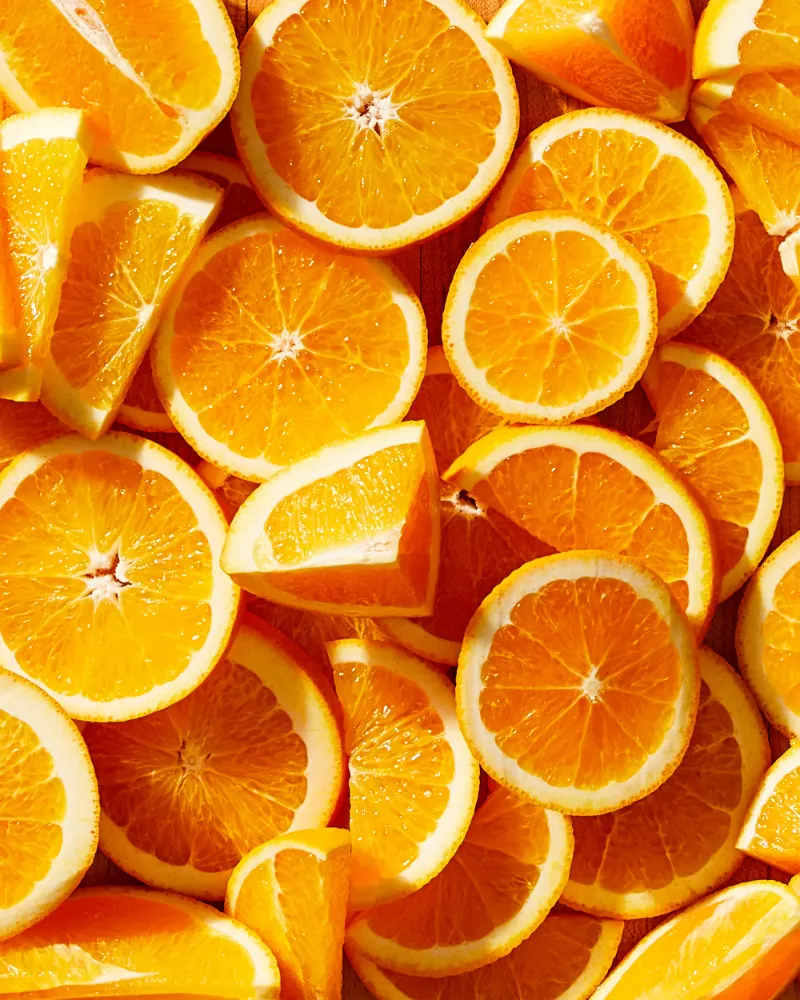
An orange a day might do just as much for your stress as it does for your immune system.
Oranges are one of the best dietary sources of vitamin C, and the connection between vitamin C and cortisol reduction is well established. A landmark study published in Psychopharmacology found that participants who supplemented with vitamin C had significantly lower cortisol spikes and faster recovery from acute stress tests compared to those who did not.
Keep a bowl of oranges on your counter so they are easy to grab. Clementines and tangerines work just as well and are even easier to peel when you are on the go.
16. Walnuts
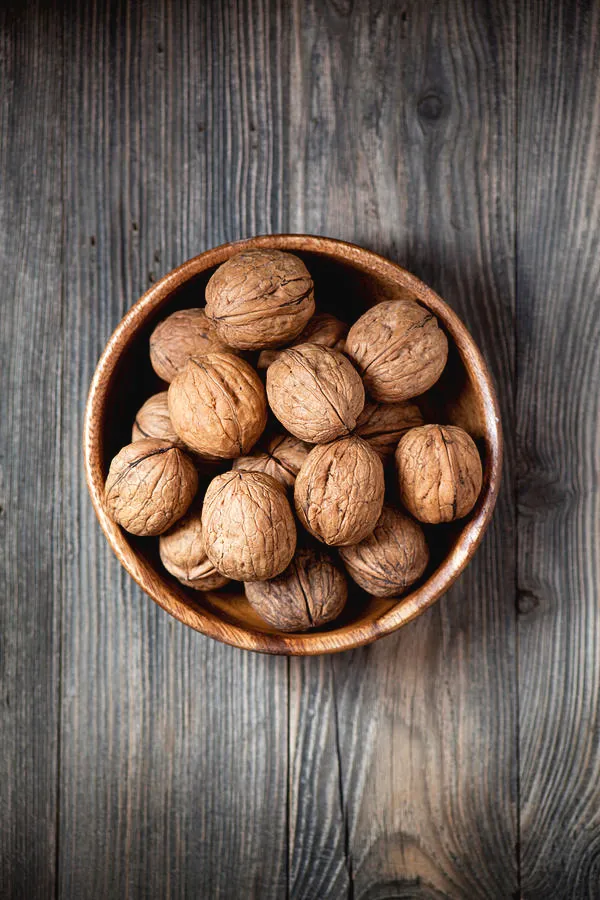
Walnuts are one of the rare plant foods that contain a meaningful amount of omega-3 fatty acids, specifically alpha-linolenic acid (ALA).
Like the omega-3s in salmon, these healthy fats help dampen the inflammatory response that comes with chronic stress and have been shown to lower cortisol levels over time. Walnuts also contain melatonin and polyphenols, which support better sleep, and poor sleep is one of the biggest drivers of elevated cortisol.
A small handful of walnuts as an afternoon snack is an easy habit to build. You can also chop them up and add them to oatmeal, yogurt, or salads for some extra crunch.
17. Yogurt (Probiotic)
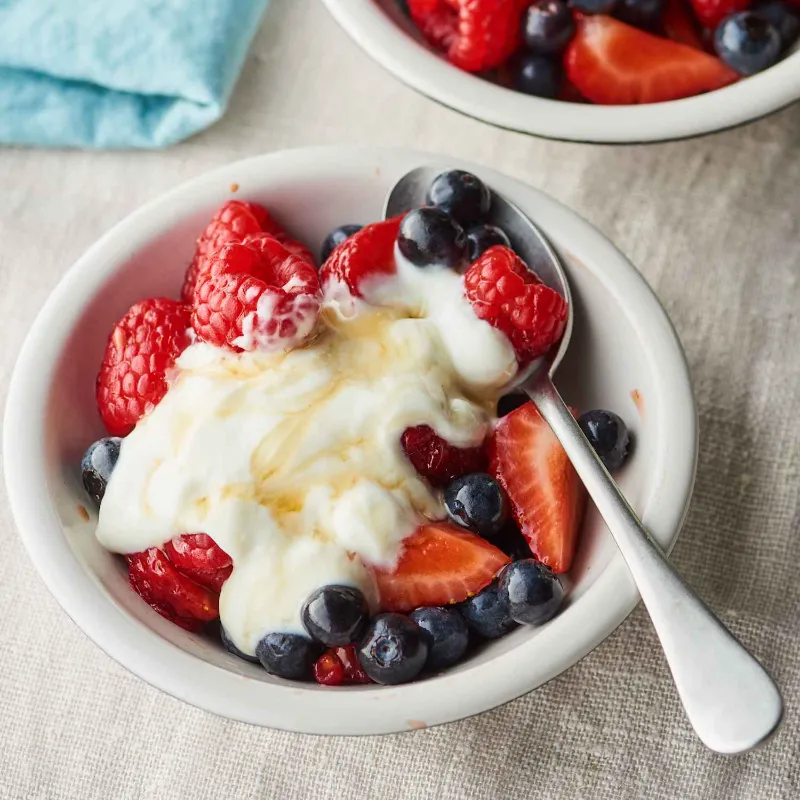
Your gut and your stress response are more connected than most people realize.
The gut-brain axis is a real, well-documented communication highway between your digestive system and your brain. Research increasingly shows that the health of your gut microbiome directly influences your cortisol levels and your psychological response to stress. Probiotic-rich foods like yogurt help keep beneficial gut bacteria thriving, which in turn supports a calmer stress response.
Look for yogurt that says “live and active cultures” on the label, and go for plain versions to avoid added sugar. Greek yogurt has the bonus of extra protein, which also helps stabilize blood sugar and keep cortisol steady.
18. Ashwagandha
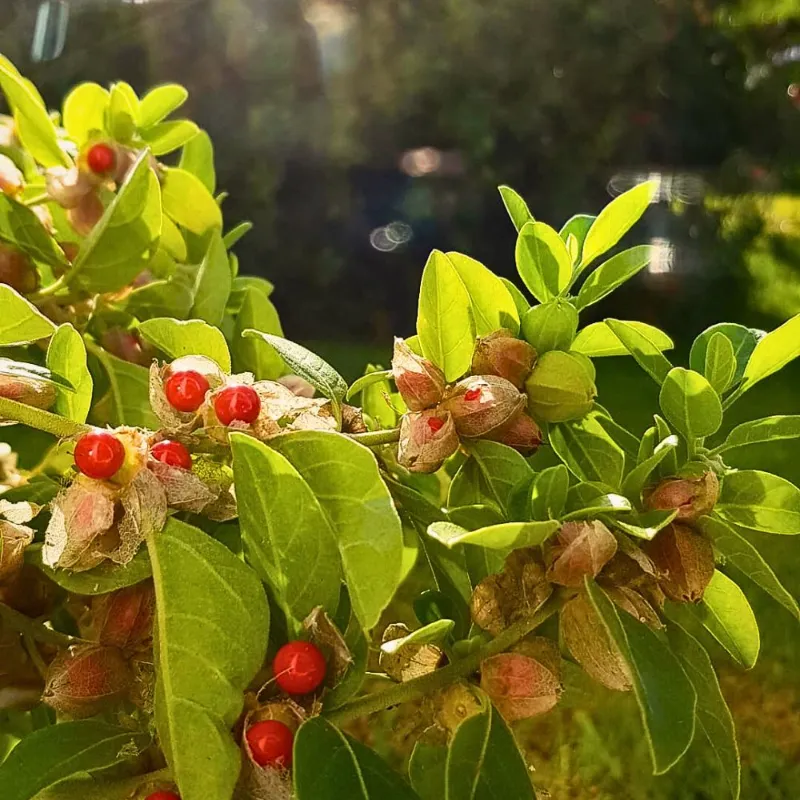
Ashwagandha is an ancient Ayurvedic herb that has become one of the most researched adaptogens in modern wellness science.
Adaptogens are substances that help your body adapt to stress, and ashwagandha is one of the most effective. A double-blind, randomized controlled trial published in the Indian Journal of Psychological Medicine found that participants who took ashwagandha root extract experienced a significant reduction in cortisol levels and reported feeling much less stressed and anxious after 60 days.
You can find ashwagandha as a powder, capsule, or in ready-made wellness shots. Add the powder to smoothies or warm milk for a calming evening drink that works overtime to quiet your stress hormones.
19. Olive Oil
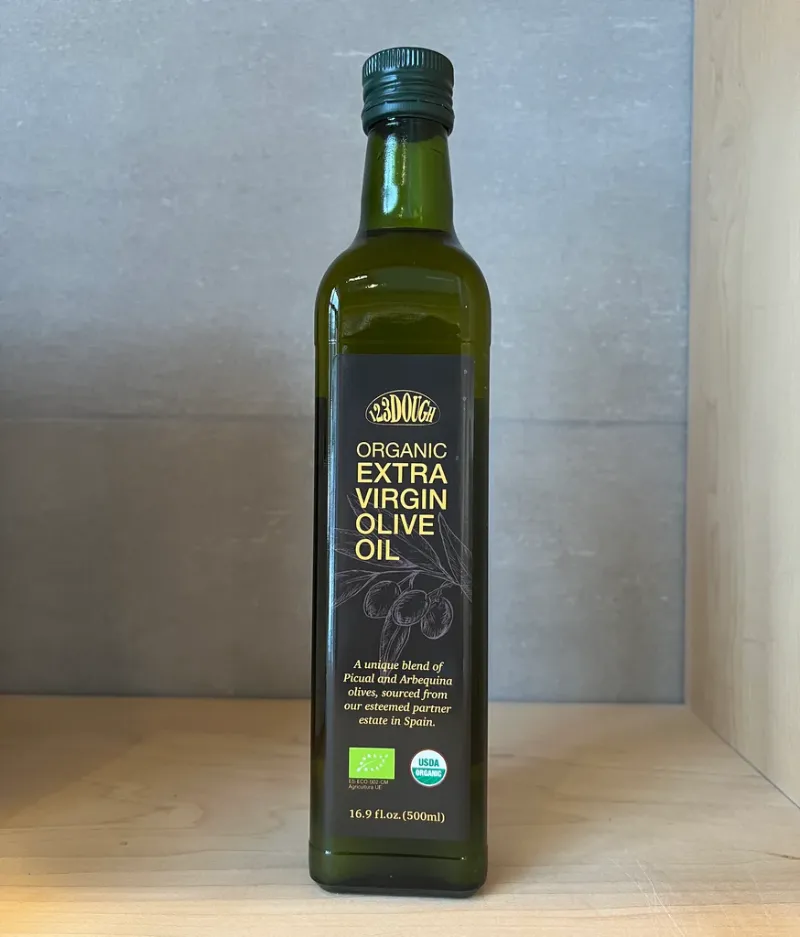
The Mediterranean diet is consistently ranked as one of the healthiest in the world, and olive oil is one of its cornerstones.
Extra virgin olive oil is rich in oleocanthal, a compound with anti-inflammatory properties similar to ibuprofen, and in polyphenols that protect against oxidative stress. Because chronic inflammation and cortisol are so closely linked, regularly using olive oil as your primary cooking fat can meaningfully support your body’s ability to manage stress over time.
Use it for cooking, drizzle it over salads, and dip bread into it. Go for extra virgin and store it away from heat and light to preserve its beneficial compounds.
20. Eggs
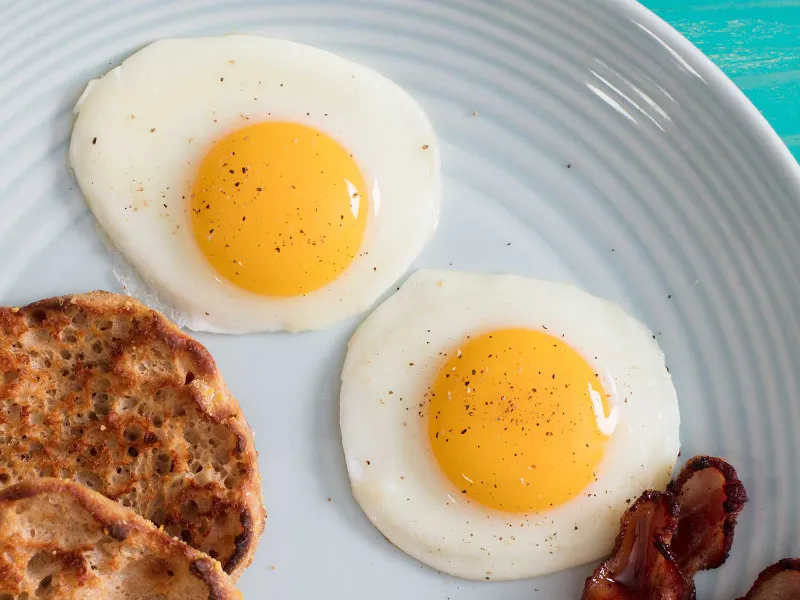
Eggs are one of the most complete and affordable sources of stress-fighting nutrition available.
They are loaded with choline, a nutrient that supports brain health and plays a role in regulating mood and the stress response. Eggs also provide high-quality protein, B vitamins, and vitamin D, all of which help stabilize energy and cortisol levels throughout the day. Research suggests that adequate vitamin D levels are associated with lower rates of anxiety and better cortisol regulation.
Scramble them, poach them, hard-boil a batch for the week, or fry them up with some spinach and garlic for a genuinely powerful stress-relief meal in under ten minutes.
21. Chia Seeds
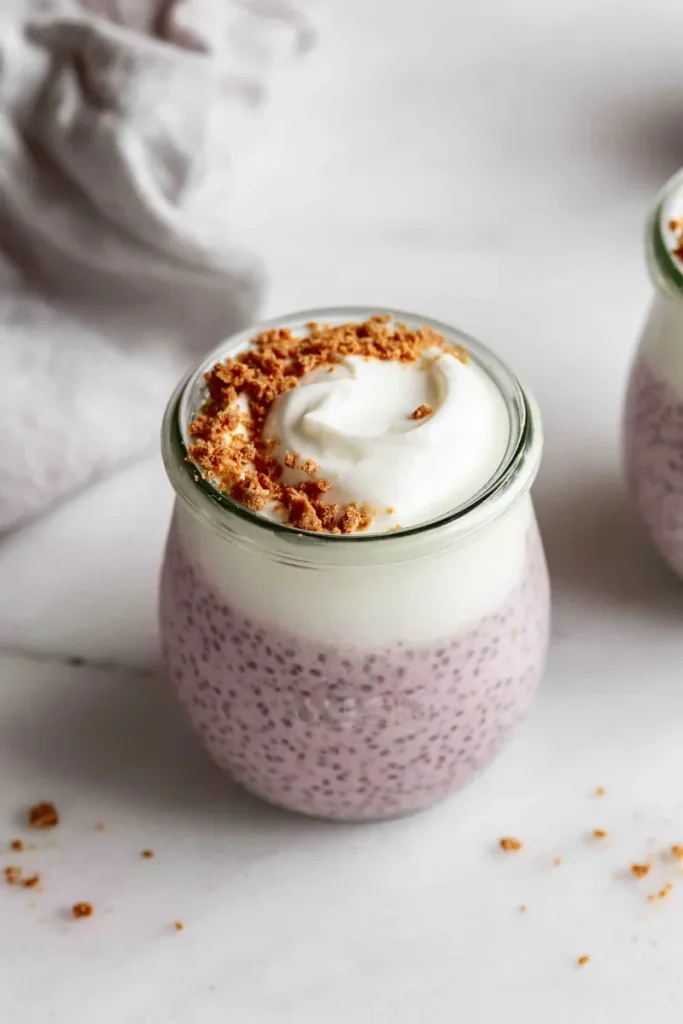
Chia seeds are tiny, but they are absolutely stacked with nutrients that support cortisol management.
Two tablespoons deliver a solid dose of omega-3 fatty acids, magnesium, and fiber, all in one place. The magnesium alone makes them worth adding to your daily routine, given how critical that mineral is for keeping the adrenal glands from overproducing cortisol. The fiber also feeds your gut microbiome, adding another layer of stress-reduction benefit.
Stir them into yogurt, blend them into smoothies, or make overnight chia pudding the night before for a grab-and-go breakfast. They absorb liquid and take on a satisfying texture that keeps you full for hours.
22. Pumpkin Seeds
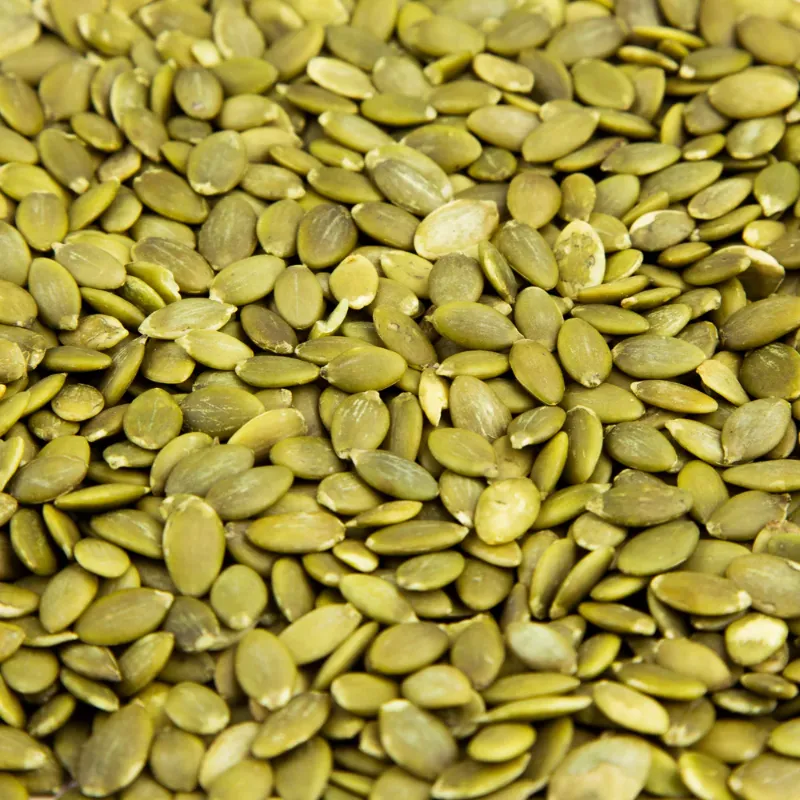
Pumpkin seeds are one of the most magnesium-dense foods you can find, and that alone makes them an essential part of a stress-lowering diet.
Just one ounce of pumpkin seeds provides around 37% of your daily recommended magnesium intake. They also contain zinc, which supports healthy cortisol metabolism, and tryptophan, the amino acid your body uses to produce serotonin. Low serotonin and low magnesium are a recipe for stress overload, and pumpkin seeds help address both.
Keep a bag at your desk and snack on them throughout the day. They are also great sprinkled on salads, soups, and roasted vegetables for a little crunch and a lot of nutrition.
23. Tart Cherries
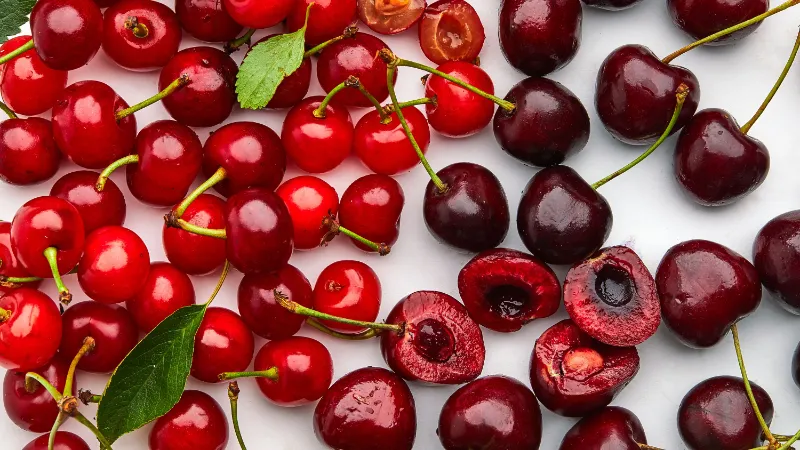
Tart cherries are quietly one of the most powerful anti-stress and sleep-supportive foods you can eat.
They are one of the only natural food sources of melatonin, the hormone that regulates your sleep cycle. Since poor sleep is one of the primary causes of elevated cortisol, anything that improves your sleep quality directly helps bring your stress hormones down. Tart cherries also contain anthocyanins and other antioxidants that reduce inflammation and oxidative stress.
Tart cherry juice is the easiest way to get a concentrated dose. Drink four to eight ounces about an hour before bed for the best effect. You can also find them dried or frozen if fresh ones are not available in your area.
24. Lentils
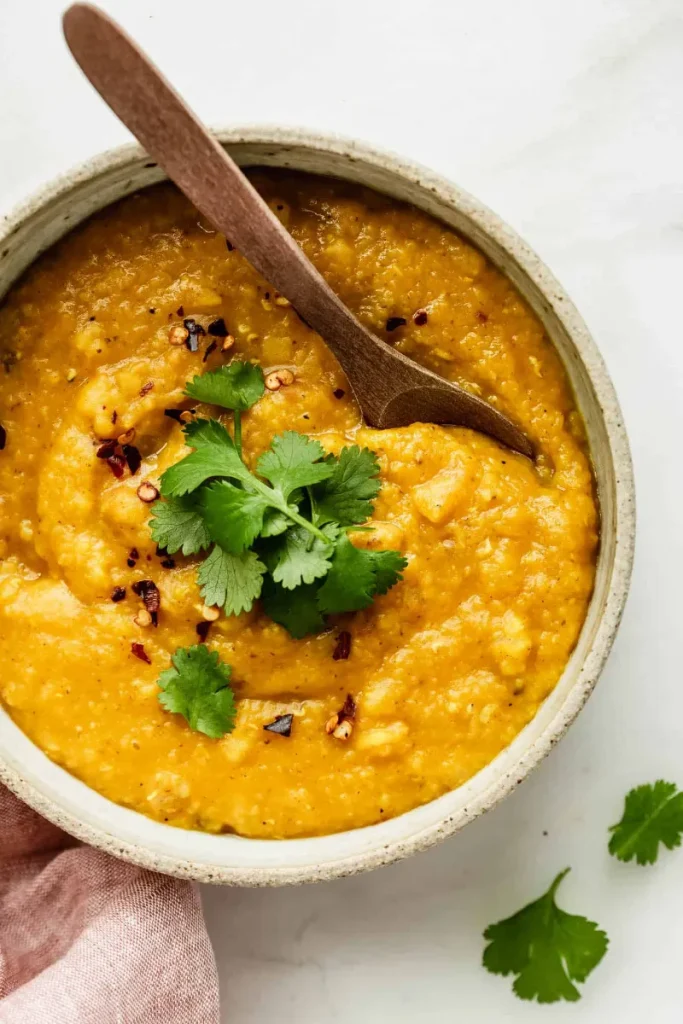
Lentils might not be the most exciting food on this list, but they are one of the most powerful for long-term cortisol management.
They are high in folate, a B vitamin that plays a key role in regulating mood and the stress response. They are also packed with plant-based protein and complex carbohydrates that keep blood sugar stable, preventing the spikes and crashes that send cortisol soaring. And their fiber content is exceptional for gut health, which as you now know, is directly connected to how well your body handles stress.
Add lentils to soups, make a simple lentil curry, or toss cooked lentils into a salad for a satisfying, protein-rich base. They are inexpensive, filling, and genuinely one of the most underrated foods in any grocery store.
Final Thoughts
Managing cortisol does not have to mean overhauling your entire life overnight. Start small. Pick two or three foods from this list that you actually enjoy and work them into your regular routine this week.
Your body is remarkably responsive to what you feed it, and small, consistent changes add up fast. The calmer, more energized version of you is closer than you think.
