
34 Life-Changing Hemoglobin Rich Foods That Are Changing Lives

If you’ve been feeling tired, foggy, or just plain wiped out, your hemoglobin levels might be the missing piece. Hemoglobin is the protein in your red blood cells that carries oxygen to every corner of your body, and when it dips, everything suffers.
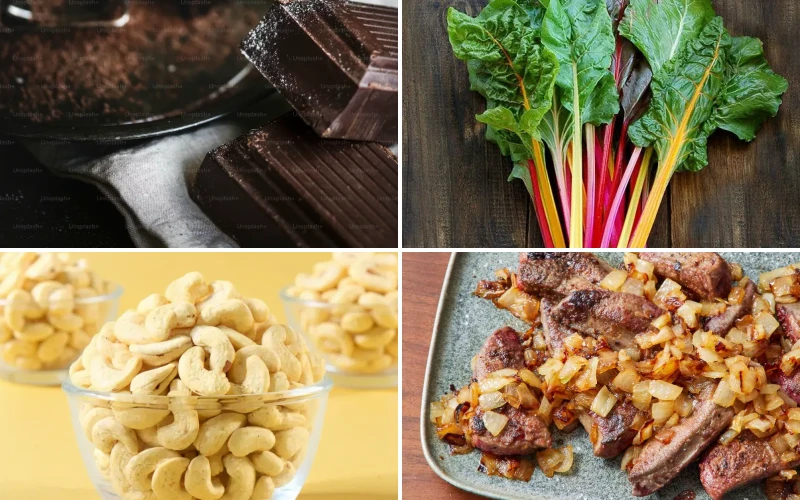
The good news? The right foods can genuinely turn things around. Here are 34 powerhouse foods that support healthy hemoglobin, backed by real science and easy to add to your everyday meals.
1. Beef Liver
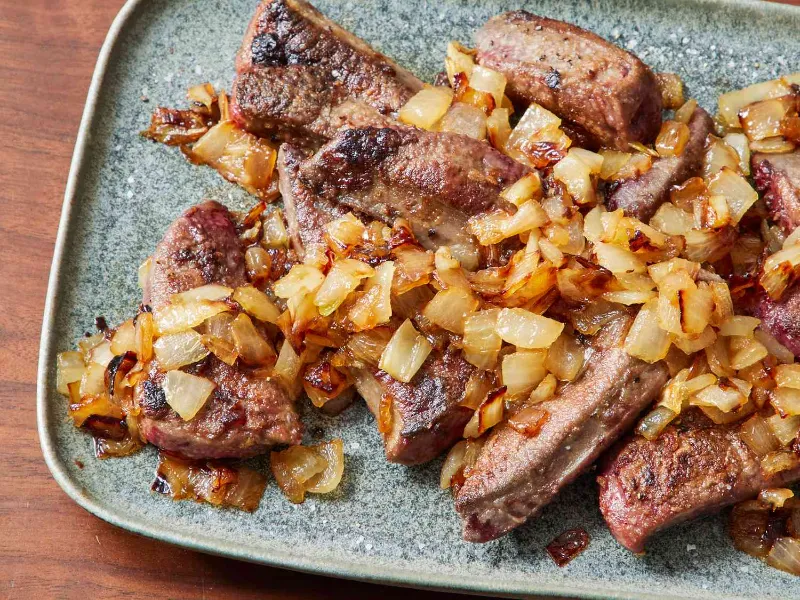
Beef liver is one of the most nutrient-dense foods on the planet, and it’s an absolute iron powerhouse. A single 3-ounce serving delivers around 5 mg of heme iron, the type your body absorbs most efficiently.
It’s also loaded with vitamin B12 and folate, two nutrients your body needs to actually produce red blood cells in the first place. Without them, even a great iron intake won’t move the needle much.
Try slicing it thin, sautéing it with onions and a little butter, and pairing it with a squeeze of lemon. If the flavor feels strong at first, soaking it in milk for an hour before cooking mellows it out beautifully.
2. Spinach
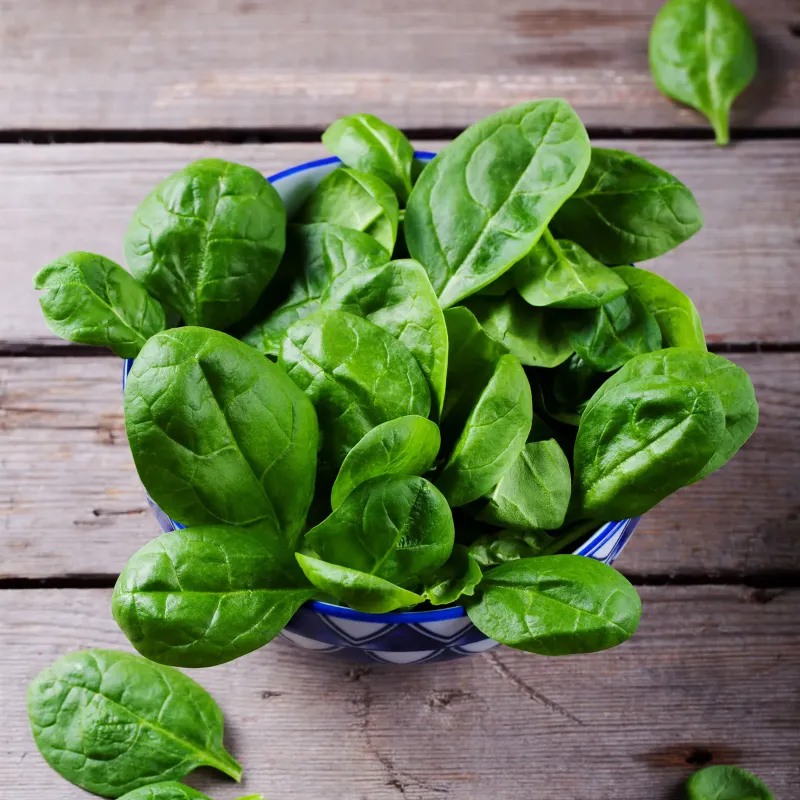
Spinach is the classic go-to for a reason. It’s packed with non-heme iron, folate, and vitamin C, a combination that makes it a true triple threat for hemoglobin support.
The vitamin C in spinach actually helps your body absorb the iron more effectively. Research published in the American Journal of Clinical Nutrition has long confirmed this iron-vitamin C synergy.
Toss it into a smoothie, wilt it into pasta, or eat it raw in a salad with a citrus dressing. Any way you eat it, your blood will thank you.
3. Lentils
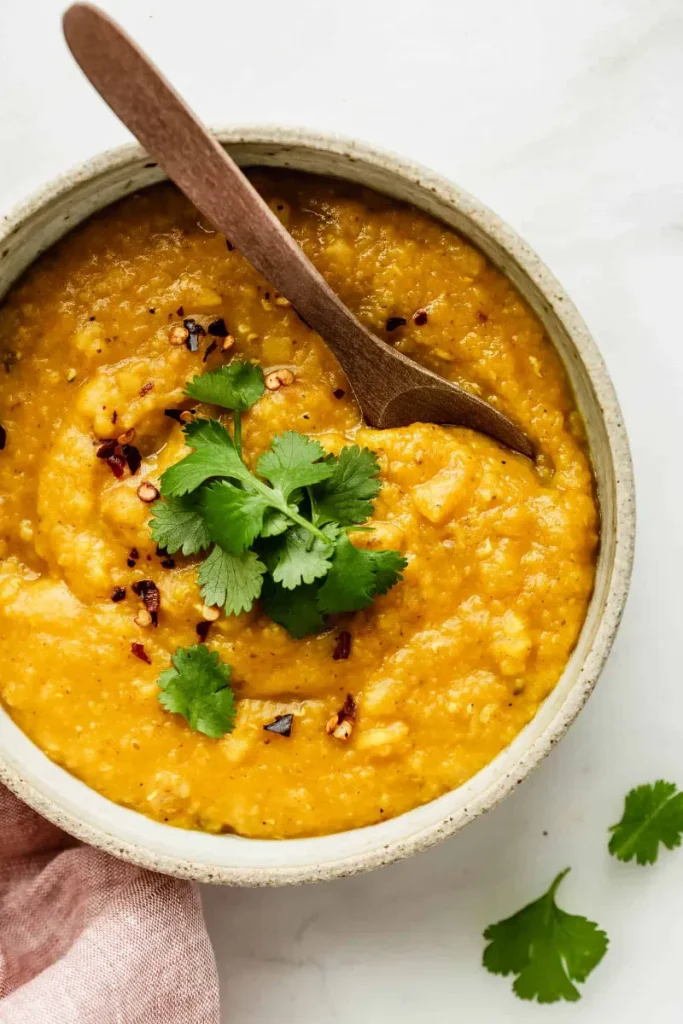
Lentils are one of the best plant-based sources of iron out there, offering about 6.6 mg per cooked cup. They’re also rich in folate, which is essential for producing and maintaining healthy red blood cells.
What makes lentils especially great is their fiber content. They feed your gut, keep your energy steady, and happen to be incredibly affordable.
Make a warm lentil soup, toss them into grain bowls, or blend them into dips. They’re versatile, filling, and quietly doing big work for your blood health.
4. Dark Chocolate
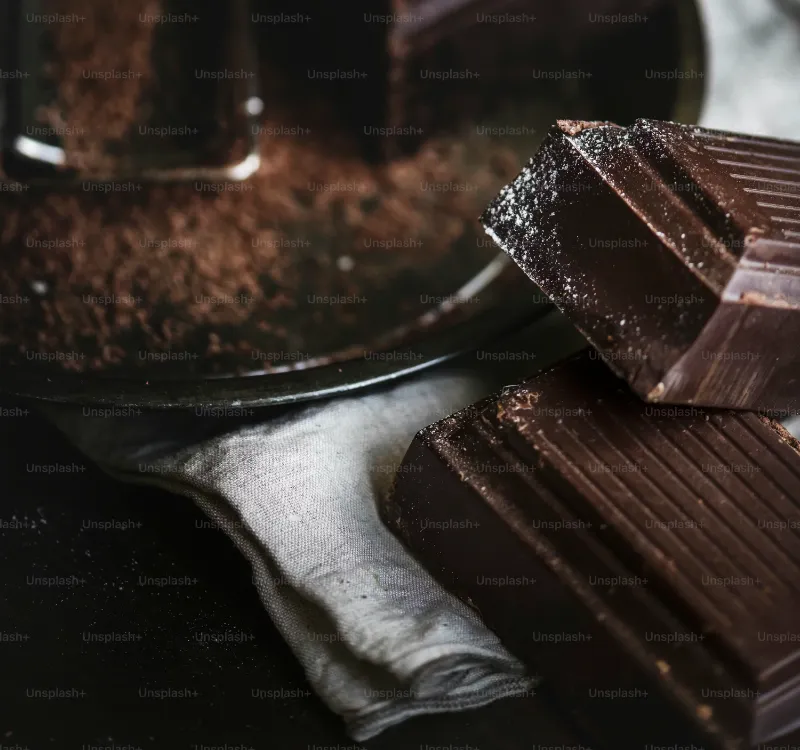
Yes, really. Dark chocolate (70% cacao or higher) contains a surprisingly solid amount of iron, around 3.3 mg per ounce. It also delivers magnesium and antioxidants that support overall cardiovascular health.
The flavonoids in dark chocolate have been studied for their role in improving blood flow and reducing inflammation. That’s a sweet bonus for your circulatory system.
Enjoy a small square or two after dinner, melt it into oatmeal, or blend it into a smoothie with banana and almond milk. A little goes a long way.
5. Tofu
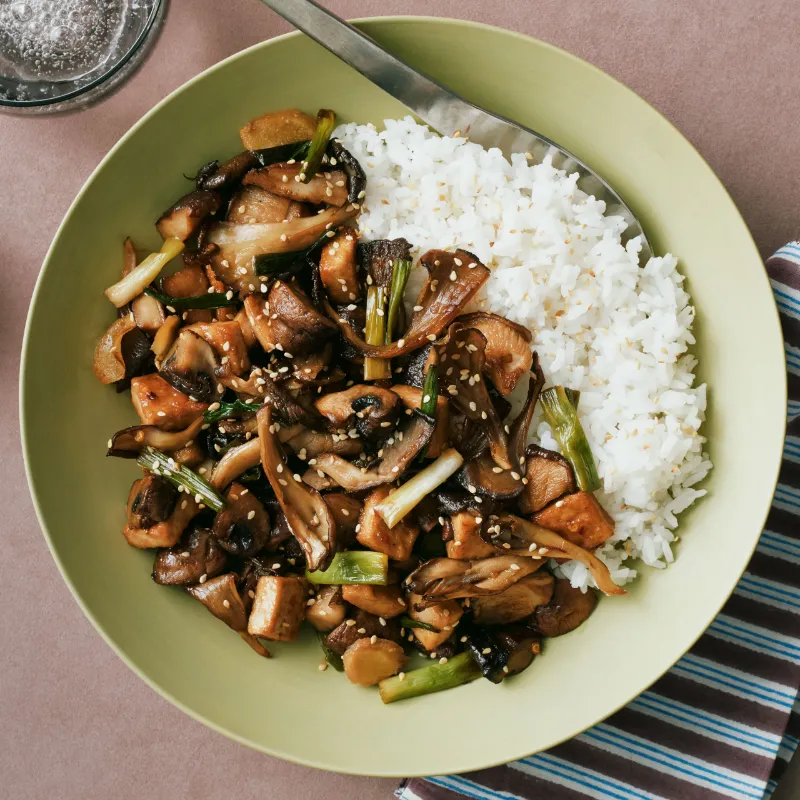
Tofu is a fantastic iron source for anyone eating plant-based, with firm tofu offering around 3 mg of iron per half cup. It also contains all nine essential amino acids, making it a complete protein that supports red blood cell production.
Its mild flavor means it soaks up whatever you cook it with, which makes it incredibly easy to add to meals without disrupting your usual favorites.
Pan-fry it until crispy, cube it into stir-fries, or marinate and bake it. Pair it with bell peppers or broccoli and you’re boosting iron absorption at the same time.
6. Oysters
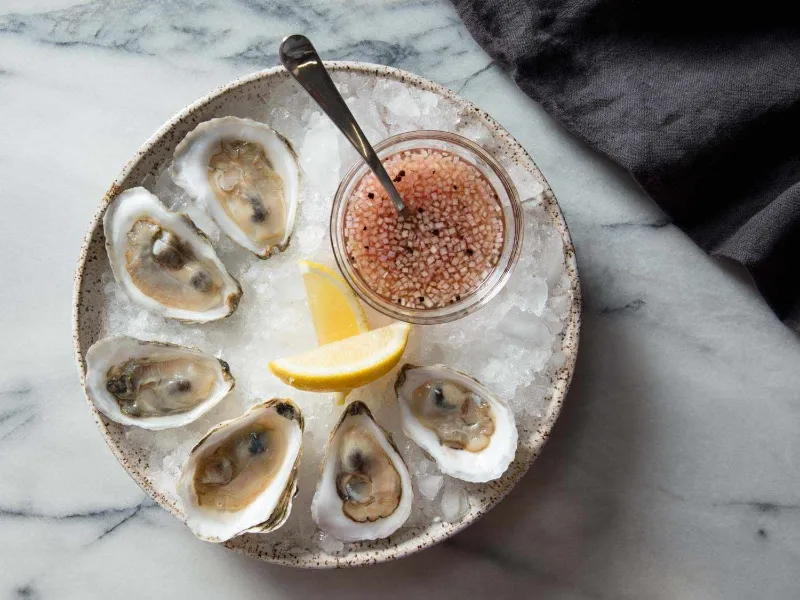
Oysters are basically a hemoglobin superfood. A 3-ounce serving of cooked oysters delivers around 8 mg of iron along with a whopping dose of zinc and vitamin B12.
B12 is critical because it helps your body form healthy red blood cells and keeps your nervous system functioning well. Low B12 is a surprisingly common reason for anemia-like fatigue.
Enjoy them steamed, grilled, or in a seafood chowder. Even canned oysters pack a serious nutritional punch and are way more budget-friendly than fresh.
7. Pumpkin Seeds
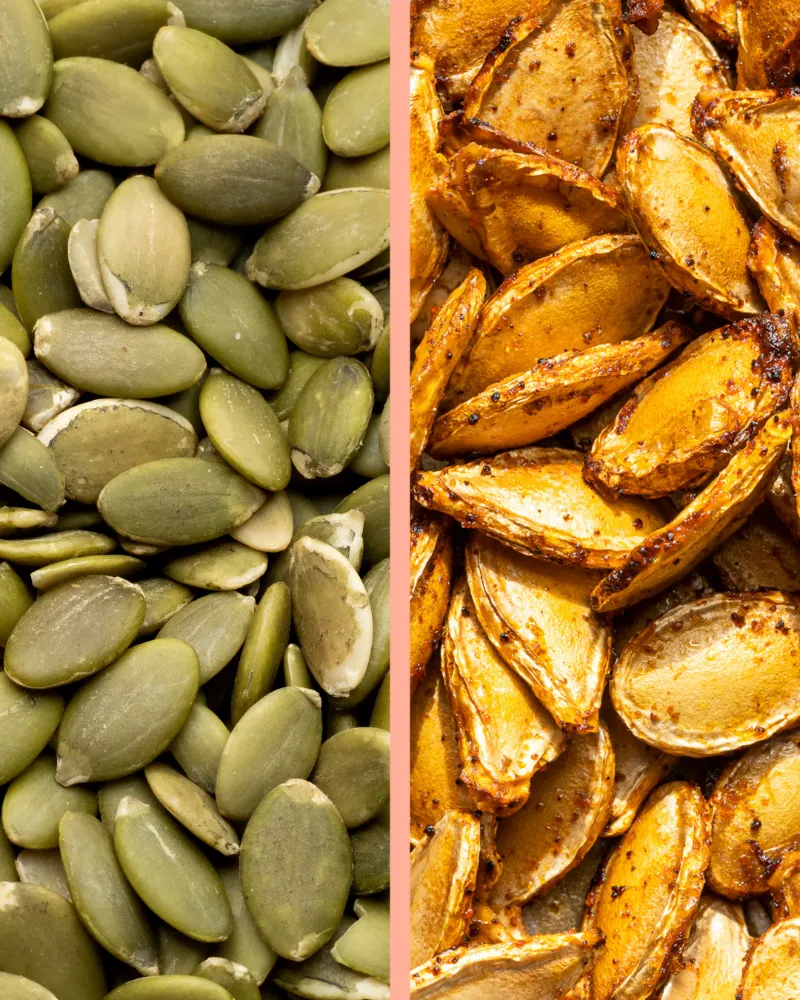
Pumpkin seeds are small but mighty. A single ounce delivers about 2.5 mg of iron along with magnesium, zinc, and plant-based omega-3s that support circulation.
They’re also one of the easiest snacks to grab and go. No prep, no cooking, just a handful of goodness that keeps your iron levels topped up throughout the day.
Sprinkle them over salads, stir them into yogurt, or eat them plain as a snack. Roast them with a little sea salt for an even more satisfying crunch.
8. Quinoa
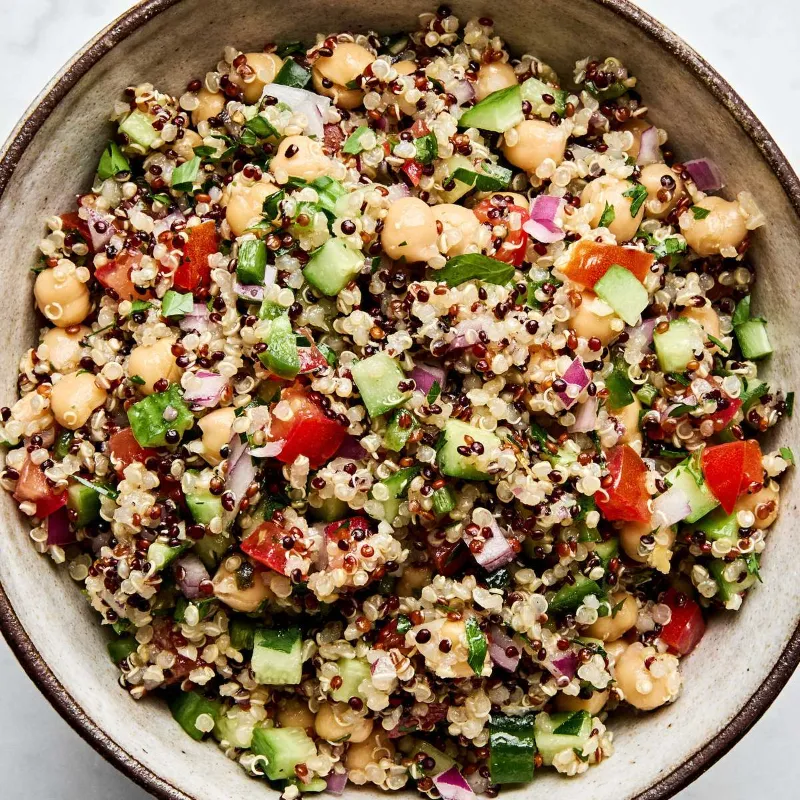
Quinoa stands out from most grains because it contains all essential amino acids and about 2.8 mg of iron per cooked cup. It’s also a good source of folate, which works alongside iron to keep hemoglobin production running smoothly.
Unlike white rice or pasta, quinoa keeps your blood sugar steady, which means you get sustained energy rather than a midday crash.
Use it as a base for grain bowls, cook it into breakfast porridge with fruit and nuts, or swap it in wherever you’d normally use rice. It’s genuinely one of the most versatile foods you can keep in your pantry.
9. Kidney Beans
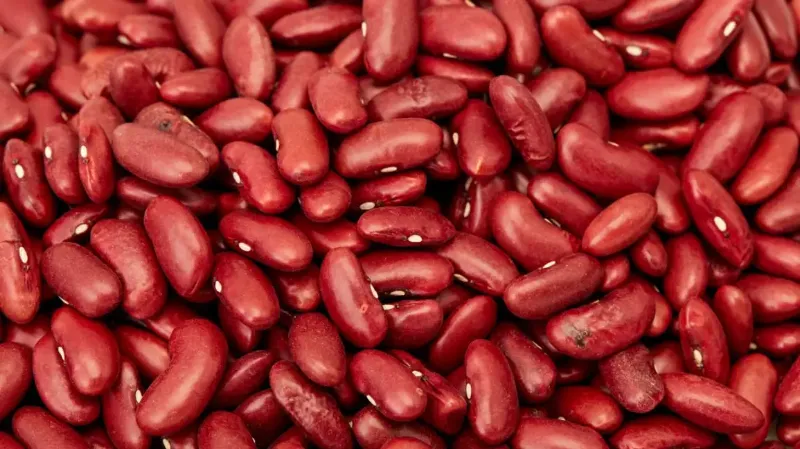
Kidney beans offer around 5.2 mg of iron per cooked cup, putting them among the top plant-based iron sources available. They’re also high in folate, copper, and protein, all of which play supporting roles in red blood cell health.
The combination of protein and iron in kidney beans makes them especially effective at fighting fatigue. Your muscles and your blood get fed at the same time.
Add them to chili, toss them into salads, or mash them into wraps. They’re hearty, satisfying, and work in just about any savory dish you can think of.
10. Sardines
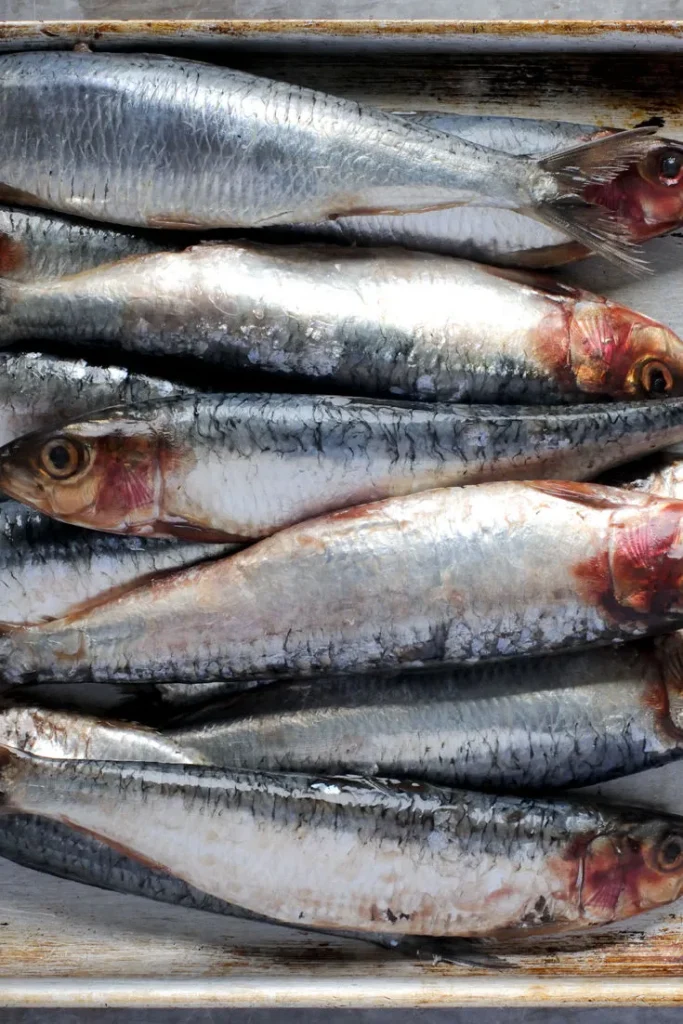
Sardines are a powerhouse that most people overlook. A single can contains around 2.5 mg of iron plus abundant omega-3 fatty acids, calcium, and vitamin D.
The omega-3s in sardines improve circulation and reduce inflammation, creating a better environment for oxygen-rich blood to move through your body. It’s a whole-system benefit, not just an iron boost.
Eat them on whole grain crackers, mash them into avocado toast, or toss them into pasta with olive oil and capers. They’re salty, satisfying, and loaded with nutrition.
11. Tempeh
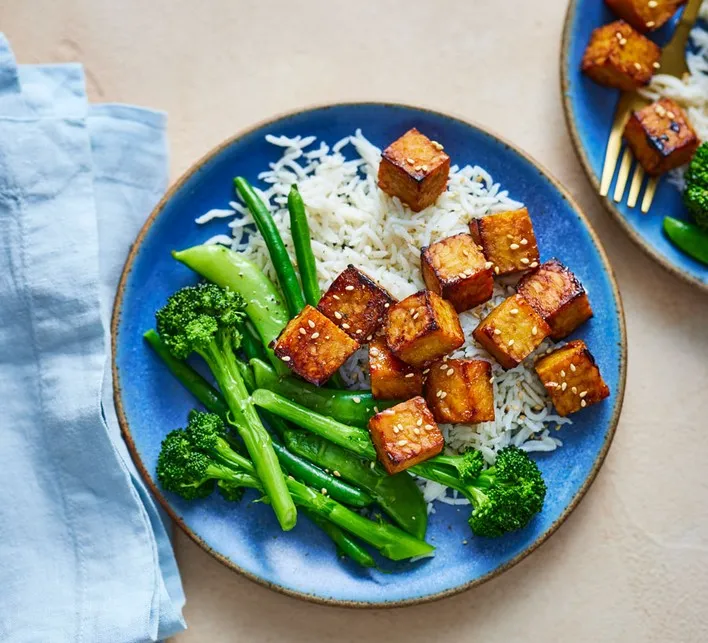
Tempeh is fermented soy, and that fermentation process makes it easier to digest than regular soy products while also boosting its nutrient availability. It offers about 4.5 mg of iron per cup and is rich in protein, B vitamins, and probiotics.
A healthy gut actually improves iron absorption, so the probiotic benefit of tempeh creates a helpful loop for anyone trying to boost hemoglobin.
Slice and pan-fry it with tamari and garlic, crumble it into tacos, or cube it for grain bowls. The nutty, slightly chewy texture is genuinely satisfying.
12. Blackstrap Molasses
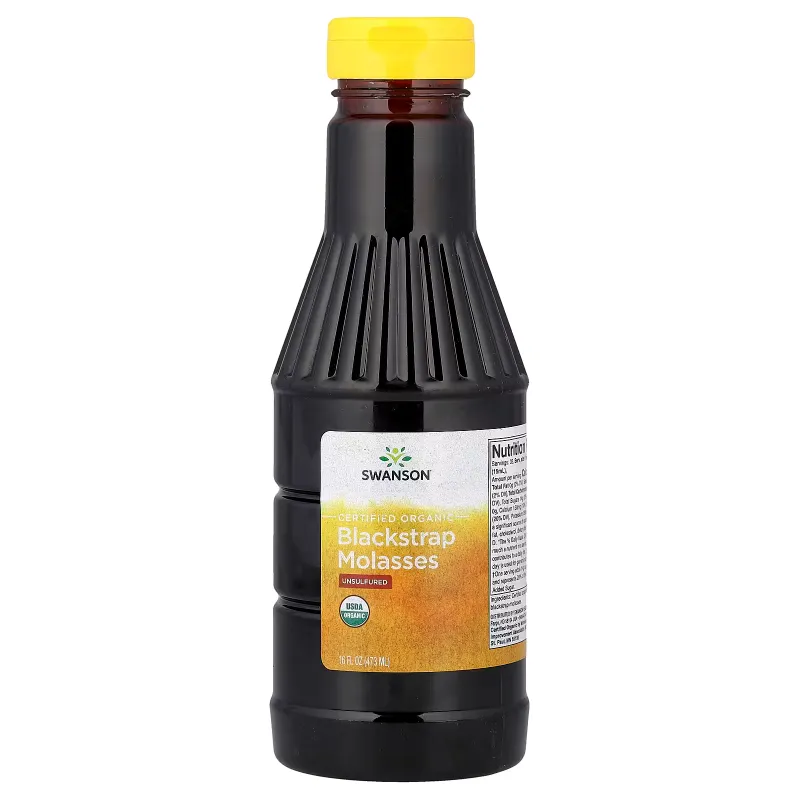
Blackstrap molasses is the thick, dark syrup left over after sugar is refined, and it holds onto all the minerals the refining process strips away. Just one tablespoon delivers about 3.5 mg of iron along with calcium, magnesium, and potassium.
It’s also rich in B6, which your body uses to produce hemoglobin directly. Think of it as one of the most underrated hemoglobin-supporting foods hiding in plain sight.
Stir it into oatmeal, blend it into smoothies, or drizzle it over yogurt. A small amount goes a long way in terms of both flavor and nutrition.
13. Fortified Cereals
Many breakfast cereals are fortified with 100% of your daily iron needs in a single serving. That makes them one of the fastest, most convenient ways to start your day with a hemoglobin-friendly meal.
Look for cereals that list iron near the top of the nutrition label and pair them with orange juice or strawberries. The vitamin C dramatically increases how much of that iron your body can actually absorb.
Go for lower-sugar options when possible. A fortified whole grain cereal with milk and fruit is a legitimately powerful breakfast for supporting healthy blood.
14. Chickpeas
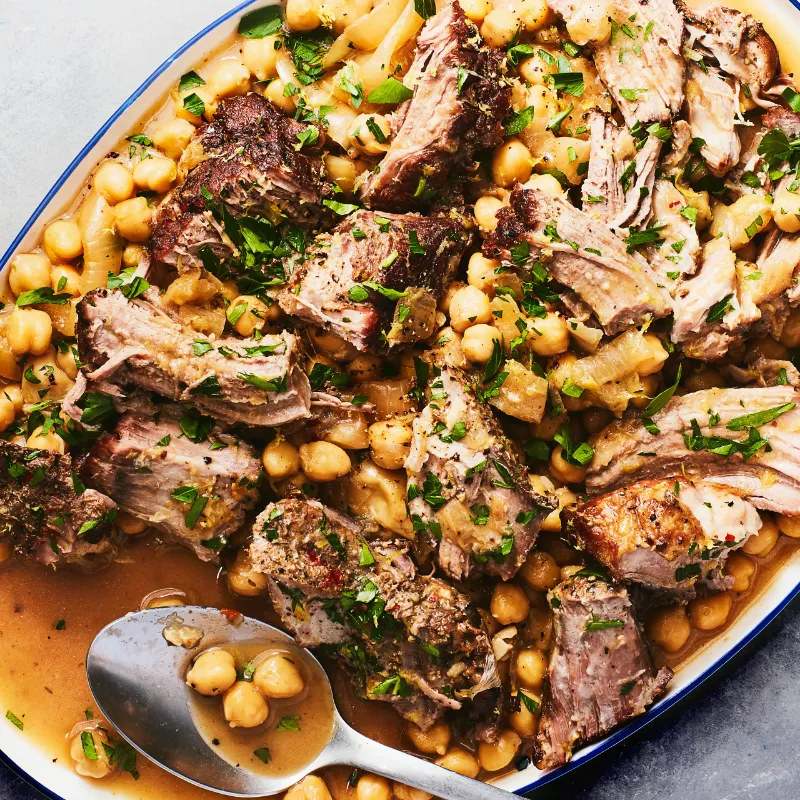
Chickpeas deliver about 4.7 mg of iron per cooked cup along with folate, zinc, and plant-based protein. They’re one of the most versatile legumes in any kitchen, fitting naturally into both savory and sweet recipes.
Folate is especially important here because it supports DNA synthesis and red blood cell formation. Without enough folate, your body can’t produce healthy red blood cells no matter how much iron you eat.
Roast them for a crunchy snack, blend them into hummus, or simmer them in a spiced tomato sauce. They’re filling, fiber-rich, and do a lot for your blood health.
15. Sunflower Seeds
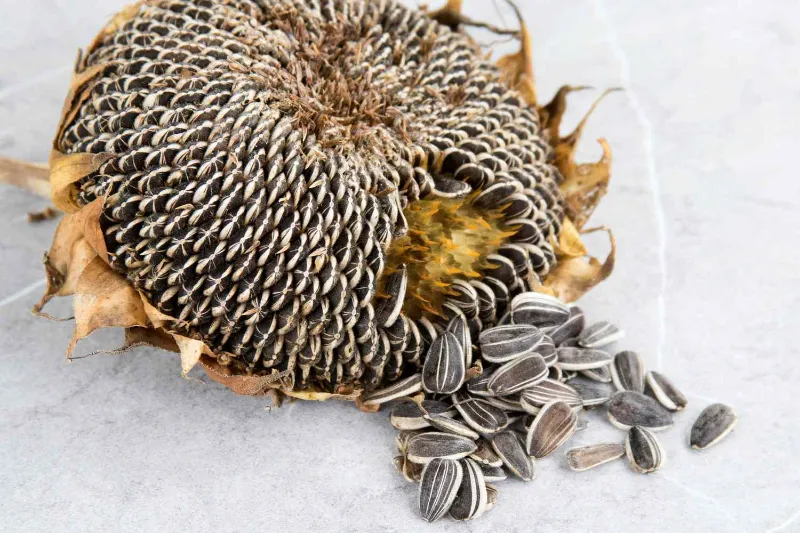
Sunflower seeds are rich in iron, vitamin E, copper, and selenium. The copper content is particularly relevant because your body needs copper to help metabolize iron and form hemoglobin properly.
They’re also loaded with vitamin E, a fat-soluble antioxidant that protects red blood cells from oxidative damage. Healthy red blood cells carry more oxygen, which means more energy for you.
Eat them as a snack, sprinkle them over salads, or blend them into homemade seed butter. They’re easy to keep at your desk and even easier to incorporate into your day.
16. Broccoli
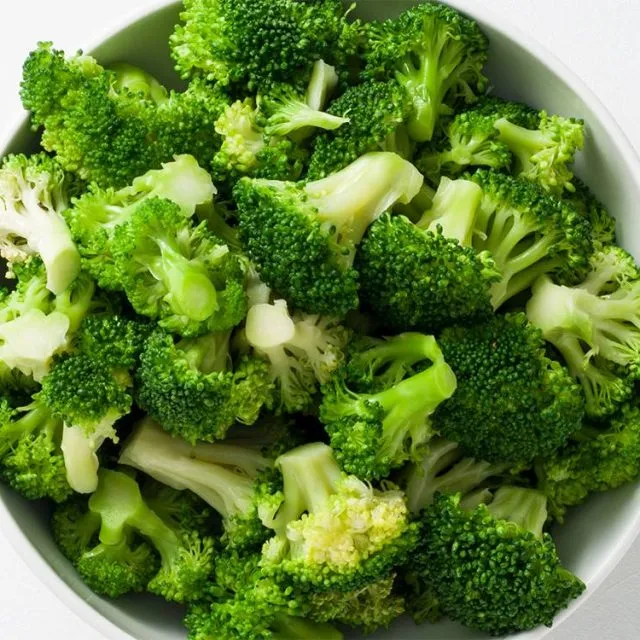
Broccoli brings iron and vitamin C together in one vegetable, which is a rare and genuinely helpful combination. A cup of cooked broccoli offers about 1 mg of iron and over 100 mg of vitamin C.
That vitamin C content amplifies iron absorption significantly. Studies show that consuming vitamin C alongside non-heme iron can increase absorption by up to three times compared to eating iron alone.
Steam it, roast it with olive oil and garlic, or add it to stir-fries. It’s one of those vegetables that earns its reputation every single time.
17. Edamame
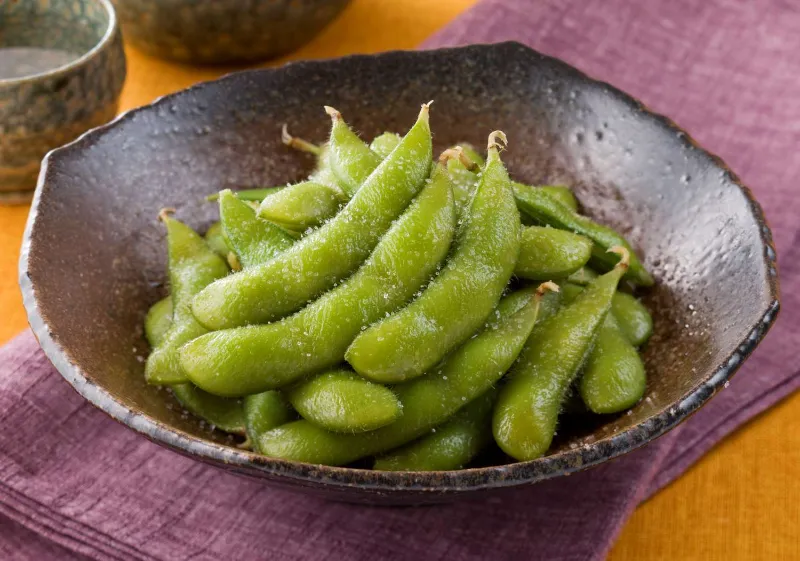
Edamame, or young soybeans, pack about 3.5 mg of iron per cooked cup alongside folate, protein, and a solid dose of vitamin C. They’re one of the few plant foods that come close to delivering a complete nutritional picture for blood health.
They’re also incredibly easy to prepare. Most grocery stores carry them frozen and ready to steam in minutes, making them a no-excuse addition to your routine.
Enjoy them lightly salted as a snack, toss them into grain bowls, or add them to Asian-inspired salads. They’re satisfying, simple, and seriously good for you.
18. Prunes
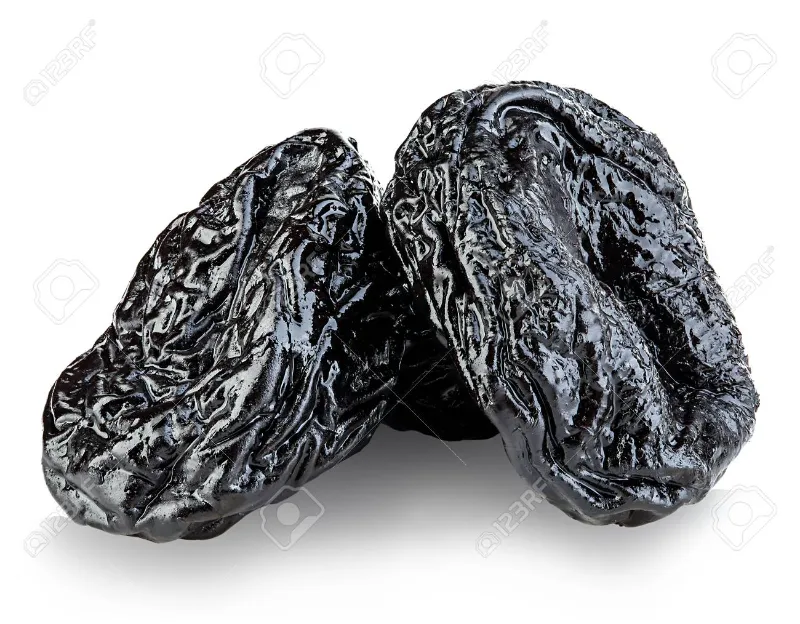
Prunes are famous for digestion, but their iron content often gets overlooked. A half cup of dried prunes delivers about 1.6 mg of iron along with vitamin C, potassium, and a natural sugar that provides sustained energy.
The fiber in prunes also supports a healthy gut, which improves your body’s ability to absorb nutrients including iron. Better absorption means more of what you eat actually makes it into your bloodstream.
Eat them as a snack, blend them into smoothies, or chop them into oatmeal. They’re naturally sweet, chewy, and surprisingly effective for blood support.
19. Amaranth
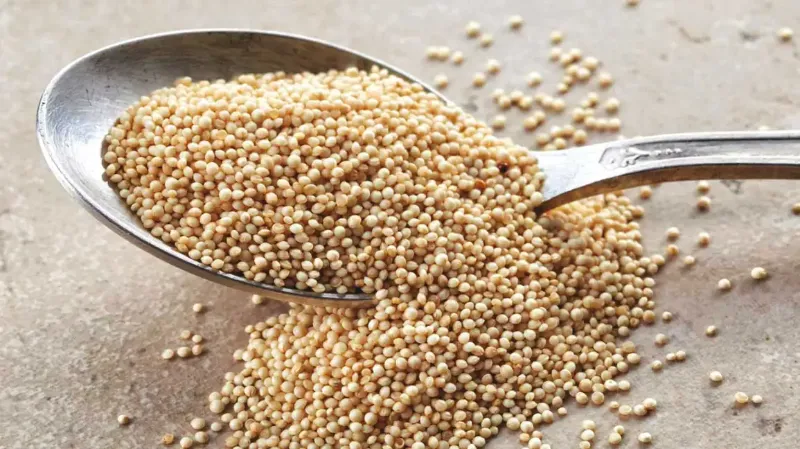
Amaranth is an ancient grain that’s been making a well-deserved comeback. One cooked cup delivers about 5.2 mg of iron, more than almost any other grain, plus significant amounts of magnesium, phosphorus, and manganese.
It also contains lysine, an amino acid that most grains lack and that supports tissue repair and red blood cell health. That makes it a uniquely well-rounded addition to your diet.
Cook it like oatmeal for breakfast, use it as a base for savory grain bowls, or pop it like popcorn for a crunchy topping. It has a slight earthy flavor that pairs well with both sweet and savory ingredients.
20. Clams
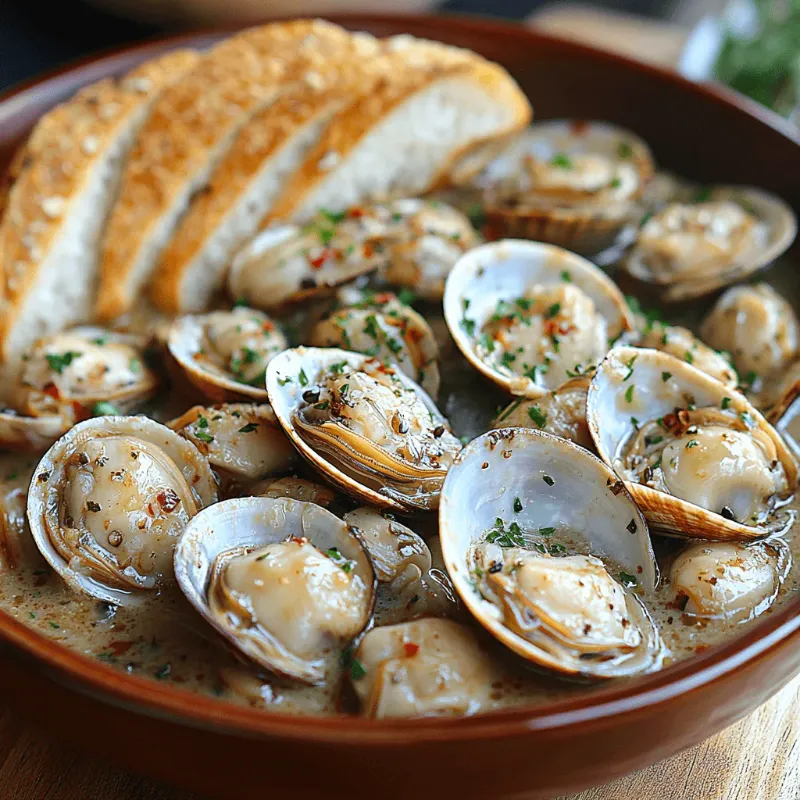
Clams are arguably the single best food source of vitamin B12, offering over 1,400% of your daily needs in just 3 ounces. They’re also a great source of heme iron, the kind your body absorbs most efficiently.
B12 deficiency is one of the leading causes of megaloblastic anemia, a condition where your body produces oversized, ineffective red blood cells. Getting enough B12 through foods like clams can genuinely reverse this.
Try them in a classic white clam sauce over pasta, add them to seafood chowder, or use canned clams for an easy weeknight dinner. They’re far more accessible than most people realize.
21. White Beans
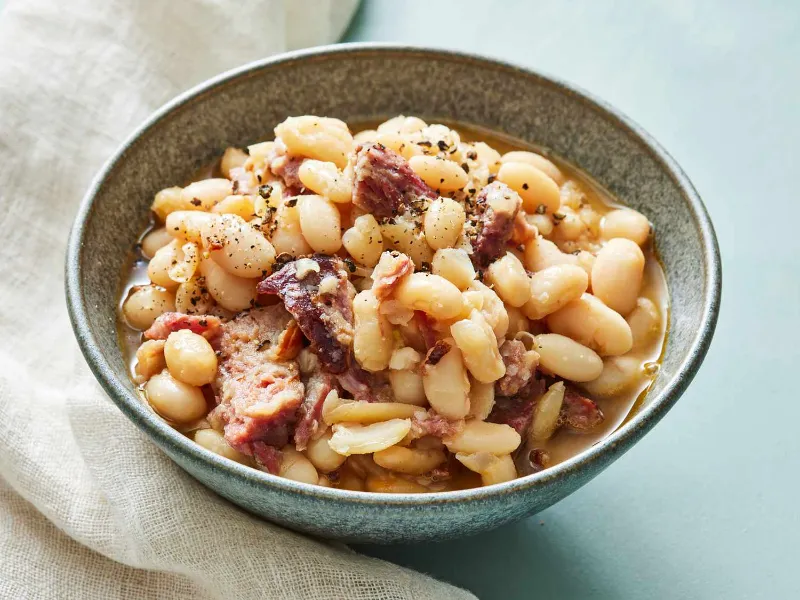
White beans are one of the most iron-dense foods in the legume family, offering around 8 mg of iron per cooked cup. They’re also high in folate, potassium, and fiber.
Their creamy texture makes them one of the easiest beans to incorporate into everyday cooking. They blend seamlessly into soups, stews, and even pasta dishes without standing out in an overpowering way.
Mash them into a white bean dip, stir them into minestrone, or toss them with roasted vegetables and olive oil. They’re comforting, filling, and excellent for your blood health.
22. Hemp Seeds
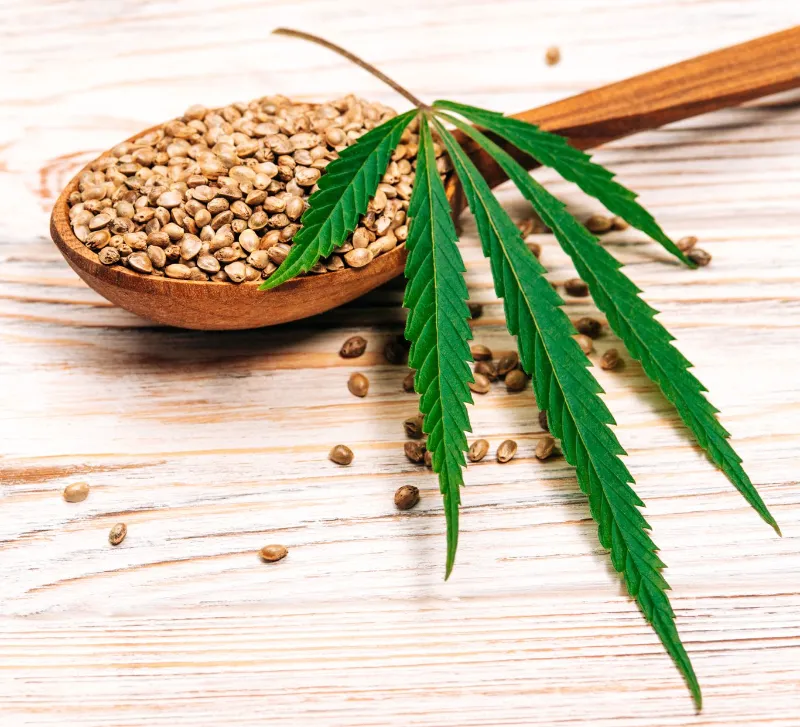
Hemp seeds are a quiet nutritional overachiever. Three tablespoons deliver about 2.4 mg of iron along with all essential amino acids, omega-3 fatty acids, and a good dose of magnesium.
The omega-3s and magnesium work together to support healthy circulation and reduce inflammation in blood vessels, making hemp seeds a great complement to a hemoglobin-boosting diet.
Sprinkle them over smoothie bowls, mix them into yogurt, or blend them into salad dressings. They have a mild, nutty flavor that fits into almost anything.
23. Spirulina
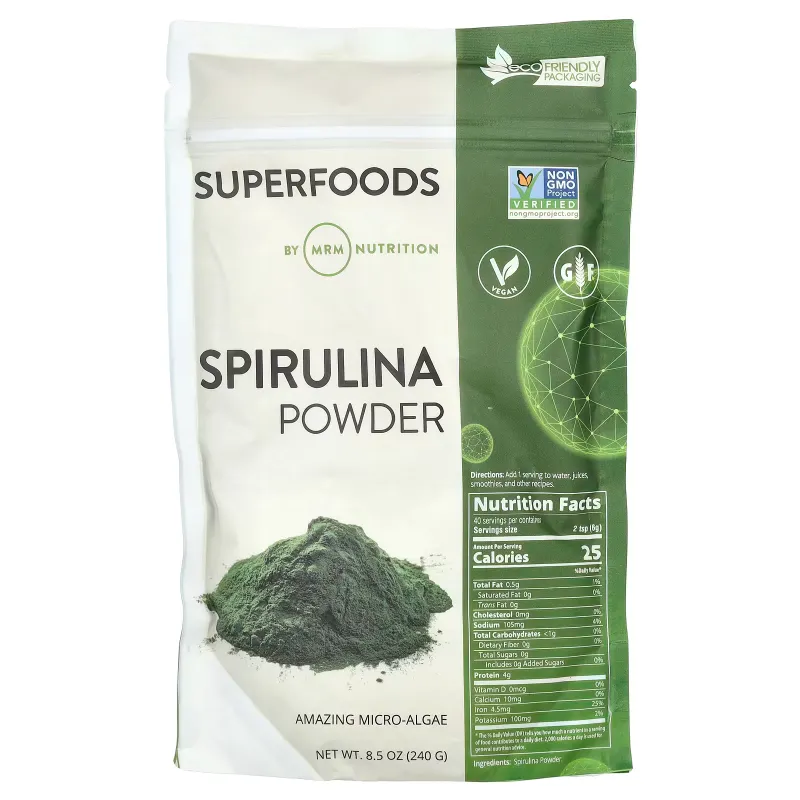
Spirulina is a blue-green algae and one of the most concentrated sources of nutrients you can find. Just one tablespoon offers about 2 mg of iron along with protein, B vitamins, and a pigment called phycocyanin that has been studied for its role in supporting red blood cell production.
Some research also suggests spirulina may help reduce oxidative stress in red blood cells, which keeps them healthier and more effective at carrying oxygen.
Blend it into smoothies, mix it into energy balls, or stir it into juice. The flavor is strong, so starting with a small amount and building up makes the transition easier.
24. Dried Apricots
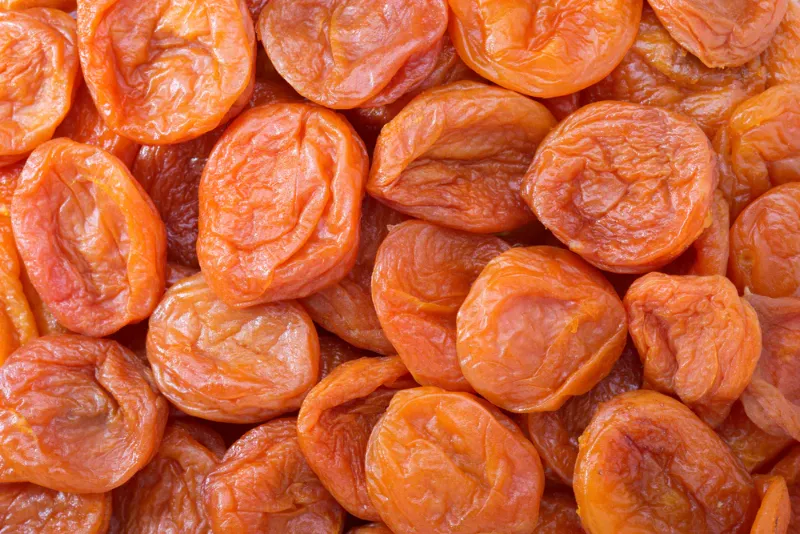
Dried apricots are a sweet, portable snack that delivers about 3.5 mg of iron per half cup. They’re also rich in vitamin A, potassium, and antioxidants that protect red blood cells from damage.
Vitamin A plays a lesser-known but important role in iron metabolism. Research has shown that adequate vitamin A intake improves how the body mobilizes iron from storage, making it more available for hemoglobin production.
Keep a small bag in your purse or desk drawer for an easy on-the-go iron hit. Pair them with vitamin C-rich foods like a clementine or some strawberries to boost absorption even further.
25. Black Beans
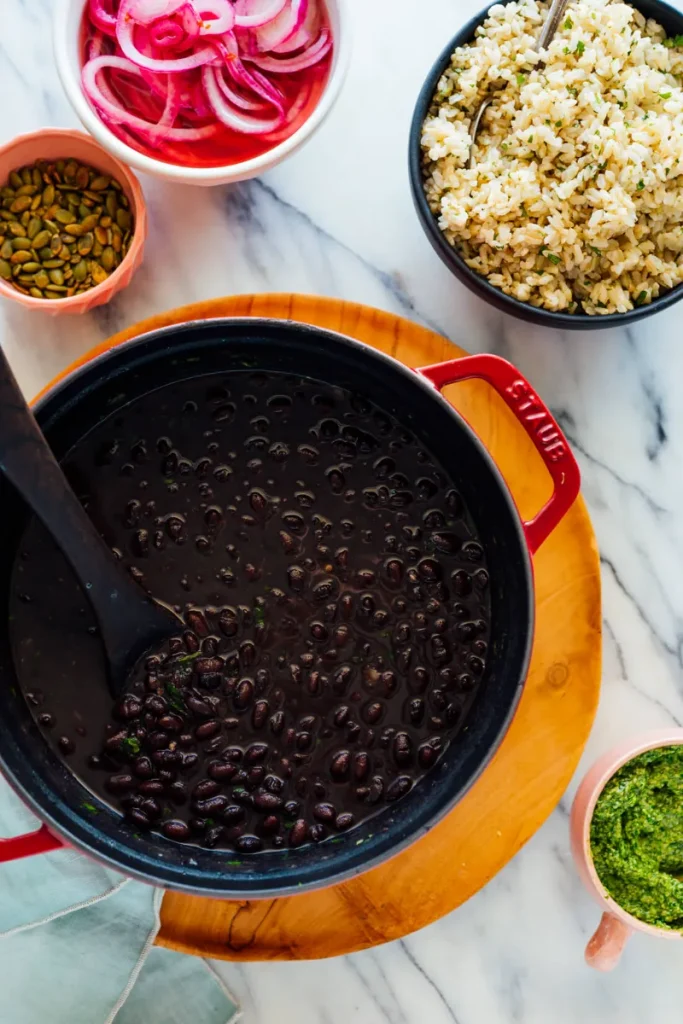
Black beans deliver about 3.6 mg of iron per cooked cup along with folate, magnesium, and anthocyanins, the antioxidants that give them their deep color. Those antioxidants help protect blood vessels and support overall cardiovascular health.
They’re also one of the most fiber-rich foods you can eat, which supports the gut health that indirectly boosts how well you absorb nutrients including iron.
Use them in burritos, tacos, soups, or grain bowls. A simple black bean and rice bowl with salsa and lime is one of the most nutritious, budget-friendly meals you can make.
26. Tahini
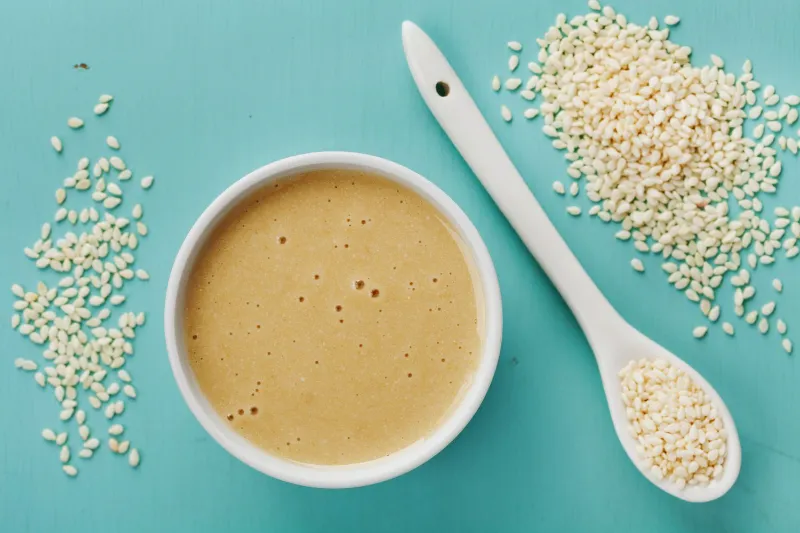
Tahini is ground sesame paste, and it’s loaded with iron, calcium, zinc, and copper. Two tablespoons deliver about 2.6 mg of iron plus a healthy dose of healthy fats that keep you satisfied.
Copper is especially valuable here because it works alongside iron in the production of hemoglobin. A copper deficiency can actually interfere with your body’s ability to use iron properly, even if your iron intake is good.
Use it as a salad dressing base, drizzle it over roasted vegetables, or thin it with lemon juice and garlic for an incredible dipping sauce. It’s one of the most versatile pantry staples you can own.
27. Mussels
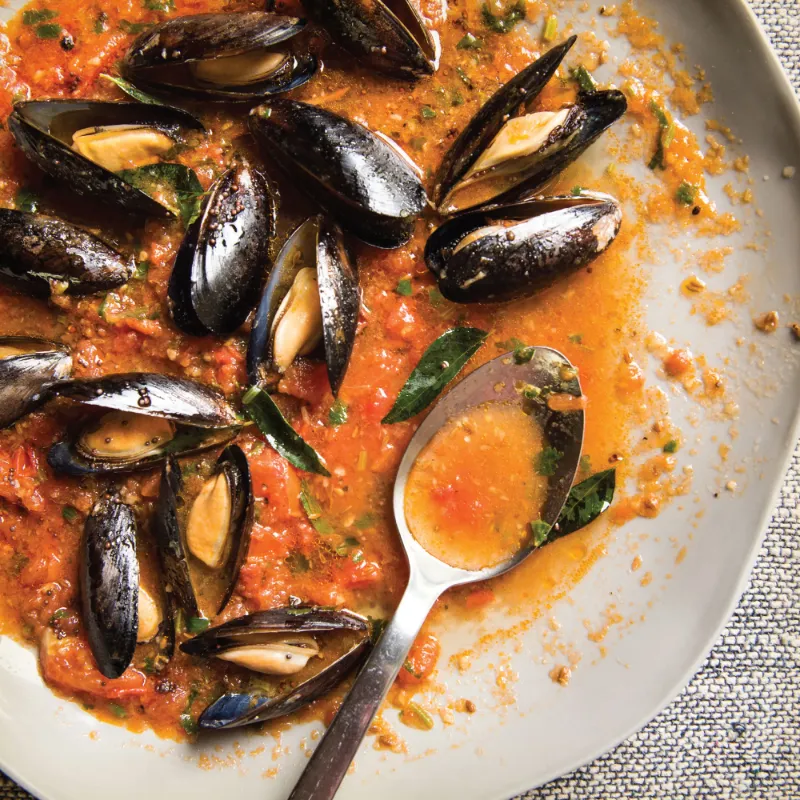
Mussels are one of the most nutritionally complete seafoods available. A 3-ounce serving delivers about 3.5 mg of heme iron, significant B12, omega-3s, and selenium.
The selenium in mussels acts as a powerful antioxidant that protects red blood cells from oxidative damage. Combined with heme iron, which is absorbed at rates of up to 30%, mussels give your hemoglobin production a genuine boost.
Steam them with white grape juice, garlic, and herbs for a restaurant-quality meal at home. They cook in under 10 minutes and are one of the most sustainably farmed seafood options available.
28. Swiss Chard
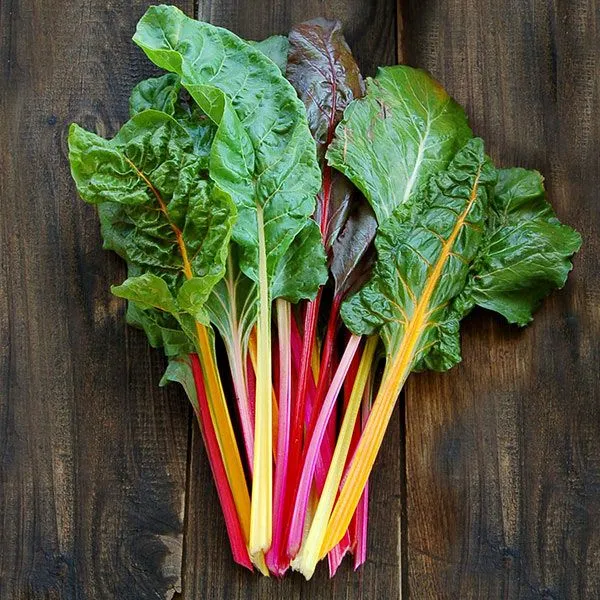
Swiss chard is packed with iron, magnesium, vitamin K, and vitamin C, a lineup that supports red blood cell production from multiple angles at once. One cooked cup offers about 4 mg of iron, which is impressive for a leafy green.
The magnesium helps regulate oxygen transport in the blood while vitamin C boosts the absorption of the non-heme iron in the chard itself. It’s a beautifully self-contained package.
Sauté it with olive oil and garlic, add it to soups, or wilt it into scrambled eggs. It cooks down significantly, so don’t be shy about using a large bunch.
29. Cashews
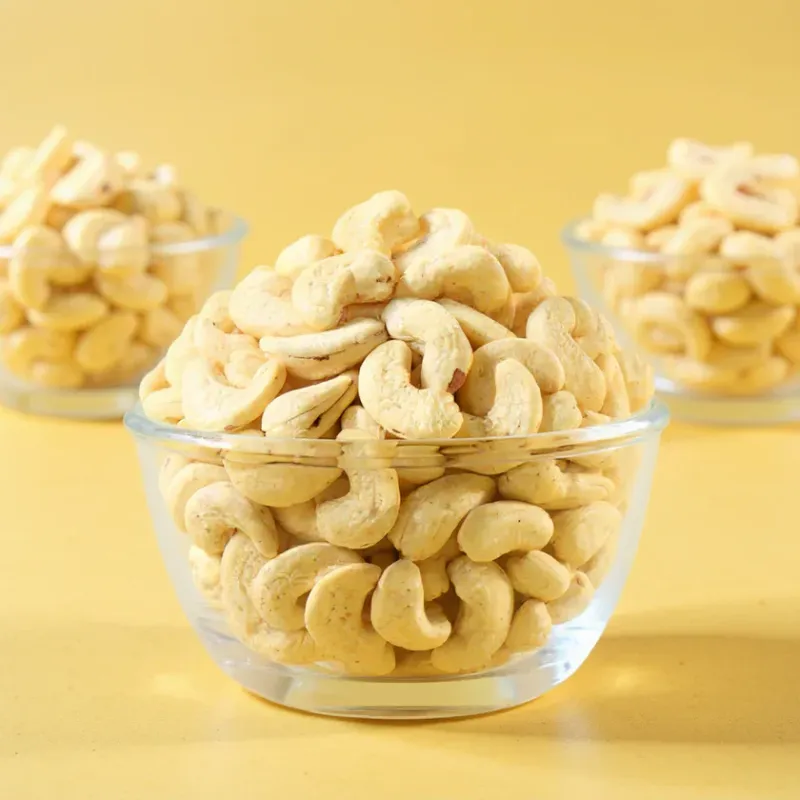
Cashews offer about 1.9 mg of iron per ounce along with copper, magnesium, and zinc. The copper content is particularly valuable for hemoglobin synthesis because it helps enzymes that convert iron into a form the body can use.
They also contain healthy monounsaturated fats that support cardiovascular health, which is closely tied to efficient oxygen delivery throughout the body.
Snack on a small handful, blend them into cashew cream sauces, or add them to stir-fries for texture. They’re satisfying, nutrient-dense, and one of the most beloved nuts for good reason.
30. Pomegranate
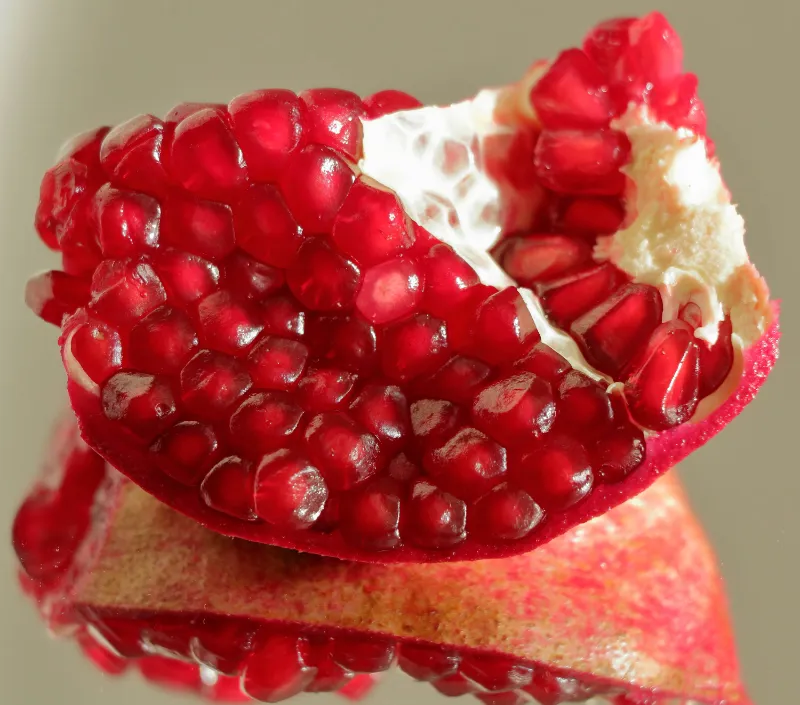
Pomegranate is rich in iron, vitamin C, and polyphenols that actively support blood health. Studies have found that pomegranate consumption can improve hemoglobin levels and reduce symptoms of anemia, particularly in people with iron deficiency.
The vitamin C in pomegranate works in real time to enhance iron absorption when eaten alongside other iron-rich foods. Its anti-inflammatory properties also support healthier blood vessels and circulation overall.
Eat the seeds fresh, drink 100% pomegranate juice, or sprinkle arils over salads and grain bowls. It’s one of those fruits that tastes indulgent and nourishing at the same time.
31. Watercress
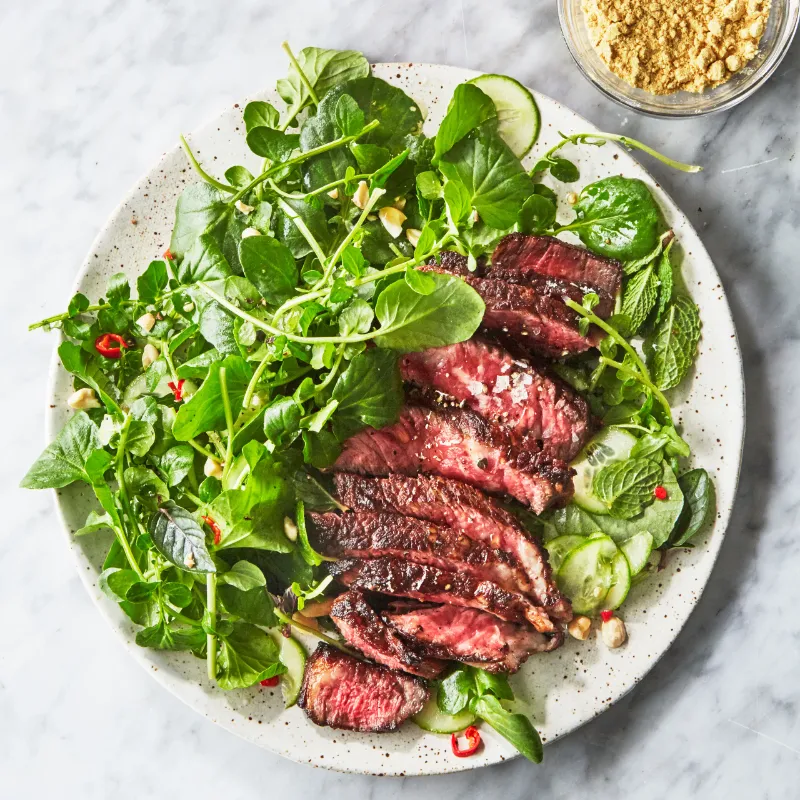
Watercress is one of the most nutrient-dense foods per calorie on earth, according to the CDC’s own nutrient density rankings. It contains iron, vitamin C, vitamin K, and calcium in a small, peppery package.
Its high vitamin C content makes the iron in watercress much more bioavailable than in many other greens. You’re not just getting iron, you’re getting iron that your body can actually use.
Add it to sandwiches instead of lettuce, toss it into salads, or blend it into a green smoothie. Its slightly spicy flavor adds a punch that makes meals feel more alive.
32. Turkey (Dark Meat)
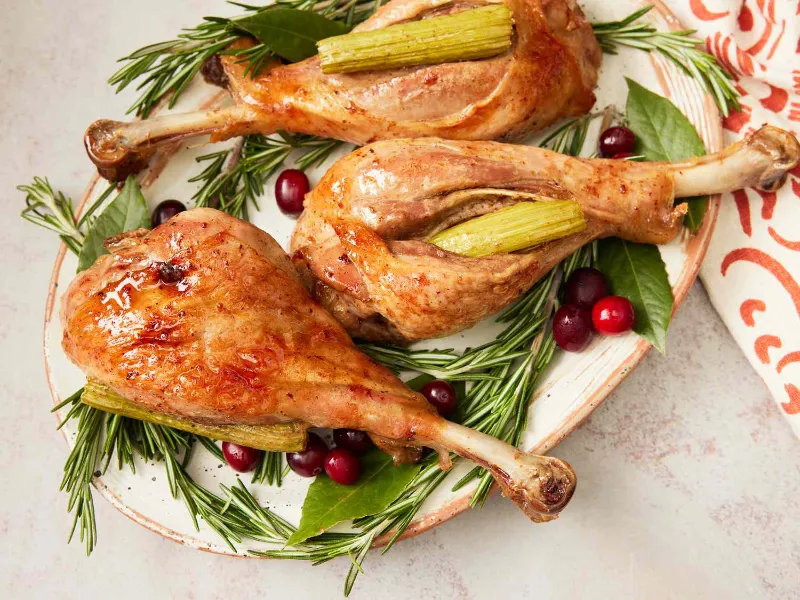
Turkey dark meat, the thighs and legs, contains about 2 mg of heme iron per 3-ounce serving along with zinc, B12, and selenium. Heme iron from poultry is absorbed at a much higher rate than plant-based iron, making it one of the most efficient dietary sources available.
The B12 in turkey dark meat also supports the production of red blood cells directly, giving you a two-for-one benefit in a single protein source.
Roast turkey thighs with herbs and olive oil, add sliced turkey to grain bowls, or use it in soups and stews. It’s often cheaper than chicken breast and far more nutrient-dense.
33. Chia Seeds
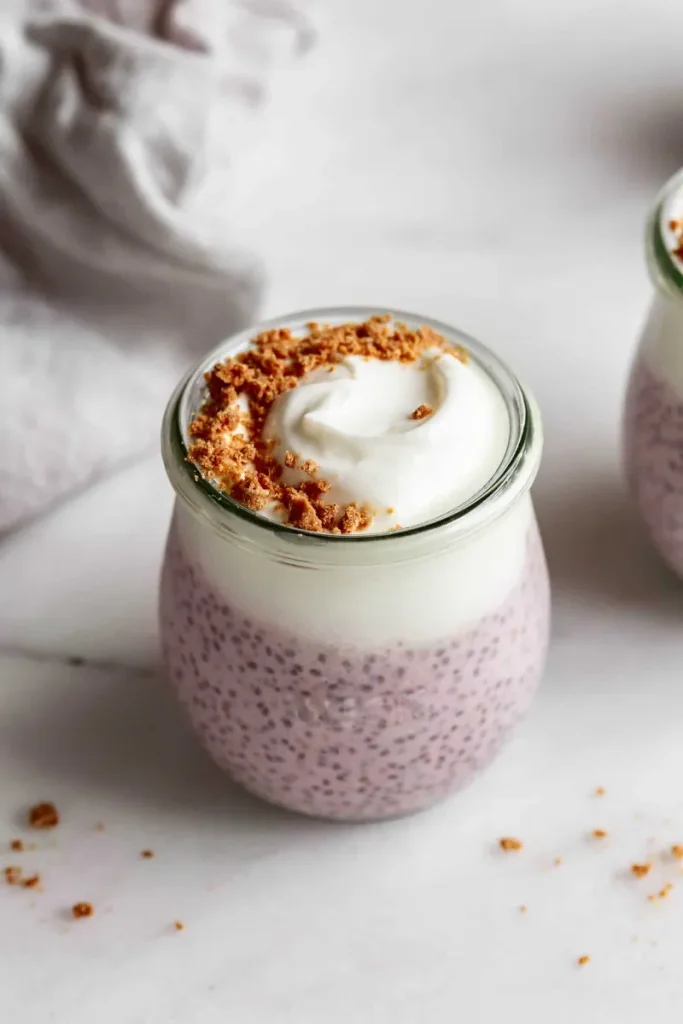
Chia seeds offer about 2 mg of iron per tablespoon along with omega-3 fatty acids, calcium, and fiber. Their anti-inflammatory properties help protect blood vessels and support the kind of circulation that keeps oxygen moving efficiently through your body.
They also absorb liquid and form a gel, which slows digestion and keeps blood sugar steady. Stable blood sugar means more consistent energy, which matters when you’re working to improve hemoglobin and fight fatigue.
Soak them overnight in almond milk for chia pudding, blend them into smoothies, or sprinkle them over oatmeal. They’re effortless to use and add up quickly in terms of nutritional value.
34. Beets
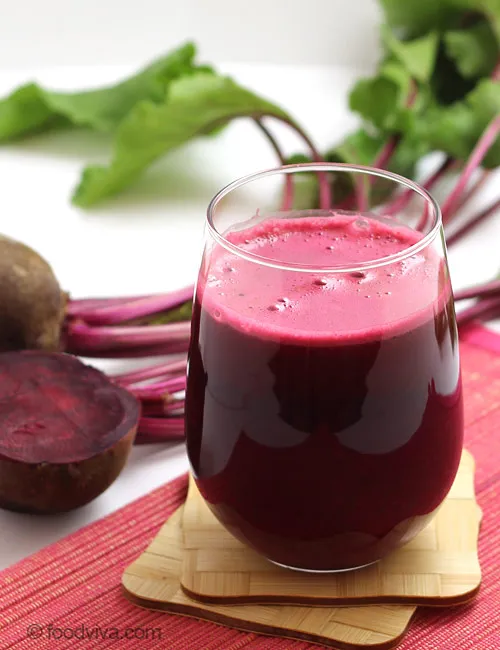
Beets contain a unique compound called betalain along with iron, folate, and nitrates that improve blood flow by dilating blood vessels. Research has shown that beetroot juice can significantly improve oxygen delivery to muscles during exercise.
The folate in beets supports red blood cell production directly, and the nitrates increase the efficiency of how those cells carry and deliver oxygen. It’s a comprehensive blood health package in one vibrant vegetable.
Roast them and toss with goat cheese, juice them with apple and ginger, or blend them into a smoothie. Their natural sweetness makes them one of the most enjoyable vegetables to work into your routine.
Final Thoughts
Your hemoglobin levels are not fixed. The foods you eat every single day have a real, measurable impact on how much energy you have, how clearly you think, and how good you feel overall.
You don’t need to overhaul your entire diet overnight. Start by adding two or three of these foods this week and build from there. Small, consistent changes are what actually stick, and your body will notice the difference sooner than you think.
