
22 Game-Changing Melatonin Rich Foods That Will Transform Your Health

You already know sleep is important. But did you know what you eat could be quietly sabotaging it or supercharging it?

Melatonin is the hormone your body makes to signal that it’s time to rest. And these 22 foods are loaded with it naturally. Read on to find out which ones deserve a spot on your plate tonight.
1. Tart Cherries

Tart cherries are basically nature’s sleep supplement. They’re one of the richest natural food sources of melatonin on the planet, and scientists have actually studied them specifically for this reason.
A 2012 study published in the European Journal of Nutrition found that drinking tart cherry juice increased melatonin levels significantly and improved both sleep duration and quality. That’s pretty powerful for something you can pick up at any grocery store.
You can drink tart cherry juice about an hour before bed, snack on dried tart cherries, or blend them into a smoothie. Just make sure you’re grabbing tart (Montmorency) cherries, not the sweet variety, because the melatonin content is much higher.
2. Walnuts
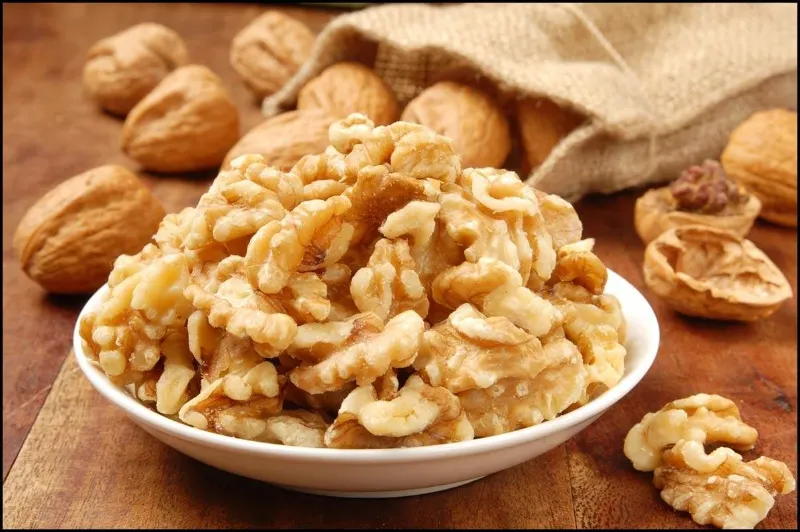
Walnuts are one of those foods that keep showing up on every healthy eating list, and for good reason. They contain melatonin along with omega-3 fatty acids and magnesium, all of which support better sleep.
Researchers at the University of Texas found melatonin in walnuts and noted that eating them can raise melatonin levels in the blood. Magnesium also plays a supporting role by calming the nervous system and helping your body relax before sleep.
A small handful of walnuts in the evening makes a satisfying snack that works with your body instead of against it. Try them on their own, tossed into oatmeal, or stirred into a little yogurt.
3. Pistachios
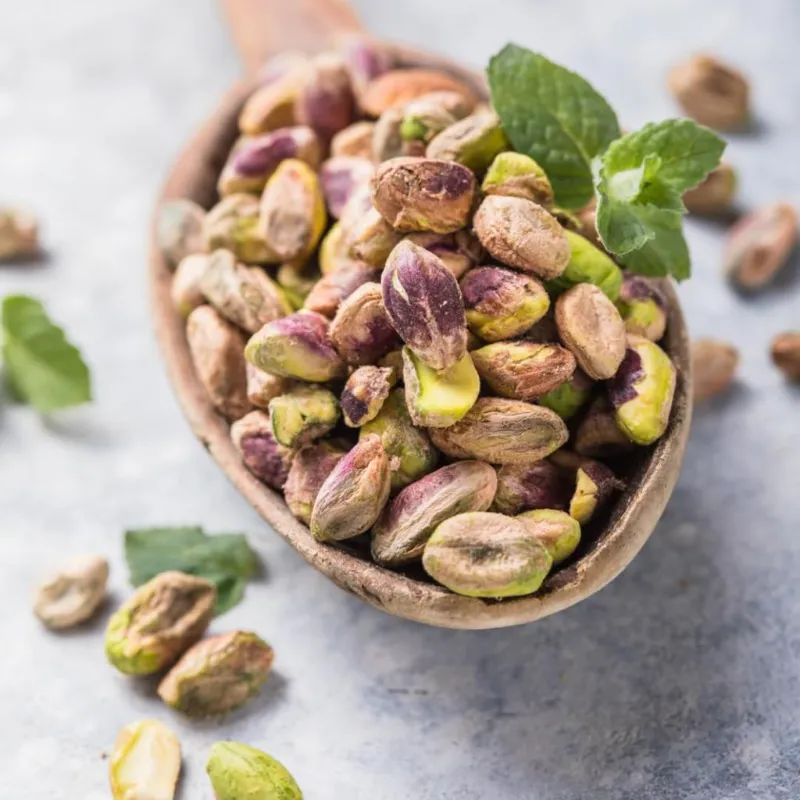
Pistachios might be the single most melatonin-dense nut out there. Gram for gram, they contain remarkably high amounts, far more than most other plant foods.
They also bring along vitamin B6, which helps your body convert tryptophan into serotonin and then into melatonin. So you’re essentially giving your sleep system a double boost with every handful.
About an ounce of pistachios in the evening is all you need. Stick to unsalted versions so you’re not adding unnecessary sodium right before bed. They’re great on their own or paired with a few dried fruits.
4. Almonds
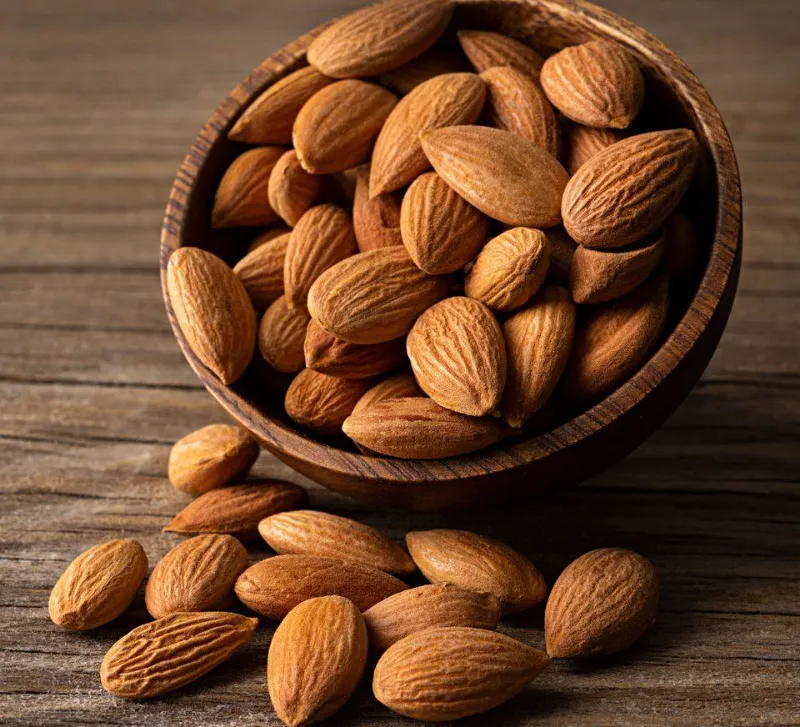
Almonds are a sleep-friendly powerhouse in their own right. Beyond melatonin, they’re packed with magnesium, a mineral that helps regulate sleep and has been shown to reduce symptoms of insomnia.
One ounce of almonds delivers around 19% of your daily magnesium needs. Low magnesium levels are directly linked to poor sleep quality, so keeping yours topped up matters more than most people realize.
Eat a small handful in the evening, spread some almond butter on a rice cake, or drop a few slices into your chamomile tea routine. Your nighttime routine just got a whole lot tastier.
5. Goji Berries
Goji berries have been used in traditional Chinese medicine for thousands of years, and their melatonin content is one reason they’re still earning respect today. These small red berries pack a meaningful amount of the sleep hormone per serving.
They’re also rich in antioxidants like zeaxanthin, which protect cells from oxidative stress. And since oxidative stress can disrupt sleep patterns, eating antioxidant-rich foods actually supports better rest indirectly too.
You can snack on dried goji berries, stir them into oatmeal, or steep them in hot water like a tea. They have a mildly sweet and slightly tangy flavor that most people end up loving.
6. Tomatoes

Here’s one you probably weren’t expecting. Tomatoes contain a solid amount of melatonin, especially when they’re ripe and fully developed. And since most Americans eat tomatoes in some form almost every day, this is great news.
Tomatoes are also rich in lycopene, a powerful antioxidant that has been linked to heart health and reduced inflammation. Inflammation in the body can interfere with your sleep cycles, so keeping it in check matters for rest too.
Add tomatoes to your dinner salads, pasta sauces, or sandwiches. The melatonin is present whether the tomatoes are raw or cooked, so there’s no complicated preparation required.
7. Bell Peppers
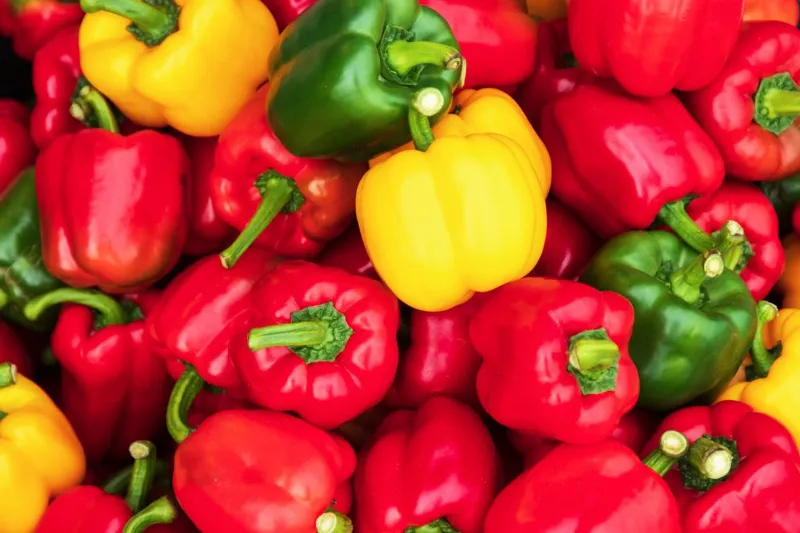
Bell peppers, especially the red ones, carry a respectable amount of melatonin alongside a huge dose of vitamin C. One medium red bell pepper actually contains more vitamin C than an orange, which helps support immune function while you sleep.
Sleep is when your body does a lot of its repair work, and vitamin C plays a role in that recovery process. Eating foods that support both melatonin production and overnight healing is a smart strategy.
Slice up some bell peppers and dip them in hummus as an evening snack, or toss them into a stir-fry at dinner. They’re crunchy, colorful, and a lot more useful than most people give them credit for.
8. Mushrooms
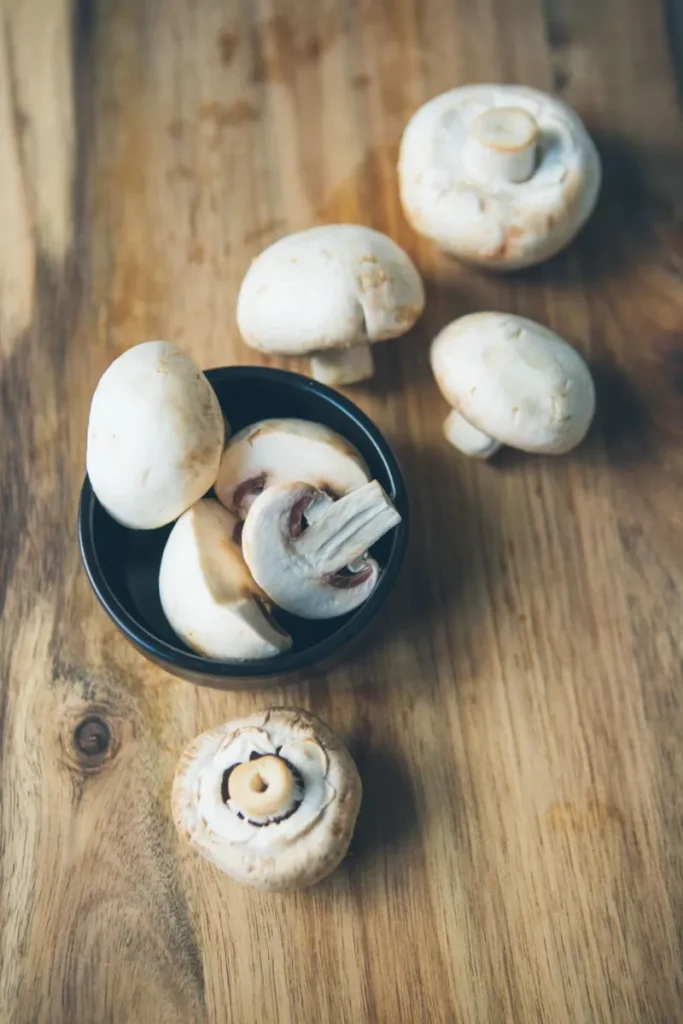
Mushrooms are genuinely fascinating from a nutrition standpoint, and their melatonin content is part of what makes them special. Certain varieties like white button, cremini, and portobello mushrooms all contain measurable amounts of the sleep hormone.
They’re also one of the only non-animal food sources of vitamin D, particularly when they’ve been exposed to sunlight or UV light. Vitamin D deficiency is associated with disrupted sleep, so mushrooms pull double duty here.
Sauté mushrooms with garlic and olive oil as a side dish at dinner, or add them to soups and omelets. They’re mild enough to pair with almost anything, making them an easy addition to your evening meals.
9. Corn
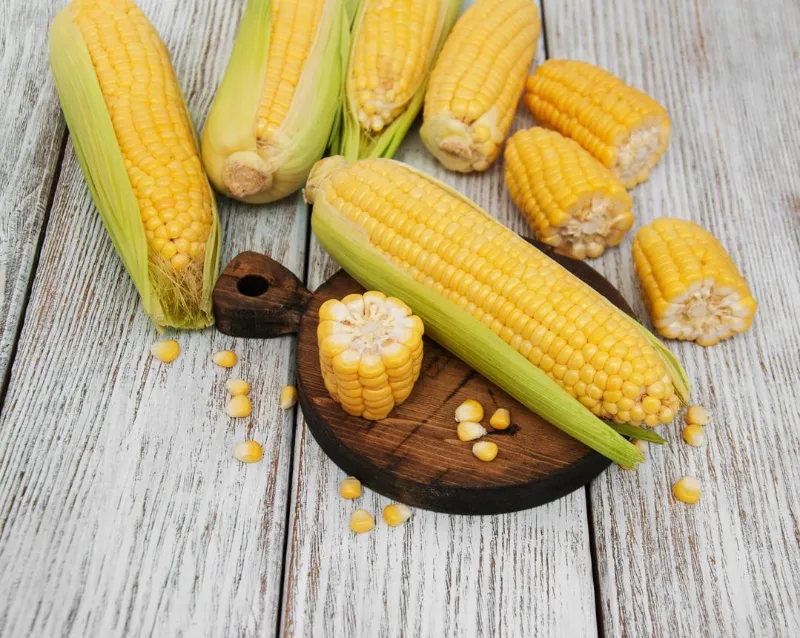
Sweet corn is another surprising entry on this list. Studies have shown that corn contains a meaningful concentration of melatonin, particularly in the kernels themselves.
Corn is also a source of tryptophan, the amino acid your body uses as a precursor to both serotonin and melatonin. So you’re getting the hormone itself plus the building block your body needs to make more of it.
Fresh corn on the cob, frozen corn in a stir-fry, or popcorn in the evening all count. Just skip the heavy butter and salt if you’re eating it close to bedtime and keep the portion reasonable.
10. Rice
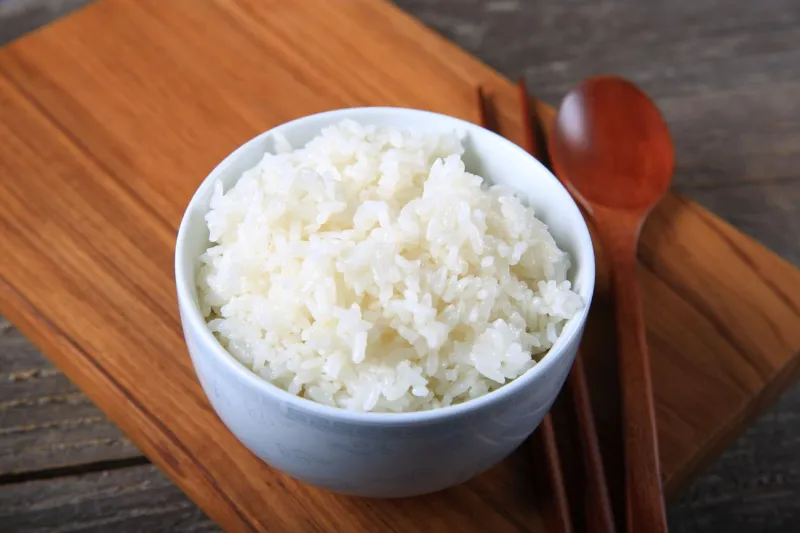
White rice might surprise you here, but it’s actually been studied for its melatonin content. Japanese research has identified melatonin in rice, and some varieties contain more than others depending on how they’re grown and processed.
Rice is also high on the glycemic index, which means it triggers a modest insulin response that can help shuttle tryptophan into the brain. This is part of why a bowl of rice in the evening can feel genuinely calming.
Pair rice with some protein and vegetables at dinner and you’ve got a solid sleep-supporting meal. Jasmine rice has specifically been studied for its potential to improve sleep latency, meaning the time it takes to fall asleep.
11. Oats
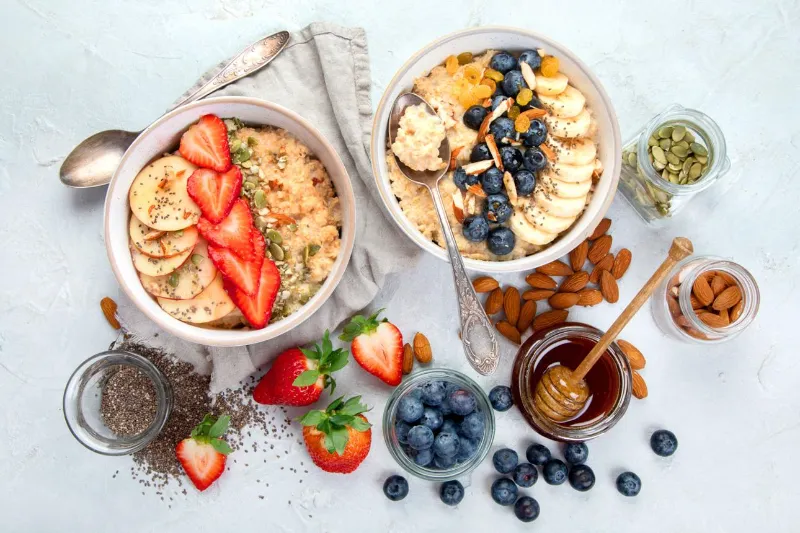
Oats are a fantastic source of melatonin and one of the most comforting foods you can eat in the evening. They also contain complex carbohydrates that help your body produce more serotonin, which is the mood hormone that eventually converts to melatonin.
Beta-glucan, the soluble fiber found in oats, helps stabilize blood sugar overnight. Stable blood sugar while you sleep means fewer disruptions and a smoother trip through the deeper stages of rest.
A warm bowl of oatmeal in the evening is genuinely one of the simplest things you can do for better sleep. Add a few walnuts and some tart cherry juice and you’ve basically created a sleep-support dream bowl.
12. Barley

Barley is one of the oldest cultivated grains in human history, and it turns out it’s also a reliable source of melatonin. Research has found melatonin in barley grass especially, with notable concentrations that can support your body’s evening rhythms.
Barley is also loaded with fiber and has a low glycemic index, meaning it digests slowly and keeps your blood sugar stable through the night. That steady energy release supports uninterrupted, quality sleep.
You can find barley in soups, grain bowls, and stews. Barley grass powder is also widely available and can be mixed into smoothies or warm drinks if you want a concentrated source.
13. Strawberries
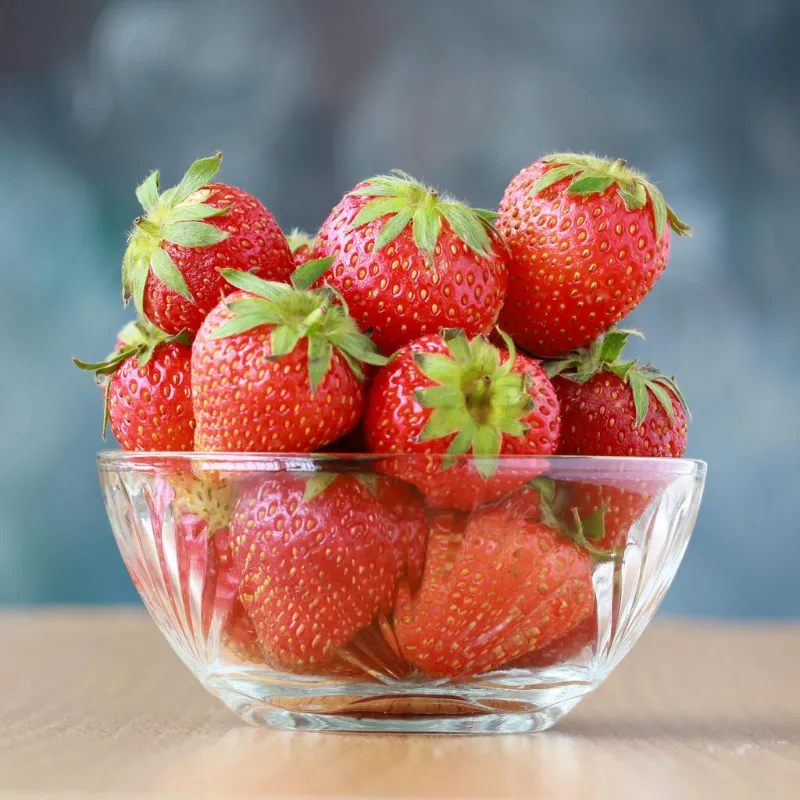
Strawberries are sweet, easy to eat, and naturally contain melatonin. They also bring a powerful antioxidant punch with vitamin C, anthocyanins, and ellagic acid, all of which reduce inflammation that can disrupt sleep quality.
Their natural sweetness makes them a satisfying evening treat that doesn’t feel like a compromise. And because they’re low in calories and high in water content, they’re gentle on your digestive system before bed.
Eat a bowl of fresh strawberries as a dessert, blend them into a smoothie, or layer them with a little plain Greek yogurt for a snack that hits all the right notes. Simple and genuinely effective.
14. Grapes
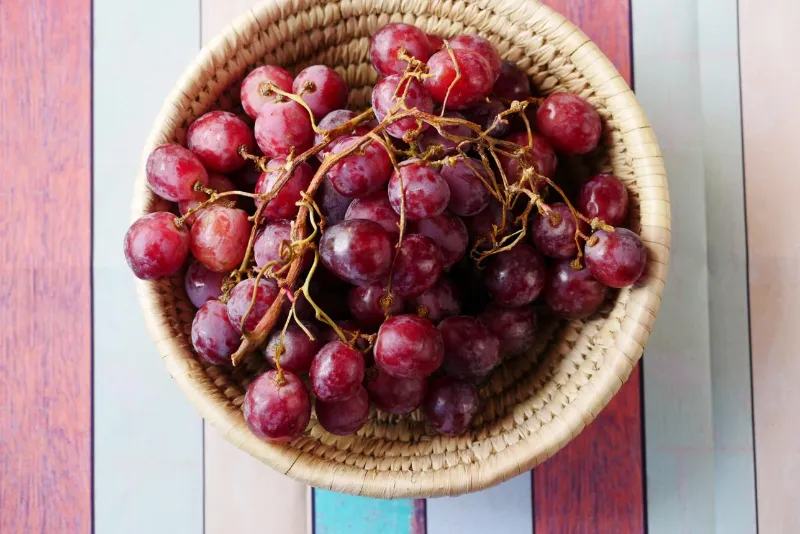
Grapes, especially red and purple varieties, are one of the most well-known food sources of melatonin. The skin of the grape contains the highest concentrations, which is why red grape juice has also been studied (though obviously the alcohol cancels out most sleep benefits).
Grapes also contain resveratrol, a polyphenol that has anti-inflammatory and antioxidant properties. Some research suggests resveratrol may interact with melatonin receptors in the brain, amplifying the hormone’s effects.
A small cluster of grapes in the evening is one of the easiest melatonin boosts you can get. Go for red, purple, or black varieties for the highest content and eat them with the skin on for maximum benefit.
15. Pomegranate
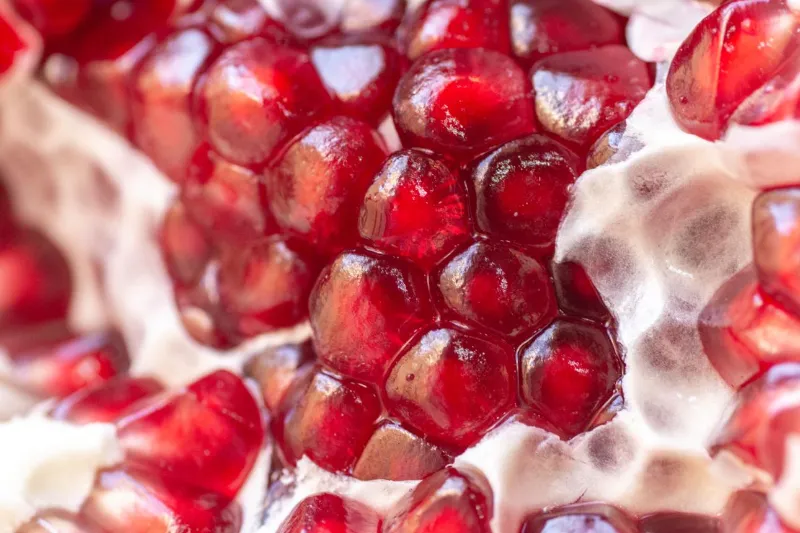
Pomegranate is rich in melatonin and antioxidants, making it one of the more powerful options on this list. The seeds (arils) carry both melatonin and punicalagins, which are unique antioxidants that have been shown to reduce inflammation in the body.
Chronic inflammation is one of the biggest hidden disruptors of sleep quality. Eating anti-inflammatory foods regularly can make a noticeable difference in how deeply and consistently you sleep over time.
Sprinkle pomegranate seeds over a salad at dinner, stir them into yogurt, or sip a small glass of 100% pomegranate juice in the evening. The flavor is bold and satisfying, and the benefits are real.
16. Pineapple

Pineapple is a tropical fruit that has been shown in studies to significantly raise melatonin levels in the body. A study found that eating pineapple increased melatonin markers by over 266%, which is a striking number for a food most people just eat at cookouts.
Pineapple also contains bromelain, an enzyme with anti-inflammatory properties that supports digestion and recovery. Since digestive discomfort is a common sleep disruptor, keeping your gut happy is another indirect path to better rest.
Enjoy a few slices of fresh pineapple in the early evening, blend it into a smoothie, or mix it with some coconut yogurt for a tropical dessert that works with your sleep cycle.
17. Bananas

Bananas are one of the most sleep-friendly foods you can find in any kitchen. They contain melatonin, tryptophan, vitamin B6, and magnesium, basically a full team of sleep-supporting nutrients in one portable package.
Vitamin B6 is especially important because it acts as a cofactor in the conversion of tryptophan to serotonin and then to melatonin. Without enough B6, your body can’t efficiently produce the melatonin it needs.
Eat a banana about an hour before bed, blend one into a warm smoothie, or slice it over some oatmeal for an evening snack that’s both filling and functional. It’s one of the easiest wins on this entire list.
18. Milk
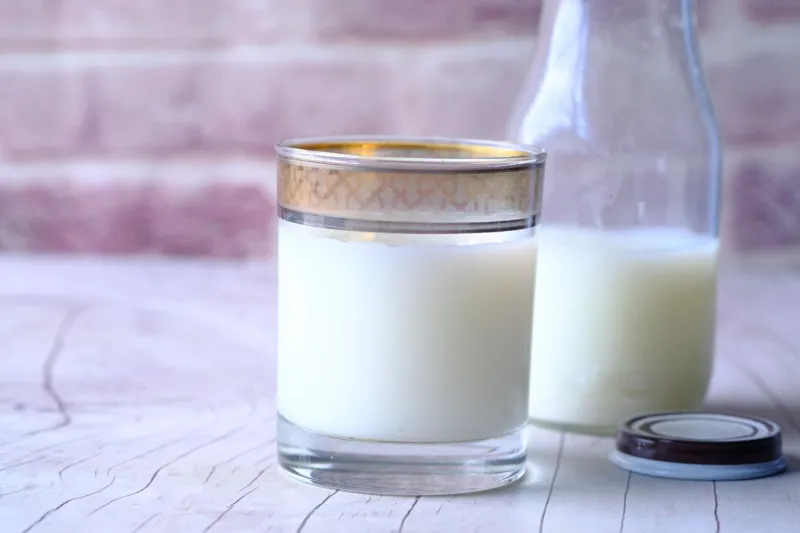
There’s real science behind the old warm milk before bed tradition. Milk contains tryptophan, melatonin, and calcium, all of which help support your body’s sleep pathways.
Calcium helps the brain use tryptophan to produce melatonin more effectively. So the combination of melatonin and calcium in milk creates a genuine synergy that your body appreciates at night.
Warm your milk gently (don’t boil it) and sip it about 30 to 60 minutes before bed. Add a pinch of cinnamon or a drop of vanilla extract to make it feel like a real treat rather than a remedy.
19. Eggs

Eggs are a surprisingly good source of melatonin, and they’re also one of the most nutrient-complete foods available. They provide melatonin alongside tryptophan, vitamin D, and B vitamins, covering several sleep-related nutritional bases at once.
Research has consistently linked vitamin D deficiency with poor sleep quality and reduced sleep duration. Since egg yolks are one of the few dietary sources of vitamin D, eating eggs regularly helps maintain the levels your sleep needs.
A couple of scrambled eggs at dinner or a small frittata makes a protein-rich evening meal that supports sleep without sitting heavy. Keep your seasoning light in the evening and you’re good.
20. Salmon

Fatty fish like salmon combine three major sleep nutrients in one serving: melatonin, omega-3 fatty acids, and vitamin D. That’s a rare trifecta that few foods can match.
Omega-3s, particularly EPA and DHA, have been linked in research to improved sleep quality, longer sleep duration, and fewer nighttime awakenings. A study in the Journal of Clinical Sleep Medicine found that eating fatty fish three times a week significantly improved sleep outcomes.
Bake or grill a salmon fillet for dinner and you’re giving your body everything it needs to wind down well. Pair it with some rice and a vegetable side and you’ve essentially built the perfect sleep-supporting dinner plate.
21. Flaxseeds
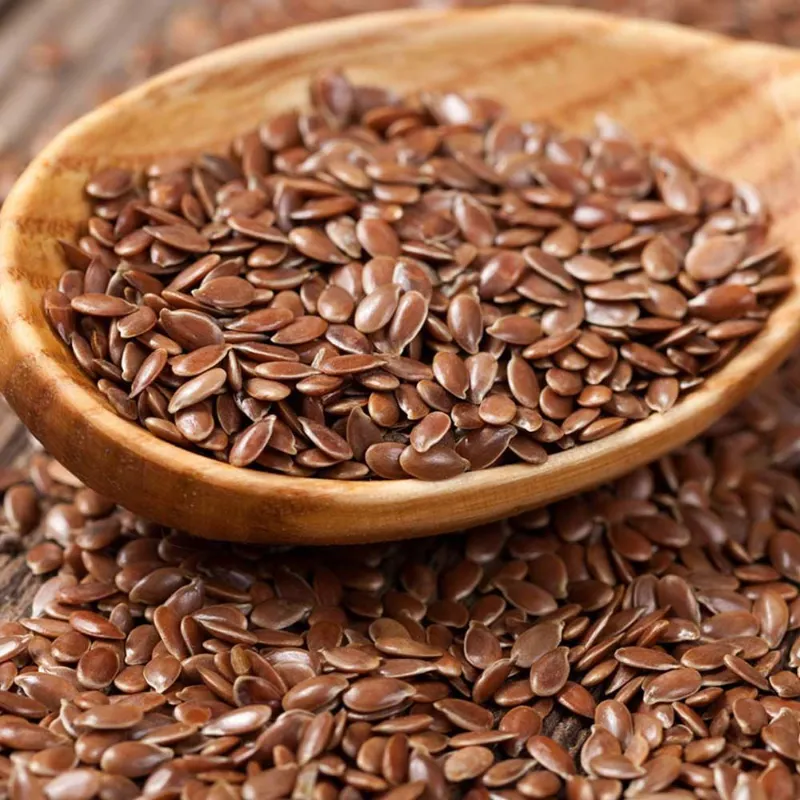
Flaxseeds are tiny but mighty when it comes to melatonin content. They also deliver a significant dose of omega-3 fatty acids (specifically ALA) and magnesium, rounding out their sleep-supportive profile nicely.
Flaxseeds contain lignans, plant compounds that have hormone-balancing properties. Hormonal balance plays a direct role in how well your body regulates its melatonin production cycle over time.
Ground flaxseeds are easier for your body to absorb than whole ones, so grind them fresh or buy pre-ground. Add a tablespoon to your oatmeal, smoothie, or yogurt in the evening for a quiet but effective boost.
22. Sunflower Seeds
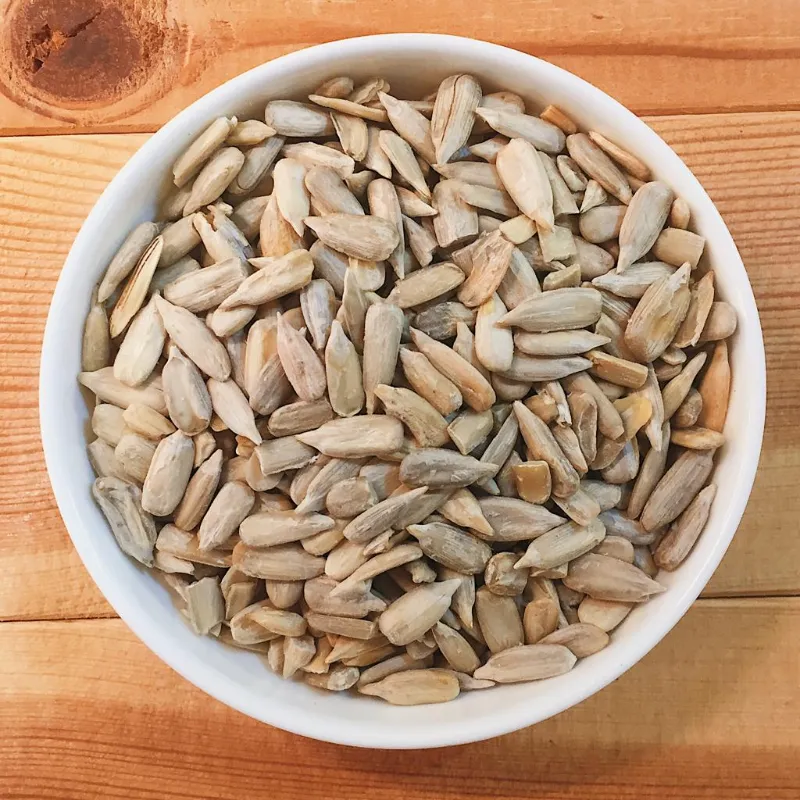
Sunflower seeds round out this list with a solid melatonin content and a nutritional profile that supports sleep from multiple angles. They’re rich in tryptophan, magnesium, and B vitamins, giving your body the raw materials it needs to produce melatonin on its own.
Tryptophan from sunflower seeds gets converted into serotonin during the day and into melatonin as the light fades. Eating them in the late afternoon or early evening fits perfectly into that natural production window.
A small handful of unsalted sunflower seeds makes a great late-afternoon or early-evening snack. You can also sprinkle them on salads, stir them into trail mix, or blend them into homemade seed butter for a more creative option.
Final Thoughts
Better sleep might be closer than you think, and it could start right in your kitchen. You don’t need supplements or complicated routines. Adding even a handful of these foods to your evenings is a gentle, natural way to work with your body’s rhythms.
Start small, stay consistent, and pay attention to how you feel. Your best night’s sleep could be just one grocery trip away.
